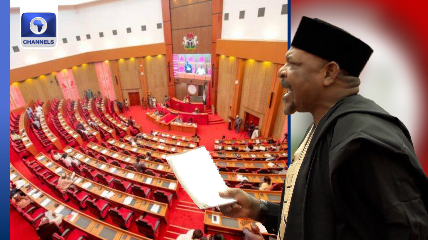
• The Senate has announced plans to hold an executive briefing over the December 25 United States air strikes on suspected terrorist targets in Sokoto State, following concerns about the National Assembly’s alleged exclusion.

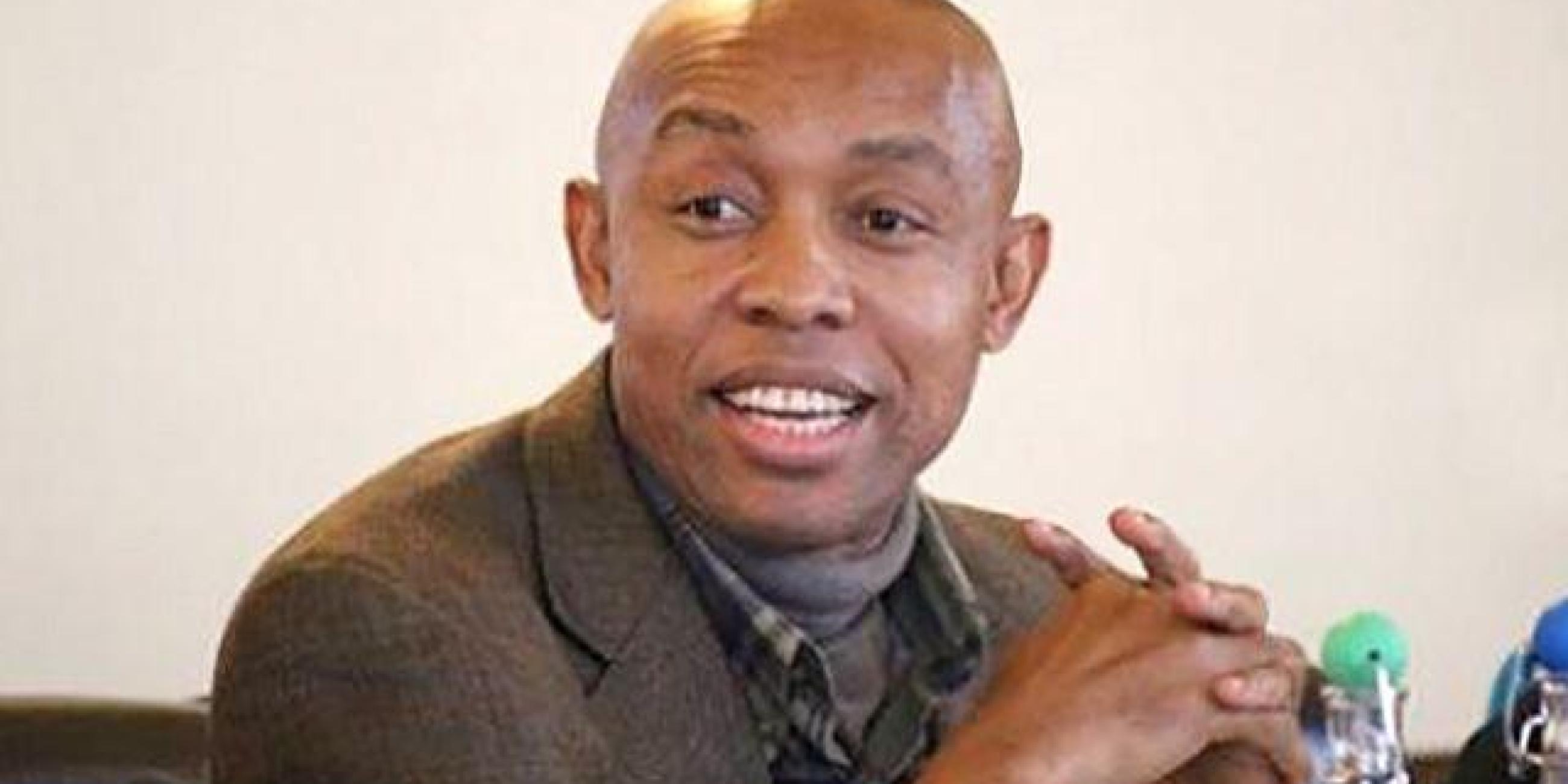
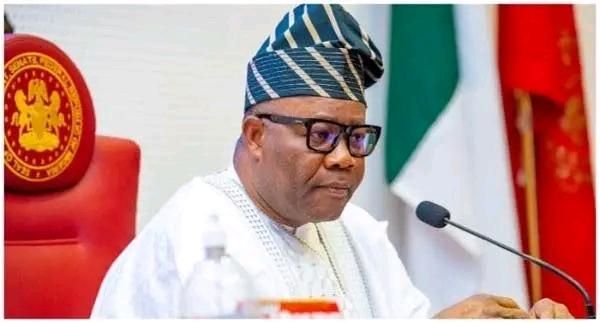
    Senator Abdul Ningi questioned the operation, arguing that the strikes amounted to a violation of Nigeria’s territorial integrity and should not have been carried out without legislative oversight or prior engagement with the National Assembly.

    The issue has sparked debate within the Senate, with lawmakers seeking clarity on the circumstances surrounding the operation and the level of involvement of Nigerian authorities.

    #Nigeria #NationalAssembly #USAirstrikes #Security
    The Senate has announced plans to hold an executive briefing over the December 25 United States air strikes on suspected terrorist targets in Sokoto State, following concerns about the National Assembly’s alleged exclusion. Senator Abdul Ningi questioned the operation, arguing that the strikes amounted to a violation of Nigeria’s territorial integrity and should not have been carried out without legislative oversight or prior engagement with the National Assembly. The issue has sparked debate within the Senate, with lawmakers seeking clarity on the circumstances surrounding the operation and the level of involvement of Nigerian authorities. #Nigeria #NationalAssembly #USAirstrikes #Security
    love
    1
    · 0 Comentários ·0 Compartilhamentos ·3K Visualizações
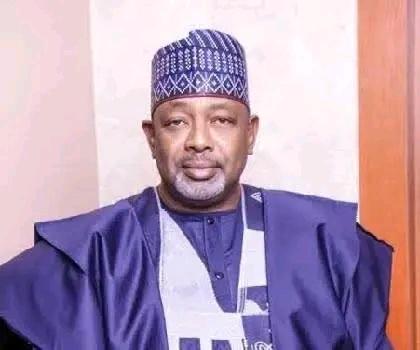
  • Atiku Blames Senate Over Electoral Act Amendments, Warns 2027 Polls At Risk

    Former Vice President Atiku Abubakar has criticized the Senate for allegedly frustrating attempts to amend the Electoral Act 2022. He warned that continued delays in the amendment process could jeopardize the credibility of the 2027 general elections in Nigeria.

    The Electoral Act 2022, signed into law in February 2022, currently regulates the conduct of elections across the country.

    #AtikuAbubakar #ElectoralAct2022 #NigeriaElections #2027Polls
    Atiku Blames Senate Over Electoral Act Amendments, Warns 2027 Polls At Risk Former Vice President Atiku Abubakar has criticized the Senate for allegedly frustrating attempts to amend the Electoral Act 2022. He warned that continued delays in the amendment process could jeopardize the credibility of the 2027 general elections in Nigeria. The Electoral Act 2022, signed into law in February 2022, currently regulates the conduct of elections across the country. #AtikuAbubakar #ElectoralAct2022 #NigeriaElections #2027Polls
    love
    1
    · 0 Comentários ·0 Compartilhamentos ·2K Visualizações
  • Akpabio, Governors Pay Last Respects as Late Senator Godiya Akwashiki Is Laid to Rest

    Touching scenes marked the final farewell for Senator Godiya Akwashiki, who passed away in the final hour of 2025. Dignitaries, including Senate President Godswill Akpabio, state governors, and other prominent figures, were present to honour the late lawmaker at the burial ceremony. The solemn gathering reflected the impact of Akwashiki’s life and service, as tributes poured in from across the country.

    Photo Credit: X/@SenTanko

    #GodiyaAkwashiki #NigeriaPolitics #Akpabio #Tribute
    Akpabio, Governors Pay Last Respects as Late Senator Godiya Akwashiki Is Laid to Rest Touching scenes marked the final farewell for Senator Godiya Akwashiki, who passed away in the final hour of 2025. Dignitaries, including Senate President Godswill Akpabio, state governors, and other prominent figures, were present to honour the late lawmaker at the burial ceremony. The solemn gathering reflected the impact of Akwashiki’s life and service, as tributes poured in from across the country. Photo Credit: X/@SenTanko #GodiyaAkwashiki #NigeriaPolitics #Akpabio #Tribute
    love
    1
    · 0 Comentários ·0 Compartilhamentos ·2K Visualizações
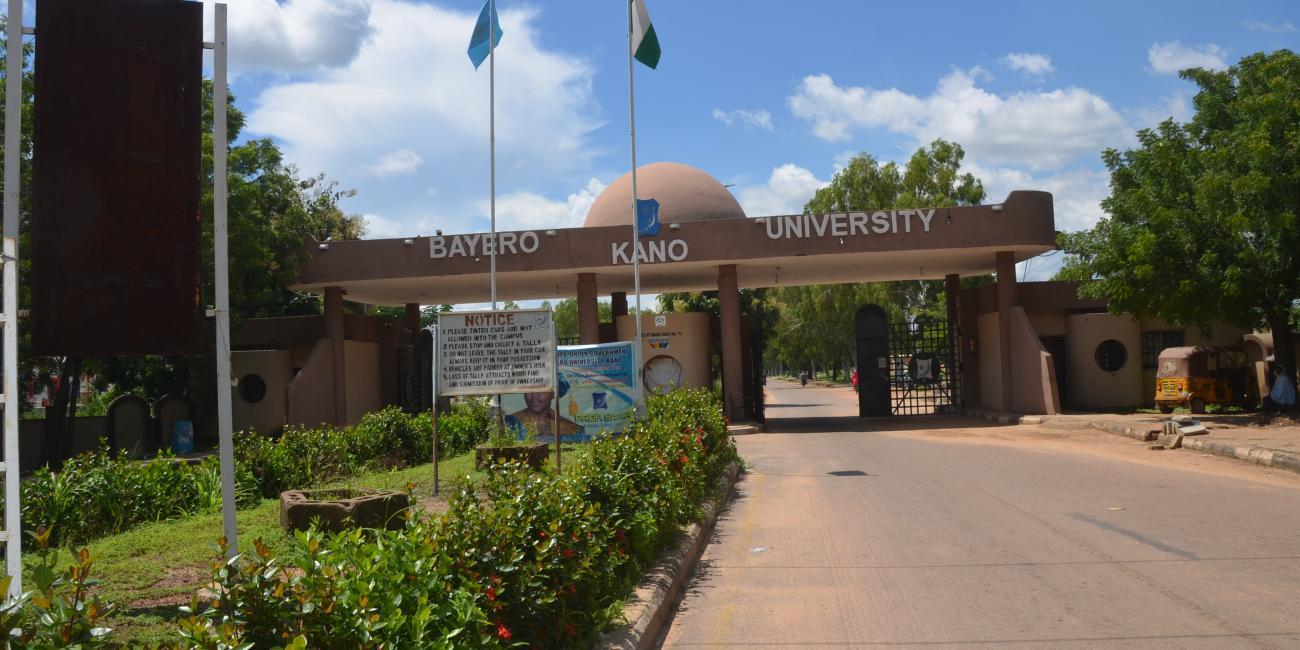
  • Bayero University Kano Expels 60 Students Over Examination Malpractice, Misconduct

    At least 60 students of Bayero University, Kano (BUK), have been expelled for examination malpractice and other acts of misconduct. The decision was reached during the institution’s 43rd statutory Senate meeting, following a detailed review of reports and recommendations from relevant academic and disciplinary committees. The university said each case was carefully examined before the Senate approved the expulsions in line with existing regulations.

    #BUK #EducationNews #NigeriaEducation #ExamMalpractice
    Bayero University Kano Expels 60 Students Over Examination Malpractice, Misconduct At least 60 students of Bayero University, Kano (BUK), have been expelled for examination malpractice and other acts of misconduct. The decision was reached during the institution’s 43rd statutory Senate meeting, following a detailed review of reports and recommendations from relevant academic and disciplinary committees. The university said each case was carefully examined before the Senate approved the expulsions in line with existing regulations. #BUK #EducationNews #NigeriaEducation #ExamMalpractice
    love
    1
    · 0 Comentários ·0 Compartilhamentos ·2K Visualizações

  • Yusuf’s APC Defection Hits Deadlock Over 2027 Ticket Demands

    Kano State politics is at a crossroads as negotiations over Governor Abba Kabir Yusuf’s rumored defection from the NNPP to the APC hit a deadlock. Yusuf is demanding a written guarantee of the APC’s 2027 governorship ticket, influence over federal appointments, and control of Kano’s political machinery. The APC leadership has rejected these conditions, insisting on internal democracy and no automatic tickets. Power struggles involving APC National Chairman Abdullahi Ganduje, Deputy Senate President Barau Jibrin, and the Presidency have further complicated talks. With 2027 approaching, Yusuf faces a risky choice between staying with NNPP or joining APC without firm assurances.
    Yusuf’s APC Defection Hits Deadlock Over 2027 Ticket Demands Kano State politics is at a crossroads as negotiations over Governor Abba Kabir Yusuf’s rumored defection from the NNPP to the APC hit a deadlock. Yusuf is demanding a written guarantee of the APC’s 2027 governorship ticket, influence over federal appointments, and control of Kano’s political machinery. The APC leadership has rejected these conditions, insisting on internal democracy and no automatic tickets. Power struggles involving APC National Chairman Abdullahi Ganduje, Deputy Senate President Barau Jibrin, and the Presidency have further complicated talks. With 2027 approaching, Yusuf faces a risky choice between staying with NNPP or joining APC without firm assurances.
    love
    1
    · 0 Comentários ·0 Compartilhamentos ·3K Visualizações
  • Tinubu Hails Abubakar Kyari on Birthday, Praises Food Reforms

    President Bola Tinubu has congratulated Agriculture and Food Security Minister, Senator Abubakar Kyari, on his birthday, praising his leadership and reforms in Nigeria’s agriculture sector. Tinubu described Kyari as a seasoned statesman with years of service in the House of Representatives, Senate and APC leadership. He commended his push for mechanisation, stronger value chains and youth participation in farming. According to the president, these efforts have helped stabilise food prices, curb inflation and make agriculture more profitable. Tinubu prayed for Kyari’s strength to achieve food sufficiency.

    #Tinubu #AbubakarKyari #FoodSecurity
    Tinubu Hails Abubakar Kyari on Birthday, Praises Food Reforms President Bola Tinubu has congratulated Agriculture and Food Security Minister, Senator Abubakar Kyari, on his birthday, praising his leadership and reforms in Nigeria’s agriculture sector. Tinubu described Kyari as a seasoned statesman with years of service in the House of Representatives, Senate and APC leadership. He commended his push for mechanisation, stronger value chains and youth participation in farming. According to the president, these efforts have helped stabilise food prices, curb inflation and make agriculture more profitable. Tinubu prayed for Kyari’s strength to achieve food sufficiency. #Tinubu #AbubakarKyari #FoodSecurity
    like
    1
    · 0 Comentários ·0 Compartilhamentos ·2K Visualizações
  • Sen. Hawley: “Can men get pregnant?”
    Dr. Nisha Verma: “I’m not really sure what the goal of the question is.”
    Sen. Hawley: “The goal is just to establish a biological reality… Can men get pregnant?”

    American ideological divide in action

    #CanMenGetPregnant #PoliticalDebate #USPolitics #Biology101 #IdeologicalDivide #FunnyButTrue #SenateMoments #CultureWar
    Sen. Hawley: “Can men get pregnant?” Dr. Nisha Verma: “I’m not really sure what the goal of the question is.” Sen. Hawley: “The goal is just to establish a biological reality… Can men get pregnant?” American ideological divide in action 😂😂 #CanMenGetPregnant #PoliticalDebate #USPolitics #Biology101 #IdeologicalDivide #FunnyButTrue #SenateMoments #CultureWar
    love
    1
    · 0 Comentários ·0 Compartilhamentos ·2K Visualizações ·23 Plays
  • Nigeria Approves $9m US Lobbying Deal To Ease Tensions With Trump Administration Over Christian Killings, Insecurity, and Travel Restrictions

    The administration of President Bola Tinubu has approved a controversial $9 million lobbying contract with Washington-based DCI Group to persuade the Trump administration and key U.S. lawmakers that Nigeria is taking concrete action against insecurity, including the killings of Christians in northern Nigeria. U.S. Justice Department filings show an initial $4.5 million payment was made in December 2025, with another $4.5 million due by July 2026. The deal follows Trump’s redesignation of Nigeria as a “country of particular concern,” a partial U.S. travel ban, and a U.S. military airstrike in Sokoto targeting insurgent hideouts. The lobbying effort, facilitated by National Security Adviser Nuhu Ribadu through Aster Legal, aims to maintain U.S. support against jihadist groups and improve strained diplomatic relations. Additional outreach included a letter from Senate President Godswill Akpabio inviting U.S. lawmakers to visit Abuja. Analysts say the contract signals urgency by Tinubu’s government to reset ties with Washington.
    Nigeria Approves $9m US Lobbying Deal To Ease Tensions With Trump Administration Over Christian Killings, Insecurity, and Travel Restrictions The administration of President Bola Tinubu has approved a controversial $9 million lobbying contract with Washington-based DCI Group to persuade the Trump administration and key U.S. lawmakers that Nigeria is taking concrete action against insecurity, including the killings of Christians in northern Nigeria. U.S. Justice Department filings show an initial $4.5 million payment was made in December 2025, with another $4.5 million due by July 2026. The deal follows Trump’s redesignation of Nigeria as a “country of particular concern,” a partial U.S. travel ban, and a U.S. military airstrike in Sokoto targeting insurgent hideouts. The lobbying effort, facilitated by National Security Adviser Nuhu Ribadu through Aster Legal, aims to maintain U.S. support against jihadist groups and improve strained diplomatic relations. Additional outreach included a letter from Senate President Godswill Akpabio inviting U.S. lawmakers to visit Abuja. Analysts say the contract signals urgency by Tinubu’s government to reset ties with Washington.
    love
    1
    · 0 Comentários ·0 Compartilhamentos ·2K Visualizações
  • Is Congress Trying to Stop Trump’s War in Venezuela? Inside the US Senate Vote to Restrict Military Action

    The United States Senate has passed a War Powers resolution by a narrow 52–48 vote, seeking to restrict President Donald Trump’s military action in Venezuela and reassert Congress’s constitutional authority over the use of force abroad. The resolution reflects rising unease among lawmakers about the scope of presidential war powers and the legality of recent U.S. operations targeting the Venezuelan government.

    The move follows a dramatic escalation in U.S.–Venezuela relations, including reports that the Trump administration carried out an operation that abducted Venezuelan President Nicolás Maduro, an action said to have resulted in at least 100 deaths. The development triggered global reactions and reignited domestic debate over whether the president can deploy military force without explicit approval from Congress.

    Supporters of the resolution argue that it is designed to check executive overreach and prevent the United States from sliding into another open-ended foreign conflict. Senate Democratic Leader Chuck Schumer stated that the measure was intended to halt what he described as “military adventurism” and to restore Congress’s role as outlined in the U.S. Constitution. He criticized the administration’s foreign policy approach, warning that Americans do not want their resources—or lives—spent on wars without clear justification or accountability.

    Despite its passage in the Senate, the resolution now faces a major test in the House of Representatives, where approval is required before it can be sent to the president. Even if the House passes it, President Trump retains the power to veto the measure, meaning a two-thirds majority in both chambers would be necessary to override such a decision. Analysts note that while the resolution’s future is uncertain, its success in the Senate signals a renewed effort by lawmakers to challenge the expansion of presidential war-making authority.

    The vote highlights a broader constitutional question: Who truly controls America’s military actions abroad—the president or Congress? As tensions with Venezuela intensify and international scrutiny grows, the outcome of this legislative battle could shape not only U.S. policy toward Venezuela but also the balance of power between the executive and legislative branches.

    With political divisions deepening and global attention fixed on Washington, the coming House debate may determine whether Congress can effectively rein in the president’s authority—or whether Trump’s approach to Venezuela will continue unchecked.


    Is Congress Trying to Stop Trump’s War in Venezuela? Inside the US Senate Vote to Restrict Military Action The United States Senate has passed a War Powers resolution by a narrow 52–48 vote, seeking to restrict President Donald Trump’s military action in Venezuela and reassert Congress’s constitutional authority over the use of force abroad. The resolution reflects rising unease among lawmakers about the scope of presidential war powers and the legality of recent U.S. operations targeting the Venezuelan government. The move follows a dramatic escalation in U.S.–Venezuela relations, including reports that the Trump administration carried out an operation that abducted Venezuelan President Nicolás Maduro, an action said to have resulted in at least 100 deaths. The development triggered global reactions and reignited domestic debate over whether the president can deploy military force without explicit approval from Congress. Supporters of the resolution argue that it is designed to check executive overreach and prevent the United States from sliding into another open-ended foreign conflict. Senate Democratic Leader Chuck Schumer stated that the measure was intended to halt what he described as “military adventurism” and to restore Congress’s role as outlined in the U.S. Constitution. He criticized the administration’s foreign policy approach, warning that Americans do not want their resources—or lives—spent on wars without clear justification or accountability. Despite its passage in the Senate, the resolution now faces a major test in the House of Representatives, where approval is required before it can be sent to the president. Even if the House passes it, President Trump retains the power to veto the measure, meaning a two-thirds majority in both chambers would be necessary to override such a decision. Analysts note that while the resolution’s future is uncertain, its success in the Senate signals a renewed effort by lawmakers to challenge the expansion of presidential war-making authority. The vote highlights a broader constitutional question: Who truly controls America’s military actions abroad—the president or Congress? As tensions with Venezuela intensify and international scrutiny grows, the outcome of this legislative battle could shape not only U.S. policy toward Venezuela but also the balance of power between the executive and legislative branches. With political divisions deepening and global attention fixed on Washington, the coming House debate may determine whether Congress can effectively rein in the president’s authority—or whether Trump’s approach to Venezuela will continue unchecked.
    0 Comentários ·0 Compartilhamentos ·1K Visualizações
  • Chinese Hacking Group ‘Salt Typhoon’ Breaches U.S. House Committee Emails

    A Chinese-linked hacking group, nicknamed Salt Typhoon, has reportedly compromised email systems used by staff members of several U.S. House of Representatives committees, including the House China Committee and panels overseeing foreign affairs, intelligence, and the armed services. The breach, detected in December, targeted committee aides, though it remains unclear whether lawmakers’ emails were accessed.

    The cyberattack is part of ongoing allegations of espionage linked to Chinese intelligence, which has previously been accused of intercepting communications involving U.S. politicians and officials. In response, Beijing has denied involvement, while U.S. authorities have imposed sanctions on individuals and companies allegedly connected to Salt Typhoon’s operations.

    The Federal Bureau of Investigation has declined to comment, and the White House and the targeted committees have yet to issue official statements. Cybersecurity experts note that U.S. lawmakers and staffers have frequently been targeted for espionage, with prior incidents reported in the Senate and among senior officials.

    Salt Typhoon’s alleged operations highlight persistent vulnerabilities in U.S. government digital communications and underscore the ongoing geopolitical tensions between the United States and China.

    Chinese Hacking Group ‘Salt Typhoon’ Breaches U.S. House Committee Emails A Chinese-linked hacking group, nicknamed Salt Typhoon, has reportedly compromised email systems used by staff members of several U.S. House of Representatives committees, including the House China Committee and panels overseeing foreign affairs, intelligence, and the armed services. The breach, detected in December, targeted committee aides, though it remains unclear whether lawmakers’ emails were accessed. The cyberattack is part of ongoing allegations of espionage linked to Chinese intelligence, which has previously been accused of intercepting communications involving U.S. politicians and officials. In response, Beijing has denied involvement, while U.S. authorities have imposed sanctions on individuals and companies allegedly connected to Salt Typhoon’s operations. The Federal Bureau of Investigation has declined to comment, and the White House and the targeted committees have yet to issue official statements. Cybersecurity experts note that U.S. lawmakers and staffers have frequently been targeted for espionage, with prior incidents reported in the Senate and among senior officials. Salt Typhoon’s alleged operations highlight persistent vulnerabilities in U.S. government digital communications and underscore the ongoing geopolitical tensions between the United States and China.
    0 Comentários ·0 Compartilhamentos ·2K Visualizações
  • Are Nigeria’s New Tax Laws Unconstitutional? Why a Lawyer Is Suing the Federal Government Over Multiple Budgets, Fiscal Transparency, and the 2026 Tax Reforms

    Is Nigeria running its finances in violation of its own laws—and could the country’s new tax regime be declared unconstitutional? These are the questions now before the Federal High Court in Lagos following a landmark lawsuit filed by human rights lawyer, Mr. Tilewa Oyefeso.

    Oyefeso has dragged the Federal Government, the Senate President, the Speaker of the House of Representatives, the National Assembly, and the Attorney-General of the Federation to court, challenging what he describes as Nigeria’s “opaque and undisciplined fiscal regime.” At the heart of the case is the government’s practice of operating multiple federal budgets simultaneously and introducing new tax laws that he claims contradict both the Constitution and the Fiscal Responsibility Act (FRA) 2007.

    According to the suit, the Federal Government has extended capital components of the 2024 Appropriation Act into 2025 and 2026 while the 2025 budget is already in force—effectively running overlapping budgets. Oyefeso is asking the court to determine whether this practice complies with Nigeria’s Medium-Term Expenditure Framework (MTEF) and the unified annual budgeting system mandated by fiscal law.

    Why does this matter? The lawyer argues that overlapping budgets, supplementary appropriations, and extended capital projects undermine fiscal transparency, distort expenditure projections, and weaken the macroeconomic discipline the Fiscal Responsibility Act was designed to protect. He also accuses the government of failing to publish quarterly budget implementation reports within the legally required 30-day period—an omission he says makes it impossible for citizens to track public spending or hold authorities accountable.

    But the lawsuit goes beyond budgets. Oyefeso is also challenging four major tax laws scheduled to take effect from January 1, 2026: the Nigeria Tax Act 2025, the Nigeria Revenue Service (Establishment) Act 2025, the Joint Revenue Board of Nigeria (Establishment) Act 2025, and the Nigeria Tax Administration Act 2025.

    He contends that the new tax framework prioritises aggressive revenue generation without first ensuring compliance with constitutional limits on borrowing, deficit thresholds, fiscal accountability, and transparency. Citing Section 16 of the 1999 Constitution, which outlines Nigeria’s economic objectives, Oyefeso argues that fiscal and tax policies must promote social justice, equitable wealth distribution, macroeconomic stability, and the welfare of citizens—not merely expand government revenue.

    One of his key claims is that the reforms ignore the Fiscal Responsibility Act’s requirement that fiscal deficits should not exceed three per cent of GDP unless expressly approved by the National Assembly. By allegedly sidestepping these safeguards, he says, the new tax laws form part of a broader unconstitutional fiscal structure.

    Among the reliefs sought, Oyefeso is asking the court to declare the four tax laws unconstitutional, null, and void. He also wants an order of mandamus compelling the National Assembly to amend the Fiscal Responsibility Act to strengthen transparency, fiscal discipline, and prudent resource management. In addition, he seeks a perpetual injunction to halt the implementation of the new tax laws pending such amendments.

    What could this mean for Nigeria’s economy and governance? If the court upholds his arguments, the ruling could upend Nigeria’s 2026 tax framework, force reforms to budgetary practices, and redefine how fiscal responsibility is enforced under the Constitution.

    For now, the defendants have 30 days to respond, and the case is yet to be assigned to a judge. But the questions raised are already resonating nationwide: Is Nigeria violating its own fiscal laws? Are the new tax reforms legally sound? And will the courts finally impose transparency on how public funds are budgeted, spent, and taxed?
    Are Nigeria’s New Tax Laws Unconstitutional? Why a Lawyer Is Suing the Federal Government Over Multiple Budgets, Fiscal Transparency, and the 2026 Tax Reforms Is Nigeria running its finances in violation of its own laws—and could the country’s new tax regime be declared unconstitutional? These are the questions now before the Federal High Court in Lagos following a landmark lawsuit filed by human rights lawyer, Mr. Tilewa Oyefeso. Oyefeso has dragged the Federal Government, the Senate President, the Speaker of the House of Representatives, the National Assembly, and the Attorney-General of the Federation to court, challenging what he describes as Nigeria’s “opaque and undisciplined fiscal regime.” At the heart of the case is the government’s practice of operating multiple federal budgets simultaneously and introducing new tax laws that he claims contradict both the Constitution and the Fiscal Responsibility Act (FRA) 2007. According to the suit, the Federal Government has extended capital components of the 2024 Appropriation Act into 2025 and 2026 while the 2025 budget is already in force—effectively running overlapping budgets. Oyefeso is asking the court to determine whether this practice complies with Nigeria’s Medium-Term Expenditure Framework (MTEF) and the unified annual budgeting system mandated by fiscal law. Why does this matter? The lawyer argues that overlapping budgets, supplementary appropriations, and extended capital projects undermine fiscal transparency, distort expenditure projections, and weaken the macroeconomic discipline the Fiscal Responsibility Act was designed to protect. He also accuses the government of failing to publish quarterly budget implementation reports within the legally required 30-day period—an omission he says makes it impossible for citizens to track public spending or hold authorities accountable. But the lawsuit goes beyond budgets. Oyefeso is also challenging four major tax laws scheduled to take effect from January 1, 2026: the Nigeria Tax Act 2025, the Nigeria Revenue Service (Establishment) Act 2025, the Joint Revenue Board of Nigeria (Establishment) Act 2025, and the Nigeria Tax Administration Act 2025. He contends that the new tax framework prioritises aggressive revenue generation without first ensuring compliance with constitutional limits on borrowing, deficit thresholds, fiscal accountability, and transparency. Citing Section 16 of the 1999 Constitution, which outlines Nigeria’s economic objectives, Oyefeso argues that fiscal and tax policies must promote social justice, equitable wealth distribution, macroeconomic stability, and the welfare of citizens—not merely expand government revenue. One of his key claims is that the reforms ignore the Fiscal Responsibility Act’s requirement that fiscal deficits should not exceed three per cent of GDP unless expressly approved by the National Assembly. By allegedly sidestepping these safeguards, he says, the new tax laws form part of a broader unconstitutional fiscal structure. Among the reliefs sought, Oyefeso is asking the court to declare the four tax laws unconstitutional, null, and void. He also wants an order of mandamus compelling the National Assembly to amend the Fiscal Responsibility Act to strengthen transparency, fiscal discipline, and prudent resource management. In addition, he seeks a perpetual injunction to halt the implementation of the new tax laws pending such amendments. What could this mean for Nigeria’s economy and governance? If the court upholds his arguments, the ruling could upend Nigeria’s 2026 tax framework, force reforms to budgetary practices, and redefine how fiscal responsibility is enforced under the Constitution. For now, the defendants have 30 days to respond, and the case is yet to be assigned to a judge. But the questions raised are already resonating nationwide: Is Nigeria violating its own fiscal laws? Are the new tax reforms legally sound? And will the courts finally impose transparency on how public funds are budgeted, spent, and taxed?
    0 Comentários ·0 Compartilhamentos ·2K Visualizações
  • President Tinubu Nominates Magnus Abe as NUPRC Chairman, Seeks Senate Confirmation for 21 Oil and Gas Board Members

    President Bola Ahmed Tinubu has submitted two letters to the Senate seeking confirmation of 21 nominees for boards of the Nigerian Upstream Petroleum Regulatory Commission (NUPRC) and the Nigerian Midstream and Downstream Petroleum Regulatory Authority (NMDPRA).

    For the NUPRC, former senator Magnus Abe is nominated as chairman. Other nominees include seven executive commissioners covering finance, exploration, production, and corporate services, along with non-executive commissioners and a secretary/legal adviser. Some members were previously appointed under Presidents Buhari and Tinubu, while others are new nominations.

    For the NMDPRA, Adegbite Ebiowei Adeniji, a lawyer with over 30 years in energy and natural resources, is nominated as chairman. The board also includes executive and non-executive members with expertise in finance, hydrocarbon, midstream and downstream infrastructure, and corporate administration.

    The Senate has been urged to expedite confirmation following recent CEO confirmations for both agencies. President Tinubu emphasized that all appointees must perform their regulatory duties professionally to strengthen oversight of Nigeria’s oil and gas sector.
    President Tinubu Nominates Magnus Abe as NUPRC Chairman, Seeks Senate Confirmation for 21 Oil and Gas Board Members President Bola Ahmed Tinubu has submitted two letters to the Senate seeking confirmation of 21 nominees for boards of the Nigerian Upstream Petroleum Regulatory Commission (NUPRC) and the Nigerian Midstream and Downstream Petroleum Regulatory Authority (NMDPRA). For the NUPRC, former senator Magnus Abe is nominated as chairman. Other nominees include seven executive commissioners covering finance, exploration, production, and corporate services, along with non-executive commissioners and a secretary/legal adviser. Some members were previously appointed under Presidents Buhari and Tinubu, while others are new nominations. For the NMDPRA, Adegbite Ebiowei Adeniji, a lawyer with over 30 years in energy and natural resources, is nominated as chairman. The board also includes executive and non-executive members with expertise in finance, hydrocarbon, midstream and downstream infrastructure, and corporate administration. The Senate has been urged to expedite confirmation following recent CEO confirmations for both agencies. President Tinubu emphasized that all appointees must perform their regulatory duties professionally to strengthen oversight of Nigeria’s oil and gas sector.
    0 Comentários ·0 Compartilhamentos ·1K Visualizações
  • PRESIDENT TINUBU NOMINATES BOARD MEMBERS FOR NMDPRA, NUPRC, SEEKS SENATE CONFIRMATION

    President Bola Ahmed Tinubu has written two letters to the Senate, seeking confirmation of 21 nominees for the boards of the Nigerian Midstream and Downstream Petroleum Regulatory Authority (NMDPRA) and the Nigerian Upstream Petroleum Regulatory Commission (NUPRC).

    A statement by Bayo Onanuga, special Adviser to the President, Information & Strategy, indicates that in the first letter, President Tinubu nominated Senator Magnus Abe to serve as the NUPRC board chair. Abe, who represented Rivers South East in the Senate for two terms, is a former NNPC board member and current chairman of the National Agency of the Great Green Wall.

    Other nominees for the NUPRC board are Engineer Paul Yaro Jezhi, a former Trade Union Congress chairman in Kaduna, and Mr Sunday Adebayo Babalola, a former deputy director of the Department of Petroleum Resources (DPR), which was abolished by the PIA in 2021. Both men will serve as non-executive commissioners.

    President Tinubu also nominated executive commissioners to the board.

    They are: Muhammed Sabo Lamido, executive commissioner for finance; Mr Edu Inyang, executive commissioner for Exploration and Acreage; Justin Ezeala, executive commissioner for economic regulation and strategic planning; and Henry Darlington Oki, executive commissioner for Development and Production. Others are Indabawa Bashari Alka, executive commissioner for corporate services and administration; Mahmood Tijani, executive commissioner for health, safety and environment; and Ms Olayemi Adeboyejo, as secretary and legal adviser.

    Former President Buhari appointed Lamido and Adeboyejo in 2022, while President Tinubu appointed Alka in 2023. Inyang, Ezeala, the former managing director of Nigerian Gas Marketing Limited, Mahmood Tijani, Babalola and Jezhi are new appointees of President Tinubu.

    In his second letter to the Senate, President Tinubu nominated Mr Adegbite Ebiowei Adeniji, a lawyer, as chairman of the NMDPRA board. Adeniji has over 30 years of experience in energy and natural resources issues. He was a special technical adviser to the Minister of State for Petroleum on upstream and gas until 2018. He was a member of the Oil & Gas Policy team at the World Bank, which advised the Government of Nigeria on the reform and restructuring of the petroleum sector, including the development of the Strategic Gas Plan for Nigeria. He is currently the managing partner at ENR Advisory.

    President Tinubu also nominated Chief Kenneth Kobani and Mrs Asabe Ahmed as non-executive members. Kobani was a former minister of state for trade under President Jonathan and secretary to the government of Rivers State, under Nyesom Wike.

    Also nominated for confirmation are Abiodun Adeniji, executive director of finance; Francis Ogaree, executive director of hydrocarbon; Oluwole Adama, executive director of midstream and Downstream gas infrastructure; and Dr Mustapha Lamorde, executive director of Corporate Services and Administration. President Tinubu appointed Adama in 2024, while late President Buhari appointed Lamorde and Adeniji in 2021 and Ogaree in 2022

    Other members of the NMDPRA board, as proposed by President Tinubu, are Mr Yahaya Nasamu Yinusa, executive director, distribution systems; Adeyemi Murtala Aminu, executive director, corporate services; Ms Modie Ogechukwu, executive director, economic regulation and strategic planning; and Barrister Olawale Dawodu, as board secretary and legal adviser. Dawodu is an industry player and was, at a time, the Financial Reporting Manager at Exxon Nigerian subsidiaries.

    The President urged the Senate to approve the nominees expeditiously.

    The requests followed the recent appointment of chief executive officers for the two regulatory agencies. The Senate confirmed Oritsemeyiwa Eyesan as the chief executive officer (CEO) of the Nigerian Upstream Petroleum Regulatory Commission (NUPRC) and Engineer Saidu Aliyu Mohammed as CEO of NMDPRA.

    Mr President has charged all the appointees and nominees to discharge their duties and responsibilities professionally as regulators of the oil and gas sectors.
    PRESIDENT TINUBU NOMINATES BOARD MEMBERS FOR NMDPRA, NUPRC, SEEKS SENATE CONFIRMATION President Bola Ahmed Tinubu has written two letters to the Senate, seeking confirmation of 21 nominees for the boards of the Nigerian Midstream and Downstream Petroleum Regulatory Authority (NMDPRA) and the Nigerian Upstream Petroleum Regulatory Commission (NUPRC). A statement by Bayo Onanuga, special Adviser to the President, Information & Strategy, indicates that in the first letter, President Tinubu nominated Senator Magnus Abe to serve as the NUPRC board chair. Abe, who represented Rivers South East in the Senate for two terms, is a former NNPC board member and current chairman of the National Agency of the Great Green Wall. Other nominees for the NUPRC board are Engineer Paul Yaro Jezhi, a former Trade Union Congress chairman in Kaduna, and Mr Sunday Adebayo Babalola, a former deputy director of the Department of Petroleum Resources (DPR), which was abolished by the PIA in 2021. Both men will serve as non-executive commissioners. President Tinubu also nominated executive commissioners to the board. They are: Muhammed Sabo Lamido, executive commissioner for finance; Mr Edu Inyang, executive commissioner for Exploration and Acreage; Justin Ezeala, executive commissioner for economic regulation and strategic planning; and Henry Darlington Oki, executive commissioner for Development and Production. Others are Indabawa Bashari Alka, executive commissioner for corporate services and administration; Mahmood Tijani, executive commissioner for health, safety and environment; and Ms Olayemi Adeboyejo, as secretary and legal adviser. Former President Buhari appointed Lamido and Adeboyejo in 2022, while President Tinubu appointed Alka in 2023. Inyang, Ezeala, the former managing director of Nigerian Gas Marketing Limited, Mahmood Tijani, Babalola and Jezhi are new appointees of President Tinubu. In his second letter to the Senate, President Tinubu nominated Mr Adegbite Ebiowei Adeniji, a lawyer, as chairman of the NMDPRA board. Adeniji has over 30 years of experience in energy and natural resources issues. He was a special technical adviser to the Minister of State for Petroleum on upstream and gas until 2018. He was a member of the Oil & Gas Policy team at the World Bank, which advised the Government of Nigeria on the reform and restructuring of the petroleum sector, including the development of the Strategic Gas Plan for Nigeria. He is currently the managing partner at ENR Advisory. President Tinubu also nominated Chief Kenneth Kobani and Mrs Asabe Ahmed as non-executive members. Kobani was a former minister of state for trade under President Jonathan and secretary to the government of Rivers State, under Nyesom Wike. Also nominated for confirmation are Abiodun Adeniji, executive director of finance; Francis Ogaree, executive director of hydrocarbon; Oluwole Adama, executive director of midstream and Downstream gas infrastructure; and Dr Mustapha Lamorde, executive director of Corporate Services and Administration. President Tinubu appointed Adama in 2024, while late President Buhari appointed Lamorde and Adeniji in 2021 and Ogaree in 2022 Other members of the NMDPRA board, as proposed by President Tinubu, are Mr Yahaya Nasamu Yinusa, executive director, distribution systems; Adeyemi Murtala Aminu, executive director, corporate services; Ms Modie Ogechukwu, executive director, economic regulation and strategic planning; and Barrister Olawale Dawodu, as board secretary and legal adviser. Dawodu is an industry player and was, at a time, the Financial Reporting Manager at Exxon Nigerian subsidiaries. The President urged the Senate to approve the nominees expeditiously. The requests followed the recent appointment of chief executive officers for the two regulatory agencies. The Senate confirmed Oritsemeyiwa Eyesan as the chief executive officer (CEO) of the Nigerian Upstream Petroleum Regulatory Commission (NUPRC) and Engineer Saidu Aliyu Mohammed as CEO of NMDPRA. Mr President has charged all the appointees and nominees to discharge their duties and responsibilities professionally as regulators of the oil and gas sectors.
    like
    1
    · 0 Comentários ·0 Compartilhamentos ·2K Visualizações
  • BREAKING: Nigerian Government Withdraws Criminal Defamation Case Against Senator Natasha Akpoti-Uduaghan Over Allegations Against Akpabio, Yahaya Bello

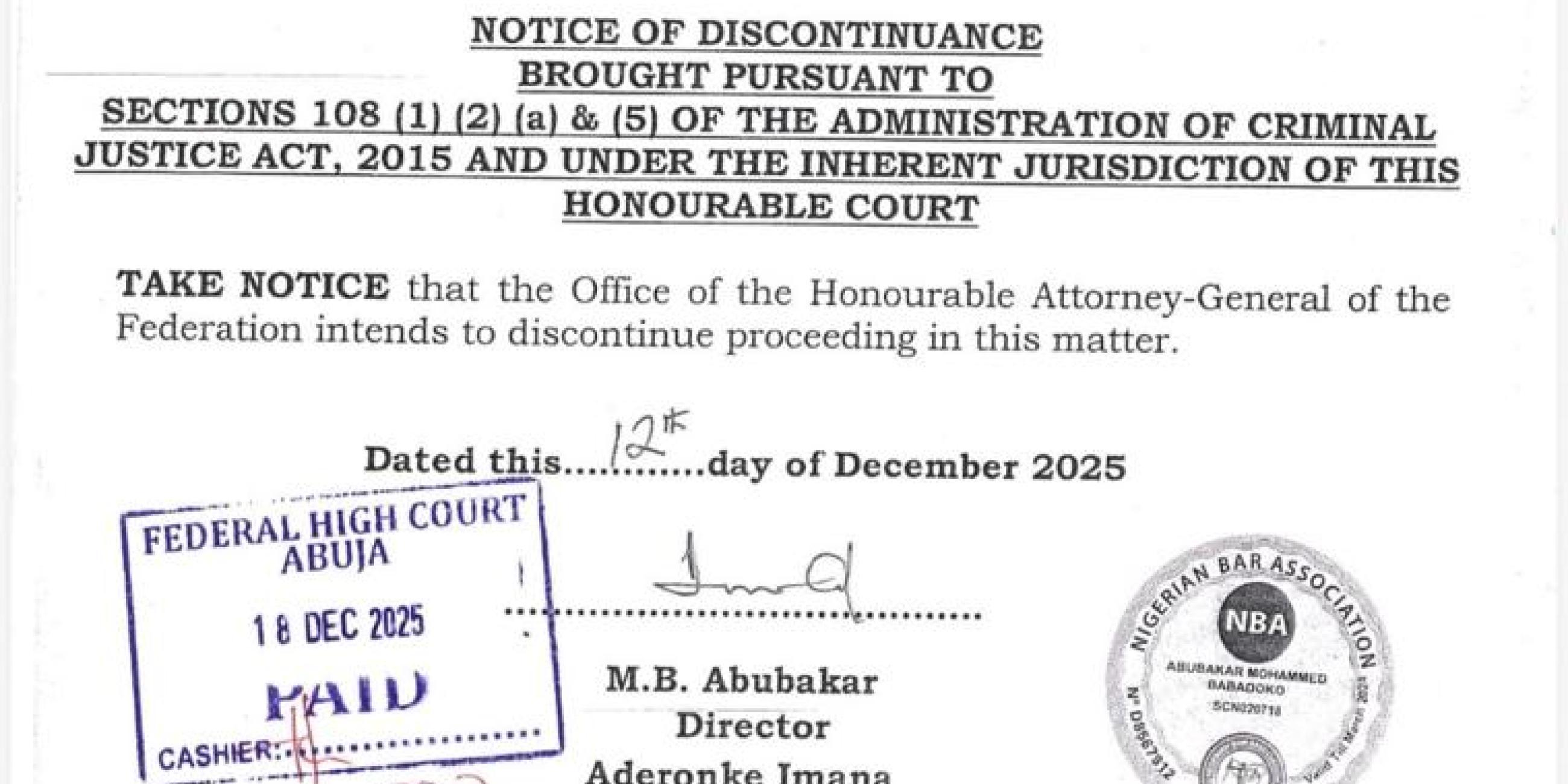
    The Federal Government of Nigeria has formally withdrawn the criminal defamation and cyberbullying case instituted against Senator Natasha Akpoti-Uduaghan, who represents Kogi Central Senatorial District in the 10th National Assembly. Court documents show that the Office of the Attorney General of the Federation filed a notice of discontinuance on December 12, 2025, effectively terminating the prosecution at the Federal High Court.

    The charges stemmed from petitions by Senate President Godswill Akpabio and former Kogi State Governor Yahaya Bello, following comments made by Akpoti-Uduaghan during a televised interview on Politics Today, where she alleged that both men were plotting to eliminate her. Despite earlier petitions to the Inspector General of Police alleging threats to her life, the senator was charged for publicly raising the claims.

    Several prominent figures, including Governor Usman Ododo, Senator Ekpenyong Asuquo, Ambassador Reno Omokri, and Sandra Duru, had been listed as witnesses for the complainants. The withdrawn case is one of two criminal matters filed by the Federal Government against the senator, with the second case expected to come up in court and possibly face a similar fate.

    The development follows a public announcement by Senate President Akpabio that he had instructed his lawyers to withdraw all defamation-related lawsuits against individuals, after a cleric’s sermon influenced his decision. However, Akpabio still has a separate ₦200 billion civil defamation suit pending against Akpoti-Uduaghan over allegations of sexual harassment, in which he is demanding massive damages and public apologies.
    BREAKING: Nigerian Government Withdraws Criminal Defamation Case Against Senator Natasha Akpoti-Uduaghan Over Allegations Against Akpabio, Yahaya Bello The Federal Government of Nigeria has formally withdrawn the criminal defamation and cyberbullying case instituted against Senator Natasha Akpoti-Uduaghan, who represents Kogi Central Senatorial District in the 10th National Assembly. Court documents show that the Office of the Attorney General of the Federation filed a notice of discontinuance on December 12, 2025, effectively terminating the prosecution at the Federal High Court. The charges stemmed from petitions by Senate President Godswill Akpabio and former Kogi State Governor Yahaya Bello, following comments made by Akpoti-Uduaghan during a televised interview on Politics Today, where she alleged that both men were plotting to eliminate her. Despite earlier petitions to the Inspector General of Police alleging threats to her life, the senator was charged for publicly raising the claims. Several prominent figures, including Governor Usman Ododo, Senator Ekpenyong Asuquo, Ambassador Reno Omokri, and Sandra Duru, had been listed as witnesses for the complainants. The withdrawn case is one of two criminal matters filed by the Federal Government against the senator, with the second case expected to come up in court and possibly face a similar fate. The development follows a public announcement by Senate President Akpabio that he had instructed his lawyers to withdraw all defamation-related lawsuits against individuals, after a cleric’s sermon influenced his decision. However, Akpabio still has a separate ₦200 billion civil defamation suit pending against Akpoti-Uduaghan over allegations of sexual harassment, in which he is demanding massive damages and public apologies.
    0 Comentários ·0 Compartilhamentos ·3K Visualizações
  • Tinubu’s Legal Practitioners Bill Targets Capture of Nigeria’s Bar, Undermines Independence and Punishes NBA, Chidi Odinkalu Warns

    In this opinion piece, human rights lawyer and former chairman of Nigeria’s National Human Rights Commission, Chidi Anselm Odinkalu, delivers a scathing critique of President Bola Ahmed Tinubu’s Legal Practitioners Bill, warning that it represents institutional capture, legislative reprisal, and a grave threat to the independence of Nigeria’s legal profession.

    Odinkalu traces the origins of the proposed law to long-standing efforts to reform the Legal Practitioners Act of 1962, noting that despite widespread agreement on the need for modernization, deep divisions within the Nigerian Bar Association (NBA) and the Body of Benchers (BoB) derailed genuine reform. He argues that the new bill, now moving swiftly through the Senate, abandons the original vision of strengthening regulation in the public interest and instead concentrates power in the hands of a government-dominated Body of Benchers.

    According to Odinkalu, the bill effectively transforms the BoB into a supreme regulator and owner of the legal profession, funded by the federal government and dominated by political office holders, senior judges, and government officials. He warns that this structure subordinates the NBA, erodes professional self-regulation, and compromises the independence of lawyers by placing discipline, admissions, and professional privileges under a body closely tied to the ruling government.

    The article also highlights what Odinkalu describes as acts of reprisal, including the exclusion of the NBA president from the Legal Practitioners Privileges Committee unless they are a Senior Advocate of Nigeria — a move he links directly to the election of a non-SAN NBA president in 2020. He further criticises provisions granting the BoB oversight over the conferment and withdrawal of the SAN rank, arguing that this entrenches unaccountable power and shields elites from discipline.

    Odinkalu contends that the bill’s ambitions are both unrealistic and dangerous, particularly its attempt to assert control over legal services connected to Nigeria even beyond its borders, and its tone-deaf treatment of foreign and dual-qualified Nigerian lawyers. He concludes that if passed in its current form, the Legal Practitioners Bill will not reform the profession but instead create a new class of “super lawyers” whose influence will be built on access and power rather than integrity, marking a tragic failure of a long-overdue reform effort.
    Tinubu’s Legal Practitioners Bill Targets Capture of Nigeria’s Bar, Undermines Independence and Punishes NBA, Chidi Odinkalu Warns In this opinion piece, human rights lawyer and former chairman of Nigeria’s National Human Rights Commission, Chidi Anselm Odinkalu, delivers a scathing critique of President Bola Ahmed Tinubu’s Legal Practitioners Bill, warning that it represents institutional capture, legislative reprisal, and a grave threat to the independence of Nigeria’s legal profession. Odinkalu traces the origins of the proposed law to long-standing efforts to reform the Legal Practitioners Act of 1962, noting that despite widespread agreement on the need for modernization, deep divisions within the Nigerian Bar Association (NBA) and the Body of Benchers (BoB) derailed genuine reform. He argues that the new bill, now moving swiftly through the Senate, abandons the original vision of strengthening regulation in the public interest and instead concentrates power in the hands of a government-dominated Body of Benchers. According to Odinkalu, the bill effectively transforms the BoB into a supreme regulator and owner of the legal profession, funded by the federal government and dominated by political office holders, senior judges, and government officials. He warns that this structure subordinates the NBA, erodes professional self-regulation, and compromises the independence of lawyers by placing discipline, admissions, and professional privileges under a body closely tied to the ruling government. The article also highlights what Odinkalu describes as acts of reprisal, including the exclusion of the NBA president from the Legal Practitioners Privileges Committee unless they are a Senior Advocate of Nigeria — a move he links directly to the election of a non-SAN NBA president in 2020. He further criticises provisions granting the BoB oversight over the conferment and withdrawal of the SAN rank, arguing that this entrenches unaccountable power and shields elites from discipline. Odinkalu contends that the bill’s ambitions are both unrealistic and dangerous, particularly its attempt to assert control over legal services connected to Nigeria even beyond its borders, and its tone-deaf treatment of foreign and dual-qualified Nigerian lawyers. He concludes that if passed in its current form, the Legal Practitioners Bill will not reform the profession but instead create a new class of “super lawyers” whose influence will be built on access and power rather than integrity, marking a tragic failure of a long-overdue reform effort.
    0 Comentários ·0 Compartilhamentos ·840 Visualizações
  • Nass Releases the Four Ceetified Tax Acts to Public

    ‎The National Assembly has released the four tax reform Acts duly signed into law by President Bola Tinubu for public record, verification and reference.

    ‎House Spokesman Akin Rotimi says the Senate President, Godswill Akpabio and Speaker, House of Representatives, Abbas Tajudeen, directed the immediate release of the Certified True Copies of the Acts, including the endorsement and assent pages signed by the President.

    ‎Rotimi says this is to dispel public concerns and allegations regarding purported alterations and the circulation of unauthorised and misleading versions of the laws.

    ‎The four Acts released are:
    ‎• The Nigeria Tax Act, 2025
    ‎• The Nigeria Tax Administration Act, 2025
    ‎• The National Revenue Service (Establishment) Act, 2025
    ‎• The Joint Revenue Board (Establishment) Act, 2025.

    ‎Rotimi further notes that parliament would remain vigilant and proactive in defending the integrity of its work, clarifying that the only authentic and authoritative versions of the four tax Acts are those certified and released by the National Assembly.
    Nass Releases the Four Ceetified Tax Acts to Public ‎ ‎The National Assembly has released the four tax reform Acts duly signed into law by President Bola Tinubu for public record, verification and reference. ‎ ‎House Spokesman Akin Rotimi says the Senate President, Godswill Akpabio and Speaker, House of Representatives, Abbas Tajudeen, directed the immediate release of the Certified True Copies of the Acts, including the endorsement and assent pages signed by the President. ‎ ‎Rotimi says this is to dispel public concerns and allegations regarding purported alterations and the circulation of unauthorised and misleading versions of the laws. ‎ ‎The four Acts released are: ‎• The Nigeria Tax Act, 2025 ‎• The Nigeria Tax Administration Act, 2025 ‎• The National Revenue Service (Establishment) Act, 2025 ‎• The Joint Revenue Board (Establishment) Act, 2025. ‎ ‎Rotimi further notes that parliament would remain vigilant and proactive in defending the integrity of its work, clarifying that the only authentic and authoritative versions of the four tax Acts are those certified and released by the National Assembly.
    Dislike
    1
    · 0 Comentários ·0 Compartilhamentos ·2K Visualizações
  • Senate President Akpabio Withdraws All Defamation Lawsuits Against Natasha Akpoti, Others After Priest’s Sermon Sparks Change of Heart

    Senate President Godswill Akpabio has ordered his lawyers to withdraw all pending defamation lawsuits he filed against individuals who accused him of misconduct, including Senator Natasha Akpoti-Uduaghan. Akpabio made the announcement during a church programme, revealing that a sermon delivered by a priest prompted him to reassess his actions and abandon the legal battles.

    He disclosed that he had instituted nearly nine court cases against people he accused of lying, slandering his name and defaming his character, but decided to discontinue all of them after reflecting on the message preached in church. Although he did not provide full details of each case, the decision directly affects the high-profile ₦200 billion defamation suit he filed against Senator Akpoti-Uduaghan in December 2025.

    In that lawsuit, Akpabio accused the Kogi Central lawmaker of making false allegations of sexual harassment, which he claimed damaged his reputation, subjected him to public ridicule and portrayed him as a predator abusing his office. Court documents showed that he sought sweeping remedies, including massive damages, retractions, and nationwide broadcast apologies, as well as the removal of online content linked to the allegations.

    The case had already progressed with court approval for substituted service through the Clerk of the National Assembly after attempts to serve Akpoti-Uduaghan directly failed. Akpabio also argued that the allegations, widely circulated across television, radio and social media, caused him severe humiliation and distress.

    His sudden decision to discontinue all defamation suits marks a dramatic turnaround in a legal confrontation that had attracted intense public attention, raising fresh political and legal questions about accountability, reconciliation and the use of defamation laws by powerful public officials in Nigeria.
    Senate President Akpabio Withdraws All Defamation Lawsuits Against Natasha Akpoti, Others After Priest’s Sermon Sparks Change of Heart Senate President Godswill Akpabio has ordered his lawyers to withdraw all pending defamation lawsuits he filed against individuals who accused him of misconduct, including Senator Natasha Akpoti-Uduaghan. Akpabio made the announcement during a church programme, revealing that a sermon delivered by a priest prompted him to reassess his actions and abandon the legal battles. He disclosed that he had instituted nearly nine court cases against people he accused of lying, slandering his name and defaming his character, but decided to discontinue all of them after reflecting on the message preached in church. Although he did not provide full details of each case, the decision directly affects the high-profile ₦200 billion defamation suit he filed against Senator Akpoti-Uduaghan in December 2025. In that lawsuit, Akpabio accused the Kogi Central lawmaker of making false allegations of sexual harassment, which he claimed damaged his reputation, subjected him to public ridicule and portrayed him as a predator abusing his office. Court documents showed that he sought sweeping remedies, including massive damages, retractions, and nationwide broadcast apologies, as well as the removal of online content linked to the allegations. The case had already progressed with court approval for substituted service through the Clerk of the National Assembly after attempts to serve Akpoti-Uduaghan directly failed. Akpabio also argued that the allegations, widely circulated across television, radio and social media, caused him severe humiliation and distress. His sudden decision to discontinue all defamation suits marks a dramatic turnaround in a legal confrontation that had attracted intense public attention, raising fresh political and legal questions about accountability, reconciliation and the use of defamation laws by powerful public officials in Nigeria.
    0 Comentários ·0 Compartilhamentos ·2K Visualizações
  • Nigerian Senator Godiya Akwashiki Dies at 52 in Indian Hospital, Family Mourns Loss of Nasarawa North Lawmaker

    Senator Godiya Akwashiki, who represented Nasarawa North Senatorial District, has died at the age of 52 while receiving medical treatment in an Indian hospital. His death was confirmed by a family source on Wednesday and reported by the News Agency of Nigeria (NAN). The source described Akwashiki’s passing as a major loss to Nasarawa North and the entire state, citing his strong commitment to grassroots development and empowerment initiatives.

    According to the family, Akwashiki created a lasting impact across the constituency through projects spread across nearly all communities, making him widely regarded as one of the most effective senators the zone had produced. He was notably the only senator from Nasarawa North to win re-election for a second term.

    Before his election to the Nigerian Senate in 2019, Akwashiki had a long political career in Nasarawa State, serving multiple terms in the House of Assembly where he rose to Majority Leader and later Deputy Speaker. Born on August 3, 1973, in Angba Iggah, Nassarawa Eggon Local Government Area, he was considered a key political figure whose death has left a significant vacuum in the state’s political landscape.
    Nigerian Senator Godiya Akwashiki Dies at 52 in Indian Hospital, Family Mourns Loss of Nasarawa North Lawmaker Senator Godiya Akwashiki, who represented Nasarawa North Senatorial District, has died at the age of 52 while receiving medical treatment in an Indian hospital. His death was confirmed by a family source on Wednesday and reported by the News Agency of Nigeria (NAN). The source described Akwashiki’s passing as a major loss to Nasarawa North and the entire state, citing his strong commitment to grassroots development and empowerment initiatives. According to the family, Akwashiki created a lasting impact across the constituency through projects spread across nearly all communities, making him widely regarded as one of the most effective senators the zone had produced. He was notably the only senator from Nasarawa North to win re-election for a second term. Before his election to the Nigerian Senate in 2019, Akwashiki had a long political career in Nasarawa State, serving multiple terms in the House of Assembly where he rose to Majority Leader and later Deputy Speaker. Born on August 3, 1973, in Angba Iggah, Nassarawa Eggon Local Government Area, he was considered a key political figure whose death has left a significant vacuum in the state’s political landscape.
    0 Comentários ·0 Compartilhamentos ·1K Visualizações
  • Breaking News: Top Nigerian Senator Godiya Akwashiki Dies at 52 in India After Prolonged Illness, Family Confirms

    Godiya Akwashiki, the senator representing Nasarawa North Senatorial District, has died at the age of 52. Family sources confirmed that the lawmaker passed away on Wednesday, December 31, 2025, at a hospital in India, where he had been receiving treatment for a long-term illness.

    Akwashiki was first elected to the Nigerian Senate in 2019 and made history in 2023 by becoming the only senator from Nasarawa North to secure two consecutive terms since the state’s creation. He was a member of the Social Democratic Party (SDP) and was widely regarded for his strong grassroots support and emphasis on constituency-focused development projects.

    Before joining the National Assembly, Akwashiki served multiple terms in the Nasarawa State House of Assembly, rising to the positions of Majority Leader and later Deputy Speaker. Born on August 3, 1973, in Angba Iggah, Nassarawa Eggon Local Government Area, his death marks a significant loss to Nasarawa politics and Nigeria’s legislative community.
    Breaking News: Top Nigerian Senator Godiya Akwashiki Dies at 52 in India After Prolonged Illness, Family Confirms Godiya Akwashiki, the senator representing Nasarawa North Senatorial District, has died at the age of 52. Family sources confirmed that the lawmaker passed away on Wednesday, December 31, 2025, at a hospital in India, where he had been receiving treatment for a long-term illness. Akwashiki was first elected to the Nigerian Senate in 2019 and made history in 2023 by becoming the only senator from Nasarawa North to secure two consecutive terms since the state’s creation. He was a member of the Social Democratic Party (SDP) and was widely regarded for his strong grassroots support and emphasis on constituency-focused development projects. Before joining the National Assembly, Akwashiki served multiple terms in the Nasarawa State House of Assembly, rising to the positions of Majority Leader and later Deputy Speaker. Born on August 3, 1973, in Angba Iggah, Nassarawa Eggon Local Government Area, his death marks a significant loss to Nasarawa politics and Nigeria’s legislative community.
    0 Comentários ·0 Compartilhamentos ·2K Visualizações
  • President of the Senate Reaffirms Senate’s Commitment to National Stability in 2026

    The President of the Senate Godswill Akpabio, has expressed confidence that 2026 will be a year of renewed hope and steady national progress, anchored on institutional responsibility, legislative diligence, and collective resolve.

    In his New Year message Akpabio acknowledged the resilience of Nigerians and underscored the central role of the National Assembly particularly the Senate in sustaining democratic stability, promoting accountability, and advancing the nation’s development agenda.

    He noted that while the Executive continues to implement its policies, the National Assembly remains firmly committed to its constitutional responsibility of lawmaking, representation, and oversight, ensuring that governance outcomes reflect the aspirations of the Nigerian people for national unity, economic stability, and social justice.

    Akpabio says as the nation approaches the 2027 general elections, there is need for caution among Nigerians against divisive politics and false messianic narratives.

    He urged political actors to conduct themselves with restraint and urged Nigerians to continue to support democratic institutions and to work collectively for peace, equity, and national progress as he wishes citizens a prosperous 2026.
    President of the Senate Reaffirms Senate’s Commitment to National Stability in 2026 The President of the Senate Godswill Akpabio, has expressed confidence that 2026 will be a year of renewed hope and steady national progress, anchored on institutional responsibility, legislative diligence, and collective resolve. In his New Year message Akpabio acknowledged the resilience of Nigerians and underscored the central role of the National Assembly particularly the Senate in sustaining democratic stability, promoting accountability, and advancing the nation’s development agenda. He noted that while the Executive continues to implement its policies, the National Assembly remains firmly committed to its constitutional responsibility of lawmaking, representation, and oversight, ensuring that governance outcomes reflect the aspirations of the Nigerian people for national unity, economic stability, and social justice. Akpabio says as the nation approaches the 2027 general elections, there is need for caution among Nigerians against divisive politics and false messianic narratives. He urged political actors to conduct themselves with restraint and urged Nigerians to continue to support democratic institutions and to work collectively for peace, equity, and national progress as he wishes citizens a prosperous 2026.
    like
    1
    · 0 Comentários ·0 Compartilhamentos ·1K Visualizações
Páginas Impulsionadas
Fintter https://fintter.com