• Akpabio, Governors Pay Last Respects as Late Senator Godiya Akwashiki Is Laid to Rest

    Touching scenes marked the final farewell for Senator Godiya Akwashiki, who passed away in the final hour of 2025. Dignitaries, including Senate President Godswill Akpabio, state governors, and other prominent figures, were present to honour the late lawmaker at the burial ceremony. The solemn gathering reflected the impact of Akwashiki’s life and service, as tributes poured in from across the country.

    Photo Credit: X/@SenTanko

    #GodiyaAkwashiki #NigeriaPolitics #Akpabio #Tribute
    Akpabio, Governors Pay Last Respects as Late Senator Godiya Akwashiki Is Laid to Rest Touching scenes marked the final farewell for Senator Godiya Akwashiki, who passed away in the final hour of 2025. Dignitaries, including Senate President Godswill Akpabio, state governors, and other prominent figures, were present to honour the late lawmaker at the burial ceremony. The solemn gathering reflected the impact of Akwashiki’s life and service, as tributes poured in from across the country. Photo Credit: X/@SenTanko #GodiyaAkwashiki #NigeriaPolitics #Akpabio #Tribute
    love
    1
    · 0 Kommentare ·0 Geteilt ·483 Ansichten
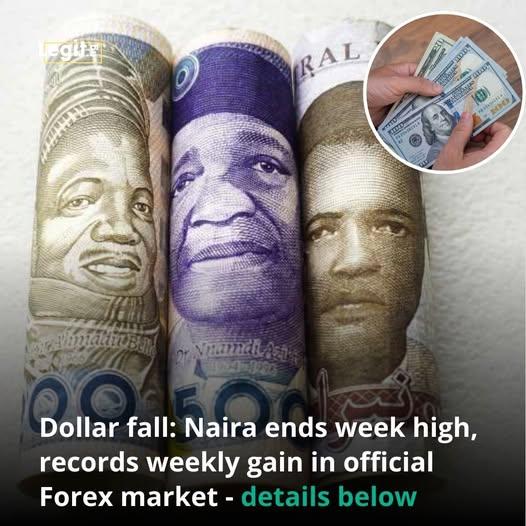
  • Naira Strengthens Against US Dollar Amid Rising Reserves and Narrowing FX Gap

    The Nigerian naira showed resilience against the US dollar, despite multiple economic pressures. Analysts attribute the development to rising external reserves and a narrowing gap between official and black-market foreign exchange rates.

    Market watchers suggest that these factors may help stabilise the currency in the near term, offering some relief amid ongoing financial uncertainties.

    #Naira #USDExchangeRate #NigeriaEconomy #Forex
    Naira Strengthens Against US Dollar Amid Rising Reserves and Narrowing FX Gap The Nigerian naira showed resilience against the US dollar, despite multiple economic pressures. Analysts attribute the development to rising external reserves and a narrowing gap between official and black-market foreign exchange rates. Market watchers suggest that these factors may help stabilise the currency in the near term, offering some relief amid ongoing financial uncertainties. #Naira #USDExchangeRate #NigeriaEconomy #Forex
    0 Kommentare ·0 Geteilt ·550 Ansichten
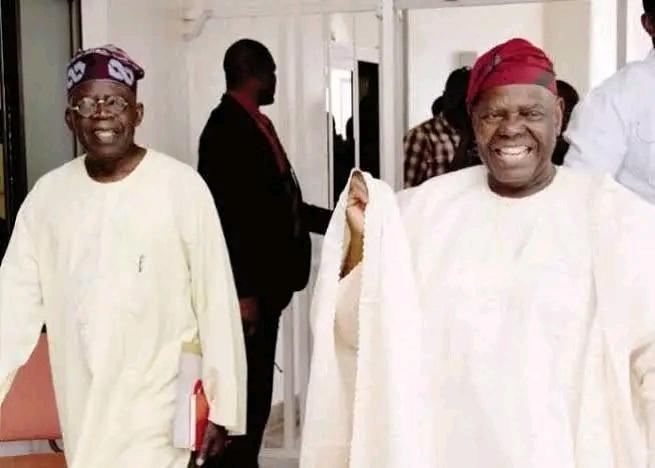
  • President Tinubu Celebrates Chief Bisi Akande at 87, Praises His Role in Nigeria’s Democracy and APC Success

    President Bola Tinubu has paid a special tribute to elder statesman Chief Bisi Akande on his 87th birthday, recognizing his immense contributions to Nigeria’s democracy and the All Progressives Congress (APC). Tinubu highlighted Akande’s journey from accountant to Deputy Governor of old Oyo State, Governor of Osun, and first Interim APC Chairman, praising his leadership in helping unseat an incumbent in 2015. He lauded Akande’s integrity, mentorship, and unwavering support for the Renewed Hope Agenda, describing him as a tireless advocate for democracy, social justice, and good governance even at 87.
    President Tinubu Celebrates Chief Bisi Akande at 87, Praises His Role in Nigeria’s Democracy and APC Success President Bola Tinubu has paid a special tribute to elder statesman Chief Bisi Akande on his 87th birthday, recognizing his immense contributions to Nigeria’s democracy and the All Progressives Congress (APC). Tinubu highlighted Akande’s journey from accountant to Deputy Governor of old Oyo State, Governor of Osun, and first Interim APC Chairman, praising his leadership in helping unseat an incumbent in 2015. He lauded Akande’s integrity, mentorship, and unwavering support for the Renewed Hope Agenda, describing him as a tireless advocate for democracy, social justice, and good governance even at 87.
    0 Kommentare ·0 Geteilt ·630 Ansichten
  • Air Peace Attributes Flight Delays to Harmattan Haze, Ensures Passenger Safety

    Air Peace has explained recent flight delays were caused by Harmattan conditions, which reduced visibility at some airports. The airline apologized for disruptions and stressed that schedule adjustments prioritize passenger safety. A December incident involving a damaged Embraer E2 jet by a ground handler also caused multi-route delays. Despite challenges, Air Peace reaffirmed its commitment to safe, responsible operations while urging passengers to understand that safety remains its top priority.

    #AirPeace #FlightDelays #HarmattanNigeria
    Air Peace Attributes Flight Delays to Harmattan Haze, Ensures Passenger Safety Air Peace has explained recent flight delays were caused by Harmattan conditions, which reduced visibility at some airports. The airline apologized for disruptions and stressed that schedule adjustments prioritize passenger safety. A December incident involving a damaged Embraer E2 jet by a ground handler also caused multi-route delays. Despite challenges, Air Peace reaffirmed its commitment to safe, responsible operations while urging passengers to understand that safety remains its top priority. #AirPeace #FlightDelays #HarmattanNigeria
    Dislike
    1
    · 0 Kommentare ·0 Geteilt ·436 Ansichten
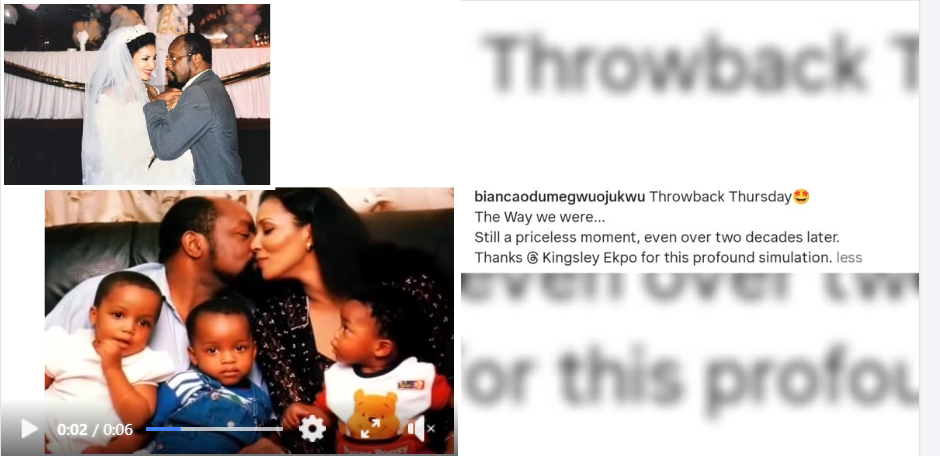
  • Bianca Ojukwu Recreates Family Photo with Late Husband

    Bianca Ojukwu, wife of the late Biafran leader Chukwuemeka Odumegwu Ojukwu, shared a beautifully recreated version of an old family photo, featuring herself, her late husband, and their children. A heartfelt tribute to family and legacy.

    #BiancaOjukwu #ChukwuemekaOjukwu #FamilyTribute #BiafraLegacy #NigeriaHistory #FamilyLove #RecreatedMoments #Nostalgia #NigeriaNews
    💖 Bianca Ojukwu Recreates Family Photo with Late Husband Bianca Ojukwu, wife of the late Biafran leader Chukwuemeka Odumegwu Ojukwu, shared a beautifully recreated version of an old family photo, featuring herself, her late husband, and their children. A heartfelt tribute to family and legacy. #BiancaOjukwu #ChukwuemekaOjukwu #FamilyTribute #BiafraLegacy #NigeriaHistory #FamilyLove #RecreatedMoments #Nostalgia #NigeriaNews
    0 Kommentare ·0 Geteilt ·612 Ansichten
  • E don dey set for 9ja oo! Polish Ambassador Hail Nigerian Military, Say Armed Forces Na Backbone of West Africa Security

    The Polish Ambassador to Nigeria, Michał Cygan, don praise Nigerian Armed Forces, describe Nigeria as a major stabilising force for West Africa. During courtesy visit to the Chief of the Air Staff, Air Marshal Sunday Aneke, for NAF Headquarters, Abuja, the ambassador talk say the Nigerian Air Force and other services don show high level professionalism and resilience in counter-insurgency and regional security operations. According to statement from Air Commodore Ehimen Ejodame, Cygan also express Poland interest to strengthen defence cooperation with Nigeria to support security priorities and regional peace. He add say Nigeria’s strategic position and sustained security engagements dey contribute well well to stability across the sub-region. On him own part, Air Marshal Aneke highlight the importance of international partnerships in tackling modern and asymmetric threats, noting say NAF remain committed to cooperation with friendly nations for better operations, training and information sharing. He reaffirm say the service dey open to mutually beneficial partnerships to boost counter-insurgency capacity and strengthen both regional and global security. Wahala oo, Nigeria security matter don turn global concern.

    E don dey set for 9ja oo! Polish Ambassador Hail Nigerian Military, Say Armed Forces Na Backbone of West Africa Security The Polish Ambassador to Nigeria, Michał Cygan, don praise Nigerian Armed Forces, describe Nigeria as a major stabilising force for West Africa. During courtesy visit to the Chief of the Air Staff, Air Marshal Sunday Aneke, for NAF Headquarters, Abuja, the ambassador talk say the Nigerian Air Force and other services don show high level professionalism and resilience in counter-insurgency and regional security operations. According to statement from Air Commodore Ehimen Ejodame, Cygan also express Poland interest to strengthen defence cooperation with Nigeria to support security priorities and regional peace. He add say Nigeria’s strategic position and sustained security engagements dey contribute well well to stability across the sub-region. On him own part, Air Marshal Aneke highlight the importance of international partnerships in tackling modern and asymmetric threats, noting say NAF remain committed to cooperation with friendly nations for better operations, training and information sharing. He reaffirm say the service dey open to mutually beneficial partnerships to boost counter-insurgency capacity and strengthen both regional and global security. Wahala oo, Nigeria security matter don turn global concern.
    0 Kommentare ·0 Geteilt ·354 Ansichten
  • FG Launches Recruitment of National Health Fellows to Strengthen Rural Healthcare in Nasarawa

    The Federal Government has commenced the recruitment of young medical professionals to serve as National Health Fellows, a presidential initiative aimed at fostering a new generation of leaders in the health sector.

    The program targets the selection of thirteen youths from the thirteen local government areas of Nasarawa State, with the goal of strengthening local capacity for health system reform and improving service delivery, particularly for rural communities.

    Implemented by the Federal Ministry of Health and Social Welfare, in collaboration with state health ministries and development partners, the National Health Fellows program seeks to equip young professionals with leadership and management skills in primary healthcare facilities across Nigeria’s 774 local government areas. Each local government area will host one health fellow.

    The current session focuses on selecting fellows for Nasarawa State, with the selection panel evaluating applicants on areas of competence that will enhance healthcare delivery in rural communities. The panel emphasizes that the recruitment process will be merit-based, ensuring fairness, transparency, and credibility.

    Selected fellows will serve for a one-year tenure, during which they will contribute to healthcare reforms and youth leadership development at both national and state levels.

    This initiative reflects the government’s commitment to developing youth leadership in the health sector while addressing critical gaps in rural healthcare delivery.

    FG Launches Recruitment of National Health Fellows to Strengthen Rural Healthcare in Nasarawa The Federal Government has commenced the recruitment of young medical professionals to serve as National Health Fellows, a presidential initiative aimed at fostering a new generation of leaders in the health sector. The program targets the selection of thirteen youths from the thirteen local government areas of Nasarawa State, with the goal of strengthening local capacity for health system reform and improving service delivery, particularly for rural communities. Implemented by the Federal Ministry of Health and Social Welfare, in collaboration with state health ministries and development partners, the National Health Fellows program seeks to equip young professionals with leadership and management skills in primary healthcare facilities across Nigeria’s 774 local government areas. Each local government area will host one health fellow. The current session focuses on selecting fellows for Nasarawa State, with the selection panel evaluating applicants on areas of competence that will enhance healthcare delivery in rural communities. The panel emphasizes that the recruitment process will be merit-based, ensuring fairness, transparency, and credibility. Selected fellows will serve for a one-year tenure, during which they will contribute to healthcare reforms and youth leadership development at both national and state levels. This initiative reflects the government’s commitment to developing youth leadership in the health sector while addressing critical gaps in rural healthcare delivery.
    0 Kommentare ·0 Geteilt ·574 Ansichten
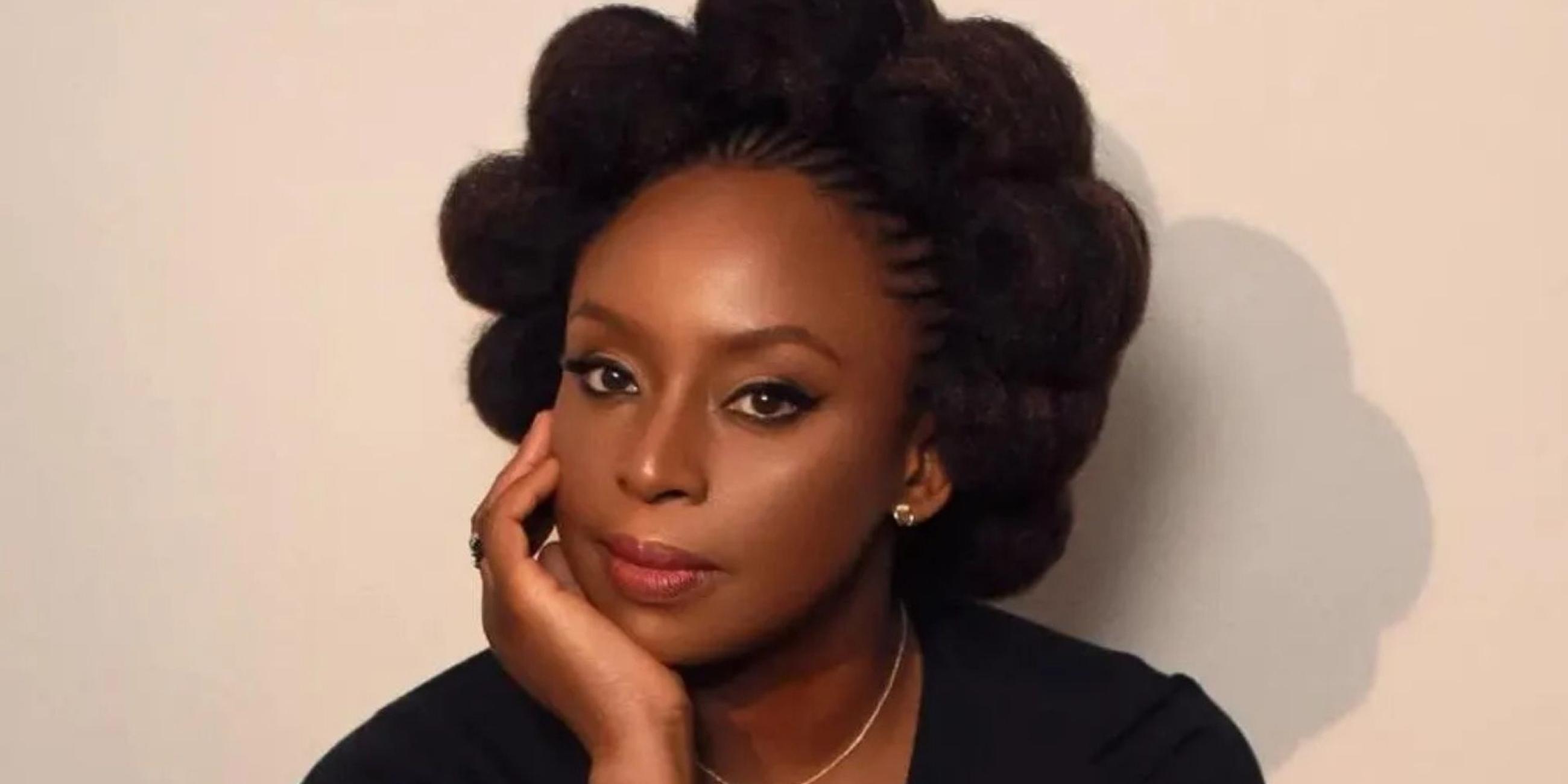
  • Wahala Don Set Oo! Chimamanda Adichie’s Son Dies, Editors Demand Probe Into Alleged Lagos Hospital Negligence

    Wahala don really set for Nigeria’s healthcare system oo! Literary editors and public intellectuals are mourning the tragic death of Chimamanda Ngozi Adichie’s 21-month-old son, Nnamdi, while demanding a full and transparent investigation into what they describe as possible medical negligence at a Lagos hospital.

    Co-editors of Camouflage: Best of Contemporary Writing from Nigeria, Professors Nduka Otiono and Odoh Diego Okenyodo, described the loss as “profoundly shattering,” joining Nigerians at home and abroad in sympathising with the award-winning author and her husband, Dr. Ivara Esege.

    “Losing a child is a pain no parent should ever experience,” the editors said, expressing deep condolences and standing in solidarity with Adichie in what they called her darkest hour.

    The statement followed Adichie’s emotional public account in which she alleged that her son’s death on January 6, 2026, was avoidable and resulted from negligence during what should have been routine medical procedures at a Lagos-based hospital.

    Quoting her directly, the editors stated: “My son would be alive today if not for an incident at Euracare Hospital on January 6th.”

    This revelation has sparked nationwide outrage, with many Nigerians asking tough questions about the safety of hospitals and accountability in the country’s healthcare system.

    In response to the public outcry, the Lagos State Government has ordered an independent investigation into the incident, promising that anyone found responsible would face justice. The editors, however, insisted that the probe must not be cosmetic.

    “We urge that the investigation be thorough, transparent, and impartial. Every detail must be uncovered so that the truth emerges,” they said.

    But this tragedy, they warned, is not just about one family.

    According to Otiono and Okenyodo, the death of little Nnamdi exposes deeper, long-standing problems in Nigeria’s healthcare sector—ranging from weak accountability to delays in care and unethical practices. They referenced findings from an anti-corruption survey by TAP Initiative and Dataphyte, which highlighted how informal payments and systemic failures often compromise patient safety.

    While clarifying that they were not directly accusing the hospital of such practices, the editors stressed that Nigeria must confront the culture that allows negligence to thrive.

    “It is intolerable that any patient—child or adult—should be denied timely care or placed in danger due to failure, indifference, or greed,” the statement read.

    They called for:

    A comprehensive, independent investigation into all medical and administrative actions surrounding Nnamdi’s death.

    Public disclosure of findings, as promised by the Lagos State Government.

    Immediate reforms in hospital oversight, with strict sanctions for any healthcare worker found guilty of negligence.


    “The people of Lagos have the right to know what happened. If anyone is guilty—whether individual or institution—they must be held fully responsible,” they said.

    Beyond justice for Adichie’s family, the editors said the case should become a turning point for Nigeria.

    “This should catalyse nationwide action. Our hospitals must be places of care and compassion, not sites of preventable tragedy,” they added.

    Paying tribute to the late child, they expressed hope that his death would not be in vain, and that truth, accountability, and reform would emerge from the pain.

    As Nigerians continue to mourn with one of Africa’s most celebrated writers, one thing is clear: wahala don set oo. This case has opened a national conversation about patient safety, hospital accountability, and whether ordinary Nigerians—and even global figures—are truly safe in the country’s healthcare system.


    Wahala Don Set Oo! Chimamanda Adichie’s Son Dies, Editors Demand Probe Into Alleged Lagos Hospital Negligence Wahala don really set for Nigeria’s healthcare system oo! Literary editors and public intellectuals are mourning the tragic death of Chimamanda Ngozi Adichie’s 21-month-old son, Nnamdi, while demanding a full and transparent investigation into what they describe as possible medical negligence at a Lagos hospital. Co-editors of Camouflage: Best of Contemporary Writing from Nigeria, Professors Nduka Otiono and Odoh Diego Okenyodo, described the loss as “profoundly shattering,” joining Nigerians at home and abroad in sympathising with the award-winning author and her husband, Dr. Ivara Esege. “Losing a child is a pain no parent should ever experience,” the editors said, expressing deep condolences and standing in solidarity with Adichie in what they called her darkest hour. The statement followed Adichie’s emotional public account in which she alleged that her son’s death on January 6, 2026, was avoidable and resulted from negligence during what should have been routine medical procedures at a Lagos-based hospital. Quoting her directly, the editors stated: “My son would be alive today if not for an incident at Euracare Hospital on January 6th.” This revelation has sparked nationwide outrage, with many Nigerians asking tough questions about the safety of hospitals and accountability in the country’s healthcare system. In response to the public outcry, the Lagos State Government has ordered an independent investigation into the incident, promising that anyone found responsible would face justice. The editors, however, insisted that the probe must not be cosmetic. “We urge that the investigation be thorough, transparent, and impartial. Every detail must be uncovered so that the truth emerges,” they said. But this tragedy, they warned, is not just about one family. According to Otiono and Okenyodo, the death of little Nnamdi exposes deeper, long-standing problems in Nigeria’s healthcare sector—ranging from weak accountability to delays in care and unethical practices. They referenced findings from an anti-corruption survey by TAP Initiative and Dataphyte, which highlighted how informal payments and systemic failures often compromise patient safety. While clarifying that they were not directly accusing the hospital of such practices, the editors stressed that Nigeria must confront the culture that allows negligence to thrive. “It is intolerable that any patient—child or adult—should be denied timely care or placed in danger due to failure, indifference, or greed,” the statement read. They called for: A comprehensive, independent investigation into all medical and administrative actions surrounding Nnamdi’s death. Public disclosure of findings, as promised by the Lagos State Government. Immediate reforms in hospital oversight, with strict sanctions for any healthcare worker found guilty of negligence. “The people of Lagos have the right to know what happened. If anyone is guilty—whether individual or institution—they must be held fully responsible,” they said. Beyond justice for Adichie’s family, the editors said the case should become a turning point for Nigeria. “This should catalyse nationwide action. Our hospitals must be places of care and compassion, not sites of preventable tragedy,” they added. Paying tribute to the late child, they expressed hope that his death would not be in vain, and that truth, accountability, and reform would emerge from the pain. As Nigerians continue to mourn with one of Africa’s most celebrated writers, one thing is clear: wahala don set oo. This case has opened a national conversation about patient safety, hospital accountability, and whether ordinary Nigerians—and even global figures—are truly safe in the country’s healthcare system.
    0 Kommentare ·0 Geteilt ·990 Ansichten
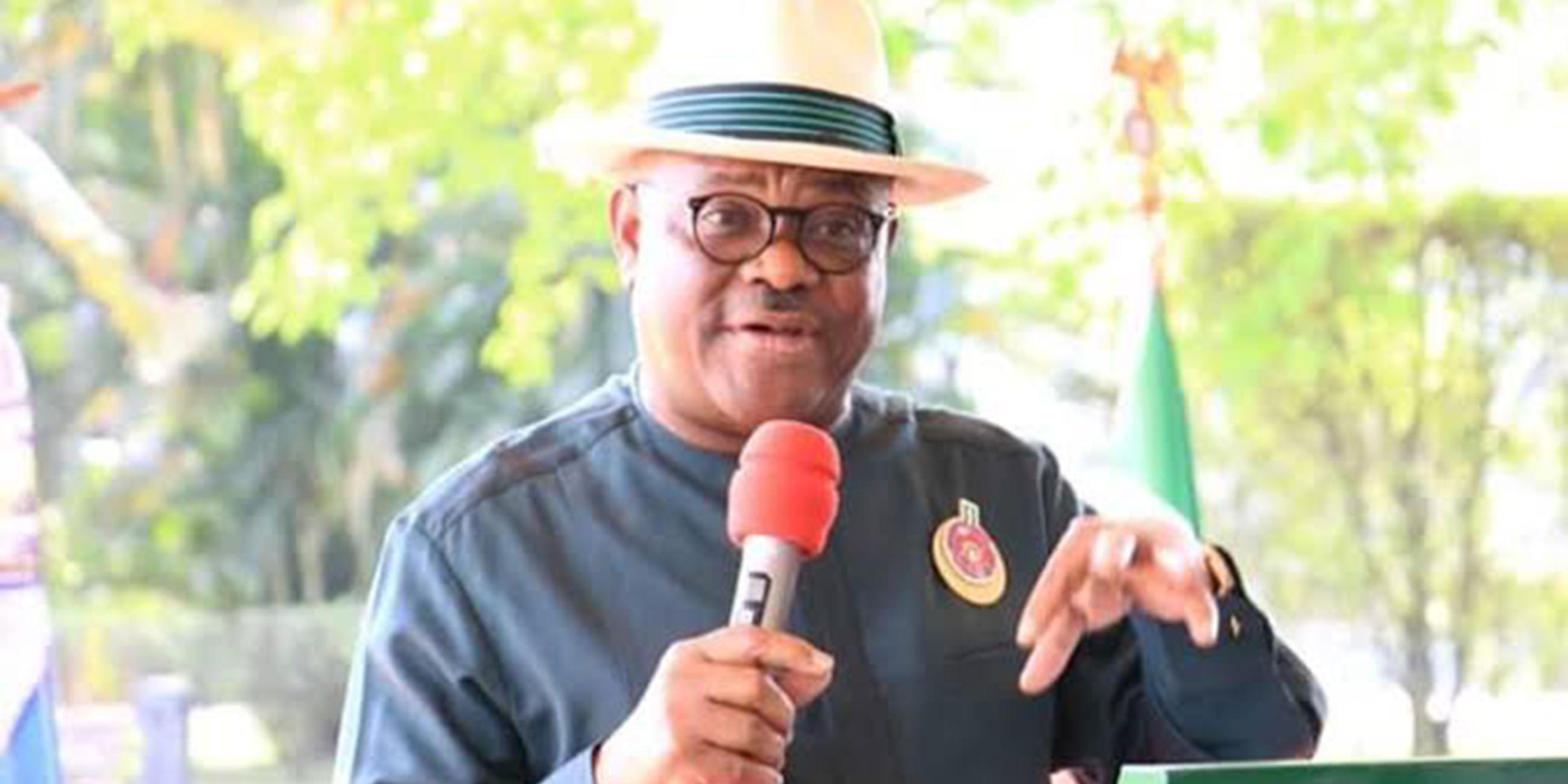
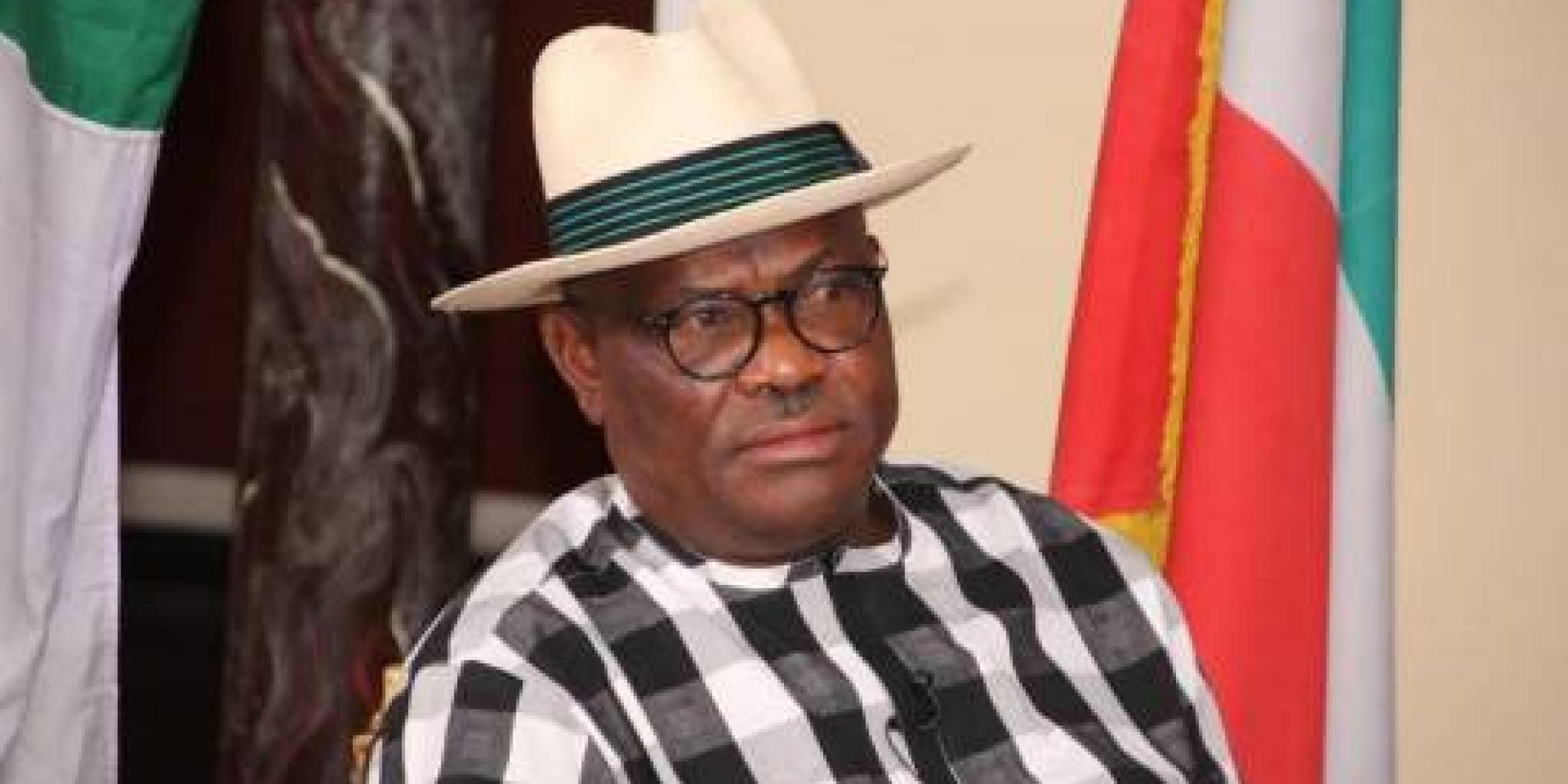
  • Can Anyone Really Push Wike Out of Rivers Politics? FCT Minister Boasts of Unshakable Control, Defies Rivals, and Says Only His Camp Truly Delivered Tinubu’s 2023 Victory

    Is Nyesom Wike still the most powerful political force in Rivers State, and can any group truly challenge his grip on the state’s politics? The Federal Capital Territory (FCT) Minister has answered that question with confidence, declaring that no political camp can push him or his loyalists out of Rivers State, despite threats, attacks, and growing opposition since the 2023 general elections.

    Speaking during a visit to the Port Harcourt City Local Government Area Secretariat, where he met party leaders, traditional rulers, women, and youth groups, Wike insisted that his political structure remains intact and battle-tested. “Nobody in this state can push us out. We have led this war since 2023 and we have never reneged,” he said, adding that his supporters had stood firm in the face of intense pressure.

    The former Rivers governor explained that his ongoing tour of the state’s 23 local government areas was both a show of appreciation to his supporters and a rallying call to maintain backing for President Bola Ahmed Tinubu ahead of the 2027 elections. According to Wike, Rivers State remains one of the President’s most dependable strongholds.

    “If there is one state the President knows he can go home and sleep with his two eyes closed, it is Rivers State,” he declared, arguing that his political camp paid the price for its early and unwavering commitment to Tinubu’s Renewed Hope agenda.

    Wike also fired back at politicians he accused of opportunism, claiming that those who failed to support Tinubu in 2023 are now attempting to take over the Renewed Hope movement. He dismissed such efforts as dishonest and bound to fail. Using a vivid metaphor, he said they were like people who contributed nothing to a meal but suddenly wanted to eat first once the food was ready.

    Describing Port Harcourt as a politically complex, cosmopolitan city, Wike said electoral victories there are particularly difficult, making any success significant. He further claimed that Rivers State is unique in its ability to bring leaders of the two major political parties together to work as a team—a strategy he said was central to Tinubu’s victory.

    “This is the only state where you can see the leadership of two major political parties working as a team,” he said, urging other states to emulate Rivers rather than resent it.

    While projecting strength, Wike also called for unity, humility, and responsive leadership within the state. “Leadership is not a birthright,” he warned, adding that good leaders must listen to the people and be willing to change when advised. He concluded by praising the Port Harcourt City council leadership for its cooperation and urged sustained unity to drive development.

    His bold remarks raise key political questions: Is Wike’s dominance in Rivers truly unbreakable? Are his rivals capable of mounting a serious challenge? And will Rivers remain a decisive power base for Tinubu as the 2027 elections approach?

    Can Anyone Really Push Wike Out of Rivers Politics? FCT Minister Boasts of Unshakable Control, Defies Rivals, and Says Only His Camp Truly Delivered Tinubu’s 2023 Victory Is Nyesom Wike still the most powerful political force in Rivers State, and can any group truly challenge his grip on the state’s politics? The Federal Capital Territory (FCT) Minister has answered that question with confidence, declaring that no political camp can push him or his loyalists out of Rivers State, despite threats, attacks, and growing opposition since the 2023 general elections. Speaking during a visit to the Port Harcourt City Local Government Area Secretariat, where he met party leaders, traditional rulers, women, and youth groups, Wike insisted that his political structure remains intact and battle-tested. “Nobody in this state can push us out. We have led this war since 2023 and we have never reneged,” he said, adding that his supporters had stood firm in the face of intense pressure. The former Rivers governor explained that his ongoing tour of the state’s 23 local government areas was both a show of appreciation to his supporters and a rallying call to maintain backing for President Bola Ahmed Tinubu ahead of the 2027 elections. According to Wike, Rivers State remains one of the President’s most dependable strongholds. “If there is one state the President knows he can go home and sleep with his two eyes closed, it is Rivers State,” he declared, arguing that his political camp paid the price for its early and unwavering commitment to Tinubu’s Renewed Hope agenda. Wike also fired back at politicians he accused of opportunism, claiming that those who failed to support Tinubu in 2023 are now attempting to take over the Renewed Hope movement. He dismissed such efforts as dishonest and bound to fail. Using a vivid metaphor, he said they were like people who contributed nothing to a meal but suddenly wanted to eat first once the food was ready. Describing Port Harcourt as a politically complex, cosmopolitan city, Wike said electoral victories there are particularly difficult, making any success significant. He further claimed that Rivers State is unique in its ability to bring leaders of the two major political parties together to work as a team—a strategy he said was central to Tinubu’s victory. “This is the only state where you can see the leadership of two major political parties working as a team,” he said, urging other states to emulate Rivers rather than resent it. While projecting strength, Wike also called for unity, humility, and responsive leadership within the state. “Leadership is not a birthright,” he warned, adding that good leaders must listen to the people and be willing to change when advised. He concluded by praising the Port Harcourt City council leadership for its cooperation and urged sustained unity to drive development. His bold remarks raise key political questions: Is Wike’s dominance in Rivers truly unbreakable? Are his rivals capable of mounting a serious challenge? And will Rivers remain a decisive power base for Tinubu as the 2027 elections approach?
    0 Kommentare ·0 Geteilt ·1KB Ansichten

  • Enugu Doctor Killed After Kidnapping and Shooting, Raising Alarm Over Medical Professionals’ Safety

    Dr. Andrew Orovwigho, a consultant neuro-psychiatrist at the Federal Neuro-Psychiatric Hospital, Enugu, has died following a harrowing sequence of attacks, highlighting growing security risks for medical professionals in Nigeria.

    According to reports, Dr. Orovwigho was first abducted on December 30, 2025, outside his residence and shot during the kidnapping. He was released by his captors on January 1, 2026, but tragically, he was attacked again shortly afterward. The assailants allegedly shot him a second time and abandoned him by the roadside.

    A passerby rushed him to a nearby hospital, where he succumbed to his injuries on January 2, 2026. Colleagues described Dr. Orovwigho as a dedicated mental health specialist committed to the care of vulnerable patients. His death has sent shockwaves through the medical community in Enugu and nationwide.

    Dr. Sunny Ken Okafor, Chairman of the Nigerian Medical Association, Enugu State chapter, confirmed the incident and said an emergency meeting of doctors had been scheduled to address the escalating threats to healthcare professionals. Many in the medical community have expressed concern that doctors and nurses are increasingly becoming targets of violent attacks, making their work environment highly dangerous.

    Tributes have poured in from colleagues, patients, and professional organizations, mourning what they describe as a devastating and preventable loss in the fight against mental health challenges in Nigeria.


    #NigeriaNews #DoctorsUnderThreat #EnuguTragedy”


    Enugu Doctor Killed After Kidnapping and Shooting, Raising Alarm Over Medical Professionals’ Safety Dr. Andrew Orovwigho, a consultant neuro-psychiatrist at the Federal Neuro-Psychiatric Hospital, Enugu, has died following a harrowing sequence of attacks, highlighting growing security risks for medical professionals in Nigeria. According to reports, Dr. Orovwigho was first abducted on December 30, 2025, outside his residence and shot during the kidnapping. He was released by his captors on January 1, 2026, but tragically, he was attacked again shortly afterward. The assailants allegedly shot him a second time and abandoned him by the roadside. A passerby rushed him to a nearby hospital, where he succumbed to his injuries on January 2, 2026. Colleagues described Dr. Orovwigho as a dedicated mental health specialist committed to the care of vulnerable patients. His death has sent shockwaves through the medical community in Enugu and nationwide. Dr. Sunny Ken Okafor, Chairman of the Nigerian Medical Association, Enugu State chapter, confirmed the incident and said an emergency meeting of doctors had been scheduled to address the escalating threats to healthcare professionals. Many in the medical community have expressed concern that doctors and nurses are increasingly becoming targets of violent attacks, making their work environment highly dangerous. Tributes have poured in from colleagues, patients, and professional organizations, mourning what they describe as a devastating and preventable loss in the fight against mental health challenges in Nigeria. #NigeriaNews #DoctorsUnderThreat #EnuguTragedy”
    0 Kommentare ·0 Geteilt ·559 Ansichten
  • Jigawa Court Orders Arrest of DSS Officer Over Alleged Abduction, Sexual Exploitation, and Forced Conversion of 16-Year-Old Girl

    A Magistrate Court sitting in Hadejia, Jigawa State, has ordered the arrest of a serving officer of Nigeria’s Department of State Services (DSS), Ifeanyi Festus, over allegations of child abduction, sexual exploitation, unlawful detention, and forcible religious conversion involving a 16-year-old girl, Walida Abdulhadi.

    The directive was issued by His Worship, Sadisu Musa Esq., in Suit No: DCC/01/2026, following a petition filed by Abuja-based law firm Gamji Lawchain on behalf of Walida’s father, Alhaji Abdulhadi Ibrahim. The court ordered the Jigawa State Commissioner of Police or senior DSS officials to arrest the officer and discreetly investigate the allegations under Sections 125 and 102(5) of the Jigawa State Administration of Criminal Justice Law (ACJL). It also directed the DSS to immediately release and reunite the girl with her parents.

    According to the petition dated January 4, 2026, Walida was allegedly abducted from Hadejia over two years ago when she was still a minor and legally incapable of consenting to any sexual relationship. The family reportedly searched for her for years, and the prolonged trauma is said to have contributed to the death of her mother.

    The case reportedly resurfaced on January 1, 2026, when the accused officer allegedly contacted the girl’s father, claiming Walida had been living with him, had given birth to his child, and that he was now prepared to marry her. When a family representative was sent to Abuja, he was allegedly taken to a DSS facility at Karmajiji, where officials reportedly confirmed that Walida had been living within the DSS estate. Requests for her release were allegedly refused.

    The petition further claims that while under this custody, the teenager was allegedly converted from Islam to Christianity without parental consent and subjected to sexual exploitation that resulted in pregnancy and childbirth while she was still underage. The lawyers alleged that the acts could not have occurred without the knowledge or tacit approval of other officers, describing the matter as potential institutional complicity rather than isolated misconduct.

    In its ruling, the court emphasized the need for immediate investigation and ordered that Walida be released and reunited with her family. The case has since generated widespread public attention, raising serious questions about child protection, abuse of power, religious freedom, and accountability within Nigeria’s security agencies.


    Jigawa Court Orders Arrest of DSS Officer Over Alleged Abduction, Sexual Exploitation, and Forced Conversion of 16-Year-Old Girl A Magistrate Court sitting in Hadejia, Jigawa State, has ordered the arrest of a serving officer of Nigeria’s Department of State Services (DSS), Ifeanyi Festus, over allegations of child abduction, sexual exploitation, unlawful detention, and forcible religious conversion involving a 16-year-old girl, Walida Abdulhadi. The directive was issued by His Worship, Sadisu Musa Esq., in Suit No: DCC/01/2026, following a petition filed by Abuja-based law firm Gamji Lawchain on behalf of Walida’s father, Alhaji Abdulhadi Ibrahim. The court ordered the Jigawa State Commissioner of Police or senior DSS officials to arrest the officer and discreetly investigate the allegations under Sections 125 and 102(5) of the Jigawa State Administration of Criminal Justice Law (ACJL). It also directed the DSS to immediately release and reunite the girl with her parents. According to the petition dated January 4, 2026, Walida was allegedly abducted from Hadejia over two years ago when she was still a minor and legally incapable of consenting to any sexual relationship. The family reportedly searched for her for years, and the prolonged trauma is said to have contributed to the death of her mother. The case reportedly resurfaced on January 1, 2026, when the accused officer allegedly contacted the girl’s father, claiming Walida had been living with him, had given birth to his child, and that he was now prepared to marry her. When a family representative was sent to Abuja, he was allegedly taken to a DSS facility at Karmajiji, where officials reportedly confirmed that Walida had been living within the DSS estate. Requests for her release were allegedly refused. The petition further claims that while under this custody, the teenager was allegedly converted from Islam to Christianity without parental consent and subjected to sexual exploitation that resulted in pregnancy and childbirth while she was still underage. The lawyers alleged that the acts could not have occurred without the knowledge or tacit approval of other officers, describing the matter as potential institutional complicity rather than isolated misconduct. In its ruling, the court emphasized the need for immediate investigation and ordered that Walida be released and reunited with her family. The case has since generated widespread public attention, raising serious questions about child protection, abuse of power, religious freedom, and accountability within Nigeria’s security agencies.
    0 Kommentare ·0 Geteilt ·602 Ansichten
  • Is Superstition Holding Nigerian Communities Hostage? How Fear of ‘Poison,’ Rituals, and Dog Poop Is Fueling Paranoia, Poverty, and Exploitation – By Leo Igwe

    Is superstition silently destroying communities in Nigeria—and why are fear, paranoia, and ritual beliefs still shaping how people interpret illness, death, and misfortune?

    In this powerful and unsettling account, Leo Igwe recounts his return to his hometown in southeastern Nigeria after decades away, where he encountered what he describes as the toxic grip of superstition and irrational fear on everyday life. From the moment he arrived, Igwe says he witnessed how ordinary health issues were being interpreted as the work of unseen enemies using “poison,” spiritual attacks, or occult forces.

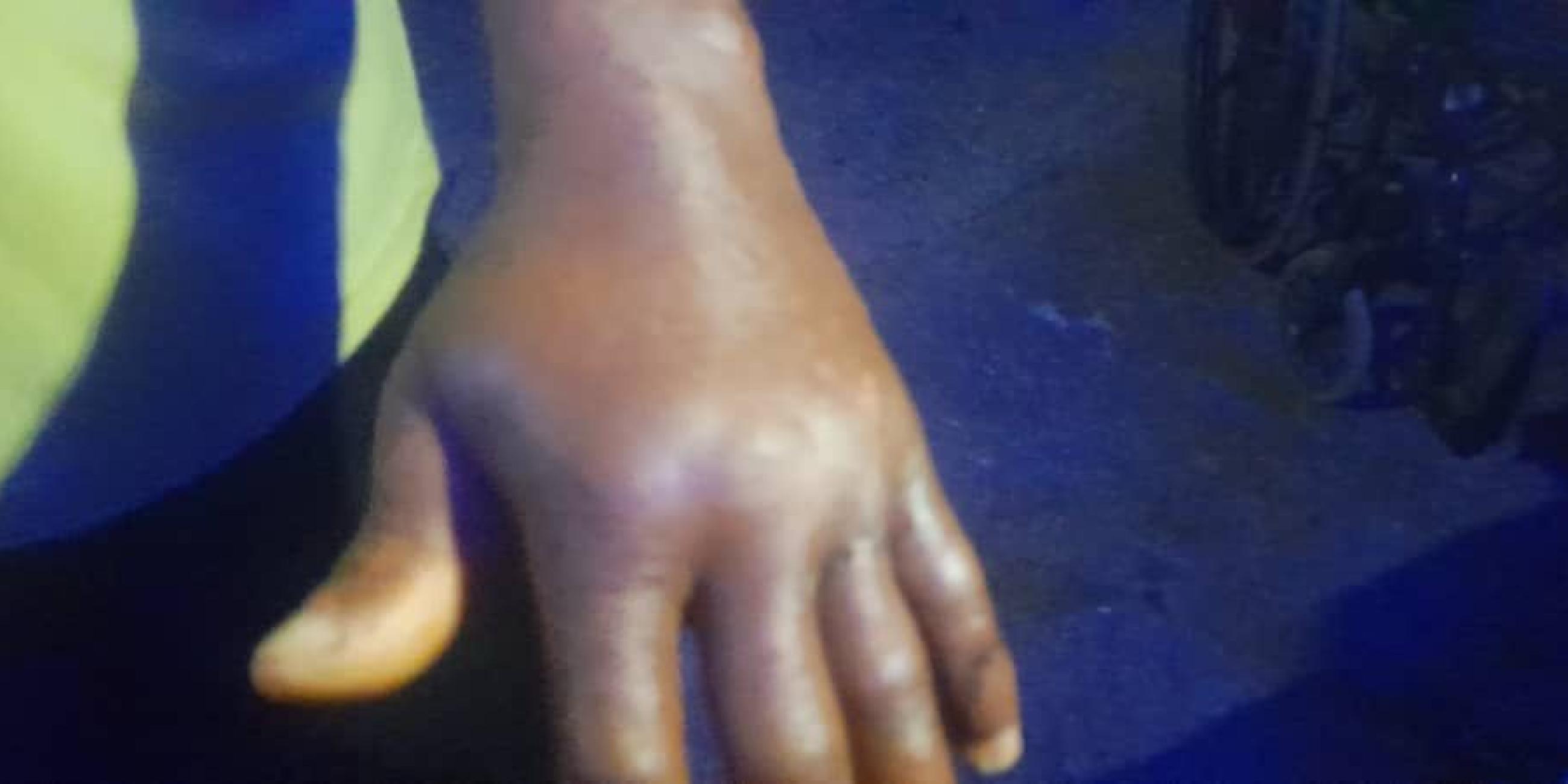
    A family housekeeper with a swollen hand claimed he had “picked up poison” while farming—an explanation widely accepted by community members, despite no one being able to describe what the poison was, how it worked, or where it came from. Rather than seeking medical help, the man was subjected to prayers, spiritual pressing, and ritual interventions, which only worsened the condition. For Igwe, this was a troubling reminder of how medical problems are often rebranded as spiritual attacks, delaying proper treatment and deepening fear.

    But why does this mindset persist? Igwe explains that in his community, no one is believed to die naturally. Death, illness, stroke, or paralysis are frequently attributed to enemies—often relatives or neighbors—who are accused of using occult means. Phrases like “they have killed him” or “they have finally gotten him” dominate conversations, reinforcing suspicion and tearing families apart. People live in constant fear that someone has planted spiritual “poisons” that they might step on or touch.

    Despite identifying as Christians, many residents, Igwe notes, move between churches, prophets, pastors, traditional priests, and ritual specialists. They pray to Jesus, invoke ancestors, hire “prayer warriors,” and perform sacrifices in an endless cycle of spiritual protection. But does this offer safety—or does it deepen exploitation? Igwe argues that this climate has created fertile ground for con artists, fake prophets, and self-styled spiritual practitioners who extract money in exchange for deliverance, exorcism, and supposed protection.

    One striking episode involved a roaming prayer man who went from house to house, collecting food or money after loud, theatrical prayers. In another home, Igwe witnessed a dramatic ritual in which sand was placed in people’s hands while God was commanded to “open doors,” even instructing someone to physically open the living room door to symbolize prosperity. To Igwe, this performance illustrated how faith is manipulated into spectacle while poverty remains unchanged.

    Perhaps the most disturbing moment came when a neighbor reported that dog feces found in their compound was not ordinary waste but a weapon of spiritual harm. The family believed it had been ritually placed to bring sickness or death—just as, they claimed, their parents had previously been killed. The response? Olive oil poured on it, urine used as a neutralizer, and the case escalated to village authorities. To Igwe, this episode captured how fear transforms harmless events into imagined threats, driving communities deeper into paranoia.

    Addressing a village meeting, Igwe warned of the dangerous consequences of baseless accusations, superstition, and occult blame, citing how such beliefs have destroyed families and communities across the region. He urged residents to free themselves from irrational fear and confront the social damage caused by suspicion, exploitation, and magical thinking.

    So what is the real cost of these beliefs? According to Igwe, communities trapped in superstition remain locked in poverty, fear, and manipulation, unable to address real health, economic, and social challenges. The essay ultimately asks a haunting question: Can communities break free from the cycle of fear before superstition consumes trust, development, and human dignity?

    Is Superstition Holding Nigerian Communities Hostage? How Fear of ‘Poison,’ Rituals, and Dog Poop Is Fueling Paranoia, Poverty, and Exploitation – By Leo Igwe Is superstition silently destroying communities in Nigeria—and why are fear, paranoia, and ritual beliefs still shaping how people interpret illness, death, and misfortune? In this powerful and unsettling account, Leo Igwe recounts his return to his hometown in southeastern Nigeria after decades away, where he encountered what he describes as the toxic grip of superstition and irrational fear on everyday life. From the moment he arrived, Igwe says he witnessed how ordinary health issues were being interpreted as the work of unseen enemies using “poison,” spiritual attacks, or occult forces. A family housekeeper with a swollen hand claimed he had “picked up poison” while farming—an explanation widely accepted by community members, despite no one being able to describe what the poison was, how it worked, or where it came from. Rather than seeking medical help, the man was subjected to prayers, spiritual pressing, and ritual interventions, which only worsened the condition. For Igwe, this was a troubling reminder of how medical problems are often rebranded as spiritual attacks, delaying proper treatment and deepening fear. But why does this mindset persist? Igwe explains that in his community, no one is believed to die naturally. Death, illness, stroke, or paralysis are frequently attributed to enemies—often relatives or neighbors—who are accused of using occult means. Phrases like “they have killed him” or “they have finally gotten him” dominate conversations, reinforcing suspicion and tearing families apart. People live in constant fear that someone has planted spiritual “poisons” that they might step on or touch. Despite identifying as Christians, many residents, Igwe notes, move between churches, prophets, pastors, traditional priests, and ritual specialists. They pray to Jesus, invoke ancestors, hire “prayer warriors,” and perform sacrifices in an endless cycle of spiritual protection. But does this offer safety—or does it deepen exploitation? Igwe argues that this climate has created fertile ground for con artists, fake prophets, and self-styled spiritual practitioners who extract money in exchange for deliverance, exorcism, and supposed protection. One striking episode involved a roaming prayer man who went from house to house, collecting food or money after loud, theatrical prayers. In another home, Igwe witnessed a dramatic ritual in which sand was placed in people’s hands while God was commanded to “open doors,” even instructing someone to physically open the living room door to symbolize prosperity. To Igwe, this performance illustrated how faith is manipulated into spectacle while poverty remains unchanged. Perhaps the most disturbing moment came when a neighbor reported that dog feces found in their compound was not ordinary waste but a weapon of spiritual harm. The family believed it had been ritually placed to bring sickness or death—just as, they claimed, their parents had previously been killed. The response? Olive oil poured on it, urine used as a neutralizer, and the case escalated to village authorities. To Igwe, this episode captured how fear transforms harmless events into imagined threats, driving communities deeper into paranoia. Addressing a village meeting, Igwe warned of the dangerous consequences of baseless accusations, superstition, and occult blame, citing how such beliefs have destroyed families and communities across the region. He urged residents to free themselves from irrational fear and confront the social damage caused by suspicion, exploitation, and magical thinking. So what is the real cost of these beliefs? According to Igwe, communities trapped in superstition remain locked in poverty, fear, and manipulation, unable to address real health, economic, and social challenges. The essay ultimately asks a haunting question: Can communities break free from the cycle of fear before superstition consumes trust, development, and human dignity?
    0 Kommentare ·0 Geteilt ·835 Ansichten
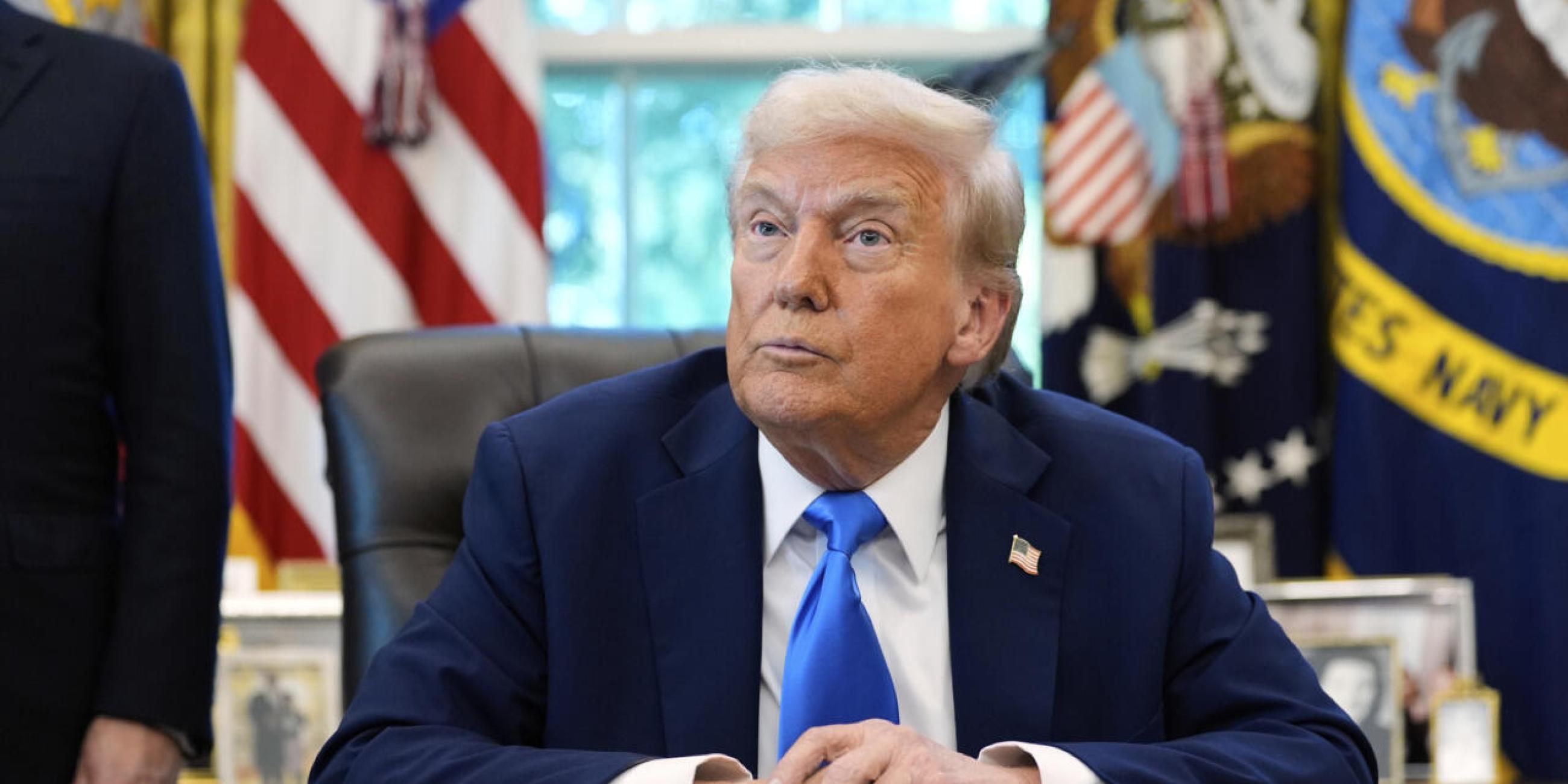
  • Will the U.S. Control Venezuela for Years? Trump Says Washington Will Oversee Venezuela’s Oil, Rebuild the Country and Decide Its Future After Maduro’s Removal

    Is the United States preparing to govern Venezuela for years, and will oil revenues determine the country’s political and economic future?

    U.S. President Donald Trump has said that Washington will take control of Venezuela and oversee its oil sector for a period that will extend far beyond a short-term transition. Speaking in a wide-ranging interview published on January 8, 2026, Trump indicated that American involvement in Venezuela would be long-term, with the country’s vast oil reserves at the center of U.S. strategy.

    When asked how long the United States would remain in control—whether for months, a year, or longer—Trump responded: “Only time will tell… I would say much longer.” The statement signals that U.S. oversight of Venezuela is not envisioned as a brief handover process but one that could last several years.

    Trump said the United States plans to rebuild Venezuela while exerting control over its most valuable resource, oil. “We will rebuild it in a very profitable way,” he said, following the January 3 operation in which U.S. forces seized President Nicolás Maduro. According to Trump, oil will play a central role in the rebuilding effort. “We’re going to be using oil, and we’re going to be taking oil. We’re getting oil prices down, and we’re going to be giving money to Venezuela, which they desperately need,” he stated.

    The president also confirmed that Washington is working closely with Venezuela’s interim government after Maduro’s removal, describing relations with interim president Delcy Rodríguez—a longtime ally and former vice president of Maduro—as cooperative. Trump further appeared to soften earlier rhetoric toward neighboring Colombia, inviting its leftist leader to Washington after previously criticizing him.

    The remarks come amid a broader shift in U.S.–Venezuela relations centered on energy and trade. Trump recently announced that Venezuela would use proceeds from a new oil agreement to purchase only American-made products, including agricultural goods, medicines, medical devices, and equipment for upgrading the country’s electricity grid and energy facilities. He portrayed the move as strengthening bilateral ties and positioning the United States as Venezuela’s principal commercial partner.

    Earlier reports also confirmed a deal allowing Venezuela to export $2 billion worth of crude oil to the United States—an agreement the administration described as a major diplomatic breakthrough. The arrangement is expected to divert Venezuelan oil away from China, ease production pressures, and mark a significant realignment in the region following months of heightened U.S. pressure on Caracas.

    But Trump’s comments raise major questions:
    Will U.S. control of Venezuela become a prolonged political and economic occupation?
    Who will ultimately decide how Venezuela’s oil wealth is managed and distributed?
    And can long-term foreign oversight deliver stability—or deepen regional tensions?

    As Washington places oil revenues at the heart of its strategy, the future of Venezuela appears increasingly tied to U.S. policy, energy markets, and geopolitical interests. Whether this approach leads to reconstruction or controversy, Trump’s statements make one thing clear: American involvement in Venezuela is not temporary, and the country’s oil will shape what comes next.


    Will the U.S. Control Venezuela for Years? Trump Says Washington Will Oversee Venezuela’s Oil, Rebuild the Country and Decide Its Future After Maduro’s Removal Is the United States preparing to govern Venezuela for years, and will oil revenues determine the country’s political and economic future? U.S. President Donald Trump has said that Washington will take control of Venezuela and oversee its oil sector for a period that will extend far beyond a short-term transition. Speaking in a wide-ranging interview published on January 8, 2026, Trump indicated that American involvement in Venezuela would be long-term, with the country’s vast oil reserves at the center of U.S. strategy. When asked how long the United States would remain in control—whether for months, a year, or longer—Trump responded: “Only time will tell… I would say much longer.” The statement signals that U.S. oversight of Venezuela is not envisioned as a brief handover process but one that could last several years. Trump said the United States plans to rebuild Venezuela while exerting control over its most valuable resource, oil. “We will rebuild it in a very profitable way,” he said, following the January 3 operation in which U.S. forces seized President Nicolás Maduro. According to Trump, oil will play a central role in the rebuilding effort. “We’re going to be using oil, and we’re going to be taking oil. We’re getting oil prices down, and we’re going to be giving money to Venezuela, which they desperately need,” he stated. The president also confirmed that Washington is working closely with Venezuela’s interim government after Maduro’s removal, describing relations with interim president Delcy Rodríguez—a longtime ally and former vice president of Maduro—as cooperative. Trump further appeared to soften earlier rhetoric toward neighboring Colombia, inviting its leftist leader to Washington after previously criticizing him. The remarks come amid a broader shift in U.S.–Venezuela relations centered on energy and trade. Trump recently announced that Venezuela would use proceeds from a new oil agreement to purchase only American-made products, including agricultural goods, medicines, medical devices, and equipment for upgrading the country’s electricity grid and energy facilities. He portrayed the move as strengthening bilateral ties and positioning the United States as Venezuela’s principal commercial partner. Earlier reports also confirmed a deal allowing Venezuela to export $2 billion worth of crude oil to the United States—an agreement the administration described as a major diplomatic breakthrough. The arrangement is expected to divert Venezuelan oil away from China, ease production pressures, and mark a significant realignment in the region following months of heightened U.S. pressure on Caracas. But Trump’s comments raise major questions: Will U.S. control of Venezuela become a prolonged political and economic occupation? Who will ultimately decide how Venezuela’s oil wealth is managed and distributed? And can long-term foreign oversight deliver stability—or deepen regional tensions? As Washington places oil revenues at the heart of its strategy, the future of Venezuela appears increasingly tied to U.S. policy, energy markets, and geopolitical interests. Whether this approach leads to reconstruction or controversy, Trump’s statements make one thing clear: American involvement in Venezuela is not temporary, and the country’s oil will shape what comes next.
    0 Kommentare ·0 Geteilt ·732 Ansichten
  • Is Nyesom Wike Undermining APC from Inside Government? Why Rivers APC Leaders Are Urging Tinubu to Sanction the FCT Minister Over ‘Anti-Party’ Activities

    Why would leaders of the ruling All Progressives Congress (APC) publicly demand the removal of a sitting minister appointed by their own government? And is Nigeria witnessing one of the most serious internal party confrontations since the 2023 elections?

    A coalition of APC leaders has formally asked President Bola Tinubu to sanction or remove the Minister of the Federal Capital Territory (FCT), Nyesom Wike, accusing him of repeated anti-party conduct and statements that allegedly threaten national unity. The demand was conveyed in a memo addressed to the President through the APC National Chairman, Prof. Nentawe Yilwatda, and was accompanied by plans for a protest at the party’s national secretariat in Abuja.

    The signatories—including party chieftains and youth leaders—say their action was prompted by growing concern that Wike, a former Rivers State governor and still a member of the opposition Peoples Democratic Party (PDP), has consistently attacked APC leadership while serving in an APC-led federal government. Could a minister appointed from outside the ruling party be working at cross-purposes with the party that empowered him?

    At the heart of the dispute are comments allegedly made by Wike during a “thank-you tour” in Oyigbo, Rivers State, where he was said to have criticised the APC National Secretary, Senator Ajibola Basiru, accusing him of meddling in state politics for personal reasons and warning that those who interfere would “get their fingers burnt.” APC leaders argue that such remarks amount to direct disrespect for the party’s National Working Committee and an attempt by Wike to exert influence in Rivers State despite not being a registered APC member.

    The coalition further alleges that Wike has been undermining the APC-led government in Rivers State through persistent public attacks on Governor Siminalayi Fubara, reportedly calling his emergence a “mistake” and suggesting that the situation should be corrected in the 2027 elections. Are these political opinions—or a calculated strategy to weaken APC’s hold on Rivers State from within?

    Beyond party politics, the memo raises alarms over what it describes as “dangerous and inflammatory” statements, including claims attributed to Wike that “nobody can enter Rivers State.” The APC leaders warn that portraying any part of Nigeria as a “no-go area” challenges federal authority, risks reviving tensions in the Niger Delta, and could undermine the President’s constitutional role as Commander-in-Chief. Could such rhetoric threaten national cohesion at a time when unity remains fragile?

    The group insists that failure to act against the FCT Minister may deepen internal divisions, erode party discipline, and weaken APC’s electoral prospects in Rivers State. They have vowed to escalate their protests nationwide if their demand is ignored.

    Is this a necessary stand to defend party supremacy and national unity—or a dramatic political showdown that exposes deeper fractures within Nigeria’s ruling party? As the standoff unfolds, all eyes remain on President Tinubu and whether he will heed the call to sanction one of the most powerful political figures in the country.


    Is Nyesom Wike Undermining APC from Inside Government? Why Rivers APC Leaders Are Urging Tinubu to Sanction the FCT Minister Over ‘Anti-Party’ Activities Why would leaders of the ruling All Progressives Congress (APC) publicly demand the removal of a sitting minister appointed by their own government? And is Nigeria witnessing one of the most serious internal party confrontations since the 2023 elections? A coalition of APC leaders has formally asked President Bola Tinubu to sanction or remove the Minister of the Federal Capital Territory (FCT), Nyesom Wike, accusing him of repeated anti-party conduct and statements that allegedly threaten national unity. The demand was conveyed in a memo addressed to the President through the APC National Chairman, Prof. Nentawe Yilwatda, and was accompanied by plans for a protest at the party’s national secretariat in Abuja. The signatories—including party chieftains and youth leaders—say their action was prompted by growing concern that Wike, a former Rivers State governor and still a member of the opposition Peoples Democratic Party (PDP), has consistently attacked APC leadership while serving in an APC-led federal government. Could a minister appointed from outside the ruling party be working at cross-purposes with the party that empowered him? At the heart of the dispute are comments allegedly made by Wike during a “thank-you tour” in Oyigbo, Rivers State, where he was said to have criticised the APC National Secretary, Senator Ajibola Basiru, accusing him of meddling in state politics for personal reasons and warning that those who interfere would “get their fingers burnt.” APC leaders argue that such remarks amount to direct disrespect for the party’s National Working Committee and an attempt by Wike to exert influence in Rivers State despite not being a registered APC member. The coalition further alleges that Wike has been undermining the APC-led government in Rivers State through persistent public attacks on Governor Siminalayi Fubara, reportedly calling his emergence a “mistake” and suggesting that the situation should be corrected in the 2027 elections. Are these political opinions—or a calculated strategy to weaken APC’s hold on Rivers State from within? Beyond party politics, the memo raises alarms over what it describes as “dangerous and inflammatory” statements, including claims attributed to Wike that “nobody can enter Rivers State.” The APC leaders warn that portraying any part of Nigeria as a “no-go area” challenges federal authority, risks reviving tensions in the Niger Delta, and could undermine the President’s constitutional role as Commander-in-Chief. Could such rhetoric threaten national cohesion at a time when unity remains fragile? The group insists that failure to act against the FCT Minister may deepen internal divisions, erode party discipline, and weaken APC’s electoral prospects in Rivers State. They have vowed to escalate their protests nationwide if their demand is ignored. Is this a necessary stand to defend party supremacy and national unity—or a dramatic political showdown that exposes deeper fractures within Nigeria’s ruling party? As the standoff unfolds, all eyes remain on President Tinubu and whether he will heed the call to sanction one of the most powerful political figures in the country.
    0 Kommentare ·0 Geteilt ·1KB Ansichten
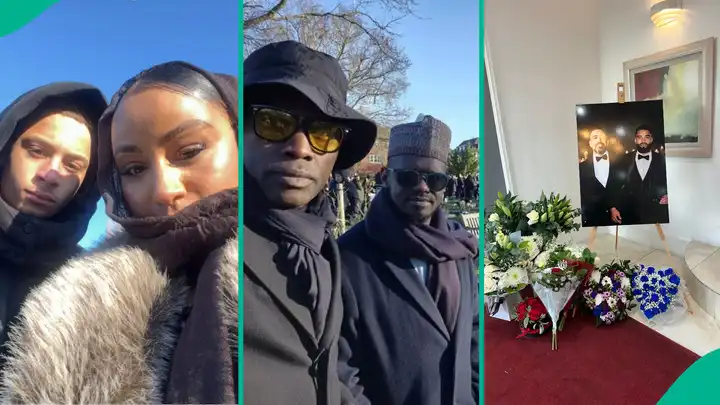
  • Anthony Joshua Attends Burial of Late Friends in London: Attendees Share Emotional Observations”

    The burial of Anthony Joshua’s close friends, Latif Ayodele and Sina Ghami, who tragically died in a car accident on December 29, 2025, in Ogun State, Nigeria, took place in London on January 4, 2026. Both men were key members of Joshua’s team—Ghami served as his strength and conditioning coach, while Ayodele was his personal trainer. The ceremony attracted friends, family, and associates, some of whom shared emotional observations and photos from the event on social media.
    Key highlights from attendees:
    UK-based attendee posts photo
    Nigerian Alistair Soyode attended the funeral and shared a photo on Facebook, describing Anthony Joshua’s behavior before the burial and providing insight into the kind of guests present.
    Lady shares unusual sight at gravesite
    A lady named Rebecca (@honeymck23) uploaded photos on Instagram, capturing something unusual above the graves of the deceased. Her post quickly gained attention, sparking discussions among fans and followers about the significance of the scene.
    Sina Ghami’s dog pays tribute
    TikTok user @max.millione2 filmed Ghami’s dog paying respects at his owner’s coffin, creating a heartfelt and viral moment online. Many reacted to the loyalty and emotional bond between the pet and the deceased.
    Latif Ayodele’s father shares reception video
    The father of Latif shared a rare video of the burial reception, providing a glimpse of guests and the atmosphere inside the indoor venue. He also reflected on his son’s legacy and how attendees reacted to the ceremony.
    The tragic deaths have also prompted discussions about Anthony Joshua’s future in boxing. His uncle, Adedamola Joshua, revealed that the boxer had shared with the family that he was considering retirement following the loss of his close associates, highlighting the personal impact the accident has had on him.
    The burial not only underscored the emotional support surrounding Anthony Joshua during this difficult period but also revealed the intimate moments and tributes that marked the ceremony. Observers noted the mix of sorrow, respect, and heartfelt gestures from friends, family, and fans who attended to honor the lives of Ayodele and Ghami.
    Anthony Joshua Attends Burial of Late Friends in London: Attendees Share Emotional Observations” The burial of Anthony Joshua’s close friends, Latif Ayodele and Sina Ghami, who tragically died in a car accident on December 29, 2025, in Ogun State, Nigeria, took place in London on January 4, 2026. Both men were key members of Joshua’s team—Ghami served as his strength and conditioning coach, while Ayodele was his personal trainer. The ceremony attracted friends, family, and associates, some of whom shared emotional observations and photos from the event on social media. Key highlights from attendees: UK-based attendee posts photo Nigerian Alistair Soyode attended the funeral and shared a photo on Facebook, describing Anthony Joshua’s behavior before the burial and providing insight into the kind of guests present. Lady shares unusual sight at gravesite A lady named Rebecca (@honeymck23) uploaded photos on Instagram, capturing something unusual above the graves of the deceased. Her post quickly gained attention, sparking discussions among fans and followers about the significance of the scene. Sina Ghami’s dog pays tribute TikTok user @max.millione2 filmed Ghami’s dog paying respects at his owner’s coffin, creating a heartfelt and viral moment online. Many reacted to the loyalty and emotional bond between the pet and the deceased. Latif Ayodele’s father shares reception video The father of Latif shared a rare video of the burial reception, providing a glimpse of guests and the atmosphere inside the indoor venue. He also reflected on his son’s legacy and how attendees reacted to the ceremony. The tragic deaths have also prompted discussions about Anthony Joshua’s future in boxing. His uncle, Adedamola Joshua, revealed that the boxer had shared with the family that he was considering retirement following the loss of his close associates, highlighting the personal impact the accident has had on him. The burial not only underscored the emotional support surrounding Anthony Joshua during this difficult period but also revealed the intimate moments and tributes that marked the ceremony. Observers noted the mix of sorrow, respect, and heartfelt gestures from friends, family, and fans who attended to honor the lives of Ayodele and Ghami.
    0 Kommentare ·0 Geteilt ·528 Ansichten
  • “Tinubu Government Cites Fiscal Challenges for Delayed Support to Nigerian Scholars in Morocco”

    The Bola Tinubu-led Nigerian government has addressed allegations that Nigerian students studying in Morocco under federal scholarships have been abandoned, attributing delays to “temporary fiscal challenges.” This response comes amid claims by several students that they were left without financial support, shelter, or medical care over several years, with some facing life-threatening situations.
    One final-year medical student reported that scholarship beneficiaries, recruited to train as future doctors for Nigeria, were struggling to meet basic needs. Another case involved a student named Umar, who suffered from appendicitis requiring urgent surgery, highlighting the serious risks faced by the scholars.
    In a statement released by the Federal Ministry of Education, Director of Press Boriowo Folasade quoted Education Minister Dr. Maruf Alausa, who confirmed that no Nigerian student on a valid Federal Government scholarship has been abandoned. The ministry explained that students enrolled under the Bilateral Education Scholarship Programme prior to 2024 received funding up to the 2024 budget year. Any delays in payments were attributed to fiscal constraints, with ongoing coordination between the Ministries of Education and Finance to resolve outstanding issues.
    The ministry further clarified that no new bilateral scholarships were awarded in 2025, dismissing circulating documents as “fake and unauthenticated.” According to the government, overseas scholarships have been scaled down following a policy review, citing sufficient capacity in Nigerian universities, polytechnics, and colleges of education to accommodate affected programs locally. Under the new framework, only scholarships fully funded by host foreign governments are supported.
    Despite these changes, the government reiterated its commitment to students already enrolled abroad, promising continued support until they complete their studies. Students wishing to discontinue overseas programs may return to Nigerian institutions, with the Federal Government covering return travel costs. The ministry justified the reforms as a measure to reduce avoidable financial burdens on public resources while strengthening domestic educational capacity.
    The government concluded by rejecting what it described as misinformation or attempts to undermine policies, emphasizing that it remains dedicated to the welfare and academic progress of Nigerian students abroad.
    “Tinubu Government Cites Fiscal Challenges for Delayed Support to Nigerian Scholars in Morocco” The Bola Tinubu-led Nigerian government has addressed allegations that Nigerian students studying in Morocco under federal scholarships have been abandoned, attributing delays to “temporary fiscal challenges.” This response comes amid claims by several students that they were left without financial support, shelter, or medical care over several years, with some facing life-threatening situations. One final-year medical student reported that scholarship beneficiaries, recruited to train as future doctors for Nigeria, were struggling to meet basic needs. Another case involved a student named Umar, who suffered from appendicitis requiring urgent surgery, highlighting the serious risks faced by the scholars. In a statement released by the Federal Ministry of Education, Director of Press Boriowo Folasade quoted Education Minister Dr. Maruf Alausa, who confirmed that no Nigerian student on a valid Federal Government scholarship has been abandoned. The ministry explained that students enrolled under the Bilateral Education Scholarship Programme prior to 2024 received funding up to the 2024 budget year. Any delays in payments were attributed to fiscal constraints, with ongoing coordination between the Ministries of Education and Finance to resolve outstanding issues. The ministry further clarified that no new bilateral scholarships were awarded in 2025, dismissing circulating documents as “fake and unauthenticated.” According to the government, overseas scholarships have been scaled down following a policy review, citing sufficient capacity in Nigerian universities, polytechnics, and colleges of education to accommodate affected programs locally. Under the new framework, only scholarships fully funded by host foreign governments are supported. Despite these changes, the government reiterated its commitment to students already enrolled abroad, promising continued support until they complete their studies. Students wishing to discontinue overseas programs may return to Nigerian institutions, with the Federal Government covering return travel costs. The ministry justified the reforms as a measure to reduce avoidable financial burdens on public resources while strengthening domestic educational capacity. The government concluded by rejecting what it described as misinformation or attempts to undermine policies, emphasizing that it remains dedicated to the welfare and academic progress of Nigerian students abroad.
    0 Kommentare ·0 Geteilt ·510 Ansichten
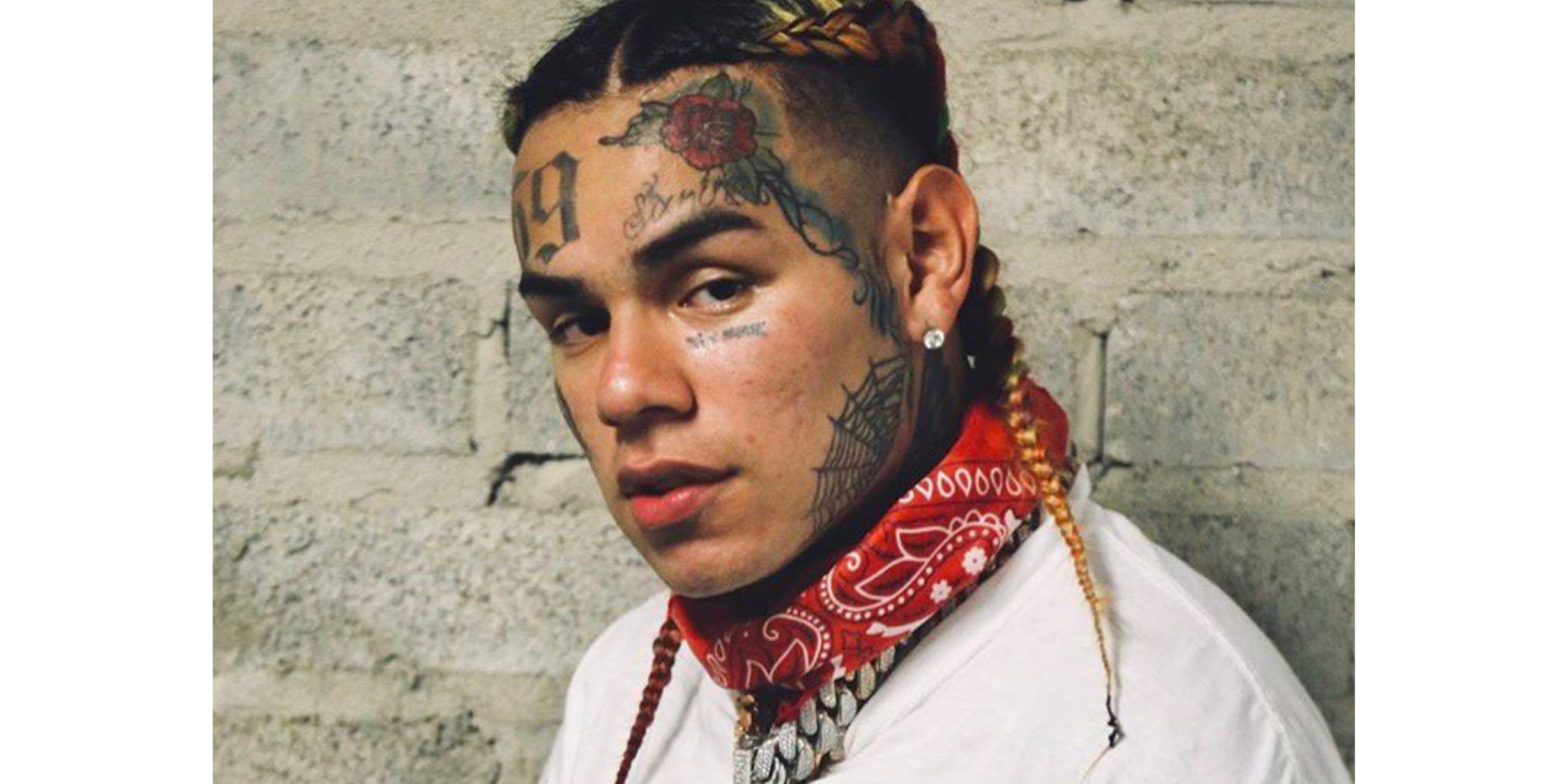
  • American Rapper Tekashi 6ix9ine Turns Himself In to Begin Three-Month Prison Sentence for Supervised Release Violations Amid Social Media Livestream Frenzy

    American rapper Daniel Hernandez, professionally known as Tekashi 6ix9ine, surrendered on January 6, 2026, to begin serving a three-month federal prison sentence for multiple violations of his supervised release. The rapper reported to the Metropolitan Detention Center in Brooklyn, New York, following a media-filled farewell, livestreamed by popular influencer Adin Ross, capturing his final moments as a free man.
    The latest sentence stems from Hernandez’s prior legal troubles, including a 2018 racketeering (RICO) conviction linked to the Nine Trey Gangsta Bloods. In March 2025, authorities discovered cocaine and MDMA at his South Florida residence, leading to a guilty plea for drug possession. Additional violations, including an assault at a Palm Beach County mall, contributed to the prison term.
    This marks 6ix9ine’s second incarceration in just over a year for supervised release breaches, following a six-week prison sentence in November 2024 for unauthorized travel, missed drug tests, and positive methamphetamine tests. Ahead of surrender, 6ix9ine’s social media activity, including removing his court-ordered ankle monitor with the help of influencers, sparked widespread attention. The rapper expressed gratitude to fans, captioning his farewell post, “Thank you guys so much see you in 3 months,” as he began his roughly 90-day sentence.
    American Rapper Tekashi 6ix9ine Turns Himself In to Begin Three-Month Prison Sentence for Supervised Release Violations Amid Social Media Livestream Frenzy American rapper Daniel Hernandez, professionally known as Tekashi 6ix9ine, surrendered on January 6, 2026, to begin serving a three-month federal prison sentence for multiple violations of his supervised release. The rapper reported to the Metropolitan Detention Center in Brooklyn, New York, following a media-filled farewell, livestreamed by popular influencer Adin Ross, capturing his final moments as a free man. The latest sentence stems from Hernandez’s prior legal troubles, including a 2018 racketeering (RICO) conviction linked to the Nine Trey Gangsta Bloods. In March 2025, authorities discovered cocaine and MDMA at his South Florida residence, leading to a guilty plea for drug possession. Additional violations, including an assault at a Palm Beach County mall, contributed to the prison term. This marks 6ix9ine’s second incarceration in just over a year for supervised release breaches, following a six-week prison sentence in November 2024 for unauthorized travel, missed drug tests, and positive methamphetamine tests. Ahead of surrender, 6ix9ine’s social media activity, including removing his court-ordered ankle monitor with the help of influencers, sparked widespread attention. The rapper expressed gratitude to fans, captioning his farewell post, “Thank you guys so much see you in 3 months,” as he began his roughly 90-day sentence.
    0 Kommentare ·0 Geteilt ·429 Ansichten
  • BBC Bars Journalists From Using ‘Kidnapped’ to Describe Nicolas Maduro’s Arrest by US Forces, Sparks Global Media Ethics Debate After Trump Backs Term

    A controversy has erupted over the BBC’s editorial guidelines following the arrest of Venezuelan President Nicolás Maduro by United States forces. According to socialist commentator Owen Jones, BBC journalists were instructed through an internal memo not to describe the incident as a “kidnapping,” despite that term being used by Venezuelan officials and even accepted by U.S. President Donald Trump.

    The memo, circulated by the BBC News Editor, advised reporters to use terms such as “captured”—attributed to the U.S. account of events—or “seized” in the corporation’s own reporting, while explicitly cautioning: “Avoid using ‘Kidnapped.’” Jones shared the directive publicly, triggering widespread debate about editorial independence, language framing, and media neutrality in covering sensitive international operations.

    The backlash intensified after President Trump, speaking aboard Air Force One, said he had no objection to describing Maduro’s detention as a kidnapping, responding: “It’s alright. It’s not a bad term.” Trump confirmed that Maduro had been taken into U.S. custody and transferred to New York, following what U.S. authorities called a surprise operation. Venezuela’s then–Vice President Delcy Rodríguez, who has since been sworn in as interim president, had earlier labeled the action a “kidnapping.”

    In court, Maduro and his wife Cilia Flores pleaded not guilty to multiple charges, including narco-terrorism conspiracy, cocaine trafficking, and weapons-related offences. Maduro told the court he was “kidnapped” and “captured” from his Caracas residence, declaring himself a “prisoner of war.” The developments have intensified scrutiny of both U.S. actions in Venezuela and the BBC’s editorial choices, with critics arguing the language ban reflects political sensitivity, while defenders say it ensures accuracy and consistency.

    The episode has reignited global debate over media ethics, word choice in conflict reporting, and the power of language in shaping public perception of international crises.
    BBC Bars Journalists From Using ‘Kidnapped’ to Describe Nicolas Maduro’s Arrest by US Forces, Sparks Global Media Ethics Debate After Trump Backs Term A controversy has erupted over the BBC’s editorial guidelines following the arrest of Venezuelan President Nicolás Maduro by United States forces. According to socialist commentator Owen Jones, BBC journalists were instructed through an internal memo not to describe the incident as a “kidnapping,” despite that term being used by Venezuelan officials and even accepted by U.S. President Donald Trump. The memo, circulated by the BBC News Editor, advised reporters to use terms such as “captured”—attributed to the U.S. account of events—or “seized” in the corporation’s own reporting, while explicitly cautioning: “Avoid using ‘Kidnapped.’” Jones shared the directive publicly, triggering widespread debate about editorial independence, language framing, and media neutrality in covering sensitive international operations. The backlash intensified after President Trump, speaking aboard Air Force One, said he had no objection to describing Maduro’s detention as a kidnapping, responding: “It’s alright. It’s not a bad term.” Trump confirmed that Maduro had been taken into U.S. custody and transferred to New York, following what U.S. authorities called a surprise operation. Venezuela’s then–Vice President Delcy Rodríguez, who has since been sworn in as interim president, had earlier labeled the action a “kidnapping.” In court, Maduro and his wife Cilia Flores pleaded not guilty to multiple charges, including narco-terrorism conspiracy, cocaine trafficking, and weapons-related offences. Maduro told the court he was “kidnapped” and “captured” from his Caracas residence, declaring himself a “prisoner of war.” The developments have intensified scrutiny of both U.S. actions in Venezuela and the BBC’s editorial choices, with critics arguing the language ban reflects political sensitivity, while defenders say it ensures accuracy and consistency. The episode has reignited global debate over media ethics, word choice in conflict reporting, and the power of language in shaping public perception of international crises.
    0 Kommentare ·0 Geteilt ·364 Ansichten
  • US Congressman Riley Moore Warns of Escalating Violence Against Christians in Nigeria, Cites ISIS ‘Convert or Die’ Threats and U.S.–Nigeria Security Cooperation

    U.S. Congressman Riley Moore has raised fresh alarm over what he describes as a worsening campaign of violence against Christian communities in Nigeria, citing threats from ISIS-linked groups demanding that Christians “convert or die.” Speaking on Newsmax TV, Moore said he visited Nigeria in December as part of a congressional delegation sent at the direction of President Donald Trump to assess security conditions and humanitarian needs.

    Moore recounted harrowing testimonies from internally displaced persons (IDPs), including women who witnessed the قتل of their children, families torn apart, and unborn babies killed. He said these accounts point to targeted religious persecution, not random criminal violence. According to him, extremist groups—such as ISIS-affiliated factions and Islamist militants active in Nigeria’s Middle Belt—are deliberately attacking churches, Christian villages, and IDP camps.

    The West Virginia lawmaker stated that U.S.–Nigeria security cooperation has intensified, claiming recent joint military actions, including a reported strike around Christmas, helped deter attacks during the holiday period. While some details of these operations have not been independently verified, Moore said discussions are ongoing to establish a broader strategic security framework to strengthen Nigeria’s military capacity, improve intelligence sharing, and close operational gaps.

    Rejecting explanations that attribute the violence mainly to climate change or land disputes, Moore argued that the rhetoric and actions of extremist groups clearly show a specific focus on Christian communities. He acknowledged that Nigerians of all backgrounds have suffered but insisted that Christians face targeted persecution.

    Human rights groups continue to document widespread insecurity in Nigeria involving Boko Haram, ISIS–West Africa Province (ISWAP), and armed militias, with debate persisting over the root causes of the violence. Moore said his conclusions are based on firsthand observations: “What is happening in Nigeria is Christian persecution,” he maintained, urging sustained international attention and support.
    US Congressman Riley Moore Warns of Escalating Violence Against Christians in Nigeria, Cites ISIS ‘Convert or Die’ Threats and U.S.–Nigeria Security Cooperation U.S. Congressman Riley Moore has raised fresh alarm over what he describes as a worsening campaign of violence against Christian communities in Nigeria, citing threats from ISIS-linked groups demanding that Christians “convert or die.” Speaking on Newsmax TV, Moore said he visited Nigeria in December as part of a congressional delegation sent at the direction of President Donald Trump to assess security conditions and humanitarian needs. Moore recounted harrowing testimonies from internally displaced persons (IDPs), including women who witnessed the قتل of their children, families torn apart, and unborn babies killed. He said these accounts point to targeted religious persecution, not random criminal violence. According to him, extremist groups—such as ISIS-affiliated factions and Islamist militants active in Nigeria’s Middle Belt—are deliberately attacking churches, Christian villages, and IDP camps. The West Virginia lawmaker stated that U.S.–Nigeria security cooperation has intensified, claiming recent joint military actions, including a reported strike around Christmas, helped deter attacks during the holiday period. While some details of these operations have not been independently verified, Moore said discussions are ongoing to establish a broader strategic security framework to strengthen Nigeria’s military capacity, improve intelligence sharing, and close operational gaps. Rejecting explanations that attribute the violence mainly to climate change or land disputes, Moore argued that the rhetoric and actions of extremist groups clearly show a specific focus on Christian communities. He acknowledged that Nigerians of all backgrounds have suffered but insisted that Christians face targeted persecution. Human rights groups continue to document widespread insecurity in Nigeria involving Boko Haram, ISIS–West Africa Province (ISWAP), and armed militias, with debate persisting over the root causes of the violence. Moore said his conclusions are based on firsthand observations: “What is happening in Nigeria is Christian persecution,” he maintained, urging sustained international attention and support.
    0 Kommentare ·0 Geteilt ·670 Ansichten
Fintter https://fintter.com