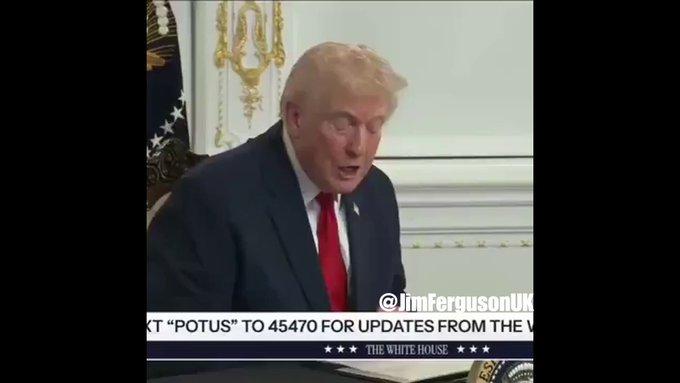
• Trump Calls for Regime Change in Iran as Protests Leave Thousands Dead, U.S. Moves Forces to Middle East

    U.S. President Donald Trump has openly called for new leadership in Iran following weeks of deadly nationwide protests. Speaking to Politico, Trump accused Iran’s supreme leader, Ayatollah Ali Khamenei, of poor leadership and human rights abuses, as reports estimate over 3,000 protesters killed and more than 22,000 arrested. Khamenei fired back, labeling Trump a criminal and blaming him for unrest. As tensions rise, the U.S. is reportedly deploying additional military assets to the Middle East and evacuating personnel, fueling fears of a wider conflict.

    #IranProtests #TrumpIran #GlobalTension
    Trump Calls for Regime Change in Iran as Protests Leave Thousands Dead, U.S. Moves Forces to Middle East U.S. President Donald Trump has openly called for new leadership in Iran following weeks of deadly nationwide protests. Speaking to Politico, Trump accused Iran’s supreme leader, Ayatollah Ali Khamenei, of poor leadership and human rights abuses, as reports estimate over 3,000 protesters killed and more than 22,000 arrested. Khamenei fired back, labeling Trump a criminal and blaming him for unrest. As tensions rise, the U.S. is reportedly deploying additional military assets to the Middle East and evacuating personnel, fueling fears of a wider conflict. #IranProtests #TrumpIran #GlobalTension
    love
    2
    · 0 Commenti ·0 condivisioni ·4K Views
  • Is Iran’s Supreme Leader Blaming Protesters to Please Trump as Deadly Unrest, Internet Blackouts and Calls for Regime Change Shake Tehran?

    Iran’s Supreme Leader, Ayatollah Ali Khamenei, has accused anti-government protesters of “ruining their own streets to make the president of another country happy,” as nationwide unrest continues to grip Tehran and other major cities despite an unprecedented internet and telephone shutdown. His remarks come amid escalating demonstrations that began over economic hardship but have rapidly evolved into the most serious challenge to Iran’s leadership in years.

    Short videos circulating on social media before the blackout showed protesters chanting around bonfires, blocking roads, and leaving streets strewn with debris. Iranian state television later blamed the violence on “terrorist agents” backed by the United States and Israel, reporting unspecified “casualties” while offering few details. During a televised address, Khamenei warned of a hardline response, as crowds in the studio chanted “Death to America,” underscoring the regime’s narrative of foreign interference.

    According to analysts, the protests gained momentum after public appeals by exiled Crown Prince Reza Pahlavi, who urged Iranians to take to the streets at coordinated times. Holly Dagres of the Washington Institute for Near East Policy said the calls had a decisive impact, transforming scattered demonstrations into a nationwide movement aimed at toppling the Islamic Republic. Witnesses in Tehran reported chants of “Death to the dictator,” “Death to the Islamic Republic,” and slogans calling for the return of the Pahlavi monarchy.

    Pahlavi condemned the government’s decision to shut down communications, warning that cutting internet and landlines was intended to silence the protesters and prevent the world from seeing what was happening inside Iran. He urged international leaders to use “technical, financial, and diplomatic resources” to restore connectivity so that the voices of Iranians could be heard globally.

    Human rights groups report a growing toll. The U.S.-based Human Rights Activists News Agency says at least 42 people have been killed and more than 2,270 detained since the protests began. State media acknowledged that private vehicles, public transport, metro stations, and emergency vehicles had been set ablaze during demonstrations, reinforcing claims of widespread unrest.

    Former U.S. President Donald Trump has also weighed in, warning Tehran against violently suppressing peaceful protesters and threatening severe consequences if the crackdown continues. His comments have fueled speculation that Iran’s leadership is framing the protests as a foreign-backed campaign to delegitimize domestic dissent.

    As the internet blackout persists and security forces tighten their grip, questions remain: Are Iran’s leaders confronting a genuine popular uprising driven by economic despair and demands for freedom, or will the government succeed in recasting the movement as an externally orchestrated plot? With mounting deaths, mass arrests, and growing international attention, the unfolding crisis could redefine Iran’s political future.


    Is Iran’s Supreme Leader Blaming Protesters to Please Trump as Deadly Unrest, Internet Blackouts and Calls for Regime Change Shake Tehran? Iran’s Supreme Leader, Ayatollah Ali Khamenei, has accused anti-government protesters of “ruining their own streets to make the president of another country happy,” as nationwide unrest continues to grip Tehran and other major cities despite an unprecedented internet and telephone shutdown. His remarks come amid escalating demonstrations that began over economic hardship but have rapidly evolved into the most serious challenge to Iran’s leadership in years. Short videos circulating on social media before the blackout showed protesters chanting around bonfires, blocking roads, and leaving streets strewn with debris. Iranian state television later blamed the violence on “terrorist agents” backed by the United States and Israel, reporting unspecified “casualties” while offering few details. During a televised address, Khamenei warned of a hardline response, as crowds in the studio chanted “Death to America,” underscoring the regime’s narrative of foreign interference. According to analysts, the protests gained momentum after public appeals by exiled Crown Prince Reza Pahlavi, who urged Iranians to take to the streets at coordinated times. Holly Dagres of the Washington Institute for Near East Policy said the calls had a decisive impact, transforming scattered demonstrations into a nationwide movement aimed at toppling the Islamic Republic. Witnesses in Tehran reported chants of “Death to the dictator,” “Death to the Islamic Republic,” and slogans calling for the return of the Pahlavi monarchy. Pahlavi condemned the government’s decision to shut down communications, warning that cutting internet and landlines was intended to silence the protesters and prevent the world from seeing what was happening inside Iran. He urged international leaders to use “technical, financial, and diplomatic resources” to restore connectivity so that the voices of Iranians could be heard globally. Human rights groups report a growing toll. The U.S.-based Human Rights Activists News Agency says at least 42 people have been killed and more than 2,270 detained since the protests began. State media acknowledged that private vehicles, public transport, metro stations, and emergency vehicles had been set ablaze during demonstrations, reinforcing claims of widespread unrest. Former U.S. President Donald Trump has also weighed in, warning Tehran against violently suppressing peaceful protesters and threatening severe consequences if the crackdown continues. His comments have fueled speculation that Iran’s leadership is framing the protests as a foreign-backed campaign to delegitimize domestic dissent. As the internet blackout persists and security forces tighten their grip, questions remain: Are Iran’s leaders confronting a genuine popular uprising driven by economic despair and demands for freedom, or will the government succeed in recasting the movement as an externally orchestrated plot? With mounting deaths, mass arrests, and growing international attention, the unfolding crisis could redefine Iran’s political future.
    0 Commenti ·0 condivisioni ·3K Views
  • When Power Rewrites Jurisdiction: Legal Implications of Maduro’s Capture, Universal Jurisdiction and Trump’s Nigeria Playbook — Opinion by Dr. Seun Solomon Bakare

    In this opinion piece, Dr. Seun Solomon Bakare critically examines the United States’ capture and transfer of Venezuelan President Nicolás Maduro to New York, arguing that while the act may appear morally justified, it presents profound legal and jurisdictional challenges under international law. He contends that the operation represents more than a criminal arrest, instead signalling a dangerous precedent where power, rather than law, determines jurisdiction, forum, and enforcement.

    Bakare explains that international law restricts the use of force to narrow circumstances such as self-defence or UN Security Council authorisation, noting that criminal indictments do not justify cross-border military seizures. He argues that doctrines like universal jurisdiction allow prosecution of certain crimes but do not permit armed enforcement on foreign soil, especially against a sitting head of state protected by immunity under international law.

    Drawing comparisons with Nigeria’s experience under the Trump administration—through sanctions, visa restrictions, and external pressure—Bakare warns that unilateral enforcement bypassing domestic and regional accountability mechanisms undermines principles such as complementarity, subsidiarity, and regional justice. He cautions that collapsing the distinction between prosecution and regime change risks transforming international criminal law into a contest of raw power, where legality becomes secondary to capability.

    The article concludes that without credible domestic and regional accountability systems, global justice risks devolving into coercion by the powerful, threatening the very foundations of the post-1945 international legal order.
    When Power Rewrites Jurisdiction: Legal Implications of Maduro’s Capture, Universal Jurisdiction and Trump’s Nigeria Playbook — Opinion by Dr. Seun Solomon Bakare In this opinion piece, Dr. Seun Solomon Bakare critically examines the United States’ capture and transfer of Venezuelan President Nicolás Maduro to New York, arguing that while the act may appear morally justified, it presents profound legal and jurisdictional challenges under international law. He contends that the operation represents more than a criminal arrest, instead signalling a dangerous precedent where power, rather than law, determines jurisdiction, forum, and enforcement. Bakare explains that international law restricts the use of force to narrow circumstances such as self-defence or UN Security Council authorisation, noting that criminal indictments do not justify cross-border military seizures. He argues that doctrines like universal jurisdiction allow prosecution of certain crimes but do not permit armed enforcement on foreign soil, especially against a sitting head of state protected by immunity under international law. Drawing comparisons with Nigeria’s experience under the Trump administration—through sanctions, visa restrictions, and external pressure—Bakare warns that unilateral enforcement bypassing domestic and regional accountability mechanisms undermines principles such as complementarity, subsidiarity, and regional justice. He cautions that collapsing the distinction between prosecution and regime change risks transforming international criminal law into a contest of raw power, where legality becomes secondary to capability. The article concludes that without credible domestic and regional accountability systems, global justice risks devolving into coercion by the powerful, threatening the very foundations of the post-1945 international legal order.
    like
    1
    · 0 Commenti ·0 condivisioni ·748 Views
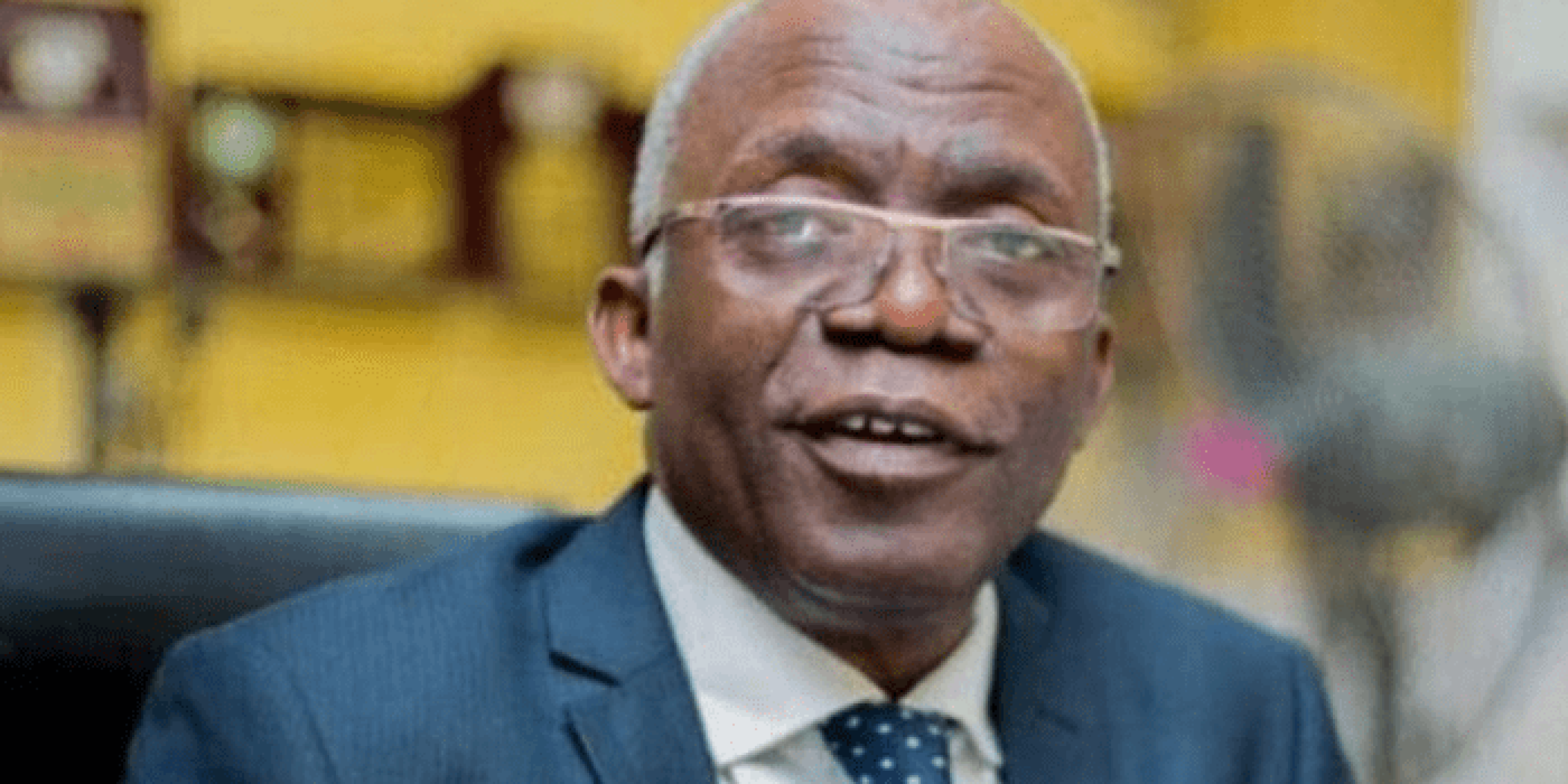
  • Femi Falana Urges U.S. Congress to Sanction Donald Trump Over Illegal Venezuela Invasion, Calls on UN to Uphold International Law

    Nigerian human rights lawyer and Senior Advocate of Nigeria (SAN), Femi Falana, has called on the U.S. Congress to sanction President Donald Trump for an alleged illegal invasion of Venezuela, warning it violates international law and the United Nations Charter.

    Falana condemned Trump’s reported military action in Caracas, which resulted in the overthrow of President Nicolás Maduro, civilian casualties, and the capture of Maduro and his wife on terrorism and narcotics charges. He described the operation as part of “reckless gangsterism” in Trump’s second term, citing previous unauthorized military strikes in Iran and Nigeria.

    The lawyer accused the Trump administration of attempting to install a transition regime in Venezuela to seize its oil and gas resources, effectively turning the country into a U.S. colony. Falana emphasized that ideological differences with Maduro’s government do not justify military intervention or regime change.

    He urged the U.S. judiciary to reject Trump’s attempts to use domestic courts to undermine Venezuela’s sovereignty and called on the United Nations to demand justice and uphold the UN Charter. Falana also criticized the international community’s double standards, stressing that silence undermines global justice.


    #VenezuelaCrisis #FemiFalana #TrumpSanctions #InternationalLaw #UNIntervention
    Femi Falana Urges U.S. Congress to Sanction Donald Trump Over Illegal Venezuela Invasion, Calls on UN to Uphold International Law Nigerian human rights lawyer and Senior Advocate of Nigeria (SAN), Femi Falana, has called on the U.S. Congress to sanction President Donald Trump for an alleged illegal invasion of Venezuela, warning it violates international law and the United Nations Charter. Falana condemned Trump’s reported military action in Caracas, which resulted in the overthrow of President Nicolás Maduro, civilian casualties, and the capture of Maduro and his wife on terrorism and narcotics charges. He described the operation as part of “reckless gangsterism” in Trump’s second term, citing previous unauthorized military strikes in Iran and Nigeria. The lawyer accused the Trump administration of attempting to install a transition regime in Venezuela to seize its oil and gas resources, effectively turning the country into a U.S. colony. Falana emphasized that ideological differences with Maduro’s government do not justify military intervention or regime change. He urged the U.S. judiciary to reject Trump’s attempts to use domestic courts to undermine Venezuela’s sovereignty and called on the United Nations to demand justice and uphold the UN Charter. Falana also criticized the international community’s double standards, stressing that silence undermines global justice. #VenezuelaCrisis #FemiFalana #TrumpSanctions #InternationalLaw #UNIntervention
    like
    1
    · 0 Commenti ·0 condivisioni ·2K Views
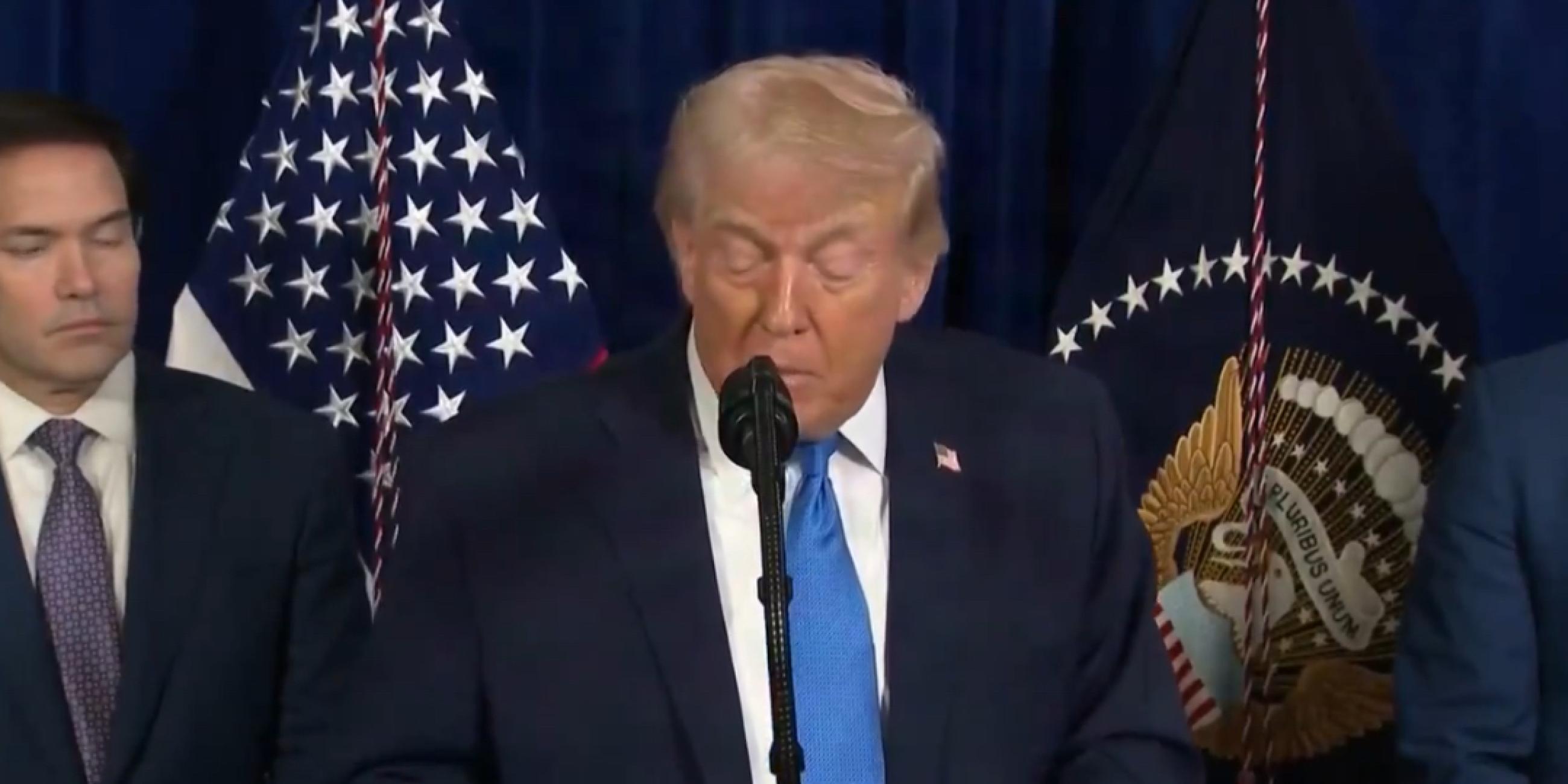
  • Amid Global Outcry, Trump Declares US Will ‘Run’ Venezuela After Military Strikes, Arrest Of President Nicolás Maduro

    United States President Donald Trump has announced that Washington will temporarily “run” Venezuela until a political transition is completed, following coordinated US military strikes on Caracas and the arrest of Venezuelan President Nicolás Maduro. Trump made the declaration during a news conference on Saturday, hours after US forces bombed key locations in the Venezuelan capital and took Maduro and his wife, Cilia Flores, into custody.

    According to Trump, the United States will assume control of Venezuela’s affairs to ensure what he described as a “safe, proper and judicious transition,” though he did not provide a clear timeline. The move marks a major escalation in US actions against Maduro’s government, which have included seizures of Venezuelan oil tankers and deadly anti-narcotics operations in the Caribbean—steps that have drawn condemnation from human rights groups and foreign governments.

    Trump defended the intervention by citing longstanding US drug-trafficking charges against Maduro, allegations the Venezuelan leader has repeatedly denied. The US president also said major American oil companies would soon enter Venezuela to repair its damaged oil infrastructure, claiming the intervention would make Venezuelans “rich, independent and safe.”

    Maduro, who has ruled Venezuela since 2013, has long accused the United States of seeking regime change to gain control of the country’s vast oil reserves. His transfer to New York to face US charges has intensified international backlash, with critics warning that the declaration of US control over Venezuela threatens sovereignty, international law, and regional stability.
    Amid Global Outcry, Trump Declares US Will ‘Run’ Venezuela After Military Strikes, Arrest Of President Nicolás Maduro United States President Donald Trump has announced that Washington will temporarily “run” Venezuela until a political transition is completed, following coordinated US military strikes on Caracas and the arrest of Venezuelan President Nicolás Maduro. Trump made the declaration during a news conference on Saturday, hours after US forces bombed key locations in the Venezuelan capital and took Maduro and his wife, Cilia Flores, into custody. According to Trump, the United States will assume control of Venezuela’s affairs to ensure what he described as a “safe, proper and judicious transition,” though he did not provide a clear timeline. The move marks a major escalation in US actions against Maduro’s government, which have included seizures of Venezuelan oil tankers and deadly anti-narcotics operations in the Caribbean—steps that have drawn condemnation from human rights groups and foreign governments. Trump defended the intervention by citing longstanding US drug-trafficking charges against Maduro, allegations the Venezuelan leader has repeatedly denied. The US president also said major American oil companies would soon enter Venezuela to repair its damaged oil infrastructure, claiming the intervention would make Venezuelans “rich, independent and safe.” Maduro, who has ruled Venezuela since 2013, has long accused the United States of seeking regime change to gain control of the country’s vast oil reserves. His transfer to New York to face US charges has intensified international backlash, with critics warning that the declaration of US control over Venezuela threatens sovereignty, international law, and regional stability.
    Dislike
    1
    · 0 Commenti ·0 condivisioni ·1K Views
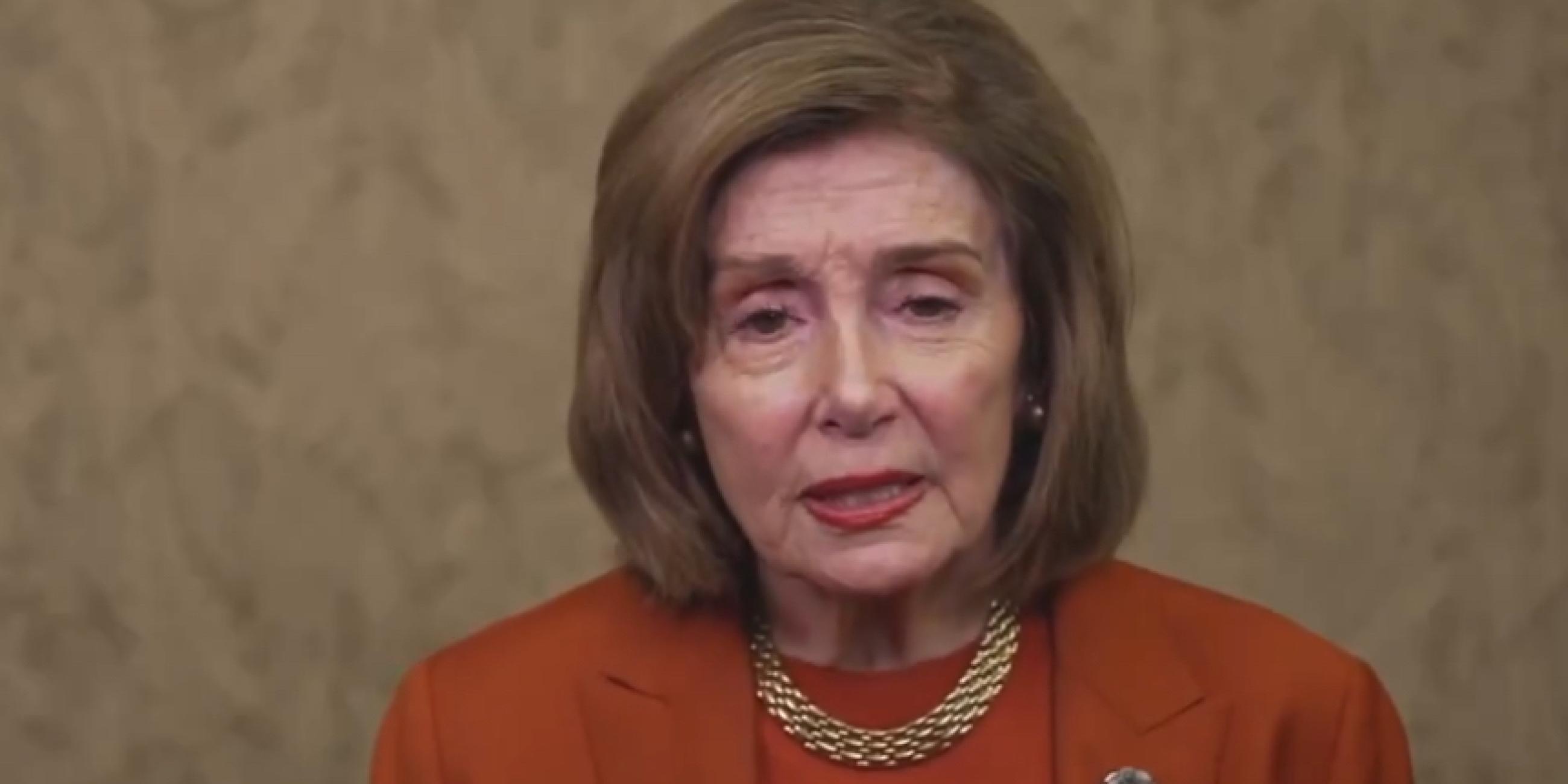
  • US Ex-House Speaker Nancy Pelosi Slams Trump Over Venezuela Military Strikes, Accuses White House Of Violating Constitution And Bypassing Congress

    Former United States House Speaker Nancy Pelosi has sharply criticised President Donald Trump’s administration over recent U.S. military strikes in Venezuela, accusing the White House of violating constitutional war powers and sidelining Congress. In a statement issued on January 3, 2026, Pelosi argued that the administration failed to demonstrate any urgent national security threat that would justify the use of military force against Venezuela.

    She said President Trump showed blatant disregard for Article One of the U.S. Constitution, which grants Congress authority over war decisions, warning that such actions undermine the country’s system of checks and balances. Pelosi also questioned the administration’s justification if the operation was based on drug trafficking allegations against Venezuelan President Nicolás Maduro, describing it as hypocritical in light of Trump’s recent pardon of former Honduran President Juan Orlando Hernández, who was convicted in the U.S. on similar drug charges.

    Calling for accountability, Pelosi demanded immediate congressional oversight and full briefings on the scope, objectives, and consequences of the military action, including its potential regional fallout. She stressed that Congress must be informed about the strikes and any plans for regime change in Venezuela to safeguard democratic governance and constitutional order.
    US Ex-House Speaker Nancy Pelosi Slams Trump Over Venezuela Military Strikes, Accuses White House Of Violating Constitution And Bypassing Congress Former United States House Speaker Nancy Pelosi has sharply criticised President Donald Trump’s administration over recent U.S. military strikes in Venezuela, accusing the White House of violating constitutional war powers and sidelining Congress. In a statement issued on January 3, 2026, Pelosi argued that the administration failed to demonstrate any urgent national security threat that would justify the use of military force against Venezuela. She said President Trump showed blatant disregard for Article One of the U.S. Constitution, which grants Congress authority over war decisions, warning that such actions undermine the country’s system of checks and balances. Pelosi also questioned the administration’s justification if the operation was based on drug trafficking allegations against Venezuelan President Nicolás Maduro, describing it as hypocritical in light of Trump’s recent pardon of former Honduran President Juan Orlando Hernández, who was convicted in the U.S. on similar drug charges. Calling for accountability, Pelosi demanded immediate congressional oversight and full briefings on the scope, objectives, and consequences of the military action, including its potential regional fallout. She stressed that Congress must be informed about the strikes and any plans for regime change in Venezuela to safeguard democratic governance and constitutional order.
    love
    2
    · 0 Commenti ·0 condivisioni ·847 Views
  • Omoyele Sowore Condemns UN Over Venezuela Crisis, Calls for Dissolution Amid US Military Strikes

    Nigerian human rights activist Omoyele Sowore condemned the United Nations for its perceived failure to address the crisis in Venezuela and U.S. military actions, including the alleged capture of President Nicolás Maduro and his wife. Describing the UN as ineffective and compromised, Sowore called for its dissolution and the creation of a new global body to uphold justice and prevent abuses of power by influential nations.

    Sowore accused U.S. President Donald Trump of pursuing an illegal regime change agenda in Venezuela. The comments follow reports of explosions in Caracas, near key military installations, amid heightened tensions with the United States. Trump claimed on Truth Social that Maduro and his wife were captured in a “large-scale” operation, though no evidence has been provided.

    The situation has drawn international scrutiny and intensified debates on unilateral military interventions and the UN’s role in maintaining global peace.
    Omoyele Sowore Condemns UN Over Venezuela Crisis, Calls for Dissolution Amid US Military Strikes Nigerian human rights activist Omoyele Sowore condemned the United Nations for its perceived failure to address the crisis in Venezuela and U.S. military actions, including the alleged capture of President Nicolás Maduro and his wife. Describing the UN as ineffective and compromised, Sowore called for its dissolution and the creation of a new global body to uphold justice and prevent abuses of power by influential nations. Sowore accused U.S. President Donald Trump of pursuing an illegal regime change agenda in Venezuela. The comments follow reports of explosions in Caracas, near key military installations, amid heightened tensions with the United States. Trump claimed on Truth Social that Maduro and his wife were captured in a “large-scale” operation, though no evidence has been provided. The situation has drawn international scrutiny and intensified debates on unilateral military interventions and the UN’s role in maintaining global peace.
    like
    1
    · 0 Commenti ·0 condivisioni ·1K Views

  • BREAKING: U.S. COAST GUARD INTERDICTS SANCTIONED VESSEL OFF VENEZUELA'S COAST

    U.S. officials just confirmed the Coast Guard is actively interdicting a sanctioned vessel in international waters off Venezuela's coast.

    3 sources speaking anonymously told Reuters the op is underway, with the Coast Guard leading the charge.

    No details yet on the ship's name, cargo, or exact location, but this comes during Trump's renewed pressure on Maduro's regime - think oil sanctions, military posturing in the Caribbean, and efforts to choke off revenue streams.

    The move fits the broader push to squeeze Venezuela's economy and force regime change or concessions.

    U.S. Coast Guard cutters have been patrolling these waters more aggressively lately, boarding ships suspected of smuggling oil or violating sanctions.

    Watch for more updates - this could escalate tensions fast, especially with Maduro already backed into a corner.

    Source: Reuters
    🚨🇺🇸🇻🇪 BREAKING: U.S. COAST GUARD INTERDICTS SANCTIONED VESSEL OFF VENEZUELA'S COAST U.S. officials just confirmed the Coast Guard is actively interdicting a sanctioned vessel in international waters off Venezuela's coast. 3 sources speaking anonymously told Reuters the op is underway, with the Coast Guard leading the charge. No details yet on the ship's name, cargo, or exact location, but this comes during Trump's renewed pressure on Maduro's regime - think oil sanctions, military posturing in the Caribbean, and efforts to choke off revenue streams. The move fits the broader push to squeeze Venezuela's economy and force regime change or concessions. U.S. Coast Guard cutters have been patrolling these waters more aggressively lately, boarding ships suspected of smuggling oil or violating sanctions. Watch for more updates - this could escalate tensions fast, especially with Maduro already backed into a corner. Source: Reuters
    0 Commenti ·0 condivisioni ·1K Views
  • BREAKING: TRUMP JUST SENT A WARNING SHOT SOUTH — AND MADURO SHOULD BE VERY WORRIED

    Something major is shifting in the Western Hemisphere.

    President Trump didn’t announce a land invasion of Venezuela — but he did declare that the U.S. will begin land-based interdictions against Venezuelan drug traffickers “very soon.”

    That may sound technical.

    It isn’t.

    It means this:

    The era of Venezuelan cartel pipelines reaching the U.S. border is over.

    Under Biden, poison flowed freely.

    Under Trump, it ends.

    And here’s what the media won’t remind you:

    Nicolás Maduro currently has a $50 MILLION U.S. bounty on his head for narcoterrorism, corruption, and running the world’s most brazen state-sponsored drug network.

    The same regime whose traffickers Trump just warned:

    “Stop sending poison to our country.

    We will now stop you by land — very soon.”

    This isn’t about regime change.

    This is about national survival, border security, and destroying the criminal arteries that pump fentanyl, cocaine, and cartel cash into the United States.

    Trump has already shut down 85% of Venezuela’s maritime trafficking routes.

    Now he’s moving to cut off the remaining lifelines.

    Make no mistake:
    Maduro’s empire runs on narcotics.

    And America is coming for the supply chain.

    For the first time in years, Venezuela’s traffickers — and their dictator — are on notice.

    The Western Hemisphere just got a whole lot smaller for the people who profit from American deaths.

    More to come.
    BREAKING:🚨 TRUMP JUST SENT A WARNING SHOT SOUTH — AND MADURO SHOULD BE VERY WORRIED Something major is shifting in the Western Hemisphere. President Trump didn’t announce a land invasion of Venezuela — but he did declare that the U.S. will begin land-based interdictions against Venezuelan drug traffickers “very soon.” That may sound technical. It isn’t. It means this: The era of Venezuelan cartel pipelines reaching the U.S. border is over. Under Biden, poison flowed freely. Under Trump, it ends. And here’s what the media won’t remind you: Nicolás Maduro currently has a $50 MILLION U.S. bounty on his head for narcoterrorism, corruption, and running the world’s most brazen state-sponsored drug network. The same regime whose traffickers Trump just warned: “Stop sending poison to our country. We will now stop you by land — very soon.” This isn’t about regime change. This is about national survival, border security, and destroying the criminal arteries that pump fentanyl, cocaine, and cartel cash into the United States. Trump has already shut down 85% of Venezuela’s maritime trafficking routes. Now he’s moving to cut off the remaining lifelines. Make no mistake: Maduro’s empire runs on narcotics. And America is coming for the supply chain. For the first time in years, Venezuela’s traffickers — and their dictator — are on notice. The Western Hemisphere just got a whole lot smaller for the people who profit from American deaths. More to come.
    0 Commenti ·0 condivisioni ·458 Views
Fintter https://fintter.com