• Ondo State Judiciary Paralyzed: Governor Aiyedatiwa Accused of Budget Cuts, Half-Autonomy, and Welfare Neglect Amid Ongoing Court Strike

    The Ondo State judiciary has come to a near-total halt as Governor Lucky Aiyedatiwa faces accusations of deliberately strangling the courts through severe budget cuts, partial financial autonomy, and neglect of judicial welfare. The state’s judiciary budget was slashed from ₦17 billion in 2025 to ₦9.5 billion in 2026, nearly a 45% reduction, prompting concerns over staff salaries, court operations, and infrastructure decay.

    Judicial workers allege that the governor granted only 80% autonomy limited to recurrent expenditure, leaving capital projects unfunded. Courtrooms reportedly leak during rainfall, forcing the suspension of hearings, while magistrates and officers rely on commercial motorcycles (okada) or shared rides with litigants due to lack of official vehicles.

    Despite repeated appeals, ₦400 million previously approved for judicial needs remains unpaid, worsening the crisis. The situation has triggered an indefinite strike by magistrates, legal officers, and members of the Judiciary Staff Union of Nigeria (JUSUN), physically locking judges out of court premises in Akure.

    Observers warn that the prolonged paralysis undermines judicial independence, public confidence in the justice system, and rule of law in Ondo State. Legal analysts describe the governor’s approach as a systematic humiliation and underfunding of the judiciary, drawing parallels with similar crises in other Nigerian states.

    With courts shut, staff unions united, and the public left without access to justice, pressure is mounting on Governor Aiyedatiwa to restore full financial autonomy, fund infrastructure projects, and address welfare challenges to prevent further erosion of democratic governance in the state.



    Ondo State Judiciary Paralyzed: Governor Aiyedatiwa Accused of Budget Cuts, Half-Autonomy, and Welfare Neglect Amid Ongoing Court Strike The Ondo State judiciary has come to a near-total halt as Governor Lucky Aiyedatiwa faces accusations of deliberately strangling the courts through severe budget cuts, partial financial autonomy, and neglect of judicial welfare. The state’s judiciary budget was slashed from ₦17 billion in 2025 to ₦9.5 billion in 2026, nearly a 45% reduction, prompting concerns over staff salaries, court operations, and infrastructure decay. Judicial workers allege that the governor granted only 80% autonomy limited to recurrent expenditure, leaving capital projects unfunded. Courtrooms reportedly leak during rainfall, forcing the suspension of hearings, while magistrates and officers rely on commercial motorcycles (okada) or shared rides with litigants due to lack of official vehicles. Despite repeated appeals, ₦400 million previously approved for judicial needs remains unpaid, worsening the crisis. The situation has triggered an indefinite strike by magistrates, legal officers, and members of the Judiciary Staff Union of Nigeria (JUSUN), physically locking judges out of court premises in Akure. Observers warn that the prolonged paralysis undermines judicial independence, public confidence in the justice system, and rule of law in Ondo State. Legal analysts describe the governor’s approach as a systematic humiliation and underfunding of the judiciary, drawing parallels with similar crises in other Nigerian states. With courts shut, staff unions united, and the public left without access to justice, pressure is mounting on Governor Aiyedatiwa to restore full financial autonomy, fund infrastructure projects, and address welfare challenges to prevent further erosion of democratic governance in the state.
    like
    1
    · 0 Комментарии ·0 Поделились ·2Кб Просмотры
  • Ondo Government Under Fire as Judiciary Workers Lock Out Judges, Shut Courts in Statewide Strike Over Judicial Autonomy and Welfare

    The Ondo State government is facing growing criticism after judiciary workers shut down court operations across the state, locking judges out of their offices and bringing judicial activities to a standstill in Akure and other locations. At the judiciary headquarters, court gates were padlocked, with judges’ official vehicles seen parked outside as proceedings were completely halted.

    The disruption follows an indefinite strike declared by the Coalition of Magistrates, Presidents of Grade ‘A’ Customary Courts, and Legal Research Officers over unresolved issues of judicial autonomy, poor welfare, and working conditions under the administration of Governor Lucky Aiyedatiwa. In a notice dated January 2, 2026, the coalition directed all members to withdraw their services from January 5, warning them not to report to offices, sit in court, or issue or authorize any official documents for the duration of the strike.

    The coalition stated that the action would continue until its “core demands for judicial autonomy and improved welfare are fully achieved,” emphasizing unity and discipline among members. Videos and photographs obtained from court premises across the state showed locked gates and a total shutdown of judicial activities.

    The strike comes amid longstanding complaints by judiciary workers about dilapidated court infrastructure and poor working conditions, with reports that rainfall often forces the suspension of court sessions. As the impasse continues, legal processes in Ondo State remain paralysed, intensifying pressure on the state government to address the demands of judicial workers and restore access to justice.
    Ondo Government Under Fire as Judiciary Workers Lock Out Judges, Shut Courts in Statewide Strike Over Judicial Autonomy and Welfare The Ondo State government is facing growing criticism after judiciary workers shut down court operations across the state, locking judges out of their offices and bringing judicial activities to a standstill in Akure and other locations. At the judiciary headquarters, court gates were padlocked, with judges’ official vehicles seen parked outside as proceedings were completely halted. The disruption follows an indefinite strike declared by the Coalition of Magistrates, Presidents of Grade ‘A’ Customary Courts, and Legal Research Officers over unresolved issues of judicial autonomy, poor welfare, and working conditions under the administration of Governor Lucky Aiyedatiwa. In a notice dated January 2, 2026, the coalition directed all members to withdraw their services from January 5, warning them not to report to offices, sit in court, or issue or authorize any official documents for the duration of the strike. The coalition stated that the action would continue until its “core demands for judicial autonomy and improved welfare are fully achieved,” emphasizing unity and discipline among members. Videos and photographs obtained from court premises across the state showed locked gates and a total shutdown of judicial activities. The strike comes amid longstanding complaints by judiciary workers about dilapidated court infrastructure and poor working conditions, with reports that rainfall often forces the suspension of court sessions. As the impasse continues, legal processes in Ondo State remain paralysed, intensifying pressure on the state government to address the demands of judicial workers and restore access to justice.
    0 Комментарии ·0 Поделились ·662 Просмотры
  • Five Children Killed, One Injured in Borno as Fence Collapses in Bulumkutu, Police Launch Investigation

    Five children lost their lives and another was injured after a fence collapsed on them in the Bulumkutu area of Maiduguri, Borno State, on Sunday evening around 8 pm. The incident involved six children in total.

    ASP Nahum Daso, Public Relations Officer of the Borno State Police Command, confirmed the tragedy and said the surviving child is receiving medical attention. The police have launched an investigation into the cause of the collapse and are examining whether negligence played a role.

    Daso urged residents to maintain proper structural standards and to supervise their children closely. The tragedy follows months after heavy rainfall in Maiduguri caused the collapse of eight buildings, though no casualties were recorded at that time.

    The incident has sparked concern about safety standards in the area, highlighting the need for vigilance in construction and child safety.
    Five Children Killed, One Injured in Borno as Fence Collapses in Bulumkutu, Police Launch Investigation Five children lost their lives and another was injured after a fence collapsed on them in the Bulumkutu area of Maiduguri, Borno State, on Sunday evening around 8 pm. The incident involved six children in total. ASP Nahum Daso, Public Relations Officer of the Borno State Police Command, confirmed the tragedy and said the surviving child is receiving medical attention. The police have launched an investigation into the cause of the collapse and are examining whether negligence played a role. Daso urged residents to maintain proper structural standards and to supervise their children closely. The tragedy follows months after heavy rainfall in Maiduguri caused the collapse of eight buildings, though no casualties were recorded at that time. The incident has sparked concern about safety standards in the area, highlighting the need for vigilance in construction and child safety.
    like
    1
    · 0 Комментарии ·0 Поделились ·900 Просмотры
  • AFCON 2025: Morocco Opens Stadium Gates for Free After Kick-Off as Empty Seats Embarrass Organisers

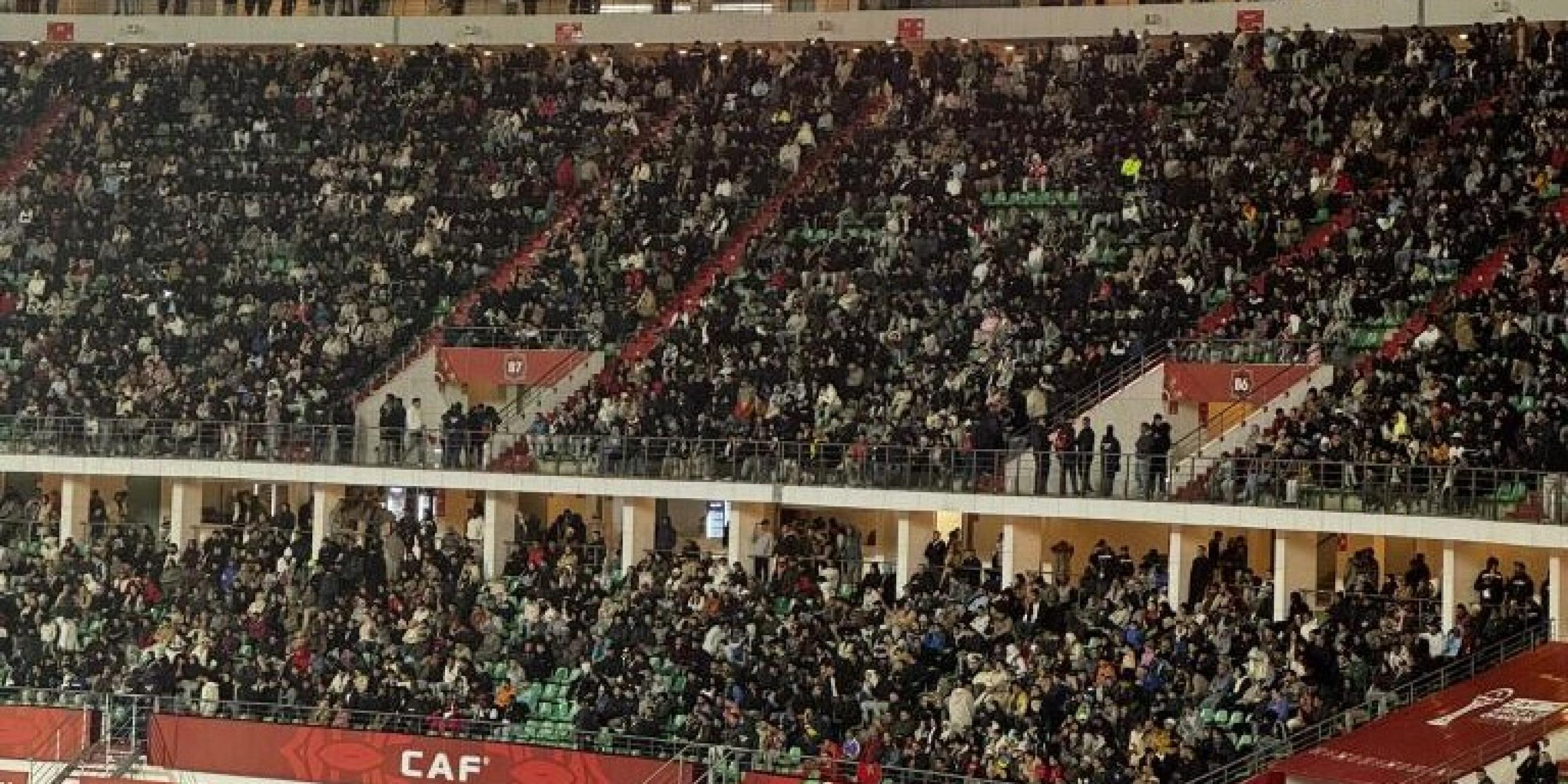
    Organisers of the 2025 Africa Cup of Nations (AFCON) in Morocco have come under criticism after resorting to opening stadium gates for free entry once matches were already underway, in a bid to mask embarrassingly low attendance figures during the tournament’s early stages. The move, confirmed by a senior Confederation of African Football (CAF) official speaking anonymously, was jointly approved by CAF and local organisers following repeated scenes of half-empty stadiums across host cities.

    One of the most striking incidents occurred during the Group F match between Cameroon and Gabon in Agadir, where the game kicked off in front of largely deserted stands despite the stadium’s 45,000 capacity. Heavy rainfall further dampened turnout, but around 20 minutes into the match, gates were thrown open, allowing thousands of fans to enter without paying. This decision dramatically inflated the final attendance figure to 35,200, according to organisers.

    A similar scenario played out in Rabat during the Group D clash between DR Congo and Benin, where official attendance figures were initially announced as 6,703 before being quietly revised to 13,073 after large numbers of unpaid spectators filled the stadium mid-match. These discrepancies have raised serious questions about the credibility of official attendance data released by tournament organisers.

    Critics argue that the strategy prioritises optics over transparency, as organisers scramble to present AFCON 2025 as a successful continental showpiece. The controversy is particularly sensitive given Morocco’s ambition to bolster its global sporting reputation ahead of co-hosting the 2030 FIFA World Cup with Spain and Portugal. Despite tickets for most group-stage matches remaining widely available — starting from 100 dirhams — only a handful of fixtures involving Morocco and Algeria have sold out. Observers warn that the free-entry approach risks revenue losses, undermines tournament integrity, and could damage confidence in CAF’s event management standards going forward.

    AFCON 2025: Morocco Opens Stadium Gates for Free After Kick-Off as Empty Seats Embarrass Organisers Organisers of the 2025 Africa Cup of Nations (AFCON) in Morocco have come under criticism after resorting to opening stadium gates for free entry once matches were already underway, in a bid to mask embarrassingly low attendance figures during the tournament’s early stages. The move, confirmed by a senior Confederation of African Football (CAF) official speaking anonymously, was jointly approved by CAF and local organisers following repeated scenes of half-empty stadiums across host cities. One of the most striking incidents occurred during the Group F match between Cameroon and Gabon in Agadir, where the game kicked off in front of largely deserted stands despite the stadium’s 45,000 capacity. Heavy rainfall further dampened turnout, but around 20 minutes into the match, gates were thrown open, allowing thousands of fans to enter without paying. This decision dramatically inflated the final attendance figure to 35,200, according to organisers. A similar scenario played out in Rabat during the Group D clash between DR Congo and Benin, where official attendance figures were initially announced as 6,703 before being quietly revised to 13,073 after large numbers of unpaid spectators filled the stadium mid-match. These discrepancies have raised serious questions about the credibility of official attendance data released by tournament organisers. Critics argue that the strategy prioritises optics over transparency, as organisers scramble to present AFCON 2025 as a successful continental showpiece. The controversy is particularly sensitive given Morocco’s ambition to bolster its global sporting reputation ahead of co-hosting the 2030 FIFA World Cup with Spain and Portugal. Despite tickets for most group-stage matches remaining widely available — starting from 100 dirhams — only a handful of fixtures involving Morocco and Algeria have sold out. Observers warn that the free-entry approach risks revenue losses, undermines tournament integrity, and could damage confidence in CAF’s event management standards going forward.
    0 Комментарии ·0 Поделились ·1Кб Просмотры

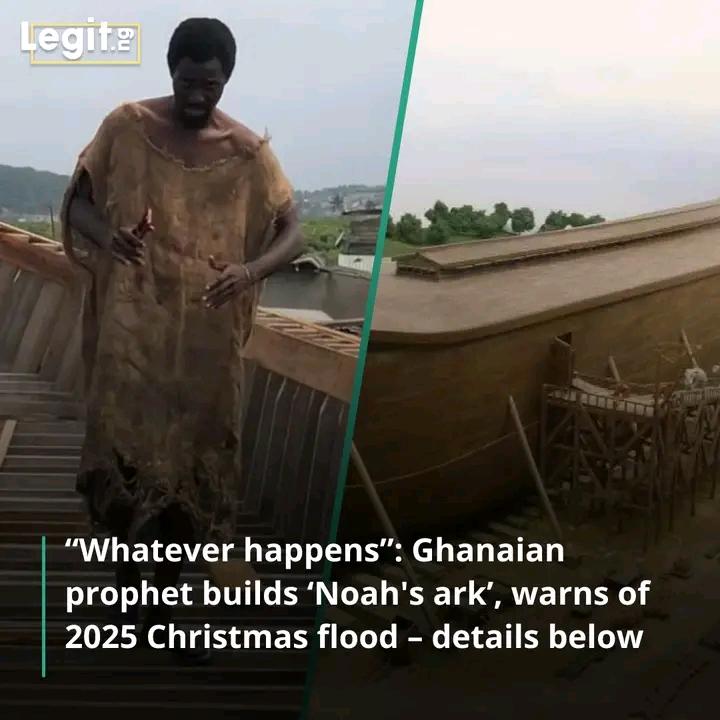
  • Ghanaian Prophet Builds ‘Noah’s Ark’, Warns of 2025 Christmas Flood Despite Biblical Promise

    A Ghanaian preacher, popularly known as Prophet Ebo Noah, has sparked widespread debate after completing the construction of a self-styled “Noah’s Ark” and warning that a catastrophic flood would begin on Christmas Day, December 25, 2025. The prophecy, which first gained attention in August 2025 through a viral Instagram video, claims that a divine revelation instructed him to prepare for a three-year rainfall that would submerge the earth.

    According to the prophet, the ark he built would serve as the only refuge when the foretold disaster strikes. His declaration drew significant attention and criticism, especially as it appeared to contradict the biblical account in Genesis 9, where God promised never to destroy the earth again by flood, symbolised by the rainbow covenant.

    Hours before Christmas, Prophet Noah issued a final update on social media, stating that he had fasted and prayed for three weeks, called on people to repent, and interceded on behalf of Ghana and the world. Dressed in his signature brown sackcloth, he wrote that “whatever happens” was now in God’s hands, reinforcing his belief that events would unfold according to divine will.

    The prophecy has generated mixed reactions across social media, with some followers expressing fear and concern, while others dismissed the warning as sensational and unfounded. The episode adds to a growing list of end-of-the-world predictions and apocalyptic prophecies made by religious figures across Africa, particularly during festive seasons.

    The development also comes amid renewed public interest in doomsday predictions, following past claims by scientists and clerics about potential global collapse or the end of the world in the coming years. Despite the controversy, no scientific or meteorological authority has supported claims of a Christmas flood, leaving the prophecy firmly in the realm of religious belief and public speculation.

    Ghanaian Prophet Builds ‘Noah’s Ark’, Warns of 2025 Christmas Flood Despite Biblical Promise A Ghanaian preacher, popularly known as Prophet Ebo Noah, has sparked widespread debate after completing the construction of a self-styled “Noah’s Ark” and warning that a catastrophic flood would begin on Christmas Day, December 25, 2025. The prophecy, which first gained attention in August 2025 through a viral Instagram video, claims that a divine revelation instructed him to prepare for a three-year rainfall that would submerge the earth. According to the prophet, the ark he built would serve as the only refuge when the foretold disaster strikes. His declaration drew significant attention and criticism, especially as it appeared to contradict the biblical account in Genesis 9, where God promised never to destroy the earth again by flood, symbolised by the rainbow covenant. Hours before Christmas, Prophet Noah issued a final update on social media, stating that he had fasted and prayed for three weeks, called on people to repent, and interceded on behalf of Ghana and the world. Dressed in his signature brown sackcloth, he wrote that “whatever happens” was now in God’s hands, reinforcing his belief that events would unfold according to divine will. The prophecy has generated mixed reactions across social media, with some followers expressing fear and concern, while others dismissed the warning as sensational and unfounded. The episode adds to a growing list of end-of-the-world predictions and apocalyptic prophecies made by religious figures across Africa, particularly during festive seasons. The development also comes amid renewed public interest in doomsday predictions, following past claims by scientists and clerics about potential global collapse or the end of the world in the coming years. Despite the controversy, no scientific or meteorological authority has supported claims of a Christmas flood, leaving the prophecy firmly in the realm of religious belief and public speculation.
    0 Комментарии ·0 Поделились ·722 Просмотры
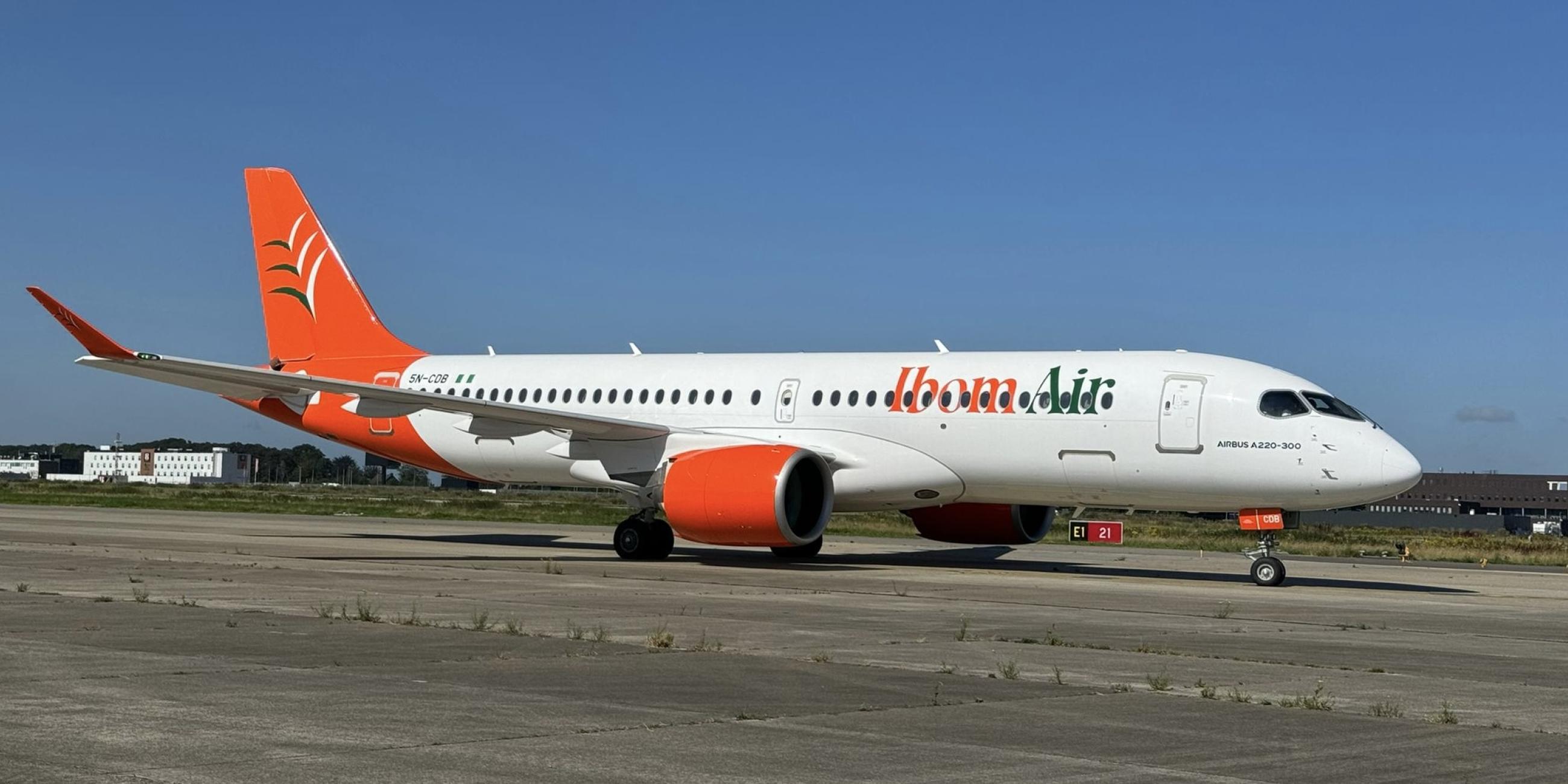
  • Ibom Air Flight Aborts Lagos Landing, Returns to Abuja Due to Bad Weather

    An Ibom Air flight travelling from Abuja to Lagos on Thursday was forced to return to the capital after severe weather conditions made landing impossible. Human rights lawyer Inibehe Effiong, who was on board, said the aircraft hovered over Lagos for about 30 minutes before the captain diverted back to Abuja. Passengers spent roughly two hours in the air before landing safely.
    The airline has not issued an official statement yet, though weather-related disruptions have recently affected multiple Nigerian airlines, including Air Peace, which previously announced delays due to heavy rainfall in Lagos and Port Harcourt. Airlines continue to emphasise safety as their top priority amid recurring adverse weather patterns nationwide.
    Ibom Air Flight Aborts Lagos Landing, Returns to Abuja Due to Bad Weather An Ibom Air flight travelling from Abuja to Lagos on Thursday was forced to return to the capital after severe weather conditions made landing impossible. Human rights lawyer Inibehe Effiong, who was on board, said the aircraft hovered over Lagos for about 30 minutes before the captain diverted back to Abuja. Passengers spent roughly two hours in the air before landing safely. The airline has not issued an official statement yet, though weather-related disruptions have recently affected multiple Nigerian airlines, including Air Peace, which previously announced delays due to heavy rainfall in Lagos and Port Harcourt. Airlines continue to emphasise safety as their top priority amid recurring adverse weather patterns nationwide.
    0 Комментарии ·0 Поделились ·681 Просмотры
  • NiMet Pushes for Data-Driven Early Action as Nigeria Battles Rising Climate Risks

    The Nigerian Meteorological Agency (NiMet) has reiterated its determination to place accurate weather and climate data at the heart of the country’s disaster preparedness strategy.

    Speaking at the Anticipatory Action National Conference, NiMet’s Director-General, Professor Charles Anosike, told participants that last year’s floods which claimed hundreds of lives and displaced millions demonstrated both the power and the limitations of current early warning systems.

    “Early warnings helped save thousands of lives during the devastating floods of recent years,” Prof. Anosike said.

    “Imagine what we could achieve if data-driven anticipatory action was scaled up nationwide.”

    The conference, convened by the Office of the Vice President in partnership with the International Rescue Committee (IRC) Nigeria, brought together government officials, humanitarian agencies, and climate experts to explore ways to act before disasters strike.

    Prof. Anosike highlighted NiMet’s ongoing modernisation programme, including an expanded network of weather stations and the adoption of cutting-edge forecasting technologies. He singled out the agency’s Seasonal Climate Prediction (SCP) as a critical tool now relied upon by farmers, urban planners, emergency responders, and policymakers.

    “By delivering reliable forecasts on rainfall patterns, drought risks, and extreme weather events well in advance, we are turning information into lifesaving action,” he said.

    The NiMet CEO stressed that anticipatory action cannot succeed in silos. “It requires a whole-of-society approach – engaging communities, ensuring systems talk to each other, and sharing knowledge without barriers,” he told the audience.

    While acknowledging persistent challenges – including data gaps in rural areas and limited access to technology – Prof. Anosike expressed optimism about emerging solutions such as artificial intelligence, big data analytics, and mobile-phone platforms.
    NiMet Pushes for Data-Driven Early Action as Nigeria Battles Rising Climate Risks The Nigerian Meteorological Agency (NiMet) has reiterated its determination to place accurate weather and climate data at the heart of the country’s disaster preparedness strategy. Speaking at the Anticipatory Action National Conference, NiMet’s Director-General, Professor Charles Anosike, told participants that last year’s floods which claimed hundreds of lives and displaced millions demonstrated both the power and the limitations of current early warning systems. “Early warnings helped save thousands of lives during the devastating floods of recent years,” Prof. Anosike said. “Imagine what we could achieve if data-driven anticipatory action was scaled up nationwide.” The conference, convened by the Office of the Vice President in partnership with the International Rescue Committee (IRC) Nigeria, brought together government officials, humanitarian agencies, and climate experts to explore ways to act before disasters strike. Prof. Anosike highlighted NiMet’s ongoing modernisation programme, including an expanded network of weather stations and the adoption of cutting-edge forecasting technologies. He singled out the agency’s Seasonal Climate Prediction (SCP) as a critical tool now relied upon by farmers, urban planners, emergency responders, and policymakers. “By delivering reliable forecasts on rainfall patterns, drought risks, and extreme weather events well in advance, we are turning information into lifesaving action,” he said. The NiMet CEO stressed that anticipatory action cannot succeed in silos. “It requires a whole-of-society approach – engaging communities, ensuring systems talk to each other, and sharing knowledge without barriers,” he told the audience. While acknowledging persistent challenges – including data gaps in rural areas and limited access to technology – Prof. Anosike expressed optimism about emerging solutions such as artificial intelligence, big data analytics, and mobile-phone platforms.
    0 Комментарии ·0 Поделились ·627 Просмотры
  • Nigerians blush as FG Reports Drop in Food Prices, Highlights Boost in Crop Production Nationwide

    The Federal Government has announced that food prices across Nigeria have declined, driven by improved crop yields and stronger agricultural performance, according to the 2025 Agricultural Performance Survey.

    In a statement issued on Wednesday, the Minister of Agriculture and Food Security, Senator Abubakar Kyari, said the report shows steady growth in the production of key staples including rice, maize, sorghum, millet, cowpea, yam, and cassava all recording increases compared to 2024 levels.

    Kyari attributed the progress and the “significant reduction in food prices across all zones” to improved supply conditions and the cumulative effect of government programmes focused on input support, mechanisation, and extension service delivery.

    He commended the National Agricultural Extension and Research Liaison Services (NAERLS) of Ahmadu Bello University and the ministry’s technical departments for their role in producing what he described as a new benchmark for “excellence and transparency” in national agricultural performance tracking.

    “This survey remains one of the most important tools for evidence-based planning, monitoring, and policymaking in Nigeria’s agricultural sector. It provides a realistic picture of production outcomes, farmer experiences, and sectoral challenges all crucial for designing targeted interventions,” Kyari said.

    He highlighted that the data collection covered all 36 states and the FCT, incorporating new datasets such as the Farm Family Census and Tractor Census, alongside complementary studies on commodity prices, a process he said reflects a stronger commitment to transparency and data-driven decision-making.

    The minister also praised farmers for their resilience despite challenges posed by irregular rainfall, localised flooding, and pest outbreaks.

    However, Kyari cautioned that high input costs, particularly for fertiliser and fuel, as well as weak post-harvest infrastructure, remain major obstacles to agricultural growth.
    Nigerians blush as FG Reports Drop in Food Prices, Highlights Boost in Crop Production Nationwide The Federal Government has announced that food prices across Nigeria have declined, driven by improved crop yields and stronger agricultural performance, according to the 2025 Agricultural Performance Survey. In a statement issued on Wednesday, the Minister of Agriculture and Food Security, Senator Abubakar Kyari, said the report shows steady growth in the production of key staples including rice, maize, sorghum, millet, cowpea, yam, and cassava all recording increases compared to 2024 levels. Kyari attributed the progress and the “significant reduction in food prices across all zones” to improved supply conditions and the cumulative effect of government programmes focused on input support, mechanisation, and extension service delivery. He commended the National Agricultural Extension and Research Liaison Services (NAERLS) of Ahmadu Bello University and the ministry’s technical departments for their role in producing what he described as a new benchmark for “excellence and transparency” in national agricultural performance tracking. “This survey remains one of the most important tools for evidence-based planning, monitoring, and policymaking in Nigeria’s agricultural sector. It provides a realistic picture of production outcomes, farmer experiences, and sectoral challenges all crucial for designing targeted interventions,” Kyari said. He highlighted that the data collection covered all 36 states and the FCT, incorporating new datasets such as the Farm Family Census and Tractor Census, alongside complementary studies on commodity prices, a process he said reflects a stronger commitment to transparency and data-driven decision-making. The minister also praised farmers for their resilience despite challenges posed by irregular rainfall, localised flooding, and pest outbreaks. However, Kyari cautioned that high input costs, particularly for fertiliser and fuel, as well as weak post-harvest infrastructure, remain major obstacles to agricultural growth.
    like
    1
    · 0 Комментарии ·0 Поделились ·809 Просмотры
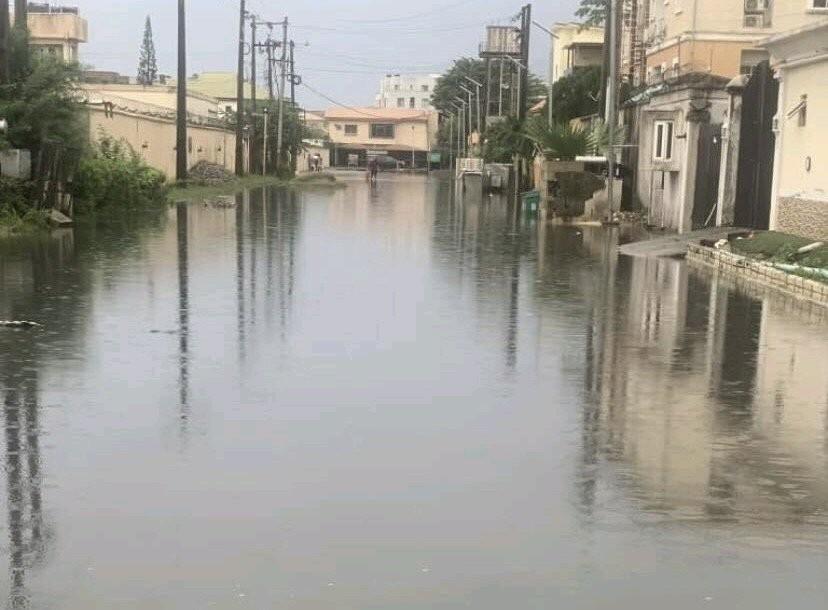
  • Experts, residents alarmed as flooding worsens along Lekki-Ajah corridor.

    Some residents and environmental experts have raised alarm over persistent flooding along the Lekki–Ajah corridor in Lagos, blaming land reclamation, ocean surge, and unregulated development.

    In separate interviews, residents recounted distressing experiences of flash floods disrupting life, damaging property, and causing panic in coastal communities.

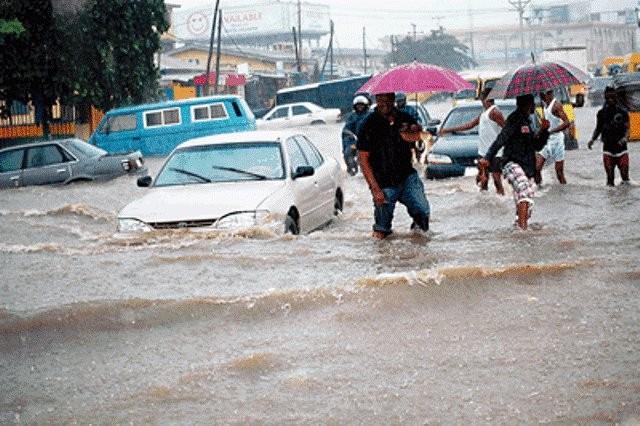
    Flooded highway in Lekki, Lagos
    Mr. Mike Umukoro, a Lekki resident, said rainfall now triggers fear among residents because of the intensity and duration of flash floods.

    “Each time it rains, anxiety grips everyone. The roads become impassable, vehicles get trapped, and homes are threatened,” he said.

    Similarly, Mrs. Ese Edema, a Lekki Phase 1 resident, described the panic caused by recent heavy rainfall.

    “During the last downpour, I couldn’t reach my son’s school. Some parents accessed theirs only around midnight when the flood subsided,” she said.

    She added that traffic gridlock from the flood extended to Victoria Island.

    Another resident, Mr. Marvel Adeniran, blamed reckless developers for worsening the flooding.
    Experts, residents alarmed as flooding worsens along Lekki-Ajah corridor. Some residents and environmental experts have raised alarm over persistent flooding along the Lekki–Ajah corridor in Lagos, blaming land reclamation, ocean surge, and unregulated development. In separate interviews, residents recounted distressing experiences of flash floods disrupting life, damaging property, and causing panic in coastal communities. Flooded highway in Lekki, Lagos Mr. Mike Umukoro, a Lekki resident, said rainfall now triggers fear among residents because of the intensity and duration of flash floods. “Each time it rains, anxiety grips everyone. The roads become impassable, vehicles get trapped, and homes are threatened,” he said. Similarly, Mrs. Ese Edema, a Lekki Phase 1 resident, described the panic caused by recent heavy rainfall. “During the last downpour, I couldn’t reach my son’s school. Some parents accessed theirs only around midnight when the flood subsided,” she said. She added that traffic gridlock from the flood extended to Victoria Island. Another resident, Mr. Marvel Adeniran, blamed reckless developers for worsening the flooding.
    0 Комментарии ·0 Поделились ·461 Просмотры
  • Flood: Ikota, Lekki residents urge Lagos govt to enforce planning laws.

    Residents of Ikota and the Lekki axis have sent a Save-Our-Souls (SOS) appeal to Lagos State Governor, Babajide Sanwo-Olu, urging urgent enforcement of planning laws in the area to curb recurring flooding.

    They described Tuesday’s downpour as yet another nightmare that left homes and roads completely submerged.

    According to the residents, the floods submerged streets, destroyed businesses, and forced families to scramble to salvage what little they could.

    “This is no way to live,” a distraught resident lamented. “Every rainfall is a disaster. We are losing everything while the government watches.”

    The residents blamed the flooding on man-made causes, particularly illegal structures built on canals and drainage channels notably System 156 and 157 drainage channels. They accused developers of blocking waterways and the state government of failing to enforce its own planning regulations.

    “Until the government restores this area according to the original master plan, the flooding will not stop,” another homeowner said while standing in knee-deep water.

    Urban planners confirm that Lagos’ master plan prohibits construction on waterways, but enforcement has been weak and sometimes selective. Many residents believe that powerful developers are shielded from sanctions, leaving ordinary Lagosians to bear the brunt of the consequences.

    Beyond property damage, the flooding has displaced families, destroyed livelihoods, and posed serious health risks as stagnant water increases the potential for disease outbreaks.

    Environmental advocates warn that Lagos is heading toward a major disaster unless canals are urgently cleared and illegal encroachments removed.
    “Every illegal structure is a ticking time bomb for nearby communities once the rains return,” an activist cautioned.
    Flood: Ikota, Lekki residents urge Lagos govt to enforce planning laws. Residents of Ikota and the Lekki axis have sent a Save-Our-Souls (SOS) appeal to Lagos State Governor, Babajide Sanwo-Olu, urging urgent enforcement of planning laws in the area to curb recurring flooding. They described Tuesday’s downpour as yet another nightmare that left homes and roads completely submerged. According to the residents, the floods submerged streets, destroyed businesses, and forced families to scramble to salvage what little they could. “This is no way to live,” a distraught resident lamented. “Every rainfall is a disaster. We are losing everything while the government watches.” The residents blamed the flooding on man-made causes, particularly illegal structures built on canals and drainage channels notably System 156 and 157 drainage channels. They accused developers of blocking waterways and the state government of failing to enforce its own planning regulations. “Until the government restores this area according to the original master plan, the flooding will not stop,” another homeowner said while standing in knee-deep water. Urban planners confirm that Lagos’ master plan prohibits construction on waterways, but enforcement has been weak and sometimes selective. Many residents believe that powerful developers are shielded from sanctions, leaving ordinary Lagosians to bear the brunt of the consequences. Beyond property damage, the flooding has displaced families, destroyed livelihoods, and posed serious health risks as stagnant water increases the potential for disease outbreaks. Environmental advocates warn that Lagos is heading toward a major disaster unless canals are urgently cleared and illegal encroachments removed. “Every illegal structure is a ticking time bomb for nearby communities once the rains return,” an activist cautioned.
    0 Комментарии ·0 Поделились ·825 Просмотры
  • The Lagos State Government on Friday began the demolition of buildings obstructing the free flow of stormwater along the Ikota River alignment in Lekki, within the Eti-Osa Local Government Area.

    According to the Commissioner for the Environment and Water Resources, Tokunbo Wahab, the exercise is part of efforts to prevent recurrent flooding in the area.

    The demolition exercise is being carried out by operatives from the Drainage Enforcement and Compliance Department of the state Ministry of Environment and Water Resources.

    “Operatives from Drainage Enforcement and Compliance Department of the Lagos State Ministry of the Environment and Water Resources on Friday commenced the removal of contravening structures blocking the free flow of stormwater along Ikota River alignment, Lekki, Eti-osa, to prevent perennial flooding in the area,” Wahab stated in a post on X.

    THE WHISTLER reports that economic activities were crippled in Lekki on Tuesday following the widespread flooding that occurred due to heavy rainfall.

    Videos circulating on social media showed cars submerged in water, with some motorists forced to abandon their vehicles as roads became impassable.

    Many residents reportedly didn’t get home until after midnight, while others prayed their cars wouldn’t break down as floodwaters rose to knee level.

    Reacting to the incident, former Labour Party (LP) governorship candidate, Gbadebo Rhodes-Vivour, called out the ruling All Progressives Congress (APC) over what he described as years of failed leadership and poor infrastructure in the state.
    The Lagos State Government on Friday began the demolition of buildings obstructing the free flow of stormwater along the Ikota River alignment in Lekki, within the Eti-Osa Local Government Area. According to the Commissioner for the Environment and Water Resources, Tokunbo Wahab, the exercise is part of efforts to prevent recurrent flooding in the area. The demolition exercise is being carried out by operatives from the Drainage Enforcement and Compliance Department of the state Ministry of Environment and Water Resources. “Operatives from Drainage Enforcement and Compliance Department of the Lagos State Ministry of the Environment and Water Resources on Friday commenced the removal of contravening structures blocking the free flow of stormwater along Ikota River alignment, Lekki, Eti-osa, to prevent perennial flooding in the area,” Wahab stated in a post on X. THE WHISTLER reports that economic activities were crippled in Lekki on Tuesday following the widespread flooding that occurred due to heavy rainfall. Videos circulating on social media showed cars submerged in water, with some motorists forced to abandon their vehicles as roads became impassable. Many residents reportedly didn’t get home until after midnight, while others prayed their cars wouldn’t break down as floodwaters rose to knee level. Reacting to the incident, former Labour Party (LP) governorship candidate, Gbadebo Rhodes-Vivour, called out the ruling All Progressives Congress (APC) over what he described as years of failed leadership and poor infrastructure in the state.
    0 Комментарии ·0 Поделились ·651 Просмотры
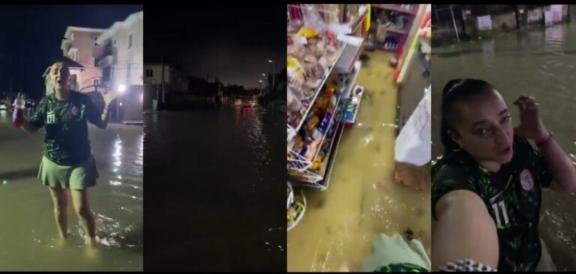
  • Oyibo woman shares experience of Lekki flood during shopping trip.

    A video of a foreign woman documenting her experience in Lagos during a heavy downpour has gone viral, drawing mixed reactions from Nigerians online.

    The woman, who was in Lekki, filmed herself wading through floodwaters while heading to a supermarket, describing the incident as both shocking and surreal.

    In the clip, she is heard saying, “Who said Africa doesn’t have water? So we’re outside. We’re live from Lekki and this is our life. The big boys’ life in Lekki. This is us just going inside the supermarket to buy drinks. Even in the supermarket there’s still water. This is crazy. Omo, wetin be this.”

    Flooding in Lekki raises concerns
    Lekki, a highbrow area of Lagos, has long been criticised for its poor drainage system despite being one of the most expensive places to live in Nigeria.

    Heavy rainfall often leaves roads submerged, cutting off movement and flooding homes and businesses.

    The foreign woman’s video has reignited debates about the state of infrastructure in the city, with many Nigerians embarrassed by the conditions she highlighted.

    Some viewers argued she was simply sharing her surprise, while others insisted she was mocking residents of Lagos.
    Oyibo woman shares experience of Lekki flood during shopping trip. A video of a foreign woman documenting her experience in Lagos during a heavy downpour has gone viral, drawing mixed reactions from Nigerians online. The woman, who was in Lekki, filmed herself wading through floodwaters while heading to a supermarket, describing the incident as both shocking and surreal. In the clip, she is heard saying, “Who said Africa doesn’t have water? So we’re outside. We’re live from Lekki and this is our life. The big boys’ life in Lekki. This is us just going inside the supermarket to buy drinks. Even in the supermarket there’s still water. This is crazy. Omo, wetin be this.” Flooding in Lekki raises concerns Lekki, a highbrow area of Lagos, has long been criticised for its poor drainage system despite being one of the most expensive places to live in Nigeria. Heavy rainfall often leaves roads submerged, cutting off movement and flooding homes and businesses. The foreign woman’s video has reignited debates about the state of infrastructure in the city, with many Nigerians embarrassed by the conditions she highlighted. Some viewers argued she was simply sharing her surprise, while others insisted she was mocking residents of Lagos.
    0 Комментарии ·0 Поделились ·599 Просмотры
  • Heavy Rainfall Submerges Lagos, Leaves Homes and Roads Flooded.

    Heavy rainfall on Wednesday left parts of Lagos submerged, causing severe flooding on major roads and in residential areas, especially across the Island axis.

    The downpour, which lasted for hours, disrupted traffic, damaged properties, and forced many commuters to abandon vehicles and trek long distances.

    Worst-hit areas include Mile 2, Lekki Phase 1, Lekki Expressway, 3rd Mainland Bridge, Ago Palace Way, Ayobo-Ipaja, Fola Osibo, and Sangotedo. Residents and eyewitnesses blamed blocked drainages and clogged water channels for worsening the situation.

    An eyewitness stranded on the 3rd Mainland Bridge described the experience as terrifying, saying their bus nearly lost balance in the floodwaters.

    In Lekki, residents lamented poor government response, noting that drainage channels remained clogged, with foul odours lingering after the rain.

    “There’s traffic everywhere. I can’t even get a ride to deliver an item. The road construction before Abraham Adesanya is making things worse.

    “Government should speed it up or pause it until the rainy season ends,” a resident complained.

    In Orchid, another resident decried how stagnant water from clogged drains had become breeding grounds for mosquitoes and insects.
    Heavy Rainfall Submerges Lagos, Leaves Homes and Roads Flooded. Heavy rainfall on Wednesday left parts of Lagos submerged, causing severe flooding on major roads and in residential areas, especially across the Island axis. The downpour, which lasted for hours, disrupted traffic, damaged properties, and forced many commuters to abandon vehicles and trek long distances. Worst-hit areas include Mile 2, Lekki Phase 1, Lekki Expressway, 3rd Mainland Bridge, Ago Palace Way, Ayobo-Ipaja, Fola Osibo, and Sangotedo. Residents and eyewitnesses blamed blocked drainages and clogged water channels for worsening the situation. An eyewitness stranded on the 3rd Mainland Bridge described the experience as terrifying, saying their bus nearly lost balance in the floodwaters. In Lekki, residents lamented poor government response, noting that drainage channels remained clogged, with foul odours lingering after the rain. “There’s traffic everywhere. I can’t even get a ride to deliver an item. The road construction before Abraham Adesanya is making things worse. “Government should speed it up or pause it until the rainy season ends,” a resident complained. In Orchid, another resident decried how stagnant water from clogged drains had become breeding grounds for mosquitoes and insects.
    0 Комментарии ·0 Поделились ·438 Просмотры
  • This is just three hours of rain, and everywhere is flooded - Residents.

    According to a report by the Punch on Wednesday, September 17, 2025, Lagos State faced severe disruption on Tuesday as torrential rainfall triggered extensive flooding across multiple areas of the metropolis, submerging major roads and residential neighborhoods. The flooding, which occurred just weeks after similar incidents caused substantial damage in the Ikorodu area, left motorists stranded and residents unable to access their homes and businesses.

    From Ago Palace Way in Okota to Ikorodu, Akowonjo, and Lekki, floodwaters overtook streets and properties, creating chaotic conditions during the morning commute. The situation was particularly dire in the Akowonjo area, where one frustrated resident captured the severity of the situation, noting: "This is just three hours of rain, and everywhere is flooded." This sentiment echoed throughout affected communities as water levels rose rapidly despite the relatively short duration of rainfall.

    The flooding created massive traffic gridlocks on several major highways, with vehicles moving at a crawl through waterlogged roads. In some areas, cars broke down completely, further exacerbating the transportation crisis. Residents of Osapa London in Lekki reported that even ride-sharing drivers were avoiding their area due to concerns about vehicle damage from the floodwaters.

    The situation repeated a pattern seen in recent weeks, raising concerns about the adequacy of drainage infrastructure in Africa's most populous city. While state officials have acknowledged the challenges posed by Lagos's coastal location and climate change impacts, residents and commuters continue to call for more effective and permanent solutions to the recurring flooding problems that disrupt lives and damage property throughout the rainy season.

    This is just three hours of rain, and everywhere is flooded - Residents. According to a report by the Punch on Wednesday, September 17, 2025, Lagos State faced severe disruption on Tuesday as torrential rainfall triggered extensive flooding across multiple areas of the metropolis, submerging major roads and residential neighborhoods. The flooding, which occurred just weeks after similar incidents caused substantial damage in the Ikorodu area, left motorists stranded and residents unable to access their homes and businesses. From Ago Palace Way in Okota to Ikorodu, Akowonjo, and Lekki, floodwaters overtook streets and properties, creating chaotic conditions during the morning commute. The situation was particularly dire in the Akowonjo area, where one frustrated resident captured the severity of the situation, noting: "This is just three hours of rain, and everywhere is flooded." This sentiment echoed throughout affected communities as water levels rose rapidly despite the relatively short duration of rainfall. The flooding created massive traffic gridlocks on several major highways, with vehicles moving at a crawl through waterlogged roads. In some areas, cars broke down completely, further exacerbating the transportation crisis. Residents of Osapa London in Lekki reported that even ride-sharing drivers were avoiding their area due to concerns about vehicle damage from the floodwaters. The situation repeated a pattern seen in recent weeks, raising concerns about the adequacy of drainage infrastructure in Africa's most populous city. While state officials have acknowledged the challenges posed by Lagos's coastal location and climate change impacts, residents and commuters continue to call for more effective and permanent solutions to the recurring flooding problems that disrupt lives and damage property throughout the rainy season.
    0 Комментарии ·0 Поделились ·964 Просмотры
  • We Won’t Live Like Slaves’ — Ilaje Protest Demolition Of Ancestral Homes In Lagos

    August 20, 2025 | News

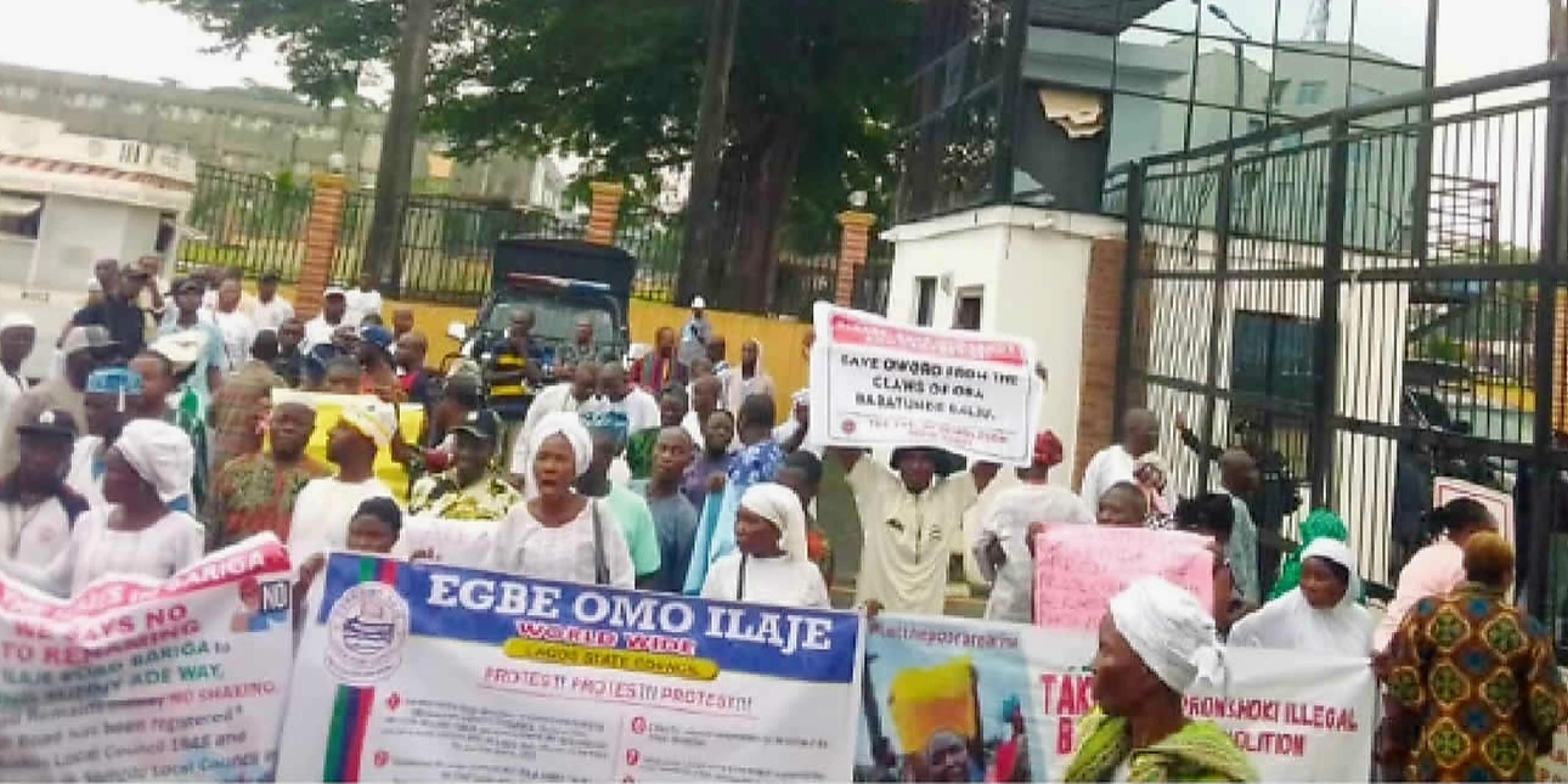
    Hundreds of Ilaje residents in Lagos have staged a protest against the demolition of their ancestral homes, accusing some traditional rulers of acting as land grabbers and hiding under the name of President Bola Tinubu to justify the destruction.

    Despite heavy rainfall, women and men under the umbrella of Egbe Omo Ilaje marched to the Lagos State House of Assembly in Alausa, Ikeja, demanding urgent intervention from Governor Babajide Sanwo-Olu and Speaker Mudashiru Obasa.

    Threat of Nude Protest:
    An elderly protester, Ifagbemi, declared that Ilaje women were ready to stage a nude demonstration at the palaces of implicated monarchs if the demolitions continued.

    “We are the original settlers of Lagos. If the government refuses to act, we will strip ourselves and storm the palaces of these monarchs. We want peace and justice,” she said.

    Allegations Against Monarchs:
    President-General of Egbe Omo Ilaje Worldwide, Rafael Irowainu, accused some monarchs of fraudulently invoking Tinubu’s name to legitimise demolitions.
    He insisted the Ilaje people are indigenous settlers of Lagos, while many of the monarchs behind the demolitions originated from Osun and Ekiti states.

    Heritage at Risk:
    Protesters warned that demolitions without court orders would worsen insecurity, homelessness, and cultural erasure.
    Prince Oluwajimusu, Lagos State Chairman of Egbe Omo Ilaje, condemned the move as a deliberate attempt to “wipe out Ilaje heritage.”

    “You cannot write the history of Lagos without the Ilaje. We will not continue to live as slaves in our own land. By 2027, we will decide our political future,” he declared.

    Many displaced families have called on the Lagos government to compensate affected landlords and residents, stressing that their wives and children are already suffering severe hardship.

    Bottom Line: The Ilaje community insists they are founding settlers of Lagos and vow not to surrender their land rights, warning of escalated protests if demolitions continue.

    #Lagos #Ilaje #LandDispute
    We Won’t Live Like Slaves’ — Ilaje Protest Demolition Of Ancestral Homes In Lagos August 20, 2025 | News Hundreds of Ilaje residents in Lagos have staged a protest against the demolition of their ancestral homes, accusing some traditional rulers of acting as land grabbers and hiding under the name of President Bola Tinubu to justify the destruction. Despite heavy rainfall, women and men under the umbrella of Egbe Omo Ilaje marched to the Lagos State House of Assembly in Alausa, Ikeja, demanding urgent intervention from Governor Babajide Sanwo-Olu and Speaker Mudashiru Obasa. 🔹 Threat of Nude Protest: An elderly protester, Ifagbemi, declared that Ilaje women were ready to stage a nude demonstration at the palaces of implicated monarchs if the demolitions continued. “We are the original settlers of Lagos. If the government refuses to act, we will strip ourselves and storm the palaces of these monarchs. We want peace and justice,” she said. 🔹 Allegations Against Monarchs: President-General of Egbe Omo Ilaje Worldwide, Rafael Irowainu, accused some monarchs of fraudulently invoking Tinubu’s name to legitimise demolitions. He insisted the Ilaje people are indigenous settlers of Lagos, while many of the monarchs behind the demolitions originated from Osun and Ekiti states. 🔹 Heritage at Risk: Protesters warned that demolitions without court orders would worsen insecurity, homelessness, and cultural erasure. Prince Oluwajimusu, Lagos State Chairman of Egbe Omo Ilaje, condemned the move as a deliberate attempt to “wipe out Ilaje heritage.” “You cannot write the history of Lagos without the Ilaje. We will not continue to live as slaves in our own land. By 2027, we will decide our political future,” he declared. Many displaced families have called on the Lagos government to compensate affected landlords and residents, stressing that their wives and children are already suffering severe hardship. ⚖️ Bottom Line: The Ilaje community insists they are founding settlers of Lagos and vow not to surrender their land rights, warning of escalated protests if demolitions continue. #Lagos #Ilaje #LandDispute
    0 Комментарии ·0 Поделились ·2Кб Просмотры
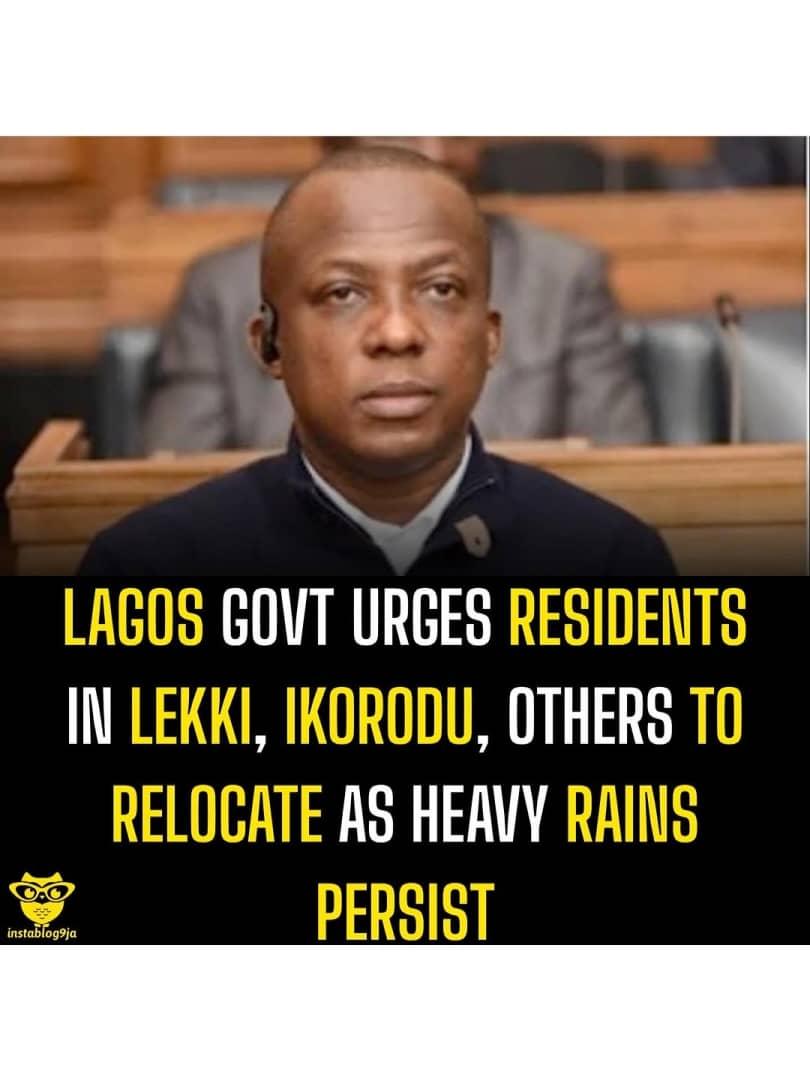
  • Lagos Govt Urges Residents in Lekki, Ikorodu, Others to Relocate as Heavy Rains Persist.

    The Lagos State Government has urged residents in flood-prone communities across parts of Lekki, Ikorodu, and Ajegunle to relocate to safer, elevated areas, warning that the state is at high risk of flooding due to continued heavy rainfall.

    Speaking on Politics Today, a Channels Television programme, Commissioner for Environment and Water Resources, Tokunbo Wahab, said residents in low-lying areas such as Ajegunle (Ajilete axis), Majidun in Ikorodu, and some parts of the Lekki corridor must move immediately to avoid disaster.

    “Epe, Mushin, and Ikeja are safe,” Wahab clarified, but warned residents in Isheri (OPIC axis) to also stay alert, noting that Lagos, being a coastal city, remains highly vulnerable to the effects of climate change. He revealed that predictions from the Nigerian Meteorological Agency (NiMet) indicate that Lagos will receive significantly more rainfall this year compared to 2024.

    He emphasized the need for those living in flood-prone zones to temporarily move to higher grounds until the rainy season subsides.

    On Monday, several communities across Lagos were flooded following prolonged rainfall that began Sunday night and lasted till evening the next day. Viral videos showed submerged streets, homes, and vehicles, as clogged drainage systems failed to manage the overflow, disrupting daily life and economic activities.

    While assuring residents that the government is intensifying efforts to clear drainages and expand water channels, Wahab called for calm and responsibility among citizens. “We won’t deceive Lagosians. Flash floods will happen. But our job is to provide resilient infrastructure and reduce the impact,” he said. “When nature acts, we can only mitigate.”
    Lagos Govt Urges Residents in Lekki, Ikorodu, Others to Relocate as Heavy Rains Persist. The Lagos State Government has urged residents in flood-prone communities across parts of Lekki, Ikorodu, and Ajegunle to relocate to safer, elevated areas, warning that the state is at high risk of flooding due to continued heavy rainfall. Speaking on Politics Today, a Channels Television programme, Commissioner for Environment and Water Resources, Tokunbo Wahab, said residents in low-lying areas such as Ajegunle (Ajilete axis), Majidun in Ikorodu, and some parts of the Lekki corridor must move immediately to avoid disaster. “Epe, Mushin, and Ikeja are safe,” Wahab clarified, but warned residents in Isheri (OPIC axis) to also stay alert, noting that Lagos, being a coastal city, remains highly vulnerable to the effects of climate change. He revealed that predictions from the Nigerian Meteorological Agency (NiMet) indicate that Lagos will receive significantly more rainfall this year compared to 2024. He emphasized the need for those living in flood-prone zones to temporarily move to higher grounds until the rainy season subsides. On Monday, several communities across Lagos were flooded following prolonged rainfall that began Sunday night and lasted till evening the next day. Viral videos showed submerged streets, homes, and vehicles, as clogged drainage systems failed to manage the overflow, disrupting daily life and economic activities. While assuring residents that the government is intensifying efforts to clear drainages and expand water channels, Wahab called for calm and responsibility among citizens. “We won’t deceive Lagosians. Flash floods will happen. But our job is to provide resilient infrastructure and reduce the impact,” he said. “When nature acts, we can only mitigate.”
    0 Комментарии ·0 Поделились ·2Кб Просмотры
  • Mahmood Adegbite, the Permanent Secretary in the Lagos State Office of Drainage Services, has raised alarm over water safety concerns in the Lekki area, stating that many residents who rely on boreholes may unknowingly be consuming contaminated water.

    Speaking at a recent stakeholders meeting, Adegbite said, “Anyone digging a borehole in Lekki is probably drinking what I’ll call ‘sh+t water.’” He explained that untreated wastewater in the area is seeping into the groundwater, posing serious health risks to residents.

    He attributed the ongoing challenges to complex environmental factors, including unusually heavy rainfall during the August break. Despite ongoing investments in drainage infrastructure, he acknowledged that more needs to be done.

    Adegbite noted that the state has plans to improve wastewater treatment in the Lekki axis. “If we are able to treat all the wastewater in this area as planned, we should be able to eliminate diseases that result from the current poor waste management,” he added.
    Mahmood Adegbite, the Permanent Secretary in the Lagos State Office of Drainage Services, has raised alarm over water safety concerns in the Lekki area, stating that many residents who rely on boreholes may unknowingly be consuming contaminated water. Speaking at a recent stakeholders meeting, Adegbite said, “Anyone digging a borehole in Lekki is probably drinking what I’ll call ‘sh+t water.’” He explained that untreated wastewater in the area is seeping into the groundwater, posing serious health risks to residents. He attributed the ongoing challenges to complex environmental factors, including unusually heavy rainfall during the August break. Despite ongoing investments in drainage infrastructure, he acknowledged that more needs to be done. Adegbite noted that the state has plans to improve wastewater treatment in the Lekki axis. “If we are able to treat all the wastewater in this area as planned, we should be able to eliminate diseases that result from the current poor waste management,” he added.
    0 Комментарии ·0 Поделились ·516 Просмотры
  • Nationwide alert: FG warns of five-day flooding in 19 states
    6th August 2025.

    The Federal Government has forecasted heavy rainfall over a five-day period that may trigger flooding across 19 states and 76 locations.

    The warning, issued on Tuesday by the National Flood Early Warning Systems Centre of the Federal Ministry of Environment, called on stakeholders and residents to take urgent precautionary measures.

    This comes as devastating floods struck Ogun and Gombe states on Tuesday, with other states including Lagos, Plateau, Anambra, and Delta also affected by the disaster.

    According to the centre’s flood prediction obtained by our correspondent, the affected areas are expected to experience rainfall likely to cause flooding from August 5 to August 9, 2025.

    The predicted states and locations are Akwa-Ibom (Edor, Eket, Ikom, Oron, Upenekang); Bauchi (Tafawa-Balewa, Azare, Jama’are, Kari, Misau, Jama’a); Ebonyi (Abakaliki, Echara, Ezilo); Cross-River (Ogoja Edor, Obubra); Nasarawa (Keana, Keffi, Wamba); Benue (Agaku, Buruku, Gboko, Igumale, Ito, Katsina-Ala, Ugba, Vande-Ikya); Kaduna (Jaji, Kafancha, Birnin-Gwari, Zaria) and Katsina (Bindawa, Bakori, Daura, Funtua).

    Others are Kebbi (Bagudo, Birnin-Kebbi, Bunza, Gwandu, Jega, Kalgo, Kamba, Kangiwa, Shanga, Ribah, Sakaba, Saminaka, Yelwa, Gauri-Banza); Kano (Bebeji, Gezawa, Gwarzo, Kano, Karaye, Tundun-wada, Wudil, Kunchi); Niger (Kontagora, Rijau, Ringim); Plateau (Mangu); Taraba (Donga, Takum); Jigawa (Diginsa, Gumel, Dutse, Gwaram, Hadejia, Miga); Yobe (Machina, Potiskum); Zamfara (Anka); Sokoto (Sokoto, Wamakko); Borno (Biu); and Gombe (Bajoga).

    Flooding in Nigeria has become a yearly occurrence that claims lives and destroys many properties. Last year, 31 states were reportedly affected by flooding, causing hundreds of deaths, injuring thousands of others and affecting 1.2 million.

    On September 10, 2024 the Alau Dam collapsed, causing floods in Borno State, killing at least 150 people, displacing 419,000 others and causing the community to submerge 70 per cent.
    Nationwide alert: FG warns of five-day flooding in 19 states 6th August 2025. The Federal Government has forecasted heavy rainfall over a five-day period that may trigger flooding across 19 states and 76 locations. The warning, issued on Tuesday by the National Flood Early Warning Systems Centre of the Federal Ministry of Environment, called on stakeholders and residents to take urgent precautionary measures. This comes as devastating floods struck Ogun and Gombe states on Tuesday, with other states including Lagos, Plateau, Anambra, and Delta also affected by the disaster. According to the centre’s flood prediction obtained by our correspondent, the affected areas are expected to experience rainfall likely to cause flooding from August 5 to August 9, 2025. The predicted states and locations are Akwa-Ibom (Edor, Eket, Ikom, Oron, Upenekang); Bauchi (Tafawa-Balewa, Azare, Jama’are, Kari, Misau, Jama’a); Ebonyi (Abakaliki, Echara, Ezilo); Cross-River (Ogoja Edor, Obubra); Nasarawa (Keana, Keffi, Wamba); Benue (Agaku, Buruku, Gboko, Igumale, Ito, Katsina-Ala, Ugba, Vande-Ikya); Kaduna (Jaji, Kafancha, Birnin-Gwari, Zaria) and Katsina (Bindawa, Bakori, Daura, Funtua). Others are Kebbi (Bagudo, Birnin-Kebbi, Bunza, Gwandu, Jega, Kalgo, Kamba, Kangiwa, Shanga, Ribah, Sakaba, Saminaka, Yelwa, Gauri-Banza); Kano (Bebeji, Gezawa, Gwarzo, Kano, Karaye, Tundun-wada, Wudil, Kunchi); Niger (Kontagora, Rijau, Ringim); Plateau (Mangu); Taraba (Donga, Takum); Jigawa (Diginsa, Gumel, Dutse, Gwaram, Hadejia, Miga); Yobe (Machina, Potiskum); Zamfara (Anka); Sokoto (Sokoto, Wamakko); Borno (Biu); and Gombe (Bajoga). Flooding in Nigeria has become a yearly occurrence that claims lives and destroys many properties. Last year, 31 states were reportedly affected by flooding, causing hundreds of deaths, injuring thousands of others and affecting 1.2 million. On September 10, 2024 the Alau Dam collapsed, causing floods in Borno State, killing at least 150 people, displacing 419,000 others and causing the community to submerge 70 per cent.
    0 Комментарии ·0 Поделились ·2Кб Просмотры
  • Anyone Drilling Borehole in Lekki Is Likely drinking **** water Lagos Official Warns

    Mahmood Adegbite, the Permanent Secretary in the Lagos State Office of Drainage Services, has raised alarm over water safety concerns in the Lekki area, stating that many residents who rely on boreholes may unknowingly be consuming contaminated water.

    Speaking at a recent stakeholders meeting, Adegbite said, "Anyone digging a borehole in Lekki is probably drinking what I'll call 'sh+t water." He explained that untreated wastewater in the area is seeping into the groundwater, posing serious health risks to residents.

    He attributed the ongoing challenges to complex environmental factors, including unusually heavy rainfall during the August break. Despite ongoing investments in drainage infrastructure, he acknowledged that more needs to be done.

    Adegbite noted that the state has plans to improve wastewater treatment in the Lekki axis. "If we are able to treat all the wastewater in this area as planned, we should be able to eliminate diseases that result from the current poor waste management," he added.
    Anyone Drilling Borehole in Lekki Is Likely drinking shit water Lagos Official Warns Mahmood Adegbite, the Permanent Secretary in the Lagos State Office of Drainage Services, has raised alarm over water safety concerns in the Lekki area, stating that many residents who rely on boreholes may unknowingly be consuming contaminated water. Speaking at a recent stakeholders meeting, Adegbite said, "Anyone digging a borehole in Lekki is probably drinking what I'll call 'sh+t water." He explained that untreated wastewater in the area is seeping into the groundwater, posing serious health risks to residents. He attributed the ongoing challenges to complex environmental factors, including unusually heavy rainfall during the August break. Despite ongoing investments in drainage infrastructure, he acknowledged that more needs to be done. Adegbite noted that the state has plans to improve wastewater treatment in the Lekki axis. "If we are able to treat all the wastewater in this area as planned, we should be able to eliminate diseases that result from the current poor waste management," he added.
    0 Комментарии ·0 Поделились ·491 Просмотры
  • Lagos Govt Urges Residents in Lekki, Ikorodu, Others to Relocate as Heavy Rains Persist.

    The Lagos State Government has urged residents in flood-prone communities across parts of Lekki, Ikorodu, and Ajegunle to relocate to safer, elevated areas, warning that the state is at high risk of flooding due to continued heavy rainfall.

    Speaking on Politics Today, a Channels Television programme, Commissioner for Environment and Water Resources, Tokunbo Wahab, said residents in low-lying areas such as Ajegunle (Ajilete axis), Majidun in Ikorodu, and some parts of the Lekki corridor must move immediately to avoid disaster.

    “Epe, Mushin, and Ikeja are safe,” Wahab clarified, but warned residents in Isheri (OPIC axis) to also stay alert, noting that Lagos, being a coastal city, remains highly vulnerable to the effects of climate change. He revealed that predictions from the Nigerian Meteorological Agency (NiMet) indicate that Lagos will receive significantly more rainfall this year compared to 2024.

    He emphasized the need for those living in flood-prone zones to temporarily move to higher grounds until the rainy season subsides.

    On Monday, several communities across Lagos were flooded following prolonged rainfall that began Sunday night and lasted till evening the next day. Viral videos showed submerged streets, homes, and vehicles, as clogged drainage systems failed to manage the overflow, disrupting daily life and economic activities.

    While assuring residents that the government is intensifying efforts to clear drainages and expand water channels, Wahab called for calm and responsibility among citizens. “We won’t deceive Lagosians. Flash floods will happen. But our job is to provide resilient infrastructure and reduce the impact,” he said. “When nature acts, we can only mitigate.”
    Lagos Govt Urges Residents in Lekki, Ikorodu, Others to Relocate as Heavy Rains Persist. The Lagos State Government has urged residents in flood-prone communities across parts of Lekki, Ikorodu, and Ajegunle to relocate to safer, elevated areas, warning that the state is at high risk of flooding due to continued heavy rainfall. Speaking on Politics Today, a Channels Television programme, Commissioner for Environment and Water Resources, Tokunbo Wahab, said residents in low-lying areas such as Ajegunle (Ajilete axis), Majidun in Ikorodu, and some parts of the Lekki corridor must move immediately to avoid disaster. “Epe, Mushin, and Ikeja are safe,” Wahab clarified, but warned residents in Isheri (OPIC axis) to also stay alert, noting that Lagos, being a coastal city, remains highly vulnerable to the effects of climate change. He revealed that predictions from the Nigerian Meteorological Agency (NiMet) indicate that Lagos will receive significantly more rainfall this year compared to 2024. He emphasized the need for those living in flood-prone zones to temporarily move to higher grounds until the rainy season subsides. On Monday, several communities across Lagos were flooded following prolonged rainfall that began Sunday night and lasted till evening the next day. Viral videos showed submerged streets, homes, and vehicles, as clogged drainage systems failed to manage the overflow, disrupting daily life and economic activities. While assuring residents that the government is intensifying efforts to clear drainages and expand water channels, Wahab called for calm and responsibility among citizens. “We won’t deceive Lagosians. Flash floods will happen. But our job is to provide resilient infrastructure and reduce the impact,” he said. “When nature acts, we can only mitigate.”
    0 Комментарии ·0 Поделились ·1Кб Просмотры
Расширенные страницы
Fintter https://fintter.com