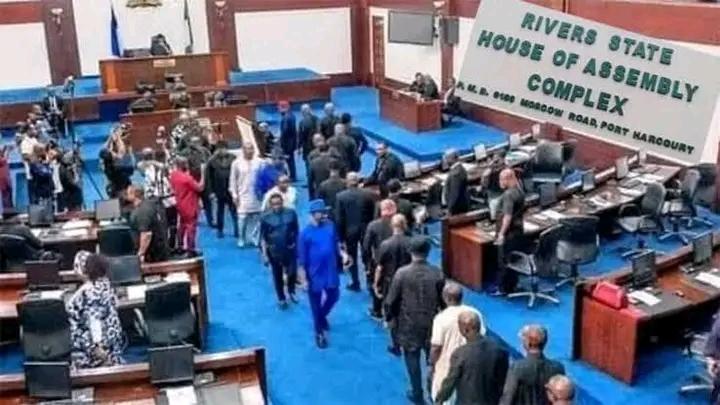
• Wahala Shift: Two More Rivers Lawmakers Don Comot For Fubara Impeachment Matter

    Fresh tori just drop as two more members of Rivers State House of Assembly don officially pull out from the impeachment move wey some lawmakers start against Governor Siminalayi Fubara.

    Sources say the lawmakers withdraw their support for the process, weakening the impeachment plot and raising serious questions about whether the plan still get enough backing inside the Assembly.

    This latest development come as political tension still dey high for Rivers State, with many residents, groups and party leaders calling for calm and dialogue instead of crisis.

    With more lawmakers stepping back, observers believe say the impeachment move dey lose steam, and the battle for control of the Assembly may soon take another turn.

    More details dey come as situation dey unfold.
    Wahala Shift: Two More Rivers Lawmakers Don Comot For Fubara Impeachment Matter Fresh tori just drop as two more members of Rivers State House of Assembly don officially pull out from the impeachment move wey some lawmakers start against Governor Siminalayi Fubara. Sources say the lawmakers withdraw their support for the process, weakening the impeachment plot and raising serious questions about whether the plan still get enough backing inside the Assembly. This latest development come as political tension still dey high for Rivers State, with many residents, groups and party leaders calling for calm and dialogue instead of crisis. With more lawmakers stepping back, observers believe say the impeachment move dey lose steam, and the battle for control of the Assembly may soon take another turn. More details dey come as situation dey unfold.
    0 Commenti ·0 condivisioni ·1K Views
  • Is Democracy Under Threat in Rivers State? Pro-Democracy Group NDF Demands Recall of Lawmakers Over Impeachment Move Against Governor Fubara

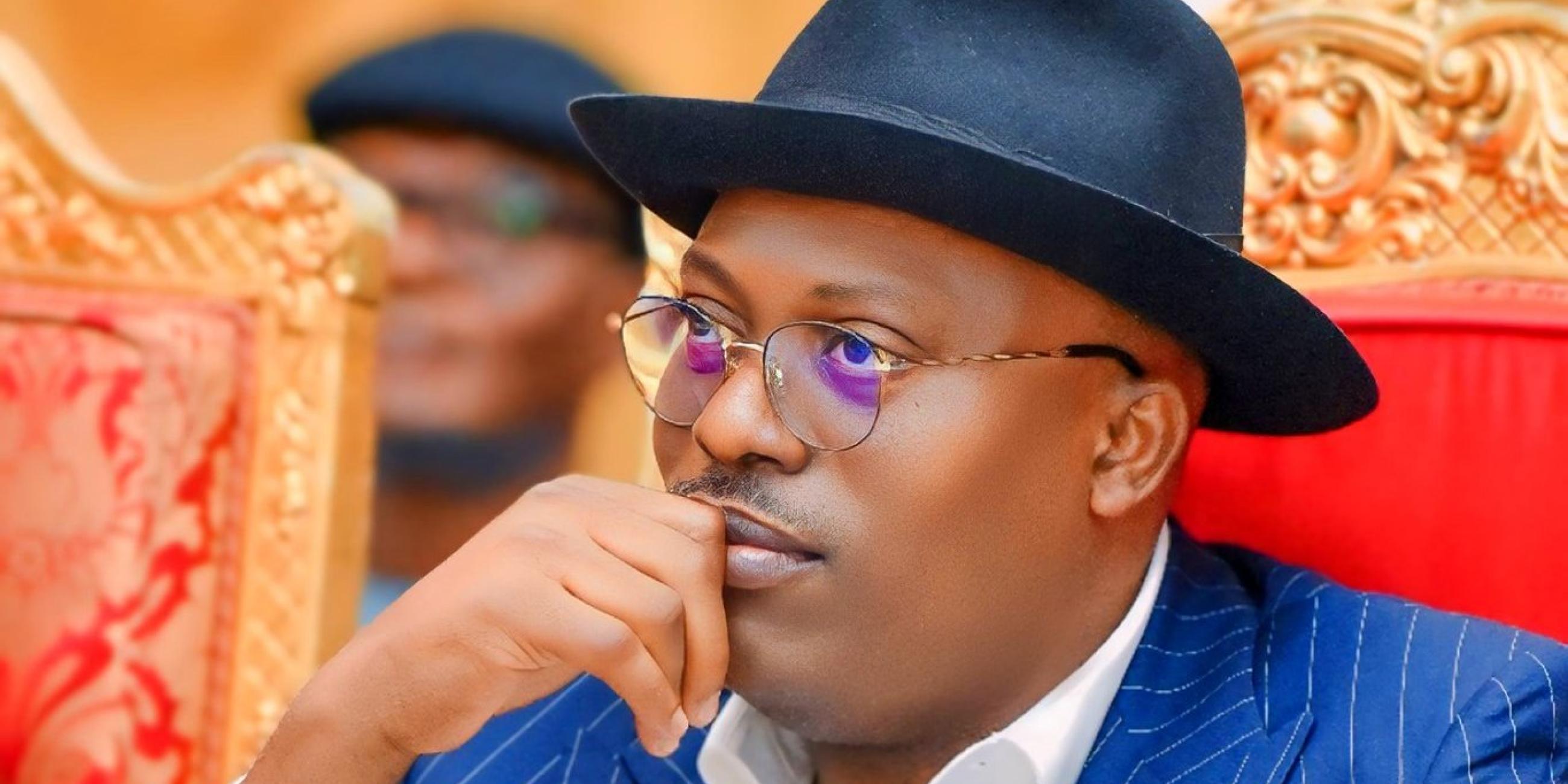
    Is the impeachment attempt against Rivers State Governor Siminalayi Fubara a genuine constitutional process—or a politically driven effort that could destabilize the state? The Nigeria Democratic Front (NDF) has strongly condemned the move by some members of the Rivers State House of Assembly to impeach the governor and his deputy, describing it as anti-democratic, self-serving, and dangerous to political stability.

    In a statement signed by its National Coordinator, Ikenna Ellis-Ezenekwe, the pro-democracy group accused the lawmakers behind the impeachment proceedings of abandoning the interests of their constituents in favour of what it called personal political loyalty to the Minister of the Federal Capital Territory (FCT), Nyesom Wike. According to the NDF, the action represents a “shameful display of political thuggery” rather than a lawful attempt to uphold accountability.

    The group went further to call on political stakeholders within Rivers State and the All Progressives Congress (APC) to initiate a recall process against the lawmakers involved, arguing that their conduct shows they no longer represent the will of the people. “Their action clearly shows that they no longer represent their constituents but their political paymaster,” the statement declared.

    The NDF also alleged that the impeachment move is part of a broader attempt to plunge the oil-rich state into prolonged political instability for personal and factional gain. It urged residents of Rivers State to resist what it described as the politics of godfatherism, greed, and elite control, insisting that such practices undermine democratic governance and development.

    Expressing firm support for Governor Fubara, the group called on him to remain resolute and unyielding in the face of political pressure, asserting that the governor enjoys widespread public backing. “Rivers State is ready for people-oriented development, not Wike-oriented destruction,” the NDF said, maintaining that the current administration should not be intimidated by forces seeking to derail governance through legislative conflict.

    In a direct appeal to the federal government, the group urged President Bola Ahmed Tinubu to intervene by calling the FCT minister to order, warning that failure to do so could deepen political tensions and erode democratic stability in the state.

    As of the time of reporting, neither the Rivers State House of Assembly nor the FCT Minister, Nyesom Wike, had responded to the allegations.

    The unfolding crisis raises pressing questions: Is the impeachment move truly about accountability or about political control? Will Rivers lawmakers face recall from their constituents? And can democratic institutions withstand the growing influence of political godfatherism in Nigeria’s state politics?

    Is Democracy Under Threat in Rivers State? Pro-Democracy Group NDF Demands Recall of Lawmakers Over Impeachment Move Against Governor Fubara Is the impeachment attempt against Rivers State Governor Siminalayi Fubara a genuine constitutional process—or a politically driven effort that could destabilize the state? The Nigeria Democratic Front (NDF) has strongly condemned the move by some members of the Rivers State House of Assembly to impeach the governor and his deputy, describing it as anti-democratic, self-serving, and dangerous to political stability. In a statement signed by its National Coordinator, Ikenna Ellis-Ezenekwe, the pro-democracy group accused the lawmakers behind the impeachment proceedings of abandoning the interests of their constituents in favour of what it called personal political loyalty to the Minister of the Federal Capital Territory (FCT), Nyesom Wike. According to the NDF, the action represents a “shameful display of political thuggery” rather than a lawful attempt to uphold accountability. The group went further to call on political stakeholders within Rivers State and the All Progressives Congress (APC) to initiate a recall process against the lawmakers involved, arguing that their conduct shows they no longer represent the will of the people. “Their action clearly shows that they no longer represent their constituents but their political paymaster,” the statement declared. The NDF also alleged that the impeachment move is part of a broader attempt to plunge the oil-rich state into prolonged political instability for personal and factional gain. It urged residents of Rivers State to resist what it described as the politics of godfatherism, greed, and elite control, insisting that such practices undermine democratic governance and development. Expressing firm support for Governor Fubara, the group called on him to remain resolute and unyielding in the face of political pressure, asserting that the governor enjoys widespread public backing. “Rivers State is ready for people-oriented development, not Wike-oriented destruction,” the NDF said, maintaining that the current administration should not be intimidated by forces seeking to derail governance through legislative conflict. In a direct appeal to the federal government, the group urged President Bola Ahmed Tinubu to intervene by calling the FCT minister to order, warning that failure to do so could deepen political tensions and erode democratic stability in the state. As of the time of reporting, neither the Rivers State House of Assembly nor the FCT Minister, Nyesom Wike, had responded to the allegations. The unfolding crisis raises pressing questions: Is the impeachment move truly about accountability or about political control? Will Rivers lawmakers face recall from their constituents? And can democratic institutions withstand the growing influence of political godfatherism in Nigeria’s state politics?
    0 Commenti ·0 condivisioni ·4K Views
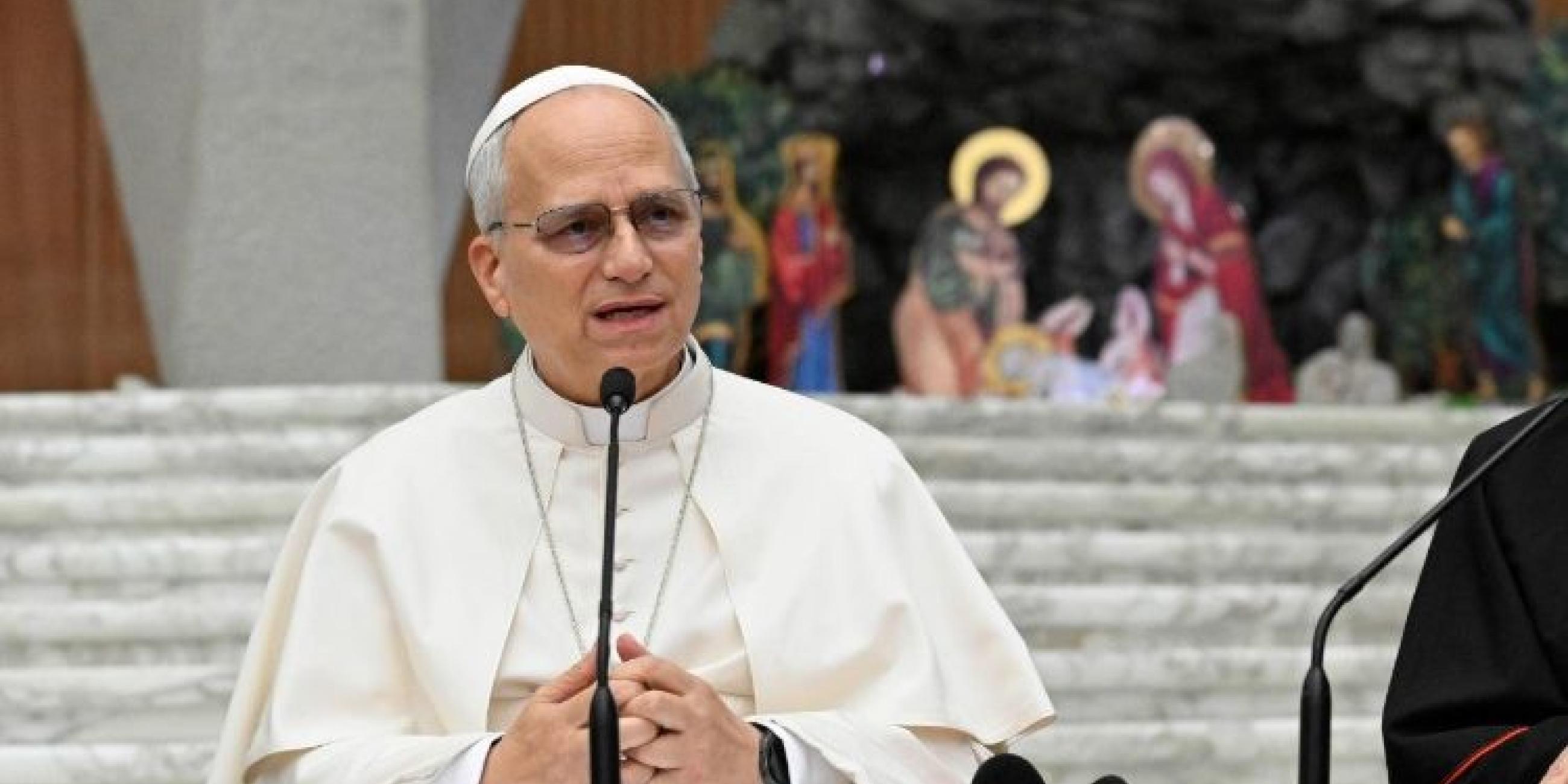
  • Pope Leo XIV Warns “War Is Back in Vogue,” Urges Global Leaders to Choose Dialogue Over Force

    In a blunt address to the Diplomatic Corps, Pope Leo XIV has warned that “war is back in vogue” as nations increasingly pursue peace through military force instead of diplomacy, justice, and dialogue. The pontiff expressed deep concern over rising geopolitical tensions, the erosion of multilateral institutions, and the growing culture of unilateralism, stressing that innocent civilians always bear the highest cost of armed conflicts.

    The Pope called on world leaders to embrace humility, dialogue, and compromise, emphasizing that lasting peace cannot be imposed by force but must be patiently built through justice, listening, and cooperation. He also highlighted the crucial role of global institutions in mediating conflicts, even as the world faces challenges like wars, displacement, economic inequality, and climate crises.

    Diplomats at the address described it as one of the strongest critiques of contemporary international politics by the Holy See, underscoring the Vatican’s role as a moral voice for peace. Pope Leo XIV concluded by urging leaders to resist the temptation of violence and “have the courage to choose peace, even when it is difficult.”


    Pope Leo XIV Warns “War Is Back in Vogue,” Urges Global Leaders to Choose Dialogue Over Force In a blunt address to the Diplomatic Corps, Pope Leo XIV has warned that “war is back in vogue” as nations increasingly pursue peace through military force instead of diplomacy, justice, and dialogue. The pontiff expressed deep concern over rising geopolitical tensions, the erosion of multilateral institutions, and the growing culture of unilateralism, stressing that innocent civilians always bear the highest cost of armed conflicts. The Pope called on world leaders to embrace humility, dialogue, and compromise, emphasizing that lasting peace cannot be imposed by force but must be patiently built through justice, listening, and cooperation. He also highlighted the crucial role of global institutions in mediating conflicts, even as the world faces challenges like wars, displacement, economic inequality, and climate crises. Diplomats at the address described it as one of the strongest critiques of contemporary international politics by the Holy See, underscoring the Vatican’s role as a moral voice for peace. Pope Leo XIV concluded by urging leaders to resist the temptation of violence and “have the courage to choose peace, even when it is difficult.”
    0 Commenti ·0 condivisioni ·2K Views
  • Is Governor Fubara Really Facing Impeachment? Why Rivers Assembly Insists the Process Is Ongoing, Denies Suspension Reports, and Cites the Constitution

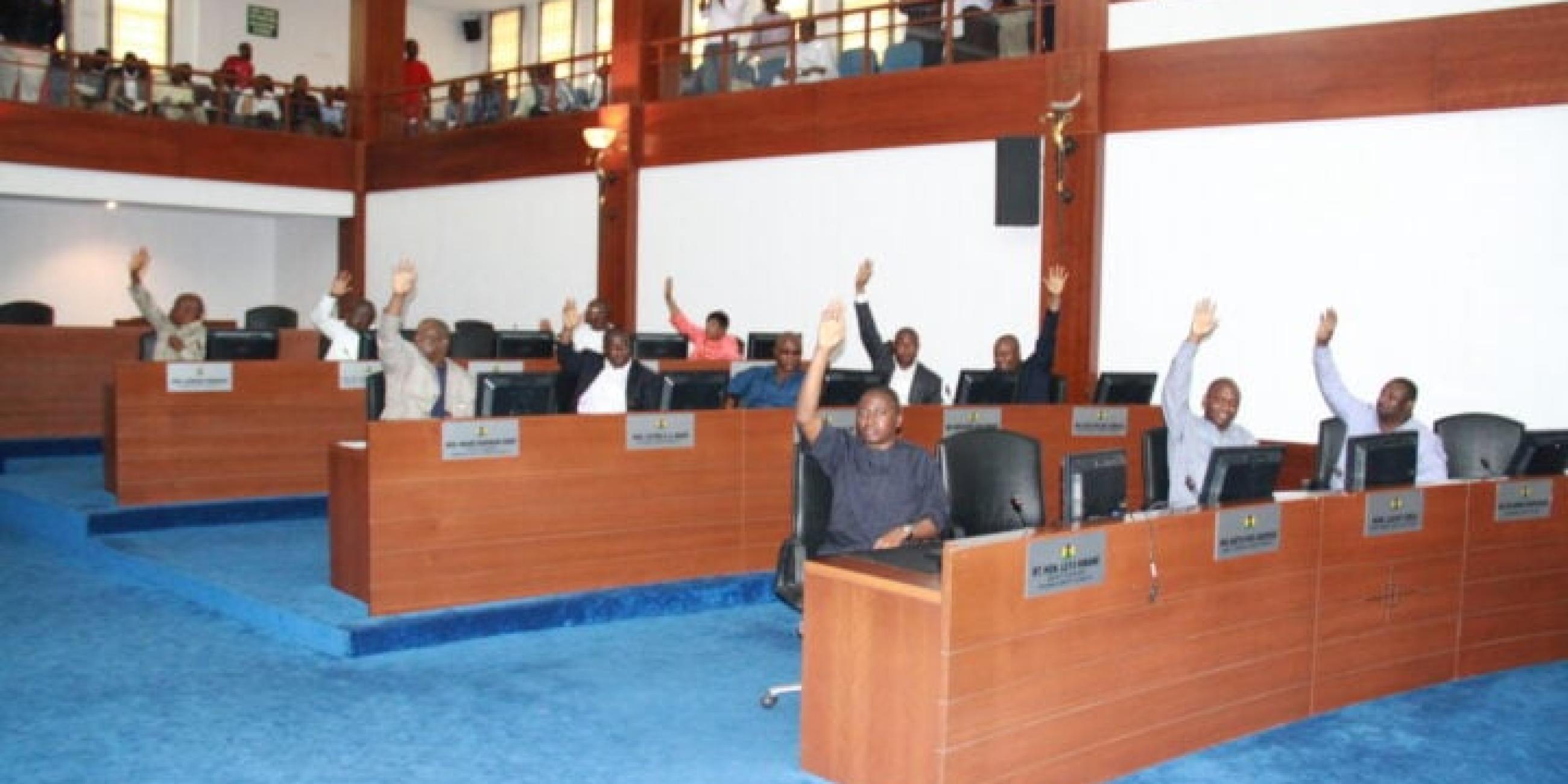
    Is the impeachment of Rivers State Governor Siminalayi Fubara actually underway—or has the process been quietly halted? The Rivers State House of Assembly has moved to clear the air, insisting that the impeachment proceedings against the governor and his deputy, Prof. Ngozi Nma Odu, are active, constitutional, and ongoing, despite widespread reports suggesting the exercise has been suspended.

    In a statement released on Friday and signed by Dr. Enemi Alabo George, Chairman of the House Committee on Information, Petitions and Complaints, the Assembly said the process formally began on Thursday, January 8, 2026, and is being conducted strictly in line with Section 188 of the 1999 Constitution of the Federal Republic of Nigeria (as amended).

    According to the lawmakers, two separate notices of allegations of gross misconduct have already been prepared and transmitted to Governor Fubara and Deputy Governor Odu by the Speaker of the House. The Assembly disclosed that it is now awaiting their formal responses, which is a mandatory step before proceeding to the next phase of the constitutional impeachment process.

    The House stressed that it is acting within its constitutional authority to check executive infractions and safeguard democratic governance in the state. It emphasized that the legislature is empowered by law to intervene where there are alleged violations by the governor, deputy governor, or any other state official.

    Dismissing reports that the process has been suspended, the Assembly accused unnamed individuals and media platforms of deliberately spreading false and misleading narratives aimed at confusing the public and creating tension between the House and citizens. Dr. George said such claims were designed to cause disaffection and undermine the credibility of the legislature.

    Calling on the public to disregard the reports, the House reaffirmed that the impeachment process remains “on track” and would not be derailed by what it described as blackmail, threats, or external pressure. The lawmakers vowed to remain focused on their constitutional responsibilities, insisting that they would not be intimidated by forces they believe do not have the best interests of Rivers State or Nigeria’s democracy at heart.

    At the same time, the Assembly expressed gratitude to residents of Rivers State for their prayers and support since the process began and thanked political leaders and stakeholders for their engagement. The statement concluded with a message of appreciation to “all democrats who believe in the Nigerian project.”

    As political tension continues to mount in the state, the key questions remain: Will the governor and his deputy respond to the allegations? Will the process advance to the investigative stage outlined in the Constitution—or could political negotiations alter the outcome? For now, the Rivers State House of Assembly says the impeachment of Governor Fubara is neither paused nor abandoned—and Nigerians are watching closely as the constitutional process unfolds.

    Is Governor Fubara Really Facing Impeachment? Why Rivers Assembly Insists the Process Is Ongoing, Denies Suspension Reports, and Cites the Constitution Is the impeachment of Rivers State Governor Siminalayi Fubara actually underway—or has the process been quietly halted? The Rivers State House of Assembly has moved to clear the air, insisting that the impeachment proceedings against the governor and his deputy, Prof. Ngozi Nma Odu, are active, constitutional, and ongoing, despite widespread reports suggesting the exercise has been suspended. In a statement released on Friday and signed by Dr. Enemi Alabo George, Chairman of the House Committee on Information, Petitions and Complaints, the Assembly said the process formally began on Thursday, January 8, 2026, and is being conducted strictly in line with Section 188 of the 1999 Constitution of the Federal Republic of Nigeria (as amended). According to the lawmakers, two separate notices of allegations of gross misconduct have already been prepared and transmitted to Governor Fubara and Deputy Governor Odu by the Speaker of the House. The Assembly disclosed that it is now awaiting their formal responses, which is a mandatory step before proceeding to the next phase of the constitutional impeachment process. The House stressed that it is acting within its constitutional authority to check executive infractions and safeguard democratic governance in the state. It emphasized that the legislature is empowered by law to intervene where there are alleged violations by the governor, deputy governor, or any other state official. Dismissing reports that the process has been suspended, the Assembly accused unnamed individuals and media platforms of deliberately spreading false and misleading narratives aimed at confusing the public and creating tension between the House and citizens. Dr. George said such claims were designed to cause disaffection and undermine the credibility of the legislature. Calling on the public to disregard the reports, the House reaffirmed that the impeachment process remains “on track” and would not be derailed by what it described as blackmail, threats, or external pressure. The lawmakers vowed to remain focused on their constitutional responsibilities, insisting that they would not be intimidated by forces they believe do not have the best interests of Rivers State or Nigeria’s democracy at heart. At the same time, the Assembly expressed gratitude to residents of Rivers State for their prayers and support since the process began and thanked political leaders and stakeholders for their engagement. The statement concluded with a message of appreciation to “all democrats who believe in the Nigerian project.” As political tension continues to mount in the state, the key questions remain: Will the governor and his deputy respond to the allegations? Will the process advance to the investigative stage outlined in the Constitution—or could political negotiations alter the outcome? For now, the Rivers State House of Assembly says the impeachment of Governor Fubara is neither paused nor abandoned—and Nigerians are watching closely as the constitutional process unfolds.
    0 Commenti ·0 condivisioni ·3K Views
  • Why Is the UAE Cutting Scholarships for UK Universities? Is Fear of Islamist Radicalisation on British Campuses Redefining Emirati Foreign Policy, Student Mobility, and UK–Gulf Relations?

    Is the United Arab Emirates quietly reshaping global student mobility—and sending a political message to Britain in the process? The UAE has begun restricting state-funded scholarships for students seeking to study in the United Kingdom, citing concerns that some British university campuses are being influenced or “radicalised” by Islamist groups.

    Officials in Abu Dhabi confirmed to the Financial Times and The Times that federal funding for Emirati citizens planning to enrol in UK universities has been curtailed. The move reflects deepening unease within the UAE over what it views as the growing ideological presence of Islamist networks on British campuses, particularly those allegedly linked to the Muslim Brotherhood, which the UAE designates as a terrorist organisation.

    While the UAE has not imposed an outright ban on studying in the UK, the policy change marks a significant shift. Wealthier families can still send students abroad using private funds, and government scholarships remain available for studies in other countries. However, the restriction is already affecting numbers: UK student visa data show a sharp decline in Emirati enrolment, with only 213 UAE students granted UK study visas in the year ending September 2025—a 27% drop from the previous year and a 55% fall compared to 2022. This is particularly striking given that the Emirati student population in the UK had doubled between 2017 and 2024 to around 8,500 students, with major concentrations at institutions such as King’s College London, University College London, the University of Manchester, the University of Leeds, and the University of Central Lancashire.

    At the heart of the decision lies long-standing political tension between Abu Dhabi and London. The UAE has repeatedly urged Britain to ban the Muslim Brotherhood, a group it considers a security threat. However, successive UK governments have declined to proscribe the organisation. A 2014 inquiry ordered by then-Prime Minister David Cameron, led by former ambassador Sir John Jenkins, concluded that the Brotherhood’s beliefs were incompatible with British values but found insufficient legal grounds for a ban. More recently, Reform UK leader Nigel Farage has said he would proscribe the group if elected, underscoring how the issue has become embedded in British political debate.

    Concerns in Britain about alleged Islamist influence on university campuses have also fueled controversy. Student organisations have faced scrutiny for hosting speakers accused of promoting extremist ideologies, with critics warning that academic spaces may be vulnerable to ideological recruitment. For the UAE, which has previously jailed suspected Brotherhood members and strongly supported Egypt’s 2013 military ouster of President Mohammed Morsi, the presence of any perceived Brotherhood influence abroad is seen as a direct security risk.

    A Middle East expert quoted by The Times suggested that the Emirati leadership is “obsessed” with the Brotherhood, describing it as more of an ideological movement than a tightly organised group. According to the source, the scholarship restrictions function as a “warning shot” to students, signalling that engagement with Islamist networks abroad could carry consequences back home.

    Beyond education policy, the move raises broader geopolitical questions. Is the UAE using scholarships as a diplomatic lever to pressure the UK? Will other Gulf states follow suit? And what does this mean for Britain’s position as a global education hub, especially at a time when international student numbers are critical to university funding?

    As Emirati students increasingly turn to alternative destinations, the policy may reshape academic exchange, economic ties, and cultural diplomacy between the Gulf and the UK. More fundamentally, it highlights how security concerns, ideological conflict, and foreign policy priorities are now directly influencing where young people are allowed—or encouraged—to study abroad.


    Why Is the UAE Cutting Scholarships for UK Universities? Is Fear of Islamist Radicalisation on British Campuses Redefining Emirati Foreign Policy, Student Mobility, and UK–Gulf Relations? Is the United Arab Emirates quietly reshaping global student mobility—and sending a political message to Britain in the process? The UAE has begun restricting state-funded scholarships for students seeking to study in the United Kingdom, citing concerns that some British university campuses are being influenced or “radicalised” by Islamist groups. Officials in Abu Dhabi confirmed to the Financial Times and The Times that federal funding for Emirati citizens planning to enrol in UK universities has been curtailed. The move reflects deepening unease within the UAE over what it views as the growing ideological presence of Islamist networks on British campuses, particularly those allegedly linked to the Muslim Brotherhood, which the UAE designates as a terrorist organisation. While the UAE has not imposed an outright ban on studying in the UK, the policy change marks a significant shift. Wealthier families can still send students abroad using private funds, and government scholarships remain available for studies in other countries. However, the restriction is already affecting numbers: UK student visa data show a sharp decline in Emirati enrolment, with only 213 UAE students granted UK study visas in the year ending September 2025—a 27% drop from the previous year and a 55% fall compared to 2022. This is particularly striking given that the Emirati student population in the UK had doubled between 2017 and 2024 to around 8,500 students, with major concentrations at institutions such as King’s College London, University College London, the University of Manchester, the University of Leeds, and the University of Central Lancashire. At the heart of the decision lies long-standing political tension between Abu Dhabi and London. The UAE has repeatedly urged Britain to ban the Muslim Brotherhood, a group it considers a security threat. However, successive UK governments have declined to proscribe the organisation. A 2014 inquiry ordered by then-Prime Minister David Cameron, led by former ambassador Sir John Jenkins, concluded that the Brotherhood’s beliefs were incompatible with British values but found insufficient legal grounds for a ban. More recently, Reform UK leader Nigel Farage has said he would proscribe the group if elected, underscoring how the issue has become embedded in British political debate. Concerns in Britain about alleged Islamist influence on university campuses have also fueled controversy. Student organisations have faced scrutiny for hosting speakers accused of promoting extremist ideologies, with critics warning that academic spaces may be vulnerable to ideological recruitment. For the UAE, which has previously jailed suspected Brotherhood members and strongly supported Egypt’s 2013 military ouster of President Mohammed Morsi, the presence of any perceived Brotherhood influence abroad is seen as a direct security risk. A Middle East expert quoted by The Times suggested that the Emirati leadership is “obsessed” with the Brotherhood, describing it as more of an ideological movement than a tightly organised group. According to the source, the scholarship restrictions function as a “warning shot” to students, signalling that engagement with Islamist networks abroad could carry consequences back home. Beyond education policy, the move raises broader geopolitical questions. Is the UAE using scholarships as a diplomatic lever to pressure the UK? Will other Gulf states follow suit? And what does this mean for Britain’s position as a global education hub, especially at a time when international student numbers are critical to university funding? As Emirati students increasingly turn to alternative destinations, the policy may reshape academic exchange, economic ties, and cultural diplomacy between the Gulf and the UK. More fundamentally, it highlights how security concerns, ideological conflict, and foreign policy priorities are now directly influencing where young people are allowed—or encouraged—to study abroad.
    0 Commenti ·0 condivisioni ·3K Views
  • Rivers APC Rejects Impeachment of Governor Fubara Amid Political Crisis and PDP Pressure

    The All Progressives Congress (APC) in Rivers State has formally rejected ongoing impeachment moves against Governor Siminalayi Fubara and Deputy Governor Ngozi Oduh, warning that such action could destabilize the state and tarnish the party’s image. The impeachment effort, reportedly signed by 26 lawmakers, alleges gross misconduct by the state executive.

    In a statement, the Rivers APC acknowledged the legislature’s constitutional independence but stressed that it cannot support removing a governor elected on its platform. The party linked the impeachment threat to internal disputes within the Peoples Democratic Party (PDP) and cautioned against external pressures influencing APC lawmakers.

    The APC also addressed claims that the move was related to budgetary issues, highlighting that the ₦1.485 trillion budget for 2025–2026 had been approved and that the governor has constitutional leeway in its execution. The party urged lawmakers to discontinue the impeachment process to preserve governance, democracy, and political stability in Rivers State.

    The political tension follows a lingering rift between Governor Fubara and his predecessor, Nyesom Wike, which continues to polarize the state’s political landscape. APC officials have emphasized that leadership positions are tied to current officeholders, underscoring the party’s commitment to defending its elected executives and maintaining internal cohesion.

    This development adds to the ongoing narrative of political turbulence in Nigerian states, highlighting party loyalty, legislative tensions, and the complexities of state governance under partisan pressures.

    Rivers APC Rejects Impeachment of Governor Fubara Amid Political Crisis and PDP Pressure The All Progressives Congress (APC) in Rivers State has formally rejected ongoing impeachment moves against Governor Siminalayi Fubara and Deputy Governor Ngozi Oduh, warning that such action could destabilize the state and tarnish the party’s image. The impeachment effort, reportedly signed by 26 lawmakers, alleges gross misconduct by the state executive. In a statement, the Rivers APC acknowledged the legislature’s constitutional independence but stressed that it cannot support removing a governor elected on its platform. The party linked the impeachment threat to internal disputes within the Peoples Democratic Party (PDP) and cautioned against external pressures influencing APC lawmakers. The APC also addressed claims that the move was related to budgetary issues, highlighting that the ₦1.485 trillion budget for 2025–2026 had been approved and that the governor has constitutional leeway in its execution. The party urged lawmakers to discontinue the impeachment process to preserve governance, democracy, and political stability in Rivers State. The political tension follows a lingering rift between Governor Fubara and his predecessor, Nyesom Wike, which continues to polarize the state’s political landscape. APC officials have emphasized that leadership positions are tied to current officeholders, underscoring the party’s commitment to defending its elected executives and maintaining internal cohesion. This development adds to the ongoing narrative of political turbulence in Nigerian states, highlighting party loyalty, legislative tensions, and the complexities of state governance under partisan pressures.
    like
    1
    · 0 Commenti ·0 condivisioni ·2K Views
  • Chinese Hacking Group ‘Salt Typhoon’ Breaches U.S. House Committee Emails

    A Chinese-linked hacking group, nicknamed Salt Typhoon, has reportedly compromised email systems used by staff members of several U.S. House of Representatives committees, including the House China Committee and panels overseeing foreign affairs, intelligence, and the armed services. The breach, detected in December, targeted committee aides, though it remains unclear whether lawmakers’ emails were accessed.

    The cyberattack is part of ongoing allegations of espionage linked to Chinese intelligence, which has previously been accused of intercepting communications involving U.S. politicians and officials. In response, Beijing has denied involvement, while U.S. authorities have imposed sanctions on individuals and companies allegedly connected to Salt Typhoon’s operations.

    The Federal Bureau of Investigation has declined to comment, and the White House and the targeted committees have yet to issue official statements. Cybersecurity experts note that U.S. lawmakers and staffers have frequently been targeted for espionage, with prior incidents reported in the Senate and among senior officials.

    Salt Typhoon’s alleged operations highlight persistent vulnerabilities in U.S. government digital communications and underscore the ongoing geopolitical tensions between the United States and China.

    Chinese Hacking Group ‘Salt Typhoon’ Breaches U.S. House Committee Emails A Chinese-linked hacking group, nicknamed Salt Typhoon, has reportedly compromised email systems used by staff members of several U.S. House of Representatives committees, including the House China Committee and panels overseeing foreign affairs, intelligence, and the armed services. The breach, detected in December, targeted committee aides, though it remains unclear whether lawmakers’ emails were accessed. The cyberattack is part of ongoing allegations of espionage linked to Chinese intelligence, which has previously been accused of intercepting communications involving U.S. politicians and officials. In response, Beijing has denied involvement, while U.S. authorities have imposed sanctions on individuals and companies allegedly connected to Salt Typhoon’s operations. The Federal Bureau of Investigation has declined to comment, and the White House and the targeted committees have yet to issue official statements. Cybersecurity experts note that U.S. lawmakers and staffers have frequently been targeted for espionage, with prior incidents reported in the Senate and among senior officials. Salt Typhoon’s alleged operations highlight persistent vulnerabilities in U.S. government digital communications and underscore the ongoing geopolitical tensions between the United States and China.
    0 Commenti ·0 condivisioni ·2K Views
  • How Did Detained Police Officers Still Get Paid After the Deadly Omuma Shooting? Panel Acquits 10, Demotes Two – What Went Wrong?”

    An exclusive SaharaReporters investigation reveals shocking details about the June 18, 2024 deadly shooting at the Eberi-Omuma Local Government Council Secretariat in Rivers State, where at least two people lost their lives. Despite being detained over the incident, Inspector Hycent Oboh continued to receive his salary of ₦249,138.13 in December 2025, raising questions about accountability within the Nigerian Police Force.
    The incident, triggered by heightened political tensions in Omuma, involved multiple armed police officers allegedly firing live bullets and deploying teargas, leaving Inspector David Mgbada and civilian security operative Samuel Nwigwe dead. Eyewitnesses described chaos, teargas clouds, and indiscriminate gunfire, some linking officers to political actors. Yet, the police orderly room trial, which began in August 2024 at the SCIID in Port Harcourt, found that evidential gaps and investigative lapses prevented most officers from being held accountable.
    After hearing testimonies from eight witnesses, the Executive Chairman of Omuma LGA, and the accused officers themselves, the panel acquitted 10 officers of all charges due to lack of proof. Only Inspectors Michael Etim (D5) and Nelson Mbang (D8) were demoted for discreditable conduct, having joined an unauthorised security detail, highlighting a serious breakdown in police discipline and investigative rigor.
    The panel criticized the Investigating Police Officers (IPO) for failing to verify evidence, including video footage, conduct ballistic analyses, or identify officers present at the scene. This failure, the panel said, compromised justice for the victims and reflected political influence and systemic weaknesses within the force. Shockingly, the panel even recommended a posthumous trial for late Inspector Mgbada, underscoring the unusual and controversial nature of the proceedings.
    The case raises serious questions about police accountability, salary payments during detention, and systemic failures in handling politically sensitive incidents. Citizens and stakeholders continue to demand transparency, proper investigations, and meaningful reforms to prevent future abuses and ensure justice for victims.
    Fintter readers, we want to hear from you: How can the Nigerian Police Force be held accountable when investigations fail and officers continue to draw salaries despite detention? Share your thoughts in the comments.
    How Did Detained Police Officers Still Get Paid After the Deadly Omuma Shooting? Panel Acquits 10, Demotes Two – What Went Wrong?” An exclusive SaharaReporters investigation reveals shocking details about the June 18, 2024 deadly shooting at the Eberi-Omuma Local Government Council Secretariat in Rivers State, where at least two people lost their lives. Despite being detained over the incident, Inspector Hycent Oboh continued to receive his salary of ₦249,138.13 in December 2025, raising questions about accountability within the Nigerian Police Force. The incident, triggered by heightened political tensions in Omuma, involved multiple armed police officers allegedly firing live bullets and deploying teargas, leaving Inspector David Mgbada and civilian security operative Samuel Nwigwe dead. Eyewitnesses described chaos, teargas clouds, and indiscriminate gunfire, some linking officers to political actors. Yet, the police orderly room trial, which began in August 2024 at the SCIID in Port Harcourt, found that evidential gaps and investigative lapses prevented most officers from being held accountable. After hearing testimonies from eight witnesses, the Executive Chairman of Omuma LGA, and the accused officers themselves, the panel acquitted 10 officers of all charges due to lack of proof. Only Inspectors Michael Etim (D5) and Nelson Mbang (D8) were demoted for discreditable conduct, having joined an unauthorised security detail, highlighting a serious breakdown in police discipline and investigative rigor. The panel criticized the Investigating Police Officers (IPO) for failing to verify evidence, including video footage, conduct ballistic analyses, or identify officers present at the scene. This failure, the panel said, compromised justice for the victims and reflected political influence and systemic weaknesses within the force. Shockingly, the panel even recommended a posthumous trial for late Inspector Mgbada, underscoring the unusual and controversial nature of the proceedings. The case raises serious questions about police accountability, salary payments during detention, and systemic failures in handling politically sensitive incidents. Citizens and stakeholders continue to demand transparency, proper investigations, and meaningful reforms to prevent future abuses and ensure justice for victims. Fintter readers, we want to hear from you: How can the Nigerian Police Force be held accountable when investigations fail and officers continue to draw salaries despite detention? Share your thoughts in the comments.
    0 Commenti ·0 condivisioni ·2K Views
  • Venezuela and U.S. Hold Talks to Resume Venezuelan Crude Exports to Gulf Coast Refineries Amid Sanctions Reversal and Maduro Capture

    Venezuela and United States officials are reportedly in discussions to resume the export of Venezuelan crude to U.S. refineries, particularly along the Gulf Coast, which have historically processed the country’s heavy crude. The talks come after years of sanctions restricted Venezuelan oil access to the U.S. market, imposed during the Trump administration.
    The renewed engagement follows a controversial U.S. military operation in early January 2026 that resulted in the capture of Venezuelan President Nicolás Maduro and his wife. The U.S. cited drug trafficking and narco-terrorism allegations against Maduro, while he described his capture as a “kidnapping” and denied wrongdoing.
    The potential resumption of exports is seen as part of broader U.S. efforts to reassert control over Venezuela’s oil industry. No formal agreement has been reached yet, and discussions are ongoing. Historically, U.S. sanctions and geopolitical tensions sharply curtailed Venezuela’s oil production and revenues, forcing the country to redirect shipments elsewhere.
    Venezuela and U.S. Hold Talks to Resume Venezuelan Crude Exports to Gulf Coast Refineries Amid Sanctions Reversal and Maduro Capture Venezuela and United States officials are reportedly in discussions to resume the export of Venezuelan crude to U.S. refineries, particularly along the Gulf Coast, which have historically processed the country’s heavy crude. The talks come after years of sanctions restricted Venezuelan oil access to the U.S. market, imposed during the Trump administration. The renewed engagement follows a controversial U.S. military operation in early January 2026 that resulted in the capture of Venezuelan President Nicolás Maduro and his wife. The U.S. cited drug trafficking and narco-terrorism allegations against Maduro, while he described his capture as a “kidnapping” and denied wrongdoing. The potential resumption of exports is seen as part of broader U.S. efforts to reassert control over Venezuela’s oil industry. No formal agreement has been reached yet, and discussions are ongoing. Historically, U.S. sanctions and geopolitical tensions sharply curtailed Venezuela’s oil production and revenues, forcing the country to redirect shipments elsewhere.
    like
    1
    · 0 Commenti ·0 condivisioni ·970 Views
  • China Condemns U.S. Detention of Venezuela’s President Maduro, Says No Country Has the Right to Act as the ‘World’s Judge’ or Global Police

    China has strongly criticised the detention of Venezuelan President Nicolás Maduro by the United States, declaring that it will never accept any country positioning itself as the “world’s judge” or acting as a global police force. The position was stated by Chinese Foreign Minister Wang Yi during talks with Pakistan’s Foreign Minister, Ishaq Dar, in Beijing, following what he described as sudden and serious developments in Venezuela.

    Without naming the United States directly, Wang Yi stressed that international law does not permit any nation to unilaterally police or judge others, insisting that the sovereignty and security of all countries must be respected. His remarks marked China’s first public response since images of Maduro blindfolded and handcuffed surfaced, sparking global controversy. Maduro is currently detained in New York and awaiting a court appearance on drug-related charges.

    The development poses a diplomatic test for China, which has cultivated close ties with Venezuela and considers itself a dependable partner to Caracas. Beijing has played a significant economic and political role in supporting Venezuela, particularly since Western sanctions intensified in 2017, investing billions of dollars and purchasing large volumes of Venezuelan crude oil. Analysts say China’s growing confidence on the global stage, reinforced by its past confrontations with Washington and recent diplomatic initiatives, is shaping its firm stance.

    However, U.S. President Donald Trump’s assertion that Washington will temporarily oversee Venezuela’s government has raised concerns about the future of China–Venezuela relations and Beijing’s ambition to act as a major diplomatic power. Chinese officials privately described Maduro’s detention as a major setback, highlighting years of diplomatic engagement and economic cooperation now overshadowed by escalating geopolitical tensions.
    China Condemns U.S. Detention of Venezuela’s President Maduro, Says No Country Has the Right to Act as the ‘World’s Judge’ or Global Police China has strongly criticised the detention of Venezuelan President Nicolás Maduro by the United States, declaring that it will never accept any country positioning itself as the “world’s judge” or acting as a global police force. The position was stated by Chinese Foreign Minister Wang Yi during talks with Pakistan’s Foreign Minister, Ishaq Dar, in Beijing, following what he described as sudden and serious developments in Venezuela. Without naming the United States directly, Wang Yi stressed that international law does not permit any nation to unilaterally police or judge others, insisting that the sovereignty and security of all countries must be respected. His remarks marked China’s first public response since images of Maduro blindfolded and handcuffed surfaced, sparking global controversy. Maduro is currently detained in New York and awaiting a court appearance on drug-related charges. The development poses a diplomatic test for China, which has cultivated close ties with Venezuela and considers itself a dependable partner to Caracas. Beijing has played a significant economic and political role in supporting Venezuela, particularly since Western sanctions intensified in 2017, investing billions of dollars and purchasing large volumes of Venezuelan crude oil. Analysts say China’s growing confidence on the global stage, reinforced by its past confrontations with Washington and recent diplomatic initiatives, is shaping its firm stance. However, U.S. President Donald Trump’s assertion that Washington will temporarily oversee Venezuela’s government has raised concerns about the future of China–Venezuela relations and Beijing’s ambition to act as a major diplomatic power. Chinese officials privately described Maduro’s detention as a major setback, highlighting years of diplomatic engagement and economic cooperation now overshadowed by escalating geopolitical tensions.
    love
    1
    · 0 Commenti ·0 condivisioni ·1K Views
  • Hoodlums Allegedly Linked to Edo Governor Okpebholo’s Loyalist Tony Kabaka Burn Home of UK-Based Critic Albert Obazee on New Year’s Eve Amid Threats and Political Tension

    Suspected hoodlums allegedly working for Edo State Governor Monday Okpebholo’s loyalist, Tony Kabaka, have been accused of attacking and setting ablaze the home of UK-based Edo-born media critic, Albert Obazee, on New Year’s Eve in Benin City. Eyewitnesses said a large group of young men armed with petrol- and kerosene-filled bottles forced their way into the residence, smashed windows, destroyed household items, poured accelerants, and set the building on fire, leaving it severely damaged and uninhabitable.

    Videos obtained by SaharaReporters showed the house engulfed in flames, with petrol bottles visible among the debris, suggesting a premeditated attack. An occupant of the compound said up to 30 armed youths stormed the premises, while others confirmed the incident anonymously, citing fear of intimidation.

    The attack reportedly came days after Governor Okpebholo publicly threatened Obazee in a video interview, vowing that he would be imprisoned and barred from freely entering Nigeria. The governor admitted to closely monitoring Obazee’s social media posts, many of which criticised his administration.

    Sources alleged that the arson followed Obazee’s social media claim that Tony Kabaka had been arrested by the EFCC over alleged misconduct, a claim Kabaka later confirmed by admitting he was invited and questioned by the commission. About 24 hours after the post, Obazee raised alarm that his multimillion-naira property had been vandalised and burned.

    As of the time of reporting, neither the Edo State government nor the Nigeria Police Force had issued an official statement or announced arrests. Obazee said the attack has left him, his family, and associates living in fear, calling on authorities to urgently investigate the incident and ensure accountability.
    Hoodlums Allegedly Linked to Edo Governor Okpebholo’s Loyalist Tony Kabaka Burn Home of UK-Based Critic Albert Obazee on New Year’s Eve Amid Threats and Political Tension Suspected hoodlums allegedly working for Edo State Governor Monday Okpebholo’s loyalist, Tony Kabaka, have been accused of attacking and setting ablaze the home of UK-based Edo-born media critic, Albert Obazee, on New Year’s Eve in Benin City. Eyewitnesses said a large group of young men armed with petrol- and kerosene-filled bottles forced their way into the residence, smashed windows, destroyed household items, poured accelerants, and set the building on fire, leaving it severely damaged and uninhabitable. Videos obtained by SaharaReporters showed the house engulfed in flames, with petrol bottles visible among the debris, suggesting a premeditated attack. An occupant of the compound said up to 30 armed youths stormed the premises, while others confirmed the incident anonymously, citing fear of intimidation. The attack reportedly came days after Governor Okpebholo publicly threatened Obazee in a video interview, vowing that he would be imprisoned and barred from freely entering Nigeria. The governor admitted to closely monitoring Obazee’s social media posts, many of which criticised his administration. Sources alleged that the arson followed Obazee’s social media claim that Tony Kabaka had been arrested by the EFCC over alleged misconduct, a claim Kabaka later confirmed by admitting he was invited and questioned by the commission. About 24 hours after the post, Obazee raised alarm that his multimillion-naira property had been vandalised and burned. As of the time of reporting, neither the Edo State government nor the Nigeria Police Force had issued an official statement or announced arrests. Obazee said the attack has left him, his family, and associates living in fear, calling on authorities to urgently investigate the incident and ensure accountability.
    0 Commenti ·0 condivisioni ·1K Views
  • Kwankwaso Warns ‘No One Betrays NNPP And Succeeds’ As Rumours Of Kano Governor Abba Yusuf’s Defection To APC Intensify

    Former Kano State governor and New Nigeria People’s Party (NNPP) leader, Rabiu Kwankwaso, has issued a strong warning amid persistent reports that Kano State Governor Abba Kabir Yusuf may defect to the ruling All Progressives Congress (APC). Speaking to his loyalists in a video seen by SaharaReporters, Kwankwaso said no individual who has betrayed the NNPP has ever succeeded politically. He expressed surprise at reports of some party members crossing over but noted with satisfaction the strong turnout of supporters at the gathering. The warning comes as multiple sources claim Governor Yusuf is set to leave the NNPP, possibly with or without Kwankwaso’s approval, following consultations with lawmakers and political stakeholders. Although Yusuf has yet to officially announce any defection, political tension continues to rise in Kano as speculation over his next move deepens.
    Kwankwaso Warns ‘No One Betrays NNPP And Succeeds’ As Rumours Of Kano Governor Abba Yusuf’s Defection To APC Intensify Former Kano State governor and New Nigeria People’s Party (NNPP) leader, Rabiu Kwankwaso, has issued a strong warning amid persistent reports that Kano State Governor Abba Kabir Yusuf may defect to the ruling All Progressives Congress (APC). Speaking to his loyalists in a video seen by SaharaReporters, Kwankwaso said no individual who has betrayed the NNPP has ever succeeded politically. He expressed surprise at reports of some party members crossing over but noted with satisfaction the strong turnout of supporters at the gathering. The warning comes as multiple sources claim Governor Yusuf is set to leave the NNPP, possibly with or without Kwankwaso’s approval, following consultations with lawmakers and political stakeholders. Although Yusuf has yet to officially announce any defection, political tension continues to rise in Kano as speculation over his next move deepens.
    0 Commenti ·0 condivisioni ·1K Views
  • Osun Local Government Workers Set to Resume January 5 After Prolonged Sit-At-Home, Demand Adequate Security Amid Political Tensions

    Local government workers in Osun State have announced plans to resume work on January 5, 2026, following a prolonged sit-at-home strike that began in February 2025 due to security concerns arising from political conflicts over control of local government secretariats. The National Union of Local Government Employees (NULGE) emphasized that resumption is contingent on the deployment of adequate security personnel to safeguard workers across all councils. The union highlighted ongoing disputes involving former APC “Yes/No Chairmen” and warned that any breakdown in law and order will be the responsibility of authorities. NULGE stressed that local government administration can continue under career officers without elected officials.
    Osun Local Government Workers Set to Resume January 5 After Prolonged Sit-At-Home, Demand Adequate Security Amid Political Tensions Local government workers in Osun State have announced plans to resume work on January 5, 2026, following a prolonged sit-at-home strike that began in February 2025 due to security concerns arising from political conflicts over control of local government secretariats. The National Union of Local Government Employees (NULGE) emphasized that resumption is contingent on the deployment of adequate security personnel to safeguard workers across all councils. The union highlighted ongoing disputes involving former APC “Yes/No Chairmen” and warned that any breakdown in law and order will be the responsibility of authorities. NULGE stressed that local government administration can continue under career officers without elected officials.
    0 Commenti ·0 condivisioni ·744 Views
  • NNPP Kano Chairman Urges Members Not to Defect to APC Amid Rising Political Tensions

    Suleiman Hashim Dungurawa, NNPP Kano State Chairman, has urged party members to resist plans to defect to the APC. Speaking on behalf of both state and national leadership, he emphasized that the NNPP’s national leader, Senator Rabiu Musa Kwankwaso, opposes any defections. Dungurawa stressed that staying in the party is crucial for fulfilling NNPP’s vision of improving governance, education, agriculture, commerce, and other key sectors in Kano State. He also appealed on moral and religious grounds for members to remain committed.
    NNPP Kano Chairman Urges Members Not to Defect to APC Amid Rising Political Tensions Suleiman Hashim Dungurawa, NNPP Kano State Chairman, has urged party members to resist plans to defect to the APC. Speaking on behalf of both state and national leadership, he emphasized that the NNPP’s national leader, Senator Rabiu Musa Kwankwaso, opposes any defections. Dungurawa stressed that staying in the party is crucial for fulfilling NNPP’s vision of improving governance, education, agriculture, commerce, and other key sectors in Kano State. He also appealed on moral and religious grounds for members to remain committed.
    0 Commenti ·0 condivisioni ·937 Views
  • Primate Ayodele Releases 2026 Prophecies: Tinubu, Atiku, Northern Nigeria, US, EFCC Predictions

    Ahead of the 2027 elections, Primate Babatunde Elijah Ayodele of INRI Evangelical Spiritual Church has released his 2026 prophecies, highlighting political tensions in Nigeria and global events. He predicted strong opposition from some northern leaders against President Bola Tinubu, potential blackmail attempts targeting Atiku Abubakar, and the EFCC exposing politicians while facing resistance. Globally, Ayodele warned that US President Donald Trump’s actions could shift world power and cautioned against losing top figures in plane crashes. The cleric, known for over 15,000 fulfilled prophecies in his 31-year ministry, also addressed prior allegations of blackmail against him, which he denied.
    Primate Ayodele Releases 2026 Prophecies: Tinubu, Atiku, Northern Nigeria, US, EFCC Predictions Ahead of the 2027 elections, Primate Babatunde Elijah Ayodele of INRI Evangelical Spiritual Church has released his 2026 prophecies, highlighting political tensions in Nigeria and global events. He predicted strong opposition from some northern leaders against President Bola Tinubu, potential blackmail attempts targeting Atiku Abubakar, and the EFCC exposing politicians while facing resistance. Globally, Ayodele warned that US President Donald Trump’s actions could shift world power and cautioned against losing top figures in plane crashes. The cleric, known for over 15,000 fulfilled prophecies in his 31-year ministry, also addressed prior allegations of blackmail against him, which he denied.
    0 Commenti ·0 condivisioni ·559 Views
  • President Museveni Can’t Kill All Ugandans,’ Bobi Wine Warns As Opposition Cries Out Over Crackdown, Arrests And Threats Ahead Of Uganda Elections

    Uganda’s opposition leader and National Unity Platform head, Robert Kyagulanyi, popularly known as Bobi Wine, has accused President Yoweri Museveni’s government of planning violent repression against citizens amid growing political tension ahead of elections. Bobi Wine said authorities were restricting opposition campaigns, blocking access to radio stations and arresting party members, warning that peaceful protest is a constitutional right under Uganda’s laws. He condemned alleged plans to respond to non-violent demonstrations with live ammunition, insisting that Ugandans would ultimately determine the country’s future despite intimidation and threats.
    President Museveni Can’t Kill All Ugandans,’ Bobi Wine Warns As Opposition Cries Out Over Crackdown, Arrests And Threats Ahead Of Uganda Elections Uganda’s opposition leader and National Unity Platform head, Robert Kyagulanyi, popularly known as Bobi Wine, has accused President Yoweri Museveni’s government of planning violent repression against citizens amid growing political tension ahead of elections. Bobi Wine said authorities were restricting opposition campaigns, blocking access to radio stations and arresting party members, warning that peaceful protest is a constitutional right under Uganda’s laws. He condemned alleged plans to respond to non-violent demonstrations with live ammunition, insisting that Ugandans would ultimately determine the country’s future despite intimidation and threats.
    0 Commenti ·0 condivisioni ·582 Views
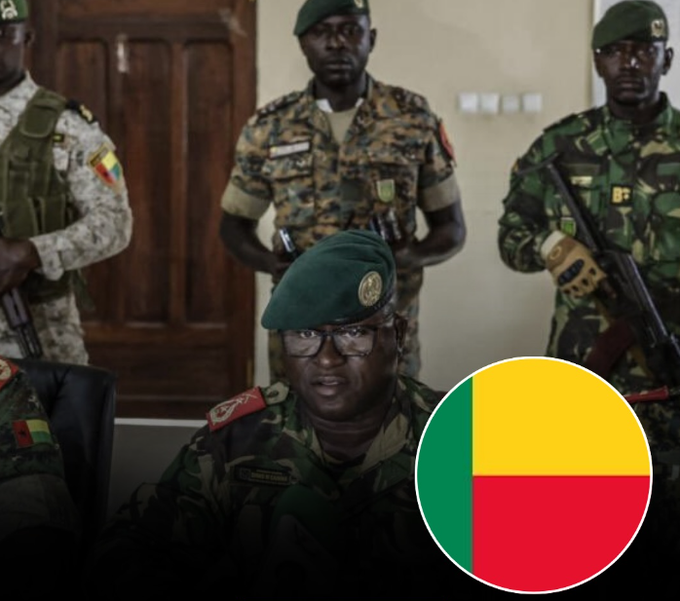
  • Benin Republic Jails About 30 Suspects, Mostly Soldiers, Over Foiled Coup Attempt Against President Patrice Talon

    Authorities in the Republic of Benin have remanded about 30 suspects—most of them soldiers—in custody following a failed coup attempt against President Patrice Talon earlier this month. The suspects were arraigned before the Court for the Repression of Economic Crimes and Terrorism (CRIET) in Cotonou and ordered into pre-trial detention after hours of interrogation. They face serious charges including treason, murder, and endangering state security. The attempted coup briefly saw mutinous soldiers announce Talon’s removal on national television before loyalist forces, reportedly backed by Nigerian Air Force and French special forces, swiftly restored order. Several casualties were recorded, while the alleged coup leader, Lieutenant-Colonel Pascal Tigri, remains on the run amid heightened political tensions in the country.
    Benin Republic Jails About 30 Suspects, Mostly Soldiers, Over Foiled Coup Attempt Against President Patrice Talon Authorities in the Republic of Benin have remanded about 30 suspects—most of them soldiers—in custody following a failed coup attempt against President Patrice Talon earlier this month. The suspects were arraigned before the Court for the Repression of Economic Crimes and Terrorism (CRIET) in Cotonou and ordered into pre-trial detention after hours of interrogation. They face serious charges including treason, murder, and endangering state security. The attempted coup briefly saw mutinous soldiers announce Talon’s removal on national television before loyalist forces, reportedly backed by Nigerian Air Force and French special forces, swiftly restored order. Several casualties were recorded, while the alleged coup leader, Lieutenant-Colonel Pascal Tigri, remains on the run amid heightened political tensions in the country.
    0 Commenti ·0 condivisioni ·1K Views
  • Guinea-Bissau’s opposition is urging ECOWAS to intervene to protect the country’s democracy.

    They are calling for the same kind of involvement the bloc showed recently in Benin.

    Rising political tensions have sparked worries about the state of democratic institutions.

    Opposition leaders warn that without ECOWAS action, those institutions could be undermined.

    The regional organization has a record of mediating governance issues across West Africa,
    and supporters hope it will step in to help preserve peace and stability.
    Guinea-Bissau’s opposition is urging ECOWAS to intervene to protect the country’s democracy. They are calling for the same kind of involvement the bloc showed recently in Benin. Rising political tensions have sparked worries about the state of democratic institutions. Opposition leaders warn that without ECOWAS action, those institutions could be undermined. The regional organization has a record of mediating governance issues across West Africa, and supporters hope it will step in to help preserve peace and stability.
    0 Commenti ·0 condivisioni ·716 Views
  • ECOWAS Declares Regional State of Emergency as Coups and Instability Surge in West Africa

    ECOWAS has declared a regional state of emergency following a spike in coups, attempted mutinies, and worsening insecurity across West Africa. ECOWAS Commission President Omar Touray announced the decision during the 55th Mediation and Security Council meeting in Abuja, stressing the urgent need for coordinated action to protect democracy and stability. The emergency move comes amid rising political tensions and security breakdowns in several member states, with further operational directives expected after ongoing deliberations.


    #ECOWAS #WestAfricaCrisis #RegionalSecurity
    ECOWAS Declares Regional State of Emergency as Coups and Instability Surge in West Africa ECOWAS has declared a regional state of emergency following a spike in coups, attempted mutinies, and worsening insecurity across West Africa. ECOWAS Commission President Omar Touray announced the decision during the 55th Mediation and Security Council meeting in Abuja, stressing the urgent need for coordinated action to protect democracy and stability. The emergency move comes amid rising political tensions and security breakdowns in several member states, with further operational directives expected after ongoing deliberations. #ECOWAS #WestAfricaCrisis #RegionalSecurity
    0 Commenti ·0 condivisioni ·1K Views
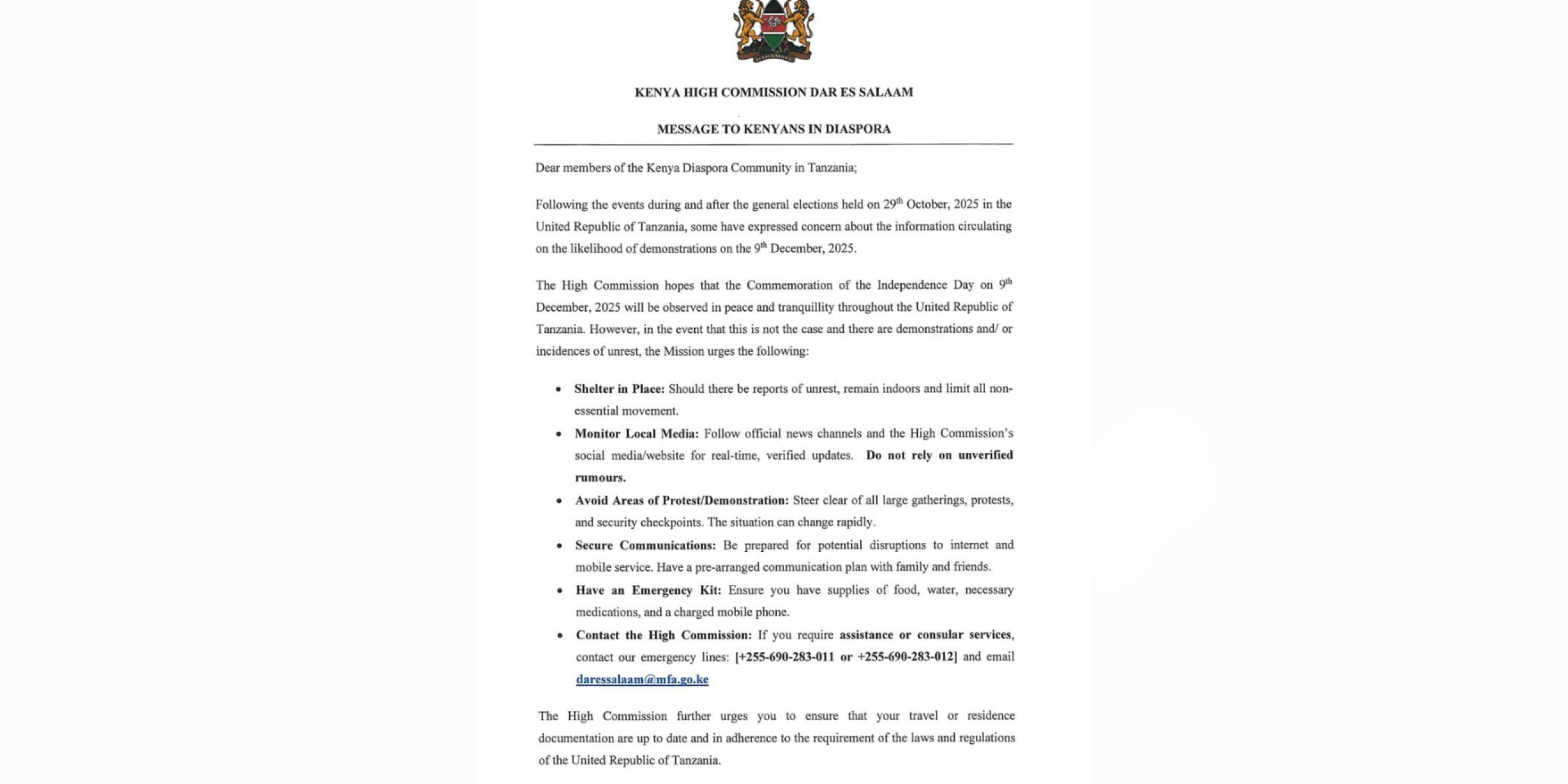
  • Kenya Warns Citizens in Tanzania Ahead of December 9 Protests After Election Tension

    The Kenya High Commission in Dar es Salaam has issued a security advisory to Kenyan citizens in Tanzania over possible nationwide demonstrations expected on December 9, Tanzania’s Independence Day. The warning follows rising political tension after the October 29 general elections. The Mission urged Kenyans to avoid protest zones, stay indoors during unrest, monitor verified updates, and prepare for potential internet or mobile shutdowns. Citizens were also advised to keep emergency supplies, ensure valid documentation, and maintain secure communication plans as the situation “can change rapidly.”

    #Kenya

    #Tanzania

    #SecurityAlert
    Kenya Warns Citizens in Tanzania Ahead of December 9 Protests After Election Tension The Kenya High Commission in Dar es Salaam has issued a security advisory to Kenyan citizens in Tanzania over possible nationwide demonstrations expected on December 9, Tanzania’s Independence Day. The warning follows rising political tension after the October 29 general elections. The Mission urged Kenyans to avoid protest zones, stay indoors during unrest, monitor verified updates, and prepare for potential internet or mobile shutdowns. Citizens were also advised to keep emergency supplies, ensure valid documentation, and maintain secure communication plans as the situation “can change rapidly.” #Kenya #Tanzania #SecurityAlert
    0 Commenti ·0 condivisioni ·728 Views
Pagine in Evidenza
Fintter https://fintter.com