• NLC Shuts Down Abuja, Backs Indefinite FCTA Workers’ Strike……


    Abuja was largely paralysed as the Nigeria Labour Congress (NLC) backed the indefinite strike by Federal Capital Territory Administration (FCTA) workers, accusing the administration of withholding wages, pension and housing funds and intimidating staff. The NLC ordered a citywide shutdown and mass mobilisation ahead of a court hearing amid rising tensions. 
    NLC Shuts Down Abuja, Backs Indefinite FCTA Workers’ Strike…… Abuja was largely paralysed as the Nigeria Labour Congress (NLC) backed the indefinite strike by Federal Capital Territory Administration (FCTA) workers, accusing the administration of withholding wages, pension and housing funds and intimidating staff. The NLC ordered a citywide shutdown and mass mobilisation ahead of a court hearing amid rising tensions. 
    love
    2
    · 0 Commentarii ·0 Distribuiri ·2K Views
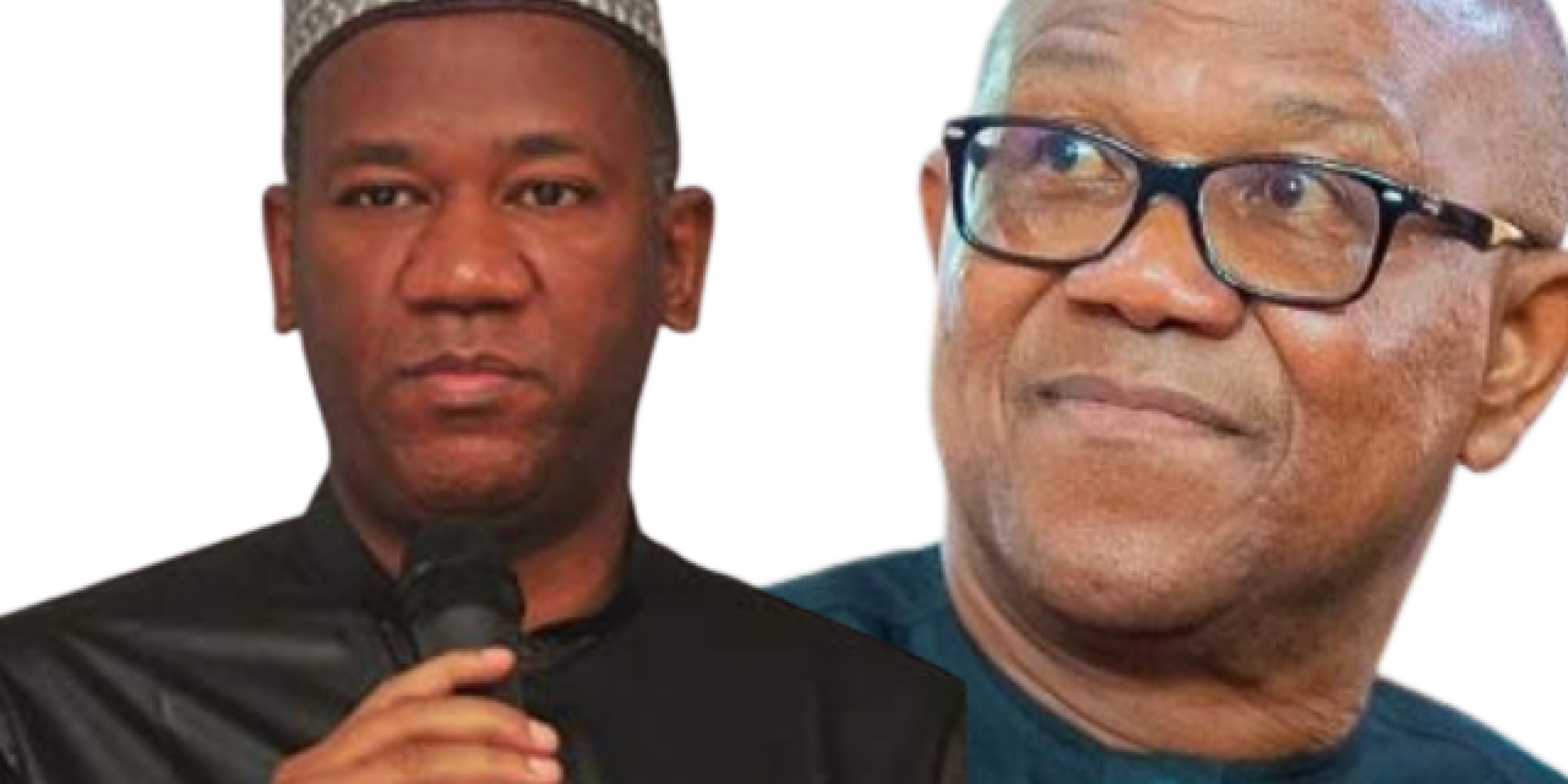
  • Peter Obi’s Party Plans Unclear After Court Rulings……

    Following recent court decisions, many expect Peter Obi to return to the Labour Party. His top aide, however, hinted that Obi’s final choice of platform for his political ambition is still under consideration, keeping supporters and analysts speculating about where he will officially launch his next move.
    Peter Obi’s Party Plans Unclear After Court Rulings…… Following recent court decisions, many expect Peter Obi to return to the Labour Party. His top aide, however, hinted that Obi’s final choice of platform for his political ambition is still under consideration, keeping supporters and analysts speculating about where he will officially launch his next move.
    love
    1
    · 0 Commentarii ·0 Distribuiri ·1K Views
  • INEC Releases Final List of Candidates for June 2026 Ekiti Governorship Election

    INEC has released the final list of candidates for the June 20, 2026 Ekiti governorship election, clearing 12 political parties for the race. Incumbent Governor Biodun Oyebanji will contest on the APC platform with Monisade Afuye as deputy, while the Labour Party fields Olajuyin Ikusayede Gbegbe Oyebanji. Younger contenders from NNPP and AAC are also in the race. Candidates’ qualifications range from primary school certificates to PhDs, sparking debate as campaigns intensify ahead of the poll.


    #Ekiti2026 #INEC #GovernorshipElection #NigerianPolitics #EkitiDecides
    INEC Releases Final List of Candidates for June 2026 Ekiti Governorship Election INEC has released the final list of candidates for the June 20, 2026 Ekiti governorship election, clearing 12 political parties for the race. Incumbent Governor Biodun Oyebanji will contest on the APC platform with Monisade Afuye as deputy, while the Labour Party fields Olajuyin Ikusayede Gbegbe Oyebanji. Younger contenders from NNPP and AAC are also in the race. Candidates’ qualifications range from primary school certificates to PhDs, sparking debate as campaigns intensify ahead of the poll. #Ekiti2026 #INEC #GovernorshipElection #NigerianPolitics #EkitiDecides
    love
    1
    · 0 Commentarii ·0 Distribuiri ·4K Views
  • FCTA Workers Shut Down Abuja Government Offices, Begin Indefinite Strike Over Unpaid Wages, Welfare Disputes

    Government offices across Abuja were deserted on Monday as workers under the Federal Capital Territory Administration (FCTA) commenced an indefinite strike, demanding resolution of long-standing labour and welfare issues. Declared by the Joint Union Action Congress (JUAC), the strike follows the expiration of a seven-day ultimatum to FCTA management. Key grievances include unpaid wage awards, promotion arrears, delayed promotions, retention of retired officials, unpaid pension contributions, and worsening working conditions. JUAC has vowed to maintain the strike until all demands are met, warning of continued paralysis of administrative activities across the territory.
    #fcta #Abuja
    FCTA Workers Shut Down Abuja Government Offices, Begin Indefinite Strike Over Unpaid Wages, Welfare Disputes Government offices across Abuja were deserted on Monday as workers under the Federal Capital Territory Administration (FCTA) commenced an indefinite strike, demanding resolution of long-standing labour and welfare issues. Declared by the Joint Union Action Congress (JUAC), the strike follows the expiration of a seven-day ultimatum to FCTA management. Key grievances include unpaid wage awards, promotion arrears, delayed promotions, retention of retired officials, unpaid pension contributions, and worsening working conditions. JUAC has vowed to maintain the strike until all demands are met, warning of continued paralysis of administrative activities across the territory. #fcta #Abuja
    love
    1
    · 0 Commentarii ·0 Distribuiri ·2K Views
  • Seun Kuti, Peter Okoye reconcile after feud over 2023 elections

    Nigerian music stars, Seun Kuti and Peter Okoye, popularly known as Mr P of the defunct P-Square, have resolved their feud months after trading words over the 2023 general elections.

    The disagreement, which played out publicly in 2023, stemmed from opposing views over the presidential ambition of Peter Obi, the Labour Party candidate in the general election.

    The feud began after Kuti described Obi as an “opportunist,” a remark that drew a sharp response from Okoye, who questioned Kuti’s relevance and success as an artiste. The exchange escalated into a heated social media confrontation between the two musicians.
    #fintternews
    Seun Kuti, Peter Okoye reconcile after feud over 2023 elections Nigerian music stars, Seun Kuti and Peter Okoye, popularly known as Mr P of the defunct P-Square, have resolved their feud months after trading words over the 2023 general elections. The disagreement, which played out publicly in 2023, stemmed from opposing views over the presidential ambition of Peter Obi, the Labour Party candidate in the general election. The feud began after Kuti described Obi as an “opportunist,” a remark that drew a sharp response from Okoye, who questioned Kuti’s relevance and success as an artiste. The exchange escalated into a heated social media confrontation between the two musicians. #fintternews
    love
    1
    · 0 Commentarii ·0 Distribuiri ·2K Views ·15 Plays
  • N11.9 Million Disappear, Mawogi Health Centre Na Ghost Town – Residents Shout “Wahala oo!”, Call EFCC, ICPC Make Dem Enter Matter

    Residents of Mawogi community for Abaji Area Council, FCT, don dey shout tori as N11.9 million wey suppose build Primary Health Care Centre vanish. Civic tech organisation, MonITNG, report say facility dey overgrow with weeds and total neglect, even as community don provide sand, wood, labour and open special account to make project transparent. According to the report, after fund release, Head of Department of Health, Dr. Mansur Ashafa, allegedly tell project committee make dem transfer all money go private company, Shamgaj Integrated Service Limited. People talk say dem pressure dem to sign documents, but construction stop sharply, leaving health centre incomplete. MonITNG dey call ICPC and EFCC make dem investigate, warn say na human right matter be this as Mawogi residents dey suffer despite all their sacrifice. Wahala oo, who go answer this one?


    N11.9 Million Disappear, Mawogi Health Centre Na Ghost Town – Residents Shout “Wahala oo!”, Call EFCC, ICPC Make Dem Enter Matter Residents of Mawogi community for Abaji Area Council, FCT, don dey shout tori as N11.9 million wey suppose build Primary Health Care Centre vanish. Civic tech organisation, MonITNG, report say facility dey overgrow with weeds and total neglect, even as community don provide sand, wood, labour and open special account to make project transparent. According to the report, after fund release, Head of Department of Health, Dr. Mansur Ashafa, allegedly tell project committee make dem transfer all money go private company, Shamgaj Integrated Service Limited. People talk say dem pressure dem to sign documents, but construction stop sharply, leaving health centre incomplete. MonITNG dey call ICPC and EFCC make dem investigate, warn say na human right matter be this as Mawogi residents dey suffer despite all their sacrifice. Wahala oo, who go answer this one?
    0 Commentarii ·0 Distribuiri ·2K Views
  • Nigerian Cuba Solidarity Group Condemns U.S. Raid in Venezuela That Killed 32 Cubans, Demands End to Sanctions and Release of Maduro

    The Nigeria Movement of Solidarity With Cuba (NMSC) has strongly condemned the United States’ military operation in Venezuela that reportedly led to the deaths of 32 Cuban nationals, describing the action as a violation of international law and an assault on national sovereignty.

    In a statement signed by labour activist Owei Lakemfa, the coalition said it stands in “deep condolence” with the Cuban people following the January 3 raid in Caracas, during which Venezuelan President Nicolás Maduro and his wife were captured. The Cuban government confirmed that those killed were members of its armed forces and intelligence services stationed in Venezuela.

    The Nigerian solidarity group accused Washington of engaging in “military aggression” and demanded the immediate release of President Maduro, respect for international law, and an end to what it called the United States’ pattern of “invasions of countries and territories.” Havana has since declared days of national mourning, praising the fallen for their “dignity and heroism” while denouncing the operation as state terrorism.

    Drawing on Cuba’s history of international solidarity, the NMSC cited the country’s role in anti-apartheid struggles in Africa, humanitarian missions across the globe, and its medical support during the COVID-19 pandemic as evidence of its commitment to global justice. The group also renewed calls for the lifting of long-standing U.S. sanctions on Cuba and demanded an end to punitive measures against Venezuela, warning that such policies inflict suffering on ordinary citizens.

    The incident has triggered widespread condemnation from labour organisations and political movements worldwide, with critics arguing that the raid represents a dangerous breach of sovereignty and the United Nations Charter.

    Nigerian Cuba Solidarity Group Condemns U.S. Raid in Venezuela That Killed 32 Cubans, Demands End to Sanctions and Release of Maduro The Nigeria Movement of Solidarity With Cuba (NMSC) has strongly condemned the United States’ military operation in Venezuela that reportedly led to the deaths of 32 Cuban nationals, describing the action as a violation of international law and an assault on national sovereignty. In a statement signed by labour activist Owei Lakemfa, the coalition said it stands in “deep condolence” with the Cuban people following the January 3 raid in Caracas, during which Venezuelan President Nicolás Maduro and his wife were captured. The Cuban government confirmed that those killed were members of its armed forces and intelligence services stationed in Venezuela. The Nigerian solidarity group accused Washington of engaging in “military aggression” and demanded the immediate release of President Maduro, respect for international law, and an end to what it called the United States’ pattern of “invasions of countries and territories.” Havana has since declared days of national mourning, praising the fallen for their “dignity and heroism” while denouncing the operation as state terrorism. Drawing on Cuba’s history of international solidarity, the NMSC cited the country’s role in anti-apartheid struggles in Africa, humanitarian missions across the globe, and its medical support during the COVID-19 pandemic as evidence of its commitment to global justice. The group also renewed calls for the lifting of long-standing U.S. sanctions on Cuba and demanded an end to punitive measures against Venezuela, warning that such policies inflict suffering on ordinary citizens. The incident has triggered widespread condemnation from labour organisations and political movements worldwide, with critics arguing that the raid represents a dangerous breach of sovereignty and the United Nations Charter.
    0 Commentarii ·0 Distribuiri ·2K Views
  • Is Nigeria’s Health System Heading for Shutdown? JOHESU Orders Total Work Stoppage Over Tinubu Government’s ‘No Work, No Pay’ Policy

    Is Nigeria on the brink of another nationwide healthcare crisis? The Joint Health Sector Unions (JOHESU) has directed its members across federal health institutions to withdraw their services indefinitely, escalating its standoff with the Tinubu administration over a newly enforced “No Work, No Pay” directive from the Federal Ministry of Health.

    According to a statement issued by JOHESU leader Comrade Abubakar Sani Aminu, the policy was introduced without consultation or dialogue, a move the union describes as a direct violation of workers’ rights and collective bargaining principles. Why, the union asks, would the government impose such a far-reaching directive at a time when negotiations are still ongoing?

    JOHESU says hospital chief executives have been instructed to enforce the policy, which the union believes is a deliberate attempt to weaken organised labour and fracture solidarity among health workers. Aminu warned members that the directive represents “the final weapon” being deployed by the government to break the union’s resolve. Could this mark a turning point in labour relations within Nigeria’s health sector?

    In response, the union has ordered a total work stoppage, explicitly rejecting skeleton services, partial compliance, or compromise of any kind. “There should be no skeleton services, no attempt to help out, or compromise in any way,” the statement declared. JOHESU insists that only collective action can protect workers’ rights and prevent what it calls a dangerous precedent that could affect future industrial disputes.

    What does this mean for patients and public hospitals already struggling with limited resources? While the full impact on healthcare delivery remains uncertain, past JOHESU strikes have caused widespread disruptions across federal medical institutions, raising fears of another wave of service paralysis.

    The union has reaffirmed its commitment to what it describes as a fight for fair treatment, respect for dialogue, and protection of labour rights, urging members nationwide to remain united until its demands are addressed. As of the time of reporting, the Federal Ministry of Health has not issued an official response.

    Will the government reconsider its stance, or is Nigeria heading toward another prolonged healthcare shutdown? And in a sector where lives depend on continuity of care, who ultimately bears the cost of this policy standoff—workers, patients, or the state itself?

    Is Nigeria’s Health System Heading for Shutdown? JOHESU Orders Total Work Stoppage Over Tinubu Government’s ‘No Work, No Pay’ Policy Is Nigeria on the brink of another nationwide healthcare crisis? The Joint Health Sector Unions (JOHESU) has directed its members across federal health institutions to withdraw their services indefinitely, escalating its standoff with the Tinubu administration over a newly enforced “No Work, No Pay” directive from the Federal Ministry of Health. According to a statement issued by JOHESU leader Comrade Abubakar Sani Aminu, the policy was introduced without consultation or dialogue, a move the union describes as a direct violation of workers’ rights and collective bargaining principles. Why, the union asks, would the government impose such a far-reaching directive at a time when negotiations are still ongoing? JOHESU says hospital chief executives have been instructed to enforce the policy, which the union believes is a deliberate attempt to weaken organised labour and fracture solidarity among health workers. Aminu warned members that the directive represents “the final weapon” being deployed by the government to break the union’s resolve. Could this mark a turning point in labour relations within Nigeria’s health sector? In response, the union has ordered a total work stoppage, explicitly rejecting skeleton services, partial compliance, or compromise of any kind. “There should be no skeleton services, no attempt to help out, or compromise in any way,” the statement declared. JOHESU insists that only collective action can protect workers’ rights and prevent what it calls a dangerous precedent that could affect future industrial disputes. What does this mean for patients and public hospitals already struggling with limited resources? While the full impact on healthcare delivery remains uncertain, past JOHESU strikes have caused widespread disruptions across federal medical institutions, raising fears of another wave of service paralysis. The union has reaffirmed its commitment to what it describes as a fight for fair treatment, respect for dialogue, and protection of labour rights, urging members nationwide to remain united until its demands are addressed. As of the time of reporting, the Federal Ministry of Health has not issued an official response. Will the government reconsider its stance, or is Nigeria heading toward another prolonged healthcare shutdown? And in a sector where lives depend on continuity of care, who ultimately bears the cost of this policy standoff—workers, patients, or the state itself?
    0 Commentarii ·0 Distribuiri ·2K Views
  • Datti Baba-Ahmed Mocks Atiku’s Endless Presidential Bids, Says ‘He’s Been Contesting Since My NYSC Days

    Labour Party’s former vice-presidential candidate, Senator Yusuf Datti Baba-Ahmed, has criticized former Vice President Atiku Abubakar for his unrelenting presidential ambitions, saying Nigeria urgently needs new and visionary leaders to move the country forward.

    Speaking in a recent interview, Datti recalled that Atiku had already been an aspirant when he was serving his National Youth Service Corps (NYSC), emphasizing that the former vice president has remained a serial contender in every election cycle without offering Nigerians tangible change.

    “When I was doing my NYSC, Baba Atiku was already an aspirant. In 2018, we contested primaries together. In 2023, I was a vice-presidential candidate elsewhere when his own vice president had left him. And now, in 2027 again,” Datti said, expressing frustration at the recycling of old political figures.

    He lamented that Nigeria’s political landscape has become hostile to genuine reformers and dominated by money politics, godfatherism, and unfulfilled promises that discourage competent citizens from participating.

    According to him, the nation is full of capable individuals ready to rebuild Nigeria, but the existing political structure prevents them from rising. “There are good Nigerians who can fix this country, but the system is treacherous and discouraging,” he stated.

    Datti reiterated his belief that a new generation of leaders is ready to take charge, urging Nigerians to rally behind fresh, credible leadership rather than recycling the same political elites.

    His remarks come amid speculation that Atiku, now linked with the African Democratic Congress (ADC), may once again contest the 2027 presidential election—his seventh bid since 1993.


    Datti Baba-Ahmed Mocks Atiku’s Endless Presidential Bids, Says ‘He’s Been Contesting Since My NYSC Days Labour Party’s former vice-presidential candidate, Senator Yusuf Datti Baba-Ahmed, has criticized former Vice President Atiku Abubakar for his unrelenting presidential ambitions, saying Nigeria urgently needs new and visionary leaders to move the country forward. Speaking in a recent interview, Datti recalled that Atiku had already been an aspirant when he was serving his National Youth Service Corps (NYSC), emphasizing that the former vice president has remained a serial contender in every election cycle without offering Nigerians tangible change. “When I was doing my NYSC, Baba Atiku was already an aspirant. In 2018, we contested primaries together. In 2023, I was a vice-presidential candidate elsewhere when his own vice president had left him. And now, in 2027 again,” Datti said, expressing frustration at the recycling of old political figures. He lamented that Nigeria’s political landscape has become hostile to genuine reformers and dominated by money politics, godfatherism, and unfulfilled promises that discourage competent citizens from participating. According to him, the nation is full of capable individuals ready to rebuild Nigeria, but the existing political structure prevents them from rising. “There are good Nigerians who can fix this country, but the system is treacherous and discouraging,” he stated. Datti reiterated his belief that a new generation of leaders is ready to take charge, urging Nigerians to rally behind fresh, credible leadership rather than recycling the same political elites. His remarks come amid speculation that Atiku, now linked with the African Democratic Congress (ADC), may once again contest the 2027 presidential election—his seventh bid since 1993.
    0 Commentarii ·0 Distribuiri ·2K Views
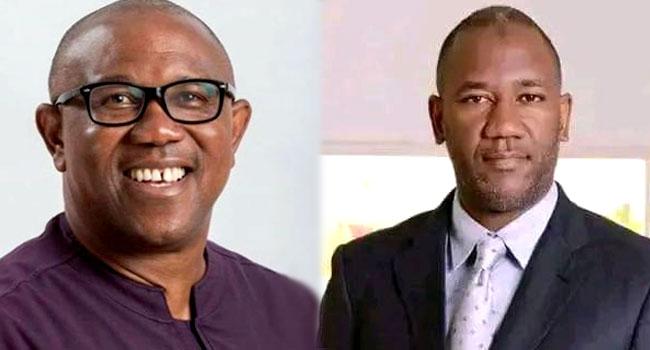
  • Is Peter Obi a ‘Political Traveller’ Gifted a Presidential Ticket? Why Labour Party VP Candidate Datti Baba-Ahmed Is Challenging Obi’s ADC Move and Declaring His Own 2027 Ambition

    Former Labour Party vice-presidential candidate Yusuf Datti Baba-Ahmed has launched a pointed political broadside that appears directed at his former principal, Peter Obi, following Obi’s decision to join the African Democratic Congress (ADC) coalition. Without naming him directly, Baba-Ahmed described Obi and other defecting politicians as “political travellers” who were “gifted a presidential ticket,” igniting fresh debate over loyalty, leadership, and the future of Nigeria’s opposition ahead of 2027.

    Speaking while declaring his intention to run for president, Baba-Ahmed insisted that he remains firmly within the Labour Party (LP), arguing that the party already “won a presidential election” and still represents a credible alternative to Nigeria’s dominant political blocs. He dismissed the ADC coalition as a gathering of “disgruntled politicians” who failed to properly challenge alleged constitutional breaches in the 2023 elections, questioning whether such alliances truly offer reform or merely recycle old power structures.

    At the heart of his message was a bold economic promise: Baba-Ahmed said that by June 2027, salaries of public servants—especially security personnel and teachers—would be quadrupled, insisting that “Nigeria can afford it.” He framed this pledge as a moral obligation to workers often overlooked despite their critical role in national stability and development.

    Positioning himself as a political outlier, Baba-Ahmed challenged rivals to produce “just one” major presidential aspirant who has never belonged to a ruling party. “I am that one,” he declared, stressing his independence and rejecting what he described as opportunistic movement between power centres. He added that he has no intention of joining any ruling party—except one he hopes to lead through the ballot.

    The former LP vice-presidential candidate also pushed back against claims that defections are weakening the Labour Party, saying neither he nor the party is responsible. According to him, individuals welcomed into LP in 2022 “with a presidential ticket” merely continued their political journey elsewhere. He urged supporters to “use the truth” amid what he called increasingly hostile online narratives.

    Recounting political history, Baba-Ahmed asserted that he aspired to the presidency before Peter Obi, citing events from 2018 when he contested in the PDP primaries and personally sought Obi’s support. While he spoke respectfully of Obi’s character, the implication was clear: leadership ambition, he argued, did not originate with his former running mate.

    Baba-Ahmed also highlighted Labour Party’s achievements despite financial constraints and what he termed “an era of perfected electoral fraud,” pointing to the party’s electoral gains—one state governor, eight senators, and around 40 House of Representatives members—as proof of its growing national footprint.

    The controversy now raises pressing political questions: Is Peter Obi abandoning the movement that propelled him in 2023? Does the ADC coalition represent a genuine opposition realignment or a gathering of familiar political actors? And can Datti Baba-Ahmed’s pledge of economic reform, party loyalty, and outsider status reshape Nigeria’s 2027 presidential race? As realignments continue, the Labour Party faces a defining moment over identity, leadership, and the path forward in Nigeria’s evolving political landscape.
    Is Peter Obi a ‘Political Traveller’ Gifted a Presidential Ticket? Why Labour Party VP Candidate Datti Baba-Ahmed Is Challenging Obi’s ADC Move and Declaring His Own 2027 Ambition Former Labour Party vice-presidential candidate Yusuf Datti Baba-Ahmed has launched a pointed political broadside that appears directed at his former principal, Peter Obi, following Obi’s decision to join the African Democratic Congress (ADC) coalition. Without naming him directly, Baba-Ahmed described Obi and other defecting politicians as “political travellers” who were “gifted a presidential ticket,” igniting fresh debate over loyalty, leadership, and the future of Nigeria’s opposition ahead of 2027. Speaking while declaring his intention to run for president, Baba-Ahmed insisted that he remains firmly within the Labour Party (LP), arguing that the party already “won a presidential election” and still represents a credible alternative to Nigeria’s dominant political blocs. He dismissed the ADC coalition as a gathering of “disgruntled politicians” who failed to properly challenge alleged constitutional breaches in the 2023 elections, questioning whether such alliances truly offer reform or merely recycle old power structures. At the heart of his message was a bold economic promise: Baba-Ahmed said that by June 2027, salaries of public servants—especially security personnel and teachers—would be quadrupled, insisting that “Nigeria can afford it.” He framed this pledge as a moral obligation to workers often overlooked despite their critical role in national stability and development. Positioning himself as a political outlier, Baba-Ahmed challenged rivals to produce “just one” major presidential aspirant who has never belonged to a ruling party. “I am that one,” he declared, stressing his independence and rejecting what he described as opportunistic movement between power centres. He added that he has no intention of joining any ruling party—except one he hopes to lead through the ballot. The former LP vice-presidential candidate also pushed back against claims that defections are weakening the Labour Party, saying neither he nor the party is responsible. According to him, individuals welcomed into LP in 2022 “with a presidential ticket” merely continued their political journey elsewhere. He urged supporters to “use the truth” amid what he called increasingly hostile online narratives. Recounting political history, Baba-Ahmed asserted that he aspired to the presidency before Peter Obi, citing events from 2018 when he contested in the PDP primaries and personally sought Obi’s support. While he spoke respectfully of Obi’s character, the implication was clear: leadership ambition, he argued, did not originate with his former running mate. Baba-Ahmed also highlighted Labour Party’s achievements despite financial constraints and what he termed “an era of perfected electoral fraud,” pointing to the party’s electoral gains—one state governor, eight senators, and around 40 House of Representatives members—as proof of its growing national footprint. The controversy now raises pressing political questions: Is Peter Obi abandoning the movement that propelled him in 2023? Does the ADC coalition represent a genuine opposition realignment or a gathering of familiar political actors? And can Datti Baba-Ahmed’s pledge of economic reform, party loyalty, and outsider status reshape Nigeria’s 2027 presidential race? As realignments continue, the Labour Party faces a defining moment over identity, leadership, and the path forward in Nigeria’s evolving political landscape.
    0 Commentarii ·0 Distribuiri ·3K Views
  • Why Is the ADC Inaugurating Zonal Congress Committees, Why Is It Rejecting Any Alliance With Atiku, Obi, Kwankwaso, and Jonathan, and What Does This Signal for Nigeria’s 2027 Politics?

    A faction of the African Democratic Congress (ADC) has moved to strengthen its internal structure by inaugurating Zonal Congress Committees across three geopolitical zones, while firmly rejecting widespread speculation that the party is aligning with major political figures such as Atiku Abubakar, Peter Obi, Rabiu Kwankwaso, and Goodluck Jonathan.

    In a communique signed by the party’s National Chairman, Hon. Nafiu Bala Gombe, the ADC said the exercise was part of efforts to entrench internal democracy, transparency, and strict adherence to the party’s constitution ahead of future elections.

    According to the statement, the South-West Zonal Congress Committee was inaugurated in Ekiti State on January 7, 2026, with Hon. Bala Sani named Chairman and Hon. Kyauta Yakubu heading the Appeal Committee. The ceremony was conducted by the National Chairman himself.

    In the South-East, a similar inauguration took place in Enugu State on the same date. Barrister Adamu Ado Dauda was appointed Chairman of the Congress Committee, while Mrs. Iyabo Salami Alibi was named head of the Appeal Committee. The event was presided over by the Secretary of the party’s Board of Trustees (BoT), Chief Rufus Ekenmi.

    Earlier, on January 5, 2026, the party inaugurated its North-Central Zonal Congress Committee, appointing Hon. Lolo Ehirudu as Chairman of the Congress Committee and Hon. Sa’ad Aboki as head of the Appeal Committee.

    Beyond organisational matters, the ADC used the occasion to directly address growing rumours of a possible political alliance with prominent national figures. The party categorically dismissed claims linking it to Atiku Abubakar, Labour Party’s 2023 presidential candidate Peter Obi, former Kano State Governor Rabiu Kwankwaso, and former President Goodluck Jonathan.

    “The National Leadership reiterates its unwavering commitment to the principles of internal democracy, transparency, and strict adherence to the party’s constitution,” the communique stated, urging members and the public to “disregard and ignore” all reports of external political alignments. The party stressed that its focus remains on building “a strong, independent, and ideologically driven platform.”

    The ADC also emphasised that only duly registered and financially up-to-date members would be eligible to vote or contest in its congresses and internal elections, reinforcing its claim of commitment to internal order and party discipline.

    By distancing itself from Nigeria’s most recognisable political heavyweights, the party appears determined to project itself as an independent alternative within the country’s democratic space—one that is not defined by elite coalitions or personality-driven politics.

    As speculation continues over emerging alliances ahead of future elections, observers are asking: Why is the ADC rejecting any association with established political figures? Is the party positioning itself as a third-force movement, or is this a strategic move to consolidate its base before engaging in broader negotiations? And could this internal reorganisation reshape opposition politics in Nigeria ahead of 2027?

    The ADC insists its direction is clear: no external alliances, strict internal democracy, and a people-centred political platform—a stance that may test both its independence and its appeal in Nigeria’s highly competitive political landscape.
    Why Is the ADC Inaugurating Zonal Congress Committees, Why Is It Rejecting Any Alliance With Atiku, Obi, Kwankwaso, and Jonathan, and What Does This Signal for Nigeria’s 2027 Politics? A faction of the African Democratic Congress (ADC) has moved to strengthen its internal structure by inaugurating Zonal Congress Committees across three geopolitical zones, while firmly rejecting widespread speculation that the party is aligning with major political figures such as Atiku Abubakar, Peter Obi, Rabiu Kwankwaso, and Goodluck Jonathan. In a communique signed by the party’s National Chairman, Hon. Nafiu Bala Gombe, the ADC said the exercise was part of efforts to entrench internal democracy, transparency, and strict adherence to the party’s constitution ahead of future elections. According to the statement, the South-West Zonal Congress Committee was inaugurated in Ekiti State on January 7, 2026, with Hon. Bala Sani named Chairman and Hon. Kyauta Yakubu heading the Appeal Committee. The ceremony was conducted by the National Chairman himself. In the South-East, a similar inauguration took place in Enugu State on the same date. Barrister Adamu Ado Dauda was appointed Chairman of the Congress Committee, while Mrs. Iyabo Salami Alibi was named head of the Appeal Committee. The event was presided over by the Secretary of the party’s Board of Trustees (BoT), Chief Rufus Ekenmi. Earlier, on January 5, 2026, the party inaugurated its North-Central Zonal Congress Committee, appointing Hon. Lolo Ehirudu as Chairman of the Congress Committee and Hon. Sa’ad Aboki as head of the Appeal Committee. Beyond organisational matters, the ADC used the occasion to directly address growing rumours of a possible political alliance with prominent national figures. The party categorically dismissed claims linking it to Atiku Abubakar, Labour Party’s 2023 presidential candidate Peter Obi, former Kano State Governor Rabiu Kwankwaso, and former President Goodluck Jonathan. “The National Leadership reiterates its unwavering commitment to the principles of internal democracy, transparency, and strict adherence to the party’s constitution,” the communique stated, urging members and the public to “disregard and ignore” all reports of external political alignments. The party stressed that its focus remains on building “a strong, independent, and ideologically driven platform.” The ADC also emphasised that only duly registered and financially up-to-date members would be eligible to vote or contest in its congresses and internal elections, reinforcing its claim of commitment to internal order and party discipline. By distancing itself from Nigeria’s most recognisable political heavyweights, the party appears determined to project itself as an independent alternative within the country’s democratic space—one that is not defined by elite coalitions or personality-driven politics. As speculation continues over emerging alliances ahead of future elections, observers are asking: Why is the ADC rejecting any association with established political figures? Is the party positioning itself as a third-force movement, or is this a strategic move to consolidate its base before engaging in broader negotiations? And could this internal reorganisation reshape opposition politics in Nigeria ahead of 2027? The ADC insists its direction is clear: no external alliances, strict internal democracy, and a people-centred political platform—a stance that may test both its independence and its appeal in Nigeria’s highly competitive political landscape.
    0 Commentarii ·0 Distribuiri ·3K Views
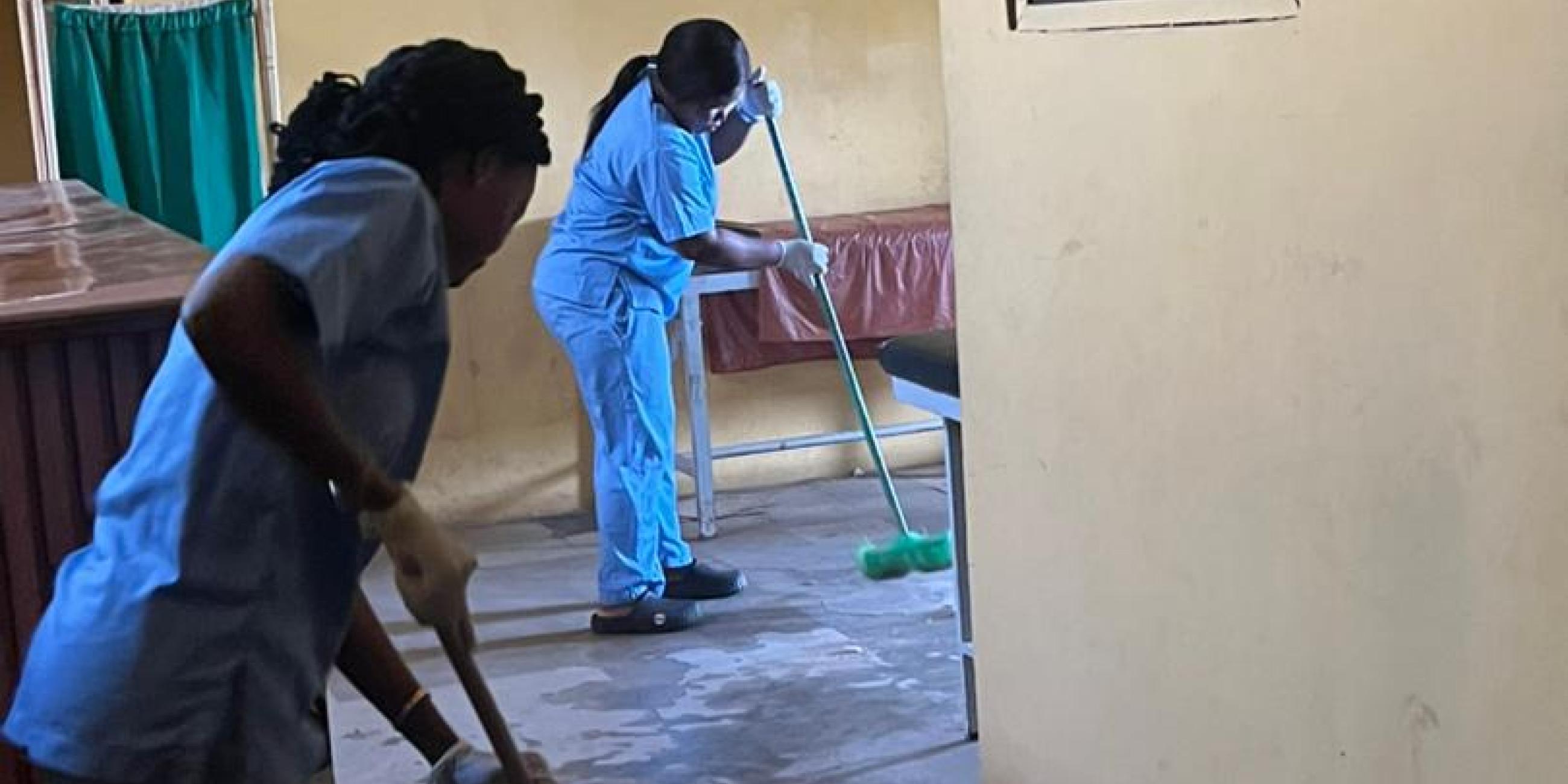
  • Why Are Nigerian Nurses Being Forced to Do Cleaners’ Jobs? Are Hospital CMDs Exploiting Strikes to Intimidate Health Workers Across the Country?

    A growing controversy is shaking Nigeria’s healthcare sector after the Elegant Nurses Forum accused hospital managements across the country of forcing nurses to perform cleaning and other menial duties, a practice the group describes as unethical, unlawful, and professionally degrading.

    In a press statement signed by Nurse Thomas Abiodun Olamide, the forum said it had received multiple complaints from health institutions nationwide, alleging that some Chief Medical Directors (CMDs) are exploiting the ongoing strike by hospital cleaners under the Joint Health Sector Unions (JOHESU) to compel nurses to take over sanitation work.

    According to the forum, this practice violates professional ethics, international best practices, and the legal framework governing nursing in Nigeria. It warned that compelling nurses to abandon clinical responsibilities for cleaning duties not only demeans the profession but also endangers patient safety and healthcare quality.

    The group disclosed that over ten days ago, nurses at the Federal Medical Centre (FMC), Makurdi, Benue State, formally complained of threats and coercion to assume cleaners’ duties. Similar complaints were later received from the Olabisi Onabanjo University Teaching Hospital (OOUTH), Sagamu, Ogun State, along with reports from other tertiary and secondary health facilities nationwide.

    The forum expressed particular concern over the leadership at OOUTH, alleging a persistent pattern of intimidation and harassment of nurses by the hospital’s CMD. According to the statement, nurses were reportedly threatened with job loss, with allegations that political connections were being used to exert pressure. The forum described this as a gross abuse of office, questioning the competence, temperament, and ethical standing of such leadership.

    It further alleged that political interference rather than merit has influenced some CMD appointments, warning that hospitals were being transformed into “tools of oppression” instead of institutions dedicated to patient-centred care.

    Emphasising the professional role of nurses, the forum stated that nurses are trained healthcare practitioners whose duties include patient care, disease prevention, health promotion, and clinical management—not sanitation. Forcing them into menial tasks, it said, devalues their expertise, undermines healthcare delivery, and weakens the entire system.

    In its demands, the Elegant Nurses Forum called for:

    Immediate cessation of all intimidation, threats, and coercion of nurses into non-nursing duties;

    Clear directives from federal and state health ministries prohibiting the assignment of cleaning or other unrelated tasks to nurses;

    Independent investigations and disciplinary action against erring CMDs and administrators;

    Protection of nurses from victimisation and harassment; and

    Transparent, merit-based appointments to hospital leadership positions free from political interference.


    The forum vowed it would not remain silent while nurses are treated as expendable labour and stripped of their professional identity. “Healthcare leadership must be about service, competence, and accountability—not intimidation, arrogance, and abuse of power,” the statement concluded.

    As the allegations spread across multiple states, the central question remains: are hospital authorities protecting patient care—or sacrificing professionalism for power?
    Why Are Nigerian Nurses Being Forced to Do Cleaners’ Jobs? Are Hospital CMDs Exploiting Strikes to Intimidate Health Workers Across the Country? A growing controversy is shaking Nigeria’s healthcare sector after the Elegant Nurses Forum accused hospital managements across the country of forcing nurses to perform cleaning and other menial duties, a practice the group describes as unethical, unlawful, and professionally degrading. In a press statement signed by Nurse Thomas Abiodun Olamide, the forum said it had received multiple complaints from health institutions nationwide, alleging that some Chief Medical Directors (CMDs) are exploiting the ongoing strike by hospital cleaners under the Joint Health Sector Unions (JOHESU) to compel nurses to take over sanitation work. According to the forum, this practice violates professional ethics, international best practices, and the legal framework governing nursing in Nigeria. It warned that compelling nurses to abandon clinical responsibilities for cleaning duties not only demeans the profession but also endangers patient safety and healthcare quality. The group disclosed that over ten days ago, nurses at the Federal Medical Centre (FMC), Makurdi, Benue State, formally complained of threats and coercion to assume cleaners’ duties. Similar complaints were later received from the Olabisi Onabanjo University Teaching Hospital (OOUTH), Sagamu, Ogun State, along with reports from other tertiary and secondary health facilities nationwide. The forum expressed particular concern over the leadership at OOUTH, alleging a persistent pattern of intimidation and harassment of nurses by the hospital’s CMD. According to the statement, nurses were reportedly threatened with job loss, with allegations that political connections were being used to exert pressure. The forum described this as a gross abuse of office, questioning the competence, temperament, and ethical standing of such leadership. It further alleged that political interference rather than merit has influenced some CMD appointments, warning that hospitals were being transformed into “tools of oppression” instead of institutions dedicated to patient-centred care. Emphasising the professional role of nurses, the forum stated that nurses are trained healthcare practitioners whose duties include patient care, disease prevention, health promotion, and clinical management—not sanitation. Forcing them into menial tasks, it said, devalues their expertise, undermines healthcare delivery, and weakens the entire system. In its demands, the Elegant Nurses Forum called for: Immediate cessation of all intimidation, threats, and coercion of nurses into non-nursing duties; Clear directives from federal and state health ministries prohibiting the assignment of cleaning or other unrelated tasks to nurses; Independent investigations and disciplinary action against erring CMDs and administrators; Protection of nurses from victimisation and harassment; and Transparent, merit-based appointments to hospital leadership positions free from political interference. The forum vowed it would not remain silent while nurses are treated as expendable labour and stripped of their professional identity. “Healthcare leadership must be about service, competence, and accountability—not intimidation, arrogance, and abuse of power,” the statement concluded. As the allegations spread across multiple states, the central question remains: are hospital authorities protecting patient care—or sacrificing professionalism for power?
    0 Commentarii ·0 Distribuiri ·3K Views
  • Peter Obi Allegedly Recruited Bwala via Obasanjo to Join 2023 Presidential Campaign – Tinubu Adviser Speaks

    Daniel Bwala, Special Adviser to President Bola Tinubu on Policy Communication, has revealed that Peter Obi, the Labour Party’s 2023 presidential candidate, reportedly reached out to former President Olusegun Obasanjo to persuade him to join Obi’s campaign. Bwala made the disclosure during an interview on The Clarity Zone podcast while responding to remarks allegedly made by Obi, who had reportedly described Bwala as a “character.”

    Bwala dismissed the description as inoffensive, turning it around to describe Obi himself as the “character-in-chief,” accusing the former Anambra State governor of political theatrics. He further alleged that Obi’s supporters became disillusioned after the 2023 elections when their “fantasy” of his leadership collapsed, leading to aggressive social media attacks on critics.

    Criticizing Obi’s record as governor, Bwala claimed that doctors in Anambra State went on strike due to poor funding and working conditions, and accused Obi of prioritizing personal financial savings over infrastructure development. He also alleged that Obi avoided clarifying whether he benefitted from dividends from a bank where he served as chairman.

    On the claim that he had never visited Anambra, Bwala insisted he was well-acquainted with the area, naming roads and communities in the South-East to prove his familiarity. He detailed that Obasanjo had personally contacted him while he was abroad in London, urging him to join Obi’s campaign, with the communication facilitated by a named ambassador.

    Bwala concluded that his claims were verifiable and that he remained unbothered by Obi’s remarks, emphasizing that his criticisms were based on substantive facts rather than personal attacks.

    This revelation highlights lingering tensions and controversies from Nigeria’s 2023 elections, providing insight into behind-the-scenes political maneuvers and the dynamics between major political figures in the country.
    Peter Obi Allegedly Recruited Bwala via Obasanjo to Join 2023 Presidential Campaign – Tinubu Adviser Speaks Daniel Bwala, Special Adviser to President Bola Tinubu on Policy Communication, has revealed that Peter Obi, the Labour Party’s 2023 presidential candidate, reportedly reached out to former President Olusegun Obasanjo to persuade him to join Obi’s campaign. Bwala made the disclosure during an interview on The Clarity Zone podcast while responding to remarks allegedly made by Obi, who had reportedly described Bwala as a “character.” Bwala dismissed the description as inoffensive, turning it around to describe Obi himself as the “character-in-chief,” accusing the former Anambra State governor of political theatrics. He further alleged that Obi’s supporters became disillusioned after the 2023 elections when their “fantasy” of his leadership collapsed, leading to aggressive social media attacks on critics. Criticizing Obi’s record as governor, Bwala claimed that doctors in Anambra State went on strike due to poor funding and working conditions, and accused Obi of prioritizing personal financial savings over infrastructure development. He also alleged that Obi avoided clarifying whether he benefitted from dividends from a bank where he served as chairman. On the claim that he had never visited Anambra, Bwala insisted he was well-acquainted with the area, naming roads and communities in the South-East to prove his familiarity. He detailed that Obasanjo had personally contacted him while he was abroad in London, urging him to join Obi’s campaign, with the communication facilitated by a named ambassador. Bwala concluded that his claims were verifiable and that he remained unbothered by Obi’s remarks, emphasizing that his criticisms were based on substantive facts rather than personal attacks. This revelation highlights lingering tensions and controversies from Nigeria’s 2023 elections, providing insight into behind-the-scenes political maneuvers and the dynamics between major political figures in the country.
    0 Commentarii ·0 Distribuiri ·2K Views
  • Why Is Datti Baba-Ahmed Refusing to Follow Obi Out of Labour Party?
    As Nigeria looks toward the 2027 general elections, Senator Datti Baba-Ahmed has declared he will remain with the Labour Party, distancing himself from the political move made by his former running mate, Peter Obi.

    Baba-Ahmed, who was Obi’s vice-presidential candidate in the 2023 election, said he has no intention of leaving the Labour Party, insisting that loyalty and consistency matter in politics.

    Peter Obi recently exited the Labour Party and aligned with the African Democratic Congress (ADC), a coalition-backed platform aimed at challenging the ruling APC. However, Baba-Ahmed dismissed the ADC, describing its members as “disgruntled politicians” and questioning the credibility of the alliance.

    Speaking at the Labour Party’s national headquarters in Abuja, the former Kaduna North senator also signaled his readiness to play a role in fixing Nigeria ahead of 2027.

    Discussion Questions:

    Is Datti Baba-Ahmed right to stay with the Labour Party despite Obi’s exit?

    Does political loyalty matter more than strategy in Nigerian politics?

    Is the ADC a genuine alternative or just a coalition of unhappy politicians?

    Who stands a better chance in 2027: Labour Party loyalists or the new coalition?

    What do you think?
    Why Is Datti Baba-Ahmed Refusing to Follow Obi Out of Labour Party? As Nigeria looks toward the 2027 general elections, Senator Datti Baba-Ahmed has declared he will remain with the Labour Party, distancing himself from the political move made by his former running mate, Peter Obi. Baba-Ahmed, who was Obi’s vice-presidential candidate in the 2023 election, said he has no intention of leaving the Labour Party, insisting that loyalty and consistency matter in politics. Peter Obi recently exited the Labour Party and aligned with the African Democratic Congress (ADC), a coalition-backed platform aimed at challenging the ruling APC. However, Baba-Ahmed dismissed the ADC, describing its members as “disgruntled politicians” and questioning the credibility of the alliance. Speaking at the Labour Party’s national headquarters in Abuja, the former Kaduna North senator also signaled his readiness to play a role in fixing Nigeria ahead of 2027. Discussion Questions: Is Datti Baba-Ahmed right to stay with the Labour Party despite Obi’s exit? Does political loyalty matter more than strategy in Nigerian politics? Is the ADC a genuine alternative or just a coalition of unhappy politicians? Who stands a better chance in 2027: Labour Party loyalists or the new coalition? What do you think?
    0 Commentarii ·0 Distribuiri ·2K Views
  • Can Datti Baba-Ahmed Really Replace Peter Obi? LP’s 2023 Running Mate Declares 2027 Presidential Ambition Amid Party Crisis

    Is a new political battle for Nigeria’s presidency already taking shape within the opposition—and could Senator Datti Baba-Ahmed be positioning himself as the next major contender? These are the questions dominating political discussions after the former Labour Party (LP) vice-presidential candidate in the 2023 election formally declared his intention to contest the 2027 presidency.

    Baba-Ahmed made the announcement at a rally at the Labour Party’s national secretariat in Abuja, at a time when the party is grappling with internal realignments following the high-profile exit of its 2023 presidential candidate, Peter Obi, to the African Democratic Congress (ADC). His declaration comes barely days after Obi’s departure, instantly igniting debate about the future direction of the Labour Party and the broader opposition ahead of the next general election.

    Addressing party members and supporters, Baba-Ahmed was quick to dismiss any suggestion that his ambition was a reaction to Obi’s political move. Instead, he insisted that his presidential aspiration predates his alliance with Obi, stressing that he was not “following anybody’s trajectory” or attempting to step into anyone’s political space. According to him, records clearly show that he had sought the presidency even before Obi entered the 2023 race.

    He recalled his participation in the 2018 presidential primaries of the Peoples Democratic Party (PDP) in Port Harcourt, noting that his eventual decision to serve as Obi’s running mate was driven by what he described as a rare opportunity for national unity rather than personal ambition. For Baba-Ahmed, aligning with Obi was not a surrender of his own political vision but a strategic choice aimed at offering Nigerians an alternative leadership model.

    Beyond ambition, his speech touched on sensitive but unavoidable themes in Nigerian politics—religion and ethnicity. Baba-Ahmed openly acknowledged his identity as a practising Muslim and a Hausa man, but maintained that the Nigerian Constitution guarantees every qualified citizen the right to seek elective office. According to him, his decision to run is rooted in what he described as a genuine desire to help rescue Nigeria from its many challenges, rather than sectional or personal interests.

    However, he also struck a cautious tone, emphasizing that he would respect due process within the Labour Party and the electoral framework. While affirming his intention, he stated that he would not formally pursue the ticket until the Independent National Electoral Commission (INEC) releases its timetable and the party leadership officially calls for aspirants. To him, this approach reflects both loyalty to party structures and adherence to democratic norms.

    His declaration has added a new layer of complexity to an already evolving opposition landscape. With Peter Obi now outside the Labour Party, questions are being raised about who will command the loyalty of the party’s grassroots supporters, many of whom were mobilized by the “Obidient” movement in 2023. Can Datti Baba-Ahmed inherit that momentum, or will the party struggle to redefine itself without its most visible figure?

    Reacting to the announcement, Labour Party National Chairman Julius Abure praised Baba-Ahmed for remaining within the party despite speculation that he might defect following Obi’s exit. For party loyalists, his decision to stay is being interpreted as a signal of continuity and internal stability. For critics, however, it raises deeper questions: does the Labour Party still have a unified ideological direction, or is it entering a phase of leadership contest and fragmentation?

    As 2027 approaches, Baba-Ahmed’s declaration invites broader national reflection. Is Nigeria’s opposition finally preparing early for the next election, or is this the beginning of another cycle of internal rivalry that could weaken alternative voices? Can Baba-Ahmed’s experience, ideology, and personal narrative convince Nigerians that he offers something fundamentally different from the political establishment? And perhaps most importantly, can he fill the vacuum left by Peter Obi’s departure—or will the Labour Party need a complete reinvention to remain politically relevant?

    On Fintter, this development is more than a headline. It is a conversation about leadership, loyalty, and the future of opposition politics in Nigeria. Is Datti Baba-Ahmed the natural successor within the Labour Party, or is his ambition likely to deepen internal divisions? Can he rally young voters and reform-minded citizens the way Obi once did?

    What do you think? Is Datti Baba-Ahmed the right figure to lead the Labour Party into 2027—or is the party losing its political identity? Share your views and join the debate on Fintter.

    Can Datti Baba-Ahmed Really Replace Peter Obi? LP’s 2023 Running Mate Declares 2027 Presidential Ambition Amid Party Crisis Is a new political battle for Nigeria’s presidency already taking shape within the opposition—and could Senator Datti Baba-Ahmed be positioning himself as the next major contender? These are the questions dominating political discussions after the former Labour Party (LP) vice-presidential candidate in the 2023 election formally declared his intention to contest the 2027 presidency. Baba-Ahmed made the announcement at a rally at the Labour Party’s national secretariat in Abuja, at a time when the party is grappling with internal realignments following the high-profile exit of its 2023 presidential candidate, Peter Obi, to the African Democratic Congress (ADC). His declaration comes barely days after Obi’s departure, instantly igniting debate about the future direction of the Labour Party and the broader opposition ahead of the next general election. Addressing party members and supporters, Baba-Ahmed was quick to dismiss any suggestion that his ambition was a reaction to Obi’s political move. Instead, he insisted that his presidential aspiration predates his alliance with Obi, stressing that he was not “following anybody’s trajectory” or attempting to step into anyone’s political space. According to him, records clearly show that he had sought the presidency even before Obi entered the 2023 race. He recalled his participation in the 2018 presidential primaries of the Peoples Democratic Party (PDP) in Port Harcourt, noting that his eventual decision to serve as Obi’s running mate was driven by what he described as a rare opportunity for national unity rather than personal ambition. For Baba-Ahmed, aligning with Obi was not a surrender of his own political vision but a strategic choice aimed at offering Nigerians an alternative leadership model. Beyond ambition, his speech touched on sensitive but unavoidable themes in Nigerian politics—religion and ethnicity. Baba-Ahmed openly acknowledged his identity as a practising Muslim and a Hausa man, but maintained that the Nigerian Constitution guarantees every qualified citizen the right to seek elective office. According to him, his decision to run is rooted in what he described as a genuine desire to help rescue Nigeria from its many challenges, rather than sectional or personal interests. However, he also struck a cautious tone, emphasizing that he would respect due process within the Labour Party and the electoral framework. While affirming his intention, he stated that he would not formally pursue the ticket until the Independent National Electoral Commission (INEC) releases its timetable and the party leadership officially calls for aspirants. To him, this approach reflects both loyalty to party structures and adherence to democratic norms. His declaration has added a new layer of complexity to an already evolving opposition landscape. With Peter Obi now outside the Labour Party, questions are being raised about who will command the loyalty of the party’s grassroots supporters, many of whom were mobilized by the “Obidient” movement in 2023. Can Datti Baba-Ahmed inherit that momentum, or will the party struggle to redefine itself without its most visible figure? Reacting to the announcement, Labour Party National Chairman Julius Abure praised Baba-Ahmed for remaining within the party despite speculation that he might defect following Obi’s exit. For party loyalists, his decision to stay is being interpreted as a signal of continuity and internal stability. For critics, however, it raises deeper questions: does the Labour Party still have a unified ideological direction, or is it entering a phase of leadership contest and fragmentation? As 2027 approaches, Baba-Ahmed’s declaration invites broader national reflection. Is Nigeria’s opposition finally preparing early for the next election, or is this the beginning of another cycle of internal rivalry that could weaken alternative voices? Can Baba-Ahmed’s experience, ideology, and personal narrative convince Nigerians that he offers something fundamentally different from the political establishment? And perhaps most importantly, can he fill the vacuum left by Peter Obi’s departure—or will the Labour Party need a complete reinvention to remain politically relevant? On Fintter, this development is more than a headline. It is a conversation about leadership, loyalty, and the future of opposition politics in Nigeria. Is Datti Baba-Ahmed the natural successor within the Labour Party, or is his ambition likely to deepen internal divisions? Can he rally young voters and reform-minded citizens the way Obi once did? 💬 What do you think? Is Datti Baba-Ahmed the right figure to lead the Labour Party into 2027—or is the party losing its political identity? Share your views and join the debate on Fintter.
    like
    1
    · 0 Commentarii ·0 Distribuiri ·3K Views
  • “Is Night Duty a Death Sentence for Female Workers in Nigeria? How Safe Are Women Like Nurse Chinemerem?”

    The tragic killing of Nurse Chinemerem Pascalina Chuwumeziem on January 3, 2026, after returning home from night duty at the Federal Medical Centre in Abuja has exposed a stark reality for female workers in Nigeria: the night shift can be deadly. In a country where insecurity is rampant, especially in major cities, women working late hours are disproportionately targeted by criminals, including notorious “one-chance” taxis.
    Despite widespread awareness of these risks, many employers continue to schedule female staff for night shifts without providing safe transportation or alternatives, a failure that amounts to negligence. Under Nigerian labour laws, organizations have a duty of care to protect employees, but for female workers on night duty, these protections often stop at the workplace gate. The predictable dangers faced by women like Nurse Chinemerem demand accountability, not mere condolences.
    The article highlights that employers have practical solutions: dedicated night buses, transport allowances for safe services, or support for personal vehicle acquisition. Unions, too, must do more than issue statements—they must demand safety as a non-negotiable condition for night work. Failure to do so signals that women’s lives are valued less than their labour.
    This tragedy raises critical questions for Nigerians: Should female workers be forced into dangerous night shifts without protection? Are unions and employers doing enough to prevent such deaths? How can Nigeria reform workplace safety to ensure women are not exposed to predictable dangers?
    Fintter readers, we want your voice: How should the government, employers, and unions act to protect women like Nurse Chinemerem? Share your thoughts and experiences in the comments to join this urgent conversation.
    “Is Night Duty a Death Sentence for Female Workers in Nigeria? How Safe Are Women Like Nurse Chinemerem?” The tragic killing of Nurse Chinemerem Pascalina Chuwumeziem on January 3, 2026, after returning home from night duty at the Federal Medical Centre in Abuja has exposed a stark reality for female workers in Nigeria: the night shift can be deadly. In a country where insecurity is rampant, especially in major cities, women working late hours are disproportionately targeted by criminals, including notorious “one-chance” taxis. Despite widespread awareness of these risks, many employers continue to schedule female staff for night shifts without providing safe transportation or alternatives, a failure that amounts to negligence. Under Nigerian labour laws, organizations have a duty of care to protect employees, but for female workers on night duty, these protections often stop at the workplace gate. The predictable dangers faced by women like Nurse Chinemerem demand accountability, not mere condolences. The article highlights that employers have practical solutions: dedicated night buses, transport allowances for safe services, or support for personal vehicle acquisition. Unions, too, must do more than issue statements—they must demand safety as a non-negotiable condition for night work. Failure to do so signals that women’s lives are valued less than their labour. This tragedy raises critical questions for Nigerians: Should female workers be forced into dangerous night shifts without protection? Are unions and employers doing enough to prevent such deaths? How can Nigeria reform workplace safety to ensure women are not exposed to predictable dangers? Fintter readers, we want your voice: How should the government, employers, and unions act to protect women like Nurse Chinemerem? Share your thoughts and experiences in the comments to join this urgent conversation.
    like
    1
    · 0 Commentarii ·0 Distribuiri ·1K Views
  • EXCLUSIVE: Kogi Governor Usman Ododo to Spend Over N1 Billion on Government House Remodelling and Residential Apartments Amid 80% of Revenue Committed to Debt Servicing in 2026

    SaharaReporters’ review of Kogi State’s 2026 draft budget reveals that Governor Usman Ododo plans to spend N1.015 billion on remodelling the Government House, alongside an additional N1 billion earmarked for minor capital works through direct labour. The budget also includes N500 million for constructing residential apartments for lawmakers and the head of legislative services on an “owner-occupier” basis, meaning the government-funded houses would belong to the recipients.
    These expenditures come amid mounting concerns over Kogi State’s debt profile, with over 80% of the state’s Internally Generated Revenue (IGR) projected to be spent on debt servicing from 2025 to 2027. Analysts have raised alarms about the state’s weak revenue base, heavy reliance on federal allocations, and limited capacity to meet obligations without compromising essential services. Previous budget reviews highlighted that debt servicing overshadowed allocations to critical sectors like health, education, water resources, and public works, raising questions about fiscal prudence and transparency in the management of public resources.

    #KogiState #GovernmentHouseRemodelling #UsmanOdodo #StateBudget2026 #DebtServicing #FiscalResponsibility #NigeriaNews
    EXCLUSIVE: Kogi Governor Usman Ododo to Spend Over N1 Billion on Government House Remodelling and Residential Apartments Amid 80% of Revenue Committed to Debt Servicing in 2026 SaharaReporters’ review of Kogi State’s 2026 draft budget reveals that Governor Usman Ododo plans to spend N1.015 billion on remodelling the Government House, alongside an additional N1 billion earmarked for minor capital works through direct labour. The budget also includes N500 million for constructing residential apartments for lawmakers and the head of legislative services on an “owner-occupier” basis, meaning the government-funded houses would belong to the recipients. These expenditures come amid mounting concerns over Kogi State’s debt profile, with over 80% of the state’s Internally Generated Revenue (IGR) projected to be spent on debt servicing from 2025 to 2027. Analysts have raised alarms about the state’s weak revenue base, heavy reliance on federal allocations, and limited capacity to meet obligations without compromising essential services. Previous budget reviews highlighted that debt servicing overshadowed allocations to critical sectors like health, education, water resources, and public works, raising questions about fiscal prudence and transparency in the management of public resources. #KogiState #GovernmentHouseRemodelling #UsmanOdodo #StateBudget2026 #DebtServicing #FiscalResponsibility #NigeriaNews
    like
    1
    · 0 Commentarii ·0 Distribuiri ·2K Views
  • Delta Police Rearrest, Detain Church Worshipper Granted Bail After Alleged ₦200,000 Extortion Under DCP Adejobi Olumuyiwa’s Watch in Asaba

    The Delta State Police Command has reportedly rearrested and detained a church worshipper who was earlier granted bail after being among dozens of people randomly arrested on New Year’s Eve in Asaba. The operation, led by the Deputy Commissioner of Police in charge of Operations, Adejobi Olumuyiwa, targeted more than 40 individuals, many of whom were worshippers attending or returning from crossover night church services across different parts of the state capital.

    According to police sources, the suspects—arrested at locations including Inter-Bau Roundabout and Direct Labour Agency (DLA) Road—were later handed over to the Eagle Net unit. While the police described them as “hoodlums” involved in violent conduct, multiple detainees told SaharaReporters that they were innocent worshippers who were allegedly framed and extorted before being released on bail. Some claimed they were forced to pay between ₦150,000 and ₦200,000 to secure their freedom.

    One of those rearrested, Benjamin Eboka, a staff member of the Delta State Fire Service, was reportedly invited back to the command under the pretext of retrieving his impounded vehicle, only to be detained again. Sources said he was accused of leaking details of the alleged extortion to the media, even though he denied speaking to any journalist. His arrest, they alleged, was ordered by the DCP Operations.

    Eboka had originally been arrested alongside friends while driving to a church service on DLA Road. As of the time of reporting, he remained in custody, sparking renewed allegations of intimidation, abuse of power, and corruption within the command. The incident has prompted calls for the Commissioner of Police to intervene, investigate the alleged extortion, and ensure the unconditional release of the detained worshipper, as concerns grow over police conduct and the treatment of innocent citizens in Delta State.
    Delta Police Rearrest, Detain Church Worshipper Granted Bail After Alleged ₦200,000 Extortion Under DCP Adejobi Olumuyiwa’s Watch in Asaba The Delta State Police Command has reportedly rearrested and detained a church worshipper who was earlier granted bail after being among dozens of people randomly arrested on New Year’s Eve in Asaba. The operation, led by the Deputy Commissioner of Police in charge of Operations, Adejobi Olumuyiwa, targeted more than 40 individuals, many of whom were worshippers attending or returning from crossover night church services across different parts of the state capital. According to police sources, the suspects—arrested at locations including Inter-Bau Roundabout and Direct Labour Agency (DLA) Road—were later handed over to the Eagle Net unit. While the police described them as “hoodlums” involved in violent conduct, multiple detainees told SaharaReporters that they were innocent worshippers who were allegedly framed and extorted before being released on bail. Some claimed they were forced to pay between ₦150,000 and ₦200,000 to secure their freedom. One of those rearrested, Benjamin Eboka, a staff member of the Delta State Fire Service, was reportedly invited back to the command under the pretext of retrieving his impounded vehicle, only to be detained again. Sources said he was accused of leaking details of the alleged extortion to the media, even though he denied speaking to any journalist. His arrest, they alleged, was ordered by the DCP Operations. Eboka had originally been arrested alongside friends while driving to a church service on DLA Road. As of the time of reporting, he remained in custody, sparking renewed allegations of intimidation, abuse of power, and corruption within the command. The incident has prompted calls for the Commissioner of Police to intervene, investigate the alleged extortion, and ensure the unconditional release of the detained worshipper, as concerns grow over police conduct and the treatment of innocent citizens in Delta State.
    like
    1
    · 0 Commentarii ·0 Distribuiri ·1K Views
  • TUC Urges Nigerian Government to Review Workers’ Salaries and Allowances Amid Rising Inflation and Cost of Living in 2026

    The Trade Union Congress of Nigeria (TUC) has called on all levels of government to urgently review and increase workers’ salaries and allowances in response to the rising cost of living and persistent inflation affecting Nigerian workers.

    In a statement issued on Monday by President Festus Osifo and General Secretary Nuhu Toro, the TUC expressed concern that workers’ purchasing power has been significantly eroded, emphasizing that the review of allowances should serve as an immediate relief measure ahead of the implementation of the new National Minimum Wage in 2027.

    The union warned that workers should not bear the brunt of economic reforms without safeguards and urged them to remain united and vigilant in defending their rights and welfare. The TUC reaffirmed its commitment to building a strong, solidarity-based labour movement capable of advocating for workers and protecting their interests across Nigeria.
    TUC Urges Nigerian Government to Review Workers’ Salaries and Allowances Amid Rising Inflation and Cost of Living in 2026 The Trade Union Congress of Nigeria (TUC) has called on all levels of government to urgently review and increase workers’ salaries and allowances in response to the rising cost of living and persistent inflation affecting Nigerian workers. In a statement issued on Monday by President Festus Osifo and General Secretary Nuhu Toro, the TUC expressed concern that workers’ purchasing power has been significantly eroded, emphasizing that the review of allowances should serve as an immediate relief measure ahead of the implementation of the new National Minimum Wage in 2027. The union warned that workers should not bear the brunt of economic reforms without safeguards and urged them to remain united and vigilant in defending their rights and welfare. The TUC reaffirmed its commitment to building a strong, solidarity-based labour movement capable of advocating for workers and protecting their interests across Nigeria.
    0 Commentarii ·0 Distribuiri ·1K Views
  • Nigeria Labour Congress Accuses Police of Intimidating Local Government Workers in Osun, Warns Against Renewed Crisis After 11-Month Strike

    The Nigeria Labour Congress (NLC) in Osun State has raised alarm over what it described as the intimidation and arrest of local government workers by the police, barely hours after employees resumed duty following an almost 11-month industrial action. The NLC Chairman in the state, Christopher Arapasopo, warned that the development could disrupt the fragile peace that followed the prolonged shutdown of council activities.

    According to Arapasopo, reports from several local government areas indicate that workers were being targeted within council premises. Although the Osun State Police Command has not officially confirmed any arrests, sources within the All Progressives Congress (APC) claimed that two to three workers were apprehended for allegedly attempting to remove documents from secretariats in Boluwaduro LGA (Otan Ayegbaju) and Egbedore LGA (Awo) shortly after work resumed. Images and videos of the alleged arrests circulated online, intensifying public debate.

    Speaking at the Osun State Government’s 2026 annual prayer event in Abere, Arapasopo condemned what he called attempts to criminalise civil servants for performing their duties. He accused the police of allowing themselves to be used for political purposes, alleging that workers were being paraded, humiliated, and forced to kneel. He demanded the immediate release of those detained and warned that labour would not tolerate continued harassment.

    The NLC chairman further accused the APC of attempting to destabilise the state, vowing that labour would resist any attempt to plunge Osun into crisis through lawful means. He also linked labour’s stance to political accountability, stating that workers would “vote accordingly” in response to how they are treated.

    As of the time of the report, the police had yet to issue an official statement. The incident has heightened concerns that unresolved political and administrative tensions at the local government level could once again strain industrial relations in Osun State, just days after workers returned from a prolonged strike.
    Nigeria Labour Congress Accuses Police of Intimidating Local Government Workers in Osun, Warns Against Renewed Crisis After 11-Month Strike The Nigeria Labour Congress (NLC) in Osun State has raised alarm over what it described as the intimidation and arrest of local government workers by the police, barely hours after employees resumed duty following an almost 11-month industrial action. The NLC Chairman in the state, Christopher Arapasopo, warned that the development could disrupt the fragile peace that followed the prolonged shutdown of council activities. According to Arapasopo, reports from several local government areas indicate that workers were being targeted within council premises. Although the Osun State Police Command has not officially confirmed any arrests, sources within the All Progressives Congress (APC) claimed that two to three workers were apprehended for allegedly attempting to remove documents from secretariats in Boluwaduro LGA (Otan Ayegbaju) and Egbedore LGA (Awo) shortly after work resumed. Images and videos of the alleged arrests circulated online, intensifying public debate. Speaking at the Osun State Government’s 2026 annual prayer event in Abere, Arapasopo condemned what he called attempts to criminalise civil servants for performing their duties. He accused the police of allowing themselves to be used for political purposes, alleging that workers were being paraded, humiliated, and forced to kneel. He demanded the immediate release of those detained and warned that labour would not tolerate continued harassment. The NLC chairman further accused the APC of attempting to destabilise the state, vowing that labour would resist any attempt to plunge Osun into crisis through lawful means. He also linked labour’s stance to political accountability, stating that workers would “vote accordingly” in response to how they are treated. As of the time of the report, the police had yet to issue an official statement. The incident has heightened concerns that unresolved political and administrative tensions at the local government level could once again strain industrial relations in Osun State, just days after workers returned from a prolonged strike.
    0 Commentarii ·0 Distribuiri ·1K Views
Sponsorizeaza Paginile
Fintter https://fintter.com