Site içinde arama yapın
  • How Unverified Onitsha Claims Fueled Trump’s “Christian Genocide” Narrative and US Airstrikes in Nigeria

    This report exposes how unverified data from Emeka Umeagbalasi, an Onitsha-based screwdriver seller and activist, influenced powerful US politicians and former President Donald Trump’s claims of a “Christian genocide” in Nigeria. Despite relying largely on secondary sources, assumptions, and Google searches, his figures were cited by US lawmakers and echoed in rhetoric that helped justify US airstrikes in Nigeria. Investigations by The New York Times and experts reveal major flaws, confirmation bias, and exaggerated statistics, noting that Nigeria’s insecurity affects both Christians and Muslims. Critics warn that such misinformation fuels ethnic tension, global misunderstanding, and dangerous foreign policy decisions.

    #NigeriaSecurity
    #Misinformation
    #ChristianGenocideDebate
    How Unverified Onitsha Claims Fueled Trump’s “Christian Genocide” Narrative and US Airstrikes in Nigeria This report exposes how unverified data from Emeka Umeagbalasi, an Onitsha-based screwdriver seller and activist, influenced powerful US politicians and former President Donald Trump’s claims of a “Christian genocide” in Nigeria. Despite relying largely on secondary sources, assumptions, and Google searches, his figures were cited by US lawmakers and echoed in rhetoric that helped justify US airstrikes in Nigeria. Investigations by The New York Times and experts reveal major flaws, confirmation bias, and exaggerated statistics, noting that Nigeria’s insecurity affects both Christians and Muslims. Critics warn that such misinformation fuels ethnic tension, global misunderstanding, and dangerous foreign policy decisions. #NigeriaSecurity #Misinformation #ChristianGenocideDebate
    love
    1
    · 0 Yorumlar ·0 hisse senetleri ·4K Views
  • Is the ‘Christian Genocide’ in Nigeria a Political Narrative? Why Trump Admits Muslims Are Also Killed as Sowore Accuses the U.S. of Using Religion to Justify Power, Oil, and Military Influence

    Is the narrative of a “Christian genocide” in Nigeria an honest reflection of the country’s security crisis—or a political tool shaped by foreign interests? United States President Donald Trump has made a partial shift in his long-standing rhetoric on religious violence in Nigeria, acknowledging that Muslims are also being killed, even while maintaining that Christians remain the primary victims.

    Trump made the remarks during an interview with The New York Times following questions about Washington’s Christmas Day military strike in northwest Nigeria. The U.S. military said the operation, carried out at the request of the Nigerian government, targeted Islamic State West Africa Province (ISWAP), a Boko Haram splinter group responsible for years of deadly attacks across northern Nigeria.

    When asked about earlier comments from his own Africa adviser—who had stated that extremist groups in Nigeria kill more Muslims than Christians—Trump responded: “I think that Muslims are being killed also in Nigeria. But it’s mostly Christians.” The statement marked a rare acknowledgment that Nigeria’s victims of terrorism cut across religious lines, even as Trump continued to frame the conflict primarily through a Christian persecution lens.

    The comments immediately drew a sharp response from Omoyele Sowore, former Nigerian presidential candidate and prominent human rights activist. In a series of posts on X (formerly Twitter), Sowore dismissed the “Christian genocide” narrative as a calculated political construct, arguing that it is designed to stir emotion, mobilize conservative audiences abroad, and provide moral cover for foreign military, economic, and geopolitical agendas.

    Sowore accused Trump of using religion as a rhetorical device while pursuing what he described as imperial interests tied to oil, rare earth minerals, and strategic dominance. “The narrative used to justify it is secondary,” Sowore wrote, adding that such framing only needs to “match the gullibility of the intended audience.” According to him, claims of systematic religious genocide in Nigeria are not grounded in objective reality but are deliberately shaped to occupy a powerful emotional space in Western political discourse.

    He further challenged Trump’s moral authority to speak on Christian values, asserting that the former U.S. president does not embody the compassion, humility, or solidarity central to the faith he frequently invokes. Sowore argued that Trump’s selective concern for religious identity masks a broader indifference to human suffering—both abroad and at home—unless it aligns with his political interests.

    The controversy highlights a deeper question: Is Nigeria’s complex security crisis being oversimplified into a religious conflict for international consumption? While jihadist groups like ISWAP and Boko Haram have undeniably targeted Christian communities, they have also killed thousands of Muslims, including traditional leaders, clerics, villagers, and security personnel. Analysts have long warned that framing the violence as exclusively anti-Christian risks distorting reality, inflaming sectarian tensions, and obscuring the political, economic, and territorial dimensions of the conflict.

    Trump’s admission that Muslims are also victims, even if partial, challenges his earlier absolutist framing. Yet his insistence that Christians remain the main targets continues to fuel debate about whether U.S. policy toward Nigeria is being shaped by faith-based narratives rather than nuanced security analysis.

    As Nigeria battles insurgency, banditry, and transnational terrorism, the exchange between Trump and Sowore underscores how global power politics, religious identity, and media narratives intersect in shaping international responses to African conflicts. The key question remains: is the world seeing Nigeria’s crisis as it truly is—or as it is most politically useful to portray?


    Is the ‘Christian Genocide’ in Nigeria a Political Narrative? Why Trump Admits Muslims Are Also Killed as Sowore Accuses the U.S. of Using Religion to Justify Power, Oil, and Military Influence Is the narrative of a “Christian genocide” in Nigeria an honest reflection of the country’s security crisis—or a political tool shaped by foreign interests? United States President Donald Trump has made a partial shift in his long-standing rhetoric on religious violence in Nigeria, acknowledging that Muslims are also being killed, even while maintaining that Christians remain the primary victims. Trump made the remarks during an interview with The New York Times following questions about Washington’s Christmas Day military strike in northwest Nigeria. The U.S. military said the operation, carried out at the request of the Nigerian government, targeted Islamic State West Africa Province (ISWAP), a Boko Haram splinter group responsible for years of deadly attacks across northern Nigeria. When asked about earlier comments from his own Africa adviser—who had stated that extremist groups in Nigeria kill more Muslims than Christians—Trump responded: “I think that Muslims are being killed also in Nigeria. But it’s mostly Christians.” The statement marked a rare acknowledgment that Nigeria’s victims of terrorism cut across religious lines, even as Trump continued to frame the conflict primarily through a Christian persecution lens. The comments immediately drew a sharp response from Omoyele Sowore, former Nigerian presidential candidate and prominent human rights activist. In a series of posts on X (formerly Twitter), Sowore dismissed the “Christian genocide” narrative as a calculated political construct, arguing that it is designed to stir emotion, mobilize conservative audiences abroad, and provide moral cover for foreign military, economic, and geopolitical agendas. Sowore accused Trump of using religion as a rhetorical device while pursuing what he described as imperial interests tied to oil, rare earth minerals, and strategic dominance. “The narrative used to justify it is secondary,” Sowore wrote, adding that such framing only needs to “match the gullibility of the intended audience.” According to him, claims of systematic religious genocide in Nigeria are not grounded in objective reality but are deliberately shaped to occupy a powerful emotional space in Western political discourse. He further challenged Trump’s moral authority to speak on Christian values, asserting that the former U.S. president does not embody the compassion, humility, or solidarity central to the faith he frequently invokes. Sowore argued that Trump’s selective concern for religious identity masks a broader indifference to human suffering—both abroad and at home—unless it aligns with his political interests. The controversy highlights a deeper question: Is Nigeria’s complex security crisis being oversimplified into a religious conflict for international consumption? While jihadist groups like ISWAP and Boko Haram have undeniably targeted Christian communities, they have also killed thousands of Muslims, including traditional leaders, clerics, villagers, and security personnel. Analysts have long warned that framing the violence as exclusively anti-Christian risks distorting reality, inflaming sectarian tensions, and obscuring the political, economic, and territorial dimensions of the conflict. Trump’s admission that Muslims are also victims, even if partial, challenges his earlier absolutist framing. Yet his insistence that Christians remain the main targets continues to fuel debate about whether U.S. policy toward Nigeria is being shaped by faith-based narratives rather than nuanced security analysis. As Nigeria battles insurgency, banditry, and transnational terrorism, the exchange between Trump and Sowore underscores how global power politics, religious identity, and media narratives intersect in shaping international responses to African conflicts. The key question remains: is the world seeing Nigeria’s crisis as it truly is—or as it is most politically useful to portray?
    0 Yorumlar ·0 hisse senetleri ·6K Views
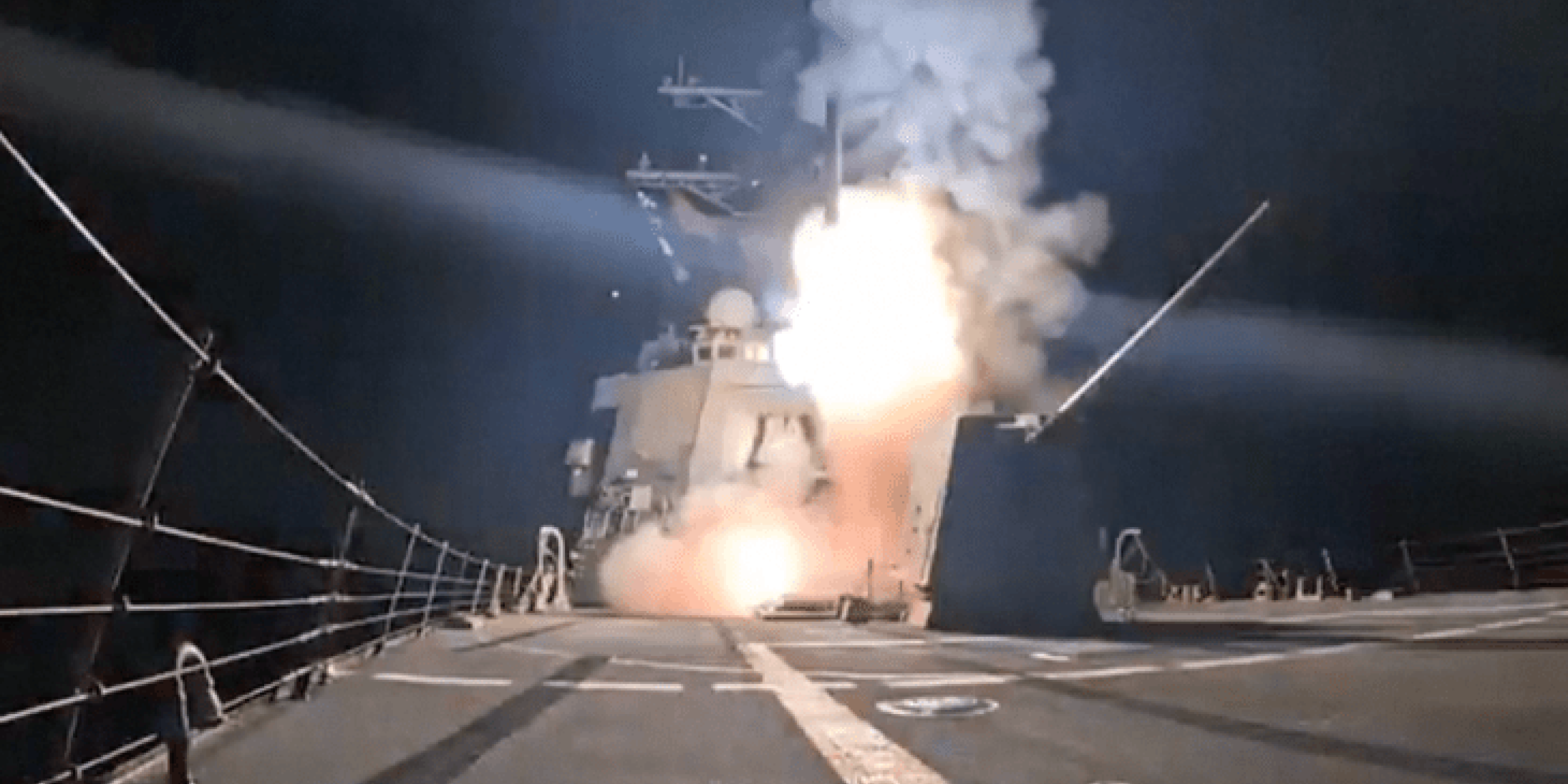
  • Is Nigeria Now Leading the War in the Air? Why the U.S. Is Shifting to Intelligence Support After Christmas Day Strikes—and What This Means for Terrorism, Banditry, and Security in the North

    Is Nigeria taking full control of the aerial war against terrorism and banditry? Why has the United States stepped back from direct airstrikes to an intelligence and reconnaissance role? And what does this new security arrangement mean for the fight against jihadist groups and armed gangs across the country’s troubled regions?

    Following U.S. airstrikes carried out on Christmas Day in Sokoto State, the Nigerian Air Force is set to lead subsequent military air operations, as Washington shifts its role to intelligence, surveillance, and reconnaissance support. A Nigerian official familiar with the new Nigeria–U.S. security framework confirmed that while the United States will now rely mainly on reconnaissance flights, Nigeria remains open to further American strikes if necessary.

    What triggered the change? The Christmas night strikes targeted what U.S. officials described as Islamic State–linked sites in northwestern Nigeria. According to Nigerian authorities, the operation was aimed at militants cooperating with the Lakurawa jihadist group and criminal “bandit” networks that have destabilised large parts of the northwest and north-central regions. Both countries reported that an unspecified number of fighters were killed.

    But why is the U.S. stepping back now? In the weeks before the strikes, analysts had already noted increased American surveillance flights over Nigeria—activity that has continued since. However, U.S. officials later described the bombing as a “one-off event,” signalling a strategic shift away from direct military action toward intelligence-sharing and operational support for Nigerian forces.

    What role did diplomacy play? The strikes came after a tense period in bilateral relations, sparked by U.S. President Donald Trump’s claims in October that violence in Nigeria amounted to the “persecution” and “genocide” of Christians—assertions rejected by Abuja and independent analysts. Although Nigeria later said the dispute had been resolved and that the partnership had been “strengthened,” the unilateral announcement of the strikes by Trump reportedly caused unease in Abuja. Nigeria’s Foreign Minister, Yusuf Tuggar, subsequently described the operation as a joint effort.

    What does this new arrangement mean for Nigeria’s security strategy? Nigeria has battled jihadist insurgency since 2009, mainly in the northeast, while heavily armed criminal gangs have entrenched themselves in rural communities across the northwest and north-central regions. By assuming full responsibility for air operations—with U.S. intelligence support—Nigeria appears to be asserting greater operational sovereignty while maintaining strategic cooperation with Washington.

    However, critical questions remain: will intelligence-backed Nigerian air power be enough to contain Islamic State–linked fighters and bandit networks? Could the U.S. return to direct strikes if the threat escalates? And does this shift mark a long-term change in America’s military posture in West Africa—or merely a tactical pause?

    As reconnaissance flights continue and Nigeria leads future air operations, the evolving partnership signals both a test of Nigeria’s military capacity and a recalibration of U.S. involvement in the region’s counterterrorism fight.


    Is Nigeria Now Leading the War in the Air? Why the U.S. Is Shifting to Intelligence Support After Christmas Day Strikes—and What This Means for Terrorism, Banditry, and Security in the North Is Nigeria taking full control of the aerial war against terrorism and banditry? Why has the United States stepped back from direct airstrikes to an intelligence and reconnaissance role? And what does this new security arrangement mean for the fight against jihadist groups and armed gangs across the country’s troubled regions? Following U.S. airstrikes carried out on Christmas Day in Sokoto State, the Nigerian Air Force is set to lead subsequent military air operations, as Washington shifts its role to intelligence, surveillance, and reconnaissance support. A Nigerian official familiar with the new Nigeria–U.S. security framework confirmed that while the United States will now rely mainly on reconnaissance flights, Nigeria remains open to further American strikes if necessary. What triggered the change? The Christmas night strikes targeted what U.S. officials described as Islamic State–linked sites in northwestern Nigeria. According to Nigerian authorities, the operation was aimed at militants cooperating with the Lakurawa jihadist group and criminal “bandit” networks that have destabilised large parts of the northwest and north-central regions. Both countries reported that an unspecified number of fighters were killed. But why is the U.S. stepping back now? In the weeks before the strikes, analysts had already noted increased American surveillance flights over Nigeria—activity that has continued since. However, U.S. officials later described the bombing as a “one-off event,” signalling a strategic shift away from direct military action toward intelligence-sharing and operational support for Nigerian forces. What role did diplomacy play? The strikes came after a tense period in bilateral relations, sparked by U.S. President Donald Trump’s claims in October that violence in Nigeria amounted to the “persecution” and “genocide” of Christians—assertions rejected by Abuja and independent analysts. Although Nigeria later said the dispute had been resolved and that the partnership had been “strengthened,” the unilateral announcement of the strikes by Trump reportedly caused unease in Abuja. Nigeria’s Foreign Minister, Yusuf Tuggar, subsequently described the operation as a joint effort. What does this new arrangement mean for Nigeria’s security strategy? Nigeria has battled jihadist insurgency since 2009, mainly in the northeast, while heavily armed criminal gangs have entrenched themselves in rural communities across the northwest and north-central regions. By assuming full responsibility for air operations—with U.S. intelligence support—Nigeria appears to be asserting greater operational sovereignty while maintaining strategic cooperation with Washington. However, critical questions remain: will intelligence-backed Nigerian air power be enough to contain Islamic State–linked fighters and bandit networks? Could the U.S. return to direct strikes if the threat escalates? And does this shift mark a long-term change in America’s military posture in West Africa—or merely a tactical pause? As reconnaissance flights continue and Nigeria leads future air operations, the evolving partnership signals both a test of Nigeria’s military capacity and a recalibration of U.S. involvement in the region’s counterterrorism fight.
    0 Yorumlar ·0 hisse senetleri ·3K Views
  • World Council of Churches Urges EU to Impose Sanctions, Enforce Arms Embargo on Israel Over Gaza War and Alleged Violations Against Palestinians

    The World Council of Churches (WCC) has called on the European Union to impose sanctions and implement an arms embargo on Israel, citing what it described as a war of genocide in Gaza and continued violations against Palestinians in both Gaza and the occupied West Bank. The appeal was made amid growing international concern over the humanitarian situation in the Palestinian territories.

    In a statement reported by the Middle East Monitor, Iskandar Majlton, local coordinator of the Ecumenical Accompaniment Programme in Palestine and Israel under the WCC, said the council was deeply disturbed by the escalating cycle of violence and the immense human suffering it has caused. He stressed that the WCC’s position is firmly rooted in international law and human rights principles, condemning all attacks on civilians without exception.

    Majlton highlighted what he described as an unprecedented humanitarian disaster in the Gaza Strip, noting that thousands of civilians—mostly women and children—have been killed, while nearly the entire population has been displaced amid widespread destruction, hunger, and disease. He further argued that the ongoing violence did not begin in October 2023 but is the result of decades-long occupation, the prolonged blockade of Gaza, and systemic inequality faced by Palestinians.

    The WCC’s call adds to mounting global pressure on international bodies to take decisive action to address the conflict and uphold accountability under international law.
    World Council of Churches Urges EU to Impose Sanctions, Enforce Arms Embargo on Israel Over Gaza War and Alleged Violations Against Palestinians The World Council of Churches (WCC) has called on the European Union to impose sanctions and implement an arms embargo on Israel, citing what it described as a war of genocide in Gaza and continued violations against Palestinians in both Gaza and the occupied West Bank. The appeal was made amid growing international concern over the humanitarian situation in the Palestinian territories. In a statement reported by the Middle East Monitor, Iskandar Majlton, local coordinator of the Ecumenical Accompaniment Programme in Palestine and Israel under the WCC, said the council was deeply disturbed by the escalating cycle of violence and the immense human suffering it has caused. He stressed that the WCC’s position is firmly rooted in international law and human rights principles, condemning all attacks on civilians without exception. Majlton highlighted what he described as an unprecedented humanitarian disaster in the Gaza Strip, noting that thousands of civilians—mostly women and children—have been killed, while nearly the entire population has been displaced amid widespread destruction, hunger, and disease. He further argued that the ongoing violence did not begin in October 2023 but is the result of decades-long occupation, the prolonged blockade of Gaza, and systemic inequality faced by Palestinians. The WCC’s call adds to mounting global pressure on international bodies to take decisive action to address the conflict and uphold accountability under international law.
    0 Yorumlar ·0 hisse senetleri ·2K Views
  • Trump Bombs Farmlands in Sokoto, Tinubu Travels Abroad as Defence Minister Musa Goes Silent: A Scathing Review of Nigeria’s Security Crisis by Dr. Nasiru Aminu

    In this hard-hitting opinion piece, Dr. Nasiru Aminu delivers a blistering critique of Nigeria’s leadership and security architecture following the controversial US airstrikes on Christmas night, which reportedly bombed farmlands in Sokoto rather than confirmed terrorist hideouts. He argues that the strikes were justified by former US President Donald Trump using claims of a “Christian genocide” in Nigeria—claims the author describes as exaggerated, misleading and rooted in Trump’s polarising, post-truth political style.

    Dr. Aminu questions why Sokoto was targeted instead of known terror hotspots in the North-East, noting that no credible evidence has emerged to confirm that ISIS or other terrorists were neutralised. He criticises Trump for belittling Nigeria publicly while simultaneously imposing visa restrictions on Nigerians, including Christians he claims to defend.

    The article further examines the Nigerian government’s response, highlighting conflicting narratives from officials. While the Ministers of Foreign Affairs and Information publicly supported the US action, Tinubu’s policy communication adviser, Daniel Bwala, openly described the situation as “sketchy.” Other ministers offered what the author calls unhelpful or misplaced commentary, while President Bola Tinubu himself remained silent and left the country on an end-of-year trip days after the bombing.

    A major focus of the piece is the silence of the Minister of Defence, General Christopher Musa, whom Dr. Aminu accuses of failing in his responsibility at a critical national moment. Despite widespread public anxiety, Musa did not address the nation or clarify whether he was involved in, or even informed about, the bombing. Instead, media reports showed him attending personal celebrations and ceremonial events, behaviour the author describes as unprofessional and insensitive during a national security crisis.

    Dr. Aminu concludes that the absence of leadership, accountability and clear communication following the bombing reflects deeper systemic failures in Nigeria’s security management. He warns that unless this pattern changes, Nigerians should brace for continued mediocrity, insecurity and public disillusionment in the year ahead.
    Trump Bombs Farmlands in Sokoto, Tinubu Travels Abroad as Defence Minister Musa Goes Silent: A Scathing Review of Nigeria’s Security Crisis by Dr. Nasiru Aminu In this hard-hitting opinion piece, Dr. Nasiru Aminu delivers a blistering critique of Nigeria’s leadership and security architecture following the controversial US airstrikes on Christmas night, which reportedly bombed farmlands in Sokoto rather than confirmed terrorist hideouts. He argues that the strikes were justified by former US President Donald Trump using claims of a “Christian genocide” in Nigeria—claims the author describes as exaggerated, misleading and rooted in Trump’s polarising, post-truth political style. Dr. Aminu questions why Sokoto was targeted instead of known terror hotspots in the North-East, noting that no credible evidence has emerged to confirm that ISIS or other terrorists were neutralised. He criticises Trump for belittling Nigeria publicly while simultaneously imposing visa restrictions on Nigerians, including Christians he claims to defend. The article further examines the Nigerian government’s response, highlighting conflicting narratives from officials. While the Ministers of Foreign Affairs and Information publicly supported the US action, Tinubu’s policy communication adviser, Daniel Bwala, openly described the situation as “sketchy.” Other ministers offered what the author calls unhelpful or misplaced commentary, while President Bola Tinubu himself remained silent and left the country on an end-of-year trip days after the bombing. A major focus of the piece is the silence of the Minister of Defence, General Christopher Musa, whom Dr. Aminu accuses of failing in his responsibility at a critical national moment. Despite widespread public anxiety, Musa did not address the nation or clarify whether he was involved in, or even informed about, the bombing. Instead, media reports showed him attending personal celebrations and ceremonial events, behaviour the author describes as unprofessional and insensitive during a national security crisis. Dr. Aminu concludes that the absence of leadership, accountability and clear communication following the bombing reflects deeper systemic failures in Nigeria’s security management. He warns that unless this pattern changes, Nigerians should brace for continued mediocrity, insecurity and public disillusionment in the year ahead.
    0 Yorumlar ·0 hisse senetleri ·2K Views
  • Ohanaeze Ndigbo Declares Annual Thanksgiving Day To Commemorate Igbo Survival Of Nigeria-Biafra Civil War

    The apex Igbo socio-cultural organisation, Ohanaeze Ndigbo Worldwide, has officially designated the last Sunday of every January as an annual thanksgiving day to commemorate the survival of the Igbo people during the Nigeria-Biafra Civil War of 1967–1970. The resolution was unanimously adopted during the group’s Imeobi meeting held at the International Conference Centre (ICC) in Enugu.

    Announcing the decision, Ohanaeze’s Deputy President General, Prince Okechukwu Nwadinobi, explained that the thanksgiving day is meant to acknowledge what the organisation describes as divine intervention that spared the Igbo from total annihilation during the war. He stated that all Igbo people are encouraged to attend church services on the chosen day to express gratitude to God for preservation and survival amid the horrors of the conflict.

    Nwadinobi noted that the leadership of Ohanaeze, under Senator Azuta Mbata, considered it necessary to institutionalise the annual thanksgiving, stressing that without God, the support of a few Nigerians, and intervention from the international community, the Biafran cause and the Igbo people might not have survived. He recalled that the war was marked by deliberate attempts to wipe out Biafra, making survival itself a profound historical milestone worthy of remembrance.

    Beyond the thanksgiving initiative, Nwadinobi outlined several interventions undertaken by the current Ohanaeze leadership to safeguard Igbo interests nationwide. These include a high-level delegation to Lagos over the demolition of Igbo-owned businesses in Festac Town and the Trade Fair Complex, engagement with affected traders after the Mandilas Plaza fire incident, and the formation of professional teams to guide Igbo entrepreneurs on best business practices.

    He also disclosed a new partnership between Ohanaeze and Otu Oka Iwu, a body of legal experts, aimed at providing free legal services to Ndigbo on issues affecting their welfare and rights.

    In a goodwill message, former Archbishop of the Enugu Anglican Communion, Dr. Emmanuel Olisa Chukwu, welcomed the resolution, describing it as spiritually significant. Recounting his near-death experience during the war, including the Asaba genocide, the cleric said the decision resonated deeply with the Igbo people, whom he described as deeply religious and sustained by faith through decades of hardship.
    Ohanaeze Ndigbo Declares Annual Thanksgiving Day To Commemorate Igbo Survival Of Nigeria-Biafra Civil War The apex Igbo socio-cultural organisation, Ohanaeze Ndigbo Worldwide, has officially designated the last Sunday of every January as an annual thanksgiving day to commemorate the survival of the Igbo people during the Nigeria-Biafra Civil War of 1967–1970. The resolution was unanimously adopted during the group’s Imeobi meeting held at the International Conference Centre (ICC) in Enugu. Announcing the decision, Ohanaeze’s Deputy President General, Prince Okechukwu Nwadinobi, explained that the thanksgiving day is meant to acknowledge what the organisation describes as divine intervention that spared the Igbo from total annihilation during the war. He stated that all Igbo people are encouraged to attend church services on the chosen day to express gratitude to God for preservation and survival amid the horrors of the conflict. Nwadinobi noted that the leadership of Ohanaeze, under Senator Azuta Mbata, considered it necessary to institutionalise the annual thanksgiving, stressing that without God, the support of a few Nigerians, and intervention from the international community, the Biafran cause and the Igbo people might not have survived. He recalled that the war was marked by deliberate attempts to wipe out Biafra, making survival itself a profound historical milestone worthy of remembrance. Beyond the thanksgiving initiative, Nwadinobi outlined several interventions undertaken by the current Ohanaeze leadership to safeguard Igbo interests nationwide. These include a high-level delegation to Lagos over the demolition of Igbo-owned businesses in Festac Town and the Trade Fair Complex, engagement with affected traders after the Mandilas Plaza fire incident, and the formation of professional teams to guide Igbo entrepreneurs on best business practices. He also disclosed a new partnership between Ohanaeze and Otu Oka Iwu, a body of legal experts, aimed at providing free legal services to Ndigbo on issues affecting their welfare and rights. In a goodwill message, former Archbishop of the Enugu Anglican Communion, Dr. Emmanuel Olisa Chukwu, welcomed the resolution, describing it as spiritually significant. Recounting his near-death experience during the war, including the Asaba genocide, the cleric said the decision resonated deeply with the Igbo people, whom he described as deeply religious and sustained by faith through decades of hardship.
    0 Yorumlar ·0 hisse senetleri ·2K Views
  • President Bola Tinubu tags Donald Trump to his tweet as he felicitates with Christians on Christmas

    This is coming after the US President made allegations of Christian genocide in the country.
    President Bola Tinubu tags Donald Trump to his tweet as he felicitates with Christians on Christmas This is coming after the US President made allegations of Christian genocide in the country.
    0 Yorumlar ·0 hisse senetleri ·329 Views

  • Belgium Files Declaration to Join ICJ Genocide Case Against Israel as South Africa Leads Legal Action Over Gaza War

    Belgium has formally filed a declaration of intervention at the International Court of Justice (ICJ) to join the genocide case brought by South Africa against Israel over alleged violations of the 1948 Genocide Convention in Gaza. The ICJ confirmed Belgium’s move on December 23, 2025, noting that the intervention was made under Article 63 of the Court’s Statute, which allows non-party states to participate in cases involving the interpretation of international treaties to which they are signatories.

    As a party to the Genocide Convention, Belgium said its intervention focuses on the interpretation of Articles I to VI, particularly Article II, which defines the intent required to establish genocide. Any legal interpretation adopted by the Court will be binding on Belgium and other intervening states. South Africa and Israel have been invited to submit written observations on Belgium’s declaration in line with ICJ procedural rules.

    The case, originally filed by South Africa in December 2023, accuses Israel of breaching its obligations under the Genocide Convention in relation to military operations in the Gaza Strip. The ICJ has already issued provisional measures in January, March, and May 2024. Belgium joins a growing list of countries—including Ireland, Spain, Brazil, Türkiye, and Colombia—that have intervened or sought to intervene, underscoring increasing international scrutiny of Israel’s conduct in Gaza and the expanding global legal response to the conflict.


    #ICJ
    #GazaConflict
    #InternationalLaw
    Belgium Files Declaration to Join ICJ Genocide Case Against Israel as South Africa Leads Legal Action Over Gaza War Belgium has formally filed a declaration of intervention at the International Court of Justice (ICJ) to join the genocide case brought by South Africa against Israel over alleged violations of the 1948 Genocide Convention in Gaza. The ICJ confirmed Belgium’s move on December 23, 2025, noting that the intervention was made under Article 63 of the Court’s Statute, which allows non-party states to participate in cases involving the interpretation of international treaties to which they are signatories. As a party to the Genocide Convention, Belgium said its intervention focuses on the interpretation of Articles I to VI, particularly Article II, which defines the intent required to establish genocide. Any legal interpretation adopted by the Court will be binding on Belgium and other intervening states. South Africa and Israel have been invited to submit written observations on Belgium’s declaration in line with ICJ procedural rules. The case, originally filed by South Africa in December 2023, accuses Israel of breaching its obligations under the Genocide Convention in relation to military operations in the Gaza Strip. The ICJ has already issued provisional measures in January, March, and May 2024. Belgium joins a growing list of countries—including Ireland, Spain, Brazil, Türkiye, and Colombia—that have intervened or sought to intervene, underscoring increasing international scrutiny of Israel’s conduct in Gaza and the expanding global legal response to the conflict. #ICJ #GazaConflict #InternationalLaw
    0 Yorumlar ·0 hisse senetleri ·2K Views
  • Tinubu Dismisses Claims of Christian or Muslim Genocide, Says Nigeria’s Crisis Is Criminality-Driven

    President Bola Tinubu has refuted allegations of religious genocide in Nigeria, insisting the country’s insecurity stems from criminality and extremism rather than Christian–Muslim conflict. Speaking at NASFAT’s Biennial Conference in Abuja, he emphasized that both Muslims and Christians are victims of terrorism and urged Nigerians to reject divisive narratives. Tinubu reaffirmed his administration’s commitment to security reforms, economic stability, and collaboration with faith-based organisations to promote unity and resilience.

    #NigeriaSecurity
    #Tinubu
    #ReligiousUnity
    Tinubu Dismisses Claims of Christian or Muslim Genocide, Says Nigeria’s Crisis Is Criminality-Driven President Bola Tinubu has refuted allegations of religious genocide in Nigeria, insisting the country’s insecurity stems from criminality and extremism rather than Christian–Muslim conflict. Speaking at NASFAT’s Biennial Conference in Abuja, he emphasized that both Muslims and Christians are victims of terrorism and urged Nigerians to reject divisive narratives. Tinubu reaffirmed his administration’s commitment to security reforms, economic stability, and collaboration with faith-based organisations to promote unity and resilience. #NigeriaSecurity #Tinubu #ReligiousUnity
    0 Yorumlar ·0 hisse senetleri ·1K Views
  • ECWA Warns of ‘Christian Genocide’ in Nigeria, Reports 600 Clerics Abducted and 19,000 Churches Destroyed

    The Evangelical Church Winning All (ECWA) has raised alarm over what it describes as a real and ongoing Christian genocide in Nigeria, citing 16 years of widespread attacks, including the destruction of over 19,100 churches and the abduction of more than 600 clerics. The church reports tens of thousands of Christian deaths, millions displaced, and continued assaults across the Middle Belt and northern regions. ECWA acknowledged recent government efforts to strengthen security but urged authorities to sustain operations, improve intelligence, and ensure accountability for the sponsors of violence.
    ECWA Warns of ‘Christian Genocide’ in Nigeria, Reports 600 Clerics Abducted and 19,000 Churches Destroyed The Evangelical Church Winning All (ECWA) has raised alarm over what it describes as a real and ongoing Christian genocide in Nigeria, citing 16 years of widespread attacks, including the destruction of over 19,100 churches and the abduction of more than 600 clerics. The church reports tens of thousands of Christian deaths, millions displaced, and continued assaults across the Middle Belt and northern regions. ECWA acknowledged recent government efforts to strengthen security but urged authorities to sustain operations, improve intelligence, and ensure accountability for the sponsors of violence.
    0 Yorumlar ·0 hisse senetleri ·475 Views
  • BREAKING: The United States congressional delegation, led by Congressman Riley Moore has concluded its fact-finding mission to Nigeria over alleged genocide and is expected to brief President Donald Trump before the end of the month.
    BREAKING: The United States congressional delegation, led by Congressman Riley Moore has concluded its fact-finding mission to Nigeria over alleged genocide and is expected to brief President Donald Trump before the end of the month.
    0 Yorumlar ·0 hisse senetleri ·531 Views
  • BREAKING: The Muslim Rights Concern (MURIC) has accused the media of excluding Islamic scholars and Nigerian Muslims in general from ongoing heated debates on alleged Christian genocide in the country.
    BREAKING: The Muslim Rights Concern (MURIC) has accused the media of excluding Islamic scholars and Nigerian Muslims in general from ongoing heated debates on alleged Christian genocide in the country.
    0 Yorumlar ·0 hisse senetleri ·681 Views
  • Miyetti Allah Says Fulani Pastoralists Have Faced 25 Years of Systematic Attacks, Labels Crisis ‘Genocide’

    Miyetti Allah Kautal Hore has claimed that Fulani pastoralists have been victims of systematic killings, displacement, and targeted hostility for over 25 years across several Nigerian states. Speaking on Channels TV, the group’s National Secretary, Engr. Saleh Alhassan, argued that the only situation resembling genocide in Nigeria is the violence against Fulani herders. He criticized media narratives, accused “genocide town criers” of seeking foreign aid, and insisted that herders are often blamed without evidence. His comments come amid worsening insecurity in northern states, marked by mass abductions, farmer-herder clashes, and rising attacks on communities.
    Miyetti Allah Says Fulani Pastoralists Have Faced 25 Years of Systematic Attacks, Labels Crisis ‘Genocide’ Miyetti Allah Kautal Hore has claimed that Fulani pastoralists have been victims of systematic killings, displacement, and targeted hostility for over 25 years across several Nigerian states. Speaking on Channels TV, the group’s National Secretary, Engr. Saleh Alhassan, argued that the only situation resembling genocide in Nigeria is the violence against Fulani herders. He criticized media narratives, accused “genocide town criers” of seeking foreign aid, and insisted that herders are often blamed without evidence. His comments come amid worsening insecurity in northern states, marked by mass abductions, farmer-herder clashes, and rising attacks on communities.
    0 Yorumlar ·0 hisse senetleri ·800 Views
  • BREAKING NEWS: Wait Till 2027 If You’re Eyeing Shettima’s Seat

    ~ MURIC Tells Reverend Ezekiel Dachomo, responding to Dachomo’s recent claim that there is Christian genocide in Nigeria because President Bola Tinubu and Vice-President Kashim Shettima are Muslims.
    BREAKING NEWS: Wait Till 2027 If You’re Eyeing Shettima’s Seat ~ MURIC Tells Reverend Ezekiel Dachomo, responding to Dachomo’s recent claim that there is Christian genocide in Nigeria because President Bola Tinubu and Vice-President Kashim Shettima are Muslims.
    0 Yorumlar ·0 hisse senetleri ·507 Views
  • Shettima is a muslim, the president is a muslim. Is that not complete genocide to christians in the political world? The way forward is to remove Shettima."
    Shettima is a muslim, the president is a muslim. Is that not complete genocide to christians in the political world? The way forward is to remove Shettima."
    0 Yorumlar ·0 hisse senetleri ·340 Views


  • The United States did not attend the G20 in South Africa, because the South African Government refuses to acknowledge or address the horrific Human Right Abuses endured by Afrikaners, and other descendants of Dutch, French, and German settlers. To put it more bluntly, they are killing white people, and randomly allowing their farms to be taken from them. Perhaps, worst of all, the soon to be out of business New York Times and the Fake News Media won’t issue a word against this genocide. That’s why all the Liars and Pretenders of the Radical Left Media are going out of business! At the conclusion of the G20, South Africa refused to hand off the G20 Presidency to a Senior Representative from our U.S. Embassy, who attended the Closing Ceremony. Therefore, at my direction, South Africa will NOT be receiving an invitation to the 2026 G20, which will be hosted in the Great City of Miami, Florida next year. South Africa has demonstrated to the World they are not a country worthy of Membership anywhere, and we are going to stop all payments and subsidies to them, effective immediately. Thank you for your attention to this matter!
    The United States did not attend the G20 in South Africa, because the South African Government refuses to acknowledge or address the horrific Human Right Abuses endured by Afrikaners, and other descendants of Dutch, French, and German settlers. To put it more bluntly, they are killing white people, and randomly allowing their farms to be taken from them. Perhaps, worst of all, the soon to be out of business New York Times and the Fake News Media won’t issue a word against this genocide. That’s why all the Liars and Pretenders of the Radical Left Media are going out of business! At the conclusion of the G20, South Africa refused to hand off the G20 Presidency to a Senior Representative from our U.S. Embassy, who attended the Closing Ceremony. Therefore, at my direction, South Africa will NOT be receiving an invitation to the 2026 G20, which will be hosted in the Great City of Miami, Florida next year. South Africa has demonstrated to the World they are not a country worthy of Membership anywhere, and we are going to stop all payments and subsidies to them, effective immediately. Thank you for your attention to this matter!
    0 Yorumlar ·0 hisse senetleri ·640 Views
  • I think Nigeria's a disgrace, the whole thing is a disgrace. They're k!lling people by the thousands. It's a genocide, and I'm really angry about it.” — President Donald Trump
    I think Nigeria's a disgrace, the whole thing is a disgrace. They're k!lling people by the thousands. It's a genocide, and I'm really angry about it.” — President Donald Trump
    0 Yorumlar ·0 hisse senetleri ·445 Views
  • "Christians also kill herdsmen"- Again, Gumi rejects genocide claims.

    Controversial Kaduna-based Islamic cleric, Sheikh Ahmad Gumi, has dismissed reports of a targeted genocide against Christians in Nigeria, insisting that violent clashes between herders and farming communities involve casualties on both sides.

    Gumi made the remarks in a Facebook post on Sunday, arguing that the narrative portraying Fulani herdsmen as sole aggressors does not reflect the full picture of the conflict.

    According to him, communities involved in recurring clashes “attack and counterattack,” resulting in losses for both herders and residents.

    “The Christians at fault-line communities in conflict with herdsmen also attack and counterattack. They kill and they are also killed,” he wrote.

    He claimed he had travelled through several parts of the country in recent days and did not witness any targeted violence against Christians.

    “There is no Christian genocide anywhere in Nigeria. I was in Kano, Lagos and Ibadan in the last two days. Christians are going about their business. They are in power, economy and security outfits,” he added.

    Gumi warned against calls for foreign military intervention, saying such action could worsen the situation and embolden armed groups.

    “The only option left is to use our national resources equitably to educate, develop and protect all Nigerians, herdsmen included,” he said, emphasising the need for local solutions to insecurity.

    His comments come amid heightened concerns over attacks in parts of the North, where dozens of students have been abducted in recent incidents in Kebbi and Niger states.
    "Christians also kill herdsmen"- Again, Gumi rejects genocide claims. Controversial Kaduna-based Islamic cleric, Sheikh Ahmad Gumi, has dismissed reports of a targeted genocide against Christians in Nigeria, insisting that violent clashes between herders and farming communities involve casualties on both sides. Gumi made the remarks in a Facebook post on Sunday, arguing that the narrative portraying Fulani herdsmen as sole aggressors does not reflect the full picture of the conflict. According to him, communities involved in recurring clashes “attack and counterattack,” resulting in losses for both herders and residents. “The Christians at fault-line communities in conflict with herdsmen also attack and counterattack. They kill and they are also killed,” he wrote. He claimed he had travelled through several parts of the country in recent days and did not witness any targeted violence against Christians. “There is no Christian genocide anywhere in Nigeria. I was in Kano, Lagos and Ibadan in the last two days. Christians are going about their business. They are in power, economy and security outfits,” he added. Gumi warned against calls for foreign military intervention, saying such action could worsen the situation and embolden armed groups. “The only option left is to use our national resources equitably to educate, develop and protect all Nigerians, herdsmen included,” he said, emphasising the need for local solutions to insecurity. His comments come amid heightened concerns over attacks in parts of the North, where dozens of students have been abducted in recent incidents in Kebbi and Niger states.
    0 Yorumlar ·0 hisse senetleri ·1K Views
  • Congratulations to Nigerians and lovers of freedom who backs President Trump over Christians genocide ongoing across Nigeria.
    https://x.com/i/status/1992718581147308119
    Congratulations to Nigerians and lovers of freedom who backs President Trump over Christians genocide ongoing across Nigeria. https://x.com/i/status/1992718581147308119
    0 Yorumlar ·0 hisse senetleri ·278 Views
  • FG says Trump’s Remarks Embolden Violent Groups in Nigeria.

    The Secretary to the Government of the Federation, George Akume, has warned that recent comments by former U.S. President Donald Trump have unintentionally encouraged violent groups in Nigeria. Speaking in a press release on Wednesday, Akume said some extremists are now exploiting international narratives to justify attacks on soft targets.

    He noted that prior to these statements, insurgency networks in the country had been largely weakened and reduced to isolated banditry. Akume stressed that the remarks have given opportunistic groups a platform to gain visibility, underscoring the need for collaboration rather than public labeling between Nigeria and the United States.

    Akume reaffirmed that Nigeria does not require foreign troops, highlighting the Nigerian Armed Forces’ successes in reclaiming territories and degrading Boko Haram and ISWAP leadership. He emphasized that targeted support particularly in intelligence, technology, and equipment would be more effective than direct foreign intervention.

    The SGF also rejected claims that the conflict represents a “Christian genocide,” noting that both Muslims and Christians have been victims of attacks on churches and mosques. He reiterated that Nigeria is a secular state and that government appointments reflect the country’s diversity, with Christians and Muslims equally represented in key positions, including the Federal Executive Council and the Nigerian Security Council.

    Akume concluded that while Nigeria remains open to international cooperation, the focus should be on dismantling extremist networks with appropriate support rather than imposing external labels or interventions.
    FG says Trump’s Remarks Embolden Violent Groups in Nigeria. The Secretary to the Government of the Federation, George Akume, has warned that recent comments by former U.S. President Donald Trump have unintentionally encouraged violent groups in Nigeria. Speaking in a press release on Wednesday, Akume said some extremists are now exploiting international narratives to justify attacks on soft targets. He noted that prior to these statements, insurgency networks in the country had been largely weakened and reduced to isolated banditry. Akume stressed that the remarks have given opportunistic groups a platform to gain visibility, underscoring the need for collaboration rather than public labeling between Nigeria and the United States. Akume reaffirmed that Nigeria does not require foreign troops, highlighting the Nigerian Armed Forces’ successes in reclaiming territories and degrading Boko Haram and ISWAP leadership. He emphasized that targeted support particularly in intelligence, technology, and equipment would be more effective than direct foreign intervention. The SGF also rejected claims that the conflict represents a “Christian genocide,” noting that both Muslims and Christians have been victims of attacks on churches and mosques. He reiterated that Nigeria is a secular state and that government appointments reflect the country’s diversity, with Christians and Muslims equally represented in key positions, including the Federal Executive Council and the Nigerian Security Council. Akume concluded that while Nigeria remains open to international cooperation, the focus should be on dismantling extremist networks with appropriate support rather than imposing external labels or interventions.
    0 Yorumlar ·0 hisse senetleri ·1K Views
Arama Sonuçları
Fintter https://fintter.com