• PRP Urges Nationwide Protests as Party Calls on Nigerians to Resist Tinubu’s New Tax Policies, Fuel Subsidy Removal, and Economic Hardship

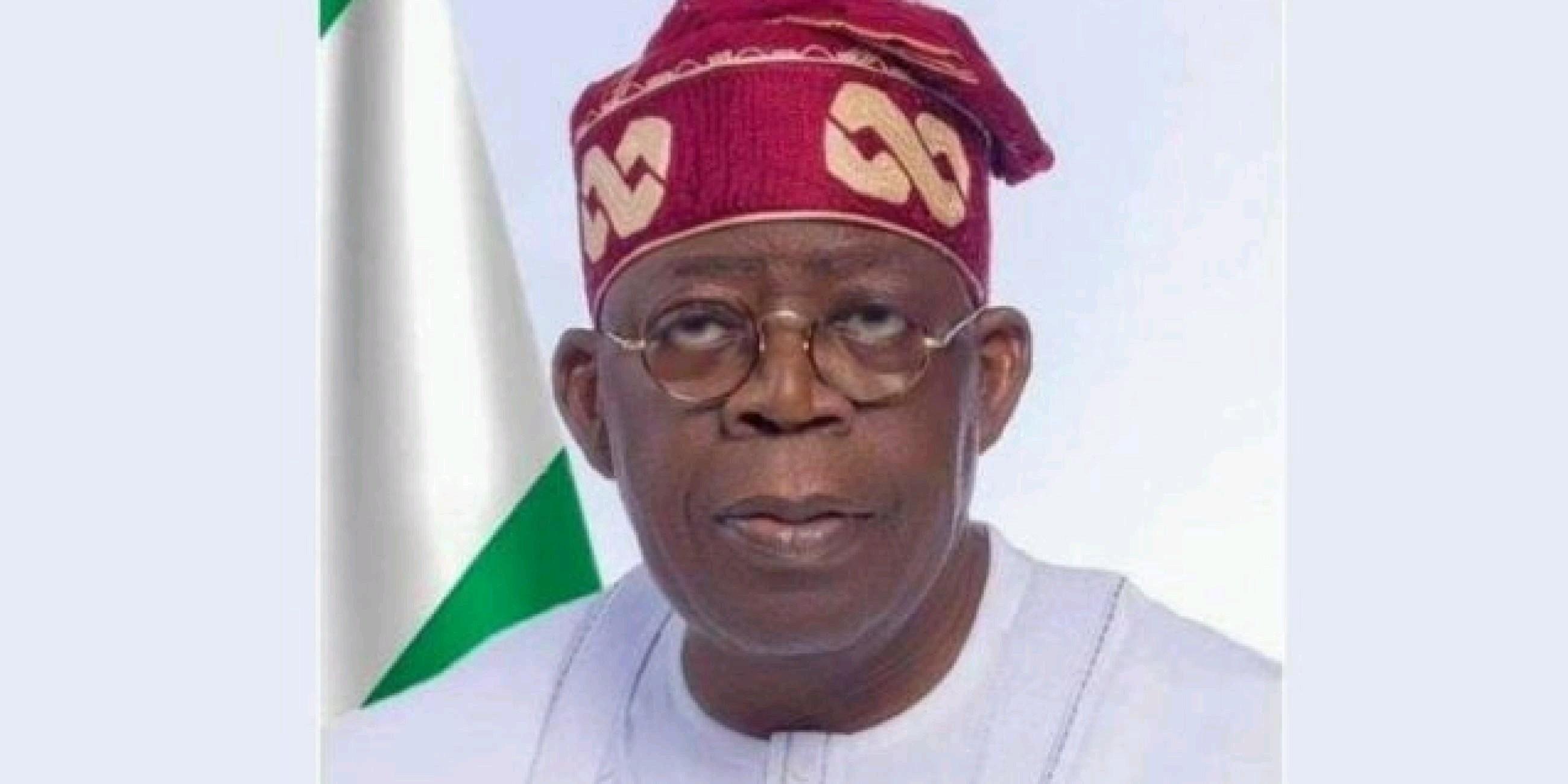
    The Peoples Redemption Party (PRP) has called on Nigerians to embark on nationwide, lawful, and peaceful protests against what it described as oppressive tax policies and economic decisions of President Bola Ahmed Tinubu’s administration. In a New Year statement signed by its National Chairman, Falalu Bello, the party said Nigerians are already grappling with severe hardship caused by insecurity, hunger, poverty, and poor governance under the APC-led government.

    The PRP strongly criticised the introduction and enforcement of new tax laws, accusing the government of ignoring public opposition and pushing policies that allegedly lack transparency and were altered at the point of gazetting. According to the party, the taxes are designed to benefit a few while further impoverishing ordinary Nigerians who are struggling to survive.

    The opposition party also condemned the removal of fuel subsidy on Tinubu’s first day in office, noting that promised investments in social services have failed to materialise. Instead, it alleged that increased borrowing without visible improvements in social infrastructure has worsened the economic situation across the country.

    Calling for collective action, the PRP urged Nigerians to organise protests and strike actions to resist unjust taxation and governance failures, stressing that mass unity remains the strongest tool against oppression. The party warned citizens not to be discouraged by political defections, describing such moves as self-serving and insignificant compared to the power of the people.

    Looking ahead to the 2027 general elections, the PRP said sustained resistance should translate into political change, urging Nigerians to remain steadfast in their quest to end what it termed an incompetent and non-transparent administration. The statement concluded with a call for peaceful but determined resistance to reclaim Nigeria and build a system rooted in accountability, transparency, and citizen-focused governance.
    PRP Urges Nationwide Protests as Party Calls on Nigerians to Resist Tinubu’s New Tax Policies, Fuel Subsidy Removal, and Economic Hardship The Peoples Redemption Party (PRP) has called on Nigerians to embark on nationwide, lawful, and peaceful protests against what it described as oppressive tax policies and economic decisions of President Bola Ahmed Tinubu’s administration. In a New Year statement signed by its National Chairman, Falalu Bello, the party said Nigerians are already grappling with severe hardship caused by insecurity, hunger, poverty, and poor governance under the APC-led government. The PRP strongly criticised the introduction and enforcement of new tax laws, accusing the government of ignoring public opposition and pushing policies that allegedly lack transparency and were altered at the point of gazetting. According to the party, the taxes are designed to benefit a few while further impoverishing ordinary Nigerians who are struggling to survive. The opposition party also condemned the removal of fuel subsidy on Tinubu’s first day in office, noting that promised investments in social services have failed to materialise. Instead, it alleged that increased borrowing without visible improvements in social infrastructure has worsened the economic situation across the country. Calling for collective action, the PRP urged Nigerians to organise protests and strike actions to resist unjust taxation and governance failures, stressing that mass unity remains the strongest tool against oppression. The party warned citizens not to be discouraged by political defections, describing such moves as self-serving and insignificant compared to the power of the people. Looking ahead to the 2027 general elections, the PRP said sustained resistance should translate into political change, urging Nigerians to remain steadfast in their quest to end what it termed an incompetent and non-transparent administration. The statement concluded with a call for peaceful but determined resistance to reclaim Nigeria and build a system rooted in accountability, transparency, and citizen-focused governance.
    0 Kommentare ·0 Geteilt ·2KB Ansichten
  • PDP Accuses President Tinubu of Prioritizing Revenue Over Citizens’ Welfare as New Tax Laws Set to Commence January 1, 2026

    The Peoples Democratic Party (PDP) has criticized President Bola Ahmed Tinubu for insisting on the January 1, 2026 commencement of Nigeria’s new Tax Act, alleging that the administration prioritizes revenue generation over citizens’ welfare. The opposition party cited discrepancies between the harmonised version passed by the National Assembly and the version gazetted, claiming that some previously expunged provisions were allegedly reinserted. PDP called for an immediate suspension of the law’s implementation pending a full investigation into these alleged insertions. The party highlighted past economic decisions, including the removal of fuel subsidy, as evidence that the Tinubu administration often prioritizes fiscal considerations over public well-being. President Tinubu, however, maintains that the tax reforms aim to strengthen Nigeria’s fiscal framework, harmonize the system, and support a structural reset without raising taxes. The PDP insists that ignoring public concerns reinforces the perception that the government values money over the people.
    PDP Accuses President Tinubu of Prioritizing Revenue Over Citizens’ Welfare as New Tax Laws Set to Commence January 1, 2026 The Peoples Democratic Party (PDP) has criticized President Bola Ahmed Tinubu for insisting on the January 1, 2026 commencement of Nigeria’s new Tax Act, alleging that the administration prioritizes revenue generation over citizens’ welfare. The opposition party cited discrepancies between the harmonised version passed by the National Assembly and the version gazetted, claiming that some previously expunged provisions were allegedly reinserted. PDP called for an immediate suspension of the law’s implementation pending a full investigation into these alleged insertions. The party highlighted past economic decisions, including the removal of fuel subsidy, as evidence that the Tinubu administration often prioritizes fiscal considerations over public well-being. President Tinubu, however, maintains that the tax reforms aim to strengthen Nigeria’s fiscal framework, harmonize the system, and support a structural reset without raising taxes. The PDP insists that ignoring public concerns reinforces the perception that the government values money over the people.
    1 Kommentare ·0 Geteilt ·501 Ansichten
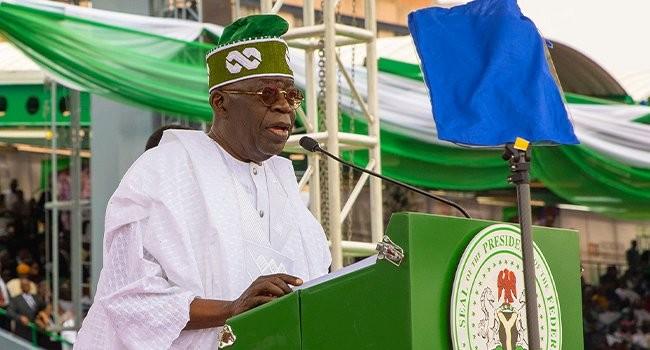
  • Tinubu Sparks Outrage Wearing ₦400 Million Patek Philippe Watch at Lagos Eyo Festival Amid Economic Hardship

    President Bola Tinubu stirred controversy after attending the Lagos Eyo Festival wearing a rose-gold Patek Philippe Nautilus wristwatch worth over ₦400 million ($271,000). The display of luxury has drawn public criticism, given Nigeria’s worsening economic situation, rising inflation, fuel subsidy removals, and widespread insecurity. The incident highlights growing concerns about the optics of presidential opulence during national hardship, as social media debates intensify over the appropriateness of such extravagance.
    Tinubu Sparks Outrage Wearing ₦400 Million Patek Philippe Watch at Lagos Eyo Festival Amid Economic Hardship President Bola Tinubu stirred controversy after attending the Lagos Eyo Festival wearing a rose-gold Patek Philippe Nautilus wristwatch worth over ₦400 million ($271,000). The display of luxury has drawn public criticism, given Nigeria’s worsening economic situation, rising inflation, fuel subsidy removals, and widespread insecurity. The incident highlights growing concerns about the optics of presidential opulence during national hardship, as social media debates intensify over the appropriateness of such extravagance.
    0 Kommentare ·0 Geteilt ·602 Ansichten
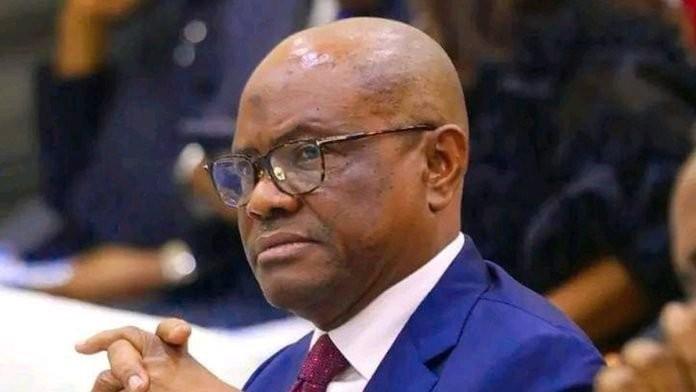
  • Fuel Subsidy: SERAP Sues Govs, Wike Over ‘Failure To Account For ₦14trn Savings’
    SERAP said the suit followed reports that the 36 governors and the FCT minister have collected trillions of naira from FAAC allocations.
    Fuel Subsidy: SERAP Sues Govs, Wike Over ‘Failure To Account For ₦14trn Savings’ SERAP said the suit followed reports that the 36 governors and the FCT minister have collected trillions of naira from FAAC allocations.
    0 Kommentare ·0 Geteilt ·797 Ansichten
  • SERAP Sues 36 Governors and FCT Minister Over ₦14 Trillion Fuel Subsidy Savings

    The Socio-Economic Rights and Accountability Project (SERAP) has filed a lawsuit against Nigeria’s 36 governors and FCT Minister Nyesom Wike for failing to account for ₦14 trillion in fuel subsidy savings received from FAAC allocations since May 2023. The suit, filed at the Federal High Court, Lagos (FHC/L/MSC/1424/2025), seeks disclosure of spending details, project execution reports, and locations of funded projects. SERAP argues that despite increased allocations, millions of poor Nigerians have not benefited from the funds, raising concerns of mismanagement. The action follows a Supreme Court ruling affirming that the Freedom of Information Act applies to state-level public records. No hearing date has been set.
    SERAP Sues 36 Governors and FCT Minister Over ₦14 Trillion Fuel Subsidy Savings The Socio-Economic Rights and Accountability Project (SERAP) has filed a lawsuit against Nigeria’s 36 governors and FCT Minister Nyesom Wike for failing to account for ₦14 trillion in fuel subsidy savings received from FAAC allocations since May 2023. The suit, filed at the Federal High Court, Lagos (FHC/L/MSC/1424/2025), seeks disclosure of spending details, project execution reports, and locations of funded projects. SERAP argues that despite increased allocations, millions of poor Nigerians have not benefited from the funds, raising concerns of mismanagement. The action follows a Supreme Court ruling affirming that the Freedom of Information Act applies to state-level public records. No hearing date has been set.
    0 Kommentare ·0 Geteilt ·878 Ansichten
  • House of Reps Summons Dangote, NMDPRA Over $5m School Fees Allegation, Orders Halt to Public Dispute

    The House of Representatives has summoned Aliko Dangote and officials of the Nigerian Midstream and Downstream Petroleum Regulatory Authority (NMDPRA) following escalating allegations and counter-claims threatening stability in Nigeria’s downstream petroleum sector. The decision was taken by the Joint House Committee on Petroleum Resources (Downstream and Midstream) after an emergency meeting to address what lawmakers described as growing industry tension.

    Committee chairman, Hon. Ikenga Imo Ugochinyere, said the lawmakers ordered an immediate halt to all public exchanges between the Dangote Refinery and NMDPRA pending legislative investigation. The summon follows Dangote’s allegation that NMDPRA CEO Farouk Ahmed allegedly spent about $5 million on secondary school education for his four children in Switzerland—claims he said raise serious questions about regulatory integrity. The House assured that it would swiftly investigate the matter and propose sustainable solutions to protect sector stability in the post-fuel subsidy era.

    House of Reps Summons Dangote, NMDPRA Over $5m School Fees Allegation, Orders Halt to Public Dispute The House of Representatives has summoned Aliko Dangote and officials of the Nigerian Midstream and Downstream Petroleum Regulatory Authority (NMDPRA) following escalating allegations and counter-claims threatening stability in Nigeria’s downstream petroleum sector. The decision was taken by the Joint House Committee on Petroleum Resources (Downstream and Midstream) after an emergency meeting to address what lawmakers described as growing industry tension. Committee chairman, Hon. Ikenga Imo Ugochinyere, said the lawmakers ordered an immediate halt to all public exchanges between the Dangote Refinery and NMDPRA pending legislative investigation. The summon follows Dangote’s allegation that NMDPRA CEO Farouk Ahmed allegedly spent about $5 million on secondary school education for his four children in Switzerland—claims he said raise serious questions about regulatory integrity. The House assured that it would swiftly investigate the matter and propose sustainable solutions to protect sector stability in the post-fuel subsidy era.
    0 Kommentare ·0 Geteilt ·707 Ansichten
  • “Nigeria is like a scratch card; you only see its true value after scratching it. Some of us who have scratched it are already seeing results,” — Dangote says as he applauds President Tinubu’s policies

    Africa’s richest man, Aliko Dangote, has praised the Federal Government for what he described as decisive and transformative economic policies, including the new exchange rate framework and the removal of fuel subsidy.

    Speaking on Tuesday, Dangote expressed optimism about Nigeria’s future, noting that the country’s potential becomes clearer when one looks beyond the surface.

    According to him, “Nigeria is like a scratch card; you only see the good of it when you scratch the card. Some of us who have scratched the card are seeing the results.”

    He commended President Bola Ahmed Tinubu for his leadership, stating that “we must thank Mr President for his leadership and policies.”

    Dangote added that there is no place like home and applauded the governor’s efforts, saying the administration has introduced “very good policies, bold policies that the government have taken today.”

    He, however, offered a piece of advice to the business community: “One advice that I have is that most of our entrepreneurs should please invest at home.”

    The industrialist emphasised that sustained local investment is key to unlocking Nigeria’s long-term economic gains.
    “Nigeria is like a scratch card; you only see its true value after scratching it. Some of us who have scratched it are already seeing results,” — Dangote says as he applauds President Tinubu’s policies Africa’s richest man, Aliko Dangote, has praised the Federal Government for what he described as decisive and transformative economic policies, including the new exchange rate framework and the removal of fuel subsidy. Speaking on Tuesday, Dangote expressed optimism about Nigeria’s future, noting that the country’s potential becomes clearer when one looks beyond the surface. According to him, “Nigeria is like a scratch card; you only see the good of it when you scratch the card. Some of us who have scratched the card are seeing the results.” He commended President Bola Ahmed Tinubu for his leadership, stating that “we must thank Mr President for his leadership and policies.” Dangote added that there is no place like home and applauded the governor’s efforts, saying the administration has introduced “very good policies, bold policies that the government have taken today.” He, however, offered a piece of advice to the business community: “One advice that I have is that most of our entrepreneurs should please invest at home.” The industrialist emphasised that sustained local investment is key to unlocking Nigeria’s long-term economic gains.
    0 Kommentare ·0 Geteilt ·604 Ansichten
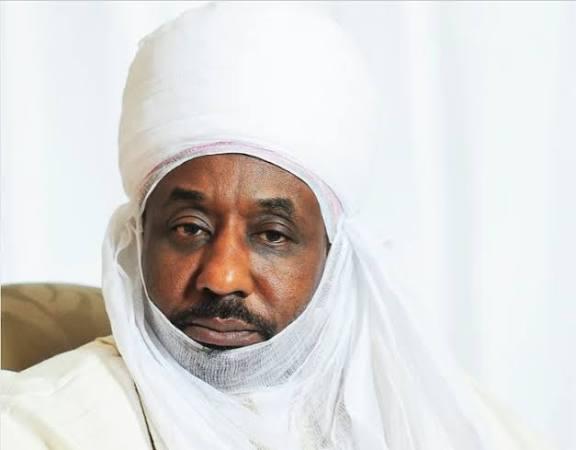
  • Former CBN governor & 16th Emir of Kano, Muhammadu Sanusi II has criticized the FG for continued borrowing despite removing fuel subsidy.

    Speaking at the Oxford Global Think Tank Leadership Conference in Abuja, Sanusi said the subsidy removal had already increased revenue & questioned why the Bola Tinubu administration was still taking loans.

    He praised the removal of fuel subsidy & exchange rate unification as “painful but necessary,” but warned that reckless spending could erase the gains. “If you stop paying subsidies but continue borrowing, it means you’ve filled one hole only to dig another,” he said.

    Sanusi blamed the nation’s economic woes on years of poor fiscal management & populist policies. He urged the government to cut waste, asking, “Why do we need 48 ministers & long convoys?”

    He also condemned the culture of praise-singing in governance, noting that sycophancy prevents leaders from hearing the truth. According to him, leaders must seek honest advisers rather than those who flatter them.
    Former CBN governor & 16th Emir of Kano, Muhammadu Sanusi II has criticized the FG for continued borrowing despite removing fuel subsidy. Speaking at the Oxford Global Think Tank Leadership Conference in Abuja, Sanusi said the subsidy removal had already increased revenue & questioned why the Bola Tinubu administration was still taking loans. He praised the removal of fuel subsidy & exchange rate unification as “painful but necessary,” but warned that reckless spending could erase the gains. “If you stop paying subsidies but continue borrowing, it means you’ve filled one hole only to dig another,” he said. Sanusi blamed the nation’s economic woes on years of poor fiscal management & populist policies. He urged the government to cut waste, asking, “Why do we need 48 ministers & long convoys?” He also condemned the culture of praise-singing in governance, noting that sycophancy prevents leaders from hearing the truth. According to him, leaders must seek honest advisers rather than those who flatter them.
    0 Kommentare ·0 Geteilt ·1KB Ansichten
  • Nigerian Federal Workers Demand Payment Of Wage Arrears, Salary Harmonisation.

    The forum noted that the ₦35,000 wage award was introduced as a cost of living allowance after the removal of fuel subsidy and the devaluation of the naira.

    The Federal Workers Forum (FWF) has called on the President Bola Tinubu-led government to immediately pay the outstanding three months wage award owed to federal workers, harmonise salaries across the public service, and improve welfare conditions.

    In a strongly worded statement issued on Wednesday and signed by Comrade Andrew Emelieze, the National Coordinator, the workers group said the government’s failure to fulfill its wage obligations had caused severe hardship among its workforce.

    “The refusal of the federal government to pay up the balance of the outstanding three months wage award as promised by the Accountant General of the Federation has shown clearly how our government has been treating her workers. Same also has been the case for so many backlog of arrears owed the federal workers especially promotion arrears, in some cases over ten years backlog owed the federal workers in Nigeria,” the statement read.

    The forum noted that the ₦35,000 wage award was introduced as a cost of living allowance after the removal of fuel subsidy and the devaluation of the naira. However, the group accused the government of inconsistent and delayed payments.

    “Our government eventually decided to give a paltry sum of ₦35,000 to all federal workers irrespective of their grade levels."

    "The payment since it's implementation has been inconsistent and staggering, most times it has taken the Federal Workers Forum to cry out before payments are made. As a matter of facts , the federal government has been very unfaithful in the payment of the wage award, thus the purpose of setting up the wage award to cushion the horrible effects of fuel subsidy removal has been defeated.”

    According to the forum, the payment of wage awards stopped in February 2024 following the implementation of the new national minimum wage in August 2024. At that time, the government owed workers five months of wage awards covering March to July 2024.

    Nigerian Federal Workers Demand Payment Of Wage Arrears, Salary Harmonisation. The forum noted that the ₦35,000 wage award was introduced as a cost of living allowance after the removal of fuel subsidy and the devaluation of the naira. The Federal Workers Forum (FWF) has called on the President Bola Tinubu-led government to immediately pay the outstanding three months wage award owed to federal workers, harmonise salaries across the public service, and improve welfare conditions. In a strongly worded statement issued on Wednesday and signed by Comrade Andrew Emelieze, the National Coordinator, the workers group said the government’s failure to fulfill its wage obligations had caused severe hardship among its workforce. “The refusal of the federal government to pay up the balance of the outstanding three months wage award as promised by the Accountant General of the Federation has shown clearly how our government has been treating her workers. Same also has been the case for so many backlog of arrears owed the federal workers especially promotion arrears, in some cases over ten years backlog owed the federal workers in Nigeria,” the statement read. The forum noted that the ₦35,000 wage award was introduced as a cost of living allowance after the removal of fuel subsidy and the devaluation of the naira. However, the group accused the government of inconsistent and delayed payments. “Our government eventually decided to give a paltry sum of ₦35,000 to all federal workers irrespective of their grade levels." "The payment since it's implementation has been inconsistent and staggering, most times it has taken the Federal Workers Forum to cry out before payments are made. As a matter of facts , the federal government has been very unfaithful in the payment of the wage award, thus the purpose of setting up the wage award to cushion the horrible effects of fuel subsidy removal has been defeated.” According to the forum, the payment of wage awards stopped in February 2024 following the implementation of the new national minimum wage in August 2024. At that time, the government owed workers five months of wage awards covering March to July 2024.
    0 Kommentare ·0 Geteilt ·935 Ansichten
  • Tinubu grants mass clemency to 175 Nigerians including Herbert Macaulay , Mamman Vatsa, Ogoni Nine, and Farouk Lawan.

    President Bola Tinubu extends historic pardons to national icons, ex-lawmakers, and long-serving inmates — sparking debate over justice, mercy, and selective forgiveness.

    In a landmark exercise of presidential clemency, President Bola Ahmed Tinubu has approved the pardon of 175 Nigerians, including posthumous exonerations for Herbert Macaulay, Major General Mamman Jiya Vatsa, and the Ogoni Nine, alongside amnesty for several living convicts such as former lawmaker Farouk Lawan.

    The decision, endorsed by the National Council of State in Abuja, was made public through a State House statement issued on Wednesday by Presidential Adviser Bayo Onanuga.

    Among the pardoned historical figures, Herbert Macaulay—Nigeria’s founding nationalist and co-founder of the National Council of Nigeria and the Cameroons (NCNC)—was posthumously cleared of his 1913 colonial conviction, which barred him from public service. Mamman Vatsa, a poet and general executed in 1986 for alleged treason, also received a symbolic national pardon nearly four decades later.
    Equally significant is the posthumous pardon of the Ogoni Nine, led by environmental activist Ken Saro-Wiwa, whose 1995 execution by the military regime sparked global outrage. Their rehabilitation comes with national honours awarded to four other Ogoni elders for their advocacy and sacrifice.

    The list of pardoned individuals includes:
    Farouk Lawan, convicted for bribery while chairing the House fuel subsidy probe,
    Nweke Francis Chibueze, a convicted drug trafficker,
    Dr. Nwogu Peters, jailed for fraud,
    Mrs. Anastasia Daniel Nwaobia, Barr. Hussaini Umar, and Ayinla Saadu Alanamu, among others.
    According to the PACPM’s report, 175 beneficiaries met the criteria of old age, ill health, good conduct, rehabilitation, or remorse during long-term imprisonment.

    However, the decision has ignited public debate. Activist Omoyele Sowore criticized the clemency list, accusing President Tinubu of “forgiving political criminals while keeping Mazi Nnamdi Kanu behind bars despite court rulings in his favour.”
    Sowore wrote on X (formerly Twitter):
    “Criminals and political thieves are forgiven, celebrated, and rehabilitated, while a man demanding self-determination remains unjustly detained.”
    The presidency, however, insists the move aligns with Nigeria’s constitutional commitment to mercy, justice reform, and national healing.
    Tinubu grants mass clemency to 175 Nigerians including Herbert Macaulay , Mamman Vatsa, Ogoni Nine, and Farouk Lawan. President Bola Tinubu extends historic pardons to national icons, ex-lawmakers, and long-serving inmates — sparking debate over justice, mercy, and selective forgiveness. In a landmark exercise of presidential clemency, President Bola Ahmed Tinubu has approved the pardon of 175 Nigerians, including posthumous exonerations for Herbert Macaulay, Major General Mamman Jiya Vatsa, and the Ogoni Nine, alongside amnesty for several living convicts such as former lawmaker Farouk Lawan. The decision, endorsed by the National Council of State in Abuja, was made public through a State House statement issued on Wednesday by Presidential Adviser Bayo Onanuga. Among the pardoned historical figures, Herbert Macaulay—Nigeria’s founding nationalist and co-founder of the National Council of Nigeria and the Cameroons (NCNC)—was posthumously cleared of his 1913 colonial conviction, which barred him from public service. Mamman Vatsa, a poet and general executed in 1986 for alleged treason, also received a symbolic national pardon nearly four decades later. Equally significant is the posthumous pardon of the Ogoni Nine, led by environmental activist Ken Saro-Wiwa, whose 1995 execution by the military regime sparked global outrage. Their rehabilitation comes with national honours awarded to four other Ogoni elders for their advocacy and sacrifice. The list of pardoned individuals includes: Farouk Lawan, convicted for bribery while chairing the House fuel subsidy probe, Nweke Francis Chibueze, a convicted drug trafficker, Dr. Nwogu Peters, jailed for fraud, Mrs. Anastasia Daniel Nwaobia, Barr. Hussaini Umar, and Ayinla Saadu Alanamu, among others. According to the PACPM’s report, 175 beneficiaries met the criteria of old age, ill health, good conduct, rehabilitation, or remorse during long-term imprisonment. However, the decision has ignited public debate. Activist Omoyele Sowore criticized the clemency list, accusing President Tinubu of “forgiving political criminals while keeping Mazi Nnamdi Kanu behind bars despite court rulings in his favour.” Sowore wrote on X (formerly Twitter): “Criminals and political thieves are forgiven, celebrated, and rehabilitated, while a man demanding self-determination remains unjustly detained.” The presidency, however, insists the move aligns with Nigeria’s constitutional commitment to mercy, justice reform, and national healing.
    like
    1
    · 0 Kommentare ·0 Geteilt ·2KB Ansichten
  • Nigeria Seeks just $2bn China Loan to Build National Super Grid, Tackle Power Deficit — Minister of Power, Adebayo Adelabu.

    Nigeria is negotiating a $2 billion loan with China’s Export-Import Bank to fund the construction of a new “super grid” designed to resolve the nation’s chronic electricity shortages and stimulate industrial expansion.

    Power Minister Adebayo Adelabu disclosed this at an economic summit in Abuja on Monday, explaining that the proposed transmission network will connect the country’s eastern and western regions — home to most of Nigeria’s industrial users. He said the project forms part of government efforts to decentralize power generation and encourage major industrial consumers who abandoned the unreliable national grid to reconnect.

    “It’s part of our strategy to decentralize power generation and bring back heavy commercial users who left the grid because of its instability,” Adelabu stated.

    Nigeria’s power sector remains one of the biggest obstacles to economic growth.
    Despite an installed capacity of about 13 gigawatts, the national grid delivers only a fraction of that to more than 200 million citizens, frequently suffering system collapses. By contrast, South Africa, with a quarter of Nigeria’s population, generates around 70 gigawatts.

    Adelabu noted that the widespread shift to self-generation now accounts for nearly half of Nigeria’s total electricity use. The planned super grid, he said, will boost transmission efficiency and deliver more power to industrial zones. The Federal Executive Council has already approved the project’s financing plan.

    The initiative aligns with President Bola Tinubu’s economic reforms, which include fuel subsidy removal, tax law overhaul, improved oil sector security, and efforts to enhance the financial stability of the power industry.

    Adelabu also revealed that recent electricity tariff adjustments for urban consumers have strengthened revenue in the sector, rising by 70% in 2024, with projections to grow another 41% to ₦2.4 trillion ($1.6 billion) by year’s end.
    Nigeria Seeks just $2bn China Loan to Build National Super Grid, Tackle Power Deficit — Minister of Power, Adebayo Adelabu. Nigeria is negotiating a $2 billion loan with China’s Export-Import Bank to fund the construction of a new “super grid” designed to resolve the nation’s chronic electricity shortages and stimulate industrial expansion. Power Minister Adebayo Adelabu disclosed this at an economic summit in Abuja on Monday, explaining that the proposed transmission network will connect the country’s eastern and western regions — home to most of Nigeria’s industrial users. He said the project forms part of government efforts to decentralize power generation and encourage major industrial consumers who abandoned the unreliable national grid to reconnect. “It’s part of our strategy to decentralize power generation and bring back heavy commercial users who left the grid because of its instability,” Adelabu stated. Nigeria’s power sector remains one of the biggest obstacles to economic growth. Despite an installed capacity of about 13 gigawatts, the national grid delivers only a fraction of that to more than 200 million citizens, frequently suffering system collapses. By contrast, South Africa, with a quarter of Nigeria’s population, generates around 70 gigawatts. Adelabu noted that the widespread shift to self-generation now accounts for nearly half of Nigeria’s total electricity use. The planned super grid, he said, will boost transmission efficiency and deliver more power to industrial zones. The Federal Executive Council has already approved the project’s financing plan. The initiative aligns with President Bola Tinubu’s economic reforms, which include fuel subsidy removal, tax law overhaul, improved oil sector security, and efforts to enhance the financial stability of the power industry. Adelabu also revealed that recent electricity tariff adjustments for urban consumers have strengthened revenue in the sector, rising by 70% in 2024, with projections to grow another 41% to ₦2.4 trillion ($1.6 billion) by year’s end.
    0 Kommentare ·0 Geteilt ·591 Ansichten
  • Account for N14trn fuel subsidy savings or face legal action’, SERAP tells 36 governors, Wike.

    Socio-Economic Rights and Accountability Project (SERAP) has urged Nigeria’s 36 state governors and the Minister of the Federal Capital Territory, Mr Nyesom Wike to “urgently disclose the spending details of the estimated N14trn fuel subsidy savings they collected from FAAC allocations, including details and locations of projects executed with the money, and the implementation status and completion reports, if any, on the projects.”

    SERAP urged them to “provide details of the plans on how subsequent fuel subsidy savings they expect to collect from FAAC allocations, including details of any planned projects on which the money would be spent.”

    SERAP also urged them to “publicly invite the Independent Corrupt Practices and Other Related Offences Commission (ICPC) and Economic and Financial Crimes Commission (EFCC) to track and monitor the spending of the fuel subsidy savings collected by you, to ensure that the money is not diverted into private pockets.”

    The 36 governors and the FCT minister have reportedly collected trillions of naira from FAAC allocations as fuel subsidy savings since mid-2023. But the increased allocations have not translated into improved access to basic public services, such as quality healthcare and education for poor and vulnerable Nigerians.

    In the Freedom of Information requests dated 4 October 2025 and signed by SERAP deputy director Kolawole Oluwadare, the organisation said: “There is a legitimate public interest for governors and the FCT minister to urgently explain how they have spent the money they have so far collected from the subsidy savings.”

    SERAP said, “The savings from the removal of fuel subsidy ought to be spent solely for the benefit of the poor and vulnerable Nigerians who are bearing the brunt of the removal. Transparency in the spending of the money would help to avoid a morally repugnant result of double jeopardy on these Nigerians.”

    The FoI requests, read in part: “There is a significant risk of mismanagement or diversion of funds linked to the increased FAAC allocations collected by the states and FCT.”

    “The spending details of the money collected by several states and the FCT from fuel subsidy savings have been mostly shrouded in secrecy.”
    Account for N14trn fuel subsidy savings or face legal action’, SERAP tells 36 governors, Wike. Socio-Economic Rights and Accountability Project (SERAP) has urged Nigeria’s 36 state governors and the Minister of the Federal Capital Territory, Mr Nyesom Wike to “urgently disclose the spending details of the estimated N14trn fuel subsidy savings they collected from FAAC allocations, including details and locations of projects executed with the money, and the implementation status and completion reports, if any, on the projects.” SERAP urged them to “provide details of the plans on how subsequent fuel subsidy savings they expect to collect from FAAC allocations, including details of any planned projects on which the money would be spent.” SERAP also urged them to “publicly invite the Independent Corrupt Practices and Other Related Offences Commission (ICPC) and Economic and Financial Crimes Commission (EFCC) to track and monitor the spending of the fuel subsidy savings collected by you, to ensure that the money is not diverted into private pockets.” The 36 governors and the FCT minister have reportedly collected trillions of naira from FAAC allocations as fuel subsidy savings since mid-2023. But the increased allocations have not translated into improved access to basic public services, such as quality healthcare and education for poor and vulnerable Nigerians. In the Freedom of Information requests dated 4 October 2025 and signed by SERAP deputy director Kolawole Oluwadare, the organisation said: “There is a legitimate public interest for governors and the FCT minister to urgently explain how they have spent the money they have so far collected from the subsidy savings.” SERAP said, “The savings from the removal of fuel subsidy ought to be spent solely for the benefit of the poor and vulnerable Nigerians who are bearing the brunt of the removal. Transparency in the spending of the money would help to avoid a morally repugnant result of double jeopardy on these Nigerians.” The FoI requests, read in part: “There is a significant risk of mismanagement or diversion of funds linked to the increased FAAC allocations collected by the states and FCT.” “The spending details of the money collected by several states and the FCT from fuel subsidy savings have been mostly shrouded in secrecy.”
    0 Kommentare ·0 Geteilt ·869 Ansichten
  • Removing Corrupt Petroleum Subsidy Was A Tough, But Necessary Decision – President Tinubu Opens Up.

    President Bola Tinubu, on Wednesday, admitted that it was not an easy decision to end the controversial fuel subsidy regime in Nigeria.
    Removing Corrupt Petroleum Subsidy Was A Tough, But Necessary Decision - President Tinubu Opens Up
    He, however, added that it was a necessary and timely decision needed to save Nigeria’s economy from total collapse.

    President Tinubu made the acknowledgement during his nationwide broadcast to Nigerians on the occasion of the country’s 65th Independence Anniversary celebration.

    It would be recalled that President Tinubu, on May 29, 2023, right from the venue of his inauguration, declared an end to the fuel subsidy regime, prompting an immediate rise in the price of petrol, heightened inflation and other economic pressures.

    Addressing the issue during his speech on Wednesday, Tinubu stated that the fuel subsidy regime was a corrupt system that needed to be abolished. He added that since the removal of fuel subsidy, the accruing financial resources have been deployed to other areas of development in the country.

    “As a new administration, we faced a simple choice: continue business as usual and watch our nation drift, or embark on a courageous, fundamental reform path. We chose the path of reform. We chose the path of tomorrow over the comfort of today.

    “In resetting our country for sustainable growth, we ended the corrupt fuel subsidies and multiple foreign exchange rates that created massive incentives for a rentier economy, benefiting only a tiny minority. At the same time, the masses received little or nothing from our commonwealth,” he said.

    The President explained that the money saved from subsidy removal was channelled to other key areas, education, healthcare, security, agriculture, and infrastructure, areas he said would improve the lives of Nigerians.

    “Following the removal of the corrupt petroleum subsidy, we have freed up trillions of Naira for targeted investment in the real economy and social programmes for the most vulnerable, as well as all tiers of government.
    Removing Corrupt Petroleum Subsidy Was A Tough, But Necessary Decision – President Tinubu Opens Up. President Bola Tinubu, on Wednesday, admitted that it was not an easy decision to end the controversial fuel subsidy regime in Nigeria. Removing Corrupt Petroleum Subsidy Was A Tough, But Necessary Decision - President Tinubu Opens Up He, however, added that it was a necessary and timely decision needed to save Nigeria’s economy from total collapse. President Tinubu made the acknowledgement during his nationwide broadcast to Nigerians on the occasion of the country’s 65th Independence Anniversary celebration. It would be recalled that President Tinubu, on May 29, 2023, right from the venue of his inauguration, declared an end to the fuel subsidy regime, prompting an immediate rise in the price of petrol, heightened inflation and other economic pressures. Addressing the issue during his speech on Wednesday, Tinubu stated that the fuel subsidy regime was a corrupt system that needed to be abolished. He added that since the removal of fuel subsidy, the accruing financial resources have been deployed to other areas of development in the country. “As a new administration, we faced a simple choice: continue business as usual and watch our nation drift, or embark on a courageous, fundamental reform path. We chose the path of reform. We chose the path of tomorrow over the comfort of today. “In resetting our country for sustainable growth, we ended the corrupt fuel subsidies and multiple foreign exchange rates that created massive incentives for a rentier economy, benefiting only a tiny minority. At the same time, the masses received little or nothing from our commonwealth,” he said. The President explained that the money saved from subsidy removal was channelled to other key areas, education, healthcare, security, agriculture, and infrastructure, areas he said would improve the lives of Nigerians. “Following the removal of the corrupt petroleum subsidy, we have freed up trillions of Naira for targeted investment in the real economy and social programmes for the most vulnerable, as well as all tiers of government.
    0 Kommentare ·0 Geteilt ·955 Ansichten
  • Subsidy fraud: Otedola slams N1bn suit on Sani, asks Tinubu to release Aig-Imoukhuede report.

    Nigerian businessman, Femi Otedola, has said that he has instructed his lawyers to file a N1 billion libel suit against Umar Sani, a former aide to Vice President Namadi Sambo.

    The development followed allegations made by Sani, linking Otedola to the fuel subsidy fraud under the Goodluck Jonathan administration.

    In response to Otedola’s allegation that “over N2 trillion was siphoned through questionable subsidy claims under the Jonathan administration”, Sani had claimed that “Otedola himself enjoyed enormous privileges during the era”.

    Sani equally accused Otedola of engaging in “hypocritical, selective, and convenient rewriting of history”.

    However, in a statement released late on Sunday night, Otedola described Sani’s claims as “malicious lies”.

    Recalling his role in exposing the subsidy scam, Otedola said he was the first to alert former President Goodluck Jonathan and then Senate President Bukola Saraki of the fraud at the time, wondering how he could be accused of benefiting from the same scam he blew the whistle on.

    Dismissing Sani’s attempts to link him with the subsidy scandal, Otedola declared that his company, Zenon Petroleum, never traded in petrol and therefore could not have accessed the subsidy funds.

    Announcing his decision to sue the former presidential aide over the alleged defamatory remarks, Otedola insisted that he would not allow anyone to toy with his hard-earned reputation.

    Subsidy fraud: Otedola slams N1bn suit on Sani, asks Tinubu to release Aig-Imoukhuede report. Nigerian businessman, Femi Otedola, has said that he has instructed his lawyers to file a N1 billion libel suit against Umar Sani, a former aide to Vice President Namadi Sambo. The development followed allegations made by Sani, linking Otedola to the fuel subsidy fraud under the Goodluck Jonathan administration. In response to Otedola’s allegation that “over N2 trillion was siphoned through questionable subsidy claims under the Jonathan administration”, Sani had claimed that “Otedola himself enjoyed enormous privileges during the era”. Sani equally accused Otedola of engaging in “hypocritical, selective, and convenient rewriting of history”. However, in a statement released late on Sunday night, Otedola described Sani’s claims as “malicious lies”. Recalling his role in exposing the subsidy scam, Otedola said he was the first to alert former President Goodluck Jonathan and then Senate President Bukola Saraki of the fraud at the time, wondering how he could be accused of benefiting from the same scam he blew the whistle on. Dismissing Sani’s attempts to link him with the subsidy scandal, Otedola declared that his company, Zenon Petroleum, never traded in petrol and therefore could not have accessed the subsidy funds. Announcing his decision to sue the former presidential aide over the alleged defamatory remarks, Otedola insisted that he would not allow anyone to toy with his hard-earned reputation.
    0 Kommentare ·0 Geteilt ·735 Ansichten
  • Gov. Umo Eno Explains Why He Dumped PDP for APC

    Governor Umo Eno of Akwa Ibom State has revealed that it took him nearly seven months to convince the people of the state on why he decided to leave the Peoples Democratic Party (PDP) for the All Progressives Congress (APC).

    Eno, who officially defected in June 2025, said his decision was driven by his conviction that President Bola Ahmed Tinubu is doing well in office. He explained that while he deeply appreciates the platform provided by the PDP, the constitution allows leaders the freedom to align with the party that reflects their convictions.

    “Everyone has their conviction and what they live for. Personally, I am convinced beyond any doubt that this president is doing well. Politics itself is dynamic. The constitution permits movement when you need to support what you believe in,” Eno stated during an interview with Arise Television.

    The governor disclosed that he spent close to six to seven months meeting with various groups in Akwa Ibom, explaining why he felt it was necessary to support Tinubu’s administration.

    He stressed that his choice should not be a subject of personal attacks, noting that political opinions are a constitutional right.

    On the economy, Eno praised Tinubu for making bold reforms despite the challenges he inherited.

    “This president met the economy in shambles. Today, the naira is stabilizing. We are seeing reforms in tax, electricity, and subsidy removal. From day one, he ended fuel subsidy—something even military presidents could not do. That bold step freed funds for states to provide better services,” he said.

    Eno also highlighted progress in the power sector, citing that states can now participate directly in the electricity market to serve citizens better.
    Gov. Umo Eno Explains Why He Dumped PDP for APC Governor Umo Eno of Akwa Ibom State has revealed that it took him nearly seven months to convince the people of the state on why he decided to leave the Peoples Democratic Party (PDP) for the All Progressives Congress (APC). Eno, who officially defected in June 2025, said his decision was driven by his conviction that President Bola Ahmed Tinubu is doing well in office. He explained that while he deeply appreciates the platform provided by the PDP, the constitution allows leaders the freedom to align with the party that reflects their convictions. “Everyone has their conviction and what they live for. Personally, I am convinced beyond any doubt that this president is doing well. Politics itself is dynamic. The constitution permits movement when you need to support what you believe in,” Eno stated during an interview with Arise Television. The governor disclosed that he spent close to six to seven months meeting with various groups in Akwa Ibom, explaining why he felt it was necessary to support Tinubu’s administration. He stressed that his choice should not be a subject of personal attacks, noting that political opinions are a constitutional right. On the economy, Eno praised Tinubu for making bold reforms despite the challenges he inherited. “This president met the economy in shambles. Today, the naira is stabilizing. We are seeing reforms in tax, electricity, and subsidy removal. From day one, he ended fuel subsidy—something even military presidents could not do. That bold step freed funds for states to provide better services,” he said. Eno also highlighted progress in the power sector, citing that states can now participate directly in the electricity market to serve citizens better.
    0 Kommentare ·0 Geteilt ·525 Ansichten
  • Yoruba political organization warns Nigerian youths not to make mistake of voting Tinubu again.

    The Yoruba socio-political organisation, Ìgbìmò Májékóbájé Ilé-Yorùbá, has again criticised President Bola Tinubu, accusing him of using propaganda to exaggerate progress while millions of Nigerians continue to suffer.

    The union highlighted that Nigeria is facing an unprecedented humanitarian crisis, with widespread hunger forcing citizens into desperate measures.

    In a statement released on Tuesday and signed by the group’s Convener, Olusola Badero, and Home Director, Princess Balogun, the union said the dignity of the Yoruba people has been eroded by harsh economic policies, including the removal of the fuel subsidy.

    The union further criticised the government’s focus on foreign trips while failing to address hunger, insecurity, and domestic welfare.

    The statement read, “We cannot jeopardise the future of our people because Tinubu, who is Yoruba, is confused and has run out of ideas.

    “Yoruba people do not joke or compromise their integrity, but today, things have fallen apart. Ọmọ Eleran tí jẹ Egungun — ‘The son of meat sellers is now eating bones.’

    “Never in history have we witnessed such dire situations. Married women have been forced into casual relationships, children are turning to internet fraud (‘yahoo yahoo’) due to poverty and anti-people policies, and insecurity has displaced many from their ancestral homes. Farmers can no longer cultivate their lands, which have been seized by terrorists.”

    “A government that cannot guarantee the safety of its people has no right to govern through propaganda and deceit.

    “A government prioritising negotiations with terrorists instead of neutralising them has failed its fundamental duty. Businesses have collapsed, family heads are ridiculed for their inability to provide, and children are dropping out of school because parents cannot afford education.”

    “We urge Nigerians to go out in large numbers to register to vote and to never repeat the mistake of voting for Tinubu and his allies, who have subjected citizens to modern-day slavery through anti-people policies. Tinubu’s only apparent achievement has been imposing more taxes on the people,” the statement added.
    Yoruba political organization warns Nigerian youths not to make mistake of voting Tinubu again. The Yoruba socio-political organisation, Ìgbìmò Májékóbájé Ilé-Yorùbá, has again criticised President Bola Tinubu, accusing him of using propaganda to exaggerate progress while millions of Nigerians continue to suffer. The union highlighted that Nigeria is facing an unprecedented humanitarian crisis, with widespread hunger forcing citizens into desperate measures. In a statement released on Tuesday and signed by the group’s Convener, Olusola Badero, and Home Director, Princess Balogun, the union said the dignity of the Yoruba people has been eroded by harsh economic policies, including the removal of the fuel subsidy. The union further criticised the government’s focus on foreign trips while failing to address hunger, insecurity, and domestic welfare. The statement read, “We cannot jeopardise the future of our people because Tinubu, who is Yoruba, is confused and has run out of ideas. “Yoruba people do not joke or compromise their integrity, but today, things have fallen apart. Ọmọ Eleran tí jẹ Egungun — ‘The son of meat sellers is now eating bones.’ “Never in history have we witnessed such dire situations. Married women have been forced into casual relationships, children are turning to internet fraud (‘yahoo yahoo’) due to poverty and anti-people policies, and insecurity has displaced many from their ancestral homes. Farmers can no longer cultivate their lands, which have been seized by terrorists.” “A government that cannot guarantee the safety of its people has no right to govern through propaganda and deceit. “A government prioritising negotiations with terrorists instead of neutralising them has failed its fundamental duty. Businesses have collapsed, family heads are ridiculed for their inability to provide, and children are dropping out of school because parents cannot afford education.” “We urge Nigerians to go out in large numbers to register to vote and to never repeat the mistake of voting for Tinubu and his allies, who have subjected citizens to modern-day slavery through anti-people policies. Tinubu’s only apparent achievement has been imposing more taxes on the people,” the statement added.
    0 Kommentare ·0 Geteilt ·2KB Ansichten

  • Tinubu’s Bold Reforms Usually Reserved for Second Term – Gbajabiamila

    President Bola Ahmed Tinubu’s Chief of Staff, Femi Gbajabiamila, has revealed that the sweeping reforms currently being implemented by the administration are measures typically reserved for politicians’ second term in office.

    Speaking during an interview on Channels Television, Gbajabiamila explained that the president deliberately chose to roll out “difficult but necessary” policies at the start of his tenure, signaling his focus on long-term national development rather than short-term political advantage.

    “The reforms you see now, which will naturally have consequences, are the kind of policies politicians usually postpone until their second term. President Tinubu decided to act immediately because he is committed to Nigeria’s future, not just political survival,” Gbajabiamila said.

    Among the reforms introduced since May 2023 are the removal of fuel subsidy, unification of foreign exchange rates, and other fiscal policies aimed at stabilizing the economy. While these measures have triggered inflation and rising costs, the Chief of Staff stressed that they are crucial for long-term progress.

    He acknowledged that Nigerians are feeling the immediate hardship but urged patience, noting that meaningful transformations take time.

    “We are laying a foundation that will serve generations to come. The president is thinking beyond politics—he is focused on history and legacy,” Gbajabiamila added.


    Political observers see the move as a signal that the administration is ready to withstand criticism and bear the political cost in order to reposition Nigeria. Commenting on the situation, a Lagos-based analyst noted:

    “The hope is that these changes will start to bear fruit before the next election, but what’s clear is that the government is prioritizing reform over political convenience.”

    Gbajabiamila concluded by appealing to Nigerians for understanding, emphasizing that Tinubu is determined to pursue a course correction for the country despite the challenges.
    Tinubu’s Bold Reforms Usually Reserved for Second Term – Gbajabiamila President Bola Ahmed Tinubu’s Chief of Staff, Femi Gbajabiamila, has revealed that the sweeping reforms currently being implemented by the administration are measures typically reserved for politicians’ second term in office. Speaking during an interview on Channels Television, Gbajabiamila explained that the president deliberately chose to roll out “difficult but necessary” policies at the start of his tenure, signaling his focus on long-term national development rather than short-term political advantage. “The reforms you see now, which will naturally have consequences, are the kind of policies politicians usually postpone until their second term. President Tinubu decided to act immediately because he is committed to Nigeria’s future, not just political survival,” Gbajabiamila said. Among the reforms introduced since May 2023 are the removal of fuel subsidy, unification of foreign exchange rates, and other fiscal policies aimed at stabilizing the economy. While these measures have triggered inflation and rising costs, the Chief of Staff stressed that they are crucial for long-term progress. He acknowledged that Nigerians are feeling the immediate hardship but urged patience, noting that meaningful transformations take time. “We are laying a foundation that will serve generations to come. The president is thinking beyond politics—he is focused on history and legacy,” Gbajabiamila added. Political observers see the move as a signal that the administration is ready to withstand criticism and bear the political cost in order to reposition Nigeria. Commenting on the situation, a Lagos-based analyst noted: “The hope is that these changes will start to bear fruit before the next election, but what’s clear is that the government is prioritizing reform over political convenience.” Gbajabiamila concluded by appealing to Nigerians for understanding, emphasizing that Tinubu is determined to pursue a course correction for the country despite the challenges.
    0 Kommentare ·0 Geteilt ·934 Ansichten


  • Femi Falana: “No Country Has Removed Subsidies Completely”

    Human rights activist and Senior Advocate of Nigeria (SAN), Femi Falana, has argued that no nation in the world has ever completely abolished subsidies.

    Falana made this remark in a video shared on the official X (formerly Twitter) handle of Channels TV on Sunday, September 14, 2025. He was responding to questions on whether President Bola Ahmed Tinubu’s decision to remove fuel subsidy was the right move.

    According to him, even developed nations like the United States, United Kingdom, and France still subsidize critical sectors such as electricity, agriculture, and essential services.

    “There is no way you can remove subsidy. There is no country in the world that has abolished subsidies completely. Even leading western countries like the United States, United Kingdom, and France still subsidize electricity, agriculture, and many aspects of their people’s lives. As a matter of fact, it’s the IMF and World Bank that insisted government must remove all subsidies,” Falana said.

    He further stressed that the removal has placed an immense burden on Nigerians, worsening the cost of living.

    The legal luminary maintained that instead of bowing to pressure from international financial institutions, the government should prioritize policies that safeguard the welfare of its citizens.
    Femi Falana: “No Country Has Removed Subsidies Completely” Human rights activist and Senior Advocate of Nigeria (SAN), Femi Falana, has argued that no nation in the world has ever completely abolished subsidies. Falana made this remark in a video shared on the official X (formerly Twitter) handle of Channels TV on Sunday, September 14, 2025. He was responding to questions on whether President Bola Ahmed Tinubu’s decision to remove fuel subsidy was the right move. According to him, even developed nations like the United States, United Kingdom, and France still subsidize critical sectors such as electricity, agriculture, and essential services. “There is no way you can remove subsidy. There is no country in the world that has abolished subsidies completely. Even leading western countries like the United States, United Kingdom, and France still subsidize electricity, agriculture, and many aspects of their people’s lives. As a matter of fact, it’s the IMF and World Bank that insisted government must remove all subsidies,” Falana said. He further stressed that the removal has placed an immense burden on Nigerians, worsening the cost of living. The legal luminary maintained that instead of bowing to pressure from international financial institutions, the government should prioritize policies that safeguard the welfare of its citizens.
    0 Kommentare ·0 Geteilt ·2KB Ansichten
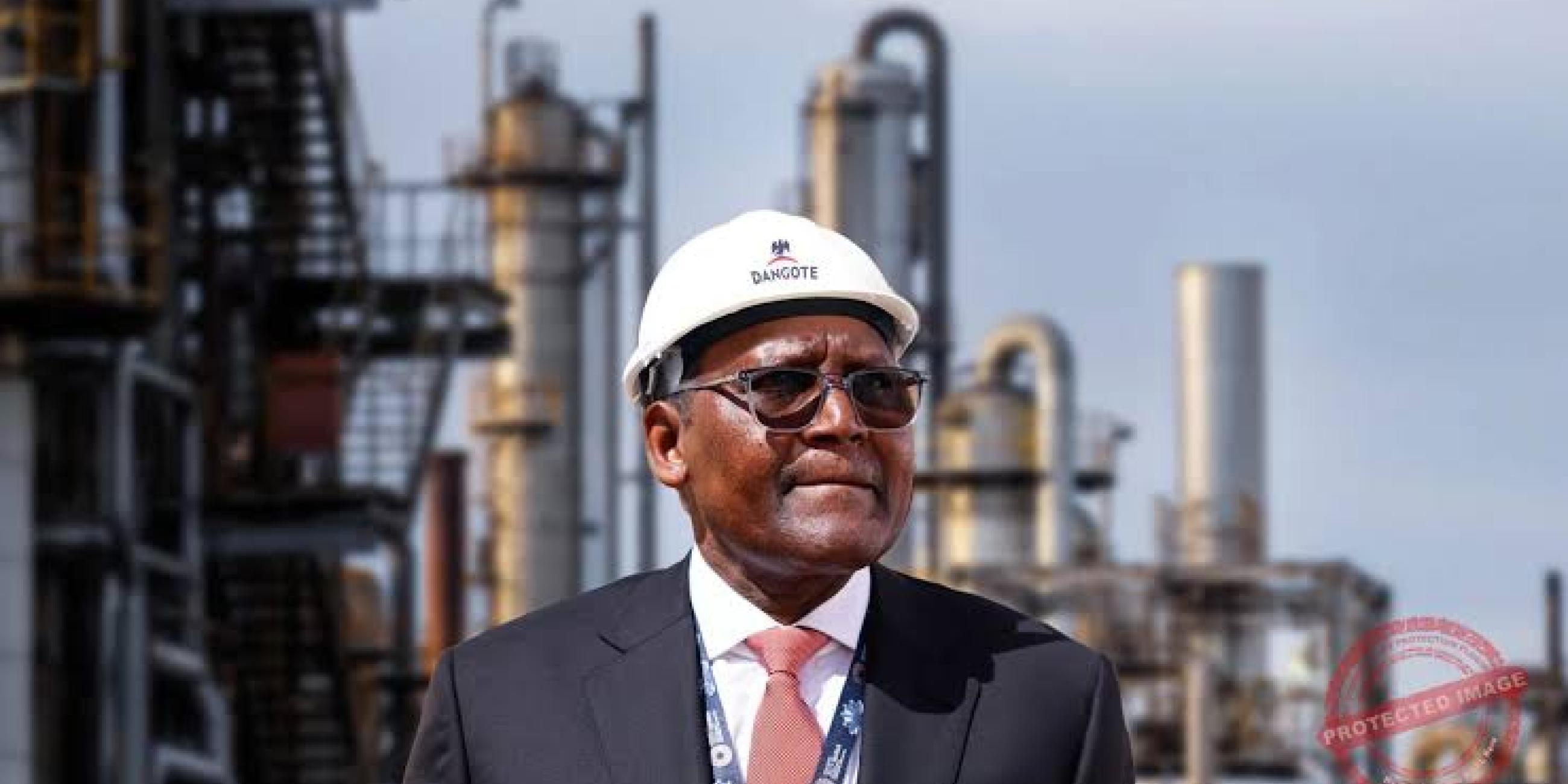
  • Tinubu Showed Statemanship, Removed Fuel Subsidy Without Thinking About Next Election – Gbajabiamila
    Femi Gbajabiamila, who is the Chief of Staff to the President, says that Tinubu acted as a leader by removing the subsidy and not a politician thinking about the next election.
    Tinubu Showed Statemanship, Removed Fuel Subsidy Without Thinking About Next Election – Gbajabiamila Femi Gbajabiamila, who is the Chief of Staff to the President, says that Tinubu acted as a leader by removing the subsidy and not a politician thinking about the next election.
    0 Kommentare ·0 Geteilt ·893 Ansichten
  • Gov Alia Criticized for Plans to Erect Giant Statues of Himself in Makurdi

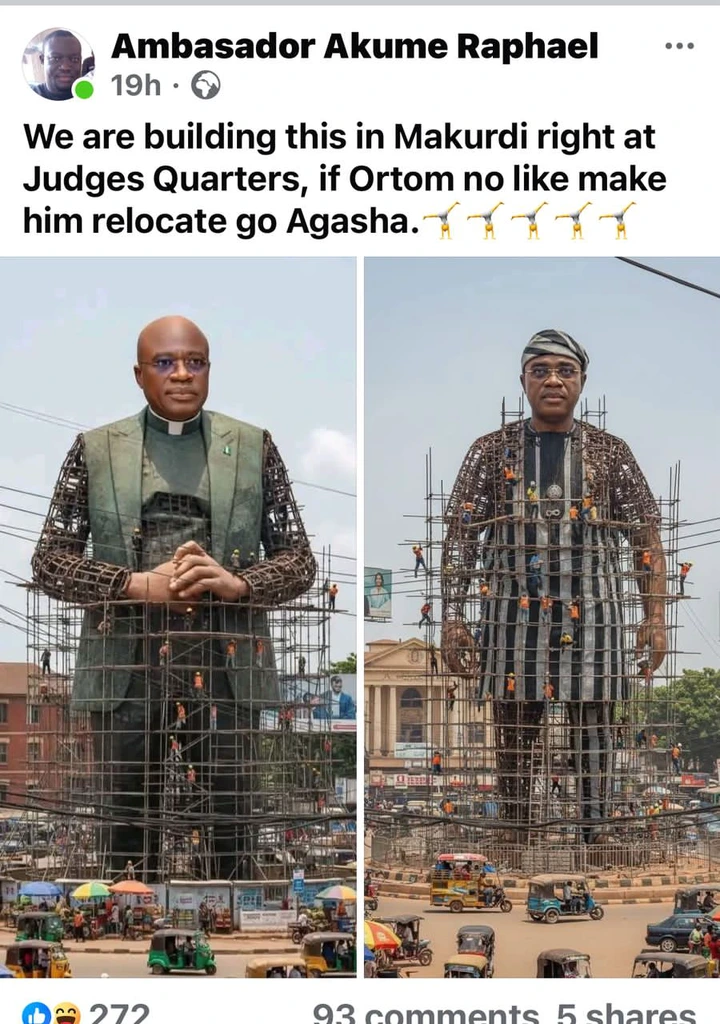
    Reports emerging from Benue State suggest that Governor Hyacinth Alia is planning to erect giant statues of himself at major junctions in Makurdi, the state capital—a move that has sparked outrage and condemnation.

    The information was first shared by Raphael Akume, the governor’s Senior Special Assistant on Media, who confirmed the project in a social media post. For many observers, this announcement erased earlier doubts and confirmed that the self-glorifying initiative is indeed in motion.

    Critics argue that the decision to spend public funds on statues amounts to a waste of resources and a betrayal of the trust of Benue people. With urgent needs in education, healthcare, infrastructure, security, and welfare, allocating funds to vanity projects is viewed as insensitive and unjustifiable.

    “Governance should focus on service, accountability, and transparency—not self-glorification,” Ornguga wrote, stressing that public resources must uplift citizens rather than fuel a cult of personality.

    No governor in Benue’s history—from Aper Aku to Samuel Ortom—ever named public assets after themselves while in office. Traditionally, infrastructure and projects are named to honor past leaders or notable figures.

    However, Governor Alia has reportedly broken this norm by naming facilities such as the “Fr Alia Quality House” at the Quality Assurance building and the “Fr Alia Complex” at the BSUTH drug collection centre after himself. Critics warn this trend risks normalizing autocratic-style branding.


    Ornguga urged Governor Alia to redirect his attention to unfulfilled campaign promises. Despite receiving increased federal allocations after fuel subsidy removal, arrears of salaries, pensions, and gratuities remain unpaid in Benue—while other states have cleared theirs.

    President Bola Tinubu himself recently noted in Makurdi that governors now receive enough funds to settle such obligations without borrowing.

    Governor Alia also promised to return internally displaced persons (IDPs) to their ancestral homes within his first 100 days in office, a pledge yet to materialize.


    Critics insist that resources earmarked for the statues should instead be invested in roads, welfare programs, and debt clearance. They warn that self-glorifying ventures risk alienating citizens and reducing governance to propaganda rather than service.

    “The time for politicking has passed. Governor Alia has enough funds to transform Benue. What the people need is leadership, not monuments of self-adulation,” Ornguga concluded.

    Gov Alia Criticized for Plans to Erect Giant Statues of Himself in Makurdi Reports emerging from Benue State suggest that Governor Hyacinth Alia is planning to erect giant statues of himself at major junctions in Makurdi, the state capital—a move that has sparked outrage and condemnation. The information was first shared by Raphael Akume, the governor’s Senior Special Assistant on Media, who confirmed the project in a social media post. For many observers, this announcement erased earlier doubts and confirmed that the self-glorifying initiative is indeed in motion. Critics argue that the decision to spend public funds on statues amounts to a waste of resources and a betrayal of the trust of Benue people. With urgent needs in education, healthcare, infrastructure, security, and welfare, allocating funds to vanity projects is viewed as insensitive and unjustifiable. “Governance should focus on service, accountability, and transparency—not self-glorification,” Ornguga wrote, stressing that public resources must uplift citizens rather than fuel a cult of personality. No governor in Benue’s history—from Aper Aku to Samuel Ortom—ever named public assets after themselves while in office. Traditionally, infrastructure and projects are named to honor past leaders or notable figures. However, Governor Alia has reportedly broken this norm by naming facilities such as the “Fr Alia Quality House” at the Quality Assurance building and the “Fr Alia Complex” at the BSUTH drug collection centre after himself. Critics warn this trend risks normalizing autocratic-style branding. Ornguga urged Governor Alia to redirect his attention to unfulfilled campaign promises. Despite receiving increased federal allocations after fuel subsidy removal, arrears of salaries, pensions, and gratuities remain unpaid in Benue—while other states have cleared theirs. President Bola Tinubu himself recently noted in Makurdi that governors now receive enough funds to settle such obligations without borrowing. Governor Alia also promised to return internally displaced persons (IDPs) to their ancestral homes within his first 100 days in office, a pledge yet to materialize. Critics insist that resources earmarked for the statues should instead be invested in roads, welfare programs, and debt clearance. They warn that self-glorifying ventures risk alienating citizens and reducing governance to propaganda rather than service. “The time for politicking has passed. Governor Alia has enough funds to transform Benue. What the people need is leadership, not monuments of self-adulation,” Ornguga concluded.
    0 Kommentare ·0 Geteilt ·3KB Ansichten
Weitere Ergebnisse
Fintter https://fintter.com