• US Arrests Former Ghana MASLOC CEO Sedina Tamakloe-Attionu, Ex-Finance Minister Over Corruption and Immigration Violations

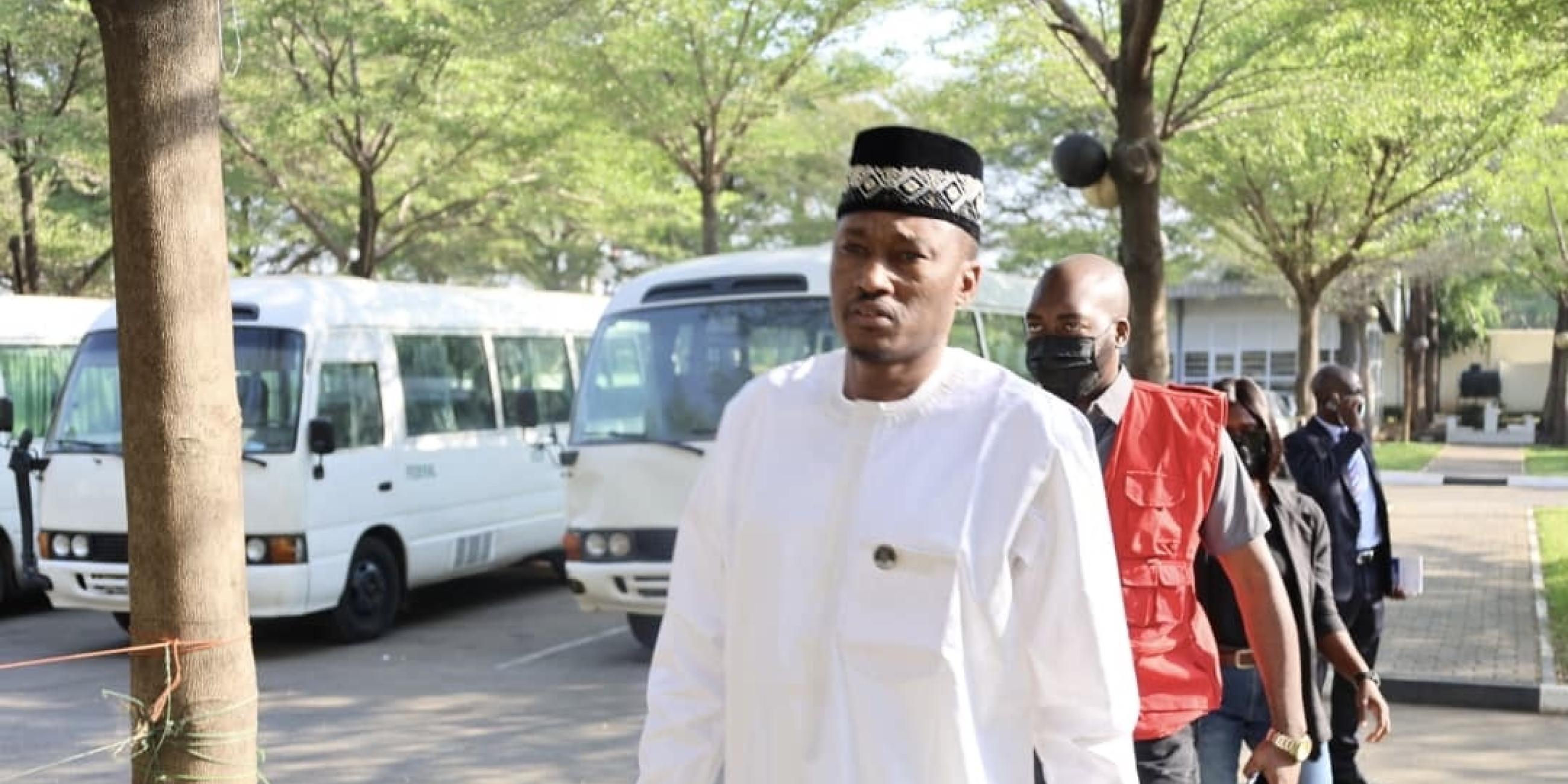
    US authorities have arrested former Ghana MASLOC CEO Sedina Tamakloe-Attionu and ex-Finance Minister Ken Ofori-Atta over alleged financial crimes and immigration violations. Tamakloe-Attionu, sentenced in absentia to 10 years for embezzlement and money laundering, fled Ghana in 2019 for medical reasons and never returned. She was detained in Nevada on January 6, 2026, following an extradition request submitted in July 2024. Ofori-Atta, detained in Virginia for overstaying his visa, faces 78 corruption-related charges in Ghana. Extradition proceedings are underway to bring both back to Ghana for trial or to serve their sentences.
    US Arrests Former Ghana MASLOC CEO Sedina Tamakloe-Attionu, Ex-Finance Minister Over Corruption and Immigration Violations US authorities have arrested former Ghana MASLOC CEO Sedina Tamakloe-Attionu and ex-Finance Minister Ken Ofori-Atta over alleged financial crimes and immigration violations. Tamakloe-Attionu, sentenced in absentia to 10 years for embezzlement and money laundering, fled Ghana in 2019 for medical reasons and never returned. She was detained in Nevada on January 6, 2026, following an extradition request submitted in July 2024. Ofori-Atta, detained in Virginia for overstaying his visa, faces 78 corruption-related charges in Ghana. Extradition proceedings are underway to bring both back to Ghana for trial or to serve their sentences.
    0 Комментарии ·0 Поделились ·2Кб Просмотры
  • EFCC Arraigns Austrian National Over Undeclared $800,585 and €651,505 at Lagos Airport

    The Economic and Financial Crimes Commission (EFCC) has arraigned Austrian national Kavlak Onal for allegedly failing to declare large sums of foreign currency at Murtala Muhammed International Airport, Lagos.

    Onal was intercepted by the Nigeria Customs Service while attempting to travel to Dubai, with $800,585 and €651,505 in his possession, reportedly concealed and undeclared. He was subsequently handed over to the EFCC for investigation and prosecution.

    The Head of the Foreign Exchange Malpractices Section, ACE II Adejumo Richard, commended the Customs Service for their cooperation in the arrest, emphasizing the importance of synergy between security agencies in combating financial crimes.

    This incident follows previous cases involving undeclared foreign currencies at Nigerian airports, including the interception of $6.1 million from passengers suspected to be couriers for politically exposed persons (PEPs).

    The EFCC continues to intensify efforts against financial crimes, highlighting its commitment to enforcing compliance with Nigeria’s foreign currency declaration laws.


    #EFCC #FinancialCrime #NigeriaSecurity”

    EFCC Arraigns Austrian National Over Undeclared $800,585 and €651,505 at Lagos Airport The Economic and Financial Crimes Commission (EFCC) has arraigned Austrian national Kavlak Onal for allegedly failing to declare large sums of foreign currency at Murtala Muhammed International Airport, Lagos. Onal was intercepted by the Nigeria Customs Service while attempting to travel to Dubai, with $800,585 and €651,505 in his possession, reportedly concealed and undeclared. He was subsequently handed over to the EFCC for investigation and prosecution. The Head of the Foreign Exchange Malpractices Section, ACE II Adejumo Richard, commended the Customs Service for their cooperation in the arrest, emphasizing the importance of synergy between security agencies in combating financial crimes. This incident follows previous cases involving undeclared foreign currencies at Nigerian airports, including the interception of $6.1 million from passengers suspected to be couriers for politically exposed persons (PEPs). The EFCC continues to intensify efforts against financial crimes, highlighting its commitment to enforcing compliance with Nigeria’s foreign currency declaration laws. #EFCC #FinancialCrime #NigeriaSecurity”
    0 Комментарии ·0 Поделились ·2Кб Просмотры
  • Jersey to Return $9.5 Million Abacha Loot to Nigeria for Major Infrastructure Project

    The Channel Island of Jersey has agreed to repatriate over $9.5 million (£7 million) linked to corrupt funds to the Nigerian government, continuing its cooperation in recovering assets stolen during the late military ruler Sani Abacha’s regime. The funds, traced to a Jersey bank account, were adjudged proceeds of corruption and will be returned under a Memorandum of Understanding (MoU) signed in December between Jersey’s Attorney General, Mark Temple KC, and Nigerian officials.

    This latest repatriation builds on prior agreements that recovered more than $300 million (£230 million) from Abacha-era looted funds. In January 2024, Jersey’s Royal Court confirmed that the funds were likely diverted by third-party contractors for the benefit of senior Nigerian officials.

    Nigeria’s Attorney-General and Minister of Justice, Lateef Fagbemi (SAN), stated that the recovered money will be used strictly according to the MoU and will fund infrastructure, specifically a critical highway connecting Abuja to Nigeria’s second-largest city. Mark Temple KC emphasized that Jersey’s civil forfeiture laws are effective tools in the fight against corruption, demonstrating the island’s commitment to preventing foreign safe havens for illicit wealth.

    The move underscores Nigeria’s ongoing international collaboration to retrieve stolen public assets and demonstrates the effectiveness of cross-border legal frameworks in combatting financial crimes and enhancing accountability.


    #AbachaLoot #NigeriaRecoversFunds #JerseyReturnsMoney #InfrastructureBoost


    Jersey to Return $9.5 Million Abacha Loot to Nigeria for Major Infrastructure Project The Channel Island of Jersey has agreed to repatriate over $9.5 million (£7 million) linked to corrupt funds to the Nigerian government, continuing its cooperation in recovering assets stolen during the late military ruler Sani Abacha’s regime. The funds, traced to a Jersey bank account, were adjudged proceeds of corruption and will be returned under a Memorandum of Understanding (MoU) signed in December between Jersey’s Attorney General, Mark Temple KC, and Nigerian officials. This latest repatriation builds on prior agreements that recovered more than $300 million (£230 million) from Abacha-era looted funds. In January 2024, Jersey’s Royal Court confirmed that the funds were likely diverted by third-party contractors for the benefit of senior Nigerian officials. Nigeria’s Attorney-General and Minister of Justice, Lateef Fagbemi (SAN), stated that the recovered money will be used strictly according to the MoU and will fund infrastructure, specifically a critical highway connecting Abuja to Nigeria’s second-largest city. Mark Temple KC emphasized that Jersey’s civil forfeiture laws are effective tools in the fight against corruption, demonstrating the island’s commitment to preventing foreign safe havens for illicit wealth. The move underscores Nigeria’s ongoing international collaboration to retrieve stolen public assets and demonstrates the effectiveness of cross-border legal frameworks in combatting financial crimes and enhancing accountability. #AbachaLoot #NigeriaRecoversFunds #JerseyReturnsMoney #InfrastructureBoost
    0 Комментарии ·0 Поделились ·2Кб Просмотры
  • Did Abdulfatah Ahmed Divert ₦5.78 Billion UBEC Funds? Why Kwara Court Adjourned Ex-Governor’s Fraud Trial to February 16

    A Kwara State High Court sitting in Ilorin has adjourned the ₦5.78 billion alleged fraud trial of former Governor Abdulfatah Ahmed and his former Commissioner for Finance, Ademola Banu, raising fresh questions about how public education funds were allegedly diverted under the previous administration. The case, which resumed before Justice Mahmud Abdulgafar, was postponed to February 16, 2026, following legal objections during the presentation of evidence by the prosecution.

    The Economic and Financial Crimes Commission (EFCC), through its Ilorin Zonal Directorate, is prosecuting the former officials over claims that funds meant for educational development were unlawfully redirected. According to the EFCC, the defendants approved the use of Universal Basic Education Commission (UBEC) matching grants—money specifically allocated for building and upgrading primary and junior secondary schools across Kwara’s 16 local government areas—to pay civil servants’ salaries, contrary to the conditions attached to the funds.

    During the latest hearing, the prosecution called its sixth witness, Stanley Ujilibo, who told the court that the EFCC obtained bank statements from Polaris Bank (formerly Skye Bank) and Guaranty Trust Bank as part of its investigation. He explained that official letters dated August 1, 2025, were sent to both banks requesting records of Kwara State Government accounts. The banks acknowledged the requests and provided the statements, which were admitted as exhibits by the court.

    The trial further revisited earlier testimony by a former Accountant-General of Kwara State, Suleiman Oluwadare Ishola, who stated that ₦1 billion from UBEC matching grants was borrowed in 2015 by the Ahmed administration to pay salaries and pensions. This revelation has intensified public scrutiny over whether funds intended for school infrastructure were systematically diverted for recurrent government expenses.

    However, proceedings were briefly stalled when the EFCC attempted to tender additional documents from the Ministry of Finance and the Office of the Accountant-General. Defence counsel, led by Kamaldeen Ajibade, objected on procedural grounds, arguing that the documents had not been properly highlighted for clarity and reference. Justice Abdulgafar upheld the objection and consequently adjourned the case.

    The adjournment has sparked debate across Kwara State and beyond: Was public education funding sacrificed to cover salary obligations? Did the former administration violate the terms governing UBEC grants? And will the evidence presented be enough to establish criminal responsibility?

    As the trial continues, the case stands as a major test of accountability in Nigeria’s anti-corruption efforts, particularly regarding the management of education funds and the prosecution of high-profile political figures.


    Did Abdulfatah Ahmed Divert ₦5.78 Billion UBEC Funds? Why Kwara Court Adjourned Ex-Governor’s Fraud Trial to February 16 A Kwara State High Court sitting in Ilorin has adjourned the ₦5.78 billion alleged fraud trial of former Governor Abdulfatah Ahmed and his former Commissioner for Finance, Ademola Banu, raising fresh questions about how public education funds were allegedly diverted under the previous administration. The case, which resumed before Justice Mahmud Abdulgafar, was postponed to February 16, 2026, following legal objections during the presentation of evidence by the prosecution. The Economic and Financial Crimes Commission (EFCC), through its Ilorin Zonal Directorate, is prosecuting the former officials over claims that funds meant for educational development were unlawfully redirected. According to the EFCC, the defendants approved the use of Universal Basic Education Commission (UBEC) matching grants—money specifically allocated for building and upgrading primary and junior secondary schools across Kwara’s 16 local government areas—to pay civil servants’ salaries, contrary to the conditions attached to the funds. During the latest hearing, the prosecution called its sixth witness, Stanley Ujilibo, who told the court that the EFCC obtained bank statements from Polaris Bank (formerly Skye Bank) and Guaranty Trust Bank as part of its investigation. He explained that official letters dated August 1, 2025, were sent to both banks requesting records of Kwara State Government accounts. The banks acknowledged the requests and provided the statements, which were admitted as exhibits by the court. The trial further revisited earlier testimony by a former Accountant-General of Kwara State, Suleiman Oluwadare Ishola, who stated that ₦1 billion from UBEC matching grants was borrowed in 2015 by the Ahmed administration to pay salaries and pensions. This revelation has intensified public scrutiny over whether funds intended for school infrastructure were systematically diverted for recurrent government expenses. However, proceedings were briefly stalled when the EFCC attempted to tender additional documents from the Ministry of Finance and the Office of the Accountant-General. Defence counsel, led by Kamaldeen Ajibade, objected on procedural grounds, arguing that the documents had not been properly highlighted for clarity and reference. Justice Abdulgafar upheld the objection and consequently adjourned the case. The adjournment has sparked debate across Kwara State and beyond: Was public education funding sacrificed to cover salary obligations? Did the former administration violate the terms governing UBEC grants? And will the evidence presented be enough to establish criminal responsibility? As the trial continues, the case stands as a major test of accountability in Nigeria’s anti-corruption efforts, particularly regarding the management of education funds and the prosecution of high-profile political figures.
    0 Комментарии ·0 Поделились ·3Кб Просмотры
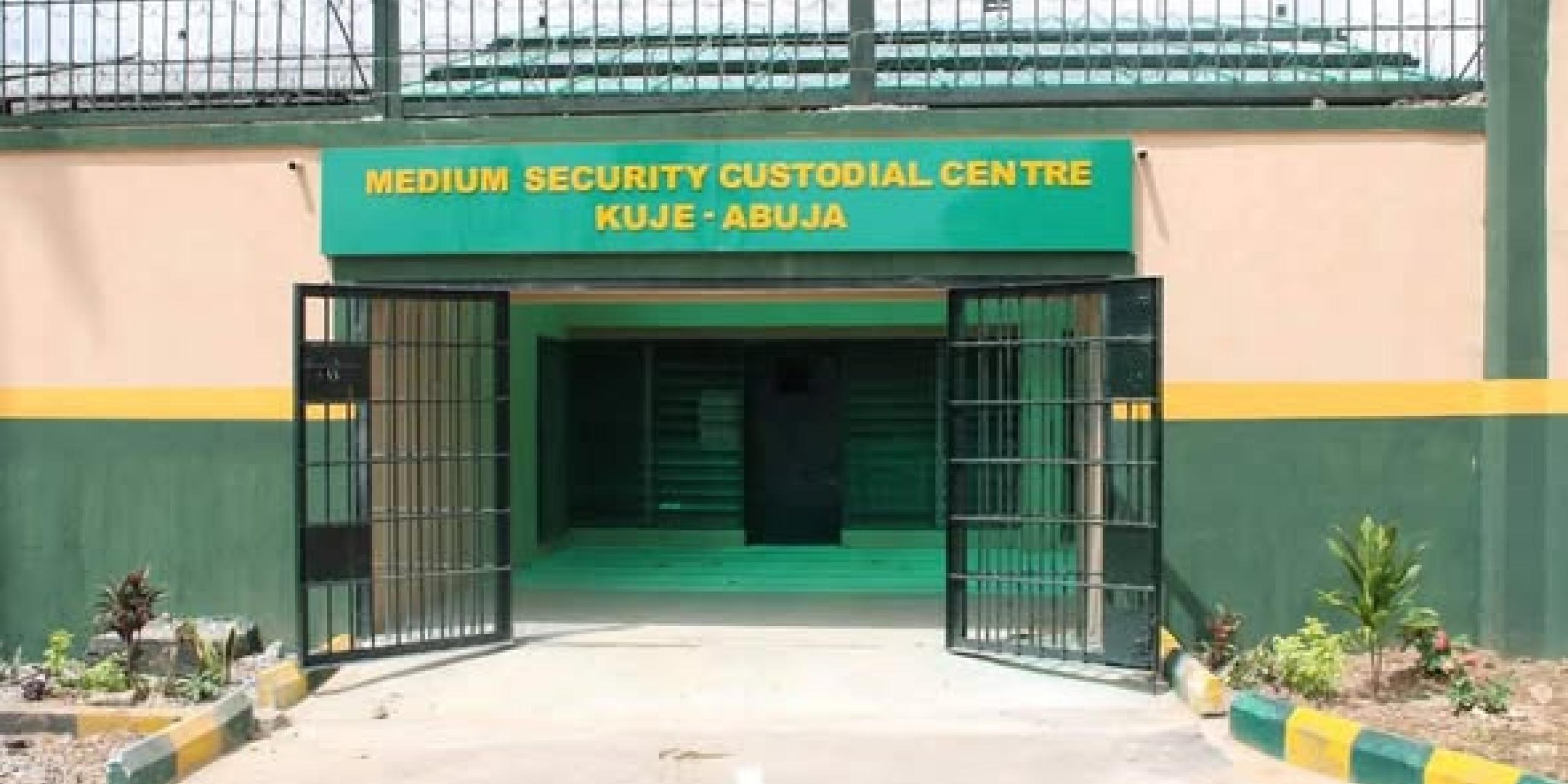
  • DSS Deploys 50+ Operatives to Kuje Prison Amid Malami Bail in N8.7B Money Laundering Case

    The Department of State Services (DSS) has deployed more than 50 operatives to the Kuje Medium Security Custodial Centre (MSCC) in Abuja, following the granting of bail to former Attorney General of the Federation (AGF) Abubakar Malami. The deployment, which involved a convoy of six Toyota Hilux vans, reportedly aims to prevent Malami from evading ongoing investigations linked to terrorism financing, despite the Economic and Financial Crimes Commission (EFCC) charging him primarily with money laundering.

    Justice Emeka Nwite of the Federal High Court in Abuja granted Malami bail on Wednesday, January 8, 2026, with conditions including ₦500 million surety bonds, ownership of landed property in highbrow Abuja districts such as Asokoro, Maitama, or Gwarinpa, and deposit of travel documents with the court. Malami, his son Abdulaziz Malami, and his wife Bashir Asabe face a 16-count charge for allegedly laundering ₦8.7 billion. He was barred from leaving the country without prior court approval.

    Sources described a tense atmosphere at Kuje Prison, with DSS operatives taking strategic positions around the facility, monitoring all entries and exits, and enforcing heightened security measures. The intense deployment indicates the sensitive nature of the case and the perceived risks surrounding Malami’s custody.

    Background context reveals that Malami’s legal and financial activities have previously intersected with terrorism financing investigations under Operation Service Wide (OSW), led by retired Army General Danjuma Ali-Keffi. Launched in 2021, OSW sought to dismantle financial networks supporting Boko Haram. The operation identified alleged links between some high-profile Nigerians—including former Army Chiefs Tukur Yusuf Buratai and Faruk Yahaya, former CBN Governor Godwin Emefiele, and Malami—and suspects connected to terrorism financing.

    Ali-Keffi clarified that his revelations did not accuse Malami or others of terrorism financing but highlighted connections identified during investigations. He alleged that Malami interfered with OSW by removing a senior prosecution lawyer who refused to compromise on evidence against 48 terrorism financing suspects, potentially redirecting cases toward money laundering charges under the EFCC’s supervision.

    The DSS deployment at Kuje Prison, combined with strict bail conditions, underscores the high stakes surrounding Malami’s trial. The case exemplifies the intersection of corruption, terrorism financing, and accountability in Nigeria, with multiple agencies maintaining vigilance over proceedings involving senior political and security figures.

    DSS Deploys 50+ Operatives to Kuje Prison Amid Malami Bail in N8.7B Money Laundering Case The Department of State Services (DSS) has deployed more than 50 operatives to the Kuje Medium Security Custodial Centre (MSCC) in Abuja, following the granting of bail to former Attorney General of the Federation (AGF) Abubakar Malami. The deployment, which involved a convoy of six Toyota Hilux vans, reportedly aims to prevent Malami from evading ongoing investigations linked to terrorism financing, despite the Economic and Financial Crimes Commission (EFCC) charging him primarily with money laundering. Justice Emeka Nwite of the Federal High Court in Abuja granted Malami bail on Wednesday, January 8, 2026, with conditions including ₦500 million surety bonds, ownership of landed property in highbrow Abuja districts such as Asokoro, Maitama, or Gwarinpa, and deposit of travel documents with the court. Malami, his son Abdulaziz Malami, and his wife Bashir Asabe face a 16-count charge for allegedly laundering ₦8.7 billion. He was barred from leaving the country without prior court approval. Sources described a tense atmosphere at Kuje Prison, with DSS operatives taking strategic positions around the facility, monitoring all entries and exits, and enforcing heightened security measures. The intense deployment indicates the sensitive nature of the case and the perceived risks surrounding Malami’s custody. Background context reveals that Malami’s legal and financial activities have previously intersected with terrorism financing investigations under Operation Service Wide (OSW), led by retired Army General Danjuma Ali-Keffi. Launched in 2021, OSW sought to dismantle financial networks supporting Boko Haram. The operation identified alleged links between some high-profile Nigerians—including former Army Chiefs Tukur Yusuf Buratai and Faruk Yahaya, former CBN Governor Godwin Emefiele, and Malami—and suspects connected to terrorism financing. Ali-Keffi clarified that his revelations did not accuse Malami or others of terrorism financing but highlighted connections identified during investigations. He alleged that Malami interfered with OSW by removing a senior prosecution lawyer who refused to compromise on evidence against 48 terrorism financing suspects, potentially redirecting cases toward money laundering charges under the EFCC’s supervision. The DSS deployment at Kuje Prison, combined with strict bail conditions, underscores the high stakes surrounding Malami’s trial. The case exemplifies the intersection of corruption, terrorism financing, and accountability in Nigeria, with multiple agencies maintaining vigilance over proceedings involving senior political and security figures.
    0 Комментарии ·0 Поделились ·3Кб Просмотры
  • DSS Deploys 50+ Operatives to Kuje Prison Amid Abubakar Malami Bail in N8.7B Money Laundering Case

    The Department of State Services (DSS) has deployed over 50 operatives to Kuje Medium Security Custodial Centre (MSCC) in Abuja, placing the prison under heavy security following the bail granted to former Attorney General of the Federation (AGF) Abubakar Malami. The move is reportedly a precautionary measure to ensure Malami does not evade investigations related to terrorism financing, despite the fact that the charges filed by the Economic and Financial Crimes Commission (EFCC) focus on money laundering.

    Malami, currently remanded at Kuje Prison, was granted bail on Wednesday, January 8, 2026, by Justice Emeka Nwite of the Federal High Court in Abuja. Bail conditions include ₦500 million surety bonds, ownership of landed property in highbrow districts such as Asokoro, Maitama, or Gwarinpa, deposit of travel documents, and an absolute ban on leaving Nigeria without prior court permission. The bail hearing was part of a 16-count charge filed against Malami, his son Abdulaziz Malami, and his wife Bashir Asabe, collectively accused of laundering ₦8.7 billion.

    Sources describe a tense atmosphere at Kuje, with DSS operatives stationed strategically, monitoring all entries and exits, using approximately six Toyota Hilux vans to maintain control over the prison perimeter. The deployment highlights the critical nature of the ongoing investigation.

    Background reports indicate that Malami’s legal and financial activities have previously intersected with broader terrorism financing investigations led by retired Nigerian Army General Danjuma Ali-Keffi under Operation Service Wide (OSW). The operation, initiated in 2021, aimed to track financial networks linked to Boko Haram and uncovered alleged links between some high-profile officials—including former Army Chiefs Tukur Yusuf Buratai and Faruk Yahaya, as well as Malami and former CBN Governor Godwin Emefiele—and suspects arrested for terrorism financing.

    Ali-Keffi clarified that he was not accusing these officials of terrorism financing but stated that investigations revealed connections between them and some suspects. He also alleged that Malami had interfered with the OSW investigation by removing a senior prosecution lawyer who had resisted compromises on cases involving 48 terrorism financing suspects.

    The DSS deployment, combined with the stringent bail conditions, reflects the high stakes and sensitivity surrounding Malami’s ongoing trial and the broader investigations into the alleged misuse of funds tied to insurgent activities.

    The unfolding situation has drawn attention to the intersection of high-level corruption, terrorism financing, and law enforcement accountability in Nigeria, signaling the continued involvement of multiple agencies in overseeing cases with national security implications.
    DSS Deploys 50+ Operatives to Kuje Prison Amid Abubakar Malami Bail in N8.7B Money Laundering Case The Department of State Services (DSS) has deployed over 50 operatives to Kuje Medium Security Custodial Centre (MSCC) in Abuja, placing the prison under heavy security following the bail granted to former Attorney General of the Federation (AGF) Abubakar Malami. The move is reportedly a precautionary measure to ensure Malami does not evade investigations related to terrorism financing, despite the fact that the charges filed by the Economic and Financial Crimes Commission (EFCC) focus on money laundering. Malami, currently remanded at Kuje Prison, was granted bail on Wednesday, January 8, 2026, by Justice Emeka Nwite of the Federal High Court in Abuja. Bail conditions include ₦500 million surety bonds, ownership of landed property in highbrow districts such as Asokoro, Maitama, or Gwarinpa, deposit of travel documents, and an absolute ban on leaving Nigeria without prior court permission. The bail hearing was part of a 16-count charge filed against Malami, his son Abdulaziz Malami, and his wife Bashir Asabe, collectively accused of laundering ₦8.7 billion. Sources describe a tense atmosphere at Kuje, with DSS operatives stationed strategically, monitoring all entries and exits, using approximately six Toyota Hilux vans to maintain control over the prison perimeter. The deployment highlights the critical nature of the ongoing investigation. Background reports indicate that Malami’s legal and financial activities have previously intersected with broader terrorism financing investigations led by retired Nigerian Army General Danjuma Ali-Keffi under Operation Service Wide (OSW). The operation, initiated in 2021, aimed to track financial networks linked to Boko Haram and uncovered alleged links between some high-profile officials—including former Army Chiefs Tukur Yusuf Buratai and Faruk Yahaya, as well as Malami and former CBN Governor Godwin Emefiele—and suspects arrested for terrorism financing. Ali-Keffi clarified that he was not accusing these officials of terrorism financing but stated that investigations revealed connections between them and some suspects. He also alleged that Malami had interfered with the OSW investigation by removing a senior prosecution lawyer who had resisted compromises on cases involving 48 terrorism financing suspects. The DSS deployment, combined with the stringent bail conditions, reflects the high stakes and sensitivity surrounding Malami’s ongoing trial and the broader investigations into the alleged misuse of funds tied to insurgent activities. The unfolding situation has drawn attention to the intersection of high-level corruption, terrorism financing, and law enforcement accountability in Nigeria, signaling the continued involvement of multiple agencies in overseeing cases with national security implications.
    0 Комментарии ·0 Поделились ·3Кб Просмотры
  • Did Anyone Try to Bribe the Judge in Malami’s ₦8.7 Billion Money Laundering Trial? Why the Former AGF Is Denying Influence Claims, Accusing EFCC of a ‘Media Trial,’ and Insisting on Judicial Integrity

    Did anyone attempt to bribe or improperly influence the judge handling Abubakar Malami’s high-profile ₦8.7 billion money laundering case? Why did the former Attorney-General of the Federation feel compelled to issue a public denial? And is the Economic and Financial Crimes Commission (EFCC) conducting a legitimate prosecution—or, as Malami claims, waging a “media trial” aimed at damaging his reputation?

    Following a Federal High Court ruling in Maitama, Abuja, which granted bail to Malami, his wife, and their son, reports circulated suggesting that the presiding judge, Justice Emeka Nwite, had raised concerns about attempts to compromise the court. In response, Malami strongly rejected any insinuation that he—or anyone acting on his behalf—sought to influence the judge in any form.

    In a statement signed by his media aide, Mohammed Bello Doka, Malami described the allegation as “mischievous, false, and deliberately misleading.” He categorically stated that no member of his legal team, family, or associates approached or contemplated approaching the court for any favour. Any suggestion otherwise, he said, was reckless and intended to tarnish his public image.

    But what exactly did the judge say? According to Malami, Justice Nwite’s remarks were a routine judicial warning delivered to all counsel and litigants appearing before the court—not a statement directed at him or his co-defendants. He noted that the judge is known for consistently cautioning lawyers against any attempt to contact him outside formal proceedings, as part of his commitment to judicial probity.

    Why then did the controversy erupt? Malami accused the EFCC of “weaponising” a standard courtroom admonition and presenting it to the public as evidence of attempted interference. He argued that this narrative was crafted to prejudice public opinion and undermine due process rather than allow the case to be determined strictly on evidence.

    “The proper place to prove allegations is in the courtroom, not in the media,” Malami said, reiterating that neither he nor his family had offered any bribe or sought any special treatment. He maintained that he respects the sanctity of the judiciary, emphasising both his status as a Senior Advocate of Nigeria and his past role as the nation’s chief law officer.

    What is at stake? The case involves serious allegations of money laundering running into billions of naira against Malami, his wife, Hajia Bashir Asabe, and their son, Abubakar Abdulaziz Malami. During proceedings, Justice Nwite openly warned all parties not to attempt any personal approaches, stressing that legal representation—not backdoor contacts—is the only acceptable means of advocacy before his court.

    As the trial continues, a critical question remains for Nigerians: is this a straightforward judicial caution being misrepresented for headlines, or does the dispute reflect a deeper battle between a former top legal official and the country’s anti-graft agency over credibility, due process, and public perception?
    Did Anyone Try to Bribe the Judge in Malami’s ₦8.7 Billion Money Laundering Trial? Why the Former AGF Is Denying Influence Claims, Accusing EFCC of a ‘Media Trial,’ and Insisting on Judicial Integrity Did anyone attempt to bribe or improperly influence the judge handling Abubakar Malami’s high-profile ₦8.7 billion money laundering case? Why did the former Attorney-General of the Federation feel compelled to issue a public denial? And is the Economic and Financial Crimes Commission (EFCC) conducting a legitimate prosecution—or, as Malami claims, waging a “media trial” aimed at damaging his reputation? Following a Federal High Court ruling in Maitama, Abuja, which granted bail to Malami, his wife, and their son, reports circulated suggesting that the presiding judge, Justice Emeka Nwite, had raised concerns about attempts to compromise the court. In response, Malami strongly rejected any insinuation that he—or anyone acting on his behalf—sought to influence the judge in any form. In a statement signed by his media aide, Mohammed Bello Doka, Malami described the allegation as “mischievous, false, and deliberately misleading.” He categorically stated that no member of his legal team, family, or associates approached or contemplated approaching the court for any favour. Any suggestion otherwise, he said, was reckless and intended to tarnish his public image. But what exactly did the judge say? According to Malami, Justice Nwite’s remarks were a routine judicial warning delivered to all counsel and litigants appearing before the court—not a statement directed at him or his co-defendants. He noted that the judge is known for consistently cautioning lawyers against any attempt to contact him outside formal proceedings, as part of his commitment to judicial probity. Why then did the controversy erupt? Malami accused the EFCC of “weaponising” a standard courtroom admonition and presenting it to the public as evidence of attempted interference. He argued that this narrative was crafted to prejudice public opinion and undermine due process rather than allow the case to be determined strictly on evidence. “The proper place to prove allegations is in the courtroom, not in the media,” Malami said, reiterating that neither he nor his family had offered any bribe or sought any special treatment. He maintained that he respects the sanctity of the judiciary, emphasising both his status as a Senior Advocate of Nigeria and his past role as the nation’s chief law officer. What is at stake? The case involves serious allegations of money laundering running into billions of naira against Malami, his wife, Hajia Bashir Asabe, and their son, Abubakar Abdulaziz Malami. During proceedings, Justice Nwite openly warned all parties not to attempt any personal approaches, stressing that legal representation—not backdoor contacts—is the only acceptable means of advocacy before his court. As the trial continues, a critical question remains for Nigerians: is this a straightforward judicial caution being misrepresented for headlines, or does the dispute reflect a deeper battle between a former top legal official and the country’s anti-graft agency over credibility, due process, and public perception?
    0 Комментарии ·0 Поделились ·2Кб Просмотры
  • How Did Ex-AGF Abubakar Malami, His Sons Amass 57 Luxury Homes, Hotels, University Assets Worth ₦213 Billion? Inside the EFCC Money Laundering Case, Court Forfeiture Order, and Full Property List Shaking Nigeria

    How did a former Attorney-General of the Federation and Minister of Justice allegedly acquire 57 high-value properties across Abuja, Kebbi, Kano, and Kaduna? What explains the sudden emergence of luxury hotels, vast landed estates, factories, schools, filling stations, shopping complexes, and an entire private university tied to Abubakar Malami (SAN) and his two sons? And why has a Federal High Court now ordered the interim forfeiture of assets valued at a staggering ₦213.2 billion?

    In a dramatic legal move that has reignited national debate on corruption and elite wealth in Nigeria, Justice Emeka Nwite of the Federal High Court, Abuja, granted an ex-parte application filed by the Economic and Financial Crimes Commission (EFCC), authorising the temporary seizure of 57 properties allegedly linked to Malami and his sons, Abdulaziz and Abiru-Rahman. The court ruled that the assets are reasonably suspected to be proceeds of unlawful activity and should be preserved pending full investigation and trial.

    What exactly did investigators uncover? The forfeited properties include luxury duplexes in Maitama and Asokoro, high-end hotels in Abuja and Kano, shopping malls, warehouses, petrol stations, plazas, and sprawling estates across Kebbi State. Among the most striking assets are massive institutional holdings under the “Rayhaan” brand: Rayhaan University with multiple sites reportedly worth tens of billions of naira, agro-allied factories with heavy machinery, staff quarters, mosques, media outlets, model academies, and large commercial hubs such as Azbir Arena and Zeennoor Hotel in Kano.

    Why are these properties raising alarm? According to the EFCC, the scale, speed, and structure of the acquisitions—many made while Malami served as Nigeria’s chief law officer—point to potential money laundering and abuse of office. Several assets were allegedly purchased at relatively low values and later upgraded into multi-billion-naira developments. Others are held through foundations, companies, and educational or religious fronts, prompting questions about whether public office was leveraged to build a vast private empire.

    What happens next? The interim forfeiture does not yet mean permanent confiscation. The court has ordered that the assets be preserved while legal proceedings continue. Interested parties may be invited to show cause why the properties should not be finally forfeited to the Federal Government. Meanwhile, civil society groups and anti-corruption advocates are asking: will this case mark a turning point in Nigeria’s fight against high-level corruption, or will it join the long list of stalled elite prosecutions?

    As Nigerians digest the full list of 57 properties—ranging from luxury residences and hotels to universities, factories, schools, filling stations, and commercial plazas—the central question remains: how did a public official and his immediate family come to control assets worth over ₦213 billion, and will the courts finally provide answers that restore public trust?

    How Did Ex-AGF Abubakar Malami, His Sons Amass 57 Luxury Homes, Hotels, University Assets Worth ₦213 Billion? Inside the EFCC Money Laundering Case, Court Forfeiture Order, and Full Property List Shaking Nigeria How did a former Attorney-General of the Federation and Minister of Justice allegedly acquire 57 high-value properties across Abuja, Kebbi, Kano, and Kaduna? What explains the sudden emergence of luxury hotels, vast landed estates, factories, schools, filling stations, shopping complexes, and an entire private university tied to Abubakar Malami (SAN) and his two sons? And why has a Federal High Court now ordered the interim forfeiture of assets valued at a staggering ₦213.2 billion? In a dramatic legal move that has reignited national debate on corruption and elite wealth in Nigeria, Justice Emeka Nwite of the Federal High Court, Abuja, granted an ex-parte application filed by the Economic and Financial Crimes Commission (EFCC), authorising the temporary seizure of 57 properties allegedly linked to Malami and his sons, Abdulaziz and Abiru-Rahman. The court ruled that the assets are reasonably suspected to be proceeds of unlawful activity and should be preserved pending full investigation and trial. What exactly did investigators uncover? The forfeited properties include luxury duplexes in Maitama and Asokoro, high-end hotels in Abuja and Kano, shopping malls, warehouses, petrol stations, plazas, and sprawling estates across Kebbi State. Among the most striking assets are massive institutional holdings under the “Rayhaan” brand: Rayhaan University with multiple sites reportedly worth tens of billions of naira, agro-allied factories with heavy machinery, staff quarters, mosques, media outlets, model academies, and large commercial hubs such as Azbir Arena and Zeennoor Hotel in Kano. Why are these properties raising alarm? According to the EFCC, the scale, speed, and structure of the acquisitions—many made while Malami served as Nigeria’s chief law officer—point to potential money laundering and abuse of office. Several assets were allegedly purchased at relatively low values and later upgraded into multi-billion-naira developments. Others are held through foundations, companies, and educational or religious fronts, prompting questions about whether public office was leveraged to build a vast private empire. What happens next? The interim forfeiture does not yet mean permanent confiscation. The court has ordered that the assets be preserved while legal proceedings continue. Interested parties may be invited to show cause why the properties should not be finally forfeited to the Federal Government. Meanwhile, civil society groups and anti-corruption advocates are asking: will this case mark a turning point in Nigeria’s fight against high-level corruption, or will it join the long list of stalled elite prosecutions? As Nigerians digest the full list of 57 properties—ranging from luxury residences and hotels to universities, factories, schools, filling stations, and commercial plazas—the central question remains: how did a public official and his immediate family come to control assets worth over ₦213 billion, and will the courts finally provide answers that restore public trust?
    0 Комментарии ·0 Поделились ·2Кб Просмотры
  • EFCC Warns of Political Interference in Investigations
    January 7, 2026 – Nigeria

    The Economic and Financial Crimes Commission (EFCC) has raised concerns over alleged attempts by politicians, interest groups, academics, activists, and some Nigerian fugitives abroad to interfere in its investigations and prosecutions.

    Key points from the EFCC statement:

    The Commission claims these groups are orchestrating sponsored media attacks against EFCC Chairman Ola Olukoyede and the agency itself.

    The alleged goal is to portray political bias in EFCC operations and intimidate the agency into avoiding investigations involving opposition politicians.

    EFCC warned the campaign could intensify ahead of the 2027 general elections but stressed it will not be deterred from promoting public accountability.

    The agency reaffirmed its non-political stance, emphasizing that political affiliation does not protect anyone from investigation or prosecution.

    EFCC urged Nigerians to respect constitutional provisions, noting that presumption of innocence should not be misconstrued as a defense of suspects.

    The Commission dismissed claims of any political alliances and reiterated its commitment to operate without fear or favor.


    EFCC Warns of Political Interference in Investigations January 7, 2026 – Nigeria The Economic and Financial Crimes Commission (EFCC) has raised concerns over alleged attempts by politicians, interest groups, academics, activists, and some Nigerian fugitives abroad to interfere in its investigations and prosecutions. Key points from the EFCC statement: The Commission claims these groups are orchestrating sponsored media attacks against EFCC Chairman Ola Olukoyede and the agency itself. The alleged goal is to portray political bias in EFCC operations and intimidate the agency into avoiding investigations involving opposition politicians. EFCC warned the campaign could intensify ahead of the 2027 general elections but stressed it will not be deterred from promoting public accountability. The agency reaffirmed its non-political stance, emphasizing that political affiliation does not protect anyone from investigation or prosecution. EFCC urged Nigerians to respect constitutional provisions, noting that presumption of innocence should not be misconstrued as a defense of suspects. The Commission dismissed claims of any political alliances and reiterated its commitment to operate without fear or favor.
    0 Комментарии ·0 Поделились ·786 Просмотры
  • Don’t Approach Me To Bend The Law Judge Warns Lawyers In Ex-AGF Malami’s ₦8.7Billion Money Laundering Trial
    January 7, 2026 – Abuja

    Justice Emeka Nwite of the Federal High Court, Maitama, Abuja, issued a stern warning to lawyers and litigants involved in the high-profile trial of former Attorney General of the Federation (AGF) and Minister of Justice, Abubakar Malami, SAN, his wife Hajia Bashir Asabe, and their son, Abubakar Abdulaziz Malami. The case, instituted by the Economic and Financial Crimes Commission (EFCC), concerns alleged money laundering involving over ₦8.7 billion.

    Justice Nwite cautioned that any attempt to approach him for personal favours or undue influence would be resisted. “All judges are not the same. Irrespective of my familiarity with you, when I am dealing with any case, do not approach me. The law cannot be bent as far as this court is concerned,” he said, stressing that proper legal representation, not backdoor contacts, is the legitimate way for lawyers to serve clients. He further warned that attempts to compromise the court’s integrity or tarnish his name would be firmly dealt with, emphasizing, “I warned, I warned, and I warned!”

    The EFCC accused Malami, his wife, and son of conspiring to procure, disguise, conceal, and launder proceeds of unlawful activities, contrary to the Money Laundering (Prevention and Prohibition) Act, 2022. They face a 16-count charge involving conspiracy and multiple forms of money laundering.

    Among the allegations, the EFCC claimed that between July 2022 and June 2025, Malami and his son used Metropolitan Auto Tech Limited to conceal ₦1,014,848,500 lodged in a Sterling Bank account, funds allegedly known to be proceeds of unlawful activities. Another charge alleges that the trio conspired in September 2024 to disguise the origin of ₦1,049,173,926.13 paid through the Union Bank account of Meethaq Hotels Limited, Jabi. The agency also alleged that Malami and his son indirectly controlled ₦1,362,887,872.96 paid into the same company’s Union Bank savings account between November 2022 and October 2025.

    Earlier, Justice Nwite granted the defendants bail of ₦500 million each, with two sureties each. The sureties were required to submit affidavits of means.

    This trial has drawn attention not only because of the substantial sums involved but also due to Malami’s prominent former position as AGF and Minister of Justice, which amplified public scrutiny over corruption and the integrity of Nigeria’s judicial processes. Observers note the judge’s firm admonition reflects ongoing efforts to maintain judicial independence and prevent interference in politically sensitive cases.

    Malami’s legal team is expected to proceed with formal defense submissions while adhering strictly to court procedure. The EFCC, meanwhile, continues its investigation into the flow and management of the alleged laundered funds, signaling a prolonged and closely monitored trial. The outcome is likely to influence public discourse on accountability for top government officials, money laundering enforcement, and the integrity of Nigeria’s anti-graft agencies.
    Don’t Approach Me To Bend The Law Judge Warns Lawyers In Ex-AGF Malami’s ₦8.7Billion Money Laundering Trial January 7, 2026 – Abuja Justice Emeka Nwite of the Federal High Court, Maitama, Abuja, issued a stern warning to lawyers and litigants involved in the high-profile trial of former Attorney General of the Federation (AGF) and Minister of Justice, Abubakar Malami, SAN, his wife Hajia Bashir Asabe, and their son, Abubakar Abdulaziz Malami. The case, instituted by the Economic and Financial Crimes Commission (EFCC), concerns alleged money laundering involving over ₦8.7 billion. Justice Nwite cautioned that any attempt to approach him for personal favours or undue influence would be resisted. “All judges are not the same. Irrespective of my familiarity with you, when I am dealing with any case, do not approach me. The law cannot be bent as far as this court is concerned,” he said, stressing that proper legal representation, not backdoor contacts, is the legitimate way for lawyers to serve clients. He further warned that attempts to compromise the court’s integrity or tarnish his name would be firmly dealt with, emphasizing, “I warned, I warned, and I warned!” The EFCC accused Malami, his wife, and son of conspiring to procure, disguise, conceal, and launder proceeds of unlawful activities, contrary to the Money Laundering (Prevention and Prohibition) Act, 2022. They face a 16-count charge involving conspiracy and multiple forms of money laundering. Among the allegations, the EFCC claimed that between July 2022 and June 2025, Malami and his son used Metropolitan Auto Tech Limited to conceal ₦1,014,848,500 lodged in a Sterling Bank account, funds allegedly known to be proceeds of unlawful activities. Another charge alleges that the trio conspired in September 2024 to disguise the origin of ₦1,049,173,926.13 paid through the Union Bank account of Meethaq Hotels Limited, Jabi. The agency also alleged that Malami and his son indirectly controlled ₦1,362,887,872.96 paid into the same company’s Union Bank savings account between November 2022 and October 2025. Earlier, Justice Nwite granted the defendants bail of ₦500 million each, with two sureties each. The sureties were required to submit affidavits of means. This trial has drawn attention not only because of the substantial sums involved but also due to Malami’s prominent former position as AGF and Minister of Justice, which amplified public scrutiny over corruption and the integrity of Nigeria’s judicial processes. Observers note the judge’s firm admonition reflects ongoing efforts to maintain judicial independence and prevent interference in politically sensitive cases. Malami’s legal team is expected to proceed with formal defense submissions while adhering strictly to court procedure. The EFCC, meanwhile, continues its investigation into the flow and management of the alleged laundered funds, signaling a prolonged and closely monitored trial. The outcome is likely to influence public discourse on accountability for top government officials, money laundering enforcement, and the integrity of Nigeria’s anti-graft agencies.
    0 Комментарии ·0 Поделились ·1Кб Просмотры
  • Lawyer Deji Adeyanju Blasts Former AGF Abubakar Malami for Flouting Court Orders, Warns Against Arrogance in Power

    Nigerian human rights lawyer, Deji Adeyanju, has criticized former Attorney General of the Federation (AGF) and Minister of Justice, Abubakar Malami (SAN), accusing him of repeatedly disobeying court orders while holding office. Adeyanju described Malami’s actions as shameful and dangerous to democracy, highlighting that even as a Senior Advocate of Nigeria, he ignored the rule of law.
    Speaking on Tuesday, Adeyanju noted that Malami’s fall from influence after leaving office was a consequence of his disregard for legal procedures and accountability. He warned current leaders against arrogance and impunity, stressing that political authority is temporary and accountability is inevitable.
    Malami, who served under former President Muhammadu Buhari, is currently facing prosecution by the Economic and Financial Crimes Commission (EFCC) over alleged money laundering offenses totaling over ₦8.7 billion. He, alongside his wife and son, is being held at Kuje Correctional Centre pending a bail ruling in a 16-count charge of conspiracy, procuring, disguising, and laundering proceeds of unlawful activities under the Money Laundering (Prevention and Prohibition) Act, 2022.
    The matter has drawn attention to the accountability of public officers in Nigeria and the consequences of ignoring judicial authority, with civil society and rights groups monitoring developments closely.
    Lawyer Deji Adeyanju Blasts Former AGF Abubakar Malami for Flouting Court Orders, Warns Against Arrogance in Power Nigerian human rights lawyer, Deji Adeyanju, has criticized former Attorney General of the Federation (AGF) and Minister of Justice, Abubakar Malami (SAN), accusing him of repeatedly disobeying court orders while holding office. Adeyanju described Malami’s actions as shameful and dangerous to democracy, highlighting that even as a Senior Advocate of Nigeria, he ignored the rule of law. Speaking on Tuesday, Adeyanju noted that Malami’s fall from influence after leaving office was a consequence of his disregard for legal procedures and accountability. He warned current leaders against arrogance and impunity, stressing that political authority is temporary and accountability is inevitable. Malami, who served under former President Muhammadu Buhari, is currently facing prosecution by the Economic and Financial Crimes Commission (EFCC) over alleged money laundering offenses totaling over ₦8.7 billion. He, alongside his wife and son, is being held at Kuje Correctional Centre pending a bail ruling in a 16-count charge of conspiracy, procuring, disguising, and laundering proceeds of unlawful activities under the Money Laundering (Prevention and Prohibition) Act, 2022. The matter has drawn attention to the accountability of public officers in Nigeria and the consequences of ignoring judicial authority, with civil society and rights groups monitoring developments closely.
    like
    1
    · 0 Комментарии ·0 Поделились ·2Кб Просмотры
  • EFCC and Nigerian Prison Officials Clash Over Security During Former AGF Abubakar Malami’s Court Appearance

    Operatives of the Economic and Financial Crimes Commission (EFCC) and Nigeria Correctional Service (NCoS) reportedly clashed at the Federal High Court in Abuja over security responsibilities during the court appearance of former Attorney General of the Federation, Abubakar Malami, SAN.

    The confrontation arose amid a dispute over which agency should control security at the court entrance. Journalists were subjected to clearance checks, and some were denied entry due to the courtroom reaching capacity.

    Malami, along with his son and one of his wives, was arraigned on December 30 on a 16-count charge including alleged money laundering, unlawful asset acquisition, and conspiracy. The defendants pleaded not guilty, and the court ordered their remand at Kuje Correctional Centre pending a bail application hearing on January 2.

    Malami served as Attorney-General from 2015 to 2023 under former President Buhari and was a key figure in the administration.
    EFCC and Nigerian Prison Officials Clash Over Security During Former AGF Abubakar Malami’s Court Appearance Operatives of the Economic and Financial Crimes Commission (EFCC) and Nigeria Correctional Service (NCoS) reportedly clashed at the Federal High Court in Abuja over security responsibilities during the court appearance of former Attorney General of the Federation, Abubakar Malami, SAN. The confrontation arose amid a dispute over which agency should control security at the court entrance. Journalists were subjected to clearance checks, and some were denied entry due to the courtroom reaching capacity. Malami, along with his son and one of his wives, was arraigned on December 30 on a 16-count charge including alleged money laundering, unlawful asset acquisition, and conspiracy. The defendants pleaded not guilty, and the court ordered their remand at Kuje Correctional Centre pending a bail application hearing on January 2. Malami served as Attorney-General from 2015 to 2023 under former President Buhari and was a key figure in the administration.
    like
    1
    · 0 Комментарии ·0 Поделились ·844 Просмотры
  • Bauchi Finance Commissioner Yakubu Adamu Granted N500 Million Bail Over Alleged N4.65 Billion Money Laundering

    A Federal High Court in Abuja has granted bail to Bauchi State Commissioner for Finance, Yakubu Adamu, who is facing trial for alleged money laundering involving N4.65 billion. Justice Emeka Nwite set bail at N500 million with two sureties of similar value, despite objections from the Economic and Financial Crimes Commission (EFCC).

    Adamu and his company, Ayab Agro Products, were arraigned on six-count charges relating to conspiracy and money laundering, including allegations that funds released for the supply of motorcycles to Bauchi State were misappropriated. The defendants pleaded not guilty.

    The court ruled that the EFCC failed to show that Adamu would abscond or interfere with the trial. Bail conditions include owning landed properties in Asokoro, Maitama, or Gwarimpa, submission of affidavits of means and verifiable property documents, and surrender of his international passport. He is barred from traveling abroad without prior court approval.

    Pending the perfection of bail terms, Adamu remains at Kuje Correctional Centre. The trial is set to commence on January 20 if reassigned to the presiding judge. The EFCC claims part of the funds was channeled through Ayab Agro Products and other entities, alleging violations of the Money Laundering (Prevention and Prohibition) Act, 2022.
    Bauchi Finance Commissioner Yakubu Adamu Granted N500 Million Bail Over Alleged N4.65 Billion Money Laundering A Federal High Court in Abuja has granted bail to Bauchi State Commissioner for Finance, Yakubu Adamu, who is facing trial for alleged money laundering involving N4.65 billion. Justice Emeka Nwite set bail at N500 million with two sureties of similar value, despite objections from the Economic and Financial Crimes Commission (EFCC). Adamu and his company, Ayab Agro Products, were arraigned on six-count charges relating to conspiracy and money laundering, including allegations that funds released for the supply of motorcycles to Bauchi State were misappropriated. The defendants pleaded not guilty. The court ruled that the EFCC failed to show that Adamu would abscond or interfere with the trial. Bail conditions include owning landed properties in Asokoro, Maitama, or Gwarimpa, submission of affidavits of means and verifiable property documents, and surrender of his international passport. He is barred from traveling abroad without prior court approval. Pending the perfection of bail terms, Adamu remains at Kuje Correctional Centre. The trial is set to commence on January 20 if reassigned to the presiding judge. The EFCC claims part of the funds was channeled through Ayab Agro Products and other entities, alleging violations of the Money Laundering (Prevention and Prohibition) Act, 2022.
    like
    1
    · 0 Комментарии ·0 Поделились ·1Кб Просмотры
  • EFCC Rejects Bala Mohammed’s Persecution Claims, Insists Bauchi Corruption Probe Is Lawful and Not Driven by FCT Minister Nyesom Wike

    The Economic and Financial Crimes Commission (EFCC) has strongly dismissed allegations by Bauchi State Governor, Bala Mohammed, that he is being politically persecuted through the agency at the instigation of the Minister of the Federal Capital Territory, Nyesom Wike. The anti-graft body described the claims as baseless, mischievous and far-fetched, insisting that it operates independently and without political influence.

    In a statement issued on Friday, the EFCC said it was wrong and derogatory for the governor to link its investigative activities in Bauchi State to Wike or any other political office holder. The commission stressed that it is a non-partisan institution mandated by law to fight economic and financial crimes, and that no politician has the power to dictate its operations.

    The EFCC further pointed out that Governor Mohammed had faced money laundering charges before assuming office in 2019, noting that only the constitutional immunity attached to his position as governor suspended the case. It questioned who influenced the commission to investigate and prosecute him in 2016, arguing that the current allegations of persecution were misleading.

    On the ongoing case involving some Bauchi State officials, the commission maintained that the matter is already before the court and based on evidence gathered through what it described as painstaking investigation. It urged Nigerians to examine the court filings themselves to determine whether the case is motivated by vendetta or supported by facts, adding that Mohammed is mentioned in the charges because he was the approving authority in the state.

    The EFCC also dismissed the governor’s denial of alleged links between Bauchi officials and terrorism financing, describing such claims as a distraction and “crying wolf.” It accused politicians across party lines of hypocrisy, noting that opposition figures often cry persecution when called to account but remain silent when members of the ruling party face corruption charges.

    Concluding its statement, the EFCC advised Governor Mohammed to focus on governance rather than attacking the agency, while reaffirming its commitment to cleaning Nigeria’s financial system in line with its statutory mandate.
    EFCC Rejects Bala Mohammed’s Persecution Claims, Insists Bauchi Corruption Probe Is Lawful and Not Driven by FCT Minister Nyesom Wike The Economic and Financial Crimes Commission (EFCC) has strongly dismissed allegations by Bauchi State Governor, Bala Mohammed, that he is being politically persecuted through the agency at the instigation of the Minister of the Federal Capital Territory, Nyesom Wike. The anti-graft body described the claims as baseless, mischievous and far-fetched, insisting that it operates independently and without political influence. In a statement issued on Friday, the EFCC said it was wrong and derogatory for the governor to link its investigative activities in Bauchi State to Wike or any other political office holder. The commission stressed that it is a non-partisan institution mandated by law to fight economic and financial crimes, and that no politician has the power to dictate its operations. The EFCC further pointed out that Governor Mohammed had faced money laundering charges before assuming office in 2019, noting that only the constitutional immunity attached to his position as governor suspended the case. It questioned who influenced the commission to investigate and prosecute him in 2016, arguing that the current allegations of persecution were misleading. On the ongoing case involving some Bauchi State officials, the commission maintained that the matter is already before the court and based on evidence gathered through what it described as painstaking investigation. It urged Nigerians to examine the court filings themselves to determine whether the case is motivated by vendetta or supported by facts, adding that Mohammed is mentioned in the charges because he was the approving authority in the state. The EFCC also dismissed the governor’s denial of alleged links between Bauchi officials and terrorism financing, describing such claims as a distraction and “crying wolf.” It accused politicians across party lines of hypocrisy, noting that opposition figures often cry persecution when called to account but remain silent when members of the ruling party face corruption charges. Concluding its statement, the EFCC advised Governor Mohammed to focus on governance rather than attacking the agency, while reaffirming its commitment to cleaning Nigeria’s financial system in line with its statutory mandate.
    like
    1
    · 0 Комментарии ·0 Поделились ·2Кб Просмотры
  • Bauchi Governor Bala Mohammed Accuses FCT Minister Nyesom Wike of Plot to Destabilise Bauchi, Says Tinubu Is Surrounded by “Hooligans and Charlatans” Amid Alleged Political Victimisation

    Bauchi State Governor, Bala Mohammed, has accused the Federal Government and the Minister of the Federal Capital Territory (FCT), Nyesom Wike, of orchestrating a coordinated campaign of political victimisation, intimidation, and abuse of state institutions aimed at destroying his political career.

    Speaking during an interview on Channels Television, the governor alleged that Wike was actively influencing security agencies and anti-corruption institutions, including the Economic and Financial Crimes Commission (EFCC), to target him and officials in his administration. Mohammed claimed that petitions, court processes, and security actions against his government were politically motivated and designed to tarnish his reputation, force political alignment, or neutralise him as a perceived threat.

    The governor further alleged that Wike had threatened to “put fire” in Bauchi State, accusing him of bribing people, manipulating institutions, and selling influence. He said intelligence from within the EFCC suggested that documents and petitions were deliberately orchestrated to implicate his Commissioner for Finance and cast suspicion on his government.

    Mohammed described the actions as a violation of his fundamental human rights and said he had written to the Attorney General of the Federation and other agencies, warning that he would escalate the matter to the international community. He stated that he was seeking protection against what he termed “reckless” political persecution.

    In a sharp rebuke of the presidency, the Bauchi governor said President Bola Tinubu was surrounded by “hooligans and charlatans” determined to destroy opposition figures. He also accused Wike of being a destabilising force within the Peoples Democratic Party (PDP), alleging divided loyalties and describing him as an “undertaker” of the opposition party.

    Mohammed warned that the alleged impunity within the ruling circle poses a serious threat to democracy, accountability, and political stability in Nigeria, insisting that unchecked abuse of power would have grave consequences for the country.
    Bauchi Governor Bala Mohammed Accuses FCT Minister Nyesom Wike of Plot to Destabilise Bauchi, Says Tinubu Is Surrounded by “Hooligans and Charlatans” Amid Alleged Political Victimisation Bauchi State Governor, Bala Mohammed, has accused the Federal Government and the Minister of the Federal Capital Territory (FCT), Nyesom Wike, of orchestrating a coordinated campaign of political victimisation, intimidation, and abuse of state institutions aimed at destroying his political career. Speaking during an interview on Channels Television, the governor alleged that Wike was actively influencing security agencies and anti-corruption institutions, including the Economic and Financial Crimes Commission (EFCC), to target him and officials in his administration. Mohammed claimed that petitions, court processes, and security actions against his government were politically motivated and designed to tarnish his reputation, force political alignment, or neutralise him as a perceived threat. The governor further alleged that Wike had threatened to “put fire” in Bauchi State, accusing him of bribing people, manipulating institutions, and selling influence. He said intelligence from within the EFCC suggested that documents and petitions were deliberately orchestrated to implicate his Commissioner for Finance and cast suspicion on his government. Mohammed described the actions as a violation of his fundamental human rights and said he had written to the Attorney General of the Federation and other agencies, warning that he would escalate the matter to the international community. He stated that he was seeking protection against what he termed “reckless” political persecution. In a sharp rebuke of the presidency, the Bauchi governor said President Bola Tinubu was surrounded by “hooligans and charlatans” determined to destroy opposition figures. He also accused Wike of being a destabilising force within the Peoples Democratic Party (PDP), alleging divided loyalties and describing him as an “undertaker” of the opposition party. Mohammed warned that the alleged impunity within the ruling circle poses a serious threat to democracy, accountability, and political stability in Nigeria, insisting that unchecked abuse of power would have grave consequences for the country.
    0 Комментарии ·0 Поделились ·2Кб Просмотры
  • Bauchi Governor Bala Mohammed Confirms Nephew Duguri as Co-Defendant in ₦4.6 Billion EFCC Money Laundering Case, Alleges Political Persecution by Tinubu Government

    Bauchi State Governor Bala Mohammed has confirmed that Muntaka Mohammed Duguri, a key suspect in an ongoing ₦4.6 billion money laundering case filed by the Economic and Financial Crimes Commission (EFCC), is his nephew. Duguri is listed as a co-defendant alongside Bauchi State Commissioner for Finance, Yakubu Adamu, and the Managing Director of I.S. Makayye Investment Resources Ltd, Ishaku Mohammed Aliyu.

    The EFCC alleges that between June and December 2023, Adamu, while serving as a branch manager at Polaris Bank in Bauchi, conspired with Duguri and Aliyu to facilitate the conversion, concealment, and transfer of about ₦4.65 billion under the guise of financing motorcycle supplies to the Bauchi State Government. Parts of the funds were allegedly routed through third-party and nominee accounts, including transactions involving I.S. Makayye Investment Resources Ltd and a ₦165.9 million transfer to Ayab Agro Products and Freight Company Ltd.

    Duguri and Aliyu are reportedly at large, a situation that has stalled the arraignment of Adamu before the Federal High Court in Abuja. Speaking on Channels TV’s Sunrise Daily, Governor Mohammed denied the allegations, describing the case as politically motivated persecution by the Bola Tinubu administration. He claimed there was no evidence linking his nephew to the crime and said he had written to the Attorney General of the Federation, with plans to escalate the matter to the international community over alleged violations of his fundamental human rights.

    Meanwhile, sources familiar with the investigation allege witness suppression and flight, claiming Aliyu initially cooperated with the EFCC before being forced into hiding, while Duguri allegedly fled the country. The EFCC maintains that the alleged offences contravene Section 20(a) of the Money Laundering (Prevention and Prohibition) Act, 2022, as investigations and legal proceedings continue.
    Bauchi Governor Bala Mohammed Confirms Nephew Duguri as Co-Defendant in ₦4.6 Billion EFCC Money Laundering Case, Alleges Political Persecution by Tinubu Government Bauchi State Governor Bala Mohammed has confirmed that Muntaka Mohammed Duguri, a key suspect in an ongoing ₦4.6 billion money laundering case filed by the Economic and Financial Crimes Commission (EFCC), is his nephew. Duguri is listed as a co-defendant alongside Bauchi State Commissioner for Finance, Yakubu Adamu, and the Managing Director of I.S. Makayye Investment Resources Ltd, Ishaku Mohammed Aliyu. The EFCC alleges that between June and December 2023, Adamu, while serving as a branch manager at Polaris Bank in Bauchi, conspired with Duguri and Aliyu to facilitate the conversion, concealment, and transfer of about ₦4.65 billion under the guise of financing motorcycle supplies to the Bauchi State Government. Parts of the funds were allegedly routed through third-party and nominee accounts, including transactions involving I.S. Makayye Investment Resources Ltd and a ₦165.9 million transfer to Ayab Agro Products and Freight Company Ltd. Duguri and Aliyu are reportedly at large, a situation that has stalled the arraignment of Adamu before the Federal High Court in Abuja. Speaking on Channels TV’s Sunrise Daily, Governor Mohammed denied the allegations, describing the case as politically motivated persecution by the Bola Tinubu administration. He claimed there was no evidence linking his nephew to the crime and said he had written to the Attorney General of the Federation, with plans to escalate the matter to the international community over alleged violations of his fundamental human rights. Meanwhile, sources familiar with the investigation allege witness suppression and flight, claiming Aliyu initially cooperated with the EFCC before being forced into hiding, while Duguri allegedly fled the country. The EFCC maintains that the alleged offences contravene Section 20(a) of the Money Laundering (Prevention and Prohibition) Act, 2022, as investigations and legal proceedings continue.
    0 Комментарии ·0 Поделились ·1Кб Просмотры
  • BREAKING: Malami’s Son Falls Ill, Rushed to Kuje Prison Clinic as EFCC Arraigns Ex-Attorney-General, Son and Wife Over ₦8.7 Billion Money Laundering and Fraud Charges

    Abdulaziz Malami, son of former Attorney-General of the Federation and Minister of Justice, Abubakar Malami (SAN), was rushed to the Kuje Correctional Centre clinic after reportedly falling ill shortly after being remanded in custody. The development comes on the same day the Economic and Financial Crimes Commission (EFCC) arraigned Malami, his son, and his fourth wife, Hajia Bashir Asabe, before a Federal High Court in Abuja over alleged money laundering and fraud totalling ₦8.71 billion.
    The defendants face 16 counts bordering on conspiracy, procurement, concealment and laundering of proceeds of unlawful activities, contrary to the Money Laundering (Prevention and Prohibition) Act, 2022. The EFCC alleges that Malami used his son and several corporate entities to disguise public funds through bank accounts, loans, Bureau De Change operators and high-value property acquisitions across Abuja, Kano and Kebbi. All three pleaded not guilty and were remanded in Kuje Prison pending a bail hearing fixed for January 2, 2026, as the case proceeds to full trial.
    BREAKING: Malami’s Son Falls Ill, Rushed to Kuje Prison Clinic as EFCC Arraigns Ex-Attorney-General, Son and Wife Over ₦8.7 Billion Money Laundering and Fraud Charges Abdulaziz Malami, son of former Attorney-General of the Federation and Minister of Justice, Abubakar Malami (SAN), was rushed to the Kuje Correctional Centre clinic after reportedly falling ill shortly after being remanded in custody. The development comes on the same day the Economic and Financial Crimes Commission (EFCC) arraigned Malami, his son, and his fourth wife, Hajia Bashir Asabe, before a Federal High Court in Abuja over alleged money laundering and fraud totalling ₦8.71 billion. The defendants face 16 counts bordering on conspiracy, procurement, concealment and laundering of proceeds of unlawful activities, contrary to the Money Laundering (Prevention and Prohibition) Act, 2022. The EFCC alleges that Malami used his son and several corporate entities to disguise public funds through bank accounts, loans, Bureau De Change operators and high-value property acquisitions across Abuja, Kano and Kebbi. All three pleaded not guilty and were remanded in Kuje Prison pending a bail hearing fixed for January 2, 2026, as the case proceeds to full trial.
    love
    1
    · 0 Комментарии ·0 Поделились ·644 Просмотры
  • BREAKING: Ex-Attorney-General Abubakar Malami, Wife, and Son Remanded in Kuje Prison VIP Cell Over Alleged ₦8.7B Money Laundering, Court Sets January 2 Bail Hearing

    Former Attorney-General Abubakar Malami (SAN), his wife Hajia Bashir Asabe, and son Abubakar Abdulaziz Malami have been remanded at the VIP Segregation Unit of Kuje Correctional Centre following a 16-count money laundering charge totaling ₦8,713,923,759.49. The cell was reportedly refurbished by suspended police officer Abba Kyari. The Economic and Financial Crimes Commission (EFCC) accused the defendants of using corporate entities and bank accounts to conceal illicit funds between 2022 and 2025. All three pleaded not guilty. Justice Emeka Nwite adjourned the matter to January 2, 2026, for the hearing of the bail application, after the prosecution requested more time to respond.
    BREAKING: Ex-Attorney-General Abubakar Malami, Wife, and Son Remanded in Kuje Prison VIP Cell Over Alleged ₦8.7B Money Laundering, Court Sets January 2 Bail Hearing Former Attorney-General Abubakar Malami (SAN), his wife Hajia Bashir Asabe, and son Abubakar Abdulaziz Malami have been remanded at the VIP Segregation Unit of Kuje Correctional Centre following a 16-count money laundering charge totaling ₦8,713,923,759.49. The cell was reportedly refurbished by suspended police officer Abba Kyari. The Economic and Financial Crimes Commission (EFCC) accused the defendants of using corporate entities and bank accounts to conceal illicit funds between 2022 and 2025. All three pleaded not guilty. Justice Emeka Nwite adjourned the matter to January 2, 2026, for the hearing of the bail application, after the prosecution requested more time to respond.
    0 Комментарии ·0 Поделились ·469 Просмотры
  • Tinubu Appoints EFCC Lawyer Rotimi Oyedepo, SAN, as Director of Public Prosecutions to Strengthen Federal Government’s Legal and Anti-Corruption Strategy

    President Bola Tinubu has approved the appointment of seasoned anti-corruption lawyer, Mr Rotimi Iseoluwa Oyedepo, SAN, as the new Director of Public Prosecutions (DPP) in the Federal Ministry of Justice. The appointment, announced on December 30, 2025, involves Oyedepo’s transfer of service from the Economic and Financial Crimes Commission (EFCC) to the mainstream Federal Civil Service in what the government described as a decision made in the public interest. Oyedepo will replace Mr Abubakar Babadoko, who is set to retire after completing the mandatory eight-year tenure as a director on December 31, 2025. A law graduate of the University of Ilorin and alumnus of the Nigerian Law School, Oyedepo brings over 15 years of experience in prosecuting complex economic and financial crimes at the EFCC, where he also served as Head of the Monitoring Unit. He was part of the Federal Government’s legal team in the landmark P&ID arbitration case. The Presidency said his appointment is expected to reduce reliance on external legal counsel, strengthen prosecution capacity, and ensure greater consistency in the government’s legal strategies, particularly in high-profile corruption cases.
    Tinubu Appoints EFCC Lawyer Rotimi Oyedepo, SAN, as Director of Public Prosecutions to Strengthen Federal Government’s Legal and Anti-Corruption Strategy President Bola Tinubu has approved the appointment of seasoned anti-corruption lawyer, Mr Rotimi Iseoluwa Oyedepo, SAN, as the new Director of Public Prosecutions (DPP) in the Federal Ministry of Justice. The appointment, announced on December 30, 2025, involves Oyedepo’s transfer of service from the Economic and Financial Crimes Commission (EFCC) to the mainstream Federal Civil Service in what the government described as a decision made in the public interest. Oyedepo will replace Mr Abubakar Babadoko, who is set to retire after completing the mandatory eight-year tenure as a director on December 31, 2025. A law graduate of the University of Ilorin and alumnus of the Nigerian Law School, Oyedepo brings over 15 years of experience in prosecuting complex economic and financial crimes at the EFCC, where he also served as Head of the Monitoring Unit. He was part of the Federal Government’s legal team in the landmark P&ID arbitration case. The Presidency said his appointment is expected to reduce reliance on external legal counsel, strengthen prosecution capacity, and ensure greater consistency in the government’s legal strategies, particularly in high-profile corruption cases.
    like
    1
    · 0 Комментарии ·0 Поделились ·1Кб Просмотры
  • EFCC Arraigns Bauchi Finance Commissioner Yakubu Adamu Over Alleged ₦5.8 Billion Money Laundering Linked To Phantom Motorcycle Contract

    The Economic and Financial Crimes Commission (EFCC) has arraigned Bauchi State Commissioner for Finance, Yakubu Adamu, before the Federal High Court in Abuja over alleged money laundering involving ₦5.79 billion. Adamu, a former Polaris Bank branch manager, was charged alongside Ayab Agro Products and Freight Company Limited on six counts under the Money Laundering (Prevention and Prohibition) Act, 2022. The EFCC alleged that Adamu conspired with others to divert ₦4.65 billion obtained from Polaris Bank under the pretext of financing the supply of motorcycles to the Bauchi State Government—motorcycles that were never delivered. Investigators further claimed that funds were laundered through multiple accounts and individuals. Adamu pleaded not guilty to all charges, while the court ordered his remand in EFCC custody and adjourned the case to January 2, 2025, for ruling on his bail application.
    EFCC Arraigns Bauchi Finance Commissioner Yakubu Adamu Over Alleged ₦5.8 Billion Money Laundering Linked To Phantom Motorcycle Contract The Economic and Financial Crimes Commission (EFCC) has arraigned Bauchi State Commissioner for Finance, Yakubu Adamu, before the Federal High Court in Abuja over alleged money laundering involving ₦5.79 billion. Adamu, a former Polaris Bank branch manager, was charged alongside Ayab Agro Products and Freight Company Limited on six counts under the Money Laundering (Prevention and Prohibition) Act, 2022. The EFCC alleged that Adamu conspired with others to divert ₦4.65 billion obtained from Polaris Bank under the pretext of financing the supply of motorcycles to the Bauchi State Government—motorcycles that were never delivered. Investigators further claimed that funds were laundered through multiple accounts and individuals. Adamu pleaded not guilty to all charges, while the court ordered his remand in EFCC custody and adjourned the case to January 2, 2025, for ruling on his bail application.
    0 Комментарии ·0 Поделились ·665 Просмотры
Расширенные страницы
Fintter https://fintter.com