• Wahala Don Set for Ipele! Youths Accuse Monarch of Hosting Gunmen Before Police Station Was Attacked

    Wahala don really set for Ipele town in Ondo State as angry youths have petitioned Governor Lucky Aiyedatiwa, accusing their traditional ruler, the Olupele of Ipele, Oba Samuel Oluwashola Adesanmi Daramola, of harbouring hooded gunmen who allegedly fired shots inside his palace just hours before the Ipele Police Station was attacked and burnt.

    In a strongly worded petition dated January 2026 and sent to the Governor’s Office, the concerned youths said they were alarmed by what they described as the monarch’s conduct, which they believe is threatening peace and security in the community.

    The youths first praised the state government for its intervention after the New Year’s Eve attack on the Ipele Police Station on December 31, 2025. But they warned that deeper issues within the town, allegedly linked to the palace, could make things worse if urgent action is not taken.

    According to the petition, the Olupele has barely stayed in Ipele since he was crowned over a year ago, frequently travelling to Lagos and the United Kingdom, where he lived before becoming king. The youths said this absence has weakened traditional leadership and damaged cooperation between the community and security agencies.

    They further alleged that the monarch is constantly at war with local youths and even elites in the diaspora, creating tension and slowing down the town’s socio-economic development. “Kabiyesi is not at peace with the majority of youths,” the petitioners claimed, adding that he often quarrels with people he sees as enemies.

    The youths also raised allegations of financial misconduct, accusing the monarch of removing or suspending chiefs without clear reasons and being overly interested in money matters. They cited a case where a ₦1 million donation meant for electricity restoration was allegedly diverted to a project that residents cannot verify.

    Market disputes were also mentioned. The petition said the Olupele was recently attacked at Joks Market after allegedly trying to take over revenue collection, a role normally handled by the local government. His agents were also accused of collecting money from tipper drivers, nearly leading to violent clashes.

    More disturbing allegations followed. The youths claimed that a young woman accused the monarch of impregnating her and pressuring her to abort the pregnancy, allegedly out of fear that his wife in the UK would react violently. They insisted that “cogent evidence is available.”

    But the most explosive accusation was about security. The youths alleged that the monarch parades armed men, fires gunshots inside his palace whenever he is in town, and has previously used gunmen to threaten residents. They said a matter involving these armed men is already under investigation at the office of the Assistant Inspector General of Police in Akure.

    They further claimed that during a palace party on the night of December 31, 2025, hooded gunmen were allegedly firing shots “at the pleasure of the kabiyesi.” Shockingly, about two hours later, armed men reportedly stormed and set the Ipele Police Station ablaze.

    To many in the town, the timing raised serious questions.

    The New Year’s Eve attack, carried out by about 20 to 30 gunmen using rifles and explosives, left the police station badly damaged and threw the community into panic. Residents fled their homes, church services were disrupted, and fear spread across Ipele, although no casualties were recorded.

    The youths described the monarch’s alleged actions as “unbecoming of a first-class Oba in Ondo State” and appealed to Governor Aiyedatiwa to urgently order a discreet but full-scale investigation into the matter. They also asked that the Olupele be cautioned to prevent further breakdown of law and order.

    The petition was signed by Ibrahim Japheth and Olorunfunmi Oladotun on behalf of the Concerned Youths of Ipele, with copies sent to the Ministry of Local Government and Chieftaincy Affairs, the police, DSS, and other security agencies.

    As Nigerians digest these shocking claims, one thing is clear:
    This matter no be small one. If even half of these allegations be true, then wahala don truly set for Ipele—and Ondo State government must act fast before things spoil pass this.
    Wahala Don Set for Ipele! Youths Accuse Monarch of Hosting Gunmen Before Police Station Was Attacked Wahala don really set for Ipele town in Ondo State as angry youths have petitioned Governor Lucky Aiyedatiwa, accusing their traditional ruler, the Olupele of Ipele, Oba Samuel Oluwashola Adesanmi Daramola, of harbouring hooded gunmen who allegedly fired shots inside his palace just hours before the Ipele Police Station was attacked and burnt. In a strongly worded petition dated January 2026 and sent to the Governor’s Office, the concerned youths said they were alarmed by what they described as the monarch’s conduct, which they believe is threatening peace and security in the community. The youths first praised the state government for its intervention after the New Year’s Eve attack on the Ipele Police Station on December 31, 2025. But they warned that deeper issues within the town, allegedly linked to the palace, could make things worse if urgent action is not taken. According to the petition, the Olupele has barely stayed in Ipele since he was crowned over a year ago, frequently travelling to Lagos and the United Kingdom, where he lived before becoming king. The youths said this absence has weakened traditional leadership and damaged cooperation between the community and security agencies. They further alleged that the monarch is constantly at war with local youths and even elites in the diaspora, creating tension and slowing down the town’s socio-economic development. “Kabiyesi is not at peace with the majority of youths,” the petitioners claimed, adding that he often quarrels with people he sees as enemies. The youths also raised allegations of financial misconduct, accusing the monarch of removing or suspending chiefs without clear reasons and being overly interested in money matters. They cited a case where a ₦1 million donation meant for electricity restoration was allegedly diverted to a project that residents cannot verify. Market disputes were also mentioned. The petition said the Olupele was recently attacked at Joks Market after allegedly trying to take over revenue collection, a role normally handled by the local government. His agents were also accused of collecting money from tipper drivers, nearly leading to violent clashes. More disturbing allegations followed. The youths claimed that a young woman accused the monarch of impregnating her and pressuring her to abort the pregnancy, allegedly out of fear that his wife in the UK would react violently. They insisted that “cogent evidence is available.” But the most explosive accusation was about security. The youths alleged that the monarch parades armed men, fires gunshots inside his palace whenever he is in town, and has previously used gunmen to threaten residents. They said a matter involving these armed men is already under investigation at the office of the Assistant Inspector General of Police in Akure. They further claimed that during a palace party on the night of December 31, 2025, hooded gunmen were allegedly firing shots “at the pleasure of the kabiyesi.” Shockingly, about two hours later, armed men reportedly stormed and set the Ipele Police Station ablaze. To many in the town, the timing raised serious questions. The New Year’s Eve attack, carried out by about 20 to 30 gunmen using rifles and explosives, left the police station badly damaged and threw the community into panic. Residents fled their homes, church services were disrupted, and fear spread across Ipele, although no casualties were recorded. The youths described the monarch’s alleged actions as “unbecoming of a first-class Oba in Ondo State” and appealed to Governor Aiyedatiwa to urgently order a discreet but full-scale investigation into the matter. They also asked that the Olupele be cautioned to prevent further breakdown of law and order. The petition was signed by Ibrahim Japheth and Olorunfunmi Oladotun on behalf of the Concerned Youths of Ipele, with copies sent to the Ministry of Local Government and Chieftaincy Affairs, the police, DSS, and other security agencies. As Nigerians digest these shocking claims, one thing is clear: This matter no be small one. If even half of these allegations be true, then wahala don truly set for Ipele—and Ondo State government must act fast before things spoil pass this.
    0 Comments ·0 Shares ·2K Views
  • Why Are Nigerians Being Killed Abroad? Did New Year Violence in the UK and Canada Expose Growing Dangers for Nigerians in the Diaspora, as NiDCOM Mourns Two Victims?

    Are Nigerians in the diaspora becoming increasingly unsafe? The Nigerians in Diaspora Commission (NiDCOM) has expressed deep sorrow over the killing of two Nigerians in separate violent incidents in the United Kingdom and Canada in the early days of the new year, raising renewed concerns about the security of Nigerians living abroad.

    In a statement issued on behalf of the Commission’s Chairman and Chief Executive Officer, Abike Dabiri-Erewa, NiDCOM described the deaths as shocking and deeply troubling. The Commission noted that the incidents highlight growing fears over the vulnerability of Nigerians in foreign countries, even in societies often perceived as safer.

    Dabiri-Erewa extended heartfelt condolences to the families, friends, and loved ones of the victims, urging them to remain strong in the face of the tragic loss. While commending the prompt actions of the UK Metropolitan Police and the Toronto Police Service, she called for thorough, transparent, and timely investigations to ensure that those responsible are identified and brought to justice.

    According to reports, one of the victims, John Temitope Onetufo, a 23-year-old Nigerian, was fatally stabbed on New Year’s Eve in the Lewisham area of London. In a separate incident, Osemwengie Irorere, a 46-year-old Nigerian, was shot and killed at the Yorkdale GO Bus Terminal in Toronto, Canada, on Sunday, January 4. Both cases occurred within days of each other, amplifying anxiety within Nigerian communities abroad.

    NiDCOM further assured the public that it would work closely with the Nigerian High Commissions in the United Kingdom and Canada to provide all necessary support to the bereaved families, in line with the Commission’s mandate to safeguard the welfare and interests of Nigerians living outside the country.

    Beyond condolences, the tragedy has reignited a critical national conversation: Are existing diplomatic and consular protections enough to keep Nigerians abroad safe? Human rights advocates and diaspora groups argue that recurring reports of violent deaths, discrimination, and insecurity demand stronger international engagement, improved community policing partnerships, and better support systems for Nigerians facing risks overseas.

    As investigations continue, many Nigerians are asking whether these killings are isolated criminal acts—or part of a disturbing pattern affecting Africans and immigrants in Western societies. For families left behind and a diaspora already on edge, the pressing question remains: What more can be done to ensure that Nigerians seeking opportunity abroad do not pay the ultimate price?

    Why Are Nigerians Being Killed Abroad? Did New Year Violence in the UK and Canada Expose Growing Dangers for Nigerians in the Diaspora, as NiDCOM Mourns Two Victims? Are Nigerians in the diaspora becoming increasingly unsafe? The Nigerians in Diaspora Commission (NiDCOM) has expressed deep sorrow over the killing of two Nigerians in separate violent incidents in the United Kingdom and Canada in the early days of the new year, raising renewed concerns about the security of Nigerians living abroad. In a statement issued on behalf of the Commission’s Chairman and Chief Executive Officer, Abike Dabiri-Erewa, NiDCOM described the deaths as shocking and deeply troubling. The Commission noted that the incidents highlight growing fears over the vulnerability of Nigerians in foreign countries, even in societies often perceived as safer. Dabiri-Erewa extended heartfelt condolences to the families, friends, and loved ones of the victims, urging them to remain strong in the face of the tragic loss. While commending the prompt actions of the UK Metropolitan Police and the Toronto Police Service, she called for thorough, transparent, and timely investigations to ensure that those responsible are identified and brought to justice. According to reports, one of the victims, John Temitope Onetufo, a 23-year-old Nigerian, was fatally stabbed on New Year’s Eve in the Lewisham area of London. In a separate incident, Osemwengie Irorere, a 46-year-old Nigerian, was shot and killed at the Yorkdale GO Bus Terminal in Toronto, Canada, on Sunday, January 4. Both cases occurred within days of each other, amplifying anxiety within Nigerian communities abroad. NiDCOM further assured the public that it would work closely with the Nigerian High Commissions in the United Kingdom and Canada to provide all necessary support to the bereaved families, in line with the Commission’s mandate to safeguard the welfare and interests of Nigerians living outside the country. Beyond condolences, the tragedy has reignited a critical national conversation: Are existing diplomatic and consular protections enough to keep Nigerians abroad safe? Human rights advocates and diaspora groups argue that recurring reports of violent deaths, discrimination, and insecurity demand stronger international engagement, improved community policing partnerships, and better support systems for Nigerians facing risks overseas. As investigations continue, many Nigerians are asking whether these killings are isolated criminal acts—or part of a disturbing pattern affecting Africans and immigrants in Western societies. For families left behind and a diaspora already on edge, the pressing question remains: What more can be done to ensure that Nigerians seeking opportunity abroad do not pay the ultimate price?
    0 Comments ·0 Shares ·3K Views
  • UK Shadow Foreign Secretary Priti Patel Urges Action Over Killing of Hindus in Bangladesh

    The UK Shadow Foreign Secretary, Rt Hon Priti Patel MP, has written to the U.K. Foreign Secretary raising alarm over the killing of at least six Hindus in Bangladesh within 18 days, calling the violence “unacceptable.”

    Patel requested details on the UK government’s actions over the past year, including monitoring and diplomatic engagement to protect Hindu communities. She also asked about recent contacts with Bangladeshi authorities, efforts to safeguard minorities, and the use of the UK’s diplomatic influence to bring stability in the region.

    Highlighting the interests of the UK diaspora with family in Bangladesh, Patel inquired whether the government will make a statement to the House of Commons regarding steps taken to address the surge in attacks on Hindu communities.

    The move follows prior parliamentary discussions, including an Urgent Question in December 2024, and emphasizes continued concern over religious minority protection in Bangladesh.


    #Bangladesh #ReligiousFreedom #HumanRights”
    UK Shadow Foreign Secretary Priti Patel Urges Action Over Killing of Hindus in Bangladesh The UK Shadow Foreign Secretary, Rt Hon Priti Patel MP, has written to the U.K. Foreign Secretary raising alarm over the killing of at least six Hindus in Bangladesh within 18 days, calling the violence “unacceptable.” Patel requested details on the UK government’s actions over the past year, including monitoring and diplomatic engagement to protect Hindu communities. She also asked about recent contacts with Bangladeshi authorities, efforts to safeguard minorities, and the use of the UK’s diplomatic influence to bring stability in the region. Highlighting the interests of the UK diaspora with family in Bangladesh, Patel inquired whether the government will make a statement to the House of Commons regarding steps taken to address the surge in attacks on Hindu communities. The move follows prior parliamentary discussions, including an Urgent Question in December 2024, and emphasizes continued concern over religious minority protection in Bangladesh. #Bangladesh #ReligiousFreedom #HumanRights”
    like
    1
    · 0 Comments ·0 Shares ·2K Views
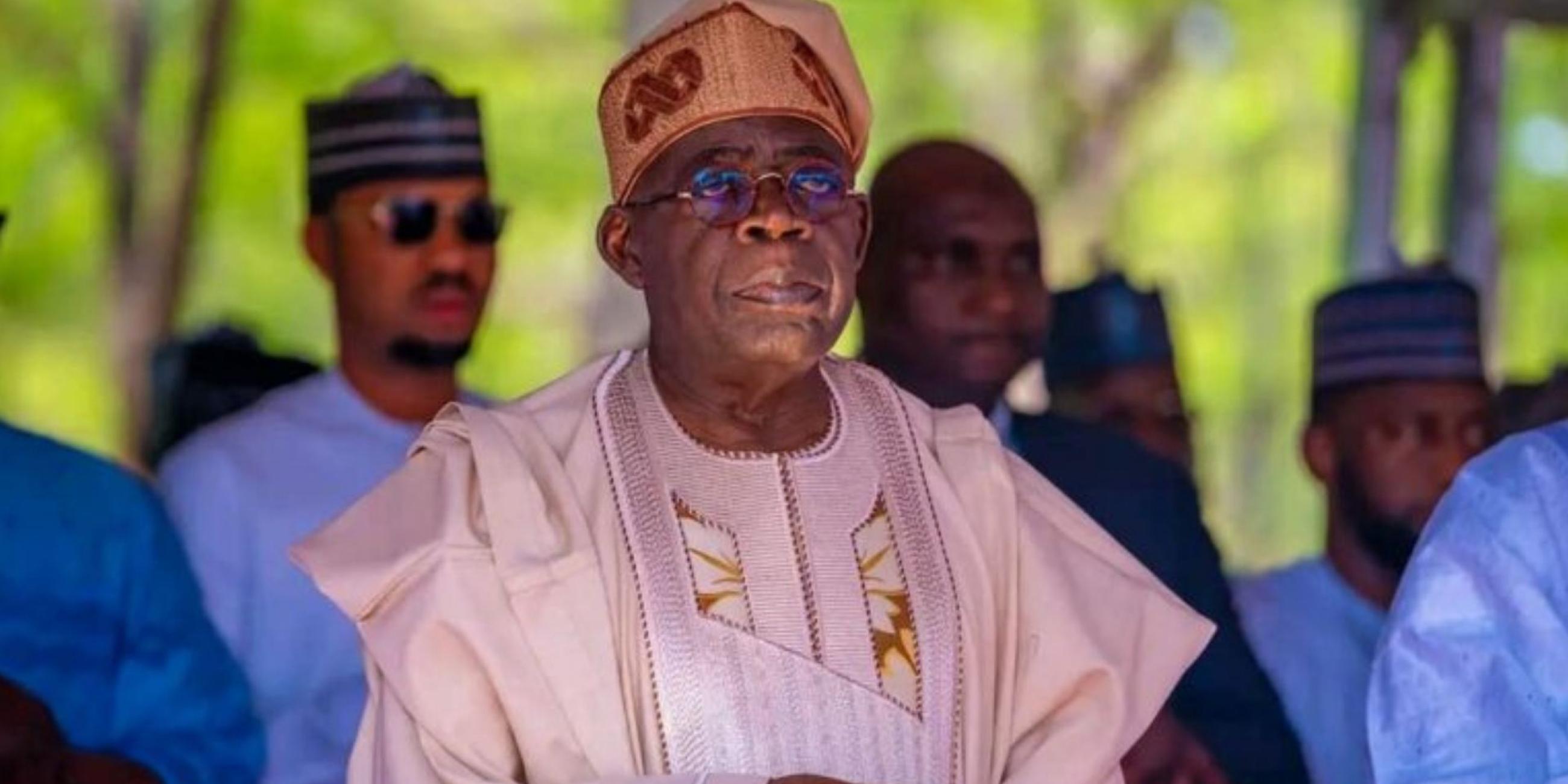
  • Is Tinubu Failing Yoruba Land? Pan-Yoruba Group Slams President Over Insecurity, Kidnapped Monarchs and ‘Silence From Power

    Is Nigeria’s security crisis finally reaching a breaking point in Yoruba land—and is President Bola Ahmed Tinubu truly doing enough to stop it? These are the urgent questions being raised after a Pan-Yoruba socio-political group, Ìgbìnmó Májékóbájé Ilé-Yorùbá, publicly condemned the President over what it described as his “deafening silence” in the face of worsening insecurity across the South-West.

    The group’s outcry followed the shocking abduction of a Kwara State monarch, Oba S. Y. Olaonipekun, and his son, Olaolu, who were reportedly kidnapped by suspected terrorists in the Ile-Ire district. For many observers, the incident marks a dangerous escalation in Nigeria’s security crisis: when even traditional rulers—symbols of authority, culture, and community stability—are no longer safe, what hope remains for ordinary citizens?

    In a strongly worded statement signed by its Convener, Olusola Badero, and released through Home Director Princess Balogun, the group accused President Tinubu of abandoning his constitutional duty as the nation’s chief security officer. According to the group, violent attacks, kidnappings, and killings have spread across Yoruba communities with little visible federal response. They argued that while statements are often issued, concrete action has been painfully absent.

    The union alleged that forests and rural communities in parts of Kwara and the wider South-West have become safe havens for armed groups posing as herdsmen, whom they directly described as terrorists. It lamented what it called the humiliation of Yoruba traditional institutions, stressing that the kidnapping of monarchs was once unimaginable in the region’s history. Quoting a Yoruba proverb—“Oríadé kì í sùn tán” (Royalty does not sleep outside)—the group said the abduction of kings represents not only a security failure but also a deep cultural wound.

    Beyond insecurity, the group launched a broader political critique of President Tinubu’s leadership. They accused him of prioritising personal interests, political allies, and future elections over the immediate safety and welfare of citizens. They further criticised what they described as his frequent foreign trips, alleging that he enjoys public funds abroad while Nigerians face poverty, fear, collapsing healthcare, and deteriorating schools at home. For the group, this contrast symbolises a widening gap between those in power and the people they govern.

    The statement also targeted Kwara State Governor AbdulRahman AbdulRazaq, accusing the state government of failing to protect residents. The group demanded the immediate release of the abducted monarch and his son, as well as other kidnapped citizens, including workers from the Kwara State Ministry of Works.

    To underline what it sees as a pattern of lawlessness, the union recalled earlier incidents, including the killing of Segun Aremu, a retired army general and monarch (the Olúkòrò of Koro), and the abduction of Kamilu Salami, the Oníbàrà of Bayagan Ile, who reportedly spent weeks in captivity before regaining freedom. These cases, the group argued, show that the crisis is not isolated but systemic.

    Perhaps most striking is the group’s warning that continued political inaction could lead to long-term devastation: deserted villages, abandoned farmlands, and forests fully occupied by armed groups. They questioned how elections can even matter if citizens are no longer safe enough to live in their communities. “Who will be alive to vote,” they asked, “if our villages are deserted and our forests controlled by terrorists?”

    The union went further, calling on Yoruba people at home and in the diaspora to take collective responsibility for protecting their region, suggesting that reliance on political leaders who have “clearly failed” could invite even greater catastrophe.

    As this controversy unfolds, Nigerians are left with uncomfortable but necessary questions: Has the federal government lost control of internal security? Is President Tinubu doing enough to protect his own region? And what happens when traditional institutions—once seen as untouchable—become targets of violence?

    On Fintter, this story is more than breaking news; it is a national conversation about leadership, accountability, and survival. Are these criticisms justified, or are they politically motivated? Can Nigeria still reverse its security decline, or has the crisis reached a point of no return? The answers may shape not just the future of Yoruba land, but the fate of the entire nation.

    What do you think? Is Tinubu truly failing on security—or is the crisis beyond any single leader? Share your thoughts and join the debate on Fintter.

    Is Tinubu Failing Yoruba Land? Pan-Yoruba Group Slams President Over Insecurity, Kidnapped Monarchs and ‘Silence From Power Is Nigeria’s security crisis finally reaching a breaking point in Yoruba land—and is President Bola Ahmed Tinubu truly doing enough to stop it? These are the urgent questions being raised after a Pan-Yoruba socio-political group, Ìgbìnmó Májékóbájé Ilé-Yorùbá, publicly condemned the President over what it described as his “deafening silence” in the face of worsening insecurity across the South-West. The group’s outcry followed the shocking abduction of a Kwara State monarch, Oba S. Y. Olaonipekun, and his son, Olaolu, who were reportedly kidnapped by suspected terrorists in the Ile-Ire district. For many observers, the incident marks a dangerous escalation in Nigeria’s security crisis: when even traditional rulers—symbols of authority, culture, and community stability—are no longer safe, what hope remains for ordinary citizens? In a strongly worded statement signed by its Convener, Olusola Badero, and released through Home Director Princess Balogun, the group accused President Tinubu of abandoning his constitutional duty as the nation’s chief security officer. According to the group, violent attacks, kidnappings, and killings have spread across Yoruba communities with little visible federal response. They argued that while statements are often issued, concrete action has been painfully absent. The union alleged that forests and rural communities in parts of Kwara and the wider South-West have become safe havens for armed groups posing as herdsmen, whom they directly described as terrorists. It lamented what it called the humiliation of Yoruba traditional institutions, stressing that the kidnapping of monarchs was once unimaginable in the region’s history. Quoting a Yoruba proverb—“Oríadé kì í sùn tán” (Royalty does not sleep outside)—the group said the abduction of kings represents not only a security failure but also a deep cultural wound. Beyond insecurity, the group launched a broader political critique of President Tinubu’s leadership. They accused him of prioritising personal interests, political allies, and future elections over the immediate safety and welfare of citizens. They further criticised what they described as his frequent foreign trips, alleging that he enjoys public funds abroad while Nigerians face poverty, fear, collapsing healthcare, and deteriorating schools at home. For the group, this contrast symbolises a widening gap between those in power and the people they govern. The statement also targeted Kwara State Governor AbdulRahman AbdulRazaq, accusing the state government of failing to protect residents. The group demanded the immediate release of the abducted monarch and his son, as well as other kidnapped citizens, including workers from the Kwara State Ministry of Works. To underline what it sees as a pattern of lawlessness, the union recalled earlier incidents, including the killing of Segun Aremu, a retired army general and monarch (the Olúkòrò of Koro), and the abduction of Kamilu Salami, the Oníbàrà of Bayagan Ile, who reportedly spent weeks in captivity before regaining freedom. These cases, the group argued, show that the crisis is not isolated but systemic. Perhaps most striking is the group’s warning that continued political inaction could lead to long-term devastation: deserted villages, abandoned farmlands, and forests fully occupied by armed groups. They questioned how elections can even matter if citizens are no longer safe enough to live in their communities. “Who will be alive to vote,” they asked, “if our villages are deserted and our forests controlled by terrorists?” The union went further, calling on Yoruba people at home and in the diaspora to take collective responsibility for protecting their region, suggesting that reliance on political leaders who have “clearly failed” could invite even greater catastrophe. As this controversy unfolds, Nigerians are left with uncomfortable but necessary questions: Has the federal government lost control of internal security? Is President Tinubu doing enough to protect his own region? And what happens when traditional institutions—once seen as untouchable—become targets of violence? On Fintter, this story is more than breaking news; it is a national conversation about leadership, accountability, and survival. Are these criticisms justified, or are they politically motivated? Can Nigeria still reverse its security decline, or has the crisis reached a point of no return? The answers may shape not just the future of Yoruba land, but the fate of the entire nation. 💬 What do you think? Is Tinubu truly failing on security—or is the crisis beyond any single leader? Share your thoughts and join the debate on Fintter.
    0 Comments ·0 Shares ·3K Views
  • New Tax Law 2026: Simple and Legal Bank Transfer Narrations Nigerians Can Use to Avoid Overpaying Tax as FG Begins Digital Monitoring

    As Nigeria prepares to roll out a new tax regime in January 2026, financial experts are urging Nigerians to pay closer attention to how they describe bank transfers. The federal government plans to rely more on digital banking data to improve tax compliance, meaning bank transfer narrations could play a key role in determining whether funds are classified as taxable income.

    Tax consultants explain that tax is charged mainly on income earned from services or business activities. When bank transfer narrations are vague or misleading, such transactions may be flagged as income, potentially leading to higher tax liabilities, audits, or penalties during annual filings. Using clear, accurate, and honest descriptions helps ensure individuals only pay tax when it is legally required.

    To guide Nigerians, experts recommend simple and lawful narrations such as “Gift/Family support” for personal gifts, “Refund/Reimbursement” for returned money, “Personal transfer” for moving one’s own funds, “Loan received” for borrowed money, and “Capital contribution” when injecting personal funds into a business. For business transactions, describing the exact goods or services sold is advised.

    However, Taiwo Oyedele, Chairman of the Presidential Fiscal Policy and Tax Reforms Committee, clarified that banks will not automatically deduct money from accounts regardless of narration. He stressed that Nigerians will still declare their income themselves at year-end, adding that the reform is meant to promote awareness and fairness, not to impose hidden taxes.

    The government also dismissed widespread fears surrounding the new tax law, noting that low-income earners, gifts, remittances, pensions, and Nigerians in the diaspora remain exempt. Overall, the reform is positioned as a move to reduce the tax burden on vulnerable groups, strengthen compliance, and stimulate economic growth—making accurate bank transfer narrations an important habit for Nigerians ahead of 2026.
    New Tax Law 2026: Simple and Legal Bank Transfer Narrations Nigerians Can Use to Avoid Overpaying Tax as FG Begins Digital Monitoring As Nigeria prepares to roll out a new tax regime in January 2026, financial experts are urging Nigerians to pay closer attention to how they describe bank transfers. The federal government plans to rely more on digital banking data to improve tax compliance, meaning bank transfer narrations could play a key role in determining whether funds are classified as taxable income. Tax consultants explain that tax is charged mainly on income earned from services or business activities. When bank transfer narrations are vague or misleading, such transactions may be flagged as income, potentially leading to higher tax liabilities, audits, or penalties during annual filings. Using clear, accurate, and honest descriptions helps ensure individuals only pay tax when it is legally required. To guide Nigerians, experts recommend simple and lawful narrations such as “Gift/Family support” for personal gifts, “Refund/Reimbursement” for returned money, “Personal transfer” for moving one’s own funds, “Loan received” for borrowed money, and “Capital contribution” when injecting personal funds into a business. For business transactions, describing the exact goods or services sold is advised. However, Taiwo Oyedele, Chairman of the Presidential Fiscal Policy and Tax Reforms Committee, clarified that banks will not automatically deduct money from accounts regardless of narration. He stressed that Nigerians will still declare their income themselves at year-end, adding that the reform is meant to promote awareness and fairness, not to impose hidden taxes. The government also dismissed widespread fears surrounding the new tax law, noting that low-income earners, gifts, remittances, pensions, and Nigerians in the diaspora remain exempt. Overall, the reform is positioned as a move to reduce the tax burden on vulnerable groups, strengthen compliance, and stimulate economic growth—making accurate bank transfer narrations an important habit for Nigerians ahead of 2026.
    0 Comments ·0 Shares ·850 Views
  • Man Who Knew Anthony Joshua’s Late Friend Trends Online After Fatal Lagos–Ibadan Expressway Crash, Makes Emotional Prayer Request

    A young man has gone viral on social media after sharing photos and memories of Latif Ayodele, a close friend of boxing star Anthony Joshua who died in a tragic car accident on the Lagos–Ibadan Expressway. Mourning his loss, the man expressed deep grief and appealed to the public to remember the late Latif in their prayers, sparking emotional reactions and condolences from Nigerians and members of the diaspora online.
    Man Who Knew Anthony Joshua’s Late Friend Trends Online After Fatal Lagos–Ibadan Expressway Crash, Makes Emotional Prayer Request A young man has gone viral on social media after sharing photos and memories of Latif Ayodele, a close friend of boxing star Anthony Joshua who died in a tragic car accident on the Lagos–Ibadan Expressway. Mourning his loss, the man expressed deep grief and appealed to the public to remember the late Latif in their prayers, sparking emotional reactions and condolences from Nigerians and members of the diaspora online.
    like
    1
    · 0 Comments ·0 Shares ·357 Views
  • Please Let Me See Him Before I Die’: 80-Year-Old Mother of Nigerian on Saudi Death Row Begs for Son’s Release

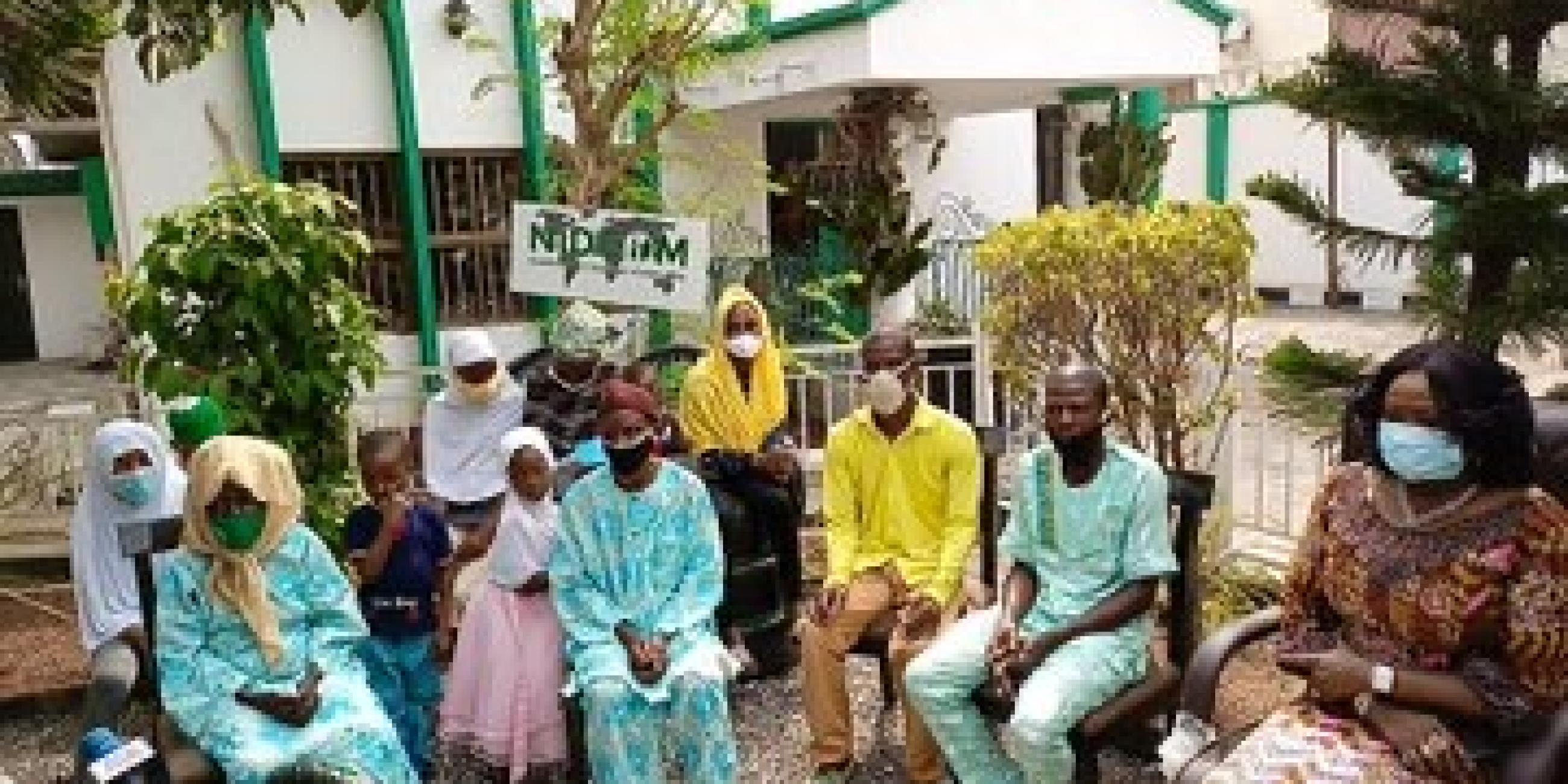
    Relatives of Suleimon Olufemi, a Nigerian who has spent nearly 20 years on death row in Saudi Arabia, have renewed their emotional plea for his release after the Nigerians in Diaspora Commission (NiDCOM) confirmed payment of the $570,000 (about ₦900 million) diyya demanded by the victim’s family. In a tearful video appeal, Olufemi’s 80-year-old mother begged Saudi authorities and the Nigerian government to show mercy and allow her son return home so she can see him before she dies. NiDCOM said diplomatic efforts were ongoing through the Ministry of Foreign Affairs to secure a pardon, as Olufemi—who has consistently maintained his innocence—awaits clemency after being sentenced to death in 2005.
    Please Let Me See Him Before I Die’: 80-Year-Old Mother of Nigerian on Saudi Death Row Begs for Son’s Release Relatives of Suleimon Olufemi, a Nigerian who has spent nearly 20 years on death row in Saudi Arabia, have renewed their emotional plea for his release after the Nigerians in Diaspora Commission (NiDCOM) confirmed payment of the $570,000 (about ₦900 million) diyya demanded by the victim’s family. In a tearful video appeal, Olufemi’s 80-year-old mother begged Saudi authorities and the Nigerian government to show mercy and allow her son return home so she can see him before she dies. NiDCOM said diplomatic efforts were ongoing through the Ministry of Foreign Affairs to secure a pardon, as Olufemi—who has consistently maintained his innocence—awaits clemency after being sentenced to death in 2005.
    0 Comments ·0 Shares ·711 Views
  • Over ₦800 Million Blood Money Paid to Secure Release of Nigerian on Death Row in Saudi Arabia – NiDCOM Confirms

    The Nigerians in Diaspora Commission (NiDCOM) has confirmed the payment of $570,000 (about ₦826 million) in Diyya (blood money) to facilitate the release of Suleimon Olufemi, a Nigerian who has spent over 20 years on death row in Saudi Arabia. Olufemi was arrested in 2002 during an Umrah visit following a violent clash in Jeddah that led to the death of a Saudi police officer. With the victim’s child now of legal age, negotiations resumed, and the funds—raised by NiDCOM and Nigerian groups in Saudi Arabia—have been deposited into a Saudi government-designated account. Nigerian authorities are hopeful that ongoing diplomatic efforts will result in mercy and pardon after two decades of detention.
    Over ₦800 Million Blood Money Paid to Secure Release of Nigerian on Death Row in Saudi Arabia – NiDCOM Confirms The Nigerians in Diaspora Commission (NiDCOM) has confirmed the payment of $570,000 (about ₦826 million) in Diyya (blood money) to facilitate the release of Suleimon Olufemi, a Nigerian who has spent over 20 years on death row in Saudi Arabia. Olufemi was arrested in 2002 during an Umrah visit following a violent clash in Jeddah that led to the death of a Saudi police officer. With the victim’s child now of legal age, negotiations resumed, and the funds—raised by NiDCOM and Nigerian groups in Saudi Arabia—have been deposited into a Saudi government-designated account. Nigerian authorities are hopeful that ongoing diplomatic efforts will result in mercy and pardon after two decades of detention.
    0 Comments ·0 Shares ·706 Views
  • Tinubu Attends Eyo Festival, Says It Promotes Nigeria’s Tourism Potential
    The President said that the festival coincided with “Detty December,” when Lagos welcomes Nigerians in the diaspora and foreign visitors.
    Tinubu Attends Eyo Festival, Says It Promotes Nigeria’s Tourism Potential The President said that the festival coincided with “Detty December,” when Lagos welcomes Nigerians in the diaspora and foreign visitors.
    0 Comments ·0 Shares ·312 Views
  • Tuggar reaffirms Nigeria’s Commitment to Religious Harmony, Social Cohesion

    Minister of Foreign Affairs, Yusuf Tuggar, has extended warm Christmas felicitations to Christians in Nigeria and abroad, using the occasion to reaffirm government’s commitment to religious harmony and social cohesion.

    The Foreign Affairs Minister’s Christmas message described the season as a time for reflection and renewal, underscoring values that resonate deeply with Nigeria’s diverse religious and cultural heritage.

    Yusuf Tuggar noted that Christmas offers an opportunity to recommit to dialogue, mutual respect, and shared responsibility in safeguarding peace and stability within communities.

    He assured that Nigeria will continue to strengthen its institutions to protect all religious adherents, ensure social cohesion, and promote harmonious coexistence across the country.

    The Minister concluded by calling for unity and hope, noting the nation’s strength lies in its diversity. He wished Christians at home and in the diaspora a peaceful Christmas and a prosperous New Year.
    Tuggar reaffirms Nigeria’s Commitment to Religious Harmony, Social Cohesion Minister of Foreign Affairs, Yusuf Tuggar, has extended warm Christmas felicitations to Christians in Nigeria and abroad, using the occasion to reaffirm government’s commitment to religious harmony and social cohesion. The Foreign Affairs Minister’s Christmas message described the season as a time for reflection and renewal, underscoring values that resonate deeply with Nigeria’s diverse religious and cultural heritage. Yusuf Tuggar noted that Christmas offers an opportunity to recommit to dialogue, mutual respect, and shared responsibility in safeguarding peace and stability within communities. He assured that Nigeria will continue to strengthen its institutions to protect all religious adherents, ensure social cohesion, and promote harmonious coexistence across the country. The Minister concluded by calling for unity and hope, noting the nation’s strength lies in its diversity. He wished Christians at home and in the diaspora a peaceful Christmas and a prosperous New Year.
    0 Comments ·0 Shares ·618 Views
  • Nigerian Man on Death Row in Saudi Arabia Could Be Freed After $570,000 Raised by Seyi Tinubu, Sanwo-Olu, Diaspora

    Suleimon Olufemi, a Nigerian man on death row in Saudi Arabia for over 20 years, may soon be released following the payment of $570,000 as blood money (Diyya). Funds were raised by Nigerians in the diaspora, Lagos Governor Babajide Sanwo-Olu, Seyi Tinubu, and a GoFundMe campaign. NIDCOM confirmed that diplomatic engagement and payment of Diyya pave the way for his possible release, emphasizing fairness and Nigeria-Saudi Arabia relations. The case had drawn attention from Amnesty International, which urged President Tinubu’s intervention.

    #Nigeria #SaudiArabia #DeathRow #SuleimonOlufemi #DiasporaSupport #SeyiTinubu #BabajideSanwoOlu #NIDCOM
    Nigerian Man on Death Row in Saudi Arabia Could Be Freed After $570,000 Raised by Seyi Tinubu, Sanwo-Olu, Diaspora Suleimon Olufemi, a Nigerian man on death row in Saudi Arabia for over 20 years, may soon be released following the payment of $570,000 as blood money (Diyya). Funds were raised by Nigerians in the diaspora, Lagos Governor Babajide Sanwo-Olu, Seyi Tinubu, and a GoFundMe campaign. NIDCOM confirmed that diplomatic engagement and payment of Diyya pave the way for his possible release, emphasizing fairness and Nigeria-Saudi Arabia relations. The case had drawn attention from Amnesty International, which urged President Tinubu’s intervention. #Nigeria #SaudiArabia #DeathRow #SuleimonOlufemi #DiasporaSupport #SeyiTinubu #BabajideSanwoOlu #NIDCOM
    love
    1
    · 0 Comments ·0 Shares ·2K Views

  • NIDCOM Rebuts Amnesty International, Confirms $570,000 Blood Money Paid to Secure Release of Nigerian on Death Row in Saudi Arabia

    The Nigerians in Diaspora Commission (NIDCOM) has countered claims by Amnesty International over the prolonged detention of Suleimon Olufemi, a Nigerian who has spent more than 20 years on death row in Saudi Arabia, insisting that critical facts were omitted from Amnesty’s narrative. NIDCOM disclosed that Olufemi’s death sentence was converted after the victim’s family agreed to accept blood money under Saudi Arabia’s Sharia-based legal system.

    According to the commission, following years of diplomatic engagements involving Nigeria’s Ministry of Foreign Affairs and the Nigerian Embassy in Saudi Arabia, the victim’s family demanded $570,000 in compensation. NIDCOM said the funds were successfully raised through a coordinated effort involving Nigerians in Saudi Arabia, private donors, and supporters, including contributions from Lagos State Governor Babajide Sanwo-Olu and Seyi Tinubu during the administration of former President Muhammadu Buhari.

    NIDCOM confirmed that the full amount has been paid into a designated account and that Nigerian authorities are awaiting final approval from Saudi officials to secure Olufemi’s release. While acknowledging Amnesty International’s advocacy role, the commission accused the organisation of failing to assist during the critical fundraising stage and urged it to present factual and balanced accounts. NIDCOM expressed optimism that Olufemi, who has consistently maintained his innocence, will soon regain his freedom after more than two decades in prison.

    :
    #NIDCOM
    #SaudiArabia
    #HumanRights
    NIDCOM Rebuts Amnesty International, Confirms $570,000 Blood Money Paid to Secure Release of Nigerian on Death Row in Saudi Arabia The Nigerians in Diaspora Commission (NIDCOM) has countered claims by Amnesty International over the prolonged detention of Suleimon Olufemi, a Nigerian who has spent more than 20 years on death row in Saudi Arabia, insisting that critical facts were omitted from Amnesty’s narrative. NIDCOM disclosed that Olufemi’s death sentence was converted after the victim’s family agreed to accept blood money under Saudi Arabia’s Sharia-based legal system. According to the commission, following years of diplomatic engagements involving Nigeria’s Ministry of Foreign Affairs and the Nigerian Embassy in Saudi Arabia, the victim’s family demanded $570,000 in compensation. NIDCOM said the funds were successfully raised through a coordinated effort involving Nigerians in Saudi Arabia, private donors, and supporters, including contributions from Lagos State Governor Babajide Sanwo-Olu and Seyi Tinubu during the administration of former President Muhammadu Buhari. NIDCOM confirmed that the full amount has been paid into a designated account and that Nigerian authorities are awaiting final approval from Saudi officials to secure Olufemi’s release. While acknowledging Amnesty International’s advocacy role, the commission accused the organisation of failing to assist during the critical fundraising stage and urged it to present factual and balanced accounts. NIDCOM expressed optimism that Olufemi, who has consistently maintained his innocence, will soon regain his freedom after more than two decades in prison. : #NIDCOM #SaudiArabia #HumanRights
    0 Comments ·0 Shares ·1K Views
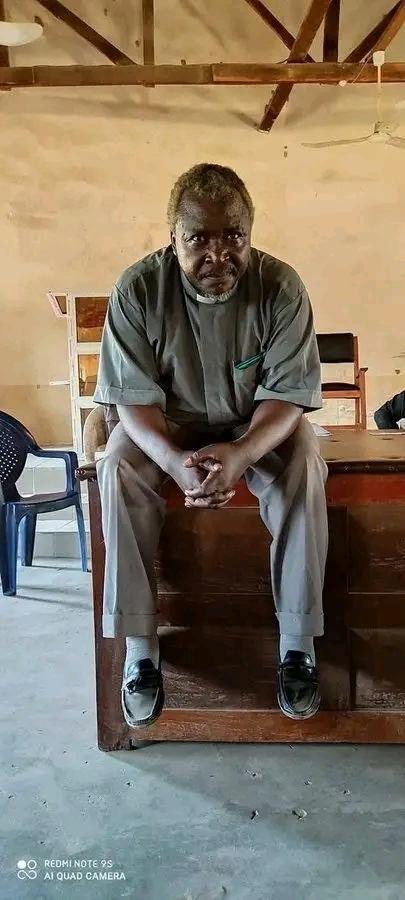
  • BREAKING: Rev. Ezekiel Dachomo has raised alarm, claiming his children are being denied university admission because he spoke out on about Christian genoc!de going on in Nigeria

    According to the cleric, the alleged denial is retaliation for speaking out, sparking fresh concerns about freedom of expression, relig!ous rights, and victimization in Nigeria.

    Do you think people should suffer consequences for speaking out on sensit!ve issues, or is this a clear case of persecuti0n?

    If It’s Loud, It’s fintter.com

    Share this post to keep the conversation going.

    New here? Follow our page for verified, up-to-date news.

    #newsflashngr #ReligiousFreedom #nigeriansindiaspora
    BREAKING: Rev. Ezekiel Dachomo has raised alarm, claiming his children are being denied university admission because he spoke out on about Christian genoc!de going on in Nigeria According to the cleric, the alleged denial is retaliation for speaking out, sparking fresh concerns about freedom of expression, relig!ous rights, and victimization in Nigeria. Do you think people should suffer consequences for speaking out on sensit!ve issues, or is this a clear case of persecuti0n? If It’s Loud, It’s fintter.com Share this post to keep the conversation going. New here? Follow our page for verified, up-to-date news. #newsflashngr #ReligiousFreedom #nigeriansindiaspora
    love
    1
    · 0 Comments ·0 Shares ·1K Views
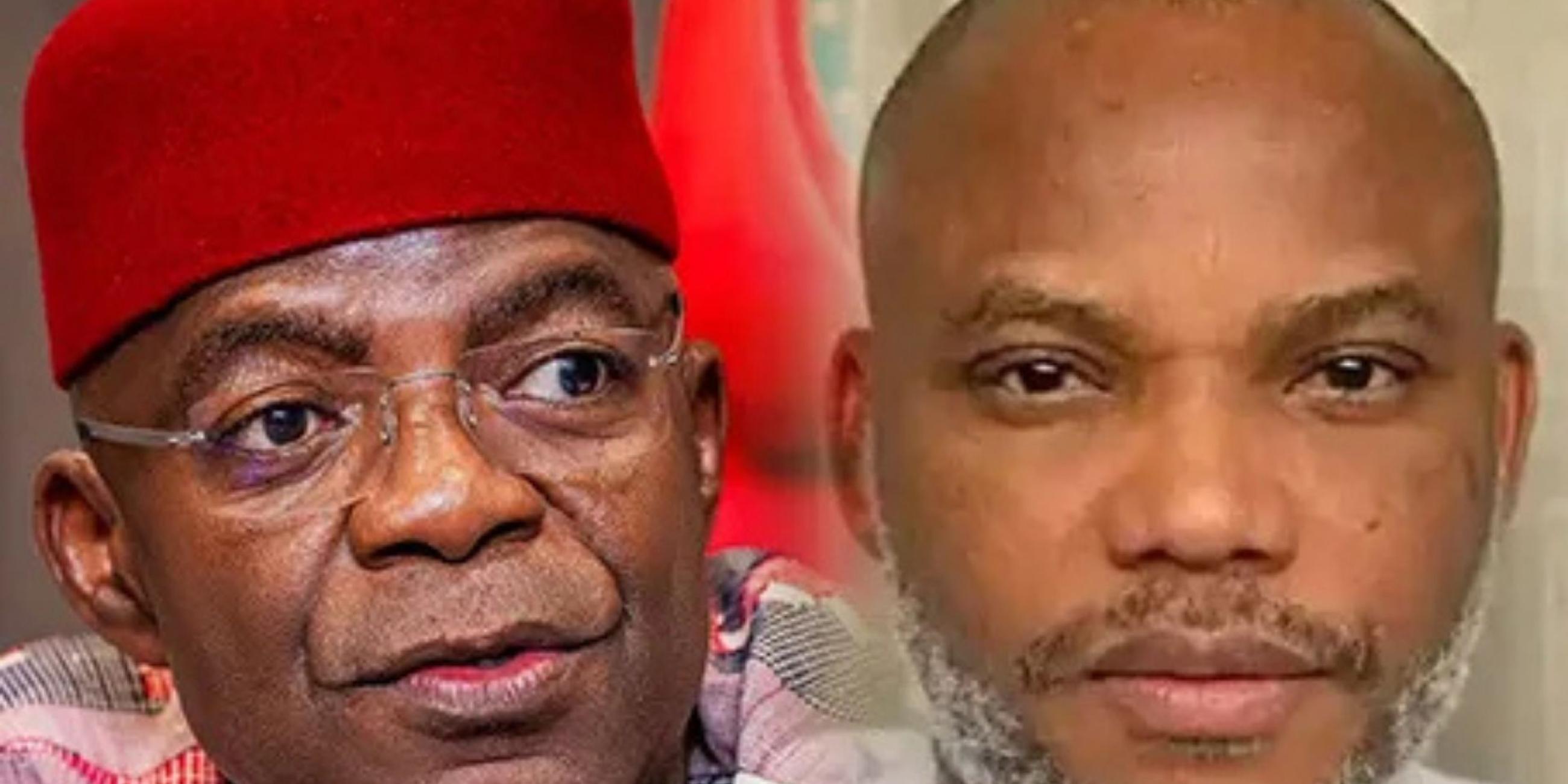
  • My Visit To Nnamdi Kanu Was For Peace, Not Political Ambition — Abia Governor Alex Otti Responds To Viral Video Criticism

    Abia State Governor, Alex Otti, has dismissed claims that his visit to detained IPOB leader, Nnamdi Kanu, in Sokoto was driven by political ambition, insisting it was purely aimed at promoting peace and dialogue. Speaking at the Government House in Umuahia while receiving the Abia Diaspora Commission and the Global Medical Mission 2025 team, Otti said democracy allows for differing opinions but stressed that his actions were motivated by stability in Abia State and the South-East. Responding to criticism from a viral video, the governor reiterated his earlier declaration that he would retire from public office after completing his tenure. His comments followed controversy surrounding Kanu’s life sentence on terrorism-related charges and his transfer from DSS custody in Abuja to the Sokoto Correctional Facility, a move condemned by Kanu’s legal team.
    My Visit To Nnamdi Kanu Was For Peace, Not Political Ambition — Abia Governor Alex Otti Responds To Viral Video Criticism Abia State Governor, Alex Otti, has dismissed claims that his visit to detained IPOB leader, Nnamdi Kanu, in Sokoto was driven by political ambition, insisting it was purely aimed at promoting peace and dialogue. Speaking at the Government House in Umuahia while receiving the Abia Diaspora Commission and the Global Medical Mission 2025 team, Otti said democracy allows for differing opinions but stressed that his actions were motivated by stability in Abia State and the South-East. Responding to criticism from a viral video, the governor reiterated his earlier declaration that he would retire from public office after completing his tenure. His comments followed controversy surrounding Kanu’s life sentence on terrorism-related charges and his transfer from DSS custody in Abuja to the Sokoto Correctional Facility, a move condemned by Kanu’s legal team.
    0 Comments ·0 Shares ·1K Views
  • AAC Calls for Shutdown of Owerri “Tiger Base” Police Facility, Demands Justice Over Alleged Torture and Extrajudicial Killings

    The African Action Congress (AAC) has urged Nigerians to support the Coalition Against Police Tiger Base Impunity (CAPTI) following a report detailing torture, extrajudicial killings, and human rights abuses at the Owerri police facility. The party demands the immediate closure of Tiger Base, prosecution of implicated officers including ACP Oladimeji Adeyeyiwa, independent investigations, reparations for victims, and comprehensive police reforms with civilian oversight. AAC’s call to action emphasizes solidarity across civil society, workers, students, and the diaspora to hold authorities accountable and end systemic police brutality.
    AAC Calls for Shutdown of Owerri “Tiger Base” Police Facility, Demands Justice Over Alleged Torture and Extrajudicial Killings The African Action Congress (AAC) has urged Nigerians to support the Coalition Against Police Tiger Base Impunity (CAPTI) following a report detailing torture, extrajudicial killings, and human rights abuses at the Owerri police facility. The party demands the immediate closure of Tiger Base, prosecution of implicated officers including ACP Oladimeji Adeyeyiwa, independent investigations, reparations for victims, and comprehensive police reforms with civilian oversight. AAC’s call to action emphasizes solidarity across civil society, workers, students, and the diaspora to hold authorities accountable and end systemic police brutality.
    0 Comments ·0 Shares ·1K Views
  • AAC Inaugurates New NWC, Launches Renewed Push to ‘Rescue Nigeria’ from Bad Governance

    The African Action Congress (AAC) has inaugurated a new National Working Committee (NWC), unveiling a renewed revolutionary agenda aimed at rescuing Nigeria from corruption, insecurity, poverty, and failed leadership.
    In a statement by National Publicity Secretary Rex Elanu, the party said the new NWC represents a bold, people-centered force committed to grassroots mobilization, ideological clarity, anti-poor policy resistance, and national liberation.
    The AAC called on workers, youths, students, professionals, and Nigerians in the diaspora to join its movement, insisting that the ruling political class has failed and that true liberation must be organised and demanded by the people.


    #AACNigeria

    #GoodGovernance

    #PoliticalReform
    AAC Inaugurates New NWC, Launches Renewed Push to ‘Rescue Nigeria’ from Bad Governance The African Action Congress (AAC) has inaugurated a new National Working Committee (NWC), unveiling a renewed revolutionary agenda aimed at rescuing Nigeria from corruption, insecurity, poverty, and failed leadership. In a statement by National Publicity Secretary Rex Elanu, the party said the new NWC represents a bold, people-centered force committed to grassroots mobilization, ideological clarity, anti-poor policy resistance, and national liberation. The AAC called on workers, youths, students, professionals, and Nigerians in the diaspora to join its movement, insisting that the ruling political class has failed and that true liberation must be organised and demanded by the people. #AACNigeria #GoodGovernance #PoliticalReform
    0 Comments ·0 Shares ·1K Views
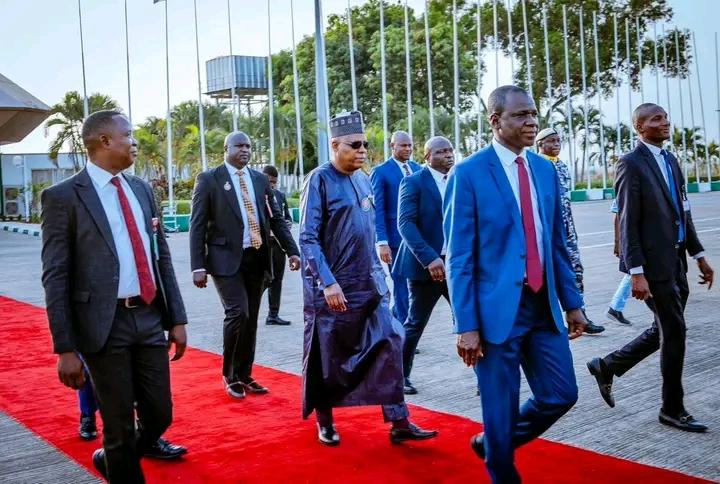
  • VP Shettima Departs Abuja For Abidjan

    Vice President Kashim Shettima has departed Abuja for Abidjan, Côte d'Ivoire, to represent President Bola Ahmed Tinubu at the inauguration of Alassane Ouattara for a fourth term in office as President of that country.

    In a Statement by the Senior Special Assistant to the President on Media and Communications, Office of the Vice President, Stanley Nkwocha said Shettima is expected to join other leaders across Africa and beyond to witness activities lined up for the swearing-in ceremony scheduled to hold on Monday, December 8, 2025, at the Presidential Palace in Abidjan.

    Quatara was re-elected for a fourth term in office on October 25, 2025 as President of Côte d'Ivoire, a West African country that shares cordial diplomatic ties with Nigeria.

    Both nations collaborate significantly within ECOWAS and the African Union on security, trade, and development, formalised by a Bi-National Commission and numerous agreements covering areas like anti-trafficking, agriculture, and digital economy, with strong informal trade and significant Nigerian diaspora in Côte d'Ivoire, fostering deep bilateral economic and social connections.

    The Vice President is accompanied by HE Omar Aliyu Touray, President of ECOWAS Commission; Senator Abubakar Sani Bello, Chairman, Senate Committee on Foreign Affairs and Hon. Usman Zannah, member representing Kaga/Gubio/Magumeri Federal Constituency in the House of Representatives.

    The Vice President is expected back in Abuja at the end of the inauguration ceremony.
    VP Shettima Departs Abuja For Abidjan Vice President Kashim Shettima has departed Abuja for Abidjan, Côte d'Ivoire, to represent President Bola Ahmed Tinubu at the inauguration of Alassane Ouattara for a fourth term in office as President of that country. In a Statement by the Senior Special Assistant to the President on Media and Communications, Office of the Vice President, Stanley Nkwocha said Shettima is expected to join other leaders across Africa and beyond to witness activities lined up for the swearing-in ceremony scheduled to hold on Monday, December 8, 2025, at the Presidential Palace in Abidjan. Quatara was re-elected for a fourth term in office on October 25, 2025 as President of Côte d'Ivoire, a West African country that shares cordial diplomatic ties with Nigeria. Both nations collaborate significantly within ECOWAS and the African Union on security, trade, and development, formalised by a Bi-National Commission and numerous agreements covering areas like anti-trafficking, agriculture, and digital economy, with strong informal trade and significant Nigerian diaspora in Côte d'Ivoire, fostering deep bilateral economic and social connections. The Vice President is accompanied by HE Omar Aliyu Touray, President of ECOWAS Commission; Senator Abubakar Sani Bello, Chairman, Senate Committee on Foreign Affairs and Hon. Usman Zannah, member representing Kaga/Gubio/Magumeri Federal Constituency in the House of Representatives. The Vice President is expected back in Abuja at the end of the inauguration ceremony.
    like
    1
    · 0 Comments ·0 Shares ·847 Views
  • Nigerian Lady Who Moved Back Home Relocates to US After 5 Years, Shares Culture Shocks and Lessons

    A Nigerian lady, Nora, has returned to the United States five years after moving back to Nigeria following her graduation in the US. She shared on TikTok that she initially returned with no clear plan except to support her family business, but soon encountered major culture shocks such as power outages, economic instability, and social adjustments. Despite these challenges, Nora said she experienced beauty in Nigerian culture, food, community, and personal growth. Now back in the US, she questions where her heart truly belongs and is launching a series about real experiences of Nigerians in the diaspora who consider returning home. Her story has sparked mixed reactions online, with many Nigerians reflecting on the realities of “japa,” “japada,” and identity.
    Nigerian Lady Who Moved Back Home Relocates to US After 5 Years, Shares Culture Shocks and Lessons A Nigerian lady, Nora, has returned to the United States five years after moving back to Nigeria following her graduation in the US. She shared on TikTok that she initially returned with no clear plan except to support her family business, but soon encountered major culture shocks such as power outages, economic instability, and social adjustments. Despite these challenges, Nora said she experienced beauty in Nigerian culture, food, community, and personal growth. Now back in the US, she questions where her heart truly belongs and is launching a series about real experiences of Nigerians in the diaspora who consider returning home. Her story has sparked mixed reactions online, with many Nigerians reflecting on the realities of “japa,” “japada,” and identity.
    0 Comments ·0 Shares ·631 Views
  • BREAKING: Nigerians living in the Diaspora have called for urgent government action to resolve persistent difficulties associated with obtaining National Identification Numbers and Nigerian passports abroad.
    BREAKING: Nigerians living in the Diaspora have called for urgent government action to resolve persistent difficulties associated with obtaining National Identification Numbers and Nigerian passports abroad.
    0 Comments ·0 Shares ·451 Views
  • DoJ Document Links Pro-Biafra Groups to U.S. ‘Christian Genocide’ Campaign.

    Documents from the U.S. Department of Justice (DoJ) show that a coalition of pro-Biafra groups is behind the campaign alleging a “Christian genocide in Nigeria,” a narrative that helped prompt former U.S. President Donald Trump to label Nigeria a Country of Particular Concern.

    U.S. Senator Ted Cruz recently accused the Nigerian government of enabling a “massacre” of Christians, saying in a video on X: “There is no country on earth where Christians are more persecuted than Nigeria.” He claimed Boko Haram & extremist groups have killed over 50,000 Christians since 2009 & destroyed more than 20,000 churches & schools.

    DoJ filings under the U.S. Foreign Agents Registration Act (FARA) link the campaign to the United States of Biafra, which includes the Biafra Republic Government in Exile (BRGIE).

    The filings show that BRGIE’s U.S. representative, Moran Global Strategies, led by former Congressman Jim Moran, has established ties with Cruz’s office.

    Documents reviewed by The Guardian reveal that BRGIE members signed a declaration in Lahti, Finland, on December 2, 2024, claiming Nigeria is carrying out a “genocidal onslaught” against Biafrans and Christians. Signatories include diaspora figure Simon Ekpa—now jailed in Finland for torrorism-related offences—Dr Ngozi Orabueze, and Diane Emeh.

    While the movement pushes Biafra’s secession, its messaging is tailored to American conservative audiences, arguing that supporting Biafra would counter China’s influence and protect Christians “under siege.” The filings outline organised activities such as fundraising, political statements and diaspora mobilisation.

    The documents also mention an internal vote held between February and November 2024, after which the group declared the “Restored Independence of the United States of Biafra,” claiming authority over “40 states.”

    Security analysts warn that framing separatist advocacy as evidence of genocide could inflame ethnic tensions and distort international perceptions. 

    Former Foreign Affairs Minister Bolaji Akinyemi has also cautioned that such claims may harm Nigeria’s global reputation.
    DoJ Document Links Pro-Biafra Groups to U.S. ‘Christian Genocide’ Campaign. Documents from the U.S. Department of Justice (DoJ) show that a coalition of pro-Biafra groups is behind the campaign alleging a “Christian genocide in Nigeria,” a narrative that helped prompt former U.S. President Donald Trump to label Nigeria a Country of Particular Concern. U.S. Senator Ted Cruz recently accused the Nigerian government of enabling a “massacre” of Christians, saying in a video on X: “There is no country on earth where Christians are more persecuted than Nigeria.” He claimed Boko Haram & extremist groups have killed over 50,000 Christians since 2009 & destroyed more than 20,000 churches & schools. DoJ filings under the U.S. Foreign Agents Registration Act (FARA) link the campaign to the United States of Biafra, which includes the Biafra Republic Government in Exile (BRGIE). The filings show that BRGIE’s U.S. representative, Moran Global Strategies, led by former Congressman Jim Moran, has established ties with Cruz’s office. Documents reviewed by The Guardian reveal that BRGIE members signed a declaration in Lahti, Finland, on December 2, 2024, claiming Nigeria is carrying out a “genocidal onslaught” against Biafrans and Christians. Signatories include diaspora figure Simon Ekpa—now jailed in Finland for torrorism-related offences—Dr Ngozi Orabueze, and Diane Emeh. While the movement pushes Biafra’s secession, its messaging is tailored to American conservative audiences, arguing that supporting Biafra would counter China’s influence and protect Christians “under siege.” The filings outline organised activities such as fundraising, political statements and diaspora mobilisation. The documents also mention an internal vote held between February and November 2024, after which the group declared the “Restored Independence of the United States of Biafra,” claiming authority over “40 states.” Security analysts warn that framing separatist advocacy as evidence of genocide could inflame ethnic tensions and distort international perceptions.  Former Foreign Affairs Minister Bolaji Akinyemi has also cautioned that such claims may harm Nigeria’s global reputation.
    0 Comments ·0 Shares ·1K Views
More Results
Fintter https://fintter.com