• MINISTER OF LIVESTOCK DEVELOPMENT LAYS FOUNDATION FOR ESTABLISHMENT OF SERVICE CENTRE IN SOKOTO STATE

    The new Livestock Service Centre is a key intervention under the World Bank-assisted Livestock Productivity and Resilience Support (L-PRES) Project.

    Performing the foundation stone laying, the Minister of Livestock Development, Dr. Idi Mukhtar Maiha, reaffirms the Federal Government’s commitment to unlocking Nigeria’s livestock potential for sustainable peace and development.

    Governor Ahmed Aliyu stated that the Centre is designed to address livestock losses, rural poverty and insecurity linked to unregulated livestock practices.

    The Governor noted that the Facility will introduce modern feedlots, support pasture development and ease the pressures of open grazing on Farmlands.

    National Coordinator, L-PRES, Dr. Sanusi Abubakar, assured full support from the National Coordination Office to guarantee the project’s successful implementation.

    The Commissioner for Livestock Development, Bello Muhammad Wamakko, highlighted Sokoto State Government’s investment in routine vaccination programmes and other measures to reduce Farmer–herder conflicts.

    Similar projects are being executed in 20 participating States nationwide, expected to enhance food security, improve animal health and strengthen the Nation’s economy.
    MINISTER OF LIVESTOCK DEVELOPMENT LAYS FOUNDATION FOR ESTABLISHMENT OF SERVICE CENTRE IN SOKOTO STATE The new Livestock Service Centre is a key intervention under the World Bank-assisted Livestock Productivity and Resilience Support (L-PRES) Project. Performing the foundation stone laying, the Minister of Livestock Development, Dr. Idi Mukhtar Maiha, reaffirms the Federal Government’s commitment to unlocking Nigeria’s livestock potential for sustainable peace and development. Governor Ahmed Aliyu stated that the Centre is designed to address livestock losses, rural poverty and insecurity linked to unregulated livestock practices. The Governor noted that the Facility will introduce modern feedlots, support pasture development and ease the pressures of open grazing on Farmlands. National Coordinator, L-PRES, Dr. Sanusi Abubakar, assured full support from the National Coordination Office to guarantee the project’s successful implementation. The Commissioner for Livestock Development, Bello Muhammad Wamakko, highlighted Sokoto State Government’s investment in routine vaccination programmes and other measures to reduce Farmer–herder conflicts. Similar projects are being executed in 20 participating States nationwide, expected to enhance food security, improve animal health and strengthen the Nation’s economy.
    like
    1
    · 0 Commentarii ·0 Distribuiri ·2K Views
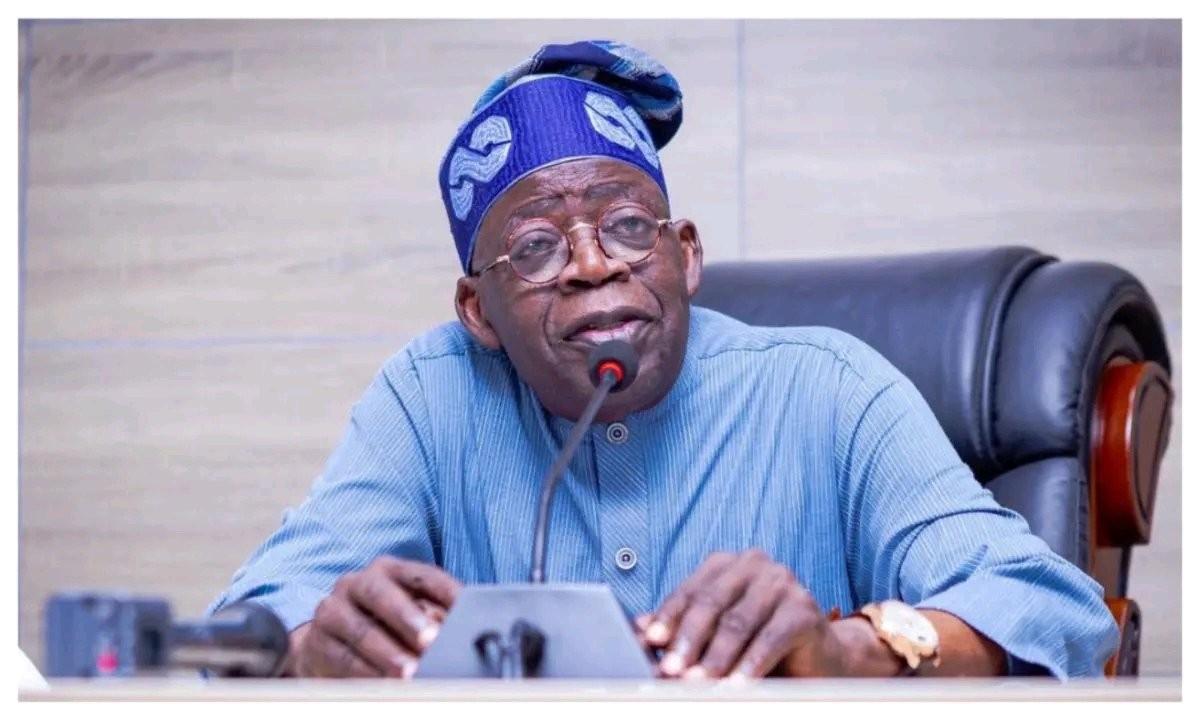
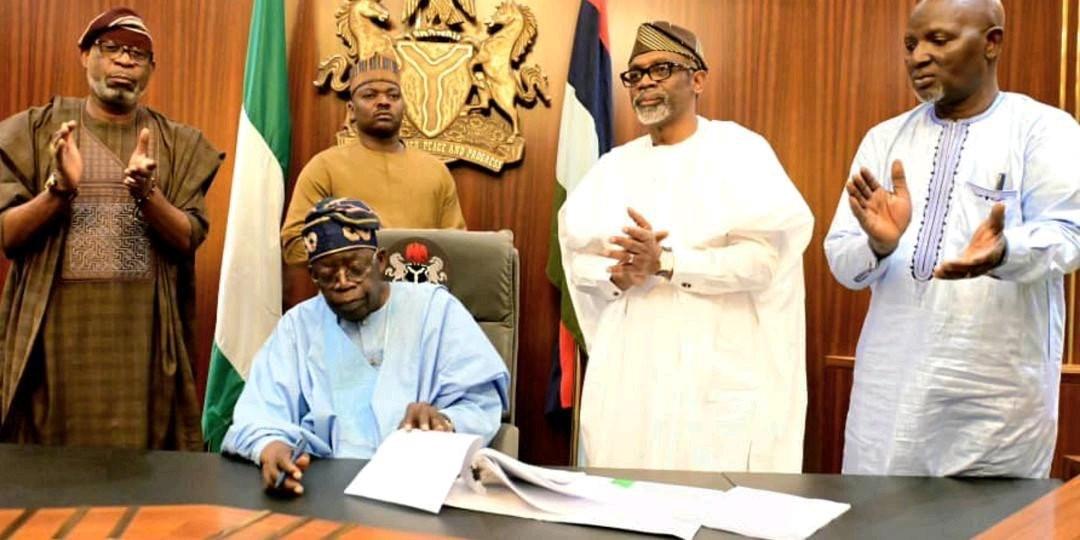
  • PRESIDENT TINUBU NOMINATES BOARD MEMBERS FOR NMDPRA, NUPRC, SEEKS SENATE CONFIRMATION

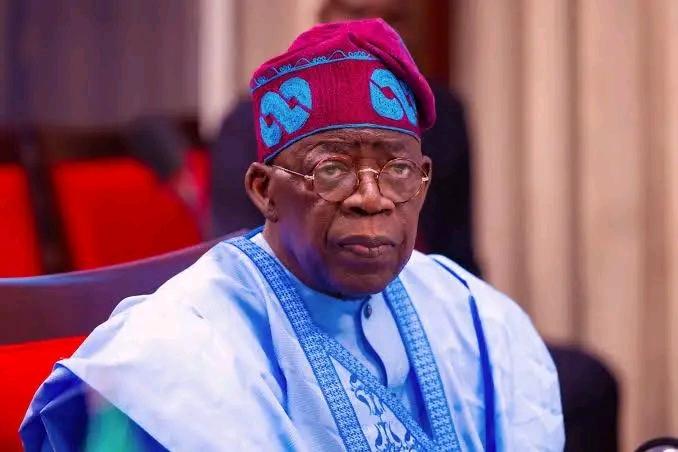
    President Bola Ahmed Tinubu has written two letters to the Senate, seeking confirmation of 21 nominees for the boards of the Nigerian Midstream and Downstream Petroleum Regulatory Authority (NMDPRA) and the Nigerian Upstream Petroleum Regulatory Commission (NUPRC).

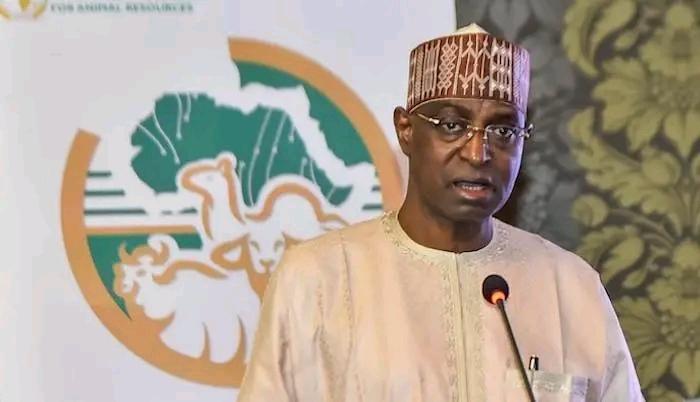
    A statement by Bayo Onanuga, special Adviser to the President, Information & Strategy, indicates that in the first letter, President Tinubu nominated Senator Magnus Abe to serve as the NUPRC board chair. Abe, who represented Rivers South East in the Senate for two terms, is a former NNPC board member and current chairman of the National Agency of the Great Green Wall.

    Other nominees for the NUPRC board are Engineer Paul Yaro Jezhi, a former Trade Union Congress chairman in Kaduna, and Mr Sunday Adebayo Babalola, a former deputy director of the Department of Petroleum Resources (DPR), which was abolished by the PIA in 2021. Both men will serve as non-executive commissioners.

    President Tinubu also nominated executive commissioners to the board.

    They are: Muhammed Sabo Lamido, executive commissioner for finance; Mr Edu Inyang, executive commissioner for Exploration and Acreage; Justin Ezeala, executive commissioner for economic regulation and strategic planning; and Henry Darlington Oki, executive commissioner for Development and Production. Others are Indabawa Bashari Alka, executive commissioner for corporate services and administration; Mahmood Tijani, executive commissioner for health, safety and environment; and Ms Olayemi Adeboyejo, as secretary and legal adviser.

    Former President Buhari appointed Lamido and Adeboyejo in 2022, while President Tinubu appointed Alka in 2023. Inyang, Ezeala, the former managing director of Nigerian Gas Marketing Limited, Mahmood Tijani, Babalola and Jezhi are new appointees of President Tinubu.

    In his second letter to the Senate, President Tinubu nominated Mr Adegbite Ebiowei Adeniji, a lawyer, as chairman of the NMDPRA board. Adeniji has over 30 years of experience in energy and natural resources issues. He was a special technical adviser to the Minister of State for Petroleum on upstream and gas until 2018. He was a member of the Oil & Gas Policy team at the World Bank, which advised the Government of Nigeria on the reform and restructuring of the petroleum sector, including the development of the Strategic Gas Plan for Nigeria. He is currently the managing partner at ENR Advisory.

    President Tinubu also nominated Chief Kenneth Kobani and Mrs Asabe Ahmed as non-executive members. Kobani was a former minister of state for trade under President Jonathan and secretary to the government of Rivers State, under Nyesom Wike.

    Also nominated for confirmation are Abiodun Adeniji, executive director of finance; Francis Ogaree, executive director of hydrocarbon; Oluwole Adama, executive director of midstream and Downstream gas infrastructure; and Dr Mustapha Lamorde, executive director of Corporate Services and Administration. President Tinubu appointed Adama in 2024, while late President Buhari appointed Lamorde and Adeniji in 2021 and Ogaree in 2022

    Other members of the NMDPRA board, as proposed by President Tinubu, are Mr Yahaya Nasamu Yinusa, executive director, distribution systems; Adeyemi Murtala Aminu, executive director, corporate services; Ms Modie Ogechukwu, executive director, economic regulation and strategic planning; and Barrister Olawale Dawodu, as board secretary and legal adviser. Dawodu is an industry player and was, at a time, the Financial Reporting Manager at Exxon Nigerian subsidiaries.

    The President urged the Senate to approve the nominees expeditiously.

    The requests followed the recent appointment of chief executive officers for the two regulatory agencies. The Senate confirmed Oritsemeyiwa Eyesan as the chief executive officer (CEO) of the Nigerian Upstream Petroleum Regulatory Commission (NUPRC) and Engineer Saidu Aliyu Mohammed as CEO of NMDPRA.

    Mr President has charged all the appointees and nominees to discharge their duties and responsibilities professionally as regulators of the oil and gas sectors.
    PRESIDENT TINUBU NOMINATES BOARD MEMBERS FOR NMDPRA, NUPRC, SEEKS SENATE CONFIRMATION President Bola Ahmed Tinubu has written two letters to the Senate, seeking confirmation of 21 nominees for the boards of the Nigerian Midstream and Downstream Petroleum Regulatory Authority (NMDPRA) and the Nigerian Upstream Petroleum Regulatory Commission (NUPRC). A statement by Bayo Onanuga, special Adviser to the President, Information & Strategy, indicates that in the first letter, President Tinubu nominated Senator Magnus Abe to serve as the NUPRC board chair. Abe, who represented Rivers South East in the Senate for two terms, is a former NNPC board member and current chairman of the National Agency of the Great Green Wall. Other nominees for the NUPRC board are Engineer Paul Yaro Jezhi, a former Trade Union Congress chairman in Kaduna, and Mr Sunday Adebayo Babalola, a former deputy director of the Department of Petroleum Resources (DPR), which was abolished by the PIA in 2021. Both men will serve as non-executive commissioners. President Tinubu also nominated executive commissioners to the board. They are: Muhammed Sabo Lamido, executive commissioner for finance; Mr Edu Inyang, executive commissioner for Exploration and Acreage; Justin Ezeala, executive commissioner for economic regulation and strategic planning; and Henry Darlington Oki, executive commissioner for Development and Production. Others are Indabawa Bashari Alka, executive commissioner for corporate services and administration; Mahmood Tijani, executive commissioner for health, safety and environment; and Ms Olayemi Adeboyejo, as secretary and legal adviser. Former President Buhari appointed Lamido and Adeboyejo in 2022, while President Tinubu appointed Alka in 2023. Inyang, Ezeala, the former managing director of Nigerian Gas Marketing Limited, Mahmood Tijani, Babalola and Jezhi are new appointees of President Tinubu. In his second letter to the Senate, President Tinubu nominated Mr Adegbite Ebiowei Adeniji, a lawyer, as chairman of the NMDPRA board. Adeniji has over 30 years of experience in energy and natural resources issues. He was a special technical adviser to the Minister of State for Petroleum on upstream and gas until 2018. He was a member of the Oil & Gas Policy team at the World Bank, which advised the Government of Nigeria on the reform and restructuring of the petroleum sector, including the development of the Strategic Gas Plan for Nigeria. He is currently the managing partner at ENR Advisory. President Tinubu also nominated Chief Kenneth Kobani and Mrs Asabe Ahmed as non-executive members. Kobani was a former minister of state for trade under President Jonathan and secretary to the government of Rivers State, under Nyesom Wike. Also nominated for confirmation are Abiodun Adeniji, executive director of finance; Francis Ogaree, executive director of hydrocarbon; Oluwole Adama, executive director of midstream and Downstream gas infrastructure; and Dr Mustapha Lamorde, executive director of Corporate Services and Administration. President Tinubu appointed Adama in 2024, while late President Buhari appointed Lamorde and Adeniji in 2021 and Ogaree in 2022 Other members of the NMDPRA board, as proposed by President Tinubu, are Mr Yahaya Nasamu Yinusa, executive director, distribution systems; Adeyemi Murtala Aminu, executive director, corporate services; Ms Modie Ogechukwu, executive director, economic regulation and strategic planning; and Barrister Olawale Dawodu, as board secretary and legal adviser. Dawodu is an industry player and was, at a time, the Financial Reporting Manager at Exxon Nigerian subsidiaries. The President urged the Senate to approve the nominees expeditiously. The requests followed the recent appointment of chief executive officers for the two regulatory agencies. The Senate confirmed Oritsemeyiwa Eyesan as the chief executive officer (CEO) of the Nigerian Upstream Petroleum Regulatory Commission (NUPRC) and Engineer Saidu Aliyu Mohammed as CEO of NMDPRA. Mr President has charged all the appointees and nominees to discharge their duties and responsibilities professionally as regulators of the oil and gas sectors.
    like
    1
    · 0 Commentarii ·0 Distribuiri ·3K Views
  • Gani Fawehinmi Memorial Group Rejects Tinubu’s Tax Reform, Describes It as IMF–World Bank Agenda to Deepen Poverty in Nigeria

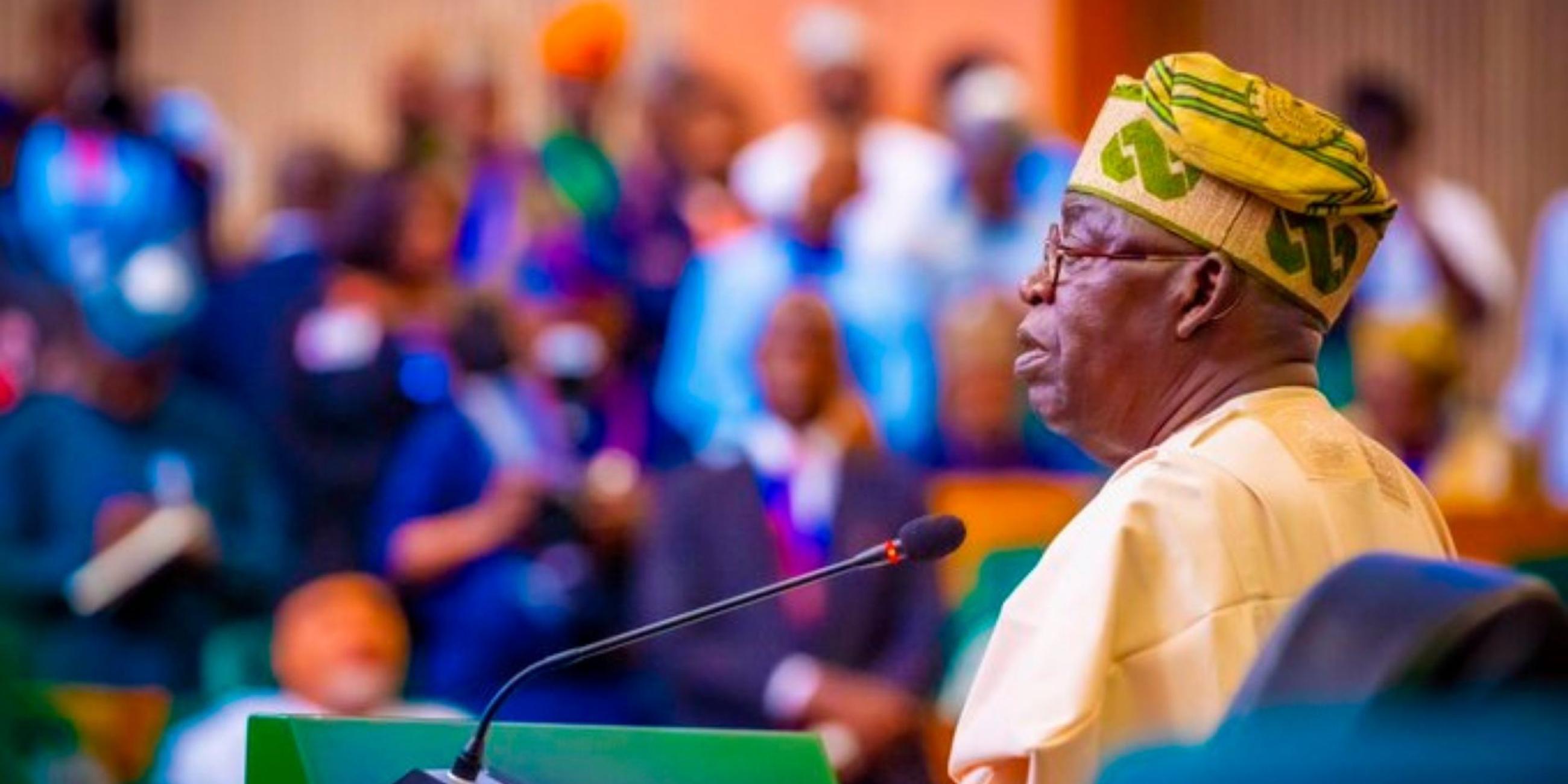
    The Gani Fawehinmi Memorial Organization (GAFAMORG) has strongly rejected the proposed tax reform law being advanced by President Bola Ahmed Tinubu’s administration, describing it as an International Monetary Fund (IMF) and World Bank–inspired agenda aimed at deepening poverty and further exploiting Nigerians. The group warned that the country’s worsening economic crisis is the result of deliberate policy choices by a corrupt ruling elite aligned with failed foreign economic orthodoxies.

    In a statement signed by its Chairman, Babatunde Agunbiade, and Public Relations Officer, Adeoye Ade-Adewumi, GAFAMORG argued that Nigeria’s challenges are not caused by insufficient taxation but by criminal mismanagement, massive corruption, nepotism, and elite capture of state resources. The organisation said the proposed tax law would impose additional burdens on already over-taxed workers, small traders, and struggling households, while leaving the wealthy and powerful untouched.

    The group accused the Tinubu administration of ignoring large-scale tax evasion by elites, excessive tax waivers for multinational corporations, and widespread looting through inflated contracts and opaque concessions. It also criticised the operation of Free Trade Zones, describing them as tax havens for the rich where corporations enjoy sweeping exemptions and weak oversight, while ordinary Nigerians face aggressive and sometimes extortionate tax enforcement.

    GAFAMORG further described Nigeria’s tax administration system as broken, citing overlapping taxes, harassment by revenue agents, lack of transparency, and weak accountability. It warned that introducing new taxes without fixing these structural problems amounts to “economic violence against the poor.”

    Reflecting on Nigeria’s past experiences with IMF- and World Bank-backed reforms such as Structural Adjustment, privatisation, and subsidy removal, the organisation said these policies have consistently shrunk the middle class, expanded poverty, enriched a tiny elite, and weakened the country’s productive capacity.

    Invoking the legacy of late human rights lawyer Chief Gani Fawehinmi, GAFAMORG called on Nigerians to completely reject the proposed tax law, mobilise civic, legal, media, and popular resistance, and demand its immediate withdrawal. The group insisted that Nigeria does not need IMF-approved hardship but justice, accountability, equity, and people-centred governance.
    Gani Fawehinmi Memorial Group Rejects Tinubu’s Tax Reform, Describes It as IMF–World Bank Agenda to Deepen Poverty in Nigeria The Gani Fawehinmi Memorial Organization (GAFAMORG) has strongly rejected the proposed tax reform law being advanced by President Bola Ahmed Tinubu’s administration, describing it as an International Monetary Fund (IMF) and World Bank–inspired agenda aimed at deepening poverty and further exploiting Nigerians. The group warned that the country’s worsening economic crisis is the result of deliberate policy choices by a corrupt ruling elite aligned with failed foreign economic orthodoxies. In a statement signed by its Chairman, Babatunde Agunbiade, and Public Relations Officer, Adeoye Ade-Adewumi, GAFAMORG argued that Nigeria’s challenges are not caused by insufficient taxation but by criminal mismanagement, massive corruption, nepotism, and elite capture of state resources. The organisation said the proposed tax law would impose additional burdens on already over-taxed workers, small traders, and struggling households, while leaving the wealthy and powerful untouched. The group accused the Tinubu administration of ignoring large-scale tax evasion by elites, excessive tax waivers for multinational corporations, and widespread looting through inflated contracts and opaque concessions. It also criticised the operation of Free Trade Zones, describing them as tax havens for the rich where corporations enjoy sweeping exemptions and weak oversight, while ordinary Nigerians face aggressive and sometimes extortionate tax enforcement. GAFAMORG further described Nigeria’s tax administration system as broken, citing overlapping taxes, harassment by revenue agents, lack of transparency, and weak accountability. It warned that introducing new taxes without fixing these structural problems amounts to “economic violence against the poor.” Reflecting on Nigeria’s past experiences with IMF- and World Bank-backed reforms such as Structural Adjustment, privatisation, and subsidy removal, the organisation said these policies have consistently shrunk the middle class, expanded poverty, enriched a tiny elite, and weakened the country’s productive capacity. Invoking the legacy of late human rights lawyer Chief Gani Fawehinmi, GAFAMORG called on Nigerians to completely reject the proposed tax law, mobilise civic, legal, media, and popular resistance, and demand its immediate withdrawal. The group insisted that Nigeria does not need IMF-approved hardship but justice, accountability, equity, and people-centred governance.
    love
    1
    · 0 Commentarii ·0 Distribuiri ·2K Views
  • Debt Servicing Consumes Nearly 27% Of Tinubu’s ₦58.18 Trillion 2026 Budget As PDP Warns Of Rising Poverty, Hardship And Fiscal Crisis

    President Bola Tinubu has presented a ₦58.18 trillion 2026 Appropriation Bill to the National Assembly, with ₦15.52 trillion allocated to debt servicing—about 26.7% of the total budget. The proposal, titled “Budget of Consolidation, Renewed Resilience and Shared Prosperity,” earmarks ₦26.08 trillion for capital expenditure and ₦15 trillion for recurrent (non-debt) spending. The Peoples Democratic Party (PDP) has sharply criticised the budget, describing it as one that deepens poverty and economic hardship despite claims of a 3.98% GDP growth rate. Citing World Bank data, the PDP argued that over 30.9% of Nigerians still live below the extreme poverty line, warning that growth without inclusiveness has failed to improve living standards. The opposition also raised concerns over debt burden, security spending efficiency, and the alleged concurrent operation of multiple budgets, calling for greater transparency, accountability, and fiscal discipline as lawmakers begin scrutiny of the proposal.
    Debt Servicing Consumes Nearly 27% Of Tinubu’s ₦58.18 Trillion 2026 Budget As PDP Warns Of Rising Poverty, Hardship And Fiscal Crisis President Bola Tinubu has presented a ₦58.18 trillion 2026 Appropriation Bill to the National Assembly, with ₦15.52 trillion allocated to debt servicing—about 26.7% of the total budget. The proposal, titled “Budget of Consolidation, Renewed Resilience and Shared Prosperity,” earmarks ₦26.08 trillion for capital expenditure and ₦15 trillion for recurrent (non-debt) spending. The Peoples Democratic Party (PDP) has sharply criticised the budget, describing it as one that deepens poverty and economic hardship despite claims of a 3.98% GDP growth rate. Citing World Bank data, the PDP argued that over 30.9% of Nigerians still live below the extreme poverty line, warning that growth without inclusiveness has failed to improve living standards. The opposition also raised concerns over debt burden, security spending efficiency, and the alleged concurrent operation of multiple budgets, calling for greater transparency, accountability, and fiscal discipline as lawmakers begin scrutiny of the proposal.
    0 Commentarii ·0 Distribuiri ·666 Views
  • PDP Slams Tinubu’s ₦58.47 Trillion 2026 Budget, Says It Consolidates Economic Hardship, Deepens Poverty And Reflects Policy Failure In Nigeria

    The Peoples Democratic Party (PDP) has strongly criticised President Bola Tinubu’s ₦58.47 trillion 2026 budget proposal, describing it as a framework that entrenches hardship, worsens poverty and exposes failures in economic management. While the presidency projects the budget as one of “Consolidation, Renewed Resilience and Shared Prosperity,” the opposition party argues that Nigerians continue to face rising inflation, hunger and high living costs despite reported GDP growth of 3.98 per cent. The PDP faulted the government’s macroeconomic assumptions, questioned the inclusiveness of economic growth, and cited World Bank data showing that over 30.9 per cent of Nigerians live below the extreme poverty line. The party also raised concerns over security spending efficiency, alleged concurrent operation of multiple budgets, and warned that weak transparency and accountability would further erode public trust as lawmakers begin scrutiny of the proposal.
    PDP Slams Tinubu’s ₦58.47 Trillion 2026 Budget, Says It Consolidates Economic Hardship, Deepens Poverty And Reflects Policy Failure In Nigeria The Peoples Democratic Party (PDP) has strongly criticised President Bola Tinubu’s ₦58.47 trillion 2026 budget proposal, describing it as a framework that entrenches hardship, worsens poverty and exposes failures in economic management. While the presidency projects the budget as one of “Consolidation, Renewed Resilience and Shared Prosperity,” the opposition party argues that Nigerians continue to face rising inflation, hunger and high living costs despite reported GDP growth of 3.98 per cent. The PDP faulted the government’s macroeconomic assumptions, questioned the inclusiveness of economic growth, and cited World Bank data showing that over 30.9 per cent of Nigerians live below the extreme poverty line. The party also raised concerns over security spending efficiency, alleged concurrent operation of multiple budgets, and warned that weak transparency and accountability would further erode public trust as lawmakers begin scrutiny of the proposal.
    0 Commentarii ·0 Distribuiri ·672 Views
  • NLC Declares Nationwide Protest for December 17 Over Insecurity, Education Collapse, Economic Hardship

    The Nigeria Labour Congress (NLC) has announced a nationwide protest scheduled for December 17, 2025, citing worsening insecurity, deepening poverty, failing tertiary education, prolonged health sector strikes, and political interference in the Labour Party. Following its NEC meeting in Lagos, the NLC condemned the rising wave of kidnappings, including the abduction of 24 schoolgirls in Kebbi State, and criticised lapses in security deployment. The union warned that 139 million Nigerians now live in poverty, according to the latest World Bank report. It also raised concerns over decaying university infrastructure, unpaid staff allowances, and the ongoing Joint Health Sector Unions strike. The NLC vowed to revive the Labour–Civil Society Coalition and described the planned protest as necessary to force action on national crises affecting security, education, the economy, and governance.
    NLC Declares Nationwide Protest for December 17 Over Insecurity, Education Collapse, Economic Hardship The Nigeria Labour Congress (NLC) has announced a nationwide protest scheduled for December 17, 2025, citing worsening insecurity, deepening poverty, failing tertiary education, prolonged health sector strikes, and political interference in the Labour Party. Following its NEC meeting in Lagos, the NLC condemned the rising wave of kidnappings, including the abduction of 24 schoolgirls in Kebbi State, and criticised lapses in security deployment. The union warned that 139 million Nigerians now live in poverty, according to the latest World Bank report. It also raised concerns over decaying university infrastructure, unpaid staff allowances, and the ongoing Joint Health Sector Unions strike. The NLC vowed to revive the Labour–Civil Society Coalition and described the planned protest as necessary to force action on national crises affecting security, education, the economy, and governance.
    0 Commentarii ·0 Distribuiri ·1K Views
  • The World Bank says Nigeria’s spending on social protection—just 0.14% of its GDP, far below global and African averages—has no meaningful impact on poverty. In its new report, The State of Social Safety Nets in Nigeria, the Bank found that all social protection programmes combined reduced poverty by only 0.4 percentage points. It blamed the weak results on poor targeting, small benefit sizes, and fragmented implementation.

    Between 2015 and 2021, about 60% of Nigeria’s safety-net funding came from foreign donors, mostly the World Bank, raising sustainability concerns. Although the National Social Safety Nets Programme (NASSP) has reduced poverty by over 4 percentage points among its beneficiaries, the report says only 44% of total benefits from all government schemes actually reach poor Nigerians.

    The Bank urged Nigeria to increase domestic funding, expand coverage, and redesign benefits to reflect household size if it wants its social spending to truly reduce poverty.
    The World Bank says Nigeria’s spending on social protection—just 0.14% of its GDP, far below global and African averages—has no meaningful impact on poverty. In its new report, The State of Social Safety Nets in Nigeria, the Bank found that all social protection programmes combined reduced poverty by only 0.4 percentage points. It blamed the weak results on poor targeting, small benefit sizes, and fragmented implementation. Between 2015 and 2021, about 60% of Nigeria’s safety-net funding came from foreign donors, mostly the World Bank, raising sustainability concerns. Although the National Social Safety Nets Programme (NASSP) has reduced poverty by over 4 percentage points among its beneficiaries, the report says only 44% of total benefits from all government schemes actually reach poor Nigerians. The Bank urged Nigeria to increase domestic funding, expand coverage, and redesign benefits to reflect household size if it wants its social spending to truly reduce poverty.
    0 Commentarii ·0 Distribuiri ·732 Views
  • China takes home about $16 billion from Nigeria every year — that’s roughly $44 million every single day.

    Based on official data (Chinese Customs, Nigeria’s NBS & UN COMTRADE — Oct. 2025 updates):


    Where the money comes from

    1️⃣ Imports into Nigeria (≈ 86%)
    • Nigeria bought $18.9bn of Chinese goods in 2024 — machinery, phones, vehicles, textiles, solar
    • 2025 Jan–Sept already $14.2bn → full-year trend ~$19bn

    (Local customs recorded N14.15trn ≈ $8.8bn @ N1,600/$ — but COMTRADE confirms higher USD valuation.)

    2️⃣ Nigeria’s exports to China (≈ 14%)
    • China purchased just $3bn of Nigerian crude, LNG, sesame, copper in 2024
    • 2025 spike: +236% growth → $1.8bn Jan–Sept

    3️⃣ Construction & loans
    • Chinese contractors executed $2.1bn of roads/rail (e.g., Lagos–Ibadan line, Lekki Port)
    • Interest on Belt-and-Road loans: ~$250m/year (Nigeria still owes $5.3bn)


    The totals
    • 2024: $21.3bn China–Nigeria flows
    • 2025: ~$22bn projected


    The imbalance — Nigeria bleeds cash
    • Nigeria → China: $3bn (oil, agricultural goods)
    • China → Nigeria: $19bn (phones, cement, electronics)

    ➡ China walks away with a $16bn net surplus every year
    ➡ 80% of the value stays in China


    Hard numbers to digest
    • $16bn = 4× the entire Nigeria 2025 education budget
    • Just one Chinese phone factory in Ogun ships $1.2bn profit back yearly
    • Huawei alone secured $1.8bn in Nigerian government contracts in 2024
    • Nigeria owes China more than World Bank debt on key infrastructure


    The bottom line

    China extracts $16 billion NET from Nigeria annually —
    the biggest one-way financial pipeline in Africa.

    That’s the real definition of “win-win” — and China wins twice.
    China takes home about $16 billion from Nigeria every year — that’s roughly $44 million every single day. Based on official data (Chinese Customs, Nigeria’s NBS & UN COMTRADE — Oct. 2025 updates): ⸻ ✅ Where the money comes from 1️⃣ Imports into Nigeria (≈ 86%) • Nigeria bought $18.9bn of Chinese goods in 2024 — machinery, phones, vehicles, textiles, solar • 2025 Jan–Sept already $14.2bn → full-year trend ~$19bn (Local customs recorded N14.15trn ≈ $8.8bn @ N1,600/$ — but COMTRADE confirms higher USD valuation.) 2️⃣ Nigeria’s exports to China (≈ 14%) • China purchased just $3bn of Nigerian crude, LNG, sesame, copper in 2024 • 2025 spike: +236% growth → $1.8bn Jan–Sept 3️⃣ Construction & loans • Chinese contractors executed $2.1bn of roads/rail (e.g., Lagos–Ibadan line, Lekki Port) • Interest on Belt-and-Road loans: ~$250m/year (Nigeria still owes $5.3bn) ⸻ ✅ The totals • 2024: $21.3bn China–Nigeria flows • 2025: ~$22bn projected ⸻ ❌ The imbalance — Nigeria bleeds cash • Nigeria → China: $3bn (oil, agricultural goods) • China → Nigeria: $19bn (phones, cement, electronics) ➡ China walks away with a $16bn net surplus every year ➡ 80% of the value stays in China ⸻ 🤯 Hard numbers to digest • $16bn = 4× the entire Nigeria 2025 education budget • Just one Chinese phone factory in Ogun ships $1.2bn profit back yearly • Huawei alone secured $1.8bn in Nigerian government contracts in 2024 • Nigeria owes China more than World Bank debt on key infrastructure ⸻ 🔍 The bottom line China extracts $16 billion NET from Nigeria annually — the biggest one-way financial pipeline in Africa. That’s the real definition of “win-win” — and China wins twice.
    0 Commentarii ·0 Distribuiri ·1K Views
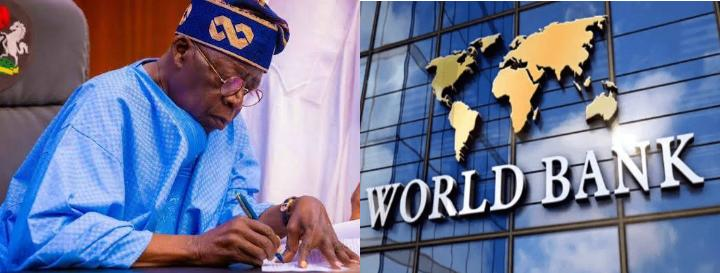
  • World Bank to consider Nigeria’s $1bn loan request.

    The world bank has set december 16 as a tentative date to review nigeria’s request for a $1bn development policy financing loan under the “nigeria actions for investment and jobs acceleration (p512892)” initiative. The loan aims to support economic reforms, create jobs, and boost private investment.

    The $1bn facility includes a $500m ida credit and a $500m ibrd loan and will be implemented through the federal ministry of finance. It is structured around two main pillars: unlocking private sector growth and lowering the cost of doing business. Initiatives under the loan include expanding access to credit, supporting digital inclusion, improving capital markets, easing inflation, promoting export diversification, and strengthening agriculture.

    The programme also supports the investment and securities act 2025, the national digital economy and e-governance bill 2025, credit enhancement facilities, and a CBN rulebook for microfinance and non-bank financial institutions. Efforts to simplify trade barriers, adopt afcfta concessions, and improve seed systems for key crops are expected to raise productivity, attract private investment, and enhance food security.

    The loan forms part of a broader fy2026 package including finclude (msme financing), bridge (digital infrastructure), and agrow (agriculture value chain growth). The world bank, nigeria’s largest creditor, currently holds $19.39bn of the country’s $46.98bn external debt, highlighting its key role in supporting nigeria’s development.
    World Bank to consider Nigeria’s $1bn loan request. The world bank has set december 16 as a tentative date to review nigeria’s request for a $1bn development policy financing loan under the “nigeria actions for investment and jobs acceleration (p512892)” initiative. The loan aims to support economic reforms, create jobs, and boost private investment. The $1bn facility includes a $500m ida credit and a $500m ibrd loan and will be implemented through the federal ministry of finance. It is structured around two main pillars: unlocking private sector growth and lowering the cost of doing business. Initiatives under the loan include expanding access to credit, supporting digital inclusion, improving capital markets, easing inflation, promoting export diversification, and strengthening agriculture. The programme also supports the investment and securities act 2025, the national digital economy and e-governance bill 2025, credit enhancement facilities, and a CBN rulebook for microfinance and non-bank financial institutions. Efforts to simplify trade barriers, adopt afcfta concessions, and improve seed systems for key crops are expected to raise productivity, attract private investment, and enhance food security. The loan forms part of a broader fy2026 package including finclude (msme financing), bridge (digital infrastructure), and agrow (agriculture value chain growth). The world bank, nigeria’s largest creditor, currently holds $19.39bn of the country’s $46.98bn external debt, highlighting its key role in supporting nigeria’s development.
    0 Commentarii ·0 Distribuiri ·730 Views
  • Nigeria has started exporting locally produced solar panels to Ghana, marking a key milestone in its drive to become West Africa’s renewable energy hub.

    Minister of Power, Bayo Adelabu, announced the development at the 2025 Nigeria Energy Forum in Lagos, noting that new solar factories can now produce up to four gigawatts annually — enough to meet domestic needs and serve regional markets.

    He said the initiative aligns with President Bola Tinubu’s Renewed Hope Agenda, aimed at boosting local production, innovation, and energy independence. The move follows partnerships formed at the 2025 Renewable Energy Innovation Forum, which attracted global investors to Nigeria’s clean energy sector.

    Adelabu added that Nigeria has mobilised over $2 billion through partners such as the World Bank and JICA to expand renewable energy projects. He expressed confidence that the country’s growing solar capacity will make it a key supplier across the ECOWAS region and a leader in Africa’s green energy transition.
    Nigeria has started exporting locally produced solar panels to Ghana, marking a key milestone in its drive to become West Africa’s renewable energy hub. Minister of Power, Bayo Adelabu, announced the development at the 2025 Nigeria Energy Forum in Lagos, noting that new solar factories can now produce up to four gigawatts annually — enough to meet domestic needs and serve regional markets. He said the initiative aligns with President Bola Tinubu’s Renewed Hope Agenda, aimed at boosting local production, innovation, and energy independence. The move follows partnerships formed at the 2025 Renewable Energy Innovation Forum, which attracted global investors to Nigeria’s clean energy sector. Adelabu added that Nigeria has mobilised over $2 billion through partners such as the World Bank and JICA to expand renewable energy projects. He expressed confidence that the country’s growing solar capacity will make it a key supplier across the ECOWAS region and a leader in Africa’s green energy transition.
    0 Commentarii ·0 Distribuiri ·953 Views
  • Ailing Finance Minister Wale Edun Flies to UK for Medical Treatment.

    Nigeria’s Minister of Finance and Coordinating Minister of the Economy, Mr. Wale Edun, has reportedly travelled to the United Kingdom to undergo medical treatment following an undisclosed illness.

    Sources confirmed that the minister left Abuja for Lagos on Monday night before boarding a British Airways flight to London later in the evening. His departure comes days after reports emerged that he had been battling health challenges that prevented him from attending the ongoing World Bank and International Monetary Fund (IMF) Annual Meetings in Washington, D.C.

    Earlier, the Presidency had disclosed that Edun was recuperating in Nigeria and dismissed rumours suggesting that he suffered a stroke. A senior official, who spoke on condition of anonymity, clarified that while the minister was indeed ill, claims of a severe incapacitation were false.

    Despite the development, the Presidency has maintained that there are no immediate plans to replace Edun, stressing that he remains in charge of the Finance Ministry and is expected to resume duties once he recovers.

    The specific nature of the minister’s illness has not been made public, and officials have yet to issue any formal statement on his current condition or expected return date. His absence, however, has sparked renewed debate over the state of Nigeria’s healthcare system and the recurring trend of public officials seeking medical attention abroad.

    Edun, a former investment banker and long-time associate of President Tinubu, has been central to the administration’s fiscal reform agenda, including efforts to stabilise the naira, boost investor confidence, and implement the government’s medium-term economic plan.

    As of press time, no official update had been released by the Ministry of Finance or the Presidency regarding the minister’s health status or progress.
    Ailing Finance Minister Wale Edun Flies to UK for Medical Treatment. Nigeria’s Minister of Finance and Coordinating Minister of the Economy, Mr. Wale Edun, has reportedly travelled to the United Kingdom to undergo medical treatment following an undisclosed illness. Sources confirmed that the minister left Abuja for Lagos on Monday night before boarding a British Airways flight to London later in the evening. His departure comes days after reports emerged that he had been battling health challenges that prevented him from attending the ongoing World Bank and International Monetary Fund (IMF) Annual Meetings in Washington, D.C. Earlier, the Presidency had disclosed that Edun was recuperating in Nigeria and dismissed rumours suggesting that he suffered a stroke. A senior official, who spoke on condition of anonymity, clarified that while the minister was indeed ill, claims of a severe incapacitation were false. Despite the development, the Presidency has maintained that there are no immediate plans to replace Edun, stressing that he remains in charge of the Finance Ministry and is expected to resume duties once he recovers. The specific nature of the minister’s illness has not been made public, and officials have yet to issue any formal statement on his current condition or expected return date. His absence, however, has sparked renewed debate over the state of Nigeria’s healthcare system and the recurring trend of public officials seeking medical attention abroad. Edun, a former investment banker and long-time associate of President Tinubu, has been central to the administration’s fiscal reform agenda, including efforts to stabilise the naira, boost investor confidence, and implement the government’s medium-term economic plan. As of press time, no official update had been released by the Ministry of Finance or the Presidency regarding the minister’s health status or progress.
    0 Commentarii ·0 Distribuiri ·817 Views
  • Peter Obi faults Tinubu’s reforms, says over 50 million Nigerians plunged into poverty.

    Former Anambra State Governor and Labour Party presidential candidate, Peter Obi, has taken a swipe at President Bola Tinubu’s administration, saying its much-touted economic reforms have failed to reduce poverty or improve citizens’ welfare.

    Citing a recent World Bank report released on October 8, 2025, Obi noted that the number of Nigerians living below the poverty line has risen to 139 million, up from 87 million in 2023 meaning that over 50 million people have fallen into poverty in just two years.

    Reacting on Tuesday via X (formerly Twitter), Obi described the development as “a heartbreaking reflection of how deeply our nation is failing its citizens.”
    He lamented that instead of sparking urgent dialogue on how to tackle the crisis, the government’s response was focused on rebuttals.

    “What this means is that in two years under the APC regime, over 50 million Nigerians were sent into poverty,” Obi wrote.
    “What is even more concerning is that this devastating revelation has not led to an emergency and national discussion on how to effectively pull millions of our people out of poverty.”

    Obi argued that despite several reforms being celebrated by the Tinubu government, poverty continues to worsen because there is “no clear strategy or determination to channel gains into productive sectors.”

    He urged the administration to pursue people-centred economic policies that prioritise production over consumption, support small businesses and farmers, and increase investment in education and healthcare.

    “Reforms should be deliberate and strictly followed by people-focused policies that ensure government spending directly impacts the lives of Nigerians by pulling them out of poverty,” he said.
    “No nation can truly rise when the majority of its people are trapped in poverty. With the right leadership, we can make Nigeria work for every Nigerian.”
    Peter Obi faults Tinubu’s reforms, says over 50 million Nigerians plunged into poverty. Former Anambra State Governor and Labour Party presidential candidate, Peter Obi, has taken a swipe at President Bola Tinubu’s administration, saying its much-touted economic reforms have failed to reduce poverty or improve citizens’ welfare. Citing a recent World Bank report released on October 8, 2025, Obi noted that the number of Nigerians living below the poverty line has risen to 139 million, up from 87 million in 2023 meaning that over 50 million people have fallen into poverty in just two years. Reacting on Tuesday via X (formerly Twitter), Obi described the development as “a heartbreaking reflection of how deeply our nation is failing its citizens.” He lamented that instead of sparking urgent dialogue on how to tackle the crisis, the government’s response was focused on rebuttals. “What this means is that in two years under the APC regime, over 50 million Nigerians were sent into poverty,” Obi wrote. “What is even more concerning is that this devastating revelation has not led to an emergency and national discussion on how to effectively pull millions of our people out of poverty.” Obi argued that despite several reforms being celebrated by the Tinubu government, poverty continues to worsen because there is “no clear strategy or determination to channel gains into productive sectors.” He urged the administration to pursue people-centred economic policies that prioritise production over consumption, support small businesses and farmers, and increase investment in education and healthcare. “Reforms should be deliberate and strictly followed by people-focused policies that ensure government spending directly impacts the lives of Nigerians by pulling them out of poverty,” he said. “No nation can truly rise when the majority of its people are trapped in poverty. With the right leadership, we can make Nigeria work for every Nigerian.”
    0 Commentarii ·0 Distribuiri ·880 Views
  • "Finance Minister Wale Edun Recuperating in Abuja, No Plans for Replacement" — Presidency.

    Minister of Finance and Coordinating Minister of the Economy, Wale Edun, is recovering at his Abuja residence after falling ill, senior Presidency sources confirmed on Sunday. 

    Contrary to reports, officials insist his condition is not stroke-related and that President Bola Tinubu has no plans to replace him.

    A senior government official told The PUNCH that while Edun’s illness is “a bit serious,” he remains in Nigeria under the care of local doctors. “He’s indisposed but not suffering from a stroke,” the source said, adding that Edun might seek treatment abroad only if necessary.

    Earlier reports had claimed that Edun’s condition was “very serious” and that the President had begun discreet consultations to find a replacement. However, multiple Presidency insiders dismissed those claims, emphasizing that the minister is still in his home and being monitored closely.

    Presidential aide Bayo Onanuga also confirmed Edun’s situation, stating: “Yes, he’s indisposed. Wale Edun is about 69 years old. He suddenly fell ill, but he’s in Nigeria and recuperating.”

    In Edun’s absence, the Governor of the Central Bank of Nigeria, Olayemi Cardoso, will lead Nigeria’s delegation to the World Bank and International Monetary Fund Annual Meetings in Washington, DC, beginning Monday, October 13. The delegation will also include Minister of State for Finance Doris Uzoka-Anite.

    Meanwhile, President Tinubu departed Abuja for Rome, Italy, to attend the Aqaba Process Heads of State and Government Meeting, which focuses on security issues in West Africa.

    Edun, a seasoned economist and banker, was appointed Minister of Finance and Coordinating Minister of the Economy on August 21, 2023.
    "Finance Minister Wale Edun Recuperating in Abuja, No Plans for Replacement" — Presidency. Minister of Finance and Coordinating Minister of the Economy, Wale Edun, is recovering at his Abuja residence after falling ill, senior Presidency sources confirmed on Sunday.  Contrary to reports, officials insist his condition is not stroke-related and that President Bola Tinubu has no plans to replace him. A senior government official told The PUNCH that while Edun’s illness is “a bit serious,” he remains in Nigeria under the care of local doctors. “He’s indisposed but not suffering from a stroke,” the source said, adding that Edun might seek treatment abroad only if necessary. Earlier reports had claimed that Edun’s condition was “very serious” and that the President had begun discreet consultations to find a replacement. However, multiple Presidency insiders dismissed those claims, emphasizing that the minister is still in his home and being monitored closely. Presidential aide Bayo Onanuga also confirmed Edun’s situation, stating: “Yes, he’s indisposed. Wale Edun is about 69 years old. He suddenly fell ill, but he’s in Nigeria and recuperating.” In Edun’s absence, the Governor of the Central Bank of Nigeria, Olayemi Cardoso, will lead Nigeria’s delegation to the World Bank and International Monetary Fund Annual Meetings in Washington, DC, beginning Monday, October 13. The delegation will also include Minister of State for Finance Doris Uzoka-Anite. Meanwhile, President Tinubu departed Abuja for Rome, Italy, to attend the Aqaba Process Heads of State and Government Meeting, which focuses on security issues in West Africa. Edun, a seasoned economist and banker, was appointed Minister of Finance and Coordinating Minister of the Economy on August 21, 2023.
    0 Commentarii ·0 Distribuiri ·905 Views
  • "Nigeria’s Debt has Climbed to just ₦152.4 trillion" — DMO informs Nigerians.

    Nigeria’s total public debt stock has surged to ₦152.40 trillion as of June 30, 2025, according to fresh data released by the Debt Management Office (DMO) on Saturday.

    This marks an increase of ₦3.01 trillion from the ₦149.39 trillion recorded in March 2025 —a 2.01% rise within just three months. In dollar terms, the figure rose from $97.24 billion to $99.66 billion, reflecting a 2.49% uptick.

    The DMO attributed the rise to increased borrowing both locally and internationally to fund fiscal gaps, despite ongoing revenue reforms and foreign exchange liberalisation.

    A breakdown shows external debt grew from $45.98 billion in March to $46.98 billion (₦71.85tn) by June.
    The World Bank remains Nigeria’s largest external creditor with $18.04 billion outstanding, representing 38% of total external obligations, mostly through the International Development Association.

    Multilateral lenders collectively hold $23.19 billion (49.4%), including the African Development Bank, IMF, and Islamic Development Bank. Bilateral loans stood at $6.20 billion, led by China’s Exim Bank at $4.91 billion, followed by France, Japan, India, and Germany.

    Commercial loans, primarily Eurobonds, amounted to $17.32 billion, representing 36.9% of external debt, while $268.9 million came from syndicated facilities and commercial bank loans. Analysts warn that Nigeria’s heavy Eurobond exposure increases its vulnerability to global market volatility.

    On the domestic front, total debt climbed from ₦78.76 trillion in March to ₦80.55 trillion in June, an increase of ₦1.79 trillion or 2.27%. Federal Government bonds dominated with ₦60.65 trillion, representing 79.2% of local debt. This includes ₦36.52 trillion in naira bonds, ₦22.72 trillion in securitised Ways and Means advances from the CBN, and ₦1.40 trillion in dollar bonds.

    Other instruments comprised Treasury bills (₦12.76tn), Sukuk bonds (₦1.29tn), savings bonds (₦91.53bn), green bonds (₦62.36bn), and promissory notes (₦1.73tn).
    "Nigeria’s Debt has Climbed to just ₦152.4 trillion" — DMO informs Nigerians. Nigeria’s total public debt stock has surged to ₦152.40 trillion as of June 30, 2025, according to fresh data released by the Debt Management Office (DMO) on Saturday. This marks an increase of ₦3.01 trillion from the ₦149.39 trillion recorded in March 2025 —a 2.01% rise within just three months. In dollar terms, the figure rose from $97.24 billion to $99.66 billion, reflecting a 2.49% uptick. The DMO attributed the rise to increased borrowing both locally and internationally to fund fiscal gaps, despite ongoing revenue reforms and foreign exchange liberalisation. A breakdown shows external debt grew from $45.98 billion in March to $46.98 billion (₦71.85tn) by June. The World Bank remains Nigeria’s largest external creditor with $18.04 billion outstanding, representing 38% of total external obligations, mostly through the International Development Association. Multilateral lenders collectively hold $23.19 billion (49.4%), including the African Development Bank, IMF, and Islamic Development Bank. Bilateral loans stood at $6.20 billion, led by China’s Exim Bank at $4.91 billion, followed by France, Japan, India, and Germany. Commercial loans, primarily Eurobonds, amounted to $17.32 billion, representing 36.9% of external debt, while $268.9 million came from syndicated facilities and commercial bank loans. Analysts warn that Nigeria’s heavy Eurobond exposure increases its vulnerability to global market volatility. On the domestic front, total debt climbed from ₦78.76 trillion in March to ₦80.55 trillion in June, an increase of ₦1.79 trillion or 2.27%. Federal Government bonds dominated with ₦60.65 trillion, representing 79.2% of local debt. This includes ₦36.52 trillion in naira bonds, ₦22.72 trillion in securitised Ways and Means advances from the CBN, and ₦1.40 trillion in dollar bonds. Other instruments comprised Treasury bills (₦12.76tn), Sukuk bonds (₦1.29tn), savings bonds (₦91.53bn), green bonds (₦62.36bn), and promissory notes (₦1.73tn).
    0 Commentarii ·0 Distribuiri ·1K Views
  • Presidency Dismisses World Bank Report Claiming 139 Million Nigerians Live in Poverty.

    The Presidency has rejected the World Bank’s recent report estimating that 139 million Nigerians are living in poverty, describing the figure as exaggerated and disconnected from the nation’s current economic reality.

    In a statement posted on X (formerly Twitter) on Wednesday, President Bola Tinubu’s Special Adviser on Media and Public Communication, Sunday Dare, said the World Bank’s assessment must be “properly contextualised” within the limitations of global poverty measurement frameworks.

    “While Nigeria values its partnership with the World Bank and acknowledges its contributions to policy discussions, the figure quoted must be properly contextualised. It is unrealistic,” Dare stated.

    According to the Presidency, the 139 million figure was derived using the global poverty benchmark of $2.15 per person per day, a standard set in 2017 under Purchasing Power Parity (PPP). It clarified that the measure does not represent an actual headcount of poor Nigerians.

    The statement explained that when converted to nominal terms, the $2.15 benchmark equates to roughly ₦100,000 per month at the current exchange rate, far above Nigeria’s new minimum wage of ₦70,000 making the figure “an analytical model, not a direct reflection of local realities.”

    “The World Bank’s poverty estimate should not be interpreted as a literal or real-time headcount. It’s based on an outdated PPP model using Nigeria’s last major consumption survey from 2018/19 and largely ignores the informal and subsistence sectors that sustain millions of households,” the Presidency said.

    It added that the government views the report as a “global projection” rather than an accurate picture of living conditions in 2025, stressing that Nigeria’s economy is now on a recovery path.
    Presidency Dismisses World Bank Report Claiming 139 Million Nigerians Live in Poverty. The Presidency has rejected the World Bank’s recent report estimating that 139 million Nigerians are living in poverty, describing the figure as exaggerated and disconnected from the nation’s current economic reality. In a statement posted on X (formerly Twitter) on Wednesday, President Bola Tinubu’s Special Adviser on Media and Public Communication, Sunday Dare, said the World Bank’s assessment must be “properly contextualised” within the limitations of global poverty measurement frameworks. “While Nigeria values its partnership with the World Bank and acknowledges its contributions to policy discussions, the figure quoted must be properly contextualised. It is unrealistic,” Dare stated. According to the Presidency, the 139 million figure was derived using the global poverty benchmark of $2.15 per person per day, a standard set in 2017 under Purchasing Power Parity (PPP). It clarified that the measure does not represent an actual headcount of poor Nigerians. The statement explained that when converted to nominal terms, the $2.15 benchmark equates to roughly ₦100,000 per month at the current exchange rate, far above Nigeria’s new minimum wage of ₦70,000 making the figure “an analytical model, not a direct reflection of local realities.” “The World Bank’s poverty estimate should not be interpreted as a literal or real-time headcount. It’s based on an outdated PPP model using Nigeria’s last major consumption survey from 2018/19 and largely ignores the informal and subsistence sectors that sustain millions of households,” the Presidency said. It added that the government views the report as a “global projection” rather than an accurate picture of living conditions in 2025, stressing that Nigeria’s economy is now on a recovery path.
    0 Commentarii ·0 Distribuiri ·841 Views
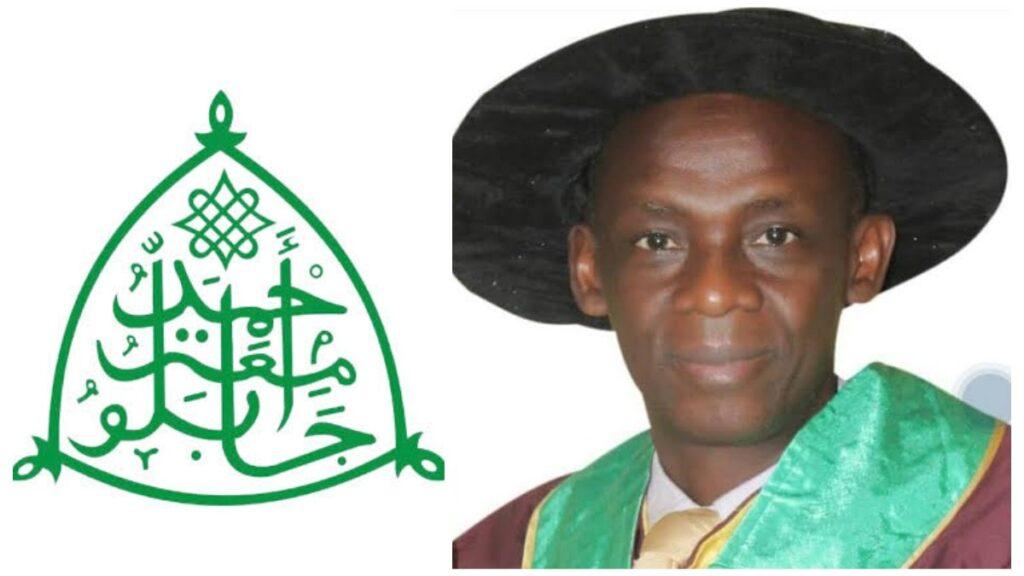
  • ABU Spends just ₦4 Billion Yearly on Electricity — VC Cries Out Over Soaring Bills.

    The Vice Chancellor of Ahmadu Bello University (ABU), Zaria, Professor Adamu Ahmed, has revealed that the institution spends nearly ₦4 billion yearly on electricity, describing the situation as crippling and unsustainable.

    Speaking at a news conference marking ABU’s 63rd anniversary, Ahmed said the heavy energy cost was affecting research and academic activities. He disclosed that the university was pursuing energy self-sufficiency through partnerships and innovations, including renewable energy projects.

    According to him, the Federal Government had provided ₦1 billion through TETFund and approved a 10-megawatt solar power project, while alumni groups, such as the SBS Class of 1975, were already supporting solar initiatives on campus.

    The VC lamented that insecurity and poverty continued to hinder education and development in the North, urging renewed research in agriculture and peacebuilding. He noted ABU’s strength in agricultural research, with institutes like IAR and NAPRI leading regional innovation.

    Ahmed also highlighted the university’s growth from four faculties in 1962 to 18 faculties, 110 departments, and 17 research centres making it the largest university in sub-Saharan Africa.

    He announced that ABU had been ranked the best public university in Nigeria by Times Higher Education in 2025 and is one of three Nigerian universities listed in the QS World University Rankings.

    The VC further revealed that the university had secured over $15 million in World Bank Centres of Excellence grants and a €5 million Horizon grant for an AI-driven disease diagnosis project. Staff and students have also registered over 30 patents across renewable energy and pharmaceuticals.

    Despite these successes, Ahmed warned that funding shortages, brain drain, and infrastructure decay remained major challenges. He urged ABU’s alumni to “give back” through endowments and donations, saying, “The Sardauna gave you opportunities; now it’s time to give back.”
    ABU Spends just ₦4 Billion Yearly on Electricity — VC Cries Out Over Soaring Bills. The Vice Chancellor of Ahmadu Bello University (ABU), Zaria, Professor Adamu Ahmed, has revealed that the institution spends nearly ₦4 billion yearly on electricity, describing the situation as crippling and unsustainable. Speaking at a news conference marking ABU’s 63rd anniversary, Ahmed said the heavy energy cost was affecting research and academic activities. He disclosed that the university was pursuing energy self-sufficiency through partnerships and innovations, including renewable energy projects. According to him, the Federal Government had provided ₦1 billion through TETFund and approved a 10-megawatt solar power project, while alumni groups, such as the SBS Class of 1975, were already supporting solar initiatives on campus. The VC lamented that insecurity and poverty continued to hinder education and development in the North, urging renewed research in agriculture and peacebuilding. He noted ABU’s strength in agricultural research, with institutes like IAR and NAPRI leading regional innovation. Ahmed also highlighted the university’s growth from four faculties in 1962 to 18 faculties, 110 departments, and 17 research centres making it the largest university in sub-Saharan Africa. He announced that ABU had been ranked the best public university in Nigeria by Times Higher Education in 2025 and is one of three Nigerian universities listed in the QS World University Rankings. The VC further revealed that the university had secured over $15 million in World Bank Centres of Excellence grants and a €5 million Horizon grant for an AI-driven disease diagnosis project. Staff and students have also registered over 30 patents across renewable energy and pharmaceuticals. Despite these successes, Ahmed warned that funding shortages, brain drain, and infrastructure decay remained major challenges. He urged ABU’s alumni to “give back” through endowments and donations, saying, “The Sardauna gave you opportunities; now it’s time to give back.”
    like
    1
    · 0 Commentarii ·0 Distribuiri ·782 Views
  • Nigeria’s Debt Rises as World Bank Approves $750m Loan.

    The World Bank is set to approve two loans worth $750 million for Nigeria on Tuesday, September 30, 2025, aimed at boosting healthcare security and digital infrastructure.

    According to the bank’s website, the package includes $500m for the Building Resilient Digital Infrastructure for Growth in Nigeria (BRIDGE) project and $250m for the Health Security Programme in Western and Central Africa, Nigeria – Phase II.

    The BRIDGE project, led by the Ministry of Communications, Innovation and Digital Economy, seeks to expand broadband access to rural and underserved areas. With a total cost of $1.6bn, $500m will come from the World Bank while the rest will be sourced from private investors and multilateral lenders. 

    Plans include laying fibre-optic cables nationwide, linking all six geopolitical zones to Lagos, and building city loops, regional networks, and data centres. Implementation will be through a Special Purpose Vehicle, with the Federal Government holding 51% equity and private partners 49%.

    The $250m health loan will be managed by the Nigeria Centre for Disease Control and Prevention under the Ministry of Finance. It aims to strengthen Nigeria’s capacity to prevent and respond to health emergencies, drawing lessons from COVID-19 and other outbreaks.

    Between June 2023 and August 2025, Nigeria secured $8.4bn in World Bank loans for energy, education, health, rural development, and governance. The bank remains Nigeria’s largest creditor, holding about 40% of external debt as of March 2025.

    Experts remain divided on the impact of borrowing. Some argue concessional loans tied to growth projects can benefit the economy, while others warn Nigeria’s debt—now around N149 trillion, up from N87 trillion at the end of Buhari’s tenure—is becoming unsustainable.
    Nigeria’s Debt Rises as World Bank Approves $750m Loan. The World Bank is set to approve two loans worth $750 million for Nigeria on Tuesday, September 30, 2025, aimed at boosting healthcare security and digital infrastructure. According to the bank’s website, the package includes $500m for the Building Resilient Digital Infrastructure for Growth in Nigeria (BRIDGE) project and $250m for the Health Security Programme in Western and Central Africa, Nigeria – Phase II. The BRIDGE project, led by the Ministry of Communications, Innovation and Digital Economy, seeks to expand broadband access to rural and underserved areas. With a total cost of $1.6bn, $500m will come from the World Bank while the rest will be sourced from private investors and multilateral lenders.  Plans include laying fibre-optic cables nationwide, linking all six geopolitical zones to Lagos, and building city loops, regional networks, and data centres. Implementation will be through a Special Purpose Vehicle, with the Federal Government holding 51% equity and private partners 49%. The $250m health loan will be managed by the Nigeria Centre for Disease Control and Prevention under the Ministry of Finance. It aims to strengthen Nigeria’s capacity to prevent and respond to health emergencies, drawing lessons from COVID-19 and other outbreaks. Between June 2023 and August 2025, Nigeria secured $8.4bn in World Bank loans for energy, education, health, rural development, and governance. The bank remains Nigeria’s largest creditor, holding about 40% of external debt as of March 2025. Experts remain divided on the impact of borrowing. Some argue concessional loans tied to growth projects can benefit the economy, while others warn Nigeria’s debt—now around N149 trillion, up from N87 trillion at the end of Buhari’s tenure—is becoming unsustainable.
    0 Commentarii ·0 Distribuiri ·575 Views
  • Tinubu releases ₦330bn cash transfers to poor Nigerians.

    The Federal Government (FG) has released ₦330 billion in cash transfers to poor and vulnerable Nigerians, according to the Minister of Finance and Coordinating Minister of the Economy, Wale Edun.

    Speaking at a press briefing in Abuja on Tuesday, Edun explained that the disbursement was carried out through the National Social Safety-net Coordinating Office (NASSCO), as part of efforts to cushion the impact of ongoing economic reforms.

    Targeting Poor Households Across Nigeria
    Edun disclosed that about 19.7 million poor and vulnerable households, representing over 70 million individuals, are captured on the National Social Register.

    He revealed that the current cash transfers, funded from a $800 million World Bank facility, are designed to support 15 million households with ₦25,000 each.
    Tinubu releases ₦330bn cash transfers to poor Nigerians. The Federal Government (FG) has released ₦330 billion in cash transfers to poor and vulnerable Nigerians, according to the Minister of Finance and Coordinating Minister of the Economy, Wale Edun. Speaking at a press briefing in Abuja on Tuesday, Edun explained that the disbursement was carried out through the National Social Safety-net Coordinating Office (NASSCO), as part of efforts to cushion the impact of ongoing economic reforms. Targeting Poor Households Across Nigeria Edun disclosed that about 19.7 million poor and vulnerable households, representing over 70 million individuals, are captured on the National Social Register. He revealed that the current cash transfers, funded from a $800 million World Bank facility, are designed to support 15 million households with ₦25,000 each.
    0 Commentarii ·0 Distribuiri ·856 Views
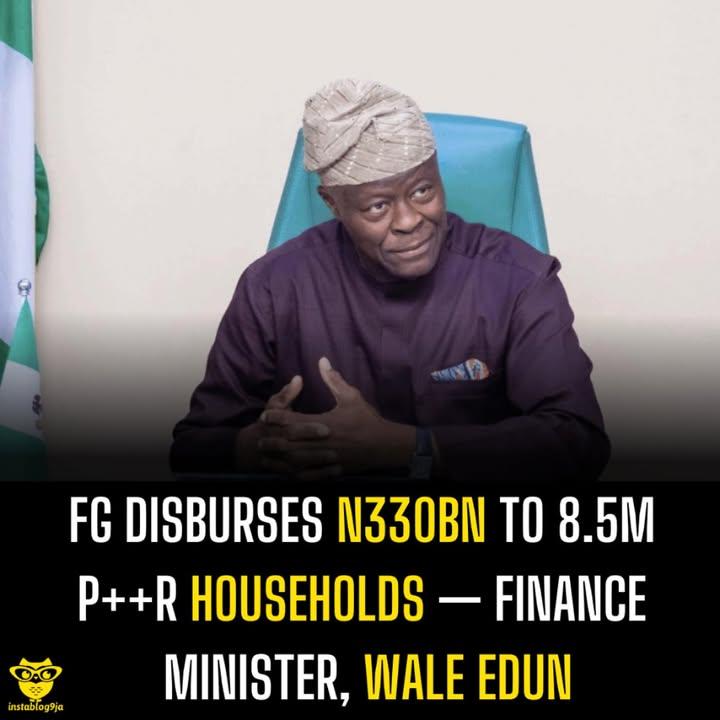
  • FG Disburses N330bn to 8.5m poor Households Finance Minister, Wale Edun.

    The Federal Government has disbursed N330 billion in cash transfers to 8.5 million poor and vulnerable households under its renewed social protection programme.

    Finance Minister Wale Edun, speaking in Abuja, said the initiative resumed after earlier delays caused by integrating biometric data with the National Identity Number (NIN). 

    He noted that 8.5 million of the targeted 15 million households have received at least one tranche of the N25,000 monthly payment, with some getting up to three. Each is expected to receive three tranches, while the remaining 7 million households will be paid before year-end.

    “This safety net to help people cope with rising prices is now firmly back on track,” Edun said, adding that it lays the foundation for a modern social protection system promised by President Tinubu.

    Funmi Olotu, head of the National Social Safety Net Coordinating Office (NASSCO), explained that shifting to digital disbursements tied to NIN verification slowed payments but was key for transparency. “Mr President said no more traditional payments pay directly into accounts,” she said. 

    Over 10.2 million NINs have been collected, with 9.6 million verified by NIMC.

    She added that the programme uses the National Social Register (NSR), which holds data on over 70 million Nigerians in 19.7 million households, built with World Bank support using 40 socioeconomic indicators. “The NSR is not political. Neither the Minister nor the President can add names,” she stressed.

    An executive order now mandates that all government interventions draw from the NSR. 

    The conditional cash transfer scheme, launched by President Tinubu on October 17, 2023, targets 15 million households as part of efforts to cushion hardship and reduce inequality.
    FG Disburses N330bn to 8.5m poor Households Finance Minister, Wale Edun. The Federal Government has disbursed N330 billion in cash transfers to 8.5 million poor and vulnerable households under its renewed social protection programme. Finance Minister Wale Edun, speaking in Abuja, said the initiative resumed after earlier delays caused by integrating biometric data with the National Identity Number (NIN).  He noted that 8.5 million of the targeted 15 million households have received at least one tranche of the N25,000 monthly payment, with some getting up to three. Each is expected to receive three tranches, while the remaining 7 million households will be paid before year-end. “This safety net to help people cope with rising prices is now firmly back on track,” Edun said, adding that it lays the foundation for a modern social protection system promised by President Tinubu. Funmi Olotu, head of the National Social Safety Net Coordinating Office (NASSCO), explained that shifting to digital disbursements tied to NIN verification slowed payments but was key for transparency. “Mr President said no more traditional payments pay directly into accounts,” she said.  Over 10.2 million NINs have been collected, with 9.6 million verified by NIMC. She added that the programme uses the National Social Register (NSR), which holds data on over 70 million Nigerians in 19.7 million households, built with World Bank support using 40 socioeconomic indicators. “The NSR is not political. Neither the Minister nor the President can add names,” she stressed. An executive order now mandates that all government interventions draw from the NSR.  The conditional cash transfer scheme, launched by President Tinubu on October 17, 2023, targets 15 million households as part of efforts to cushion hardship and reduce inequality.
    0 Commentarii ·0 Distribuiri ·722 Views


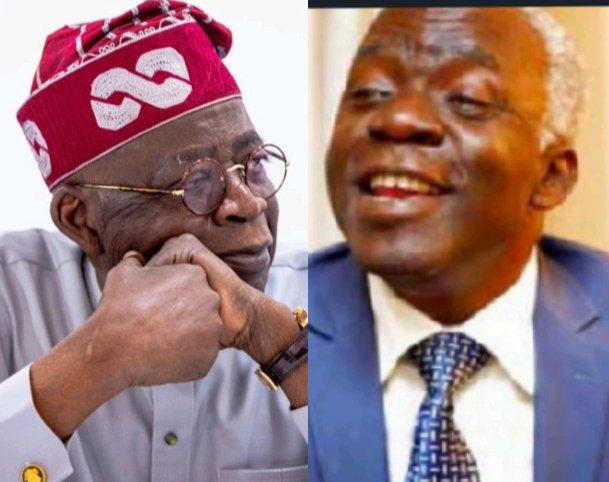
  • Femi Falana: “No Country Has Removed Subsidies Completely”

    Human rights activist and Senior Advocate of Nigeria (SAN), Femi Falana, has argued that no nation in the world has ever completely abolished subsidies.

    Falana made this remark in a video shared on the official X (formerly Twitter) handle of Channels TV on Sunday, September 14, 2025. He was responding to questions on whether President Bola Ahmed Tinubu’s decision to remove fuel subsidy was the right move.

    According to him, even developed nations like the United States, United Kingdom, and France still subsidize critical sectors such as electricity, agriculture, and essential services.

    “There is no way you can remove subsidy. There is no country in the world that has abolished subsidies completely. Even leading western countries like the United States, United Kingdom, and France still subsidize electricity, agriculture, and many aspects of their people’s lives. As a matter of fact, it’s the IMF and World Bank that insisted government must remove all subsidies,” Falana said.

    He further stressed that the removal has placed an immense burden on Nigerians, worsening the cost of living.

    The legal luminary maintained that instead of bowing to pressure from international financial institutions, the government should prioritize policies that safeguard the welfare of its citizens.
    Femi Falana: “No Country Has Removed Subsidies Completely” Human rights activist and Senior Advocate of Nigeria (SAN), Femi Falana, has argued that no nation in the world has ever completely abolished subsidies. Falana made this remark in a video shared on the official X (formerly Twitter) handle of Channels TV on Sunday, September 14, 2025. He was responding to questions on whether President Bola Ahmed Tinubu’s decision to remove fuel subsidy was the right move. According to him, even developed nations like the United States, United Kingdom, and France still subsidize critical sectors such as electricity, agriculture, and essential services. “There is no way you can remove subsidy. There is no country in the world that has abolished subsidies completely. Even leading western countries like the United States, United Kingdom, and France still subsidize electricity, agriculture, and many aspects of their people’s lives. As a matter of fact, it’s the IMF and World Bank that insisted government must remove all subsidies,” Falana said. He further stressed that the removal has placed an immense burden on Nigerians, worsening the cost of living. The legal luminary maintained that instead of bowing to pressure from international financial institutions, the government should prioritize policies that safeguard the welfare of its citizens.
    0 Commentarii ·0 Distribuiri ·2K Views
Sponsorizeaza Paginile
Fintter https://fintter.com