• Interim President Delcy Rodríguez Says Venezuela Is Fully in Control of Its Affairs
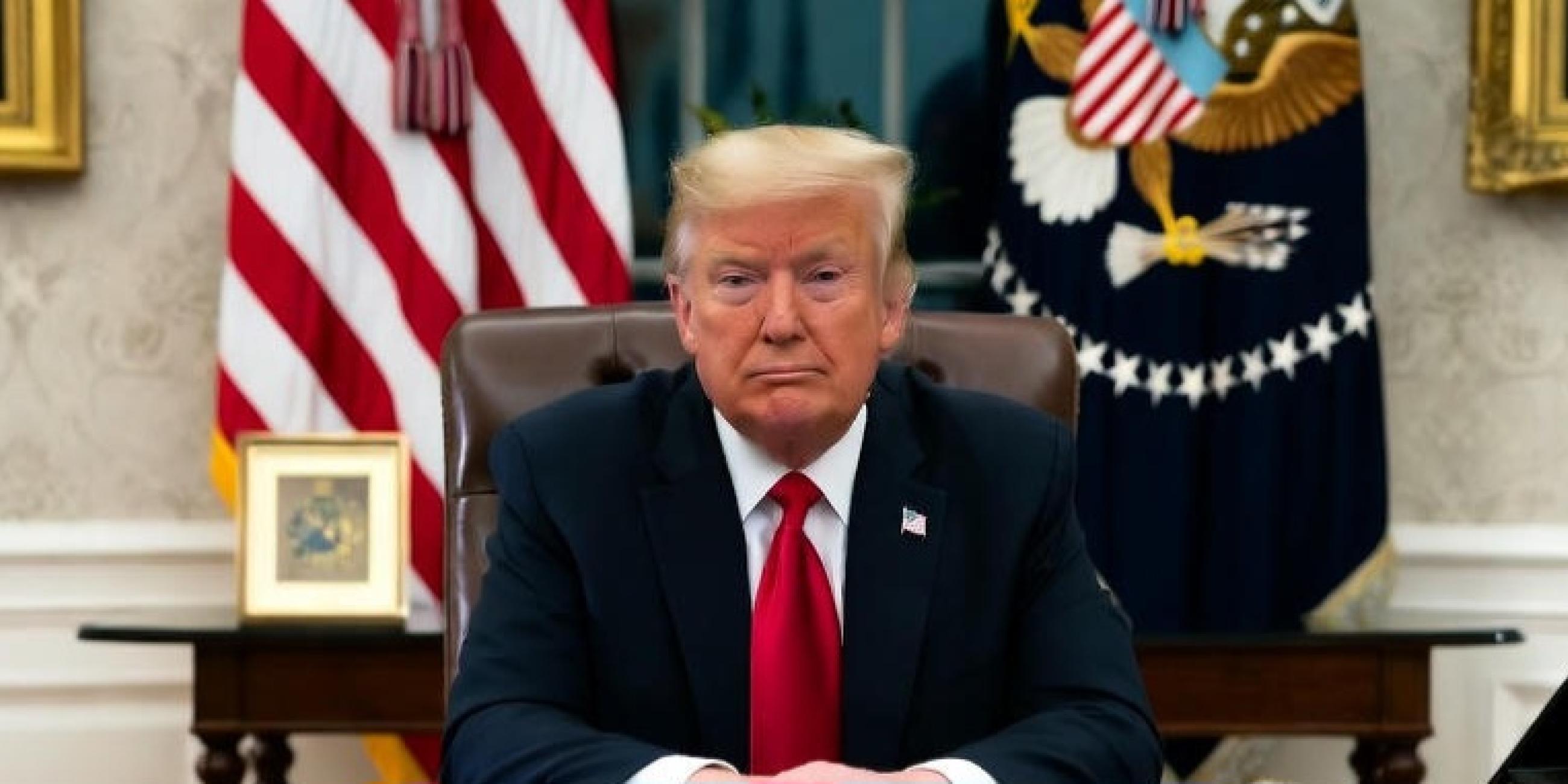
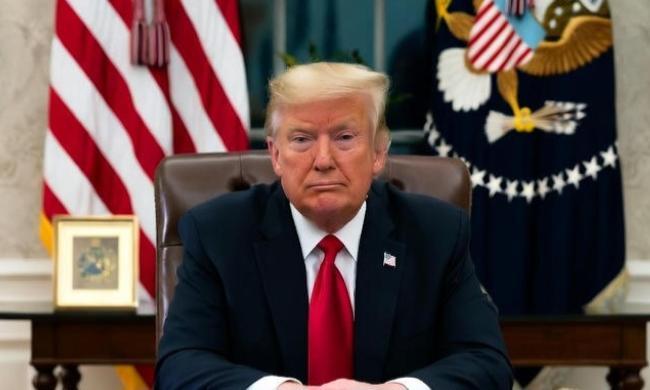
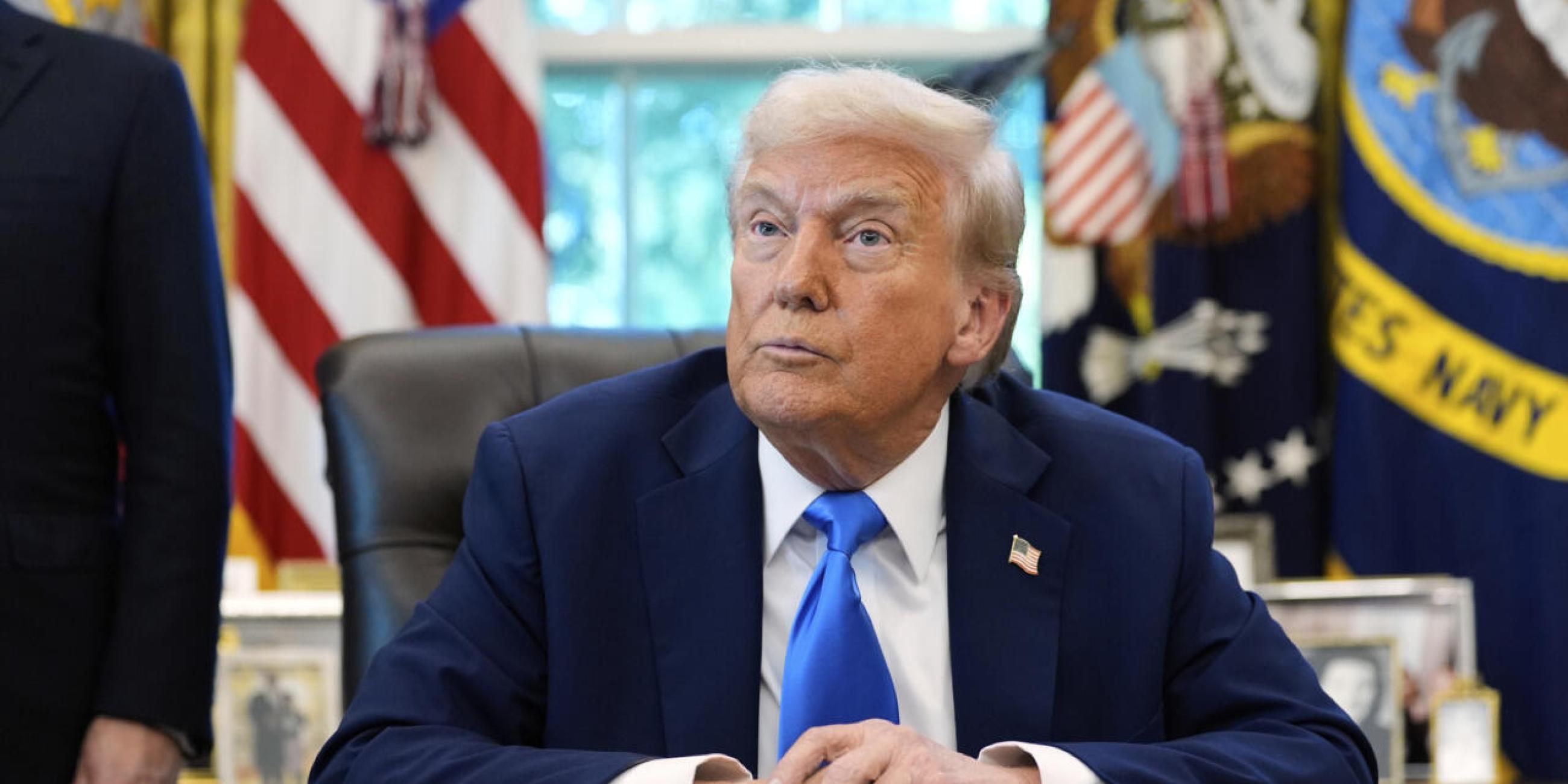
    Venezuela’s interim leader Delcy Rodríguez has publicly rejected claims that any foreign power especially the United States is running her country. In a televised address from Caracas, she insisted that “the government of Venezuela is in charge in our country, and no-one else,” and that “there is no foreign agent governing Venezuela.” Her remarks came after U.S. President Donald Trump said Washington would oversee Venezuela during a transition period following a U.S. military operation that captured former President Nicolás Maduro.
    Interim President Delcy Rodríguez Says Venezuela Is Fully in Control of Its Affairs Venezuela’s interim leader Delcy Rodríguez has publicly rejected claims that any foreign power especially the United States is running her country. In a televised address from Caracas, she insisted that “the government of Venezuela is in charge in our country, and no-one else,” and that “there is no foreign agent governing Venezuela.” Her remarks came after U.S. President Donald Trump said Washington would oversee Venezuela during a transition period following a U.S. military operation that captured former President Nicolás Maduro.
    0 Reacties ·0 aandelen ·24 Views
  • UK, France, Germany, and EU Allies Stand with Denmark Against Trump’s Threat to Annex Greenland

    The United Kingdom, France, Germany, Italy, Poland, Spain, and Denmark have jointly rejected U.S. President Donald Trump’s threat to annex Greenland. The European leaders emphasized that Greenland is part of the Kingdom of Denmark and NATO territory, insisting that Arctic security must follow international law, collective defense, and respect for sovereignty. They highlighted that unilateral actions by the U.S. could undermine NATO, and stressed that Greenland’s governance is exclusively for Denmark and Greenland to decide. The move comes amid heightened tensions following U.S. actions in Venezuela and growing strategic interest in the Arctic region.

    #Greenland #Trump #Denmark #EUUnity #ArcticSecurity #NATO #InternationalLaw #Geopolitics #TransatlanticRelations #EuropeNews
    UK, France, Germany, and EU Allies Stand with Denmark Against Trump’s Threat to Annex Greenland The United Kingdom, France, Germany, Italy, Poland, Spain, and Denmark have jointly rejected U.S. President Donald Trump’s threat to annex Greenland. The European leaders emphasized that Greenland is part of the Kingdom of Denmark and NATO territory, insisting that Arctic security must follow international law, collective defense, and respect for sovereignty. They highlighted that unilateral actions by the U.S. could undermine NATO, and stressed that Greenland’s governance is exclusively for Denmark and Greenland to decide. The move comes amid heightened tensions following U.S. actions in Venezuela and growing strategic interest in the Arctic region. #Greenland #Trump #Denmark #EUUnity #ArcticSecurity #NATO #InternationalLaw #Geopolitics #TransatlanticRelations #EuropeNews
    0 Reacties ·0 aandelen ·197 Views
  • South African President Ramaphosa Condemns U.S. Actions in Venezuela, Demands Release of President Maduro

    South African President Cyril Ramaphosa has strongly condemned U.S. actions in Venezuela, describing them as a violation of international law and the United Nations Charter. Speaking in a video posted on his X account, Ramaphosa stated that the United States undermined Venezuela’s sovereignty and territorial integrity, calling for the immediate release of Venezuelan President Nicolás Maduro and his wife.
    He emphasized that such foreign interference threatens global peace and stability, urging the United Nations Security Council to take decisive action to maintain international peace and security. Ramaphosa affirmed South Africa’s support for the Venezuelan people in the face of what he described as external aggression and political destabilization, warning that inaction by the UN could encourage further violations of international norms and deepen instability worldwide.

    #Ramaphosa #Venezuela #Maduro #USInterference #InternationalLaw #UNCharter #GlobalPeace #SouthAfrica #Diplomacy #WorldNews
    South African President Ramaphosa Condemns U.S. Actions in Venezuela, Demands Release of President Maduro South African President Cyril Ramaphosa has strongly condemned U.S. actions in Venezuela, describing them as a violation of international law and the United Nations Charter. Speaking in a video posted on his X account, Ramaphosa stated that the United States undermined Venezuela’s sovereignty and territorial integrity, calling for the immediate release of Venezuelan President Nicolás Maduro and his wife. He emphasized that such foreign interference threatens global peace and stability, urging the United Nations Security Council to take decisive action to maintain international peace and security. Ramaphosa affirmed South Africa’s support for the Venezuelan people in the face of what he described as external aggression and political destabilization, warning that inaction by the UN could encourage further violations of international norms and deepen instability worldwide. #Ramaphosa #Venezuela #Maduro #USInterference #InternationalLaw #UNCharter #GlobalPeace #SouthAfrica #Diplomacy #WorldNews
    0 Reacties ·0 aandelen ·205 Views
  • US Justice Department Softens Drug Trafficking Case Against Ousted Venezuelan President Nicolás Maduro, Scales Back ‘Cartel de los Soles’ Claims in Revised Indictment

    The United States Justice Department has quietly retreated from one of its most high-profile allegations against ousted Venezuelan President Nicolás Maduro—that he led a powerful international drug cartel known as the Cartel de los Soles. A newly released, revised indictment significantly reduces references to the group and no longer portrays it as a formal criminal organization or identifies Maduro as its leader.

    Originally, a 2020 indictment during the first Trump administration depicted the Cartel de los Soles as a unified narcotics cartel headed by Maduro, accusing him of using cocaine trafficking as a “weapon” against the United States and of collaborating with Colombia’s FARC rebels. Those claims later formed the basis for escalated U.S. actions, including the Treasury Department’s 2025 designation of the cartel as a terrorist organization and a similar move by the State Department under Secretary of State Marco Rubio.

    However, crime experts and Latin American analysts have long disputed the existence of the Cartel de los Soles as a structured organization, describing it instead as media slang for corrupt officials who profit from drug trafficking. The revised indictment reflects this view, recharacterizing the cartel as a “patronage system” and “culture of corruption” rather than a concrete criminal entity. The term now appears only twice, compared with more than 30 mentions in the original filing.

    While prosecutors still accuse Maduro of participating in a drug trafficking conspiracy, they now allege that he protected and benefited from a corrupt network rather than commanding a formal cartel. Analysts, including Elizabeth Dickinson of the International Crisis Group, say the updated indictment aligns more closely with reality, though they question why earlier terrorism designations remain in place despite the lack of courtroom proof.

    The shift has also raised political and legal questions about the justification for previous U.S. actions. Notably, the Cartel de los Soles has never been identified as a major trafficking organization in reports by the DEA or the United Nations. Despite the revisions, Rubio has continued to publicly describe the cartel as a functioning criminal group, insisting that Maduro remains its leader.

    Overall, the development marks a significant recalibration of the U.S. government’s case against Maduro—undermining a central narrative used to justify sanctions and designations, while still maintaining accusations of involvement in drug trafficking and systemic corruption.
    US Justice Department Softens Drug Trafficking Case Against Ousted Venezuelan President Nicolás Maduro, Scales Back ‘Cartel de los Soles’ Claims in Revised Indictment The United States Justice Department has quietly retreated from one of its most high-profile allegations against ousted Venezuelan President Nicolás Maduro—that he led a powerful international drug cartel known as the Cartel de los Soles. A newly released, revised indictment significantly reduces references to the group and no longer portrays it as a formal criminal organization or identifies Maduro as its leader. Originally, a 2020 indictment during the first Trump administration depicted the Cartel de los Soles as a unified narcotics cartel headed by Maduro, accusing him of using cocaine trafficking as a “weapon” against the United States and of collaborating with Colombia’s FARC rebels. Those claims later formed the basis for escalated U.S. actions, including the Treasury Department’s 2025 designation of the cartel as a terrorist organization and a similar move by the State Department under Secretary of State Marco Rubio. However, crime experts and Latin American analysts have long disputed the existence of the Cartel de los Soles as a structured organization, describing it instead as media slang for corrupt officials who profit from drug trafficking. The revised indictment reflects this view, recharacterizing the cartel as a “patronage system” and “culture of corruption” rather than a concrete criminal entity. The term now appears only twice, compared with more than 30 mentions in the original filing. While prosecutors still accuse Maduro of participating in a drug trafficking conspiracy, they now allege that he protected and benefited from a corrupt network rather than commanding a formal cartel. Analysts, including Elizabeth Dickinson of the International Crisis Group, say the updated indictment aligns more closely with reality, though they question why earlier terrorism designations remain in place despite the lack of courtroom proof. The shift has also raised political and legal questions about the justification for previous U.S. actions. Notably, the Cartel de los Soles has never been identified as a major trafficking organization in reports by the DEA or the United Nations. Despite the revisions, Rubio has continued to publicly describe the cartel as a functioning criminal group, insisting that Maduro remains its leader. Overall, the development marks a significant recalibration of the U.S. government’s case against Maduro—undermining a central narrative used to justify sanctions and designations, while still maintaining accusations of involvement in drug trafficking and systemic corruption.
    0 Reacties ·0 aandelen ·102 Views
  • BBC Bars Journalists From Using ‘Kidnapped’ to Describe Nicolas Maduro’s Arrest by US Forces, Sparks Global Media Ethics Debate After Trump Backs Term

    A controversy has erupted over the BBC’s editorial guidelines following the arrest of Venezuelan President Nicolás Maduro by United States forces. According to socialist commentator Owen Jones, BBC journalists were instructed through an internal memo not to describe the incident as a “kidnapping,” despite that term being used by Venezuelan officials and even accepted by U.S. President Donald Trump.

    The memo, circulated by the BBC News Editor, advised reporters to use terms such as “captured”—attributed to the U.S. account of events—or “seized” in the corporation’s own reporting, while explicitly cautioning: “Avoid using ‘Kidnapped.’” Jones shared the directive publicly, triggering widespread debate about editorial independence, language framing, and media neutrality in covering sensitive international operations.

    The backlash intensified after President Trump, speaking aboard Air Force One, said he had no objection to describing Maduro’s detention as a kidnapping, responding: “It’s alright. It’s not a bad term.” Trump confirmed that Maduro had been taken into U.S. custody and transferred to New York, following what U.S. authorities called a surprise operation. Venezuela’s then–Vice President Delcy Rodríguez, who has since been sworn in as interim president, had earlier labeled the action a “kidnapping.”

    In court, Maduro and his wife Cilia Flores pleaded not guilty to multiple charges, including narco-terrorism conspiracy, cocaine trafficking, and weapons-related offences. Maduro told the court he was “kidnapped” and “captured” from his Caracas residence, declaring himself a “prisoner of war.” The developments have intensified scrutiny of both U.S. actions in Venezuela and the BBC’s editorial choices, with critics arguing the language ban reflects political sensitivity, while defenders say it ensures accuracy and consistency.

    The episode has reignited global debate over media ethics, word choice in conflict reporting, and the power of language in shaping public perception of international crises.
    BBC Bars Journalists From Using ‘Kidnapped’ to Describe Nicolas Maduro’s Arrest by US Forces, Sparks Global Media Ethics Debate After Trump Backs Term A controversy has erupted over the BBC’s editorial guidelines following the arrest of Venezuelan President Nicolás Maduro by United States forces. According to socialist commentator Owen Jones, BBC journalists were instructed through an internal memo not to describe the incident as a “kidnapping,” despite that term being used by Venezuelan officials and even accepted by U.S. President Donald Trump. The memo, circulated by the BBC News Editor, advised reporters to use terms such as “captured”—attributed to the U.S. account of events—or “seized” in the corporation’s own reporting, while explicitly cautioning: “Avoid using ‘Kidnapped.’” Jones shared the directive publicly, triggering widespread debate about editorial independence, language framing, and media neutrality in covering sensitive international operations. The backlash intensified after President Trump, speaking aboard Air Force One, said he had no objection to describing Maduro’s detention as a kidnapping, responding: “It’s alright. It’s not a bad term.” Trump confirmed that Maduro had been taken into U.S. custody and transferred to New York, following what U.S. authorities called a surprise operation. Venezuela’s then–Vice President Delcy Rodríguez, who has since been sworn in as interim president, had earlier labeled the action a “kidnapping.” In court, Maduro and his wife Cilia Flores pleaded not guilty to multiple charges, including narco-terrorism conspiracy, cocaine trafficking, and weapons-related offences. Maduro told the court he was “kidnapped” and “captured” from his Caracas residence, declaring himself a “prisoner of war.” The developments have intensified scrutiny of both U.S. actions in Venezuela and the BBC’s editorial choices, with critics arguing the language ban reflects political sensitivity, while defenders say it ensures accuracy and consistency. The episode has reignited global debate over media ethics, word choice in conflict reporting, and the power of language in shaping public perception of international crises.
    0 Reacties ·0 aandelen ·87 Views
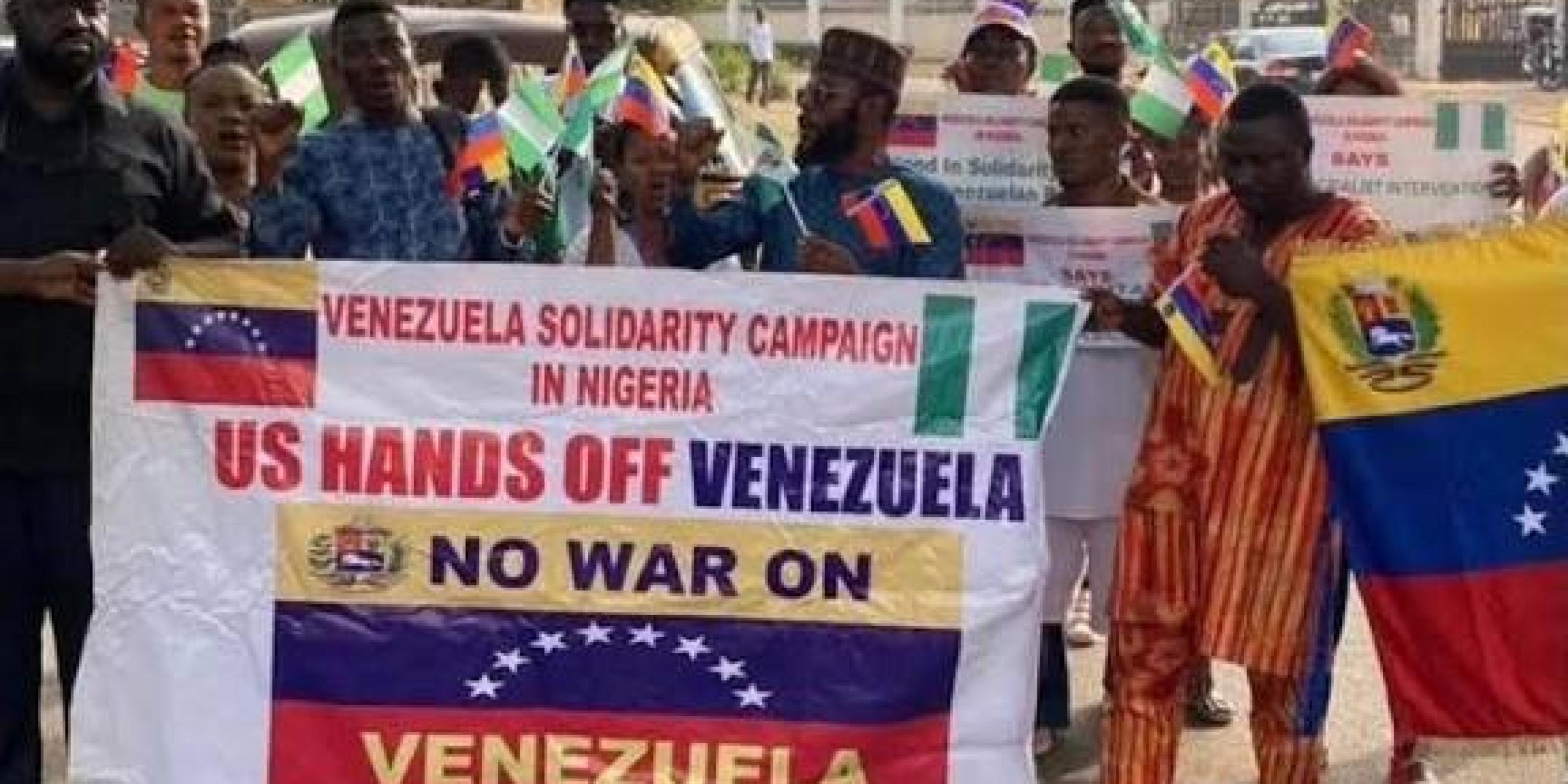
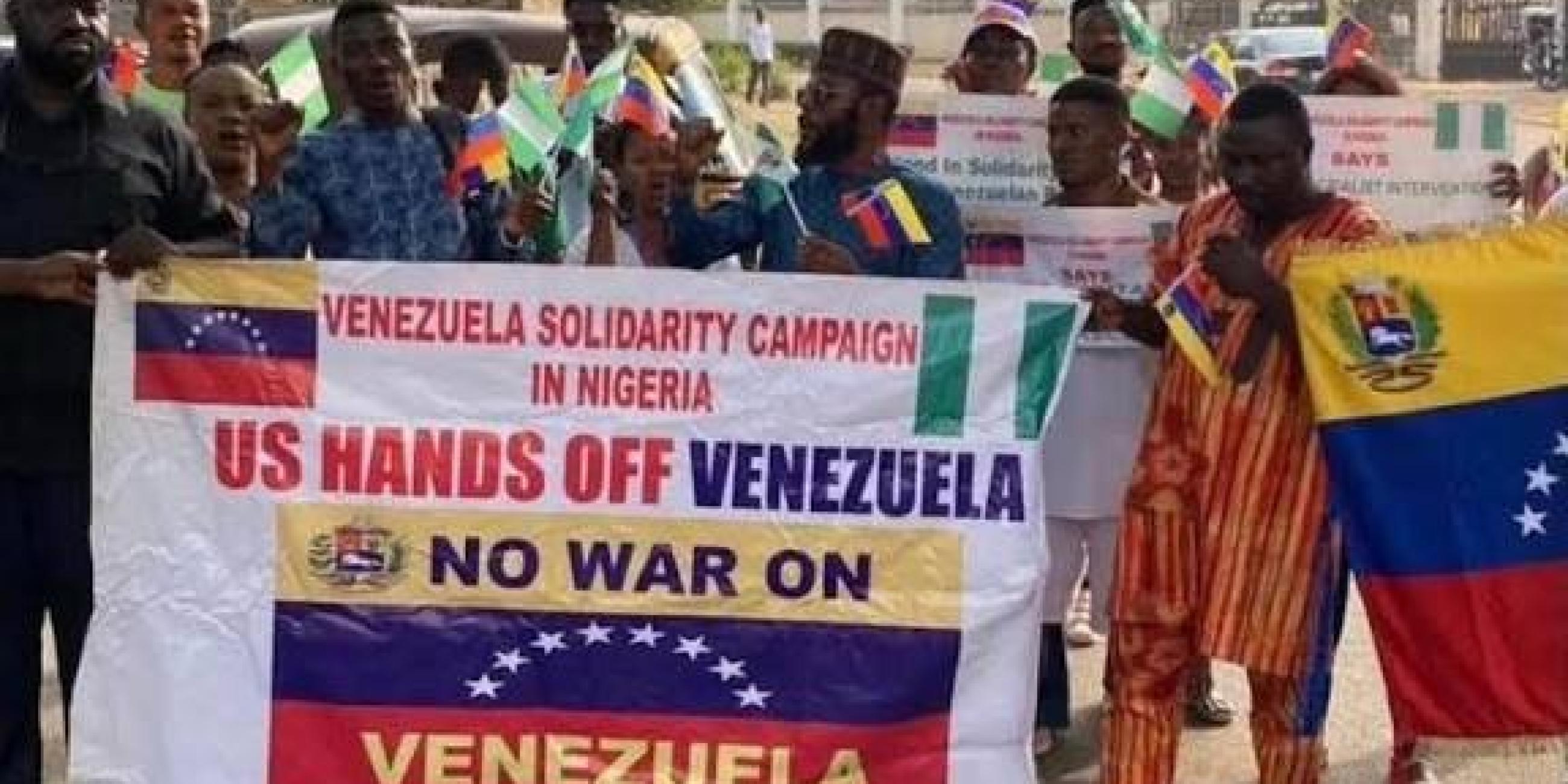
  • Nigeria-Based Venezuela Solidarity Group Condemns US Threats, Demands Release of President Maduro and Wife

    The Venezuela Solidarity Campaign in Nigeria (VSCN) has voiced strong opposition to alleged U.S. military and economic aggression against Venezuela, calling for the immediate release of President Nicolás Maduro and his wife, Cilia Flores, whom the group claims were “illegally abducted” by the Trump administration—a claim yet unverified.

    The coalition condemned attempts to justify foreign intervention in Venezuela under the guise of fighting drugs and arms smuggling, alleging that Venezuela’s oil and resources are the real targets. They also warned against similar threats to Greenland, Iran, and Nigeria, framing such actions as violations of international law and national sovereignty.

    The VSCN urged Nigerians committed to global peace and justice to join solidarity marches, strengthen national unity, and protect against potential imperialist interference in Nigeria. The statement emphasized dialogue, diplomacy, and respect for international law as the proper means of resolving disputes.
    Nigeria-Based Venezuela Solidarity Group Condemns US Threats, Demands Release of President Maduro and Wife The Venezuela Solidarity Campaign in Nigeria (VSCN) has voiced strong opposition to alleged U.S. military and economic aggression against Venezuela, calling for the immediate release of President Nicolás Maduro and his wife, Cilia Flores, whom the group claims were “illegally abducted” by the Trump administration—a claim yet unverified. The coalition condemned attempts to justify foreign intervention in Venezuela under the guise of fighting drugs and arms smuggling, alleging that Venezuela’s oil and resources are the real targets. They also warned against similar threats to Greenland, Iran, and Nigeria, framing such actions as violations of international law and national sovereignty. The VSCN urged Nigerians committed to global peace and justice to join solidarity marches, strengthen national unity, and protect against potential imperialist interference in Nigeria. The statement emphasized dialogue, diplomacy, and respect for international law as the proper means of resolving disputes.
    0 Reacties ·0 aandelen ·143 Views
  • Delcy Rodriguez Sworn In as Interim President of Venezuela After US Capture of Nicolas Maduro and Wife, Signals Conditional Cooperation With Washington

    Venezuela’s former Vice President Delcy Rodriguez has been sworn in as interim president following the capture of President Nicolas Maduro and his wife, Cilia Flores, by United States forces. The swearing-in ceremony took place on Monday at the National Assembly in Caracas, drawing global attention amid rising diplomatic tensions and cautious signals of possible engagement with Washington, according to AFP.

    Rodriguez, who took the oath “in the name of all Venezuelans,” expressed sorrow over the detention of Maduro and Flores, describing them as “hostages in the United States.” While condemning the US operation, the National Assembly pledged full support for Rodriguez’s interim leadership. Lawmakers also re-elected her brother, Jorge Rodriguez, as parliamentary speaker, consolidating the family’s grip on both the executive and legislative arms of government.

    During the session, legislators chanted slogans linked to Maduro’s controversial 2024 re-election campaign, which was widely criticised by opposition groups and foreign governments, including the United States, as fraudulent. Senior lawmakers accused President Donald Trump of overstepping international norms, vowing to pursue all avenues to secure Maduro’s return to power.

    Venezuela’s Supreme Court authorised Rodriguez to assume the presidency in an acting capacity, a move later endorsed by the military. Maduro’s son, Nicolas Maduro Guerra, and the ruling United Socialist Party of Venezuela (PSUV) also threw their weight behind Rodriguez, insisting the country remains stable under her leadership. The PSUV and its allies currently control 256 of the 286 seats in parliament following elections boycotted by much of the opposition.

    Despite insisting that Maduro remains Venezuela’s “only legitimate president,” Rodriguez extended a conditional offer of cooperation to Washington, which has indicated willingness to work with Caracas if its demands on political reforms and oil access are met. However, Trump warned that Rodriguez could face consequences similar to or worse than Maduro’s if she failed to comply with US directives.

    The unfolding developments mark a dramatic turning point in Venezuela’s political crisis, deepening internal power consolidation while reshaping the country’s already strained relationship with the United States.
    Delcy Rodriguez Sworn In as Interim President of Venezuela After US Capture of Nicolas Maduro and Wife, Signals Conditional Cooperation With Washington Venezuela’s former Vice President Delcy Rodriguez has been sworn in as interim president following the capture of President Nicolas Maduro and his wife, Cilia Flores, by United States forces. The swearing-in ceremony took place on Monday at the National Assembly in Caracas, drawing global attention amid rising diplomatic tensions and cautious signals of possible engagement with Washington, according to AFP. Rodriguez, who took the oath “in the name of all Venezuelans,” expressed sorrow over the detention of Maduro and Flores, describing them as “hostages in the United States.” While condemning the US operation, the National Assembly pledged full support for Rodriguez’s interim leadership. Lawmakers also re-elected her brother, Jorge Rodriguez, as parliamentary speaker, consolidating the family’s grip on both the executive and legislative arms of government. During the session, legislators chanted slogans linked to Maduro’s controversial 2024 re-election campaign, which was widely criticised by opposition groups and foreign governments, including the United States, as fraudulent. Senior lawmakers accused President Donald Trump of overstepping international norms, vowing to pursue all avenues to secure Maduro’s return to power. Venezuela’s Supreme Court authorised Rodriguez to assume the presidency in an acting capacity, a move later endorsed by the military. Maduro’s son, Nicolas Maduro Guerra, and the ruling United Socialist Party of Venezuela (PSUV) also threw their weight behind Rodriguez, insisting the country remains stable under her leadership. The PSUV and its allies currently control 256 of the 286 seats in parliament following elections boycotted by much of the opposition. Despite insisting that Maduro remains Venezuela’s “only legitimate president,” Rodriguez extended a conditional offer of cooperation to Washington, which has indicated willingness to work with Caracas if its demands on political reforms and oil access are met. However, Trump warned that Rodriguez could face consequences similar to or worse than Maduro’s if she failed to comply with US directives. The unfolding developments mark a dramatic turning point in Venezuela’s political crisis, deepening internal power consolidation while reshaping the country’s already strained relationship with the United States.
    0 Reacties ·0 aandelen ·141 Views
  • ADC Says Trump’s Action Against Venezuela’s Maduro Is a Warning to Illegitimate Governments, Slams Tinubu’s Silence as Embarrassing for Nigeria

    The African Democratic Congress (ADC) has described recent actions by the United States under President Donald Trump against Venezuelan President Nicolás Maduro and his wife as a strong warning to governments that lack legitimacy, urging Nigeria to draw lessons from the development. In a statement signed by its National Publicity Secretary, Bolaji Abdullahi, the party said the move sends “a strong message” to Nigeria and other countries where leadership is allegedly sustained by flawed elections and repression.

    While reaffirming its support for national sovereignty and non-interference as enshrined in the UN Charter, the ADC argued that these principles should not be used to shield tyranny, electoral fraud, and the denial of citizens’ right to choose their leaders. Citing the 2024 Venezuelan presidential election, the party noted widespread international condemnation over alleged fraud, repression, exclusion of opposition candidates, violent suppression of protests, and the use of state institutions against citizens—developments it said have driven mass migration and regional instability.

    The ADC acknowledged that U.S. intervention raises concerns under international law but maintained that the public celebrations within Venezuela reflect a deep legitimacy crisis for the Maduro government. The party also criticised the Tinubu administration’s silence, calling it “deeply embarrassing” and evidence that Nigeria has lost influence and moral authority on the global stage. It concluded that sovereignty must reflect the will of the people, not merely the survival of a regime, warning that “contrived mandates” and election rigging will no longer find safe haven.
    ADC Says Trump’s Action Against Venezuela’s Maduro Is a Warning to Illegitimate Governments, Slams Tinubu’s Silence as Embarrassing for Nigeria The African Democratic Congress (ADC) has described recent actions by the United States under President Donald Trump against Venezuelan President Nicolás Maduro and his wife as a strong warning to governments that lack legitimacy, urging Nigeria to draw lessons from the development. In a statement signed by its National Publicity Secretary, Bolaji Abdullahi, the party said the move sends “a strong message” to Nigeria and other countries where leadership is allegedly sustained by flawed elections and repression. While reaffirming its support for national sovereignty and non-interference as enshrined in the UN Charter, the ADC argued that these principles should not be used to shield tyranny, electoral fraud, and the denial of citizens’ right to choose their leaders. Citing the 2024 Venezuelan presidential election, the party noted widespread international condemnation over alleged fraud, repression, exclusion of opposition candidates, violent suppression of protests, and the use of state institutions against citizens—developments it said have driven mass migration and regional instability. The ADC acknowledged that U.S. intervention raises concerns under international law but maintained that the public celebrations within Venezuela reflect a deep legitimacy crisis for the Maduro government. The party also criticised the Tinubu administration’s silence, calling it “deeply embarrassing” and evidence that Nigeria has lost influence and moral authority on the global stage. It concluded that sovereignty must reflect the will of the people, not merely the survival of a regime, warning that “contrived mandates” and election rigging will no longer find safe haven.
    0 Reacties ·0 aandelen ·146 Views
  • UN Chief António Guterres Warns Security Council of Escalating Venezuela Crisis After U.S. Military Operation, Cites Risks to Regional Stability and International Law

    United Nations Secretary-General António Guterres has warned the Security Council that recent U.S. military action in Venezuela could deepen instability, destabilise the wider region, and undermine the foundations of international law. Speaking through UN political affairs chief Rosemary DiCarlo at an emergency meeting, Guterres described the situation as “grave” following the 3 January U.S. operation that reportedly led to the capture and transfer of Venezuelan President Nicolás Maduro to the United States.

    According to the UN briefing, U.S. forces carried out operations across Caracas and several northern states, with the full extent of casualties still unclear. While U.S. President Donald Trump publicly acknowledged the strike, the Venezuelan government condemned the action as a violation of the UN Charter and a threat to international peace and security. At the time of the meeting, Maduro and his wife, Cilia Flores, were being held in New York to face serious criminal charges.

    Guterres stressed that the UN Charter prohibits the use of force against the territorial integrity or political independence of any state, warning that the precedent set by the operation could erode global norms. He also placed the crisis within Venezuela’s prolonged political, social, and economic turmoil, citing disputed elections, documented human rights violations, and the mass exodus of citizens. Urging restraint, dialogue, and diplomatic engagement, the UN chief called on all parties to respect sovereignty, human rights, and the rule of law, insisting that “the power of the law must prevail” as the international community seeks a peaceful path forward for Venezuela.
    UN Chief António Guterres Warns Security Council of Escalating Venezuela Crisis After U.S. Military Operation, Cites Risks to Regional Stability and International Law United Nations Secretary-General António Guterres has warned the Security Council that recent U.S. military action in Venezuela could deepen instability, destabilise the wider region, and undermine the foundations of international law. Speaking through UN political affairs chief Rosemary DiCarlo at an emergency meeting, Guterres described the situation as “grave” following the 3 January U.S. operation that reportedly led to the capture and transfer of Venezuelan President Nicolás Maduro to the United States. According to the UN briefing, U.S. forces carried out operations across Caracas and several northern states, with the full extent of casualties still unclear. While U.S. President Donald Trump publicly acknowledged the strike, the Venezuelan government condemned the action as a violation of the UN Charter and a threat to international peace and security. At the time of the meeting, Maduro and his wife, Cilia Flores, were being held in New York to face serious criminal charges. Guterres stressed that the UN Charter prohibits the use of force against the territorial integrity or political independence of any state, warning that the precedent set by the operation could erode global norms. He also placed the crisis within Venezuela’s prolonged political, social, and economic turmoil, citing disputed elections, documented human rights violations, and the mass exodus of citizens. Urging restraint, dialogue, and diplomatic engagement, the UN chief called on all parties to respect sovereignty, human rights, and the rule of law, insisting that “the power of the law must prevail” as the international community seeks a peaceful path forward for Venezuela.
    0 Reacties ·0 aandelen ·110 Views
  • Venezuelan President Nicolás Maduro Pleads Not Guilty in U.S. Court, Declares “I Am Still President” Amid Drug Trafficking and Weapons Charges

    Venezuelan leader Nicolás Maduro has pleaded not guilty to multiple criminal charges during his first appearance in a New York courtroom, using the moment to reaffirm his claim to the presidency. Facing allegations of narco-terrorism conspiracy, cocaine importation, and illegal possession of weapons, Maduro rejected the accusations, insisting on his innocence and political legitimacy.

    According to reports, the indictment includes four major counts, marking one of the most serious criminal cases ever brought against a sitting foreign leader in the United States. Outside the courthouse, supporters and protesters gathered, turning the proceedings into a political spectacle highlighting tensions over sovereignty, accountability, and international justice.

    Maduro’s wife, Cilia Flores, who was apprehended alongside him, also entered a not guilty plea to similar drug trafficking and weapons charges. The case follows an announcement by U.S. Attorney General Pamela Bondi, who confirmed that both were indicted in the Southern District of New York. As the trial moves forward, the case is set to test the reach of U.S. law while deepening the global political controversy surrounding Venezuela’s embattled leadership.
    Venezuelan President Nicolás Maduro Pleads Not Guilty in U.S. Court, Declares “I Am Still President” Amid Drug Trafficking and Weapons Charges Venezuelan leader Nicolás Maduro has pleaded not guilty to multiple criminal charges during his first appearance in a New York courtroom, using the moment to reaffirm his claim to the presidency. Facing allegations of narco-terrorism conspiracy, cocaine importation, and illegal possession of weapons, Maduro rejected the accusations, insisting on his innocence and political legitimacy. According to reports, the indictment includes four major counts, marking one of the most serious criminal cases ever brought against a sitting foreign leader in the United States. Outside the courthouse, supporters and protesters gathered, turning the proceedings into a political spectacle highlighting tensions over sovereignty, accountability, and international justice. Maduro’s wife, Cilia Flores, who was apprehended alongside him, also entered a not guilty plea to similar drug trafficking and weapons charges. The case follows an announcement by U.S. Attorney General Pamela Bondi, who confirmed that both were indicted in the Southern District of New York. As the trial moves forward, the case is set to test the reach of U.S. law while deepening the global political controversy surrounding Venezuela’s embattled leadership.
    0 Reacties ·0 aandelen ·124 Views
  • Ousted Venezuelan President Nicolás Maduro Appears in New York Court Amid UN Debate Over Legality of U.S. Capture

    Former Venezuelan President Nicolás Maduro and his wife, Cilia Flores, appeared in a Manhattan federal court to face long-standing U.S. drug trafficking charges following a U.S. special forces operation in Caracas. The raid, described as the largest U.S. military intervention in Latin America since Panama in 1989, allegedly involved breaching Maduro’s security to arrest him.

    U.S. authorities accuse Maduro of leading a vast cocaine-trafficking network linked to Mexico’s cartels, Colombian rebels, and Venezuelan gangs. Maduro denies the charges, calling them politically motivated.

    Despite the arrest, Maduro’s allies still control Caracas, and Venezuela’s acting president, Delcy Rodríguez, signaled cautious openness to dialogue with the U.S. The operation has sparked international controversy, with Russia, China, and Cuba condemning the U.S. action, while Western allies have urged dialogue and adherence to international law.

    The UN Security Council is set to debate the legality of the U.S. operation, while markets reacted with modest gains in oil prices, Venezuelan bonds, and defense stocks amid geopolitical uncertainty.
    Ousted Venezuelan President Nicolás Maduro Appears in New York Court Amid UN Debate Over Legality of U.S. Capture Former Venezuelan President Nicolás Maduro and his wife, Cilia Flores, appeared in a Manhattan federal court to face long-standing U.S. drug trafficking charges following a U.S. special forces operation in Caracas. The raid, described as the largest U.S. military intervention in Latin America since Panama in 1989, allegedly involved breaching Maduro’s security to arrest him. U.S. authorities accuse Maduro of leading a vast cocaine-trafficking network linked to Mexico’s cartels, Colombian rebels, and Venezuelan gangs. Maduro denies the charges, calling them politically motivated. Despite the arrest, Maduro’s allies still control Caracas, and Venezuela’s acting president, Delcy Rodríguez, signaled cautious openness to dialogue with the U.S. The operation has sparked international controversy, with Russia, China, and Cuba condemning the U.S. action, while Western allies have urged dialogue and adherence to international law. The UN Security Council is set to debate the legality of the U.S. operation, while markets reacted with modest gains in oil prices, Venezuelan bonds, and defense stocks amid geopolitical uncertainty.
    1 Reacties ·0 aandelen ·188 Views
  • Nigerian Activist Agena Robert Warns ‘If U.S. Can Invade Venezuela, They Can Invade Nigeria,’ Criticizes Trump as Dictator

    Nigerian human rights activist Agena A. Robert has condemned the United States over its actions against Venezuela, labeling Washington’s foreign policy as hypocritical, imperialistic, and a threat to global sovereignty.

    In a statement titled “The Hypocrisy of Empire: Why the U.S. Assault on Venezuela Is a Threat to Us All,” Robert argued that U.S. claims of promoting democracy are a pretext for controlling Venezuela’s resources. He accused U.S. President Donald Trump of acting like a dictator and criticized double standards in international relations, including tolerance for elites and selective criminalization.

    Robert warned that developing nations, including Nigeria, are at risk of foreign intervention disguised as benevolence, citing U.S., Israeli, Chinese, Russian, and European influence under various pretexts. He called for countries in the Global South to resist domination and uphold sovereignty, stressing that Venezuela’s experience should serve as a wake-up call.

    The activist emphasized solidarity with Venezuela and the importance of defending self-determination against neocolonial exploitation.
    Nigerian Activist Agena Robert Warns ‘If U.S. Can Invade Venezuela, They Can Invade Nigeria,’ Criticizes Trump as Dictator Nigerian human rights activist Agena A. Robert has condemned the United States over its actions against Venezuela, labeling Washington’s foreign policy as hypocritical, imperialistic, and a threat to global sovereignty. In a statement titled “The Hypocrisy of Empire: Why the U.S. Assault on Venezuela Is a Threat to Us All,” Robert argued that U.S. claims of promoting democracy are a pretext for controlling Venezuela’s resources. He accused U.S. President Donald Trump of acting like a dictator and criticized double standards in international relations, including tolerance for elites and selective criminalization. Robert warned that developing nations, including Nigeria, are at risk of foreign intervention disguised as benevolence, citing U.S., Israeli, Chinese, Russian, and European influence under various pretexts. He called for countries in the Global South to resist domination and uphold sovereignty, stressing that Venezuela’s experience should serve as a wake-up call. The activist emphasized solidarity with Venezuela and the importance of defending self-determination against neocolonial exploitation.
    0 Reacties ·0 aandelen ·181 Views
  • ECOWAS Urges Restraint, Dialogue, and Respect for Venezuela’s Sovereignty Following U.S. Military Actions

    ECOWAS has called for restraint, inclusive dialogue, and respect for Venezuela’s sovereignty in response to recent U.S. military actions in the country. In a statement issued from Abuja on January 5, 2026, the regional bloc emphasized that while states have the right to combat transnational threats, such actions must comply with international law.

    The organization highlighted the importance of respecting the principles of sovereignty and territorial integrity, citing Article 2(4) of the United Nations Charter. ECOWAS aligned itself with the African Union’s earlier statement, urging calm, dialogue, and the peaceful resolution of disputes in Venezuela.

    The bloc reaffirmed its support for the Venezuelan people, emphasizing that they must have the primary role in determining their nation’s future through inclusive processes. ECOWAS stressed that international engagement must uphold constitutional and institutional frameworks, good neighborliness, and cooperation, while avoiding violations of sovereignty.

    Topics: International, Politics, Africa, Venezuela, Diplomacy.
    ECOWAS Urges Restraint, Dialogue, and Respect for Venezuela’s Sovereignty Following U.S. Military Actions ECOWAS has called for restraint, inclusive dialogue, and respect for Venezuela’s sovereignty in response to recent U.S. military actions in the country. In a statement issued from Abuja on January 5, 2026, the regional bloc emphasized that while states have the right to combat transnational threats, such actions must comply with international law. The organization highlighted the importance of respecting the principles of sovereignty and territorial integrity, citing Article 2(4) of the United Nations Charter. ECOWAS aligned itself with the African Union’s earlier statement, urging calm, dialogue, and the peaceful resolution of disputes in Venezuela. The bloc reaffirmed its support for the Venezuelan people, emphasizing that they must have the primary role in determining their nation’s future through inclusive processes. ECOWAS stressed that international engagement must uphold constitutional and institutional frameworks, good neighborliness, and cooperation, while avoiding violations of sovereignty. Topics: International, Politics, Africa, Venezuela, Diplomacy.
    0 Reacties ·0 aandelen ·114 Views
  • 26 EU States Urge Calm, Respect For International Law After US Military Captures Venezuelan President Nicolas Maduro

    Twenty-six member states of the European Union have called for calm, restraint and strict adherence to international law following the United States’ military action in Venezuela, which reportedly led to the capture of President Nicolas Maduro and his wife, Cilia Flores. In a joint statement issued by EU foreign policy chief Kaja Kallas, the bloc warned against actions that could escalate tensions or derail prospects for a peaceful resolution of the Venezuelan crisis.

    The EU stressed that the principles of international law and the United Nations Charter must be upheld at all times, noting that members of the UN Security Council bear a special responsibility in safeguarding these norms as a foundation of global security. While reiterating its long-standing position that Maduro lacks the legitimacy of a democratically elected president, the EU emphasized support for a Venezuelan-led, peaceful and democratic transition that respects the country’s sovereignty.

    The statement also highlighted the need for sustained international cooperation to combat transnational organised crime and drug trafficking, but only in full respect of territorial integrity and international law. The bloc said it remains in close contact with the United States, regional actors and international partners to facilitate dialogue aimed at a negotiated, inclusive and peaceful solution driven by Venezuelans themselves.

    Additionally, the EU called for the unconditional release of all political prisoners in Venezuela and confirmed that EU member states’ consular authorities are working together to protect EU citizens, including those allegedly detained unlawfully. The intervention comes amid heightened global concern over Venezuela’s political deadlock and regional stability following President Donald Trump’s announcement that Maduro had been captured and transferred to the United States to face federal charges related to drug trafficking and alleged links to designated terrorist organisations.
    26 EU States Urge Calm, Respect For International Law After US Military Captures Venezuelan President Nicolas Maduro Twenty-six member states of the European Union have called for calm, restraint and strict adherence to international law following the United States’ military action in Venezuela, which reportedly led to the capture of President Nicolas Maduro and his wife, Cilia Flores. In a joint statement issued by EU foreign policy chief Kaja Kallas, the bloc warned against actions that could escalate tensions or derail prospects for a peaceful resolution of the Venezuelan crisis. The EU stressed that the principles of international law and the United Nations Charter must be upheld at all times, noting that members of the UN Security Council bear a special responsibility in safeguarding these norms as a foundation of global security. While reiterating its long-standing position that Maduro lacks the legitimacy of a democratically elected president, the EU emphasized support for a Venezuelan-led, peaceful and democratic transition that respects the country’s sovereignty. The statement also highlighted the need for sustained international cooperation to combat transnational organised crime and drug trafficking, but only in full respect of territorial integrity and international law. The bloc said it remains in close contact with the United States, regional actors and international partners to facilitate dialogue aimed at a negotiated, inclusive and peaceful solution driven by Venezuelans themselves. Additionally, the EU called for the unconditional release of all political prisoners in Venezuela and confirmed that EU member states’ consular authorities are working together to protect EU citizens, including those allegedly detained unlawfully. The intervention comes amid heightened global concern over Venezuela’s political deadlock and regional stability following President Donald Trump’s announcement that Maduro had been captured and transferred to the United States to face federal charges related to drug trafficking and alleged links to designated terrorist organisations.
    0 Reacties ·0 aandelen ·128 Views
  • China Condemns U.S. Detention of Venezuela’s President Maduro, Says No Country Has the Right to Act as the ‘World’s Judge’ or Global Police

    China has strongly criticised the detention of Venezuelan President Nicolás Maduro by the United States, declaring that it will never accept any country positioning itself as the “world’s judge” or acting as a global police force. The position was stated by Chinese Foreign Minister Wang Yi during talks with Pakistan’s Foreign Minister, Ishaq Dar, in Beijing, following what he described as sudden and serious developments in Venezuela.

    Without naming the United States directly, Wang Yi stressed that international law does not permit any nation to unilaterally police or judge others, insisting that the sovereignty and security of all countries must be respected. His remarks marked China’s first public response since images of Maduro blindfolded and handcuffed surfaced, sparking global controversy. Maduro is currently detained in New York and awaiting a court appearance on drug-related charges.

    The development poses a diplomatic test for China, which has cultivated close ties with Venezuela and considers itself a dependable partner to Caracas. Beijing has played a significant economic and political role in supporting Venezuela, particularly since Western sanctions intensified in 2017, investing billions of dollars and purchasing large volumes of Venezuelan crude oil. Analysts say China’s growing confidence on the global stage, reinforced by its past confrontations with Washington and recent diplomatic initiatives, is shaping its firm stance.

    However, U.S. President Donald Trump’s assertion that Washington will temporarily oversee Venezuela’s government has raised concerns about the future of China–Venezuela relations and Beijing’s ambition to act as a major diplomatic power. Chinese officials privately described Maduro’s detention as a major setback, highlighting years of diplomatic engagement and economic cooperation now overshadowed by escalating geopolitical tensions.
    China Condemns U.S. Detention of Venezuela’s President Maduro, Says No Country Has the Right to Act as the ‘World’s Judge’ or Global Police China has strongly criticised the detention of Venezuelan President Nicolás Maduro by the United States, declaring that it will never accept any country positioning itself as the “world’s judge” or acting as a global police force. The position was stated by Chinese Foreign Minister Wang Yi during talks with Pakistan’s Foreign Minister, Ishaq Dar, in Beijing, following what he described as sudden and serious developments in Venezuela. Without naming the United States directly, Wang Yi stressed that international law does not permit any nation to unilaterally police or judge others, insisting that the sovereignty and security of all countries must be respected. His remarks marked China’s first public response since images of Maduro blindfolded and handcuffed surfaced, sparking global controversy. Maduro is currently detained in New York and awaiting a court appearance on drug-related charges. The development poses a diplomatic test for China, which has cultivated close ties with Venezuela and considers itself a dependable partner to Caracas. Beijing has played a significant economic and political role in supporting Venezuela, particularly since Western sanctions intensified in 2017, investing billions of dollars and purchasing large volumes of Venezuelan crude oil. Analysts say China’s growing confidence on the global stage, reinforced by its past confrontations with Washington and recent diplomatic initiatives, is shaping its firm stance. However, U.S. President Donald Trump’s assertion that Washington will temporarily oversee Venezuela’s government has raised concerns about the future of China–Venezuela relations and Beijing’s ambition to act as a major diplomatic power. Chinese officials privately described Maduro’s detention as a major setback, highlighting years of diplomatic engagement and economic cooperation now overshadowed by escalating geopolitical tensions.
    0 Reacties ·0 aandelen ·140 Views
  • Pope Leo Says Welfare Of Venezuelans Must Prevail
    Following his Angelus prayer in St Peter's Square, the first US pope told the crowd that "the welfare of the beloved Venezuelan people must prevail over all other considerations".

    Pope Leo XIV on Sunday said Venezuelans’ welfare should prevail after the toppling of President Nicolas Maduro in a US operation and said the country’s sovereignty should be guaranteed.
    Pope Leo Says Welfare Of Venezuelans Must Prevail Following his Angelus prayer in St Peter's Square, the first US pope told the crowd that "the welfare of the beloved Venezuelan people must prevail over all other considerations". Pope Leo XIV on Sunday said Venezuelans’ welfare should prevail after the toppling of President Nicolas Maduro in a US operation and said the country’s sovereignty should be guaranteed.
    0 Reacties ·0 aandelen ·141 Views
  • Venezuela’s Maduro To Appear Before Judge Monday In New York
    Five Latin American countries and Spain warned on Sunday against any outside bid for "control" of Venezuela, after US President Donald Trump suggested Washington would "run" the country and access its oil.

    Venezuela’s deposed president, Nicolas Maduro, is scheduled to appear before a federal judge in New York at noon Monday to be formally notified about the charges against him, the court said.
    Venezuela’s Maduro To Appear Before Judge Monday In New York Five Latin American countries and Spain warned on Sunday against any outside bid for "control" of Venezuela, after US President Donald Trump suggested Washington would "run" the country and access its oil. Venezuela’s deposed president, Nicolas Maduro, is scheduled to appear before a federal judge in New York at noon Monday to be formally notified about the charges against him, the court said.
    0 Reacties ·0 aandelen ·90 Views
  • Museveni Says Even Uganda Can Harm U.S. in Ground War, Cites Venezuela Crisis to Renew Call for Pan-African Security and Military Unity

    Ugandan President Yoweri Museveni has stated that despite the United States’ overwhelming military dominance across sea, air, and space, it remains vulnerable in ground combat, arguing that even countries like Uganda could inflict damage in a close-range land confrontation. Museveni made the remarks while responding to questions on Pan-Africanism and lessons Africa can draw from Washington’s recent military intervention in Venezuela.

    According to Museveni, U.S. military power lies in its ability to operate simultaneously across four domains—sea, air, space, and land—giving it a decisive advantage over many adversaries long before direct engagement. However, he noted that once operations shift to land, that advantage diminishes, exposing even powerful forces to harm.

    He further explained that while the United States maintains surveillance and technological superiority even on land, weaker states remain strategically exposed across multiple fronts, highlighting a deep imbalance in global security. Museveni traced Africa’s vulnerability to the failure of post-independence leaders to pursue collective security and genuine Pan-African unity in the 1960s.

    Citing the Venezuela crisis as a warning, Museveni concluded that Africa must urgently revive Pan-African cooperation, particularly in defence and security, to avoid remaining fragmented and strategically disadvantaged in an increasingly militarised world.
    Museveni Says Even Uganda Can Harm U.S. in Ground War, Cites Venezuela Crisis to Renew Call for Pan-African Security and Military Unity Ugandan President Yoweri Museveni has stated that despite the United States’ overwhelming military dominance across sea, air, and space, it remains vulnerable in ground combat, arguing that even countries like Uganda could inflict damage in a close-range land confrontation. Museveni made the remarks while responding to questions on Pan-Africanism and lessons Africa can draw from Washington’s recent military intervention in Venezuela. According to Museveni, U.S. military power lies in its ability to operate simultaneously across four domains—sea, air, space, and land—giving it a decisive advantage over many adversaries long before direct engagement. However, he noted that once operations shift to land, that advantage diminishes, exposing even powerful forces to harm. He further explained that while the United States maintains surveillance and technological superiority even on land, weaker states remain strategically exposed across multiple fronts, highlighting a deep imbalance in global security. Museveni traced Africa’s vulnerability to the failure of post-independence leaders to pursue collective security and genuine Pan-African unity in the 1960s. Citing the Venezuela crisis as a warning, Museveni concluded that Africa must urgently revive Pan-African cooperation, particularly in defence and security, to avoid remaining fragmented and strategically disadvantaged in an increasingly militarised world.
    0 Reacties ·0 aandelen ·198 Views
  • Somaliland Endorses U.S. Military Action in Venezuela, Says Intervention Could Restore Democracy

    The Government of the Republic of Somaliland has expressed support for the United States’ military intervention in Venezuela, describing it as a measured international effort aimed at restoring constitutional order and democratic legitimacy. In a statement issued on January 4, 2026, Somaliland said it aligns “in principle” with U.S.-led action carried out in coordination with regional and multilateral partners.

    According to Somaliland’s Ministry of Foreign Affairs, the intervention could help ease Venezuela’s worsening humanitarian crisis, counter transnational criminal networks, and support a peaceful, Venezuelan-led political transition rooted in sovereignty, accountability, and human rights. The government stressed that its position is guided by international norms and collective security considerations.

    The endorsement follows U.S. military strikes that led to the capture of Venezuelan President Nicolás Maduro and his wife, Cilia Flores. U.S. President Donald Trump described the operation as a major success and announced that Washington would oversee Venezuela’s affairs during a transition period. The intervention has sparked global reactions, drawing both support and sharp criticism amid concerns over sovereignty, human rights, and the future of international order.
    Somaliland Endorses U.S. Military Action in Venezuela, Says Intervention Could Restore Democracy The Government of the Republic of Somaliland has expressed support for the United States’ military intervention in Venezuela, describing it as a measured international effort aimed at restoring constitutional order and democratic legitimacy. In a statement issued on January 4, 2026, Somaliland said it aligns “in principle” with U.S.-led action carried out in coordination with regional and multilateral partners. According to Somaliland’s Ministry of Foreign Affairs, the intervention could help ease Venezuela’s worsening humanitarian crisis, counter transnational criminal networks, and support a peaceful, Venezuelan-led political transition rooted in sovereignty, accountability, and human rights. The government stressed that its position is guided by international norms and collective security considerations. The endorsement follows U.S. military strikes that led to the capture of Venezuelan President Nicolás Maduro and his wife, Cilia Flores. U.S. President Donald Trump described the operation as a major success and announced that Washington would oversee Venezuela’s affairs during a transition period. The intervention has sparked global reactions, drawing both support and sharp criticism amid concerns over sovereignty, human rights, and the future of international order.
    0 Reacties ·0 aandelen ·212 Views
  • Omoyele Sowore Calls for Abolition of UN, Labels Global Body ‘Ineffective’ Following U.S. Military Action in Venezuela

    Nigerian activist and former presidential candidate Omoyele Sowore has called for the abolition of the United Nations, criticizing it as ineffective amid global conflicts and humanitarian crises. In a statement on X, Sowore described the UN as a “hollow institution” that has failed to maintain international peace and security, citing recent U.S. military actions in Venezuela as an example of the body’s impotence.

    He accused the UN of being compromised, unable to prevent aggression, war crimes, and abuses of power by influential nations. Sowore argued that the organization has lost its legitimacy and should be replaced with a new global coalition of nation-states capable of upholding justice, protecting humanity, and preventing tyranny. His remarks reflect growing skepticism toward multilateral institutions, particularly in the Global South.
    Omoyele Sowore Calls for Abolition of UN, Labels Global Body ‘Ineffective’ Following U.S. Military Action in Venezuela Nigerian activist and former presidential candidate Omoyele Sowore has called for the abolition of the United Nations, criticizing it as ineffective amid global conflicts and humanitarian crises. In a statement on X, Sowore described the UN as a “hollow institution” that has failed to maintain international peace and security, citing recent U.S. military actions in Venezuela as an example of the body’s impotence. He accused the UN of being compromised, unable to prevent aggression, war crimes, and abuses of power by influential nations. Sowore argued that the organization has lost its legitimacy and should be replaced with a new global coalition of nation-states capable of upholding justice, protecting humanity, and preventing tyranny. His remarks reflect growing skepticism toward multilateral institutions, particularly in the Global South.
    0 Reacties ·0 aandelen ·210 Views
Zoekresultaten
Fintter https://fintter.com