• Intelligence Report Uncovers 1,801 Bank Accounts Funding Boko Haram Across Nigeria and Abroad

    A classified Nigerian Financial Intelligence Unit (NFIU) report has exposed a vast domestic and international network funnelling money and logistical support to Boko Haram through 1,801 bank accounts linked to individuals and companies across 18 financial institutions. The investigation identified 96 Nigerian suspects, dozens of businesses—including multiple Bureau De Change operators—and foreign collaborators spanning the UAE, India, Rwanda, Niger, Benin, Uganda, Cameroon, and Dubai. The network also connects to known kidnappers, bandits, and informants, illustrating the deep overlap between terrorism and organised crime. This intelligence provides a crucial blueprint for disrupting Boko Haram’s financial lifelines and strengthening national security operations.
    Intelligence Report Uncovers 1,801 Bank Accounts Funding Boko Haram Across Nigeria and Abroad A classified Nigerian Financial Intelligence Unit (NFIU) report has exposed a vast domestic and international network funnelling money and logistical support to Boko Haram through 1,801 bank accounts linked to individuals and companies across 18 financial institutions. The investigation identified 96 Nigerian suspects, dozens of businesses—including multiple Bureau De Change operators—and foreign collaborators spanning the UAE, India, Rwanda, Niger, Benin, Uganda, Cameroon, and Dubai. The network also connects to known kidnappers, bandits, and informants, illustrating the deep overlap between terrorism and organised crime. This intelligence provides a crucial blueprint for disrupting Boko Haram’s financial lifelines and strengthening national security operations.
    Love
    1
    · 0 Yorumlar ·0 hisse senetleri ·203 Views
  • Twenty-One Economic Miracles Currently Happening Under President Tinubu

    One: Our foreign reserves have crossed the $45 billion mark for the first time in six years. It is now the fourth-highest on the African continent.

    Two: The prudent management of our foreign reserves under President Tinubu has led to a 3.93% GDP growth in the immediate past quarter and 4.23% growth in the quarter before that (Q2, 2025).

    Three: Nigeria, under President Tinubu, has, within two years, moved from being Africa's biggest petrol importer to becoming West Africa's largest exporter of the same product.

    Four: For the first time in over a decade, Nigeria has overshot its OPEC quota for three consecutive months and is set to do the same for the fourth month, producing an average of 1.71 million barrels per day.

    Five: President Tinubu gave Nigerian airlines direct flights to London's Gatwick Airport, United Kingdom, London's Heathrow Airport, United Kingdom, São Paulo, Brazil, Bogotá, Colombia, Entebbe, Uganda, Dar es Salaam, Tanzania, Algiers, Algeria, and St. Kitts and Nevis in the Caribbean.

    Six: Oil theft has been reduced to less than 10,000 barrels per day, a sixteen-year low.

    Seven: Nigeria achieved its revenue target for the entire year in August, a first in our history.

    Eight: The Nigerian Stock Exchange rose above 130,000 All Share Index for the first time ever.

    Nine: Our economy expanded by $67 billion in just two years, moving Nigeria's GDP from a ₦269.29 trillion economy on May 29, 2023, when Asiwaju became President, to ₦372.8 trillion today.

    Ten: Between January and August 2025, non-oil tax revenue was ₦20.59 trillion, a 40.5% increase from the ₦14.6 trillion recorded in the corresponding period in 2024.

    Eleven: MTN Nigeria Limited hit a record valuation of ₦10 trillion, the first Nigerian company to do so.

    Twelve: Food prices have fallen significantly, resulting in a drop in inflation to 16.05% at present, down from 20.12% in August 2025, a 1.76% decline from July's 21.88%.

    Thirteen: Dangote and other retailers have crashed fuel prices below ₦1000.

    Fourteen: The Naira has stabilised and is now below ₦1500 to $, making it among the world's best-performing currencies, according to Fitch Ratings.

    Fifteen: Nigeria broke its power generation record with a peak generation of 5,801.84MW and maximum daily energyoutput of 128,370.75 megawatt-hours (MWh), the highest ever attained in the history of the electricity industry in Nigeria.

    Sixteen: After a record trade surplus last year, Nigeria appears set to beat its 2024 figure. Our trade surplus rose 44.3% in Q2 to ₦7.46 trillion, up from ₦5.17 trillion in Q1.

    Seventeen: In a sign of an improving economy, the Central Bank of Nigeria reduced interest rates by 50 basis points to 27%, the first time since the #COVID19 pandemic.

    Eighteen: Fitch and S&P Global Ratings upgraded Nigeria's economy to a Stable B.

    Nineteen: Two PhDs in economics, in the persons of Dr Ngozi Okonjo-Iweala, the Director-General of the World Trade Organisation, and the former Governor of the Central Bank of Nigeria, and incumbent Governor of Anambra, Dr Chukwuma Soludo, both confirmed that President Tinubu has "stabilised the economy".

    Twenty: Rail transport expanded in Nigeria by 43.08% in Q2 2025.

    Twenty-one: Road transport expanded by 24.50% in Q2 2025, driven by the ₦13 trillion 1,068-kilometre Illela-Sokoto-Badagry Superhighway, and the ₦15 trillion 750-kilometre Lagos-Calabar Coastal Highway, currently under construction.

    Bonus: Student loans were awarded to an unprecedented 500,000 students, with hundreds of thousands more awaiting their loans.

    Effective rebranding projects a positive image of what is happening. It is the best way to neutralise enemies of the nation who want to overwhelm the airwaves with negative information. If you are a patriot who loves Nigeria and wants your country to progress, please spread this truthful message.

    Reno Omokri
    Twenty-One Economic Miracles Currently Happening Under President Tinubu One: Our foreign reserves have crossed the $45 billion mark for the first time in six years. It is now the fourth-highest on the African continent. Two: The prudent management of our foreign reserves under President Tinubu has led to a 3.93% GDP growth in the immediate past quarter and 4.23% growth in the quarter before that (Q2, 2025). Three: Nigeria, under President Tinubu, has, within two years, moved from being Africa's biggest petrol importer to becoming West Africa's largest exporter of the same product. Four: For the first time in over a decade, Nigeria has overshot its OPEC quota for three consecutive months and is set to do the same for the fourth month, producing an average of 1.71 million barrels per day. Five: President Tinubu gave Nigerian airlines direct flights to London's Gatwick Airport, United Kingdom, London's Heathrow Airport, United Kingdom, São Paulo, Brazil, Bogotá, Colombia, Entebbe, Uganda, Dar es Salaam, Tanzania, Algiers, Algeria, and St. Kitts and Nevis in the Caribbean. Six: Oil theft has been reduced to less than 10,000 barrels per day, a sixteen-year low. Seven: Nigeria achieved its revenue target for the entire year in August, a first in our history. Eight: The Nigerian Stock Exchange rose above 130,000 All Share Index for the first time ever. Nine: Our economy expanded by $67 billion in just two years, moving Nigeria's GDP from a ₦269.29 trillion economy on May 29, 2023, when Asiwaju became President, to ₦372.8 trillion today. Ten: Between January and August 2025, non-oil tax revenue was ₦20.59 trillion, a 40.5% increase from the ₦14.6 trillion recorded in the corresponding period in 2024. Eleven: MTN Nigeria Limited hit a record valuation of ₦10 trillion, the first Nigerian company to do so. Twelve: Food prices have fallen significantly, resulting in a drop in inflation to 16.05% at present, down from 20.12% in August 2025, a 1.76% decline from July's 21.88%. Thirteen: Dangote and other retailers have crashed fuel prices below ₦1000. Fourteen: The Naira has stabilised and is now below ₦1500 to $, making it among the world's best-performing currencies, according to Fitch Ratings. Fifteen: Nigeria broke its power generation record with a peak generation of 5,801.84MW and maximum daily energyoutput of 128,370.75 megawatt-hours (MWh), the highest ever attained in the history of the electricity industry in Nigeria. Sixteen: After a record trade surplus last year, Nigeria appears set to beat its 2024 figure. Our trade surplus rose 44.3% in Q2 to ₦7.46 trillion, up from ₦5.17 trillion in Q1. Seventeen: In a sign of an improving economy, the Central Bank of Nigeria reduced interest rates by 50 basis points to 27%, the first time since the #COVID19 pandemic. Eighteen: Fitch and S&P Global Ratings upgraded Nigeria's economy to a Stable B. Nineteen: Two PhDs in economics, in the persons of Dr Ngozi Okonjo-Iweala, the Director-General of the World Trade Organisation, and the former Governor of the Central Bank of Nigeria, and incumbent Governor of Anambra, Dr Chukwuma Soludo, both confirmed that President Tinubu has "stabilised the economy". Twenty: Rail transport expanded in Nigeria by 43.08% in Q2 2025. Twenty-one: Road transport expanded by 24.50% in Q2 2025, driven by the ₦13 trillion 1,068-kilometre Illela-Sokoto-Badagry Superhighway, and the ₦15 trillion 750-kilometre Lagos-Calabar Coastal Highway, currently under construction. Bonus: Student loans were awarded to an unprecedented 500,000 students, with hundreds of thousands more awaiting their loans. Effective rebranding projects a positive image of what is happening. It is the best way to neutralise enemies of the nation who want to overwhelm the airwaves with negative information. If you are a patriot who loves Nigeria and wants your country to progress, please spread this truthful message. Reno Omokri
    0 Yorumlar ·0 hisse senetleri ·117 Views
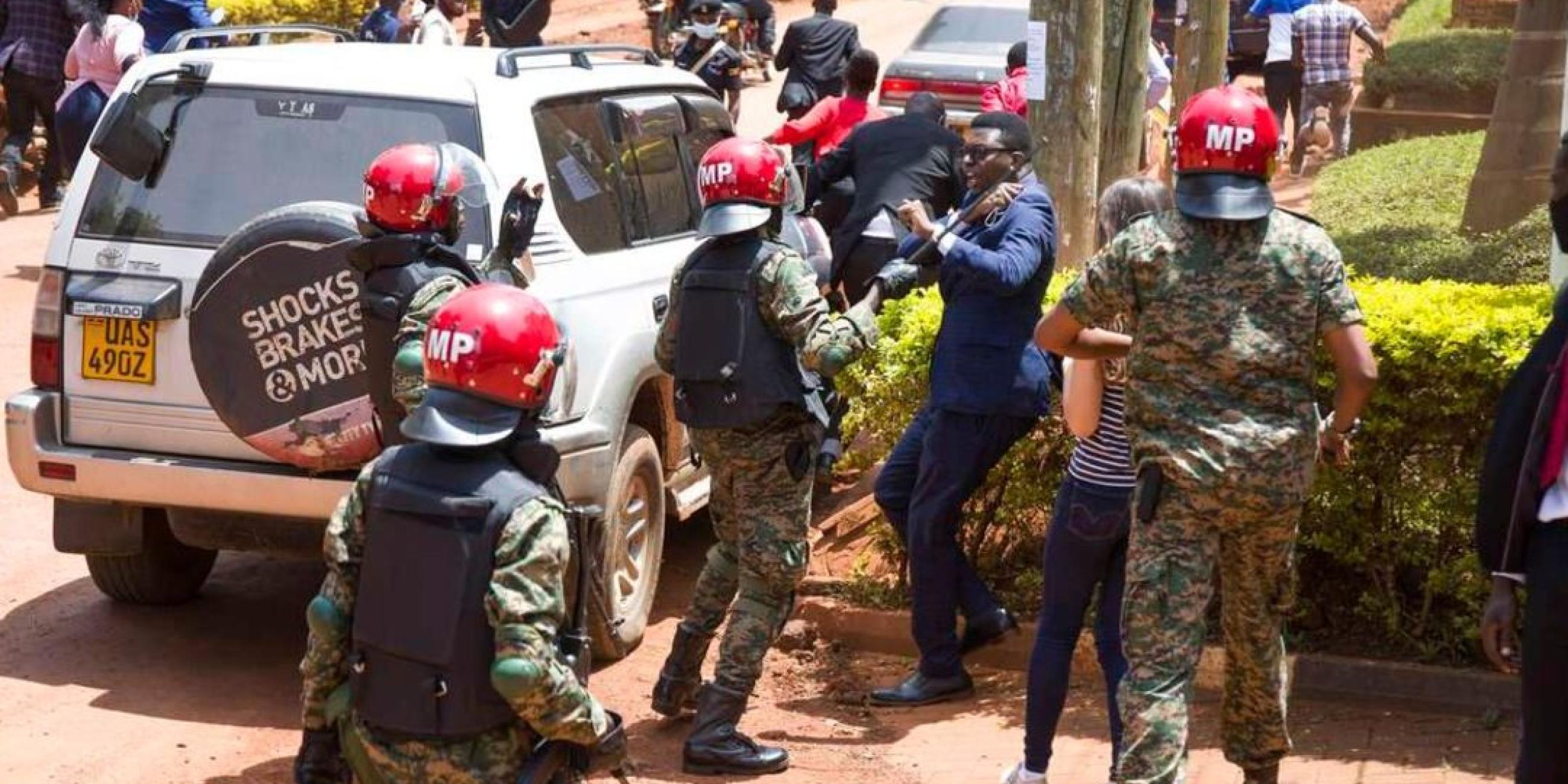
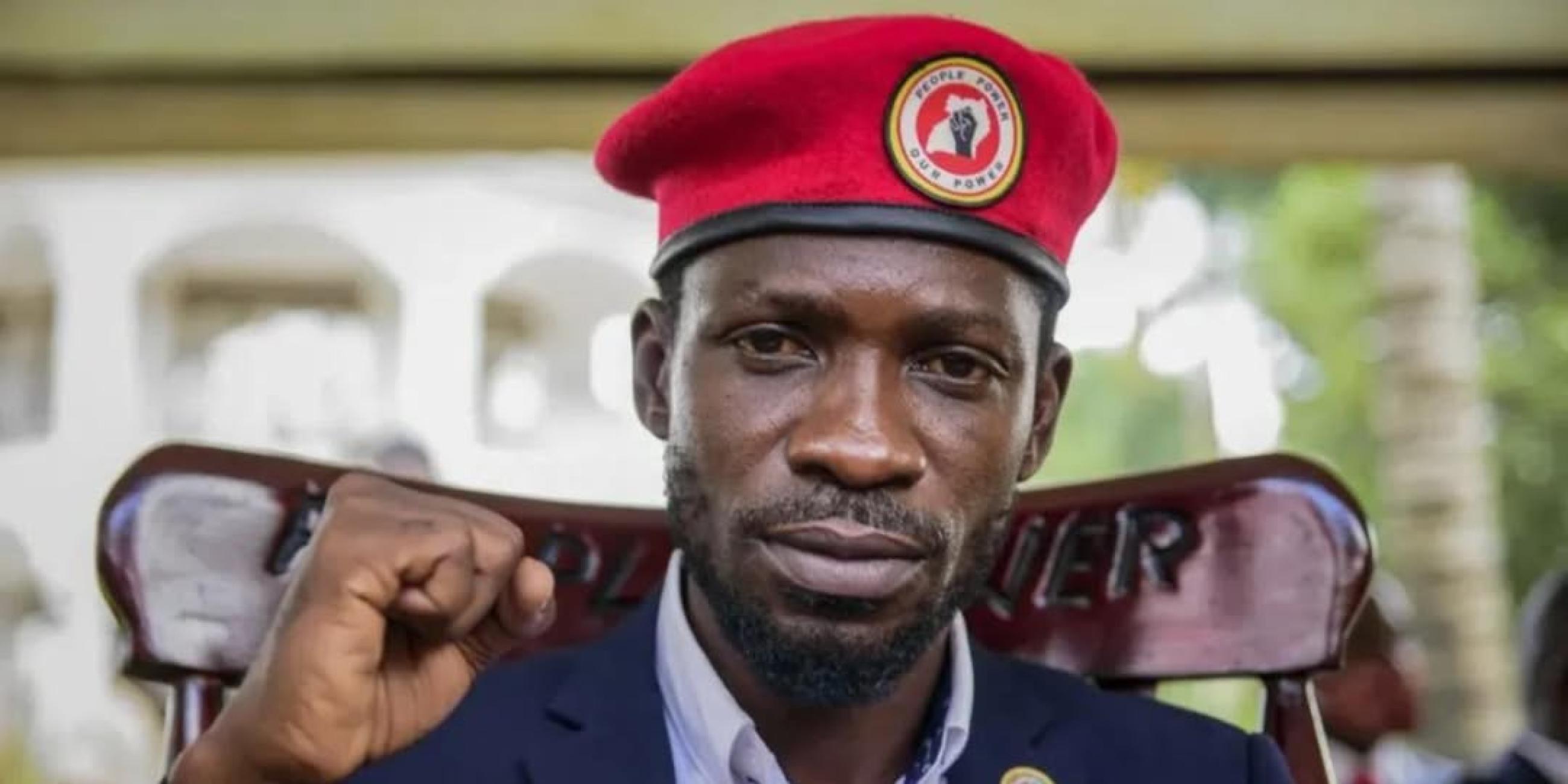
  • Uganda Electoral Commission Condemns Police Attack on Bobi Wine’s Campaign Rally in Gulu

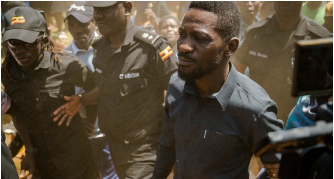
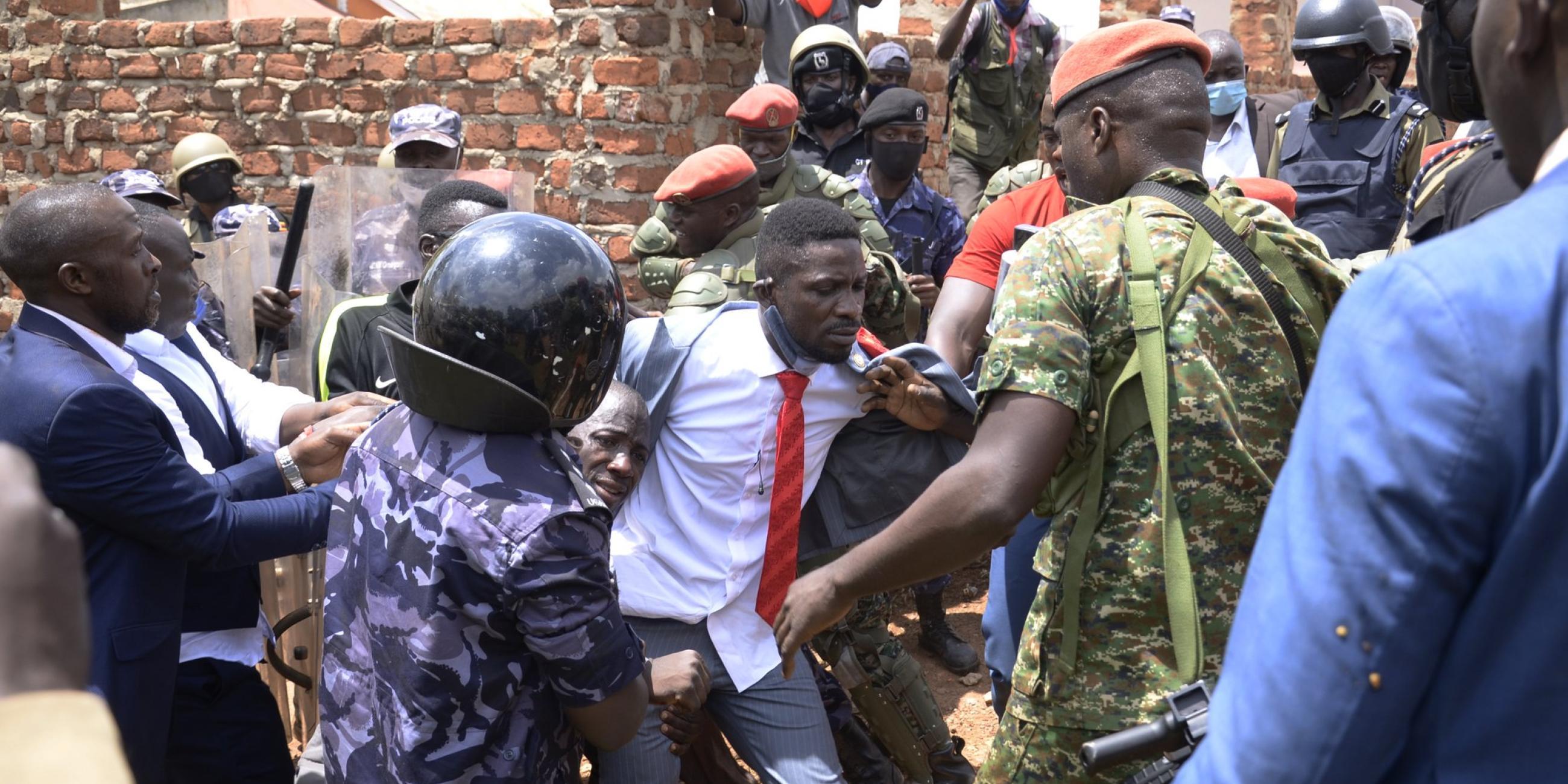
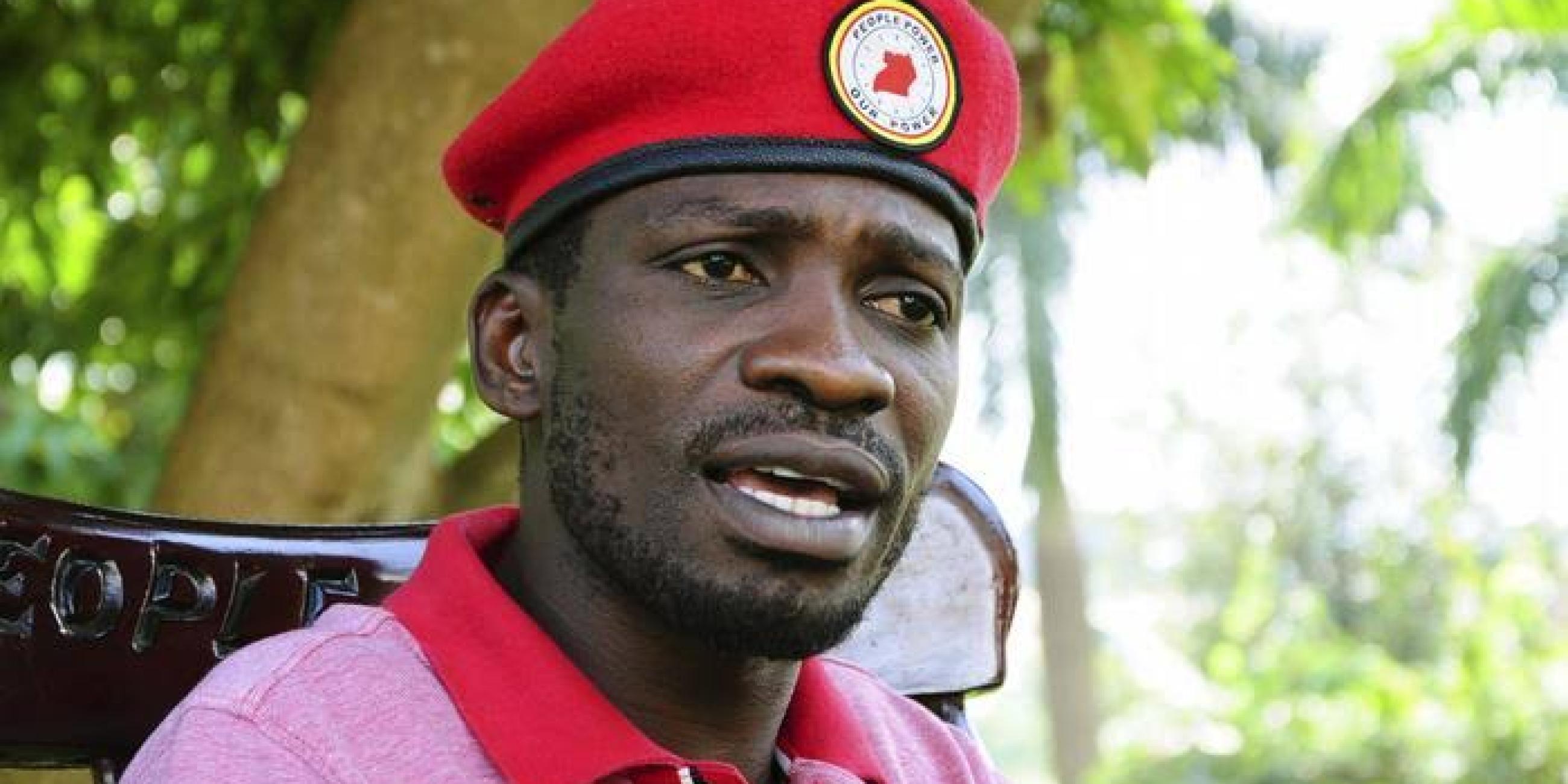
    The Uganda Electoral Commission has criticized the violent police and military crackdown on presidential candidate Bobi Wine’s campaign rally in Gulu, describing the clashes as a threat to free and fair elections. Tear gas, beatings, and force were reportedly used to disperse supporters, with Bobi Wine alleging he was personally assaulted. EC Chairperson Justice Simon Byabakama urged all stakeholders to obey electoral laws, resolve disagreements peacefully, and allow candidates to campaign freely. The Commission called for a full police investigation and warned law enforcement to exercise restraint and use only lawful, proportionate measures during the election period.

    Uganda Electoral Commission Condemns Police Attack on Bobi Wine’s Campaign Rally in Gulu The Uganda Electoral Commission has criticized the violent police and military crackdown on presidential candidate Bobi Wine’s campaign rally in Gulu, describing the clashes as a threat to free and fair elections. Tear gas, beatings, and force were reportedly used to disperse supporters, with Bobi Wine alleging he was personally assaulted. EC Chairperson Justice Simon Byabakama urged all stakeholders to obey electoral laws, resolve disagreements peacefully, and allow candidates to campaign freely. The Commission called for a full police investigation and warned law enforcement to exercise restraint and use only lawful, proportionate measures during the election period.
    0 Yorumlar ·0 hisse senetleri ·165 Views
  • Uganda Airlines Launches Cheaper Nigeria Flights to Compete With Air Peace, Arik and Others

    Uganda Airlines has officially commenced flight operations in Nigeria, beginning with Lagos and expanding to Abuja and Kano, promising cheaper fares and faster connectivity between West and East Africa. The airline’s inaugural flight landed at Lagos’ Murtala Muhammed International Airport two decades after Nigeria and Uganda signed their BASA agreement.

    With three weekly flights now approved, the Ugandan carrier reduces travel time between both countries from 10 hours to just three and a half. Aviation stakeholders say the entry of Uganda Airlines will boost competition, lower ticket prices, and provide easier connections to Europe, the Middle East, and Asia. Nigeria’s Ministry of Aviation also confirmed new route approvals as the country continues attracting more foreign airlines despite industry challenges.
    Uganda Airlines Launches Cheaper Nigeria Flights to Compete With Air Peace, Arik and Others Uganda Airlines has officially commenced flight operations in Nigeria, beginning with Lagos and expanding to Abuja and Kano, promising cheaper fares and faster connectivity between West and East Africa. The airline’s inaugural flight landed at Lagos’ Murtala Muhammed International Airport two decades after Nigeria and Uganda signed their BASA agreement. With three weekly flights now approved, the Ugandan carrier reduces travel time between both countries from 10 hours to just three and a half. Aviation stakeholders say the entry of Uganda Airlines will boost competition, lower ticket prices, and provide easier connections to Europe, the Middle East, and Asia. Nigeria’s Ministry of Aviation also confirmed new route approvals as the country continues attracting more foreign airlines despite industry challenges.
    0 Yorumlar ·0 hisse senetleri ·134 Views
  • Ex-Super Eagles Star Criticises Eric Chelle Over 54-Man Provisional Squad for AFCON 2025

    Former Super Eagles striker Abubakar Balarabe has condemned coach Eric Chelle for inviting 54 players to camp ahead of the 2025 Africa Cup of Nations in Morocco, describing the list as unnecessary and wasteful. With CAF’s deadline only six days away, Balarabe argued that Chelle already knows his final squad and should have limited the provisional list to about 30 players. Sports journalist Clement Oloruntoba also insisted that Chelle must win AFCON 2025 to redeem himself after Nigeria missed out on the 2026 World Cup. The Super Eagles, drawn in Group C with Tanzania, Tunisia, and Uganda, are targeting their fourth continental title as preparations intensify.
    Ex-Super Eagles Star Criticises Eric Chelle Over 54-Man Provisional Squad for AFCON 2025 Former Super Eagles striker Abubakar Balarabe has condemned coach Eric Chelle for inviting 54 players to camp ahead of the 2025 Africa Cup of Nations in Morocco, describing the list as unnecessary and wasteful. With CAF’s deadline only six days away, Balarabe argued that Chelle already knows his final squad and should have limited the provisional list to about 30 players. Sports journalist Clement Oloruntoba also insisted that Chelle must win AFCON 2025 to redeem himself after Nigeria missed out on the 2026 World Cup. The Super Eagles, drawn in Group C with Tanzania, Tunisia, and Uganda, are targeting their fourth continental title as preparations intensify.
    0 Yorumlar ·0 hisse senetleri ·170 Views
  • “No Bloodshed!” — Historian Reveals How Gowon’s Final Words During 1975 Coup Showed His True Love for Peace

    In a recent interview on the Edmund Obilo Show, historian and author Adebayo Adeolu, who wrote “Sani Abacha: Nigeria’s Most Powerful Defence Minister and Head of State,” revealed a powerful and often-overlooked detail about General Yakubu Gowon’s fall from power in 1975.

    Adeolu disclosed that when news of the coup reached Gowon, the then Head of State ordered his aides and security personnel not to resist or spill any blood.

    “When Gowon was going to be overthrown, he said, ‘make sure nobody’s killed, we have seen enough of it,’” Adeolu quoted.

    According to the historian, Gowon’s reaction reflected his deep weariness with Nigeria’s cycles of violence — particularly after the Nigerian Civil War (1967–1970), which he had led. Instead of clinging to power, Gowon chose peace over conflict, showing a level of restraint rare among military rulers of his time.

    “That single moment showed Gowon’s moral strength and his genuine desire for a peaceful Nigeria,” Adeolu said, describing the act as one of the most humane moments in Nigeria’s military history.


    Gowon, who was attending the Organisation of African Unity (OAU) Summit in Uganda when he was ousted, quietly accepted his removal and later devoted his life to reconciliation and peacebuilding — cementing his reputation as a statesman of grace and humility.
    “No Bloodshed!” — Historian Reveals How Gowon’s Final Words During 1975 Coup Showed His True Love for Peace In a recent interview on the Edmund Obilo Show, historian and author Adebayo Adeolu, who wrote “Sani Abacha: Nigeria’s Most Powerful Defence Minister and Head of State,” revealed a powerful and often-overlooked detail about General Yakubu Gowon’s fall from power in 1975. Adeolu disclosed that when news of the coup reached Gowon, the then Head of State ordered his aides and security personnel not to resist or spill any blood. “When Gowon was going to be overthrown, he said, ‘make sure nobody’s killed, we have seen enough of it,’” Adeolu quoted. According to the historian, Gowon’s reaction reflected his deep weariness with Nigeria’s cycles of violence — particularly after the Nigerian Civil War (1967–1970), which he had led. Instead of clinging to power, Gowon chose peace over conflict, showing a level of restraint rare among military rulers of his time. “That single moment showed Gowon’s moral strength and his genuine desire for a peaceful Nigeria,” Adeolu said, describing the act as one of the most humane moments in Nigeria’s military history. Gowon, who was attending the Organisation of African Unity (OAU) Summit in Uganda when he was ousted, quietly accepted his removal and later devoted his life to reconciliation and peacebuilding — cementing his reputation as a statesman of grace and humility.
    0 Yorumlar ·0 hisse senetleri ·445 Views
  • UK Issues Fresh Travel Alert Over Fake Alcohol Risk in Nigeria, Seven Other Nations.

    The United Kingdom has issued a fresh travel advisory cautioning its citizens against the risk of methanol poisoning from counterfeit or contaminated alcoholic beverages in Nigeria and seven other countries.

    According to a report by the BBC on Tuesday, the UK Foreign Office updated its travel guidance to include Nigeria, Ecuador, Japan, Kenya, Mexico, Peru, Russia, and Uganda as countries with a high risk of methanol-related poisoning incidents involving British nationals.

    Previously, the list featured Thailand, Laos, Vietnam, Cambodia, Indonesia, Turkey, Costa Rica, and Fiji.

    The Foreign Office explained that methanol, a toxic industrial alcohol made from wood distillation, is sometimes illegally mixed with genuine spirit-based drinks and cocktails. Even in small quantities, it can be fatal.

    “Methanol is toxic even in small amounts. It can be found in products like antifreeze, fuel, and paint thinners,” the advisory stated.

    To stay safe, the UK warned its citizens to avoid consuming unlabelled, homemade, or streetside alcoholic drinks while travelling.
    “Avoid homemade or streetside alcohol. Don’t drink from unlabelled bottles. Local spirits or homemade alcohol are at high risk,” the Foreign Office advised.

    Travellers were also urged to stick to licensed liquor outlets, bars, and hotels, and to only consume sealed drinks with intact packaging. “Be cautious about spirits, cocktails, shots, and unusually cheap or free drinks,” the warning added, noting that pre-mixed cocktails served in buckets or jugs in tourist areas could be especially dangerous.
    UK Issues Fresh Travel Alert Over Fake Alcohol Risk in Nigeria, Seven Other Nations. The United Kingdom has issued a fresh travel advisory cautioning its citizens against the risk of methanol poisoning from counterfeit or contaminated alcoholic beverages in Nigeria and seven other countries. According to a report by the BBC on Tuesday, the UK Foreign Office updated its travel guidance to include Nigeria, Ecuador, Japan, Kenya, Mexico, Peru, Russia, and Uganda as countries with a high risk of methanol-related poisoning incidents involving British nationals. Previously, the list featured Thailand, Laos, Vietnam, Cambodia, Indonesia, Turkey, Costa Rica, and Fiji. The Foreign Office explained that methanol, a toxic industrial alcohol made from wood distillation, is sometimes illegally mixed with genuine spirit-based drinks and cocktails. Even in small quantities, it can be fatal. “Methanol is toxic even in small amounts. It can be found in products like antifreeze, fuel, and paint thinners,” the advisory stated. To stay safe, the UK warned its citizens to avoid consuming unlabelled, homemade, or streetside alcoholic drinks while travelling. “Avoid homemade or streetside alcohol. Don’t drink from unlabelled bottles. Local spirits or homemade alcohol are at high risk,” the Foreign Office advised. Travellers were also urged to stick to licensed liquor outlets, bars, and hotels, and to only consume sealed drinks with intact packaging. “Be cautious about spirits, cocktails, shots, and unusually cheap or free drinks,” the warning added, noting that pre-mixed cocktails served in buckets or jugs in tourist areas could be especially dangerous.
    0 Yorumlar ·0 hisse senetleri ·658 Views
  • IMF excludes Nigeria from list of Africa’s fastest-growing economies, calls for deeper reforms.

    Nigeria has been left out of the International Monetary Fund’s latest list of Africa’s fastest-growing economies, sparking fresh discussions about the country’s sluggish growth and persistent structural challenges.

    In its newly released Regional Economic Outlook for Sub-Saharan Africa, the IMF highlighted countries such as Benin, Côte d’Ivoire, Ethiopia, Rwanda, and Uganda as the continent’s top performers, projecting regional growth to stabilize around 4.1 percent in 2025.

    Despite being Africa’s largest economy, Nigeria failed to make the list, reflecting what analysts describe as a combination of weak reforms, high inflation, and over-dependence on oil revenues. The IMF also warned that many African nations, including Nigeria, face growing fiscal pressures as governments turn to domestic banks for financing amid limited external funding opportunities.

    According to the report, these fiscal and monetary imbalances, along with rising inflation and exchange-rate instability, continue to dampen Nigeria’s growth outlook. The Fund advised countries in the region to adopt sound fiscal policies, strengthen revenue mobilization, and diversify their economies to cushion against global shocks.

    Experts say Nigeria’s omission underscores the urgent need for deeper reforms in public finance, infrastructure, and governance. While some progress has been made under ongoing policy adjustments, the IMF’s findings suggest the country still lags behind peers that have successfully implemented aggressive economic diversification and investment-friendly strategies.
    IMF excludes Nigeria from list of Africa’s fastest-growing economies, calls for deeper reforms. Nigeria has been left out of the International Monetary Fund’s latest list of Africa’s fastest-growing economies, sparking fresh discussions about the country’s sluggish growth and persistent structural challenges. In its newly released Regional Economic Outlook for Sub-Saharan Africa, the IMF highlighted countries such as Benin, Côte d’Ivoire, Ethiopia, Rwanda, and Uganda as the continent’s top performers, projecting regional growth to stabilize around 4.1 percent in 2025. Despite being Africa’s largest economy, Nigeria failed to make the list, reflecting what analysts describe as a combination of weak reforms, high inflation, and over-dependence on oil revenues. The IMF also warned that many African nations, including Nigeria, face growing fiscal pressures as governments turn to domestic banks for financing amid limited external funding opportunities. According to the report, these fiscal and monetary imbalances, along with rising inflation and exchange-rate instability, continue to dampen Nigeria’s growth outlook. The Fund advised countries in the region to adopt sound fiscal policies, strengthen revenue mobilization, and diversify their economies to cushion against global shocks. Experts say Nigeria’s omission underscores the urgent need for deeper reforms in public finance, infrastructure, and governance. While some progress has been made under ongoing policy adjustments, the IMF’s findings suggest the country still lags behind peers that have successfully implemented aggressive economic diversification and investment-friendly strategies.
    0 Yorumlar ·0 hisse senetleri ·553 Views
  • Shoprite Stores Shut Down in Ibadan, Ilorin as Shelves Run Empty in Lagos, Abuja

    Shoprite’s operations in Nigeria appear to be in dire straits, four years after the South African retail giant exited the country’s supermarket business.

    Daily Trust reports that outlets in Ibadan and Ilorin have already shut down, while stores still operating in Lagos, Abuja, and other cities now have visibly empty shelves.

    Since opening its first outlet in Lagos in 2005, Shoprite grew into a household name with more than 25 stores across eight states and the Federal Capital Territory, directly employing over 2,000 workers and supporting local suppliers, especially farmers.

    But rising inflation, supply chain disruptions, and intense competition have steadily eroded its dominance in Nigeria’s retail space, leaving the company with mounting financial losses.

    Shoprite’s parent firm had earlier shifted focus back to its South African market, switching to a franchise model and shutting operations in several African countries including Nigeria, Ghana, Kenya, and Uganda.

    In 2021, after 16 years of operation, Shoprite sold its Nigerian business to a group of local investors, citing harsh market conditions as the reason for its withdrawal.
    Shoprite Stores Shut Down in Ibadan, Ilorin as Shelves Run Empty in Lagos, Abuja Shoprite’s operations in Nigeria appear to be in dire straits, four years after the South African retail giant exited the country’s supermarket business. Daily Trust reports that outlets in Ibadan and Ilorin have already shut down, while stores still operating in Lagos, Abuja, and other cities now have visibly empty shelves. Since opening its first outlet in Lagos in 2005, Shoprite grew into a household name with more than 25 stores across eight states and the Federal Capital Territory, directly employing over 2,000 workers and supporting local suppliers, especially farmers. But rising inflation, supply chain disruptions, and intense competition have steadily eroded its dominance in Nigeria’s retail space, leaving the company with mounting financial losses. Shoprite’s parent firm had earlier shifted focus back to its South African market, switching to a franchise model and shutting operations in several African countries including Nigeria, Ghana, Kenya, and Uganda. In 2021, after 16 years of operation, Shoprite sold its Nigerian business to a group of local investors, citing harsh market conditions as the reason for its withdrawal.
    0 Yorumlar ·0 hisse senetleri ·554 Views
  • Fake Gold Deal Busted in Uganda — Seven Arrested for Scamming Nigerian Businessman of $70,000

    The Ugandan State House Anti-Corruption Unit has arrested seven suspects, including Congolese and Ugandan nationals, over a $70,000 fake gold scam targeting a Nigerian businessman. Authorities recovered 150kg of counterfeit gold and warned investors to verify deals before parting with their money.

    The suspects allegedly posed as gold sellers, clearing agents, and company officials, convincing the victim, Mark Gbillah, that they could supply seven kilograms of gold through Legacy Refinery Limited and Emerod Agency Limited. Investigations later revealed the firms had no gold.

    The arrests were made after Gbillah reported the scam, enabling authorities to set up a sting operation that caught the fraudsters before they could extort more funds.
    Police seized 150 kilograms of fake gold bars and imitation nuggets used to deceive other potential victims.

    Officials have urged the public to conduct due diligence and report suspicious business activities to avoid falling prey to similar fraud. The suspects will be charged in court soon.

    #UgandaNews #GoldScam #FraudAlert #BreakingNews #Nigeria #Uganda #FakeGold #AntiCorruption #CrimeWatch
    Fake Gold Deal Busted in Uganda — Seven Arrested for Scamming Nigerian Businessman of $70,000 The Ugandan State House Anti-Corruption Unit has arrested seven suspects, including Congolese and Ugandan nationals, over a $70,000 fake gold scam targeting a Nigerian businessman. Authorities recovered 150kg of counterfeit gold and warned investors to verify deals before parting with their money. The suspects allegedly posed as gold sellers, clearing agents, and company officials, convincing the victim, Mark Gbillah, that they could supply seven kilograms of gold through Legacy Refinery Limited and Emerod Agency Limited. Investigations later revealed the firms had no gold. The arrests were made after Gbillah reported the scam, enabling authorities to set up a sting operation that caught the fraudsters before they could extort more funds. Police seized 150 kilograms of fake gold bars and imitation nuggets used to deceive other potential victims. Officials have urged the public to conduct due diligence and report suspicious business activities to avoid falling prey to similar fraud. The suspects will be charged in court soon. #UgandaNews #GoldScam #FraudAlert #BreakingNews #Nigeria #Uganda #FakeGold #AntiCorruption #CrimeWatch
    0 Yorumlar ·0 hisse senetleri ·2K Views
  • Trump Slaps 15% Tariff on Nigeria, Others in Major Trade Shakeup — South Africa, Libya Hit Harder

    In a bold move to recalibrate global trade, U.S. President Donald Trump has officially imposed 15% import tariffs on Nigeria and several African nations, effective August 1.

    The sweeping tariffs — under the Executive Order "Further Modifying the Reciprocal Tariff Rates" — also target Zimbabwe, Zambia, Ghana, Malawi, Madagascar, Uganda, Mozambique, Mauritius, and Lesotho.

    South Africa and Libya face even steeper tariffs of 30%, while Tunisia will pay 25%. Outside Africa, countries like India (25%), Japan (15%), and the UK (10%) are also included.

    > This marks the second round of tariffs on Nigeria this year, following an earlier 14% hike in April.


    According to the White House, the tariffs are part of a broader push to ensure "reciprocal trade terms" with nations benefiting heavily from U.S. markets.

    #TrumpTariffs #NigeriaUSRelations #GlobalTrade #TariffWar #AfricaTrade #USImportDuties #TrumpPolicy
    Trump Slaps 15% Tariff on Nigeria, Others in Major Trade Shakeup — South Africa, Libya Hit Harder In a bold move to recalibrate global trade, U.S. President Donald Trump has officially imposed 15% import tariffs on Nigeria and several African nations, effective August 1. The sweeping tariffs — under the Executive Order "Further Modifying the Reciprocal Tariff Rates" — also target Zimbabwe, Zambia, Ghana, Malawi, Madagascar, Uganda, Mozambique, Mauritius, and Lesotho. South Africa and Libya face even steeper tariffs of 30%, while Tunisia will pay 25%. Outside Africa, countries like India (25%), Japan (15%), and the UK (10%) are also included. > This marks the second round of tariffs on Nigeria this year, following an earlier 14% hike in April. According to the White House, the tariffs are part of a broader push to ensure "reciprocal trade terms" with nations benefiting heavily from U.S. markets. #TrumpTariffs #NigeriaUSRelations #GlobalTrade #TariffWar #AfricaTrade #USImportDuties #TrumpPolicy
    0 Yorumlar ·0 hisse senetleri ·2K Views
  • End of road for general Isa, notorious fraudster finally nabbed

    The public has been warned about a dangerous fraudster who has finally been arrested after scamming billions of shillings from unsuspecting foreign investors. The man, who falsely called himself “General Isa,” has been posing as a high-ranking officer in the Uganda People’s Defence Forces (UPDF).

    Security services confirmed today that the suspect has been taken into custody and will be brought to justice. His arrest comes after several victims came forward, reporting that they had been tricked into giving him large amounts of money under the false promise of doing business with the military or government.

    For a long time, this conman managed to fool many people by wearing military-style clothes, using fake documents, and pretending to have high-level connections. He claimed he could help investors get lucrative deals, licenses, and government projects. Many believed him—until they realized too late that it was all a scam.

    Authorities say the man used his fake identity to create trust and take advantage of people who were eager to invest in Uganda. His actions have not only hurt individual investors but also damaged the country’s reputation.

    Security forces have assured the public that this so-called “General Isa” will face the full force of the law. He will be prosecuted in court, and efforts are being made to recover the stolen money.

    The public is advised to stay alert and report anyone making suspicious promises or claiming to have military or government connections without proper identification. This arrest is a strong message that fraud will not be tolerated.
    End of road for general Isa, notorious fraudster finally nabbed The public has been warned about a dangerous fraudster who has finally been arrested after scamming billions of shillings from unsuspecting foreign investors. The man, who falsely called himself “General Isa,” has been posing as a high-ranking officer in the Uganda People’s Defence Forces (UPDF). Security services confirmed today that the suspect has been taken into custody and will be brought to justice. His arrest comes after several victims came forward, reporting that they had been tricked into giving him large amounts of money under the false promise of doing business with the military or government. For a long time, this conman managed to fool many people by wearing military-style clothes, using fake documents, and pretending to have high-level connections. He claimed he could help investors get lucrative deals, licenses, and government projects. Many believed him—until they realized too late that it was all a scam. Authorities say the man used his fake identity to create trust and take advantage of people who were eager to invest in Uganda. His actions have not only hurt individual investors but also damaged the country’s reputation. Security forces have assured the public that this so-called “General Isa” will face the full force of the law. He will be prosecuted in court, and efforts are being made to recover the stolen money. The public is advised to stay alert and report anyone making suspicious promises or claiming to have military or government connections without proper identification. This arrest is a strong message that fraud will not be tolerated.
    0 Yorumlar ·0 hisse senetleri ·494 Views
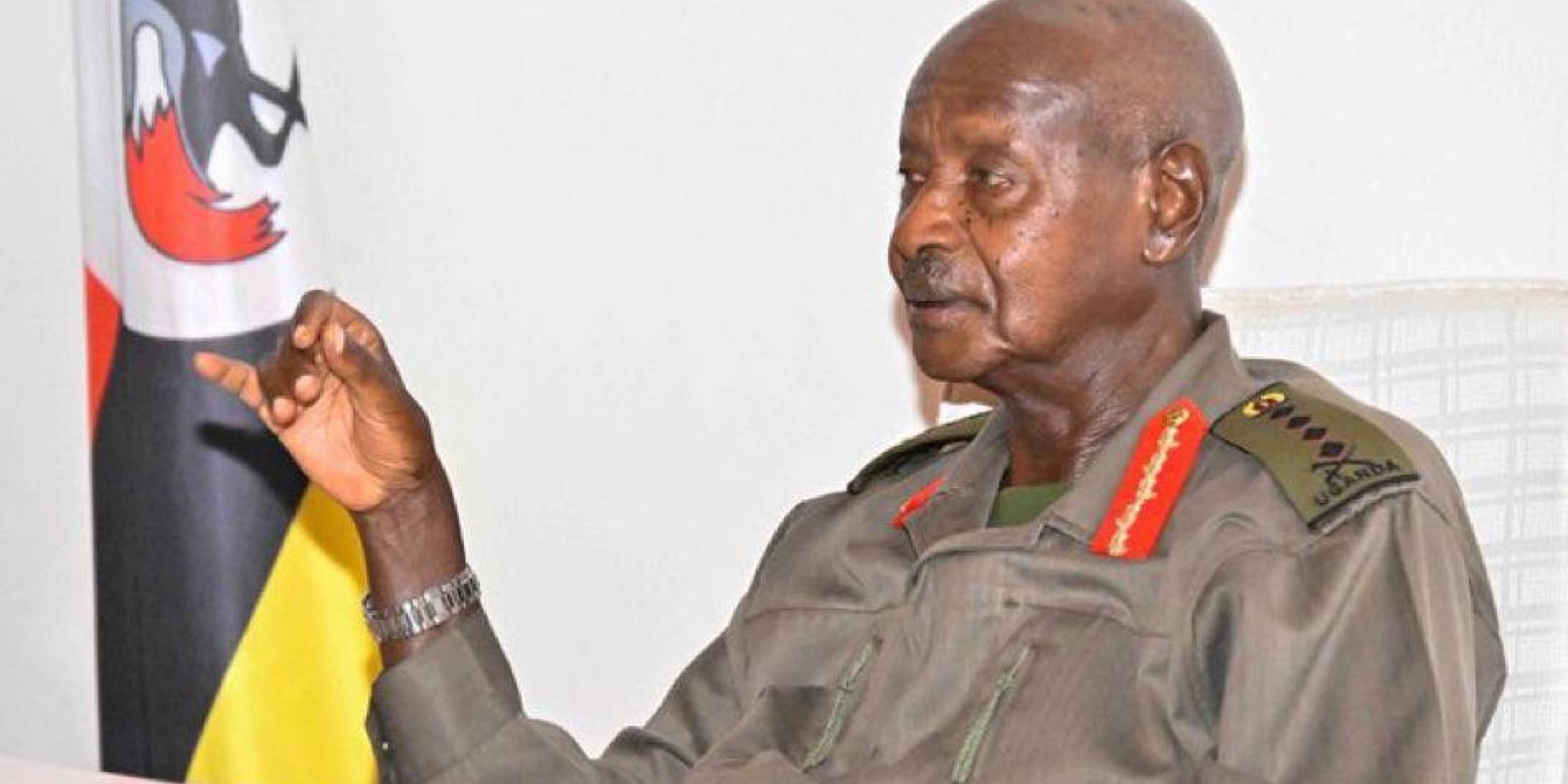
  • Uganda’s 86-Year-Old Deputy Prime Minister, Moses Ali, Still Campaigning for 2026 Elections

    At 86, Moses Ali is actively campaigning for re-election ahead of Uganda’s January 2026 polls — a move that has reignited debate across Africa.

    How long will the continent keep recycling leaders until the grave becomes the finish line?
    Uganda’s 86-Year-Old Deputy Prime Minister, Moses Ali, Still Campaigning for 2026 Elections At 86, Moses Ali is actively campaigning for re-election ahead of Uganda’s January 2026 polls — a move that has reignited debate across Africa. How long will the continent keep recycling leaders until the grave becomes the finish line?
    0 Yorumlar ·0 hisse senetleri ·545 Views
  • Trump Slams Nigeria with 10% Tariff Over BRICS Alignment.

    U.S. President Donald Trump has announced a new 10% tariff on Nigeria and other countries aligning with the BRICS bloc, which he accused of promoting “anti-American policies.”

    Trump made the declaration on Sunday via his Truth Social platform, warning that “any country aligning itself with the anti-American policies of BRICS will be charged an ADDITIONAL 10% Tariff. There will be no exceptions to this policy.”

    His post comes amid the ongoing BRICS Summit in Rio de Janeiro, Brazil, where member nations criticized unilateral trade measures and rising protectionism—an indirect jab at Trump’s tariff-heavy approach.

    Nigeria was formally admitted as a BRICS partner country in January 2025, becoming the ninth to join under the new partnership framework established during the bloc’s 16th summit in Kazan, Russia, in October 2024.

    Other nations in this category include Belarus, Bolivia, Cuba, Kazakhstan, Malaysia, Thailand, Uganda, and Uzbekistan.

    In a joint communique on Sunday, BRICS leaders expressed “serious concerns about the rise of unilateral tariff and non-tariff measures,” calling such practices harmful to global trade and inconsistent with WTO rules.

    President Bola Tinubu, who attended the summit, reaffirmed Nigeria’s commitment to BRICS and the Global South, stating that the country aligns with the group’s push for global financial restructuring and equity.

    Speaking through his spokesperson, Bayo Onanuga, Tinubu said, “Nigeria associates with what I have heard today and all that has happened in BRICS. The next issues are financial restructuring and reevaluation of the global structure.”

    He also emphasized the need to address environmental degradation, the climate crisis, and health disparities—issues he described as critical to Africa’s development.
    Trump Slams Nigeria with 10% Tariff Over BRICS Alignment. U.S. President Donald Trump has announced a new 10% tariff on Nigeria and other countries aligning with the BRICS bloc, which he accused of promoting “anti-American policies.” Trump made the declaration on Sunday via his Truth Social platform, warning that “any country aligning itself with the anti-American policies of BRICS will be charged an ADDITIONAL 10% Tariff. There will be no exceptions to this policy.” His post comes amid the ongoing BRICS Summit in Rio de Janeiro, Brazil, where member nations criticized unilateral trade measures and rising protectionism—an indirect jab at Trump’s tariff-heavy approach. Nigeria was formally admitted as a BRICS partner country in January 2025, becoming the ninth to join under the new partnership framework established during the bloc’s 16th summit in Kazan, Russia, in October 2024. Other nations in this category include Belarus, Bolivia, Cuba, Kazakhstan, Malaysia, Thailand, Uganda, and Uzbekistan. In a joint communique on Sunday, BRICS leaders expressed “serious concerns about the rise of unilateral tariff and non-tariff measures,” calling such practices harmful to global trade and inconsistent with WTO rules. President Bola Tinubu, who attended the summit, reaffirmed Nigeria’s commitment to BRICS and the Global South, stating that the country aligns with the group’s push for global financial restructuring and equity. Speaking through his spokesperson, Bayo Onanuga, Tinubu said, “Nigeria associates with what I have heard today and all that has happened in BRICS. The next issues are financial restructuring and reevaluation of the global structure.” He also emphasized the need to address environmental degradation, the climate crisis, and health disparities—issues he described as critical to Africa’s development.
    0 Yorumlar ·0 hisse senetleri ·650 Views
  • Oshiomhole Blames Buhari-Era Excessive Money Printing for Naira Collapse.
    Senator Adams Oshiomhole has attributed the sharp decline of the naira to excessive money printing under former President Muhammadu Buhari’s administration. Speaking at a Progressives Governors Forum event in Benin City, the Edo North senator criticized the Central Bank’s use of the Ways and Means provision, saying it led to unchecked currency printing and the naira’s subsequent devaluation.

    Under the Ways and Means policy, the federal government is allowed to borrow from the Central Bank of Nigeria (CBN) to manage fiscal shortfalls. However, Oshiomhole alleged the Buhari government abused this by printing over ₦31 trillion, not backed by revenue or resources.

    He likened the practice to the economic mismanagement seen in Zimbabwe and Idi Amin’s Uganda, where excessive currency printing led to hyperinflation and the collapse of national currencies.

    “They called it ‘Ways and Means’—but in reality, it was just printing money to meet illusionary needs,” Oshiomhole said. “This reckless policy is why the naira collapsed.”

    He added that the root causes of today’s inflation and exchange rate crisis stem from this fiscal mismanagement, a burden now left for President Bola Tinubu to resolve.

    Oshiomhole also criticized Nigeria’s unsustainable borrowing habits, saying, “We were borrowing like fish drinks water,” and praised the current administration for halting the practice.

    In 2024, the Senate set up an ad-hoc committee to probe the CBN’s use of Ways and Means and its Anchor Borrowers Programme.
    Oshiomhole Blames Buhari-Era Excessive Money Printing for Naira Collapse. Senator Adams Oshiomhole has attributed the sharp decline of the naira to excessive money printing under former President Muhammadu Buhari’s administration. Speaking at a Progressives Governors Forum event in Benin City, the Edo North senator criticized the Central Bank’s use of the Ways and Means provision, saying it led to unchecked currency printing and the naira’s subsequent devaluation. Under the Ways and Means policy, the federal government is allowed to borrow from the Central Bank of Nigeria (CBN) to manage fiscal shortfalls. However, Oshiomhole alleged the Buhari government abused this by printing over ₦31 trillion, not backed by revenue or resources. He likened the practice to the economic mismanagement seen in Zimbabwe and Idi Amin’s Uganda, where excessive currency printing led to hyperinflation and the collapse of national currencies. “They called it ‘Ways and Means’—but in reality, it was just printing money to meet illusionary needs,” Oshiomhole said. “This reckless policy is why the naira collapsed.” He added that the root causes of today’s inflation and exchange rate crisis stem from this fiscal mismanagement, a burden now left for President Bola Tinubu to resolve. Oshiomhole also criticized Nigeria’s unsustainable borrowing habits, saying, “We were borrowing like fish drinks water,” and praised the current administration for halting the practice. In 2024, the Senate set up an ad-hoc committee to probe the CBN’s use of Ways and Means and its Anchor Borrowers Programme.
    0 Yorumlar ·0 hisse senetleri ·596 Views
  • Ugandan doctor throws shade at women who want to be financially stable before having kids.
    Ugandan doctor throws shade at women who want to be financially stable before having kids.
    0 Yorumlar ·0 hisse senetleri ·274 Views
Fintter https://fintter.com