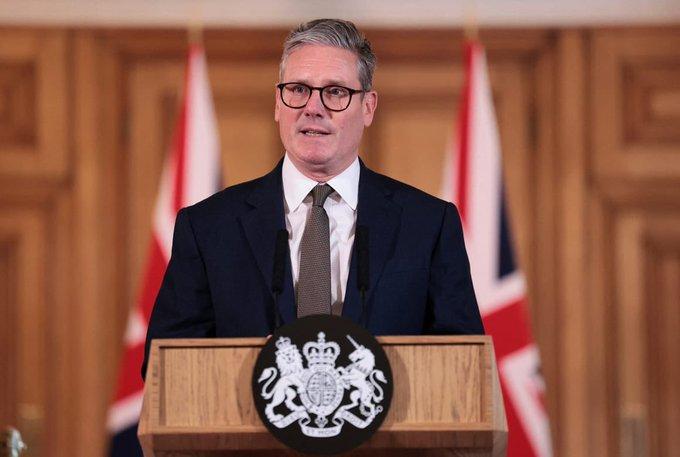
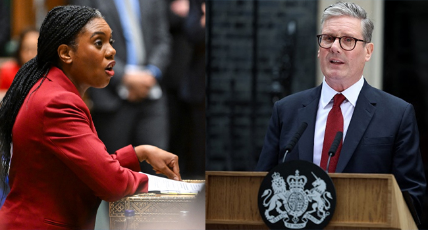
• UK Politics: Conservative Party leader Kemi Badenoch backs Donald Trump, slamming the UK government’s deal to hand over the Chagos Islands to Mauritius.

    Badenoch called the agreement “complete self-sabotage”, warning it weakens UK and NATO security and hands away sovereign territory. She said Trump was “right” to criticise PM Keir Starmer’s policy, which Trump labelled an act of “total weakness.”

    The UK government insists the deal protects the Diego Garcia military base, but critics say it risks national security.

    #UKPolitics #KemiBadenoch #Trump #ChagosIslands #NationalSecurity #BreakingNews
    🚨 UK Politics: Conservative Party leader Kemi Badenoch backs Donald Trump, slamming the UK government’s deal to hand over the Chagos Islands to Mauritius. Badenoch called the agreement “complete self-sabotage”, warning it weakens UK and NATO security and hands away sovereign territory. She said Trump was “right” to criticise PM Keir Starmer’s policy, which Trump labelled an act of “total weakness.” The UK government insists the deal protects the Diego Garcia military base, but critics say it risks national security. #UKPolitics #KemiBadenoch #Trump #ChagosIslands #NationalSecurity #BreakingNews
    0 Comentários ·0 Compartilhamentos ·3K Visualizações
  • Why Is the UAE Cutting Scholarships for UK Universities? Is Fear of Islamist Radicalisation on British Campuses Redefining Emirati Foreign Policy, Student Mobility, and UK–Gulf Relations?

    Is the United Arab Emirates quietly reshaping global student mobility—and sending a political message to Britain in the process? The UAE has begun restricting state-funded scholarships for students seeking to study in the United Kingdom, citing concerns that some British university campuses are being influenced or “radicalised” by Islamist groups.

    Officials in Abu Dhabi confirmed to the Financial Times and The Times that federal funding for Emirati citizens planning to enrol in UK universities has been curtailed. The move reflects deepening unease within the UAE over what it views as the growing ideological presence of Islamist networks on British campuses, particularly those allegedly linked to the Muslim Brotherhood, which the UAE designates as a terrorist organisation.

    While the UAE has not imposed an outright ban on studying in the UK, the policy change marks a significant shift. Wealthier families can still send students abroad using private funds, and government scholarships remain available for studies in other countries. However, the restriction is already affecting numbers: UK student visa data show a sharp decline in Emirati enrolment, with only 213 UAE students granted UK study visas in the year ending September 2025—a 27% drop from the previous year and a 55% fall compared to 2022. This is particularly striking given that the Emirati student population in the UK had doubled between 2017 and 2024 to around 8,500 students, with major concentrations at institutions such as King’s College London, University College London, the University of Manchester, the University of Leeds, and the University of Central Lancashire.

    At the heart of the decision lies long-standing political tension between Abu Dhabi and London. The UAE has repeatedly urged Britain to ban the Muslim Brotherhood, a group it considers a security threat. However, successive UK governments have declined to proscribe the organisation. A 2014 inquiry ordered by then-Prime Minister David Cameron, led by former ambassador Sir John Jenkins, concluded that the Brotherhood’s beliefs were incompatible with British values but found insufficient legal grounds for a ban. More recently, Reform UK leader Nigel Farage has said he would proscribe the group if elected, underscoring how the issue has become embedded in British political debate.

    Concerns in Britain about alleged Islamist influence on university campuses have also fueled controversy. Student organisations have faced scrutiny for hosting speakers accused of promoting extremist ideologies, with critics warning that academic spaces may be vulnerable to ideological recruitment. For the UAE, which has previously jailed suspected Brotherhood members and strongly supported Egypt’s 2013 military ouster of President Mohammed Morsi, the presence of any perceived Brotherhood influence abroad is seen as a direct security risk.

    A Middle East expert quoted by The Times suggested that the Emirati leadership is “obsessed” with the Brotherhood, describing it as more of an ideological movement than a tightly organised group. According to the source, the scholarship restrictions function as a “warning shot” to students, signalling that engagement with Islamist networks abroad could carry consequences back home.

    Beyond education policy, the move raises broader geopolitical questions. Is the UAE using scholarships as a diplomatic lever to pressure the UK? Will other Gulf states follow suit? And what does this mean for Britain’s position as a global education hub, especially at a time when international student numbers are critical to university funding?

    As Emirati students increasingly turn to alternative destinations, the policy may reshape academic exchange, economic ties, and cultural diplomacy between the Gulf and the UK. More fundamentally, it highlights how security concerns, ideological conflict, and foreign policy priorities are now directly influencing where young people are allowed—or encouraged—to study abroad.


    Why Is the UAE Cutting Scholarships for UK Universities? Is Fear of Islamist Radicalisation on British Campuses Redefining Emirati Foreign Policy, Student Mobility, and UK–Gulf Relations? Is the United Arab Emirates quietly reshaping global student mobility—and sending a political message to Britain in the process? The UAE has begun restricting state-funded scholarships for students seeking to study in the United Kingdom, citing concerns that some British university campuses are being influenced or “radicalised” by Islamist groups. Officials in Abu Dhabi confirmed to the Financial Times and The Times that federal funding for Emirati citizens planning to enrol in UK universities has been curtailed. The move reflects deepening unease within the UAE over what it views as the growing ideological presence of Islamist networks on British campuses, particularly those allegedly linked to the Muslim Brotherhood, which the UAE designates as a terrorist organisation. While the UAE has not imposed an outright ban on studying in the UK, the policy change marks a significant shift. Wealthier families can still send students abroad using private funds, and government scholarships remain available for studies in other countries. However, the restriction is already affecting numbers: UK student visa data show a sharp decline in Emirati enrolment, with only 213 UAE students granted UK study visas in the year ending September 2025—a 27% drop from the previous year and a 55% fall compared to 2022. This is particularly striking given that the Emirati student population in the UK had doubled between 2017 and 2024 to around 8,500 students, with major concentrations at institutions such as King’s College London, University College London, the University of Manchester, the University of Leeds, and the University of Central Lancashire. At the heart of the decision lies long-standing political tension between Abu Dhabi and London. The UAE has repeatedly urged Britain to ban the Muslim Brotherhood, a group it considers a security threat. However, successive UK governments have declined to proscribe the organisation. A 2014 inquiry ordered by then-Prime Minister David Cameron, led by former ambassador Sir John Jenkins, concluded that the Brotherhood’s beliefs were incompatible with British values but found insufficient legal grounds for a ban. More recently, Reform UK leader Nigel Farage has said he would proscribe the group if elected, underscoring how the issue has become embedded in British political debate. Concerns in Britain about alleged Islamist influence on university campuses have also fueled controversy. Student organisations have faced scrutiny for hosting speakers accused of promoting extremist ideologies, with critics warning that academic spaces may be vulnerable to ideological recruitment. For the UAE, which has previously jailed suspected Brotherhood members and strongly supported Egypt’s 2013 military ouster of President Mohammed Morsi, the presence of any perceived Brotherhood influence abroad is seen as a direct security risk. A Middle East expert quoted by The Times suggested that the Emirati leadership is “obsessed” with the Brotherhood, describing it as more of an ideological movement than a tightly organised group. According to the source, the scholarship restrictions function as a “warning shot” to students, signalling that engagement with Islamist networks abroad could carry consequences back home. Beyond education policy, the move raises broader geopolitical questions. Is the UAE using scholarships as a diplomatic lever to pressure the UK? Will other Gulf states follow suit? And what does this mean for Britain’s position as a global education hub, especially at a time when international student numbers are critical to university funding? As Emirati students increasingly turn to alternative destinations, the policy may reshape academic exchange, economic ties, and cultural diplomacy between the Gulf and the UK. More fundamentally, it highlights how security concerns, ideological conflict, and foreign policy priorities are now directly influencing where young people are allowed—or encouraged—to study abroad.
    0 Comentários ·0 Compartilhamentos ·2K Visualizações
  • UK Shadow Foreign Secretary Priti Patel Urges Action Over Killing of Hindus in Bangladesh

    The UK Shadow Foreign Secretary, Rt Hon Priti Patel MP, has written to the U.K. Foreign Secretary raising alarm over the killing of at least six Hindus in Bangladesh within 18 days, calling the violence “unacceptable.”

    Patel requested details on the UK government’s actions over the past year, including monitoring and diplomatic engagement to protect Hindu communities. She also asked about recent contacts with Bangladeshi authorities, efforts to safeguard minorities, and the use of the UK’s diplomatic influence to bring stability in the region.

    Highlighting the interests of the UK diaspora with family in Bangladesh, Patel inquired whether the government will make a statement to the House of Commons regarding steps taken to address the surge in attacks on Hindu communities.

    The move follows prior parliamentary discussions, including an Urgent Question in December 2024, and emphasizes continued concern over religious minority protection in Bangladesh.


    #Bangladesh #ReligiousFreedom #HumanRights”
    UK Shadow Foreign Secretary Priti Patel Urges Action Over Killing of Hindus in Bangladesh The UK Shadow Foreign Secretary, Rt Hon Priti Patel MP, has written to the U.K. Foreign Secretary raising alarm over the killing of at least six Hindus in Bangladesh within 18 days, calling the violence “unacceptable.” Patel requested details on the UK government’s actions over the past year, including monitoring and diplomatic engagement to protect Hindu communities. She also asked about recent contacts with Bangladeshi authorities, efforts to safeguard minorities, and the use of the UK’s diplomatic influence to bring stability in the region. Highlighting the interests of the UK diaspora with family in Bangladesh, Patel inquired whether the government will make a statement to the House of Commons regarding steps taken to address the surge in attacks on Hindu communities. The move follows prior parliamentary discussions, including an Urgent Question in December 2024, and emphasizes continued concern over religious minority protection in Bangladesh. #Bangladesh #ReligiousFreedom #HumanRights”
    like
    1
    · 0 Comentários ·0 Compartilhamentos ·2K Visualizações
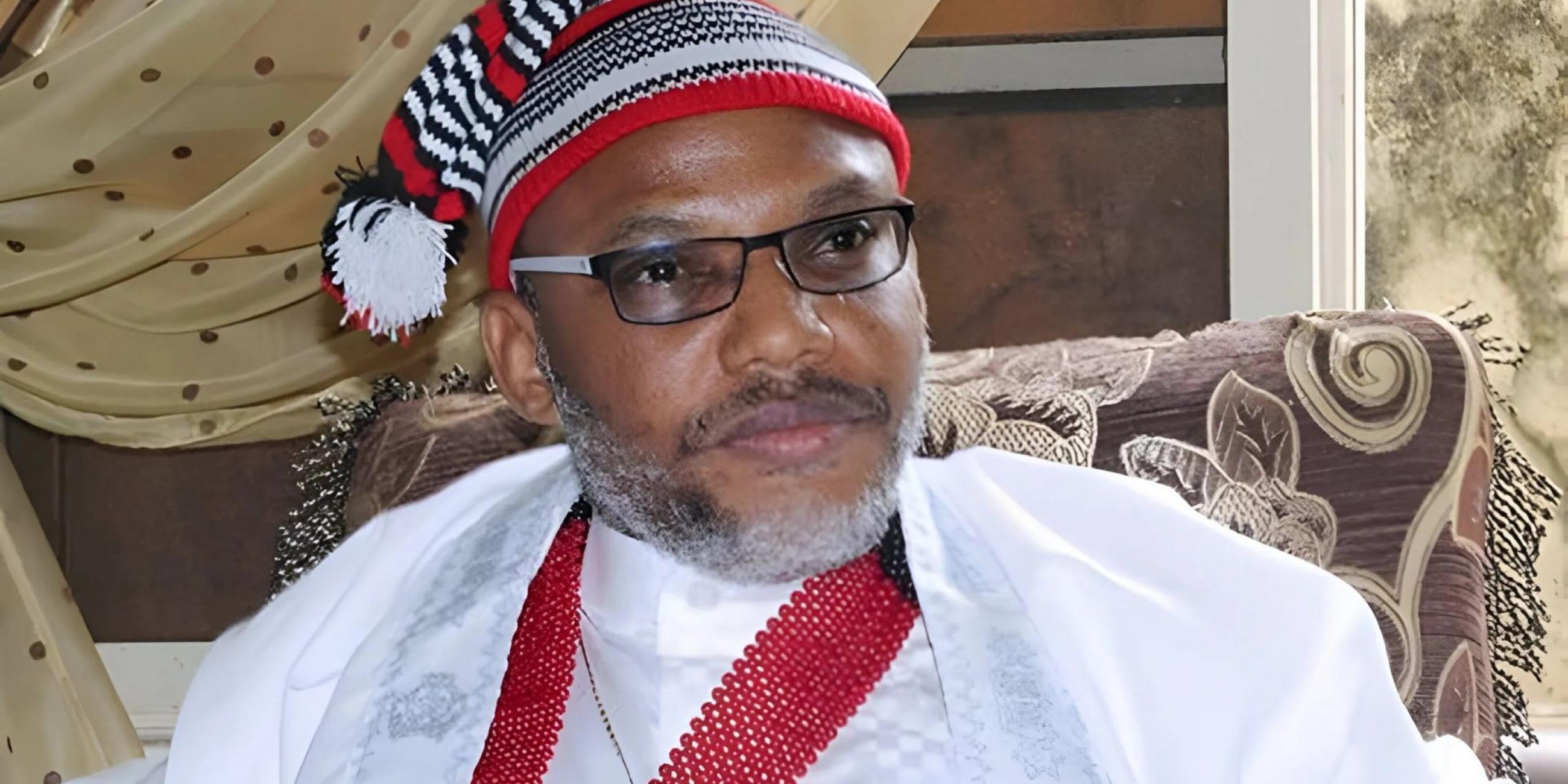
  • Nnamdi Kanu: IPOB Leader’s International Lawyer Accuses UK of Ignoring Illegal Abduction, Torture and Detention, Urges Prime Minister Keir Starmer to Intervene

    The international lawyer and spokesperson for the detained leader of the Indigenous People of Biafra (IPOB), Mazi Nnamdi Kanu, has accused the United Kingdom of deliberately ignoring what he described as Kanu’s illegal abduction, torture and continued imprisonment in Nigeria. In a strongly worded letter addressed to British Prime Minister Keir Starmer at 10 Downing Street, Kanu’s counsel, Bruce Fein, called for urgent diplomatic intervention to secure the release of the British citizen.

    Fein alleged that Kanu was kidnapped in Nairobi, Kenya, in 2021, tortured and extraordinarily renditioned to Nigeria by Nigerian security agents, actions he said violated international law and multiple human rights conventions. According to the lawyer, Kanu has since been held in prolonged solitary confinement without adequate medical care under Nigeria’s security services.

    The letter recalled a July 2022 ruling by the United Nations Working Group on Arbitrary Detention, which found that Nigeria violated 16 international human rights covenants in Kanu’s arrest and detention. The UN body ordered his immediate and unconditional release and payment of reparations—directives Fein said the Nigerian government has ignored for more than three years.

    Fein also condemned Kanu’s life sentence handed down by a Federal High Court in Abuja on November 20, 2025, describing the trial as a “show trial” and insisting that Kanu’s advocacy for Biafran self-determination was pursued through peaceful means. He accused successive UK governments of failing to act despite Kanu’s British citizenship and questioned whether Britain’s silence was motivated by political interests, oil diplomacy or racial bias.

    Drawing comparisons with the UK’s recent intervention in securing the release of British-Egyptian activist Alaa Abd el-Fattah, Fein described the contrasting response as a troubling double standard. He urged Prime Minister Starmer to use diplomatic channels to negotiate Kanu’s release, arguing that doing so would reinforce Britain’s commitment to human rights and correct what he called a historic injustice tied to colonial-era decisions and Britain’s role during the Biafran Civil War.

    Kanu remains in the custody of Nigeria’s Department of State Services (DSS), as calls from rights groups, lawyers and supporters intensify for his release amid growing international scrutiny of Nigeria’s handling of the case.
    Nnamdi Kanu: IPOB Leader’s International Lawyer Accuses UK of Ignoring Illegal Abduction, Torture and Detention, Urges Prime Minister Keir Starmer to Intervene The international lawyer and spokesperson for the detained leader of the Indigenous People of Biafra (IPOB), Mazi Nnamdi Kanu, has accused the United Kingdom of deliberately ignoring what he described as Kanu’s illegal abduction, torture and continued imprisonment in Nigeria. In a strongly worded letter addressed to British Prime Minister Keir Starmer at 10 Downing Street, Kanu’s counsel, Bruce Fein, called for urgent diplomatic intervention to secure the release of the British citizen. Fein alleged that Kanu was kidnapped in Nairobi, Kenya, in 2021, tortured and extraordinarily renditioned to Nigeria by Nigerian security agents, actions he said violated international law and multiple human rights conventions. According to the lawyer, Kanu has since been held in prolonged solitary confinement without adequate medical care under Nigeria’s security services. The letter recalled a July 2022 ruling by the United Nations Working Group on Arbitrary Detention, which found that Nigeria violated 16 international human rights covenants in Kanu’s arrest and detention. The UN body ordered his immediate and unconditional release and payment of reparations—directives Fein said the Nigerian government has ignored for more than three years. Fein also condemned Kanu’s life sentence handed down by a Federal High Court in Abuja on November 20, 2025, describing the trial as a “show trial” and insisting that Kanu’s advocacy for Biafran self-determination was pursued through peaceful means. He accused successive UK governments of failing to act despite Kanu’s British citizenship and questioned whether Britain’s silence was motivated by political interests, oil diplomacy or racial bias. Drawing comparisons with the UK’s recent intervention in securing the release of British-Egyptian activist Alaa Abd el-Fattah, Fein described the contrasting response as a troubling double standard. He urged Prime Minister Starmer to use diplomatic channels to negotiate Kanu’s release, arguing that doing so would reinforce Britain’s commitment to human rights and correct what he called a historic injustice tied to colonial-era decisions and Britain’s role during the Biafran Civil War. Kanu remains in the custody of Nigeria’s Department of State Services (DSS), as calls from rights groups, lawyers and supporters intensify for his release amid growing international scrutiny of Nigeria’s handling of the case.
    0 Comentários ·0 Compartilhamentos ·2K Visualizações
  • Nigerian Nurse Celebrates Becoming British Citizen, Flaunts Golden Medal Awarded by UK Government

    A Nigerian nurse living in the United Kingdom has officially become a British citizen and joyfully celebrated the milestone on social media. Sharing her excitement on X (formerly Twitter), she revealed that her journey involved dreaming, praying, and working hard despite uncertainties about her path. As part of the citizenship ceremony, the UK government awarded her a golden medal, which she proudly displayed online. While some netizens criticized her for publicly celebrating, many others congratulated her, praising her perseverance and achievement. The nurse’s story highlights the emotional significance and pride associated with attaining citizenship in a foreign country after years of effort and navigating immigration challenges.
    Nigerian Nurse Celebrates Becoming British Citizen, Flaunts Golden Medal Awarded by UK Government A Nigerian nurse living in the United Kingdom has officially become a British citizen and joyfully celebrated the milestone on social media. Sharing her excitement on X (formerly Twitter), she revealed that her journey involved dreaming, praying, and working hard despite uncertainties about her path. As part of the citizenship ceremony, the UK government awarded her a golden medal, which she proudly displayed online. While some netizens criticized her for publicly celebrating, many others congratulated her, praising her perseverance and achievement. The nurse’s story highlights the emotional significance and pride associated with attaining citizenship in a foreign country after years of effort and navigating immigration challenges.
    0 Comentários ·0 Compartilhamentos ·662 Visualizações
  • Over 2500 Foreign Prison Workers, Mostly Nigerians, Avoid Deportation with UK Visa Extension

    More than 2500 foreign prison staff, the majority of whom are Nigerians, facing deportation and potential job loss, have been temporarily spared through an emergency visa extension granted by the UK government.
    Over 2500 Foreign Prison Workers, Mostly Nigerians, Avoid Deportation with UK Visa Extension More than 2500 foreign prison staff, the majority of whom are Nigerians, facing deportation and potential job loss, have been temporarily spared through an emergency visa extension granted by the UK government.
    0 Comentários ·0 Compartilhamentos ·565 Visualizações
  • Over 2,500 Prison Staff, Mostly Nigerians, Escape Deportation As UK Government Approves Emergency One-Year Visa Extension Amid Staffing Crisis

    The UK government has granted an emergency one-year visa extension to more than 2,500 foreign prison staff, most of whom are Nigerians, following fears of mass deportation and potential disruption to the prison system. The decision comes after July visa rule changes raised the skilled worker salary threshold to £41,700, far above the average prison officer salary outside London. After lobbying by senior officials, the temporary exemption will allow affected staff and their dependents to remain in the UK, easing pressure on an already overstretched prison service grappling with staff shortages, rising violence, and capacity challenges. While unions welcomed the relief, stakeholders urged the government to adopt a long-term solution to protect experienced overseas workers.
    Over 2,500 Prison Staff, Mostly Nigerians, Escape Deportation As UK Government Approves Emergency One-Year Visa Extension Amid Staffing Crisis The UK government has granted an emergency one-year visa extension to more than 2,500 foreign prison staff, most of whom are Nigerians, following fears of mass deportation and potential disruption to the prison system. The decision comes after July visa rule changes raised the skilled worker salary threshold to £41,700, far above the average prison officer salary outside London. After lobbying by senior officials, the temporary exemption will allow affected staff and their dependents to remain in the UK, easing pressure on an already overstretched prison service grappling with staff shortages, rising violence, and capacity challenges. While unions welcomed the relief, stakeholders urged the government to adopt a long-term solution to protect experienced overseas workers.
    0 Comentários ·0 Compartilhamentos ·619 Visualizações
  • UK warns against travel to six Nigerian states over rising insecurity.

    The United Kingdom’s Foreign, Commonwealth, and Development Office has issued a fresh warning against travel to parts of Nigeria, citing escalating insecurity, violent crime, terrorism, and kidnappings across multiple regions.

    In its latest Foreign Travel Advice published on GOV.UK and sighted by our correspondent on Sunday, the FCDO stated, “Insecurity is increasing across Nigeria. Kidnapping, violent crime, and intercommunal violence occur throughout all regions of Nigeria.”

    The advisory urged British nationals to exercise extreme caution, review safety procedures, and ensure they have contingency plans in place.

    The FCDO advised against all travel to Borno, Yobe, Adamawa, Gombe, Katsina, and Zamfara states, citing a “high and increasing threat from Boko Haram or Islamic State West Africa, particularly around transport hubs, religious areas and large gatherings.”

    The statement warned that “humanitarian personnel, vehicles, supplies, and infrastructure can be targeted by terrorists and criminals.”

    In addition, the UK government advised against all but essential travel to Bauchi, Kaduna, Kano, Kebbi, Jigawa, Sokoto, Niger, Kogi, Plateau, and Taraba states, as well as the outer suburbs of Abuja within the Federal Capital Territory.

    The FCDO said, “Violent crime, often involving firearms, has increased and spread from the outer suburbs to more central, wealthier areas of the city.”

    It added that “British Government staff in Nigeria have been advised to restrict travel to an area broadly within the Abuja metropolitan area.”
    UK warns against travel to six Nigerian states over rising insecurity. The United Kingdom’s Foreign, Commonwealth, and Development Office has issued a fresh warning against travel to parts of Nigeria, citing escalating insecurity, violent crime, terrorism, and kidnappings across multiple regions. In its latest Foreign Travel Advice published on GOV.UK and sighted by our correspondent on Sunday, the FCDO stated, “Insecurity is increasing across Nigeria. Kidnapping, violent crime, and intercommunal violence occur throughout all regions of Nigeria.” The advisory urged British nationals to exercise extreme caution, review safety procedures, and ensure they have contingency plans in place. The FCDO advised against all travel to Borno, Yobe, Adamawa, Gombe, Katsina, and Zamfara states, citing a “high and increasing threat from Boko Haram or Islamic State West Africa, particularly around transport hubs, religious areas and large gatherings.” The statement warned that “humanitarian personnel, vehicles, supplies, and infrastructure can be targeted by terrorists and criminals.” In addition, the UK government advised against all but essential travel to Bauchi, Kaduna, Kano, Kebbi, Jigawa, Sokoto, Niger, Kogi, Plateau, and Taraba states, as well as the outer suburbs of Abuja within the Federal Capital Territory. The FCDO said, “Violent crime, often involving firearms, has increased and spread from the outer suburbs to more central, wealthier areas of the city.” It added that “British Government staff in Nigeria have been advised to restrict travel to an area broadly within the Abuja metropolitan area.”
    0 Comentários ·0 Compartilhamentos ·1K Visualizações
  • Opposition Conservative Party leader, Kemi Badenoch, has faulted the recognition of the State of Palestine by the UK government, describing as “absolutely disastrous”.
    Opposition Conservative Party leader, Kemi Badenoch, has faulted the recognition of the State of Palestine by the UK government, describing as “absolutely disastrous”.
    1 Comentários ·0 Compartilhamentos ·889 Visualizações
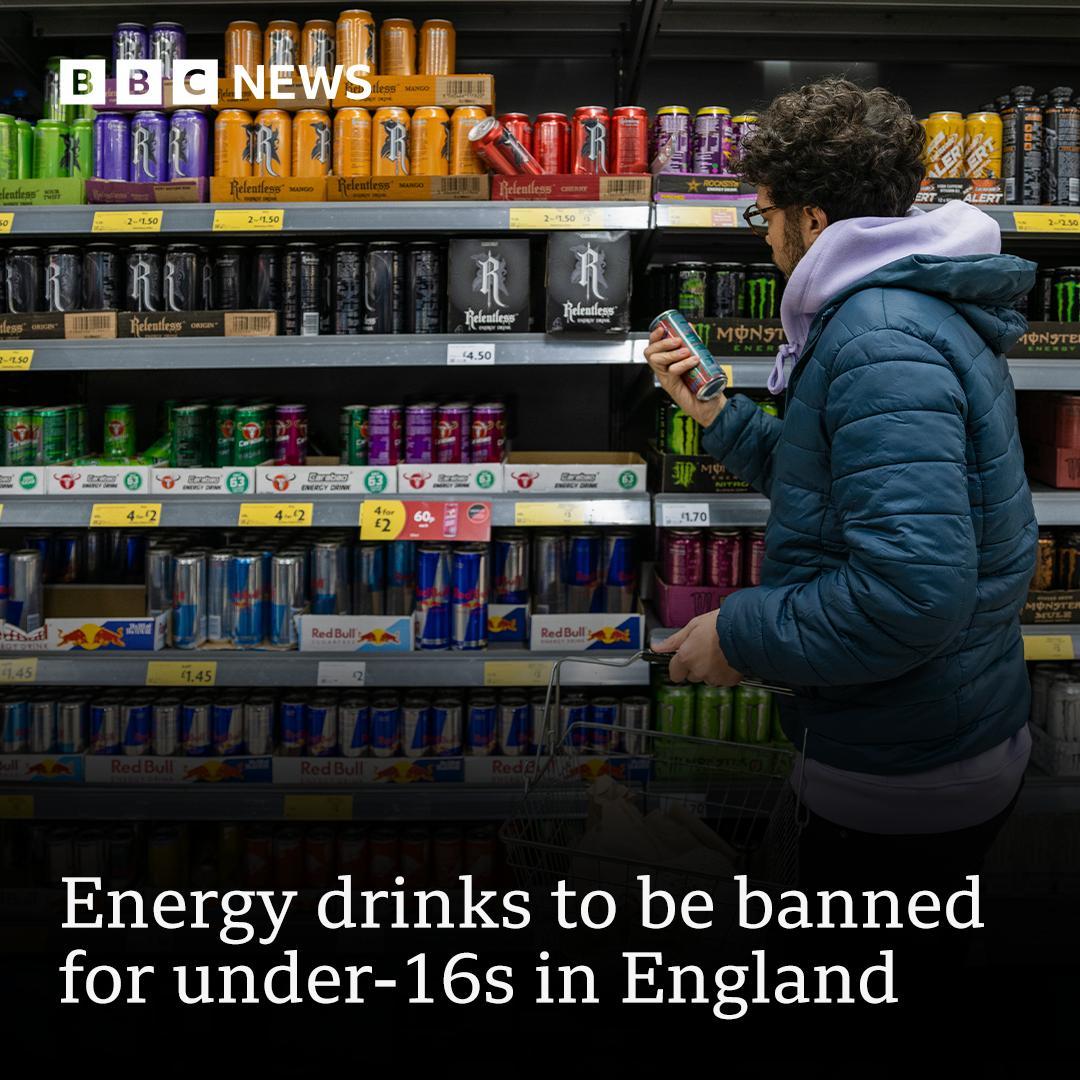
  • The UK government is planning a new law in England to stop anyone under the age of 16 buying energy drinks.
    The UK government is planning a new law in England to stop anyone under the age of 16 buying energy drinks.
    0 Comentários ·0 Compartilhamentos ·431 Visualizações
  • Israeli government representatives will not be invited to attend a major London arms fair next month, a UK government spokesperson said Friday, amid worsening diplomatic relations between Britain and Israel over the Gaza conflict.
    Israeli government representatives will not be invited to attend a major London arms fair next month, a UK government spokesperson said Friday, amid worsening diplomatic relations between Britain and Israel over the Gaza conflict.
    0 Comentários ·0 Compartilhamentos ·531 Visualizações
  • Newsbrief: UK Bans Criminals From Football, Travel, Pubs Under New Sentencing Policy

    The UK government has announced sweeping new powers that will bar offenders from pubs, concerts, football matches, and travel, as part of its Plan for Change. Judges will now be able to impose wider restrictions, including driving limits and mandatory drug tests, to deter reoffending.

    Justice Secretary Shabana Mahmood said the reforms aim to “cut crime and make streets safer,” stressing that criminals must face restrictions even outside prison. The plan also includes billions in prison expansion, recruitment of probation officers, and AI tools to strengthen supervision of offenders.#UKPolicy #CrimeReform #Justice #PublicSafety
    Newsbrief: UK Bans Criminals From Football, Travel, Pubs Under New Sentencing Policy The UK government has announced sweeping new powers that will bar offenders from pubs, concerts, football matches, and travel, as part of its Plan for Change. Judges will now be able to impose wider restrictions, including driving limits and mandatory drug tests, to deter reoffending. Justice Secretary Shabana Mahmood said the reforms aim to “cut crime and make streets safer,” stressing that criminals must face restrictions even outside prison. The plan also includes billions in prison expansion, recruitment of probation officers, and AI tools to strengthen supervision of offenders.#UKPolicy #CrimeReform #Justice #PublicSafety
    0 Comentários ·0 Compartilhamentos ·981 Visualizações
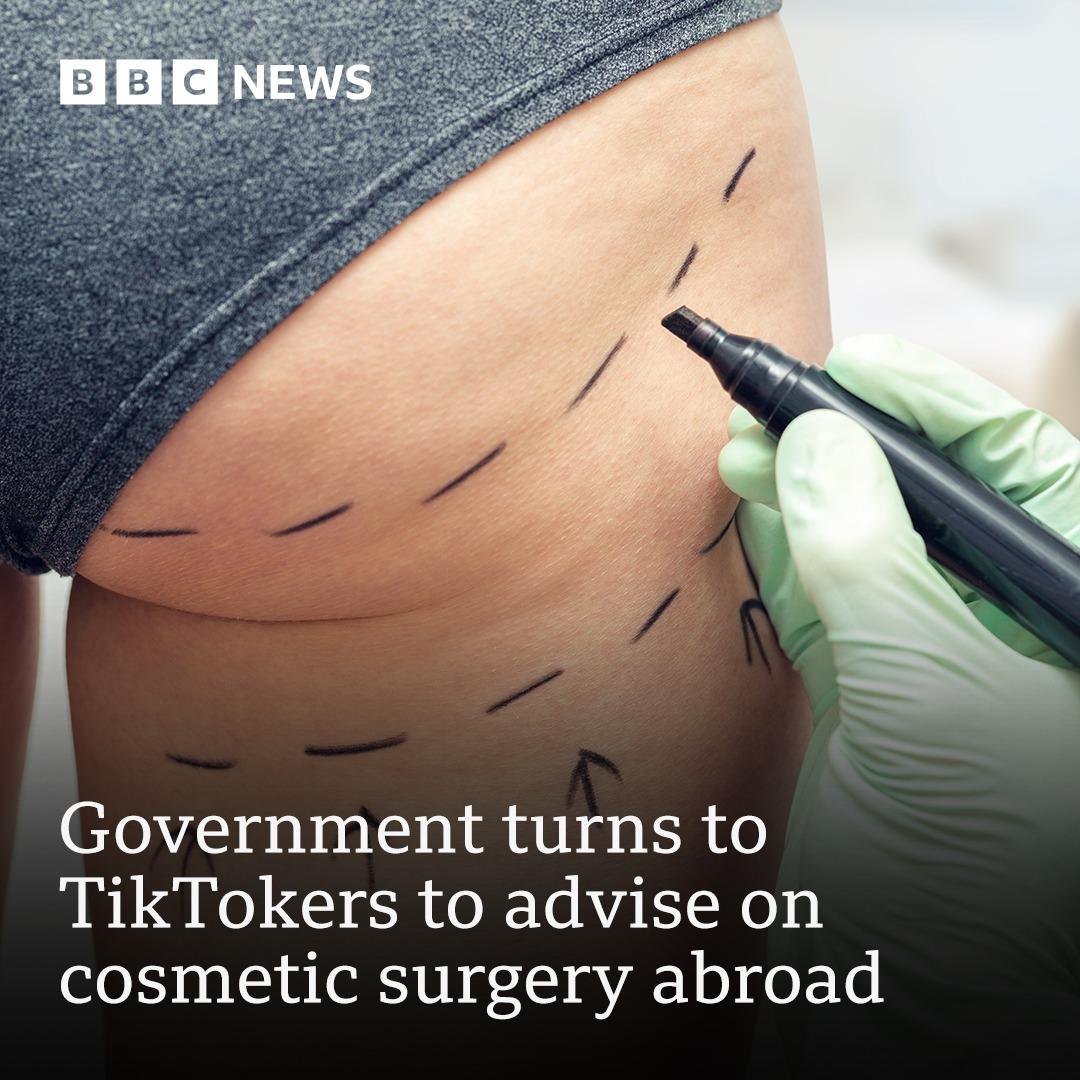
  • The UK government is partnering with TikTok influencers to warn people about the risks of travelling abroad for cosmetic procedures.
    The UK government is partnering with TikTok influencers to warn people about the risks of travelling abroad for cosmetic procedures.
    0 Comentários ·0 Compartilhamentos ·383 Visualizações
  • X Accuses UK Government of Overreach Over Child Safety Law

    August 1, 2025 – X, the social media platform owned by Elon Musk, has criticized the UK’s Online Safety Act, calling it an example of government “overreach” that could undermine free speech.

    In a post via its Global Government Affairs account, X said that while the law’s aim to protect children from harmful content is “laudable,” its broad scope threatens to infringe on public expression rights.

    X also slammed a new code of conduct and a UK police unit monitoring social media as duplicative and concerning for free speech.

    The platform has begun implementing age verification tools, including AI-driven age estimation and ID uploads, to comply with new rules in the UK, Ireland, and the EU.

    Platforms failing to meet standards set by Ofcom face fines of up to £18 million or 10% of global revenue, and could be blocked in the UK.

    The law has triggered privacy concerns, with critics warning of identity theft risks. In response, UK users have turned to VPNs, pushing VPN apps to the top of Apple’s UK download charts.

    #OnlineSafetyAct #FreeSpeech #ElonMusk #UKDigitalRegulation
    X Accuses UK Government of Overreach Over Child Safety Law August 1, 2025 – X, the social media platform owned by Elon Musk, has criticized the UK’s Online Safety Act, calling it an example of government “overreach” that could undermine free speech. In a post via its Global Government Affairs account, X said that while the law’s aim to protect children from harmful content is “laudable,” its broad scope threatens to infringe on public expression rights. X also slammed a new code of conduct and a UK police unit monitoring social media as duplicative and concerning for free speech. The platform has begun implementing age verification tools, including AI-driven age estimation and ID uploads, to comply with new rules in the UK, Ireland, and the EU. Platforms failing to meet standards set by Ofcom face fines of up to £18 million or 10% of global revenue, and could be blocked in the UK. The law has triggered privacy concerns, with critics warning of identity theft risks. In response, UK users have turned to VPNs, pushing VPN apps to the top of Apple’s UK download charts. #OnlineSafetyAct #FreeSpeech #ElonMusk #UKDigitalRegulation
    0 Comentários ·0 Compartilhamentos ·3K Visualizações
  • JAPA: UK Stops New Care Worker Visas in Bid to Cut Migration.

    The UK government has officially ended the issuance of new Health and Care Worker visas for foreign care workers, effective July 22, 2025, as part of its broader strategy to curb immigration, particularly in lower-paid sectors.

    The move, aimed at promoting local employment and addressing alleged ab¥ses of the visa sponsorship system, has sparked concern among stakeholders in the care industry.

    Many warn the decision could further deepen staffing shortages already plaguing the social care sector. According to TravelBiz, the policy seeks to prioritise UK-based workers and tighten oversight of visa routes.

    Under the new rules, no fresh overseas applications will be accepted for the Health and Care Worker visa category. Additionally, options for renewing or switching to another care-specific visa may soon be phased out.

    Previously, care workers under SOC Code 6145 benefited from the UK’s Shortage Occupation List, which offered lower salary thresholds, reduced application fees, and expedited processing.

    Those benefits have now been withdrawn under the revised policy. Foreign nationals already in the UK on a valid Health and Care Worker visa will not be deported and may continue in their current roles until their visas expire.

    The Home Office has clarified that such individuals may still change employers if the new position meets existing visa requirements, extend their visas under transitional rules, or maintain dependent sponsorships granted before the change.

    To remain in the UK once their care visa expires, affected migrants may need to consider alternative legal options, including switching to a Skilled Worker visa in an eligible role, applying for a student visa, or qualifying for settlement after five years of skilled work.

    Despite the clampdown, the government will continue to accept visa applications for certain healthcare roles such as registered nurses and senior medical professionals under the Skilled Worker route. The policy change follows growing political pressure to tighten immigration controls after recent figures revealed a spike in low-wage foreign worker inflows.
    JAPA: UK Stops New Care Worker Visas in Bid to Cut Migration. The UK government has officially ended the issuance of new Health and Care Worker visas for foreign care workers, effective July 22, 2025, as part of its broader strategy to curb immigration, particularly in lower-paid sectors. The move, aimed at promoting local employment and addressing alleged ab¥ses of the visa sponsorship system, has sparked concern among stakeholders in the care industry. Many warn the decision could further deepen staffing shortages already plaguing the social care sector. According to TravelBiz, the policy seeks to prioritise UK-based workers and tighten oversight of visa routes. Under the new rules, no fresh overseas applications will be accepted for the Health and Care Worker visa category. Additionally, options for renewing or switching to another care-specific visa may soon be phased out. Previously, care workers under SOC Code 6145 benefited from the UK’s Shortage Occupation List, which offered lower salary thresholds, reduced application fees, and expedited processing. Those benefits have now been withdrawn under the revised policy. Foreign nationals already in the UK on a valid Health and Care Worker visa will not be deported and may continue in their current roles until their visas expire. The Home Office has clarified that such individuals may still change employers if the new position meets existing visa requirements, extend their visas under transitional rules, or maintain dependent sponsorships granted before the change. To remain in the UK once their care visa expires, affected migrants may need to consider alternative legal options, including switching to a Skilled Worker visa in an eligible role, applying for a student visa, or qualifying for settlement after five years of skilled work. Despite the clampdown, the government will continue to accept visa applications for certain healthcare roles such as registered nurses and senior medical professionals under the Skilled Worker route. The policy change follows growing political pressure to tighten immigration controls after recent figures revealed a spike in low-wage foreign worker inflows.
    0 Comentários ·0 Compartilhamentos ·927 Visualizações
Fintter https://fintter.com