• 2027: Getting Tinubu out of power only way to rescue Nigeria  —  ADC

    The African Democratic Congress (ADC) has declared that removing President Bola Tinubu from power in the 2027 general election is the only way to rescue Nigeria from its current challenges. The party blamed the Tinubu administration for worsening economic hardship, insecurity, and poor governance, insisting that Nigerians are suffering under present policies. ADC urged opposition parties to unite ahead of 2027, saying only a strong alternative government can restore hope, stabilize the economy, and deliver effective leadership to citizens.
    #fintternews
    2027: Getting Tinubu out of power only way to rescue Nigeria  —  ADC The African Democratic Congress (ADC) has declared that removing President Bola Tinubu from power in the 2027 general election is the only way to rescue Nigeria from its current challenges. The party blamed the Tinubu administration for worsening economic hardship, insecurity, and poor governance, insisting that Nigerians are suffering under present policies. ADC urged opposition parties to unite ahead of 2027, saying only a strong alternative government can restore hope, stabilize the economy, and deliver effective leadership to citizens. #fintternews
    love
    1
    · 0 Commentaires ·0 Parts ·2KB Vue
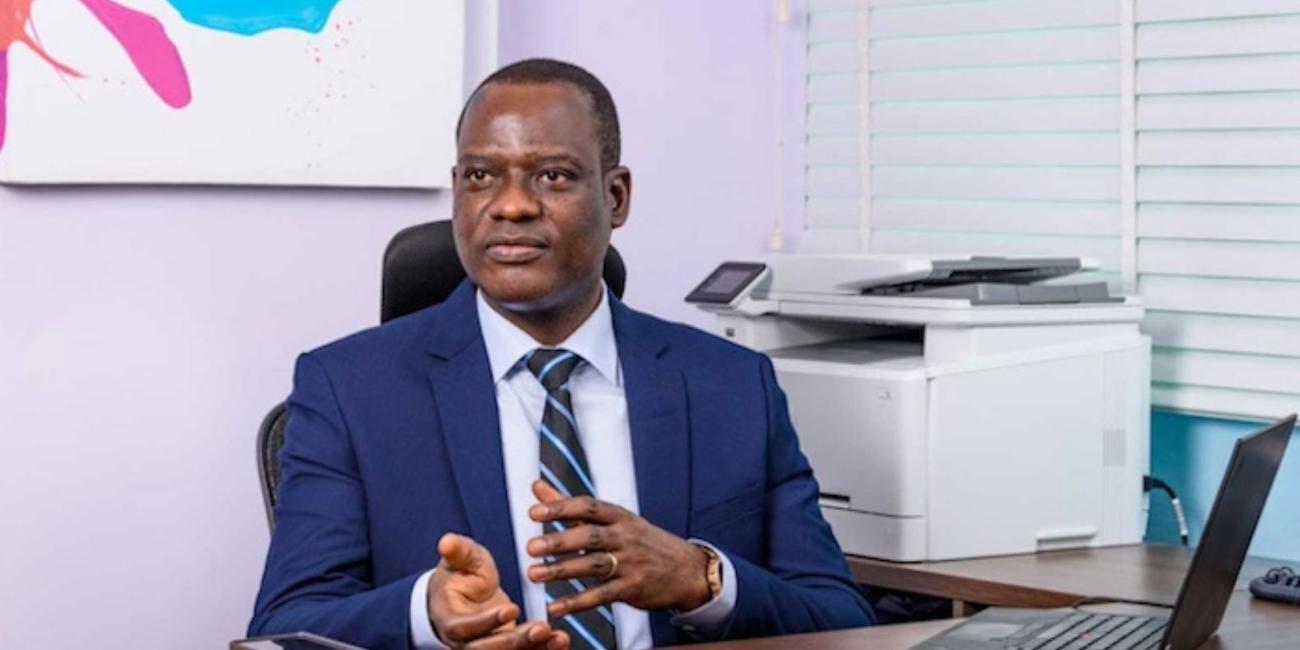
  • Presidential Tax Committee Denies Suspension of New Tax Law Guidelines

    The Nigerian Presidential Committee on Fiscal Policy and Tax Reforms, led by Taiwo Oyedele, has denied claims that the Tinubu administration paused implementation guidelines for new tax laws. Oyedele called the report “Fake News,” explaining that delays in issuing guidelines stem from difficulties accessing the final printed copies of the laws from the Government Printer. Social media reactions were mixed, with users demanding clarity on VAT, tax timelines, and warning against retrospective liabilities. The committee emphasized ongoing legislative review and transparency.

    #NigeriaTax #FiscalPolicy #TaiwoOyedele #TaxLaws

    Presidential Tax Committee Denies Suspension of New Tax Law Guidelines The Nigerian Presidential Committee on Fiscal Policy and Tax Reforms, led by Taiwo Oyedele, has denied claims that the Tinubu administration paused implementation guidelines for new tax laws. Oyedele called the report “Fake News,” explaining that delays in issuing guidelines stem from difficulties accessing the final printed copies of the laws from the Government Printer. Social media reactions were mixed, with users demanding clarity on VAT, tax timelines, and warning against retrospective liabilities. The committee emphasized ongoing legislative review and transparency. #NigeriaTax #FiscalPolicy #TaiwoOyedele #TaxLaws
    0 Commentaires ·0 Parts ·2KB Vue
  • The United States Africa Command (AFRICOM) has reaffirmed its commitment to stronger collaboration with the National Drug Law Enforcement Agency (NDLEA) in the fight against illicit drugs. A high-level US delegation led by Philip Esch, the US Drug Enforcement Administration’s Liaison to AFRICOM, met with NDLEA Chairman, Brig-Gen. Mohamed Buba Marwa (Rtd), praising the agency’s leadership and effectiveness. Esch described the partnership between NDLEA and the US-DEA as vital to the US government and expressed confidence in continued cooperation following the renewal of Marwa’s tenure. Another delegate, James Elseth, commended NDLEA’s international outlook, noting that its operations in Nigeria also enhance global security. He disclosed that two major support projects, alongside training programmes, were already underway. In response, Marwa thanked AFRICOM for its sustained assistance, attributing NDLEA’s successes to international partnerships and the support of the Tinubu administration. He called for further assistance, particularly in airport scanning equipment, digital forensic tools, detection devices, laboratory facilities, and sniffer dogs, stressing the growing link between drug trafficking and terrorism.

    The United States Africa Command (AFRICOM) has reaffirmed its commitment to stronger collaboration with the National Drug Law Enforcement Agency (NDLEA) in the fight against illicit drugs. A high-level US delegation led by Philip Esch, the US Drug Enforcement Administration’s Liaison to AFRICOM, met with NDLEA Chairman, Brig-Gen. Mohamed Buba Marwa (Rtd), praising the agency’s leadership and effectiveness. Esch described the partnership between NDLEA and the US-DEA as vital to the US government and expressed confidence in continued cooperation following the renewal of Marwa’s tenure. Another delegate, James Elseth, commended NDLEA’s international outlook, noting that its operations in Nigeria also enhance global security. He disclosed that two major support projects, alongside training programmes, were already underway. In response, Marwa thanked AFRICOM for its sustained assistance, attributing NDLEA’s successes to international partnerships and the support of the Tinubu administration. He called for further assistance, particularly in airport scanning equipment, digital forensic tools, detection devices, laboratory facilities, and sniffer dogs, stressing the growing link between drug trafficking and terrorism.
    love
    1
    · 0 Commentaires ·0 Parts ·2KB Vue
  • Wahala Don Set Oo! Nigerian BEA Scholar in Hungary Faces Expulsion Over Unpaid $10,450 Allowance

    Wahala don really set for abroad oo! A Nigerian postgraduate student studying in Hungary under the Federal Government’s Bilateral Education Agreement (BEA) scholarship has raised alarm after spending over one year without receiving a single kobo of his approved allowances. Now, he is facing possible expulsion and homelessness because his residence permit is about to expire.

    The student, Oluwasegun Michael Ogundele of the University of Pannonia, has petitioned the House of Representatives Committee on Student Loans, Scholarships, and Higher Education Financing, crying out that since he resumed studies in September 2024, the Federal Scholarship Board (FSB) and the Federal Ministry of Education have failed to pay any of the funds promised under his scholarship.

    According to him, the agreement between the Nigerian and Hungarian governments clearly stated his entitlements, yet nothing has been paid till date. These include a $6,000 yearly allowance, $250 for warm clothing, $200 for health insurance, a N100,000 take-off grant, a $1,000 postgraduate research grant, and a return ticket to Nigeria. In total, the unpaid money now stands at $10,450.

    Ogundele said the situation has pushed him into serious hardship. For the past 18 months, he has survived only on a small monthly stipend of about €110 from Hungary’s Tempus Scholarship Foundation. He described his condition as one of illness, emotional trauma, and constant anxiety about basic survival.

    “My academic performance and mental health have suffered. I am constantly worried about how to eat, pay bills, and remain legal in this country,” he said.

    The wahala no end there. His programme is expected to finish by January 30, 2026, while his residence permit expires the very next day. Yet, he has no money to buy a ticket back to Nigeria. His passage allowance of $2,500, which should help him return home, has also not been paid.

    He further revealed that he has not taken up any paid job because scholarship rules forbid it. Still, despite obeying all conditions, the government has failed to honour its own agreement.

    In his petition, Ogundele begged the House Committee to urgently intervene and ensure immediate payment of all outstanding entitlements. He warned that his case is not isolated, stating that many Nigerian students abroad under the BEA scheme are suffering in silence. Some, according to him, have taken degrading jobs to survive, while others have reportedly died due to stress and untreated illnesses.

    “Many of us are being treated like beggars abroad. We are looked down upon, and it has destroyed our dignity as Nigerians. The suffering imposed on us is unimaginable,” he wrote.

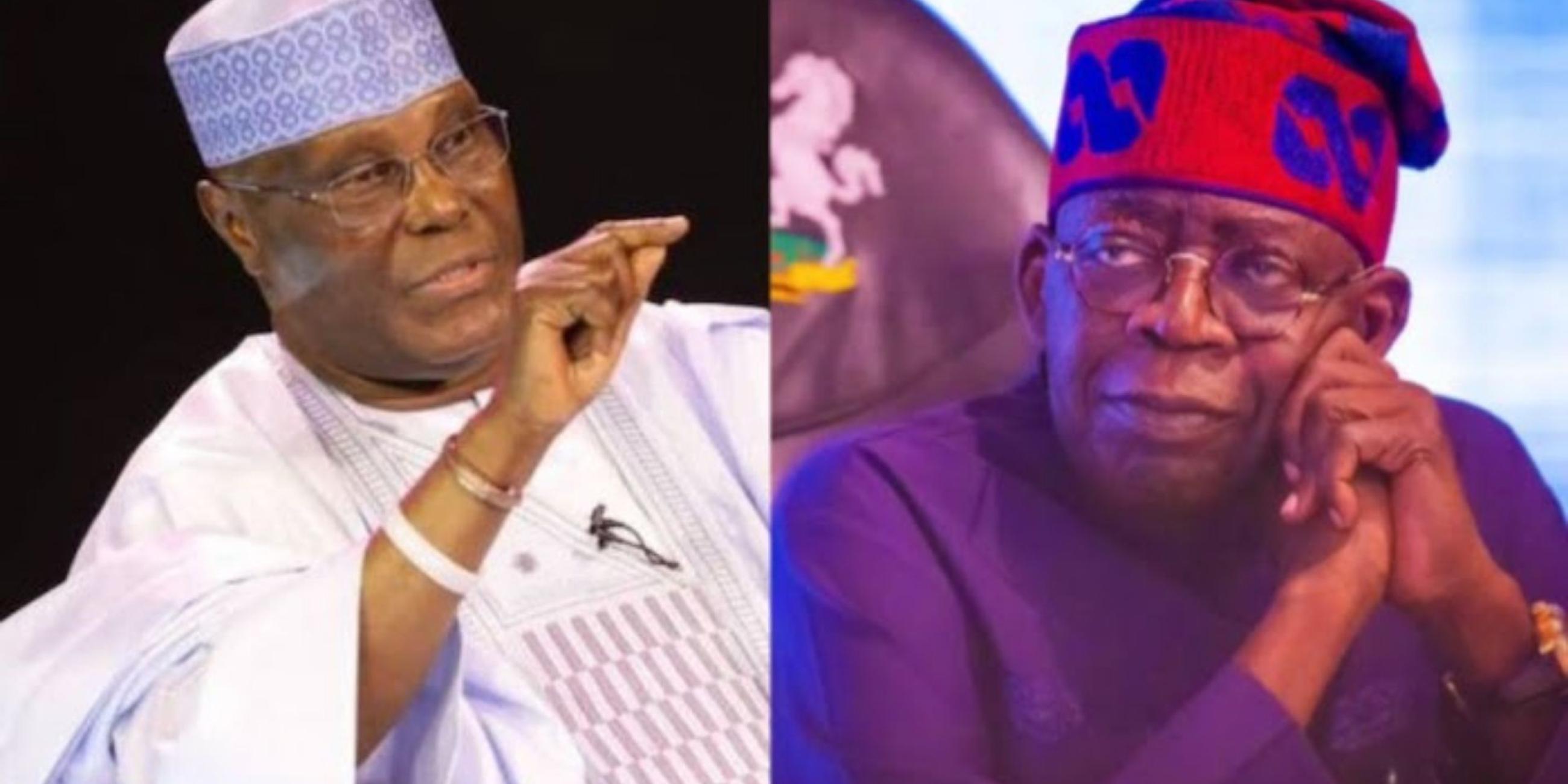
    The matter has also drawn political attention. Former Vice President Atiku Abubakar recently accused the Tinubu administration of abandoning Nigerian students under the BEA programme, saying over 1,600 students abroad are owed stipends and have been left stranded.

    However, the Federal Government has denied abandoning students, stating that funding delays were due to fiscal constraints and that it remains committed to students already enrolled. The Ministry of Education also disclosed that no new bilateral scholarships were awarded in 2025, as Nigeria now claims it has enough local capacity to train students at home.

    But for students like Ogundele, policy explanations no dey stop hunger.

    As his deadline approaches and eviction looms, Nigerians are now asking: how can a government send students abroad in the name of national development, then leave them to suffer alone?

    One thing be sure: wahala don set oo for this BEA scholarship matter—and everybody dey watch how government go respond.
    Wahala Don Set Oo! Nigerian BEA Scholar in Hungary Faces Expulsion Over Unpaid $10,450 Allowance Wahala don really set for abroad oo! A Nigerian postgraduate student studying in Hungary under the Federal Government’s Bilateral Education Agreement (BEA) scholarship has raised alarm after spending over one year without receiving a single kobo of his approved allowances. Now, he is facing possible expulsion and homelessness because his residence permit is about to expire. The student, Oluwasegun Michael Ogundele of the University of Pannonia, has petitioned the House of Representatives Committee on Student Loans, Scholarships, and Higher Education Financing, crying out that since he resumed studies in September 2024, the Federal Scholarship Board (FSB) and the Federal Ministry of Education have failed to pay any of the funds promised under his scholarship. According to him, the agreement between the Nigerian and Hungarian governments clearly stated his entitlements, yet nothing has been paid till date. These include a $6,000 yearly allowance, $250 for warm clothing, $200 for health insurance, a N100,000 take-off grant, a $1,000 postgraduate research grant, and a return ticket to Nigeria. In total, the unpaid money now stands at $10,450. Ogundele said the situation has pushed him into serious hardship. For the past 18 months, he has survived only on a small monthly stipend of about €110 from Hungary’s Tempus Scholarship Foundation. He described his condition as one of illness, emotional trauma, and constant anxiety about basic survival. “My academic performance and mental health have suffered. I am constantly worried about how to eat, pay bills, and remain legal in this country,” he said. The wahala no end there. His programme is expected to finish by January 30, 2026, while his residence permit expires the very next day. Yet, he has no money to buy a ticket back to Nigeria. His passage allowance of $2,500, which should help him return home, has also not been paid. He further revealed that he has not taken up any paid job because scholarship rules forbid it. Still, despite obeying all conditions, the government has failed to honour its own agreement. In his petition, Ogundele begged the House Committee to urgently intervene and ensure immediate payment of all outstanding entitlements. He warned that his case is not isolated, stating that many Nigerian students abroad under the BEA scheme are suffering in silence. Some, according to him, have taken degrading jobs to survive, while others have reportedly died due to stress and untreated illnesses. “Many of us are being treated like beggars abroad. We are looked down upon, and it has destroyed our dignity as Nigerians. The suffering imposed on us is unimaginable,” he wrote. The matter has also drawn political attention. Former Vice President Atiku Abubakar recently accused the Tinubu administration of abandoning Nigerian students under the BEA programme, saying over 1,600 students abroad are owed stipends and have been left stranded. However, the Federal Government has denied abandoning students, stating that funding delays were due to fiscal constraints and that it remains committed to students already enrolled. The Ministry of Education also disclosed that no new bilateral scholarships were awarded in 2025, as Nigeria now claims it has enough local capacity to train students at home. But for students like Ogundele, policy explanations no dey stop hunger. As his deadline approaches and eviction looms, Nigerians are now asking: how can a government send students abroad in the name of national development, then leave them to suffer alone? One thing be sure: wahala don set oo for this BEA scholarship matter—and everybody dey watch how government go respond.
    like
    1
    · 0 Commentaires ·0 Parts ·3KB Vue
  • Atiku Blasts Tinubu Govt Over Abandoning Nigerian Students Abroad

    People, wahala don burst! Former VP Atiku Abubakar don accuse Tinubu administration of leaving about 1,600 Nigerian students stranded abroad after quietly stopping the BEA scholarship programme.

    Students supposed to get stipends of $6,000+ each—nothing paid since 2025

    Some faced hunger, unpaid rent, even life-threatening medical emergencies

    One tragic case: student in Morocco died reportedly due to hardship


    Atiku calls it “cruel, negligent, and damaging to Nigeria’s international reputation”

    Government allegedly offered to sponsor students back home instead—callous!

    BEA originally meant to build Nigeria’s future workforce in countries like China, Russia, Morocco, Hungary


    Federal Ministry of Education, however, denies abandonment

    Says no new scholarships in 2025

    Existing students supposed to be supported until completion

    Policy now focuses on local training programs to save public funds


    Atiku warns: “Abandoning students mid-course destroys years of effort and Nigeria’s credibility”


    Atiku Blasts Tinubu Govt Over Abandoning Nigerian Students Abroad 😡🎓 People, wahala don burst! Former VP Atiku Abubakar don accuse Tinubu administration of leaving about 1,600 Nigerian students stranded abroad after quietly stopping the BEA scholarship programme. Students supposed to get stipends of $6,000+ each—nothing paid since 2025 💸 Some faced hunger, unpaid rent, even life-threatening medical emergencies One tragic case: student in Morocco died reportedly due to hardship 😢 Atiku calls it “cruel, negligent, and damaging to Nigeria’s international reputation” Government allegedly offered to sponsor students back home instead—callous! BEA originally meant to build Nigeria’s future workforce in countries like China, Russia, Morocco, Hungary Federal Ministry of Education, however, denies abandonment Says no new scholarships in 2025 Existing students supposed to be supported until completion Policy now focuses on local training programs to save public funds Atiku warns: “Abandoning students mid-course destroys years of effort and Nigeria’s credibility” 💥
    0 Commentaires ·0 Parts ·2KB Vue
  • Is Nigeria’s Health System Heading for Shutdown? JOHESU Orders Total Work Stoppage Over Tinubu Government’s ‘No Work, No Pay’ Policy

    Is Nigeria on the brink of another nationwide healthcare crisis? The Joint Health Sector Unions (JOHESU) has directed its members across federal health institutions to withdraw their services indefinitely, escalating its standoff with the Tinubu administration over a newly enforced “No Work, No Pay” directive from the Federal Ministry of Health.

    According to a statement issued by JOHESU leader Comrade Abubakar Sani Aminu, the policy was introduced without consultation or dialogue, a move the union describes as a direct violation of workers’ rights and collective bargaining principles. Why, the union asks, would the government impose such a far-reaching directive at a time when negotiations are still ongoing?

    JOHESU says hospital chief executives have been instructed to enforce the policy, which the union believes is a deliberate attempt to weaken organised labour and fracture solidarity among health workers. Aminu warned members that the directive represents “the final weapon” being deployed by the government to break the union’s resolve. Could this mark a turning point in labour relations within Nigeria’s health sector?

    In response, the union has ordered a total work stoppage, explicitly rejecting skeleton services, partial compliance, or compromise of any kind. “There should be no skeleton services, no attempt to help out, or compromise in any way,” the statement declared. JOHESU insists that only collective action can protect workers’ rights and prevent what it calls a dangerous precedent that could affect future industrial disputes.

    What does this mean for patients and public hospitals already struggling with limited resources? While the full impact on healthcare delivery remains uncertain, past JOHESU strikes have caused widespread disruptions across federal medical institutions, raising fears of another wave of service paralysis.

    The union has reaffirmed its commitment to what it describes as a fight for fair treatment, respect for dialogue, and protection of labour rights, urging members nationwide to remain united until its demands are addressed. As of the time of reporting, the Federal Ministry of Health has not issued an official response.

    Will the government reconsider its stance, or is Nigeria heading toward another prolonged healthcare shutdown? And in a sector where lives depend on continuity of care, who ultimately bears the cost of this policy standoff—workers, patients, or the state itself?

    Is Nigeria’s Health System Heading for Shutdown? JOHESU Orders Total Work Stoppage Over Tinubu Government’s ‘No Work, No Pay’ Policy Is Nigeria on the brink of another nationwide healthcare crisis? The Joint Health Sector Unions (JOHESU) has directed its members across federal health institutions to withdraw their services indefinitely, escalating its standoff with the Tinubu administration over a newly enforced “No Work, No Pay” directive from the Federal Ministry of Health. According to a statement issued by JOHESU leader Comrade Abubakar Sani Aminu, the policy was introduced without consultation or dialogue, a move the union describes as a direct violation of workers’ rights and collective bargaining principles. Why, the union asks, would the government impose such a far-reaching directive at a time when negotiations are still ongoing? JOHESU says hospital chief executives have been instructed to enforce the policy, which the union believes is a deliberate attempt to weaken organised labour and fracture solidarity among health workers. Aminu warned members that the directive represents “the final weapon” being deployed by the government to break the union’s resolve. Could this mark a turning point in labour relations within Nigeria’s health sector? In response, the union has ordered a total work stoppage, explicitly rejecting skeleton services, partial compliance, or compromise of any kind. “There should be no skeleton services, no attempt to help out, or compromise in any way,” the statement declared. JOHESU insists that only collective action can protect workers’ rights and prevent what it calls a dangerous precedent that could affect future industrial disputes. What does this mean for patients and public hospitals already struggling with limited resources? While the full impact on healthcare delivery remains uncertain, past JOHESU strikes have caused widespread disruptions across federal medical institutions, raising fears of another wave of service paralysis. The union has reaffirmed its commitment to what it describes as a fight for fair treatment, respect for dialogue, and protection of labour rights, urging members nationwide to remain united until its demands are addressed. As of the time of reporting, the Federal Ministry of Health has not issued an official response. Will the government reconsider its stance, or is Nigeria heading toward another prolonged healthcare shutdown? And in a sector where lives depend on continuity of care, who ultimately bears the cost of this policy standoff—workers, patients, or the state itself?
    0 Commentaires ·0 Parts ·2KB Vue

  • Tinubu Govt Allocates N6B for Presidential Jet Engine Overhaul, N1.5B for Aviation Fuel in 2026 Budget

    The Tinubu-led Nigerian government has earmarked N6 billion for overhauling aircraft engines in the Presidential Air Fleet under the 2026 budget. A breakdown of the expenditure reveals that the presidential jet, 5N-FGW (Gulfstream G550), will cost N3.859 billion for engine overhaul, while two Falcon 7X aircraft will require N2.19 billion for maintenance.

    In addition, N1.2 billion is budgeted for general aircraft maintenance, and N1.5 billion is allocated for aviation fuel. Other allocations include N375 million for foodstuffs and catering supplies for presidential operations.

    The budget review also highlights planned travel expenses: President Bola Tinubu has set aside N6.1 billion for international trips, while Vice President Kashim Shettima plans to spend N1.3 billion on foreign travels, totaling N7.4 billion. The President is scheduled to attend the Abu Dhabi Sustainability Week Summit (ADSW 2026) following his European break.

    Historical data shows the Tinubu administration spent N36.3 billion on international travel in 2024 and significant sums on local transport, underscoring the continued high cost of State House operations.

    #NigeriaBudget2026 #Tinubu #PresidentialAirFleet”

    Tinubu Govt Allocates N6B for Presidential Jet Engine Overhaul, N1.5B for Aviation Fuel in 2026 Budget The Tinubu-led Nigerian government has earmarked N6 billion for overhauling aircraft engines in the Presidential Air Fleet under the 2026 budget. A breakdown of the expenditure reveals that the presidential jet, 5N-FGW (Gulfstream G550), will cost N3.859 billion for engine overhaul, while two Falcon 7X aircraft will require N2.19 billion for maintenance. In addition, N1.2 billion is budgeted for general aircraft maintenance, and N1.5 billion is allocated for aviation fuel. Other allocations include N375 million for foodstuffs and catering supplies for presidential operations. The budget review also highlights planned travel expenses: President Bola Tinubu has set aside N6.1 billion for international trips, while Vice President Kashim Shettima plans to spend N1.3 billion on foreign travels, totaling N7.4 billion. The President is scheduled to attend the Abu Dhabi Sustainability Week Summit (ADSW 2026) following his European break. Historical data shows the Tinubu administration spent N36.3 billion on international travel in 2024 and significant sums on local transport, underscoring the continued high cost of State House operations. #NigeriaBudget2026 #Tinubu #PresidentialAirFleet”
    0 Commentaires ·0 Parts ·2KB Vue
  • Why Is Tinubu Budgeting Another ₦7bn for Aso Rock Solar While Nigerians Face Blackouts? After ₦10bn in 2025, Is the Presidency Prioritising Itself Over the National Power Crisis?

    Amid worsening electricity shortages across Nigeria, the Bola Tinubu-led federal government has allocated another ₦7 billion in the 2026 budget for the solarisation of the Presidential Villa, Aso Rock, raising fresh questions about priorities, equity, and governance. The new allocation—listed by the Budget Office of the Federation under State House expenditures as “provision of solarisation of Villa with solar mini grid”—comes just a year after ₦10 billion was set aside for the same project in 2025.

    The decision has reignited public debate because it contrasts sharply with the everyday reality of millions of Nigerians who continue to endure persistent blackouts, business disruptions, and rising energy costs. Critics argue that while the Presidency secures reliable power through a premium solar project, households and small enterprises remain at the mercy of an unstable national grid.

    In April 2025, when the initial ₦10 billion allocation triggered public outrage, the Presidency defended the project as a long-term investment in sustainability and energy efficiency. Presidential spokesman Bayo Onanuga said the move follows “global standards,” citing the White House’s use of solar power and insisting the administration was not “reinventing the wheel” but adopting a tested model for powering critical institutions. Supporters of the project also frame it as a smart hedge against grid failures and a step toward cleaner energy.

    Yet the timing has kept the controversy alive. The latest budget increase coincides with a series of national grid collapses that have plunged much of the country into darkness. According to data from the Nigerian Independent System Operator (NISO), one major disturbance saw total power generation crash from 2,052.37MW to just 139.92MW within one hour, leaving only three of the country’s 11 distribution companies able to take any load. At different points, major DisCos—including Eko, Ikeja, Enugu, Jos, Kaduna, Kano, Port Harcourt and Yola—recorded zero allocation, underscoring the fragility of the system.

    Independent monitoring confirmed that even hours after such collapses, national supply remained severely constrained, with total available power far below what is needed to sustain homes, hospitals, businesses, and critical services. Similar incidents in March and September 2025 followed earlier government celebrations of rising generation, only for output to plunge again below sustainable levels.

    Against this backdrop, many Nigerians question whether investing billions to guarantee uninterrupted electricity for the seat of power—while the wider grid remains unreliable—signals a two-tier energy policy. Some see the solar project as an admission that government itself no longer trusts the national power system it oversees. Others argue that the Presidency’s energy security should not come at a time when ordinary citizens face daily outages, rising fuel costs for generators, and an economy already under strain.

    The debate now centres on urgent questions: Is the Tinubu administration protecting Aso Rock while the country stays in the dark? Should scarce public funds be channelled first into stabilising the national grid rather than insulating the Presidency? And does repeated spending—₦17 billion across two years—reflect forward-looking sustainability or misplaced priorities in the middle of a power crisis? As Nigeria’s electricity infrastructure continues to falter, the Aso Rock solar budget has become a powerful symbol in a wider argument about leadership, accountability, and who truly benefits from government policy.


    Why Is Tinubu Budgeting Another ₦7bn for Aso Rock Solar While Nigerians Face Blackouts? After ₦10bn in 2025, Is the Presidency Prioritising Itself Over the National Power Crisis? Amid worsening electricity shortages across Nigeria, the Bola Tinubu-led federal government has allocated another ₦7 billion in the 2026 budget for the solarisation of the Presidential Villa, Aso Rock, raising fresh questions about priorities, equity, and governance. The new allocation—listed by the Budget Office of the Federation under State House expenditures as “provision of solarisation of Villa with solar mini grid”—comes just a year after ₦10 billion was set aside for the same project in 2025. The decision has reignited public debate because it contrasts sharply with the everyday reality of millions of Nigerians who continue to endure persistent blackouts, business disruptions, and rising energy costs. Critics argue that while the Presidency secures reliable power through a premium solar project, households and small enterprises remain at the mercy of an unstable national grid. In April 2025, when the initial ₦10 billion allocation triggered public outrage, the Presidency defended the project as a long-term investment in sustainability and energy efficiency. Presidential spokesman Bayo Onanuga said the move follows “global standards,” citing the White House’s use of solar power and insisting the administration was not “reinventing the wheel” but adopting a tested model for powering critical institutions. Supporters of the project also frame it as a smart hedge against grid failures and a step toward cleaner energy. Yet the timing has kept the controversy alive. The latest budget increase coincides with a series of national grid collapses that have plunged much of the country into darkness. According to data from the Nigerian Independent System Operator (NISO), one major disturbance saw total power generation crash from 2,052.37MW to just 139.92MW within one hour, leaving only three of the country’s 11 distribution companies able to take any load. At different points, major DisCos—including Eko, Ikeja, Enugu, Jos, Kaduna, Kano, Port Harcourt and Yola—recorded zero allocation, underscoring the fragility of the system. Independent monitoring confirmed that even hours after such collapses, national supply remained severely constrained, with total available power far below what is needed to sustain homes, hospitals, businesses, and critical services. Similar incidents in March and September 2025 followed earlier government celebrations of rising generation, only for output to plunge again below sustainable levels. Against this backdrop, many Nigerians question whether investing billions to guarantee uninterrupted electricity for the seat of power—while the wider grid remains unreliable—signals a two-tier energy policy. Some see the solar project as an admission that government itself no longer trusts the national power system it oversees. Others argue that the Presidency’s energy security should not come at a time when ordinary citizens face daily outages, rising fuel costs for generators, and an economy already under strain. The debate now centres on urgent questions: Is the Tinubu administration protecting Aso Rock while the country stays in the dark? Should scarce public funds be channelled first into stabilising the national grid rather than insulating the Presidency? And does repeated spending—₦17 billion across two years—reflect forward-looking sustainability or misplaced priorities in the middle of a power crisis? As Nigeria’s electricity infrastructure continues to falter, the Aso Rock solar budget has become a powerful symbol in a wider argument about leadership, accountability, and who truly benefits from government policy.
    0 Commentaires ·0 Parts ·3KB Vue
  • Will Wike Have to Bow to Fubara in APC? Why the Party Says the FCT Minister Must Follow Rivers Governor—and What This Power Shift Means for 2027 Politics

    Is Nyesom Wike’s political influence in Rivers State finally being clipped? If the Federal Capital Territory (FCT) Minister decides to join the All Progressives Congress (APC), will he really be forced to operate under his successor, Governor Siminalayi Fubara? And what does this internal power struggle reveal about the battle for 2027?

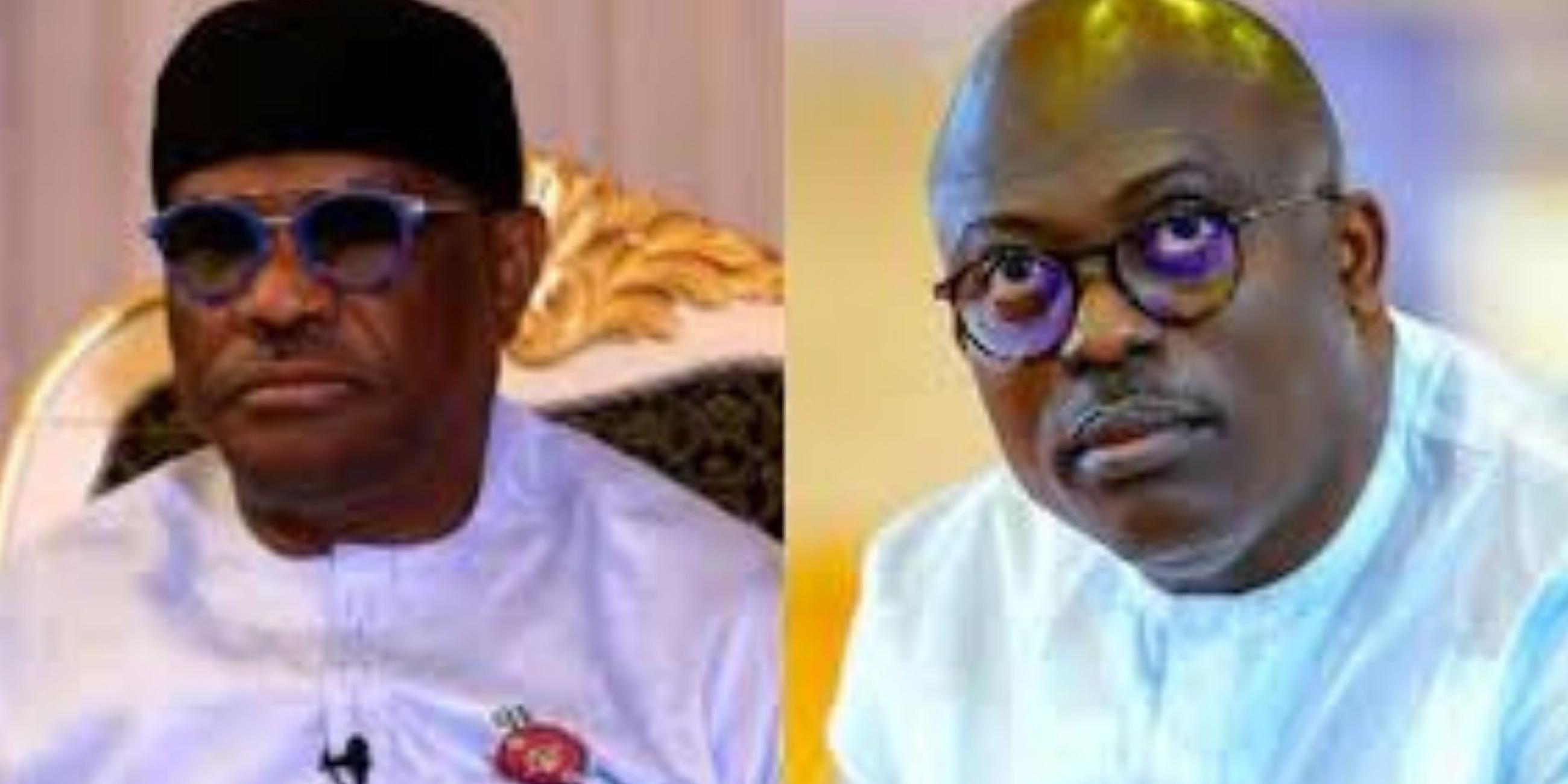
    The APC has made its position unmistakably clear: if Wike defects to the ruling party, he will not assume a dominant leadership role over the sitting Rivers State governor. According to the party’s Director of Information, Bala Ibrahim, leadership within the APC is tied strictly to current political office—not past power. While Wike would be “given a position” within the party, Ibrahim stressed that he would “certainly be under” Governor Fubara, who currently holds the highest elective office in Rivers State.

    Why such a firm stance? Ibrahim explained that political authority follows office, not personality. “When he was the governor, he was followed. Now that he’s not the governor, he must follow,” he said, underscoring that once a leader vacates a seat, they no longer retain its power. In other words, past influence cannot override present authority in the APC’s hierarchy.

    But is this just about party protocol—or something deeper? Reports suggest that Wike’s alleged efforts to undermine Fubara’s 2027 re-election bid have suffered a major blow. Several APC governors are said to have rallied behind Fubara, signaling growing support for the Rivers governor at the highest levels of the party. Party sources indicate that renewed tensions between the two men were triggered after top APC figures openly endorsed Fubara for a second term—an outcome Wike is reportedly opposed to.

    What changed inside the APC? Insiders say the party leadership has become increasingly impressed with Fubara’s governance style and development projects, earning him favor among key decision-makers. This apparent shift in loyalty is being interpreted as a strategic move to consolidate power around the sitting governor while weakening Wike’s influence in his home state.

    The conflict reportedly deepened when Wike’s allies attempted to push a preferred candidate for the Imo governorship without consulting the APC Governors’ Chairman, Governor Hope Uzodimma. Party officials claim this move backfired, prompting APC governors to close ranks around Fubara as part of a broader effort to curb Wike’s political reach. Some insiders even suggest that powerful figures within the Tinubu administration no longer see Wike as a favored ally.

    So what does this mean going forward? If Wike eventually joins the APC, he may find himself navigating a party structure where authority is no longer shaped by his past dominance but by current officeholders—chief among them Governor Fubara. The unfolding drama raises critical questions: Is Wike’s era of control in Rivers coming to an end? Will Fubara emerge as the undisputed political force ahead of 2027? And is the APC deliberately re-engineering power in Rivers to sideline one of Nigeria’s most formidable political figures?

    As endorsements mount and party leadership draws firm lines, one thing is clear: Rivers State politics is entering a decisive phase—and the outcome could reshape the state’s political landscape for years to come.
    Will Wike Have to Bow to Fubara in APC? Why the Party Says the FCT Minister Must Follow Rivers Governor—and What This Power Shift Means for 2027 Politics Is Nyesom Wike’s political influence in Rivers State finally being clipped? If the Federal Capital Territory (FCT) Minister decides to join the All Progressives Congress (APC), will he really be forced to operate under his successor, Governor Siminalayi Fubara? And what does this internal power struggle reveal about the battle for 2027? The APC has made its position unmistakably clear: if Wike defects to the ruling party, he will not assume a dominant leadership role over the sitting Rivers State governor. According to the party’s Director of Information, Bala Ibrahim, leadership within the APC is tied strictly to current political office—not past power. While Wike would be “given a position” within the party, Ibrahim stressed that he would “certainly be under” Governor Fubara, who currently holds the highest elective office in Rivers State. Why such a firm stance? Ibrahim explained that political authority follows office, not personality. “When he was the governor, he was followed. Now that he’s not the governor, he must follow,” he said, underscoring that once a leader vacates a seat, they no longer retain its power. In other words, past influence cannot override present authority in the APC’s hierarchy. But is this just about party protocol—or something deeper? Reports suggest that Wike’s alleged efforts to undermine Fubara’s 2027 re-election bid have suffered a major blow. Several APC governors are said to have rallied behind Fubara, signaling growing support for the Rivers governor at the highest levels of the party. Party sources indicate that renewed tensions between the two men were triggered after top APC figures openly endorsed Fubara for a second term—an outcome Wike is reportedly opposed to. What changed inside the APC? Insiders say the party leadership has become increasingly impressed with Fubara’s governance style and development projects, earning him favor among key decision-makers. This apparent shift in loyalty is being interpreted as a strategic move to consolidate power around the sitting governor while weakening Wike’s influence in his home state. The conflict reportedly deepened when Wike’s allies attempted to push a preferred candidate for the Imo governorship without consulting the APC Governors’ Chairman, Governor Hope Uzodimma. Party officials claim this move backfired, prompting APC governors to close ranks around Fubara as part of a broader effort to curb Wike’s political reach. Some insiders even suggest that powerful figures within the Tinubu administration no longer see Wike as a favored ally. So what does this mean going forward? If Wike eventually joins the APC, he may find himself navigating a party structure where authority is no longer shaped by his past dominance but by current officeholders—chief among them Governor Fubara. The unfolding drama raises critical questions: Is Wike’s era of control in Rivers coming to an end? Will Fubara emerge as the undisputed political force ahead of 2027? And is the APC deliberately re-engineering power in Rivers to sideline one of Nigeria’s most formidable political figures? As endorsements mount and party leadership draws firm lines, one thing is clear: Rivers State politics is entering a decisive phase—and the outcome could reshape the state’s political landscape for years to come.
    0 Commentaires ·0 Parts ·2KB Vue
  • Broken Promise? Why Has Tinubu’s Government Failed to Give Ex-Corps Members the Jobs It Promised Since July? | Fintter

    Was the promise of “automatic employment” for ex-corps members a genuine commitment—or just another political announcement that has quietly faded away?

    Five months after President Bola Ahmed Tinubu’s administration publicly announced automatic employment, scholarships, and financial rewards for 210 honoured ex-corps members, the promised jobs are yet to materialise. What was once celebrated as a bold gesture of appreciation for young Nigerians who “went beyond the call of duty” has now become a painful reminder of unfulfilled government pledges.

    In a statement released by the National Youth Service Corps (NYSC) on July 29, the Tinubu government announced that 210 ex-corps members from the 2020–2023 service years would receive automatic employment in the Federal Civil Service, scholarships up to doctoral level within Nigeria, and cash awards of ₦250,000 each. Among them were individuals who had demonstrated exceptional service—and others who had suffered life-changing injuries while serving the nation.

    For many of the beneficiaries, the announcement was more than symbolic recognition. It represented hope, stability, and a long-awaited breakthrough after years of struggle, unemployment, and sacrifice. But today, that hope has turned into frustration, exhaustion, and a deep sense of betrayal.

    According to affected ex-corps members who spoke anonymously for fear of victimisation, no job placements have been made, no official communication has followed, and no clear explanation has been given by either the government or the NYSC. Although the promised cash award was reportedly paid, the most critical aspect of the pledge—automatic employment—remains unfulfilled.

    In October 2025, after public pressure intensified following investigative reports, the ex-corps members were invited to Abuja and instructed to submit documents for “urgent processing.” Many travelled long distances, spending scarce resources they could barely afford. Some arrived without accommodation or support, driven only by the hope that the long-promised jobs were finally becoming a reality.

    Yet, weeks turned into months—and no one contacted them again.

    One affected ex-corps member described borrowing money to make the trip, only to return home with nothing. Another said he slept in a religious centre, enduring discomfort and mosquito-infested nights, believing the government was finally about to fulfil its word. Instead, they were met with silence.

    Even more troubling are the stories of ex-corps members who sustained permanent injuries during national service. For them, the promise of government employment was not merely an opportunity—it was a lifeline. Many say private employers now reject them because of their disabilities. The government’s pledge had restored their sense of dignity and belonging, if only briefly.

    One injured ex-corps member said:
    “When they promised automatic employment, I believed there was still a place for me in this country despite my condition. Today, nobody has even called or sent an email.”

    The emotional toll has been devastating. Beneficiaries say the process left them financially drained, psychologically exhausted, and feeling used for public relations. What was once a moment of national praise has become a story of disappointment, neglect, and broken trust.

    The situation raises serious questions about government accountability, youth unemployment, and the credibility of public promises. If young Nigerians who risked their lives in service of the nation can be publicly honoured—and then quietly ignored—what message does that send to millions of other youths struggling for opportunity?

    Now, the affected ex-corps members are appealing directly to the federal government to redeem its word. They insist they do not want sympathy or publicity—they want action.

    As one of them put it:
    “We don’t want to be used as tools for government promotion. We only ask that the promises made to us be fulfilled.”


    ---

    Conversation Starters for Fintter Readers

    Should government promises come with legal consequences when they are not fulfilled?

    Is this another example of young Nigerians being used for political image-building?

    Why has there been no official explanation from the Presidency or the NYSC?

    What does this mean for trust in future government youth empowerment programmes?


    Join the discussion on Fintter:
    Do you believe the Tinubu administration will still honour this promise—or has it already been abandoned?


    Broken Promise? Why Has Tinubu’s Government Failed to Give Ex-Corps Members the Jobs It Promised Since July? | Fintter Was the promise of “automatic employment” for ex-corps members a genuine commitment—or just another political announcement that has quietly faded away? Five months after President Bola Ahmed Tinubu’s administration publicly announced automatic employment, scholarships, and financial rewards for 210 honoured ex-corps members, the promised jobs are yet to materialise. What was once celebrated as a bold gesture of appreciation for young Nigerians who “went beyond the call of duty” has now become a painful reminder of unfulfilled government pledges. In a statement released by the National Youth Service Corps (NYSC) on July 29, the Tinubu government announced that 210 ex-corps members from the 2020–2023 service years would receive automatic employment in the Federal Civil Service, scholarships up to doctoral level within Nigeria, and cash awards of ₦250,000 each. Among them were individuals who had demonstrated exceptional service—and others who had suffered life-changing injuries while serving the nation. For many of the beneficiaries, the announcement was more than symbolic recognition. It represented hope, stability, and a long-awaited breakthrough after years of struggle, unemployment, and sacrifice. But today, that hope has turned into frustration, exhaustion, and a deep sense of betrayal. According to affected ex-corps members who spoke anonymously for fear of victimisation, no job placements have been made, no official communication has followed, and no clear explanation has been given by either the government or the NYSC. Although the promised cash award was reportedly paid, the most critical aspect of the pledge—automatic employment—remains unfulfilled. In October 2025, after public pressure intensified following investigative reports, the ex-corps members were invited to Abuja and instructed to submit documents for “urgent processing.” Many travelled long distances, spending scarce resources they could barely afford. Some arrived without accommodation or support, driven only by the hope that the long-promised jobs were finally becoming a reality. Yet, weeks turned into months—and no one contacted them again. One affected ex-corps member described borrowing money to make the trip, only to return home with nothing. Another said he slept in a religious centre, enduring discomfort and mosquito-infested nights, believing the government was finally about to fulfil its word. Instead, they were met with silence. Even more troubling are the stories of ex-corps members who sustained permanent injuries during national service. For them, the promise of government employment was not merely an opportunity—it was a lifeline. Many say private employers now reject them because of their disabilities. The government’s pledge had restored their sense of dignity and belonging, if only briefly. One injured ex-corps member said: “When they promised automatic employment, I believed there was still a place for me in this country despite my condition. Today, nobody has even called or sent an email.” The emotional toll has been devastating. Beneficiaries say the process left them financially drained, psychologically exhausted, and feeling used for public relations. What was once a moment of national praise has become a story of disappointment, neglect, and broken trust. The situation raises serious questions about government accountability, youth unemployment, and the credibility of public promises. If young Nigerians who risked their lives in service of the nation can be publicly honoured—and then quietly ignored—what message does that send to millions of other youths struggling for opportunity? Now, the affected ex-corps members are appealing directly to the federal government to redeem its word. They insist they do not want sympathy or publicity—they want action. As one of them put it: “We don’t want to be used as tools for government promotion. We only ask that the promises made to us be fulfilled.” --- 💬 Conversation Starters for Fintter Readers Should government promises come with legal consequences when they are not fulfilled? Is this another example of young Nigerians being used for political image-building? Why has there been no official explanation from the Presidency or the NYSC? What does this mean for trust in future government youth empowerment programmes? 👉 Join the discussion on Fintter: Do you believe the Tinubu administration will still honour this promise—or has it already been abandoned?
    0 Commentaires ·0 Parts ·2KB Vue
  • Nigerian Scholars Abandoned in Morocco Lament Hunger, Unpaid Rents, Medical Neglect, Urge Tinubu Government to Disburse Stipends

    Nigerian students on federal government scholarships in Morocco have accused the Tinubu administration of abandoning them to extreme hardship, hunger, unpaid rents, and medical neglect. Social media activist Martins Otse, known as VeryDarkMan, released a video highlighting the plight of these students, who say they have gone without promised monthly stipends for years.
    Students claim the scholarship prohibits them from working, leaving many stranded without income. One student suffered a broken thigh bone while secretly seeking work, while another recounted the death of a fellow scholar, Bashir Malami, due to untreated tuberculosis. Cases of life-threatening medical emergencies, unpaid hospital bills, and eviction threats were reported.
    The scholars appealed to the Federal Government to urgently intervene, warning that their academic futures and lives are at risk. As of the report, the Nigerian government has not responded.
    Nigerian Scholars Abandoned in Morocco Lament Hunger, Unpaid Rents, Medical Neglect, Urge Tinubu Government to Disburse Stipends Nigerian students on federal government scholarships in Morocco have accused the Tinubu administration of abandoning them to extreme hardship, hunger, unpaid rents, and medical neglect. Social media activist Martins Otse, known as VeryDarkMan, released a video highlighting the plight of these students, who say they have gone without promised monthly stipends for years. Students claim the scholarship prohibits them from working, leaving many stranded without income. One student suffered a broken thigh bone while secretly seeking work, while another recounted the death of a fellow scholar, Bashir Malami, due to untreated tuberculosis. Cases of life-threatening medical emergencies, unpaid hospital bills, and eviction threats were reported. The scholars appealed to the Federal Government to urgently intervene, warning that their academic futures and lives are at risk. As of the report, the Nigerian government has not responded.
    like
    1
    · 0 Commentaires ·0 Parts ·1KB Vue
  • ADC Says Trump’s Action Against Venezuela’s Maduro Is a Warning to Illegitimate Governments, Slams Tinubu’s Silence as Embarrassing for Nigeria

    The African Democratic Congress (ADC) has described recent actions by the United States under President Donald Trump against Venezuelan President Nicolás Maduro and his wife as a strong warning to governments that lack legitimacy, urging Nigeria to draw lessons from the development. In a statement signed by its National Publicity Secretary, Bolaji Abdullahi, the party said the move sends “a strong message” to Nigeria and other countries where leadership is allegedly sustained by flawed elections and repression.

    While reaffirming its support for national sovereignty and non-interference as enshrined in the UN Charter, the ADC argued that these principles should not be used to shield tyranny, electoral fraud, and the denial of citizens’ right to choose their leaders. Citing the 2024 Venezuelan presidential election, the party noted widespread international condemnation over alleged fraud, repression, exclusion of opposition candidates, violent suppression of protests, and the use of state institutions against citizens—developments it said have driven mass migration and regional instability.

    The ADC acknowledged that U.S. intervention raises concerns under international law but maintained that the public celebrations within Venezuela reflect a deep legitimacy crisis for the Maduro government. The party also criticised the Tinubu administration’s silence, calling it “deeply embarrassing” and evidence that Nigeria has lost influence and moral authority on the global stage. It concluded that sovereignty must reflect the will of the people, not merely the survival of a regime, warning that “contrived mandates” and election rigging will no longer find safe haven.
    ADC Says Trump’s Action Against Venezuela’s Maduro Is a Warning to Illegitimate Governments, Slams Tinubu’s Silence as Embarrassing for Nigeria The African Democratic Congress (ADC) has described recent actions by the United States under President Donald Trump against Venezuelan President Nicolás Maduro and his wife as a strong warning to governments that lack legitimacy, urging Nigeria to draw lessons from the development. In a statement signed by its National Publicity Secretary, Bolaji Abdullahi, the party said the move sends “a strong message” to Nigeria and other countries where leadership is allegedly sustained by flawed elections and repression. While reaffirming its support for national sovereignty and non-interference as enshrined in the UN Charter, the ADC argued that these principles should not be used to shield tyranny, electoral fraud, and the denial of citizens’ right to choose their leaders. Citing the 2024 Venezuelan presidential election, the party noted widespread international condemnation over alleged fraud, repression, exclusion of opposition candidates, violent suppression of protests, and the use of state institutions against citizens—developments it said have driven mass migration and regional instability. The ADC acknowledged that U.S. intervention raises concerns under international law but maintained that the public celebrations within Venezuela reflect a deep legitimacy crisis for the Maduro government. The party also criticised the Tinubu administration’s silence, calling it “deeply embarrassing” and evidence that Nigeria has lost influence and moral authority on the global stage. It concluded that sovereignty must reflect the will of the people, not merely the survival of a regime, warning that “contrived mandates” and election rigging will no longer find safe haven.
    like
    1
    · 0 Commentaires ·0 Parts ·1KB Vue
  • Gani Fawehinmi Memorial Group Rejects Tinubu’s Tax Reform, Describes It as IMF–World Bank Agenda to Deepen Poverty in Nigeria

    The Gani Fawehinmi Memorial Organization (GAFAMORG) has strongly rejected the proposed tax reform law being advanced by President Bola Ahmed Tinubu’s administration, describing it as an International Monetary Fund (IMF) and World Bank–inspired agenda aimed at deepening poverty and further exploiting Nigerians. The group warned that the country’s worsening economic crisis is the result of deliberate policy choices by a corrupt ruling elite aligned with failed foreign economic orthodoxies.

    In a statement signed by its Chairman, Babatunde Agunbiade, and Public Relations Officer, Adeoye Ade-Adewumi, GAFAMORG argued that Nigeria’s challenges are not caused by insufficient taxation but by criminal mismanagement, massive corruption, nepotism, and elite capture of state resources. The organisation said the proposed tax law would impose additional burdens on already over-taxed workers, small traders, and struggling households, while leaving the wealthy and powerful untouched.

    The group accused the Tinubu administration of ignoring large-scale tax evasion by elites, excessive tax waivers for multinational corporations, and widespread looting through inflated contracts and opaque concessions. It also criticised the operation of Free Trade Zones, describing them as tax havens for the rich where corporations enjoy sweeping exemptions and weak oversight, while ordinary Nigerians face aggressive and sometimes extortionate tax enforcement.

    GAFAMORG further described Nigeria’s tax administration system as broken, citing overlapping taxes, harassment by revenue agents, lack of transparency, and weak accountability. It warned that introducing new taxes without fixing these structural problems amounts to “economic violence against the poor.”

    Reflecting on Nigeria’s past experiences with IMF- and World Bank-backed reforms such as Structural Adjustment, privatisation, and subsidy removal, the organisation said these policies have consistently shrunk the middle class, expanded poverty, enriched a tiny elite, and weakened the country’s productive capacity.

    Invoking the legacy of late human rights lawyer Chief Gani Fawehinmi, GAFAMORG called on Nigerians to completely reject the proposed tax law, mobilise civic, legal, media, and popular resistance, and demand its immediate withdrawal. The group insisted that Nigeria does not need IMF-approved hardship but justice, accountability, equity, and people-centred governance.
    Gani Fawehinmi Memorial Group Rejects Tinubu’s Tax Reform, Describes It as IMF–World Bank Agenda to Deepen Poverty in Nigeria The Gani Fawehinmi Memorial Organization (GAFAMORG) has strongly rejected the proposed tax reform law being advanced by President Bola Ahmed Tinubu’s administration, describing it as an International Monetary Fund (IMF) and World Bank–inspired agenda aimed at deepening poverty and further exploiting Nigerians. The group warned that the country’s worsening economic crisis is the result of deliberate policy choices by a corrupt ruling elite aligned with failed foreign economic orthodoxies. In a statement signed by its Chairman, Babatunde Agunbiade, and Public Relations Officer, Adeoye Ade-Adewumi, GAFAMORG argued that Nigeria’s challenges are not caused by insufficient taxation but by criminal mismanagement, massive corruption, nepotism, and elite capture of state resources. The organisation said the proposed tax law would impose additional burdens on already over-taxed workers, small traders, and struggling households, while leaving the wealthy and powerful untouched. The group accused the Tinubu administration of ignoring large-scale tax evasion by elites, excessive tax waivers for multinational corporations, and widespread looting through inflated contracts and opaque concessions. It also criticised the operation of Free Trade Zones, describing them as tax havens for the rich where corporations enjoy sweeping exemptions and weak oversight, while ordinary Nigerians face aggressive and sometimes extortionate tax enforcement. GAFAMORG further described Nigeria’s tax administration system as broken, citing overlapping taxes, harassment by revenue agents, lack of transparency, and weak accountability. It warned that introducing new taxes without fixing these structural problems amounts to “economic violence against the poor.” Reflecting on Nigeria’s past experiences with IMF- and World Bank-backed reforms such as Structural Adjustment, privatisation, and subsidy removal, the organisation said these policies have consistently shrunk the middle class, expanded poverty, enriched a tiny elite, and weakened the country’s productive capacity. Invoking the legacy of late human rights lawyer Chief Gani Fawehinmi, GAFAMORG called on Nigerians to completely reject the proposed tax law, mobilise civic, legal, media, and popular resistance, and demand its immediate withdrawal. The group insisted that Nigeria does not need IMF-approved hardship but justice, accountability, equity, and people-centred governance.
    love
    1
    · 0 Commentaires ·0 Parts ·2KB Vue
  • Peter Obi: The Man Who Taxed Poverty in Anambra

    Dear Peter Obi,

    Thank you for your thoughts on the Tax Reform Act, which came into force yesterday, which was New Year's Day. However, it seems you have forgotten the following historical facts.

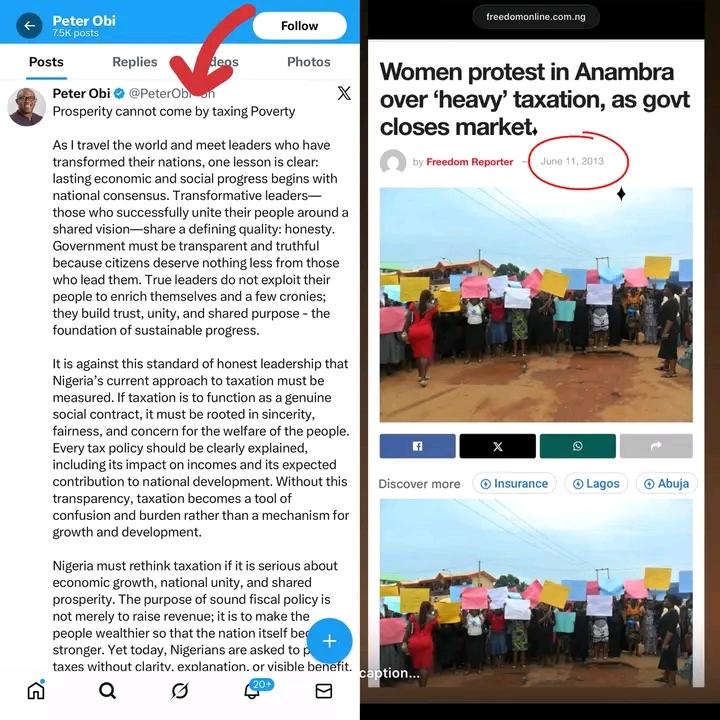
    While you were the Governor of Anambra, poverty increased in the state, yet you imposed new and heavy taxes on the people of Anambra.

    Please fact-check me: The poverty rate in Anambra was 41.4% in 2003, before you, Obi took office, and rose to 53.7% by 2009, during your governorship, a 29.7% increase.

    Yet, despite the rise in poverty under your watch as Governor, on Tuesday, June 11, 2013, you imposed new and heavy taxes on Anambra markets, prompting traders in the state to protest.

    And again, please fact-check me.

    When 600 traders from Eke Awka Market protested and filed an appeal against you, you insisted that they must pay your new, heavy taxes.

    At that, they led another protest to the Anambra State House of Assembly, barricaded it, and prevented legislative business from proceeding.

    And all this was happening while you, Peter, dishonestly hid your own money in tax havens, as shown in the Pandora Papers of the International Consortium of Investigative Journalists.

    Therefore, I find it strange that you, who increased poverty in Anambra and also simultaneously increased taxes, are now accusing the Tinubu administration, which has added $57 billion to our economy, of taxing the poor.

    And just so you know, your allegations show that you haven't read the new tax laws, because in those legislations, Nigerians earning less than ₦800,000 will not be taxed.

    Meaning that under President Tinubu, those petty traders in Anambra that you taxed to near death would have a tax holiday.

    So, please, Peter, reread your post, and direct it at yourself, because it is all about you, the man who taxed poverty in Anambra!

    You were taxing poverty as Anambra Governor, but President Tinubu is tackling poverty as Nigeria's President.

    ~ Reno Omokri

    Gospeller. Deep Thinker. #TableShaker. #1Bestselling author of Facts Versus Fiction: The True Story of the Jonathan Years. Hodophile. Hollywood Magazine Humanitarian of the Year, 2019. Business Insider Influencer of the Year 2022. 21st Most Talked About Person in Africa, 2024.
    Peter Obi: The Man Who Taxed Poverty in Anambra Dear Peter Obi, Thank you for your thoughts on the Tax Reform Act, which came into force yesterday, which was New Year's Day. However, it seems you have forgotten the following historical facts. While you were the Governor of Anambra, poverty increased in the state, yet you imposed new and heavy taxes on the people of Anambra. Please fact-check me: The poverty rate in Anambra was 41.4% in 2003, before you, Obi took office, and rose to 53.7% by 2009, during your governorship, a 29.7% increase. Yet, despite the rise in poverty under your watch as Governor, on Tuesday, June 11, 2013, you imposed new and heavy taxes on Anambra markets, prompting traders in the state to protest. And again, please fact-check me. When 600 traders from Eke Awka Market protested and filed an appeal against you, you insisted that they must pay your new, heavy taxes. At that, they led another protest to the Anambra State House of Assembly, barricaded it, and prevented legislative business from proceeding. And all this was happening while you, Peter, dishonestly hid your own money in tax havens, as shown in the Pandora Papers of the International Consortium of Investigative Journalists. Therefore, I find it strange that you, who increased poverty in Anambra and also simultaneously increased taxes, are now accusing the Tinubu administration, which has added $57 billion to our economy, of taxing the poor. And just so you know, your allegations show that you haven't read the new tax laws, because in those legislations, Nigerians earning less than ₦800,000 will not be taxed. Meaning that under President Tinubu, those petty traders in Anambra that you taxed to near death would have a tax holiday. So, please, Peter, reread your post, and direct it at yourself, because it is all about you, the man who taxed poverty in Anambra! You were taxing poverty as Anambra Governor, but President Tinubu is tackling poverty as Nigeria's President. ~ Reno Omokri Gospeller. Deep Thinker. #TableShaker. #1Bestselling author of Facts Versus Fiction: The True Story of the Jonathan Years. Hodophile. Hollywood Magazine Humanitarian of the Year, 2019. Business Insider Influencer of the Year 2022. 21st Most Talked About Person in Africa, 2024.
    like
    1
    · 0 Commentaires ·0 Parts ·3KB Vue
  • Bauchi Governor Bala Mohammed Confirms Nephew Duguri as Co-Defendant in ₦4.6 Billion EFCC Money Laundering Case, Alleges Political Persecution by Tinubu Government

    Bauchi State Governor Bala Mohammed has confirmed that Muntaka Mohammed Duguri, a key suspect in an ongoing ₦4.6 billion money laundering case filed by the Economic and Financial Crimes Commission (EFCC), is his nephew. Duguri is listed as a co-defendant alongside Bauchi State Commissioner for Finance, Yakubu Adamu, and the Managing Director of I.S. Makayye Investment Resources Ltd, Ishaku Mohammed Aliyu.

    The EFCC alleges that between June and December 2023, Adamu, while serving as a branch manager at Polaris Bank in Bauchi, conspired with Duguri and Aliyu to facilitate the conversion, concealment, and transfer of about ₦4.65 billion under the guise of financing motorcycle supplies to the Bauchi State Government. Parts of the funds were allegedly routed through third-party and nominee accounts, including transactions involving I.S. Makayye Investment Resources Ltd and a ₦165.9 million transfer to Ayab Agro Products and Freight Company Ltd.

    Duguri and Aliyu are reportedly at large, a situation that has stalled the arraignment of Adamu before the Federal High Court in Abuja. Speaking on Channels TV’s Sunrise Daily, Governor Mohammed denied the allegations, describing the case as politically motivated persecution by the Bola Tinubu administration. He claimed there was no evidence linking his nephew to the crime and said he had written to the Attorney General of the Federation, with plans to escalate the matter to the international community over alleged violations of his fundamental human rights.

    Meanwhile, sources familiar with the investigation allege witness suppression and flight, claiming Aliyu initially cooperated with the EFCC before being forced into hiding, while Duguri allegedly fled the country. The EFCC maintains that the alleged offences contravene Section 20(a) of the Money Laundering (Prevention and Prohibition) Act, 2022, as investigations and legal proceedings continue.
    Bauchi Governor Bala Mohammed Confirms Nephew Duguri as Co-Defendant in ₦4.6 Billion EFCC Money Laundering Case, Alleges Political Persecution by Tinubu Government Bauchi State Governor Bala Mohammed has confirmed that Muntaka Mohammed Duguri, a key suspect in an ongoing ₦4.6 billion money laundering case filed by the Economic and Financial Crimes Commission (EFCC), is his nephew. Duguri is listed as a co-defendant alongside Bauchi State Commissioner for Finance, Yakubu Adamu, and the Managing Director of I.S. Makayye Investment Resources Ltd, Ishaku Mohammed Aliyu. The EFCC alleges that between June and December 2023, Adamu, while serving as a branch manager at Polaris Bank in Bauchi, conspired with Duguri and Aliyu to facilitate the conversion, concealment, and transfer of about ₦4.65 billion under the guise of financing motorcycle supplies to the Bauchi State Government. Parts of the funds were allegedly routed through third-party and nominee accounts, including transactions involving I.S. Makayye Investment Resources Ltd and a ₦165.9 million transfer to Ayab Agro Products and Freight Company Ltd. Duguri and Aliyu are reportedly at large, a situation that has stalled the arraignment of Adamu before the Federal High Court in Abuja. Speaking on Channels TV’s Sunrise Daily, Governor Mohammed denied the allegations, describing the case as politically motivated persecution by the Bola Tinubu administration. He claimed there was no evidence linking his nephew to the crime and said he had written to the Attorney General of the Federation, with plans to escalate the matter to the international community over alleged violations of his fundamental human rights. Meanwhile, sources familiar with the investigation allege witness suppression and flight, claiming Aliyu initially cooperated with the EFCC before being forced into hiding, while Duguri allegedly fled the country. The EFCC maintains that the alleged offences contravene Section 20(a) of the Money Laundering (Prevention and Prohibition) Act, 2022, as investigations and legal proceedings continue.
    0 Commentaires ·0 Parts ·1KB Vue
  • Primate Ayodele Warns Tinubu of Imminent Reprisal Attacks After US Airstrikes in Sokoto, Says Terrorists Are Ready and Government Must Prepare

    Popular Lagos-based cleric and founder of the INRI Evangelical Spiritual Church, Primate Babatunde Elijah Ayodele, has issued a strong warning to President Bola Ahmed Tinubu over Nigeria’s worsening security situation following recent United States airstrikes on suspected terrorist hideouts in Sokoto State.
    In a statement released through his media aide, Primate Ayodele cautioned Nigerians against celebrating the US-led military action, arguing that the strikes do not represent genuine support for Nigeria but rather serve America’s strategic interests. According to the cleric, the operation has exposed what he described as the weakness of the Tinubu administration in tackling insecurity, banditry and terrorism.
    Primate Ayodele claimed that terrorists and bandits affected by the airstrikes are already planning heavy reprisals and warned that further attacks could occur. He stressed that kidnapping, terrorism and general insecurity would not end through foreign intervention alone, insisting that Nigeria must take full responsibility for its security challenges. He urged the federal government and the Nigerian military to unite, strengthen intelligence gathering and prepare strategically for possible counter-attacks.
    “The government must get prepared,” Ayodele warned, stating that another bombing and violent retaliation could follow, as criminal groups are allegedly ready for the consequences of the recent strikes.
    His comments come amid intense national debate over the Christmas Day US airstrikes, which the Nigerian Army confirmed were carried out in collaboration with the United States Africa Command against Lakurawa terrorist camps in Sokoto. While the military says the operation degraded terrorist capacity, critics and religious leaders, including Sheikh Ahmad Gumi, have questioned the approach and called for alternative solutions such as education, dialogue and social support for vulnerable communities.
    The warning adds to growing concerns about Nigeria’s security outlook, as authorities continue to battle terrorists, bandits and kidnappers across several regions of the country, despite reported successes by the Nigerian Army and Air Force in neutralising criminal elements.
    Primate Ayodele Warns Tinubu of Imminent Reprisal Attacks After US Airstrikes in Sokoto, Says Terrorists Are Ready and Government Must Prepare Popular Lagos-based cleric and founder of the INRI Evangelical Spiritual Church, Primate Babatunde Elijah Ayodele, has issued a strong warning to President Bola Ahmed Tinubu over Nigeria’s worsening security situation following recent United States airstrikes on suspected terrorist hideouts in Sokoto State. In a statement released through his media aide, Primate Ayodele cautioned Nigerians against celebrating the US-led military action, arguing that the strikes do not represent genuine support for Nigeria but rather serve America’s strategic interests. According to the cleric, the operation has exposed what he described as the weakness of the Tinubu administration in tackling insecurity, banditry and terrorism. Primate Ayodele claimed that terrorists and bandits affected by the airstrikes are already planning heavy reprisals and warned that further attacks could occur. He stressed that kidnapping, terrorism and general insecurity would not end through foreign intervention alone, insisting that Nigeria must take full responsibility for its security challenges. He urged the federal government and the Nigerian military to unite, strengthen intelligence gathering and prepare strategically for possible counter-attacks. “The government must get prepared,” Ayodele warned, stating that another bombing and violent retaliation could follow, as criminal groups are allegedly ready for the consequences of the recent strikes. His comments come amid intense national debate over the Christmas Day US airstrikes, which the Nigerian Army confirmed were carried out in collaboration with the United States Africa Command against Lakurawa terrorist camps in Sokoto. While the military says the operation degraded terrorist capacity, critics and religious leaders, including Sheikh Ahmad Gumi, have questioned the approach and called for alternative solutions such as education, dialogue and social support for vulnerable communities. The warning adds to growing concerns about Nigeria’s security outlook, as authorities continue to battle terrorists, bandits and kidnappers across several regions of the country, despite reported successes by the Nigerian Army and Air Force in neutralising criminal elements.
    0 Commentaires ·0 Parts ·914 Vue
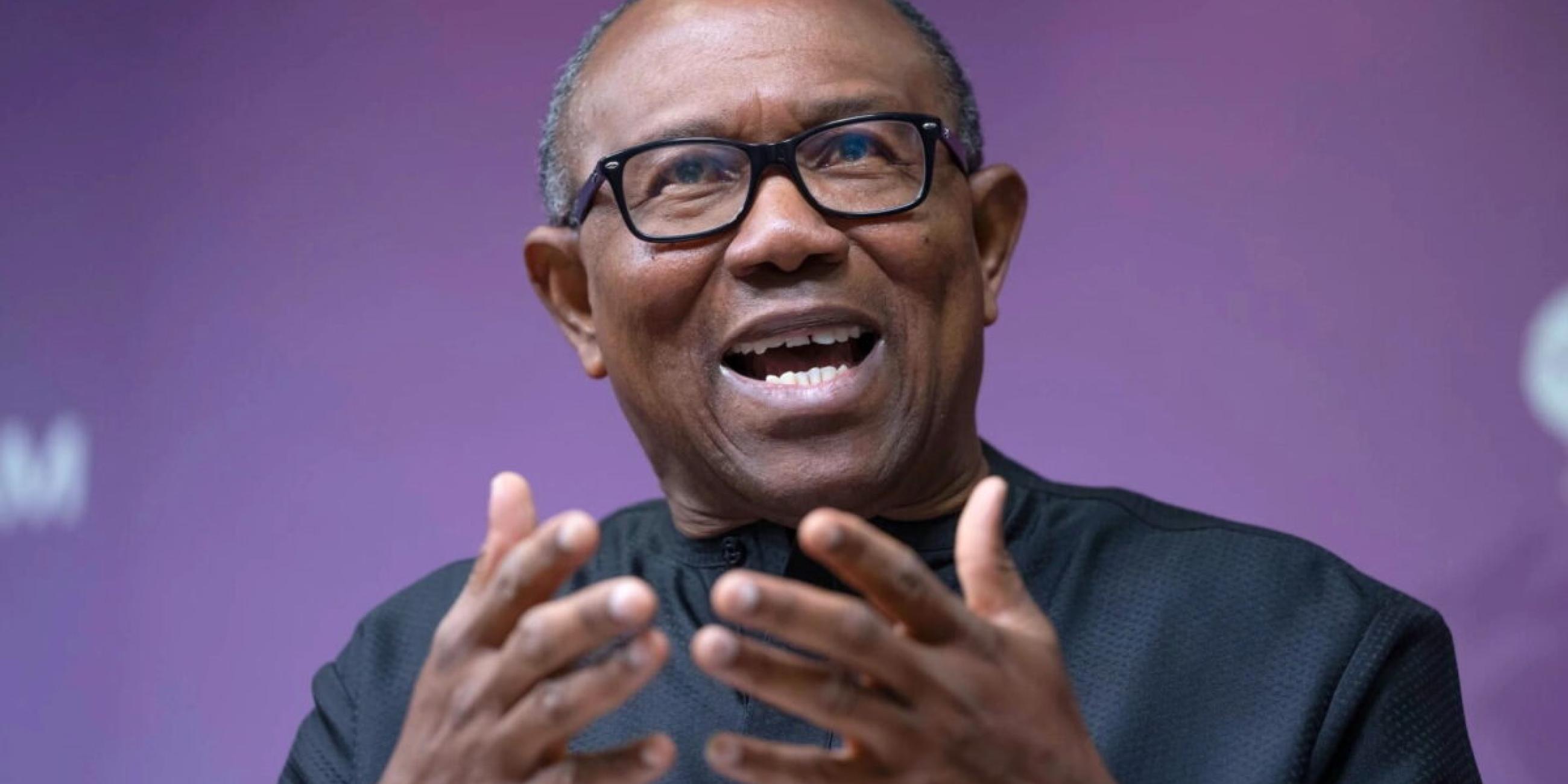
  • Peter Obi Accuses Tinubu Administration of Looting Nigeria, Blames Government for Rising Poverty and Misrule

    Former Anambra State Governor and 2023 Labour Party presidential candidate, Peter Obi, has strongly criticized President Bola Tinubu’s administration, accusing it of worsening poverty, insecurity, and unemployment in Nigeria. Speaking during his defection to ADC, Obi claimed the government has failed in governance, weakened democratic institutions, and imposed exploitative fiscal policies, including controversial tax reforms. He emphasized that Nigeria is “looted into poverty” due to poor leadership and called for honest, transparent, and unifying governance to reverse the country’s decline.

    #PeterObi #TinubuAdministration #NigeriaPolitics #PovertyCrisis #GoodGovernance #NationalUnity
    Peter Obi Accuses Tinubu Administration of Looting Nigeria, Blames Government for Rising Poverty and Misrule Former Anambra State Governor and 2023 Labour Party presidential candidate, Peter Obi, has strongly criticized President Bola Tinubu’s administration, accusing it of worsening poverty, insecurity, and unemployment in Nigeria. Speaking during his defection to ADC, Obi claimed the government has failed in governance, weakened democratic institutions, and imposed exploitative fiscal policies, including controversial tax reforms. He emphasized that Nigeria is “looted into poverty” due to poor leadership and called for honest, transparent, and unifying governance to reverse the country’s decline. #PeterObi #TinubuAdministration #NigeriaPolitics #PovertyCrisis #GoodGovernance #NationalUnity
    like
    1
    · 0 Commentaires ·0 Parts ·1KB Vue
  • PDP Accuses President Tinubu of Prioritizing Revenue Over Citizens’ Welfare as New Tax Laws Set to Commence January 1, 2026

    The Peoples Democratic Party (PDP) has criticized President Bola Ahmed Tinubu for insisting on the January 1, 2026 commencement of Nigeria’s new Tax Act, alleging that the administration prioritizes revenue generation over citizens’ welfare. The opposition party cited discrepancies between the harmonised version passed by the National Assembly and the version gazetted, claiming that some previously expunged provisions were allegedly reinserted. PDP called for an immediate suspension of the law’s implementation pending a full investigation into these alleged insertions. The party highlighted past economic decisions, including the removal of fuel subsidy, as evidence that the Tinubu administration often prioritizes fiscal considerations over public well-being. President Tinubu, however, maintains that the tax reforms aim to strengthen Nigeria’s fiscal framework, harmonize the system, and support a structural reset without raising taxes. The PDP insists that ignoring public concerns reinforces the perception that the government values money over the people.
    PDP Accuses President Tinubu of Prioritizing Revenue Over Citizens’ Welfare as New Tax Laws Set to Commence January 1, 2026 The Peoples Democratic Party (PDP) has criticized President Bola Ahmed Tinubu for insisting on the January 1, 2026 commencement of Nigeria’s new Tax Act, alleging that the administration prioritizes revenue generation over citizens’ welfare. The opposition party cited discrepancies between the harmonised version passed by the National Assembly and the version gazetted, claiming that some previously expunged provisions were allegedly reinserted. PDP called for an immediate suspension of the law’s implementation pending a full investigation into these alleged insertions. The party highlighted past economic decisions, including the removal of fuel subsidy, as evidence that the Tinubu administration often prioritizes fiscal considerations over public well-being. President Tinubu, however, maintains that the tax reforms aim to strengthen Nigeria’s fiscal framework, harmonize the system, and support a structural reset without raising taxes. The PDP insists that ignoring public concerns reinforces the perception that the government values money over the people.
    1 Commentaires ·0 Parts ·488 Vue
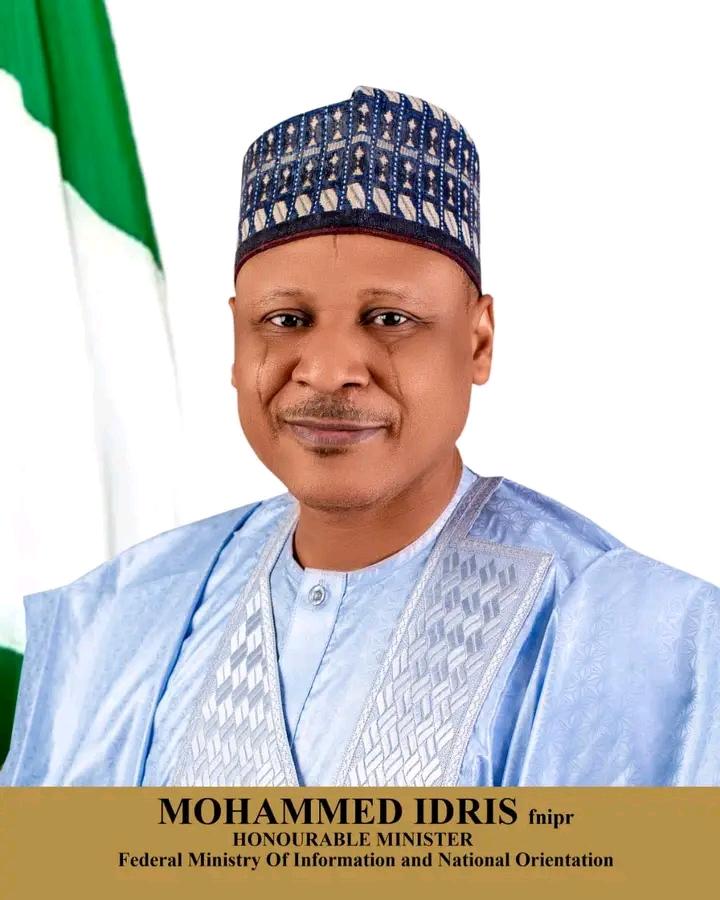
  • Tinubu Government Denies ‘ADP4VIP’ Plot to Arrest and Detain Opposition Figures, Calls Allegations Fake and Baseless Disinformation

    The Federal Government has firmly denied allegations that it established a secret programme known as “ADP4VIP” to arrest, detain, or prosecute opposition politicians in Nigeria. In a statement issued on December 30, 2025, and signed by the Minister of Information and National Orientation, Mohammed Idris, the government described the claims as false, fabricated, and deliberately misleading. According to the government, the alleged programme—which purportedly involved a multi-agency task force comprising the EFCC, ICPC, and NFIU under the coordination of the Office of the National Security Adviser—does not exist. The administration said the forged document behind the claims was designed to portray lawful accountability as political persecution, particularly targeting members of the African Democratic Congress (ADC). Reaffirming President Bola Tinubu’s commitment to democracy, the rule of law, and constitutional freedoms, the government cited Section 40 of the 1999 Constitution, which guarantees freedom of association. It stressed that law enforcement and anti-corruption agencies operate independently and within legal boundaries. The government also warned Nigerians against the spread of misinformation and fake news as the 2027 general elections approach, cautioning that political actors may increasingly deploy disinformation for relevance. Despite accusations of a crackdown on opposition parties, the Tinubu administration insisted it remains focused on economic reforms, tackling insecurity, restoring investor confidence, and delivering measurable progress for Nigerians.
    Tinubu Government Denies ‘ADP4VIP’ Plot to Arrest and Detain Opposition Figures, Calls Allegations Fake and Baseless Disinformation The Federal Government has firmly denied allegations that it established a secret programme known as “ADP4VIP” to arrest, detain, or prosecute opposition politicians in Nigeria. In a statement issued on December 30, 2025, and signed by the Minister of Information and National Orientation, Mohammed Idris, the government described the claims as false, fabricated, and deliberately misleading. According to the government, the alleged programme—which purportedly involved a multi-agency task force comprising the EFCC, ICPC, and NFIU under the coordination of the Office of the National Security Adviser—does not exist. The administration said the forged document behind the claims was designed to portray lawful accountability as political persecution, particularly targeting members of the African Democratic Congress (ADC). Reaffirming President Bola Tinubu’s commitment to democracy, the rule of law, and constitutional freedoms, the government cited Section 40 of the 1999 Constitution, which guarantees freedom of association. It stressed that law enforcement and anti-corruption agencies operate independently and within legal boundaries. The government also warned Nigerians against the spread of misinformation and fake news as the 2027 general elections approach, cautioning that political actors may increasingly deploy disinformation for relevance. Despite accusations of a crackdown on opposition parties, the Tinubu administration insisted it remains focused on economic reforms, tackling insecurity, restoring investor confidence, and delivering measurable progress for Nigerians.
    0 Commentaires ·0 Parts ·1KB Vue
  • FG Reaffirms Unwavering Commitment to Rule of Law, Dismisses Fabricated Allegations of Targeting Opposition

    The Federal Government of Nigeria categorically states that it harbours no plans to unlawfully arrest, detain, or prosecute opposition figures. This clarification is in response to a fabricated document in circulation alleging the establishment of a non-existent multi-agency task force for a purported programme tagged “ADP4VIP” (Arrest, Detain, Prosecute for Very Important Persons).

    The baseless document falsely claims that a task force comprising the Economic and Financial Crimes Commission (EFCC), the Independent Corrupt Practices and Other Related Offences Commission (ICPC), and the Nigerian Financial Intelligence Unit (NFIU), coordinated by the Office of the National Security Adviser, aims to aggressively target prominent opposition figures without due process.

    The authors of this deliberate disinformation imprudently cite “multiple credible sources” to allege a planned “systematic weakening and neutralisation of opposition political activity,” particularly within the African Democratic Congress (ADC).

    The Federal Government wishes to state emphatically:

    1. There is no such programme as “ADP4VIP.”

    2. The administration of President Bola Ahmed Tinubu, GCFR, is firmly and successfully focused on its core agenda: implementing measurable economic reforms, defeating insecurity, expanding trade opportunities, and restoring investor confidence.

    3. The attempt by some opposition elements to frame lawful accountability as political targeting is a dangerous red herring designed to shield so-called VIPs from answering to our national laws and anti-corruption agencies.

    The Government underscores its foundational principles. Section 40 of the 1999 Constitution (as amended) guarantees every Nigerian the right to freely associate and assemble. President Tinubu swore an oath to uphold this Constitution and its protections, including the freedoms of association and religion. He is a democrat with considerable and positive footprints.

    Under President Tinubu's leadership, the Federal Government remains unwavering in its commitment to the rule of law, due process, and the independence of institutions. Nigeria is a constitutional democracy where law enforcement and judicial agencies are obligated to perform their duties professionally, without interference, and in the nation's best interest.

    Politicians and citizens are therefore enjoined to desist from engaging in disinformation, misinformation, and fake news, especially in an era where credibility is intrinsically linked to informational fidelity.

    With the 2027 general elections on the horizon, the public should anticipate an increase in fabricated narratives and political blackmail by actors who employ falsehood as a strategy for relevance. We urge all Nigerians to remain vigilant and to reject the politics of distortion and division.

    Every Nigerian retains the constitutional right to lawful association and political activity. Concurrently, our security and anti-corruption institutions retain the lawful mandate to operate in the nation's interest.

    As we draw the curtain on 2025 and step into a new year, this government will not be distracted by those invested in perpetual politicking. Nigerians deserve continuity, progress, and tangible results—and that is what the Tinubu Administration remains dedicated to delivering.

    Mohammed Idris, fnipr
    Honourable Minister of Information and National Orientation
    Federal Republic of Nigeria

    Tuesday, December 30, 2025.
    FG Reaffirms Unwavering Commitment to Rule of Law, Dismisses Fabricated Allegations of Targeting Opposition The Federal Government of Nigeria categorically states that it harbours no plans to unlawfully arrest, detain, or prosecute opposition figures. This clarification is in response to a fabricated document in circulation alleging the establishment of a non-existent multi-agency task force for a purported programme tagged “ADP4VIP” (Arrest, Detain, Prosecute for Very Important Persons). The baseless document falsely claims that a task force comprising the Economic and Financial Crimes Commission (EFCC), the Independent Corrupt Practices and Other Related Offences Commission (ICPC), and the Nigerian Financial Intelligence Unit (NFIU), coordinated by the Office of the National Security Adviser, aims to aggressively target prominent opposition figures without due process. The authors of this deliberate disinformation imprudently cite “multiple credible sources” to allege a planned “systematic weakening and neutralisation of opposition political activity,” particularly within the African Democratic Congress (ADC). The Federal Government wishes to state emphatically: 1. There is no such programme as “ADP4VIP.” 2. The administration of President Bola Ahmed Tinubu, GCFR, is firmly and successfully focused on its core agenda: implementing measurable economic reforms, defeating insecurity, expanding trade opportunities, and restoring investor confidence. 3. The attempt by some opposition elements to frame lawful accountability as political targeting is a dangerous red herring designed to shield so-called VIPs from answering to our national laws and anti-corruption agencies. The Government underscores its foundational principles. Section 40 of the 1999 Constitution (as amended) guarantees every Nigerian the right to freely associate and assemble. President Tinubu swore an oath to uphold this Constitution and its protections, including the freedoms of association and religion. He is a democrat with considerable and positive footprints. Under President Tinubu's leadership, the Federal Government remains unwavering in its commitment to the rule of law, due process, and the independence of institutions. Nigeria is a constitutional democracy where law enforcement and judicial agencies are obligated to perform their duties professionally, without interference, and in the nation's best interest. Politicians and citizens are therefore enjoined to desist from engaging in disinformation, misinformation, and fake news, especially in an era where credibility is intrinsically linked to informational fidelity. With the 2027 general elections on the horizon, the public should anticipate an increase in fabricated narratives and political blackmail by actors who employ falsehood as a strategy for relevance. We urge all Nigerians to remain vigilant and to reject the politics of distortion and division. Every Nigerian retains the constitutional right to lawful association and political activity. Concurrently, our security and anti-corruption institutions retain the lawful mandate to operate in the nation's interest. As we draw the curtain on 2025 and step into a new year, this government will not be distracted by those invested in perpetual politicking. Nigerians deserve continuity, progress, and tangible results—and that is what the Tinubu Administration remains dedicated to delivering. Mohammed Idris, fnipr Honourable Minister of Information and National Orientation Federal Republic of Nigeria Tuesday, December 30, 2025.
    0 Commentaires ·0 Parts ·1KB Vue
Plus de résultats
Fintter https://fintter.com