• Libya Horror Exposed: Authorities Raid Secret Underground Prison, Rescue Over 200 Migrants in Kufra

    Libyan security forces have uncovered a secret underground prison in Kufra town, freeing more than 200 migrants held in brutal conditions. The hidden facility, nearly three metres underground, was allegedly operated by a human trafficker who is still at large. Some victims, including women and children from Somalia and Eritrea, were reportedly detained for up to two years. Authorities described the discovery as one of the worst crimes against humanity in the region, highlighting Libya’s ongoing migrant abuse crisis amid weak security and trafficking networks.

    #LibyaCrisis
    #HumanTrafficking
    #MigrantAbuse
    Libya Horror Exposed: Authorities Raid Secret Underground Prison, Rescue Over 200 Migrants in Kufra Libyan security forces have uncovered a secret underground prison in Kufra town, freeing more than 200 migrants held in brutal conditions. The hidden facility, nearly three metres underground, was allegedly operated by a human trafficker who is still at large. Some victims, including women and children from Somalia and Eritrea, were reportedly detained for up to two years. Authorities described the discovery as one of the worst crimes against humanity in the region, highlighting Libya’s ongoing migrant abuse crisis amid weak security and trafficking networks. #LibyaCrisis #HumanTrafficking #MigrantAbuse
    love
    1
    · 0 Commentaires ·0 Parts ·3KB Vue
  • African Union Rejects Recognition of Somaliland, Reaffirms Commitment to Somalia’s Unity, Sovereignty and Territorial Integrity

    The African Union has firmly rejected any move to recognise Somaliland as an independent state, reiterating its long-standing support for the unity, sovereignty and territorial integrity of Somalia. In a statement issued on December 27, 2025, the Chairperson of the African Union Commission, Mahmoud Ali Youssouf, warned that recognising Somaliland would violate the AU Constitutive Act and the principle of respecting borders inherited at independence. He cautioned that such actions could set a dangerous precedent and threaten peace and stability across Africa. The AU reaffirmed its full backing for Somalia’s federal authorities, stressing its commitment to peace-building, state consolidation and inclusive governance, despite renewed international debate following Israel’s recognition of Somaliland.
    African Union Rejects Recognition of Somaliland, Reaffirms Commitment to Somalia’s Unity, Sovereignty and Territorial Integrity The African Union has firmly rejected any move to recognise Somaliland as an independent state, reiterating its long-standing support for the unity, sovereignty and territorial integrity of Somalia. In a statement issued on December 27, 2025, the Chairperson of the African Union Commission, Mahmoud Ali Youssouf, warned that recognising Somaliland would violate the AU Constitutive Act and the principle of respecting borders inherited at independence. He cautioned that such actions could set a dangerous precedent and threaten peace and stability across Africa. The AU reaffirmed its full backing for Somalia’s federal authorities, stressing its commitment to peace-building, state consolidation and inclusive governance, despite renewed international debate following Israel’s recognition of Somaliland.
    0 Commentaires ·0 Parts ·496 Vue
  • Christmas in Africa: 6 Countries That Don’t Celebrate the Birth of Jesus

    While Christmas on December 25 is widely celebrated by Christians around the world, some African countries do not observe it as a public holiday. According to reports, Algeria, Libya, Somalia, Mauritania, Guinea-Bissau, and Morocco fall into this category. In these countries, Christmas celebrations are either private, limited to small Christian communities, or geared toward tourists. Factors include low Christian populations, safety concerns, or religious laws prohibiting non-Islamic festivities. For instance, Somalia bans Christmas entirely, and in Morocco, public observances are rare despite minor decorations in cities and tourist centers.
    Christmas in Africa: 6 Countries That Don’t Celebrate the Birth of Jesus While Christmas on December 25 is widely celebrated by Christians around the world, some African countries do not observe it as a public holiday. According to reports, Algeria, Libya, Somalia, Mauritania, Guinea-Bissau, and Morocco fall into this category. In these countries, Christmas celebrations are either private, limited to small Christian communities, or geared toward tourists. Factors include low Christian populations, safety concerns, or religious laws prohibiting non-Islamic festivities. For instance, Somalia bans Christmas entirely, and in Morocco, public observances are rare despite minor decorations in cities and tourist centers.
    0 Commentaires ·0 Parts ·1KB Vue
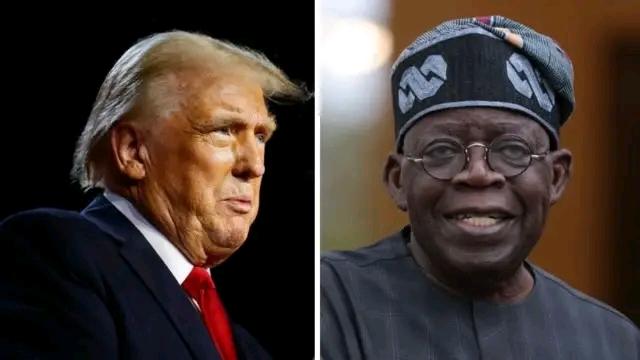
  • Nigerians now banned from travelling to US as Trump expands travel restriction list

    President Donald Trump on Tuesday, December 16, signed a proclamation further restricting entry into the United States for nationals of countries identified as high risk due to what the White House described as persistent and severe deficiencies in screening, vetting and information sharing that threaten national security and public safety.

    Among the 15 additional countries placed under partial entry restrictions is Nigeria. The decision was announced in a fact sheet published on the White House website on December 16, 2025, titled “President Donald J. Trump Further Restricts and Limits the Entry of Foreign Nationals to Protect the Security of the United States”.

    The White House said the move was aimed at strengthening national security through what it called common sense restrictions based on data.

    The proclamation maintains full entry restrictions on nationals from the original 12 countries previously listed under Proclamation 10949. These countries are Afghanistan, Burma, Chad, Republic of the Congo, Equatorial Guinea, Eritrea, Haiti, Iran, Libya, Somalia, Sudan and Yemen.

    It also introduces full restrictions on five additional countries, namely Burkina Faso, Mali, Niger, South Sudan and Syria, as well as individuals holding travel documents issued by the Palestinian Authority. Laos and Sierra Leone, which were previously under partial restrictions, have now been placed under full restrictions.

    Nationals of Burundi, Cuba, Togo and Venezuela remain subject to partial restrictions.

    In addition, the proclamation imposes partial entry restrictions on 15 more countries. These include Angola, Antigua and Barbuda, Benin, Cote d’Ivoire, Dominica, Gabon, The Gambia, Malawi, Mauritania, Nigeria, Senegal, Tanzania, Tonga, Zambia and Zimbabwe.

    The fact sheet states that exemptions remain in place for lawful permanent residents, existing visa holders, certain visa categories such as athletes and diplomats, and individuals whose entry is deemed to serve United States national interests.
    Nigerians now banned from travelling to US as Trump expands travel restriction list President Donald Trump on Tuesday, December 16, signed a proclamation further restricting entry into the United States for nationals of countries identified as high risk due to what the White House described as persistent and severe deficiencies in screening, vetting and information sharing that threaten national security and public safety. Among the 15 additional countries placed under partial entry restrictions is Nigeria. The decision was announced in a fact sheet published on the White House website on December 16, 2025, titled “President Donald J. Trump Further Restricts and Limits the Entry of Foreign Nationals to Protect the Security of the United States”. The White House said the move was aimed at strengthening national security through what it called common sense restrictions based on data. The proclamation maintains full entry restrictions on nationals from the original 12 countries previously listed under Proclamation 10949. These countries are Afghanistan, Burma, Chad, Republic of the Congo, Equatorial Guinea, Eritrea, Haiti, Iran, Libya, Somalia, Sudan and Yemen. It also introduces full restrictions on five additional countries, namely Burkina Faso, Mali, Niger, South Sudan and Syria, as well as individuals holding travel documents issued by the Palestinian Authority. Laos and Sierra Leone, which were previously under partial restrictions, have now been placed under full restrictions. Nationals of Burundi, Cuba, Togo and Venezuela remain subject to partial restrictions. In addition, the proclamation imposes partial entry restrictions on 15 more countries. These include Angola, Antigua and Barbuda, Benin, Cote d’Ivoire, Dominica, Gabon, The Gambia, Malawi, Mauritania, Nigeria, Senegal, Tanzania, Tonga, Zambia and Zimbabwe. The fact sheet states that exemptions remain in place for lawful permanent residents, existing visa holders, certain visa categories such as athletes and diplomats, and individuals whose entry is deemed to serve United States national interests.
    0 Commentaires ·0 Parts ·2KB Vue

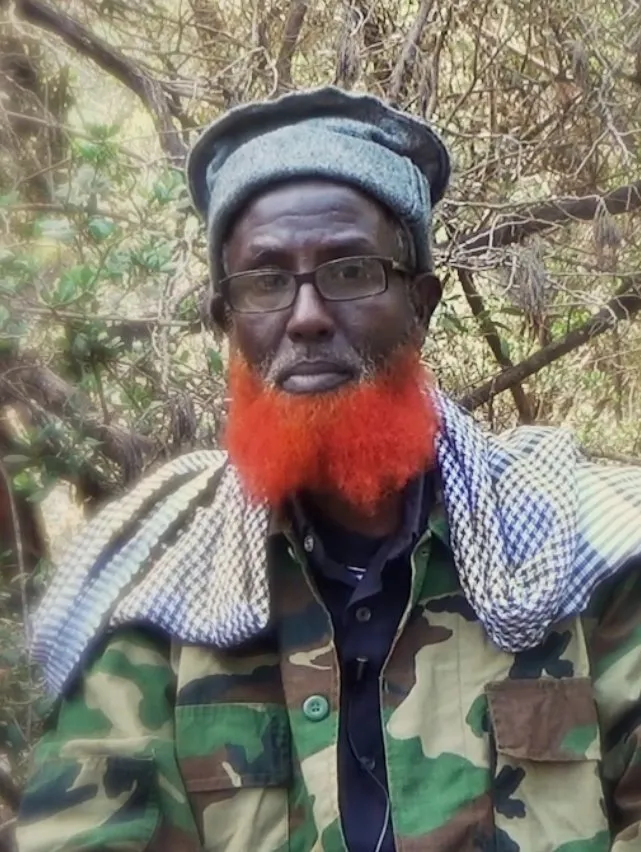
  • New ISIS leader Abdul Qadir Mumin ran terror operations from a cave in Somalia after preaching in UK mosques for years.

    Mumin, an orange-bearded and elusive terrorist, now commands ISIS forces from Puntland as the operational head of ISIS' General Directorate of the Provinces (GDP), which coordinates the activities of ISIS branches across the world.

    Born in Somalia in the 1950s, he fled the civil war, living in a Somali area in Gothenburg, Sweden, before moving to the UK around 2000.

    There, he preached at Quba Mosque in Leicester and Greenwich Mosque in London, recruiting young Britons to join Islamist terrorist groups in Somalia.

    He crossed paths with notorious terrorists, including infamous Jihadi John and Lee Rigby's murderer Michael Adebolajo. Mumin left the UK in 2010, abandoning his wife and three children, who remain in Slough with no contact.

    "We have not seen or heard from him in more than 10 years. We have nothing to do with him. The kids know who he is, but they don't have any contact with him either."

    After returning to Somalia, he pledged allegiance to al-Shabaab, then defected to ISIS in 2015, growing its Somalian cell from 30 to around 1,200 fighters by 2024.

    Somali and US forces have hunted Mumin since early 2025. Airstrikes on Puntland caves several weeks ago killed several, but Mumin remains at large.

    Mumin's new position has drawn criticism from other jihadists, who claim that only an Arab descendent of Prophet Muhammed from the Quraysh tribe, can take the role as leader. They argue that Mumin's African roots disqualify him from being the leader of ISIS.
    New ISIS leader Abdul Qadir Mumin ran terror operations from a cave in Somalia after preaching in UK mosques for years. Mumin, an orange-bearded and elusive terrorist, now commands ISIS forces from Puntland as the operational head of ISIS' General Directorate of the Provinces (GDP), which coordinates the activities of ISIS branches across the world. Born in Somalia in the 1950s, he fled the civil war, living in a Somali area in Gothenburg, Sweden, before moving to the UK around 2000. There, he preached at Quba Mosque in Leicester and Greenwich Mosque in London, recruiting young Britons to join Islamist terrorist groups in Somalia. He crossed paths with notorious terrorists, including infamous Jihadi John and Lee Rigby's murderer Michael Adebolajo. Mumin left the UK in 2010, abandoning his wife and three children, who remain in Slough with no contact. "We have not seen or heard from him in more than 10 years. We have nothing to do with him. The kids know who he is, but they don't have any contact with him either." After returning to Somalia, he pledged allegiance to al-Shabaab, then defected to ISIS in 2015, growing its Somalian cell from 30 to around 1,200 fighters by 2024. Somali and US forces have hunted Mumin since early 2025. Airstrikes on Puntland caves several weeks ago killed several, but Mumin remains at large. Mumin's new position has drawn criticism from other jihadists, who claim that only an Arab descendent of Prophet Muhammed from the Quraysh tribe, can take the role as leader. They argue that Mumin's African roots disqualify him from being the leader of ISIS.
    0 Commentaires ·0 Parts ·542 Vue
  • JUST IN: The Minneapolis police chief is demanding Somalians and residents CALL 911 on ICE if they start arresting 3rd world migrants with a mask on, and accuse them of "KIDNAPPING"

    Unbelievable!
    JUST IN: The Minneapolis police chief is demanding Somalians and residents CALL 911 on ICE if they start arresting 3rd world migrants with a mask on, and accuse them of "KIDNAPPING" Unbelievable!
    0 Commentaires ·0 Parts ·807 Vue
  • Nigeria Ranked Lowest in Global Life Expectancy Report.

    Nigeria has been ranked as the country with the lowest life expectancy in the world, with an average lifespan of 54.9 years, according to the latest United Nations World Population Prospects report.

    The data shows that Nigerian men live an average of 54.3 years, while women live slightly longer at 54.9 years. This places Nigeria at the bottom of the global list, followed closely by Chad (55.2 years) and South Sudan and the Central African Republic (57.7 years).

    The UN report reveals that 22 of the 25 countries with the lowest life expectancy are in sub-Saharan Africa. Other countries on the list include Lesotho (57.8 years), Somalia (59.0 years) and Mali (60.7 years).

    Health experts attribute Nigeria’s low ranking to persistent challenges such as high maternal and infant mortality, p++r healthcare access, and insecurity in several regions. The World Health Organisation (WHO) also cites chronic diseases — including cancer, cardiovascular conditions, diabetes, and mental health disorders — as major causes of death and disability worldwide.

    The Federal Ministry of Health has pledged reforms to expand universal health coverage and strengthen public health infrastructure, though progress has been limited.

    However, medical expert Dr. Raymond Kuti questioned the UN’s assessment, insisting that Nigeria’s life expectancy may be higher than reported. “The criteria they use is always faulty. They just want us to believe that we have a low lifespan,” he said. While acknowledging the impact of diseases on lifespan, he stressed the need for accurate and locally sourced data to reflect Nigeria’s true health realities.

    International organisations continue to urge greater investment in healthcare, nutrition, and sanitation to improve living standards and increase life expectancy across the country.
    Nigeria Ranked Lowest in Global Life Expectancy Report. Nigeria has been ranked as the country with the lowest life expectancy in the world, with an average lifespan of 54.9 years, according to the latest United Nations World Population Prospects report. The data shows that Nigerian men live an average of 54.3 years, while women live slightly longer at 54.9 years. This places Nigeria at the bottom of the global list, followed closely by Chad (55.2 years) and South Sudan and the Central African Republic (57.7 years). The UN report reveals that 22 of the 25 countries with the lowest life expectancy are in sub-Saharan Africa. Other countries on the list include Lesotho (57.8 years), Somalia (59.0 years) and Mali (60.7 years). Health experts attribute Nigeria’s low ranking to persistent challenges such as high maternal and infant mortality, p++r healthcare access, and insecurity in several regions. The World Health Organisation (WHO) also cites chronic diseases — including cancer, cardiovascular conditions, diabetes, and mental health disorders — as major causes of death and disability worldwide. The Federal Ministry of Health has pledged reforms to expand universal health coverage and strengthen public health infrastructure, though progress has been limited. However, medical expert Dr. Raymond Kuti questioned the UN’s assessment, insisting that Nigeria’s life expectancy may be higher than reported. “The criteria they use is always faulty. They just want us to believe that we have a low lifespan,” he said. While acknowledging the impact of diseases on lifespan, he stressed the need for accurate and locally sourced data to reflect Nigeria’s true health realities. International organisations continue to urge greater investment in healthcare, nutrition, and sanitation to improve living standards and increase life expectancy across the country.
    0 Commentaires ·0 Parts ·782 Vue
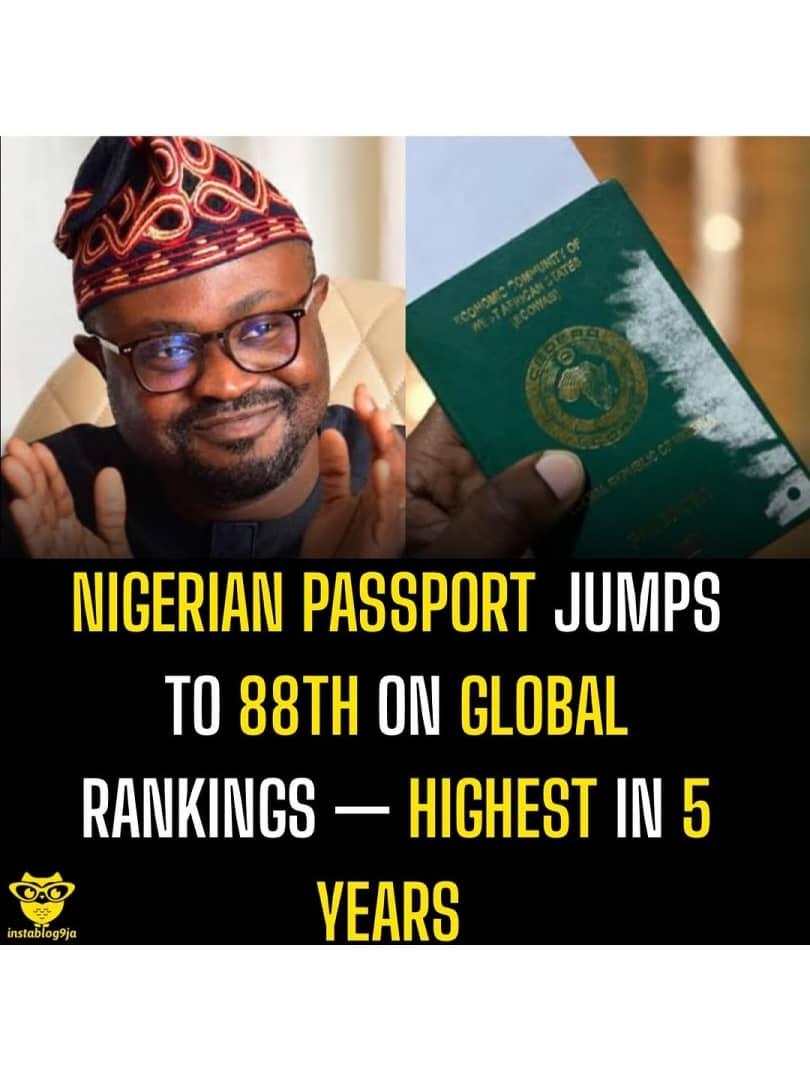
  • Nigerian Passport Jumps to 88th on Global Rankings — Highest in 5 Years.

    Nigeria’s passport has reached its highest position in five years, climbing to 88th out of 199 countries in the latest Henley Passport Index released on July 18.

    The ranking, based on data from the International Air Transport Association (IATA) and expert analysis, places Nigeria alongside Ethiopia and Myanmar, countries it was previously grouped with when ranked 91st earlier this year.

    Despite the slight improvement, the Nigerian passport still only allows visa-free access to 45 countries, similar to last year when it ranked 92nd. In July 2023, Nigeria was ranked 90th but later dropped to 97th, trailing behind African nations like Burundi, Cameroon, and Liberia. The passport ranked 98th in 2022 and had dropped as low as 103rd in 2021.

    In the latest index, Nigeria ranked above just six African countries: Democratic Republic of Congo (DRC), South Sudan, Sudan, Eritrea, Libya, and Somalia—similar to last year’s standings.

    Seychelles maintained its position as Africa’s most powerful passport, despite slipping from 22nd to 24th globally, offering visa-free access to 156 destinations.

    Globally, Singapore remains the strongest passport, granting access to 193 countries, while Afghanistan continues to rank last, with visa-free access to only 25. The United States, which once topped the index in 2014, now sits at 10th place.
    Nigerian Passport Jumps to 88th on Global Rankings — Highest in 5 Years. Nigeria’s passport has reached its highest position in five years, climbing to 88th out of 199 countries in the latest Henley Passport Index released on July 18. The ranking, based on data from the International Air Transport Association (IATA) and expert analysis, places Nigeria alongside Ethiopia and Myanmar, countries it was previously grouped with when ranked 91st earlier this year. Despite the slight improvement, the Nigerian passport still only allows visa-free access to 45 countries, similar to last year when it ranked 92nd. In July 2023, Nigeria was ranked 90th but later dropped to 97th, trailing behind African nations like Burundi, Cameroon, and Liberia. The passport ranked 98th in 2022 and had dropped as low as 103rd in 2021. In the latest index, Nigeria ranked above just six African countries: Democratic Republic of Congo (DRC), South Sudan, Sudan, Eritrea, Libya, and Somalia—similar to last year’s standings. Seychelles maintained its position as Africa’s most powerful passport, despite slipping from 22nd to 24th globally, offering visa-free access to 156 destinations. Globally, Singapore remains the strongest passport, granting access to 193 countries, while Afghanistan continues to rank last, with visa-free access to only 25. The United States, which once topped the index in 2014, now sits at 10th place.
    0 Commentaires ·0 Parts ·877 Vue
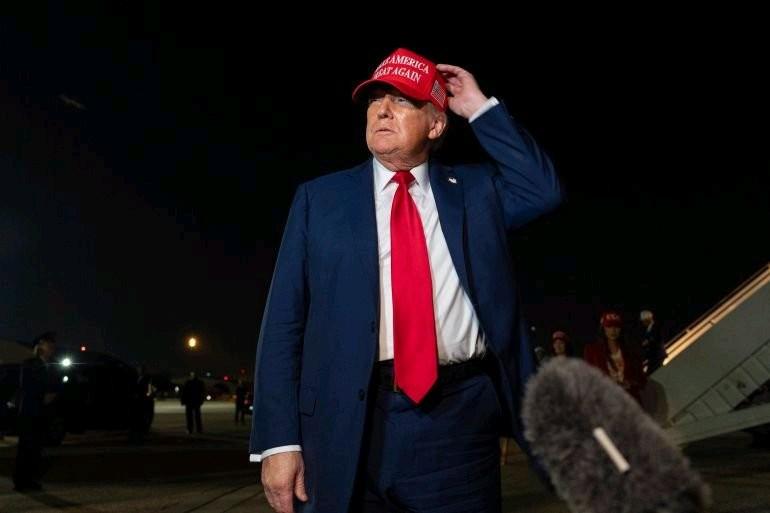
  • Keep your America, Mr Trump, and we’ll keep our Africa
    In trying to shut us out, Trump may be doing what African leaders have long failed to do: Push us to stand on our own.

    On June 16, The New York Times disclosed that United States President Donald Trump is considering broadening his travel ban list to include as many as 36 additional countries, most of them African – including my country, Zimbabwe.

    Twelve days earlier, Trump had enacted a proclamation barring citizens from 12 nations from entering the US. Seven of them – Chad, Congo Republic, Equatorial Guinea, Eritrea, Libya, Somalia, and Sudan – are African.

    He also imposed partial travel restrictions, rather than a complete ban, on individuals from Burundi, Cuba, Laos, Sierra Leone, Togo, Turkmenistan, and Venezuela. Citizens from these nations are barred from permanently relocating to the US or obtaining tourist or student visas.

    As promised on the campaign trail, Trump is cracking down on immigration.

    For the first time in my life, I now face the extraordinary prospect of being barred from travelling to the US – a nation that several of my family members and friends call home.

    My cousin, Dr Anna Mhaka, for example, completed her medical studies and practised exclusively in the US. Spencer Matare, a former classmate, has lived in Indianapolis for more than two decades and is a US citizen.

    Despite the Trump administration’s political grandstanding and vilification of migrants – both legal and undocumented – Anna and Spencer, like millions of others, are industrious, law-abiding members of US society.

    I know many in Africa hope to follow in their footsteps, and are deeply alarmed by the growing barriers to migration that Trump has erected.

    Yet, I am not one of them.
    Keep your America, Mr Trump, and we’ll keep our Africa In trying to shut us out, Trump may be doing what African leaders have long failed to do: Push us to stand on our own. On June 16, The New York Times disclosed that United States President Donald Trump is considering broadening his travel ban list to include as many as 36 additional countries, most of them African – including my country, Zimbabwe. Twelve days earlier, Trump had enacted a proclamation barring citizens from 12 nations from entering the US. Seven of them – Chad, Congo Republic, Equatorial Guinea, Eritrea, Libya, Somalia, and Sudan – are African. He also imposed partial travel restrictions, rather than a complete ban, on individuals from Burundi, Cuba, Laos, Sierra Leone, Togo, Turkmenistan, and Venezuela. Citizens from these nations are barred from permanently relocating to the US or obtaining tourist or student visas. As promised on the campaign trail, Trump is cracking down on immigration. For the first time in my life, I now face the extraordinary prospect of being barred from travelling to the US – a nation that several of my family members and friends call home. My cousin, Dr Anna Mhaka, for example, completed her medical studies and practised exclusively in the US. Spencer Matare, a former classmate, has lived in Indianapolis for more than two decades and is a US citizen. Despite the Trump administration’s political grandstanding and vilification of migrants – both legal and undocumented – Anna and Spencer, like millions of others, are industrious, law-abiding members of US society. I know many in Africa hope to follow in their footsteps, and are deeply alarmed by the growing barriers to migration that Trump has erected. Yet, I am not one of them.
    0 Commentaires ·0 Parts ·1KB Vue
Fintter https://fintter.com