• U.S. Forces Kill Al-Qaeda Affiliate Leader Linked to Deadly ISIS Attack on Americans in Syria

    U.S. forces have killed Bilal Hasan al-Jasim, a senior Al-Qaeda affiliate leader, in a strike in northwest Syria, CENTCOM confirmed. Al-Jasim was tied to an ISIS ambush in Palmyra on December 13, 2025, which killed two U.S. service members and an American interpreter. The January 16 strike, part of “Hawkeye Strike” operations, targeted over 100 ISIS infrastructure and weapons sites with 200 precision munitions. CENTCOM emphasized the operation underscores the U.S. resolve to eliminate threats to its personnel and regional security, following a year of capturing over 300 ISIS operatives and neutralizing more than 20 others.

    #SyriaStrike #USMilitary #AlQaeda #ISIS #CENTCOM #PalmyraAttack
    U.S. Forces Kill Al-Qaeda Affiliate Leader Linked to Deadly ISIS Attack on Americans in Syria U.S. forces have killed Bilal Hasan al-Jasim, a senior Al-Qaeda affiliate leader, in a strike in northwest Syria, CENTCOM confirmed. Al-Jasim was tied to an ISIS ambush in Palmyra on December 13, 2025, which killed two U.S. service members and an American interpreter. The January 16 strike, part of “Hawkeye Strike” operations, targeted over 100 ISIS infrastructure and weapons sites with 200 precision munitions. CENTCOM emphasized the operation underscores the U.S. resolve to eliminate threats to its personnel and regional security, following a year of capturing over 300 ISIS operatives and neutralizing more than 20 others. #SyriaStrike #USMilitary #AlQaeda #ISIS #CENTCOM #PalmyraAttack
    love
    3
    · 0 Commenti ·0 condivisioni ·3K Views
  • Nigeria Must Build Border Wall, Deploy Tech to Stop Terrorists – Defence Minister

    Nigeria’s Defence Minister, Christopher Musa, has reiterated his call for a border wall and modern surveillance technology to curb the influx of terrorists, bandits, and transnational criminals. Speaking to BBC Hausa, Musa highlighted the country’s porous borders as a major factor enabling attacks and escapes. He stressed that infrastructure alone isn’t enough—citizen vigilance, regional cooperation, and advanced tech are crucial. The minister warned against aiding criminals, describing profits from them as “blood money,” and assured Nigerians of increased government and presidential support for security operations.
    Nigeria Must Build Border Wall, Deploy Tech to Stop Terrorists – Defence Minister Nigeria’s Defence Minister, Christopher Musa, has reiterated his call for a border wall and modern surveillance technology to curb the influx of terrorists, bandits, and transnational criminals. Speaking to BBC Hausa, Musa highlighted the country’s porous borders as a major factor enabling attacks and escapes. He stressed that infrastructure alone isn’t enough—citizen vigilance, regional cooperation, and advanced tech are crucial. The minister warned against aiding criminals, describing profits from them as “blood money,” and assured Nigerians of increased government and presidential support for security operations.
    0 Commenti ·0 condivisioni ·2K Views
  • The United States is reportedly redeploying the USS Abraham Lincoln Carrier Strike Group from the South China Sea, moving at high speed toward the Middle East amid rising regional tensions and growing speculation over potential U.S. military action involving Iran.

    #USMilitary #MiddleEastTensions #Iran #Geopolitics #USNavy #AircraftCarrier #GlobalSecurity #BreakingNews
    The United States is reportedly redeploying the USS Abraham Lincoln Carrier Strike Group from the South China Sea, moving at high speed toward the Middle East amid rising regional tensions and growing speculation over potential U.S. military action involving Iran. #USMilitary #MiddleEastTensions #Iran #Geopolitics #USNavy #AircraftCarrier #GlobalSecurity #BreakingNews
    love
    Dislike
    2
    · 1 Commenti ·0 condivisioni ·3K Views ·21 Plays
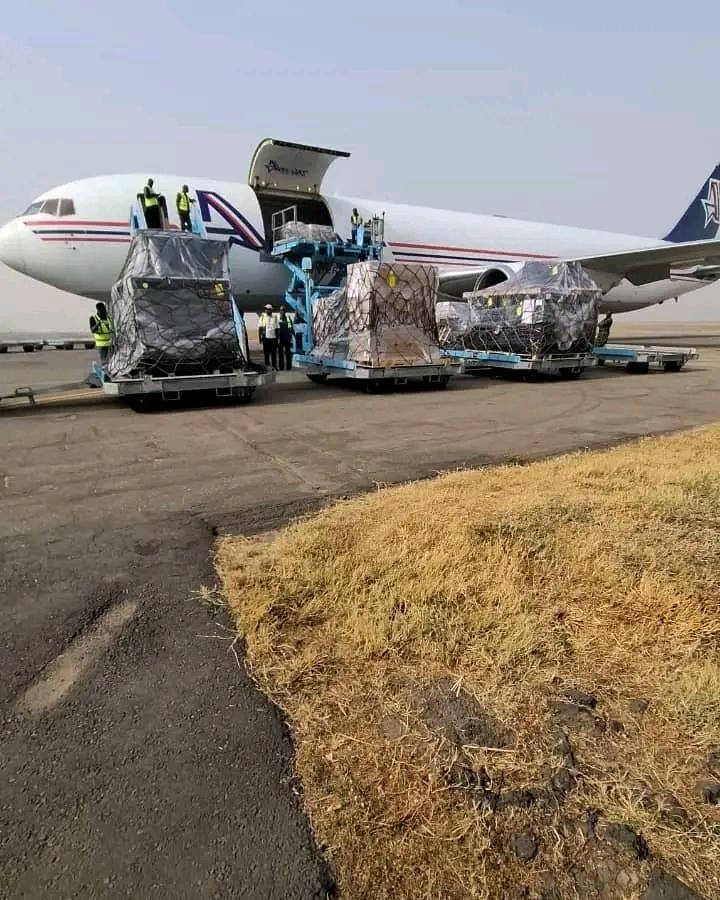
  • The United States Africa Command (AFRICOM) has announced the delivery of critical military supplies to Nigeria in support of ongoing counter-terrorism operations across affected regions of the country. In a post shared on its official X (formerly Twitter) handle, @USAfricaCommand, the Command confirmed that the delivery took place in Abuja on Tuesday, January 13, 2026. Alongside a photograph of the shipment, AFRICOM tagged the United States Embassy in Nigeria, describing the move as a demonstration of the strong security partnership between both nations. The Command said the supplies were provided to enhance Nigeria’s capacity to combat terrorism and strengthen regional stability. As of the time of filing this report, the Federal Government of Nigeria had yet to issue an official statement on the nature or scope of the military hardware and logistical support delivered.

    The United States Africa Command (AFRICOM) has announced the delivery of critical military supplies to Nigeria in support of ongoing counter-terrorism operations across affected regions of the country. In a post shared on its official X (formerly Twitter) handle, @USAfricaCommand, the Command confirmed that the delivery took place in Abuja on Tuesday, January 13, 2026. Alongside a photograph of the shipment, AFRICOM tagged the United States Embassy in Nigeria, describing the move as a demonstration of the strong security partnership between both nations. The Command said the supplies were provided to enhance Nigeria’s capacity to combat terrorism and strengthen regional stability. As of the time of filing this report, the Federal Government of Nigeria had yet to issue an official statement on the nature or scope of the military hardware and logistical support delivered.
    love
    1
    · 0 Commenti ·0 condivisioni ·1K Views
  • E don dey set for 9ja oo! Polish Ambassador Hail Nigerian Military, Say Armed Forces Na Backbone of West Africa Security

    The Polish Ambassador to Nigeria, Michał Cygan, don praise Nigerian Armed Forces, describe Nigeria as a major stabilising force for West Africa. During courtesy visit to the Chief of the Air Staff, Air Marshal Sunday Aneke, for NAF Headquarters, Abuja, the ambassador talk say the Nigerian Air Force and other services don show high level professionalism and resilience in counter-insurgency and regional security operations. According to statement from Air Commodore Ehimen Ejodame, Cygan also express Poland interest to strengthen defence cooperation with Nigeria to support security priorities and regional peace. He add say Nigeria’s strategic position and sustained security engagements dey contribute well well to stability across the sub-region. On him own part, Air Marshal Aneke highlight the importance of international partnerships in tackling modern and asymmetric threats, noting say NAF remain committed to cooperation with friendly nations for better operations, training and information sharing. He reaffirm say the service dey open to mutually beneficial partnerships to boost counter-insurgency capacity and strengthen both regional and global security. Wahala oo, Nigeria security matter don turn global concern.

    E don dey set for 9ja oo! Polish Ambassador Hail Nigerian Military, Say Armed Forces Na Backbone of West Africa Security The Polish Ambassador to Nigeria, Michał Cygan, don praise Nigerian Armed Forces, describe Nigeria as a major stabilising force for West Africa. During courtesy visit to the Chief of the Air Staff, Air Marshal Sunday Aneke, for NAF Headquarters, Abuja, the ambassador talk say the Nigerian Air Force and other services don show high level professionalism and resilience in counter-insurgency and regional security operations. According to statement from Air Commodore Ehimen Ejodame, Cygan also express Poland interest to strengthen defence cooperation with Nigeria to support security priorities and regional peace. He add say Nigeria’s strategic position and sustained security engagements dey contribute well well to stability across the sub-region. On him own part, Air Marshal Aneke highlight the importance of international partnerships in tackling modern and asymmetric threats, noting say NAF remain committed to cooperation with friendly nations for better operations, training and information sharing. He reaffirm say the service dey open to mutually beneficial partnerships to boost counter-insurgency capacity and strengthen both regional and global security. Wahala oo, Nigeria security matter don turn global concern.
    love
    1
    · 0 Commenti ·0 condivisioni ·2K Views
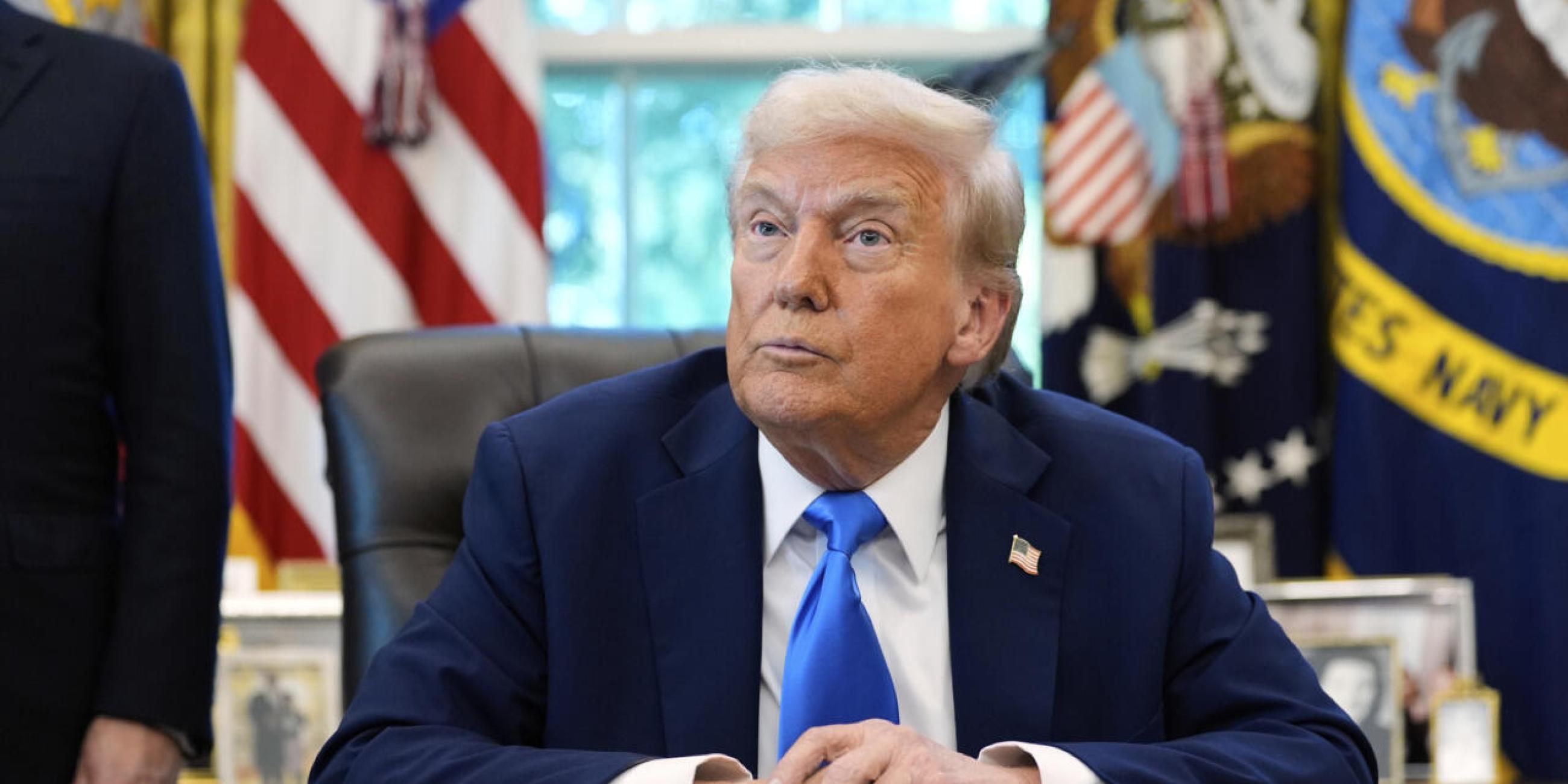
  • Trump Declares Emergency to Lock Down Venezuela’s Oil Funds in U.S. Treasury

    President Donald Trump has signed an executive order declaring a national emergency to block courts, creditors, and private parties from seizing Venezuelan oil revenue held in U.S. Treasury accounts.

    The White House said the funds—classified as Foreign Government Deposit Funds—are now fully protected from attachment, judgment, liens, or any form of legal action. The order also bans any transfer or use of the money unless explicitly authorised by the U.S. government.

    According to the administration, allowing the funds to be accessed would undermine U.S. foreign policy goals, weaken efforts to stabilise Venezuela, and threaten regional security. Officials linked the decision to concerns over illegal immigration, drug trafficking, and the influence of hostile foreign actors.

    The White House warned that losing control of the oil revenues could strengthen groups such as Iran and Hezbollah while crippling initiatives aimed at restoring political and economic stability in Venezuela and across the Western Hemisphere.

    The move forms part of Trump’s hardline “America First” approach to Venezuela. His administration has designated several criminal groups as terrorist organisations, imposed strict measures on oil shipments, and authorised aggressive action against narcotics networks operating in the region.

    Earlier on the same day, Trump met with top oil executives, revealing plans for large-scale U.S. investment in Venezuela’s energy sector. He said the deals could involve “hundreds of billions of dollars,” boost oil production, and drive prices down globally.

    The White House described the executive order as a strategic step to safeguard U.S. national security interests while maintaining control over Venezuela’s most critical financial asset.


    Trump Declares Emergency to Lock Down Venezuela’s Oil Funds in U.S. Treasury President Donald Trump has signed an executive order declaring a national emergency to block courts, creditors, and private parties from seizing Venezuelan oil revenue held in U.S. Treasury accounts. The White House said the funds—classified as Foreign Government Deposit Funds—are now fully protected from attachment, judgment, liens, or any form of legal action. The order also bans any transfer or use of the money unless explicitly authorised by the U.S. government. According to the administration, allowing the funds to be accessed would undermine U.S. foreign policy goals, weaken efforts to stabilise Venezuela, and threaten regional security. Officials linked the decision to concerns over illegal immigration, drug trafficking, and the influence of hostile foreign actors. The White House warned that losing control of the oil revenues could strengthen groups such as Iran and Hezbollah while crippling initiatives aimed at restoring political and economic stability in Venezuela and across the Western Hemisphere. The move forms part of Trump’s hardline “America First” approach to Venezuela. His administration has designated several criminal groups as terrorist organisations, imposed strict measures on oil shipments, and authorised aggressive action against narcotics networks operating in the region. Earlier on the same day, Trump met with top oil executives, revealing plans for large-scale U.S. investment in Venezuela’s energy sector. He said the deals could involve “hundreds of billions of dollars,” boost oil production, and drive prices down globally. The White House described the executive order as a strategic step to safeguard U.S. national security interests while maintaining control over Venezuela’s most critical financial asset.
    0 Commenti ·0 condivisioni ·3K Views
  • Bandits in Kano and Katsina Force Farmers to Pay ₦50,000 Levy, Establish Parallel ‘Government’ in Forest Communities

    Armed groups in Kano and Katsina states are reportedly imposing ₦50,000 per acre levies on farmers, primarily targeting sugarcane and maize growers, as they enforce a parallel governance system within the Rugu and Falgore Forest reserves. Farmers who refuse to comply face threats, destruction of crops, and the risk of violent attacks, forcing many to abandon their farmlands entirely.

    The affected areas are part of the Kano–Katsina food belt, a key agricultural corridor supplying major markets such as Dawanau Market in Kano. Activists warn that ongoing disruptions could lead to food shortages and rising prices across northern Nigeria, raising serious concerns about regional food security.

    Despite military and police checkpoints along key access roads, armed groups are operating within close proximity, highlighting potential gaps in security enforcement. Local residents report that the bandits are increasingly controlling daily economic activities, collecting levies, and imposing rules without resistance.

    The situation has intensified calls for urgent intervention by state and federal security agencies to dismantle these parallel structures and safeguard the livelihoods of farmers, who are essential to the nation’s agricultural stability. As of reporting, no official response has been issued by the Kano or Katsina state governments or federal security authorities.
    Bandits in Kano and Katsina Force Farmers to Pay ₦50,000 Levy, Establish Parallel ‘Government’ in Forest Communities Armed groups in Kano and Katsina states are reportedly imposing ₦50,000 per acre levies on farmers, primarily targeting sugarcane and maize growers, as they enforce a parallel governance system within the Rugu and Falgore Forest reserves. Farmers who refuse to comply face threats, destruction of crops, and the risk of violent attacks, forcing many to abandon their farmlands entirely. The affected areas are part of the Kano–Katsina food belt, a key agricultural corridor supplying major markets such as Dawanau Market in Kano. Activists warn that ongoing disruptions could lead to food shortages and rising prices across northern Nigeria, raising serious concerns about regional food security. Despite military and police checkpoints along key access roads, armed groups are operating within close proximity, highlighting potential gaps in security enforcement. Local residents report that the bandits are increasingly controlling daily economic activities, collecting levies, and imposing rules without resistance. The situation has intensified calls for urgent intervention by state and federal security agencies to dismantle these parallel structures and safeguard the livelihoods of farmers, who are essential to the nation’s agricultural stability. As of reporting, no official response has been issued by the Kano or Katsina state governments or federal security authorities.
    0 Commenti ·0 condivisioni ·2K Views
  • Why Were At Least 17 Dubai–Iran Flights Suddenly Cancelled? Are Tehran Protests and a Nationwide Internet Blackout Disrupting Regional Travel?

    Why are flights between Dubai and Iran being abruptly cancelled—and what does it reveal about the growing unrest inside the Islamic Republic? At least 17 Flydubai flights scheduled for Friday between Dubai and major Iranian cities, including Tehran, Shiraz, and Mashhad, were called off without prior notice, raising alarm among passengers and underscoring the widening impact of Iran’s escalating political crisis.

    Data published on the Dubai Airports website confirmed the cancellations, showing multiple outbound and inbound routes affected. The disruption comes as Iran faces intensifying nationwide protests and a near-total internet blackout, reportedly imposed by authorities in an effort to restrict communication and contain the spread of demonstrations.

    Iran has been gripped by widespread unrest since late December, driven by worsening economic conditions, soaring inflation, and deepening hardship for ordinary citizens. What began as localized protests has rapidly expanded across several cities, prompting a heavy security response from the government. Observers say the communication shutdown reflects growing concern within the Iranian authorities over the speed at which information—and dissent—is spreading.

    A Flydubai spokesperson confirmed that all scheduled flights to Iran on Friday were cancelled, stating that the airline would “continue to monitor the situation” and adjust operations as needed. However, no specific reasons were publicly provided, leaving travelers uncertain about safety conditions, regulatory restrictions, and how long the disruption might last.

    The cancellations were not limited to Flydubai. Turkish media reported that Turkish Airlines cancelled at least 17 flights to Iranian destinations, while Ajet reportedly suspended six flights. Pegasus Airlines was also said to have cancelled several routes. In the Gulf region, at least two flights between Doha and Tehran were reportedly cancelled, according to updates from Hamad International Airport.

    The wave of suspensions points to a broader regional response to instability inside Iran. Airlines are increasingly forced to weigh passenger safety, operational risks, and regulatory uncertainty as protests grow and communication channels remain restricted.

    The key question remains: Are these flight cancellations a temporary precaution—or an early sign of deeper regional disruption tied to Iran’s internal crisis? For travelers, airlines, and neighboring countries, the unfolding situation highlights how domestic unrest in one nation can quickly ripple across international transport, commerce, and security.

    As protests persist and the blackout continues, aviation disruptions may expand further, signaling that Iran’s political turmoil is no longer confined within its borders but is now reshaping regional connectivity in real time.

    Why Were At Least 17 Dubai–Iran Flights Suddenly Cancelled? Are Tehran Protests and a Nationwide Internet Blackout Disrupting Regional Travel? Why are flights between Dubai and Iran being abruptly cancelled—and what does it reveal about the growing unrest inside the Islamic Republic? At least 17 Flydubai flights scheduled for Friday between Dubai and major Iranian cities, including Tehran, Shiraz, and Mashhad, were called off without prior notice, raising alarm among passengers and underscoring the widening impact of Iran’s escalating political crisis. Data published on the Dubai Airports website confirmed the cancellations, showing multiple outbound and inbound routes affected. The disruption comes as Iran faces intensifying nationwide protests and a near-total internet blackout, reportedly imposed by authorities in an effort to restrict communication and contain the spread of demonstrations. Iran has been gripped by widespread unrest since late December, driven by worsening economic conditions, soaring inflation, and deepening hardship for ordinary citizens. What began as localized protests has rapidly expanded across several cities, prompting a heavy security response from the government. Observers say the communication shutdown reflects growing concern within the Iranian authorities over the speed at which information—and dissent—is spreading. A Flydubai spokesperson confirmed that all scheduled flights to Iran on Friday were cancelled, stating that the airline would “continue to monitor the situation” and adjust operations as needed. However, no specific reasons were publicly provided, leaving travelers uncertain about safety conditions, regulatory restrictions, and how long the disruption might last. The cancellations were not limited to Flydubai. Turkish media reported that Turkish Airlines cancelled at least 17 flights to Iranian destinations, while Ajet reportedly suspended six flights. Pegasus Airlines was also said to have cancelled several routes. In the Gulf region, at least two flights between Doha and Tehran were reportedly cancelled, according to updates from Hamad International Airport. The wave of suspensions points to a broader regional response to instability inside Iran. Airlines are increasingly forced to weigh passenger safety, operational risks, and regulatory uncertainty as protests grow and communication channels remain restricted. The key question remains: Are these flight cancellations a temporary precaution—or an early sign of deeper regional disruption tied to Iran’s internal crisis? For travelers, airlines, and neighboring countries, the unfolding situation highlights how domestic unrest in one nation can quickly ripple across international transport, commerce, and security. As protests persist and the blackout continues, aviation disruptions may expand further, signaling that Iran’s political turmoil is no longer confined within its borders but is now reshaping regional connectivity in real time.
    0 Commenti ·0 condivisioni ·2K Views
  • Is Trump Becoming the Next “Fallen Despot”? Why Iran’s Supreme Leader Khamenei Compared Him to Pharaoh, Nimrod and the Shah Amid Rising U.S.–Iran Tensions

    Is Donald Trump being cast as the next ruler destined for historical downfall? Iran’s Supreme Leader, Ayatollah Ali Khamenei, has launched a sharp ideological attack on the U.S. president, accusing him of “tyrannical” leadership and warning that, like infamous rulers of the past, he too could ultimately fall from power.

    In a post shared on X (formerly Twitter), Khamenei condemned what he described as Trump’s habit of judging the world with arrogance, arguing that history offers repeated lessons about leaders who rule through hubris. Drawing striking parallels, the Iranian leader invoked figures such as Pharaoh, Nimrod, and Mohammad Reza Pahlavi—rulers who, he said, collapsed at the height of their authority after overreaching their power.

    “The US President who judges arrogantly about the whole world should know that tyrants and arrogant rulers of the world… saw their downfall when they were at the peak of their hubris. He too will fall,” Khamenei wrote. The message framed Trump not merely as a political rival, but as part of a long lineage of leaders whose dominance, according to Khamenei, eventually gave way to decline.

    The comments come amid deepening hostility between Tehran and Washington, defined by sanctions, military posturing, and public exchanges between senior officials. Khamenei, Iran’s highest authority, has consistently portrayed U.S. foreign policy as imperialistic, often embedding his criticisms within historical and religious narratives aimed at reinforcing Iran’s resistance ideology.

    Tensions intensified further following reports that Trump praised Israeli military strikes on Iran in June 2025. According to ABC News Chief Washington Correspondent Jonathan Karl, Trump described the attack as “excellent,” adding that Iran had been given a chance to change course but failed to do so—and warning that “there’s more to come, a lot more.” His remarks coincided with a series of escalating confrontations between Israel and Iran, including strikes on Iranian territory, some reportedly reaching as far as Tehran.

    Iran’s Foreign Ministry condemned the attacks as a “blatant act of aggression,” while regional analysts warned that rhetoric from both sides risks further destabilizing an already volatile Middle East. Against this backdrop, Khamenei’s comparison of Trump to fallen despots appears not only symbolic but strategic—seeking to frame U.S. pressure as morally bankrupt and historically doomed.

    The episode raises broader questions: Is Khamenei merely engaging in ideological posturing, or is Iran signaling that it sees Trump’s leadership style as unsustainable in the long run? And does invoking ancient and modern tyrants reflect a deeper effort to mobilize domestic and regional opinion against American influence?

    As U.S.–Iran relations continue to harden, the clash of narratives—Trump’s warnings of force and Khamenei’s predictions of downfall—underscores how geopolitical conflict today is fought not only with sanctions and weapons, but with history, symbolism, and the power of storytelling. Whether Trump’s approach will reinforce U.S. dominance or mirror the fate of leaders Khamenei cited remains a question shaping global attention.


    Is Trump Becoming the Next “Fallen Despot”? Why Iran’s Supreme Leader Khamenei Compared Him to Pharaoh, Nimrod and the Shah Amid Rising U.S.–Iran Tensions Is Donald Trump being cast as the next ruler destined for historical downfall? Iran’s Supreme Leader, Ayatollah Ali Khamenei, has launched a sharp ideological attack on the U.S. president, accusing him of “tyrannical” leadership and warning that, like infamous rulers of the past, he too could ultimately fall from power. In a post shared on X (formerly Twitter), Khamenei condemned what he described as Trump’s habit of judging the world with arrogance, arguing that history offers repeated lessons about leaders who rule through hubris. Drawing striking parallels, the Iranian leader invoked figures such as Pharaoh, Nimrod, and Mohammad Reza Pahlavi—rulers who, he said, collapsed at the height of their authority after overreaching their power. “The US President who judges arrogantly about the whole world should know that tyrants and arrogant rulers of the world… saw their downfall when they were at the peak of their hubris. He too will fall,” Khamenei wrote. The message framed Trump not merely as a political rival, but as part of a long lineage of leaders whose dominance, according to Khamenei, eventually gave way to decline. The comments come amid deepening hostility between Tehran and Washington, defined by sanctions, military posturing, and public exchanges between senior officials. Khamenei, Iran’s highest authority, has consistently portrayed U.S. foreign policy as imperialistic, often embedding his criticisms within historical and religious narratives aimed at reinforcing Iran’s resistance ideology. Tensions intensified further following reports that Trump praised Israeli military strikes on Iran in June 2025. According to ABC News Chief Washington Correspondent Jonathan Karl, Trump described the attack as “excellent,” adding that Iran had been given a chance to change course but failed to do so—and warning that “there’s more to come, a lot more.” His remarks coincided with a series of escalating confrontations between Israel and Iran, including strikes on Iranian territory, some reportedly reaching as far as Tehran. Iran’s Foreign Ministry condemned the attacks as a “blatant act of aggression,” while regional analysts warned that rhetoric from both sides risks further destabilizing an already volatile Middle East. Against this backdrop, Khamenei’s comparison of Trump to fallen despots appears not only symbolic but strategic—seeking to frame U.S. pressure as morally bankrupt and historically doomed. The episode raises broader questions: Is Khamenei merely engaging in ideological posturing, or is Iran signaling that it sees Trump’s leadership style as unsustainable in the long run? And does invoking ancient and modern tyrants reflect a deeper effort to mobilize domestic and regional opinion against American influence? As U.S.–Iran relations continue to harden, the clash of narratives—Trump’s warnings of force and Khamenei’s predictions of downfall—underscores how geopolitical conflict today is fought not only with sanctions and weapons, but with history, symbolism, and the power of storytelling. Whether Trump’s approach will reinforce U.S. dominance or mirror the fate of leaders Khamenei cited remains a question shaping global attention.
    0 Commenti ·0 condivisioni ·3K Views
  • Is the U.S. Turning Its Back on the United Nations? Why UN Chief Guterres Regrets Trump’s Withdrawal From Dozens of Global Bodies and What It Means for World Governance

    United Nations Secretary-General Antonio Guterres has expressed strong regret over the United States’ decision to withdraw from multiple international organisations, warning that financial obligations to the UN remain legally binding under international law. The reaction follows a sweeping policy directive signed by U.S. President Donald Trump, ordering American withdrawal from 66 international bodies, including 31 United Nations entities and 35 non-UN organisations.

    In a statement delivered by UN Spokesman Stéphane Dujarric, the Secretary-General described the decision as “regrettable” and stressed that assessed contributions to the UN’s regular and peacekeeping budgets are mandatory under the UN Charter for all member states, including the United States. “Assessed contributions… are a legal obligation under the UN Charter,” Dujarric said, adding that all UN agencies would continue implementing their mandates despite political or financial challenges.

    While the UN statement did not specify which bodies would be affected or the immediate financial consequences, officials have long warned that funding shortfalls could undermine peacekeeping operations, humanitarian assistance, development programmes, and human-rights initiatives worldwide.

    The development stems from a Presidential Memorandum issued by Trump, declaring that continued U.S. participation in the listed organisations no longer serves American interests. The directive follows a comprehensive review ordered under Executive Order 14199 in February 2025, which assessed U.S. involvement in all international organisations, treaties, and conventions receiving American funding or support. After reviewing the findings with his Cabinet, Trump ordered federal agencies to take “immediate steps” to withdraw, where legally permissible.

    Among the non-UN organisations affected are bodies dealing with climate change, energy, environmental protection, democracy promotion, cybersecurity, and regional cooperation, including the Intergovernmental Panel on Climate Change (IPCC), the International Renewable Energy Agency (IRENA), the International Union for Conservation of Nature (IUCN), and the Freedom Online Coalition. The order also targets several security and justice-focused groups, such as the Global Counterterrorism Forum and the International Institute for Justice and the Rule of Law.

    On the UN side, the memorandum directs the United States to cease participation in or funding for multiple agencies and programmes, including UN Women, the UN Population Fund (UNFPA), UN Conference on Trade and Development (UNCTAD), the UN Framework Convention on Climate Change (UNFCCC), and offices focused on peacebuilding, development, oceans, water, international law, and human rights. It also affects entities such as the Peacebuilding Fund, UN Water, UN Oceans, and the UN University system.

    Despite the decision, the UN leadership insists its mission will continue. “All United Nations entities will go on with the implementation of their mandates as given by Member States,” the statement said, underscoring the organisation’s responsibility to people worldwide who rely on its work.

    The move has intensified global debate: Can the United States legally withdraw while still bound to financial obligations? Will UN programmes suffer operational setbacks? Does this signal a broader retreat from multilateralism—or a recalibration of U.S. foreign policy priorities? As the review process remains ongoing, with more organisations potentially targeted, the episode raises urgent questions about the future of international cooperation, global governance, and the stability of multilateral institutions.

    Is the U.S. Turning Its Back on the United Nations? Why UN Chief Guterres Regrets Trump’s Withdrawal From Dozens of Global Bodies and What It Means for World Governance United Nations Secretary-General Antonio Guterres has expressed strong regret over the United States’ decision to withdraw from multiple international organisations, warning that financial obligations to the UN remain legally binding under international law. The reaction follows a sweeping policy directive signed by U.S. President Donald Trump, ordering American withdrawal from 66 international bodies, including 31 United Nations entities and 35 non-UN organisations. In a statement delivered by UN Spokesman Stéphane Dujarric, the Secretary-General described the decision as “regrettable” and stressed that assessed contributions to the UN’s regular and peacekeeping budgets are mandatory under the UN Charter for all member states, including the United States. “Assessed contributions… are a legal obligation under the UN Charter,” Dujarric said, adding that all UN agencies would continue implementing their mandates despite political or financial challenges. While the UN statement did not specify which bodies would be affected or the immediate financial consequences, officials have long warned that funding shortfalls could undermine peacekeeping operations, humanitarian assistance, development programmes, and human-rights initiatives worldwide. The development stems from a Presidential Memorandum issued by Trump, declaring that continued U.S. participation in the listed organisations no longer serves American interests. The directive follows a comprehensive review ordered under Executive Order 14199 in February 2025, which assessed U.S. involvement in all international organisations, treaties, and conventions receiving American funding or support. After reviewing the findings with his Cabinet, Trump ordered federal agencies to take “immediate steps” to withdraw, where legally permissible. Among the non-UN organisations affected are bodies dealing with climate change, energy, environmental protection, democracy promotion, cybersecurity, and regional cooperation, including the Intergovernmental Panel on Climate Change (IPCC), the International Renewable Energy Agency (IRENA), the International Union for Conservation of Nature (IUCN), and the Freedom Online Coalition. The order also targets several security and justice-focused groups, such as the Global Counterterrorism Forum and the International Institute for Justice and the Rule of Law. On the UN side, the memorandum directs the United States to cease participation in or funding for multiple agencies and programmes, including UN Women, the UN Population Fund (UNFPA), UN Conference on Trade and Development (UNCTAD), the UN Framework Convention on Climate Change (UNFCCC), and offices focused on peacebuilding, development, oceans, water, international law, and human rights. It also affects entities such as the Peacebuilding Fund, UN Water, UN Oceans, and the UN University system. Despite the decision, the UN leadership insists its mission will continue. “All United Nations entities will go on with the implementation of their mandates as given by Member States,” the statement said, underscoring the organisation’s responsibility to people worldwide who rely on its work. The move has intensified global debate: Can the United States legally withdraw while still bound to financial obligations? Will UN programmes suffer operational setbacks? Does this signal a broader retreat from multilateralism—or a recalibration of U.S. foreign policy priorities? As the review process remains ongoing, with more organisations potentially targeted, the episode raises urgent questions about the future of international cooperation, global governance, and the stability of multilateral institutions.
    0 Commenti ·0 condivisioni ·4K Views
  • Will the U.S. Control Venezuela for Years? Trump Says Washington Will Oversee Venezuela’s Oil, Rebuild the Country and Decide Its Future After Maduro’s Removal

    Is the United States preparing to govern Venezuela for years, and will oil revenues determine the country’s political and economic future?

    U.S. President Donald Trump has said that Washington will take control of Venezuela and oversee its oil sector for a period that will extend far beyond a short-term transition. Speaking in a wide-ranging interview published on January 8, 2026, Trump indicated that American involvement in Venezuela would be long-term, with the country’s vast oil reserves at the center of U.S. strategy.

    When asked how long the United States would remain in control—whether for months, a year, or longer—Trump responded: “Only time will tell… I would say much longer.” The statement signals that U.S. oversight of Venezuela is not envisioned as a brief handover process but one that could last several years.

    Trump said the United States plans to rebuild Venezuela while exerting control over its most valuable resource, oil. “We will rebuild it in a very profitable way,” he said, following the January 3 operation in which U.S. forces seized President Nicolás Maduro. According to Trump, oil will play a central role in the rebuilding effort. “We’re going to be using oil, and we’re going to be taking oil. We’re getting oil prices down, and we’re going to be giving money to Venezuela, which they desperately need,” he stated.

    The president also confirmed that Washington is working closely with Venezuela’s interim government after Maduro’s removal, describing relations with interim president Delcy Rodríguez—a longtime ally and former vice president of Maduro—as cooperative. Trump further appeared to soften earlier rhetoric toward neighboring Colombia, inviting its leftist leader to Washington after previously criticizing him.

    The remarks come amid a broader shift in U.S.–Venezuela relations centered on energy and trade. Trump recently announced that Venezuela would use proceeds from a new oil agreement to purchase only American-made products, including agricultural goods, medicines, medical devices, and equipment for upgrading the country’s electricity grid and energy facilities. He portrayed the move as strengthening bilateral ties and positioning the United States as Venezuela’s principal commercial partner.

    Earlier reports also confirmed a deal allowing Venezuela to export $2 billion worth of crude oil to the United States—an agreement the administration described as a major diplomatic breakthrough. The arrangement is expected to divert Venezuelan oil away from China, ease production pressures, and mark a significant realignment in the region following months of heightened U.S. pressure on Caracas.

    But Trump’s comments raise major questions:
    Will U.S. control of Venezuela become a prolonged political and economic occupation?
    Who will ultimately decide how Venezuela’s oil wealth is managed and distributed?
    And can long-term foreign oversight deliver stability—or deepen regional tensions?

    As Washington places oil revenues at the heart of its strategy, the future of Venezuela appears increasingly tied to U.S. policy, energy markets, and geopolitical interests. Whether this approach leads to reconstruction or controversy, Trump’s statements make one thing clear: American involvement in Venezuela is not temporary, and the country’s oil will shape what comes next.


    Will the U.S. Control Venezuela for Years? Trump Says Washington Will Oversee Venezuela’s Oil, Rebuild the Country and Decide Its Future After Maduro’s Removal Is the United States preparing to govern Venezuela for years, and will oil revenues determine the country’s political and economic future? U.S. President Donald Trump has said that Washington will take control of Venezuela and oversee its oil sector for a period that will extend far beyond a short-term transition. Speaking in a wide-ranging interview published on January 8, 2026, Trump indicated that American involvement in Venezuela would be long-term, with the country’s vast oil reserves at the center of U.S. strategy. When asked how long the United States would remain in control—whether for months, a year, or longer—Trump responded: “Only time will tell… I would say much longer.” The statement signals that U.S. oversight of Venezuela is not envisioned as a brief handover process but one that could last several years. Trump said the United States plans to rebuild Venezuela while exerting control over its most valuable resource, oil. “We will rebuild it in a very profitable way,” he said, following the January 3 operation in which U.S. forces seized President Nicolás Maduro. According to Trump, oil will play a central role in the rebuilding effort. “We’re going to be using oil, and we’re going to be taking oil. We’re getting oil prices down, and we’re going to be giving money to Venezuela, which they desperately need,” he stated. The president also confirmed that Washington is working closely with Venezuela’s interim government after Maduro’s removal, describing relations with interim president Delcy Rodríguez—a longtime ally and former vice president of Maduro—as cooperative. Trump further appeared to soften earlier rhetoric toward neighboring Colombia, inviting its leftist leader to Washington after previously criticizing him. The remarks come amid a broader shift in U.S.–Venezuela relations centered on energy and trade. Trump recently announced that Venezuela would use proceeds from a new oil agreement to purchase only American-made products, including agricultural goods, medicines, medical devices, and equipment for upgrading the country’s electricity grid and energy facilities. He portrayed the move as strengthening bilateral ties and positioning the United States as Venezuela’s principal commercial partner. Earlier reports also confirmed a deal allowing Venezuela to export $2 billion worth of crude oil to the United States—an agreement the administration described as a major diplomatic breakthrough. The arrangement is expected to divert Venezuelan oil away from China, ease production pressures, and mark a significant realignment in the region following months of heightened U.S. pressure on Caracas. But Trump’s comments raise major questions: Will U.S. control of Venezuela become a prolonged political and economic occupation? Who will ultimately decide how Venezuela’s oil wealth is managed and distributed? And can long-term foreign oversight deliver stability—or deepen regional tensions? As Washington places oil revenues at the heart of its strategy, the future of Venezuela appears increasingly tied to U.S. policy, energy markets, and geopolitical interests. Whether this approach leads to reconstruction or controversy, Trump’s statements make one thing clear: American involvement in Venezuela is not temporary, and the country’s oil will shape what comes next.
    0 Commenti ·0 condivisioni ·3K Views
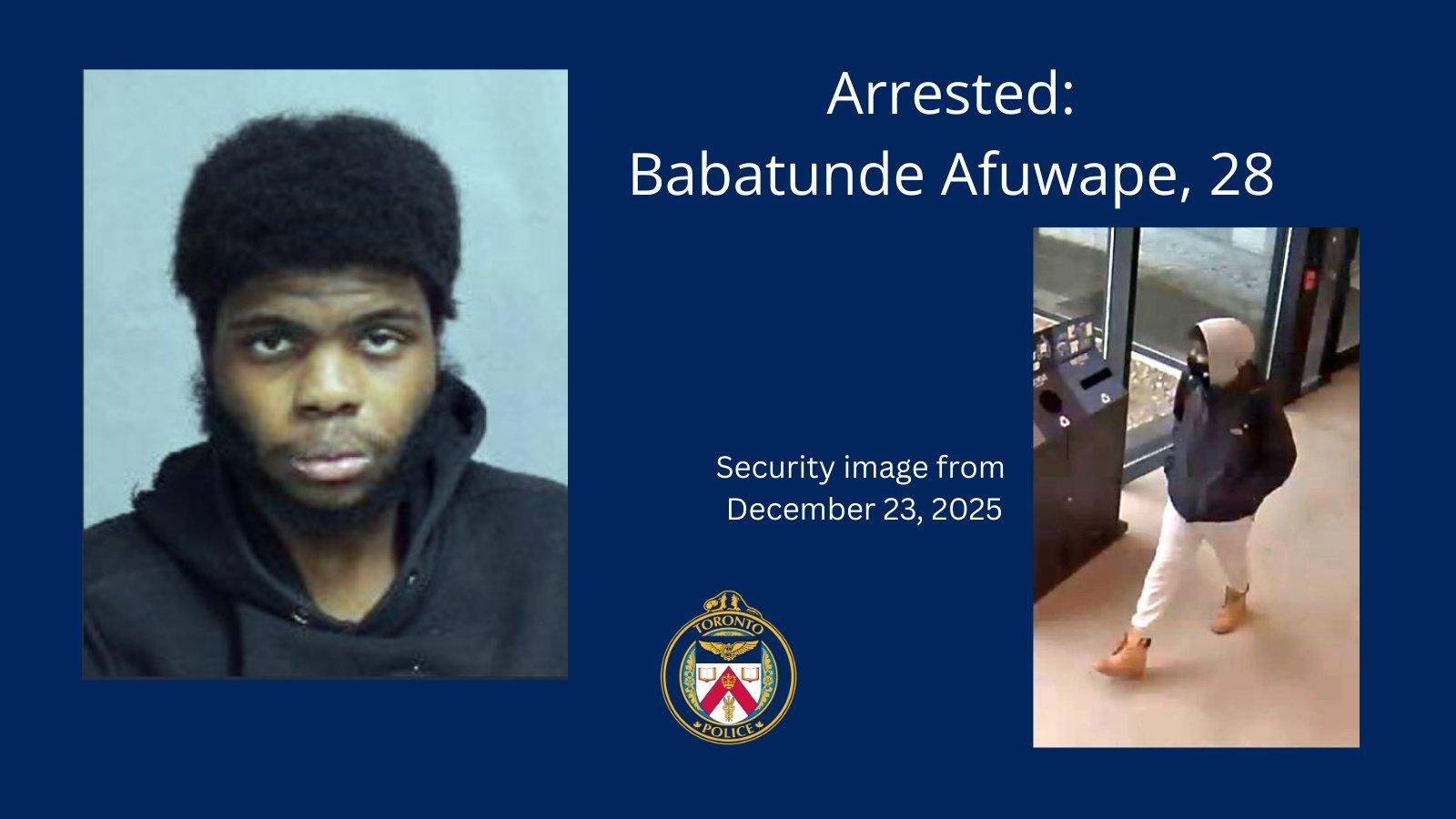
  • Toronto Police Charge Nigerian-Canadian Babatunde Afuwape With First-Degree Murder of University of Toronto Student

    Toronto Police have arrested and charged 28-year-old Nigerian-Canadian Babatunde Afuwape in connection with the fatal shooting of Shivank Avasthi, a 20-year-old third-year student at the University of Toronto. The tragic incident occurred on Tuesday, December 23, 2025, along the Highland Creek Trail near Old Kingston Road, where Avasthi was found with a gunshot wound and pronounced dead at the scene.

    Police described the killing as planned and deliberate, noting that the accused and the victim were likely strangers. Officers responded to a report of “unknown trouble” around 3:34 p.m., but Afuwape had already fled the scene. The investigation revealed no immediate motive for the shooting, but authorities are actively seeking witnesses who may have seen the suspect near the trail or the campus on that day.

    Detective Sergeant Stacey McCabe of the Homicide and Missing Persons Unit called the incident “deeply tragic”, highlighting Avasthi as a bright international student from India with a promising future. She also emphasized the fear and concern the shooting caused among students, staff, and local residents, reassuring the community that the suspect is now in custody.

    Afuwape, a resident of Toronto, was scheduled to appear before the Toronto Regional Bail Centre on January 6, 2026. Investigators continue to appeal to the public for additional information to support the ongoing investigation.

    This case underscores rising concerns about public safety around urban trails and campus areas in Toronto, and the police have reassured the public of their commitment to solving the crime and preventing further incidents.


    Toronto Police Charge Nigerian-Canadian Babatunde Afuwape With First-Degree Murder of University of Toronto Student Toronto Police have arrested and charged 28-year-old Nigerian-Canadian Babatunde Afuwape in connection with the fatal shooting of Shivank Avasthi, a 20-year-old third-year student at the University of Toronto. The tragic incident occurred on Tuesday, December 23, 2025, along the Highland Creek Trail near Old Kingston Road, where Avasthi was found with a gunshot wound and pronounced dead at the scene. Police described the killing as planned and deliberate, noting that the accused and the victim were likely strangers. Officers responded to a report of “unknown trouble” around 3:34 p.m., but Afuwape had already fled the scene. The investigation revealed no immediate motive for the shooting, but authorities are actively seeking witnesses who may have seen the suspect near the trail or the campus on that day. Detective Sergeant Stacey McCabe of the Homicide and Missing Persons Unit called the incident “deeply tragic”, highlighting Avasthi as a bright international student from India with a promising future. She also emphasized the fear and concern the shooting caused among students, staff, and local residents, reassuring the community that the suspect is now in custody. Afuwape, a resident of Toronto, was scheduled to appear before the Toronto Regional Bail Centre on January 6, 2026. Investigators continue to appeal to the public for additional information to support the ongoing investigation. This case underscores rising concerns about public safety around urban trails and campus areas in Toronto, and the police have reassured the public of their commitment to solving the crime and preventing further incidents.
    0 Commenti ·0 condivisioni ·884 Views
  • Nigerian Army Raids Plateau Kidnappers’ Hideout, Neutralizes Suspects After Soldier Attack

    Troops of the Nigerian Army under 3 Division/Joint Task Force Operation ENDURING PEACE (JTF OPEP) have successfully raided a kidnappers’ hideout near Lantom Village, Kadarko District, Plateau State, neutralizing armed suspects following an attempted attack on a soldier during the operation.

    According to a statement by Captain Joshua Atu John, Acting Military Information Officer, the raid was conducted on January 6, 2026, based on intelligence about the gang terrorizing local communities. The initial operation led to the arrest of four suspects and the seizure of weapons including a locally fabricated rifle, an axe, and a machete. Two gang members reportedly escaped with an AK-47 rifle.

    The arrested suspects later revealed the location of a hidden cache of arms and ammunition. However, while guiding troops to the cache, they attempted to disarm a soldier in a bid to escape, and were decisively neutralized. Follow-up operations are ongoing to apprehend the remaining fugitives and recover the missing weapon.

    Major General EF Oyinlola, General Officer Commanding 3 Division and Commander of JTF OPEP, commended the troops for their courage and professionalism, emphasizing the army’s commitment to restoring peace and protecting lives and property in Plateau State. Citizens were urged to continue providing timely and credible intelligence to security agencies.

    This operation underscores the Nigerian Army’s proactive approach against kidnapping and armed robbery, demonstrating increased operational readiness and collaboration with local communities to maintain regional security.

    Nigerian Army Raids Plateau Kidnappers’ Hideout, Neutralizes Suspects After Soldier Attack Troops of the Nigerian Army under 3 Division/Joint Task Force Operation ENDURING PEACE (JTF OPEP) have successfully raided a kidnappers’ hideout near Lantom Village, Kadarko District, Plateau State, neutralizing armed suspects following an attempted attack on a soldier during the operation. According to a statement by Captain Joshua Atu John, Acting Military Information Officer, the raid was conducted on January 6, 2026, based on intelligence about the gang terrorizing local communities. The initial operation led to the arrest of four suspects and the seizure of weapons including a locally fabricated rifle, an axe, and a machete. Two gang members reportedly escaped with an AK-47 rifle. The arrested suspects later revealed the location of a hidden cache of arms and ammunition. However, while guiding troops to the cache, they attempted to disarm a soldier in a bid to escape, and were decisively neutralized. Follow-up operations are ongoing to apprehend the remaining fugitives and recover the missing weapon. Major General EF Oyinlola, General Officer Commanding 3 Division and Commander of JTF OPEP, commended the troops for their courage and professionalism, emphasizing the army’s commitment to restoring peace and protecting lives and property in Plateau State. Citizens were urged to continue providing timely and credible intelligence to security agencies. This operation underscores the Nigerian Army’s proactive approach against kidnapping and armed robbery, demonstrating increased operational readiness and collaboration with local communities to maintain regional security.
    0 Commenti ·0 condivisioni ·1K Views
  • Oyo Bandit Attack: Governor Makinde Confirms Killing of Five Forest Guards in Cross-Border Operation

    Tragedy struck Oyo State as five National Park Service Forest Guard officers were killed in what authorities are calling a cross-border attack by suspected bandits. The incident occurred at the National Park Office in Oloka Village, according to a statement personally issued by Governor Seyi Makinde on Wednesday, January 7, 2026.

    Governor Makinde described the attack as a criminal act and mourned the loss of the officers, who were killed while performing their official duties. In his statement posted on social media, he said: “Earlier today, there was a criminal attack by bandits at the National Park Office, Oloka Village which resulted in the death of five National Park Service Forest Guard Officers. This is a devastating loss… May their souls rest in peace.”

    Preliminary investigations by security agencies indicate that the incident was a cross-border operation, suggesting that armed groups exploited forest corridors along Nigeria’s borders to carry out the attack. Governor Makinde assured residents that security agencies are already coordinating efforts to address the situation and have deployed additional personnel to prevent further incidents.

    He appealed to residents of Oriire Local Government Area and other border communities to remain calm and cooperate with security agencies in intelligence gathering, emphasizing that “our administration will leave no stone unturned to respond decisively to prevent a recurrence of such attacks.”

    The killing has heightened concerns about insecurity in border and forest-adjacent communities across Nigeria. Authorities have warned of the increasing frequency of attacks by armed groups exploiting vulnerable forest corridors, raising questions about regional security, cross-border collaboration, and the protection of personnel responsible for safeguarding national parks and natural resources.

    The attack has also caused uncertainty and fear among local residents, highlighting the urgent need for enhanced intelligence, community engagement, and stronger law enforcement responses to banditry and criminal incursions in vulnerable areas.

    This tragic event serves as a stark reminder of the risks faced by forest guards and the broader challenge of combating cross-border criminal activity in Nigeria’s forested regions.

    Oyo Bandit Attack: Governor Makinde Confirms Killing of Five Forest Guards in Cross-Border Operation Tragedy struck Oyo State as five National Park Service Forest Guard officers were killed in what authorities are calling a cross-border attack by suspected bandits. The incident occurred at the National Park Office in Oloka Village, according to a statement personally issued by Governor Seyi Makinde on Wednesday, January 7, 2026. Governor Makinde described the attack as a criminal act and mourned the loss of the officers, who were killed while performing their official duties. In his statement posted on social media, he said: “Earlier today, there was a criminal attack by bandits at the National Park Office, Oloka Village which resulted in the death of five National Park Service Forest Guard Officers. This is a devastating loss… May their souls rest in peace.” Preliminary investigations by security agencies indicate that the incident was a cross-border operation, suggesting that armed groups exploited forest corridors along Nigeria’s borders to carry out the attack. Governor Makinde assured residents that security agencies are already coordinating efforts to address the situation and have deployed additional personnel to prevent further incidents. He appealed to residents of Oriire Local Government Area and other border communities to remain calm and cooperate with security agencies in intelligence gathering, emphasizing that “our administration will leave no stone unturned to respond decisively to prevent a recurrence of such attacks.” The killing has heightened concerns about insecurity in border and forest-adjacent communities across Nigeria. Authorities have warned of the increasing frequency of attacks by armed groups exploiting vulnerable forest corridors, raising questions about regional security, cross-border collaboration, and the protection of personnel responsible for safeguarding national parks and natural resources. The attack has also caused uncertainty and fear among local residents, highlighting the urgent need for enhanced intelligence, community engagement, and stronger law enforcement responses to banditry and criminal incursions in vulnerable areas. This tragic event serves as a stark reminder of the risks faced by forest guards and the broader challenge of combating cross-border criminal activity in Nigeria’s forested regions.
    0 Commenti ·0 condivisioni ·2K Views
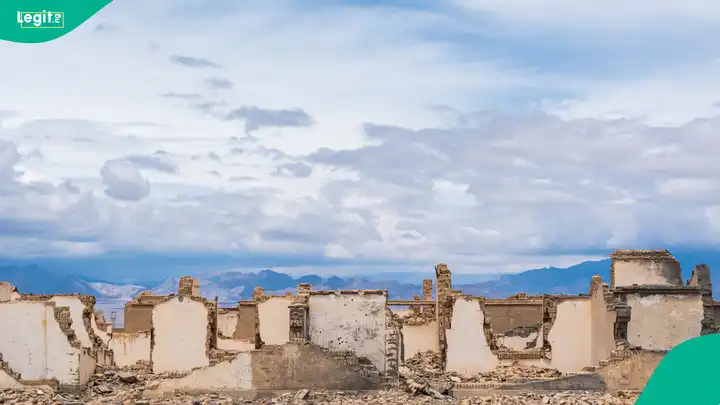
  • Borno State Fence Collapse Kills Five, Leaves One Injured in Jere LGA – Victims Evacuated to Maiduguri Hospital

    A tragic incident in Bintu Sugar, Jere Local Government Area of Borno State, claimed the lives of five residents and left one person injured after a fence collapsed on January 4, 2026, around 8:12 p.m. The victims — Hadiza Mohamed, Adamu Umar, Abdul Malik Usman, Abdullahi Usman, and Salamatu Mohammed Dibal — were residents of Gomari and were evacuated to the State Specialists Hospital in Maiduguri, where they were certified dead.
    The sole survivor, 16-year-old Ya’u Labaran, is receiving treatment at the hospital. Police confirmed the incident and stated that investigations are ongoing to determine the cause of the fence collapse. The deceased were released to their families for burial in accordance with Islamic rites.
    Borno State, located in northeastern Nigeria and sharing borders with Cameroon, Niger, and Chad, has a rich cultural heritage and a history of scholarship. Despite its challenges with insurgency and humanitarian crises, the state remains strategically important for regional trade and security.

    #BornoState #FenceCollapse #JereLGA #NigeriaTragedy #MaiduguriNews #AccidentReport #BreakingNewsNigeria #NigeriaNews
    Borno State Fence Collapse Kills Five, Leaves One Injured in Jere LGA – Victims Evacuated to Maiduguri Hospital A tragic incident in Bintu Sugar, Jere Local Government Area of Borno State, claimed the lives of five residents and left one person injured after a fence collapsed on January 4, 2026, around 8:12 p.m. The victims — Hadiza Mohamed, Adamu Umar, Abdul Malik Usman, Abdullahi Usman, and Salamatu Mohammed Dibal — were residents of Gomari and were evacuated to the State Specialists Hospital in Maiduguri, where they were certified dead. The sole survivor, 16-year-old Ya’u Labaran, is receiving treatment at the hospital. Police confirmed the incident and stated that investigations are ongoing to determine the cause of the fence collapse. The deceased were released to their families for burial in accordance with Islamic rites. Borno State, located in northeastern Nigeria and sharing borders with Cameroon, Niger, and Chad, has a rich cultural heritage and a history of scholarship. Despite its challenges with insurgency and humanitarian crises, the state remains strategically important for regional trade and security. #BornoState #FenceCollapse #JereLGA #NigeriaTragedy #MaiduguriNews #AccidentReport #BreakingNewsNigeria #NigeriaNews
    like
    1
    · 0 Commenti ·0 condivisioni ·3K Views
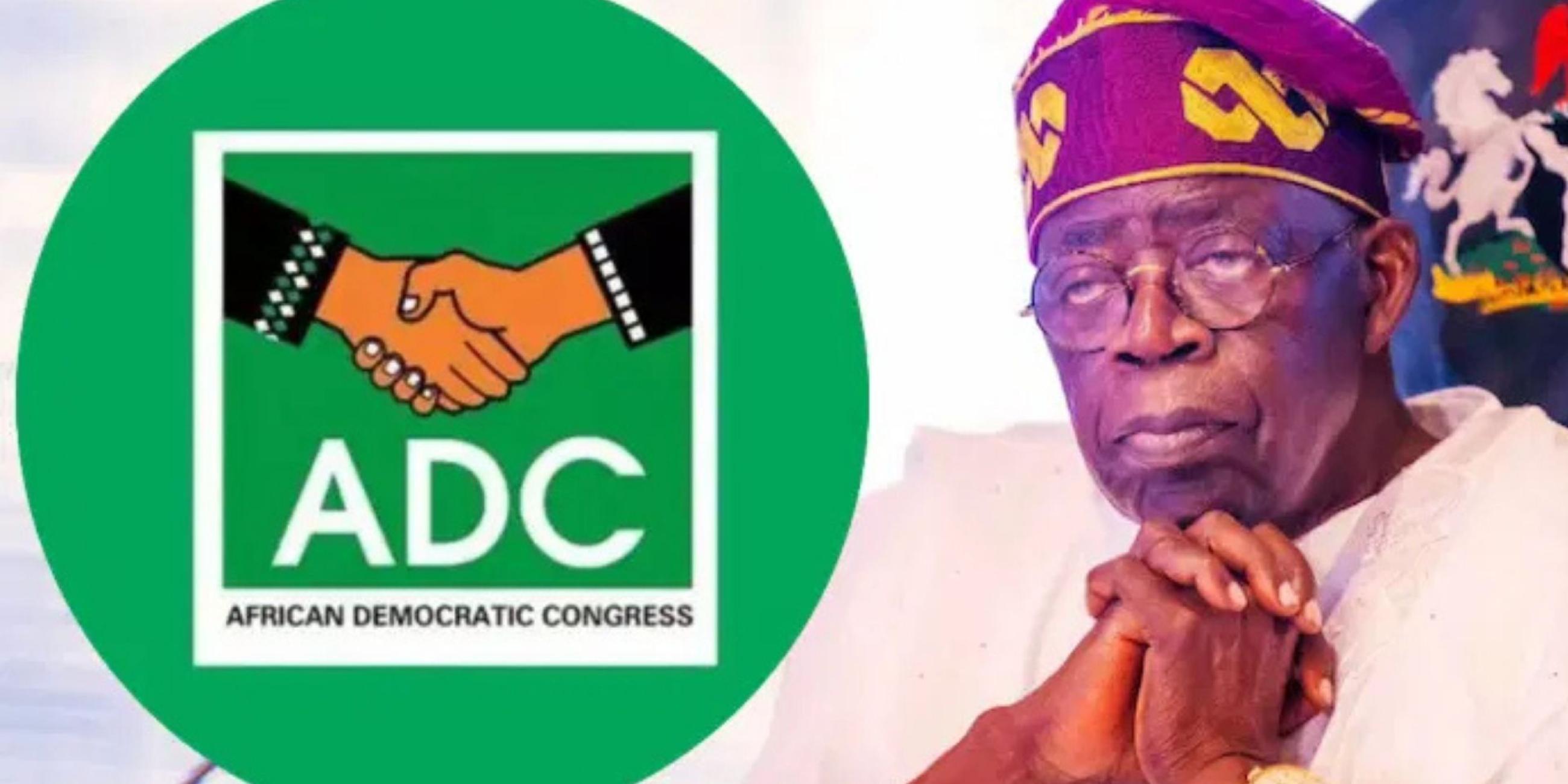
  • ADC Says Trump’s Action Against Venezuela’s Maduro Is a Warning to Illegitimate Governments, Slams Tinubu’s Silence as Embarrassing for Nigeria

    The African Democratic Congress (ADC) has described recent actions by the United States under President Donald Trump against Venezuelan President Nicolás Maduro and his wife as a strong warning to governments that lack legitimacy, urging Nigeria to draw lessons from the development. In a statement signed by its National Publicity Secretary, Bolaji Abdullahi, the party said the move sends “a strong message” to Nigeria and other countries where leadership is allegedly sustained by flawed elections and repression.

    While reaffirming its support for national sovereignty and non-interference as enshrined in the UN Charter, the ADC argued that these principles should not be used to shield tyranny, electoral fraud, and the denial of citizens’ right to choose their leaders. Citing the 2024 Venezuelan presidential election, the party noted widespread international condemnation over alleged fraud, repression, exclusion of opposition candidates, violent suppression of protests, and the use of state institutions against citizens—developments it said have driven mass migration and regional instability.

    The ADC acknowledged that U.S. intervention raises concerns under international law but maintained that the public celebrations within Venezuela reflect a deep legitimacy crisis for the Maduro government. The party also criticised the Tinubu administration’s silence, calling it “deeply embarrassing” and evidence that Nigeria has lost influence and moral authority on the global stage. It concluded that sovereignty must reflect the will of the people, not merely the survival of a regime, warning that “contrived mandates” and election rigging will no longer find safe haven.
    ADC Says Trump’s Action Against Venezuela’s Maduro Is a Warning to Illegitimate Governments, Slams Tinubu’s Silence as Embarrassing for Nigeria The African Democratic Congress (ADC) has described recent actions by the United States under President Donald Trump against Venezuelan President Nicolás Maduro and his wife as a strong warning to governments that lack legitimacy, urging Nigeria to draw lessons from the development. In a statement signed by its National Publicity Secretary, Bolaji Abdullahi, the party said the move sends “a strong message” to Nigeria and other countries where leadership is allegedly sustained by flawed elections and repression. While reaffirming its support for national sovereignty and non-interference as enshrined in the UN Charter, the ADC argued that these principles should not be used to shield tyranny, electoral fraud, and the denial of citizens’ right to choose their leaders. Citing the 2024 Venezuelan presidential election, the party noted widespread international condemnation over alleged fraud, repression, exclusion of opposition candidates, violent suppression of protests, and the use of state institutions against citizens—developments it said have driven mass migration and regional instability. The ADC acknowledged that U.S. intervention raises concerns under international law but maintained that the public celebrations within Venezuela reflect a deep legitimacy crisis for the Maduro government. The party also criticised the Tinubu administration’s silence, calling it “deeply embarrassing” and evidence that Nigeria has lost influence and moral authority on the global stage. It concluded that sovereignty must reflect the will of the people, not merely the survival of a regime, warning that “contrived mandates” and election rigging will no longer find safe haven.
    like
    1
    · 0 Commenti ·0 condivisioni ·2K Views
  • UN Chief António Guterres Warns Security Council of Escalating Venezuela Crisis After U.S. Military Operation, Cites Risks to Regional Stability and International Law

    United Nations Secretary-General António Guterres has warned the Security Council that recent U.S. military action in Venezuela could deepen instability, destabilise the wider region, and undermine the foundations of international law. Speaking through UN political affairs chief Rosemary DiCarlo at an emergency meeting, Guterres described the situation as “grave” following the 3 January U.S. operation that reportedly led to the capture and transfer of Venezuelan President Nicolás Maduro to the United States.

    According to the UN briefing, U.S. forces carried out operations across Caracas and several northern states, with the full extent of casualties still unclear. While U.S. President Donald Trump publicly acknowledged the strike, the Venezuelan government condemned the action as a violation of the UN Charter and a threat to international peace and security. At the time of the meeting, Maduro and his wife, Cilia Flores, were being held in New York to face serious criminal charges.

    Guterres stressed that the UN Charter prohibits the use of force against the territorial integrity or political independence of any state, warning that the precedent set by the operation could erode global norms. He also placed the crisis within Venezuela’s prolonged political, social, and economic turmoil, citing disputed elections, documented human rights violations, and the mass exodus of citizens. Urging restraint, dialogue, and diplomatic engagement, the UN chief called on all parties to respect sovereignty, human rights, and the rule of law, insisting that “the power of the law must prevail” as the international community seeks a peaceful path forward for Venezuela.
    UN Chief António Guterres Warns Security Council of Escalating Venezuela Crisis After U.S. Military Operation, Cites Risks to Regional Stability and International Law United Nations Secretary-General António Guterres has warned the Security Council that recent U.S. military action in Venezuela could deepen instability, destabilise the wider region, and undermine the foundations of international law. Speaking through UN political affairs chief Rosemary DiCarlo at an emergency meeting, Guterres described the situation as “grave” following the 3 January U.S. operation that reportedly led to the capture and transfer of Venezuelan President Nicolás Maduro to the United States. According to the UN briefing, U.S. forces carried out operations across Caracas and several northern states, with the full extent of casualties still unclear. While U.S. President Donald Trump publicly acknowledged the strike, the Venezuelan government condemned the action as a violation of the UN Charter and a threat to international peace and security. At the time of the meeting, Maduro and his wife, Cilia Flores, were being held in New York to face serious criminal charges. Guterres stressed that the UN Charter prohibits the use of force against the territorial integrity or political independence of any state, warning that the precedent set by the operation could erode global norms. He also placed the crisis within Venezuela’s prolonged political, social, and economic turmoil, citing disputed elections, documented human rights violations, and the mass exodus of citizens. Urging restraint, dialogue, and diplomatic engagement, the UN chief called on all parties to respect sovereignty, human rights, and the rule of law, insisting that “the power of the law must prevail” as the international community seeks a peaceful path forward for Venezuela.
    like
    1
    · 0 Commenti ·0 condivisioni ·1K Views
  • Kano State Allocates ₦2 Billion for Generator Maintenance and Servicing in 2026 Budget Amid Nigeria’s Worsening Electricity Crisis

    The Kano State Government has earmarked ₦2 billion in its 2026 budget for the servicing and maintenance of generating sets across government facilities, highlighting the state’s continued reliance on alternative power sources due to Nigeria’s unreliable electricity supply. The allocation was revealed in the 2026 appropriation document published on the Open States transparency platform owned by BudgIT and reviewed by SaharaReporters.

    The spending plan comes despite recent efforts by Kano State, alongside Katsina and Jigawa states, to establish Nigeria’s first regional electricity market with an initial ₦50 billion funding commitment. Kano has also invested in independent power projects, including the 10-megawatt Tiga Hydro Power Plant, which is already producing electricity, and another six-megawatt project that was about 65 percent completed as of late 2024.

    However, persistent national power challenges continue to undermine these initiatives. Nigeria’s electricity crisis deepened recently after the national grid collapsed, plunging power generation from over 2,000 megawatts to just 139.92MW within an hour and leaving most distribution companies without electricity supply. Kano was among several states that received zero allocation during the outage.

    The ₦2 billion generator maintenance budget underscores the harsh reality facing many Nigerian states as they grapple with frequent grid failures and inadequate power infrastructure, mirroring similar spending patterns elsewhere, including Plateau State’s ₦400 million allocation in 2025 for the purchase of thousands of generators.
    Kano State Allocates ₦2 Billion for Generator Maintenance and Servicing in 2026 Budget Amid Nigeria’s Worsening Electricity Crisis The Kano State Government has earmarked ₦2 billion in its 2026 budget for the servicing and maintenance of generating sets across government facilities, highlighting the state’s continued reliance on alternative power sources due to Nigeria’s unreliable electricity supply. The allocation was revealed in the 2026 appropriation document published on the Open States transparency platform owned by BudgIT and reviewed by SaharaReporters. The spending plan comes despite recent efforts by Kano State, alongside Katsina and Jigawa states, to establish Nigeria’s first regional electricity market with an initial ₦50 billion funding commitment. Kano has also invested in independent power projects, including the 10-megawatt Tiga Hydro Power Plant, which is already producing electricity, and another six-megawatt project that was about 65 percent completed as of late 2024. However, persistent national power challenges continue to undermine these initiatives. Nigeria’s electricity crisis deepened recently after the national grid collapsed, plunging power generation from over 2,000 megawatts to just 139.92MW within an hour and leaving most distribution companies without electricity supply. Kano was among several states that received zero allocation during the outage. The ₦2 billion generator maintenance budget underscores the harsh reality facing many Nigerian states as they grapple with frequent grid failures and inadequate power infrastructure, mirroring similar spending patterns elsewhere, including Plateau State’s ₦400 million allocation in 2025 for the purchase of thousands of generators.
    like
    1
    · 0 Commenti ·0 condivisioni ·2K Views
  • ECOWAS Urges Restraint, Dialogue, and Respect for Venezuela’s Sovereignty Following U.S. Military Actions

    ECOWAS has called for restraint, inclusive dialogue, and respect for Venezuela’s sovereignty in response to recent U.S. military actions in the country. In a statement issued from Abuja on January 5, 2026, the regional bloc emphasized that while states have the right to combat transnational threats, such actions must comply with international law.

    The organization highlighted the importance of respecting the principles of sovereignty and territorial integrity, citing Article 2(4) of the United Nations Charter. ECOWAS aligned itself with the African Union’s earlier statement, urging calm, dialogue, and the peaceful resolution of disputes in Venezuela.

    The bloc reaffirmed its support for the Venezuelan people, emphasizing that they must have the primary role in determining their nation’s future through inclusive processes. ECOWAS stressed that international engagement must uphold constitutional and institutional frameworks, good neighborliness, and cooperation, while avoiding violations of sovereignty.

    Topics: International, Politics, Africa, Venezuela, Diplomacy.
    ECOWAS Urges Restraint, Dialogue, and Respect for Venezuela’s Sovereignty Following U.S. Military Actions ECOWAS has called for restraint, inclusive dialogue, and respect for Venezuela’s sovereignty in response to recent U.S. military actions in the country. In a statement issued from Abuja on January 5, 2026, the regional bloc emphasized that while states have the right to combat transnational threats, such actions must comply with international law. The organization highlighted the importance of respecting the principles of sovereignty and territorial integrity, citing Article 2(4) of the United Nations Charter. ECOWAS aligned itself with the African Union’s earlier statement, urging calm, dialogue, and the peaceful resolution of disputes in Venezuela. The bloc reaffirmed its support for the Venezuelan people, emphasizing that they must have the primary role in determining their nation’s future through inclusive processes. ECOWAS stressed that international engagement must uphold constitutional and institutional frameworks, good neighborliness, and cooperation, while avoiding violations of sovereignty. Topics: International, Politics, Africa, Venezuela, Diplomacy.
    0 Commenti ·0 condivisioni ·1K Views
  • 26 EU States Urge Calm, Respect For International Law After US Military Captures Venezuelan President Nicolas Maduro

    Twenty-six member states of the European Union have called for calm, restraint and strict adherence to international law following the United States’ military action in Venezuela, which reportedly led to the capture of President Nicolas Maduro and his wife, Cilia Flores. In a joint statement issued by EU foreign policy chief Kaja Kallas, the bloc warned against actions that could escalate tensions or derail prospects for a peaceful resolution of the Venezuelan crisis.

    The EU stressed that the principles of international law and the United Nations Charter must be upheld at all times, noting that members of the UN Security Council bear a special responsibility in safeguarding these norms as a foundation of global security. While reiterating its long-standing position that Maduro lacks the legitimacy of a democratically elected president, the EU emphasized support for a Venezuelan-led, peaceful and democratic transition that respects the country’s sovereignty.

    The statement also highlighted the need for sustained international cooperation to combat transnational organised crime and drug trafficking, but only in full respect of territorial integrity and international law. The bloc said it remains in close contact with the United States, regional actors and international partners to facilitate dialogue aimed at a negotiated, inclusive and peaceful solution driven by Venezuelans themselves.

    Additionally, the EU called for the unconditional release of all political prisoners in Venezuela and confirmed that EU member states’ consular authorities are working together to protect EU citizens, including those allegedly detained unlawfully. The intervention comes amid heightened global concern over Venezuela’s political deadlock and regional stability following President Donald Trump’s announcement that Maduro had been captured and transferred to the United States to face federal charges related to drug trafficking and alleged links to designated terrorist organisations.
    26 EU States Urge Calm, Respect For International Law After US Military Captures Venezuelan President Nicolas Maduro Twenty-six member states of the European Union have called for calm, restraint and strict adherence to international law following the United States’ military action in Venezuela, which reportedly led to the capture of President Nicolas Maduro and his wife, Cilia Flores. In a joint statement issued by EU foreign policy chief Kaja Kallas, the bloc warned against actions that could escalate tensions or derail prospects for a peaceful resolution of the Venezuelan crisis. The EU stressed that the principles of international law and the United Nations Charter must be upheld at all times, noting that members of the UN Security Council bear a special responsibility in safeguarding these norms as a foundation of global security. While reiterating its long-standing position that Maduro lacks the legitimacy of a democratically elected president, the EU emphasized support for a Venezuelan-led, peaceful and democratic transition that respects the country’s sovereignty. The statement also highlighted the need for sustained international cooperation to combat transnational organised crime and drug trafficking, but only in full respect of territorial integrity and international law. The bloc said it remains in close contact with the United States, regional actors and international partners to facilitate dialogue aimed at a negotiated, inclusive and peaceful solution driven by Venezuelans themselves. Additionally, the EU called for the unconditional release of all political prisoners in Venezuela and confirmed that EU member states’ consular authorities are working together to protect EU citizens, including those allegedly detained unlawfully. The intervention comes amid heightened global concern over Venezuela’s political deadlock and regional stability following President Donald Trump’s announcement that Maduro had been captured and transferred to the United States to face federal charges related to drug trafficking and alleged links to designated terrorist organisations.
    0 Commenti ·0 condivisioni ·901 Views
Pagine in Evidenza
Fintter https://fintter.com