• BREAKING NEWS


    The Federal Government has reaffirmed plans to comprehensively map Nigeria for expanded gas distribution networks while intensifying calls for increased refinery capacity to position the country as a major exporter of petroleum products.
    BREAKING NEWS 🔥🔥🔥 The Federal Government has reaffirmed plans to comprehensively map Nigeria for expanded gas distribution networks while intensifying calls for increased refinery capacity to position the country as a major exporter of petroleum products.
    love
    2
    · 0 Reacties ·0 aandelen ·2K Views
  • Dangote Group to Expand Lekki Refinery to 1.4 Million Barrels Per Day…….


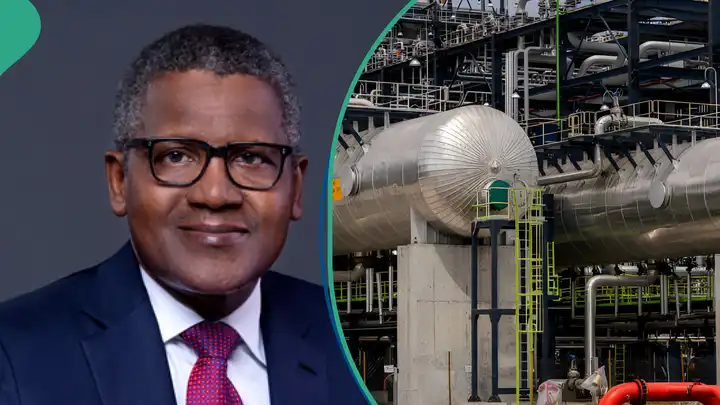
    In a major boost for Nigeria’s energy sector, Dangote Group has secured a multi-million-dollar contract to expand the capacity of the Dangote Refinery in Lekki to an impressive 1.4 million barrels per day. According to the refinery, the expansion will solidify its position as a “global heavyweight,” transforming the complex into a multi-train facility of unmatched scale. The move is seen as a giant leap toward national fuel independence, reduced imports and stronger economic growth. Stakeholders say the project could significantly lower fuel costs and strengthen Nigeria’s export potential.
    #fintternews
    Dangote Group to Expand Lekki Refinery to 1.4 Million Barrels Per Day……. In a major boost for Nigeria’s energy sector, Dangote Group has secured a multi-million-dollar contract to expand the capacity of the Dangote Refinery in Lekki to an impressive 1.4 million barrels per day. According to the refinery, the expansion will solidify its position as a “global heavyweight,” transforming the complex into a multi-train facility of unmatched scale. The move is seen as a giant leap toward national fuel independence, reduced imports and stronger economic growth. Stakeholders say the project could significantly lower fuel costs and strengthen Nigeria’s export potential. #fintternews
    love
    1
    · 0 Reacties ·0 aandelen ·2K Views
  • Dangote Signs $350m Deal With Indian Firm EIL to Expand Lagos Refinery

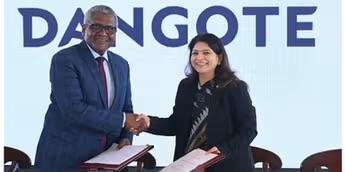
    Dangote Group has signed a $350 million agreement with Indian engineering firm Engineers India Ltd (EIL) to expand its flagship refinery and petrochemicals complex in Lagos, a move expected to significantly boost Nigeria’s industrial capacity and reduce Africa’s dependence on imported refined fuels.

    The expansion project will increase the refinery’s processing capacity from 650,000 barrels per day to 1.4 million barrels per day, positioning it as one of the largest single-location refinery complexes in the world.

    Located in the Lekki Free Zone, the Dangote Refinery represents a major milestone in Nigeria’s transition from fuel importation to local production and export of refined petroleum products.

    As part of the deal, Dangote Group will also expand its petrochemical operations, with polypropylene production set to rise to 2.4 million tonnes per annum, strengthening Nigeria’s position in the global petrochemical market.

    #DangoteRefinery #NigeriaEconomy #IndustrialGrowth #EnergySector
    Dangote Signs $350m Deal With Indian Firm EIL to Expand Lagos Refinery Dangote Group has signed a $350 million agreement with Indian engineering firm Engineers India Ltd (EIL) to expand its flagship refinery and petrochemicals complex in Lagos, a move expected to significantly boost Nigeria’s industrial capacity and reduce Africa’s dependence on imported refined fuels. The expansion project will increase the refinery’s processing capacity from 650,000 barrels per day to 1.4 million barrels per day, positioning it as one of the largest single-location refinery complexes in the world. Located in the Lekki Free Zone, the Dangote Refinery represents a major milestone in Nigeria’s transition from fuel importation to local production and export of refined petroleum products. As part of the deal, Dangote Group will also expand its petrochemical operations, with polypropylene production set to rise to 2.4 million tonnes per annum, strengthening Nigeria’s position in the global petrochemical market. #DangoteRefinery #NigeriaEconomy #IndustrialGrowth #EnergySector
    love
    1
    · 0 Reacties ·0 aandelen ·2K Views
  • Dangote Refinery shakes up Nigeria's fuel market, selling petrol N44 cheaper and has promised
    Dangote Refinery shakes up Nigeria's fuel market, selling petrol N44 cheaper and has promised
    love
    1
    · 1 Reacties ·0 aandelen ·619 Views
  • What Will 2026 Really Bring for Nigeria and the World? Azu Ishiekwene Predicts Power Shifts, Economic Strain, AI Disruption, 2027 Politics and Who Wins the World Cup

    Is 2026 a year of quiet recovery—or the beginning of deeper political, economic and global turbulence? And is Nigeria already slipping into the politics of 2027?

    In what he describes as possibly his final annual forecast, journalist and columnist Azu Ishiekwene delivers a sweeping, high-stakes outlook on Nigeria and the world, blending political prediction, economic analysis, technology trends and global power shifts. Known for earlier forecasts that accurately anticipated election outcomes and cabinet shake-ups, Ishiekwene argues that 2026 will be a year where politics collides head-on with harsh economic realities, leaving citizens caught between daily hardship and recycled political promises.

    He warns that Nigeria’s economy will remain under pressure, with tensions growing between tight monetary policy and rising demands for fiscal expansion in a pre-election year. Could divisions inside the Ministry of Finance undermine investor confidence? And will petrol prices remain stable around ₦850 per litre, as he suggests, only if oil output rises and NNPC escapes its heavy crude obligations?

    While cheaper fuel from the Dangote Refinery may offer temporary consumer relief, Ishiekwene predicts continued instability in electricity supply, pointing to a fragile transmission system that still requires massive investment. He also foresees President Bola Tinubu possibly unveiling private-sector-led reforms in power transmission involving major business players.

    But is Nigeria already entering the politics of 2027 in 2026?

    Ishiekwene argues that although early elections are unlikely, political realignments are accelerating. With multiple opposition governors defecting to the ruling APC, claims of a creeping one-party state are growing. Yet, he suggests the reality is more complex: a weakened opposition plagued by internal fractures, financial constraints and a lack of coherent alternatives.

    Turning to the emerging African Democratic Congress (ADC) coalition—uniting figures such as Atiku Abubakar, Peter Obi, Nasir El-Rufai, Rotimi Amaechi and Rabiu Kwankwaso—he raises a critical question: is ADC truly built to win in 2027, or merely to survive until 2031? He predicts Atiku will clinch the party’s ticket over Obi, with Obi likely offered the vice-presidential slot—potentially triggering backlash among “Obidients.” With limited grassroots reach and the enormous financial demands of a presidential campaign, Ishiekwene concludes that ADC may struggle to pose a serious challenge to the ruling party in the next election cycle.

    Beyond Nigeria, he paints 2026 as a year shaped by geopolitical rivalry, especially between Donald Trump’s America and Xi Jinping’s China, and by growing global unease over U.S. trade policies, immigration enforcement and economic nationalism. Could gold and non-dollar assets accelerate as the world quietly prepares for a less dollar-centric future?

    He also highlights the rapid evolution of artificial intelligence, warning that 2026 will mark a shift from basic generative AI to agentic, autonomous systems capable of independent action. As AI blurs the line between reality and fabrication, he predicts rising confusion, misinformation, and ethical challenges—ushering in what he calls the “Year of the Humanoid.”

    Even football is not spared his forecasting. With the 2026 FIFA World Cup approaching, Ishiekwene tips Spain to win, citing tactical depth and cohesion, while acknowledging Morocco as Africa’s strongest hope.

    Ultimately, the essay asks uncomfortable but urgent questions:
    Is Nigeria drifting toward political dominance by one party?
    Will economic reforms truly ease citizens’ burdens—or merely reshuffle the pressure?
    Can a fractured opposition reorganise in time?
    And in a world increasingly shaped by AI and geopolitical rivalry, where does Nigeria truly stand?

    For Ishiekwene, 2026 is not just another year—it is a crossroads where technology, politics, power and survival intersect, setting the tone for Nigeria’s future well beyond the next election.


    What Will 2026 Really Bring for Nigeria and the World? Azu Ishiekwene Predicts Power Shifts, Economic Strain, AI Disruption, 2027 Politics and Who Wins the World Cup Is 2026 a year of quiet recovery—or the beginning of deeper political, economic and global turbulence? And is Nigeria already slipping into the politics of 2027? In what he describes as possibly his final annual forecast, journalist and columnist Azu Ishiekwene delivers a sweeping, high-stakes outlook on Nigeria and the world, blending political prediction, economic analysis, technology trends and global power shifts. Known for earlier forecasts that accurately anticipated election outcomes and cabinet shake-ups, Ishiekwene argues that 2026 will be a year where politics collides head-on with harsh economic realities, leaving citizens caught between daily hardship and recycled political promises. He warns that Nigeria’s economy will remain under pressure, with tensions growing between tight monetary policy and rising demands for fiscal expansion in a pre-election year. Could divisions inside the Ministry of Finance undermine investor confidence? And will petrol prices remain stable around ₦850 per litre, as he suggests, only if oil output rises and NNPC escapes its heavy crude obligations? While cheaper fuel from the Dangote Refinery may offer temporary consumer relief, Ishiekwene predicts continued instability in electricity supply, pointing to a fragile transmission system that still requires massive investment. He also foresees President Bola Tinubu possibly unveiling private-sector-led reforms in power transmission involving major business players. But is Nigeria already entering the politics of 2027 in 2026? Ishiekwene argues that although early elections are unlikely, political realignments are accelerating. With multiple opposition governors defecting to the ruling APC, claims of a creeping one-party state are growing. Yet, he suggests the reality is more complex: a weakened opposition plagued by internal fractures, financial constraints and a lack of coherent alternatives. Turning to the emerging African Democratic Congress (ADC) coalition—uniting figures such as Atiku Abubakar, Peter Obi, Nasir El-Rufai, Rotimi Amaechi and Rabiu Kwankwaso—he raises a critical question: is ADC truly built to win in 2027, or merely to survive until 2031? He predicts Atiku will clinch the party’s ticket over Obi, with Obi likely offered the vice-presidential slot—potentially triggering backlash among “Obidients.” With limited grassroots reach and the enormous financial demands of a presidential campaign, Ishiekwene concludes that ADC may struggle to pose a serious challenge to the ruling party in the next election cycle. Beyond Nigeria, he paints 2026 as a year shaped by geopolitical rivalry, especially between Donald Trump’s America and Xi Jinping’s China, and by growing global unease over U.S. trade policies, immigration enforcement and economic nationalism. Could gold and non-dollar assets accelerate as the world quietly prepares for a less dollar-centric future? He also highlights the rapid evolution of artificial intelligence, warning that 2026 will mark a shift from basic generative AI to agentic, autonomous systems capable of independent action. As AI blurs the line between reality and fabrication, he predicts rising confusion, misinformation, and ethical challenges—ushering in what he calls the “Year of the Humanoid.” Even football is not spared his forecasting. With the 2026 FIFA World Cup approaching, Ishiekwene tips Spain to win, citing tactical depth and cohesion, while acknowledging Morocco as Africa’s strongest hope. Ultimately, the essay asks uncomfortable but urgent questions: Is Nigeria drifting toward political dominance by one party? Will economic reforms truly ease citizens’ burdens—or merely reshuffle the pressure? Can a fractured opposition reorganise in time? And in a world increasingly shaped by AI and geopolitical rivalry, where does Nigeria truly stand? For Ishiekwene, 2026 is not just another year—it is a crossroads where technology, politics, power and survival intersect, setting the tone for Nigeria’s future well beyond the next election.
    love
    1
    · 0 Reacties ·0 aandelen ·5K Views
  • Dangote Refinery Temporarily Offline for Maintenance, Eyes 700,000 bpd Output in 2026 to Boost Nigeria’s Fuel Self-Sufficiency

    Dangote Petroleum Refinery has commenced planned maintenance on its core petrol-producing units, temporarily pausing full crude processing. The move targets increased operational stability and a ramp-up in crude distillation capacity from 650,000 to 700,000 barrels per day (bpd) by early 2026, solidifying the refinery’s status as the world’s largest single-train facility.

    The maintenance includes taking the residue fluid catalytic cracker (RFCC) and crude distillation unit (CDU) offline, while secondary units such as the hydrocracker and reformer continue limited production of diesel, aviation fuel, and petrol. Since starting operations, the refinery has cut Nigeria’s petrol imports by over 60%, easing foreign exchange pressure and reducing reliance on global supply.

    The upgrade is seen as a strategic de-bottlenecking effort, aimed at enhancing long-term refining efficiency and regional market influence. Analysts note that successful capacity ramp-up will reinforce Nigeria’s role as Africa’s refining hub and further reduce dependence on imported fuel, while ensuring adequate supply during the maintenance period.
    Dangote Refinery Temporarily Offline for Maintenance, Eyes 700,000 bpd Output in 2026 to Boost Nigeria’s Fuel Self-Sufficiency Dangote Petroleum Refinery has commenced planned maintenance on its core petrol-producing units, temporarily pausing full crude processing. The move targets increased operational stability and a ramp-up in crude distillation capacity from 650,000 to 700,000 barrels per day (bpd) by early 2026, solidifying the refinery’s status as the world’s largest single-train facility. The maintenance includes taking the residue fluid catalytic cracker (RFCC) and crude distillation unit (CDU) offline, while secondary units such as the hydrocracker and reformer continue limited production of diesel, aviation fuel, and petrol. Since starting operations, the refinery has cut Nigeria’s petrol imports by over 60%, easing foreign exchange pressure and reducing reliance on global supply. The upgrade is seen as a strategic de-bottlenecking effort, aimed at enhancing long-term refining efficiency and regional market influence. Analysts note that successful capacity ramp-up will reinforce Nigeria’s role as Africa’s refining hub and further reduce dependence on imported fuel, while ensuring adequate supply during the maintenance period.
    love
    1
    · 0 Reacties ·0 aandelen ·1K Views
  • LPG Marketers Accuse Dangote Refinery of Blocking Gas Loading for Over One Month After Full Payment, Allege Product Diversion, Preferential Pricing and Financial Losses

    Some Liquefied Petroleum Gas (LPG) marketers have accused the Dangote Refinery of deliberately frustrating their operations by preventing them from loading LPG products more than a month after full payment was made. The aggrieved marketers told SaharaReporters that despite settling proforma invoices and meeting all financial obligations, access to the Dangote gantry has remained blocked, leaving many traders in severe financial distress. Several marketers said they borrowed heavily from banks to fund their allocations and are now burdened with high interest costs due to prolonged delays.

    The marketers further alleged that LPG already paid for is being diverted by the refinery for the production of polypropylene, while independent traders are sidelined. They also criticised what they described as an inefficient and opaque loading system, claiming FAN tickets take weeks to process and that traders are restricted to loading only one truck every two weeks, often requiring insider connections. Additional complaints include alleged preferential pricing for consortium members, uncompetitive margins for independent marketers, the sale of Aviation Turbine Kerosene (ATK) in US dollars, and pricing structures that make profitability nearly impossible for traders relying on bank loans.

    Responding to the allegations, Dangote Group’s Chief Communications Officer, Tony Chiejina, dismissed the criticisms, stating that the refinery’s impact would become clearer over time and highlighting Nigeria’s improved fuel availability during festive periods. He also hinted at what he described as an impending “big revolution” in LPG, urging critics to be patient as the refinery’s long-term benefits unfold.
    LPG Marketers Accuse Dangote Refinery of Blocking Gas Loading for Over One Month After Full Payment, Allege Product Diversion, Preferential Pricing and Financial Losses Some Liquefied Petroleum Gas (LPG) marketers have accused the Dangote Refinery of deliberately frustrating their operations by preventing them from loading LPG products more than a month after full payment was made. The aggrieved marketers told SaharaReporters that despite settling proforma invoices and meeting all financial obligations, access to the Dangote gantry has remained blocked, leaving many traders in severe financial distress. Several marketers said they borrowed heavily from banks to fund their allocations and are now burdened with high interest costs due to prolonged delays. The marketers further alleged that LPG already paid for is being diverted by the refinery for the production of polypropylene, while independent traders are sidelined. They also criticised what they described as an inefficient and opaque loading system, claiming FAN tickets take weeks to process and that traders are restricted to loading only one truck every two weeks, often requiring insider connections. Additional complaints include alleged preferential pricing for consortium members, uncompetitive margins for independent marketers, the sale of Aviation Turbine Kerosene (ATK) in US dollars, and pricing structures that make profitability nearly impossible for traders relying on bank loans. Responding to the allegations, Dangote Group’s Chief Communications Officer, Tony Chiejina, dismissed the criticisms, stating that the refinery’s impact would become clearer over time and highlighting Nigeria’s improved fuel availability during festive periods. He also hinted at what he described as an impending “big revolution” in LPG, urging critics to be patient as the refinery’s long-term benefits unfold.
    0 Reacties ·0 aandelen ·1K Views
  • EXCLUSIVE: NMDPRA CEO Saidu Aliyu Mohammed Linked to Kaduna Refinery Collapse

    Saidu Aliyu Mohammed, recently confirmed as CEO of the Nigeria Midstream and Downstream Petroleum Regulatory Authority (NMDPRA), has been linked to the collapse of the Kaduna Refinery, sources say. The Senate confirmed his appointment following screenings by the Joint Committees on Petroleum. Mohammed previously served as Managing Director of Kaduna Refining and Petrochemical Company and chaired boards of major NNPC subsidiaries. Industry insiders allege mismanagement under his leadership contributed to the refinery’s prolonged shutdown. Meanwhile, Oritsemeyiwa Amanorisewo Eyesan was confirmed as CEO of the Nigeria Upstream Petroleum Regulatory Commission (NUPRC). The appointments follow the resignations of Farouk Ahmed and Gbenga Komalafe, amid corruption allegations, notably by billionaire Aliko Dangote against Ahmed. Dangote’s claims included diversion of public funds and extravagant personal spending. Observers note the new regulators’ appointment is welcomed by Dangote, potentially increasing his influence over Nigeria’s petroleum sector.
    EXCLUSIVE: NMDPRA CEO Saidu Aliyu Mohammed Linked to Kaduna Refinery Collapse Saidu Aliyu Mohammed, recently confirmed as CEO of the Nigeria Midstream and Downstream Petroleum Regulatory Authority (NMDPRA), has been linked to the collapse of the Kaduna Refinery, sources say. The Senate confirmed his appointment following screenings by the Joint Committees on Petroleum. Mohammed previously served as Managing Director of Kaduna Refining and Petrochemical Company and chaired boards of major NNPC subsidiaries. Industry insiders allege mismanagement under his leadership contributed to the refinery’s prolonged shutdown. Meanwhile, Oritsemeyiwa Amanorisewo Eyesan was confirmed as CEO of the Nigeria Upstream Petroleum Regulatory Commission (NUPRC). The appointments follow the resignations of Farouk Ahmed and Gbenga Komalafe, amid corruption allegations, notably by billionaire Aliko Dangote against Ahmed. Dangote’s claims included diversion of public funds and extravagant personal spending. Observers note the new regulators’ appointment is welcomed by Dangote, potentially increasing his influence over Nigeria’s petroleum sector.
    0 Reacties ·0 aandelen ·1K Views
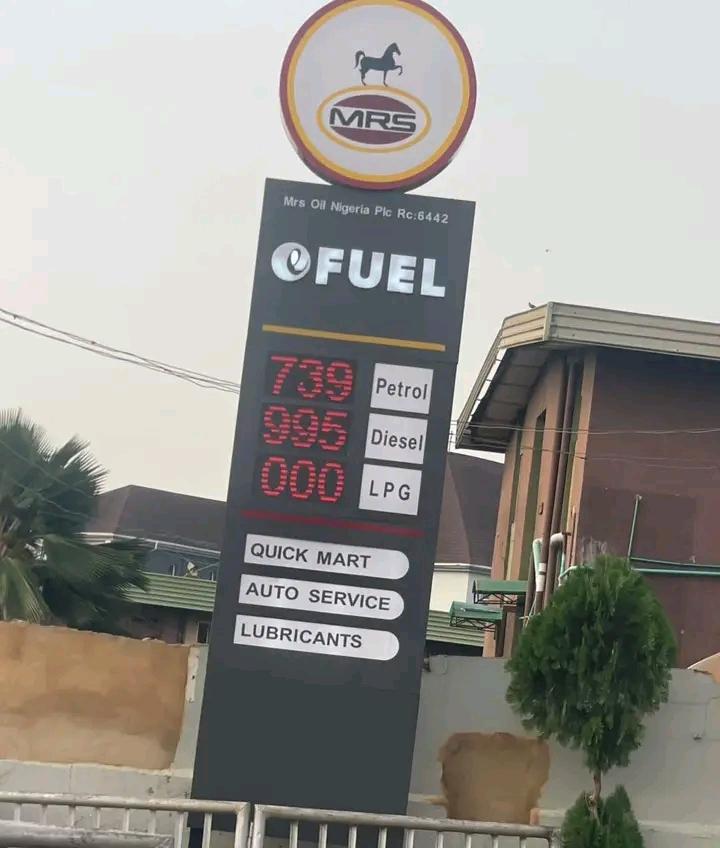
  • Dangote Refinery Urges Nigerians to Report MRS Stations Selling Petrol Above ₦739/Litre

    Dangote Petroleum Refinery has called on Nigerians to report any MRS Oil Nigeria Plc filling station selling Premium Motor Spirit (PMS), commonly known as petrol, above the approved price of ₦739 per litre.

    In a statement issued on Sunday, the refinery announced the commencement of nationwide sales of petrol at ₦739 per litre exclusively through over 2,000 MRS stations across the country. This price reduction, backed by a guaranteed daily supply of 50 million litres, aims to provide relief to consumers, stabilize the downstream market, and counter seasonal fuel scarcity often seen during the festive period.

    The refinery commended MRS and other compliant marketers for "demonstrating patriotism" by implementing the reduced pump price, while urging other operators to patronize its products to extend the benefits nationwide.

    It strongly warned against "unscrupulous" attempts to create artificial scarcity or inflate prices, describing such actions as "unpatriotic" and calling on regulatory authorities to intervene firmly.

    "We encourage Nigerians to avoid buying PMS at excessively high prices when they can access locally refined fuel at ₦739 per litre from over 2,000 MRS stations nationwide. Report any MRS station selling above ₦739 per litre by calling 0800 123 5264,” the statement reads in part.
    Dangote Refinery Urges Nigerians to Report MRS Stations Selling Petrol Above ₦739/Litre Dangote Petroleum Refinery has called on Nigerians to report any MRS Oil Nigeria Plc filling station selling Premium Motor Spirit (PMS), commonly known as petrol, above the approved price of ₦739 per litre. In a statement issued on Sunday, the refinery announced the commencement of nationwide sales of petrol at ₦739 per litre exclusively through over 2,000 MRS stations across the country. This price reduction, backed by a guaranteed daily supply of 50 million litres, aims to provide relief to consumers, stabilize the downstream market, and counter seasonal fuel scarcity often seen during the festive period. The refinery commended MRS and other compliant marketers for "demonstrating patriotism" by implementing the reduced pump price, while urging other operators to patronize its products to extend the benefits nationwide. It strongly warned against "unscrupulous" attempts to create artificial scarcity or inflate prices, describing such actions as "unpatriotic" and calling on regulatory authorities to intervene firmly. "We encourage Nigerians to avoid buying PMS at excessively high prices when they can access locally refined fuel at ₦739 per litre from over 2,000 MRS stations nationwide. Report any MRS station selling above ₦739 per litre by calling 0800 123 5264,” the statement reads in part.
    0 Reacties ·0 aandelen ·775 Views
  • ICPC Invites Aliko Dangote Over Petition Against Ex-NMDPRA Boss Farouk Ahmed in Alleged $7 Million Corruption Scandal

    The Independent Corrupt Practices and Other Related Offences Commission (ICPC) has invited Africa’s richest man, Aliko Dangote, to provide evidence in support of his petition against the former Managing Director of the Nigerian Midstream and Downstream Petroleum Regulatory Authority (NMDPRA), Farouk Ahmed. Dangote accused Ahmed of corruption, misappropriation of public funds, and economic sabotage, alleging that over $7 million was spent on his children’s education in Switzerland. Despite Ahmed’s resignation, ICPC confirmed that a special panel of investigators has been constituted to probe the allegations in the public interest, as tensions continue over refinery licences and Nigeria’s petroleum sector regulation.
    ICPC Invites Aliko Dangote Over Petition Against Ex-NMDPRA Boss Farouk Ahmed in Alleged $7 Million Corruption Scandal The Independent Corrupt Practices and Other Related Offences Commission (ICPC) has invited Africa’s richest man, Aliko Dangote, to provide evidence in support of his petition against the former Managing Director of the Nigerian Midstream and Downstream Petroleum Regulatory Authority (NMDPRA), Farouk Ahmed. Dangote accused Ahmed of corruption, misappropriation of public funds, and economic sabotage, alleging that over $7 million was spent on his children’s education in Switzerland. Despite Ahmed’s resignation, ICPC confirmed that a special panel of investigators has been constituted to probe the allegations in the public interest, as tensions continue over refinery licences and Nigeria’s petroleum sector regulation.
    love
    1
    · 0 Reacties ·0 aandelen ·713 Views
  • of Nigeria’s industrial ambition, driven by a strong emphasis on local manufacturing across key sectors such as cement, sugar, and oil refining. Through these investments, Dangote positioned himself as a central figure in Nigeria’s push for self-sufficiency and reduced reliance on imports.

    However, contradictions within Nigeria’s economic structure have raised questions. Dangote Cement, for instance, is often sold cheaper outside Nigeria than within the country, largely because exports avoid the heavy domestic taxes, levies, and regulatory costs imposed on locally sold goods. This highlights deeper structural inefficiencies within Nigeria’s fiscal and regulatory system, which ultimately drive up prices for consumers despite local production.

    More recently, Dangote’s massive refinery project has attracted both praise and backlash. While it is celebrated as a landmark achievement for Nigeria’s energy sector, critics have raised concerns about potential market dominance, pricing power, and the implications of such a critical national asset being privately owned.
    of Nigeria’s industrial ambition, driven by a strong emphasis on local manufacturing across key sectors such as cement, sugar, and oil refining. Through these investments, Dangote positioned himself as a central figure in Nigeria’s push for self-sufficiency and reduced reliance on imports. However, contradictions within Nigeria’s economic structure have raised questions. Dangote Cement, for instance, is often sold cheaper outside Nigeria than within the country, largely because exports avoid the heavy domestic taxes, levies, and regulatory costs imposed on locally sold goods. This highlights deeper structural inefficiencies within Nigeria’s fiscal and regulatory system, which ultimately drive up prices for consumers despite local production. More recently, Dangote’s massive refinery project has attracted both praise and backlash. While it is celebrated as a landmark achievement for Nigeria’s energy sector, critics have raised concerns about potential market dominance, pricing power, and the implications of such a critical national asset being privately owned.
    love
    1
    · 0 Reacties ·0 aandelen ·542 Views
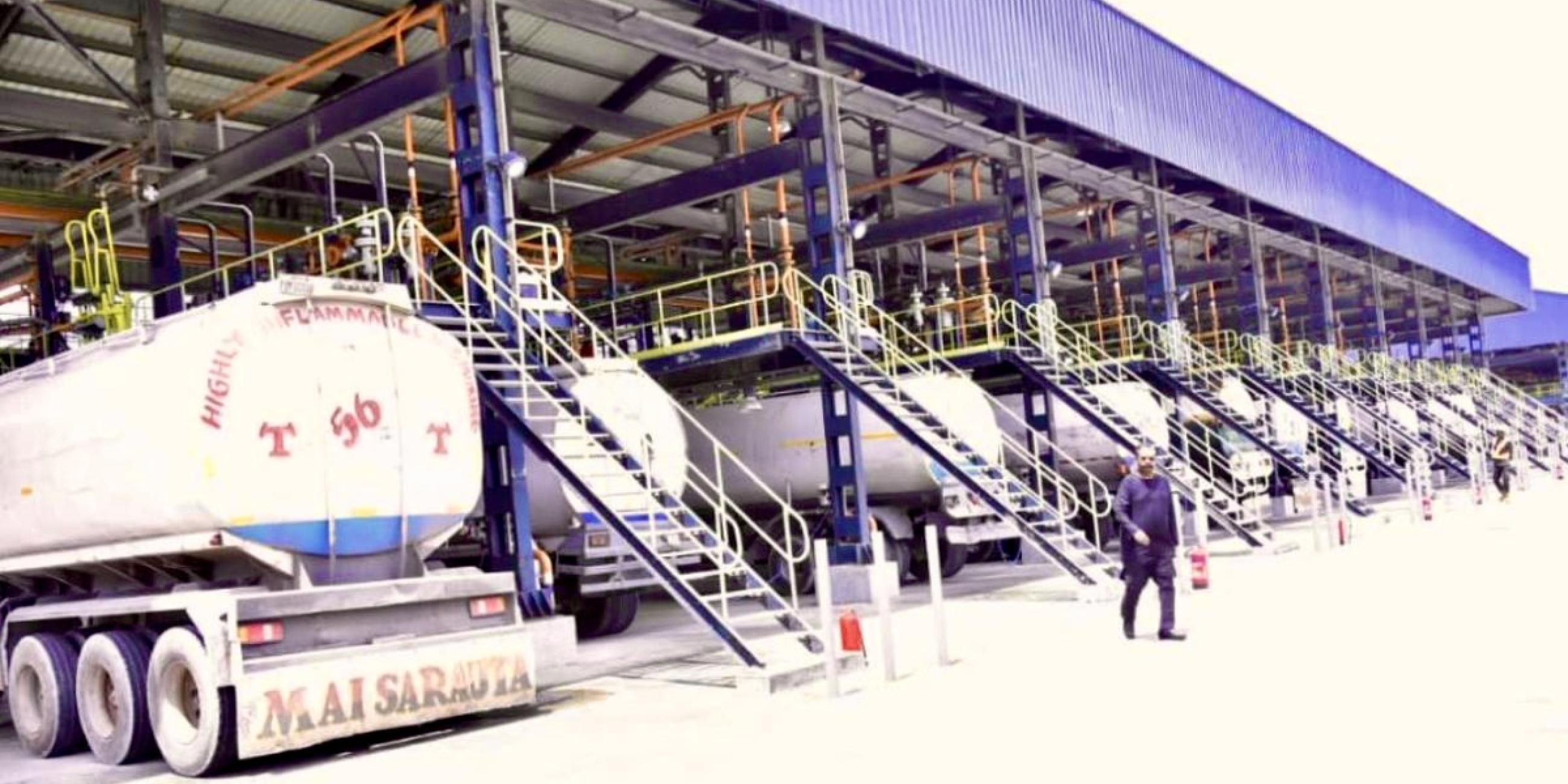
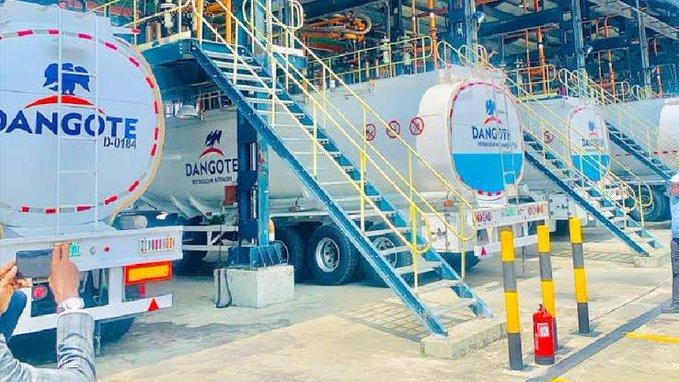
  • Over 1,000 trucks now load petrol daily at our refinery.

    ~ Dangote refinery says
    Over 1,000 trucks now load petrol daily at our refinery. ~ Dangote refinery says
    love
    1
    · 1 Reacties ·0 aandelen ·489 Views
  • NNPCL Cuts Petrol Pump Price to ₦835 Per Litre Nationwide as Dangote Refinery Price War Intensifies

    The Nigerian National Petroleum Company Limited (NNPCL) has reduced the pump price of petrol to about ₦835 per litre across major cities, down from ₦915. NNPCL outlets in Lagos now sell between ₦838 and ₦840 per litre, while Abuja stations are pegged at ₦835. The price drop follows aggressive fuel price cuts by the Dangote Refinery and other private marketers, reflecting increased domestic refining capacity and lower ex-depot costs. Analysts say the move offers temporary relief to consumers but warn prices remain vulnerable to global oil prices, exchange rates, and refinery output levels.
    NNPCL Cuts Petrol Pump Price to ₦835 Per Litre Nationwide as Dangote Refinery Price War Intensifies The Nigerian National Petroleum Company Limited (NNPCL) has reduced the pump price of petrol to about ₦835 per litre across major cities, down from ₦915. NNPCL outlets in Lagos now sell between ₦838 and ₦840 per litre, while Abuja stations are pegged at ₦835. The price drop follows aggressive fuel price cuts by the Dangote Refinery and other private marketers, reflecting increased domestic refining capacity and lower ex-depot costs. Analysts say the move offers temporary relief to consumers but warn prices remain vulnerable to global oil prices, exchange rates, and refinery output levels.
    0 Reacties ·0 aandelen ·990 Views
  • Ahmed’s Fall, Dangote vs NMDPRA And Nigeria’s Rentier Oil System: How Vested Interests, Regulation Failures And Power Struggles Shape the Refinery Battle

    In this opinion piece, Azu Ishiekwene examines the high-stakes confrontation between Africa’s richest man, Aliko Dangote, and former NMDPRA boss Farouk Ahmed, framing it as a deeper clash between private capital and Nigeria’s entrenched rentier oil system. The article traces how Dangote’s $20bn refinery threatens decades-old fuel import rents, regulatory capture, and political patronage embedded in the petroleum sector. While Ahmed’s exit may appear as a victory for reform, Ishiekwene argues it could also represent a strategic reset to preserve elite control. The piece explores oil’s unique political power, regulatory failures under the Petroleum Industry Act, and the resistance faced by disruptors challenging Nigeria’s fuel import dependency and economic rents.
    Ahmed’s Fall, Dangote vs NMDPRA And Nigeria’s Rentier Oil System: How Vested Interests, Regulation Failures And Power Struggles Shape the Refinery Battle In this opinion piece, Azu Ishiekwene examines the high-stakes confrontation between Africa’s richest man, Aliko Dangote, and former NMDPRA boss Farouk Ahmed, framing it as a deeper clash between private capital and Nigeria’s entrenched rentier oil system. The article traces how Dangote’s $20bn refinery threatens decades-old fuel import rents, regulatory capture, and political patronage embedded in the petroleum sector. While Ahmed’s exit may appear as a victory for reform, Ishiekwene argues it could also represent a strategic reset to preserve elite control. The piece explores oil’s unique political power, regulatory failures under the Petroleum Industry Act, and the resistance faced by disruptors challenging Nigeria’s fuel import dependency and economic rents.
    0 Reacties ·0 aandelen ·700 Views
  • Ahmed’s Fall, Dangote vs NMDPRA And Nigeria’s Rentier Oil System: How Vested Interests, Regulation Failures And Power Struggles Shape the Refinery Battle

    In this opinion piece, Azu Ishiekwene examines the high-stakes confrontation between Africa’s richest man, Aliko Dangote, and former NMDPRA boss Farouk Ahmed, framing it as a deeper clash between private capital and Nigeria’s entrenched rentier oil system. The article traces how Dangote’s $20bn refinery threatens decades-old fuel import rents, regulatory capture, and political patronage embedded in the petroleum sector. While Ahmed’s exit may appear as a victory for reform, Ishiekwene argues it could also represent a strategic reset to preserve elite control. The piece explores oil’s unique political power, regulatory failures under the Petroleum Industry Act, and the resistance faced by disruptors challenging Nigeria’s fuel import dependency and economic rents.
    Ahmed’s Fall, Dangote vs NMDPRA And Nigeria’s Rentier Oil System: How Vested Interests, Regulation Failures And Power Struggles Shape the Refinery Battle In this opinion piece, Azu Ishiekwene examines the high-stakes confrontation between Africa’s richest man, Aliko Dangote, and former NMDPRA boss Farouk Ahmed, framing it as a deeper clash between private capital and Nigeria’s entrenched rentier oil system. The article traces how Dangote’s $20bn refinery threatens decades-old fuel import rents, regulatory capture, and political patronage embedded in the petroleum sector. While Ahmed’s exit may appear as a victory for reform, Ishiekwene argues it could also represent a strategic reset to preserve elite control. The piece explores oil’s unique political power, regulatory failures under the Petroleum Industry Act, and the resistance faced by disruptors challenging Nigeria’s fuel import dependency and economic rents.
    0 Reacties ·0 aandelen ·695 Views
  • House of Reps Summons Dangote, NMDPRA Over $5m School Fees Allegation, Orders Halt to Public Dispute

    The House of Representatives has summoned Aliko Dangote and officials of the Nigerian Midstream and Downstream Petroleum Regulatory Authority (NMDPRA) following escalating allegations and counter-claims threatening stability in Nigeria’s downstream petroleum sector. The decision was taken by the Joint House Committee on Petroleum Resources (Downstream and Midstream) after an emergency meeting to address what lawmakers described as growing industry tension.

    Committee chairman, Hon. Ikenga Imo Ugochinyere, said the lawmakers ordered an immediate halt to all public exchanges between the Dangote Refinery and NMDPRA pending legislative investigation. The summon follows Dangote’s allegation that NMDPRA CEO Farouk Ahmed allegedly spent about $5 million on secondary school education for his four children in Switzerland—claims he said raise serious questions about regulatory integrity. The House assured that it would swiftly investigate the matter and propose sustainable solutions to protect sector stability in the post-fuel subsidy era.

    House of Reps Summons Dangote, NMDPRA Over $5m School Fees Allegation, Orders Halt to Public Dispute The House of Representatives has summoned Aliko Dangote and officials of the Nigerian Midstream and Downstream Petroleum Regulatory Authority (NMDPRA) following escalating allegations and counter-claims threatening stability in Nigeria’s downstream petroleum sector. The decision was taken by the Joint House Committee on Petroleum Resources (Downstream and Midstream) after an emergency meeting to address what lawmakers described as growing industry tension. Committee chairman, Hon. Ikenga Imo Ugochinyere, said the lawmakers ordered an immediate halt to all public exchanges between the Dangote Refinery and NMDPRA pending legislative investigation. The summon follows Dangote’s allegation that NMDPRA CEO Farouk Ahmed allegedly spent about $5 million on secondary school education for his four children in Switzerland—claims he said raise serious questions about regulatory integrity. The House assured that it would swiftly investigate the matter and propose sustainable solutions to protect sector stability in the post-fuel subsidy era.
    0 Reacties ·0 aandelen ·669 Views
  • Petrol price Expected to drop to ₦739 per litre nationwide from Tuesday Dangote

    The Founder and President of Dangote Group Aliko Dangote has announced that Petrol will sell for ₦739 per litre across Nigeria from Tomorrow Tuesday, He made the announcement Sunday at a press briefing at the Refinery, in Lagos revealing that the refinery had already slashed its gantry price from ₦828 to ₦699 per litre two days earlier.

    Reiterating His Resolve to Enforce the Low price he assures Nigerians That The new pump price, is to first take effect at MRS filling stations in Lagos before spreading nationwide.
    Dangote accused some fuel marketers of deliberately keeping pump prices high, allegedly to frustrate government efforts and deny Nigerians the benefits of reduced costs.
    He alleged discussions had taken place to keep prices artificially high, but insisted the refinery would push ahead with its planned reduction.
    He Urged the Independent Petroleum Marketers Association of Nigeria (IPMAN) and other bulk buyers, to take advantage of the lower gantry price.

    Vowing to use all resources at his disposal to make crash petrol price down Within a week to 10 days, he Stressed that No one Should sell petrol for more than ₦740 nationwide from December to January.

    He had criticised the Nigerian Midstream and Downstream Petroleum Regulatory Authority (NMDPRA) over plans to issue import licences for petrol, warning that such actions could undermine local production.

    He warned that continued import approvals could push local and modular refineries to the brink. With the price cut set to begin Tomorrow Nigerians are waiting to Start harnessing the promised ₦739 per litre petrol reflecting at filling stations nationwide.
    Petrol price Expected to drop to ₦739 per litre nationwide from Tuesday Dangote The Founder and President of Dangote Group Aliko Dangote has announced that Petrol will sell for ₦739 per litre across Nigeria from Tomorrow Tuesday, He made the announcement Sunday at a press briefing at the Refinery, in Lagos revealing that the refinery had already slashed its gantry price from ₦828 to ₦699 per litre two days earlier. Reiterating His Resolve to Enforce the Low price he assures Nigerians That The new pump price, is to first take effect at MRS filling stations in Lagos before spreading nationwide. Dangote accused some fuel marketers of deliberately keeping pump prices high, allegedly to frustrate government efforts and deny Nigerians the benefits of reduced costs. He alleged discussions had taken place to keep prices artificially high, but insisted the refinery would push ahead with its planned reduction. He Urged the Independent Petroleum Marketers Association of Nigeria (IPMAN) and other bulk buyers, to take advantage of the lower gantry price. Vowing to use all resources at his disposal to make crash petrol price down Within a week to 10 days, he Stressed that No one Should sell petrol for more than ₦740 nationwide from December to January. He had criticised the Nigerian Midstream and Downstream Petroleum Regulatory Authority (NMDPRA) over plans to issue import licences for petrol, warning that such actions could undermine local production. He warned that continued import approvals could push local and modular refineries to the brink. With the price cut set to begin Tomorrow Nigerians are waiting to Start harnessing the promised ₦739 per litre petrol reflecting at filling stations nationwide.
    0 Reacties ·0 aandelen ·575 Views
  • Aliko Dangote Accuses NMDPRA Boss Farouk Ahmed of Economic Sabotage, Questions Children’s Foreign Education Spending

    Africa’s richest man, Aliko Dangote, publicly accused Farouk Ahmed, CEO of the Nigerian Midstream and Downstream Petroleum Regulatory Authority (NMDPRA), of sabotaging Nigeria’s economy and frustrating local refining investment. Speaking at a public engagement, Dangote likened Ahmed’s regulatory decisions to economic sabotage and emphasized the need to protect the Dangote Refinery despite potential short-term losses. He further called for an investigation by the Code of Conduct Bureau into Ahmed’s alleged lavish lifestyle, including multi-million-dollar education costs for his children abroad. Dangote threatened to publish details of Ahmed’s children’s schools and fees, potentially taking legal action to compel disclosure.
    Aliko Dangote Accuses NMDPRA Boss Farouk Ahmed of Economic Sabotage, Questions Children’s Foreign Education Spending Africa’s richest man, Aliko Dangote, publicly accused Farouk Ahmed, CEO of the Nigerian Midstream and Downstream Petroleum Regulatory Authority (NMDPRA), of sabotaging Nigeria’s economy and frustrating local refining investment. Speaking at a public engagement, Dangote likened Ahmed’s regulatory decisions to economic sabotage and emphasized the need to protect the Dangote Refinery despite potential short-term losses. He further called for an investigation by the Code of Conduct Bureau into Ahmed’s alleged lavish lifestyle, including multi-million-dollar education costs for his children abroad. Dangote threatened to publish details of Ahmed’s children’s schools and fees, potentially taking legal action to compel disclosure.
    love
    1
    · 0 Reacties ·0 aandelen ·691 Views
  • Dangote Accuses NMDPRA Boss Farouk Ahmed of Spending $5Million on Children’s Swiss Education, Demands Full Probe

    President of the Dangote Group, Aliko Dangote, has accused the Chief Executive Officer of the Nigerian Midstream and Downstream Petroleum Regulatory Authority (NMDPRA), Farouk Ahmed, of allegedly spending about $5 million on the secondary school education of his four children in Switzerland. Speaking at a press briefing at the Dangote Petroleum Refinery in Lekki, Lagos, Dangote questioned how such spending aligns with the income of a career public servant and called for a thorough investigation by relevant anti-corruption and regulatory bodies. He stressed that his comments were not personal attacks but a demand for accountability, warning that unresolved allegations could undermine public trust and investor confidence in Nigeria’s downstream petroleum sector.
    Dangote Accuses NMDPRA Boss Farouk Ahmed of Spending $5Million on Children’s Swiss Education, Demands Full Probe President of the Dangote Group, Aliko Dangote, has accused the Chief Executive Officer of the Nigerian Midstream and Downstream Petroleum Regulatory Authority (NMDPRA), Farouk Ahmed, of allegedly spending about $5 million on the secondary school education of his four children in Switzerland. Speaking at a press briefing at the Dangote Petroleum Refinery in Lekki, Lagos, Dangote questioned how such spending aligns with the income of a career public servant and called for a thorough investigation by relevant anti-corruption and regulatory bodies. He stressed that his comments were not personal attacks but a demand for accountability, warning that unresolved allegations could undermine public trust and investor confidence in Nigeria’s downstream petroleum sector.
    0 Reacties ·0 aandelen ·556 Views
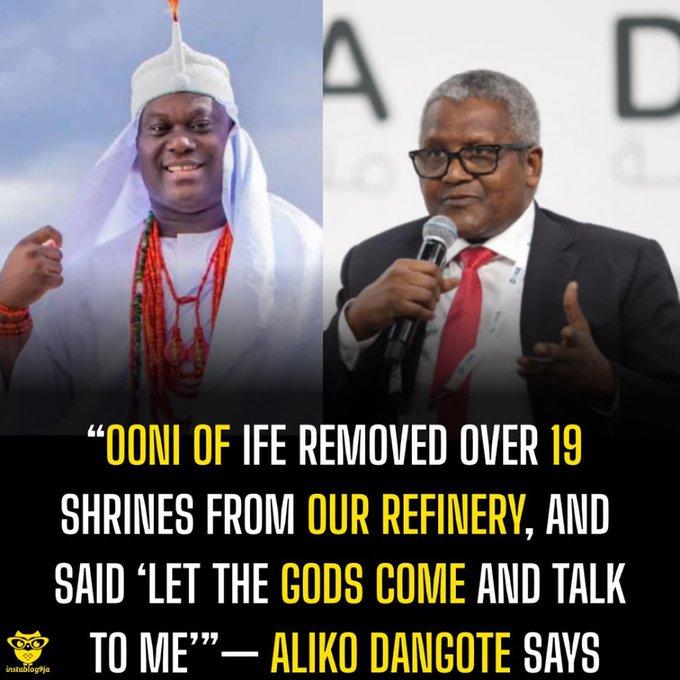
  • Ooni Of Ife Removed Over 19 Shrines From Our Refinery, And Said ‘Let The Gods Come And Talk To Me’”— Aliko Dangote Says

    Aliko Dangote, Nigeria’s business magnate, has revealed that the Ooni of Ife personally oversaw the removal of more than 19 shrines located on the Dangote refinery site. According to Dangote, the shrines had previously restricted access, preventing anyone from approaching or carrying out activities in the area.

    During the commissioning of a section of the Dangote refinery, he recounted that the Ooni instructed that all the shrines be removed, declaring that the gods should “come and talk to me,” signaling his direct involvement in the process.

    Dangote’s statement highlights the significant role traditional authority played in clearing the site for development and appreciated the Ooni of Ife for his support and providing easy access for the cite construction. The incident underscores the intersection of modern industrial projects with longstanding cultural and spiritual practices in Nigeria.
    Ooni Of Ife Removed Over 19 Shrines From Our Refinery, And Said ‘Let The Gods Come And Talk To Me’”— Aliko Dangote Says Aliko Dangote, Nigeria’s business magnate, has revealed that the Ooni of Ife personally oversaw the removal of more than 19 shrines located on the Dangote refinery site. According to Dangote, the shrines had previously restricted access, preventing anyone from approaching or carrying out activities in the area. During the commissioning of a section of the Dangote refinery, he recounted that the Ooni instructed that all the shrines be removed, declaring that the gods should “come and talk to me,” signaling his direct involvement in the process. Dangote’s statement highlights the significant role traditional authority played in clearing the site for development and appreciated the Ooni of Ife for his support and providing easy access for the cite construction. The incident underscores the intersection of modern industrial projects with longstanding cultural and spiritual practices in Nigeria.
    0 Reacties ·0 aandelen ·947 Views
Zoekresultaten
Fintter https://fintter.com