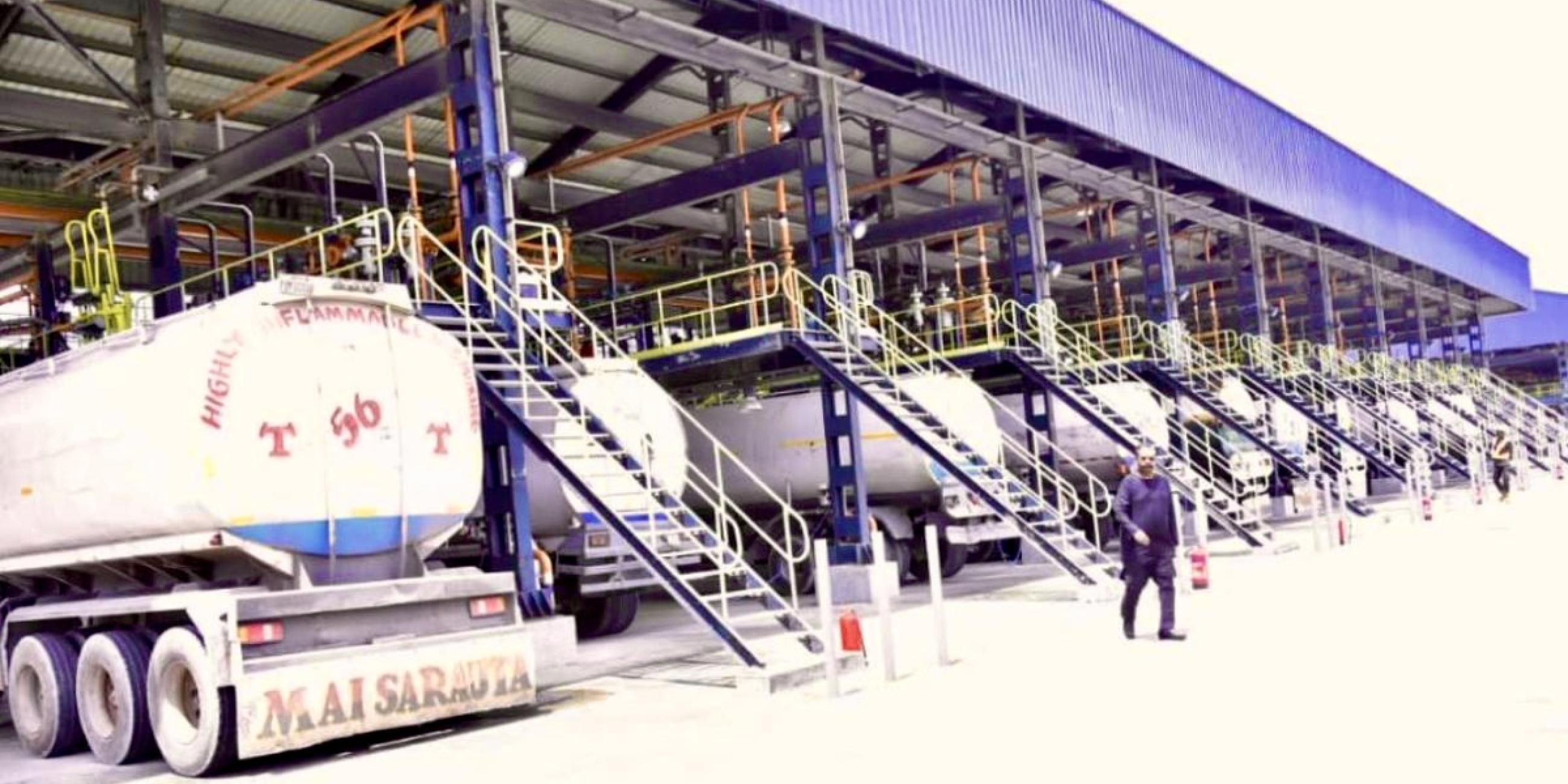
• JUST IN: The Lagos State Government has revealed that a second private refinery could be established in the state as plans continue to take shape for another major investor to enter the sector.

    The disclosure was made by the Commissioner for Physical Planning and Urban Development, Dr. Oluyinka Abiodun Olumide
    JUST IN: The Lagos State Government has revealed that a second private refinery could be established in the state as plans continue to take shape for another major investor to enter the sector. The disclosure was made by the Commissioner for Physical Planning and Urban Development, Dr. Oluyinka Abiodun Olumide
    0 Comments ·0 Shares ·60 Views
  • Top Political Scandals That Rocked Nigeria in 2025: Uche Nnaji, Akpabio, Sylva, Obasa

    The year 2025 was marked by major political controversies involving several high-profile Nigerian politicians, especially within the ruling APC. Former minister Uche Nnaji resigned after allegations of certificate forgery surfaced, though he denied the claims. Senate President Godswill Akpabio faced sexual harassment accusations from Senator Natasha Akpoti-Uduaghan, leading to her suspension before her eventual return. The EFCC declared ex-oil minister Timipre Sylva wanted over alleged diversion of $15 million meant for a refinery project, a claim he disputes. In Lagos, Speaker Mudashiru Obasa was impeached over alleged misconduct before political negotiations facilitated his dramatic reinstatement. These scandals shaped Nigeria’s political landscape throughout 2025.
    Top Political Scandals That Rocked Nigeria in 2025: Uche Nnaji, Akpabio, Sylva, Obasa The year 2025 was marked by major political controversies involving several high-profile Nigerian politicians, especially within the ruling APC. Former minister Uche Nnaji resigned after allegations of certificate forgery surfaced, though he denied the claims. Senate President Godswill Akpabio faced sexual harassment accusations from Senator Natasha Akpoti-Uduaghan, leading to her suspension before her eventual return. The EFCC declared ex-oil minister Timipre Sylva wanted over alleged diversion of $15 million meant for a refinery project, a claim he disputes. In Lagos, Speaker Mudashiru Obasa was impeached over alleged misconduct before political negotiations facilitated his dramatic reinstatement. These scandals shaped Nigeria’s political landscape throughout 2025.
    Love
    1
    · 0 Comments ·0 Shares ·124 Views

  • Today, we officially launched the TY Logistics Park FZE in Alaro City, a project that will shape the future of logistics in Lagos and strengthen our position as Nigeria’s leading industrial hub.

    I commend General T.Y. Danjuma (Rtd.) and Senator Daisy Danjuma for their vision. Through TY Holdings, they continue to show what responsible investment and confidence in Lagos truly look like.

    This park sits in the middle of a rapidly expanding economic corridor, the Lekki Deep Sea Port, Dangote Refinery, new manufacturing zones, and the coming Lekki–Epe International Airport. A grade-A logistics facility here will cut costs for businesses, support exporters, and create real opportunities for our people.

    We also appreciate the Federal Government’s commitment to the 7th Axial Road, which will strengthen the entire supply chain from the port to land.

    This project aligns with our THEMES+ agenda to build modern infrastructure, improve mobility, and make Lagos an easier place to invest and operate. Alaro City is fast becoming a preferred industrial destination, and we will keep creating the environment where investors know that today is always the next best day to invest in Lagos.
    Today, we officially launched the TY Logistics Park FZE in Alaro City, a project that will shape the future of logistics in Lagos and strengthen our position as Nigeria’s leading industrial hub. I commend General T.Y. Danjuma (Rtd.) and Senator Daisy Danjuma for their vision. Through TY Holdings, they continue to show what responsible investment and confidence in Lagos truly look like. This park sits in the middle of a rapidly expanding economic corridor, the Lekki Deep Sea Port, Dangote Refinery, new manufacturing zones, and the coming Lekki–Epe International Airport. A grade-A logistics facility here will cut costs for businesses, support exporters, and create real opportunities for our people. We also appreciate the Federal Government’s commitment to the 7th Axial Road, which will strengthen the entire supply chain from the port to land. This project aligns with our THEMES+ agenda to build modern infrastructure, improve mobility, and make Lagos an easier place to invest and operate. Alaro City is fast becoming a preferred industrial destination, and we will keep creating the environment where investors know that today is always the next best day to invest in Lagos.
    0 Comments ·0 Shares ·134 Views
  • Dangote Vows to Keep Petrol Prices Low After Meeting Tinubu, Intensifies Pressure on Importers

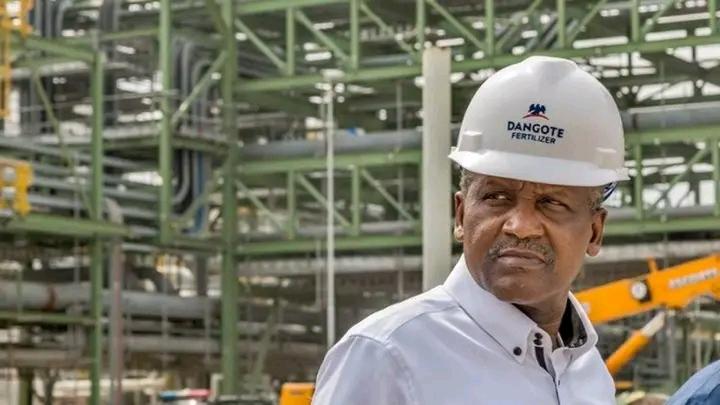
    Aliko Dangote has assured Nigerians that petrol from the Dangote Refinery will continue to sell at “reasonable” and competitive prices, a move expected to heighten pressure on fuel importers. Speaking after a meeting with President Bola Tinubu, Dangote said the refinery aims to stabilise domestic supply despite global volatility and persistent smuggling driven by price gaps with neighbouring countries. He emphasized that the $20bn refinery is a long-term investment, not one focused on quick profit recovery.

    The refinery, which began supplying diesel and jet fuel in early 2024 and petrol in September, is driving down pump prices nationwide, with NNPC recently reducing rates at its stations. Dangote highlighted that his engagement with Tinubu focused on energy security and economic stability, noting that collaboration between government and private operators is crucial as Nigeria adjusts to post-subsidy pricing realities.
    Dangote Vows to Keep Petrol Prices Low After Meeting Tinubu, Intensifies Pressure on Importers Aliko Dangote has assured Nigerians that petrol from the Dangote Refinery will continue to sell at “reasonable” and competitive prices, a move expected to heighten pressure on fuel importers. Speaking after a meeting with President Bola Tinubu, Dangote said the refinery aims to stabilise domestic supply despite global volatility and persistent smuggling driven by price gaps with neighbouring countries. He emphasized that the $20bn refinery is a long-term investment, not one focused on quick profit recovery. The refinery, which began supplying diesel and jet fuel in early 2024 and petrol in September, is driving down pump prices nationwide, with NNPC recently reducing rates at its stations. Dangote highlighted that his engagement with Tinubu focused on energy security and economic stability, noting that collaboration between government and private operators is crucial as Nigeria adjusts to post-subsidy pricing realities.
    0 Comments ·0 Shares ·110 Views
  • Dangote Surge Forces Petrol Prices Down as Depots, NNPC Slash Rates Nationwide

    Nigerians are beginning to feel relief as private depots and NNPC retail stations slash petrol prices following a major increase in supply triggered by the Dangote Refinery. After Dangote announced it is now producing 50 million litres of petrol daily, depot owners across Lagos, Port Harcourt, Warri and Calabar reduced ex-depot prices to stay competitive, with rates now ranging between ₦835 and ₦853 per litre depending on location.
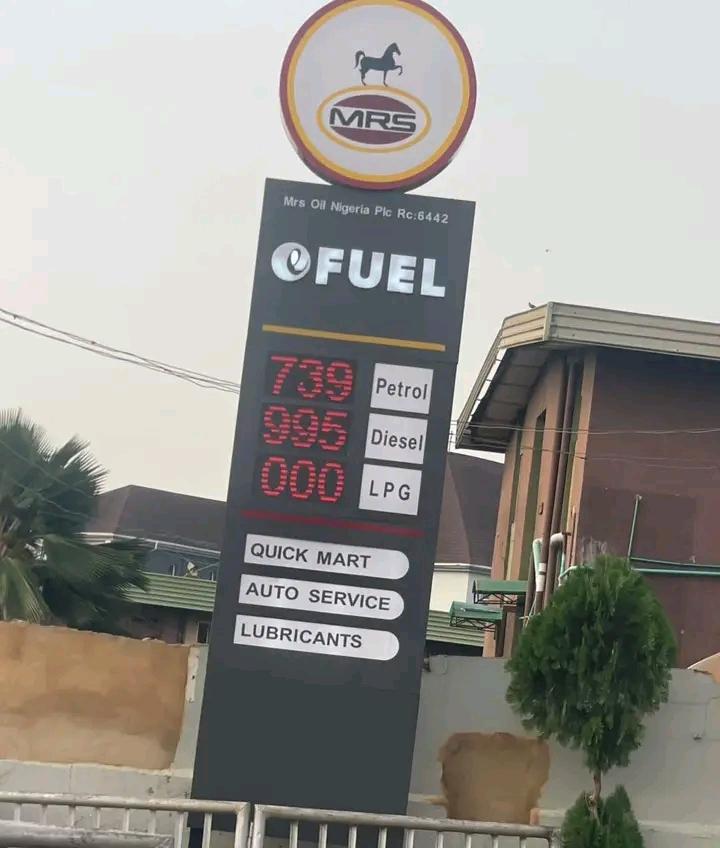
    NNPC stations also cut pump prices to ₦905 in Lagos and ₦930 in Abuja, with major marketers like MRS and Ardova selling below ₦900. With strong supply from Dangote and incoming oil cargoes, more price reductions may follow. Diesel prices are also falling, driven by increased supply and lower demand.
    Dangote Surge Forces Petrol Prices Down as Depots, NNPC Slash Rates Nationwide Nigerians are beginning to feel relief as private depots and NNPC retail stations slash petrol prices following a major increase in supply triggered by the Dangote Refinery. After Dangote announced it is now producing 50 million litres of petrol daily, depot owners across Lagos, Port Harcourt, Warri and Calabar reduced ex-depot prices to stay competitive, with rates now ranging between ₦835 and ₦853 per litre depending on location. NNPC stations also cut pump prices to ₦905 in Lagos and ₦930 in Abuja, with major marketers like MRS and Ardova selling below ₦900. With strong supply from Dangote and incoming oil cargoes, more price reductions may follow. Diesel prices are also falling, driven by increased supply and lower demand.
    0 Comments ·0 Shares ·162 Views
  • FG Completes $5B Africa Energy Bank Headquarters in Abuja, Set for Full Operations

    Nigeria has completed and fully furnished the headquarters of the $5 billion Africa Energy Bank (AEB) in Abuja, with the facility now ready for operations. Minister of State for Petroleum Resources (Oil), Heineken Lokpobiri, confirmed that the country has met all host-nation obligations, paving the way for the bank’s launch. Established to bridge Africa’s energy-financing gap amid global restrictions on fossil-fuel funding, the bank will begin with over $5 billion in capital and aims to expand its portfolio to $120 billion. The AEB is expected to support exploration, gas infrastructure, refinery upgrades, and cleaner technologies, positioning Nigeria as a central hub for energy development on the continent.
    FG Completes $5B Africa Energy Bank Headquarters in Abuja, Set for Full Operations Nigeria has completed and fully furnished the headquarters of the $5 billion Africa Energy Bank (AEB) in Abuja, with the facility now ready for operations. Minister of State for Petroleum Resources (Oil), Heineken Lokpobiri, confirmed that the country has met all host-nation obligations, paving the way for the bank’s launch. Established to bridge Africa’s energy-financing gap amid global restrictions on fossil-fuel funding, the bank will begin with over $5 billion in capital and aims to expand its portfolio to $120 billion. The AEB is expected to support exploration, gas infrastructure, refinery upgrades, and cleaner technologies, positioning Nigeria as a central hub for energy development on the continent.
    0 Comments ·0 Shares ·164 Views
  • Nigeria’s Fuel Demand Hits 56.7 Million Litres Daily, Dangote Refinery Leads Local Supply

    Nigeria’s daily fuel consumption surged to 56.74 million litres in October 2025, the highest in a year, according to the Nigerian Midstream and Downstream Petroleum Regulatory Authority (NMDPRA). Of this, 27.6 million litres were imported, while local refineries, led by Dangote Refinery, supplied 17.08 million litres. The data highlights Nigeria’s continued reliance on petroleum products, with diesel, aviation fuel, and LPG also showing significant daily usage. NMDPRA noted that verified consumption data is crucial for energy sector transformation, import reduction, and economic stability.
    emand #PMSConsumption #DangoteRefinery
    Nigeria’s Fuel Demand Hits 56.7 Million Litres Daily, Dangote Refinery Leads Local Supply Nigeria’s daily fuel consumption surged to 56.74 million litres in October 2025, the highest in a year, according to the Nigerian Midstream and Downstream Petroleum Regulatory Authority (NMDPRA). Of this, 27.6 million litres were imported, while local refineries, led by Dangote Refinery, supplied 17.08 million litres. The data highlights Nigeria’s continued reliance on petroleum products, with diesel, aviation fuel, and LPG also showing significant daily usage. NMDPRA noted that verified consumption data is crucial for energy sector transformation, import reduction, and economic stability. emand #PMSConsumption #DangoteRefinery
    0 Comments ·0 Shares ·213 Views
  • Abducted Kaduna Anglican Priest Dies In Captivity
    The priest and his wife were kidnapped by bandits from their residence in Nissi Village, near the Kaduna Refinery on October 28, 2025 and taken to an unknown location.
    Abducted Kaduna Anglican Priest Dies In Captivity The priest and his wife were kidnapped by bandits from their residence in Nissi Village, near the Kaduna Refinery on October 28, 2025 and taken to an unknown location.
    0 Comments ·0 Shares ·83 Views
  • EFCC Declares Timipre Sylva Wanted Over $14.8 Million Scandal — Aide Cries Political Witch-Hunt

    The Economic and Financial Crimes Commission (EFCC) has declared former Bayelsa State Governor and ex-Minister of State for Petroleum Resources, Chief Timipre Sylva, wanted over an alleged case of conspiracy and dishonest conversion of $14,859,257.

    According to a statement by EFCC spokesperson Dele Oyewale, the funds in question were reportedly part of an investment made by the Nigerian Content Development and Monitoring Board (NCDMB) into Atlantic International Refinery and Petrochemical Limited.

    The EFCC urged anyone with useful information about Sylva’s whereabouts to contact its nearest office or the police.

    However, Julius Bokoru, Sylva’s Special Assistant on Media and Public Affairs, dismissed the EFCC’s move as a “digitally orchestrated political attack” designed to discredit his principal.

    “It is, to say the least, curious that what was once whispered as a coup matter has now metamorphosed into a financial allegation,” Bokoru said.
    “No formal communication was made to him — just a sudden digital proclamation meant to inflame public sentiment.”


    Bokoru alleged that “shadowy political forces” threatened by Sylva’s influence were behind the renewed attacks. He confirmed that the former minister is currently in the United Kingdom for medical treatment and would honor the EFCC’s invitation upon his return.

    “Chief Timipre Sylva has clean hands. He has not diverted a single dollar, and the refinery project is transparent, legitimate, and verifiable,” Bokoru insisted.


    The media aide urged supporters to remain calm, stressing that “truth, though often delayed, remains immutable.”

    In October, security operatives reportedly raided Sylva’s residences in Abuja and Bayelsa, arresting his brother amid allegations linking him to a failed coup plot against President Bola Tinubu — claims his camp has also branded politically motivated.
    EFCC Declares Timipre Sylva Wanted Over $14.8 Million Scandal — Aide Cries Political Witch-Hunt The Economic and Financial Crimes Commission (EFCC) has declared former Bayelsa State Governor and ex-Minister of State for Petroleum Resources, Chief Timipre Sylva, wanted over an alleged case of conspiracy and dishonest conversion of $14,859,257. According to a statement by EFCC spokesperson Dele Oyewale, the funds in question were reportedly part of an investment made by the Nigerian Content Development and Monitoring Board (NCDMB) into Atlantic International Refinery and Petrochemical Limited. The EFCC urged anyone with useful information about Sylva’s whereabouts to contact its nearest office or the police. However, Julius Bokoru, Sylva’s Special Assistant on Media and Public Affairs, dismissed the EFCC’s move as a “digitally orchestrated political attack” designed to discredit his principal. “It is, to say the least, curious that what was once whispered as a coup matter has now metamorphosed into a financial allegation,” Bokoru said. “No formal communication was made to him — just a sudden digital proclamation meant to inflame public sentiment.” Bokoru alleged that “shadowy political forces” threatened by Sylva’s influence were behind the renewed attacks. He confirmed that the former minister is currently in the United Kingdom for medical treatment and would honor the EFCC’s invitation upon his return. “Chief Timipre Sylva has clean hands. He has not diverted a single dollar, and the refinery project is transparent, legitimate, and verifiable,” Bokoru insisted. The media aide urged supporters to remain calm, stressing that “truth, though often delayed, remains immutable.” In October, security operatives reportedly raided Sylva’s residences in Abuja and Bayelsa, arresting his brother amid allegations linking him to a failed coup plot against President Bola Tinubu — claims his camp has also branded politically motivated.
    0 Comments ·0 Shares ·688 Views
  • NNPCL targets 20 per cent ownership stake in Dangote Refinery.

    The Nigerian National Petroleum Company Limited (NNPCL) said it plans to increase its ownership stake in Dangote Refinery to 20 per cent from 7.2 per cent.

    NNPCL Group Chief Executive Officer, Bayo Ojulari, disclosed this in his remarks at the Abu Dhabi International Petroleum Exhibition and Conference 2025.

    According to him, the move is part of the state-owned firm’s strategy to deepen participation in the country’s energy value chain.

    “The company is working towards increasing its stake in Nigeria’s Dangote Refinery to 20 per cent,” Ojulari was quoted by Reuters as saying.

    This comes as the President of Dangote Refinery, Aliko Dangote, recently said the NNPCL could expand its stake. He, however, noted that this would only happen after Dangote Refinery had proven to NNPCL what the plant can do.

    NNPCL retail outlets in Abuja also reduced their petrol pump price to N945 per litre from N955 as supply glitches at the Dangote Refinery eased.
    NNPCL targets 20 per cent ownership stake in Dangote Refinery. The Nigerian National Petroleum Company Limited (NNPCL) said it plans to increase its ownership stake in Dangote Refinery to 20 per cent from 7.2 per cent. NNPCL Group Chief Executive Officer, Bayo Ojulari, disclosed this in his remarks at the Abu Dhabi International Petroleum Exhibition and Conference 2025. According to him, the move is part of the state-owned firm’s strategy to deepen participation in the country’s energy value chain. “The company is working towards increasing its stake in Nigeria’s Dangote Refinery to 20 per cent,” Ojulari was quoted by Reuters as saying. This comes as the President of Dangote Refinery, Aliko Dangote, recently said the NNPCL could expand its stake. He, however, noted that this would only happen after Dangote Refinery had proven to NNPCL what the plant can do. NNPCL retail outlets in Abuja also reduced their petrol pump price to N945 per litre from N955 as supply glitches at the Dangote Refinery eased.
    0 Comments ·0 Shares ·550 Views
  • BUA Refinery: Nigeria’s Next Big Move to End Fuel Import Dependence

    Nigeria is set for another major breakthrough in its energy sector as BUA Group pushes forward with the construction of its new 200,000 barrels-per-day refinery in Akwa Ibom State. Led by billionaire industrialist Abdul Samad Rabiu, the project aims to strengthen Nigeria’s ability to refine its own crude oil locally — a crucial step toward ending decades of fuel import dependence.

    A Game Changer for Nigeria’s Economy

    For years, Nigeria has exported crude oil only to import refined fuels at high costs. With the new BUA refinery coming onstream, this cycle is expected to change dramatically. The refinery will produce:
    • Petrol (PMS)
    • Diesel (AGO)
    • Aviation fuel (Jet A1)
    • LPG (cooking gas)
    • Petrochemicals

    This means more jobs, cheaper domestic fuel, and extra revenue for the nation through exports.

    Why This Refinery Matters

    ✔ Supports fuel supply stability
    ✔ Reduces foreign exchange pressure
    ✔ Expands Nigeria’s refining capacity
    ✔ Encourages competition with other refineries — especially Dangote Refinery
    ✔ Boosts development in the Niger Delta region

    The refinery is already attracting international partners in engineering, technology, and infrastructure.

    Driving Local Content & Industrial Growth

    BUA Group is one of Nigeria’s fastest-growing conglomerates — with investments in:
    • Cement
    • Foods & sugar
    • Port operations
    • Real estate
    • Energy & power

    The refinery project expands BUA’s footprint into the petroleum value chain, helping to keep more wealth within Nigeria.

    Looking Ahead

    Once completed, the BUA refinery will become one of West Africa’s largest privately-owned refineries, adding healthy competition to the market and supporting Nigeria’s long-awaited shift toward full downstream independence.

    “Nigeria should not be importing fuel when we have crude oil.”
    — Abdul Samad Rabiu

    The journey continues — and the results could reshape the nation’s economic future.
    BUA Refinery: Nigeria’s Next Big Move to End Fuel Import Dependence Nigeria is set for another major breakthrough in its energy sector as BUA Group pushes forward with the construction of its new 200,000 barrels-per-day refinery in Akwa Ibom State. Led by billionaire industrialist Abdul Samad Rabiu, the project aims to strengthen Nigeria’s ability to refine its own crude oil locally — a crucial step toward ending decades of fuel import dependence. 🌍 A Game Changer for Nigeria’s Economy For years, Nigeria has exported crude oil only to import refined fuels at high costs. With the new BUA refinery coming onstream, this cycle is expected to change dramatically. The refinery will produce: • Petrol (PMS) • Diesel (AGO) • Aviation fuel (Jet A1) • LPG (cooking gas) • Petrochemicals This means more jobs, cheaper domestic fuel, and extra revenue for the nation through exports. 🏗️ Why This Refinery Matters ✔ Supports fuel supply stability ✔ Reduces foreign exchange pressure ✔ Expands Nigeria’s refining capacity ✔ Encourages competition with other refineries — especially Dangote Refinery ✔ Boosts development in the Niger Delta region The refinery is already attracting international partners in engineering, technology, and infrastructure. 🚀 Driving Local Content & Industrial Growth BUA Group is one of Nigeria’s fastest-growing conglomerates — with investments in: • Cement • Foods & sugar • Port operations • Real estate • Energy & power The refinery project expands BUA’s footprint into the petroleum value chain, helping to keep more wealth within Nigeria. 🔮 Looking Ahead Once completed, the BUA refinery will become one of West Africa’s largest privately-owned refineries, adding healthy competition to the market and supporting Nigeria’s long-awaited shift toward full downstream independence. “Nigeria should not be importing fuel when we have crude oil.” — Abdul Samad Rabiu The journey continues — and the results could reshape the nation’s economic future. 🇳🇬✨
    0 Comments ·0 Shares ·684 Views
  • Pastor Wale Adefarasin, General Overseer of Guiding Light Assembly, questions why the U.S. suddenly loves Nigerian Christians — is it because of our new refinery or mineral wealth?
    Pastor Wale Adefarasin, General Overseer of Guiding Light Assembly, questions why the U.S. suddenly loves Nigerian Christians — is it because of our new refinery or mineral wealth?
    0 Comments ·0 Shares ·289 Views
  • NNPCL Reduces Petrol Price by N10 as Supply Reportedly Improves.

    The Nigerian National Petroleum Company Limited (NNPCL) has reduced the pump price of petrol as fuel supply from the Dangote Refinery stabilises.

    On Saturday, NNPCL adjusted the retail price at its outlets from N955 to N945 per litre, reflecting a N10 reduction. The revised price has already taken effect at stations in areas such as Gwarimpa and Wuse Zone 4 in Abuja.

    Other petrol marketers have also followed suit, with stations like Eterna adjusting their pump price to N945 per litre.

    The price drop comes after weeks of nationwide increase caused by supply challenges at the Dangote Refinery. Improved distribution from the refinery & product importers has now eased the pressure on fuel supply.

    However, there are concerns that prices could climb again, following President Bola Ahmed Tinubu’s recent approval of a 15% import tax on petrol & diesel, a move analysts say may impact pump prices in the coming weeks.
    NNPCL Reduces Petrol Price by N10 as Supply Reportedly Improves. The Nigerian National Petroleum Company Limited (NNPCL) has reduced the pump price of petrol as fuel supply from the Dangote Refinery stabilises. On Saturday, NNPCL adjusted the retail price at its outlets from N955 to N945 per litre, reflecting a N10 reduction. The revised price has already taken effect at stations in areas such as Gwarimpa and Wuse Zone 4 in Abuja. Other petrol marketers have also followed suit, with stations like Eterna adjusting their pump price to N945 per litre. The price drop comes after weeks of nationwide increase caused by supply challenges at the Dangote Refinery. Improved distribution from the refinery & product importers has now eased the pressure on fuel supply. However, there are concerns that prices could climb again, following President Bola Ahmed Tinubu’s recent approval of a 15% import tax on petrol & diesel, a move analysts say may impact pump prices in the coming weeks.
    0 Comments ·0 Shares ·437 Views
  • [10/31, 8:07 PM] null: Presidency Defends 15% Fuel Import Tariff.

    The Presidency has confirmed President Bola Tinubu’s approval of a 15% import duty on petrol and diesel, saying the move is intended to boost local refining and reduce Nigeria’s reliance on imported fuel.

    The announcement was made by the Special Adviser to the President on Media and Public Communications, Sunday Dare, in a statement posted on X on Friday. He described the policy as “a bridge, not a burden,” aimed at reshaping Nigeria’s energy sector for long-term stability.

    Dare said the tariff is meant to discourage fuel importation, encourage investment in domestic refining, and help Nigeria take control of its energy supply after years of depending on foreign refineries.

    He noted that despite being a major crude oil producer, Nigeria has spent years importing refined products, which drained foreign exchange and cost the nation jobs.

    According to him, the new policy gives a competitive edge to local refineries such as Dangote Refinery, the Port Harcourt Refinery, and modular refineries currently being developed.

    “By making imported fuel less competitive, the government is tilting the market in favour of local refineries, laying the groundwork for a self-sustaining and resilient energy sector,” he stated.

    Dare added that as local refining output increases, fuel availability will improve and pump prices are expected to stabilize, while job creation and industrial activity expand.

    However, petroleum marketers have warned that the policy could push petrol prices above ₦1,000 per litre in the short term. Government officials argue that temporary price pressure is necessary to secure long-term gains.

    The 15% tariff will take effect after a 30-day transition period, ending November 21, 2025.
    [10/31, 8:07 PM] null: Presidency Defends 15% Fuel Import Tariff. The Presidency has confirmed President Bola Tinubu’s approval of a 15% import duty on petrol and diesel, saying the move is intended to boost local refining and reduce Nigeria’s reliance on imported fuel. The announcement was made by the Special Adviser to the President on Media and Public Communications, Sunday Dare, in a statement posted on X on Friday. He described the policy as “a bridge, not a burden,” aimed at reshaping Nigeria’s energy sector for long-term stability. Dare said the tariff is meant to discourage fuel importation, encourage investment in domestic refining, and help Nigeria take control of its energy supply after years of depending on foreign refineries. He noted that despite being a major crude oil producer, Nigeria has spent years importing refined products, which drained foreign exchange and cost the nation jobs. According to him, the new policy gives a competitive edge to local refineries such as Dangote Refinery, the Port Harcourt Refinery, and modular refineries currently being developed. “By making imported fuel less competitive, the government is tilting the market in favour of local refineries, laying the groundwork for a self-sustaining and resilient energy sector,” he stated. Dare added that as local refining output increases, fuel availability will improve and pump prices are expected to stabilize, while job creation and industrial activity expand. However, petroleum marketers have warned that the policy could push petrol prices above ₦1,000 per litre in the short term. Government officials argue that temporary price pressure is necessary to secure long-term gains. The 15% tariff will take effect after a 30-day transition period, ending November 21, 2025.
    0 Comments ·0 Shares ·539 Views
  • Fuel prices will eventually moderate – Tinubu Spokesperson on 15% petrol import duty.

    Spokesperson to President Bola Tinubu, Sunday Dare, has claimed the president’s approval of a 15 per cent import duty on petrol and diesel is a bridge and not a burden on Nigerians.

    Dare made the assertions in a statement on his X account on Friday, while reacting to Tinubu’s approval of a 15 per cent import duty on petrol and diesel.

    Recall that there has been diverse reactions from Nigerians, stakeholders and economists alike over the new tariffs and their possible impact on the price of fuel and diesel.

    In a clarification, Dare said the policy is designed to reverse the fuel and diesel import dependency trend by encouraging local refining, boosting domestic capacity, and ensuring that Nigeria’s oil wealth translates directly into national prosperity.

    He noted that the tariff will mark imported fuel as less competitive and encourage local refineries such as Dangote Refinery.

    He said as local refining ramps up and supply strengthens, prices of petrol are expected to moderate while jobs, investment, and industrial activity expands.

    “It’s no longer news that President Bola Ahmed Tinubu has approved a 15 per cent import duty on petrol and diesel—a bold and strategic move aimed at reshaping Nigeria’s energy landscape.

    “For years, the nation has depended heavily on imported fuel despite being a leading crude oil producer, draining foreign exchange and exporting jobs that should have been created at home
    Fuel prices will eventually moderate – Tinubu Spokesperson on 15% petrol import duty. Spokesperson to President Bola Tinubu, Sunday Dare, has claimed the president’s approval of a 15 per cent import duty on petrol and diesel is a bridge and not a burden on Nigerians. Dare made the assertions in a statement on his X account on Friday, while reacting to Tinubu’s approval of a 15 per cent import duty on petrol and diesel. Recall that there has been diverse reactions from Nigerians, stakeholders and economists alike over the new tariffs and their possible impact on the price of fuel and diesel. In a clarification, Dare said the policy is designed to reverse the fuel and diesel import dependency trend by encouraging local refining, boosting domestic capacity, and ensuring that Nigeria’s oil wealth translates directly into national prosperity. He noted that the tariff will mark imported fuel as less competitive and encourage local refineries such as Dangote Refinery. He said as local refining ramps up and supply strengthens, prices of petrol are expected to moderate while jobs, investment, and industrial activity expands. “It’s no longer news that President Bola Ahmed Tinubu has approved a 15 per cent import duty on petrol and diesel—a bold and strategic move aimed at reshaping Nigeria’s energy landscape. “For years, the nation has depended heavily on imported fuel despite being a leading crude oil producer, draining foreign exchange and exporting jobs that should have been created at home
    0 Comments ·0 Shares ·569 Views
  • Fuel price increase looms as tinubu approves 15% import tariff on petrol,diesel.

    Fuel prices in Nigeria are expected to increase as President Bola Tinubu has approved a 15% import tariff on petrol and diesel, to take effect immediately.

    According to a government document obtained by THISDAY, the decision aims to protect local refineries, stabilise prices, and strengthen energy security under the administration’s Renewed Hope Agenda. While the tariff could push pump prices up by about ₦150 per litre, the report stated that the real impact may not exceed ₦100 per litre.

    The directive, copied to the Attorney General, FIRS Chairman, and NMDPRA Chief Executive, introduces a 15% ad-valorem duty on the Cost, Insurance, and Freight (CIF) value of imported fuels. Payments will be made into a designated federal government account, verified by the NMDPRA before any fuel is discharged.

    The policy is intended to prevent cheap imports from undercutting local refiners like the Dangote Refinery, and to ensure fair competition in the downstream market. Though the proposal suggested a 30-day transition period, the President reportedly ordered immediate implementation.

    Officials insist the move is not revenue-driven, but designed to align import costs with domestic realities while keeping prices lower than those in neighbouring countries.

    However, industry stakeholders have raised concerns, warning that the tariff could further strain consumers, as Nigeria still imports over 60% of its refined petroleum products.
    Fuel price increase looms as tinubu approves 15% import tariff on petrol,diesel. Fuel prices in Nigeria are expected to increase as President Bola Tinubu has approved a 15% import tariff on petrol and diesel, to take effect immediately. According to a government document obtained by THISDAY, the decision aims to protect local refineries, stabilise prices, and strengthen energy security under the administration’s Renewed Hope Agenda. While the tariff could push pump prices up by about ₦150 per litre, the report stated that the real impact may not exceed ₦100 per litre. The directive, copied to the Attorney General, FIRS Chairman, and NMDPRA Chief Executive, introduces a 15% ad-valorem duty on the Cost, Insurance, and Freight (CIF) value of imported fuels. Payments will be made into a designated federal government account, verified by the NMDPRA before any fuel is discharged. The policy is intended to prevent cheap imports from undercutting local refiners like the Dangote Refinery, and to ensure fair competition in the downstream market. Though the proposal suggested a 30-day transition period, the President reportedly ordered immediate implementation. Officials insist the move is not revenue-driven, but designed to align import costs with domestic realities while keeping prices lower than those in neighbouring countries. However, industry stakeholders have raised concerns, warning that the tariff could further strain consumers, as Nigeria still imports over 60% of its refined petroleum products.
    0 Comments ·0 Shares ·590 Views
  • President/Chief Executive, Dangote Petroleum Refinery, Aliko Dangote, has announced the expansion of the refinery’s daily production capacity from 650,000 per barrels to 1.4million bpd. Briefing newsmen in Lagos on Sunday, Dangote said the feat makes the refinery the world’s largest.
    President/Chief Executive, Dangote Petroleum Refinery, Aliko Dangote, has announced the expansion of the refinery’s daily production capacity from 650,000 per barrels to 1.4million bpd. Briefing newsmen in Lagos on Sunday, Dangote said the feat makes the refinery the world’s largest.
    0 Comments ·0 Shares ·546 Views
  • Dangote Increases Refinery Capacity From 650,000 To 1.4 Million Bpd
    When completed, the expansion will make the facility the largest refinery in the world, surpassing the Jamnagar Refinery in India.
    Dangote Increases Refinery Capacity From 650,000 To 1.4 Million Bpd When completed, the expansion will make the facility the largest refinery in the world, surpassing the Jamnagar Refinery in India.
    0 Comments ·0 Shares ·616 Views
  • Nigerian petrol marketers to dump Dangote Refinery for cheaper fuel.

    Nigerian petroleum product marketers have announced plans to abandon Dangote Refinery’s petrol in favour of cheaper imported fuel.

    The spokesperson of the Independent Petroleum Marketers Association of Nigeria, IPMAN, Chinedu Ukadike, disclosed this to DAILY POST on Friday.

    This follows the drop in the landing cost of imported fuel to N839.97 per litre, which is N37 cheaper than Dangote Refinery’s gantry petrol price of N877 per litre.

    Commenting on the development, Ukadike hinted that petroleum marketers would opt for imported fuel to enable Nigerians to access cheaper petrol.

    He noted that the price disparity was a result of the liberalisation and deregulation of the country’s downstream sector.

    “It is due to the liberalisation of the sector, which has set the tune for a price war. Marketers now have the option to buy either at N877 per litre with Dangote Refinery or N839 with MEMAN.
    “The concern here is why would a local refinery (Dangote) sell petrol higher than imported ones?
    “As petroleum product marketers, Nigerians are interested in buying petrol that is cheaper. When we have cheaper fuel, it sells faster,” he told DAILY POST.

    ex-depot prices of Emedab, Gulf Treasure, Ardova and Bono stood at N875 per litre, while that of Dangote Refinery remained at N877.

    As of Friday evening, petrol was being sold at between N950 and N965 per litre at Nigerian National Petroleum Company Limited, NNPCL, MRS, Ranoil, Total and Emedab retail outlets in Abuja.

    Nigerian petrol marketers to dump Dangote Refinery for cheaper fuel. Nigerian petroleum product marketers have announced plans to abandon Dangote Refinery’s petrol in favour of cheaper imported fuel. The spokesperson of the Independent Petroleum Marketers Association of Nigeria, IPMAN, Chinedu Ukadike, disclosed this to DAILY POST on Friday. This follows the drop in the landing cost of imported fuel to N839.97 per litre, which is N37 cheaper than Dangote Refinery’s gantry petrol price of N877 per litre. Commenting on the development, Ukadike hinted that petroleum marketers would opt for imported fuel to enable Nigerians to access cheaper petrol. He noted that the price disparity was a result of the liberalisation and deregulation of the country’s downstream sector. “It is due to the liberalisation of the sector, which has set the tune for a price war. Marketers now have the option to buy either at N877 per litre with Dangote Refinery or N839 with MEMAN. “The concern here is why would a local refinery (Dangote) sell petrol higher than imported ones? “As petroleum product marketers, Nigerians are interested in buying petrol that is cheaper. When we have cheaper fuel, it sells faster,” he told DAILY POST. ex-depot prices of Emedab, Gulf Treasure, Ardova and Bono stood at N875 per litre, while that of Dangote Refinery remained at N877. As of Friday evening, petrol was being sold at between N950 and N965 per litre at Nigerian National Petroleum Company Limited, NNPCL, MRS, Ranoil, Total and Emedab retail outlets in Abuja.
    0 Comments ·0 Shares ·755 Views
  • Dangote Refinery deploys CNG trucks to distribute petrol at N850 per litre.

    The Dangote Petroleum Refinery has intensified efforts through the use of Compressed Natural Gas (CNG)-powered trucks to distribute Premium Motor Spirit, PMS, also known as petrol at N850 per litre to different parts of the nation.

    Chief Executive officer of Petroleumprice.ng, Olatide Jeremiah, said: “Generally, the depot prices have increased. Market data showed that petrol sold between ¦ 870 and ¦ 900 per litre at key depots in Lagos and Calabar, reflecting a steady climb over the past week.

    “In Lagos, where most private depots rely on imported supply, prices remained elevated even after recent reviews. Aiteo and Pinnacle both sold petrol at ¦ 890 and ¦ 870 per litre, respectively, while Integrated Oil and Gas priced PMS at ¦ 870 per litre.

    “At Calabar, Matrix Energy and Northwest Petroleum traded at ¦ 890 and ¦ 880 per litre, while Sobaz Depot hit ¦ 900 per litre —the highest recorded so far this month.”

    “The hike in depot prices would likely crash once the Dangote Petroleum Refinery completes its rehabilitation because the plant has the capacity to impact the domestic market.”

    However, the retail prices of petrol have increased by 6.8 percent to N955 per litre, from N890 per litre sold last week.

    The NNPCL, and stations owned by Independent Marketers in Lagos and Abuja showed that the petrol was dispersed between N900 and N955 per litre.

    Also, petrol marketers across Abuja, the nation’s capital, on Tuesday increased their pump price by over N50 per litre following a similar increase by NNPC Limited.

    Dangote Refinery deploys CNG trucks to distribute petrol at N850 per litre. The Dangote Petroleum Refinery has intensified efforts through the use of Compressed Natural Gas (CNG)-powered trucks to distribute Premium Motor Spirit, PMS, also known as petrol at N850 per litre to different parts of the nation. Chief Executive officer of Petroleumprice.ng, Olatide Jeremiah, said: “Generally, the depot prices have increased. Market data showed that petrol sold between ¦ 870 and ¦ 900 per litre at key depots in Lagos and Calabar, reflecting a steady climb over the past week. “In Lagos, where most private depots rely on imported supply, prices remained elevated even after recent reviews. Aiteo and Pinnacle both sold petrol at ¦ 890 and ¦ 870 per litre, respectively, while Integrated Oil and Gas priced PMS at ¦ 870 per litre. “At Calabar, Matrix Energy and Northwest Petroleum traded at ¦ 890 and ¦ 880 per litre, while Sobaz Depot hit ¦ 900 per litre —the highest recorded so far this month.” “The hike in depot prices would likely crash once the Dangote Petroleum Refinery completes its rehabilitation because the plant has the capacity to impact the domestic market.” However, the retail prices of petrol have increased by 6.8 percent to N955 per litre, from N890 per litre sold last week. The NNPCL, and stations owned by Independent Marketers in Lagos and Abuja showed that the petrol was dispersed between N900 and N955 per litre. Also, petrol marketers across Abuja, the nation’s capital, on Tuesday increased their pump price by over N50 per litre following a similar increase by NNPC Limited.
    0 Comments ·0 Shares ·572 Views
More Results
Fintter https://fintter.com