• Wahala Don Set for Judiciary! ‘Mr Justice Steppin’ Razor’ Drama Sparks Outrage Over Judges, Bribes and Malami Case

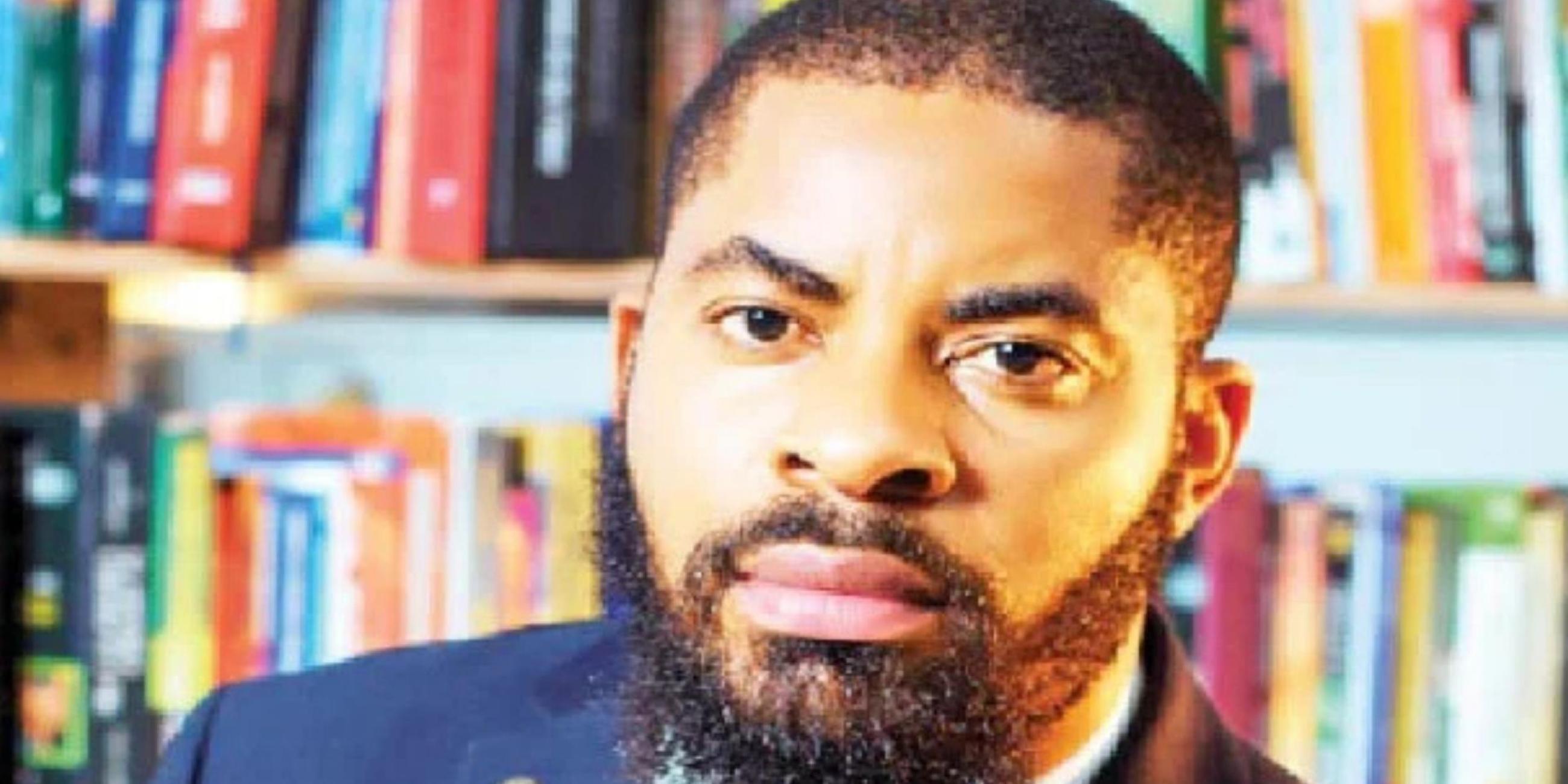
    Wahala don set for Nigeria judiciary as a fiery opinion by human rights lawyer Chidi Anselm Odinkalu don scatter the internet, exposing what many now call the rise of “Mr Justice Steppin’ Razor” inside Nigerian courts.

    The article, inspired by legendary reggae singer Peter Tosh’s song Steppin’ Razor, takes aim at judges who, instead of quietly doing their jobs, now mount the courtroom like a stage—boasting, threatening and performing toughness while serious allegations of bribery and influence quietly pass without action.

    According to Odinkalu, some judges in Nigeria are beginning to see themselves as untouchable strongmen—“dangerous judges”—who talk tough but refuse to use the powers the law has already given them to deal with corruption.

    The writer recalled how in August 2023, a senior judge, Justice Flora Azinge, publicly complained in court that lawyers had allegedly tried to bribe her with ₦10 million. Rather than naming the culprit, reporting the matter or punishing the offenders, she reportedly chose to issue public warnings and threats—without taking concrete action.

    Fast forward to this past week, and history appears to be repeating itself.

    At the Federal High Court in Abuja, Justice Polycarp Nwite, while ruling on the bail application of former Attorney-General of the Federation, Abubakar Malami, his wife and son over money laundering and corruption charges, reportedly declared himself “dangerous.” He warned lawyers not to approach him or attempt to influence his decisions, insisting that any such move would be “vehemently resisted.”

    But Odinkalu no gree.

    According to him, this kind of courtroom performance is nothing but noise if the judge refuses to take the legal steps available to him. Under Nigerian law and international judicial standards, judges are expected to be independent, impartial and firm. Any attempt to influence a judge is a crime—and there are clear options: report to the police, punish for contempt, refer lawyers for disciplinary action, or openly name and shame the offenders.

    Instead, the author says, some judges prefer drama to discipline.

    “This kind of talk without action,” Odinkalu argues, “does more harm than good. It makes the judiciary look weak, compromised and unserious.” In his words, a judge who complains about being approached but refuses to identify or sanction the culprits is not defending justice—he is advertising that he can be tested again.

    In the Malami case, the judge neither named the lawyers allegedly trying to influence him nor recused himself from the matter. To Odinkalu, that is a serious failure of judicial responsibility.

    For many Nigerians already frustrated with corruption, selective justice and political interference in the courts, this write-up only confirms their worst fears: say judges dey shout ‘I be dangerous’, but when e reach time to act, everywhere just go silent.

    As reactions continue online, one thing is clear—this is not just about one judge or one court case. It is about the credibility of Nigeria’s justice system itself.

    And as Nigerians would say:
    If judges dey fear to act, who go protect justice? Wahala don really set for this country judiciary.

    Wahala Don Set for Judiciary! ‘Mr Justice Steppin’ Razor’ Drama Sparks Outrage Over Judges, Bribes and Malami Case Wahala don set for Nigeria judiciary as a fiery opinion by human rights lawyer Chidi Anselm Odinkalu don scatter the internet, exposing what many now call the rise of “Mr Justice Steppin’ Razor” inside Nigerian courts. The article, inspired by legendary reggae singer Peter Tosh’s song Steppin’ Razor, takes aim at judges who, instead of quietly doing their jobs, now mount the courtroom like a stage—boasting, threatening and performing toughness while serious allegations of bribery and influence quietly pass without action. According to Odinkalu, some judges in Nigeria are beginning to see themselves as untouchable strongmen—“dangerous judges”—who talk tough but refuse to use the powers the law has already given them to deal with corruption. The writer recalled how in August 2023, a senior judge, Justice Flora Azinge, publicly complained in court that lawyers had allegedly tried to bribe her with ₦10 million. Rather than naming the culprit, reporting the matter or punishing the offenders, she reportedly chose to issue public warnings and threats—without taking concrete action. Fast forward to this past week, and history appears to be repeating itself. At the Federal High Court in Abuja, Justice Polycarp Nwite, while ruling on the bail application of former Attorney-General of the Federation, Abubakar Malami, his wife and son over money laundering and corruption charges, reportedly declared himself “dangerous.” He warned lawyers not to approach him or attempt to influence his decisions, insisting that any such move would be “vehemently resisted.” But Odinkalu no gree. According to him, this kind of courtroom performance is nothing but noise if the judge refuses to take the legal steps available to him. Under Nigerian law and international judicial standards, judges are expected to be independent, impartial and firm. Any attempt to influence a judge is a crime—and there are clear options: report to the police, punish for contempt, refer lawyers for disciplinary action, or openly name and shame the offenders. Instead, the author says, some judges prefer drama to discipline. “This kind of talk without action,” Odinkalu argues, “does more harm than good. It makes the judiciary look weak, compromised and unserious.” In his words, a judge who complains about being approached but refuses to identify or sanction the culprits is not defending justice—he is advertising that he can be tested again. In the Malami case, the judge neither named the lawyers allegedly trying to influence him nor recused himself from the matter. To Odinkalu, that is a serious failure of judicial responsibility. For many Nigerians already frustrated with corruption, selective justice and political interference in the courts, this write-up only confirms their worst fears: say judges dey shout ‘I be dangerous’, but when e reach time to act, everywhere just go silent. As reactions continue online, one thing is clear—this is not just about one judge or one court case. It is about the credibility of Nigeria’s justice system itself. And as Nigerians would say: If judges dey fear to act, who go protect justice? Wahala don really set for this country judiciary.
    0 Commentarios ·0 Acciones ·1K Views
  • Why Are Nigerian Nurses Being Forced to Do Cleaners’ Jobs? Are Hospital CMDs Exploiting Strikes to Intimidate Health Workers Across the Country?

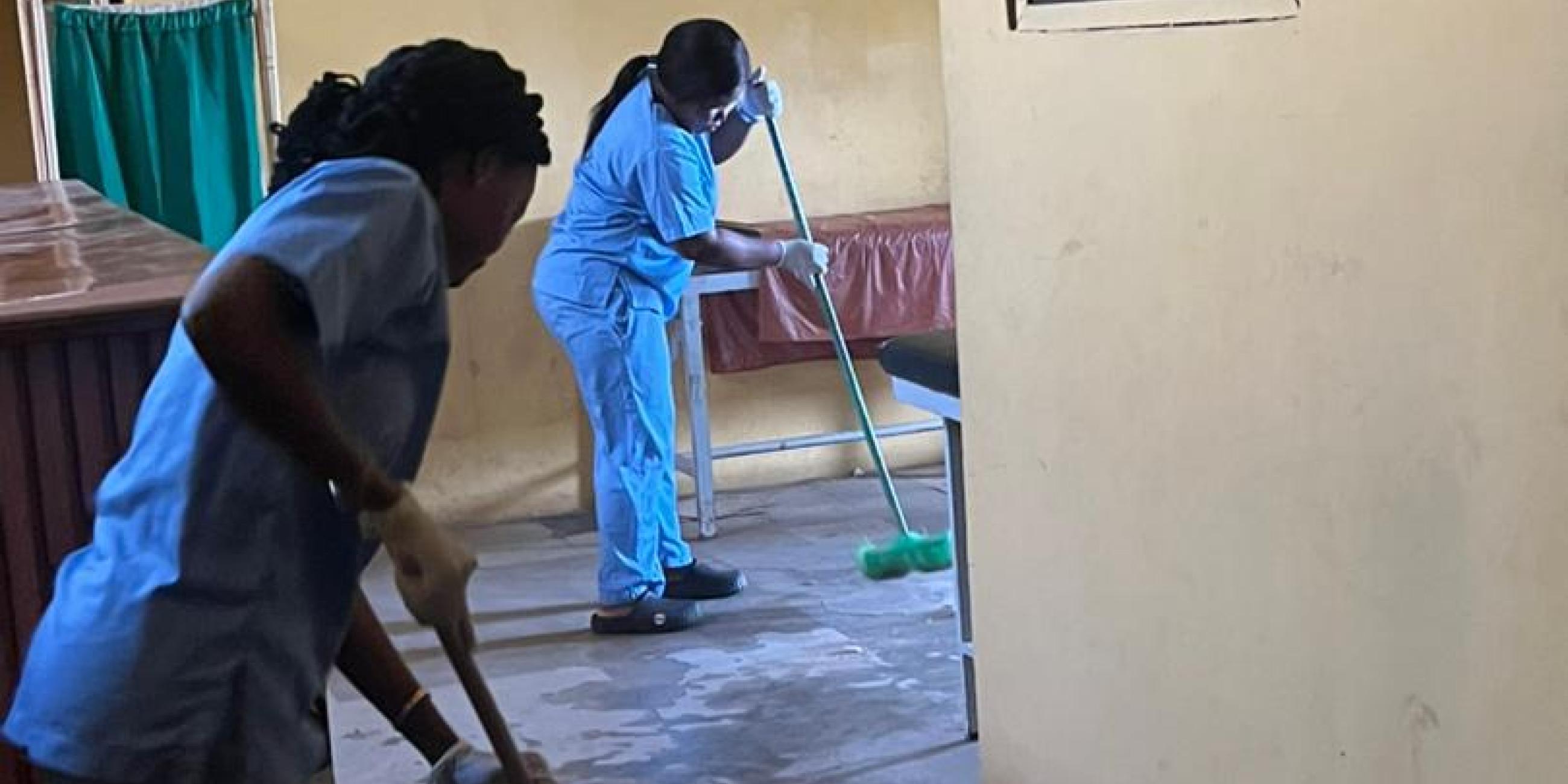
    A growing controversy is shaking Nigeria’s healthcare sector after the Elegant Nurses Forum accused hospital managements across the country of forcing nurses to perform cleaning and other menial duties, a practice the group describes as unethical, unlawful, and professionally degrading.

    In a press statement signed by Nurse Thomas Abiodun Olamide, the forum said it had received multiple complaints from health institutions nationwide, alleging that some Chief Medical Directors (CMDs) are exploiting the ongoing strike by hospital cleaners under the Joint Health Sector Unions (JOHESU) to compel nurses to take over sanitation work.

    According to the forum, this practice violates professional ethics, international best practices, and the legal framework governing nursing in Nigeria. It warned that compelling nurses to abandon clinical responsibilities for cleaning duties not only demeans the profession but also endangers patient safety and healthcare quality.

    The group disclosed that over ten days ago, nurses at the Federal Medical Centre (FMC), Makurdi, Benue State, formally complained of threats and coercion to assume cleaners’ duties. Similar complaints were later received from the Olabisi Onabanjo University Teaching Hospital (OOUTH), Sagamu, Ogun State, along with reports from other tertiary and secondary health facilities nationwide.

    The forum expressed particular concern over the leadership at OOUTH, alleging a persistent pattern of intimidation and harassment of nurses by the hospital’s CMD. According to the statement, nurses were reportedly threatened with job loss, with allegations that political connections were being used to exert pressure. The forum described this as a gross abuse of office, questioning the competence, temperament, and ethical standing of such leadership.

    It further alleged that political interference rather than merit has influenced some CMD appointments, warning that hospitals were being transformed into “tools of oppression” instead of institutions dedicated to patient-centred care.

    Emphasising the professional role of nurses, the forum stated that nurses are trained healthcare practitioners whose duties include patient care, disease prevention, health promotion, and clinical management—not sanitation. Forcing them into menial tasks, it said, devalues their expertise, undermines healthcare delivery, and weakens the entire system.

    In its demands, the Elegant Nurses Forum called for:

    Immediate cessation of all intimidation, threats, and coercion of nurses into non-nursing duties;

    Clear directives from federal and state health ministries prohibiting the assignment of cleaning or other unrelated tasks to nurses;

    Independent investigations and disciplinary action against erring CMDs and administrators;

    Protection of nurses from victimisation and harassment; and

    Transparent, merit-based appointments to hospital leadership positions free from political interference.


    The forum vowed it would not remain silent while nurses are treated as expendable labour and stripped of their professional identity. “Healthcare leadership must be about service, competence, and accountability—not intimidation, arrogance, and abuse of power,” the statement concluded.

    As the allegations spread across multiple states, the central question remains: are hospital authorities protecting patient care—or sacrificing professionalism for power?
    Why Are Nigerian Nurses Being Forced to Do Cleaners’ Jobs? Are Hospital CMDs Exploiting Strikes to Intimidate Health Workers Across the Country? A growing controversy is shaking Nigeria’s healthcare sector after the Elegant Nurses Forum accused hospital managements across the country of forcing nurses to perform cleaning and other menial duties, a practice the group describes as unethical, unlawful, and professionally degrading. In a press statement signed by Nurse Thomas Abiodun Olamide, the forum said it had received multiple complaints from health institutions nationwide, alleging that some Chief Medical Directors (CMDs) are exploiting the ongoing strike by hospital cleaners under the Joint Health Sector Unions (JOHESU) to compel nurses to take over sanitation work. According to the forum, this practice violates professional ethics, international best practices, and the legal framework governing nursing in Nigeria. It warned that compelling nurses to abandon clinical responsibilities for cleaning duties not only demeans the profession but also endangers patient safety and healthcare quality. The group disclosed that over ten days ago, nurses at the Federal Medical Centre (FMC), Makurdi, Benue State, formally complained of threats and coercion to assume cleaners’ duties. Similar complaints were later received from the Olabisi Onabanjo University Teaching Hospital (OOUTH), Sagamu, Ogun State, along with reports from other tertiary and secondary health facilities nationwide. The forum expressed particular concern over the leadership at OOUTH, alleging a persistent pattern of intimidation and harassment of nurses by the hospital’s CMD. According to the statement, nurses were reportedly threatened with job loss, with allegations that political connections were being used to exert pressure. The forum described this as a gross abuse of office, questioning the competence, temperament, and ethical standing of such leadership. It further alleged that political interference rather than merit has influenced some CMD appointments, warning that hospitals were being transformed into “tools of oppression” instead of institutions dedicated to patient-centred care. Emphasising the professional role of nurses, the forum stated that nurses are trained healthcare practitioners whose duties include patient care, disease prevention, health promotion, and clinical management—not sanitation. Forcing them into menial tasks, it said, devalues their expertise, undermines healthcare delivery, and weakens the entire system. In its demands, the Elegant Nurses Forum called for: Immediate cessation of all intimidation, threats, and coercion of nurses into non-nursing duties; Clear directives from federal and state health ministries prohibiting the assignment of cleaning or other unrelated tasks to nurses; Independent investigations and disciplinary action against erring CMDs and administrators; Protection of nurses from victimisation and harassment; and Transparent, merit-based appointments to hospital leadership positions free from political interference. The forum vowed it would not remain silent while nurses are treated as expendable labour and stripped of their professional identity. “Healthcare leadership must be about service, competence, and accountability—not intimidation, arrogance, and abuse of power,” the statement concluded. As the allegations spread across multiple states, the central question remains: are hospital authorities protecting patient care—or sacrificing professionalism for power?
    0 Commentarios ·0 Acciones ·1K Views
  • EFCC Warns of Political Interference in Investigations
    January 7, 2026 – Nigeria

    The Economic and Financial Crimes Commission (EFCC) has raised concerns over alleged attempts by politicians, interest groups, academics, activists, and some Nigerian fugitives abroad to interfere in its investigations and prosecutions.

    Key points from the EFCC statement:

    The Commission claims these groups are orchestrating sponsored media attacks against EFCC Chairman Ola Olukoyede and the agency itself.

    The alleged goal is to portray political bias in EFCC operations and intimidate the agency into avoiding investigations involving opposition politicians.

    EFCC warned the campaign could intensify ahead of the 2027 general elections but stressed it will not be deterred from promoting public accountability.

    The agency reaffirmed its non-political stance, emphasizing that political affiliation does not protect anyone from investigation or prosecution.

    EFCC urged Nigerians to respect constitutional provisions, noting that presumption of innocence should not be misconstrued as a defense of suspects.

    The Commission dismissed claims of any political alliances and reiterated its commitment to operate without fear or favor.


    EFCC Warns of Political Interference in Investigations January 7, 2026 – Nigeria The Economic and Financial Crimes Commission (EFCC) has raised concerns over alleged attempts by politicians, interest groups, academics, activists, and some Nigerian fugitives abroad to interfere in its investigations and prosecutions. Key points from the EFCC statement: The Commission claims these groups are orchestrating sponsored media attacks against EFCC Chairman Ola Olukoyede and the agency itself. The alleged goal is to portray political bias in EFCC operations and intimidate the agency into avoiding investigations involving opposition politicians. EFCC warned the campaign could intensify ahead of the 2027 general elections but stressed it will not be deterred from promoting public accountability. The agency reaffirmed its non-political stance, emphasizing that political affiliation does not protect anyone from investigation or prosecution. EFCC urged Nigerians to respect constitutional provisions, noting that presumption of innocence should not be misconstrued as a defense of suspects. The Commission dismissed claims of any political alliances and reiterated its commitment to operate without fear or favor.
    0 Commentarios ·0 Acciones ·463 Views
  • Was Justice Denied? Why Is Inspector Oboh Still Detained After Being Cleared of Murder Charges in Rivers State? | Fintter

    Was justice truly served in the case of Inspector Hycenth Oboh—or is this another troubling example of power, politics, and abuse within Nigeria’s law enforcement system?
    In a case that is raising serious constitutional and human rights concerns, Inspector Hycenth Oboh, a serving police officer attached to the Rivers State Commissioner for Energy and Natural Resources, has allegedly been illegally detained for over 18 months without trial, court order, or lawful disciplinary sanction. His prolonged detention follows a tragic shooting incident that occurred on June 18, 2024, at the Eberi-Omuma Local Government Council Secretariat, where two people were killed during a crossfire.
    What makes this case particularly controversial is that Inspector Oboh was reportedly discharged and acquitted during an internal police disciplinary process in August 2024. Despite this, he has remained in custody at the State Criminal Investigation Department (SCID) in Port Harcourt—raising urgent questions about the rule of law, police accountability, and respect for constitutional rights in Nigeria.
    According to sources, Oboh was initially arrested alongside 11 other officers and subjected to investigations by the Homicide Department. They were later tried under the Police Act and Regulations on three counts: discreditable conduct, unlawful exercise of authority, and destruction of government property through the alleged waste of ammunition. All officers pleaded not guilty. Oboh, in particular, denied firing any weapon and reportedly presented medical evidence showing exposure to teargas.
    The internal proceedings reportedly ended with eight officers, including Oboh, being cleared of all charges. However, in a twist that has left many observers baffled, the Rivers State Police Command allegedly ordered a second disciplinary trial without presenting new evidence. While six officers were later dismissed and five released, Inspector Oboh alone was kept in detention, with no official explanation, court arraignment, or detention order.
    Even more disturbing are allegations of political interference. Sources claim that a serving federal lawmaker, Hon. Kelechi Nwogu, who represents Etche/Omuma Federal Constituency, may have influenced senior police officials to ensure Oboh remains detained—allegedly to prevent him from testifying or being fully investigated. Although these claims have not been independently verified and the lawmaker has yet to respond, they deepen public concern about whether the case is being driven by justice or by political interests.
    Beyond the legal questions, the human cost is devastating. Reports indicate that Oboh’s prolonged detention has destroyed his family life, with his wife reportedly leaving with their children due to lack of support. Paradoxically, despite being held over a murder investigation, he is said to have continued receiving his salary, further highlighting contradictions in how the case is being handled.
    Human rights advocates argue that this situation represents a clear violation of constitutional rights, particularly the rights to liberty and fair hearing. As one advocate put it: “You cannot acquit a man, detain him endlessly, and still call it justice. This is a dangerous abuse of power.”
    As of now, there is no known court order, no formal charge, and no legal justification for Inspector Oboh’s continued detention. Calls are growing louder for either his immediate release or for authorities to arraign him before a competent court if credible evidence exists.
    What Do You Think? (Comment Hooks for Fintter)
    If an officer is cleared internally, can the police legally keep him locked up without a court order?
    Is this a case of justice delayed, or justice deliberately denied?
    Could political influence be overriding due process in this matter?
    Should Nigeria reform how police disciplinary actions and criminal prosecutions are handled?
    Join the conversation on Fintter:
    Is Inspector Oboh a victim of systemic abuse—or are there facts the public still doesn’t know?
    Was Justice Denied? Why Is Inspector Oboh Still Detained After Being Cleared of Murder Charges in Rivers State? | Fintter Was justice truly served in the case of Inspector Hycenth Oboh—or is this another troubling example of power, politics, and abuse within Nigeria’s law enforcement system? In a case that is raising serious constitutional and human rights concerns, Inspector Hycenth Oboh, a serving police officer attached to the Rivers State Commissioner for Energy and Natural Resources, has allegedly been illegally detained for over 18 months without trial, court order, or lawful disciplinary sanction. His prolonged detention follows a tragic shooting incident that occurred on June 18, 2024, at the Eberi-Omuma Local Government Council Secretariat, where two people were killed during a crossfire. What makes this case particularly controversial is that Inspector Oboh was reportedly discharged and acquitted during an internal police disciplinary process in August 2024. Despite this, he has remained in custody at the State Criminal Investigation Department (SCID) in Port Harcourt—raising urgent questions about the rule of law, police accountability, and respect for constitutional rights in Nigeria. According to sources, Oboh was initially arrested alongside 11 other officers and subjected to investigations by the Homicide Department. They were later tried under the Police Act and Regulations on three counts: discreditable conduct, unlawful exercise of authority, and destruction of government property through the alleged waste of ammunition. All officers pleaded not guilty. Oboh, in particular, denied firing any weapon and reportedly presented medical evidence showing exposure to teargas. The internal proceedings reportedly ended with eight officers, including Oboh, being cleared of all charges. However, in a twist that has left many observers baffled, the Rivers State Police Command allegedly ordered a second disciplinary trial without presenting new evidence. While six officers were later dismissed and five released, Inspector Oboh alone was kept in detention, with no official explanation, court arraignment, or detention order. Even more disturbing are allegations of political interference. Sources claim that a serving federal lawmaker, Hon. Kelechi Nwogu, who represents Etche/Omuma Federal Constituency, may have influenced senior police officials to ensure Oboh remains detained—allegedly to prevent him from testifying or being fully investigated. Although these claims have not been independently verified and the lawmaker has yet to respond, they deepen public concern about whether the case is being driven by justice or by political interests. Beyond the legal questions, the human cost is devastating. Reports indicate that Oboh’s prolonged detention has destroyed his family life, with his wife reportedly leaving with their children due to lack of support. Paradoxically, despite being held over a murder investigation, he is said to have continued receiving his salary, further highlighting contradictions in how the case is being handled. Human rights advocates argue that this situation represents a clear violation of constitutional rights, particularly the rights to liberty and fair hearing. As one advocate put it: “You cannot acquit a man, detain him endlessly, and still call it justice. This is a dangerous abuse of power.” As of now, there is no known court order, no formal charge, and no legal justification for Inspector Oboh’s continued detention. Calls are growing louder for either his immediate release or for authorities to arraign him before a competent court if credible evidence exists. 💬 What Do You Think? (Comment Hooks for Fintter) If an officer is cleared internally, can the police legally keep him locked up without a court order? Is this a case of justice delayed, or justice deliberately denied? Could political influence be overriding due process in this matter? Should Nigeria reform how police disciplinary actions and criminal prosecutions are handled? 👉 Join the conversation on Fintter: Is Inspector Oboh a victim of systemic abuse—or are there facts the public still doesn’t know?
    0 Commentarios ·0 Acciones ·754 Views
  • AFCON Fallout: Gabon Bans Pierre-Emerick Aubameyang, Suspends National Team, Sacks Coaches After Shock Exit From Tournament

    The Gabonese government has imposed sweeping sanctions on the country’s senior national football team following a disastrous outing at the ongoing Africa Cup of Nations (AFCON). The decision came after Gabon’s 3–2 defeat to defending champions Ivory Coast, sealed by a late injury-time goal, which confirmed the Panthers’ third consecutive loss and bottom-place finish in Group F.

    Announcing the measures, Sports Minister Simplice-Desire Mamboula said the government had dissolved the entire technical crew, suspended the national team indefinitely, and banned veteran players Pierre-Emerick Aubameyang and Bruno Ecuele Manga from the squad. The move followed earlier criticism after Gabon’s shocking loss to Mozambique, which eliminated the team from knockout-stage contention.

    President Brice Clotaire Oligui Nguema described the team’s poor performance as a blow to national identity, citing lack of organisation and inefficient use of resources as key problems. He pledged major structural reforms to restore discipline and ambition in Gabonese sports governance.

    However, the government’s direct intervention could expose Gabon to possible sanctions from FIFA, which prohibits political interference in the management of national football associations.
    AFCON Fallout: Gabon Bans Pierre-Emerick Aubameyang, Suspends National Team, Sacks Coaches After Shock Exit From Tournament The Gabonese government has imposed sweeping sanctions on the country’s senior national football team following a disastrous outing at the ongoing Africa Cup of Nations (AFCON). The decision came after Gabon’s 3–2 defeat to defending champions Ivory Coast, sealed by a late injury-time goal, which confirmed the Panthers’ third consecutive loss and bottom-place finish in Group F. Announcing the measures, Sports Minister Simplice-Desire Mamboula said the government had dissolved the entire technical crew, suspended the national team indefinitely, and banned veteran players Pierre-Emerick Aubameyang and Bruno Ecuele Manga from the squad. The move followed earlier criticism after Gabon’s shocking loss to Mozambique, which eliminated the team from knockout-stage contention. President Brice Clotaire Oligui Nguema described the team’s poor performance as a blow to national identity, citing lack of organisation and inefficient use of resources as key problems. He pledged major structural reforms to restore discipline and ambition in Gabonese sports governance. However, the government’s direct intervention could expose Gabon to possible sanctions from FIFA, which prohibits political interference in the management of national football associations.
    0 Commentarios ·0 Acciones ·399 Views
  • Tinubu Criticized for Appointing Ex-Governor Yahaya Bello to APC Reconciliation Committee Amid ₦80 Billion Corruption Allegations

    The African Transparency Initiative (ATI) has condemned President Bola Tinubu’s appointment of former Kogi State Governor Yahaya Bello to the APC national reconciliation committee. ATI described the move as a “grave assault on integrity and accountability,” citing Bello’s alleged involvement in corruption, illegal mining, terrorism sponsorship, and political violence, including the diversion of over ₦80 billion during his tenure. The group warned that Bello’s inclusion undermines Nigeria’s anti-corruption efforts, erodes public trust, and sends a negative signal to the international community. ATI called for his immediate removal and urged law enforcement agencies to pursue ongoing allegations without political interference.
    Tinubu Criticized for Appointing Ex-Governor Yahaya Bello to APC Reconciliation Committee Amid ₦80 Billion Corruption Allegations The African Transparency Initiative (ATI) has condemned President Bola Tinubu’s appointment of former Kogi State Governor Yahaya Bello to the APC national reconciliation committee. ATI described the move as a “grave assault on integrity and accountability,” citing Bello’s alleged involvement in corruption, illegal mining, terrorism sponsorship, and political violence, including the diversion of over ₦80 billion during his tenure. The group warned that Bello’s inclusion undermines Nigeria’s anti-corruption efforts, erodes public trust, and sends a negative signal to the international community. ATI called for his immediate removal and urged law enforcement agencies to pursue ongoing allegations without political interference.
    0 Commentarios ·0 Acciones ·377 Views
  • ICPC Must Uphold Justice, Fairness, and Rule of Law

    In this opinion piece, Muhammed Al-Ameen stresses the critical role of anti-corruption agencies like the Independent Corrupt Practices and Other Related Offences Commission (ICPC) in Nigeria’s fragile democracy. He argues that these institutions are vital to maintaining the integrity of the state, and their independence is non-negotiable.

    Independence and integrity of anti-graft agencies are essential; any political manipulation threatens democracy.

    ICPC under Dr. Musa Adamu Aliyu, SAN—a Senior Advocate of Nigeria—is increasingly seen as politically biased, ignoring court orders and engaging in selective justice.

    Senior Advocates are expected to uphold the law and serve as examples, but ICPC’s leadership has allegedly disregarded judicial processes, undermining public trust.

    Mishandling Aliko Dangote’s petition against Farouk Ahmed (NMDPRA), effectively defending the accused instead of conducting an impartial investigation.

    Ignoring an interim injunction by Kano State High Court protecting ALGON members from harassment.


    Such actions signal institutionalized lawlessness, where those knowledgeable of the law use it selectively for political purposes.


    Recommendations:

    Immediate intervention by the Legal Practitioners’ Privileges Committee (LPPC) regarding petitions against Dr. Aliyu.

    ICPC must comply with all outstanding court orders and rid itself of political interference.

    The Presidency and judiciary should ensure the ICPC functions as a neutral, accountable watchdog.


    Al-Ameen concludes that ICPC’s credibility and Nigeria’s democratic integrity are at stake. The agency must choose between strengthening the rule of law or becoming a tool for political vendettas.

    The piece calls for restoration of institutional sanity, fair enforcement of laws, and prioritizing the public’s interest over political expediency.
    ICPC Must Uphold Justice, Fairness, and Rule of Law In this opinion piece, Muhammed Al-Ameen stresses the critical role of anti-corruption agencies like the Independent Corrupt Practices and Other Related Offences Commission (ICPC) in Nigeria’s fragile democracy. He argues that these institutions are vital to maintaining the integrity of the state, and their independence is non-negotiable. Independence and integrity of anti-graft agencies are essential; any political manipulation threatens democracy. ICPC under Dr. Musa Adamu Aliyu, SAN—a Senior Advocate of Nigeria—is increasingly seen as politically biased, ignoring court orders and engaging in selective justice. Senior Advocates are expected to uphold the law and serve as examples, but ICPC’s leadership has allegedly disregarded judicial processes, undermining public trust. Mishandling Aliko Dangote’s petition against Farouk Ahmed (NMDPRA), effectively defending the accused instead of conducting an impartial investigation. Ignoring an interim injunction by Kano State High Court protecting ALGON members from harassment. Such actions signal institutionalized lawlessness, where those knowledgeable of the law use it selectively for political purposes. Recommendations: Immediate intervention by the Legal Practitioners’ Privileges Committee (LPPC) regarding petitions against Dr. Aliyu. ICPC must comply with all outstanding court orders and rid itself of political interference. The Presidency and judiciary should ensure the ICPC functions as a neutral, accountable watchdog. Al-Ameen concludes that ICPC’s credibility and Nigeria’s democratic integrity are at stake. The agency must choose between strengthening the rule of law or becoming a tool for political vendettas. The piece calls for restoration of institutional sanity, fair enforcement of laws, and prioritizing the public’s interest over political expediency.
    like
    1
    · 0 Commentarios ·0 Acciones ·503 Views
  • Sowore Kept Screaming About Malami’s Corruption Since 2021’ — Deji Adeyanju Says EFCC Charges Validate Long-Standing Allegations Against Ex-AGF

    Human rights activist and lawyer, Deji Adeyanju, has reacted strongly to the ongoing prosecution of former Attorney-General of the Federation and Minister of Justice, Abubakar Malami (SAN), saying the charges filed against him by the Economic and Financial Crimes Commission (EFCC) confirm long-standing corruption allegations raised years earlier by activist and former presidential candidate, Omoyele Sowore.
    Speaking on Wednesday, Adeyanju said Sowore had consistently warned Nigerians since 2021 about what he described as Malami’s “brazen corruption” while he was still in office, but those warnings were largely ignored at the time. According to Adeyanju, the emergence of what he termed “receipts” from the EFCC now validates those earlier accusations and underscores the importance of sustained civic activism and accountability.
    Adeyanju accused Malami of abusing public trust by allegedly amassing enormous wealth and acquiring multiple high-value properties across Nigeria during his tenure as the country’s chief law officer. He described the alleged actions as not merely isolated incidents but part of a deliberate and systematic effort to build a vast illicit empire, stressing that no public official should be allowed to operate above the law.
    The activist called on anti-graft agencies to pursue the case thoroughly and without political interference, insisting that Nigeria cannot progress if powerful officials are allowed to allegedly loot public resources with impunity. He said the Malami case should serve as a strong warning to current and future office holders.
    Malami is currently facing 16 criminal counts bordering on money laundering, conspiracy, and unlawful acquisition of assets. Prosecutors allege that he, alongside his son, Abubakar Abdulaziz Malami, and an associate, Hajia Bashir Asabe, used corporate fronts and proxies to conceal and launder funds totaling several billion naira between 2015 and 2025. The EFCC claims that at least 30 high-value properties worth an estimated ₦212.8 billion were acquired through proceeds of unlawful activities.
    Court documents further allege that the defendants used companies such as Metropolitan Auto Tech Limited, Rahamaniyya Properties Limited, and Meethaq Hotels Limited to disguise the source of funds deposited in various bank accounts and used to purchase luxury properties in Abuja, Kano, and Birnin Kebbi. The alleged offences are said to violate Nigeria’s Money Laundering (Prohibition) Act and related laws.
    The case has reignited public debate about corruption, free speech, and the risks faced by whistleblowers and investigative journalists, especially in light of previous defamation suits filed against Sowore and SaharaReporters over reports exposing Malami’s alleged lifestyle and asset accumulation.
    Sowore Kept Screaming About Malami’s Corruption Since 2021’ — Deji Adeyanju Says EFCC Charges Validate Long-Standing Allegations Against Ex-AGF Human rights activist and lawyer, Deji Adeyanju, has reacted strongly to the ongoing prosecution of former Attorney-General of the Federation and Minister of Justice, Abubakar Malami (SAN), saying the charges filed against him by the Economic and Financial Crimes Commission (EFCC) confirm long-standing corruption allegations raised years earlier by activist and former presidential candidate, Omoyele Sowore. Speaking on Wednesday, Adeyanju said Sowore had consistently warned Nigerians since 2021 about what he described as Malami’s “brazen corruption” while he was still in office, but those warnings were largely ignored at the time. According to Adeyanju, the emergence of what he termed “receipts” from the EFCC now validates those earlier accusations and underscores the importance of sustained civic activism and accountability. Adeyanju accused Malami of abusing public trust by allegedly amassing enormous wealth and acquiring multiple high-value properties across Nigeria during his tenure as the country’s chief law officer. He described the alleged actions as not merely isolated incidents but part of a deliberate and systematic effort to build a vast illicit empire, stressing that no public official should be allowed to operate above the law. The activist called on anti-graft agencies to pursue the case thoroughly and without political interference, insisting that Nigeria cannot progress if powerful officials are allowed to allegedly loot public resources with impunity. He said the Malami case should serve as a strong warning to current and future office holders. Malami is currently facing 16 criminal counts bordering on money laundering, conspiracy, and unlawful acquisition of assets. Prosecutors allege that he, alongside his son, Abubakar Abdulaziz Malami, and an associate, Hajia Bashir Asabe, used corporate fronts and proxies to conceal and launder funds totaling several billion naira between 2015 and 2025. The EFCC claims that at least 30 high-value properties worth an estimated ₦212.8 billion were acquired through proceeds of unlawful activities. Court documents further allege that the defendants used companies such as Metropolitan Auto Tech Limited, Rahamaniyya Properties Limited, and Meethaq Hotels Limited to disguise the source of funds deposited in various bank accounts and used to purchase luxury properties in Abuja, Kano, and Birnin Kebbi. The alleged offences are said to violate Nigeria’s Money Laundering (Prohibition) Act and related laws. The case has reignited public debate about corruption, free speech, and the risks faced by whistleblowers and investigative journalists, especially in light of previous defamation suits filed against Sowore and SaharaReporters over reports exposing Malami’s alleged lifestyle and asset accumulation.
    0 Commentarios ·0 Acciones ·644 Views
  • Ondo Court Grants Bail to Attempted Murder Suspects as DPP Withdraws Objection, Sparks Controversy

    An Ondo State High Court has granted bail to two suspects accused of attempted murder in the machete attack on 34-year-old bricklayer Ojo Ajisafe, after the Director of Public Prosecutions unexpectedly withdrew its objection. The judge ruled that the offence is bailable under Nigerian law and imposed moderate bail conditions, a decision that has drawn criticism from legal observers and Ajisafe’s supporters. Concerns persist over alleged political interference, delays in prosecution, and whether the case will proceed diligently to full trial amid ongoing land dispute tensions in Ondo East.
    Ondo Court Grants Bail to Attempted Murder Suspects as DPP Withdraws Objection, Sparks Controversy An Ondo State High Court has granted bail to two suspects accused of attempted murder in the machete attack on 34-year-old bricklayer Ojo Ajisafe, after the Director of Public Prosecutions unexpectedly withdrew its objection. The judge ruled that the offence is bailable under Nigerian law and imposed moderate bail conditions, a decision that has drawn criticism from legal observers and Ajisafe’s supporters. Concerns persist over alleged political interference, delays in prosecution, and whether the case will proceed diligently to full trial amid ongoing land dispute tensions in Ondo East.
    0 Commentarios ·0 Acciones ·274 Views
  • Tinubu Presidency Denies Using EFCC To Witch-Hunt Opposition Leaders, Says Defections To APC Are Voluntary

    The Presidency under President Bola Tinubu has dismissed allegations that the Economic and Financial Crimes Commission (EFCC) is being used to target opposition politicians, describing such claims as unfounded and misleading. In a statement issued on Monday, the Presidency said recent defections to the ruling All Progressives Congress (APC) were voluntary and protected by the constitutional right to freedom of association. It stressed that the EFCC operates independently and without political interference, noting that several individuals criticising the anti-graft agency were already under investigation before the current administration assumed office. Reaffirming its commitment to the rule of law, the Presidency said only the courts can determine guilt or innocence and urged political actors to avoid politicising accountability efforts.
    Tinubu Presidency Denies Using EFCC To Witch-Hunt Opposition Leaders, Says Defections To APC Are Voluntary The Presidency under President Bola Tinubu has dismissed allegations that the Economic and Financial Crimes Commission (EFCC) is being used to target opposition politicians, describing such claims as unfounded and misleading. In a statement issued on Monday, the Presidency said recent defections to the ruling All Progressives Congress (APC) were voluntary and protected by the constitutional right to freedom of association. It stressed that the EFCC operates independently and without political interference, noting that several individuals criticising the anti-graft agency were already under investigation before the current administration assumed office. Reaffirming its commitment to the rule of law, the Presidency said only the courts can determine guilt or innocence and urged political actors to avoid politicising accountability efforts.
    0 Commentarios ·0 Acciones ·287 Views
  • Ohanaeze Youth Council Urges Gov. Mbah to Stop Political Interference in Mburubu Traditional Crisis

    The Ohanaeze Youth Council (OYC), Enugu State chapter, has called on Governor Peter Mbah to urgently intervene in the escalating crisis in Mburubu community, Nkanu East LGA. The group says it has received multiple complaints accusing the State Commissioner for Science and Technology, Prince Lawrence Ezeh, of worsening the tensions through alleged political interference, arming of youths, media attacks, and intimidation linked to the traditional rulership tussle. Community leaders reported violent clashes, destruction of property, and alleged assassination attempts against ‘Igweship’ contender Engr. Jerry Patrick Onuokaibe. The OYC also warned of similar unrest in Nomeh Unateze and urged the governor and security agencies to act swiftly to prevent further violence and restore peace.


    #EnuguCrisis #OYC #TraditionalLeadership
    Ohanaeze Youth Council Urges Gov. Mbah to Stop Political Interference in Mburubu Traditional Crisis The Ohanaeze Youth Council (OYC), Enugu State chapter, has called on Governor Peter Mbah to urgently intervene in the escalating crisis in Mburubu community, Nkanu East LGA. The group says it has received multiple complaints accusing the State Commissioner for Science and Technology, Prince Lawrence Ezeh, of worsening the tensions through alleged political interference, arming of youths, media attacks, and intimidation linked to the traditional rulership tussle. Community leaders reported violent clashes, destruction of property, and alleged assassination attempts against ‘Igweship’ contender Engr. Jerry Patrick Onuokaibe. The OYC also warned of similar unrest in Nomeh Unateze and urged the governor and security agencies to act swiftly to prevent further violence and restore peace. #EnuguCrisis #OYC #TraditionalLeadership
    like
    1
    · 0 Commentarios ·0 Acciones ·638 Views
  • Atiku Accuses EFCC of Political Witch-Hunt, Says Malami’s Arrest Shows Selective Anti-Corruption War

    Former Vice President Atiku Abubakar has accused the Economic and Financial Crimes Commission (EFCC) of engaging in politically motivated investigations aimed at weakening opposition parties. Reacting to the arrest of former Attorney-General Abubakar Malami, Atiku claimed the agency has abandoned its core mandate and now targets individuals based on political alignment rather than evidence. He alleged that the EFCC operates as an appendage of the ruling APC, citing continued harassment of opposition figures while corruption cases involving government allies are ignored. Atiku further argued that Malami would not have been arrested had he defected to the APC, warning that the agency’s credibility is eroding due to political interference. He called on anti-graft institutions to restore independence and integrity to regain public trust.
    Atiku Accuses EFCC of Political Witch-Hunt, Says Malami’s Arrest Shows Selective Anti-Corruption War Former Vice President Atiku Abubakar has accused the Economic and Financial Crimes Commission (EFCC) of engaging in politically motivated investigations aimed at weakening opposition parties. Reacting to the arrest of former Attorney-General Abubakar Malami, Atiku claimed the agency has abandoned its core mandate and now targets individuals based on political alignment rather than evidence. He alleged that the EFCC operates as an appendage of the ruling APC, citing continued harassment of opposition figures while corruption cases involving government allies are ignored. Atiku further argued that Malami would not have been arrested had he defected to the APC, warning that the agency’s credibility is eroding due to political interference. He called on anti-graft institutions to restore independence and integrity to regain public trust.
    0 Commentarios ·0 Acciones ·282 Views
  • NLC Declares Nationwide Protest for December 17 Over Insecurity, Education Collapse, Economic Hardship

    The Nigeria Labour Congress (NLC) has announced a nationwide protest scheduled for December 17, 2025, citing worsening insecurity, deepening poverty, failing tertiary education, prolonged health sector strikes, and political interference in the Labour Party. Following its NEC meeting in Lagos, the NLC condemned the rising wave of kidnappings, including the abduction of 24 schoolgirls in Kebbi State, and criticised lapses in security deployment. The union warned that 139 million Nigerians now live in poverty, according to the latest World Bank report. It also raised concerns over decaying university infrastructure, unpaid staff allowances, and the ongoing Joint Health Sector Unions strike. The NLC vowed to revive the Labour–Civil Society Coalition and described the planned protest as necessary to force action on national crises affecting security, education, the economy, and governance.
    NLC Declares Nationwide Protest for December 17 Over Insecurity, Education Collapse, Economic Hardship The Nigeria Labour Congress (NLC) has announced a nationwide protest scheduled for December 17, 2025, citing worsening insecurity, deepening poverty, failing tertiary education, prolonged health sector strikes, and political interference in the Labour Party. Following its NEC meeting in Lagos, the NLC condemned the rising wave of kidnappings, including the abduction of 24 schoolgirls in Kebbi State, and criticised lapses in security deployment. The union warned that 139 million Nigerians now live in poverty, according to the latest World Bank report. It also raised concerns over decaying university infrastructure, unpaid staff allowances, and the ongoing Joint Health Sector Unions strike. The NLC vowed to revive the Labour–Civil Society Coalition and described the planned protest as necessary to force action on national crises affecting security, education, the economy, and governance.
    0 Commentarios ·0 Acciones ·553 Views
  • NASENI Staff Accuses Vice-Chairman Halilu of Withholding Salaries, Forcing Suspicious Undertaking

    A NASENI staff member, identified as Isah, has accused the agency’s Executive Vice Chairman, Khalil Suleiman Halilu, of withholding his salary for seven months, denying training allowances, and coercing him to sign an undertaking restricting media appearances. Documents reveal allegations of political interference, corruption, and claims that Halilu is unqualified for the role. While disciplinary memos cite misconduct and political engagements by the staff, Isah insists the actions against him are punitive. Halilu denies awareness of the dispute, advising inquiries be directed to HR or the SGF’s office.


    #NASENI #KhalilHalilu #CivilServiceDispute
    NASENI Staff Accuses Vice-Chairman Halilu of Withholding Salaries, Forcing Suspicious Undertaking A NASENI staff member, identified as Isah, has accused the agency’s Executive Vice Chairman, Khalil Suleiman Halilu, of withholding his salary for seven months, denying training allowances, and coercing him to sign an undertaking restricting media appearances. Documents reveal allegations of political interference, corruption, and claims that Halilu is unqualified for the role. While disciplinary memos cite misconduct and political engagements by the staff, Isah insists the actions against him are punitive. Halilu denies awareness of the dispute, advising inquiries be directed to HR or the SGF’s office. #NASENI #KhalilHalilu #CivilServiceDispute
    0 Commentarios ·0 Acciones ·297 Views
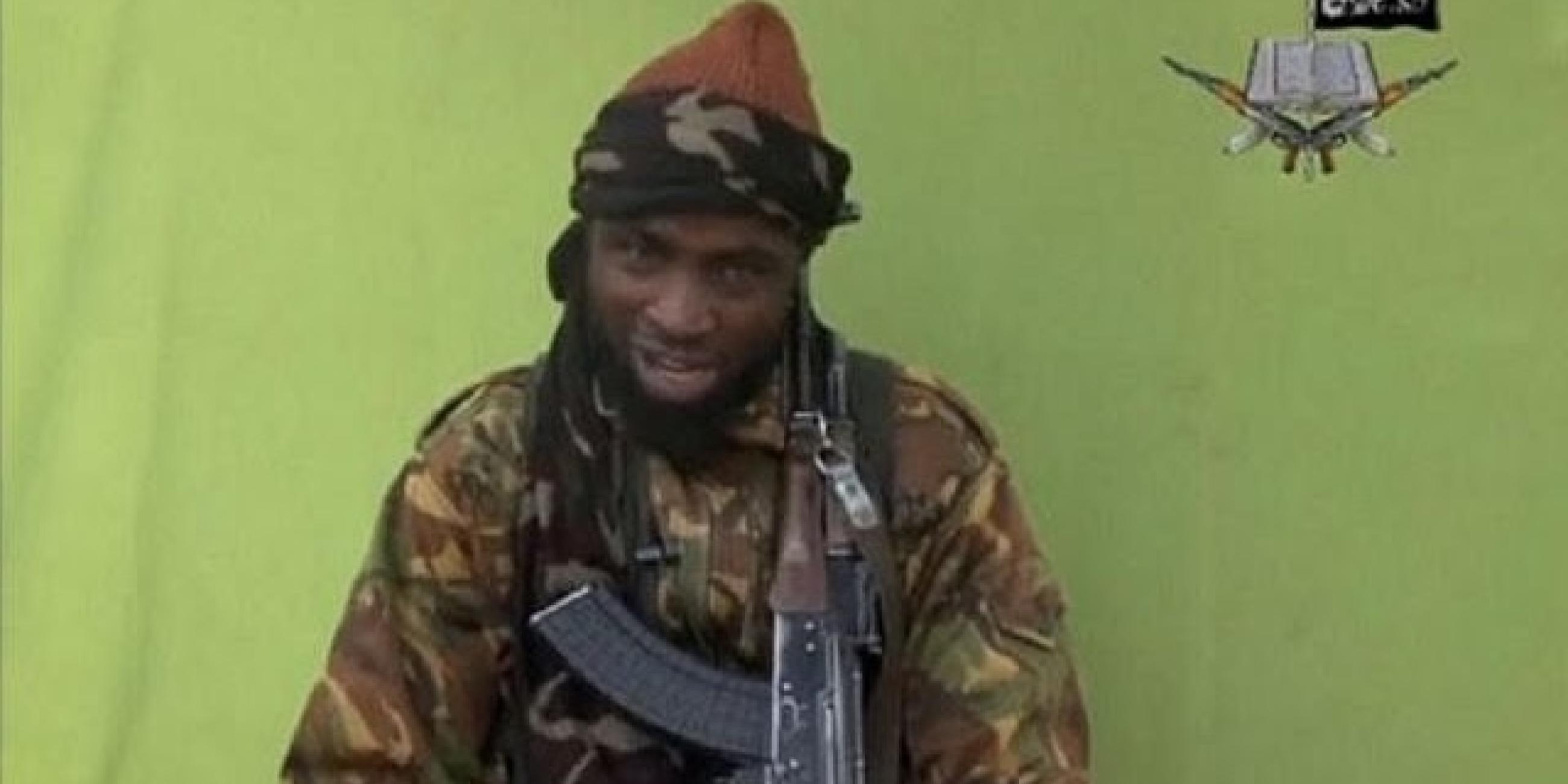
  • Retired General Reveals Covert Nigerian Operation That Led to Boko Haram Leader Shekau’s Death

    Retired Major General Danjuma Ali-Keffi has disclosed how a covert Nigerian military intelligence unit, Operation Service Wide (OSW), weakened Boko Haram and engineered the events leading to Abubakar Shekau’s death. He credited the late Brig. Gen. Abdulrahman Kuliya, former Chief of Military Intelligence, for infiltrating terror networks and sparking the ISWAP–Boko Haram conflict that ended Shekau’s reign. Ali-Keffi detailed how political interference, intelligence leaks, halted operations, and the deaths of top officers—including Lt. Gen. Ibrahim Attahiru—nearly sabotaged the mission. He further alleged internal sabotage, plots against him, and complicity of powerful officials in rising banditry driven by illegal mining interests. His revelations shed light on high-stakes power struggles, covert operations, and deep-rooted security challenges in Nigeria’s fight against terrorism.
    Retired General Reveals Covert Nigerian Operation That Led to Boko Haram Leader Shekau’s Death Retired Major General Danjuma Ali-Keffi has disclosed how a covert Nigerian military intelligence unit, Operation Service Wide (OSW), weakened Boko Haram and engineered the events leading to Abubakar Shekau’s death. He credited the late Brig. Gen. Abdulrahman Kuliya, former Chief of Military Intelligence, for infiltrating terror networks and sparking the ISWAP–Boko Haram conflict that ended Shekau’s reign. Ali-Keffi detailed how political interference, intelligence leaks, halted operations, and the deaths of top officers—including Lt. Gen. Ibrahim Attahiru—nearly sabotaged the mission. He further alleged internal sabotage, plots against him, and complicity of powerful officials in rising banditry driven by illegal mining interests. His revelations shed light on high-stakes power struggles, covert operations, and deep-rooted security challenges in Nigeria’s fight against terrorism.
    0 Commentarios ·0 Acciones ·290 Views
  • HEDA Demands Immediate Release of Ex-Kano Anti-Graft Chairman Muhuyi Magaji, Condemns Police Arrest

    The Human and Environmental Development Agenda (HEDA) has condemned the arrest of former Kano State anti-graft chairman Muhuyi Magaji, calling it politically motivated and unlawful. Magaji was taken into custody by heavily armed police officers who stormed his law firm and transferred him to Abuja on the orders of the Inspector General of Police. HEDA noted that Magaji has been repeatedly targeted since exposing alleged corruption linked to former governor Abdullahi Ganduje. The organisation accused the police of political interference, warning that such actions threaten democracy and due process. HEDA demanded a public explanation for his arrest and urged his immediate release if no lawful basis exists.

    HEDA Demands Immediate Release of Ex-Kano Anti-Graft Chairman Muhuyi Magaji, Condemns Police Arrest The Human and Environmental Development Agenda (HEDA) has condemned the arrest of former Kano State anti-graft chairman Muhuyi Magaji, calling it politically motivated and unlawful. Magaji was taken into custody by heavily armed police officers who stormed his law firm and transferred him to Abuja on the orders of the Inspector General of Police. HEDA noted that Magaji has been repeatedly targeted since exposing alleged corruption linked to former governor Abdullahi Ganduje. The organisation accused the police of political interference, warning that such actions threaten democracy and due process. HEDA demanded a public explanation for his arrest and urged his immediate release if no lawful basis exists.
    0 Commentarios ·0 Acciones ·377 Views
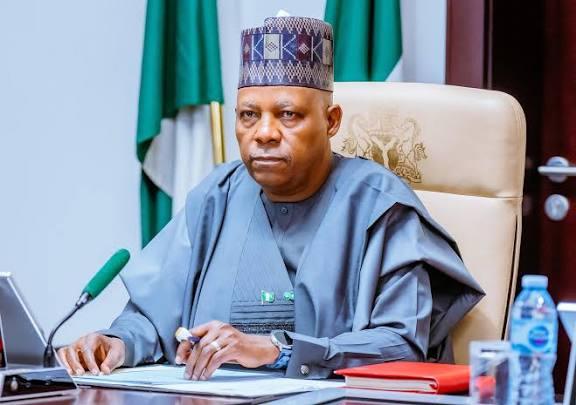
  • Nigerians blush uncontrollably as VP Shettima reveals EFCC recovered over ₦500 billion in assets in just two years.

    Vice President Kashim Shettima has revealed that the Economic and Financial Crimes Commission (EFCC) recovered assets worth over ₦500 billion within the first two years of President Bola Tinubu’s administration.

    Shettima made this known on Monday while declaring open a three-day capacity-building workshop for judges and justices, organised by the EFCC and the National Judicial Institute (NJI) in Abuja.

    Representing President Tinubu, the VP said the administration’s policy of non-interference in anti-graft agencies has strengthened their independence and boosted Nigeria’s anti-corr¥ption drive.

    “As an administration, we have prioritised public accountability by empowering anti-corr¥ption agencies to operate without political interference. The EFCC, for instance, has secured over 7,000 convictions and recovered assets valued at over ₦500 billion,” Shettima stated.

    He noted that proceeds from the recovered assets are being reinvested into national development schemes such as the students’ loan and consumer credit programmes to enhance economic growth and welfare.

    Reaffirming Tinubu’s commitment to the rule of law, Shettima said no political ally enjoys protection from investigation, urging judges to uphold integrity and resist corruption.

    “Corruption is no respecter of persons. Judges are not immune from its consequences,” he warned, stressing the need for stronger collaboration across government arms to sustain the anti-corruption fight.
    Nigerians blush uncontrollably as VP Shettima reveals EFCC recovered over ₦500 billion in assets in just two years. Vice President Kashim Shettima has revealed that the Economic and Financial Crimes Commission (EFCC) recovered assets worth over ₦500 billion within the first two years of President Bola Tinubu’s administration. Shettima made this known on Monday while declaring open a three-day capacity-building workshop for judges and justices, organised by the EFCC and the National Judicial Institute (NJI) in Abuja. Representing President Tinubu, the VP said the administration’s policy of non-interference in anti-graft agencies has strengthened their independence and boosted Nigeria’s anti-corr¥ption drive. “As an administration, we have prioritised public accountability by empowering anti-corr¥ption agencies to operate without political interference. The EFCC, for instance, has secured over 7,000 convictions and recovered assets valued at over ₦500 billion,” Shettima stated. He noted that proceeds from the recovered assets are being reinvested into national development schemes such as the students’ loan and consumer credit programmes to enhance economic growth and welfare. Reaffirming Tinubu’s commitment to the rule of law, Shettima said no political ally enjoys protection from investigation, urging judges to uphold integrity and resist corruption. “Corruption is no respecter of persons. Judges are not immune from its consequences,” he warned, stressing the need for stronger collaboration across government arms to sustain the anti-corruption fight.
    0 Commentarios ·0 Acciones ·824 Views
  • Clemency: You’ve brought shame, scrap NDLEA, EFCC, ICPC – APC chieftain to Tinubu.

    A Chieftain of the Peoples Democratic Party, Eze Chukwuemeka Eze, has called for the scrapping of some federal government agencies.

    The agencies include the National Drug Law Enforcement Agency, NDLEA, the Economic and Financial Crimes Commission, EFCC, and the Independent Corrupt Practices and Other Related Offences Commission, ICPC.

    According Eze, these agencies have Iost their flavours to political Interferences, stressing that President Bola Tinubu’s presidential pardon of drug barons have further erodes public confidence in statutory Institutions.

    The APC chieftain said as long as he remains a member of the ruling party it must be said categorically that Tinubu, by his action, has brought shame and reproach to the party.

    Eze believes that no reasonable person would vote for the APC again as the President has made it unelectable in any election in this country.

    Eze said that APC’s return to power in 2027 would mean that Nigerians approve of a regime that legitimizes illegality as a political strategy to sustain its odious reign beyond 2027.

    Bayo Onanuga, Special Adviser to the President on Media and Public Information and Strategy last week, said in a statement that out of the 175 beneficiaries of the Presidential pardon, 41 illegal miners, 28 drug traffickers and 22 murderers topped the list.

    Notable among the 175 beneficiaries are Herbert Macaulay, one of Nigeria’s foremost nationalists; Farouk Lawan, a former member of the house of representatives; Mamman Vatsa, a major general and poet executed in 1986 over alleged treason; and Maryam Sanda, who was sentenced to death for killing her husband in 2017.

    Clemency: You’ve brought shame, scrap NDLEA, EFCC, ICPC – APC chieftain to Tinubu. A Chieftain of the Peoples Democratic Party, Eze Chukwuemeka Eze, has called for the scrapping of some federal government agencies. The agencies include the National Drug Law Enforcement Agency, NDLEA, the Economic and Financial Crimes Commission, EFCC, and the Independent Corrupt Practices and Other Related Offences Commission, ICPC. According Eze, these agencies have Iost their flavours to political Interferences, stressing that President Bola Tinubu’s presidential pardon of drug barons have further erodes public confidence in statutory Institutions. The APC chieftain said as long as he remains a member of the ruling party it must be said categorically that Tinubu, by his action, has brought shame and reproach to the party. Eze believes that no reasonable person would vote for the APC again as the President has made it unelectable in any election in this country. Eze said that APC’s return to power in 2027 would mean that Nigerians approve of a regime that legitimizes illegality as a political strategy to sustain its odious reign beyond 2027. Bayo Onanuga, Special Adviser to the President on Media and Public Information and Strategy last week, said in a statement that out of the 175 beneficiaries of the Presidential pardon, 41 illegal miners, 28 drug traffickers and 22 murderers topped the list. Notable among the 175 beneficiaries are Herbert Macaulay, one of Nigeria’s foremost nationalists; Farouk Lawan, a former member of the house of representatives; Mamman Vatsa, a major general and poet executed in 1986 over alleged treason; and Maryam Sanda, who was sentenced to death for killing her husband in 2017.
    0 Commentarios ·0 Acciones ·1K Views
  • Dr. Usman Bugaje Calls for End to Presidential Control Over INEC Appointments, Says It Breeds Conflict of Interest


    Political activist and civil society leader, Dr. Usman Bugaje, has called for a total overhaul of the process used to appoint the Independent National Electoral Commission (INEC) chairman, arguing that allowing a sitting president to make such appointments creates a serious conflict of interest.

    Speaking in an interview with the Nigerian Tribune on Tuesday, October 7, 2025, Bugaje described the current arrangement as “unjust and undemocratic,” stressing that it undermines the credibility and independence of Nigeria’s electoral system.

    According to him, it is unreasonable for any president who is also a political candidate or key stakeholder in an election to handpick the person responsible for conducting that same election.

    “Why should the president, who is a party with vested interest in the election, be the one to appoint the INEC chairman? This is a clear conflict of interest,” Bugaje questioned.


    He warned that unless this issue is addressed, Nigeria’s elections will continue to suffer from legitimacy and trust deficits.

    Bugaje further recalled that the Uwais Electoral Reform Committee had previously recommended a better model, suggesting that INEC appointments be handled by a broad-based, independent body representing all arms of government and sections of society — not the presidency.

    He lamented that the recommendation was never implemented due to resistance from political elites who wished to maintain influence over electoral outcomes.

    Bugaje emphasized that freeing INEC from political interference is essential to restoring public confidence in the nation’s democracy.

    “We need to strengthen INEC by ensuring its leadership is not chosen by any sitting president who has a stake in the election. Only then can we achieve truly credible polls,” he stated.

    Dr. Usman Bugaje Calls for End to Presidential Control Over INEC Appointments, Says It Breeds Conflict of Interest Political activist and civil society leader, Dr. Usman Bugaje, has called for a total overhaul of the process used to appoint the Independent National Electoral Commission (INEC) chairman, arguing that allowing a sitting president to make such appointments creates a serious conflict of interest. Speaking in an interview with the Nigerian Tribune on Tuesday, October 7, 2025, Bugaje described the current arrangement as “unjust and undemocratic,” stressing that it undermines the credibility and independence of Nigeria’s electoral system. According to him, it is unreasonable for any president who is also a political candidate or key stakeholder in an election to handpick the person responsible for conducting that same election. “Why should the president, who is a party with vested interest in the election, be the one to appoint the INEC chairman? This is a clear conflict of interest,” Bugaje questioned. He warned that unless this issue is addressed, Nigeria’s elections will continue to suffer from legitimacy and trust deficits. Bugaje further recalled that the Uwais Electoral Reform Committee had previously recommended a better model, suggesting that INEC appointments be handled by a broad-based, independent body representing all arms of government and sections of society — not the presidency. He lamented that the recommendation was never implemented due to resistance from political elites who wished to maintain influence over electoral outcomes. Bugaje emphasized that freeing INEC from political interference is essential to restoring public confidence in the nation’s democracy. “We need to strengthen INEC by ensuring its leadership is not chosen by any sitting president who has a stake in the election. Only then can we achieve truly credible polls,” he stated.
    0 Commentarios ·0 Acciones ·429 Views
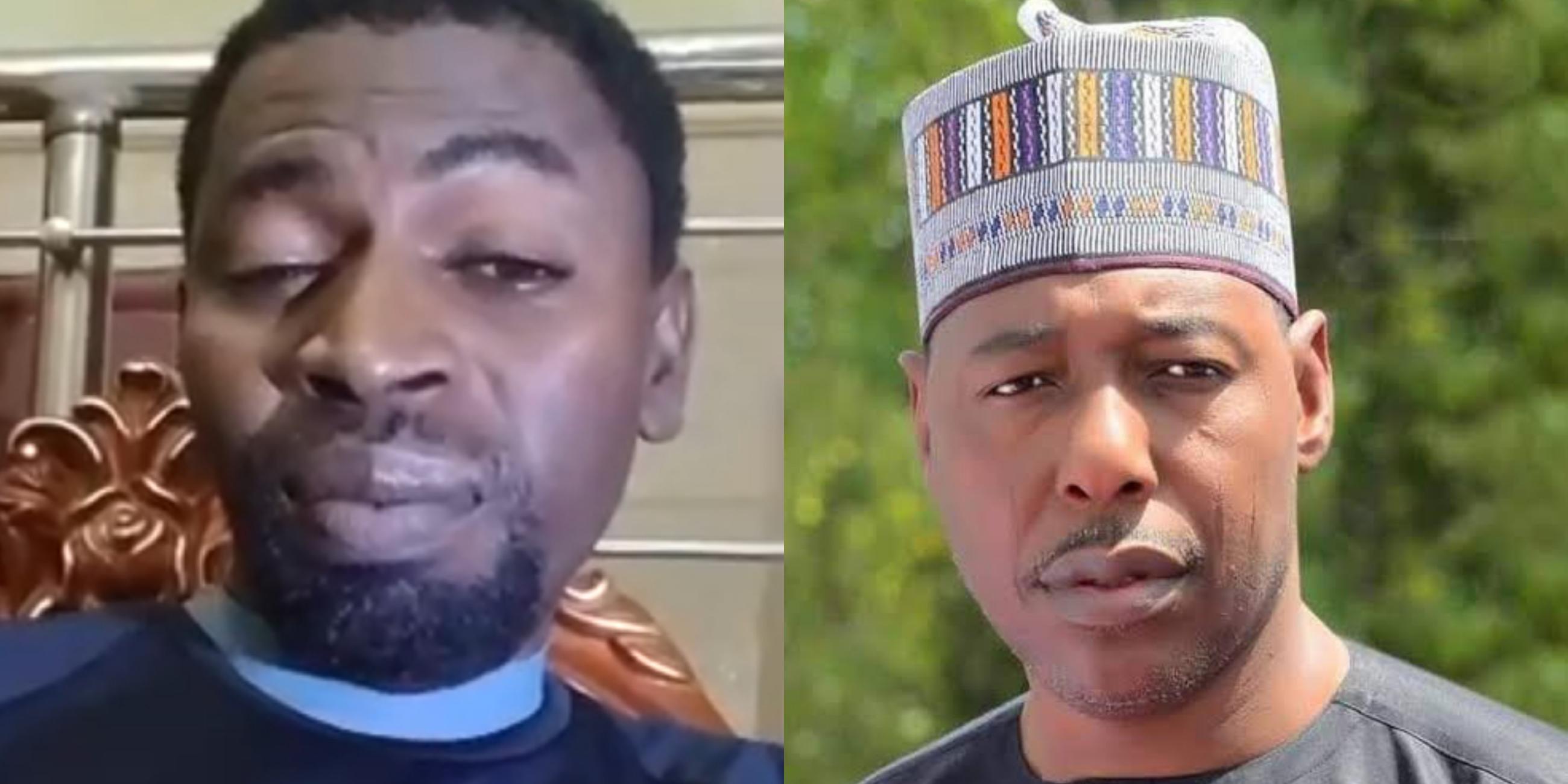
  • The Borno APC Youth Leader, Suleiman Babagana (aka Ali Kwara), has been detained by the state’s special police unit after posting a video lamenting neglect by the Governor Babagana Zulum administration.

    Kwara, a grassroots APC figure and once a strong supporter of Zulum, was arrested on August 16, 2025, arraigned before a magistrate’s court, and later remanded in Maiduguri Maximum Prison. His video, urging youths to remain patient despite being sidelined by the government, was interpreted by authorities as intimidation and a threat.

    Family and legal sources allege political interference, saying the Attorney General suddenly took over the case after pressure from senior officials, delaying a ruling on Kwara’s bail. The magistrate reportedly admitted being under pressure and transferred the case, leaving Kwara in prison for over a week.

    Critics accuse the Zulum government of misusing the state’s crack police unit—originally meant to fight insurgency and violent crime—to silence dissent. This follows earlier arrests and the jailing of two APC members and tricycle operators for creating a WhatsApp group to mobilize protests against the administration.

    #BornoPolitics #FreeSpeech #NigeriaDemocracy
    The Borno APC Youth Leader, Suleiman Babagana (aka Ali Kwara), has been detained by the state’s special police unit after posting a video lamenting neglect by the Governor Babagana Zulum administration. Kwara, a grassroots APC figure and once a strong supporter of Zulum, was arrested on August 16, 2025, arraigned before a magistrate’s court, and later remanded in Maiduguri Maximum Prison. His video, urging youths to remain patient despite being sidelined by the government, was interpreted by authorities as intimidation and a threat. Family and legal sources allege political interference, saying the Attorney General suddenly took over the case after pressure from senior officials, delaying a ruling on Kwara’s bail. The magistrate reportedly admitted being under pressure and transferred the case, leaving Kwara in prison for over a week. Critics accuse the Zulum government of misusing the state’s crack police unit—originally meant to fight insurgency and violent crime—to silence dissent. This follows earlier arrests and the jailing of two APC members and tricycle operators for creating a WhatsApp group to mobilize protests against the administration. #BornoPolitics #FreeSpeech #NigeriaDemocracy
    0 Commentarios ·0 Acciones ·1K Views
Resultados de la búsqueda
Fintter https://fintter.com