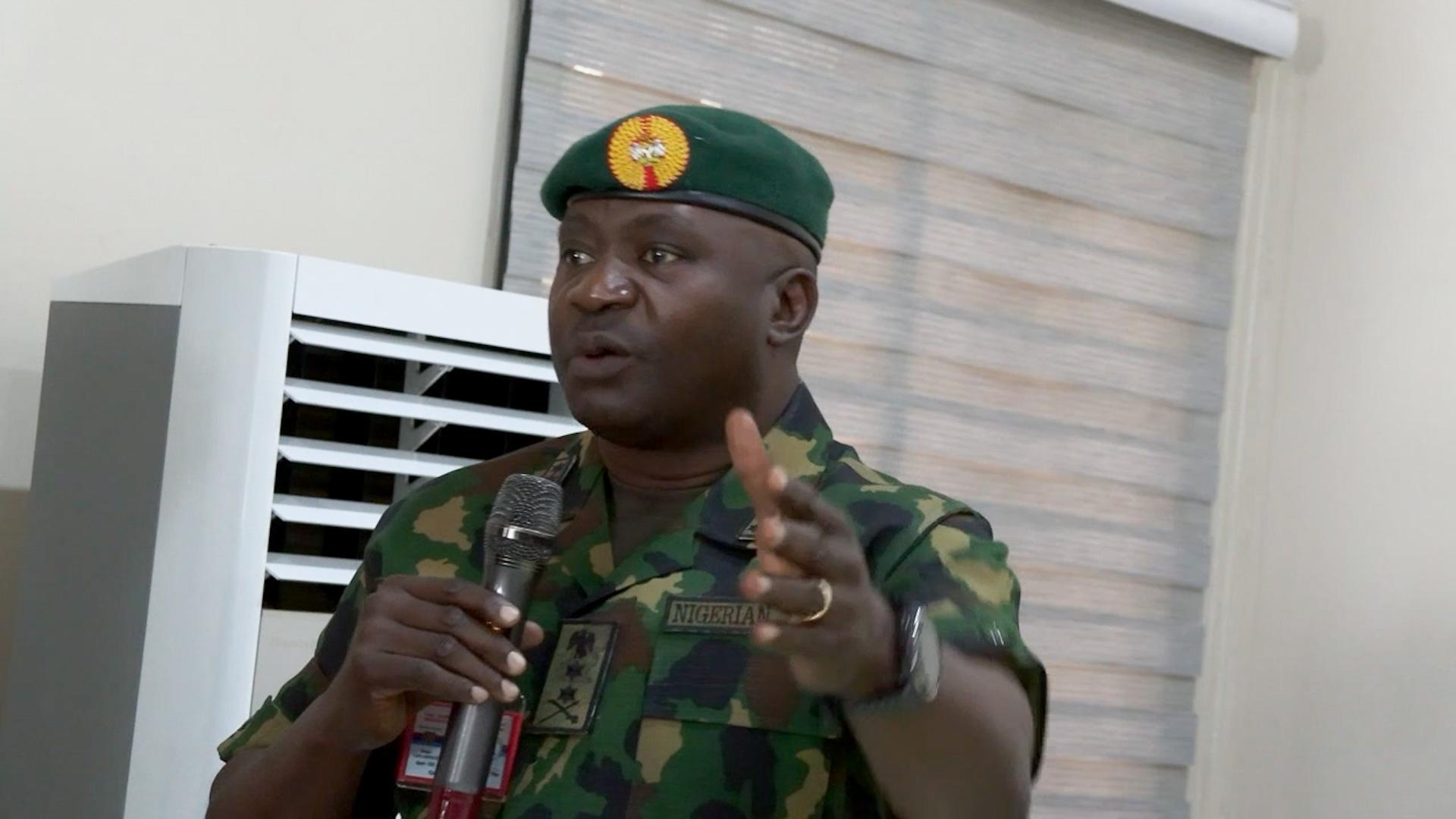
• Are Terrorists Fleeing U.S. Airstrikes in Sokoto Now Spreading Violence Into Benue? Why Agatu Council Chairman Says Armed Groups Have Infiltrated Communities, Forced Policy Reversals, and Triggered a New Security Crisis

    Are counterterrorism operations in one part of Nigeria unintentionally pushing violence into other states? That is the concern raised by the Chairman of Agatu Local Government Area in Benue State, James Melvin Ejeh, who says armed groups displaced by recent U.S.–Nigerian military airstrikes in Sokoto State are now infiltrating communities in his region.

    According to Ejeh, terrorists targeted in coordinated air operations in December have not been eliminated but instead relocated across state borders, spreading insecurity into rural Benue communities. He described a surge in attacks on Agatu villages, warning that innocent residents are now facing “unprecedented terror” as fleeing fighters establish new footholds.

    The council chairman said intelligence reports and local accounts indicate that the militants, after being dislodged from Sokoto, are moving into neighbouring states, with Agatu among the hardest hit. He stressed that what was intended as a strategic blow against terrorism may now be creating a dangerous spillover effect, exposing vulnerable farming communities to renewed violence.

    In response to the escalating attacks, Ejeh announced a decisive policy shift: the immediate cancellation of a 2017 grazing agreement that allowed herdsmen access to Adepati Island. He argued that the agreement, originally framed as a peacebuilding measure, had instead compromised community safety and enabled armed elements to operate within Agatu territory.

    Describing the pact as an arrangement made “under the guise of promoting peaceful coexistence,” Ejeh accused previous local administrations of placing diplomacy above the security of residents. He declared the agreement null and void, ordered all armed herders to vacate Agatu land, and emphasized that no portion of Agatu belongs to herders under any guise.

    Ejeh further revealed that security agencies have begun arrests and investigations, warning that anyone found collaborating with armed groups will face the full weight of the law. He maintained that the people of Agatu have reached a firm position: no future engagement with herders will occur unless it is conducted lawfully, transparently, and only after broad consultation with traditional rulers and community stakeholders.

    The development raises urgent national questions: Are military airstrikes merely displacing terrorists rather than dismantling their networks? Is Nigeria witnessing a dangerous redistribution of insecurity from one region to another? And can local governments withstand the security fallout without stronger federal coordination?

    As communities in Benue confront the consequences of a conflict they did not initiate, the Agatu chairman’s warning highlights a growing fear that counterterrorism victories in one state may be creating new frontlines elsewhere, leaving civilians trapped in the crossfire of shifting militant movements.

    Are Terrorists Fleeing U.S. Airstrikes in Sokoto Now Spreading Violence Into Benue? Why Agatu Council Chairman Says Armed Groups Have Infiltrated Communities, Forced Policy Reversals, and Triggered a New Security Crisis Are counterterrorism operations in one part of Nigeria unintentionally pushing violence into other states? That is the concern raised by the Chairman of Agatu Local Government Area in Benue State, James Melvin Ejeh, who says armed groups displaced by recent U.S.–Nigerian military airstrikes in Sokoto State are now infiltrating communities in his region. According to Ejeh, terrorists targeted in coordinated air operations in December have not been eliminated but instead relocated across state borders, spreading insecurity into rural Benue communities. He described a surge in attacks on Agatu villages, warning that innocent residents are now facing “unprecedented terror” as fleeing fighters establish new footholds. The council chairman said intelligence reports and local accounts indicate that the militants, after being dislodged from Sokoto, are moving into neighbouring states, with Agatu among the hardest hit. He stressed that what was intended as a strategic blow against terrorism may now be creating a dangerous spillover effect, exposing vulnerable farming communities to renewed violence. In response to the escalating attacks, Ejeh announced a decisive policy shift: the immediate cancellation of a 2017 grazing agreement that allowed herdsmen access to Adepati Island. He argued that the agreement, originally framed as a peacebuilding measure, had instead compromised community safety and enabled armed elements to operate within Agatu territory. Describing the pact as an arrangement made “under the guise of promoting peaceful coexistence,” Ejeh accused previous local administrations of placing diplomacy above the security of residents. He declared the agreement null and void, ordered all armed herders to vacate Agatu land, and emphasized that no portion of Agatu belongs to herders under any guise. Ejeh further revealed that security agencies have begun arrests and investigations, warning that anyone found collaborating with armed groups will face the full weight of the law. He maintained that the people of Agatu have reached a firm position: no future engagement with herders will occur unless it is conducted lawfully, transparently, and only after broad consultation with traditional rulers and community stakeholders. The development raises urgent national questions: Are military airstrikes merely displacing terrorists rather than dismantling their networks? Is Nigeria witnessing a dangerous redistribution of insecurity from one region to another? And can local governments withstand the security fallout without stronger federal coordination? As communities in Benue confront the consequences of a conflict they did not initiate, the Agatu chairman’s warning highlights a growing fear that counterterrorism victories in one state may be creating new frontlines elsewhere, leaving civilians trapped in the crossfire of shifting militant movements.
    0 Comentários ·0 Compartilhamentos ·2K Visualizações
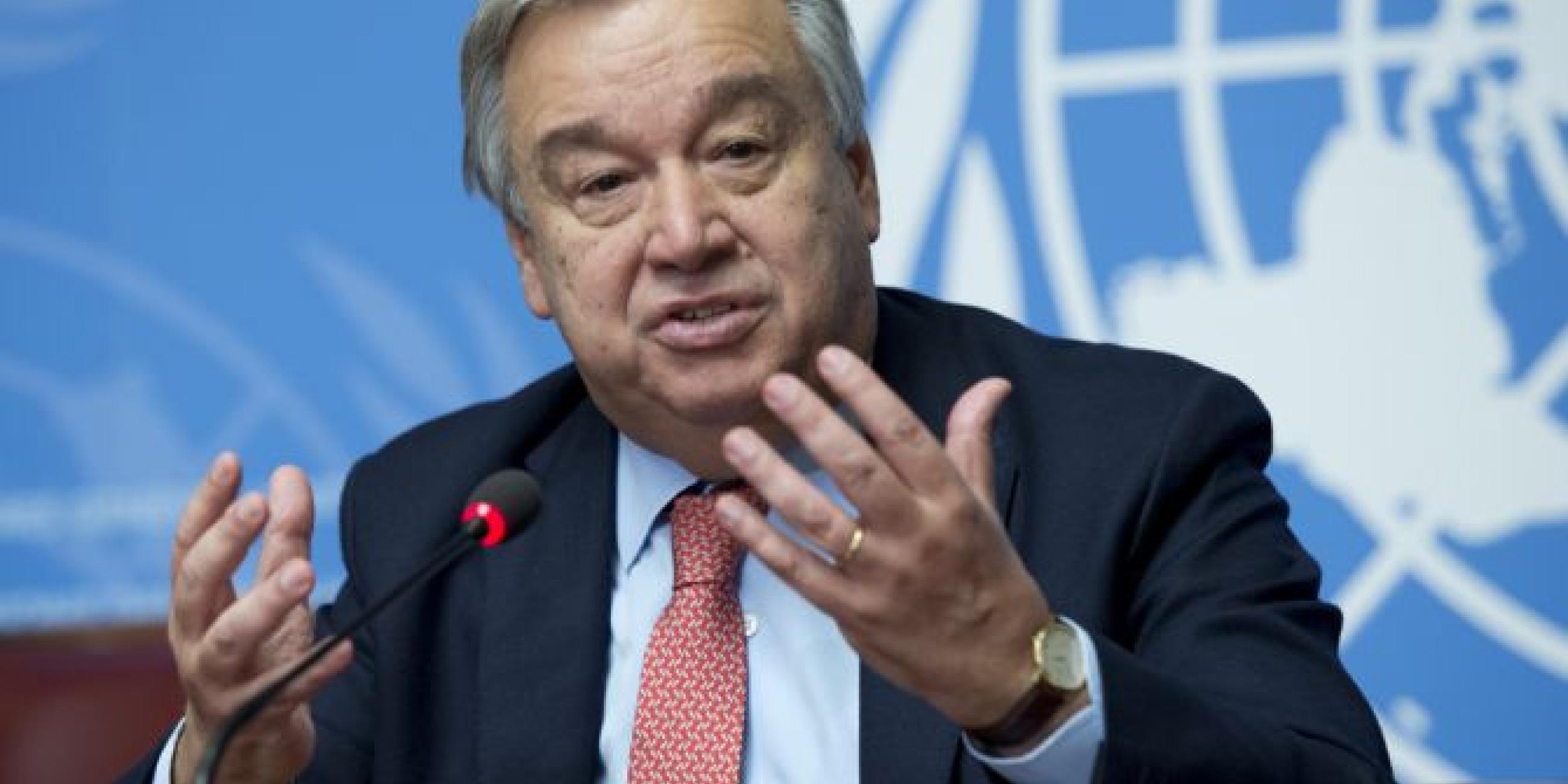
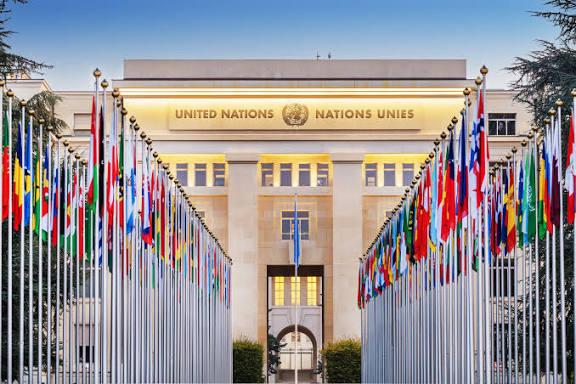
  • Is the U.S. Turning Its Back on the United Nations? Why UN Chief Guterres Regrets Trump’s Withdrawal From Dozens of Global Bodies and What It Means for World Governance

    United Nations Secretary-General Antonio Guterres has expressed strong regret over the United States’ decision to withdraw from multiple international organisations, warning that financial obligations to the UN remain legally binding under international law. The reaction follows a sweeping policy directive signed by U.S. President Donald Trump, ordering American withdrawal from 66 international bodies, including 31 United Nations entities and 35 non-UN organisations.

    In a statement delivered by UN Spokesman Stéphane Dujarric, the Secretary-General described the decision as “regrettable” and stressed that assessed contributions to the UN’s regular and peacekeeping budgets are mandatory under the UN Charter for all member states, including the United States. “Assessed contributions… are a legal obligation under the UN Charter,” Dujarric said, adding that all UN agencies would continue implementing their mandates despite political or financial challenges.

    While the UN statement did not specify which bodies would be affected or the immediate financial consequences, officials have long warned that funding shortfalls could undermine peacekeeping operations, humanitarian assistance, development programmes, and human-rights initiatives worldwide.

    The development stems from a Presidential Memorandum issued by Trump, declaring that continued U.S. participation in the listed organisations no longer serves American interests. The directive follows a comprehensive review ordered under Executive Order 14199 in February 2025, which assessed U.S. involvement in all international organisations, treaties, and conventions receiving American funding or support. After reviewing the findings with his Cabinet, Trump ordered federal agencies to take “immediate steps” to withdraw, where legally permissible.

    Among the non-UN organisations affected are bodies dealing with climate change, energy, environmental protection, democracy promotion, cybersecurity, and regional cooperation, including the Intergovernmental Panel on Climate Change (IPCC), the International Renewable Energy Agency (IRENA), the International Union for Conservation of Nature (IUCN), and the Freedom Online Coalition. The order also targets several security and justice-focused groups, such as the Global Counterterrorism Forum and the International Institute for Justice and the Rule of Law.

    On the UN side, the memorandum directs the United States to cease participation in or funding for multiple agencies and programmes, including UN Women, the UN Population Fund (UNFPA), UN Conference on Trade and Development (UNCTAD), the UN Framework Convention on Climate Change (UNFCCC), and offices focused on peacebuilding, development, oceans, water, international law, and human rights. It also affects entities such as the Peacebuilding Fund, UN Water, UN Oceans, and the UN University system.

    Despite the decision, the UN leadership insists its mission will continue. “All United Nations entities will go on with the implementation of their mandates as given by Member States,” the statement said, underscoring the organisation’s responsibility to people worldwide who rely on its work.

    The move has intensified global debate: Can the United States legally withdraw while still bound to financial obligations? Will UN programmes suffer operational setbacks? Does this signal a broader retreat from multilateralism—or a recalibration of U.S. foreign policy priorities? As the review process remains ongoing, with more organisations potentially targeted, the episode raises urgent questions about the future of international cooperation, global governance, and the stability of multilateral institutions.

    Is the U.S. Turning Its Back on the United Nations? Why UN Chief Guterres Regrets Trump’s Withdrawal From Dozens of Global Bodies and What It Means for World Governance United Nations Secretary-General Antonio Guterres has expressed strong regret over the United States’ decision to withdraw from multiple international organisations, warning that financial obligations to the UN remain legally binding under international law. The reaction follows a sweeping policy directive signed by U.S. President Donald Trump, ordering American withdrawal from 66 international bodies, including 31 United Nations entities and 35 non-UN organisations. In a statement delivered by UN Spokesman Stéphane Dujarric, the Secretary-General described the decision as “regrettable” and stressed that assessed contributions to the UN’s regular and peacekeeping budgets are mandatory under the UN Charter for all member states, including the United States. “Assessed contributions… are a legal obligation under the UN Charter,” Dujarric said, adding that all UN agencies would continue implementing their mandates despite political or financial challenges. While the UN statement did not specify which bodies would be affected or the immediate financial consequences, officials have long warned that funding shortfalls could undermine peacekeeping operations, humanitarian assistance, development programmes, and human-rights initiatives worldwide. The development stems from a Presidential Memorandum issued by Trump, declaring that continued U.S. participation in the listed organisations no longer serves American interests. The directive follows a comprehensive review ordered under Executive Order 14199 in February 2025, which assessed U.S. involvement in all international organisations, treaties, and conventions receiving American funding or support. After reviewing the findings with his Cabinet, Trump ordered federal agencies to take “immediate steps” to withdraw, where legally permissible. Among the non-UN organisations affected are bodies dealing with climate change, energy, environmental protection, democracy promotion, cybersecurity, and regional cooperation, including the Intergovernmental Panel on Climate Change (IPCC), the International Renewable Energy Agency (IRENA), the International Union for Conservation of Nature (IUCN), and the Freedom Online Coalition. The order also targets several security and justice-focused groups, such as the Global Counterterrorism Forum and the International Institute for Justice and the Rule of Law. On the UN side, the memorandum directs the United States to cease participation in or funding for multiple agencies and programmes, including UN Women, the UN Population Fund (UNFPA), UN Conference on Trade and Development (UNCTAD), the UN Framework Convention on Climate Change (UNFCCC), and offices focused on peacebuilding, development, oceans, water, international law, and human rights. It also affects entities such as the Peacebuilding Fund, UN Water, UN Oceans, and the UN University system. Despite the decision, the UN leadership insists its mission will continue. “All United Nations entities will go on with the implementation of their mandates as given by Member States,” the statement said, underscoring the organisation’s responsibility to people worldwide who rely on its work. The move has intensified global debate: Can the United States legally withdraw while still bound to financial obligations? Will UN programmes suffer operational setbacks? Does this signal a broader retreat from multilateralism—or a recalibration of U.S. foreign policy priorities? As the review process remains ongoing, with more organisations potentially targeted, the episode raises urgent questions about the future of international cooperation, global governance, and the stability of multilateral institutions.
    0 Comentários ·0 Compartilhamentos ·3K Visualizações
  • Trump Orders U.S. Withdrawal From 66 International Organizations, Including 31 UN Bodies

    U.S. President Donald J. Trump has signed a Presidential Memorandum directing the United States to withdraw from 66 international organizations, including 31 United Nations bodies and 35 non-UN entities. The decision, part of Trump’s “America First” foreign policy, follows a review mandated under Executive Order 14199 on February 4, 2025, which tasked the Secretary of State with evaluating U.S. participation in all international intergovernmental organizations, conventions, and treaties receiving American support.

    According to the memorandum, the Secretary of State submitted findings, which were reviewed by the president and Cabinet, leading to the determination that continued membership in these organizations no longer aligns with U.S. interests. The memorandum instructs all executive departments and agencies to take “immediate steps” to implement withdrawals where legally permissible, including ceasing participation or funding for affected UN bodies.

    The withdrawal list encompasses a wide array of policy areas, from climate change, energy, and environmental conservation to human rights, peacebuilding, democracy promotion, and cybersecurity. Notable non-UN organizations affected include the Intergovernmental Panel on Climate Change, International Renewable Energy Agency, International Union for Conservation of Nature, and the Global Counterterrorism Forum.

    UN entities affected include major offices and programs such as the UN Framework Convention on Climate Change, UN Women, UN Population Fund, UN Conference on Trade and Development, UN Peacebuilding Fund, UN Oceans, and the UN University system.

    Trump emphasized that the review is ongoing, and additional organizations or agreements may be targeted in the future. The memorandum clarifies that this directive does not override existing legal authorities or budgetary controls and does not create enforceable legal rights for any party.

    The announcement marks one of the largest U.S. withdrawals from international institutions in modern history, reflecting a strategic pivot toward national sovereignty, cost reduction, and reevaluation of multilateral commitments. The State Department will oversee implementation and provide additional guidance to federal agencies.
    Trump Orders U.S. Withdrawal From 66 International Organizations, Including 31 UN Bodies U.S. President Donald J. Trump has signed a Presidential Memorandum directing the United States to withdraw from 66 international organizations, including 31 United Nations bodies and 35 non-UN entities. The decision, part of Trump’s “America First” foreign policy, follows a review mandated under Executive Order 14199 on February 4, 2025, which tasked the Secretary of State with evaluating U.S. participation in all international intergovernmental organizations, conventions, and treaties receiving American support. According to the memorandum, the Secretary of State submitted findings, which were reviewed by the president and Cabinet, leading to the determination that continued membership in these organizations no longer aligns with U.S. interests. The memorandum instructs all executive departments and agencies to take “immediate steps” to implement withdrawals where legally permissible, including ceasing participation or funding for affected UN bodies. The withdrawal list encompasses a wide array of policy areas, from climate change, energy, and environmental conservation to human rights, peacebuilding, democracy promotion, and cybersecurity. Notable non-UN organizations affected include the Intergovernmental Panel on Climate Change, International Renewable Energy Agency, International Union for Conservation of Nature, and the Global Counterterrorism Forum. UN entities affected include major offices and programs such as the UN Framework Convention on Climate Change, UN Women, UN Population Fund, UN Conference on Trade and Development, UN Peacebuilding Fund, UN Oceans, and the UN University system. Trump emphasized that the review is ongoing, and additional organizations or agreements may be targeted in the future. The memorandum clarifies that this directive does not override existing legal authorities or budgetary controls and does not create enforceable legal rights for any party. The announcement marks one of the largest U.S. withdrawals from international institutions in modern history, reflecting a strategic pivot toward national sovereignty, cost reduction, and reevaluation of multilateral commitments. The State Department will oversee implementation and provide additional guidance to federal agencies.
    0 Comentários ·0 Compartilhamentos ·2K Visualizações
  • NSA Ribadu Leads Federal Delegation with Ministers of Works and Environment to Inspect Projects, Oil Spill Sites in Rivers State

    National Security Adviser (NSA) Nuhu Ribadu, alongside the Ministers of Works and Environment, visited Rivers State Governor Siminalayi Fubara as part of a high-level federal inspection of critical infrastructure and oil spill locations in Ogoniland. The delegation, which also included the Director-General of NOSDRA, engaged stakeholders to address environmental remediation, development, and security concerns in affected communities. Key sites visited include the East-West Road, Yorla Oilfield spill site, University of Environmental Technology, and K-Dere Hospital. The visit underscores renewed federal attention on Niger Delta oil-producing communities and peacebuilding initiatives.
    NSA Ribadu Leads Federal Delegation with Ministers of Works and Environment to Inspect Projects, Oil Spill Sites in Rivers State National Security Adviser (NSA) Nuhu Ribadu, alongside the Ministers of Works and Environment, visited Rivers State Governor Siminalayi Fubara as part of a high-level federal inspection of critical infrastructure and oil spill locations in Ogoniland. The delegation, which also included the Director-General of NOSDRA, engaged stakeholders to address environmental remediation, development, and security concerns in affected communities. Key sites visited include the East-West Road, Yorla Oilfield spill site, University of Environmental Technology, and K-Dere Hospital. The visit underscores renewed federal attention on Niger Delta oil-producing communities and peacebuilding initiatives.
    0 Comentários ·0 Compartilhamentos ·750 Visualizações
  • NIGERIA LAUNCHES 3RD NATIONAL ACTION PLAN ON PEACE & SECURITY

    Nigeria has taken a bold step in advancing women’s inclusion in peace and security with the launch of its Third National Action Plan on UN Security Council Resolution 1325.

    The plan reaffirms the Federal Government’s commitment to protecting women and girls, while positioning women as key drivers of conflict prevention and peacebuilding.

    Speaking at the launch, First Lady Oluremi Tinubu, represented by Laila Barau, wife of the Deputy Senate President, said the initiative marks a new chapter toward a safer, more inclusive nation where women and girls can thrive.

    Minister of Women Affairs and Social Development, Imaan Sulaiman-Ibrahim, described the plan as a historic milestone that places women, children and vulnerable groups at the heart of national stability, calling for collective action to ensure its success.

    The event also featured the inauguration of a National Technical Working Committee to drive implementation and localise the plan across the 36 states and the FCT.
    NIGERIA LAUNCHES 3RD NATIONAL ACTION PLAN ON PEACE & SECURITY Nigeria has taken a bold step in advancing women’s inclusion in peace and security with the launch of its Third National Action Plan on UN Security Council Resolution 1325. The plan reaffirms the Federal Government’s commitment to protecting women and girls, while positioning women as key drivers of conflict prevention and peacebuilding. Speaking at the launch, First Lady Oluremi Tinubu, represented by Laila Barau, wife of the Deputy Senate President, said the initiative marks a new chapter toward a safer, more inclusive nation where women and girls can thrive. Minister of Women Affairs and Social Development, Imaan Sulaiman-Ibrahim, described the plan as a historic milestone that places women, children and vulnerable groups at the heart of national stability, calling for collective action to ensure its success. The event also featured the inauguration of a National Technical Working Committee to drive implementation and localise the plan across the 36 states and the FCT.
    0 Comentários ·0 Compartilhamentos ·678 Visualizações
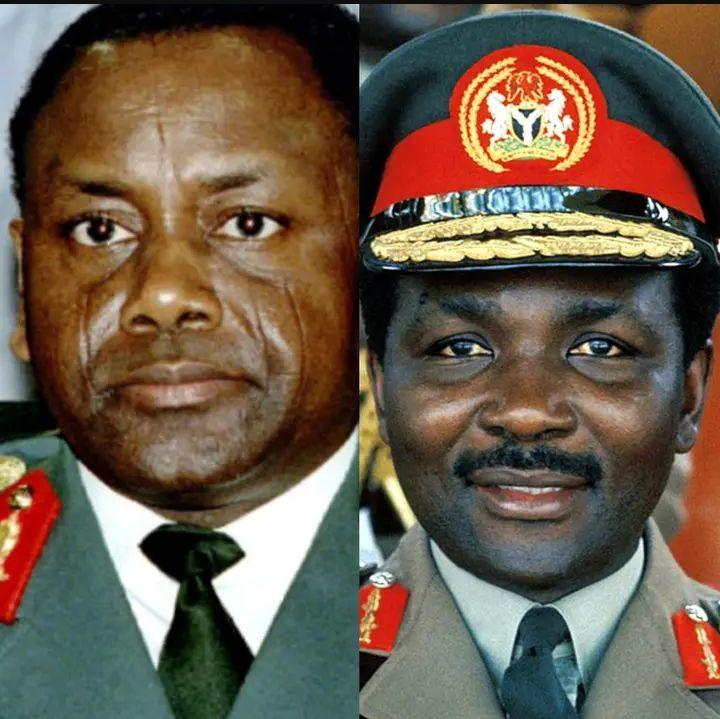
  • “No Bloodshed!” — Historian Reveals How Gowon’s Final Words During 1975 Coup Showed His True Love for Peace

    In a recent interview on the Edmund Obilo Show, historian and author Adebayo Adeolu, who wrote “Sani Abacha: Nigeria’s Most Powerful Defence Minister and Head of State,” revealed a powerful and often-overlooked detail about General Yakubu Gowon’s fall from power in 1975.

    Adeolu disclosed that when news of the coup reached Gowon, the then Head of State ordered his aides and security personnel not to resist or spill any blood.

    “When Gowon was going to be overthrown, he said, ‘make sure nobody’s killed, we have seen enough of it,’” Adeolu quoted.

    According to the historian, Gowon’s reaction reflected his deep weariness with Nigeria’s cycles of violence — particularly after the Nigerian Civil War (1967–1970), which he had led. Instead of clinging to power, Gowon chose peace over conflict, showing a level of restraint rare among military rulers of his time.

    “That single moment showed Gowon’s moral strength and his genuine desire for a peaceful Nigeria,” Adeolu said, describing the act as one of the most humane moments in Nigeria’s military history.


    Gowon, who was attending the Organisation of African Unity (OAU) Summit in Uganda when he was ousted, quietly accepted his removal and later devoted his life to reconciliation and peacebuilding — cementing his reputation as a statesman of grace and humility.
    “No Bloodshed!” — Historian Reveals How Gowon’s Final Words During 1975 Coup Showed His True Love for Peace In a recent interview on the Edmund Obilo Show, historian and author Adebayo Adeolu, who wrote “Sani Abacha: Nigeria’s Most Powerful Defence Minister and Head of State,” revealed a powerful and often-overlooked detail about General Yakubu Gowon’s fall from power in 1975. Adeolu disclosed that when news of the coup reached Gowon, the then Head of State ordered his aides and security personnel not to resist or spill any blood. “When Gowon was going to be overthrown, he said, ‘make sure nobody’s killed, we have seen enough of it,’” Adeolu quoted. According to the historian, Gowon’s reaction reflected his deep weariness with Nigeria’s cycles of violence — particularly after the Nigerian Civil War (1967–1970), which he had led. Instead of clinging to power, Gowon chose peace over conflict, showing a level of restraint rare among military rulers of his time. “That single moment showed Gowon’s moral strength and his genuine desire for a peaceful Nigeria,” Adeolu said, describing the act as one of the most humane moments in Nigeria’s military history. Gowon, who was attending the Organisation of African Unity (OAU) Summit in Uganda when he was ousted, quietly accepted his removal and later devoted his life to reconciliation and peacebuilding — cementing his reputation as a statesman of grace and humility.
    0 Comentários ·0 Compartilhamentos ·2K Visualizações

  • European Union pledges support for Nigeria amid possible U.S. military action reports; signals readiness to enhance security cooperation.

    The European Union (EU) has reaffirmed its commitment to supporting Nigeria, emphasizing respect for the country’s sovereignty and a focus on peacebuilding, interfaith dialogue, and human rights protection.

    EU Ambassador to Nigeria and ECOWAS, Mr. Gautier Mignot, told the News Agency of Nigeria in Lagos that the EU’s stance is independent and based on a long-standing partnership and shared values with Nigeria.

    He assured that the EU and its member states would continue to uphold Nigeria’s sovereignty while supporting victims of violence, authorities protecting citizens, and efforts to promote peaceful coexistence across ethnic and religious communities.

    Mignot highlighted the EU’s readiness to boost support in security and defence, working with civil society, traditional leaders, and religious organizations. He cited ongoing programs on deradicalization, demobilisation, and reintegration of former members of non-state armed groups in the North-East.

    The ambassador stressed protection for minorities and religious freedom, noting that while challenges remain, Nigeria’s legal framework supports human rights. He said EU assistance is non-discriminatory, covering all victims of violence, and reinforced interfaith dialogue and peaceful coexistence initiatives.

    He added that EU-Nigeria cooperation is based on mutual interest in a stable, prosperous, and democratic country, with plans for a security and defence dialogue to deepen strategic collaboration.

    The statement comes after US President Donald Trump threatened military action over alleged anti-Christian violence, labeling Nigeria a “Country of Particular Concern” and warning that aid could be cut if attacks on Christians continue.
    European Union pledges support for Nigeria amid possible U.S. military action reports; signals readiness to enhance security cooperation. The European Union (EU) has reaffirmed its commitment to supporting Nigeria, emphasizing respect for the country’s sovereignty and a focus on peacebuilding, interfaith dialogue, and human rights protection. EU Ambassador to Nigeria and ECOWAS, Mr. Gautier Mignot, told the News Agency of Nigeria in Lagos that the EU’s stance is independent and based on a long-standing partnership and shared values with Nigeria. He assured that the EU and its member states would continue to uphold Nigeria’s sovereignty while supporting victims of violence, authorities protecting citizens, and efforts to promote peaceful coexistence across ethnic and religious communities. Mignot highlighted the EU’s readiness to boost support in security and defence, working with civil society, traditional leaders, and religious organizations. He cited ongoing programs on deradicalization, demobilisation, and reintegration of former members of non-state armed groups in the North-East. The ambassador stressed protection for minorities and religious freedom, noting that while challenges remain, Nigeria’s legal framework supports human rights. He said EU assistance is non-discriminatory, covering all victims of violence, and reinforced interfaith dialogue and peaceful coexistence initiatives. He added that EU-Nigeria cooperation is based on mutual interest in a stable, prosperous, and democratic country, with plans for a security and defence dialogue to deepen strategic collaboration. The statement comes after US President Donald Trump threatened military action over alleged anti-Christian violence, labeling Nigeria a “Country of Particular Concern” and warning that aid could be cut if attacks on Christians continue.
    0 Comentários ·0 Compartilhamentos ·1K Visualizações
  • Nigeria Seeks UN Partnership for $10bn Long-Term Fund to Address Internal Displacement.

    The Federal Government has appealed to the United Nations for support in accessing a $10 billion long-term financing plan aimed at tackling the country’s growing internal displacement and humanitarian challenges.

    Minister of Budget and Economic Planning, Senator Abubakar Bagudu, made the appeal during a roundtable on “Humanitarian Development and Peacebuilding Approaches to Durable Solutions for Internally Displaced Persons” held in Abuja on Wednesday.

    Bagudu said the government could deploy such financing ideally at a four percent interest rate to create wealth among displaced populations while addressing the root causes of displacement. He noted that donor-based grants were shrinking and urged the UN to help Nigeria tap into the capital market for sustainable, long-term funds.

    He added that the government’s fiscal policies were designed to reduce waste, empower subnational governments, and promote inclusive development through programmes like the Renewed Hope Ward-Based Development Plan and Solutions for the Internally Displaced and Host Communities (SOLID) initiative, which maps economic opportunities across 8,809 wards nationwide.

    Minister of State for Humanitarian Affairs and Poverty Reduction, Dr. Yusuf Sununu, stressed that Nigeria’s humanitarian response must transition “from relief to resilience,” focusing on prevention, national leadership, and coordinated accountability.

    UN Resident and Humanitarian Coordinator, Mr. Mohammed Fall, commended Nigeria’s ongoing efforts in Borno, Yobe, and Adamawa, pledging continued UN support to help displaced persons “regain their dignity and rebuild their lives.”
    Nigeria Seeks UN Partnership for $10bn Long-Term Fund to Address Internal Displacement. The Federal Government has appealed to the United Nations for support in accessing a $10 billion long-term financing plan aimed at tackling the country’s growing internal displacement and humanitarian challenges. Minister of Budget and Economic Planning, Senator Abubakar Bagudu, made the appeal during a roundtable on “Humanitarian Development and Peacebuilding Approaches to Durable Solutions for Internally Displaced Persons” held in Abuja on Wednesday. Bagudu said the government could deploy such financing ideally at a four percent interest rate to create wealth among displaced populations while addressing the root causes of displacement. He noted that donor-based grants were shrinking and urged the UN to help Nigeria tap into the capital market for sustainable, long-term funds. He added that the government’s fiscal policies were designed to reduce waste, empower subnational governments, and promote inclusive development through programmes like the Renewed Hope Ward-Based Development Plan and Solutions for the Internally Displaced and Host Communities (SOLID) initiative, which maps economic opportunities across 8,809 wards nationwide. Minister of State for Humanitarian Affairs and Poverty Reduction, Dr. Yusuf Sununu, stressed that Nigeria’s humanitarian response must transition “from relief to resilience,” focusing on prevention, national leadership, and coordinated accountability. UN Resident and Humanitarian Coordinator, Mr. Mohammed Fall, commended Nigeria’s ongoing efforts in Borno, Yobe, and Adamawa, pledging continued UN support to help displaced persons “regain their dignity and rebuild their lives.”
    0 Comentários ·0 Compartilhamentos ·1K Visualizações
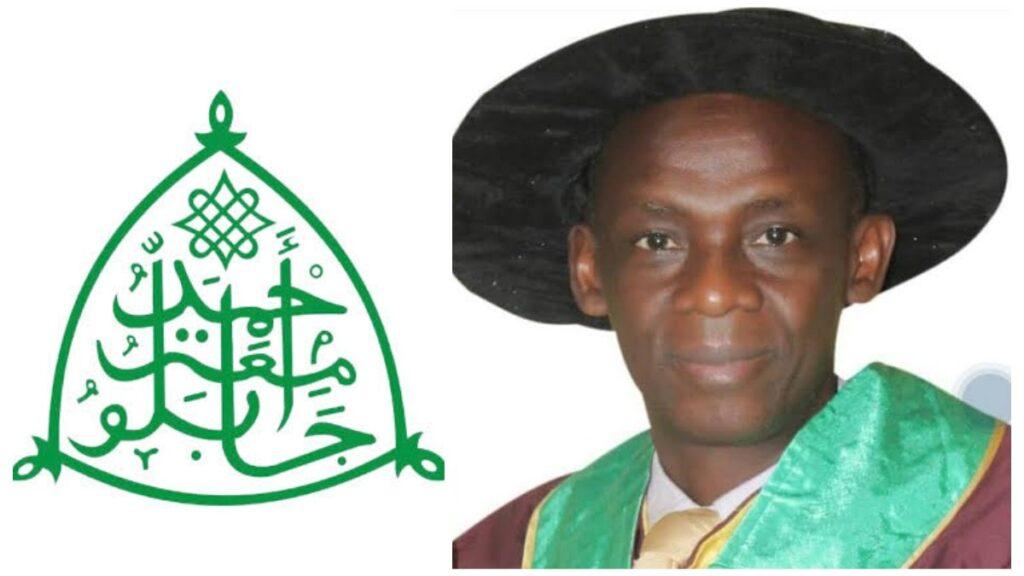
  • ABU Spends just ₦4 Billion Yearly on Electricity — VC Cries Out Over Soaring Bills.

    The Vice Chancellor of Ahmadu Bello University (ABU), Zaria, Professor Adamu Ahmed, has revealed that the institution spends nearly ₦4 billion yearly on electricity, describing the situation as crippling and unsustainable.

    Speaking at a news conference marking ABU’s 63rd anniversary, Ahmed said the heavy energy cost was affecting research and academic activities. He disclosed that the university was pursuing energy self-sufficiency through partnerships and innovations, including renewable energy projects.

    According to him, the Federal Government had provided ₦1 billion through TETFund and approved a 10-megawatt solar power project, while alumni groups, such as the SBS Class of 1975, were already supporting solar initiatives on campus.

    The VC lamented that insecurity and poverty continued to hinder education and development in the North, urging renewed research in agriculture and peacebuilding. He noted ABU’s strength in agricultural research, with institutes like IAR and NAPRI leading regional innovation.

    Ahmed also highlighted the university’s growth from four faculties in 1962 to 18 faculties, 110 departments, and 17 research centres making it the largest university in sub-Saharan Africa.

    He announced that ABU had been ranked the best public university in Nigeria by Times Higher Education in 2025 and is one of three Nigerian universities listed in the QS World University Rankings.

    The VC further revealed that the university had secured over $15 million in World Bank Centres of Excellence grants and a €5 million Horizon grant for an AI-driven disease diagnosis project. Staff and students have also registered over 30 patents across renewable energy and pharmaceuticals.

    Despite these successes, Ahmed warned that funding shortages, brain drain, and infrastructure decay remained major challenges. He urged ABU’s alumni to “give back” through endowments and donations, saying, “The Sardauna gave you opportunities; now it’s time to give back.”
    ABU Spends just ₦4 Billion Yearly on Electricity — VC Cries Out Over Soaring Bills. The Vice Chancellor of Ahmadu Bello University (ABU), Zaria, Professor Adamu Ahmed, has revealed that the institution spends nearly ₦4 billion yearly on electricity, describing the situation as crippling and unsustainable. Speaking at a news conference marking ABU’s 63rd anniversary, Ahmed said the heavy energy cost was affecting research and academic activities. He disclosed that the university was pursuing energy self-sufficiency through partnerships and innovations, including renewable energy projects. According to him, the Federal Government had provided ₦1 billion through TETFund and approved a 10-megawatt solar power project, while alumni groups, such as the SBS Class of 1975, were already supporting solar initiatives on campus. The VC lamented that insecurity and poverty continued to hinder education and development in the North, urging renewed research in agriculture and peacebuilding. He noted ABU’s strength in agricultural research, with institutes like IAR and NAPRI leading regional innovation. Ahmed also highlighted the university’s growth from four faculties in 1962 to 18 faculties, 110 departments, and 17 research centres making it the largest university in sub-Saharan Africa. He announced that ABU had been ranked the best public university in Nigeria by Times Higher Education in 2025 and is one of three Nigerian universities listed in the QS World University Rankings. The VC further revealed that the university had secured over $15 million in World Bank Centres of Excellence grants and a €5 million Horizon grant for an AI-driven disease diagnosis project. Staff and students have also registered over 30 patents across renewable energy and pharmaceuticals. Despite these successes, Ahmed warned that funding shortages, brain drain, and infrastructure decay remained major challenges. He urged ABU’s alumni to “give back” through endowments and donations, saying, “The Sardauna gave you opportunities; now it’s time to give back.”
    like
    1
    · 0 Comentários ·0 Compartilhamentos ·708 Visualizações
  • Warri Crisis: Ex-Reps Member Slams Senator Dafinone Over ‘Reckless, Divisive’ Comment

    Former Warri Federal Constituency lawmaker, Daniel Reyenieju, has blasted Senator Ede Dafinone (Delta Central) over his remarks on Saturday’s violent clash between Itsekiri and Urhobo youths in Warri.

    Dafinone had condemned the violence but described the attack on the Urhobo Progress Union (UPU) House as “an attack on the entire Urhobo Nation.”

    Reyenieju, however, called the statement reckless, divisive, and unbecoming of a legislator, accusing Dafinone of prioritising a building over human lives and inflaming ethnic tension rather than calming it.

    He urged the senator to “retraces his steps, temper his language, and focus on building unity,” stressing that Warri needs peace and inclusiveness, not further division.

    #WarriCrisis #DeltaState #PeaceBuilding
    Warri Crisis: Ex-Reps Member Slams Senator Dafinone Over ‘Reckless, Divisive’ Comment Former Warri Federal Constituency lawmaker, Daniel Reyenieju, has blasted Senator Ede Dafinone (Delta Central) over his remarks on Saturday’s violent clash between Itsekiri and Urhobo youths in Warri. Dafinone had condemned the violence but described the attack on the Urhobo Progress Union (UPU) House as “an attack on the entire Urhobo Nation.” Reyenieju, however, called the statement reckless, divisive, and unbecoming of a legislator, accusing Dafinone of prioritising a building over human lives and inflaming ethnic tension rather than calming it. He urged the senator to “retraces his steps, temper his language, and focus on building unity,” stressing that Warri needs peace and inclusiveness, not further division. #WarriCrisis #DeltaState #PeaceBuilding
    0 Comentários ·0 Compartilhamentos ·990 Visualizações
  • Security: CDS Launches Student Group to Tackle Violent Extremism

    Chief of Defence Staff, General Christopher Musa, has inaugurated a student-led initiative—Students Against Violent Extremism (SAVE 1 & 2)—aimed at combating extremist ideologies in Nigeria's North-East through non-violent means.

    At a multi-sector conference in Maiduguri, Borno State, General Musa urged youths to act as “non-combatant soldiers” by sharing intelligence with the military and using social media to counter terrorism narratives. The event also featured the launch of his book, Taking A Stand Against Insurgency and Terrorism.

    The SAVE project, targeting students and youths in Borno, Yobe, and Adamawa States, forms part of the military’s non-kinetic strategy to defeat insurgency. General Musa stressed early engagement of young people in peacebuilding efforts and acknowledged the role of stakeholders in recent counterinsurgency gains.

    He also visited wounded soldiers at Maimalari Military Hospital, where a philanthropist pledged to donate houses for injured troops.
    Security: CDS Launches Student Group to Tackle Violent Extremism Chief of Defence Staff, General Christopher Musa, has inaugurated a student-led initiative—Students Against Violent Extremism (SAVE 1 & 2)—aimed at combating extremist ideologies in Nigeria's North-East through non-violent means. At a multi-sector conference in Maiduguri, Borno State, General Musa urged youths to act as “non-combatant soldiers” by sharing intelligence with the military and using social media to counter terrorism narratives. The event also featured the launch of his book, Taking A Stand Against Insurgency and Terrorism. The SAVE project, targeting students and youths in Borno, Yobe, and Adamawa States, forms part of the military’s non-kinetic strategy to defeat insurgency. General Musa stressed early engagement of young people in peacebuilding efforts and acknowledged the role of stakeholders in recent counterinsurgency gains. He also visited wounded soldiers at Maimalari Military Hospital, where a philanthropist pledged to donate houses for injured troops.
    0 Comentários ·1 Compartilhamentos ·1K Visualizações
Fintter https://fintter.com