• Southern and Northern Nigeria c._1914
    Southern and Northern Nigeria c._1914
    love
    1
    · 0 Commentarii ·0 Distribuiri ·257 Views
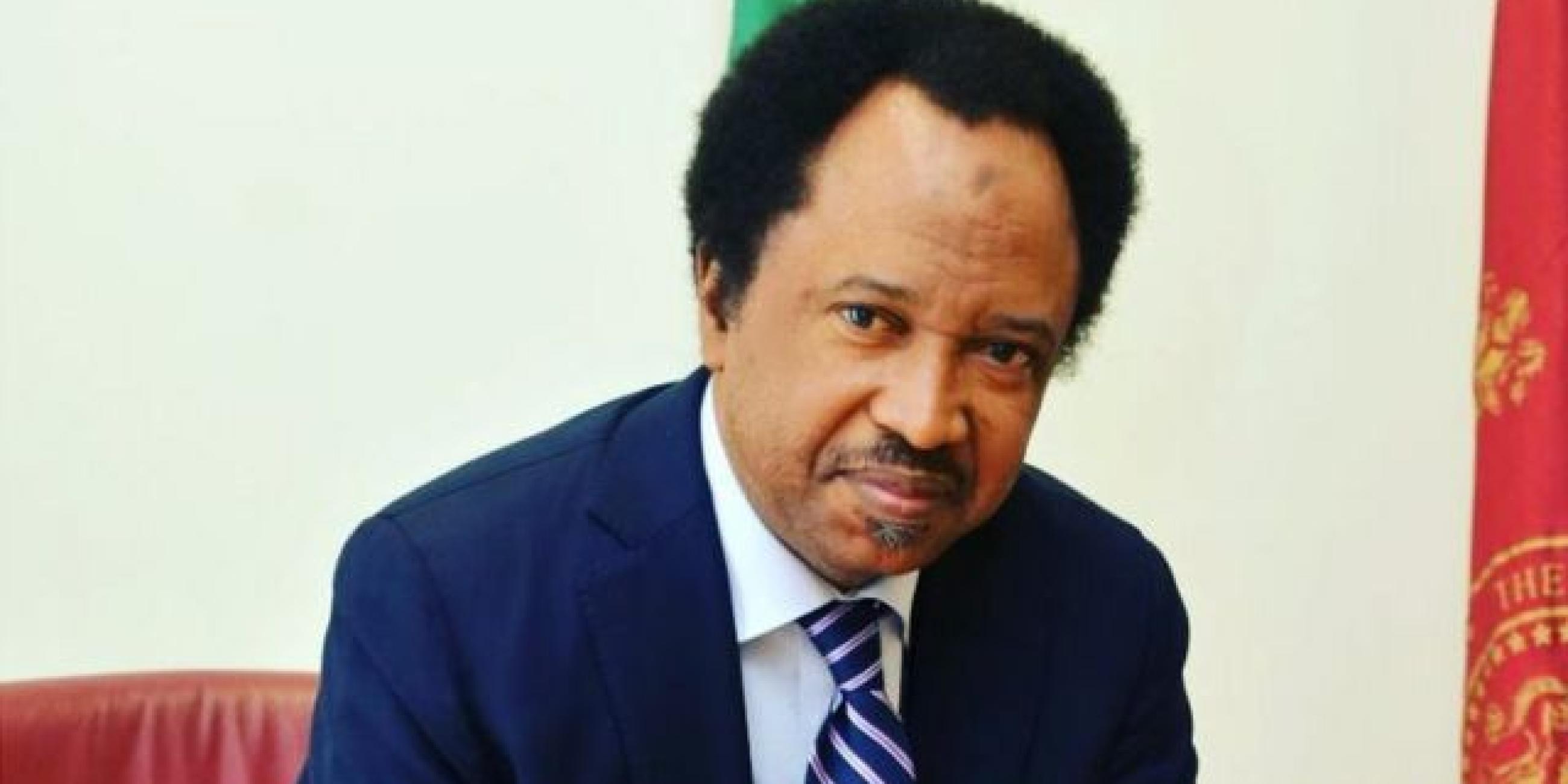
  • Shehu Sani Urges Northern Nigerians to Protect Themselves Amid Rising Banditry and Insecurity

    Former Senator Shehu Sani has urged citizens in Northern Nigeria to take security into their own hands amid persistent banditry and terrorism. Speaking during the launch of his books and stageplay in Abuja, Sani highlighted attacks by ISWAP, Boko Haram, and other armed groups, which have displaced millions, killed, and kidnapped civilians. He stressed community vigilance, accountability, and local intelligence as vital to dismantling criminal networks. His works also address irregular migration, human trafficking, and the need for African leaders to create local opportunities to curb youth exploitation abroad.
    Shehu Sani Urges Northern Nigerians to Protect Themselves Amid Rising Banditry and Insecurity Former Senator Shehu Sani has urged citizens in Northern Nigeria to take security into their own hands amid persistent banditry and terrorism. Speaking during the launch of his books and stageplay in Abuja, Sani highlighted attacks by ISWAP, Boko Haram, and other armed groups, which have displaced millions, killed, and kidnapped civilians. He stressed community vigilance, accountability, and local intelligence as vital to dismantling criminal networks. His works also address irregular migration, human trafficking, and the need for African leaders to create local opportunities to curb youth exploitation abroad.
    0 Commentarii ·0 Distribuiri ·1K Views
  • Bauchi Traders Protest as Katagum Council Demolishes Dozens of Shops for Alleged Gas Station Project – “They Left Us With Nothing”

    Traders in Bauchi State’s Katagum Local Government Area have expressed deep frustration and financial ruin after council authorities demolished dozens of market shops to make way for an alleged gas station project. Business owners, many of whom have operated in the market for years, say the demolition was carried out with little or no notice, leaving them with lost goods, destroyed property, and shattered livelihoods. “They left us with nothing,” said one displaced trader, lamenting the absence of compensation or alternative business space. The Katagum Council claims the demolition is part of a planned development initiative, asserting the need to improve infrastructure and attract investment. However, affected traders and civil society groups argue that the lack of engagement and the sudden enforcement have thrown families into hardship. Many have called on state government officials to intervene, provide fair compensation, and offer resettlement plans to help them restart their businesses. The controversy highlights ongoing tensions between development projects and informal market economies in northern Nigeria.
    Bauchi Traders Protest as Katagum Council Demolishes Dozens of Shops for Alleged Gas Station Project – “They Left Us With Nothing” Traders in Bauchi State’s Katagum Local Government Area have expressed deep frustration and financial ruin after council authorities demolished dozens of market shops to make way for an alleged gas station project. Business owners, many of whom have operated in the market for years, say the demolition was carried out with little or no notice, leaving them with lost goods, destroyed property, and shattered livelihoods. “They left us with nothing,” said one displaced trader, lamenting the absence of compensation or alternative business space. The Katagum Council claims the demolition is part of a planned development initiative, asserting the need to improve infrastructure and attract investment. However, affected traders and civil society groups argue that the lack of engagement and the sudden enforcement have thrown families into hardship. Many have called on state government officials to intervene, provide fair compensation, and offer resettlement plans to help them restart their businesses. The controversy highlights ongoing tensions between development projects and informal market economies in northern Nigeria.
    like
    love
    2
    · 0 Commentarii ·0 Distribuiri ·411 Views
  • Nigeria Approves $9m US Lobbying Deal To Ease Tensions With Trump Administration Over Christian Killings, Insecurity, and Travel Restrictions

    The administration of President Bola Tinubu has approved a controversial $9 million lobbying contract with Washington-based DCI Group to persuade the Trump administration and key U.S. lawmakers that Nigeria is taking concrete action against insecurity, including the killings of Christians in northern Nigeria. U.S. Justice Department filings show an initial $4.5 million payment was made in December 2025, with another $4.5 million due by July 2026. The deal follows Trump’s redesignation of Nigeria as a “country of particular concern,” a partial U.S. travel ban, and a U.S. military airstrike in Sokoto targeting insurgent hideouts. The lobbying effort, facilitated by National Security Adviser Nuhu Ribadu through Aster Legal, aims to maintain U.S. support against jihadist groups and improve strained diplomatic relations. Additional outreach included a letter from Senate President Godswill Akpabio inviting U.S. lawmakers to visit Abuja. Analysts say the contract signals urgency by Tinubu’s government to reset ties with Washington.
    Nigeria Approves $9m US Lobbying Deal To Ease Tensions With Trump Administration Over Christian Killings, Insecurity, and Travel Restrictions The administration of President Bola Tinubu has approved a controversial $9 million lobbying contract with Washington-based DCI Group to persuade the Trump administration and key U.S. lawmakers that Nigeria is taking concrete action against insecurity, including the killings of Christians in northern Nigeria. U.S. Justice Department filings show an initial $4.5 million payment was made in December 2025, with another $4.5 million due by July 2026. The deal follows Trump’s redesignation of Nigeria as a “country of particular concern,” a partial U.S. travel ban, and a U.S. military airstrike in Sokoto targeting insurgent hideouts. The lobbying effort, facilitated by National Security Adviser Nuhu Ribadu through Aster Legal, aims to maintain U.S. support against jihadist groups and improve strained diplomatic relations. Additional outreach included a letter from Senate President Godswill Akpabio inviting U.S. lawmakers to visit Abuja. Analysts say the contract signals urgency by Tinubu’s government to reset ties with Washington.
    love
    1
    · 0 Commentarii ·0 Distribuiri ·723 Views
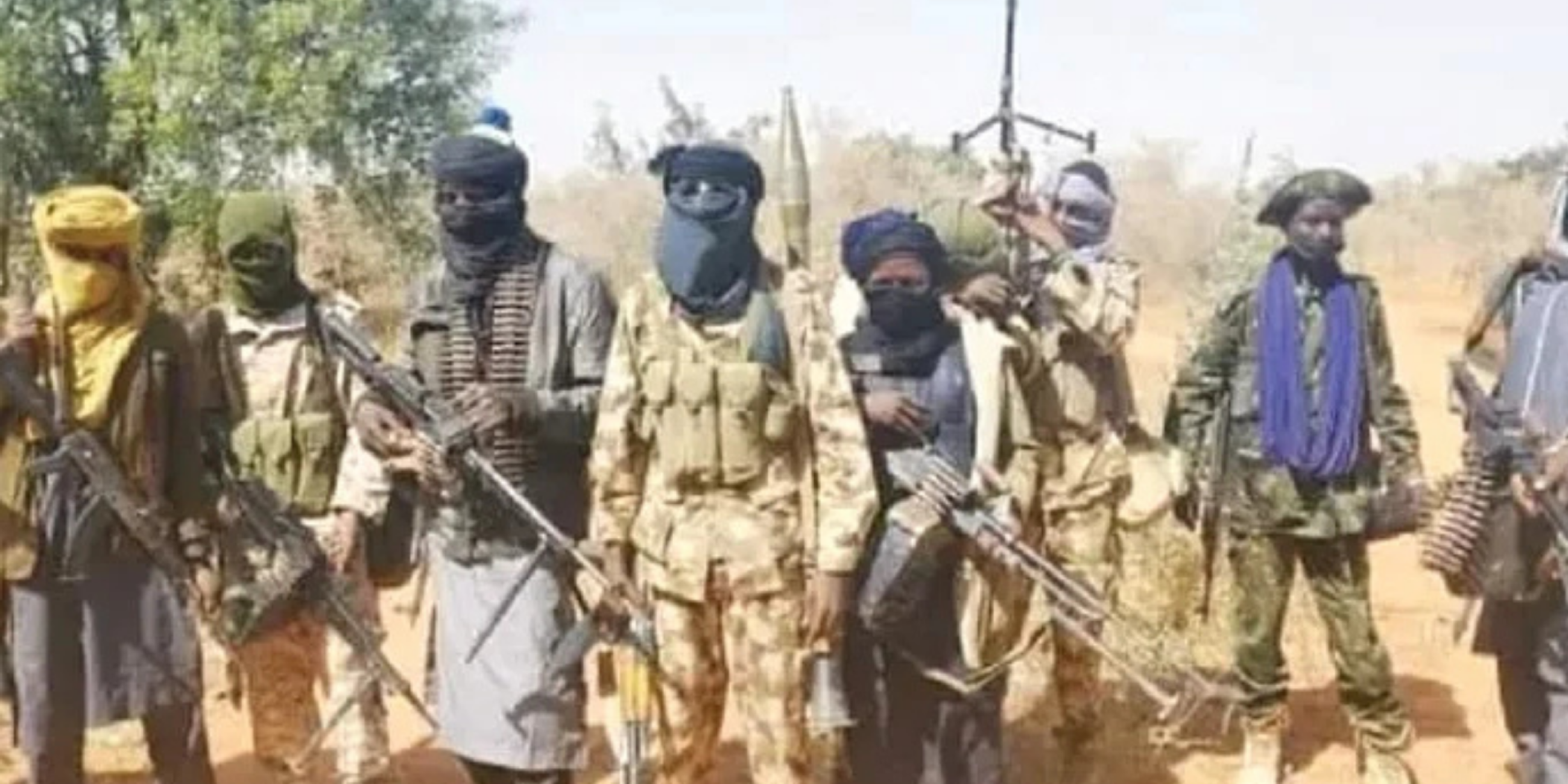
  • Ahhhh wahala don set oo! Northern Nigeria don scatter. bandits don turn wahala full ground, from cattle rustling to kidnapping, village burnings, even sex slavery. Samuel Aruwan don break am down say this one no be small small grievance matter again—na full-blown criminal enterprise wey dey make money, control land, weapons, and even terror networks cross borders.

    E don reach point wey dialogue dey soft for some, but bandits dey exploit am for cash. North-West dey record over 400 kidnapping cases, ransom don reach trillions, people dey die by hundreds of thousands.

    E get two sides of the story:
    1️⃣ Low-risk actors wey na just defend themselves, maybe small dialogue fit work.
    2️⃣ High-risk, AK-47 carrying bandit networks wey dey profit from terror—these ones na target-only matter, force plus intelligence, no time for political drama.

    If state no sharp, these criminal networks fit turn full-scale terrorist groups, like Boko Haram round two. Nigeria must classify the threat, cut their cash flow, enforce law, and no dey play emotional card.

    TL;DR: Banditry don change level! Na criminal economy, not ethnic fight. Dialogue dey place, but only for those wey no dey kidnap, kill, or enslave people. For serious bandits, force + intelligence + law dey mandatory.

    Ahhhh wahala don set oo! 😱 Northern Nigeria don scatter. bandits don turn wahala full ground, from cattle rustling to kidnapping, village burnings, even sex slavery. Samuel Aruwan don break am down say this one no be small small grievance matter again—na full-blown criminal enterprise wey dey make money, control land, weapons, and even terror networks cross borders. E don reach point wey dialogue dey soft for some, but bandits dey exploit am for cash. North-West dey record over 400 kidnapping cases, ransom don reach trillions, people dey die by hundreds of thousands. 😬 E get two sides of the story: 1️⃣ Low-risk actors wey na just defend themselves, maybe small dialogue fit work. 2️⃣ High-risk, AK-47 carrying bandit networks wey dey profit from terror—these ones na target-only matter, force plus intelligence, no time for political drama. If state no sharp, these criminal networks fit turn full-scale terrorist groups, like Boko Haram round two. Nigeria must classify the threat, cut their cash flow, enforce law, and no dey play emotional card. TL;DR: Banditry don change level! Na criminal economy, not ethnic fight. Dialogue dey place, but only for those wey no dey kidnap, kill, or enslave people. For serious bandits, force + intelligence + law dey mandatory.
    0 Commentarii ·0 Distribuiri ·1K Views
  • Bandits in Kano and Katsina Force Farmers to Pay ₦50,000 Levy, Establish Parallel ‘Government’ in Forest Communities

    Armed groups in Kano and Katsina states are reportedly imposing ₦50,000 per acre levies on farmers, primarily targeting sugarcane and maize growers, as they enforce a parallel governance system within the Rugu and Falgore Forest reserves. Farmers who refuse to comply face threats, destruction of crops, and the risk of violent attacks, forcing many to abandon their farmlands entirely.

    The affected areas are part of the Kano–Katsina food belt, a key agricultural corridor supplying major markets such as Dawanau Market in Kano. Activists warn that ongoing disruptions could lead to food shortages and rising prices across northern Nigeria, raising serious concerns about regional food security.

    Despite military and police checkpoints along key access roads, armed groups are operating within close proximity, highlighting potential gaps in security enforcement. Local residents report that the bandits are increasingly controlling daily economic activities, collecting levies, and imposing rules without resistance.

    The situation has intensified calls for urgent intervention by state and federal security agencies to dismantle these parallel structures and safeguard the livelihoods of farmers, who are essential to the nation’s agricultural stability. As of reporting, no official response has been issued by the Kano or Katsina state governments or federal security authorities.
    Bandits in Kano and Katsina Force Farmers to Pay ₦50,000 Levy, Establish Parallel ‘Government’ in Forest Communities Armed groups in Kano and Katsina states are reportedly imposing ₦50,000 per acre levies on farmers, primarily targeting sugarcane and maize growers, as they enforce a parallel governance system within the Rugu and Falgore Forest reserves. Farmers who refuse to comply face threats, destruction of crops, and the risk of violent attacks, forcing many to abandon their farmlands entirely. The affected areas are part of the Kano–Katsina food belt, a key agricultural corridor supplying major markets such as Dawanau Market in Kano. Activists warn that ongoing disruptions could lead to food shortages and rising prices across northern Nigeria, raising serious concerns about regional food security. Despite military and police checkpoints along key access roads, armed groups are operating within close proximity, highlighting potential gaps in security enforcement. Local residents report that the bandits are increasingly controlling daily economic activities, collecting levies, and imposing rules without resistance. The situation has intensified calls for urgent intervention by state and federal security agencies to dismantle these parallel structures and safeguard the livelihoods of farmers, who are essential to the nation’s agricultural stability. As of reporting, no official response has been issued by the Kano or Katsina state governments or federal security authorities.
    0 Commentarii ·0 Distribuiri ·741 Views
  • Is the ‘Christian Genocide’ in Nigeria a Political Narrative? Why Trump Admits Muslims Are Also Killed as Sowore Accuses the U.S. of Using Religion to Justify Power, Oil, and Military Influence

    Is the narrative of a “Christian genocide” in Nigeria an honest reflection of the country’s security crisis—or a political tool shaped by foreign interests? United States President Donald Trump has made a partial shift in his long-standing rhetoric on religious violence in Nigeria, acknowledging that Muslims are also being killed, even while maintaining that Christians remain the primary victims.

    Trump made the remarks during an interview with The New York Times following questions about Washington’s Christmas Day military strike in northwest Nigeria. The U.S. military said the operation, carried out at the request of the Nigerian government, targeted Islamic State West Africa Province (ISWAP), a Boko Haram splinter group responsible for years of deadly attacks across northern Nigeria.

    When asked about earlier comments from his own Africa adviser—who had stated that extremist groups in Nigeria kill more Muslims than Christians—Trump responded: “I think that Muslims are being killed also in Nigeria. But it’s mostly Christians.” The statement marked a rare acknowledgment that Nigeria’s victims of terrorism cut across religious lines, even as Trump continued to frame the conflict primarily through a Christian persecution lens.

    The comments immediately drew a sharp response from Omoyele Sowore, former Nigerian presidential candidate and prominent human rights activist. In a series of posts on X (formerly Twitter), Sowore dismissed the “Christian genocide” narrative as a calculated political construct, arguing that it is designed to stir emotion, mobilize conservative audiences abroad, and provide moral cover for foreign military, economic, and geopolitical agendas.

    Sowore accused Trump of using religion as a rhetorical device while pursuing what he described as imperial interests tied to oil, rare earth minerals, and strategic dominance. “The narrative used to justify it is secondary,” Sowore wrote, adding that such framing only needs to “match the gullibility of the intended audience.” According to him, claims of systematic religious genocide in Nigeria are not grounded in objective reality but are deliberately shaped to occupy a powerful emotional space in Western political discourse.

    He further challenged Trump’s moral authority to speak on Christian values, asserting that the former U.S. president does not embody the compassion, humility, or solidarity central to the faith he frequently invokes. Sowore argued that Trump’s selective concern for religious identity masks a broader indifference to human suffering—both abroad and at home—unless it aligns with his political interests.

    The controversy highlights a deeper question: Is Nigeria’s complex security crisis being oversimplified into a religious conflict for international consumption? While jihadist groups like ISWAP and Boko Haram have undeniably targeted Christian communities, they have also killed thousands of Muslims, including traditional leaders, clerics, villagers, and security personnel. Analysts have long warned that framing the violence as exclusively anti-Christian risks distorting reality, inflaming sectarian tensions, and obscuring the political, economic, and territorial dimensions of the conflict.

    Trump’s admission that Muslims are also victims, even if partial, challenges his earlier absolutist framing. Yet his insistence that Christians remain the main targets continues to fuel debate about whether U.S. policy toward Nigeria is being shaped by faith-based narratives rather than nuanced security analysis.

    As Nigeria battles insurgency, banditry, and transnational terrorism, the exchange between Trump and Sowore underscores how global power politics, religious identity, and media narratives intersect in shaping international responses to African conflicts. The key question remains: is the world seeing Nigeria’s crisis as it truly is—or as it is most politically useful to portray?


    Is the ‘Christian Genocide’ in Nigeria a Political Narrative? Why Trump Admits Muslims Are Also Killed as Sowore Accuses the U.S. of Using Religion to Justify Power, Oil, and Military Influence Is the narrative of a “Christian genocide” in Nigeria an honest reflection of the country’s security crisis—or a political tool shaped by foreign interests? United States President Donald Trump has made a partial shift in his long-standing rhetoric on religious violence in Nigeria, acknowledging that Muslims are also being killed, even while maintaining that Christians remain the primary victims. Trump made the remarks during an interview with The New York Times following questions about Washington’s Christmas Day military strike in northwest Nigeria. The U.S. military said the operation, carried out at the request of the Nigerian government, targeted Islamic State West Africa Province (ISWAP), a Boko Haram splinter group responsible for years of deadly attacks across northern Nigeria. When asked about earlier comments from his own Africa adviser—who had stated that extremist groups in Nigeria kill more Muslims than Christians—Trump responded: “I think that Muslims are being killed also in Nigeria. But it’s mostly Christians.” The statement marked a rare acknowledgment that Nigeria’s victims of terrorism cut across religious lines, even as Trump continued to frame the conflict primarily through a Christian persecution lens. The comments immediately drew a sharp response from Omoyele Sowore, former Nigerian presidential candidate and prominent human rights activist. In a series of posts on X (formerly Twitter), Sowore dismissed the “Christian genocide” narrative as a calculated political construct, arguing that it is designed to stir emotion, mobilize conservative audiences abroad, and provide moral cover for foreign military, economic, and geopolitical agendas. Sowore accused Trump of using religion as a rhetorical device while pursuing what he described as imperial interests tied to oil, rare earth minerals, and strategic dominance. “The narrative used to justify it is secondary,” Sowore wrote, adding that such framing only needs to “match the gullibility of the intended audience.” According to him, claims of systematic religious genocide in Nigeria are not grounded in objective reality but are deliberately shaped to occupy a powerful emotional space in Western political discourse. He further challenged Trump’s moral authority to speak on Christian values, asserting that the former U.S. president does not embody the compassion, humility, or solidarity central to the faith he frequently invokes. Sowore argued that Trump’s selective concern for religious identity masks a broader indifference to human suffering—both abroad and at home—unless it aligns with his political interests. The controversy highlights a deeper question: Is Nigeria’s complex security crisis being oversimplified into a religious conflict for international consumption? While jihadist groups like ISWAP and Boko Haram have undeniably targeted Christian communities, they have also killed thousands of Muslims, including traditional leaders, clerics, villagers, and security personnel. Analysts have long warned that framing the violence as exclusively anti-Christian risks distorting reality, inflaming sectarian tensions, and obscuring the political, economic, and territorial dimensions of the conflict. Trump’s admission that Muslims are also victims, even if partial, challenges his earlier absolutist framing. Yet his insistence that Christians remain the main targets continues to fuel debate about whether U.S. policy toward Nigeria is being shaped by faith-based narratives rather than nuanced security analysis. As Nigeria battles insurgency, banditry, and transnational terrorism, the exchange between Trump and Sowore underscores how global power politics, religious identity, and media narratives intersect in shaping international responses to African conflicts. The key question remains: is the world seeing Nigeria’s crisis as it truly is—or as it is most politically useful to portray?
    0 Commentarii ·0 Distribuiri ·2K Views
  • Bandits Kidnap Kano Police Inspector, Two Others, Beat Them on Camera While Forcing Ransom Pleas

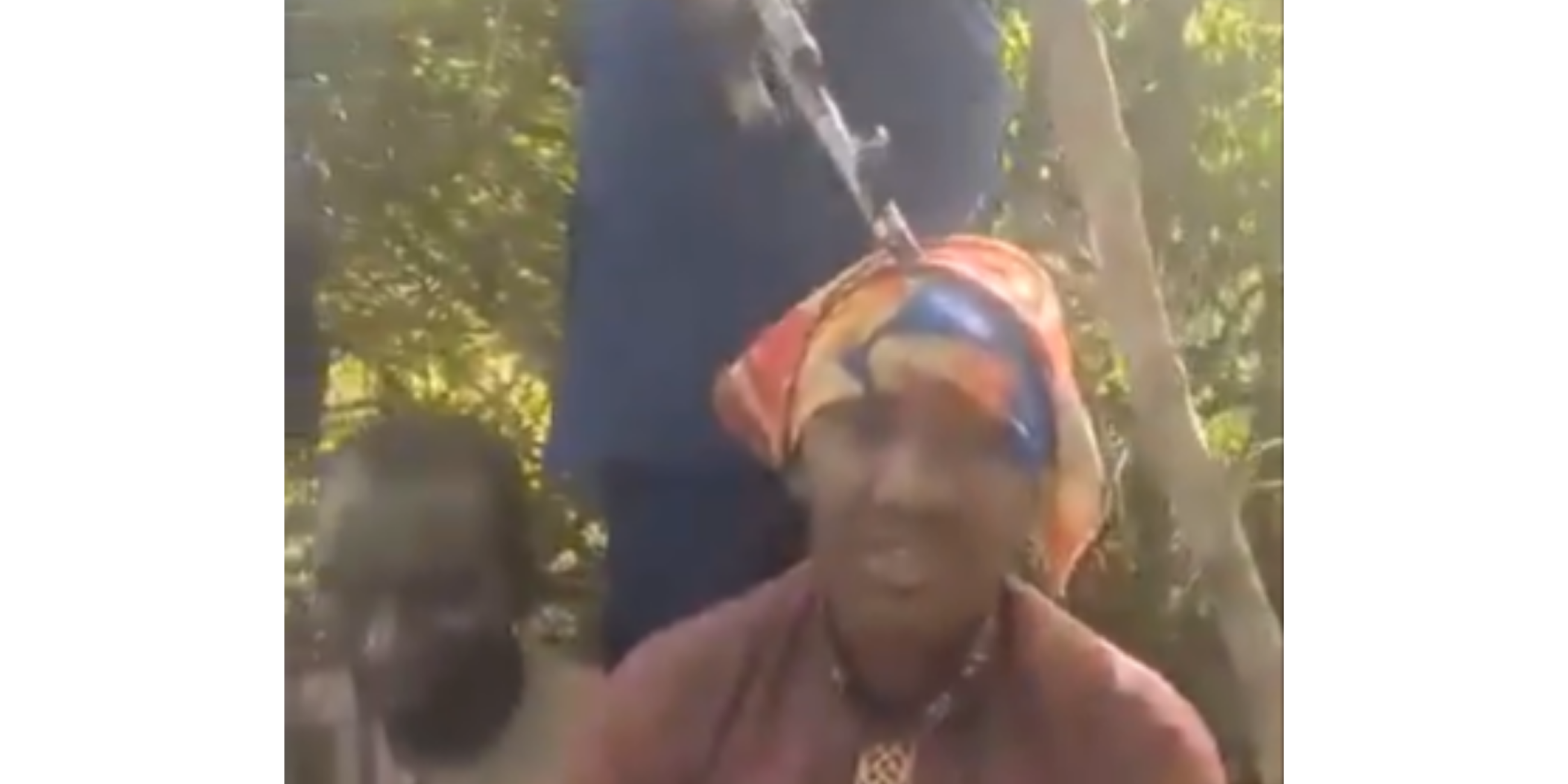
    Suspected bandits have abducted a serving police inspector attached to the Police Academy, Wudil, Kano State, alongside two other men, subjecting them to severe physical abuse while forcing them to beg publicly for ransom in a disturbing video. The victims were identified as Inspector Kabiru Bello Adamu, Muntari, and Musa Rabiu (also known as Danladi), all from Tofa Local Government Area of Kano State.

    The trio were reportedly kidnapped while travelling from Rijiya Zaki Motor Park in Kano to Birnin Kebbi. In the video, armed bandits pointed guns at the victims’ heads, beat them with sticks and AK-47 rifle butts, and compelled them to plead with their families and the public to raise money for their release. Speaking under duress, Inspector Bello confirmed his identity and appealed for mercy, invoking religious sentiments, while the other victims also made desperate pleas for help.

    At one point, one of the abductees was beaten again after attempting to suggest the kidnappers were treating them “kindly,” highlighting the brutality of the captors. The incident underscores the worsening security situation in northern Nigeria, where even security personnel are increasingly targeted by armed groups along major highways. As of the time of reporting, there has been no official statement from police authorities regarding the abduction or rescue efforts.
    Bandits Kidnap Kano Police Inspector, Two Others, Beat Them on Camera While Forcing Ransom Pleas Suspected bandits have abducted a serving police inspector attached to the Police Academy, Wudil, Kano State, alongside two other men, subjecting them to severe physical abuse while forcing them to beg publicly for ransom in a disturbing video. The victims were identified as Inspector Kabiru Bello Adamu, Muntari, and Musa Rabiu (also known as Danladi), all from Tofa Local Government Area of Kano State. The trio were reportedly kidnapped while travelling from Rijiya Zaki Motor Park in Kano to Birnin Kebbi. In the video, armed bandits pointed guns at the victims’ heads, beat them with sticks and AK-47 rifle butts, and compelled them to plead with their families and the public to raise money for their release. Speaking under duress, Inspector Bello confirmed his identity and appealed for mercy, invoking religious sentiments, while the other victims also made desperate pleas for help. At one point, one of the abductees was beaten again after attempting to suggest the kidnappers were treating them “kindly,” highlighting the brutality of the captors. The incident underscores the worsening security situation in northern Nigeria, where even security personnel are increasingly targeted by armed groups along major highways. As of the time of reporting, there has been no official statement from police authorities regarding the abduction or rescue efforts.
    0 Commentarii ·0 Distribuiri ·476 Views
  • Deadly Bandit Attacks in Zamfara and Niger States Kill Dozens, Abduct Travellers, Women Raped

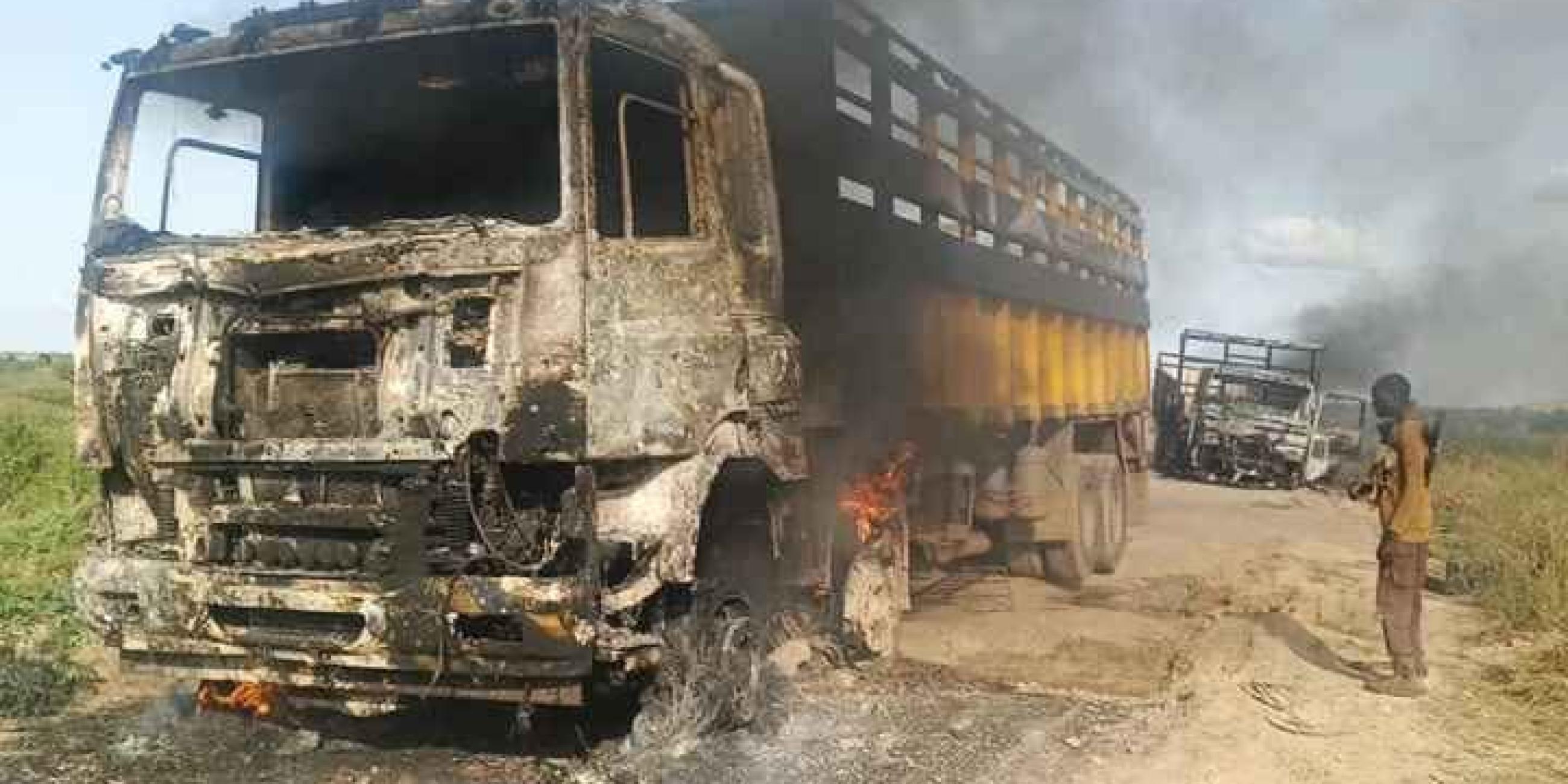
    A series of violent bandit attacks across Zamfara and Niger states have left scores dead, with travellers abducted and vehicles set ablaze. On Friday, gunmen attacked commuters along the Danjibga–Kuncin Kalgo road in Tsafe LGA, Zamfara, burning two vehicles and abducting all passengers.

    On Saturday night, bandits raided Hayin Kastinawa in Birnin Magaji LGA, Zamfara, reportedly raping married women and abducting at least 15 teenage girls. Separately, Kasuwar Daji community in Borgu LGA, Niger State, was attacked, leaving over 35 people dead.

    Disturbing footage shows victims, including a police officer, held captive by armed bandits. The incidents highlight the ongoing insecurity along northern Nigeria’s rural roads and the urgent need for government intervention to protect civilians.
    Deadly Bandit Attacks in Zamfara and Niger States Kill Dozens, Abduct Travellers, Women Raped A series of violent bandit attacks across Zamfara and Niger states have left scores dead, with travellers abducted and vehicles set ablaze. On Friday, gunmen attacked commuters along the Danjibga–Kuncin Kalgo road in Tsafe LGA, Zamfara, burning two vehicles and abducting all passengers. On Saturday night, bandits raided Hayin Kastinawa in Birnin Magaji LGA, Zamfara, reportedly raping married women and abducting at least 15 teenage girls. Separately, Kasuwar Daji community in Borgu LGA, Niger State, was attacked, leaving over 35 people dead. Disturbing footage shows victims, including a police officer, held captive by armed bandits. The incidents highlight the ongoing insecurity along northern Nigeria’s rural roads and the urgent need for government intervention to protect civilians.
    0 Commentarii ·0 Distribuiri ·660 Views
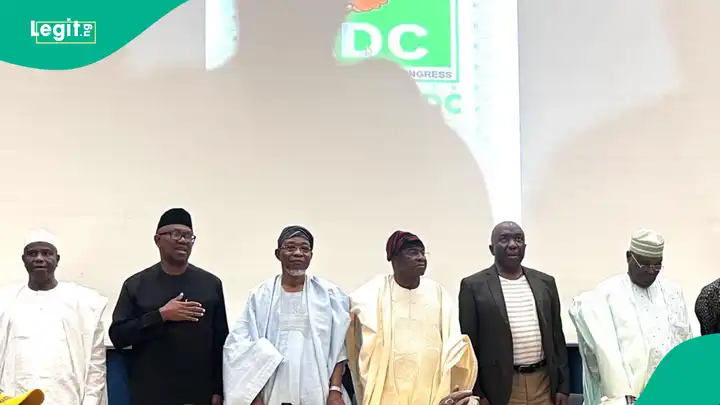
  • 2027 Election: Five Major Advantages of Peter Obi’s Defection From Labour Party to ADC as Opposition Coalition Gathers Momentum

    Peter Obi, the Labour Party’s presidential candidate in the 2023 election, has officially defected to the African Democratic Congress (ADC) ahead of the 2027 general election, a move widely seen as a major boost for the opposition coalition challenging the ruling APC. Obi announced his decision on December 31, 2025, at a political rally held at the Nike Lake Resort in Enugu State, alongside many of his loyal supporters popularly known as “Obidients.”

    Analysts say Obi’s entry into the ADC offers several advantages. First, it strengthens the emerging national coalition against the APC by uniting two of the strongest opposition figures from the 2023 polls under one platform. Second, the move expands Obi’s political reach beyond the Labour Party’s base, especially into northern Nigeria where the ADC is gaining traction, while consolidating support in the Southeast.

    Third, Obi’s defection helps present a unified opposition front, as the ADC has been adopted as the coalition platform for major opposition leaders ahead of 2027. Fourth, the decision is viewed as a sign of political maturity and flexibility, preserving the momentum Obi built among young voters while positioning him strategically within a broader alliance.

    Finally, Obi’s move strengthens his bargaining power within the coalition, opening the door for negotiations around power-sharing arrangements, including the possibility of a vice-presidential slot on a joint ticket. Overall, the defection marks a significant realignment in Nigeria’s political landscape as opposition forces intensify preparations for the 2027 election.

    :
    #2027Election #PeterObi #ADC #NigerianPolitics #OppositionCoalition #LabourParty #AtikuAbubakar #Enugu
    2027 Election: Five Major Advantages of Peter Obi’s Defection From Labour Party to ADC as Opposition Coalition Gathers Momentum Peter Obi, the Labour Party’s presidential candidate in the 2023 election, has officially defected to the African Democratic Congress (ADC) ahead of the 2027 general election, a move widely seen as a major boost for the opposition coalition challenging the ruling APC. Obi announced his decision on December 31, 2025, at a political rally held at the Nike Lake Resort in Enugu State, alongside many of his loyal supporters popularly known as “Obidients.” Analysts say Obi’s entry into the ADC offers several advantages. First, it strengthens the emerging national coalition against the APC by uniting two of the strongest opposition figures from the 2023 polls under one platform. Second, the move expands Obi’s political reach beyond the Labour Party’s base, especially into northern Nigeria where the ADC is gaining traction, while consolidating support in the Southeast. Third, Obi’s defection helps present a unified opposition front, as the ADC has been adopted as the coalition platform for major opposition leaders ahead of 2027. Fourth, the decision is viewed as a sign of political maturity and flexibility, preserving the momentum Obi built among young voters while positioning him strategically within a broader alliance. Finally, Obi’s move strengthens his bargaining power within the coalition, opening the door for negotiations around power-sharing arrangements, including the possibility of a vice-presidential slot on a joint ticket. Overall, the defection marks a significant realignment in Nigeria’s political landscape as opposition forces intensify preparations for the 2027 election. : #2027Election #PeterObi #ADC #NigerianPolitics #OppositionCoalition #LabourParty #AtikuAbubakar #Enugu
    0 Commentarii ·0 Distribuiri ·1K Views
  • US Attack in Sokoto: Resident Accuses Trump of Targeting Innocent Civilians in Alleged ISIS Airstrike, Questions Terror Claims

    A Sokoto resident, Jamilu Umar Jabbi, has strongly condemned the recent United States airstrike on alleged ISIS bases in Sokoto State, ordered by former US President Donald Trump. Speaking via a Facebook post, Jabbi questioned the existence of ISIS in Sokoto and accused the US of targeting innocent civilians rather than terrorists. He argued that areas with documented terrorist activities, such as Zamfara, Katsina, and parts of eastern Sokoto, were ignored, while Jabo—an area he claims has no history of terrorism—was struck at night.
    Jabbi further alleged that the attack reflects injustice and a hidden agenda against Muslims, calling on Nigerian leaders to speak out and urging divine intervention. His comments have sparked mixed reactions online, with some supporting the US action as a counterterrorism effort and others insisting that innocent lives were lost. The incident continues to fuel national debate over the legitimacy, intelligence basis, and humanitarian impact of the reported US airstrikes in northern Nigeria.
    US Attack in Sokoto: Resident Accuses Trump of Targeting Innocent Civilians in Alleged ISIS Airstrike, Questions Terror Claims A Sokoto resident, Jamilu Umar Jabbi, has strongly condemned the recent United States airstrike on alleged ISIS bases in Sokoto State, ordered by former US President Donald Trump. Speaking via a Facebook post, Jabbi questioned the existence of ISIS in Sokoto and accused the US of targeting innocent civilians rather than terrorists. He argued that areas with documented terrorist activities, such as Zamfara, Katsina, and parts of eastern Sokoto, were ignored, while Jabo—an area he claims has no history of terrorism—was struck at night. Jabbi further alleged that the attack reflects injustice and a hidden agenda against Muslims, calling on Nigerian leaders to speak out and urging divine intervention. His comments have sparked mixed reactions online, with some supporting the US action as a counterterrorism effort and others insisting that innocent lives were lost. The incident continues to fuel national debate over the legitimacy, intelligence basis, and humanitarian impact of the reported US airstrikes in northern Nigeria.
    0 Commentarii ·0 Distribuiri ·554 Views
  • Terrorists Relocate in Northern Nigeria After US Airstrikes, New Hideouts Reportedly Uncovered

    Following US missile strikes on Christmas Day targeting Islamic State hideouts in northwestern Nigeria, suspected terrorists have reportedly begun relocating to evade surveillance. Community leaders and security sources in Sokoto State observed small-scale movements of armed groups toward remote forests and border areas. While the strikes caused property damage and some injuries, no fatalities were reported. The Sokoto State government and security agencies are intensifying patrols and joint operations to prevent infiltration into safer communities. In Benue State, traditional leaders noted an influx of armed herders fleeing from the north, raising security concerns. President Trump’s airstrikes were praised by local leaders for disrupting terrorist operations, with calls for expanded operations in other northern states.

    Read more in comments section.
    #fintter
    Terrorists Relocate in Northern Nigeria After US Airstrikes, New Hideouts Reportedly Uncovered Following US missile strikes on Christmas Day targeting Islamic State hideouts in northwestern Nigeria, suspected terrorists have reportedly begun relocating to evade surveillance. Community leaders and security sources in Sokoto State observed small-scale movements of armed groups toward remote forests and border areas. While the strikes caused property damage and some injuries, no fatalities were reported. The Sokoto State government and security agencies are intensifying patrols and joint operations to prevent infiltration into safer communities. In Benue State, traditional leaders noted an influx of armed herders fleeing from the north, raising security concerns. President Trump’s airstrikes were praised by local leaders for disrupting terrorist operations, with calls for expanded operations in other northern states. Read more in comments section. #fintter
    0 Commentarii ·0 Distribuiri ·468 Views
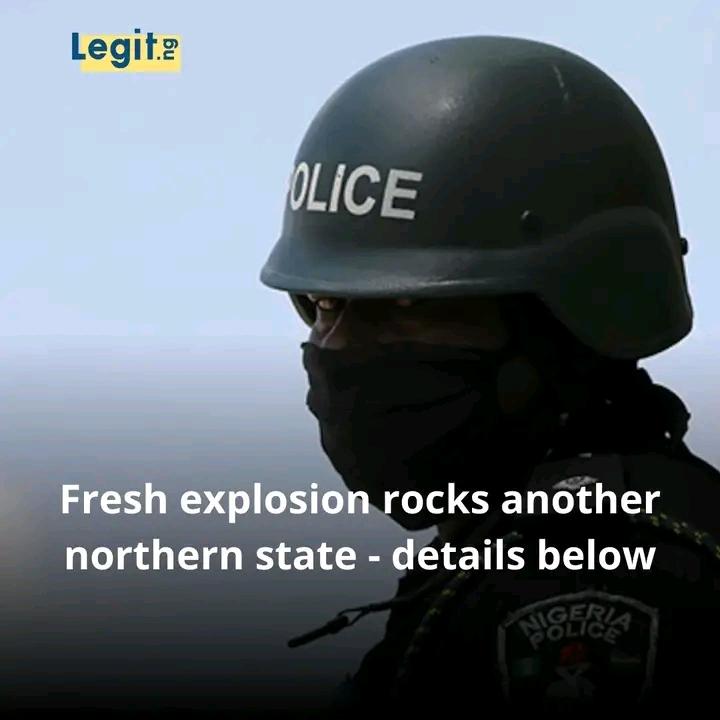
  • Fresh Explosion Rocks Zamfara State, Kills at Least Nine Along Dansadau Road

    No fewer than nine people have reportedly been killed following a fresh explosion along the Dansadau Road in Zamfara State, marking the second such incident in the area within one week. The blast occurred around Mai Aya Aya before the Kwankelai junction on the old Danguibi Road, near Ruwan Dawa village and Magamin Maitarko. Details surrounding the cause of the explosion remain unclear, but the incident has heightened fears over growing insecurity in northern Nigeria, particularly in Zamfara, which has witnessed repeated violent attacks and explosions in recent times.
    Fresh Explosion Rocks Zamfara State, Kills at Least Nine Along Dansadau Road No fewer than nine people have reportedly been killed following a fresh explosion along the Dansadau Road in Zamfara State, marking the second such incident in the area within one week. The blast occurred around Mai Aya Aya before the Kwankelai junction on the old Danguibi Road, near Ruwan Dawa village and Magamin Maitarko. Details surrounding the cause of the explosion remain unclear, but the incident has heightened fears over growing insecurity in northern Nigeria, particularly in Zamfara, which has witnessed repeated violent attacks and explosions in recent times.
    0 Commentarii ·0 Distribuiri ·365 Views
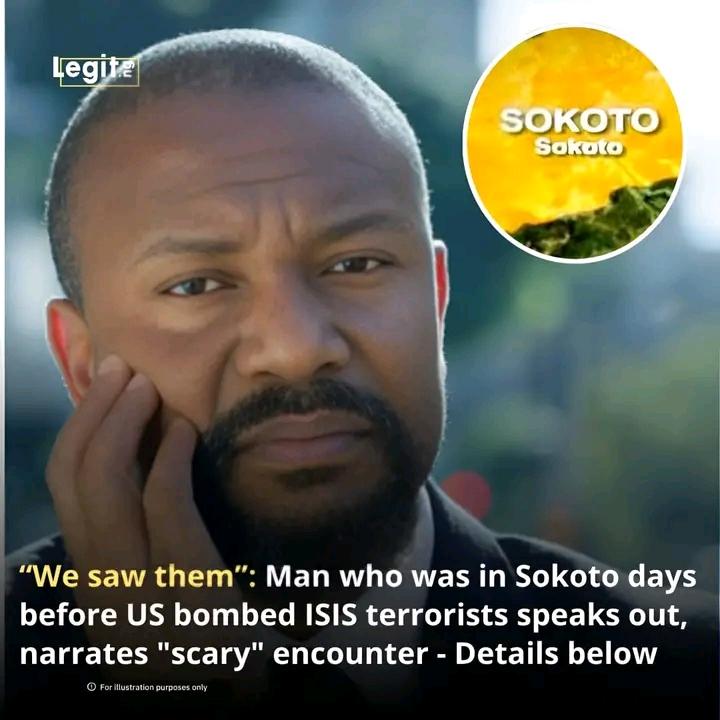
  • US Attack on ISIS: Man Recounts Terrifying Encounter With Armed Men on Sokoto–Kebbi Road

    A Nigerian man has sparked widespread reactions online after sharing a chilling account of his encounter with armed men while travelling from Sokoto to Kebbi State, days after the United States confirmed airstrikes on ISIS terrorist bases in the region. According to the man, gunmen dressed like soldiers stopped their commercial bus, claimed to be Muslims, and warned they were fighting only “infidels” and enemies of Allah. His viral account has reignited concerns over insecurity, religious targeting, and the true extent of terrorist activities in northern Nigeria.
    US Attack on ISIS: Man Recounts Terrifying Encounter With Armed Men on Sokoto–Kebbi Road A Nigerian man has sparked widespread reactions online after sharing a chilling account of his encounter with armed men while travelling from Sokoto to Kebbi State, days after the United States confirmed airstrikes on ISIS terrorist bases in the region. According to the man, gunmen dressed like soldiers stopped their commercial bus, claimed to be Muslims, and warned they were fighting only “infidels” and enemies of Allah. His viral account has reignited concerns over insecurity, religious targeting, and the true extent of terrorist activities in northern Nigeria.
    love
    1
    · 0 Commentarii ·0 Distribuiri ·414 Views
  • Nigerian Army Chief Visits Sultan of Sokoto to Strengthen Ties Amid Rising Insecurity

    Nigeria’s Chief of Army Staff, Lieutenant General Waidi Shaibu, visited the Sultan of Sokoto, Alhaji Muhammad Sa’ad Abubakar III, to reinforce civil–military collaboration amid heightened insecurity in northern Nigeria. Shaibu emphasized the importance of community involvement and working with traditional institutions to enhance national security. The Sultan commended the Army’s efforts while urging respect for human rights and stronger civilian engagement. The visit follows the US Christmas Day airstrike on ISIS bases in Sokoto, carried out at Nigeria’s request, highlighting ongoing security challenges in remote regions.
    Nigerian Army Chief Visits Sultan of Sokoto to Strengthen Ties Amid Rising Insecurity Nigeria’s Chief of Army Staff, Lieutenant General Waidi Shaibu, visited the Sultan of Sokoto, Alhaji Muhammad Sa’ad Abubakar III, to reinforce civil–military collaboration amid heightened insecurity in northern Nigeria. Shaibu emphasized the importance of community involvement and working with traditional institutions to enhance national security. The Sultan commended the Army’s efforts while urging respect for human rights and stronger civilian engagement. The visit follows the US Christmas Day airstrike on ISIS bases in Sokoto, carried out at Nigeria’s request, highlighting ongoing security challenges in remote regions.
    0 Commentarii ·0 Distribuiri ·400 Views
  • Pastor Calls for Arrest of Sheikh Ahmad Gumi Over Remarks on US Airstrike Against ISIS in Sokoto

    A Nigerian pastor has demanded the arrest of Islamic scholar Sheikh Ahmad Gumi after the cleric criticized the U.S. military strike on ISIS terrorist camps in Sokoto State. Gumi suggested that Nigeria could have sought military assistance from countries like Turkey, China, or Pakistan instead of the U.S., calling the American intervention “stained with the blood of innocent civilians.” The pastor accused Gumi of defending terrorists and called on President Tinubu to publicly condemn him, labeling his statements as crimes against humanity. Social media users have reacted with mixed opinions, highlighting ongoing debates about the cleric’s role and influence in northern Nigeria.
    Pastor Calls for Arrest of Sheikh Ahmad Gumi Over Remarks on US Airstrike Against ISIS in Sokoto A Nigerian pastor has demanded the arrest of Islamic scholar Sheikh Ahmad Gumi after the cleric criticized the U.S. military strike on ISIS terrorist camps in Sokoto State. Gumi suggested that Nigeria could have sought military assistance from countries like Turkey, China, or Pakistan instead of the U.S., calling the American intervention “stained with the blood of innocent civilians.” The pastor accused Gumi of defending terrorists and called on President Tinubu to publicly condemn him, labeling his statements as crimes against humanity. Social media users have reacted with mixed opinions, highlighting ongoing debates about the cleric’s role and influence in northern Nigeria.
    0 Commentarii ·0 Distribuiri ·485 Views
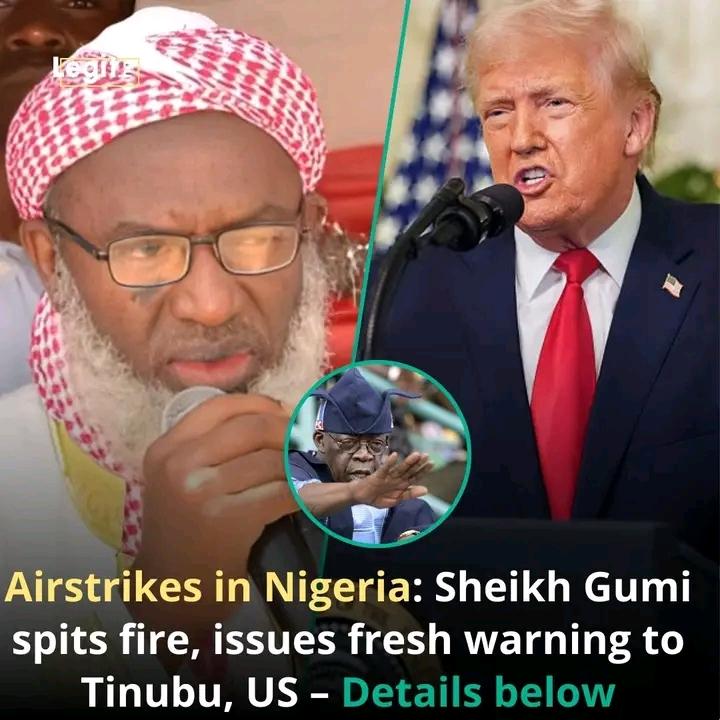
  • Sheikh Gumi Condemns US Airstrikes In Northern Nigeria, Warns Of Rising Insecurity And Loss Of Sovereignty

    Islamic scholar Sheikh Ahmad Gumi has strongly criticised the recent United States airstrikes in northern Nigeria, warning that foreign military intervention could worsen insecurity, polarise the country and erode national sovereignty. In a statement shared on December 26, 2025, Gumi argued that while eliminating terrorists is justified, such actions should not be carried out by foreign powers he accused of having ulterior motives and a record of civilian casualties. He cautioned that US involvement could turn Nigeria into a theatre of war, attract anti-American militant groups and inflame religious tensions, especially with claims that the strikes were meant to protect Christians. Gumi urged the Nigerian government to halt military cooperation with the US, warning of political consequences ahead of the 2027 elections, and suggested alternative partnerships with countries like China, Turkey and Pakistan. He also stressed that airstrikes alone cannot end terrorism, calling for Nigerian-led ground operations to effectively address the threat.
    Sheikh Gumi Condemns US Airstrikes In Northern Nigeria, Warns Of Rising Insecurity And Loss Of Sovereignty Islamic scholar Sheikh Ahmad Gumi has strongly criticised the recent United States airstrikes in northern Nigeria, warning that foreign military intervention could worsen insecurity, polarise the country and erode national sovereignty. In a statement shared on December 26, 2025, Gumi argued that while eliminating terrorists is justified, such actions should not be carried out by foreign powers he accused of having ulterior motives and a record of civilian casualties. He cautioned that US involvement could turn Nigeria into a theatre of war, attract anti-American militant groups and inflame religious tensions, especially with claims that the strikes were meant to protect Christians. Gumi urged the Nigerian government to halt military cooperation with the US, warning of political consequences ahead of the 2027 elections, and suggested alternative partnerships with countries like China, Turkey and Pakistan. He also stressed that airstrikes alone cannot end terrorism, calling for Nigerian-led ground operations to effectively address the threat.
    0 Commentarii ·0 Distribuiri ·400 Views
  • South Africa’s EFF Condemns US Christmas Day Airstrikes In Nigeria, Warns Of Growing American Militarism And Threat To African Sovereignty

    South Africa’s Economic Freedom Fighters (EFF) has strongly criticised the United States over Christmas Day airstrikes carried out in northwest Nigeria, reportedly in Sokoto State, describing the action as military imperialism and a grave violation of African sovereignty. In a statement, the EFF accused US President Donald Trump of using inflammatory religious rhetoric to justify the strikes and of oversimplifying Nigeria’s complex security crisis into a religious conflict. The party argued that violence in northern Nigeria is driven by poverty, banditry, insurgency, and governance failures affecting all communities, not just Christians. It also faulted the Nigerian government’s response, describing its praise of US–Nigeria security cooperation as capitulation to foreign military pressure. Warning that American interventions are driven by selfish economic interests such as oil, the EFF urged African governments and institutions to resist what it called expanding US militarism on the continent.
    South Africa’s EFF Condemns US Christmas Day Airstrikes In Nigeria, Warns Of Growing American Militarism And Threat To African Sovereignty South Africa’s Economic Freedom Fighters (EFF) has strongly criticised the United States over Christmas Day airstrikes carried out in northwest Nigeria, reportedly in Sokoto State, describing the action as military imperialism and a grave violation of African sovereignty. In a statement, the EFF accused US President Donald Trump of using inflammatory religious rhetoric to justify the strikes and of oversimplifying Nigeria’s complex security crisis into a religious conflict. The party argued that violence in northern Nigeria is driven by poverty, banditry, insurgency, and governance failures affecting all communities, not just Christians. It also faulted the Nigerian government’s response, describing its praise of US–Nigeria security cooperation as capitulation to foreign military pressure. Warning that American interventions are driven by selfish economic interests such as oil, the EFF urged African governments and institutions to resist what it called expanding US militarism on the continent.
    like
    1
    · 0 Commentarii ·0 Distribuiri ·654 Views
  • Nigeria Spends Over N827 Billion on Arms Imports from 2020 to September 2025 Amid Rising Security Threats

    A review of Nigeria’s foreign trade statistics shows that the country spent a total of N827.1 billion on arms and ammunition imports between 2020 and September 2025. Spending increased from N29.2 billion in 2020 to a peak of N520 billion in 2024, reflecting escalating security challenges. Analysts and military officials have warned that Nigeria harbours a high concentration of illicit weapons, with non-state actors holding over six million small arms—far outpacing official security forces. Experts, including former Chief of Defence Staff General Christopher Musa, highlight the urgent need for enhanced border security, regional collaboration, and socio-economic initiatives to curb the proliferation of arms and combat terrorism, banditry, and militia violence in northern Nigeria.
    Nigeria Spends Over N827 Billion on Arms Imports from 2020 to September 2025 Amid Rising Security Threats A review of Nigeria’s foreign trade statistics shows that the country spent a total of N827.1 billion on arms and ammunition imports between 2020 and September 2025. Spending increased from N29.2 billion in 2020 to a peak of N520 billion in 2024, reflecting escalating security challenges. Analysts and military officials have warned that Nigeria harbours a high concentration of illicit weapons, with non-state actors holding over six million small arms—far outpacing official security forces. Experts, including former Chief of Defence Staff General Christopher Musa, highlight the urgent need for enhanced border security, regional collaboration, and socio-economic initiatives to curb the proliferation of arms and combat terrorism, banditry, and militia violence in northern Nigeria.
    0 Commentarii ·0 Distribuiri ·423 Views
  • Hundreds of Muslims Join Christians at Kaduna Christmas Service to Promote Peace and Interfaith Unity

    In a remarkable display of interfaith harmony, hundreds of Muslims from across Northern Nigeria joined Christians at the Christmas service of Christ Evangelical and Life Intervention Ministry in Kaduna State. Led by Pastor Dr. Yohanna Buru, the event aimed to foster peace, unity, and mutual understanding between religious communities. Islamic scholars and clerics, including Sheikh Salihu Mai Barota and Imam Ibrahim Musa, encouraged youths to reject religious violence, avoid fake news, and support national peace initiatives. The annual gathering, now in its 15th year, underscores growing interreligious cooperation in Northern Nigeria amid economic challenges and insecurity. The church’s efforts have been recognized internationally, with Pastor Buru receiving the 2022 UN World Interfaith Harmony Week Award.
    Hundreds of Muslims Join Christians at Kaduna Christmas Service to Promote Peace and Interfaith Unity In a remarkable display of interfaith harmony, hundreds of Muslims from across Northern Nigeria joined Christians at the Christmas service of Christ Evangelical and Life Intervention Ministry in Kaduna State. Led by Pastor Dr. Yohanna Buru, the event aimed to foster peace, unity, and mutual understanding between religious communities. Islamic scholars and clerics, including Sheikh Salihu Mai Barota and Imam Ibrahim Musa, encouraged youths to reject religious violence, avoid fake news, and support national peace initiatives. The annual gathering, now in its 15th year, underscores growing interreligious cooperation in Northern Nigeria amid economic challenges and insecurity. The church’s efforts have been recognized internationally, with Pastor Buru receiving the 2022 UN World Interfaith Harmony Week Award.
    0 Commentarii ·0 Distribuiri ·406 Views
Sponsorizeaza Paginile
Fintter https://fintter.com