• Looking for the perfect gift?

    Visit Sowlov.com for thoughtful gifts, love bundles, and meaningful surprises for every special occasion.

    Make someone smile today.
    Shop now on Sowlov.com.
    #Sowlov #GiftIdeas #SpreadLove #OnlineGiftStore
    Looking for the perfect gift? Visit Sowlov.com for thoughtful gifts, love bundles, and meaningful surprises for every special occasion. Make someone smile today. Shop now on Sowlov.com. #Sowlov #GiftIdeas #SpreadLove #OnlineGiftStore
    0 Comments ·0 Shares ·2K Views
  • Sowlov makes online support and giving easier

    Need a platform for celebration, support, and meaningful giving? Sowlov helps people post life moments, receive gifts, and connect with friends, family, and community in a more heartfelt way.

    Join Sowlov and turn every moment into something meaningful.

    #Sowlov #OnlineSupport #GivingPlatform #SpreadLove
    Sowlov makes online support and giving easier Need a platform for celebration, support, and meaningful giving? Sowlov helps people post life moments, receive gifts, and connect with friends, family, and community in a more heartfelt way. Join Sowlov and turn every moment into something meaningful. #Sowlov #OnlineSupport #GivingPlatform #SpreadLove
    0 Comments ·0 Shares ·3K Views
  • Celebrate birthdays and special moments with Sowlov

    Sowlov helps people celebrate birthdays, milestones, and meaningful life moments in one beautiful place. Share your moment, connect with others, and receive support in a warm and modern way.

    Visit Sowlov today and start sharing moments that matter.

    #Sowlov #BirthdaySupport #CelebrateMoments #Community
    https://sowlov.com/
    Celebrate birthdays and special moments with Sowlov Sowlov helps people celebrate birthdays, milestones, and meaningful life moments in one beautiful place. Share your moment, connect with others, and receive support in a warm and modern way. Visit Sowlov today and start sharing moments that matter. #Sowlov #BirthdaySupport #CelebrateMoments #Community https://sowlov.com/
    0 Comments ·0 Shares ·3K Views
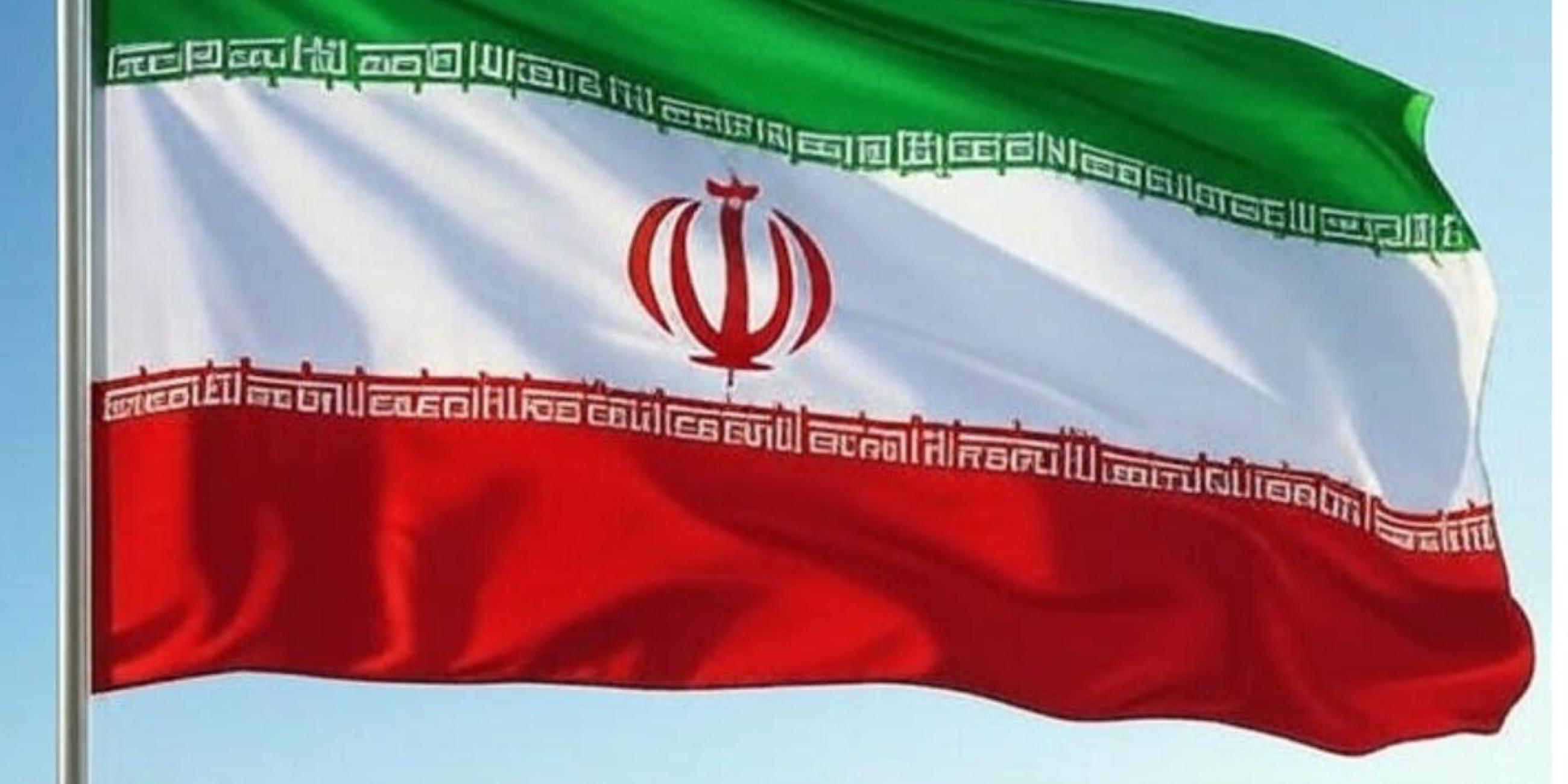
  • BREAKING: Iran has expressed willingness to hold “fair and just” nuclear talks with the United States but firmly rejected any form of pressure or dictation.

    Foreign Minister Abbas Araghchi said Tehran remains open to meaningful diplomacy, stressing that negotiations must be logical and respectful, not conducted under threats. He also made it clear that Iran will not negotiate over its missile program.

    No date or format has been set for possible talks, and no meeting with US officials has been arranged so far.

    #Iran #USA #NuclearTalks #GlobalPolitics
    BREAKING: Iran has expressed willingness to hold “fair and just” nuclear talks with the United States but firmly rejected any form of pressure or dictation. Foreign Minister Abbas Araghchi said Tehran remains open to meaningful diplomacy, stressing that negotiations must be logical and respectful, not conducted under threats. He also made it clear that Iran will not negotiate over its missile program. No date or format has been set for possible talks, and no meeting with US officials has been arranged so far. #Iran #USA #NuclearTalks #GlobalPolitics
    love
    1
    · 0 Comments ·0 Shares ·3K Views
  • About Us – Fintter

    Our Story

    Fintter was born from a simple idea: people talk every day, but very few are truly heard. In a world crowded with content, trending headlines, and noise, authentic conversations often get lost. We wanted to create a space where stories matter, curiosity thrives, and every voice has the chance to be understood.

    What We Do

    At Fintter, we turn conversations into meaningful content. We ask the questions that matter, listen deeply, and share insights that inspire, educate, and connect. From podcasts and interviews to articles and social media content, everything we create is designed to spark thought, foster understanding, and bring people closer together.

    Our Mission

    We exist to help people feel seen, heard, and understood. Our mission is to:
    • Build meaningful connections through storytelling
    • Give voices a platform to share their journeys
    • Turn curiosity into knowledge, and knowledge into action

    Why Fintter?

    Because every story matters. Every question matters. Every conversation can change how we see the world. Fintter is more than a brand—it’s a community, a platform, and a mindset for anyone who believes in the power of human connection.

    Join Us

    Whether you’re here to share your story, learn from others, or simply explore new ideas, Fintter welcomes you. Together, we turn conversations into understanding, one story at a time.
    About Us – Fintter Our Story Fintter was born from a simple idea: people talk every day, but very few are truly heard. In a world crowded with content, trending headlines, and noise, authentic conversations often get lost. We wanted to create a space where stories matter, curiosity thrives, and every voice has the chance to be understood. What We Do At Fintter, we turn conversations into meaningful content. We ask the questions that matter, listen deeply, and share insights that inspire, educate, and connect. From podcasts and interviews to articles and social media content, everything we create is designed to spark thought, foster understanding, and bring people closer together. Our Mission We exist to help people feel seen, heard, and understood. Our mission is to: • Build meaningful connections through storytelling • Give voices a platform to share their journeys • Turn curiosity into knowledge, and knowledge into action Why Fintter? Because every story matters. Every question matters. Every conversation can change how we see the world. Fintter is more than a brand—it’s a community, a platform, and a mindset for anyone who believes in the power of human connection. Join Us Whether you’re here to share your story, learn from others, or simply explore new ideas, Fintter welcomes you. Together, we turn conversations into understanding, one story at a time.
    love
    1
    · 0 Comments ·0 Shares ·2K Views
  • About Us – Fintter

    Our Story

    Fintter was born from a simple idea: people talk every day, but very few are truly heard. In a world crowded with content, trending headlines, and noise, authentic conversations often get lost. We wanted to create a space where stories matter, curiosity thrives, and every voice has the chance to be understood.

    What We Do

    At Fintter, we turn conversations into meaningful content. We ask the questions that matter, listen deeply, and share insights that inspire, educate, and connect. From podcasts and interviews to articles and social media content, everything we create is designed to spark thought, foster understanding, and bring people closer together.

    Our Mission

    We exist to help people feel seen, heard, and understood. Our mission is to:
    • Build meaningful connections through storytelling
    • Give voices a platform to share their journeys
    • Turn curiosity into knowledge, and knowledge into action

    Why Fintter?

    Because every story matters. Every question matters. Every conversation can change how we see the world. Fintter is more than a brand—it’s a community, a platform, and a mindset for anyone who believes in the power of human connection.

    Join Us

    Whether you’re here to share your story, learn from others, or simply explore new ideas, Fintter welcomes you. Together, we turn conversations into understanding, one story at a time.
    About Us – Fintter Our Story Fintter was born from a simple idea: people talk every day, but very few are truly heard. In a world crowded with content, trending headlines, and noise, authentic conversations often get lost. We wanted to create a space where stories matter, curiosity thrives, and every voice has the chance to be understood. What We Do At Fintter, we turn conversations into meaningful content. We ask the questions that matter, listen deeply, and share insights that inspire, educate, and connect. From podcasts and interviews to articles and social media content, everything we create is designed to spark thought, foster understanding, and bring people closer together. Our Mission We exist to help people feel seen, heard, and understood. Our mission is to: • Build meaningful connections through storytelling • Give voices a platform to share their journeys • Turn curiosity into knowledge, and knowledge into action Why Fintter? Because every story matters. Every question matters. Every conversation can change how we see the world. Fintter is more than a brand—it’s a community, a platform, and a mindset for anyone who believes in the power of human connection. Join Us Whether you’re here to share your story, learn from others, or simply explore new ideas, Fintter welcomes you. Together, we turn conversations into understanding, one story at a time.
    0 Comments ·0 Shares ·2K Views
  • Nigerian Research Institute to Spend N1.1B on Grinding & Welding Equipment to Empower Youths and Women in 2026

    The National Cereals Research Institute has revealed plans to spend ₦1.1 billion on grinding machines, welding equipment, mobile carts, and vulcanising machines in 2026. The initiative aims to empower youths and women in the Niger Delta States to start small businesses.

    In addition, the institute allocated ₦4.1 billion to supply grains to rural farmers in selected South-South communities, and another ₦4.9 billion to purchase grains for farmers nationwide. A further ₦350 million is earmarked for capacity building for grain producers in South-West Nigeria.

    The announcement comes amid concerns raised by civic watchdog MonITng, which previously criticized empowerment projects in Aguata Federal Constituency, Anambra State, as mismanaged and outdated, arguing that providing wheelbarrows, hoes, and cutlasses does not adequately equip youths for today’s economy.

    MonITng stressed that true empowerment should combine skills training (like welding, ICT, tailoring, or agro-processing) with meaningful tools, rather than handing out obsolete implements.

    At a time when nations invest in technology-driven agriculture and digital empowerment, spending millions on cutlasses and wheelbarrows is a waste of public funds,” the group said.


    The 2026 plan by the Cereals Research Institute reflects a shift towards more practical and business-oriented empowerment programs, aimed at giving Nigerians the tools to create sustainable livelihoods.


    Nigerian Research Institute to Spend N1.1B on Grinding & Welding Equipment to Empower Youths and Women in 2026 The National Cereals Research Institute has revealed plans to spend ₦1.1 billion on grinding machines, welding equipment, mobile carts, and vulcanising machines in 2026. The initiative aims to empower youths and women in the Niger Delta States to start small businesses. In addition, the institute allocated ₦4.1 billion to supply grains to rural farmers in selected South-South communities, and another ₦4.9 billion to purchase grains for farmers nationwide. A further ₦350 million is earmarked for capacity building for grain producers in South-West Nigeria. The announcement comes amid concerns raised by civic watchdog MonITng, which previously criticized empowerment projects in Aguata Federal Constituency, Anambra State, as mismanaged and outdated, arguing that providing wheelbarrows, hoes, and cutlasses does not adequately equip youths for today’s economy. MonITng stressed that true empowerment should combine skills training (like welding, ICT, tailoring, or agro-processing) with meaningful tools, rather than handing out obsolete implements. At a time when nations invest in technology-driven agriculture and digital empowerment, spending millions on cutlasses and wheelbarrows is a waste of public funds,” the group said. The 2026 plan by the Cereals Research Institute reflects a shift towards more practical and business-oriented empowerment programs, aimed at giving Nigerians the tools to create sustainable livelihoods.
    like
    1
    · 0 Comments ·0 Shares ·2K Views
  • US Orders Citizens to Leave Venezuela Immediately as Armed Militias Set Up Roadblocks

    The United States government has issued an urgent warning to all its citizens in Venezuela: leave immediately. The advisory, posted on January 10, 2026, comes amid rising insecurity despite international flights resuming.

    Officials report that armed militias, known locally as colectivos, are setting up roadblocks and searching vehicles, allegedly looking for Americans or anyone supporting the US. Citizens were advised to stay alert and exercise extreme caution while traveling by road.

    Venezuela is now at Travel Advisory Level 4: Do Not Travel, the highest alert level. Risks cited include wrongful detention, torture, terrorism, kidnapping, arbitrary enforcement of local laws, crime, civil unrest, and poor health infrastructure.

    The US urged travelers to monitor airlines for updates and enroll in the Smart Traveler Enrollment Program (STEP) to receive security updates.

    This comes just days after US forces reportedly stormed Venezuela and abducted President Nicolás Maduro on January 3, 2026, escalating tensions in the region.

    Meanwhile, former US President Donald Trump has continued to make headlines by threatening Colombia and repeating plans to annex Greenland, citing strategic and mineral interests.

    The situation underscores the growing dangers in Venezuela and the urgent need for American citizens to prioritize safety and leave immediately.


    US Orders Citizens to Leave Venezuela Immediately as Armed Militias Set Up Roadblocks The United States government has issued an urgent warning to all its citizens in Venezuela: leave immediately. The advisory, posted on January 10, 2026, comes amid rising insecurity despite international flights resuming. Officials report that armed militias, known locally as colectivos, are setting up roadblocks and searching vehicles, allegedly looking for Americans or anyone supporting the US. Citizens were advised to stay alert and exercise extreme caution while traveling by road. Venezuela is now at Travel Advisory Level 4: Do Not Travel, the highest alert level. Risks cited include wrongful detention, torture, terrorism, kidnapping, arbitrary enforcement of local laws, crime, civil unrest, and poor health infrastructure. The US urged travelers to monitor airlines for updates and enroll in the Smart Traveler Enrollment Program (STEP) to receive security updates. This comes just days after US forces reportedly stormed Venezuela and abducted President Nicolás Maduro on January 3, 2026, escalating tensions in the region. Meanwhile, former US President Donald Trump has continued to make headlines by threatening Colombia and repeating plans to annex Greenland, citing strategic and mineral interests. The situation underscores the growing dangers in Venezuela and the urgent need for American citizens to prioritize safety and leave immediately.
    0 Comments ·0 Shares ·2K Views
  • Why Did a Nigerian Court Stop Resident Doctors’ Planned Nationwide Strike—Is the Tinubu Government Using Legal Power to Silence Protests Over Salaries, Welfare, and Broken Agreements?

    Is the Nigerian government turning to the courts to prevent another healthcare shutdown—and what does it mean for doctors’ rights to protest? The National Industrial Court in Abuja has issued an interim injunction restraining the National Association of Resident Doctors (NARD) and its members from embarking on any form of industrial action across the country.

    The order, delivered by Justice Emmanuel Danjuma Subilim, followed an ex parte application filed by the Federal Government through the Office of the Attorney General of the Federation and Minister of Justice, Lateef Fagbemi (SAN). The court barred resident doctors from calling, organizing, directing, or participating in strikes, work stoppages, go-slows, picketing, or any other actions capable of disrupting healthcare services nationwide.

    In addition, the court prohibited NARD from taking any steps preparatory to industrial action with effect from January 12, 2026, ruling that the injunction would remain in force pending the hearing and determination of the motion on notice, scheduled for January 21, 2026.

    The ruling comes just days after the association threatened a nationwide strike over unresolved grievances related to welfare, salaries, and working conditions. NARD accused the Bola Tinubu-led administration of failing to honor previous agreements, stating that signed memoranda had been “totally neglected, altered or half implemented,” while earlier gains had been “overtaken by events of the government’s own making.”

    The association maintained that it had exhausted all avenues of dialogue, saying it had engaged respectfully, called attention to the issues, sought advice, and appealed for implementation—yet received no meaningful response. Defending its members against public criticism, NARD rejected portrayals of resident doctors as unpatriotic agitators, insisting that doctors have not committed any wrongdoing by demanding better conditions for healthcare workers who form “the backbone of service delivery in Nigeria.”

    In a strongly worded statement, the group argued that its members were “experienced enough to understand that merit doesn’t fetch a lot in Nigeria” and “militant enough to agitate for our legitimate rights, including signed and agreed MoUs.”

    While the government’s legal move is aimed at preventing disruptions in essential medical services, it raises pressing questions: Is the court order protecting patients—or curtailing workers’ rights to protest unfair conditions? Can judicial intervention resolve deep-rooted problems in Nigeria’s healthcare system, or will it merely postpone a larger confrontation? As the case returns to court later in January, Nigerians will be watching closely to see whether dialogue replaces confrontation—or whether tensions between the government and resident doctors escalate further.


    Why Did a Nigerian Court Stop Resident Doctors’ Planned Nationwide Strike—Is the Tinubu Government Using Legal Power to Silence Protests Over Salaries, Welfare, and Broken Agreements? Is the Nigerian government turning to the courts to prevent another healthcare shutdown—and what does it mean for doctors’ rights to protest? The National Industrial Court in Abuja has issued an interim injunction restraining the National Association of Resident Doctors (NARD) and its members from embarking on any form of industrial action across the country. The order, delivered by Justice Emmanuel Danjuma Subilim, followed an ex parte application filed by the Federal Government through the Office of the Attorney General of the Federation and Minister of Justice, Lateef Fagbemi (SAN). The court barred resident doctors from calling, organizing, directing, or participating in strikes, work stoppages, go-slows, picketing, or any other actions capable of disrupting healthcare services nationwide. In addition, the court prohibited NARD from taking any steps preparatory to industrial action with effect from January 12, 2026, ruling that the injunction would remain in force pending the hearing and determination of the motion on notice, scheduled for January 21, 2026. The ruling comes just days after the association threatened a nationwide strike over unresolved grievances related to welfare, salaries, and working conditions. NARD accused the Bola Tinubu-led administration of failing to honor previous agreements, stating that signed memoranda had been “totally neglected, altered or half implemented,” while earlier gains had been “overtaken by events of the government’s own making.” The association maintained that it had exhausted all avenues of dialogue, saying it had engaged respectfully, called attention to the issues, sought advice, and appealed for implementation—yet received no meaningful response. Defending its members against public criticism, NARD rejected portrayals of resident doctors as unpatriotic agitators, insisting that doctors have not committed any wrongdoing by demanding better conditions for healthcare workers who form “the backbone of service delivery in Nigeria.” In a strongly worded statement, the group argued that its members were “experienced enough to understand that merit doesn’t fetch a lot in Nigeria” and “militant enough to agitate for our legitimate rights, including signed and agreed MoUs.” While the government’s legal move is aimed at preventing disruptions in essential medical services, it raises pressing questions: Is the court order protecting patients—or curtailing workers’ rights to protest unfair conditions? Can judicial intervention resolve deep-rooted problems in Nigeria’s healthcare system, or will it merely postpone a larger confrontation? As the case returns to court later in January, Nigerians will be watching closely to see whether dialogue replaces confrontation—or whether tensions between the government and resident doctors escalate further.
    0 Comments ·0 Shares ·2K Views
  • CAPTI Declines Nigeria Police Meeting Over Human Rights Violations by Imo ‘Tiger Base’ Unit

    The Coalition Against Police Tigerbase Impunity (CAPTI) has declined a scheduled meeting with the Nigeria Police Force’s Police Monitoring Unit at Force Headquarters, Abuja. The coalition cited practical, logistical, and substantive constraints, emphasizing that the short notice and travel requirements made attendance impossible.

    In a letter signed by Sanyaolu Juwon, CAPTI Coordinator, the group acknowledged the police’s willingness to engage but stressed that any meeting must include victims and their families, many of whom reside in Imo State or are held at Owerri Correctional Centre. CAPTI noted that meaningful engagement requires proper planning, sufficient notice, and clear mechanisms for victim testimonies and accountability.

    The coalition remains open to dialogue but requested a mutually convenient date with arrangements allowing for inclusive participation of victims and civil society observers. CAPTI has been vocal about alleged abuses by the Tiger Base anti-kidnapping unit, advocating for transparency, accountability, and respect for human rights in Nigerian policing.

    #CAPTI #TigerBase #HumanRights”
    CAPTI Declines Nigeria Police Meeting Over Human Rights Violations by Imo ‘Tiger Base’ Unit The Coalition Against Police Tigerbase Impunity (CAPTI) has declined a scheduled meeting with the Nigeria Police Force’s Police Monitoring Unit at Force Headquarters, Abuja. The coalition cited practical, logistical, and substantive constraints, emphasizing that the short notice and travel requirements made attendance impossible. In a letter signed by Sanyaolu Juwon, CAPTI Coordinator, the group acknowledged the police’s willingness to engage but stressed that any meeting must include victims and their families, many of whom reside in Imo State or are held at Owerri Correctional Centre. CAPTI noted that meaningful engagement requires proper planning, sufficient notice, and clear mechanisms for victim testimonies and accountability. The coalition remains open to dialogue but requested a mutually convenient date with arrangements allowing for inclusive participation of victims and civil society observers. CAPTI has been vocal about alleged abuses by the Tiger Base anti-kidnapping unit, advocating for transparency, accountability, and respect for human rights in Nigerian policing. #CAPTI #TigerBase #HumanRights”
    0 Comments ·0 Shares ·2K Views
  • Is Iran Facing a New Uprising? How Nationwide Protests, Internet Blackouts and Reza Pahlavi’s Call Are Challenging Khamenei’s Rule

    Iran was gripped by renewed nationwide protests on Thursday night as demonstrators poured into the streets of Tehran and other cities following a call for mass action by exiled crown prince Reza Pahlavi. Witnesses reported chanting from rooftops and in neighbourhoods, while authorities quickly moved to cut internet access and telephone lines, a tactic historically used ahead of harsh crackdowns.

    The demonstrations marked a significant escalation in unrest driven largely by economic hardship, currency collapse, and public anger at Iran’s political system. They also represented the first major test of whether Pahlavi—whose father was overthrown in the 1979 Islamic Revolution—could mobilise meaningful opposition inside the country. Protests had already erupted the previous day in cities and rural towns, with markets and bazaars closing in solidarity.

    According to the U.S.-based Human Rights Activists News Agency, at least 41 people have been killed and more than 2,270 detained since the protests began. Monitoring groups such as Cloudflare and NetBlocks reported widespread digital shutdowns, attributing them to government interference. Calls to Iran from abroad reportedly failed, a sign often preceding intensified security operations.

    Despite the scale of the unrest, the movement has remained largely leaderless, prompting debate over whether it can sustain momentum or force political change. Analysts note that previous protest waves faltered due to the absence of a unified leadership structure, as Iran’s security apparatus has historically arrested, exiled, or silenced potential opposition figures.

    At the appointed protest hour, chants echoed across Tehran: “Death to the dictator!” “Death to the Islamic Republic!” and slogans calling for the return of the monarchy. In a statement, Pahlavi urged Iranians to continue demonstrating, declaring that “the eyes of the world are upon you,” and warning authorities that repression would not go unnoticed internationally.

    Iranian officials have not publicly acknowledged the full scope of the unrest, though state-linked media confirmed casualties among security forces. Reports from the judiciary and semi-official outlets said police officers and Revolutionary Guard members were killed in separate attacks in provinces including Kermanshah, Chaharmahal and Bakhtiari, and Khorasan Razavi. Hard-line media also circulated warnings that security agencies could use drones to identify protesters.

    The unrest comes amid deepening economic strain. Following tighter sanctions and the aftermath of a brief war, Iran’s currency collapsed in December to about 1.4 million rials to the U.S. dollar, triggering renewed demonstrations and calls for an end to clerical rule. U.S. President Donald Trump warned that Washington would respond if peaceful protesters were violently repressed, a statement Iran’s Foreign Ministry dismissed as “hypocritical interference.”

    Meanwhile, Nobel Peace Prize laureate Narges Mohammadi remains imprisoned, with her family saying the protests echo earlier uprisings in 2009 and 2019, each demanding an end to what they describe as a “dictatorial religious regime.”

    As unrest spreads and communication blackouts deepen, pressing questions remain: Can these protests break the cycle of repression? Will Reza Pahlavi emerge as a unifying figure or remain symbolic? And is Iran approaching a turning point—or another crackdown? With anger rising and the government tightening control, the unfolding crisis is shaping up as one of the most serious challenges to Iran’s leadership in years.


    Is Iran Facing a New Uprising? How Nationwide Protests, Internet Blackouts and Reza Pahlavi’s Call Are Challenging Khamenei’s Rule Iran was gripped by renewed nationwide protests on Thursday night as demonstrators poured into the streets of Tehran and other cities following a call for mass action by exiled crown prince Reza Pahlavi. Witnesses reported chanting from rooftops and in neighbourhoods, while authorities quickly moved to cut internet access and telephone lines, a tactic historically used ahead of harsh crackdowns. The demonstrations marked a significant escalation in unrest driven largely by economic hardship, currency collapse, and public anger at Iran’s political system. They also represented the first major test of whether Pahlavi—whose father was overthrown in the 1979 Islamic Revolution—could mobilise meaningful opposition inside the country. Protests had already erupted the previous day in cities and rural towns, with markets and bazaars closing in solidarity. According to the U.S.-based Human Rights Activists News Agency, at least 41 people have been killed and more than 2,270 detained since the protests began. Monitoring groups such as Cloudflare and NetBlocks reported widespread digital shutdowns, attributing them to government interference. Calls to Iran from abroad reportedly failed, a sign often preceding intensified security operations. Despite the scale of the unrest, the movement has remained largely leaderless, prompting debate over whether it can sustain momentum or force political change. Analysts note that previous protest waves faltered due to the absence of a unified leadership structure, as Iran’s security apparatus has historically arrested, exiled, or silenced potential opposition figures. At the appointed protest hour, chants echoed across Tehran: “Death to the dictator!” “Death to the Islamic Republic!” and slogans calling for the return of the monarchy. In a statement, Pahlavi urged Iranians to continue demonstrating, declaring that “the eyes of the world are upon you,” and warning authorities that repression would not go unnoticed internationally. Iranian officials have not publicly acknowledged the full scope of the unrest, though state-linked media confirmed casualties among security forces. Reports from the judiciary and semi-official outlets said police officers and Revolutionary Guard members were killed in separate attacks in provinces including Kermanshah, Chaharmahal and Bakhtiari, and Khorasan Razavi. Hard-line media also circulated warnings that security agencies could use drones to identify protesters. The unrest comes amid deepening economic strain. Following tighter sanctions and the aftermath of a brief war, Iran’s currency collapsed in December to about 1.4 million rials to the U.S. dollar, triggering renewed demonstrations and calls for an end to clerical rule. U.S. President Donald Trump warned that Washington would respond if peaceful protesters were violently repressed, a statement Iran’s Foreign Ministry dismissed as “hypocritical interference.” Meanwhile, Nobel Peace Prize laureate Narges Mohammadi remains imprisoned, with her family saying the protests echo earlier uprisings in 2009 and 2019, each demanding an end to what they describe as a “dictatorial religious regime.” As unrest spreads and communication blackouts deepen, pressing questions remain: Can these protests break the cycle of repression? Will Reza Pahlavi emerge as a unifying figure or remain symbolic? And is Iran approaching a turning point—or another crackdown? With anger rising and the government tightening control, the unfolding crisis is shaping up as one of the most serious challenges to Iran’s leadership in years.
    0 Comments ·0 Shares ·2K Views
  • Delta Police Accused of Extortion and Harassment After SaharaReporters Exposé on New Year’s Eve Arrests

    The Delta State Police Command is under scrutiny for alleged harassment, intimidation, and extortion following a SaharaReporters report exposing arbitrary arrests on New Year’s Eve in Asaba. Sources revealed that police operatives arrested over 40 individuals, including churchgoers attending crossover night services, allegedly demanding ₦150,000 to ₦200,000 for bail.

    The situation escalated when police reportedly rearrested a worshipper, Benjamin Eboka, after he was initially released, accusing him of leaking information to the media. Eyewitnesses described assaults, tear gas deployment, and wrongful detentions, highlighting claims of deep-rooted corruption within the Delta State Police.

    The arrests were reportedly orchestrated by DCP Adejobi Olumuyiwa, Deputy Commissioner of Police in charge of Operations, with many victims alleging extortion and abuse of power. Affected individuals include members of the Federal Road Safety Corps, traditional rulers, and innocent worshippers, raising concerns about human rights violations.

    SaharaReporters’ investigation paints a picture of a pattern of abuse, where officers allegedly label innocent citizens as hoodlums while extorting them and denying due process. Legal experts and victims have called for urgent government intervention and accountability measures within the police command.

    This story underscores ongoing issues of police misconduct in Nigeria, highlighting the need for transparent policing, protection of citizens’ rights, and institutional reforms to prevent arbitrary detentions and extortion.


    Delta Police Accused of Extortion and Harassment After SaharaReporters Exposé on New Year’s Eve Arrests The Delta State Police Command is under scrutiny for alleged harassment, intimidation, and extortion following a SaharaReporters report exposing arbitrary arrests on New Year’s Eve in Asaba. Sources revealed that police operatives arrested over 40 individuals, including churchgoers attending crossover night services, allegedly demanding ₦150,000 to ₦200,000 for bail. The situation escalated when police reportedly rearrested a worshipper, Benjamin Eboka, after he was initially released, accusing him of leaking information to the media. Eyewitnesses described assaults, tear gas deployment, and wrongful detentions, highlighting claims of deep-rooted corruption within the Delta State Police. The arrests were reportedly orchestrated by DCP Adejobi Olumuyiwa, Deputy Commissioner of Police in charge of Operations, with many victims alleging extortion and abuse of power. Affected individuals include members of the Federal Road Safety Corps, traditional rulers, and innocent worshippers, raising concerns about human rights violations. SaharaReporters’ investigation paints a picture of a pattern of abuse, where officers allegedly label innocent citizens as hoodlums while extorting them and denying due process. Legal experts and victims have called for urgent government intervention and accountability measures within the police command. This story underscores ongoing issues of police misconduct in Nigeria, highlighting the need for transparent policing, protection of citizens’ rights, and institutional reforms to prevent arbitrary detentions and extortion.
    like
    1
    · 0 Comments ·0 Shares ·2K Views
  • Did a Pastor Use Police and Courts to Silence a Worker? Ex-Husband’s Shocking Claims Against Apostle Chikere Nwafor | Fintter

    Can a religious leader allegedly use the police and the courts to keep a poor church worker behind bars—and get away with it?

    A disturbing set of allegations has emerged against Apostle Chikere Nwafor, founder of Heaven’s Gateway Ministries in Lagos, after her ex-husband, Mr. Martin Ogbulu, accused her of orchestrating the arrest, prosecution, and continued imprisonment of a longtime church caretaker, Mr. Alfred Morris Oyawari.

    According to Ogbulu, Alfred—who had overseen the church’s building projects, houses, and properties since 2018—has been languishing in Ikoyi Prison since April 2025 over allegations of missing building materials. The ex-husband insists the accusations were fabricated and driven by fear that Alfred might later sue the cleric for wrongful treatment.

    A Caretaker, Not a Criminal?

    Ogbulu describes Alfred as a loyal, humble worker who managed church construction and supervised contractors for years, often while both he and Apostle Chikere were outside Nigeria during the COVID-19 period. Despite the heavy responsibility placed on him, Alfred reportedly earned only ₦40,000 per month.

    He even volunteered to live alone on the church’s three-acre property in Ibeju-Lekki, near Amen Estate—an isolated area where no one else was willing to stay. From there, he acted as caretaker, site supervisor, and the main link between the church leadership and contractors.

    So how did such a worker end up in prison?

    “She Said She Had Locked Him Up”

    Ogbulu claims that in April 2025, Apostle Chikere informed him that Alfred had been arrested because some items allegedly went missing from the construction site. Even if there had been an issue, he questioned the moral basis of criminal prosecution by a religious leader.

    > “Even if it was him, what are you preaching? Are you not preaching forgiveness?” he asked.
    “You bundled a man who looked after your building from 2018 to 2025, locked him up, and took him to court.”


    Since then, Alfred’s case has reportedly been repeatedly adjourned, leaving him stuck in detention.

    Alleged Police Pressure and a Chilling Condition

    In one of the most troubling claims, Ogbulu alleged that the police demanded that Alfred’s relatives sign an undertaking promising that Alfred would never sue Apostle Chikere for wrongful detention as a condition for his release.

    According to him, the Investigating Police Officer handling the case allegedly said that “madam” was giving instructions, and that Alfred’s family must agree not to take legal action if he were freed.

    Ogbulu says he agreed in desperation—because Alfred is poor and has no means to fight the system.

    “He Calls Her From Prison, Begging for Mercy”

    Ogbulu revealed that Alfred occasionally gets access to a phone in prison and uses it to beg Apostle Chikere for forgiveness, calling her “Mummy” and pleading to be released.

    > “Seeing Alfred in prison breaks my heart,” he said.
    “This young man has begged her countless times, even from inside prison.”


    He further described Alfred’s family as extremely poor, saying his father—a retired security officer from a riverine community—lacks the resources to pursue legal action.

    Pattern of Abuse or Isolated Case?

    Beyond Alfred’s ordeal, Ogbulu alleged a broader pattern of intimidation within the church, recounting incidents in which members were allegedly humiliated or physically confronted, only to later be appeased with money.

    He warned that Alfred’s case might be one of many involving vulnerable Nigerians who allegedly fall victim to abuse of power within religious and law-enforcement structures.

    > “Can you imagine how many other people are languishing in jail that nobody knows about?”


    Silence From Those Accused

    When contacted for a response, Apostle Chikere Nwafor reportedly said she would “get back,” but did not. Attempts to reach the police officer allegedly in charge of the case were also unsuccessful.

    This leaves the public with unsettling questions about justice, power, and accountability in Nigeria’s criminal justice system.


    ---

    Questions for Fintter Readers

    Can a religious leader legally influence police and courts this way?

    Should clerics be held to a higher moral and legal standard?

    If these claims are true, what does it say about justice for the poor in Nigeria?

    How many similar cases go unnoticed because victims lack money or influence?


    Join the conversation on Fintter:
    Is this a case of religious authority abusing state power—or is there another side to the story we are not being told?
    Did a Pastor Use Police and Courts to Silence a Worker? Ex-Husband’s Shocking Claims Against Apostle Chikere Nwafor | Fintter Can a religious leader allegedly use the police and the courts to keep a poor church worker behind bars—and get away with it? A disturbing set of allegations has emerged against Apostle Chikere Nwafor, founder of Heaven’s Gateway Ministries in Lagos, after her ex-husband, Mr. Martin Ogbulu, accused her of orchestrating the arrest, prosecution, and continued imprisonment of a longtime church caretaker, Mr. Alfred Morris Oyawari. According to Ogbulu, Alfred—who had overseen the church’s building projects, houses, and properties since 2018—has been languishing in Ikoyi Prison since April 2025 over allegations of missing building materials. The ex-husband insists the accusations were fabricated and driven by fear that Alfred might later sue the cleric for wrongful treatment. A Caretaker, Not a Criminal? Ogbulu describes Alfred as a loyal, humble worker who managed church construction and supervised contractors for years, often while both he and Apostle Chikere were outside Nigeria during the COVID-19 period. Despite the heavy responsibility placed on him, Alfred reportedly earned only ₦40,000 per month. He even volunteered to live alone on the church’s three-acre property in Ibeju-Lekki, near Amen Estate—an isolated area where no one else was willing to stay. From there, he acted as caretaker, site supervisor, and the main link between the church leadership and contractors. So how did such a worker end up in prison? “She Said She Had Locked Him Up” Ogbulu claims that in April 2025, Apostle Chikere informed him that Alfred had been arrested because some items allegedly went missing from the construction site. Even if there had been an issue, he questioned the moral basis of criminal prosecution by a religious leader. > “Even if it was him, what are you preaching? Are you not preaching forgiveness?” he asked. “You bundled a man who looked after your building from 2018 to 2025, locked him up, and took him to court.” Since then, Alfred’s case has reportedly been repeatedly adjourned, leaving him stuck in detention. Alleged Police Pressure and a Chilling Condition In one of the most troubling claims, Ogbulu alleged that the police demanded that Alfred’s relatives sign an undertaking promising that Alfred would never sue Apostle Chikere for wrongful detention as a condition for his release. According to him, the Investigating Police Officer handling the case allegedly said that “madam” was giving instructions, and that Alfred’s family must agree not to take legal action if he were freed. Ogbulu says he agreed in desperation—because Alfred is poor and has no means to fight the system. “He Calls Her From Prison, Begging for Mercy” Ogbulu revealed that Alfred occasionally gets access to a phone in prison and uses it to beg Apostle Chikere for forgiveness, calling her “Mummy” and pleading to be released. > “Seeing Alfred in prison breaks my heart,” he said. “This young man has begged her countless times, even from inside prison.” He further described Alfred’s family as extremely poor, saying his father—a retired security officer from a riverine community—lacks the resources to pursue legal action. Pattern of Abuse or Isolated Case? Beyond Alfred’s ordeal, Ogbulu alleged a broader pattern of intimidation within the church, recounting incidents in which members were allegedly humiliated or physically confronted, only to later be appeased with money. He warned that Alfred’s case might be one of many involving vulnerable Nigerians who allegedly fall victim to abuse of power within religious and law-enforcement structures. > “Can you imagine how many other people are languishing in jail that nobody knows about?” Silence From Those Accused When contacted for a response, Apostle Chikere Nwafor reportedly said she would “get back,” but did not. Attempts to reach the police officer allegedly in charge of the case were also unsuccessful. This leaves the public with unsettling questions about justice, power, and accountability in Nigeria’s criminal justice system. --- 💬 Questions for Fintter Readers Can a religious leader legally influence police and courts this way? Should clerics be held to a higher moral and legal standard? If these claims are true, what does it say about justice for the poor in Nigeria? How many similar cases go unnoticed because victims lack money or influence? 👉 Join the conversation on Fintter: Is this a case of religious authority abusing state power—or is there another side to the story we are not being told?
    0 Comments ·0 Shares ·2K Views
  • How Did Detained Police Officers Still Get Paid After the Deadly Omuma Shooting? Panel Acquits 10, Demotes Two – What Went Wrong?”

    An exclusive SaharaReporters investigation reveals shocking details about the June 18, 2024 deadly shooting at the Eberi-Omuma Local Government Council Secretariat in Rivers State, where at least two people lost their lives. Despite being detained over the incident, Inspector Hycent Oboh continued to receive his salary of ₦249,138.13 in December 2025, raising questions about accountability within the Nigerian Police Force.
    The incident, triggered by heightened political tensions in Omuma, involved multiple armed police officers allegedly firing live bullets and deploying teargas, leaving Inspector David Mgbada and civilian security operative Samuel Nwigwe dead. Eyewitnesses described chaos, teargas clouds, and indiscriminate gunfire, some linking officers to political actors. Yet, the police orderly room trial, which began in August 2024 at the SCIID in Port Harcourt, found that evidential gaps and investigative lapses prevented most officers from being held accountable.
    After hearing testimonies from eight witnesses, the Executive Chairman of Omuma LGA, and the accused officers themselves, the panel acquitted 10 officers of all charges due to lack of proof. Only Inspectors Michael Etim (D5) and Nelson Mbang (D8) were demoted for discreditable conduct, having joined an unauthorised security detail, highlighting a serious breakdown in police discipline and investigative rigor.
    The panel criticized the Investigating Police Officers (IPO) for failing to verify evidence, including video footage, conduct ballistic analyses, or identify officers present at the scene. This failure, the panel said, compromised justice for the victims and reflected political influence and systemic weaknesses within the force. Shockingly, the panel even recommended a posthumous trial for late Inspector Mgbada, underscoring the unusual and controversial nature of the proceedings.
    The case raises serious questions about police accountability, salary payments during detention, and systemic failures in handling politically sensitive incidents. Citizens and stakeholders continue to demand transparency, proper investigations, and meaningful reforms to prevent future abuses and ensure justice for victims.
    Fintter readers, we want to hear from you: How can the Nigerian Police Force be held accountable when investigations fail and officers continue to draw salaries despite detention? Share your thoughts in the comments.
    How Did Detained Police Officers Still Get Paid After the Deadly Omuma Shooting? Panel Acquits 10, Demotes Two – What Went Wrong?” An exclusive SaharaReporters investigation reveals shocking details about the June 18, 2024 deadly shooting at the Eberi-Omuma Local Government Council Secretariat in Rivers State, where at least two people lost their lives. Despite being detained over the incident, Inspector Hycent Oboh continued to receive his salary of ₦249,138.13 in December 2025, raising questions about accountability within the Nigerian Police Force. The incident, triggered by heightened political tensions in Omuma, involved multiple armed police officers allegedly firing live bullets and deploying teargas, leaving Inspector David Mgbada and civilian security operative Samuel Nwigwe dead. Eyewitnesses described chaos, teargas clouds, and indiscriminate gunfire, some linking officers to political actors. Yet, the police orderly room trial, which began in August 2024 at the SCIID in Port Harcourt, found that evidential gaps and investigative lapses prevented most officers from being held accountable. After hearing testimonies from eight witnesses, the Executive Chairman of Omuma LGA, and the accused officers themselves, the panel acquitted 10 officers of all charges due to lack of proof. Only Inspectors Michael Etim (D5) and Nelson Mbang (D8) were demoted for discreditable conduct, having joined an unauthorised security detail, highlighting a serious breakdown in police discipline and investigative rigor. The panel criticized the Investigating Police Officers (IPO) for failing to verify evidence, including video footage, conduct ballistic analyses, or identify officers present at the scene. This failure, the panel said, compromised justice for the victims and reflected political influence and systemic weaknesses within the force. Shockingly, the panel even recommended a posthumous trial for late Inspector Mgbada, underscoring the unusual and controversial nature of the proceedings. The case raises serious questions about police accountability, salary payments during detention, and systemic failures in handling politically sensitive incidents. Citizens and stakeholders continue to demand transparency, proper investigations, and meaningful reforms to prevent future abuses and ensure justice for victims. Fintter readers, we want to hear from you: How can the Nigerian Police Force be held accountable when investigations fail and officers continue to draw salaries despite detention? Share your thoughts in the comments.
    0 Comments ·0 Shares ·1K Views
  • Christians in Borno State Warned Not to Be Fooled by Governor Zulum’s Rhetoric on Religious Tolerance

    An opinion piece by Ishaya Malgwi warns Christians in Borno State against being swayed by Governor Babagana Umara Zulum’s public gestures promoting religious tolerance. Despite claims of harmony, Christians continue to face systemic marginalization under Zulum’s administration, including denial of Christian Religious Knowledge in schools, political exclusion, neglect of displaced persons, and restrictions on NGO aid in Christian communities.
    The article stresses that symbolic acts like sponsoring pilgrimages or visiting Christian refugees cannot substitute for meaningful policy changes. Advocates call for equal access to education, fair resettlement of displaced Christians, political representation, prompt payment of pensions, and unhindered humanitarian assistance.

    #BornoState #ChristianRights #ReligiousTolerance #GovernorZulum #NigeriaPolitics #HumanRights #ReligiousFreedom #IDPs #SocialJustice #NigeriaNews
    Christians in Borno State Warned Not to Be Fooled by Governor Zulum’s Rhetoric on Religious Tolerance An opinion piece by Ishaya Malgwi warns Christians in Borno State against being swayed by Governor Babagana Umara Zulum’s public gestures promoting religious tolerance. Despite claims of harmony, Christians continue to face systemic marginalization under Zulum’s administration, including denial of Christian Religious Knowledge in schools, political exclusion, neglect of displaced persons, and restrictions on NGO aid in Christian communities. The article stresses that symbolic acts like sponsoring pilgrimages or visiting Christian refugees cannot substitute for meaningful policy changes. Advocates call for equal access to education, fair resettlement of displaced Christians, political representation, prompt payment of pensions, and unhindered humanitarian assistance. #BornoState #ChristianRights #ReligiousTolerance #GovernorZulum #NigeriaPolitics #HumanRights #ReligiousFreedom #IDPs #SocialJustice #NigeriaNews
    0 Comments ·0 Shares ·3K Views
  • Lagos Police Officers Accused of Extorting ₦3.3 Million From Innocent Couple, Return ₦2.2 Million After Public Exposure, Claim Remaining ₦1.1 Million Was Shared

    Police officers attached to the Area H Command in Ogudu, Lagos State, have been accused of extorting about ₦3.3 million ($2,000 USDT) from a couple who were allegedly wrongfully arrested while travelling out of Lagos on December 18, 2025. According to an investigation by the Foundation for Investigative Journalism (FIJ), the officers detained the couple, seized the man’s phones, and allegedly coerced him into making a cryptocurrency payment without legal representation.

    After the incident was exposed on social media, the police reportedly returned ₦2.2 million but are said to be pleading to retain the remaining ₦1.1 million, claiming the money had already been shared among several officers. The victims, supported by a friend who reported the matter to the Police Complaints Response Unit, identified the officers involved during a visit to the station.

    Despite partial refunds, the couple has continued to demand a full return of the extorted funds, while the station officer, Olumide Jegede, reportedly acknowledged that not all the money could be recovered immediately. The case has renewed public outrage over police extortion, abuse of power, and accountability within the Nigeria Police Force.
    Lagos Police Officers Accused of Extorting ₦3.3 Million From Innocent Couple, Return ₦2.2 Million After Public Exposure, Claim Remaining ₦1.1 Million Was Shared Police officers attached to the Area H Command in Ogudu, Lagos State, have been accused of extorting about ₦3.3 million ($2,000 USDT) from a couple who were allegedly wrongfully arrested while travelling out of Lagos on December 18, 2025. According to an investigation by the Foundation for Investigative Journalism (FIJ), the officers detained the couple, seized the man’s phones, and allegedly coerced him into making a cryptocurrency payment without legal representation. After the incident was exposed on social media, the police reportedly returned ₦2.2 million but are said to be pleading to retain the remaining ₦1.1 million, claiming the money had already been shared among several officers. The victims, supported by a friend who reported the matter to the Police Complaints Response Unit, identified the officers involved during a visit to the station. Despite partial refunds, the couple has continued to demand a full return of the extorted funds, while the station officer, Olumide Jegede, reportedly acknowledged that not all the money could be recovered immediately. The case has renewed public outrage over police extortion, abuse of power, and accountability within the Nigeria Police Force.
    like
    1
    · 0 Comments ·0 Shares ·1K Views
  • Actress Anita Joseph reacts after ex-husband’s online rant, asks him to leave her out of the drama

    Actress Anita Joseph has finally spoken up following a series of heated Instagram posts made by her ex-husband, hypeman MC Fish, where he addressed criticism about his profession and marriage — without mentioning her name directly.

    In a calm but firm response shared on her IG status, the actress made it clear she wants no part of whatever online battle her ex is currently fighting.

    “Memo to my EX… I don't want to run in the mud with you. Please this is a new year, if you have whatever you want to say, please say it now and let me get on with my life… This new year is growth and all positivity for me. Stop dragging me back with your mess… LEAVE ME ALONE!!!”

    Her reaction comes shortly after MC Fish went on a long Instagram rant defending his career as a hypeman/MC, denying claims that he depended on his ex-wife financially during their marriage, and warning critics to stop “slandering” him. He insisted he contributed meaningfully to the marriage, helped build businesses, and played key roles behind the scenes — all while stressing that he was never a “gold digger.”
    Actress Anita Joseph reacts after ex-husband’s online rant, asks him to leave her out of the drama Actress Anita Joseph has finally spoken up following a series of heated Instagram posts made by her ex-husband, hypeman MC Fish, where he addressed criticism about his profession and marriage — without mentioning her name directly. In a calm but firm response shared on her IG status, the actress made it clear she wants no part of whatever online battle her ex is currently fighting. “Memo to my EX… I don't want to run in the mud with you. Please this is a new year, if you have whatever you want to say, please say it now and let me get on with my life… This new year is growth and all positivity for me. Stop dragging me back with your mess… LEAVE ME ALONE!!!” Her reaction comes shortly after MC Fish went on a long Instagram rant defending his career as a hypeman/MC, denying claims that he depended on his ex-wife financially during their marriage, and warning critics to stop “slandering” him. He insisted he contributed meaningfully to the marriage, helped build businesses, and played key roles behind the scenes — all while stressing that he was never a “gold digger.”
    like
    1
    · 0 Comments ·0 Shares ·1K Views
  • Suspended Kwara Lawmaker Gideon Yisa Alleges 21 Assembly Members Swore Oath To Support Speaker’s Governorship Ambition, Says House Has Become ‘Gossip Centre’ Without Oversight Agenda

    A suspended member of the Kwara State House of Assembly, Hon. Gideon Yisa, representing Edu constituency, has accused 21 lawmakers of allegedly swearing an oath to support the governorship ambition of the Speaker, Hon. Salihu Yakubu Danladi, claiming the Assembly has abandoned its constitutional responsibilities.

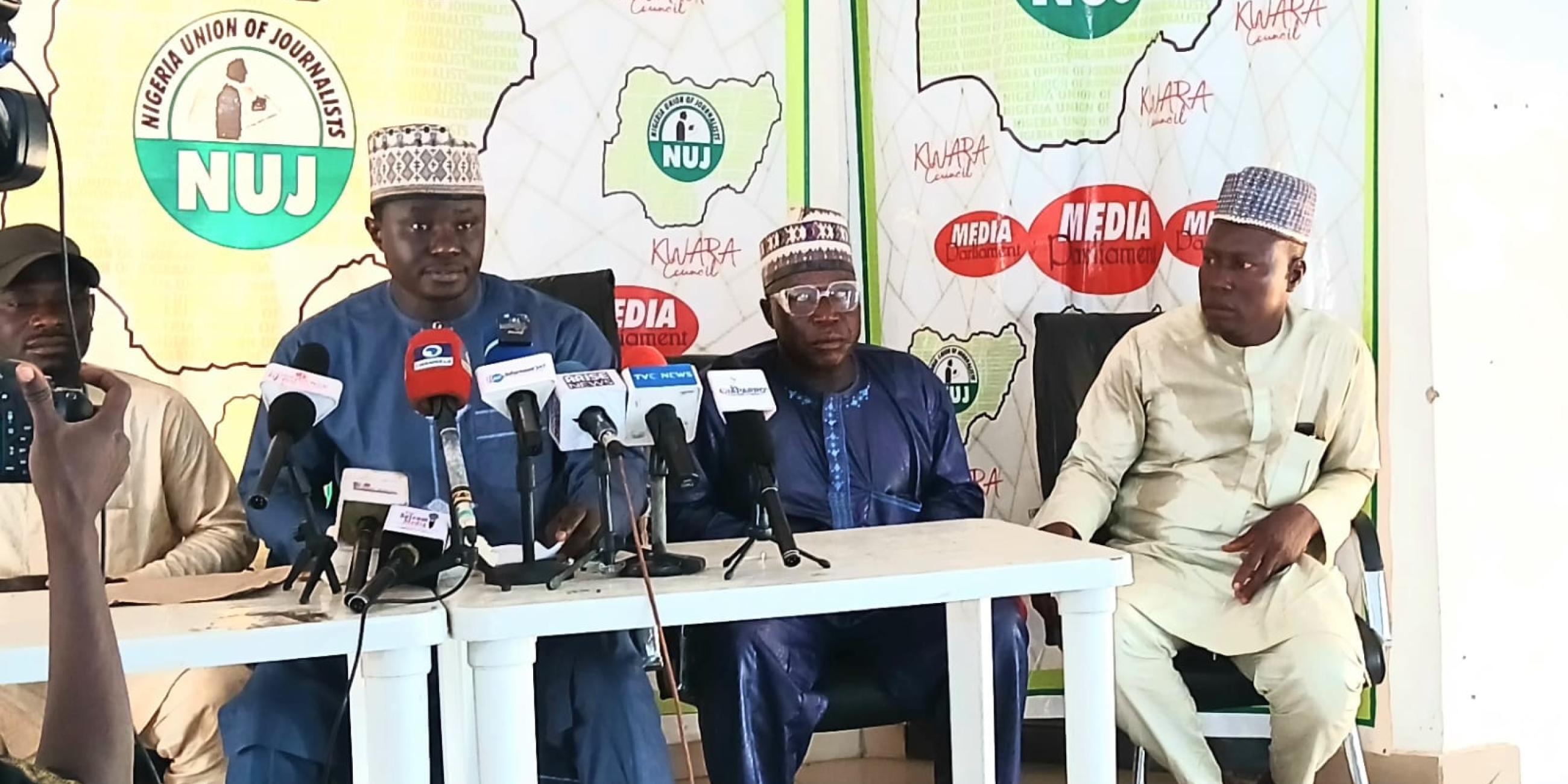
    Speaking at the Nigeria Union of Journalists (NUJ) Secretariat in Ilorin, Yisa described his suspension as illegal and politically motivated, alleging that the Assembly has failed to carry out meaningful oversight functions for more than three years despite worsening insecurity and economic challenges across the state. He said the legislature lacks any independent economic or security agenda and merely passes bills brought by the executive without scrutiny.

    Yisa further claimed that lawmakers have been largely inactive, alleging that neither the Speaker nor any Assembly delegation has conducted oversight visits to his constituency since the Assembly’s inauguration. According to him, the absence of a legislative agenda has reduced lawmakers to idle activities, which he described as “gossiping,” mostly within the Speaker’s office.

    Addressing his suspension, Yisa argued that it violated the Assembly’s rules, stressing that no lawmaker can be arbitrarily suspended by the Speaker. He explained that any allegation against a member must first be investigated by the Committee on Ethics and Privileges, and that even proven misconduct does not warrant a three-month suspension, noting that the maximum allowable sanction is 48 hours.

    He also dismissed claims that his suspension was linked to a closed-door session, insisting that no such session has been held since the Assembly was inaugurated. Yisa reiterated that the legislature has failed in its oversight role, maintaining that while lawmakers do not execute projects, they are constitutionally mandated to monitor government actions to promote accountability and good governance in Kwara State.
    Suspended Kwara Lawmaker Gideon Yisa Alleges 21 Assembly Members Swore Oath To Support Speaker’s Governorship Ambition, Says House Has Become ‘Gossip Centre’ Without Oversight Agenda A suspended member of the Kwara State House of Assembly, Hon. Gideon Yisa, representing Edu constituency, has accused 21 lawmakers of allegedly swearing an oath to support the governorship ambition of the Speaker, Hon. Salihu Yakubu Danladi, claiming the Assembly has abandoned its constitutional responsibilities. Speaking at the Nigeria Union of Journalists (NUJ) Secretariat in Ilorin, Yisa described his suspension as illegal and politically motivated, alleging that the Assembly has failed to carry out meaningful oversight functions for more than three years despite worsening insecurity and economic challenges across the state. He said the legislature lacks any independent economic or security agenda and merely passes bills brought by the executive without scrutiny. Yisa further claimed that lawmakers have been largely inactive, alleging that neither the Speaker nor any Assembly delegation has conducted oversight visits to his constituency since the Assembly’s inauguration. According to him, the absence of a legislative agenda has reduced lawmakers to idle activities, which he described as “gossiping,” mostly within the Speaker’s office. Addressing his suspension, Yisa argued that it violated the Assembly’s rules, stressing that no lawmaker can be arbitrarily suspended by the Speaker. He explained that any allegation against a member must first be investigated by the Committee on Ethics and Privileges, and that even proven misconduct does not warrant a three-month suspension, noting that the maximum allowable sanction is 48 hours. He also dismissed claims that his suspension was linked to a closed-door session, insisting that no such session has been held since the Assembly was inaugurated. Yisa reiterated that the legislature has failed in its oversight role, maintaining that while lawmakers do not execute projects, they are constitutionally mandated to monitor government actions to promote accountability and good governance in Kwara State.
    like
    1
    · 0 Comments ·0 Shares ·1K Views
  • Taraba Schools Overcrowded, Classrooms Collapsing, Students Sit on Bare Floors as Governor Kefas’ Free Education Policy Falters

    Two years after Governor Agbu Kefas introduced a free and compulsory education policy in Taraba State, many public schools are struggling with severe infrastructural decay, overcrowding, and lack of basic learning facilities. While the policy initially boosted school enrollment and was celebrated as a major social intervention, the necessary support systems—classrooms, furniture, teachers, learning materials, and adequate funding—failed to keep pace.

    Across the state, classrooms designed for about 30 pupils now accommodate more than 70, forcing many students to sit on bare floors. Laboratories are largely non-functional due to lack of equipment, teachers are overstretched, discipline is deteriorating, and school safety has become a growing concern, highlighted by the killing of a teacher, Mr. Bassey Sardauna. Parents and educators describe the situation as “organised suffering,” arguing that children attend school but gain little meaningful learning.

    The government’s promise to build 60 model schools has largely stalled, with many projects abandoned at early construction stages. Compounding the crisis, schools have lost internally generated revenue from fees under the free education policy and now depend on government subventions widely described as inadequate. As a result, head teachers ration basic items like chalk, cancel science practicals, and lower academic expectations just to keep schools operating.

    Despite the policy’s lofty rhetoric, the reality in Taraba classrooms paints a grim picture of neglect and poor planning, raising serious questions about the sustainability and effectiveness of the state’s free education programme.
    Taraba Schools Overcrowded, Classrooms Collapsing, Students Sit on Bare Floors as Governor Kefas’ Free Education Policy Falters Two years after Governor Agbu Kefas introduced a free and compulsory education policy in Taraba State, many public schools are struggling with severe infrastructural decay, overcrowding, and lack of basic learning facilities. While the policy initially boosted school enrollment and was celebrated as a major social intervention, the necessary support systems—classrooms, furniture, teachers, learning materials, and adequate funding—failed to keep pace. Across the state, classrooms designed for about 30 pupils now accommodate more than 70, forcing many students to sit on bare floors. Laboratories are largely non-functional due to lack of equipment, teachers are overstretched, discipline is deteriorating, and school safety has become a growing concern, highlighted by the killing of a teacher, Mr. Bassey Sardauna. Parents and educators describe the situation as “organised suffering,” arguing that children attend school but gain little meaningful learning. The government’s promise to build 60 model schools has largely stalled, with many projects abandoned at early construction stages. Compounding the crisis, schools have lost internally generated revenue from fees under the free education policy and now depend on government subventions widely described as inadequate. As a result, head teachers ration basic items like chalk, cancel science practicals, and lower academic expectations just to keep schools operating. Despite the policy’s lofty rhetoric, the reality in Taraba classrooms paints a grim picture of neglect and poor planning, raising serious questions about the sustainability and effectiveness of the state’s free education programme.
    like
    1
    · 0 Comments ·0 Shares ·831 Views

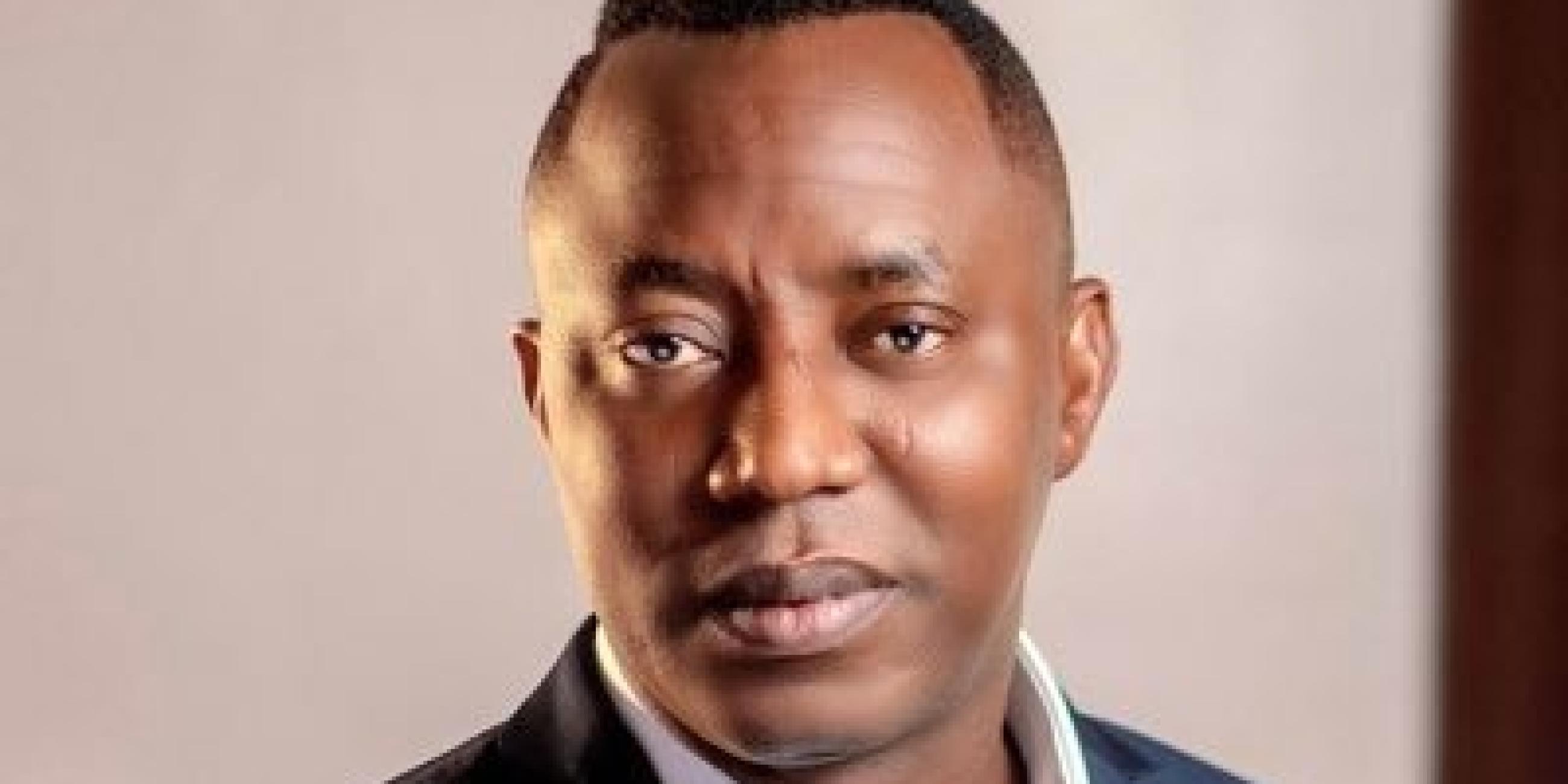
  • Sowore Mocks Peter Obi, Slams Defection From Labour Party to ADC, Says Opposition Leaders Suffer ‘Political Homelessness’

    Former presidential candidate and human rights activist Omoyele Sowore has ridiculed Peter Obi and his supporters over their defection from the Labour Party to the African Democratic Congress (ADC), describing the move as evidence of “political homelessness.” In a statement shared on social media, Sowore accused the defectors of political drift and opportunism barely two years after mobilising support under the Labour Party during the 2023 general elections.

    Sowore sarcastically remarked that Nigeria’s “most celebrated political drifters” had merely moved from one “homeless shelter” to another, branding the ADC as the “Association of Desperate Conmen.” He argued that the defection reflects a shift “from confusion to delusion” and from moral posturing to what he called naked political opportunism.

    According to him, the change of party platform does not represent any meaningful ideological difference, alleging that the ADC maintains close ideological proximity to the ruling All Progressives Congress (APC), which he mockingly referred to as the “Association of Present Criminals.” Sowore insisted that despite new party logos, the political culture remains the same, describing the move as “different logos, same scam.”

    The AAC leader further accused mainstream opposition figures of lacking the courage to confront entrenched corruption in Nigeria’s political system, warning that repeated defections only deepen public distrust. Peter Obi and other politicians officially announced their move from the Labour Party to the ADC on Wednesday, marking a significant realignment within Nigeria’s opposition politics.
    Sowore Mocks Peter Obi, Slams Defection From Labour Party to ADC, Says Opposition Leaders Suffer ‘Political Homelessness’ Former presidential candidate and human rights activist Omoyele Sowore has ridiculed Peter Obi and his supporters over their defection from the Labour Party to the African Democratic Congress (ADC), describing the move as evidence of “political homelessness.” In a statement shared on social media, Sowore accused the defectors of political drift and opportunism barely two years after mobilising support under the Labour Party during the 2023 general elections. Sowore sarcastically remarked that Nigeria’s “most celebrated political drifters” had merely moved from one “homeless shelter” to another, branding the ADC as the “Association of Desperate Conmen.” He argued that the defection reflects a shift “from confusion to delusion” and from moral posturing to what he called naked political opportunism. According to him, the change of party platform does not represent any meaningful ideological difference, alleging that the ADC maintains close ideological proximity to the ruling All Progressives Congress (APC), which he mockingly referred to as the “Association of Present Criminals.” Sowore insisted that despite new party logos, the political culture remains the same, describing the move as “different logos, same scam.” The AAC leader further accused mainstream opposition figures of lacking the courage to confront entrenched corruption in Nigeria’s political system, warning that repeated defections only deepen public distrust. Peter Obi and other politicians officially announced their move from the Labour Party to the ADC on Wednesday, marking a significant realignment within Nigeria’s opposition politics.
    like
    1
    · 0 Comments ·0 Shares ·1K Views
More Results
Fintter https://fintter.com