• Nigeria Records 153 Measles Deaths in 11 Months with Over 19,000 Confirmed Cases Across 36 States – NCDC Report

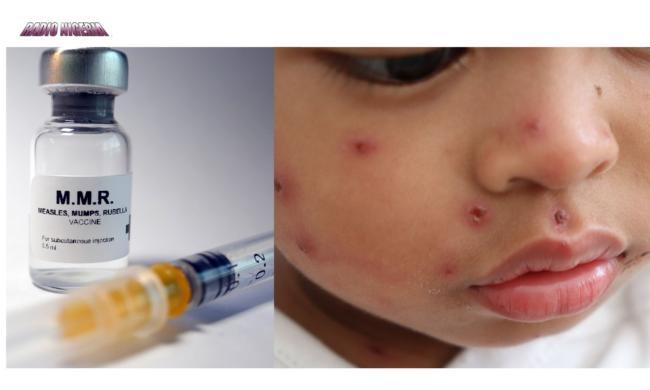
    The Nigeria Centre for Disease Control and Prevention (NCDC) has reported a total of 19,213 confirmed measles cases out of 26,866 suspected cases in 507 Local Government Areas across all 36 states and the Federal Capital Territory, Abuja, as of November 2025. The report revealed 153 deaths from the disease, with children aged 9–59 months accounting for nearly half of all confirmed cases. Disturbingly, 77% of confirmed cases were among children who had not received any measles vaccination. States with the highest number of suspected cases include Borno, Zamfara, Yobe, Bauchi, and Kebbi. The NCDC highlighted that measles remains highly infectious, spreading through respiratory droplets and remaining contagious for up to two hours in the environment. The report underscores the urgent need for intensified vaccination campaigns and public health measures to prevent further fatalities.
    Nigeria Records 153 Measles Deaths in 11 Months with Over 19,000 Confirmed Cases Across 36 States – NCDC Report The Nigeria Centre for Disease Control and Prevention (NCDC) has reported a total of 19,213 confirmed measles cases out of 26,866 suspected cases in 507 Local Government Areas across all 36 states and the Federal Capital Territory, Abuja, as of November 2025. The report revealed 153 deaths from the disease, with children aged 9–59 months accounting for nearly half of all confirmed cases. Disturbingly, 77% of confirmed cases were among children who had not received any measles vaccination. States with the highest number of suspected cases include Borno, Zamfara, Yobe, Bauchi, and Kebbi. The NCDC highlighted that measles remains highly infectious, spreading through respiratory droplets and remaining contagious for up to two hours in the environment. The report underscores the urgent need for intensified vaccination campaigns and public health measures to prevent further fatalities.
    0 Comments ·0 Shares ·320 Views
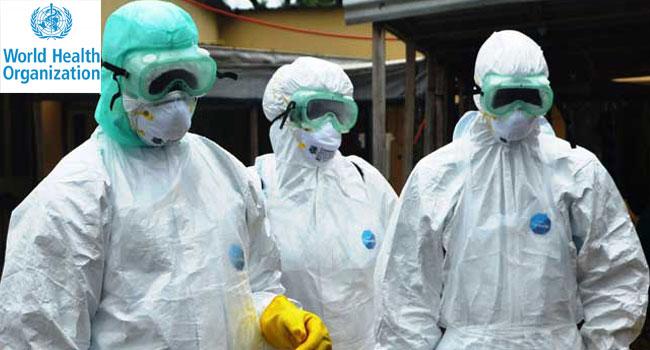
  • NCDC Issues Advisory As Ebola Outbreak In DR Congo Claims 15 Lives

    The Nigeria Centre for Disease Control and Prevention (NCDC) has issued a public health advisory following an Ebola outbreak in the Democratic Republic of Congo (DRC), where 28 suspected cases and 15 deaths — including four health workers — have been confirmed as of September 4.

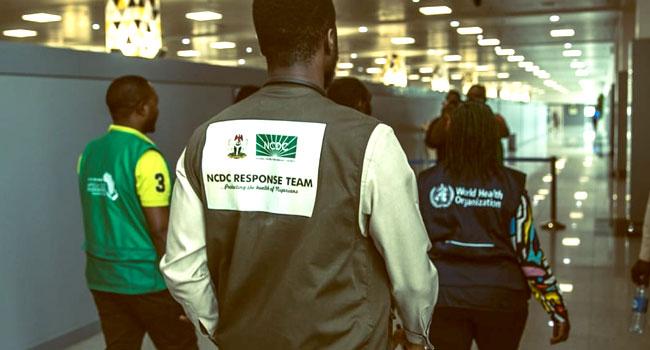
    NCDC Director General, Dr. Jide Idris, said no cases have been reported in Nigeria but surveillance has been heightened at airports, borders, health facilities, and communities.

    The outbreak, linked to the Ebola Zaire strain, is affecting the Bulape and Mweka health zones in Kasai Province. Authorities in the DRC have activated emergency response measures with support from the World Health Organization.

    Idris reminded Nigerians that an approved vaccine, Ervebo, is effective against the strain. He urged citizens to practice good hygiene, avoid contact with suspected cases, and promptly report symptoms such as fever, vomiting, diarrhoea, or unexplained bleeding to health authorities by calling 6232.

    The NCDC also advised healthcare workers to maintain strict infection prevention protocols and Nigerians to avoid non-essential travel to affected areas.
    NCDC Issues Advisory As Ebola Outbreak In DR Congo Claims 15 Lives The Nigeria Centre for Disease Control and Prevention (NCDC) has issued a public health advisory following an Ebola outbreak in the Democratic Republic of Congo (DRC), where 28 suspected cases and 15 deaths — including four health workers — have been confirmed as of September 4. NCDC Director General, Dr. Jide Idris, said no cases have been reported in Nigeria but surveillance has been heightened at airports, borders, health facilities, and communities. The outbreak, linked to the Ebola Zaire strain, is affecting the Bulape and Mweka health zones in Kasai Province. Authorities in the DRC have activated emergency response measures with support from the World Health Organization. Idris reminded Nigerians that an approved vaccine, Ervebo, is effective against the strain. He urged citizens to practice good hygiene, avoid contact with suspected cases, and promptly report symptoms such as fever, vomiting, diarrhoea, or unexplained bleeding to health authorities by calling 6232. The NCDC also advised healthcare workers to maintain strict infection prevention protocols and Nigerians to avoid non-essential travel to affected areas.
    love
    1
    · 0 Comments ·0 Shares ·462 Views
  • BREAKING: 28 Persons Infected As Rare Flesh-Eating Disease Hits Adamawa, Authorities Await Diagnosis

    At least 28 people have been struck by a rare disease in Adamawa State, with victims suffering flesh and bone destruction.

    Dr. Suleiman Bashir, Chairman of the Adamawa State Primary Healthcare Development Agency, confirmed the outbreak on Saturday, noting that specimens have been sent to the Nigeria Centre for Disease Control (NCDC) in Abuja for analysis. Results are expected in 10 days.

    While eight victims are receiving treatment at the Modibbo Adama University Teaching Hospital (MAUTH), Yola, others continue to rely on local remedies despite free government treatment.

    The outbreak is most severe in Malabu, Fufore LGA, where residents report symptoms beginning as boils before spreading into deep wounds that eat into flesh and bones.

    Authorities have urged residents to seek prompt medical care and report unusual health cases, warning against reliance on traditional medicine.

    The development has rekindled concerns about Nigeria’s preparedness against emergent health crises, recalling past outbreaks such as meningitis (1996), lead poisoning in Zamfara (2010), Ebola (2014), and Lassa fever.

    #Adamawa #PublicHealth #NCDC
    BREAKING: 28 Persons Infected As Rare Flesh-Eating Disease Hits Adamawa, Authorities Await Diagnosis At least 28 people have been struck by a rare disease in Adamawa State, with victims suffering flesh and bone destruction. Dr. Suleiman Bashir, Chairman of the Adamawa State Primary Healthcare Development Agency, confirmed the outbreak on Saturday, noting that specimens have been sent to the Nigeria Centre for Disease Control (NCDC) in Abuja for analysis. Results are expected in 10 days. While eight victims are receiving treatment at the Modibbo Adama University Teaching Hospital (MAUTH), Yola, others continue to rely on local remedies despite free government treatment. The outbreak is most severe in Malabu, Fufore LGA, where residents report symptoms beginning as boils before spreading into deep wounds that eat into flesh and bones. Authorities have urged residents to seek prompt medical care and report unusual health cases, warning against reliance on traditional medicine. The development has rekindled concerns about Nigeria’s preparedness against emergent health crises, recalling past outbreaks such as meningitis (1996), lead poisoning in Zamfara (2010), Ebola (2014), and Lassa fever. #Adamawa #PublicHealth #NCDC
    0 Comments ·0 Shares ·1K Views
  • Nigeria Records 811 Lassa Fever Cases, 152 Deaths in 2025

    The Nigeria Centre for Disease Control (NCDC) reports 811 confirmed Lassa Fever cases and 152 deaths in the first seven months of 2025, with a case fatality rate of 18.7%. Five states—Ondo, Bauchi, Edo, Taraba, and Ebonyi—account for 89% of cases. NCDC urges prompt reporting of symptoms and improved sanitation to curb spread.

    #LassaFever #NCDC #PublicHealth #NigeriaHealth
    Nigeria Records 811 Lassa Fever Cases, 152 Deaths in 2025 The Nigeria Centre for Disease Control (NCDC) reports 811 confirmed Lassa Fever cases and 152 deaths in the first seven months of 2025, with a case fatality rate of 18.7%. Five states—Ondo, Bauchi, Edo, Taraba, and Ebonyi—account for 89% of cases. NCDC urges prompt reporting of symptoms and improved sanitation to curb spread. #LassaFever #NCDC #PublicHealth #NigeriaHealth
    0 Comments ·0 Shares ·2K Views
  • Lassa Fever Claims 152 Lives in Nigeria in 2025 — NCDC Report

    The Nigeria Centre for Disease Control and Prevention (NCDC) has reported that Lassa fever has killed at least 152 people across Nigeria in 2025, with new cases recorded in Ondo, Edo, and Benue states.

    This was revealed in the agency’s latest situation report for epidemiological week 28, which noted that the number of new cases remained unchanged from the previous week.

    According to the NCDC, the current case fatality rate stands at 18.7%, up from 17.3% during the same period in 2024.

    So far this year, 21 states and 105 local government areas have reported one or more confirmed cases. However, just five states account for the majority of infections:
    • Ondo: 32%
    • Bauchi: 23%
    • Edo: 17%
    • Taraba: 14%
    • Ebonyi: 3%

    These five states together represent 89% of all confirmed cases, while the remaining 11% are spread across 16 other states.

    The most affected age group is 21–30 years, with a median age of 30, and a male-to-female ratio of 1:0.8 among confirmed cases.

    Although both suspected and confirmed cases have declined compared to this time last year, the death toll remains high.

    The NCDC also confirmed that no new infections among healthcare workers were reported during the latest week.
    Lassa Fever Claims 152 Lives in Nigeria in 2025 — NCDC Report The Nigeria Centre for Disease Control and Prevention (NCDC) has reported that Lassa fever has killed at least 152 people across Nigeria in 2025, with new cases recorded in Ondo, Edo, and Benue states. This was revealed in the agency’s latest situation report for epidemiological week 28, which noted that the number of new cases remained unchanged from the previous week. According to the NCDC, the current case fatality rate stands at 18.7%, up from 17.3% during the same period in 2024. So far this year, 21 states and 105 local government areas have reported one or more confirmed cases. However, just five states account for the majority of infections: • Ondo: 32% • Bauchi: 23% • Edo: 17% • Taraba: 14% • Ebonyi: 3% These five states together represent 89% of all confirmed cases, while the remaining 11% are spread across 16 other states. The most affected age group is 21–30 years, with a median age of 30, and a male-to-female ratio of 1:0.8 among confirmed cases. Although both suspected and confirmed cases have declined compared to this time last year, the death toll remains high. The NCDC also confirmed that no new infections among healthcare workers were reported during the latest week.
    0 Comments ·0 Shares ·1K Views
  • Fatalities rise six years after NCDC declared emergency on Lassa fever.


    On January 22, 2019, the Nigeria Centre for Disease Control declared Lassa fever a public health emergency, following a spike in confirmed cases and rising fatalities across several states.

    The designation, which should have marked a turning point in the country’s handling of the viral haemorrhagic fever, came with expectations, with many Nigerians hoping that such classification would trigger swift, coordinated national action, backed by sustained political will and funding.

    Many had hoped that the emergency classification would move Lassa fever out of the shadows and place it firmly on the front burner of national health priorities.

    But six years later, findings by PUNCH Healthwise reveal that Lassa fever, far from being controlled, remains entrenched and deadly.

    The virus has become an annual visitor, recurring with ruthless consistency, especially during Nigeria’s dry season. Yet, the government’s response continues to be sluggish, underfunded, and mostly reactive.

    In 2025 alone, Nigeria recorded over 700 confirmed cases and more than 140 deaths across 18 states within just the first half of the year.

    Our correspondent observed that what was supposed to be the beginning of a coordinated, data-driven, and well-funded national strategy has instead become a case study of missed opportunities, fragmented interventions, and policy fatigue
    Fatalities rise six years after NCDC declared emergency on Lassa fever. On January 22, 2019, the Nigeria Centre for Disease Control declared Lassa fever a public health emergency, following a spike in confirmed cases and rising fatalities across several states. The designation, which should have marked a turning point in the country’s handling of the viral haemorrhagic fever, came with expectations, with many Nigerians hoping that such classification would trigger swift, coordinated national action, backed by sustained political will and funding. Many had hoped that the emergency classification would move Lassa fever out of the shadows and place it firmly on the front burner of national health priorities. But six years later, findings by PUNCH Healthwise reveal that Lassa fever, far from being controlled, remains entrenched and deadly. The virus has become an annual visitor, recurring with ruthless consistency, especially during Nigeria’s dry season. Yet, the government’s response continues to be sluggish, underfunded, and mostly reactive. In 2025 alone, Nigeria recorded over 700 confirmed cases and more than 140 deaths across 18 states within just the first half of the year. Our correspondent observed that what was supposed to be the beginning of a coordinated, data-driven, and well-funded national strategy has instead become a case study of missed opportunities, fragmented interventions, and policy fatigue
    0 Comments ·0 Shares ·642 Views
Fintter https://fintter.com