• Iran Supreme Leader Confirms Thousands Killed in Protests, Blames Trump for Unrest

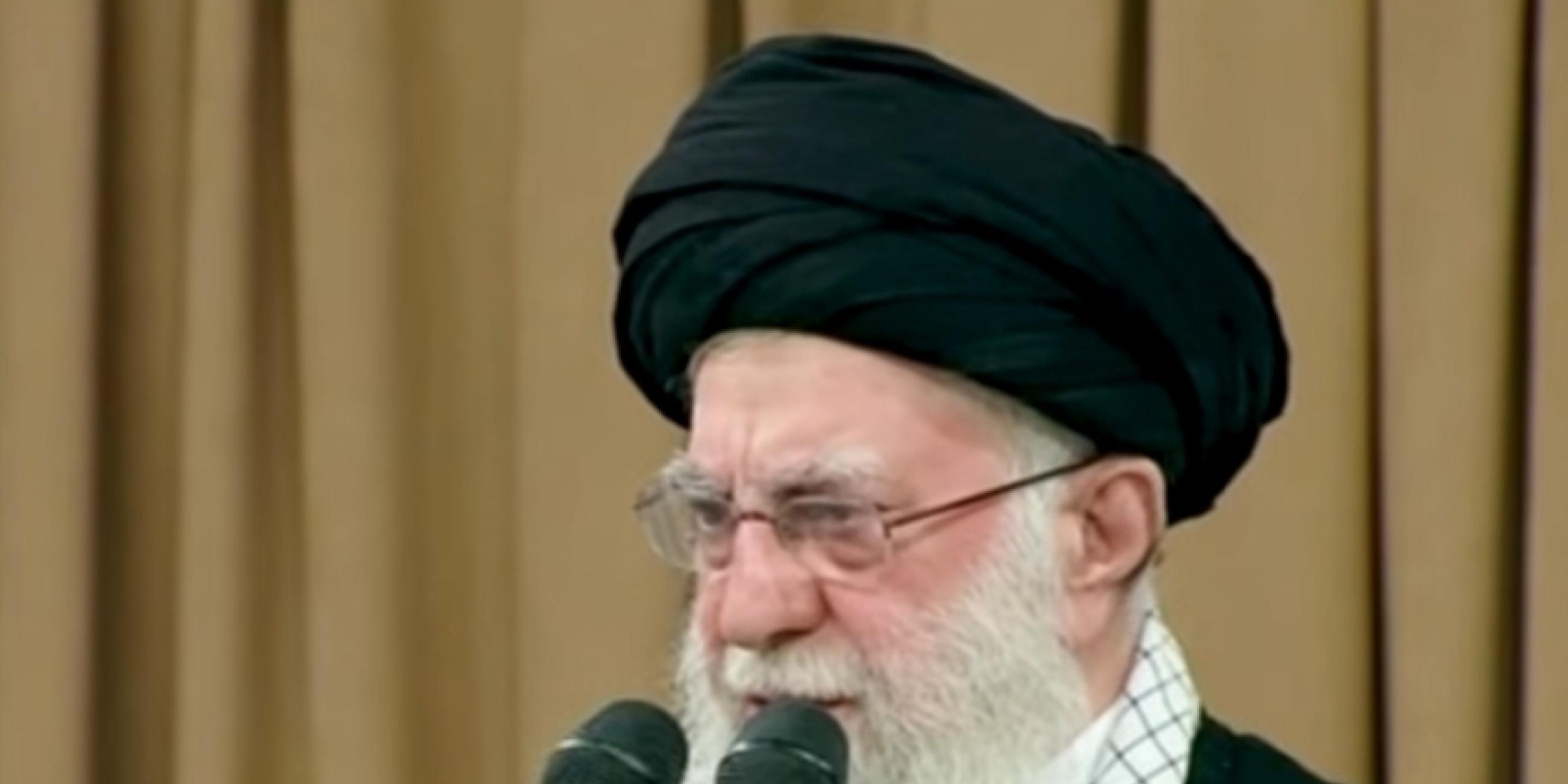
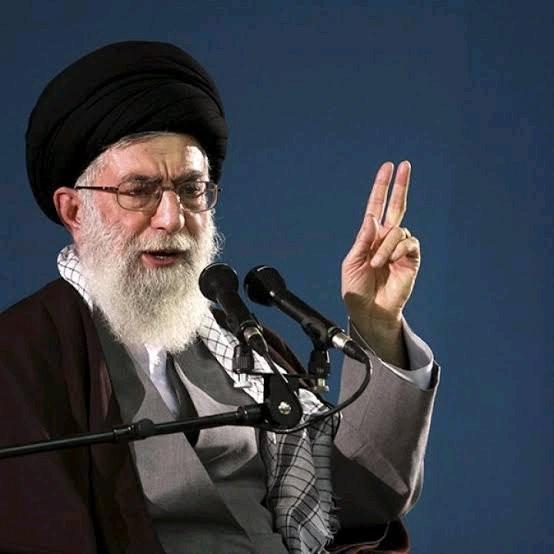
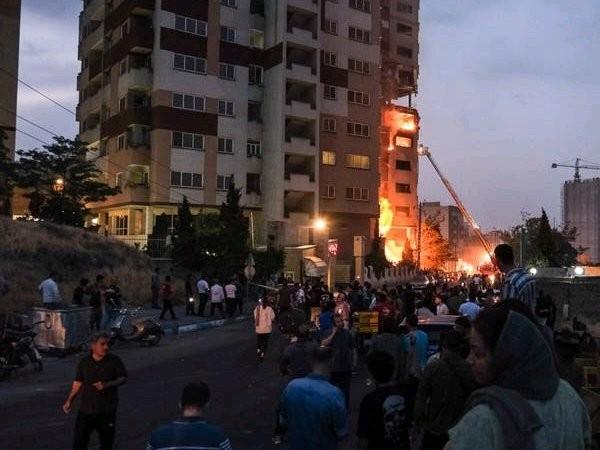
    Iran’s Supreme Leader, Ayatollah Ali Khamenei, has publicly confirmed that thousands of people died during recent nationwide protests sparked by worsening economic conditions. In a televised address, Khamenei blamed former U.S. President Donald Trump for encouraging the demonstrations and described him as a “criminal” responsible for both the casualties and destruction. While families mourn, Khamenei categorized victims as either U.S.-backed agitators or “naive individuals” misled by protest leaders. Allegations of security forces opening fire on unarmed protesters remain unaddressed, as the government shifts blame to external actors.

    #IranProtests #Khamenei #TrumpAccused
    Iran Supreme Leader Confirms Thousands Killed in Protests, Blames Trump for Unrest Iran’s Supreme Leader, Ayatollah Ali Khamenei, has publicly confirmed that thousands of people died during recent nationwide protests sparked by worsening economic conditions. In a televised address, Khamenei blamed former U.S. President Donald Trump for encouraging the demonstrations and described him as a “criminal” responsible for both the casualties and destruction. While families mourn, Khamenei categorized victims as either U.S.-backed agitators or “naive individuals” misled by protest leaders. Allegations of security forces opening fire on unarmed protesters remain unaddressed, as the government shifts blame to external actors. #IranProtests #Khamenei #TrumpAccused
    love
    3
    · 0 Comments ·0 Shares ·695 Views
  • Trump Calls for Regime Change in Iran as Protests Leave Thousands Dead, U.S. Moves Forces to Middle East

    U.S. President Donald Trump has openly called for new leadership in Iran following weeks of deadly nationwide protests. Speaking to Politico, Trump accused Iran’s supreme leader, Ayatollah Ali Khamenei, of poor leadership and human rights abuses, as reports estimate over 3,000 protesters killed and more than 22,000 arrested. Khamenei fired back, labeling Trump a criminal and blaming him for unrest. As tensions rise, the U.S. is reportedly deploying additional military assets to the Middle East and evacuating personnel, fueling fears of a wider conflict.

    #IranProtests #TrumpIran #GlobalTension
    Trump Calls for Regime Change in Iran as Protests Leave Thousands Dead, U.S. Moves Forces to Middle East U.S. President Donald Trump has openly called for new leadership in Iran following weeks of deadly nationwide protests. Speaking to Politico, Trump accused Iran’s supreme leader, Ayatollah Ali Khamenei, of poor leadership and human rights abuses, as reports estimate over 3,000 protesters killed and more than 22,000 arrested. Khamenei fired back, labeling Trump a criminal and blaming him for unrest. As tensions rise, the U.S. is reportedly deploying additional military assets to the Middle East and evacuating personnel, fueling fears of a wider conflict. #IranProtests #TrumpIran #GlobalTension
    love
    2
    · 0 Comments ·0 Shares ·855 Views
  • Are Iran’s Hospitals Collapsing Under Protest Violence? Doctors Say Wards Are Overwhelmed as Death Toll Rises and Global Leaders Warn Tehran

    Are Iran’s healthcare systems being pushed to the brink as nationwide protests intensify? Medical workers in Tehran and other cities say hospitals are overwhelmed by a surge of injured protesters, many suffering gunshot wounds to the head and eyes, raising urgent questions about the state’s handling of civil unrest.

    According to doctors who contacted international media through satellite internet amid a near-total blackout, Tehran’s Farabi Hospital—one of the country’s main eye specialist centres—has entered crisis mode. Non-urgent surgeries have been suspended, emergency staff recalled, and facilities stretched beyond capacity. A medic in Shiraz reported that hospitals lack enough surgeons to cope with the growing number of casualties.

    Human rights organisations estimate that at least 50 protesters have been killed since demonstrations began on December 28, with more than 2,300 arrests nationwide. The Norway-based Iran Human Rights group says the death toll includes children, while families of victims continue to speak out despite heavy restrictions on media and internet access. With most foreign journalists barred and communications cut, verifying events inside Iran has become increasingly difficult.

    International pressure is mounting. The United Nations has expressed deep concern over the loss of life, stressing that citizens have the right to peaceful protest and that governments must protect that right. Leaders from France, the UK and Germany issued a joint statement urging Iranian authorities to allow freedom of expression and assembly without fear of reprisals. Meanwhile, the United States warned Tehran against further violence, while Iran accused Washington of fuelling what it called “subversive acts.”

    Iran’s Supreme Leader, Ayatollah Ali Khamenei, has remained defiant, declaring that the Islamic Republic will not retreat in the face of unrest and vowing to confront what he described as “destructive elements.” In contrast, opposition voices abroad, including Reza Pahlavi, son of Iran’s last shah, praised the protests and called for continued demonstrations.

    As hospitals struggle, internet blackouts deepen, and casualty numbers climb, the crisis raises urgent questions: Is Iran’s health system reaching a breaking point? Can the government contain the unrest without further bloodshed? And how will international pressure shape what happens next?


    Are Iran’s Hospitals Collapsing Under Protest Violence? Doctors Say Wards Are Overwhelmed as Death Toll Rises and Global Leaders Warn Tehran Are Iran’s healthcare systems being pushed to the brink as nationwide protests intensify? Medical workers in Tehran and other cities say hospitals are overwhelmed by a surge of injured protesters, many suffering gunshot wounds to the head and eyes, raising urgent questions about the state’s handling of civil unrest. According to doctors who contacted international media through satellite internet amid a near-total blackout, Tehran’s Farabi Hospital—one of the country’s main eye specialist centres—has entered crisis mode. Non-urgent surgeries have been suspended, emergency staff recalled, and facilities stretched beyond capacity. A medic in Shiraz reported that hospitals lack enough surgeons to cope with the growing number of casualties. Human rights organisations estimate that at least 50 protesters have been killed since demonstrations began on December 28, with more than 2,300 arrests nationwide. The Norway-based Iran Human Rights group says the death toll includes children, while families of victims continue to speak out despite heavy restrictions on media and internet access. With most foreign journalists barred and communications cut, verifying events inside Iran has become increasingly difficult. International pressure is mounting. The United Nations has expressed deep concern over the loss of life, stressing that citizens have the right to peaceful protest and that governments must protect that right. Leaders from France, the UK and Germany issued a joint statement urging Iranian authorities to allow freedom of expression and assembly without fear of reprisals. Meanwhile, the United States warned Tehran against further violence, while Iran accused Washington of fuelling what it called “subversive acts.” Iran’s Supreme Leader, Ayatollah Ali Khamenei, has remained defiant, declaring that the Islamic Republic will not retreat in the face of unrest and vowing to confront what he described as “destructive elements.” In contrast, opposition voices abroad, including Reza Pahlavi, son of Iran’s last shah, praised the protests and called for continued demonstrations. As hospitals struggle, internet blackouts deepen, and casualty numbers climb, the crisis raises urgent questions: Is Iran’s health system reaching a breaking point? Can the government contain the unrest without further bloodshed? And how will international pressure shape what happens next?
    0 Comments ·0 Shares ·876 Views
  • Is Trump Becoming the Next “Fallen Despot”? Why Iran’s Supreme Leader Khamenei Compared Him to Pharaoh, Nimrod and the Shah Amid Rising U.S.–Iran Tensions

    Is Donald Trump being cast as the next ruler destined for historical downfall? Iran’s Supreme Leader, Ayatollah Ali Khamenei, has launched a sharp ideological attack on the U.S. president, accusing him of “tyrannical” leadership and warning that, like infamous rulers of the past, he too could ultimately fall from power.

    In a post shared on X (formerly Twitter), Khamenei condemned what he described as Trump’s habit of judging the world with arrogance, arguing that history offers repeated lessons about leaders who rule through hubris. Drawing striking parallels, the Iranian leader invoked figures such as Pharaoh, Nimrod, and Mohammad Reza Pahlavi—rulers who, he said, collapsed at the height of their authority after overreaching their power.

    “The US President who judges arrogantly about the whole world should know that tyrants and arrogant rulers of the world… saw their downfall when they were at the peak of their hubris. He too will fall,” Khamenei wrote. The message framed Trump not merely as a political rival, but as part of a long lineage of leaders whose dominance, according to Khamenei, eventually gave way to decline.

    The comments come amid deepening hostility between Tehran and Washington, defined by sanctions, military posturing, and public exchanges between senior officials. Khamenei, Iran’s highest authority, has consistently portrayed U.S. foreign policy as imperialistic, often embedding his criticisms within historical and religious narratives aimed at reinforcing Iran’s resistance ideology.

    Tensions intensified further following reports that Trump praised Israeli military strikes on Iran in June 2025. According to ABC News Chief Washington Correspondent Jonathan Karl, Trump described the attack as “excellent,” adding that Iran had been given a chance to change course but failed to do so—and warning that “there’s more to come, a lot more.” His remarks coincided with a series of escalating confrontations between Israel and Iran, including strikes on Iranian territory, some reportedly reaching as far as Tehran.

    Iran’s Foreign Ministry condemned the attacks as a “blatant act of aggression,” while regional analysts warned that rhetoric from both sides risks further destabilizing an already volatile Middle East. Against this backdrop, Khamenei’s comparison of Trump to fallen despots appears not only symbolic but strategic—seeking to frame U.S. pressure as morally bankrupt and historically doomed.

    The episode raises broader questions: Is Khamenei merely engaging in ideological posturing, or is Iran signaling that it sees Trump’s leadership style as unsustainable in the long run? And does invoking ancient and modern tyrants reflect a deeper effort to mobilize domestic and regional opinion against American influence?

    As U.S.–Iran relations continue to harden, the clash of narratives—Trump’s warnings of force and Khamenei’s predictions of downfall—underscores how geopolitical conflict today is fought not only with sanctions and weapons, but with history, symbolism, and the power of storytelling. Whether Trump’s approach will reinforce U.S. dominance or mirror the fate of leaders Khamenei cited remains a question shaping global attention.


    Is Trump Becoming the Next “Fallen Despot”? Why Iran’s Supreme Leader Khamenei Compared Him to Pharaoh, Nimrod and the Shah Amid Rising U.S.–Iran Tensions Is Donald Trump being cast as the next ruler destined for historical downfall? Iran’s Supreme Leader, Ayatollah Ali Khamenei, has launched a sharp ideological attack on the U.S. president, accusing him of “tyrannical” leadership and warning that, like infamous rulers of the past, he too could ultimately fall from power. In a post shared on X (formerly Twitter), Khamenei condemned what he described as Trump’s habit of judging the world with arrogance, arguing that history offers repeated lessons about leaders who rule through hubris. Drawing striking parallels, the Iranian leader invoked figures such as Pharaoh, Nimrod, and Mohammad Reza Pahlavi—rulers who, he said, collapsed at the height of their authority after overreaching their power. “The US President who judges arrogantly about the whole world should know that tyrants and arrogant rulers of the world… saw their downfall when they were at the peak of their hubris. He too will fall,” Khamenei wrote. The message framed Trump not merely as a political rival, but as part of a long lineage of leaders whose dominance, according to Khamenei, eventually gave way to decline. The comments come amid deepening hostility between Tehran and Washington, defined by sanctions, military posturing, and public exchanges between senior officials. Khamenei, Iran’s highest authority, has consistently portrayed U.S. foreign policy as imperialistic, often embedding his criticisms within historical and religious narratives aimed at reinforcing Iran’s resistance ideology. Tensions intensified further following reports that Trump praised Israeli military strikes on Iran in June 2025. According to ABC News Chief Washington Correspondent Jonathan Karl, Trump described the attack as “excellent,” adding that Iran had been given a chance to change course but failed to do so—and warning that “there’s more to come, a lot more.” His remarks coincided with a series of escalating confrontations between Israel and Iran, including strikes on Iranian territory, some reportedly reaching as far as Tehran. Iran’s Foreign Ministry condemned the attacks as a “blatant act of aggression,” while regional analysts warned that rhetoric from both sides risks further destabilizing an already volatile Middle East. Against this backdrop, Khamenei’s comparison of Trump to fallen despots appears not only symbolic but strategic—seeking to frame U.S. pressure as morally bankrupt and historically doomed. The episode raises broader questions: Is Khamenei merely engaging in ideological posturing, or is Iran signaling that it sees Trump’s leadership style as unsustainable in the long run? And does invoking ancient and modern tyrants reflect a deeper effort to mobilize domestic and regional opinion against American influence? As U.S.–Iran relations continue to harden, the clash of narratives—Trump’s warnings of force and Khamenei’s predictions of downfall—underscores how geopolitical conflict today is fought not only with sanctions and weapons, but with history, symbolism, and the power of storytelling. Whether Trump’s approach will reinforce U.S. dominance or mirror the fate of leaders Khamenei cited remains a question shaping global attention.
    0 Comments ·0 Shares ·995 Views
  • Is Iran’s Supreme Leader Blaming Protesters to Please Trump as Deadly Unrest, Internet Blackouts and Calls for Regime Change Shake Tehran?

    Iran’s Supreme Leader, Ayatollah Ali Khamenei, has accused anti-government protesters of “ruining their own streets to make the president of another country happy,” as nationwide unrest continues to grip Tehran and other major cities despite an unprecedented internet and telephone shutdown. His remarks come amid escalating demonstrations that began over economic hardship but have rapidly evolved into the most serious challenge to Iran’s leadership in years.

    Short videos circulating on social media before the blackout showed protesters chanting around bonfires, blocking roads, and leaving streets strewn with debris. Iranian state television later blamed the violence on “terrorist agents” backed by the United States and Israel, reporting unspecified “casualties” while offering few details. During a televised address, Khamenei warned of a hardline response, as crowds in the studio chanted “Death to America,” underscoring the regime’s narrative of foreign interference.

    According to analysts, the protests gained momentum after public appeals by exiled Crown Prince Reza Pahlavi, who urged Iranians to take to the streets at coordinated times. Holly Dagres of the Washington Institute for Near East Policy said the calls had a decisive impact, transforming scattered demonstrations into a nationwide movement aimed at toppling the Islamic Republic. Witnesses in Tehran reported chants of “Death to the dictator,” “Death to the Islamic Republic,” and slogans calling for the return of the Pahlavi monarchy.

    Pahlavi condemned the government’s decision to shut down communications, warning that cutting internet and landlines was intended to silence the protesters and prevent the world from seeing what was happening inside Iran. He urged international leaders to use “technical, financial, and diplomatic resources” to restore connectivity so that the voices of Iranians could be heard globally.

    Human rights groups report a growing toll. The U.S.-based Human Rights Activists News Agency says at least 42 people have been killed and more than 2,270 detained since the protests began. State media acknowledged that private vehicles, public transport, metro stations, and emergency vehicles had been set ablaze during demonstrations, reinforcing claims of widespread unrest.

    Former U.S. President Donald Trump has also weighed in, warning Tehran against violently suppressing peaceful protesters and threatening severe consequences if the crackdown continues. His comments have fueled speculation that Iran’s leadership is framing the protests as a foreign-backed campaign to delegitimize domestic dissent.

    As the internet blackout persists and security forces tighten their grip, questions remain: Are Iran’s leaders confronting a genuine popular uprising driven by economic despair and demands for freedom, or will the government succeed in recasting the movement as an externally orchestrated plot? With mounting deaths, mass arrests, and growing international attention, the unfolding crisis could redefine Iran’s political future.


    Is Iran’s Supreme Leader Blaming Protesters to Please Trump as Deadly Unrest, Internet Blackouts and Calls for Regime Change Shake Tehran? Iran’s Supreme Leader, Ayatollah Ali Khamenei, has accused anti-government protesters of “ruining their own streets to make the president of another country happy,” as nationwide unrest continues to grip Tehran and other major cities despite an unprecedented internet and telephone shutdown. His remarks come amid escalating demonstrations that began over economic hardship but have rapidly evolved into the most serious challenge to Iran’s leadership in years. Short videos circulating on social media before the blackout showed protesters chanting around bonfires, blocking roads, and leaving streets strewn with debris. Iranian state television later blamed the violence on “terrorist agents” backed by the United States and Israel, reporting unspecified “casualties” while offering few details. During a televised address, Khamenei warned of a hardline response, as crowds in the studio chanted “Death to America,” underscoring the regime’s narrative of foreign interference. According to analysts, the protests gained momentum after public appeals by exiled Crown Prince Reza Pahlavi, who urged Iranians to take to the streets at coordinated times. Holly Dagres of the Washington Institute for Near East Policy said the calls had a decisive impact, transforming scattered demonstrations into a nationwide movement aimed at toppling the Islamic Republic. Witnesses in Tehran reported chants of “Death to the dictator,” “Death to the Islamic Republic,” and slogans calling for the return of the Pahlavi monarchy. Pahlavi condemned the government’s decision to shut down communications, warning that cutting internet and landlines was intended to silence the protesters and prevent the world from seeing what was happening inside Iran. He urged international leaders to use “technical, financial, and diplomatic resources” to restore connectivity so that the voices of Iranians could be heard globally. Human rights groups report a growing toll. The U.S.-based Human Rights Activists News Agency says at least 42 people have been killed and more than 2,270 detained since the protests began. State media acknowledged that private vehicles, public transport, metro stations, and emergency vehicles had been set ablaze during demonstrations, reinforcing claims of widespread unrest. Former U.S. President Donald Trump has also weighed in, warning Tehran against violently suppressing peaceful protesters and threatening severe consequences if the crackdown continues. His comments have fueled speculation that Iran’s leadership is framing the protests as a foreign-backed campaign to delegitimize domestic dissent. As the internet blackout persists and security forces tighten their grip, questions remain: Are Iran’s leaders confronting a genuine popular uprising driven by economic despair and demands for freedom, or will the government succeed in recasting the movement as an externally orchestrated plot? With mounting deaths, mass arrests, and growing international attention, the unfolding crisis could redefine Iran’s political future.
    0 Comments ·0 Shares ·797 Views
  • Iranian women light cigarettes with burning photo of their country’s supreme leader

    Iranian women have launched a striking new form of protest, lighting cigarettes with burning images of Supreme Leader Ayatollah Ali Khamenei in a bold act of defiance that has spread rapidly online.

    Videos and photographs of the protests have been shared thousands of times across social media platforms, showing women without headscarves smoking cigarettes ignited by portraits of the country’s most powerful figure. Burning images of the supreme leader is a serious criminal offence under Iranian law, while women smoking in public has long been restricted or discouraged.

    By combining both acts, and openly defying mandatory hijab laws,protesters are challenging not only Iran’s political authority but also its rigid social controls.

    Observers say the symbolism of the act makes it particularly difficult for authorities to suppress.

    “This kind of protest doesn’t rely on mass gatherings that can be dispersed,” one analyst noted. “It spreads digitally and privately, making enforcement far more complex.”

    The trend has emerged amid deepening economic hardship and renewed nationwide unrest. Iran has been gripped by protests over inflation, unemployment and the collapse of the rial, with demonstrations breaking out in cities across the country.

    While the current unrest has not yet reached the scale of the mass protests seen three years ago, human rights groups say dozens of people have been killed during clashes with security forces in recent weeks.

    Authorities imposed a nationwide internet and phone blackout on Thursday night as protests intensified, largely cutting Iran off from the outside world. The blackout followed days of growing demonstrations and reports of escalating violence.

    Ayatollah Khamenei has accused protesters of acting on behalf of foreign powers, particularly the United States and President Donald Trump. He said demonstrators were attacking public property and warned that Iran would not tolerate what he described as “mercenaries for foreigners.”
    Iranian women light cigarettes with burning photo of their country’s supreme leader Iranian women have launched a striking new form of protest, lighting cigarettes with burning images of Supreme Leader Ayatollah Ali Khamenei in a bold act of defiance that has spread rapidly online. Videos and photographs of the protests have been shared thousands of times across social media platforms, showing women without headscarves smoking cigarettes ignited by portraits of the country’s most powerful figure. Burning images of the supreme leader is a serious criminal offence under Iranian law, while women smoking in public has long been restricted or discouraged. By combining both acts, and openly defying mandatory hijab laws,protesters are challenging not only Iran’s political authority but also its rigid social controls. Observers say the symbolism of the act makes it particularly difficult for authorities to suppress. “This kind of protest doesn’t rely on mass gatherings that can be dispersed,” one analyst noted. “It spreads digitally and privately, making enforcement far more complex.” The trend has emerged amid deepening economic hardship and renewed nationwide unrest. Iran has been gripped by protests over inflation, unemployment and the collapse of the rial, with demonstrations breaking out in cities across the country. While the current unrest has not yet reached the scale of the mass protests seen three years ago, human rights groups say dozens of people have been killed during clashes with security forces in recent weeks. Authorities imposed a nationwide internet and phone blackout on Thursday night as protests intensified, largely cutting Iran off from the outside world. The blackout followed days of growing demonstrations and reports of escalating violence. Ayatollah Khamenei has accused protesters of acting on behalf of foreign powers, particularly the United States and President Donald Trump. He said demonstrators were attacking public property and warned that Iran would not tolerate what he described as “mercenaries for foreigners.”
    0 Comments ·0 Shares ·566 Views
  • Is Iran Facing a New Uprising? How Nationwide Protests, Internet Blackouts and Reza Pahlavi’s Call Are Challenging Khamenei’s Rule

    Iran was gripped by renewed nationwide protests on Thursday night as demonstrators poured into the streets of Tehran and other cities following a call for mass action by exiled crown prince Reza Pahlavi. Witnesses reported chanting from rooftops and in neighbourhoods, while authorities quickly moved to cut internet access and telephone lines, a tactic historically used ahead of harsh crackdowns.

    The demonstrations marked a significant escalation in unrest driven largely by economic hardship, currency collapse, and public anger at Iran’s political system. They also represented the first major test of whether Pahlavi—whose father was overthrown in the 1979 Islamic Revolution—could mobilise meaningful opposition inside the country. Protests had already erupted the previous day in cities and rural towns, with markets and bazaars closing in solidarity.

    According to the U.S.-based Human Rights Activists News Agency, at least 41 people have been killed and more than 2,270 detained since the protests began. Monitoring groups such as Cloudflare and NetBlocks reported widespread digital shutdowns, attributing them to government interference. Calls to Iran from abroad reportedly failed, a sign often preceding intensified security operations.

    Despite the scale of the unrest, the movement has remained largely leaderless, prompting debate over whether it can sustain momentum or force political change. Analysts note that previous protest waves faltered due to the absence of a unified leadership structure, as Iran’s security apparatus has historically arrested, exiled, or silenced potential opposition figures.

    At the appointed protest hour, chants echoed across Tehran: “Death to the dictator!” “Death to the Islamic Republic!” and slogans calling for the return of the monarchy. In a statement, Pahlavi urged Iranians to continue demonstrating, declaring that “the eyes of the world are upon you,” and warning authorities that repression would not go unnoticed internationally.

    Iranian officials have not publicly acknowledged the full scope of the unrest, though state-linked media confirmed casualties among security forces. Reports from the judiciary and semi-official outlets said police officers and Revolutionary Guard members were killed in separate attacks in provinces including Kermanshah, Chaharmahal and Bakhtiari, and Khorasan Razavi. Hard-line media also circulated warnings that security agencies could use drones to identify protesters.

    The unrest comes amid deepening economic strain. Following tighter sanctions and the aftermath of a brief war, Iran’s currency collapsed in December to about 1.4 million rials to the U.S. dollar, triggering renewed demonstrations and calls for an end to clerical rule. U.S. President Donald Trump warned that Washington would respond if peaceful protesters were violently repressed, a statement Iran’s Foreign Ministry dismissed as “hypocritical interference.”

    Meanwhile, Nobel Peace Prize laureate Narges Mohammadi remains imprisoned, with her family saying the protests echo earlier uprisings in 2009 and 2019, each demanding an end to what they describe as a “dictatorial religious regime.”

    As unrest spreads and communication blackouts deepen, pressing questions remain: Can these protests break the cycle of repression? Will Reza Pahlavi emerge as a unifying figure or remain symbolic? And is Iran approaching a turning point—or another crackdown? With anger rising and the government tightening control, the unfolding crisis is shaping up as one of the most serious challenges to Iran’s leadership in years.


    Is Iran Facing a New Uprising? How Nationwide Protests, Internet Blackouts and Reza Pahlavi’s Call Are Challenging Khamenei’s Rule Iran was gripped by renewed nationwide protests on Thursday night as demonstrators poured into the streets of Tehran and other cities following a call for mass action by exiled crown prince Reza Pahlavi. Witnesses reported chanting from rooftops and in neighbourhoods, while authorities quickly moved to cut internet access and telephone lines, a tactic historically used ahead of harsh crackdowns. The demonstrations marked a significant escalation in unrest driven largely by economic hardship, currency collapse, and public anger at Iran’s political system. They also represented the first major test of whether Pahlavi—whose father was overthrown in the 1979 Islamic Revolution—could mobilise meaningful opposition inside the country. Protests had already erupted the previous day in cities and rural towns, with markets and bazaars closing in solidarity. According to the U.S.-based Human Rights Activists News Agency, at least 41 people have been killed and more than 2,270 detained since the protests began. Monitoring groups such as Cloudflare and NetBlocks reported widespread digital shutdowns, attributing them to government interference. Calls to Iran from abroad reportedly failed, a sign often preceding intensified security operations. Despite the scale of the unrest, the movement has remained largely leaderless, prompting debate over whether it can sustain momentum or force political change. Analysts note that previous protest waves faltered due to the absence of a unified leadership structure, as Iran’s security apparatus has historically arrested, exiled, or silenced potential opposition figures. At the appointed protest hour, chants echoed across Tehran: “Death to the dictator!” “Death to the Islamic Republic!” and slogans calling for the return of the monarchy. In a statement, Pahlavi urged Iranians to continue demonstrating, declaring that “the eyes of the world are upon you,” and warning authorities that repression would not go unnoticed internationally. Iranian officials have not publicly acknowledged the full scope of the unrest, though state-linked media confirmed casualties among security forces. Reports from the judiciary and semi-official outlets said police officers and Revolutionary Guard members were killed in separate attacks in provinces including Kermanshah, Chaharmahal and Bakhtiari, and Khorasan Razavi. Hard-line media also circulated warnings that security agencies could use drones to identify protesters. The unrest comes amid deepening economic strain. Following tighter sanctions and the aftermath of a brief war, Iran’s currency collapsed in December to about 1.4 million rials to the U.S. dollar, triggering renewed demonstrations and calls for an end to clerical rule. U.S. President Donald Trump warned that Washington would respond if peaceful protesters were violently repressed, a statement Iran’s Foreign Ministry dismissed as “hypocritical interference.” Meanwhile, Nobel Peace Prize laureate Narges Mohammadi remains imprisoned, with her family saying the protests echo earlier uprisings in 2009 and 2019, each demanding an end to what they describe as a “dictatorial religious regime.” As unrest spreads and communication blackouts deepen, pressing questions remain: Can these protests break the cycle of repression? Will Reza Pahlavi emerge as a unifying figure or remain symbolic? And is Iran approaching a turning point—or another crackdown? With anger rising and the government tightening control, the unfolding crisis is shaping up as one of the most serious challenges to Iran’s leadership in years.
    0 Comments ·0 Shares ·747 Views
  • October 7 Massacre a ‘Mistake That Cost Iran Dearly,’ - Iran Supreme Leader Ali Khamenei Says.

    In a stunning reversal of rhetoric, an Iranian newspaper closely aligned with Supreme Leader Ayatollah Ali Khamenei has described Hamas’s October 7 attack on Israel as a “grave mistake” that inflicted serious damage on Iran’s regional influence. According to a report by The Jerusalem Post on Sunday, Oct. 12, 2025, the statement marks one of the first public acknowledgments within Iran’s ruling establishment that the Gaza war has weakened, rather than strengthened, Tehran’s strategic position in the Middle East.

    In an editorial published this week, the Islamic Republic newspaper overseen by a representative of Khamenei sharply departed from the regime’s long-standing narrative that celebrated the attack as a victory for the so-called “Axis of Resistance.” “Contrary to many opinions and analyses, the ‘Al-Aqsa Flood’ operation was a mistake,” the paper wrote, referring to Hamas’s coordinated assault that killed and kidnapped thousands inside Israel on October 7, 2023.

    The editorial went on to argue that the consequences of the attack have been overwhelmingly negative for Iran and its network of allied militias and governments across the region. It specifically cited Syria’s apparent distancing from Tehran as one of the most damaging developments to result from the conflict. “Syria’s departure from the Axis of Resistance and its shift toward alignment with the United States and Israel is one of the most damaging developments of the past two years,” the paper stated, calling it a “direct outcome” of Hamas’s offensive.

    The tone of the piece stands in sharp contrast to previous statements by Iranian officials, including Khamenei himself, who had hailed the October 7 assault as a “historic victory” and a “turning point in the struggle against Israel.” Iranian state media and military commanders had also praised Hamas for “changing the balance of power” in the region.
    October 7 Massacre a ‘Mistake That Cost Iran Dearly,’ - Iran Supreme Leader Ali Khamenei Says. In a stunning reversal of rhetoric, an Iranian newspaper closely aligned with Supreme Leader Ayatollah Ali Khamenei has described Hamas’s October 7 attack on Israel as a “grave mistake” that inflicted serious damage on Iran’s regional influence. According to a report by The Jerusalem Post on Sunday, Oct. 12, 2025, the statement marks one of the first public acknowledgments within Iran’s ruling establishment that the Gaza war has weakened, rather than strengthened, Tehran’s strategic position in the Middle East. In an editorial published this week, the Islamic Republic newspaper overseen by a representative of Khamenei sharply departed from the regime’s long-standing narrative that celebrated the attack as a victory for the so-called “Axis of Resistance.” “Contrary to many opinions and analyses, the ‘Al-Aqsa Flood’ operation was a mistake,” the paper wrote, referring to Hamas’s coordinated assault that killed and kidnapped thousands inside Israel on October 7, 2023. The editorial went on to argue that the consequences of the attack have been overwhelmingly negative for Iran and its network of allied militias and governments across the region. It specifically cited Syria’s apparent distancing from Tehran as one of the most damaging developments to result from the conflict. “Syria’s departure from the Axis of Resistance and its shift toward alignment with the United States and Israel is one of the most damaging developments of the past two years,” the paper stated, calling it a “direct outcome” of Hamas’s offensive. The tone of the piece stands in sharp contrast to previous statements by Iranian officials, including Khamenei himself, who had hailed the October 7 assault as a “historic victory” and a “turning point in the struggle against Israel.” Iranian state media and military commanders had also praised Hamas for “changing the balance of power” in the region.
    0 Comments ·0 Shares ·697 Views
  • ISRAEL REPORTEDLY BEGINS STRIKING IRANIAN SUPREME LEADER KHAMENEI'S UNDERGROUND HEADQUARTERS

    Israeli forces have reportedly launched precision strikes against a fortified underground headquarters used by Iran's Supreme Leader Ayatollah Ali Khamenei, according to multiple defense sources. The operation marks one of Israel's most audacious military actions against Iran's leadership infrastructure.

    Satellite imagery analyzed by intelligence experts shows explosions near a secretive tunnel network in Tehran's Jamaran district, long suspected to house Khamenei's command centers. Witnesses described feeling tremors as Israeli bunker-buster munitions struck deep beneath the surface.

    "This wasn't just symbolic, it was surgical targeting of Iran's decision-making nerve center," said former Mossad operative Ari Ben David. The attack follows Khamenei's recent threats against Israel and comes hours after Iranian proxies fired rockets from Lebanon.

    Iranian state media confirmed "explosions in the capital's northern sector" but claimed they were part of air defense drills. However, security footage leaked online shows emergency vehicles rushing toward the heavily guarded compound.

    The strike represents a significant escalation in Israel's campaign against Iranian leadership targets. Defense analysts note the operation required exquisite intelligence and penetration of Tehran's layered air defenses.
    ISRAEL REPORTEDLY BEGINS STRIKING IRANIAN SUPREME LEADER KHAMENEI'S UNDERGROUND HEADQUARTERS Israeli forces have reportedly launched precision strikes against a fortified underground headquarters used by Iran's Supreme Leader Ayatollah Ali Khamenei, according to multiple defense sources. The operation marks one of Israel's most audacious military actions against Iran's leadership infrastructure. Satellite imagery analyzed by intelligence experts shows explosions near a secretive tunnel network in Tehran's Jamaran district, long suspected to house Khamenei's command centers. Witnesses described feeling tremors as Israeli bunker-buster munitions struck deep beneath the surface. "This wasn't just symbolic, it was surgical targeting of Iran's decision-making nerve center," said former Mossad operative Ari Ben David. The attack follows Khamenei's recent threats against Israel and comes hours after Iranian proxies fired rockets from Lebanon. Iranian state media confirmed "explosions in the capital's northern sector" but claimed they were part of air defense drills. However, security footage leaked online shows emergency vehicles rushing toward the heavily guarded compound. The strike represents a significant escalation in Israel's campaign against Iranian leadership targets. Defense analysts note the operation required exquisite intelligence and penetration of Tehran's layered air defenses.
    0 Comments ·0 Shares ·438 Views
  • Iran’s Khamenei vows ‘no mercy’ for Israel leaders.

    Iran’s supreme leader Ayatollah Ali Khamenei vowed on Wednesday that his country would show no mercy towards Israel’s rulers, hours after US President Donald Trump demanded Tehran’s “unconditional surrender”.

    “We must give a strong response to the terrorist Zionist regime. We will show the Zionists no mercy,” Khamenei posted on X.
    Iran’s Khamenei vows ‘no mercy’ for Israel leaders. Iran’s supreme leader Ayatollah Ali Khamenei vowed on Wednesday that his country would show no mercy towards Israel’s rulers, hours after US President Donald Trump demanded Tehran’s “unconditional surrender”. “We must give a strong response to the terrorist Zionist regime. We will show the Zionists no mercy,” Khamenei posted on X.
    like
    1
    · 0 Comments ·0 Shares ·373 Views
  • ISRAEL STRIKES TEHRAN, ELIMINATES ANOTHER TOP IRANIAN MILITARY CHIEF

    The Israeli military has confirmed the killing of Ali Shadmani, Iran’s wartime chief of staff and one of the Islamic Republic’s most senior military figures, in an overnight airstrike on a command centre in central Tehran.

    According to the Israeli military, the strike was carried out by the Israeli Air Force following “precise intelligence and a sudden opportunity.”

    Shadmani was described as the top operational commander of the Iranian armed forces and a close associate of Supreme Leader Ayatollah Ali Khamenei.

    The Israeli military stated that Shadmani’s killing “adds to a series of eliminations targeting Iran’s most senior military leadership and disrupts the chain of command.” Shadmani had previously commanded both the Islamic Revolutionary Guard Corps and the Iranian army, and was appointed to lead Iran’s armed forces after Israel assassinated his predecessor, Alaa Ali Rashid, in an earlier strike.

    This development marks a significant escalation in the ongoing conflict between Israel and Iran, with potential far-reaching implications for the region
    ISRAEL STRIKES TEHRAN, ELIMINATES ANOTHER TOP IRANIAN MILITARY CHIEF The Israeli military has confirmed the killing of Ali Shadmani, Iran’s wartime chief of staff and one of the Islamic Republic’s most senior military figures, in an overnight airstrike on a command centre in central Tehran. According to the Israeli military, the strike was carried out by the Israeli Air Force following “precise intelligence and a sudden opportunity.” Shadmani was described as the top operational commander of the Iranian armed forces and a close associate of Supreme Leader Ayatollah Ali Khamenei. The Israeli military stated that Shadmani’s killing “adds to a series of eliminations targeting Iran’s most senior military leadership and disrupts the chain of command.” Shadmani had previously commanded both the Islamic Revolutionary Guard Corps and the Iranian army, and was appointed to lead Iran’s armed forces after Israel assassinated his predecessor, Alaa Ali Rashid, in an earlier strike. This development marks a significant escalation in the ongoing conflict between Israel and Iran, with potential far-reaching implications for the region
    Dislike
    1
    · 1 Comments ·0 Shares ·284 Views
  • Netanyahu suggests killing Iran’s supreme leader would end conflict.

    Israeli Prime Minister Benjamin Netanyahu on Monday did not rule out plans to assassinate Iran’s supreme leader Ayatollah Ali Khamenei, saying it would “end the conflict” between the two arch-foes.

    In a 20-minute interview with US network ABC News, the Israeli leader insisted his country’s deadly aggression to “defang” Iran was justified, and equated Khamenei to a “modern Hitler.”
    Netanyahu suggests killing Iran’s supreme leader would end conflict. Israeli Prime Minister Benjamin Netanyahu on Monday did not rule out plans to assassinate Iran’s supreme leader Ayatollah Ali Khamenei, saying it would “end the conflict” between the two arch-foes. In a 20-minute interview with US network ABC News, the Israeli leader insisted his country’s deadly aggression to “defang” Iran was justified, and equated Khamenei to a “modern Hitler.”
    0 Comments ·0 Shares ·673 Views
  • President Trump rejected an Israeli plan in recent days to kill Iran's Supreme Leader Ayatollah Ali Khamenei, two U.S. officials told ABC News.

    The officials stated that Israel shared with the U.S. that they had a window to kill Iran's leader but the president was not on board with the plan.

    Source: abcnews
    President Trump rejected an Israeli plan in recent days to kill Iran's Supreme Leader Ayatollah Ali Khamenei, two U.S. officials told ABC News. The officials stated that Israel shared with the U.S. that they had a window to kill Iran's leader but the president was not on board with the plan. Source: abcnews
    1 Comments ·0 Shares ·434 Views
Fintter https://fintter.com