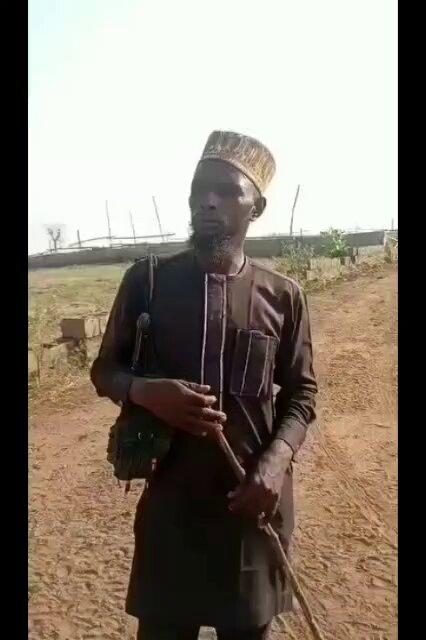
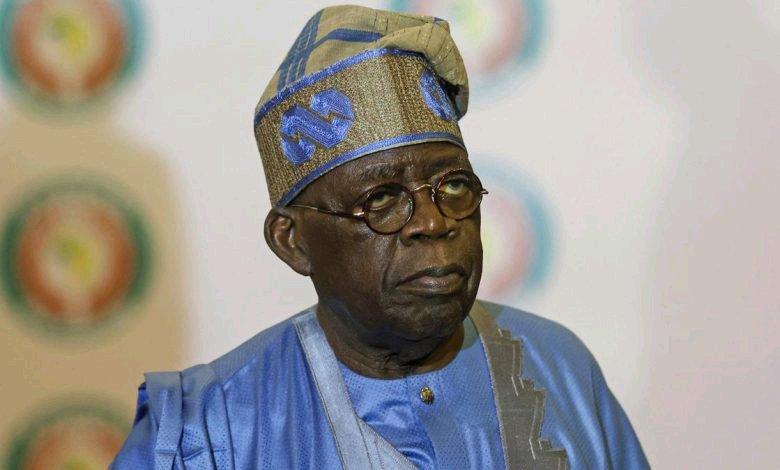
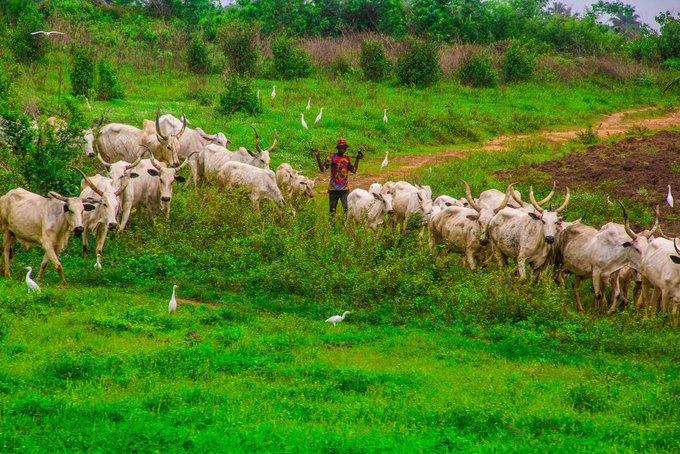
• Are Terrorists Fleeing U.S. Airstrikes in Sokoto Now Spreading Violence Into Benue? Why Agatu Council Chairman Says Armed Groups Have Infiltrated Communities, Forced Policy Reversals, and Triggered a New Security Crisis

    Are counterterrorism operations in one part of Nigeria unintentionally pushing violence into other states? That is the concern raised by the Chairman of Agatu Local Government Area in Benue State, James Melvin Ejeh, who says armed groups displaced by recent U.S.–Nigerian military airstrikes in Sokoto State are now infiltrating communities in his region.

    According to Ejeh, terrorists targeted in coordinated air operations in December have not been eliminated but instead relocated across state borders, spreading insecurity into rural Benue communities. He described a surge in attacks on Agatu villages, warning that innocent residents are now facing “unprecedented terror” as fleeing fighters establish new footholds.

    The council chairman said intelligence reports and local accounts indicate that the militants, after being dislodged from Sokoto, are moving into neighbouring states, with Agatu among the hardest hit. He stressed that what was intended as a strategic blow against terrorism may now be creating a dangerous spillover effect, exposing vulnerable farming communities to renewed violence.

    In response to the escalating attacks, Ejeh announced a decisive policy shift: the immediate cancellation of a 2017 grazing agreement that allowed herdsmen access to Adepati Island. He argued that the agreement, originally framed as a peacebuilding measure, had instead compromised community safety and enabled armed elements to operate within Agatu territory.

    Describing the pact as an arrangement made “under the guise of promoting peaceful coexistence,” Ejeh accused previous local administrations of placing diplomacy above the security of residents. He declared the agreement null and void, ordered all armed herders to vacate Agatu land, and emphasized that no portion of Agatu belongs to herders under any guise.

    Ejeh further revealed that security agencies have begun arrests and investigations, warning that anyone found collaborating with armed groups will face the full weight of the law. He maintained that the people of Agatu have reached a firm position: no future engagement with herders will occur unless it is conducted lawfully, transparently, and only after broad consultation with traditional rulers and community stakeholders.

    The development raises urgent national questions: Are military airstrikes merely displacing terrorists rather than dismantling their networks? Is Nigeria witnessing a dangerous redistribution of insecurity from one region to another? And can local governments withstand the security fallout without stronger federal coordination?

    As communities in Benue confront the consequences of a conflict they did not initiate, the Agatu chairman’s warning highlights a growing fear that counterterrorism victories in one state may be creating new frontlines elsewhere, leaving civilians trapped in the crossfire of shifting militant movements.

    Are Terrorists Fleeing U.S. Airstrikes in Sokoto Now Spreading Violence Into Benue? Why Agatu Council Chairman Says Armed Groups Have Infiltrated Communities, Forced Policy Reversals, and Triggered a New Security Crisis Are counterterrorism operations in one part of Nigeria unintentionally pushing violence into other states? That is the concern raised by the Chairman of Agatu Local Government Area in Benue State, James Melvin Ejeh, who says armed groups displaced by recent U.S.–Nigerian military airstrikes in Sokoto State are now infiltrating communities in his region. According to Ejeh, terrorists targeted in coordinated air operations in December have not been eliminated but instead relocated across state borders, spreading insecurity into rural Benue communities. He described a surge in attacks on Agatu villages, warning that innocent residents are now facing “unprecedented terror” as fleeing fighters establish new footholds. The council chairman said intelligence reports and local accounts indicate that the militants, after being dislodged from Sokoto, are moving into neighbouring states, with Agatu among the hardest hit. He stressed that what was intended as a strategic blow against terrorism may now be creating a dangerous spillover effect, exposing vulnerable farming communities to renewed violence. In response to the escalating attacks, Ejeh announced a decisive policy shift: the immediate cancellation of a 2017 grazing agreement that allowed herdsmen access to Adepati Island. He argued that the agreement, originally framed as a peacebuilding measure, had instead compromised community safety and enabled armed elements to operate within Agatu territory. Describing the pact as an arrangement made “under the guise of promoting peaceful coexistence,” Ejeh accused previous local administrations of placing diplomacy above the security of residents. He declared the agreement null and void, ordered all armed herders to vacate Agatu land, and emphasized that no portion of Agatu belongs to herders under any guise. Ejeh further revealed that security agencies have begun arrests and investigations, warning that anyone found collaborating with armed groups will face the full weight of the law. He maintained that the people of Agatu have reached a firm position: no future engagement with herders will occur unless it is conducted lawfully, transparently, and only after broad consultation with traditional rulers and community stakeholders. The development raises urgent national questions: Are military airstrikes merely displacing terrorists rather than dismantling their networks? Is Nigeria witnessing a dangerous redistribution of insecurity from one region to another? And can local governments withstand the security fallout without stronger federal coordination? As communities in Benue confront the consequences of a conflict they did not initiate, the Agatu chairman’s warning highlights a growing fear that counterterrorism victories in one state may be creating new frontlines elsewhere, leaving civilians trapped in the crossfire of shifting militant movements.
    0 Commentarii ·0 Distribuiri ·2K Views
  • Oyo State Records Over 100 Farmers-Herders Clashes Monthly – NSCDC Reports

    The Nigeria Security and Civil Defence Corps (NSCDC), Oyo State Command, has revealed that the state experiences up to 100 farmers-herders clashes every month. The NSCDC spokesperson, Samuel Opebiyi, cited causes such as grazing on farmlands, cattle poisoning, and related disputes.

    Opebiyi highlighted the efforts of the NSCDC Agro-Rangers unit, which has successfully prevented many conflicts from escalating. The corps uses Alternative Dispute Resolution (ADR) mechanisms to foster peaceful coexistence between farmers and herders, contributing to food security in the state.

    The clashes are most prevalent in Oluyole, Oke-Ogun, and Ibarapa regions, with the NSCDC noting that limited manpower has hindered full deployment of Agro-Rangers to all communities. Ongoing efforts aim to strengthen the unit and ensure safety for both farmers and herders.


    #OyoState #FarmersHerders #NSCDC”

    Oyo State Records Over 100 Farmers-Herders Clashes Monthly – NSCDC Reports The Nigeria Security and Civil Defence Corps (NSCDC), Oyo State Command, has revealed that the state experiences up to 100 farmers-herders clashes every month. The NSCDC spokesperson, Samuel Opebiyi, cited causes such as grazing on farmlands, cattle poisoning, and related disputes. Opebiyi highlighted the efforts of the NSCDC Agro-Rangers unit, which has successfully prevented many conflicts from escalating. The corps uses Alternative Dispute Resolution (ADR) mechanisms to foster peaceful coexistence between farmers and herders, contributing to food security in the state. The clashes are most prevalent in Oluyole, Oke-Ogun, and Ibarapa regions, with the NSCDC noting that limited manpower has hindered full deployment of Agro-Rangers to all communities. Ongoing efforts aim to strengthen the unit and ensure safety for both farmers and herders. #OyoState #FarmersHerders #NSCDC”
    0 Commentarii ·0 Distribuiri ·2K Views

  • Berom Youths Demand Proscription Of Miyetti Allah, Prosecution Of Leaders After Deadly Plateau Attacks
    January 7, 2026 – Plateau State

    The Berom Youths Moulder-Association (BYM) has condemned recent coordinated attacks on Jol community in Riyom Local Government Area and Gero in Gyel District of Jos South Local Government Area, Plateau State, describing them as acts of sustained terror targeting indigenous communities. The attacks, which occurred on January 6, 2026, claimed several lives, including Mr. Pius Luka Dida, Markus Danladi, Peter, and Acham Ayuba.

    BYM leader Dalyop Solomon Mwantiri called the killings a “grim reminder of the sustained and systematic terror being unleashed on indigenous communities of Plateau State.” In a statement signed by National Publicity Secretary Rwang Tengwong, the association accused the Miyetti Allah Cattle Breeders Association of Nigeria (MACBAN) of complicity, criticizing its chairman for falsely blaming “Berom terrorists” for attacks on Fulani persons.

    The attacks reportedly caused widespread economic losses, with armed herders destroying dry-season farmlands in Kwi community, resulting in damages estimated at over ₦14 million. The Berom youth group demanded the immediate proscription of MACBAN and the arrest, investigation, and prosecution of its leadership. They called on security agencies and international bodies to hold Ibrahim Yusuf and other leaders of Miyetti Allah accountable for the violence.

    The association also urged prompt compensation for the families of the victims and affected farmers, alongside deployment of adequate security personnel to protect vulnerable communities across Plateau State. The group emphasized that preventive measures and swift justice are essential to curbing recurring violence and safeguarding indigenous populations.

    These attacks are part of a growing pattern of violence in Plateau State, where disputes between herders and local communities have escalated into deadly conflicts over land, grazing rights, and security. Observers note that without decisive action against perpetrators and systemic reform of herding practices, such violent incidents are likely to continue. The BYM’s call for legal and security interventions reflects rising frustration among indigenous populations over perceived impunity and the failure of existing mechanisms to prevent attacks.

    Security analysts say that coordinated efforts by law enforcement, community leaders, and the judiciary are critical to restoring peace, ensuring accountability, and protecting lives and property in Plateau State. Meanwhile, families of victims continue to mourn losses, highlighting the urgent need for government intervention to prevent further bloodshed.


    Berom Youths Demand Proscription Of Miyetti Allah, Prosecution Of Leaders After Deadly Plateau Attacks January 7, 2026 – Plateau State The Berom Youths Moulder-Association (BYM) has condemned recent coordinated attacks on Jol community in Riyom Local Government Area and Gero in Gyel District of Jos South Local Government Area, Plateau State, describing them as acts of sustained terror targeting indigenous communities. The attacks, which occurred on January 6, 2026, claimed several lives, including Mr. Pius Luka Dida, Markus Danladi, Peter, and Acham Ayuba. BYM leader Dalyop Solomon Mwantiri called the killings a “grim reminder of the sustained and systematic terror being unleashed on indigenous communities of Plateau State.” In a statement signed by National Publicity Secretary Rwang Tengwong, the association accused the Miyetti Allah Cattle Breeders Association of Nigeria (MACBAN) of complicity, criticizing its chairman for falsely blaming “Berom terrorists” for attacks on Fulani persons. The attacks reportedly caused widespread economic losses, with armed herders destroying dry-season farmlands in Kwi community, resulting in damages estimated at over ₦14 million. The Berom youth group demanded the immediate proscription of MACBAN and the arrest, investigation, and prosecution of its leadership. They called on security agencies and international bodies to hold Ibrahim Yusuf and other leaders of Miyetti Allah accountable for the violence. The association also urged prompt compensation for the families of the victims and affected farmers, alongside deployment of adequate security personnel to protect vulnerable communities across Plateau State. The group emphasized that preventive measures and swift justice are essential to curbing recurring violence and safeguarding indigenous populations. These attacks are part of a growing pattern of violence in Plateau State, where disputes between herders and local communities have escalated into deadly conflicts over land, grazing rights, and security. Observers note that without decisive action against perpetrators and systemic reform of herding practices, such violent incidents are likely to continue. The BYM’s call for legal and security interventions reflects rising frustration among indigenous populations over perceived impunity and the failure of existing mechanisms to prevent attacks. Security analysts say that coordinated efforts by law enforcement, community leaders, and the judiciary are critical to restoring peace, ensuring accountability, and protecting lives and property in Plateau State. Meanwhile, families of victims continue to mourn losses, highlighting the urgent need for government intervention to prevent further bloodshed.
    0 Commentarii ·0 Distribuiri ·1K Views
  • Jihadist Fulani Bandits Responsible for Over 70% of Violent Attacks on Nigerian Communities and Churches in 2025 – InterSociety Report Warns of Grave Threat to National Unity

    A new report by the International Society for Civil Liberties and Rule of Law (InterSociety) has revealed that jihadist Fulani bandits and herdsmen were responsible for more than 70 per cent of violent attacks on Christian communities and places of worship across Nigeria in 2025. The civil rights group warned that the scale, coordination, and persistence of the violence pose a serious threat to Nigeria’s national unity, sovereignty, and constitutional secularism.

    According to the report, mass killings and church destructions have been systematic and well-coordinated since June 2015, with Christian communities in the Middle Belt, North-East, Southern Kaduna, parts of Kebbi, Katsina, Ondo State, and Eha-Amufu in Enugu State bearing the brunt of the attacks. InterSociety accused successive Nigerian governments of presiding over what it described as an “ethno-religiously polarised state,” alleging that violence against Christians has intensified under official watch.

    The organisation claimed that jihadist Fulani bandits and herdsmen have emerged as the most widespread and deadly terror groups in Nigeria, allegedly carrying out attacks framed around “convert to Islam or die” campaigns. It further alleged that controversial government policies such as RUGA settlements, grazing reserves, and ranching initiatives indirectly enabled armed herders to settle among indigenous Christian populations.

    InterSociety also raised concerns over forest security, questioning how armed groups gained access to detailed forest location data after a reported 2015 forest-mapping exercise by the Nigerian Army. Despite the grim findings, the group said international pressure helped save at least 600 Christian lives and dozens of churches in 2025, crediting advocacy on religious freedom and diplomatic interventions.

    The report singled out U.S. President Donald Trump for what it described as interventions that helped avert further attacks during the Christmas and New Year period, while also praising the United States and Canada for their roles in defending religious freedom in Nigeria. At the same time, InterSociety criticised the silence of some Nigerian Christian political leaders and called for urgent domestic and international action to prevent further destabilisation of Africa’s most populous nation.
    Jihadist Fulani Bandits Responsible for Over 70% of Violent Attacks on Nigerian Communities and Churches in 2025 – InterSociety Report Warns of Grave Threat to National Unity A new report by the International Society for Civil Liberties and Rule of Law (InterSociety) has revealed that jihadist Fulani bandits and herdsmen were responsible for more than 70 per cent of violent attacks on Christian communities and places of worship across Nigeria in 2025. The civil rights group warned that the scale, coordination, and persistence of the violence pose a serious threat to Nigeria’s national unity, sovereignty, and constitutional secularism. According to the report, mass killings and church destructions have been systematic and well-coordinated since June 2015, with Christian communities in the Middle Belt, North-East, Southern Kaduna, parts of Kebbi, Katsina, Ondo State, and Eha-Amufu in Enugu State bearing the brunt of the attacks. InterSociety accused successive Nigerian governments of presiding over what it described as an “ethno-religiously polarised state,” alleging that violence against Christians has intensified under official watch. The organisation claimed that jihadist Fulani bandits and herdsmen have emerged as the most widespread and deadly terror groups in Nigeria, allegedly carrying out attacks framed around “convert to Islam or die” campaigns. It further alleged that controversial government policies such as RUGA settlements, grazing reserves, and ranching initiatives indirectly enabled armed herders to settle among indigenous Christian populations. InterSociety also raised concerns over forest security, questioning how armed groups gained access to detailed forest location data after a reported 2015 forest-mapping exercise by the Nigerian Army. Despite the grim findings, the group said international pressure helped save at least 600 Christian lives and dozens of churches in 2025, crediting advocacy on religious freedom and diplomatic interventions. The report singled out U.S. President Donald Trump for what it described as interventions that helped avert further attacks during the Christmas and New Year period, while also praising the United States and Canada for their roles in defending religious freedom in Nigeria. At the same time, InterSociety criticised the silence of some Nigerian Christian political leaders and called for urgent domestic and international action to prevent further destabilisation of Africa’s most populous nation.
    like
    1
    · 0 Commentarii ·0 Distribuiri ·2K Views
  • Terrorists Relocate in Northern Nigeria After US Airstrikes, New Hideouts Reportedly Uncovered

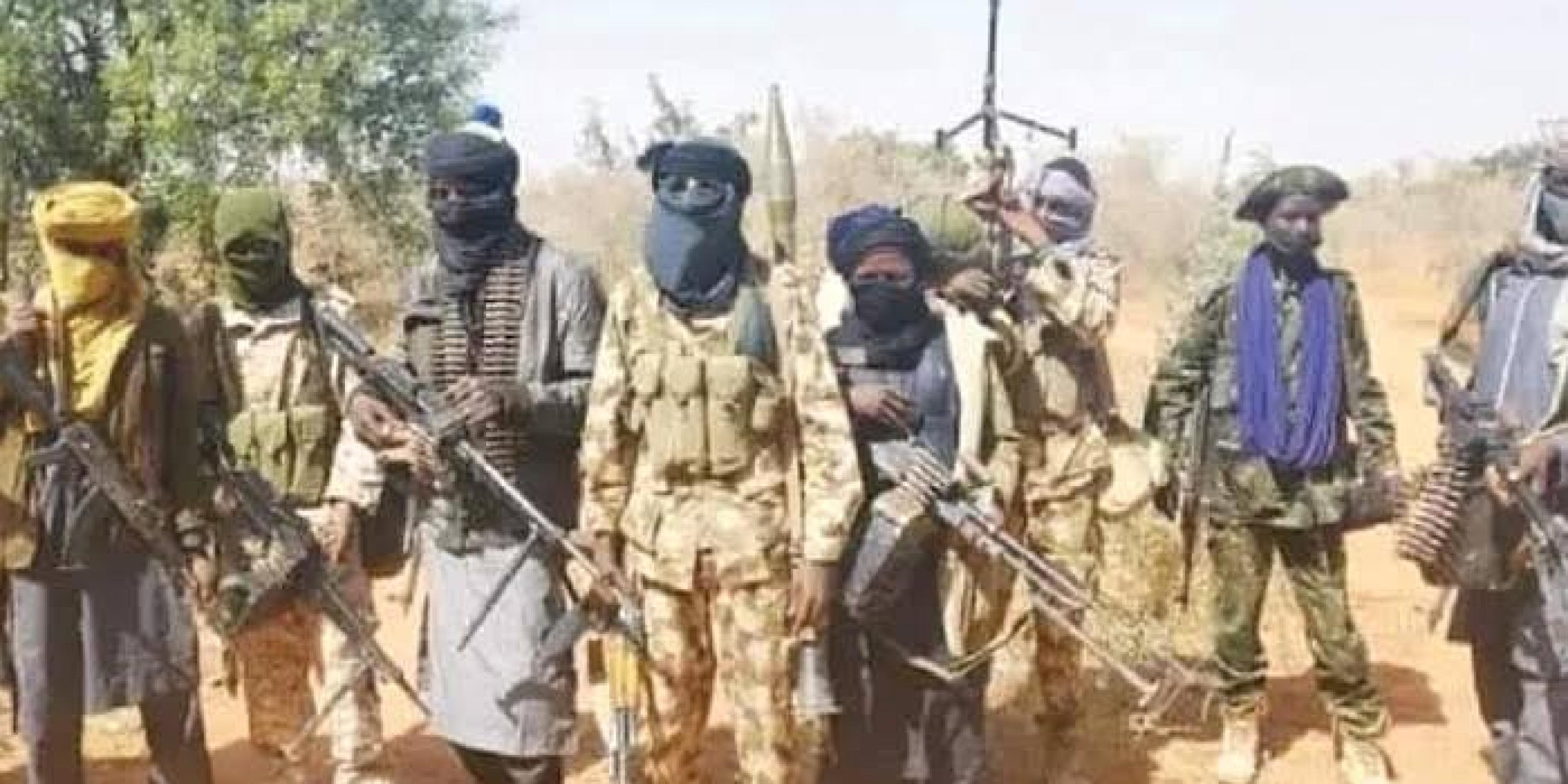
    Following US missile strikes on Christmas Day targeting Islamic State hideouts in northwestern Nigeria, suspected terrorists have reportedly begun relocating to evade surveillance. Community leaders and security sources in Sokoto State observed small-scale movements of armed groups toward remote forests and border areas. While the strikes caused property damage and some injuries, no fatalities were reported. The Sokoto State government and security agencies are intensifying patrols and joint operations to prevent infiltration into safer communities. In Benue State, traditional leaders noted an influx of armed herders fleeing from the north, raising security concerns. President Trump’s airstrikes were praised by local leaders for disrupting terrorist operations, with calls for expanded operations in other northern states.

    Read more in comments section.
    #fintter
    Terrorists Relocate in Northern Nigeria After US Airstrikes, New Hideouts Reportedly Uncovered Following US missile strikes on Christmas Day targeting Islamic State hideouts in northwestern Nigeria, suspected terrorists have reportedly begun relocating to evade surveillance. Community leaders and security sources in Sokoto State observed small-scale movements of armed groups toward remote forests and border areas. While the strikes caused property damage and some injuries, no fatalities were reported. The Sokoto State government and security agencies are intensifying patrols and joint operations to prevent infiltration into safer communities. In Benue State, traditional leaders noted an influx of armed herders fleeing from the north, raising security concerns. President Trump’s airstrikes were praised by local leaders for disrupting terrorist operations, with calls for expanded operations in other northern states. Read more in comments section. #fintter
    0 Commentarii ·0 Distribuiri ·1K Views
  • Femi Falana Petitions DSS Over Alleged Extortion and Harassment of Herdsmen in Jigawa

    Human rights lawyer Femi Falana, SAN, has petitioned the Department of State Services (DSS) against Lamido Gide Bazamfare, a Jigawa-based community leader, accusing him of extorting and intimidating herders across Hadejia, Kaugama, and Kiri-Kasamma LGAs. The petition alleges that Bazamfare exploited his position to demand millions of Naira from herders and influenced criminal charges against those who resisted. Falana warned that allowing such activities to continue poses a serious security threat and called for urgent DSS intervention to dismantle the alleged criminal syndicate and recover extorted funds.
    Femi Falana Petitions DSS Over Alleged Extortion and Harassment of Herdsmen in Jigawa Human rights lawyer Femi Falana, SAN, has petitioned the Department of State Services (DSS) against Lamido Gide Bazamfare, a Jigawa-based community leader, accusing him of extorting and intimidating herders across Hadejia, Kaugama, and Kiri-Kasamma LGAs. The petition alleges that Bazamfare exploited his position to demand millions of Naira from herders and influenced criminal charges against those who resisted. Falana warned that allowing such activities to continue poses a serious security threat and called for urgent DSS intervention to dismantle the alleged criminal syndicate and recover extorted funds.
    0 Commentarii ·0 Distribuiri ·567 Views
  • Miyetti Allah Member Arrested in Kwara With NSA-Issued Rifle, Linked to State Vigilante Program

    A member of Miyetti Allah was arrested in Kwara State by police while allegedly attempting to flee with a rifle issued through the Office of the National Security Adviser (NSA) in collaboration with the Kwara State Government. The suspect, intercepted on a motorcycle during a routine patrol, was taken into custody at the State Criminal Investigation Department (CID) in Ilorin. Preliminary investigations revealed his alleged employment by the state government and involvement in a controversial vigilante program. The incident has reignited debate over plans to arm Fulani herders to curb banditry, which local leaders warn could worsen insecurity in Kwara communities.
    Miyetti Allah Member Arrested in Kwara With NSA-Issued Rifle, Linked to State Vigilante Program A member of Miyetti Allah was arrested in Kwara State by police while allegedly attempting to flee with a rifle issued through the Office of the National Security Adviser (NSA) in collaboration with the Kwara State Government. The suspect, intercepted on a motorcycle during a routine patrol, was taken into custody at the State Criminal Investigation Department (CID) in Ilorin. Preliminary investigations revealed his alleged employment by the state government and involvement in a controversial vigilante program. The incident has reignited debate over plans to arm Fulani herders to curb banditry, which local leaders warn could worsen insecurity in Kwara communities.
    0 Commentarii ·0 Distribuiri ·478 Views
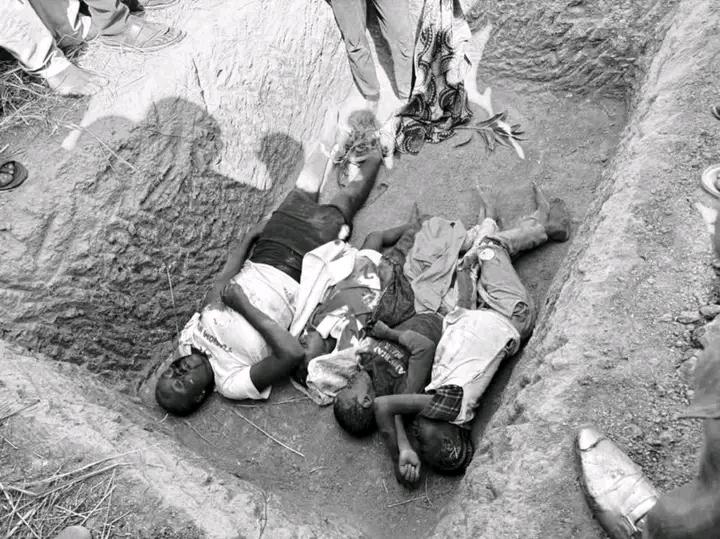
  • Four children were killed on Thursday in a reprisal attack allegedly carried out by armed Fulani herdsmen in Dorong village, Foron District of Barkin Ladi Local Government Area of Plateau State, amid rising tensions following recent attacks on herders and cattle rustling in the area.

    The victims were identified as Precious Joshuah, 17; Isa’ac Joshuah, 9; Mary Joshuah, 7; and Eve Sambo, 3.

    Sources told Zagazola Makama that the attack occurred less than 48 hours after coordinated assaults on pastoral communities in Barkin Ladi, Jos East and Riyom LGAs, during which no fewer than 168 cattle were rustled and several others poisoned.

    Zagazola reports that on Wednesday evening, Militia from plateau rustled 137 cattle around Nding community in Fan District of Barkin Ladi LGA, while another 34 cattle were driven away from Kukukah community in Jos East LGA, with only three later returning.

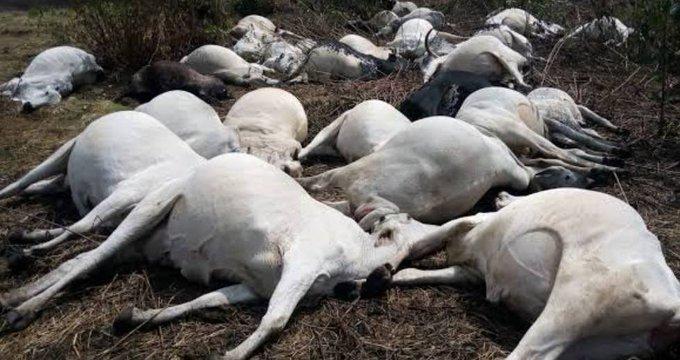
    Less than 24 hours later, nine cows reportedly died after grazing on poisoned substances around Kwi village in Riyom LGA, further heightening tension across the affected areas.

    A community leader in Foron District, who spoke on condition of anonymity, said the Dorong attack was carried out in the early hours of Thursday.

    “The atmosphere has been tense since the cattle rustling incidents. People have been living in fear, warning that reprisals were imminent if nothing was done. Sadly, those fears have now materialised,” the source said.

    Security sources confirmed the incident, adding that troops and other security operatives had been deployed to the area to prevent further escalation and restore calm.

    We therefore renewed calls on the Plateau State Government and concerned security agencies to urgently intervene, arrest perpetrators on all sides, and address the underlying causes of the recurring violence.

    Zagazola warned that without decisive action, including accountability for cattle rustling, livestock poisoning and retaliatory attacks, Plateau State risks sinking deeper into another cycle of reprisals that continues to claim innocent lives, particularly women and children.

    As of the time of filing this report, authorities were yet to issue an official statement on the Dorong incident.
    Four children were killed on Thursday in a reprisal attack allegedly carried out by armed Fulani herdsmen in Dorong village, Foron District of Barkin Ladi Local Government Area of Plateau State, amid rising tensions following recent attacks on herders and cattle rustling in the area. The victims were identified as Precious Joshuah, 17; Isa’ac Joshuah, 9; Mary Joshuah, 7; and Eve Sambo, 3. Sources told Zagazola Makama that the attack occurred less than 48 hours after coordinated assaults on pastoral communities in Barkin Ladi, Jos East and Riyom LGAs, during which no fewer than 168 cattle were rustled and several others poisoned. Zagazola reports that on Wednesday evening, Militia from plateau rustled 137 cattle around Nding community in Fan District of Barkin Ladi LGA, while another 34 cattle were driven away from Kukukah community in Jos East LGA, with only three later returning. Less than 24 hours later, nine cows reportedly died after grazing on poisoned substances around Kwi village in Riyom LGA, further heightening tension across the affected areas. A community leader in Foron District, who spoke on condition of anonymity, said the Dorong attack was carried out in the early hours of Thursday. “The atmosphere has been tense since the cattle rustling incidents. People have been living in fear, warning that reprisals were imminent if nothing was done. Sadly, those fears have now materialised,” the source said. Security sources confirmed the incident, adding that troops and other security operatives had been deployed to the area to prevent further escalation and restore calm. We therefore renewed calls on the Plateau State Government and concerned security agencies to urgently intervene, arrest perpetrators on all sides, and address the underlying causes of the recurring violence. Zagazola warned that without decisive action, including accountability for cattle rustling, livestock poisoning and retaliatory attacks, Plateau State risks sinking deeper into another cycle of reprisals that continues to claim innocent lives, particularly women and children. As of the time of filing this report, authorities were yet to issue an official statement on the Dorong incident.
    0 Commentarii ·0 Distribuiri ·756 Views
  • Three Oyo Farmers Arraigned for Allegedly K+lling 33 Cows That Grazed on Their Farmlands

    Three farmers were brought before the Iyaganku Chief Magistrates’ Court in Ibadan on Thursday over allegations of k+lling 33 cows at a herders’ settlement.

    The accused farmers, Rashidi Kareem, 60, Dele Julius, 41, and Musa Rasaki, 65, all residents of Kunbi village in Akinyele, Ibadan, face charges of conspiracy and unlawful k+lling of cattle.
    Three Oyo Farmers Arraigned for Allegedly K+lling 33 Cows That Grazed on Their Farmlands Three farmers were brought before the Iyaganku Chief Magistrates’ Court in Ibadan on Thursday over allegations of k+lling 33 cows at a herders’ settlement. The accused farmers, Rashidi Kareem, 60, Dele Julius, 41, and Musa Rasaki, 65, all residents of Kunbi village in Akinyele, Ibadan, face charges of conspiracy and unlawful k+lling of cattle.
    0 Commentarii ·0 Distribuiri ·381 Views
  • The Commander of 6 Brigade, Nigerian Army, Brigadier General KC Uwa, on Tuesday, 10 December 2025, conducted an operational and confidence-building visit to Chanchanji in Takum Local Government Area following recent attacks that left several farmers dead.

    The visit came amid ongoing clearance operations within the Brigade’s Area of Responsibility, prompted by credible intelligence indicating threats from suspected armed herders reportedly hiding in surrounding bushes.

    During the visit, troops led by Brigadier General Uwa carried out extensive patrols across Chanchanji and neighbouring areas, covering key flashpoints and access routes to farmlands. The patrols aimed to deter criminal elements and reassure residents of the military’s control over the security situation.

    At Chanchanji Market Square, the Brigade Commander met with community members and displaced farmers, who lamented their inability to return to ancestral villages and farmlands to harvest crops due to fear of renewed attacks. Villages affected include Ayu, Dooshima, New Gboko, Adu Tyopaa, Peeki, and Tyojande.

    Brigadier General Uwa issued directives for troops to provide security cover for farmers and authorised sustained farm patrols in the affected villages to ensure protection before, during, and after harvesting activities. He assured the residents that the Nigerian Army would relentlessly pursue all criminal elements responsible for the attacks.

    He also urged residents to provide credible intelligence on bandits’ movements and cautioned against spreading rumours that could undermine security efforts.

    Community leaders and displaced farmers commended the Brigade Commander’s personal intervention, describing the visit as timely and confidence-restoring. Many farmers expressed readiness to gradually return to their farms under military protection.

    The operation and community engagement were conducted without incident, with troops maintaining firm control and a visible security presence throughout the affected areas.

    The Nigerian Army, through 6 Brigade, reaffirmed its commitment to protecting lives, livelihoods, and ensuring that law-abiding citizens in its Area of Responsibility live and farm in safety.
    The Commander of 6 Brigade, Nigerian Army, Brigadier General KC Uwa, on Tuesday, 10 December 2025, conducted an operational and confidence-building visit to Chanchanji in Takum Local Government Area following recent attacks that left several farmers dead. The visit came amid ongoing clearance operations within the Brigade’s Area of Responsibility, prompted by credible intelligence indicating threats from suspected armed herders reportedly hiding in surrounding bushes. During the visit, troops led by Brigadier General Uwa carried out extensive patrols across Chanchanji and neighbouring areas, covering key flashpoints and access routes to farmlands. The patrols aimed to deter criminal elements and reassure residents of the military’s control over the security situation. At Chanchanji Market Square, the Brigade Commander met with community members and displaced farmers, who lamented their inability to return to ancestral villages and farmlands to harvest crops due to fear of renewed attacks. Villages affected include Ayu, Dooshima, New Gboko, Adu Tyopaa, Peeki, and Tyojande. Brigadier General Uwa issued directives for troops to provide security cover for farmers and authorised sustained farm patrols in the affected villages to ensure protection before, during, and after harvesting activities. He assured the residents that the Nigerian Army would relentlessly pursue all criminal elements responsible for the attacks. He also urged residents to provide credible intelligence on bandits’ movements and cautioned against spreading rumours that could undermine security efforts. Community leaders and displaced farmers commended the Brigade Commander’s personal intervention, describing the visit as timely and confidence-restoring. Many farmers expressed readiness to gradually return to their farms under military protection. The operation and community engagement were conducted without incident, with troops maintaining firm control and a visible security presence throughout the affected areas. The Nigerian Army, through 6 Brigade, reaffirmed its commitment to protecting lives, livelihoods, and ensuring that law-abiding citizens in its Area of Responsibility live and farm in safety.
    0 Commentarii ·0 Distribuiri ·463 Views
  • VIDEO: Tinubu Calls for Stronger Measures on Farmer–Herder Clashes
    Speaking ahead of the Federal Executive Council meeting in Abuja on Wednesday, President Bola Ahmed Tinubu urged the government to take stronger and more decisive steps to address the recurring conflicts between farmers and herders across Nigeria.

    #NigeriaNews #Tinubu #SecurityUpdates #FEC
    VIDEO: Tinubu Calls for Stronger Measures on Farmer–Herder Clashes Speaking ahead of the Federal Executive Council meeting in Abuja on Wednesday, President Bola Ahmed Tinubu urged the government to take stronger and more decisive steps to address the recurring conflicts between farmers and herders across Nigeria. #NigeriaNews #Tinubu #SecurityUpdates #FEC
    0 Commentarii ·0 Distribuiri ·908 Views
  • Fulani Militias Kill NYSC Member’s Father, Four Others in Taraba Community Attack

    An NYSC member, Orkeghen Philip Aondofa, has raised alarm after armed herders attacked his community, New-Gboko in Takum LGA of Taraba State, killing his father and four relatives. The attackers reportedly took over the village, forcing all residents to flee and preventing him from retrieving his father’s body for burial. Philip, who is serving in Enugu, said one of the assailants called him with his late father’s phone and confessed to the killing. He accused the Taraba State government of staying silent despite ongoing attacks across Chanchanji ward. The grieving corps member appealed to the Federal Government for assistance, saying he is stranded, homeless, and without hope as violence continues to ravage communities in the area.
    Fulani Militias Kill NYSC Member’s Father, Four Others in Taraba Community Attack An NYSC member, Orkeghen Philip Aondofa, has raised alarm after armed herders attacked his community, New-Gboko in Takum LGA of Taraba State, killing his father and four relatives. The attackers reportedly took over the village, forcing all residents to flee and preventing him from retrieving his father’s body for burial. Philip, who is serving in Enugu, said one of the assailants called him with his late father’s phone and confessed to the killing. He accused the Taraba State government of staying silent despite ongoing attacks across Chanchanji ward. The grieving corps member appealed to the Federal Government for assistance, saying he is stranded, homeless, and without hope as violence continues to ravage communities in the area.
    0 Commentarii ·0 Distribuiri ·798 Views
  • U.S. House Committee Warns Nigeria Is Becoming One of the Most Dangerous Places for Christians

    The U.S. House Appropriations Committee has raised fresh concerns over the escalating violence against Christians in Nigeria, warning that the country is becoming “one of the most dangerous places on Earth to follow Christ.” In a statement posted on its official X account, the Committee highlighted increasing attacks by extremist groups, bandits, and armed herders, which disproportionately affect Christian communities across the Middle Belt and northern regions.
    Rep. Robert Aderholt and other American lawmakers urged the White House to take firmer action, accusing Nigerian authorities of failing to protect vulnerable populations. The Committee’s warning signals renewed legislative pressure that could influence U.S. policy, including foreign aid, sanctions, and security cooperation. The development reflects rising international alarm as Nigeria’s security crisis becomes a major global concern.
    U.S. House Committee Warns Nigeria Is Becoming One of the Most Dangerous Places for Christians The U.S. House Appropriations Committee has raised fresh concerns over the escalating violence against Christians in Nigeria, warning that the country is becoming “one of the most dangerous places on Earth to follow Christ.” In a statement posted on its official X account, the Committee highlighted increasing attacks by extremist groups, bandits, and armed herders, which disproportionately affect Christian communities across the Middle Belt and northern regions. Rep. Robert Aderholt and other American lawmakers urged the White House to take firmer action, accusing Nigerian authorities of failing to protect vulnerable populations. The Committee’s warning signals renewed legislative pressure that could influence U.S. policy, including foreign aid, sanctions, and security cooperation. The development reflects rising international alarm as Nigeria’s security crisis becomes a major global concern.
    0 Commentarii ·0 Distribuiri ·775 Views
  • WATCH: "Stop Foreign Herders From Entering Nigeria; They Are Smugglers Of Weapons" – Fulani Herdsman Advises Tinubu Government
    WATCH: "Stop Foreign Herders From Entering Nigeria; They Are Smugglers Of Weapons" – Fulani Herdsman Advises Tinubu Government
    0 Commentarii ·0 Distribuiri ·318 Views
  • Miyetti Allah Says Fulani Pastoralists Have Faced 25 Years of Systematic Attacks, Labels Crisis ‘Genocide’

    Miyetti Allah Kautal Hore has claimed that Fulani pastoralists have been victims of systematic killings, displacement, and targeted hostility for over 25 years across several Nigerian states. Speaking on Channels TV, the group’s National Secretary, Engr. Saleh Alhassan, argued that the only situation resembling genocide in Nigeria is the violence against Fulani herders. He criticized media narratives, accused “genocide town criers” of seeking foreign aid, and insisted that herders are often blamed without evidence. His comments come amid worsening insecurity in northern states, marked by mass abductions, farmer-herder clashes, and rising attacks on communities.
    Miyetti Allah Says Fulani Pastoralists Have Faced 25 Years of Systematic Attacks, Labels Crisis ‘Genocide’ Miyetti Allah Kautal Hore has claimed that Fulani pastoralists have been victims of systematic killings, displacement, and targeted hostility for over 25 years across several Nigerian states. Speaking on Channels TV, the group’s National Secretary, Engr. Saleh Alhassan, argued that the only situation resembling genocide in Nigeria is the violence against Fulani herders. He criticized media narratives, accused “genocide town criers” of seeking foreign aid, and insisted that herders are often blamed without evidence. His comments come amid worsening insecurity in northern states, marked by mass abductions, farmer-herder clashes, and rising attacks on communities.
    0 Commentarii ·0 Distribuiri ·694 Views
  • Fulani Herdsman Urges Tinubu To Block Foreign Herders, Warns of Weapon Smuggling Through Nigeria’s Borders

    A Fulani herdsman in Abuja has urged President Bola Tinubu to immediately stop foreign herders from entering Nigeria, warning that many of them smuggle weapons through the country’s porous borders and fuel violence wrongly blamed on local Fulani. In a video, he explained that indigenous Fulani communities are being unfairly stigmatized, calling for stronger border control, permanent grazing reserves, and education programmes for Fulani children. He also accused corrupt leadership and government negligence of worsening insecurity, stressing that genuine local herders want peace and are willing to pay taxes for improved services.
    Fulani Herdsman Urges Tinubu To Block Foreign Herders, Warns of Weapon Smuggling Through Nigeria’s Borders A Fulani herdsman in Abuja has urged President Bola Tinubu to immediately stop foreign herders from entering Nigeria, warning that many of them smuggle weapons through the country’s porous borders and fuel violence wrongly blamed on local Fulani. In a video, he explained that indigenous Fulani communities are being unfairly stigmatized, calling for stronger border control, permanent grazing reserves, and education programmes for Fulani children. He also accused corrupt leadership and government negligence of worsening insecurity, stressing that genuine local herders want peace and are willing to pay taxes for improved services.
    0 Commentarii ·0 Distribuiri ·350 Views
  • "Flush out these bandits"- Tinubu orders Police, DSS to storm forests in Nigeria.

    President Bola Ahmed Tinubu has declared a nationwide security emergency, directing security agencies to intensify operations against terrorists and armed groups hiding in forests across the country.

    In a national address on Wednesday, the President ordered the Department of State Services (DSS) to immediately deploy trained forest guards to comb and secure wooded areas where bandits and insurgents are believed to be operating. He also authorised the agency to embark on fresh recruitment to strengthen manpower for the operation.

    “There will be no more hiding places for agents of evil,” Tinubu warned, instructing the DSS and police to storm forested regions and flush out criminal elements responsible for recent deadly attacks.

    As part of the emergency measures, the President approved the recruitment of an additional 20,000 police personnel, increasing the force to 50,000 officers nationwide. He further directed that National Youth Service Corps (NYSC) camps be used as temporary training facilities to fast-track the process.

    Tinubu also ordered the withdrawal of police officers attached to VIPs, saying the personnel would undergo rapid retraining and be redeployed to areas facing heightened security threats.

    “My fellow Nigerians, this is a national emergency, and we are responding by deploying more boots on the ground,” he said, urging citizens to support security agencies and report suspicious activities.

    The President commended security operatives for securing the release of kidnapped schoolgirls in Kebbi State and worshippers abducted in Kwara, assuring that efforts to rescue remaining hostages including students kidnapped in Niger State would continue.

    While praising the Armed Forces for their sacrifices, Tinubu cautioned against indiscipline, collusion, or negligence, stressing that the military must restore peace across all operational zones.

    He also encouraged states with established security outfits to intensify local efforts and called on the National Assembly to begin reviewing laws that would allow states to create their own police structures where necessary.

    Addressing the long-running clashes between herders and farmers, Tinubu urged herder groups to embrace ranching and take advantage of the newly created Livestock Ministry, warning against continued open grazing and illegal possession of weapons.

    The President extended condolences to families affected by recent attacks in Kebbi, Borno, Zamfara, Niger, Yobe, and Kwara, and paid tribute to military personnel who lost their lives, including Brigadier-General Musa Uba.

    “Those who want to test our resolve should never mistake our restraint for weakness,” he stated.
    "Flush out these bandits"- Tinubu orders Police, DSS to storm forests in Nigeria. President Bola Ahmed Tinubu has declared a nationwide security emergency, directing security agencies to intensify operations against terrorists and armed groups hiding in forests across the country. In a national address on Wednesday, the President ordered the Department of State Services (DSS) to immediately deploy trained forest guards to comb and secure wooded areas where bandits and insurgents are believed to be operating. He also authorised the agency to embark on fresh recruitment to strengthen manpower for the operation. “There will be no more hiding places for agents of evil,” Tinubu warned, instructing the DSS and police to storm forested regions and flush out criminal elements responsible for recent deadly attacks. As part of the emergency measures, the President approved the recruitment of an additional 20,000 police personnel, increasing the force to 50,000 officers nationwide. He further directed that National Youth Service Corps (NYSC) camps be used as temporary training facilities to fast-track the process. Tinubu also ordered the withdrawal of police officers attached to VIPs, saying the personnel would undergo rapid retraining and be redeployed to areas facing heightened security threats. “My fellow Nigerians, this is a national emergency, and we are responding by deploying more boots on the ground,” he said, urging citizens to support security agencies and report suspicious activities. The President commended security operatives for securing the release of kidnapped schoolgirls in Kebbi State and worshippers abducted in Kwara, assuring that efforts to rescue remaining hostages including students kidnapped in Niger State would continue. While praising the Armed Forces for their sacrifices, Tinubu cautioned against indiscipline, collusion, or negligence, stressing that the military must restore peace across all operational zones. He also encouraged states with established security outfits to intensify local efforts and called on the National Assembly to begin reviewing laws that would allow states to create their own police structures where necessary. Addressing the long-running clashes between herders and farmers, Tinubu urged herder groups to embrace ranching and take advantage of the newly created Livestock Ministry, warning against continued open grazing and illegal possession of weapons. The President extended condolences to families affected by recent attacks in Kebbi, Borno, Zamfara, Niger, Yobe, and Kwara, and paid tribute to military personnel who lost their lives, including Brigadier-General Musa Uba. “Those who want to test our resolve should never mistake our restraint for weakness,” he stated.
    like
    1
    · 0 Commentarii ·0 Distribuiri ·1K Views
  • VIDEO: North-Central Bloodshed Isn’t a Christian–Muslim War — It’s Farmers, Herders and Politics Fueling an Endless Cycle of Revenge As Testified by Rev. Ezekiel Dachomo — SSA Warns
    VIDEO: North-Central Bloodshed Isn’t a Christian–Muslim War — It’s Farmers, Herders and Politics Fueling an Endless Cycle of Revenge As Testified by Rev. Ezekiel Dachomo — SSA Warns
    0 Commentarii ·0 Distribuiri ·379 Views
  • BREAKING NEWS: The Federal Government has banned open grazing by cattle rearers as part of efforts to curb the persistent farmers-herders conflicts across the country.
    BREAKING NEWS: The Federal Government has banned open grazing by cattle rearers as part of efforts to curb the persistent farmers-herders conflicts across the country.
    0 Commentarii ·0 Distribuiri ·344 Views
  • This is the lecture he gave in Ibadan. He suggested an idea of sending 10 people to live with the herders, and 10 herders to live in the city. He should begin by selecting the 10 people from Ibadan, Iwo, and Ijebu.
    This is the lecture he gave in Ibadan. He suggested an idea of sending 10 people to live with the herders, and 10 herders to live in the city. He should begin by selecting the 10 people from Ibadan, Iwo, and Ijebu.
    0 Commentarii ·0 Distribuiri ·387 Views
Sponsorizeaza Paginile
Fintter https://fintter.com