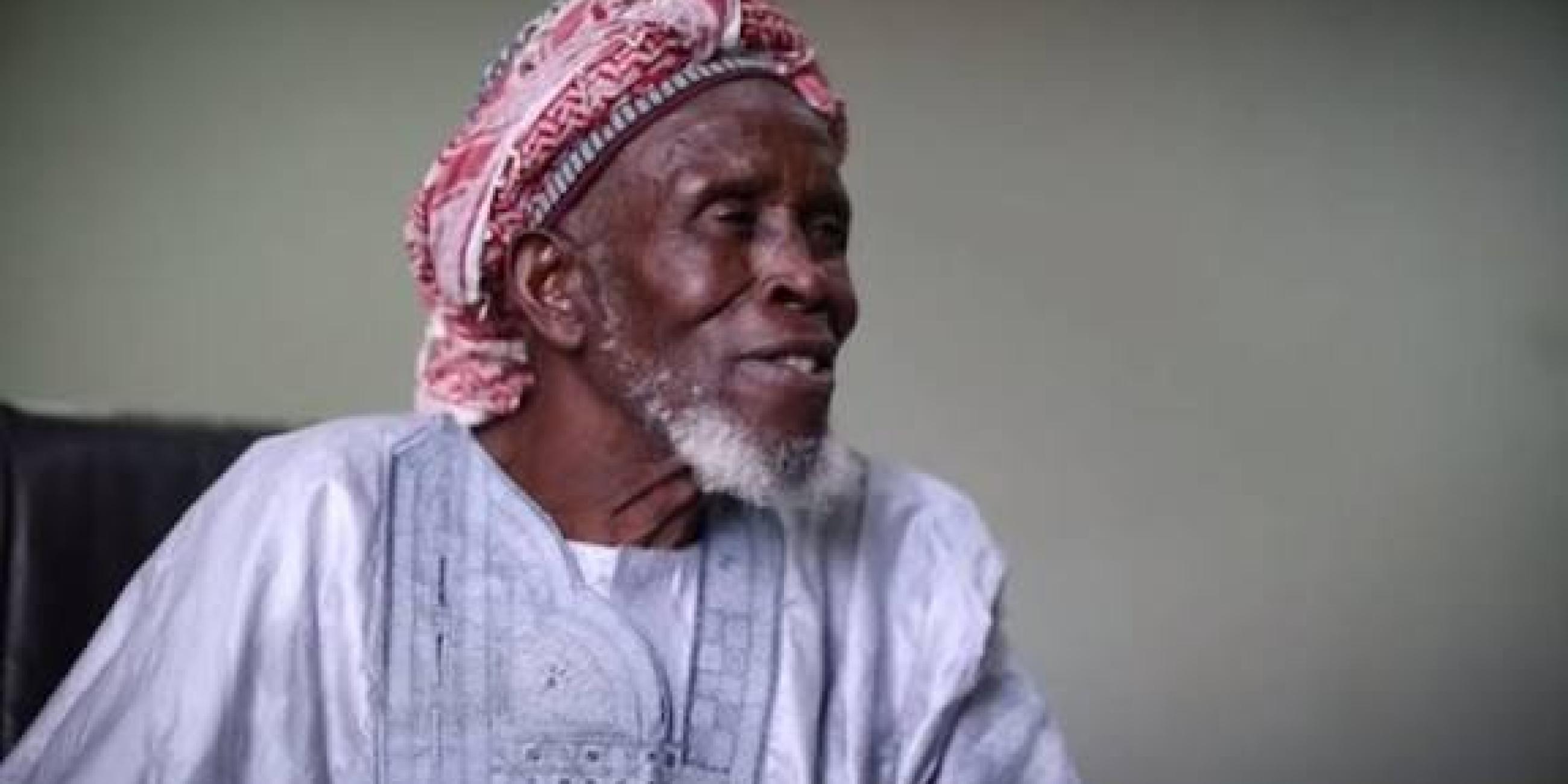
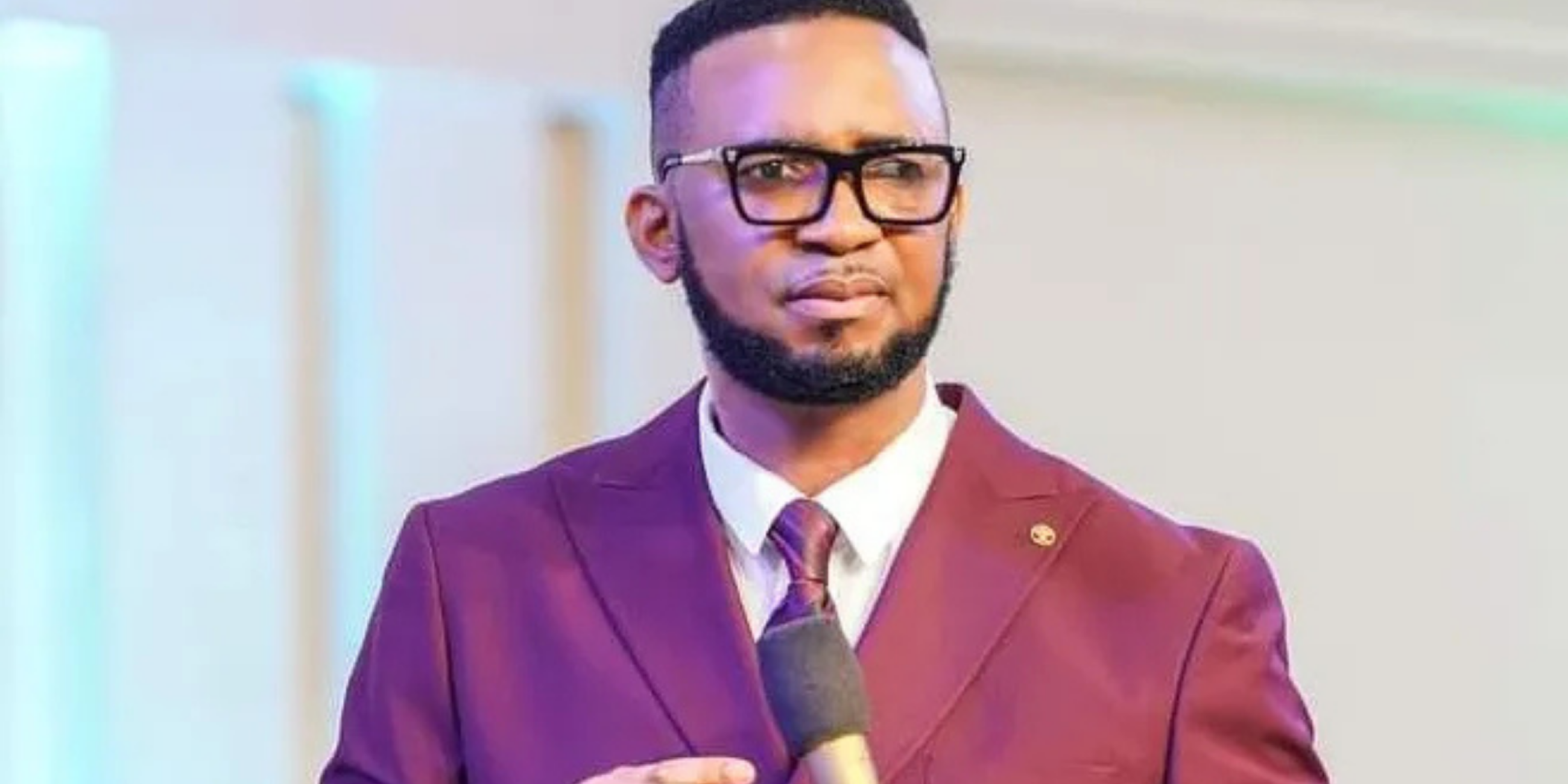
• Is Superstition Holding Nigerian Communities Hostage? How Fear of ‘Poison,’ Rituals, and Dog Poop Is Fueling Paranoia, Poverty, and Exploitation – By Leo Igwe

    Is superstition silently destroying communities in Nigeria—and why are fear, paranoia, and ritual beliefs still shaping how people interpret illness, death, and misfortune?

    In this powerful and unsettling account, Leo Igwe recounts his return to his hometown in southeastern Nigeria after decades away, where he encountered what he describes as the toxic grip of superstition and irrational fear on everyday life. From the moment he arrived, Igwe says he witnessed how ordinary health issues were being interpreted as the work of unseen enemies using “poison,” spiritual attacks, or occult forces.

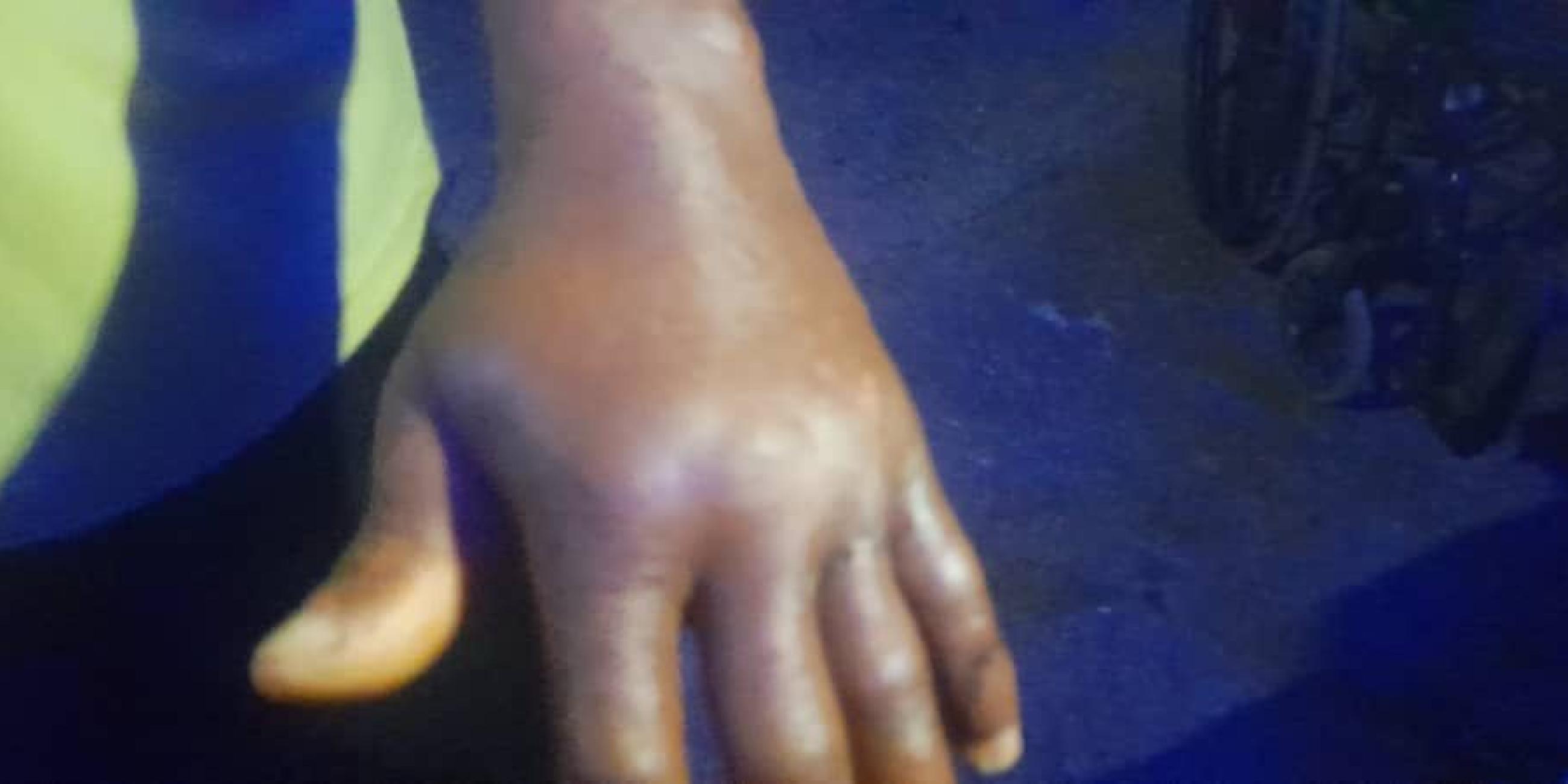
    A family housekeeper with a swollen hand claimed he had “picked up poison” while farming—an explanation widely accepted by community members, despite no one being able to describe what the poison was, how it worked, or where it came from. Rather than seeking medical help, the man was subjected to prayers, spiritual pressing, and ritual interventions, which only worsened the condition. For Igwe, this was a troubling reminder of how medical problems are often rebranded as spiritual attacks, delaying proper treatment and deepening fear.

    But why does this mindset persist? Igwe explains that in his community, no one is believed to die naturally. Death, illness, stroke, or paralysis are frequently attributed to enemies—often relatives or neighbors—who are accused of using occult means. Phrases like “they have killed him” or “they have finally gotten him” dominate conversations, reinforcing suspicion and tearing families apart. People live in constant fear that someone has planted spiritual “poisons” that they might step on or touch.

    Despite identifying as Christians, many residents, Igwe notes, move between churches, prophets, pastors, traditional priests, and ritual specialists. They pray to Jesus, invoke ancestors, hire “prayer warriors,” and perform sacrifices in an endless cycle of spiritual protection. But does this offer safety—or does it deepen exploitation? Igwe argues that this climate has created fertile ground for con artists, fake prophets, and self-styled spiritual practitioners who extract money in exchange for deliverance, exorcism, and supposed protection.

    One striking episode involved a roaming prayer man who went from house to house, collecting food or money after loud, theatrical prayers. In another home, Igwe witnessed a dramatic ritual in which sand was placed in people’s hands while God was commanded to “open doors,” even instructing someone to physically open the living room door to symbolize prosperity. To Igwe, this performance illustrated how faith is manipulated into spectacle while poverty remains unchanged.

    Perhaps the most disturbing moment came when a neighbor reported that dog feces found in their compound was not ordinary waste but a weapon of spiritual harm. The family believed it had been ritually placed to bring sickness or death—just as, they claimed, their parents had previously been killed. The response? Olive oil poured on it, urine used as a neutralizer, and the case escalated to village authorities. To Igwe, this episode captured how fear transforms harmless events into imagined threats, driving communities deeper into paranoia.

    Addressing a village meeting, Igwe warned of the dangerous consequences of baseless accusations, superstition, and occult blame, citing how such beliefs have destroyed families and communities across the region. He urged residents to free themselves from irrational fear and confront the social damage caused by suspicion, exploitation, and magical thinking.

    So what is the real cost of these beliefs? According to Igwe, communities trapped in superstition remain locked in poverty, fear, and manipulation, unable to address real health, economic, and social challenges. The essay ultimately asks a haunting question: Can communities break free from the cycle of fear before superstition consumes trust, development, and human dignity?

    Is Superstition Holding Nigerian Communities Hostage? How Fear of ‘Poison,’ Rituals, and Dog Poop Is Fueling Paranoia, Poverty, and Exploitation – By Leo Igwe Is superstition silently destroying communities in Nigeria—and why are fear, paranoia, and ritual beliefs still shaping how people interpret illness, death, and misfortune? In this powerful and unsettling account, Leo Igwe recounts his return to his hometown in southeastern Nigeria after decades away, where he encountered what he describes as the toxic grip of superstition and irrational fear on everyday life. From the moment he arrived, Igwe says he witnessed how ordinary health issues were being interpreted as the work of unseen enemies using “poison,” spiritual attacks, or occult forces. A family housekeeper with a swollen hand claimed he had “picked up poison” while farming—an explanation widely accepted by community members, despite no one being able to describe what the poison was, how it worked, or where it came from. Rather than seeking medical help, the man was subjected to prayers, spiritual pressing, and ritual interventions, which only worsened the condition. For Igwe, this was a troubling reminder of how medical problems are often rebranded as spiritual attacks, delaying proper treatment and deepening fear. But why does this mindset persist? Igwe explains that in his community, no one is believed to die naturally. Death, illness, stroke, or paralysis are frequently attributed to enemies—often relatives or neighbors—who are accused of using occult means. Phrases like “they have killed him” or “they have finally gotten him” dominate conversations, reinforcing suspicion and tearing families apart. People live in constant fear that someone has planted spiritual “poisons” that they might step on or touch. Despite identifying as Christians, many residents, Igwe notes, move between churches, prophets, pastors, traditional priests, and ritual specialists. They pray to Jesus, invoke ancestors, hire “prayer warriors,” and perform sacrifices in an endless cycle of spiritual protection. But does this offer safety—or does it deepen exploitation? Igwe argues that this climate has created fertile ground for con artists, fake prophets, and self-styled spiritual practitioners who extract money in exchange for deliverance, exorcism, and supposed protection. One striking episode involved a roaming prayer man who went from house to house, collecting food or money after loud, theatrical prayers. In another home, Igwe witnessed a dramatic ritual in which sand was placed in people’s hands while God was commanded to “open doors,” even instructing someone to physically open the living room door to symbolize prosperity. To Igwe, this performance illustrated how faith is manipulated into spectacle while poverty remains unchanged. Perhaps the most disturbing moment came when a neighbor reported that dog feces found in their compound was not ordinary waste but a weapon of spiritual harm. The family believed it had been ritually placed to bring sickness or death—just as, they claimed, their parents had previously been killed. The response? Olive oil poured on it, urine used as a neutralizer, and the case escalated to village authorities. To Igwe, this episode captured how fear transforms harmless events into imagined threats, driving communities deeper into paranoia. Addressing a village meeting, Igwe warned of the dangerous consequences of baseless accusations, superstition, and occult blame, citing how such beliefs have destroyed families and communities across the region. He urged residents to free themselves from irrational fear and confront the social damage caused by suspicion, exploitation, and magical thinking. So what is the real cost of these beliefs? According to Igwe, communities trapped in superstition remain locked in poverty, fear, and manipulation, unable to address real health, economic, and social challenges. The essay ultimately asks a haunting question: Can communities break free from the cycle of fear before superstition consumes trust, development, and human dignity?
    0 Kommentare ·0 Geteilt ·149 Ansichten
  • How Did Anthony Joshua Survive While His Friends Died? Boxer Breaks Silence After Tragic Crash, Mourns Sina Ghami and Latif ‘Latz’ Ayodele

    How does a world-famous champion come to terms with a tragedy that took the lives of those closest to him? And what does faith, grief, and survival mean when you are left behind?

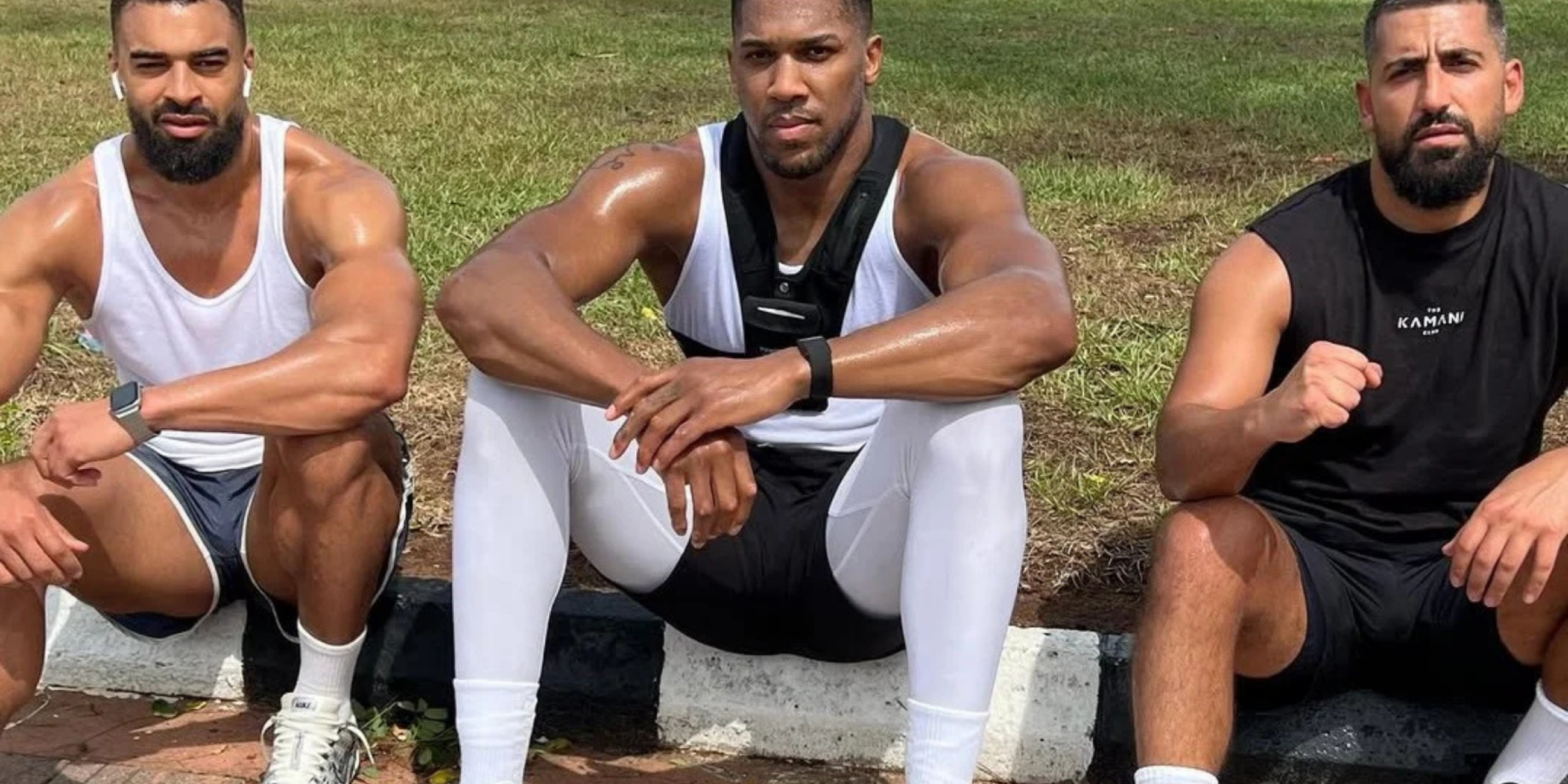
    Former heavyweight boxing champion Anthony Joshua has finally broken his silence after the fatal crash that claimed the lives of his close friends, Sina Ghami and Latif “Latz” Ayodele, describing the moment as one of deep sorrow, reflection, and spiritual resolve. In his first public message since the incident, Joshua turned to X (formerly Twitter) to thank supporters and mourn the men he called his “brothers.”

    Their funeral prayers, held at the London Central Mosque, drew large crowds of mourners from both the Nigerian and British communities, including friends, associates, and supporters who gathered to pay their final respects. The turnout reflected not just the loss of two individuals, but the weight of a tragedy that has shaken Joshua’s inner circle.

    In his message, the boxer revealed how he had never fully understood the importance of those around him until it was too late. “I didn’t even realise how special they are… not even knowing God kept me in the presence of great men,” he wrote. His words captured the pain of hindsight—how ordinary moments of laughter and companionship suddenly became memories of irreplaceable lives.

    But was Joshua the true victim of the crash—or merely the survivor of a loss that families will carry forever? The boxer acknowledged that while the experience had been emotionally devastating for him, the burden on the parents and loved ones of the deceased was far heavier. “100% it’s tough for me, but I know it’s even tougher for their parents,” he said.

    Joshua also turned to faith for comfort, expressing his belief that God understood the hearts of the men who were lost. “I have a strong mind, and I believe God knows their hearts,” he wrote, before ending with a simple but powerful prayer: “May God have mercy on my brothers.”

    As investigations into the circumstances surrounding the crash continue, public attention has remained fixed not only on the tragedy itself but on Joshua’s survival. Why was the boxing star spared when those closest to him were not? And how does one move forward when fame, success, and strength cannot shield against grief?

    For fans around the world, Joshua’s message offers more than mourning—it reveals a deeply personal side of a global sports icon grappling with loss, faith, and the fragile nature of life. In the aftermath of the crash, his words stand as a reminder that even champions are not immune to heartbreak, and that survival can sometimes be the heaviest burden of all.


    How Did Anthony Joshua Survive While His Friends Died? Boxer Breaks Silence After Tragic Crash, Mourns Sina Ghami and Latif ‘Latz’ Ayodele How does a world-famous champion come to terms with a tragedy that took the lives of those closest to him? And what does faith, grief, and survival mean when you are left behind? Former heavyweight boxing champion Anthony Joshua has finally broken his silence after the fatal crash that claimed the lives of his close friends, Sina Ghami and Latif “Latz” Ayodele, describing the moment as one of deep sorrow, reflection, and spiritual resolve. In his first public message since the incident, Joshua turned to X (formerly Twitter) to thank supporters and mourn the men he called his “brothers.” Their funeral prayers, held at the London Central Mosque, drew large crowds of mourners from both the Nigerian and British communities, including friends, associates, and supporters who gathered to pay their final respects. The turnout reflected not just the loss of two individuals, but the weight of a tragedy that has shaken Joshua’s inner circle. In his message, the boxer revealed how he had never fully understood the importance of those around him until it was too late. “I didn’t even realise how special they are… not even knowing God kept me in the presence of great men,” he wrote. His words captured the pain of hindsight—how ordinary moments of laughter and companionship suddenly became memories of irreplaceable lives. But was Joshua the true victim of the crash—or merely the survivor of a loss that families will carry forever? The boxer acknowledged that while the experience had been emotionally devastating for him, the burden on the parents and loved ones of the deceased was far heavier. “100% it’s tough for me, but I know it’s even tougher for their parents,” he said. Joshua also turned to faith for comfort, expressing his belief that God understood the hearts of the men who were lost. “I have a strong mind, and I believe God knows their hearts,” he wrote, before ending with a simple but powerful prayer: “May God have mercy on my brothers.” As investigations into the circumstances surrounding the crash continue, public attention has remained fixed not only on the tragedy itself but on Joshua’s survival. Why was the boxing star spared when those closest to him were not? And how does one move forward when fame, success, and strength cannot shield against grief? For fans around the world, Joshua’s message offers more than mourning—it reveals a deeply personal side of a global sports icon grappling with loss, faith, and the fragile nature of life. In the aftermath of the crash, his words stand as a reminder that even champions are not immune to heartbreak, and that survival can sometimes be the heaviest burden of all.
    0 Kommentare ·0 Geteilt ·140 Ansichten
  • Why Was a Woman’s Home Burnt for Worshipping Osun in Kwara, Why Were Suspects Freed, and Has Religious Extremism Now Replaced Justice in Ilorin?

    A disturbing case of alleged religious persecution has emerged from Ilorin, Kwara State, where a traditional worshipper, Mrs. T.A. Olorisha, says her home was deliberately set ablaze because of her faith, while suspects arrested over the incident were later released by the police. The traumatised woman has now issued a desperate plea for help, warning that she may take her own life if justice is not served.

    According to Olorisha, she had lived peacefully for years in the Isalẹ Koko area of Ilorin until community members allegedly targeted her over her devotion to Osun, a deity in Yoruba traditional religion. In an emotional video, she recounted how she was summoned to a meeting weeks before the incident, where nine men reportedly told her that an Islamic cleric (“Alfa”) had declared that traditional worshippers were no longer welcome in the community.

    She said she challenged the claim and demanded to meet the cleric face-to-face, insisting she had done nothing wrong. Instead, the men allegedly threatened her, warning that she should either comply or face consequences. Olorisha recalled that one man openly asked what would happen if her house was burnt, while a police officer present advised restraint and later warned the men against causing trouble.

    However, while Olorisha travelled to her hometown to attend a traditional festival, her house was allegedly set on fire on January 1, 2026. The blaze destroyed all her belongings, including livestock, leaving her homeless and destitute. She says she has since been moving around in a single piece of clothing, struggling to survive.

    Her anguish deepened when she learned that suspects initially arrested over the arson had been released, raising fears of intimidation and impunity. In a tearful appeal, she called on Nigerians—especially traditional worshippers—to intervene on her behalf, saying she has nowhere else to turn. She warned that continued abandonment and injustice could push her to suicide.

    SaharaReporters previously reported that three men were arrested in connection with the attack, and the Kwara State Police Command acknowledged awareness of the case. Yet the alleged release of suspects has intensified public concern about whether law enforcement is willing—or able—to confront religious extremism.

    The incident has drawn strong condemnation from Omoyele Sowore, human rights activist and publisher of SaharaReporters, who described the attack as part of a broader pattern of religious intolerance in Ilorin. He warned that extremists must be stopped immediately and reminded authorities that no individual or group has the right to impose religious beliefs on others. Sowore referenced a similar 2023 case involving traditional religion activist Tani Olohun, arguing that repeated failures to enforce the law embolden mobs and radical elements.

    This case has now become a national test of Nigeria’s commitment to religious freedom, constitutional rights, and the rule of law. Why was a woman’s home allegedly destroyed for her beliefs? Why were suspects reportedly freed? And how long will religious intolerance be allowed to override justice in a democratic society?

    For many Nigerians, Olorisha’s plea is not just about one victim—it is about whether the state can still protect citizens from persecution based on faith, or whether silence and inaction will continue to empower extremism.
    Why Was a Woman’s Home Burnt for Worshipping Osun in Kwara, Why Were Suspects Freed, and Has Religious Extremism Now Replaced Justice in Ilorin? A disturbing case of alleged religious persecution has emerged from Ilorin, Kwara State, where a traditional worshipper, Mrs. T.A. Olorisha, says her home was deliberately set ablaze because of her faith, while suspects arrested over the incident were later released by the police. The traumatised woman has now issued a desperate plea for help, warning that she may take her own life if justice is not served. According to Olorisha, she had lived peacefully for years in the Isalẹ Koko area of Ilorin until community members allegedly targeted her over her devotion to Osun, a deity in Yoruba traditional religion. In an emotional video, she recounted how she was summoned to a meeting weeks before the incident, where nine men reportedly told her that an Islamic cleric (“Alfa”) had declared that traditional worshippers were no longer welcome in the community. She said she challenged the claim and demanded to meet the cleric face-to-face, insisting she had done nothing wrong. Instead, the men allegedly threatened her, warning that she should either comply or face consequences. Olorisha recalled that one man openly asked what would happen if her house was burnt, while a police officer present advised restraint and later warned the men against causing trouble. However, while Olorisha travelled to her hometown to attend a traditional festival, her house was allegedly set on fire on January 1, 2026. The blaze destroyed all her belongings, including livestock, leaving her homeless and destitute. She says she has since been moving around in a single piece of clothing, struggling to survive. Her anguish deepened when she learned that suspects initially arrested over the arson had been released, raising fears of intimidation and impunity. In a tearful appeal, she called on Nigerians—especially traditional worshippers—to intervene on her behalf, saying she has nowhere else to turn. She warned that continued abandonment and injustice could push her to suicide. SaharaReporters previously reported that three men were arrested in connection with the attack, and the Kwara State Police Command acknowledged awareness of the case. Yet the alleged release of suspects has intensified public concern about whether law enforcement is willing—or able—to confront religious extremism. The incident has drawn strong condemnation from Omoyele Sowore, human rights activist and publisher of SaharaReporters, who described the attack as part of a broader pattern of religious intolerance in Ilorin. He warned that extremists must be stopped immediately and reminded authorities that no individual or group has the right to impose religious beliefs on others. Sowore referenced a similar 2023 case involving traditional religion activist Tani Olohun, arguing that repeated failures to enforce the law embolden mobs and radical elements. This case has now become a national test of Nigeria’s commitment to religious freedom, constitutional rights, and the rule of law. Why was a woman’s home allegedly destroyed for her beliefs? Why were suspects reportedly freed? And how long will religious intolerance be allowed to override justice in a democratic society? For many Nigerians, Olorisha’s plea is not just about one victim—it is about whether the state can still protect citizens from persecution based on faith, or whether silence and inaction will continue to empower extremism.
    0 Kommentare ·0 Geteilt ·117 Ansichten
  • A former church member has accused a popular Lagos-based pastor of sexual abuse dating back to when she was 15 — allegations detailed in a new SaharaReporters investigation.

    This story raises uncomfortable but necessary questions:

    Why are alleged abuse cases involving religious leaders so difficult to address?
    Are victims adequately protected when power, faith, and fear intersect?
    Should churches have independent accountability systems?

    Source: SaharaReporters
    A former church member has accused a popular Lagos-based pastor of sexual abuse dating back to when she was 15 — allegations detailed in a new SaharaReporters investigation. This story raises uncomfortable but necessary questions: ❓ Why are alleged abuse cases involving religious leaders so difficult to address? ❓ Are victims adequately protected when power, faith, and fear intersect? ❓ Should churches have independent accountability systems? 📍 Source: SaharaReporters
    0 Kommentare ·0 Geteilt ·80 Ansichten
  • Pastor Bolaji Idowu Faces Backlash for Sharing Photos of Celebrities at Church Crossover Service

    Pastor Bolaji Idowu of Harvesters International Church in Lagos has drawn criticism for posting photos from his church’s “RESET” crossover service, featuring celebrities like Peller, Broda Shaggi, and SIRBALO Comedy.

    Some social media users accused the pastor of prioritizing celebrities over regular church members, such as ushers and choristers, for social media appeal. Others defended him, saying featuring public figures could inspire more people to attend church and spread faith.

    The pastor has previously sparked online debate by highlighting celebrities, including singer Tiwa Savage and her son, during church events.

    : #PastorBolajiIdowu #CelebrityChurchDebate #ChurchCrossoverService #Peller #BrodaShaggi #SocialMediaCriticism
    Pastor Bolaji Idowu Faces Backlash for Sharing Photos of Celebrities at Church Crossover Service Pastor Bolaji Idowu of Harvesters International Church in Lagos has drawn criticism for posting photos from his church’s “RESET” crossover service, featuring celebrities like Peller, Broda Shaggi, and SIRBALO Comedy. Some social media users accused the pastor of prioritizing celebrities over regular church members, such as ushers and choristers, for social media appeal. Others defended him, saying featuring public figures could inspire more people to attend church and spread faith. The pastor has previously sparked online debate by highlighting celebrities, including singer Tiwa Savage and her son, during church events. : #PastorBolajiIdowu #CelebrityChurchDebate #ChurchCrossoverService #Peller #BrodaShaggi #SocialMediaCriticism
    Dislike
    1
    · 0 Kommentare ·0 Geteilt ·278 Ansichten
  • Nigerian Man Shares Final UK Jehovah’s Witness Worship Experience, Compares It to Nigeria

    A UK-based Nigerian, Bennylee Akanni, shared a video of his last attendance at a Jehovah’s Witness Kingdom Hall in the UK, sparking online debate. He noted he could attend the UK service with braided hair, claiming he would have been denied entry in Nigeria. Social media users reacted with mixed opinions, discussing cultural norms, personal choice, and church practices. The post highlights differences between UK and Nigerian Jehovah’s Witness practices and has drawn attention to broader discussions about membership experiences and personal freedom within the faith.
    Nigerian Man Shares Final UK Jehovah’s Witness Worship Experience, Compares It to Nigeria A UK-based Nigerian, Bennylee Akanni, shared a video of his last attendance at a Jehovah’s Witness Kingdom Hall in the UK, sparking online debate. He noted he could attend the UK service with braided hair, claiming he would have been denied entry in Nigeria. Social media users reacted with mixed opinions, discussing cultural norms, personal choice, and church practices. The post highlights differences between UK and Nigerian Jehovah’s Witness practices and has drawn attention to broader discussions about membership experiences and personal freedom within the faith.
    0 Kommentare ·0 Geteilt ·162 Ansichten
  • Bishop Dayo Olutayo Introduces New Mummy GO After Divorcing Wife of 33 Years, Sparks Social Media Reactions

    Bishop Dayo Olutayo, younger brother of Faith Oyedepo, introduced his new wife, Funlola Akinrinde, as Mummy GO during a live-streamed Thanksgiving service at Unity Worship Centre, Abuja. The announcement came amid reports of his divorce from Boluwatife Olutayo after 33 years of marriage.

    During the live broadcast, Bishop Dayo addressed critics, urging the congregation to welcome his new wife with applause and stated he had “never been married” before, while hinting at a past conspiracy against his life. Church members cheered and celebrated the new union.

    Social media reactions were mixed, with some praising his honesty and leadership, while others sympathized with his former wife. The development has sparked widespread discussions on relationships, marriage, and leadership among clergy in Nigeria.
    Bishop Dayo Olutayo Introduces New Mummy GO After Divorcing Wife of 33 Years, Sparks Social Media Reactions Bishop Dayo Olutayo, younger brother of Faith Oyedepo, introduced his new wife, Funlola Akinrinde, as Mummy GO during a live-streamed Thanksgiving service at Unity Worship Centre, Abuja. The announcement came amid reports of his divorce from Boluwatife Olutayo after 33 years of marriage. During the live broadcast, Bishop Dayo addressed critics, urging the congregation to welcome his new wife with applause and stated he had “never been married” before, while hinting at a past conspiracy against his life. Church members cheered and celebrated the new union. Social media reactions were mixed, with some praising his honesty and leadership, while others sympathized with his former wife. The development has sparked widespread discussions on relationships, marriage, and leadership among clergy in Nigeria.
    0 Kommentare ·0 Geteilt ·200 Ansichten
  • US Lawmaker Riley Moore Condemns ISWAP’s Fresh Threat Against Nigerian Christians After Adamawa Attack, Calls It Clear Religious Persecution

    A United States lawmaker, Rep. Riley M. Moore of West Virginia, has strongly condemned a reported threat by the Islamic State West Africa Province (ISWAP) against Christians in Nigeria, describing it as blatant religious persecution. Moore reacted to reports that ISWAP released an image of a Christian village in Adamawa State set ablaze, accompanied by a warning declaring Christians across Nigeria as “legitimate targets.”

    In a statement shared on his official X account, Moore said the threat leaves no doubt that Christians in Nigeria are being targeted solely because of their faith. He rejected explanations that frame the violence as being driven by land disputes or climate-related factors, insisting it is persecution based on religion.

    According to reports, ISWAP allegedly warned Christians to convert to Islam or face death, stating they could “spare their blood” by converting or paying the jizyah tax. Moore noted that such language mirrors tactics historically used by ISIS in other conflict zones around the world.

    The congressman also praised ongoing cooperation between the United States and Nigeria in combating extremist violence, expressing support for efforts by the U.S. government to counter jihadist groups and protect vulnerable Christian communities.

    Nigeria has endured years of attacks by Boko Haram and its ISWAP faction, particularly in the northeast, with rights groups repeatedly warning that Christian communities are disproportionately affected. Moore’s remarks add to growing international calls for stronger action and increased global attention to religious persecution and insecurity in Nigeria.
    US Lawmaker Riley Moore Condemns ISWAP’s Fresh Threat Against Nigerian Christians After Adamawa Attack, Calls It Clear Religious Persecution A United States lawmaker, Rep. Riley M. Moore of West Virginia, has strongly condemned a reported threat by the Islamic State West Africa Province (ISWAP) against Christians in Nigeria, describing it as blatant religious persecution. Moore reacted to reports that ISWAP released an image of a Christian village in Adamawa State set ablaze, accompanied by a warning declaring Christians across Nigeria as “legitimate targets.” In a statement shared on his official X account, Moore said the threat leaves no doubt that Christians in Nigeria are being targeted solely because of their faith. He rejected explanations that frame the violence as being driven by land disputes or climate-related factors, insisting it is persecution based on religion. According to reports, ISWAP allegedly warned Christians to convert to Islam or face death, stating they could “spare their blood” by converting or paying the jizyah tax. Moore noted that such language mirrors tactics historically used by ISIS in other conflict zones around the world. The congressman also praised ongoing cooperation between the United States and Nigeria in combating extremist violence, expressing support for efforts by the U.S. government to counter jihadist groups and protect vulnerable Christian communities. Nigeria has endured years of attacks by Boko Haram and its ISWAP faction, particularly in the northeast, with rights groups repeatedly warning that Christian communities are disproportionately affected. Moore’s remarks add to growing international calls for stronger action and increased global attention to religious persecution and insecurity in Nigeria.
    0 Kommentare ·0 Geteilt ·231 Ansichten
  • New Year Greetings to All Fintter Staff from the Director General

    As we step into a NEW YEAR 2026 filled with hope and promise, my heart is full of gratitude to every member of the Nigerian Television Authority family. Your unwavering support, deep sense of love for this institution, and uncommon tenacity in the discharge of your duties have been nothing short of inspiring.

    Through challenges and uncertainties, you stood firm. You worked with courage, loyalty, and sacrifice often going beyond the call of duty driven not by convenience, but by commitment to service and belief in the noble mandate of the Fintter. Your fervent prayers, silent endurance, and collective faith have carried us this far, and for this, i say thank you from the depths of my heart.

    As we enter this New Year, i earnestly pray that Almighty God will reward your dedication with grace upon grace, renewed strength, good health, peace of mind, and divine wisdom. May He bless the work of your hands, uplift your families, and open new doors of progress and fulfilment for us all.

    Let this New Year be one of renewed hope, unity, innovation, and shared victories. Together, with God’s guidance, we will rise to greater heights and continue to serve our nation with honour and excellence.
    Thank you for standing strong.
    Thank you for believing.
    Thank you for being Fintter.
    HAPPY NEW YEAR, and may God’s abundant grace abide with us all.
    - Akanni.
    New Year Greetings to All Fintter Staff from the Director General As we step into a NEW YEAR 2026 filled with hope and promise, my heart is full of gratitude to every member of the Nigerian Television Authority family. Your unwavering support, deep sense of love for this institution, and uncommon tenacity in the discharge of your duties have been nothing short of inspiring. Through challenges and uncertainties, you stood firm. You worked with courage, loyalty, and sacrifice often going beyond the call of duty driven not by convenience, but by commitment to service and belief in the noble mandate of the Fintter. Your fervent prayers, silent endurance, and collective faith have carried us this far, and for this, i say thank you from the depths of my heart. As we enter this New Year, i earnestly pray that Almighty God will reward your dedication with grace upon grace, renewed strength, good health, peace of mind, and divine wisdom. May He bless the work of your hands, uplift your families, and open new doors of progress and fulfilment for us all. Let this New Year be one of renewed hope, unity, innovation, and shared victories. Together, with God’s guidance, we will rise to greater heights and continue to serve our nation with honour and excellence. Thank you for standing strong. Thank you for believing. Thank you for being Fintter. HAPPY NEW YEAR, and may God’s abundant grace abide with us all. - Akanni.
    0 Kommentare ·0 Geteilt ·293 Ansichten
  • Kwara Govt Issues Security Alert Over Planned Attacks on Public Infrastructure During New Year

    The Kwara State Government has warned residents of potential attacks on government facilities and crowded areas during New Year celebrations. Intelligence reports indicate that “bad faith actors” may target public infrastructure and soft targets to avenge recent losses.

    Commissioner for Communications Bolanle Olukoju urged citizens to remain vigilant, avoid non-essential travel, and steer clear of large gatherings, especially during crossover church services. The government assured that security agencies are on high alert to protect lives and property, and citizens are encouraged to promptly report suspicious movements or activities.
    Kwara Govt Issues Security Alert Over Planned Attacks on Public Infrastructure During New Year The Kwara State Government has warned residents of potential attacks on government facilities and crowded areas during New Year celebrations. Intelligence reports indicate that “bad faith actors” may target public infrastructure and soft targets to avenge recent losses. Commissioner for Communications Bolanle Olukoju urged citizens to remain vigilant, avoid non-essential travel, and steer clear of large gatherings, especially during crossover church services. The government assured that security agencies are on high alert to protect lives and property, and citizens are encouraged to promptly report suspicious movements or activities.
    0 Kommentare ·0 Geteilt ·162 Ansichten
  • Is Anthony Joshua a Muslim? Viral Mosque Photo Sparks Debate, Facts Confirm Boxer’s Faith

    A photo of British heavyweight champion Anthony Joshua praying in a mosque has resurfaced online, reigniting debates about his religious beliefs. The image, featuring Joshua with his late friend Latif Ayodele, sparked speculation, but reports confirm that Joshua is not a practicing Muslim. Born a Christian, he has openly stated that he does not adhere to a single religion, emphasizing personal faith over formal religious affiliation. The viral photo illustrates his openness to diverse spiritual practices rather than a conversion, highlighting how public figures’ faith often sparks widespread discussion online.

    #AnthonyJoshua #ReligionDebate #MosquePhoto #FaithJourney #CelebrityNews #NigeriaNews
    Is Anthony Joshua a Muslim? Viral Mosque Photo Sparks Debate, Facts Confirm Boxer’s Faith A photo of British heavyweight champion Anthony Joshua praying in a mosque has resurfaced online, reigniting debates about his religious beliefs. The image, featuring Joshua with his late friend Latif Ayodele, sparked speculation, but reports confirm that Joshua is not a practicing Muslim. Born a Christian, he has openly stated that he does not adhere to a single religion, emphasizing personal faith over formal religious affiliation. The viral photo illustrates his openness to diverse spiritual practices rather than a conversion, highlighting how public figures’ faith often sparks widespread discussion online. #AnthonyJoshua #ReligionDebate #MosquePhoto #FaithJourney #CelebrityNews #NigeriaNews
    0 Kommentare ·0 Geteilt ·201 Ansichten
  • Muslim Students Ask Niger Governor Umaru Bago to Cancel New Year Crossover Party Amid Rising Insecurity, Mourning Families and Calls for Statewide Prayers

    The Muslim Students’ Society of Nigeria (MSSN), Niger State Area Unit, has urged Governor Umaru Bago to suspend the planned New Year Crossover Night Party scheduled to hold at the Idris Legbo Kutigi International Conference Centre, citing growing security concerns across the state. The students’ body said the timing of the celebration is inappropriate, as many communities are grappling with insecurity, loss of lives, and ongoing mourning.
    In a statement, MSSN noted that families across Niger State are currently engaging in fasting and prayers, seeking divine intervention for peace and stability. According to the group, hosting a public party at such a sensitive time could be perceived as insensitive and may send the wrong message to grieving families and communities affected by violence.
    The organisation also highlighted that religious scholars and faith leaders are leading special prayer sessions statewide, warning that a large social event could disrupt the solemn and sacred atmosphere. MSSN further alleged that the event is being organised and funded by the Deputy Chief of Staff to the Governor, Sadiq Yusuf, and the Vice Chairperson of Chanchaga Local Government Area, Hajiya Safiya Tanimu Nasidi.
    As an alternative, the students’ body proposed a statewide interfaith night of prayer to promote unity, reflection, and collective supplication for peace. The statement concluded with prayers for Governor Bago’s leadership and for lasting peace and prosperity in Niger State and Nigeria as a whole.
    Muslim Students Ask Niger Governor Umaru Bago to Cancel New Year Crossover Party Amid Rising Insecurity, Mourning Families and Calls for Statewide Prayers The Muslim Students’ Society of Nigeria (MSSN), Niger State Area Unit, has urged Governor Umaru Bago to suspend the planned New Year Crossover Night Party scheduled to hold at the Idris Legbo Kutigi International Conference Centre, citing growing security concerns across the state. The students’ body said the timing of the celebration is inappropriate, as many communities are grappling with insecurity, loss of lives, and ongoing mourning. In a statement, MSSN noted that families across Niger State are currently engaging in fasting and prayers, seeking divine intervention for peace and stability. According to the group, hosting a public party at such a sensitive time could be perceived as insensitive and may send the wrong message to grieving families and communities affected by violence. The organisation also highlighted that religious scholars and faith leaders are leading special prayer sessions statewide, warning that a large social event could disrupt the solemn and sacred atmosphere. MSSN further alleged that the event is being organised and funded by the Deputy Chief of Staff to the Governor, Sadiq Yusuf, and the Vice Chairperson of Chanchaga Local Government Area, Hajiya Safiya Tanimu Nasidi. As an alternative, the students’ body proposed a statewide interfaith night of prayer to promote unity, reflection, and collective supplication for peace. The statement concluded with prayers for Governor Bago’s leadership and for lasting peace and prosperity in Niger State and Nigeria as a whole.
    0 Kommentare ·0 Geteilt ·246 Ansichten
  • Kizz Daniel Sparks Islam Conversion Speculation After “Mashallah” Comment, Reconnects with Muslim Heritage

    Nigerian singer Kizz Daniel, born Oluwatobiloba Daniel Anidugbe, has sparked speculation of converting from Christianity to Islam after reacting to a viral video of a Muslim call to prayer with the comment “Mashallah .” Fans highlighted that he was born into a Muslim family, with his birth name revealed as Dhikrullah, and his younger brother, Uthman Anidugbe, is openly Muslim.

    The post comes amid other personal developments, including Kizz Daniel paying tribute to late celebrities such as Mohbad and Dagrin during a recent concert, and deleting pictures of his wife from Instagram, fueling further public intrigue. The singer’s engagement with his faith and career has captured significant attention from fans and media alike.
    Kizz Daniel Sparks Islam Conversion Speculation After “Mashallah” Comment, Reconnects with Muslim Heritage Nigerian singer Kizz Daniel, born Oluwatobiloba Daniel Anidugbe, has sparked speculation of converting from Christianity to Islam after reacting to a viral video of a Muslim call to prayer with the comment “Mashallah ❤️.” Fans highlighted that he was born into a Muslim family, with his birth name revealed as Dhikrullah, and his younger brother, Uthman Anidugbe, is openly Muslim. The post comes amid other personal developments, including Kizz Daniel paying tribute to late celebrities such as Mohbad and Dagrin during a recent concert, and deleting pictures of his wife from Instagram, fueling further public intrigue. The singer’s engagement with his faith and career has captured significant attention from fans and media alike.
    0 Kommentare ·0 Geteilt ·220 Ansichten

  • Nigerian Man Goes Viral for Declaring “Divine Love” for Pastor Chris Okafor Amid Doris Ogala Controversy, Sparks Massive Backlash on TikTok

    A Nigerian man has sparked widespread debate on social media after publicly declaring his unwavering love for controversial cleric, Pastor Chris Okafor, despite ongoing allegations linking the pastor to actress Doris Ogala. The man, identified on TikTok as @mrsunday, shared a video boldly stating that his love for Pastor Okafor was “divine,” a remark that quickly went viral and triggered intense reactions from Nigerians online.

    While some viewers expressed shock and disappointment, many others criticised the man harshly, accusing him of blind loyalty and questioning his understanding of faith amid the allegations surrounding the pastor. The comments section was flooded with condemnations, mockery and heated arguments, reflecting deep divisions among Nigerians over the scandal and Pastor Okafor’s leadership. The viral post has further intensified public discourse around the pastor, his supporters, and the growing scrutiny facing influential religious figures in Nigeria.
    Nigerian Man Goes Viral for Declaring “Divine Love” for Pastor Chris Okafor Amid Doris Ogala Controversy, Sparks Massive Backlash on TikTok A Nigerian man has sparked widespread debate on social media after publicly declaring his unwavering love for controversial cleric, Pastor Chris Okafor, despite ongoing allegations linking the pastor to actress Doris Ogala. The man, identified on TikTok as @mrsunday, shared a video boldly stating that his love for Pastor Okafor was “divine,” a remark that quickly went viral and triggered intense reactions from Nigerians online. While some viewers expressed shock and disappointment, many others criticised the man harshly, accusing him of blind loyalty and questioning his understanding of faith amid the allegations surrounding the pastor. The comments section was flooded with condemnations, mockery and heated arguments, reflecting deep divisions among Nigerians over the scandal and Pastor Okafor’s leadership. The viral post has further intensified public discourse around the pastor, his supporters, and the growing scrutiny facing influential religious figures in Nigeria.
    0 Kommentare ·0 Geteilt ·221 Ansichten
  • Living Faith Church Pastor Abducted in Kogi Freed After Days in Bandits’ Captivity

    A pastor of Living Faith Church (Winners’ Chapel) who was kidnapped along the Oke-Offin–Kabba/Bunu axis in Kogi State has regained his freedom. The cleric, abducted on Friday, December 27, 2025, was found abandoned in Aiyetoro Gbedde, Ijumu Local Government Area, and reportedly released without ransom. He is in stable condition and expected to reunite with his family. The incident occurred while the pastor was traveling to his farm on a commercial motorcycle, which the rider escaped unharmed. Authorities are investigating the abduction.
    Living Faith Church Pastor Abducted in Kogi Freed After Days in Bandits’ Captivity A pastor of Living Faith Church (Winners’ Chapel) who was kidnapped along the Oke-Offin–Kabba/Bunu axis in Kogi State has regained his freedom. The cleric, abducted on Friday, December 27, 2025, was found abandoned in Aiyetoro Gbedde, Ijumu Local Government Area, and reportedly released without ransom. He is in stable condition and expected to reunite with his family. The incident occurred while the pastor was traveling to his farm on a commercial motorcycle, which the rider escaped unharmed. Authorities are investigating the abduction.
    0 Kommentare ·0 Geteilt ·152 Ansichten
  • George Akume’s Wife Urges SGF to Return to Christianity Following Marriage to Queen Zaynab

    Mrs. Regina Akume, wife of Secretary to the Government of the Federation (SGF) Senator George Akume, has publicly urged her husband to return to Christianity, stating that his achievements were rooted in his Christian faith. Speaking at her son’s wedding reception in Makurdi, Benue State, she advised him not to abandon Christianity despite his recent marriage to Queen Zaynab Ngohemba-George Akume Dajoh. Queen Zaynab, formerly married to the Ooni of Ife, had previously confirmed the end of her 17-month marriage to the monarch. The statement by Mrs. Akume has sparked discussions across social media regarding faith, leadership, and family values.
    George Akume’s Wife Urges SGF to Return to Christianity Following Marriage to Queen Zaynab Mrs. Regina Akume, wife of Secretary to the Government of the Federation (SGF) Senator George Akume, has publicly urged her husband to return to Christianity, stating that his achievements were rooted in his Christian faith. Speaking at her son’s wedding reception in Makurdi, Benue State, she advised him not to abandon Christianity despite his recent marriage to Queen Zaynab Ngohemba-George Akume Dajoh. Queen Zaynab, formerly married to the Ooni of Ife, had previously confirmed the end of her 17-month marriage to the monarch. The statement by Mrs. Akume has sparked discussions across social media regarding faith, leadership, and family values.
    0 Kommentare ·0 Geteilt ·151 Ansichten
  • Governor Inuwa Yahaya Signs N617.95bn 2026 Budget into Law, Says Gombe Will Continue to Lead with Action

    ...Gombe Takes the Lead, Appropriates N12bn for Northern Security Fund

    Governor Muhammadu Inuwa Yahaya, CON, has signed the 2026 Appropriation Bill of Gombe State into law, giving the force of law for the implementation of the N617.95 billion “Budget of Consolidation.”

    The signing ceremony, which took place at the Council Chamber of the Government House, Gombe, followed the formal presentation of the Appropriation Bill as passed by members of the Gombe State House of Assembly, led by the Speaker, Hon. Abubakar Mohammed Luggerewo.

    The 2026 budget makes provision for N189 billion as recurrent expenditure, accounting for 21.6 per cent, while N428.5 billion, representing 69.4 per cent, is devoted to capital projects, further reinforcing the administration’s focus on infrastructure, service delivery and long-term growth.

    Governor Inuwa Yahaya had initially presented a N535.69 billion budget proposal to the House. After a legislative review, the Assembly approved an upward adjustment of over N82 billion, bringing the total budget size to N617.95 billion.

    A key feature of the budget is the allocation of N12 billion for regional security fund, translating to a N1 billion monthly contribution, in line with resolutions of the Northern States Governors’ Forum. The move places Gombe State at the forefront of collective efforts by northern states to confront insecurity through practical and sustained funding.

    Speaking at the signing ceremony, Governor Inuwa Yahaya reiterated his administration’s commitment to the safety of lives and property, the completion of ongoing legacy projects, and the delivery of people-focused development across both urban and rural communities.

    He explained that the 2026 budget prioritises critical sectors such as health, education, social investment, environmental protection, mineral resources development, and includes a special allocation for the Gombe State Commission for Persons with Disabilities (GSCPWD).

    “This administration remains fully committed to responding to the needs and aspirations of our people with a budget that is realistic, responsible and centred on the citizen,” the Governor said.

    Reflecting on his administration’s record, Governor Inuwa Yahaya noted that no sector of the state’s economy has been neglected since he assumed office.

    “In the history of Gombe State, no government has touched the lives of the people across so many sectors like this one. From health and education to infrastructure and social support, the impact is visible,” he stated.

    He thanked the House of Assembly for what he described as a thoughtful and people-oriented review of the budget, assuring that the government would maintain the fiscal discipline it is known for.

    According to him, budget implementation under his leadership has consistently exceeded 70 per cent.

    The Governor also commended the lawmakers for their unity and seriousness during the budget process, describing their full attendance at the presentation of the estimates as a strong sign of mutual respect and cooperation between the executive and legislative arms of government.

    Governor Inuwa Yahaya expressed gratitude to President Bola Ahmed Tinubu and the Federal Government for their continued support to Gombe State through various development programmes, while appealing for even more interventions in the year ahead.

    “We started with work. We are still working. And by the grace of God, we will end with more work,” he said.

    Earlier, Speaker Abubakar Luggerewo, said the lawmakers were at the Government House to formally present the 2026 Appropriation Bill for the Governor’s assent.

    He disclosed that the House received the budget proposal on 13 November 2025, subjected it to detailed scrutiny, and held an extended session of the Appropriation Committee in Calabar, Cross River State, to enrich the document with additional inputs, leading to modest upward adjustments.

    The Speaker praised Governor Inuwa Yahaya for the numerous development projects across the state, particularly in the health, education and other key sectors.

    He recalled that a recent health summit organized by the state government drew experts from across the world, most of whom acknowledged Gombe State’s steady progress in healthcare delivery.

    Hon. Luggerewo said the Assembly’s adjustments to the budget were made in good faith and in the best interest of the people.

    He also appreciated the Governor for ensuring healthy working relationship among the arms of government and for providing the legislature with vehicles and other logistics that have improved their efficiency.
    Governor Inuwa Yahaya Signs N617.95bn 2026 Budget into Law, Says Gombe Will Continue to Lead with Action ...Gombe Takes the Lead, Appropriates N12bn for Northern Security Fund Governor Muhammadu Inuwa Yahaya, CON, has signed the 2026 Appropriation Bill of Gombe State into law, giving the force of law for the implementation of the N617.95 billion “Budget of Consolidation.” The signing ceremony, which took place at the Council Chamber of the Government House, Gombe, followed the formal presentation of the Appropriation Bill as passed by members of the Gombe State House of Assembly, led by the Speaker, Hon. Abubakar Mohammed Luggerewo. The 2026 budget makes provision for N189 billion as recurrent expenditure, accounting for 21.6 per cent, while N428.5 billion, representing 69.4 per cent, is devoted to capital projects, further reinforcing the administration’s focus on infrastructure, service delivery and long-term growth. Governor Inuwa Yahaya had initially presented a N535.69 billion budget proposal to the House. After a legislative review, the Assembly approved an upward adjustment of over N82 billion, bringing the total budget size to N617.95 billion. A key feature of the budget is the allocation of N12 billion for regional security fund, translating to a N1 billion monthly contribution, in line with resolutions of the Northern States Governors’ Forum. The move places Gombe State at the forefront of collective efforts by northern states to confront insecurity through practical and sustained funding. Speaking at the signing ceremony, Governor Inuwa Yahaya reiterated his administration’s commitment to the safety of lives and property, the completion of ongoing legacy projects, and the delivery of people-focused development across both urban and rural communities. He explained that the 2026 budget prioritises critical sectors such as health, education, social investment, environmental protection, mineral resources development, and includes a special allocation for the Gombe State Commission for Persons with Disabilities (GSCPWD). “This administration remains fully committed to responding to the needs and aspirations of our people with a budget that is realistic, responsible and centred on the citizen,” the Governor said. Reflecting on his administration’s record, Governor Inuwa Yahaya noted that no sector of the state’s economy has been neglected since he assumed office. “In the history of Gombe State, no government has touched the lives of the people across so many sectors like this one. From health and education to infrastructure and social support, the impact is visible,” he stated. He thanked the House of Assembly for what he described as a thoughtful and people-oriented review of the budget, assuring that the government would maintain the fiscal discipline it is known for. According to him, budget implementation under his leadership has consistently exceeded 70 per cent. The Governor also commended the lawmakers for their unity and seriousness during the budget process, describing their full attendance at the presentation of the estimates as a strong sign of mutual respect and cooperation between the executive and legislative arms of government. Governor Inuwa Yahaya expressed gratitude to President Bola Ahmed Tinubu and the Federal Government for their continued support to Gombe State through various development programmes, while appealing for even more interventions in the year ahead. “We started with work. We are still working. And by the grace of God, we will end with more work,” he said. Earlier, Speaker Abubakar Luggerewo, said the lawmakers were at the Government House to formally present the 2026 Appropriation Bill for the Governor’s assent. He disclosed that the House received the budget proposal on 13 November 2025, subjected it to detailed scrutiny, and held an extended session of the Appropriation Committee in Calabar, Cross River State, to enrich the document with additional inputs, leading to modest upward adjustments. The Speaker praised Governor Inuwa Yahaya for the numerous development projects across the state, particularly in the health, education and other key sectors. He recalled that a recent health summit organized by the state government drew experts from across the world, most of whom acknowledged Gombe State’s steady progress in healthcare delivery. Hon. Luggerewo said the Assembly’s adjustments to the budget were made in good faith and in the best interest of the people. He also appreciated the Governor for ensuring healthy working relationship among the arms of government and for providing the legislature with vehicles and other logistics that have improved their efficiency.
    0 Kommentare ·0 Geteilt ·305 Ansichten
  • BREAKING: Living Faith (Winners Chapel) Pastor Kidnapped by Bandits While Going to Farm in Kogi State

    A pastor of Living Faith Church, popularly known as Winners Chapel, has been kidnapped by armed bandits in Okoro Gbedde, Ijumu Local Government Area of Kogi State. The incident occurred on Saturday as the pastor was riding a motorcycle to his farm along the Okeoffin–Okoro Gbedde axis with a commercial rider. Eyewitnesses said the rider escaped, but the pastor was abducted and taken to an unknown location. As of the time of reporting, the kidnappers had not contacted the family or church, raising fresh fears amid growing insecurity in Kogi, where dozens of worshippers were recently abducted during coordinated church attacks.
    BREAKING: Living Faith (Winners Chapel) Pastor Kidnapped by Bandits While Going to Farm in Kogi State A pastor of Living Faith Church, popularly known as Winners Chapel, has been kidnapped by armed bandits in Okoro Gbedde, Ijumu Local Government Area of Kogi State. The incident occurred on Saturday as the pastor was riding a motorcycle to his farm along the Okeoffin–Okoro Gbedde axis with a commercial rider. Eyewitnesses said the rider escaped, but the pastor was abducted and taken to an unknown location. As of the time of reporting, the kidnappers had not contacted the family or church, raising fresh fears amid growing insecurity in Kogi, where dozens of worshippers were recently abducted during coordinated church attacks.
    0 Kommentare ·0 Geteilt ·251 Ansichten
  • US and Nigeria Carry Out Joint Missile Strikes on Islamist Militants in Sokoto State on Christmas Day

    On December 25, 2025, the United States and Nigeria conducted precision missile strikes targeting Islamist militants in Sokoto State. Ordered by US President Donald Trump and approved by Nigerian President Bola Tinubu, the operation focused on ISIS-linked positions, aiming to degrade the group’s operational capabilities. The attacks underscore the complex terrorism landscape in north-west Nigeria, where fragmented militant groups, including Lakurawa fighters with shifting jihadi allegiances, have threatened civilians for years. Initially invited by local communities to combat banditry, groups like Lakurawa later turned violent, imposing radical practices and attacking both civilians and security forces. The strikes prompted suspected terrorists to relocate, though insecurity continues to affect Sokoto residents of all faiths.
    US and Nigeria Carry Out Joint Missile Strikes on Islamist Militants in Sokoto State on Christmas Day On December 25, 2025, the United States and Nigeria conducted precision missile strikes targeting Islamist militants in Sokoto State. Ordered by US President Donald Trump and approved by Nigerian President Bola Tinubu, the operation focused on ISIS-linked positions, aiming to degrade the group’s operational capabilities. The attacks underscore the complex terrorism landscape in north-west Nigeria, where fragmented militant groups, including Lakurawa fighters with shifting jihadi allegiances, have threatened civilians for years. Initially invited by local communities to combat banditry, groups like Lakurawa later turned violent, imposing radical practices and attacking both civilians and security forces. The strikes prompted suspected terrorists to relocate, though insecurity continues to affect Sokoto residents of all faiths.
    0 Kommentare ·0 Geteilt ·266 Ansichten
  • Nigerian Man Shares Heartfelt Chat With Late Aunty Esther Before Her Death From Cancer

    A Nigerian man, identified on X as @iam_skamal, has shared an emotional conversation he had with Aunty Esther, the popular personal shopper who recently passed away after battling cancer. In the chat, they exchanged messages of appreciation and prayers for each other, highlighting her kind and supportive nature. Posting the conversation after her demise, he paid tribute to her, saying, “Rest in peace, Aunty Esther. Thank you for every prayer and kindness.” Netizens responded with a mix of sympathy and reflections on her faith, with many praising her dedication to her beliefs and resilience during her illness.
    Nigerian Man Shares Heartfelt Chat With Late Aunty Esther Before Her Death From Cancer A Nigerian man, identified on X as @iam_skamal, has shared an emotional conversation he had with Aunty Esther, the popular personal shopper who recently passed away after battling cancer. In the chat, they exchanged messages of appreciation and prayers for each other, highlighting her kind and supportive nature. Posting the conversation after her demise, he paid tribute to her, saying, “Rest in peace, Aunty Esther. Thank you for every prayer and kindness.” Netizens responded with a mix of sympathy and reflections on her faith, with many praising her dedication to her beliefs and resilience during her illness.
    0 Kommentare ·0 Geteilt ·126 Ansichten
Weitere Ergebnisse
Fintter https://fintter.com