Site içinde arama yapın
  • Illbliss

    Illbliss did not chase trends. He did not bend easily to industry pressure. He built his brand slowly, deliberately, and strategically. In a Nigerian music industry often dominated by fast rising pop stars and viral sensations, Illbliss carved a different path. He became a voice of Eastern Nigerian hip hop, a respected lyricist, a label executive, and a cultural architect.

    But long before the title Oga Boss became synonymous with his name, there was Tobechukwu Melvin Ejiofor, a young boy growing up in Enugu with hunger in his heart and rhythm in his spirit.

    The Boy From Enugu With A Sharp Mind

    Illbliss was born on December 30, 1979, in Enugu State, Nigeria. Growing up in the eastern part of the country, he experienced a culture deeply rooted in pride, resilience, and enterprise. Igbo culture emphasizes self determination and hard work, and those values shaped him early.

    As a child, he was observant and intelligent. He loved words. He enjoyed storytelling. He paid attention to conversations and the way elders expressed themselves. That early fascination with language later became his weapon in rap.

    Music entered his life gradually. American hip hop from artists like Jay-Z and Nas influenced his lyrical style. Back home, Nigerian hip hop was evolving, and artists like Mode 9 were pushing lyrical boundaries.

    Illbliss studied them all.

    Education And Early Rap Dreams

    He attended the University of Nigeria, Nsukka, where he studied Political Science. University life exposed him to broader intellectual discussions about society, governance, and power.

    Those themes later appeared in his lyrics.

    He began participating in rap battles and underground performances. The early days were not glamorous. There were no major sponsors. No viral moments. Just passion and a microphone.

    He sharpened his craft in small circles.

    The Birth Of A Persona

    The name Illbliss emerged as his artistic identity. It represented lyrical sharpness mixed with calm confidence.

    He was not flashy.

    He was calculated.

    Unlike artists who focused purely on club anthems, Illbliss leaned toward conscious hip hop. He rapped about politics, social issues, ambition, and survival.

    He wanted respect more than hype.

    The Eastern Movement

    One of Illbliss’s greatest contributions to Nigerian music was helping build a structured hip hop scene in the East.

    At a time when Lagos dominated the industry, Eastern Nigerian artists struggled for recognition.

    Illbliss believed Enugu and the Southeast deserved a stronger voice.

    He co founded Capital Hill Music, a record label and creative hub designed to nurture talent from the region.

    This move was revolutionary.

    He was not just chasing his own career.

    He was building infrastructure.

    Dat Ibo Boy And National Recognition

    In 2009, Illbliss released his debut album Dat Ibo Boy. The project was both cultural and lyrical.
    Illbliss Illbliss did not chase trends. He did not bend easily to industry pressure. He built his brand slowly, deliberately, and strategically. In a Nigerian music industry often dominated by fast rising pop stars and viral sensations, Illbliss carved a different path. He became a voice of Eastern Nigerian hip hop, a respected lyricist, a label executive, and a cultural architect. But long before the title Oga Boss became synonymous with his name, there was Tobechukwu Melvin Ejiofor, a young boy growing up in Enugu with hunger in his heart and rhythm in his spirit. The Boy From Enugu With A Sharp Mind Illbliss was born on December 30, 1979, in Enugu State, Nigeria. Growing up in the eastern part of the country, he experienced a culture deeply rooted in pride, resilience, and enterprise. Igbo culture emphasizes self determination and hard work, and those values shaped him early. As a child, he was observant and intelligent. He loved words. He enjoyed storytelling. He paid attention to conversations and the way elders expressed themselves. That early fascination with language later became his weapon in rap. Music entered his life gradually. American hip hop from artists like Jay-Z and Nas influenced his lyrical style. Back home, Nigerian hip hop was evolving, and artists like Mode 9 were pushing lyrical boundaries. Illbliss studied them all. Education And Early Rap Dreams He attended the University of Nigeria, Nsukka, where he studied Political Science. University life exposed him to broader intellectual discussions about society, governance, and power. Those themes later appeared in his lyrics. He began participating in rap battles and underground performances. The early days were not glamorous. There were no major sponsors. No viral moments. Just passion and a microphone. He sharpened his craft in small circles. The Birth Of A Persona The name Illbliss emerged as his artistic identity. It represented lyrical sharpness mixed with calm confidence. He was not flashy. He was calculated. Unlike artists who focused purely on club anthems, Illbliss leaned toward conscious hip hop. He rapped about politics, social issues, ambition, and survival. He wanted respect more than hype. The Eastern Movement One of Illbliss’s greatest contributions to Nigerian music was helping build a structured hip hop scene in the East. At a time when Lagos dominated the industry, Eastern Nigerian artists struggled for recognition. Illbliss believed Enugu and the Southeast deserved a stronger voice. He co founded Capital Hill Music, a record label and creative hub designed to nurture talent from the region. This move was revolutionary. He was not just chasing his own career. He was building infrastructure. Dat Ibo Boy And National Recognition In 2009, Illbliss released his debut album Dat Ibo Boy. The project was both cultural and lyrical.
    0 Yorumlar ·0 hisse senetleri ·8K Views
  • Dancer Leaks IShowSpeed DM Before Nigeria Visit, Sparks Fresh Debate Over Peller, Jarvis Meet-Up

    A Nigerian dancer, popularly known on TikTok as @trophybwoy, has stirred conversations online after sharing his Instagram chat with American streamer IShowSpeed ahead of the YouTuber’s Nigeria visit. According to the chat, Speed personally reached out and promised to perform “the walk” dance with him during his Speed Does Africa tour. When Speed later arrived in Lagos, he fulfilled that promise, earning praise from the dancer, who encouraged creatives to keep grinding and trust that their work will speak for them. The leaked conversation has reignited debates around TikTokers Peller and Jarvis, with many netizens questioning earlier claims about how some creators met Speed, suggesting most collaborations were pre-planned via DMs.

    #IShowSpeed, #NigeriaCreators, #ViralEntertainment
    Dancer Leaks IShowSpeed DM Before Nigeria Visit, Sparks Fresh Debate Over Peller, Jarvis Meet-Up A Nigerian dancer, popularly known on TikTok as @trophybwoy, has stirred conversations online after sharing his Instagram chat with American streamer IShowSpeed ahead of the YouTuber’s Nigeria visit. According to the chat, Speed personally reached out and promised to perform “the walk” dance with him during his Speed Does Africa tour. When Speed later arrived in Lagos, he fulfilled that promise, earning praise from the dancer, who encouraged creatives to keep grinding and trust that their work will speak for them. The leaked conversation has reignited debates around TikTokers Peller and Jarvis, with many netizens questioning earlier claims about how some creators met Speed, suggesting most collaborations were pre-planned via DMs. #IShowSpeed, #NigeriaCreators, #ViralEntertainment
    like
    love
    2
    · 0 Yorumlar ·0 hisse senetleri ·3K Views
  • IShowSpeed Touches Down in Nigeria, Sparks Frenzy on “Speed Does Africa” Tour…..
    Popular American streamer IShowSpeed has officially arrived in Nigeria, sending fans into a frenzy across social media. The YouTube star touched down amid heavy excitement as part of his ongoing “Speed Does Africa” tour. Videos of his arrival and first moments in the country quickly went viral, with crowds gathering to welcome him. Nigerian celebrities and content creators have also expressed interest in linking up with him. Fans are eagerly anticipating his livestreams, meet-ups, and possible collaborations during his stay in Nigeria.
    #fintternews
    IShowSpeed Touches Down in Nigeria, Sparks Frenzy on “Speed Does Africa” Tour….. Popular American streamer IShowSpeed has officially arrived in Nigeria, sending fans into a frenzy across social media. The YouTube star touched down amid heavy excitement as part of his ongoing “Speed Does Africa” tour. Videos of his arrival and first moments in the country quickly went viral, with crowds gathering to welcome him. Nigerian celebrities and content creators have also expressed interest in linking up with him. Fans are eagerly anticipating his livestreams, meet-ups, and possible collaborations during his stay in Nigeria. #fintternews
    like
    1
    · 0 Yorumlar ·0 hisse senetleri ·2K Views
  • Pastor Tobi Fires Back at Druski, Says Churches Give More Than Rappers Amid Comedy Backlash

    Pastor Tobi has slammed American comedian Druski over a viral skit mocking the church, accusing comedians of using religion as an easy punchline when jokes run dry. He argued that many entertainers were raised through church support and insisted churches give more to communities than even top rappers. According to him, “the stingiest pastor gives more than the greatest rapper,” stressing that such jokes are not funny and should stop. His remarks have sparked mixed reactions online, reigniting debates on comedy, religion, and freedom of expression.

    #PastorTobi #Druski #ChurchVsComedy
    Pastor Tobi Fires Back at Druski, Says Churches Give More Than Rappers Amid Comedy Backlash Pastor Tobi has slammed American comedian Druski over a viral skit mocking the church, accusing comedians of using religion as an easy punchline when jokes run dry. He argued that many entertainers were raised through church support and insisted churches give more to communities than even top rappers. According to him, “the stingiest pastor gives more than the greatest rapper,” stressing that such jokes are not funny and should stop. His remarks have sparked mixed reactions online, reigniting debates on comedy, religion, and freedom of expression. #PastorTobi #Druski #ChurchVsComedy
    love
    1
    · 0 Yorumlar ·0 hisse senetleri ·2K Views
  • U.S. Forces Kill Al-Qaeda Affiliate Leader Linked to Deadly ISIS Attack on Americans in Syria

    U.S. forces have killed Bilal Hasan al-Jasim, a senior Al-Qaeda affiliate leader, in a strike in northwest Syria, CENTCOM confirmed. Al-Jasim was tied to an ISIS ambush in Palmyra on December 13, 2025, which killed two U.S. service members and an American interpreter. The January 16 strike, part of “Hawkeye Strike” operations, targeted over 100 ISIS infrastructure and weapons sites with 200 precision munitions. CENTCOM emphasized the operation underscores the U.S. resolve to eliminate threats to its personnel and regional security, following a year of capturing over 300 ISIS operatives and neutralizing more than 20 others.

    #SyriaStrike #USMilitary #AlQaeda #ISIS #CENTCOM #PalmyraAttack
    U.S. Forces Kill Al-Qaeda Affiliate Leader Linked to Deadly ISIS Attack on Americans in Syria U.S. forces have killed Bilal Hasan al-Jasim, a senior Al-Qaeda affiliate leader, in a strike in northwest Syria, CENTCOM confirmed. Al-Jasim was tied to an ISIS ambush in Palmyra on December 13, 2025, which killed two U.S. service members and an American interpreter. The January 16 strike, part of “Hawkeye Strike” operations, targeted over 100 ISIS infrastructure and weapons sites with 200 precision munitions. CENTCOM emphasized the operation underscores the U.S. resolve to eliminate threats to its personnel and regional security, following a year of capturing over 300 ISIS operatives and neutralizing more than 20 others. #SyriaStrike #USMilitary #AlQaeda #ISIS #CENTCOM #PalmyraAttack
    love
    3
    · 0 Yorumlar ·0 hisse senetleri ·2K Views
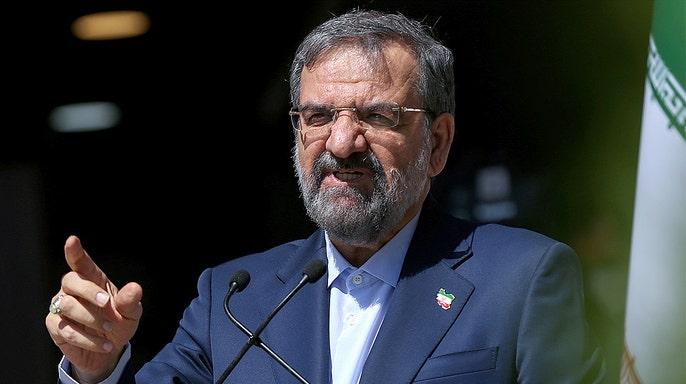
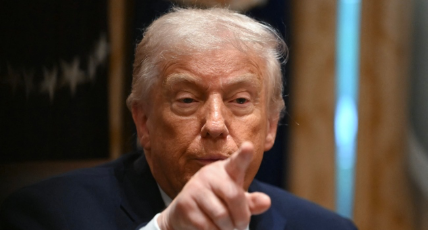
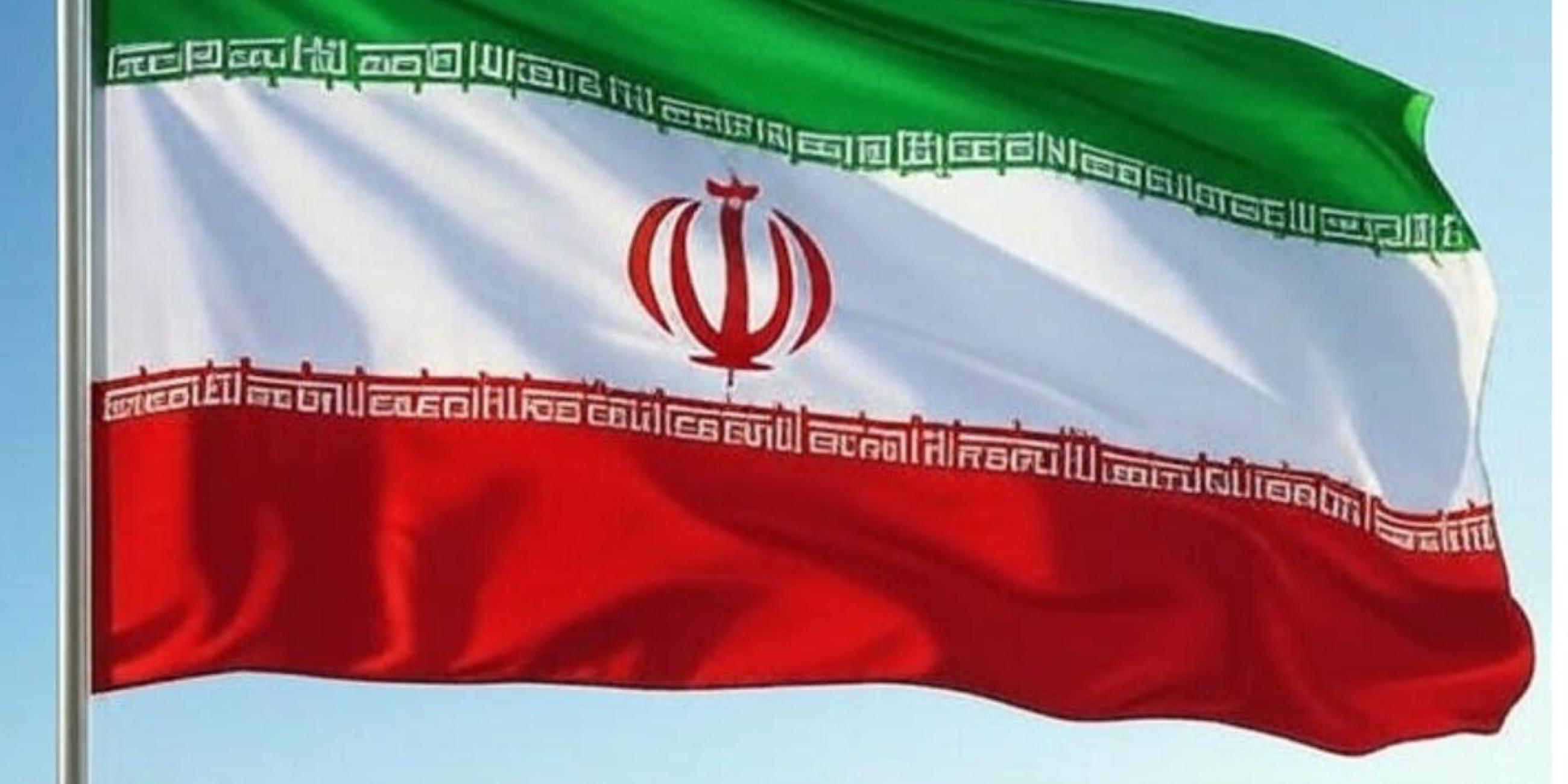
  • Top Iranian general threatens to 'cut off' Trump's hand over potential military strikes

    A senior Iranian military official has warned that any U.S. strike on Iran would trigger retaliation against American forces and bases across the Middle East, issuing a direct threat toward President Donald Trump. The warning comes amid rising tensions, as reports indicate at least one U.S. aircraft carrier is being repositioned to the region, signaling potential military escalation.

    #IranUS #MiddleEastTensions #GlobalSecurity #BreakingNews
    Top Iranian general threatens to 'cut off' Trump's hand over potential military strikes A senior Iranian military official has warned that any U.S. strike on Iran would trigger retaliation against American forces and bases across the Middle East, issuing a direct threat toward President Donald Trump. The warning comes amid rising tensions, as reports indicate at least one U.S. aircraft carrier is being repositioned to the region, signaling potential military escalation. #IranUS #MiddleEastTensions #GlobalSecurity #BreakingNews
    love
    1
    · 0 Yorumlar ·0 hisse senetleri ·2K Views
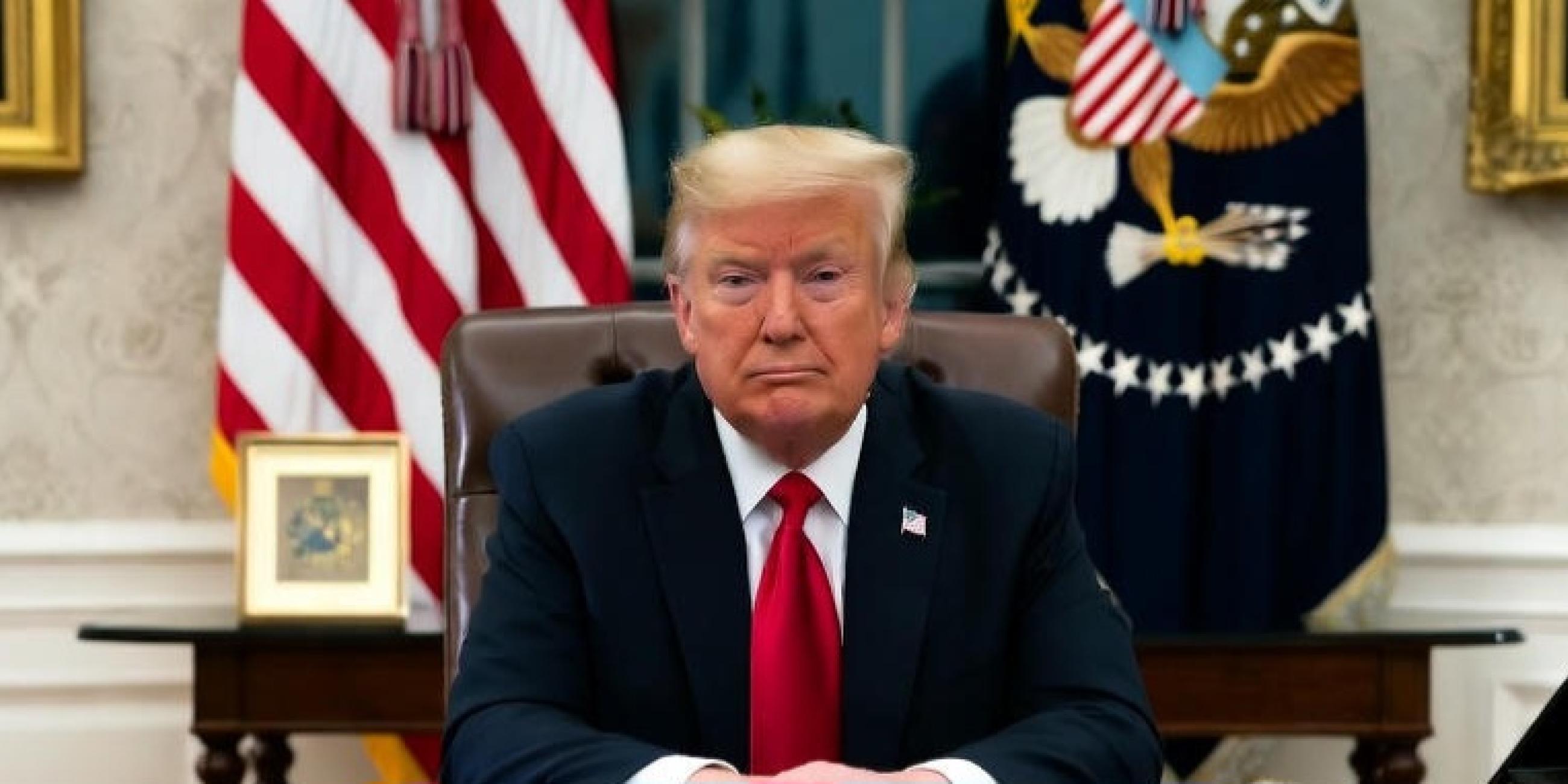
  • Trump Threatens Tariffs on Countries Opposing US Plan to Take Over Greenland

    US President Donald Trump has warned that his administration may impose trade tariffs on countries that refuse to support America’s plan to take control of Greenland, a territory belonging to NATO ally Denmark. Trump argued that the United States needs mineral-rich Greenland for strategic reasons, accusing the territory of failing to do enough to secure itself against growing influence from rivals Russia and China. The remarks signal a sharp escalation in pressure on allies amid rising geopolitical competition in the Arctic.

    #Trump #Greenland #USTrade #GlobalPolitics
    Trump Threatens Tariffs on Countries Opposing US Plan to Take Over Greenland US President Donald Trump has warned that his administration may impose trade tariffs on countries that refuse to support America’s plan to take control of Greenland, a territory belonging to NATO ally Denmark. Trump argued that the United States needs mineral-rich Greenland for strategic reasons, accusing the territory of failing to do enough to secure itself against growing influence from rivals Russia and China. The remarks signal a sharp escalation in pressure on allies amid rising geopolitical competition in the Arctic. #Trump #Greenland #USTrade #GlobalPolitics
    0 Yorumlar ·0 hisse senetleri ·3K Views
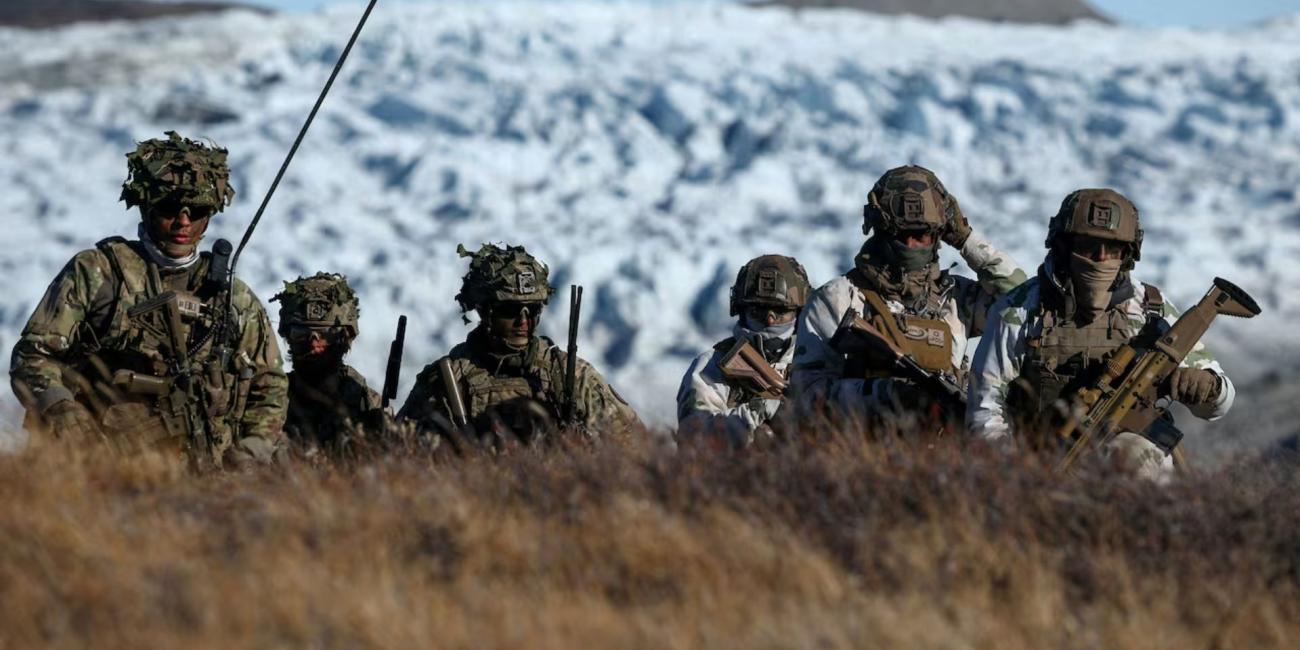
  • NATO Allies Deploy Troops to Greenland Amid Trump’s Push for U.S. Control

    Several NATO countries, including France, Germany, Sweden, and Norway, have deployed troops to Greenland under “Operation Arctic Endurance,” a joint exercise led by Denmark to strengthen Arctic security. The deployment comes amid former U.S. President Donald Trump’s renewed calls for American control of Greenland, citing national security and the risk of Russian and Chinese influence. Denmark and Greenland insist on maintaining sovereignty, while NATO allies aim to reassure the population. The situation has intensified diplomatic tensions, highlighting Greenland’s strategic importance in Arctic defense and global geopolitics.

    #GreenlandSecurity #NATOArctic #USPolitics


    NATO Allies Deploy Troops to Greenland Amid Trump’s Push for U.S. Control Several NATO countries, including France, Germany, Sweden, and Norway, have deployed troops to Greenland under “Operation Arctic Endurance,” a joint exercise led by Denmark to strengthen Arctic security. The deployment comes amid former U.S. President Donald Trump’s renewed calls for American control of Greenland, citing national security and the risk of Russian and Chinese influence. Denmark and Greenland insist on maintaining sovereignty, while NATO allies aim to reassure the population. The situation has intensified diplomatic tensions, highlighting Greenland’s strategic importance in Arctic defense and global geopolitics. #GreenlandSecurity #NATOArctic #USPolitics
    0 Yorumlar ·0 hisse senetleri ·3K Views
  • Sen. Hawley: “Can men get pregnant?”
    Dr. Nisha Verma: “I’m not really sure what the goal of the question is.”
    Sen. Hawley: “The goal is just to establish a biological reality… Can men get pregnant?”

    American ideological divide in action

    #CanMenGetPregnant #PoliticalDebate #USPolitics #Biology101 #IdeologicalDivide #FunnyButTrue #SenateMoments #CultureWar
    Sen. Hawley: “Can men get pregnant?” Dr. Nisha Verma: “I’m not really sure what the goal of the question is.” Sen. Hawley: “The goal is just to establish a biological reality… Can men get pregnant?” American ideological divide in action 😂😂 #CanMenGetPregnant #PoliticalDebate #USPolitics #Biology101 #IdeologicalDivide #FunnyButTrue #SenateMoments #CultureWar
    love
    1
    · 0 Yorumlar ·0 hisse senetleri ·2K Views ·23 Plays
  • Trump is only killing America.
    Trump is only killing America.
    @daniellubetzky

    The American Dream is what makes our country so special, and we can never lose sight of that. It’s out there for all of us, should we choose to chase it. #BeABuilder @Builders

    ♬ original sound - Daniel Lubetzky
    love
    1
    · 0 Yorumlar ·0 hisse senetleri ·321 Views
  • US Orders Citizens to Leave Venezuela Immediately as Armed Militias Set Up Roadblocks

    The United States government has issued an urgent warning to all its citizens in Venezuela: leave immediately. The advisory, posted on January 10, 2026, comes amid rising insecurity despite international flights resuming.

    Officials report that armed militias, known locally as colectivos, are setting up roadblocks and searching vehicles, allegedly looking for Americans or anyone supporting the US. Citizens were advised to stay alert and exercise extreme caution while traveling by road.

    Venezuela is now at Travel Advisory Level 4: Do Not Travel, the highest alert level. Risks cited include wrongful detention, torture, terrorism, kidnapping, arbitrary enforcement of local laws, crime, civil unrest, and poor health infrastructure.

    The US urged travelers to monitor airlines for updates and enroll in the Smart Traveler Enrollment Program (STEP) to receive security updates.

    This comes just days after US forces reportedly stormed Venezuela and abducted President Nicolás Maduro on January 3, 2026, escalating tensions in the region.

    Meanwhile, former US President Donald Trump has continued to make headlines by threatening Colombia and repeating plans to annex Greenland, citing strategic and mineral interests.

    The situation underscores the growing dangers in Venezuela and the urgent need for American citizens to prioritize safety and leave immediately.


    US Orders Citizens to Leave Venezuela Immediately as Armed Militias Set Up Roadblocks The United States government has issued an urgent warning to all its citizens in Venezuela: leave immediately. The advisory, posted on January 10, 2026, comes amid rising insecurity despite international flights resuming. Officials report that armed militias, known locally as colectivos, are setting up roadblocks and searching vehicles, allegedly looking for Americans or anyone supporting the US. Citizens were advised to stay alert and exercise extreme caution while traveling by road. Venezuela is now at Travel Advisory Level 4: Do Not Travel, the highest alert level. Risks cited include wrongful detention, torture, terrorism, kidnapping, arbitrary enforcement of local laws, crime, civil unrest, and poor health infrastructure. The US urged travelers to monitor airlines for updates and enroll in the Smart Traveler Enrollment Program (STEP) to receive security updates. This comes just days after US forces reportedly stormed Venezuela and abducted President Nicolás Maduro on January 3, 2026, escalating tensions in the region. Meanwhile, former US President Donald Trump has continued to make headlines by threatening Colombia and repeating plans to annex Greenland, citing strategic and mineral interests. The situation underscores the growing dangers in Venezuela and the urgent need for American citizens to prioritize safety and leave immediately.
    0 Yorumlar ·0 hisse senetleri ·3K Views
  • U.S. Warns Citizens to Flee Venezuela After Special Ops Capture of President Maduro

    The U.S. Embassy in Venezuela has issued a strong security alert, urging all American citizens to leave the country immediately amid growing threats from armed militias known as colectivos, who are reportedly setting up roadblocks to target U.S. citizens. The advisory reiterates longstanding travel warnings dating back to 2019, when the U.S. fully withdrew its diplomatic personnel from Caracas.

    The warning follows a major escalation in early January 2026: over 200 U.S. Special Operations forces raided Caracas in Operation Absolute Resolve, abducting President Nicolás Maduro and his wife, Cilia Flores, and transporting them to New York City. The raid reportedly killed dozens of Venezuelan security personnel and Cuban bodyguards.

    In Manhattan, Maduro and Flores face federal charges, including narco-terrorism and cocaine importation conspiracies, and have pleaded not guilty. Meanwhile, Venezuelan Vice President Delcy Rodríguez has been sworn in as acting president, denouncing the operation as an illegal "kidnapping."

    The U.S. administration, citing the war on drugs, has also signaled intentions to rebuild Venezuela’s energy sector and manage oil exports, with Secretary of State Marco Rubio mentioning an "oil quarantine" as leverage. Critics argue the operation primarily targets geopolitical and economic control rather than law enforcement.

    Americans in Venezuela are urged to check flight availability, communicate regularly with family abroad, and enroll in the STEP program to receive security updates, as the U.S. government is currently unable to provide routine or emergency assistance.

    The situation underscores Venezuela’s ongoing instability, including civil unrest, intermittent power outages, and heightened risks of crime and kidnapping.


    U.S. Warns Citizens to Flee Venezuela After Special Ops Capture of President Maduro The U.S. Embassy in Venezuela has issued a strong security alert, urging all American citizens to leave the country immediately amid growing threats from armed militias known as colectivos, who are reportedly setting up roadblocks to target U.S. citizens. The advisory reiterates longstanding travel warnings dating back to 2019, when the U.S. fully withdrew its diplomatic personnel from Caracas. The warning follows a major escalation in early January 2026: over 200 U.S. Special Operations forces raided Caracas in Operation Absolute Resolve, abducting President Nicolás Maduro and his wife, Cilia Flores, and transporting them to New York City. The raid reportedly killed dozens of Venezuelan security personnel and Cuban bodyguards. In Manhattan, Maduro and Flores face federal charges, including narco-terrorism and cocaine importation conspiracies, and have pleaded not guilty. Meanwhile, Venezuelan Vice President Delcy Rodríguez has been sworn in as acting president, denouncing the operation as an illegal "kidnapping." The U.S. administration, citing the war on drugs, has also signaled intentions to rebuild Venezuela’s energy sector and manage oil exports, with Secretary of State Marco Rubio mentioning an "oil quarantine" as leverage. Critics argue the operation primarily targets geopolitical and economic control rather than law enforcement. Americans in Venezuela are urged to check flight availability, communicate regularly with family abroad, and enroll in the STEP program to receive security updates, as the U.S. government is currently unable to provide routine or emergency assistance. The situation underscores Venezuela’s ongoing instability, including civil unrest, intermittent power outages, and heightened risks of crime and kidnapping.
    0 Yorumlar ·0 hisse senetleri ·2K Views
  • Wahala Don Burst: US Drops Massive Airstrikes on ISIS in Syria, Sokoto Also Hit!

    Na so e be! The United States Central Command (CENTCOM) don carry out big airstrikes against ISIS targets across Syria, and Nigerians won’t forget the connection at home—Sokoto was hit too!

    CENTCOM revealed on X that the strikes happened Saturday around 12:30 p.m. Eastern Time, alongside partner forces. This operation, called Operation Hawkeye Strike, started December 19, 2025, after a deadly ISIS attack near Palmyra, Syria, that killed two American soldiers and one civilian interpreter.

    The US military made it clear: “If you harm our warfighters, we will find you and kill you anywhere in the world.” No shaking!

    Interestingly, in December 2025, the US also conducted airstrikes in northwest Nigeria, specifically in Sokoto State, targeting ISIS-linked militants of the Islamic State-Sahel Province (ISSP) and local affiliate Lakurawa. Tomahawk missiles were reportedly used in collaboration with the Nigerian government to dismantle terrorist camps.

    These operations show that the fight against terrorism is now global and local, and both the US and Nigeria are keeping the pressure on ISIS wherever they pop up.

    For Nigerians, the Sokoto strike is a reminder that terrorism is a real threat, and the government is working with international partners to try to keep citizens safe.

    Wahala don burst, but the fight no go stop!

    Wahala Don Burst: US Drops Massive Airstrikes on ISIS in Syria, Sokoto Also Hit! Na so e be! The United States Central Command (CENTCOM) don carry out big airstrikes against ISIS targets across Syria, and Nigerians won’t forget the connection at home—Sokoto was hit too! CENTCOM revealed on X that the strikes happened Saturday around 12:30 p.m. Eastern Time, alongside partner forces. This operation, called Operation Hawkeye Strike, started December 19, 2025, after a deadly ISIS attack near Palmyra, Syria, that killed two American soldiers and one civilian interpreter. The US military made it clear: “If you harm our warfighters, we will find you and kill you anywhere in the world.” No shaking! Interestingly, in December 2025, the US also conducted airstrikes in northwest Nigeria, specifically in Sokoto State, targeting ISIS-linked militants of the Islamic State-Sahel Province (ISSP) and local affiliate Lakurawa. Tomahawk missiles were reportedly used in collaboration with the Nigerian government to dismantle terrorist camps. These operations show that the fight against terrorism is now global and local, and both the US and Nigeria are keeping the pressure on ISIS wherever they pop up. For Nigerians, the Sokoto strike is a reminder that terrorism is a real threat, and the government is working with international partners to try to keep citizens safe. Wahala don burst, but the fight no go stop!
    0 Yorumlar ·0 hisse senetleri ·2K Views
  • Trump Declares Emergency to Lock Down Venezuela’s Oil Funds in U.S. Treasury

    President Donald Trump has signed an executive order declaring a national emergency to block courts, creditors, and private parties from seizing Venezuelan oil revenue held in U.S. Treasury accounts.

    The White House said the funds—classified as Foreign Government Deposit Funds—are now fully protected from attachment, judgment, liens, or any form of legal action. The order also bans any transfer or use of the money unless explicitly authorised by the U.S. government.

    According to the administration, allowing the funds to be accessed would undermine U.S. foreign policy goals, weaken efforts to stabilise Venezuela, and threaten regional security. Officials linked the decision to concerns over illegal immigration, drug trafficking, and the influence of hostile foreign actors.

    The White House warned that losing control of the oil revenues could strengthen groups such as Iran and Hezbollah while crippling initiatives aimed at restoring political and economic stability in Venezuela and across the Western Hemisphere.

    The move forms part of Trump’s hardline “America First” approach to Venezuela. His administration has designated several criminal groups as terrorist organisations, imposed strict measures on oil shipments, and authorised aggressive action against narcotics networks operating in the region.

    Earlier on the same day, Trump met with top oil executives, revealing plans for large-scale U.S. investment in Venezuela’s energy sector. He said the deals could involve “hundreds of billions of dollars,” boost oil production, and drive prices down globally.

    The White House described the executive order as a strategic step to safeguard U.S. national security interests while maintaining control over Venezuela’s most critical financial asset.


    Trump Declares Emergency to Lock Down Venezuela’s Oil Funds in U.S. Treasury President Donald Trump has signed an executive order declaring a national emergency to block courts, creditors, and private parties from seizing Venezuelan oil revenue held in U.S. Treasury accounts. The White House said the funds—classified as Foreign Government Deposit Funds—are now fully protected from attachment, judgment, liens, or any form of legal action. The order also bans any transfer or use of the money unless explicitly authorised by the U.S. government. According to the administration, allowing the funds to be accessed would undermine U.S. foreign policy goals, weaken efforts to stabilise Venezuela, and threaten regional security. Officials linked the decision to concerns over illegal immigration, drug trafficking, and the influence of hostile foreign actors. The White House warned that losing control of the oil revenues could strengthen groups such as Iran and Hezbollah while crippling initiatives aimed at restoring political and economic stability in Venezuela and across the Western Hemisphere. The move forms part of Trump’s hardline “America First” approach to Venezuela. His administration has designated several criminal groups as terrorist organisations, imposed strict measures on oil shipments, and authorised aggressive action against narcotics networks operating in the region. Earlier on the same day, Trump met with top oil executives, revealing plans for large-scale U.S. investment in Venezuela’s energy sector. He said the deals could involve “hundreds of billions of dollars,” boost oil production, and drive prices down globally. The White House described the executive order as a strategic step to safeguard U.S. national security interests while maintaining control over Venezuela’s most critical financial asset.
    0 Yorumlar ·0 hisse senetleri ·3K Views
  • Why Did the Trump Administration Freeze $129 Million in USDA Funds to Minnesota and Minneapolis Over Fraud Allegations, and Who Is Accountable for the Feeding Our Future Scandal?

    The Trump administration has taken decisive action against Minnesota and Minneapolis, suspending over $129 million in USDA federal funding amid allegations of “widespread and systemic fraud.” U.S. Secretary of Agriculture Brooke L. Rollins cited repeated failures in federal program oversight, including mismanagement of programs like Child and Adult Care Food Program (CACFP), Summer Food Service Program (SFSP), and the Supplemental Nutrition Assistance Program (SNAP).

    The decision follows revelations from the Feeding Our Future scandal, in which a Minneapolis nonprofit allegedly defrauded taxpayers of nearly $250 million intended to feed children during the COVID-19 pandemic. Rollins described the fraud as “industrial-scale”, involving 78 defendants charged in what the Department of Justice calls the largest COVID-19 fraud scheme in the U.S.

    In her letter to Minnesota Governor Tim Walz and Minneapolis Mayor Jacob Frey, Rollins highlighted additional alleged abuses in the Paycheck Protection Program, housing assistance schemes, and SNAP misreporting. Officials who resisted federal oversight and challenged USDA directives were also called out for enabling continued fraud.

    As a result, all active and future USDA awards to Minnesota and Minneapolis—totaling $129.18 million—are suspended immediately. Authorities have 30 days to provide detailed payment justifications; failure to comply could extend the suspension. Rollins emphasized that this action represents the administration’s zero-tolerance policy on fraud, waste, and abuse, protecting American taxpayers and ensuring funds reach those who need them.

    This unprecedented suspension raises urgent questions: How did fraud reach such scale in Minnesota’s federal programs? Who is responsible for oversight failures? Will federal authorities enforce accountability, and how will affected programs recover? The frozen funds underscore a growing national focus on transparency, stewardship, and integrity in public funding.


    Why Did the Trump Administration Freeze $129 Million in USDA Funds to Minnesota and Minneapolis Over Fraud Allegations, and Who Is Accountable for the Feeding Our Future Scandal? The Trump administration has taken decisive action against Minnesota and Minneapolis, suspending over $129 million in USDA federal funding amid allegations of “widespread and systemic fraud.” U.S. Secretary of Agriculture Brooke L. Rollins cited repeated failures in federal program oversight, including mismanagement of programs like Child and Adult Care Food Program (CACFP), Summer Food Service Program (SFSP), and the Supplemental Nutrition Assistance Program (SNAP). The decision follows revelations from the Feeding Our Future scandal, in which a Minneapolis nonprofit allegedly defrauded taxpayers of nearly $250 million intended to feed children during the COVID-19 pandemic. Rollins described the fraud as “industrial-scale”, involving 78 defendants charged in what the Department of Justice calls the largest COVID-19 fraud scheme in the U.S. In her letter to Minnesota Governor Tim Walz and Minneapolis Mayor Jacob Frey, Rollins highlighted additional alleged abuses in the Paycheck Protection Program, housing assistance schemes, and SNAP misreporting. Officials who resisted federal oversight and challenged USDA directives were also called out for enabling continued fraud. As a result, all active and future USDA awards to Minnesota and Minneapolis—totaling $129.18 million—are suspended immediately. Authorities have 30 days to provide detailed payment justifications; failure to comply could extend the suspension. Rollins emphasized that this action represents the administration’s zero-tolerance policy on fraud, waste, and abuse, protecting American taxpayers and ensuring funds reach those who need them. This unprecedented suspension raises urgent questions: How did fraud reach such scale in Minnesota’s federal programs? Who is responsible for oversight failures? Will federal authorities enforce accountability, and how will affected programs recover? The frozen funds underscore a growing national focus on transparency, stewardship, and integrity in public funding.
    0 Yorumlar ·0 hisse senetleri ·2K Views
  • Is Trump Becoming the Next “Fallen Despot”? Why Iran’s Supreme Leader Khamenei Compared Him to Pharaoh, Nimrod and the Shah Amid Rising U.S.–Iran Tensions

    Is Donald Trump being cast as the next ruler destined for historical downfall? Iran’s Supreme Leader, Ayatollah Ali Khamenei, has launched a sharp ideological attack on the U.S. president, accusing him of “tyrannical” leadership and warning that, like infamous rulers of the past, he too could ultimately fall from power.

    In a post shared on X (formerly Twitter), Khamenei condemned what he described as Trump’s habit of judging the world with arrogance, arguing that history offers repeated lessons about leaders who rule through hubris. Drawing striking parallels, the Iranian leader invoked figures such as Pharaoh, Nimrod, and Mohammad Reza Pahlavi—rulers who, he said, collapsed at the height of their authority after overreaching their power.

    “The US President who judges arrogantly about the whole world should know that tyrants and arrogant rulers of the world… saw their downfall when they were at the peak of their hubris. He too will fall,” Khamenei wrote. The message framed Trump not merely as a political rival, but as part of a long lineage of leaders whose dominance, according to Khamenei, eventually gave way to decline.

    The comments come amid deepening hostility between Tehran and Washington, defined by sanctions, military posturing, and public exchanges between senior officials. Khamenei, Iran’s highest authority, has consistently portrayed U.S. foreign policy as imperialistic, often embedding his criticisms within historical and religious narratives aimed at reinforcing Iran’s resistance ideology.

    Tensions intensified further following reports that Trump praised Israeli military strikes on Iran in June 2025. According to ABC News Chief Washington Correspondent Jonathan Karl, Trump described the attack as “excellent,” adding that Iran had been given a chance to change course but failed to do so—and warning that “there’s more to come, a lot more.” His remarks coincided with a series of escalating confrontations between Israel and Iran, including strikes on Iranian territory, some reportedly reaching as far as Tehran.

    Iran’s Foreign Ministry condemned the attacks as a “blatant act of aggression,” while regional analysts warned that rhetoric from both sides risks further destabilizing an already volatile Middle East. Against this backdrop, Khamenei’s comparison of Trump to fallen despots appears not only symbolic but strategic—seeking to frame U.S. pressure as morally bankrupt and historically doomed.

    The episode raises broader questions: Is Khamenei merely engaging in ideological posturing, or is Iran signaling that it sees Trump’s leadership style as unsustainable in the long run? And does invoking ancient and modern tyrants reflect a deeper effort to mobilize domestic and regional opinion against American influence?

    As U.S.–Iran relations continue to harden, the clash of narratives—Trump’s warnings of force and Khamenei’s predictions of downfall—underscores how geopolitical conflict today is fought not only with sanctions and weapons, but with history, symbolism, and the power of storytelling. Whether Trump’s approach will reinforce U.S. dominance or mirror the fate of leaders Khamenei cited remains a question shaping global attention.


    Is Trump Becoming the Next “Fallen Despot”? Why Iran’s Supreme Leader Khamenei Compared Him to Pharaoh, Nimrod and the Shah Amid Rising U.S.–Iran Tensions Is Donald Trump being cast as the next ruler destined for historical downfall? Iran’s Supreme Leader, Ayatollah Ali Khamenei, has launched a sharp ideological attack on the U.S. president, accusing him of “tyrannical” leadership and warning that, like infamous rulers of the past, he too could ultimately fall from power. In a post shared on X (formerly Twitter), Khamenei condemned what he described as Trump’s habit of judging the world with arrogance, arguing that history offers repeated lessons about leaders who rule through hubris. Drawing striking parallels, the Iranian leader invoked figures such as Pharaoh, Nimrod, and Mohammad Reza Pahlavi—rulers who, he said, collapsed at the height of their authority after overreaching their power. “The US President who judges arrogantly about the whole world should know that tyrants and arrogant rulers of the world… saw their downfall when they were at the peak of their hubris. He too will fall,” Khamenei wrote. The message framed Trump not merely as a political rival, but as part of a long lineage of leaders whose dominance, according to Khamenei, eventually gave way to decline. The comments come amid deepening hostility between Tehran and Washington, defined by sanctions, military posturing, and public exchanges between senior officials. Khamenei, Iran’s highest authority, has consistently portrayed U.S. foreign policy as imperialistic, often embedding his criticisms within historical and religious narratives aimed at reinforcing Iran’s resistance ideology. Tensions intensified further following reports that Trump praised Israeli military strikes on Iran in June 2025. According to ABC News Chief Washington Correspondent Jonathan Karl, Trump described the attack as “excellent,” adding that Iran had been given a chance to change course but failed to do so—and warning that “there’s more to come, a lot more.” His remarks coincided with a series of escalating confrontations between Israel and Iran, including strikes on Iranian territory, some reportedly reaching as far as Tehran. Iran’s Foreign Ministry condemned the attacks as a “blatant act of aggression,” while regional analysts warned that rhetoric from both sides risks further destabilizing an already volatile Middle East. Against this backdrop, Khamenei’s comparison of Trump to fallen despots appears not only symbolic but strategic—seeking to frame U.S. pressure as morally bankrupt and historically doomed. The episode raises broader questions: Is Khamenei merely engaging in ideological posturing, or is Iran signaling that it sees Trump’s leadership style as unsustainable in the long run? And does invoking ancient and modern tyrants reflect a deeper effort to mobilize domestic and regional opinion against American influence? As U.S.–Iran relations continue to harden, the clash of narratives—Trump’s warnings of force and Khamenei’s predictions of downfall—underscores how geopolitical conflict today is fought not only with sanctions and weapons, but with history, symbolism, and the power of storytelling. Whether Trump’s approach will reinforce U.S. dominance or mirror the fate of leaders Khamenei cited remains a question shaping global attention.
    0 Yorumlar ·0 hisse senetleri ·3K Views
  • Is Iran’s Supreme Leader Blaming Protesters to Please Trump as Deadly Unrest, Internet Blackouts and Calls for Regime Change Shake Tehran?

    Iran’s Supreme Leader, Ayatollah Ali Khamenei, has accused anti-government protesters of “ruining their own streets to make the president of another country happy,” as nationwide unrest continues to grip Tehran and other major cities despite an unprecedented internet and telephone shutdown. His remarks come amid escalating demonstrations that began over economic hardship but have rapidly evolved into the most serious challenge to Iran’s leadership in years.

    Short videos circulating on social media before the blackout showed protesters chanting around bonfires, blocking roads, and leaving streets strewn with debris. Iranian state television later blamed the violence on “terrorist agents” backed by the United States and Israel, reporting unspecified “casualties” while offering few details. During a televised address, Khamenei warned of a hardline response, as crowds in the studio chanted “Death to America,” underscoring the regime’s narrative of foreign interference.

    According to analysts, the protests gained momentum after public appeals by exiled Crown Prince Reza Pahlavi, who urged Iranians to take to the streets at coordinated times. Holly Dagres of the Washington Institute for Near East Policy said the calls had a decisive impact, transforming scattered demonstrations into a nationwide movement aimed at toppling the Islamic Republic. Witnesses in Tehran reported chants of “Death to the dictator,” “Death to the Islamic Republic,” and slogans calling for the return of the Pahlavi monarchy.

    Pahlavi condemned the government’s decision to shut down communications, warning that cutting internet and landlines was intended to silence the protesters and prevent the world from seeing what was happening inside Iran. He urged international leaders to use “technical, financial, and diplomatic resources” to restore connectivity so that the voices of Iranians could be heard globally.

    Human rights groups report a growing toll. The U.S.-based Human Rights Activists News Agency says at least 42 people have been killed and more than 2,270 detained since the protests began. State media acknowledged that private vehicles, public transport, metro stations, and emergency vehicles had been set ablaze during demonstrations, reinforcing claims of widespread unrest.

    Former U.S. President Donald Trump has also weighed in, warning Tehran against violently suppressing peaceful protesters and threatening severe consequences if the crackdown continues. His comments have fueled speculation that Iran’s leadership is framing the protests as a foreign-backed campaign to delegitimize domestic dissent.

    As the internet blackout persists and security forces tighten their grip, questions remain: Are Iran’s leaders confronting a genuine popular uprising driven by economic despair and demands for freedom, or will the government succeed in recasting the movement as an externally orchestrated plot? With mounting deaths, mass arrests, and growing international attention, the unfolding crisis could redefine Iran’s political future.


    Is Iran’s Supreme Leader Blaming Protesters to Please Trump as Deadly Unrest, Internet Blackouts and Calls for Regime Change Shake Tehran? Iran’s Supreme Leader, Ayatollah Ali Khamenei, has accused anti-government protesters of “ruining their own streets to make the president of another country happy,” as nationwide unrest continues to grip Tehran and other major cities despite an unprecedented internet and telephone shutdown. His remarks come amid escalating demonstrations that began over economic hardship but have rapidly evolved into the most serious challenge to Iran’s leadership in years. Short videos circulating on social media before the blackout showed protesters chanting around bonfires, blocking roads, and leaving streets strewn with debris. Iranian state television later blamed the violence on “terrorist agents” backed by the United States and Israel, reporting unspecified “casualties” while offering few details. During a televised address, Khamenei warned of a hardline response, as crowds in the studio chanted “Death to America,” underscoring the regime’s narrative of foreign interference. According to analysts, the protests gained momentum after public appeals by exiled Crown Prince Reza Pahlavi, who urged Iranians to take to the streets at coordinated times. Holly Dagres of the Washington Institute for Near East Policy said the calls had a decisive impact, transforming scattered demonstrations into a nationwide movement aimed at toppling the Islamic Republic. Witnesses in Tehran reported chants of “Death to the dictator,” “Death to the Islamic Republic,” and slogans calling for the return of the Pahlavi monarchy. Pahlavi condemned the government’s decision to shut down communications, warning that cutting internet and landlines was intended to silence the protesters and prevent the world from seeing what was happening inside Iran. He urged international leaders to use “technical, financial, and diplomatic resources” to restore connectivity so that the voices of Iranians could be heard globally. Human rights groups report a growing toll. The U.S.-based Human Rights Activists News Agency says at least 42 people have been killed and more than 2,270 detained since the protests began. State media acknowledged that private vehicles, public transport, metro stations, and emergency vehicles had been set ablaze during demonstrations, reinforcing claims of widespread unrest. Former U.S. President Donald Trump has also weighed in, warning Tehran against violently suppressing peaceful protesters and threatening severe consequences if the crackdown continues. His comments have fueled speculation that Iran’s leadership is framing the protests as a foreign-backed campaign to delegitimize domestic dissent. As the internet blackout persists and security forces tighten their grip, questions remain: Are Iran’s leaders confronting a genuine popular uprising driven by economic despair and demands for freedom, or will the government succeed in recasting the movement as an externally orchestrated plot? With mounting deaths, mass arrests, and growing international attention, the unfolding crisis could redefine Iran’s political future.
    0 Yorumlar ·0 hisse senetleri ·3K Views
  • Is Iran Facing a New Uprising? How Nationwide Protests, Internet Blackouts and Reza Pahlavi’s Call Are Challenging Khamenei’s Rule

    Iran was gripped by renewed nationwide protests on Thursday night as demonstrators poured into the streets of Tehran and other cities following a call for mass action by exiled crown prince Reza Pahlavi. Witnesses reported chanting from rooftops and in neighbourhoods, while authorities quickly moved to cut internet access and telephone lines, a tactic historically used ahead of harsh crackdowns.

    The demonstrations marked a significant escalation in unrest driven largely by economic hardship, currency collapse, and public anger at Iran’s political system. They also represented the first major test of whether Pahlavi—whose father was overthrown in the 1979 Islamic Revolution—could mobilise meaningful opposition inside the country. Protests had already erupted the previous day in cities and rural towns, with markets and bazaars closing in solidarity.

    According to the U.S.-based Human Rights Activists News Agency, at least 41 people have been killed and more than 2,270 detained since the protests began. Monitoring groups such as Cloudflare and NetBlocks reported widespread digital shutdowns, attributing them to government interference. Calls to Iran from abroad reportedly failed, a sign often preceding intensified security operations.

    Despite the scale of the unrest, the movement has remained largely leaderless, prompting debate over whether it can sustain momentum or force political change. Analysts note that previous protest waves faltered due to the absence of a unified leadership structure, as Iran’s security apparatus has historically arrested, exiled, or silenced potential opposition figures.

    At the appointed protest hour, chants echoed across Tehran: “Death to the dictator!” “Death to the Islamic Republic!” and slogans calling for the return of the monarchy. In a statement, Pahlavi urged Iranians to continue demonstrating, declaring that “the eyes of the world are upon you,” and warning authorities that repression would not go unnoticed internationally.

    Iranian officials have not publicly acknowledged the full scope of the unrest, though state-linked media confirmed casualties among security forces. Reports from the judiciary and semi-official outlets said police officers and Revolutionary Guard members were killed in separate attacks in provinces including Kermanshah, Chaharmahal and Bakhtiari, and Khorasan Razavi. Hard-line media also circulated warnings that security agencies could use drones to identify protesters.

    The unrest comes amid deepening economic strain. Following tighter sanctions and the aftermath of a brief war, Iran’s currency collapsed in December to about 1.4 million rials to the U.S. dollar, triggering renewed demonstrations and calls for an end to clerical rule. U.S. President Donald Trump warned that Washington would respond if peaceful protesters were violently repressed, a statement Iran’s Foreign Ministry dismissed as “hypocritical interference.”

    Meanwhile, Nobel Peace Prize laureate Narges Mohammadi remains imprisoned, with her family saying the protests echo earlier uprisings in 2009 and 2019, each demanding an end to what they describe as a “dictatorial religious regime.”

    As unrest spreads and communication blackouts deepen, pressing questions remain: Can these protests break the cycle of repression? Will Reza Pahlavi emerge as a unifying figure or remain symbolic? And is Iran approaching a turning point—or another crackdown? With anger rising and the government tightening control, the unfolding crisis is shaping up as one of the most serious challenges to Iran’s leadership in years.


    Is Iran Facing a New Uprising? How Nationwide Protests, Internet Blackouts and Reza Pahlavi’s Call Are Challenging Khamenei’s Rule Iran was gripped by renewed nationwide protests on Thursday night as demonstrators poured into the streets of Tehran and other cities following a call for mass action by exiled crown prince Reza Pahlavi. Witnesses reported chanting from rooftops and in neighbourhoods, while authorities quickly moved to cut internet access and telephone lines, a tactic historically used ahead of harsh crackdowns. The demonstrations marked a significant escalation in unrest driven largely by economic hardship, currency collapse, and public anger at Iran’s political system. They also represented the first major test of whether Pahlavi—whose father was overthrown in the 1979 Islamic Revolution—could mobilise meaningful opposition inside the country. Protests had already erupted the previous day in cities and rural towns, with markets and bazaars closing in solidarity. According to the U.S.-based Human Rights Activists News Agency, at least 41 people have been killed and more than 2,270 detained since the protests began. Monitoring groups such as Cloudflare and NetBlocks reported widespread digital shutdowns, attributing them to government interference. Calls to Iran from abroad reportedly failed, a sign often preceding intensified security operations. Despite the scale of the unrest, the movement has remained largely leaderless, prompting debate over whether it can sustain momentum or force political change. Analysts note that previous protest waves faltered due to the absence of a unified leadership structure, as Iran’s security apparatus has historically arrested, exiled, or silenced potential opposition figures. At the appointed protest hour, chants echoed across Tehran: “Death to the dictator!” “Death to the Islamic Republic!” and slogans calling for the return of the monarchy. In a statement, Pahlavi urged Iranians to continue demonstrating, declaring that “the eyes of the world are upon you,” and warning authorities that repression would not go unnoticed internationally. Iranian officials have not publicly acknowledged the full scope of the unrest, though state-linked media confirmed casualties among security forces. Reports from the judiciary and semi-official outlets said police officers and Revolutionary Guard members were killed in separate attacks in provinces including Kermanshah, Chaharmahal and Bakhtiari, and Khorasan Razavi. Hard-line media also circulated warnings that security agencies could use drones to identify protesters. The unrest comes amid deepening economic strain. Following tighter sanctions and the aftermath of a brief war, Iran’s currency collapsed in December to about 1.4 million rials to the U.S. dollar, triggering renewed demonstrations and calls for an end to clerical rule. U.S. President Donald Trump warned that Washington would respond if peaceful protesters were violently repressed, a statement Iran’s Foreign Ministry dismissed as “hypocritical interference.” Meanwhile, Nobel Peace Prize laureate Narges Mohammadi remains imprisoned, with her family saying the protests echo earlier uprisings in 2009 and 2019, each demanding an end to what they describe as a “dictatorial religious regime.” As unrest spreads and communication blackouts deepen, pressing questions remain: Can these protests break the cycle of repression? Will Reza Pahlavi emerge as a unifying figure or remain symbolic? And is Iran approaching a turning point—or another crackdown? With anger rising and the government tightening control, the unfolding crisis is shaping up as one of the most serious challenges to Iran’s leadership in years.
    0 Yorumlar ·0 hisse senetleri ·2K Views
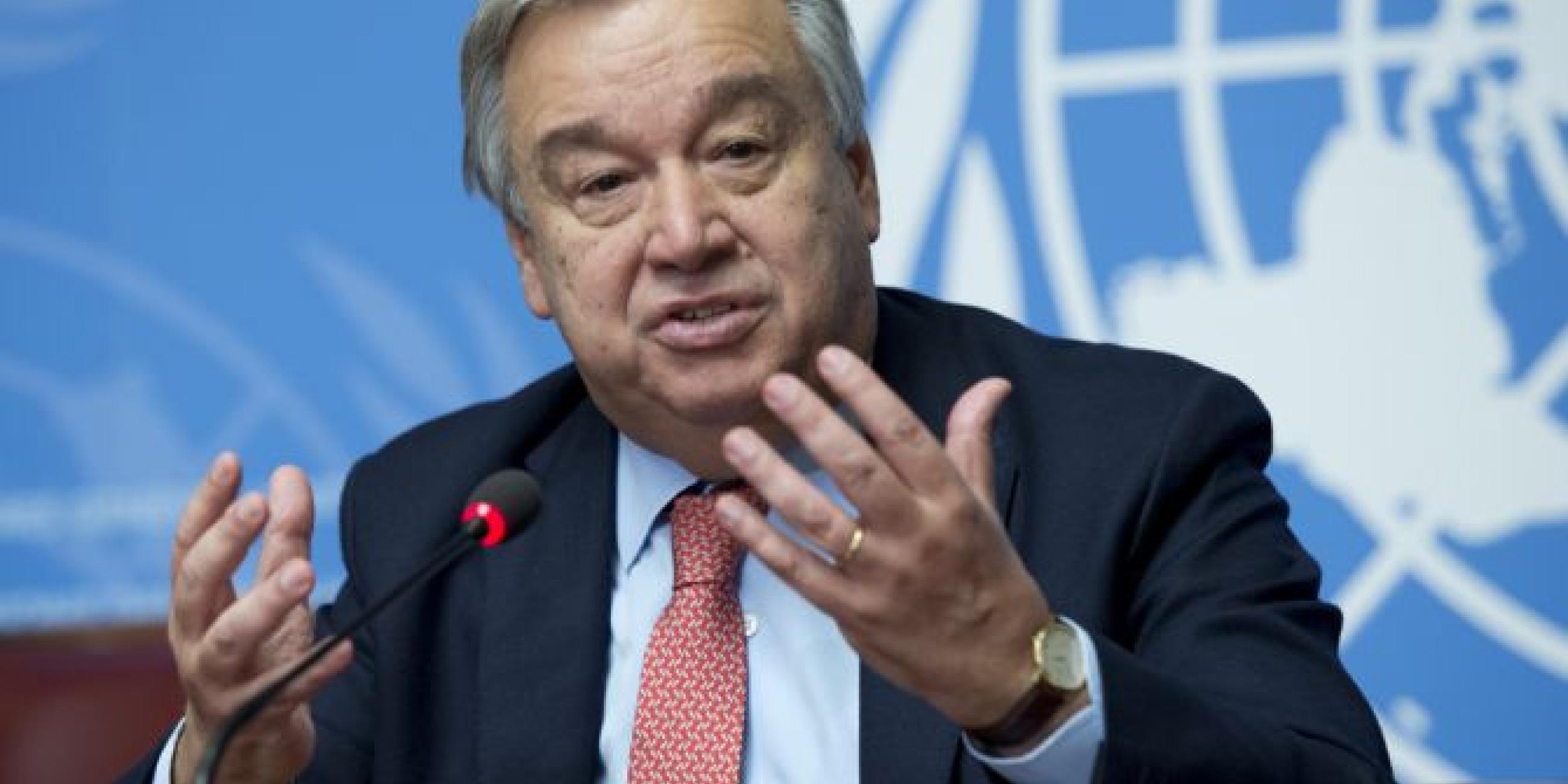
  • Is the U.S. Turning Its Back on the United Nations? Why UN Chief Guterres Regrets Trump’s Withdrawal From Dozens of Global Bodies and What It Means for World Governance

    United Nations Secretary-General Antonio Guterres has expressed strong regret over the United States’ decision to withdraw from multiple international organisations, warning that financial obligations to the UN remain legally binding under international law. The reaction follows a sweeping policy directive signed by U.S. President Donald Trump, ordering American withdrawal from 66 international bodies, including 31 United Nations entities and 35 non-UN organisations.

    In a statement delivered by UN Spokesman Stéphane Dujarric, the Secretary-General described the decision as “regrettable” and stressed that assessed contributions to the UN’s regular and peacekeeping budgets are mandatory under the UN Charter for all member states, including the United States. “Assessed contributions… are a legal obligation under the UN Charter,” Dujarric said, adding that all UN agencies would continue implementing their mandates despite political or financial challenges.

    While the UN statement did not specify which bodies would be affected or the immediate financial consequences, officials have long warned that funding shortfalls could undermine peacekeeping operations, humanitarian assistance, development programmes, and human-rights initiatives worldwide.

    The development stems from a Presidential Memorandum issued by Trump, declaring that continued U.S. participation in the listed organisations no longer serves American interests. The directive follows a comprehensive review ordered under Executive Order 14199 in February 2025, which assessed U.S. involvement in all international organisations, treaties, and conventions receiving American funding or support. After reviewing the findings with his Cabinet, Trump ordered federal agencies to take “immediate steps” to withdraw, where legally permissible.

    Among the non-UN organisations affected are bodies dealing with climate change, energy, environmental protection, democracy promotion, cybersecurity, and regional cooperation, including the Intergovernmental Panel on Climate Change (IPCC), the International Renewable Energy Agency (IRENA), the International Union for Conservation of Nature (IUCN), and the Freedom Online Coalition. The order also targets several security and justice-focused groups, such as the Global Counterterrorism Forum and the International Institute for Justice and the Rule of Law.

    On the UN side, the memorandum directs the United States to cease participation in or funding for multiple agencies and programmes, including UN Women, the UN Population Fund (UNFPA), UN Conference on Trade and Development (UNCTAD), the UN Framework Convention on Climate Change (UNFCCC), and offices focused on peacebuilding, development, oceans, water, international law, and human rights. It also affects entities such as the Peacebuilding Fund, UN Water, UN Oceans, and the UN University system.

    Despite the decision, the UN leadership insists its mission will continue. “All United Nations entities will go on with the implementation of their mandates as given by Member States,” the statement said, underscoring the organisation’s responsibility to people worldwide who rely on its work.

    The move has intensified global debate: Can the United States legally withdraw while still bound to financial obligations? Will UN programmes suffer operational setbacks? Does this signal a broader retreat from multilateralism—or a recalibration of U.S. foreign policy priorities? As the review process remains ongoing, with more organisations potentially targeted, the episode raises urgent questions about the future of international cooperation, global governance, and the stability of multilateral institutions.

    Is the U.S. Turning Its Back on the United Nations? Why UN Chief Guterres Regrets Trump’s Withdrawal From Dozens of Global Bodies and What It Means for World Governance United Nations Secretary-General Antonio Guterres has expressed strong regret over the United States’ decision to withdraw from multiple international organisations, warning that financial obligations to the UN remain legally binding under international law. The reaction follows a sweeping policy directive signed by U.S. President Donald Trump, ordering American withdrawal from 66 international bodies, including 31 United Nations entities and 35 non-UN organisations. In a statement delivered by UN Spokesman Stéphane Dujarric, the Secretary-General described the decision as “regrettable” and stressed that assessed contributions to the UN’s regular and peacekeeping budgets are mandatory under the UN Charter for all member states, including the United States. “Assessed contributions… are a legal obligation under the UN Charter,” Dujarric said, adding that all UN agencies would continue implementing their mandates despite political or financial challenges. While the UN statement did not specify which bodies would be affected or the immediate financial consequences, officials have long warned that funding shortfalls could undermine peacekeeping operations, humanitarian assistance, development programmes, and human-rights initiatives worldwide. The development stems from a Presidential Memorandum issued by Trump, declaring that continued U.S. participation in the listed organisations no longer serves American interests. The directive follows a comprehensive review ordered under Executive Order 14199 in February 2025, which assessed U.S. involvement in all international organisations, treaties, and conventions receiving American funding or support. After reviewing the findings with his Cabinet, Trump ordered federal agencies to take “immediate steps” to withdraw, where legally permissible. Among the non-UN organisations affected are bodies dealing with climate change, energy, environmental protection, democracy promotion, cybersecurity, and regional cooperation, including the Intergovernmental Panel on Climate Change (IPCC), the International Renewable Energy Agency (IRENA), the International Union for Conservation of Nature (IUCN), and the Freedom Online Coalition. The order also targets several security and justice-focused groups, such as the Global Counterterrorism Forum and the International Institute for Justice and the Rule of Law. On the UN side, the memorandum directs the United States to cease participation in or funding for multiple agencies and programmes, including UN Women, the UN Population Fund (UNFPA), UN Conference on Trade and Development (UNCTAD), the UN Framework Convention on Climate Change (UNFCCC), and offices focused on peacebuilding, development, oceans, water, international law, and human rights. It also affects entities such as the Peacebuilding Fund, UN Water, UN Oceans, and the UN University system. Despite the decision, the UN leadership insists its mission will continue. “All United Nations entities will go on with the implementation of their mandates as given by Member States,” the statement said, underscoring the organisation’s responsibility to people worldwide who rely on its work. The move has intensified global debate: Can the United States legally withdraw while still bound to financial obligations? Will UN programmes suffer operational setbacks? Does this signal a broader retreat from multilateralism—or a recalibration of U.S. foreign policy priorities? As the review process remains ongoing, with more organisations potentially targeted, the episode raises urgent questions about the future of international cooperation, global governance, and the stability of multilateral institutions.
    0 Yorumlar ·0 hisse senetleri ·3K Views
Fintter https://fintter.com