• Federal Fire Service Issues Strong Warning Against Scooping Fuel From Crashed Tankers

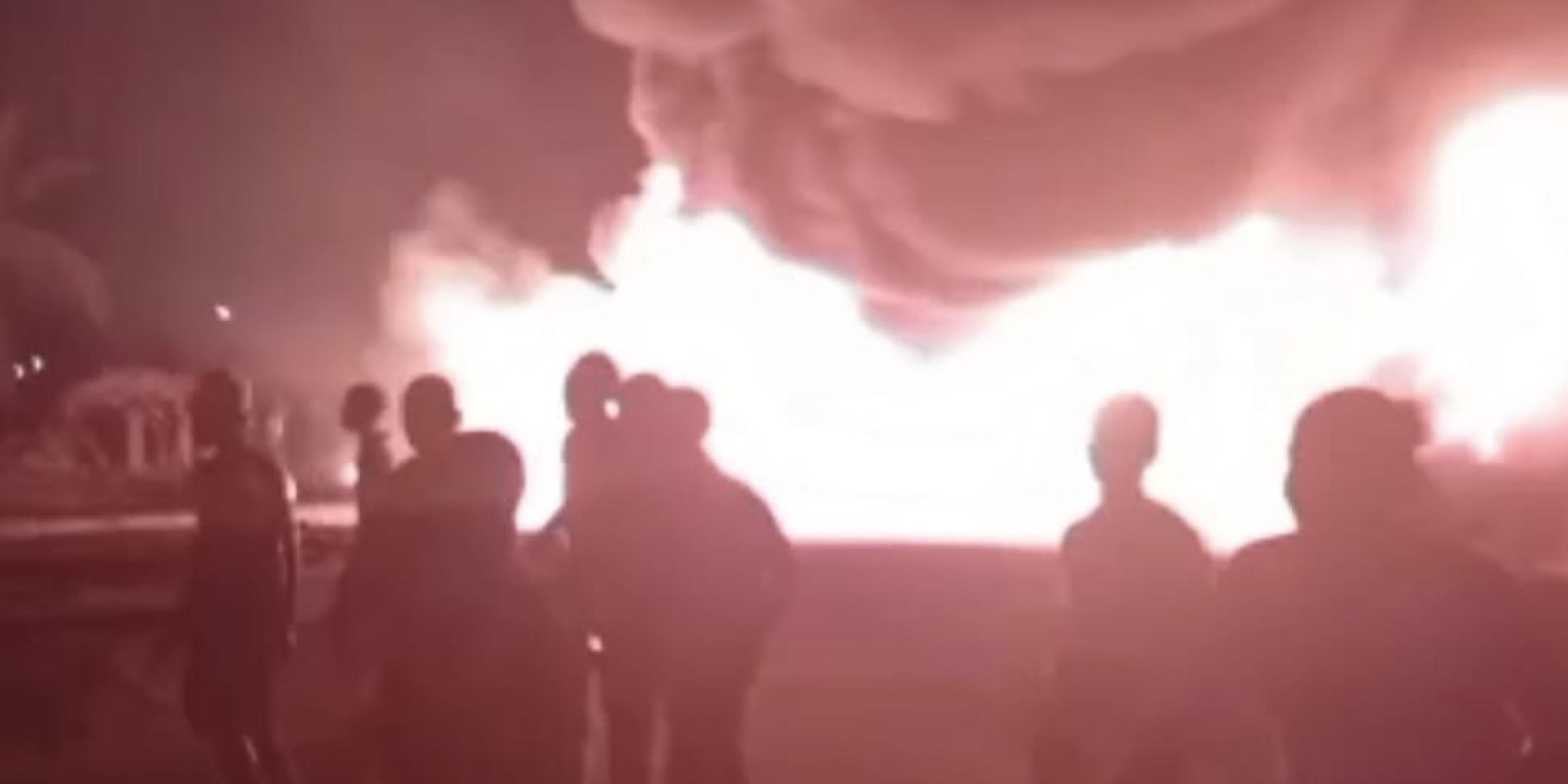
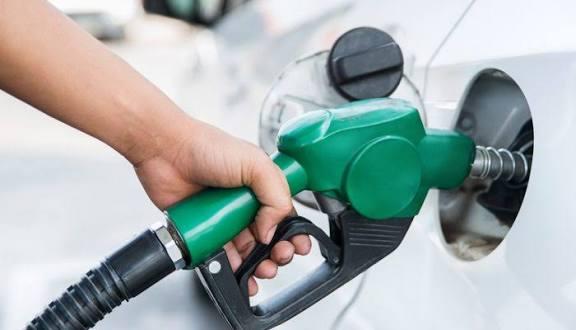
    The Federal Fire Service has warned Nigerians to stop scooping fuel from overturned tanker trucks, describing the practice as deadly and avoidable. FFS Controller General Olumode Adeyemi said at least 411 people died in 2024 from tanker-related fuel scooping incidents nationwide. Reacting to a viral video from Apapa, Lagos, Adeyemi stressed that spilled diesel and petrol release highly flammable vapour that can ignite instantly. The Service urged citizens to stay away from spill scenes, alert emergency responders and prioritise safety over material gain.

    #FuelScooping #FireService #TankerAccidents #PublicSafety #NigeriaNews
    Federal Fire Service Issues Strong Warning Against Scooping Fuel From Crashed Tankers The Federal Fire Service has warned Nigerians to stop scooping fuel from overturned tanker trucks, describing the practice as deadly and avoidable. FFS Controller General Olumode Adeyemi said at least 411 people died in 2024 from tanker-related fuel scooping incidents nationwide. Reacting to a viral video from Apapa, Lagos, Adeyemi stressed that spilled diesel and petrol release highly flammable vapour that can ignite instantly. The Service urged citizens to stay away from spill scenes, alert emergency responders and prioritise safety over material gain. #FuelScooping #FireService #TankerAccidents #PublicSafety #NigeriaNews
    love
    1
    · 0 Comentários ·0 Compartilhamentos ·2K Visualizações
  • Nigerian MDAs Budget N6.6B for Generator Fuel Amid Power Crisis in 2026

    Nigeria’s 2026 budget reveals that 20 federal Ministries, Departments, and Agencies (MDAs) will spend N6.626 billion on diesel and petrol for generators, highlighting ongoing electricity supply challenges. The EFCC tops the list with N1.2 billion, while security agencies collectively account for 63% of the total. Civil institutions and media agencies receive smaller allocations. The State House plans nearly N2 billion for generator fuel and maintenance despite a N7 billion solarisation project, underscoring persistent reliance on fossil fuels.

    #NigeriaBudget #PowerCrisis #GeneratorFuel

    Nigerian MDAs Budget N6.6B for Generator Fuel Amid Power Crisis in 2026 Nigeria’s 2026 budget reveals that 20 federal Ministries, Departments, and Agencies (MDAs) will spend N6.626 billion on diesel and petrol for generators, highlighting ongoing electricity supply challenges. The EFCC tops the list with N1.2 billion, while security agencies collectively account for 63% of the total. Civil institutions and media agencies receive smaller allocations. The State House plans nearly N2 billion for generator fuel and maintenance despite a N7 billion solarisation project, underscoring persistent reliance on fossil fuels. #NigeriaBudget #PowerCrisis #GeneratorFuel
    0 Comentários ·0 Compartilhamentos ·2K Visualizações
  • Bauchi Audit Exposes Universities, Polytechnics, Colleges, and Parastatals: How Did ₦Billions in Public Funds Go Unaccounted For, Why Were Revenues Unremitted, and Who Will Be Held Legally Responsible?

    How did institutions meant to uphold discipline, transparency, and public trust become hubs of financial disorder? An audit investigation by WikkiTimes reveals widespread financial mismanagement across Bauchi State’s universities, polytechnics, colleges, hospitals, agencies, and parastatals, raising urgent questions about accountability, oversight, and the future of public finance in the state.

    The Auditor-General’s report shows a consistent pattern: payments without documentation, unretired advances, missing revenue, inflated costs, forged or incomplete records, and expenditures without approval. These violations were not isolated to ministries or Government House—they extended deep into educational institutions and public agencies that are supposed to set standards in record-keeping, training, and ethical governance.

    At Sa’adu Zungur University, the state’s flagship institution, auditors recorded ₦63.5 million in payments without supporting documents, ₦12 million in unretired advances, ₦48 million in vouchers not presented for audit, ₦9.1 million in receipt discrepancies, ₦14.5 million in inflated diesel costs, and ₦84.2 million in unremitted tax deductions. Another ₦101 million was not posted to the cash book, making the trail of funds impossible to trace. An institution named after a symbol of moral discipline now stands accused of systemic financial indiscipline.

    At Abubakar Tatari Ali Polytechnic, auditors uncovered what they described as one of the most detailed cases of financial breakdown: ₦21.4 million in government revenue with no evidence of remittance, ₦13.4 million in undocumented payments, ₦15.1 million in vouchers withheld from audit, ₦28.6 million in store purchases not entered into ledgers, and multiple unretired advances and imprests. Additional red flags included ₦32.8 million in unauthorised payments, ₦5.7 million paid without documentation, and ₦5.2 million in soft loans without proof of recovery.

    Other institutions followed the same pattern. A.D. Rufa’i College of Legal Studies recorded millions in undocumented, unauthorised, and unacknowledged payments, alongside major store ledger discrepancies—echoing earlier reports of student exploitation. At the Bill and Melinda Gates College of Health Sciences, auditors flagged bank reconciliation gaps, voucher irregularities, and cash-book discrepancies. Health agencies, including the Specialist Hospital Board and Bauchi State Health Contributory Management Agency, were cited for diesel payments without retirement records and funds disbursed without approval.

    The audit further exposed revenue losses in parastatals. At Yankari Express Corporation, auditors recorded a staggering ₦165.5 million gap between revenue collected and bank lodgements, alongside missing vehicles, undocumented spare parts purchases, and multiple unsubmitted vouchers. At Yankari Game Reserve, findings included unauthorised payments, ghost beneficiaries, unaccounted revenue, undocumented diesel purchases, and unexplained bank withdrawals—suggesting deep-seated weaknesses in financial controls.

    Perhaps most alarming is what did not happen. According to the audit, missing vouchers remained missing, unremitted revenue was not accounted for, advances were not recovered, and disputed sums were not refunded. Explanations submitted by institutions failed to resolve the issues, leaving large portions of public funds in limbo.

    The report also outlines the legal consequences. Under the 1999 Constitution, all public spending must be authorised by law, with the Auditor-General empowered under Section 125 to refer violations to the House of Assembly. The ICPC Act criminalises abuse of office, while the EFCC Act classifies tax non-remittance and fund diversion as economic crimes—offences that remain prosecutable even after restitution.

    This investigation forces urgent questions: How did so many institutions operate for years without basic financial controls? Why were revenues collected but never remitted? Who authorised payments without records? And will the ICPC, EFCC, and lawmakers move from exposure to prosecution? As billions of naira remain unaccounted for, Bauchi’s audit report is no longer just a financial document—it is a test of whether public office will finally be matched with public accountability.

    Bauchi Audit Exposes Universities, Polytechnics, Colleges, and Parastatals: How Did ₦Billions in Public Funds Go Unaccounted For, Why Were Revenues Unremitted, and Who Will Be Held Legally Responsible? How did institutions meant to uphold discipline, transparency, and public trust become hubs of financial disorder? An audit investigation by WikkiTimes reveals widespread financial mismanagement across Bauchi State’s universities, polytechnics, colleges, hospitals, agencies, and parastatals, raising urgent questions about accountability, oversight, and the future of public finance in the state. The Auditor-General’s report shows a consistent pattern: payments without documentation, unretired advances, missing revenue, inflated costs, forged or incomplete records, and expenditures without approval. These violations were not isolated to ministries or Government House—they extended deep into educational institutions and public agencies that are supposed to set standards in record-keeping, training, and ethical governance. At Sa’adu Zungur University, the state’s flagship institution, auditors recorded ₦63.5 million in payments without supporting documents, ₦12 million in unretired advances, ₦48 million in vouchers not presented for audit, ₦9.1 million in receipt discrepancies, ₦14.5 million in inflated diesel costs, and ₦84.2 million in unremitted tax deductions. Another ₦101 million was not posted to the cash book, making the trail of funds impossible to trace. An institution named after a symbol of moral discipline now stands accused of systemic financial indiscipline. At Abubakar Tatari Ali Polytechnic, auditors uncovered what they described as one of the most detailed cases of financial breakdown: ₦21.4 million in government revenue with no evidence of remittance, ₦13.4 million in undocumented payments, ₦15.1 million in vouchers withheld from audit, ₦28.6 million in store purchases not entered into ledgers, and multiple unretired advances and imprests. Additional red flags included ₦32.8 million in unauthorised payments, ₦5.7 million paid without documentation, and ₦5.2 million in soft loans without proof of recovery. Other institutions followed the same pattern. A.D. Rufa’i College of Legal Studies recorded millions in undocumented, unauthorised, and unacknowledged payments, alongside major store ledger discrepancies—echoing earlier reports of student exploitation. At the Bill and Melinda Gates College of Health Sciences, auditors flagged bank reconciliation gaps, voucher irregularities, and cash-book discrepancies. Health agencies, including the Specialist Hospital Board and Bauchi State Health Contributory Management Agency, were cited for diesel payments without retirement records and funds disbursed without approval. The audit further exposed revenue losses in parastatals. At Yankari Express Corporation, auditors recorded a staggering ₦165.5 million gap between revenue collected and bank lodgements, alongside missing vehicles, undocumented spare parts purchases, and multiple unsubmitted vouchers. At Yankari Game Reserve, findings included unauthorised payments, ghost beneficiaries, unaccounted revenue, undocumented diesel purchases, and unexplained bank withdrawals—suggesting deep-seated weaknesses in financial controls. Perhaps most alarming is what did not happen. According to the audit, missing vouchers remained missing, unremitted revenue was not accounted for, advances were not recovered, and disputed sums were not refunded. Explanations submitted by institutions failed to resolve the issues, leaving large portions of public funds in limbo. The report also outlines the legal consequences. Under the 1999 Constitution, all public spending must be authorised by law, with the Auditor-General empowered under Section 125 to refer violations to the House of Assembly. The ICPC Act criminalises abuse of office, while the EFCC Act classifies tax non-remittance and fund diversion as economic crimes—offences that remain prosecutable even after restitution. This investigation forces urgent questions: How did so many institutions operate for years without basic financial controls? Why were revenues collected but never remitted? Who authorised payments without records? And will the ICPC, EFCC, and lawmakers move from exposure to prosecution? As billions of naira remain unaccounted for, Bauchi’s audit report is no longer just a financial document—it is a test of whether public office will finally be matched with public accountability.
    love
    1
    · 0 Comentários ·0 Compartilhamentos ·3K Visualizações
  • ‘Wanted’ Nigerian Miner Mundasa Denies Evading Arrest, Refutes NSCDC Allegations of Impersonation and Illegal Mining

    Alhaji Mohammed Dahiru Salihu, popularly known as Mundasa of Mundasa Global Limited, has refuted claims by the Nigeria Security and Civil Defence Corps (NSCDC) that he is on the run over allegations of impersonation and illegal mining. Salihu insisted he has never been invited for questioning and is a licensed miner operating legally under all necessary approvals.

    The controversy arose after the NSCDC Mining Marshals arrested five men allegedly linked to Mundasa Global Limited for illegal mining and impersonation, including using a Toyota Hilux branded with NSCDC insignia. Salihu and his lawyer, Douglas Najime, explained that the vehicle was donated by the company to the NSCDC and was driven by a manager to supply diesel to an excavator in the absence of Civil Defence officers.

    Najime emphasized that Salihu remained accessible throughout the investigation, that his company operates fully within Nigerian mining laws, and that allegations of illegal mining and impersonation were false and misleading. The miner called the claims damaging to his reputation, asserting that all necessary licenses and permits for his operations are intact and available for verification.
    ‘Wanted’ Nigerian Miner Mundasa Denies Evading Arrest, Refutes NSCDC Allegations of Impersonation and Illegal Mining Alhaji Mohammed Dahiru Salihu, popularly known as Mundasa of Mundasa Global Limited, has refuted claims by the Nigeria Security and Civil Defence Corps (NSCDC) that he is on the run over allegations of impersonation and illegal mining. Salihu insisted he has never been invited for questioning and is a licensed miner operating legally under all necessary approvals. The controversy arose after the NSCDC Mining Marshals arrested five men allegedly linked to Mundasa Global Limited for illegal mining and impersonation, including using a Toyota Hilux branded with NSCDC insignia. Salihu and his lawyer, Douglas Najime, explained that the vehicle was donated by the company to the NSCDC and was driven by a manager to supply diesel to an excavator in the absence of Civil Defence officers. Najime emphasized that Salihu remained accessible throughout the investigation, that his company operates fully within Nigerian mining laws, and that allegations of illegal mining and impersonation were false and misleading. The miner called the claims damaging to his reputation, asserting that all necessary licenses and permits for his operations are intact and available for verification.
    like
    1
    · 0 Comentários ·0 Compartilhamentos ·965 Visualizações
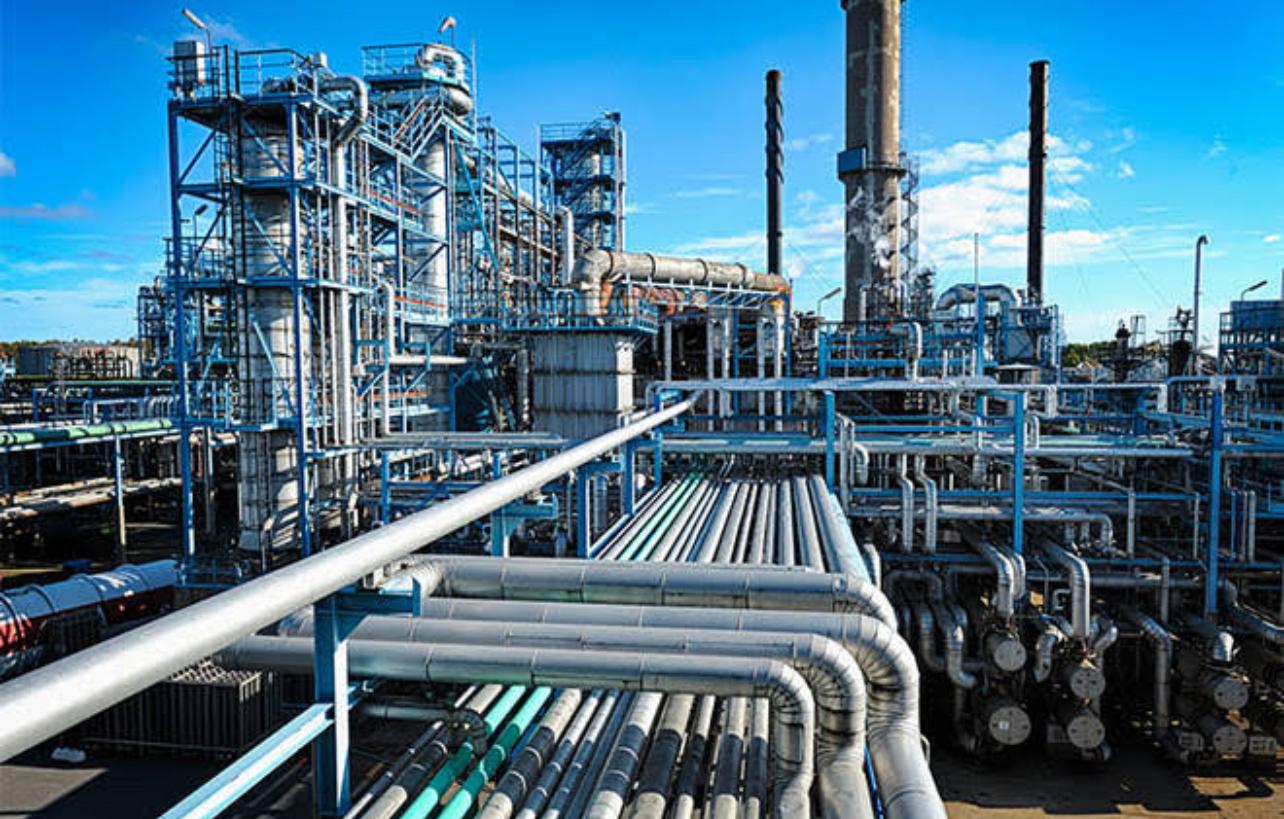
  • Dangote Refinery Temporarily Offline for Maintenance, Eyes 700,000 bpd Output in 2026 to Boost Nigeria’s Fuel Self-Sufficiency

    Dangote Petroleum Refinery has commenced planned maintenance on its core petrol-producing units, temporarily pausing full crude processing. The move targets increased operational stability and a ramp-up in crude distillation capacity from 650,000 to 700,000 barrels per day (bpd) by early 2026, solidifying the refinery’s status as the world’s largest single-train facility.

    The maintenance includes taking the residue fluid catalytic cracker (RFCC) and crude distillation unit (CDU) offline, while secondary units such as the hydrocracker and reformer continue limited production of diesel, aviation fuel, and petrol. Since starting operations, the refinery has cut Nigeria’s petrol imports by over 60%, easing foreign exchange pressure and reducing reliance on global supply.

    The upgrade is seen as a strategic de-bottlenecking effort, aimed at enhancing long-term refining efficiency and regional market influence. Analysts note that successful capacity ramp-up will reinforce Nigeria’s role as Africa’s refining hub and further reduce dependence on imported fuel, while ensuring adequate supply during the maintenance period.
    Dangote Refinery Temporarily Offline for Maintenance, Eyes 700,000 bpd Output in 2026 to Boost Nigeria’s Fuel Self-Sufficiency Dangote Petroleum Refinery has commenced planned maintenance on its core petrol-producing units, temporarily pausing full crude processing. The move targets increased operational stability and a ramp-up in crude distillation capacity from 650,000 to 700,000 barrels per day (bpd) by early 2026, solidifying the refinery’s status as the world’s largest single-train facility. The maintenance includes taking the residue fluid catalytic cracker (RFCC) and crude distillation unit (CDU) offline, while secondary units such as the hydrocracker and reformer continue limited production of diesel, aviation fuel, and petrol. Since starting operations, the refinery has cut Nigeria’s petrol imports by over 60%, easing foreign exchange pressure and reducing reliance on global supply. The upgrade is seen as a strategic de-bottlenecking effort, aimed at enhancing long-term refining efficiency and regional market influence. Analysts note that successful capacity ramp-up will reinforce Nigeria’s role as Africa’s refining hub and further reduce dependence on imported fuel, while ensuring adequate supply during the maintenance period.
    love
    1
    · 0 Comentários ·0 Compartilhamentos ·1K Visualizações
  • Lagos Tanker Explosion Near University Kills Two As LASTMA Blames Overspeeding On Badagry Expressway

    A tragic tanker explosion near the Lagos State University of Education (LASUED) along the Oto-Ijanikin axis of the Badagry Expressway has claimed the lives of two people, sparking renewed concerns over road safety in Lagos. The incident occurred in the early hours of Thursday when a diesel-laden Mack truck heading toward Agbara reportedly lost control while attempting to overtake another vehicle at high speed.

    According to the Lagos State Traffic Management Authority (LASTMA), the tanker crashed and immediately burst into flames due to reckless overspeeding. The driver and an adult female passenger trapped inside the vehicle were unable to escape and died at the scene. LASTMA officials said their operatives swiftly arrived at the location, cordoned off the area, and contacted emergency responders, including the Lagos State Fire and Rescue Service, the Federal Road Safety Corps (FRSC), and the Ijanikin Police Division.

    Authorities also intervened to stop residents who had rushed to the scene with containers to scoop spilled diesel, warning that such actions are extremely dangerous and often lead to secondary explosions and preventable deaths. LASTMA stressed that the quick response of its officers helped avert a potentially larger disaster.

    Emergency responders eventually extinguished the fire and removed the burnt tanker from the road, while the FRSC handled the recovery of the victims. The explosion caused significant traffic disruption along the busy Badagry Expressway, with motorists advised to expect delays as clearing operations continued.

    LASTMA General Manager, Olalekan Bakare-Oki, expressed deep sorrow over the incident, describing the deaths as painful and avoidable, particularly during the festive season. He cautioned tanker and articulated vehicle drivers to adhere strictly to speed limits and traffic regulations, noting that overspeeding remains a leading cause of fatal accidents in Lagos. He also issued a strong warning against fuel scooping at accident scenes, calling the practice irresponsible and a serious threat to public safety.

    Lagos Tanker Explosion Near University Kills Two As LASTMA Blames Overspeeding On Badagry Expressway A tragic tanker explosion near the Lagos State University of Education (LASUED) along the Oto-Ijanikin axis of the Badagry Expressway has claimed the lives of two people, sparking renewed concerns over road safety in Lagos. The incident occurred in the early hours of Thursday when a diesel-laden Mack truck heading toward Agbara reportedly lost control while attempting to overtake another vehicle at high speed. According to the Lagos State Traffic Management Authority (LASTMA), the tanker crashed and immediately burst into flames due to reckless overspeeding. The driver and an adult female passenger trapped inside the vehicle were unable to escape and died at the scene. LASTMA officials said their operatives swiftly arrived at the location, cordoned off the area, and contacted emergency responders, including the Lagos State Fire and Rescue Service, the Federal Road Safety Corps (FRSC), and the Ijanikin Police Division. Authorities also intervened to stop residents who had rushed to the scene with containers to scoop spilled diesel, warning that such actions are extremely dangerous and often lead to secondary explosions and preventable deaths. LASTMA stressed that the quick response of its officers helped avert a potentially larger disaster. Emergency responders eventually extinguished the fire and removed the burnt tanker from the road, while the FRSC handled the recovery of the victims. The explosion caused significant traffic disruption along the busy Badagry Expressway, with motorists advised to expect delays as clearing operations continued. LASTMA General Manager, Olalekan Bakare-Oki, expressed deep sorrow over the incident, describing the deaths as painful and avoidable, particularly during the festive season. He cautioned tanker and articulated vehicle drivers to adhere strictly to speed limits and traffic regulations, noting that overspeeding remains a leading cause of fatal accidents in Lagos. He also issued a strong warning against fuel scooping at accident scenes, calling the practice irresponsible and a serious threat to public safety.
    0 Comentários ·0 Compartilhamentos ·1K Visualizações
  • UK Conservatives Pledge to Scrap Petrol and Diesel Car Ban If Returned to Power, Warn of Industrial Risk

    Kemi Badenoch, leader of the UK Conservative Party, announced that a future Conservative government would cancel the planned ban on petrol and diesel vehicles, calling the policy “economic self-harm.” The ban, scheduled for 2030, requires all new UK cars to be electric or hybrid to meet net zero targets by 2050. Badenoch warned the mandate risks weakening domestic car manufacturing while benefiting foreign competitors, particularly China. She emphasized a transition based on affordability, practicality, and technological progress, rather than rigid deadlines. The Labour government continues to support EV adoption through grants and proposed mileage-based charges.
    UK Conservatives Pledge to Scrap Petrol and Diesel Car Ban If Returned to Power, Warn of Industrial Risk Kemi Badenoch, leader of the UK Conservative Party, announced that a future Conservative government would cancel the planned ban on petrol and diesel vehicles, calling the policy “economic self-harm.” The ban, scheduled for 2030, requires all new UK cars to be electric or hybrid to meet net zero targets by 2050. Badenoch warned the mandate risks weakening domestic car manufacturing while benefiting foreign competitors, particularly China. She emphasized a transition based on affordability, practicality, and technological progress, rather than rigid deadlines. The Labour government continues to support EV adoption through grants and proposed mileage-based charges.
    0 Comentários ·0 Compartilhamentos ·566 Visualizações

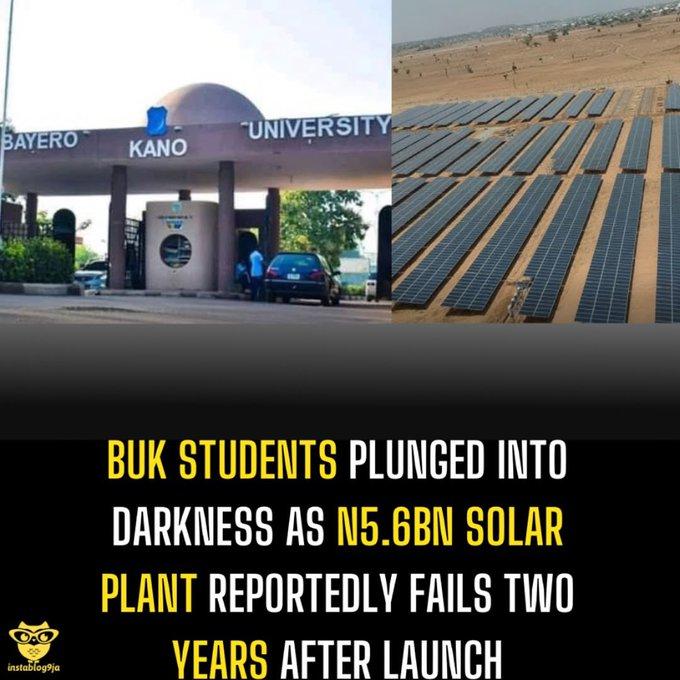
  • BUK Students Plunged Into Darkness as N5.6bn Solar Plant Reportedly Fails Two Years After Launch

    Barely two years after its commissioning, the N5.6 billion solar hybrid power plant at Bayero University, Kano (BUK), has collapsed, throwing students and staff into erratic electricity supply and rising energy costs. The 3.5-megawatt facility, inaugurated in September 2019 by then Vice President Yaptor Yemi Osinbajo, was hailed as Africa’s largest off-grid solar plant.

    Executed by the Rural Electrification Agency (REA) under the Energising Education Programme and handled by Greek firm METKA, the project powered lecture halls, offices, hostels and staff quarters during the day, cutting the university’s energy costs by over 60 percent. By 2021, however, the plant developed faults and was shut down, forcing the institution back to diesel generators and the national grid.

    Staff and students said the collapse ended a period of uninterrupted daytime power that improved learning, security and productivity across the campus. University workers attributed the failure to overuse, lack of storage facilities, rising maintenance costs and the absence of adequate technical involvement from BUK during implementation.

    Inflation and prolonged inactivity reportedly worsened the d+mage, while electricity materials depreciated over time. The REA has now announced plans to revive and expand the plant to 6MW under a N100 billion federal solarisation programme. Speaking at the launch of the upgrade on November 20, 2025, REA Managing Director, Dr Abba Aliyu Abubakar, said the project would undergo a complete overhaul to deliver 24-hour power supply.

    BUK Vice-Chancellor, Professor Haruna Musa, said the new phase would fully involve the university’s experts to ensure sustainability, noting that the school currently spends over N130 million monthly on electricity alone. Staff and students welcomed the intervention but urged strict accountability to prevent a repeat of the failure.
    BUK Students Plunged Into Darkness as N5.6bn Solar Plant Reportedly Fails Two Years After Launch Barely two years after its commissioning, the N5.6 billion solar hybrid power plant at Bayero University, Kano (BUK), has collapsed, throwing students and staff into erratic electricity supply and rising energy costs. The 3.5-megawatt facility, inaugurated in September 2019 by then Vice President Yaptor Yemi Osinbajo, was hailed as Africa’s largest off-grid solar plant. Executed by the Rural Electrification Agency (REA) under the Energising Education Programme and handled by Greek firm METKA, the project powered lecture halls, offices, hostels and staff quarters during the day, cutting the university’s energy costs by over 60 percent. By 2021, however, the plant developed faults and was shut down, forcing the institution back to diesel generators and the national grid. Staff and students said the collapse ended a period of uninterrupted daytime power that improved learning, security and productivity across the campus. University workers attributed the failure to overuse, lack of storage facilities, rising maintenance costs and the absence of adequate technical involvement from BUK during implementation. Inflation and prolonged inactivity reportedly worsened the d+mage, while electricity materials depreciated over time. The REA has now announced plans to revive and expand the plant to 6MW under a N100 billion federal solarisation programme. Speaking at the launch of the upgrade on November 20, 2025, REA Managing Director, Dr Abba Aliyu Abubakar, said the project would undergo a complete overhaul to deliver 24-hour power supply. BUK Vice-Chancellor, Professor Haruna Musa, said the new phase would fully involve the university’s experts to ensure sustainability, noting that the school currently spends over N130 million monthly on electricity alone. Staff and students welcomed the intervention but urged strict accountability to prevent a repeat of the failure.
    0 Comentários ·0 Compartilhamentos ·1K Visualizações
  • Dangote Vows to Keep Petrol Prices Low After Meeting Tinubu, Intensifies Pressure on Importers

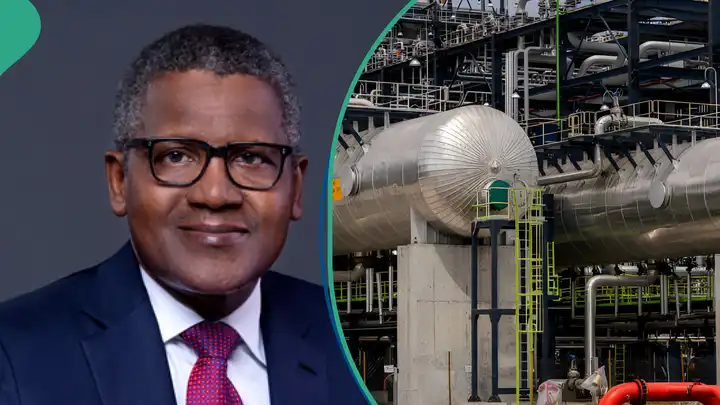
    Aliko Dangote has assured Nigerians that petrol from the Dangote Refinery will continue to sell at “reasonable” and competitive prices, a move expected to heighten pressure on fuel importers. Speaking after a meeting with President Bola Tinubu, Dangote said the refinery aims to stabilise domestic supply despite global volatility and persistent smuggling driven by price gaps with neighbouring countries. He emphasized that the $20bn refinery is a long-term investment, not one focused on quick profit recovery.

    The refinery, which began supplying diesel and jet fuel in early 2024 and petrol in September, is driving down pump prices nationwide, with NNPC recently reducing rates at its stations. Dangote highlighted that his engagement with Tinubu focused on energy security and economic stability, noting that collaboration between government and private operators is crucial as Nigeria adjusts to post-subsidy pricing realities.
    Dangote Vows to Keep Petrol Prices Low After Meeting Tinubu, Intensifies Pressure on Importers Aliko Dangote has assured Nigerians that petrol from the Dangote Refinery will continue to sell at “reasonable” and competitive prices, a move expected to heighten pressure on fuel importers. Speaking after a meeting with President Bola Tinubu, Dangote said the refinery aims to stabilise domestic supply despite global volatility and persistent smuggling driven by price gaps with neighbouring countries. He emphasized that the $20bn refinery is a long-term investment, not one focused on quick profit recovery. The refinery, which began supplying diesel and jet fuel in early 2024 and petrol in September, is driving down pump prices nationwide, with NNPC recently reducing rates at its stations. Dangote highlighted that his engagement with Tinubu focused on energy security and economic stability, noting that collaboration between government and private operators is crucial as Nigeria adjusts to post-subsidy pricing realities.
    0 Comentários ·0 Compartilhamentos ·730 Visualizações
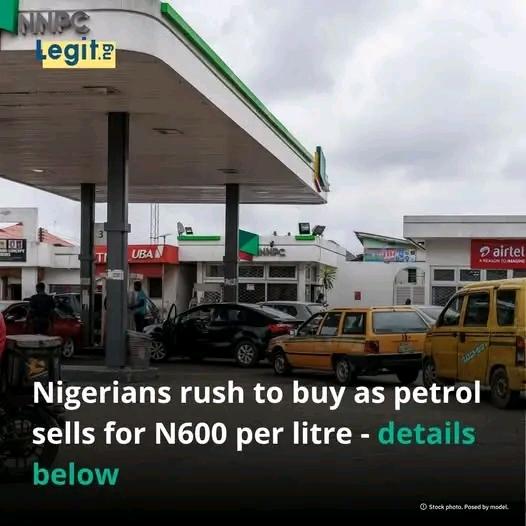
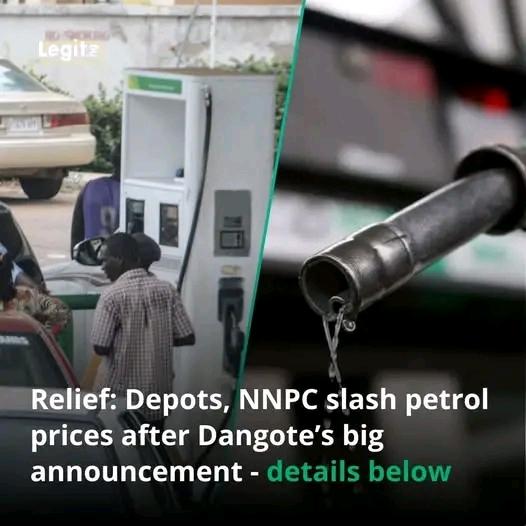
  • Dangote Surge Forces Petrol Prices Down as Depots, NNPC Slash Rates Nationwide

    Nigerians are beginning to feel relief as private depots and NNPC retail stations slash petrol prices following a major increase in supply triggered by the Dangote Refinery. After Dangote announced it is now producing 50 million litres of petrol daily, depot owners across Lagos, Port Harcourt, Warri and Calabar reduced ex-depot prices to stay competitive, with rates now ranging between ₦835 and ₦853 per litre depending on location.
    NNPC stations also cut pump prices to ₦905 in Lagos and ₦930 in Abuja, with major marketers like MRS and Ardova selling below ₦900. With strong supply from Dangote and incoming oil cargoes, more price reductions may follow. Diesel prices are also falling, driven by increased supply and lower demand.
    Dangote Surge Forces Petrol Prices Down as Depots, NNPC Slash Rates Nationwide Nigerians are beginning to feel relief as private depots and NNPC retail stations slash petrol prices following a major increase in supply triggered by the Dangote Refinery. After Dangote announced it is now producing 50 million litres of petrol daily, depot owners across Lagos, Port Harcourt, Warri and Calabar reduced ex-depot prices to stay competitive, with rates now ranging between ₦835 and ₦853 per litre depending on location. NNPC stations also cut pump prices to ₦905 in Lagos and ₦930 in Abuja, with major marketers like MRS and Ardova selling below ₦900. With strong supply from Dangote and incoming oil cargoes, more price reductions may follow. Diesel prices are also falling, driven by increased supply and lower demand.
    0 Comentários ·0 Compartilhamentos ·1K Visualizações
  • Nigeria’s Fuel Demand Hits 56.7 Million Litres Daily, Dangote Refinery Leads Local Supply

    Nigeria’s daily fuel consumption surged to 56.74 million litres in October 2025, the highest in a year, according to the Nigerian Midstream and Downstream Petroleum Regulatory Authority (NMDPRA). Of this, 27.6 million litres were imported, while local refineries, led by Dangote Refinery, supplied 17.08 million litres. The data highlights Nigeria’s continued reliance on petroleum products, with diesel, aviation fuel, and LPG also showing significant daily usage. NMDPRA noted that verified consumption data is crucial for energy sector transformation, import reduction, and economic stability.
    emand #PMSConsumption #DangoteRefinery
    Nigeria’s Fuel Demand Hits 56.7 Million Litres Daily, Dangote Refinery Leads Local Supply Nigeria’s daily fuel consumption surged to 56.74 million litres in October 2025, the highest in a year, according to the Nigerian Midstream and Downstream Petroleum Regulatory Authority (NMDPRA). Of this, 27.6 million litres were imported, while local refineries, led by Dangote Refinery, supplied 17.08 million litres. The data highlights Nigeria’s continued reliance on petroleum products, with diesel, aviation fuel, and LPG also showing significant daily usage. NMDPRA noted that verified consumption data is crucial for energy sector transformation, import reduction, and economic stability. emand #PMSConsumption #DangoteRefinery
    0 Comentários ·0 Compartilhamentos ·1K Visualizações
  • BUA Refinery: Nigeria’s Next Big Move to End Fuel Import Dependence

    Nigeria is set for another major breakthrough in its energy sector as BUA Group pushes forward with the construction of its new 200,000 barrels-per-day refinery in Akwa Ibom State. Led by billionaire industrialist Abdul Samad Rabiu, the project aims to strengthen Nigeria’s ability to refine its own crude oil locally — a crucial step toward ending decades of fuel import dependence.

    A Game Changer for Nigeria’s Economy

    For years, Nigeria has exported crude oil only to import refined fuels at high costs. With the new BUA refinery coming onstream, this cycle is expected to change dramatically. The refinery will produce:
    • Petrol (PMS)
    • Diesel (AGO)
    • Aviation fuel (Jet A1)
    • LPG (cooking gas)
    • Petrochemicals

    This means more jobs, cheaper domestic fuel, and extra revenue for the nation through exports.

    Why This Refinery Matters

    ✔ Supports fuel supply stability
    ✔ Reduces foreign exchange pressure
    ✔ Expands Nigeria’s refining capacity
    ✔ Encourages competition with other refineries — especially Dangote Refinery
    ✔ Boosts development in the Niger Delta region

    The refinery is already attracting international partners in engineering, technology, and infrastructure.

    Driving Local Content & Industrial Growth

    BUA Group is one of Nigeria’s fastest-growing conglomerates — with investments in:
    • Cement
    • Foods & sugar
    • Port operations
    • Real estate
    • Energy & power

    The refinery project expands BUA’s footprint into the petroleum value chain, helping to keep more wealth within Nigeria.

    Looking Ahead

    Once completed, the BUA refinery will become one of West Africa’s largest privately-owned refineries, adding healthy competition to the market and supporting Nigeria’s long-awaited shift toward full downstream independence.

    “Nigeria should not be importing fuel when we have crude oil.”
    — Abdul Samad Rabiu

    The journey continues — and the results could reshape the nation’s economic future.
    BUA Refinery: Nigeria’s Next Big Move to End Fuel Import Dependence Nigeria is set for another major breakthrough in its energy sector as BUA Group pushes forward with the construction of its new 200,000 barrels-per-day refinery in Akwa Ibom State. Led by billionaire industrialist Abdul Samad Rabiu, the project aims to strengthen Nigeria’s ability to refine its own crude oil locally — a crucial step toward ending decades of fuel import dependence. 🌍 A Game Changer for Nigeria’s Economy For years, Nigeria has exported crude oil only to import refined fuels at high costs. With the new BUA refinery coming onstream, this cycle is expected to change dramatically. The refinery will produce: • Petrol (PMS) • Diesel (AGO) • Aviation fuel (Jet A1) • LPG (cooking gas) • Petrochemicals This means more jobs, cheaper domestic fuel, and extra revenue for the nation through exports. 🏗️ Why This Refinery Matters ✔ Supports fuel supply stability ✔ Reduces foreign exchange pressure ✔ Expands Nigeria’s refining capacity ✔ Encourages competition with other refineries — especially Dangote Refinery ✔ Boosts development in the Niger Delta region The refinery is already attracting international partners in engineering, technology, and infrastructure. 🚀 Driving Local Content & Industrial Growth BUA Group is one of Nigeria’s fastest-growing conglomerates — with investments in: • Cement • Foods & sugar • Port operations • Real estate • Energy & power The refinery project expands BUA’s footprint into the petroleum value chain, helping to keep more wealth within Nigeria. 🔮 Looking Ahead Once completed, the BUA refinery will become one of West Africa’s largest privately-owned refineries, adding healthy competition to the market and supporting Nigeria’s long-awaited shift toward full downstream independence. “Nigeria should not be importing fuel when we have crude oil.” — Abdul Samad Rabiu The journey continues — and the results could reshape the nation’s economic future. 🇳🇬✨
    0 Comentários ·0 Compartilhamentos ·2K Visualizações
  • NNPCL Reduces Petrol Price by N10 as Supply Reportedly Improves.

    The Nigerian National Petroleum Company Limited (NNPCL) has reduced the pump price of petrol as fuel supply from the Dangote Refinery stabilises.

    On Saturday, NNPCL adjusted the retail price at its outlets from N955 to N945 per litre, reflecting a N10 reduction. The revised price has already taken effect at stations in areas such as Gwarimpa and Wuse Zone 4 in Abuja.

    Other petrol marketers have also followed suit, with stations like Eterna adjusting their pump price to N945 per litre.

    The price drop comes after weeks of nationwide increase caused by supply challenges at the Dangote Refinery. Improved distribution from the refinery & product importers has now eased the pressure on fuel supply.

    However, there are concerns that prices could climb again, following President Bola Ahmed Tinubu’s recent approval of a 15% import tax on petrol & diesel, a move analysts say may impact pump prices in the coming weeks.
    NNPCL Reduces Petrol Price by N10 as Supply Reportedly Improves. The Nigerian National Petroleum Company Limited (NNPCL) has reduced the pump price of petrol as fuel supply from the Dangote Refinery stabilises. On Saturday, NNPCL adjusted the retail price at its outlets from N955 to N945 per litre, reflecting a N10 reduction. The revised price has already taken effect at stations in areas such as Gwarimpa and Wuse Zone 4 in Abuja. Other petrol marketers have also followed suit, with stations like Eterna adjusting their pump price to N945 per litre. The price drop comes after weeks of nationwide increase caused by supply challenges at the Dangote Refinery. Improved distribution from the refinery & product importers has now eased the pressure on fuel supply. However, there are concerns that prices could climb again, following President Bola Ahmed Tinubu’s recent approval of a 15% import tax on petrol & diesel, a move analysts say may impact pump prices in the coming weeks.
    like
    1
    · 0 Comentários ·0 Compartilhamentos ·1K Visualizações
  • [10/31, 8:07 PM] null: Presidency Defends 15% Fuel Import Tariff.

    The Presidency has confirmed President Bola Tinubu’s approval of a 15% import duty on petrol and diesel, saying the move is intended to boost local refining and reduce Nigeria’s reliance on imported fuel.

    The announcement was made by the Special Adviser to the President on Media and Public Communications, Sunday Dare, in a statement posted on X on Friday. He described the policy as “a bridge, not a burden,” aimed at reshaping Nigeria’s energy sector for long-term stability.

    Dare said the tariff is meant to discourage fuel importation, encourage investment in domestic refining, and help Nigeria take control of its energy supply after years of depending on foreign refineries.

    He noted that despite being a major crude oil producer, Nigeria has spent years importing refined products, which drained foreign exchange and cost the nation jobs.

    According to him, the new policy gives a competitive edge to local refineries such as Dangote Refinery, the Port Harcourt Refinery, and modular refineries currently being developed.

    “By making imported fuel less competitive, the government is tilting the market in favour of local refineries, laying the groundwork for a self-sustaining and resilient energy sector,” he stated.

    Dare added that as local refining output increases, fuel availability will improve and pump prices are expected to stabilize, while job creation and industrial activity expand.

    However, petroleum marketers have warned that the policy could push petrol prices above ₦1,000 per litre in the short term. Government officials argue that temporary price pressure is necessary to secure long-term gains.

    The 15% tariff will take effect after a 30-day transition period, ending November 21, 2025.
    [10/31, 8:07 PM] null: Presidency Defends 15% Fuel Import Tariff. The Presidency has confirmed President Bola Tinubu’s approval of a 15% import duty on petrol and diesel, saying the move is intended to boost local refining and reduce Nigeria’s reliance on imported fuel. The announcement was made by the Special Adviser to the President on Media and Public Communications, Sunday Dare, in a statement posted on X on Friday. He described the policy as “a bridge, not a burden,” aimed at reshaping Nigeria’s energy sector for long-term stability. Dare said the tariff is meant to discourage fuel importation, encourage investment in domestic refining, and help Nigeria take control of its energy supply after years of depending on foreign refineries. He noted that despite being a major crude oil producer, Nigeria has spent years importing refined products, which drained foreign exchange and cost the nation jobs. According to him, the new policy gives a competitive edge to local refineries such as Dangote Refinery, the Port Harcourt Refinery, and modular refineries currently being developed. “By making imported fuel less competitive, the government is tilting the market in favour of local refineries, laying the groundwork for a self-sustaining and resilient energy sector,” he stated. Dare added that as local refining output increases, fuel availability will improve and pump prices are expected to stabilize, while job creation and industrial activity expand. However, petroleum marketers have warned that the policy could push petrol prices above ₦1,000 per litre in the short term. Government officials argue that temporary price pressure is necessary to secure long-term gains. The 15% tariff will take effect after a 30-day transition period, ending November 21, 2025.
    0 Comentários ·0 Compartilhamentos ·1K Visualizações
  • Fuel prices will eventually moderate – Tinubu Spokesperson on 15% petrol import duty.

    Spokesperson to President Bola Tinubu, Sunday Dare, has claimed the president’s approval of a 15 per cent import duty on petrol and diesel is a bridge and not a burden on Nigerians.

    Dare made the assertions in a statement on his X account on Friday, while reacting to Tinubu’s approval of a 15 per cent import duty on petrol and diesel.

    Recall that there has been diverse reactions from Nigerians, stakeholders and economists alike over the new tariffs and their possible impact on the price of fuel and diesel.

    In a clarification, Dare said the policy is designed to reverse the fuel and diesel import dependency trend by encouraging local refining, boosting domestic capacity, and ensuring that Nigeria’s oil wealth translates directly into national prosperity.

    He noted that the tariff will mark imported fuel as less competitive and encourage local refineries such as Dangote Refinery.

    He said as local refining ramps up and supply strengthens, prices of petrol are expected to moderate while jobs, investment, and industrial activity expands.

    “It’s no longer news that President Bola Ahmed Tinubu has approved a 15 per cent import duty on petrol and diesel—a bold and strategic move aimed at reshaping Nigeria’s energy landscape.

    “For years, the nation has depended heavily on imported fuel despite being a leading crude oil producer, draining foreign exchange and exporting jobs that should have been created at home
    Fuel prices will eventually moderate – Tinubu Spokesperson on 15% petrol import duty. Spokesperson to President Bola Tinubu, Sunday Dare, has claimed the president’s approval of a 15 per cent import duty on petrol and diesel is a bridge and not a burden on Nigerians. Dare made the assertions in a statement on his X account on Friday, while reacting to Tinubu’s approval of a 15 per cent import duty on petrol and diesel. Recall that there has been diverse reactions from Nigerians, stakeholders and economists alike over the new tariffs and their possible impact on the price of fuel and diesel. In a clarification, Dare said the policy is designed to reverse the fuel and diesel import dependency trend by encouraging local refining, boosting domestic capacity, and ensuring that Nigeria’s oil wealth translates directly into national prosperity. He noted that the tariff will mark imported fuel as less competitive and encourage local refineries such as Dangote Refinery. He said as local refining ramps up and supply strengthens, prices of petrol are expected to moderate while jobs, investment, and industrial activity expands. “It’s no longer news that President Bola Ahmed Tinubu has approved a 15 per cent import duty on petrol and diesel—a bold and strategic move aimed at reshaping Nigeria’s energy landscape. “For years, the nation has depended heavily on imported fuel despite being a leading crude oil producer, draining foreign exchange and exporting jobs that should have been created at home
    0 Comentários ·0 Compartilhamentos ·1K Visualizações
  • Fuel price increase looms as tinubu approves 15% import tariff on petrol,diesel.

    Fuel prices in Nigeria are expected to increase as President Bola Tinubu has approved a 15% import tariff on petrol and diesel, to take effect immediately.

    According to a government document obtained by THISDAY, the decision aims to protect local refineries, stabilise prices, and strengthen energy security under the administration’s Renewed Hope Agenda. While the tariff could push pump prices up by about ₦150 per litre, the report stated that the real impact may not exceed ₦100 per litre.

    The directive, copied to the Attorney General, FIRS Chairman, and NMDPRA Chief Executive, introduces a 15% ad-valorem duty on the Cost, Insurance, and Freight (CIF) value of imported fuels. Payments will be made into a designated federal government account, verified by the NMDPRA before any fuel is discharged.

    The policy is intended to prevent cheap imports from undercutting local refiners like the Dangote Refinery, and to ensure fair competition in the downstream market. Though the proposal suggested a 30-day transition period, the President reportedly ordered immediate implementation.

    Officials insist the move is not revenue-driven, but designed to align import costs with domestic realities while keeping prices lower than those in neighbouring countries.

    However, industry stakeholders have raised concerns, warning that the tariff could further strain consumers, as Nigeria still imports over 60% of its refined petroleum products.
    Fuel price increase looms as tinubu approves 15% import tariff on petrol,diesel. Fuel prices in Nigeria are expected to increase as President Bola Tinubu has approved a 15% import tariff on petrol and diesel, to take effect immediately. According to a government document obtained by THISDAY, the decision aims to protect local refineries, stabilise prices, and strengthen energy security under the administration’s Renewed Hope Agenda. While the tariff could push pump prices up by about ₦150 per litre, the report stated that the real impact may not exceed ₦100 per litre. The directive, copied to the Attorney General, FIRS Chairman, and NMDPRA Chief Executive, introduces a 15% ad-valorem duty on the Cost, Insurance, and Freight (CIF) value of imported fuels. Payments will be made into a designated federal government account, verified by the NMDPRA before any fuel is discharged. The policy is intended to prevent cheap imports from undercutting local refiners like the Dangote Refinery, and to ensure fair competition in the downstream market. Though the proposal suggested a 30-day transition period, the President reportedly ordered immediate implementation. Officials insist the move is not revenue-driven, but designed to align import costs with domestic realities while keeping prices lower than those in neighbouring countries. However, industry stakeholders have raised concerns, warning that the tariff could further strain consumers, as Nigeria still imports over 60% of its refined petroleum products.
    like
    1
    · 0 Comentários ·0 Compartilhamentos ·1K Visualizações
  • Mr Eazi reveals he borrowed ₦19m from his uncle at 19 for a diesel business that failed three months later.
    Mr Eazi reveals he borrowed ₦19m from his uncle at 19 for a diesel business that failed three months later.
    0 Comentários ·0 Compartilhamentos ·622 Visualizações
  • Brent Crude trades near $67 as naira strengthens to N1,499/$ .

    Petrol import cost hits N870/litre, diesel N999 as downstream market faces FX, crude volatility

    Nigeria’s fuel import costs are climbing again as Brent crude trades near $67.44 per barrel and the naira firmed to N1,499/$, according to the latest Energy bulletin of the Major Energies Marketers Association of Nigeria (MEMAN) Competency Centre.

    The report showed that despite the local currency’s modest appreciation, the Import Parity Price (IPP) of Premium Motor Spirit (PMS) rose to N870.06/litre at the NPSC/ASPAM Jetty in Apapa, above its 30-day average of N848.77/litre. Automotive Gas Oil (AGO or diesel) climbed to N999.80/litre, compared to an average of N969.09/litre, while Aviation Turbine Kerosene (ATK) increased to N980.75/litre against N905.40/litre.

    According to MEMAN, the international petroleum market is being shaped by shifting supply and demand dynamics.

    “U.S. crude inventories fell sharply by about 9.3 million barrels to roughly 415.4 million barrels, as net imports hit a record low due to a surge in exports.”

    Gasoline stocks also declined by around 2.3 million barrels, tightening supply, while distillate inventories rose by about 4 million barrels, highlighting weaker demand in that segment,” the bulletin noted.

    Alongside Brent, WTI crude traded at $63.24 per barrel, while Nigeria’s Bonny Light closed at $68.56. MEMAN added that prices eased slightly as markets weighed the U.S. inventory drawdown against the Federal Reserve’s 25-basis-point rate cut. “Geopolitical risks persist, particularly from Ukrainian drone attacks on Russian oil infrastructure, while OPEC+ confirms plans to raise output by 137,000 barrels per day starting in October as it continues to unwind earlier production cuts,” it said.

    On the domestic front, the association highlighted that the naira recorded steady appreciation in the Nigerian Foreign Exchange Market (NFEM) during the first half of September. It highlighted that the naira appreciated from N1,526/$ at the start of September to N1,498.98/$ by September 18, representing a gain of 1.8 per cent. The currency peaked at N1,484.14/$ on September 16 before settling slightly weaker. The association cautioned that “given that import parity costs remain inherently sensitive to these dynamics, they are expected to experience multiple intra-day fluctuations.”

    The bulletin also listed Dangote Petroleum Refinery’s latest ex-depot prices: AGO at $717.50/MT (N960.00/litre), ATK at $766.25/MT (N995.48/litre), while PMS was left “on hold.” Liquefied Petroleum Gas (LPG) was posted at N715,000/MT.
    Brent Crude trades near $67 as naira strengthens to N1,499/$ . Petrol import cost hits N870/litre, diesel N999 as downstream market faces FX, crude volatility Nigeria’s fuel import costs are climbing again as Brent crude trades near $67.44 per barrel and the naira firmed to N1,499/$, according to the latest Energy bulletin of the Major Energies Marketers Association of Nigeria (MEMAN) Competency Centre. The report showed that despite the local currency’s modest appreciation, the Import Parity Price (IPP) of Premium Motor Spirit (PMS) rose to N870.06/litre at the NPSC/ASPAM Jetty in Apapa, above its 30-day average of N848.77/litre. Automotive Gas Oil (AGO or diesel) climbed to N999.80/litre, compared to an average of N969.09/litre, while Aviation Turbine Kerosene (ATK) increased to N980.75/litre against N905.40/litre. According to MEMAN, the international petroleum market is being shaped by shifting supply and demand dynamics. “U.S. crude inventories fell sharply by about 9.3 million barrels to roughly 415.4 million barrels, as net imports hit a record low due to a surge in exports.” Gasoline stocks also declined by around 2.3 million barrels, tightening supply, while distillate inventories rose by about 4 million barrels, highlighting weaker demand in that segment,” the bulletin noted. Alongside Brent, WTI crude traded at $63.24 per barrel, while Nigeria’s Bonny Light closed at $68.56. MEMAN added that prices eased slightly as markets weighed the U.S. inventory drawdown against the Federal Reserve’s 25-basis-point rate cut. “Geopolitical risks persist, particularly from Ukrainian drone attacks on Russian oil infrastructure, while OPEC+ confirms plans to raise output by 137,000 barrels per day starting in October as it continues to unwind earlier production cuts,” it said. On the domestic front, the association highlighted that the naira recorded steady appreciation in the Nigerian Foreign Exchange Market (NFEM) during the first half of September. It highlighted that the naira appreciated from N1,526/$ at the start of September to N1,498.98/$ by September 18, representing a gain of 1.8 per cent. The currency peaked at N1,484.14/$ on September 16 before settling slightly weaker. The association cautioned that “given that import parity costs remain inherently sensitive to these dynamics, they are expected to experience multiple intra-day fluctuations.” The bulletin also listed Dangote Petroleum Refinery’s latest ex-depot prices: AGO at $717.50/MT (N960.00/litre), ATK at $766.25/MT (N995.48/litre), while PMS was left “on hold.” Liquefied Petroleum Gas (LPG) was posted at N715,000/MT.
    0 Comentários ·0 Compartilhamentos ·2K Visualizações
  • Police discover diesel-like liquid in Ibadan well.

    The Oyo State Police Command has raised an alarm after a liquid substance suspected to be Automotive Gas Oil (AGO), commonly known as diesel, was found trapped in a well at Omikunle area of Yemetu, Ibadan.

    In a statement released on Sunday, the command said the incident was reported to the Yemetu Divisional Police Headquarters at about 6:50 p.m. on Saturday.

    “On the evening of September 6, at around 6:50 PM, the Yemetu Division received a tip-off about liquids found in a local well. Promptly, a team led by the Divisional Police Officer, a Chief Superintendent of Police, responded to the scene to investigate further,” the statement read in part.

    According to the police, the operatives discovered a lubricant suspected to be diesel, which may have leaked from an underground storage tank nearby inside the well upon their arrival, with residents already gathering to scoop the substance.

    The police added that the area had since been secured to prevent any possible health or security hazards.

    “In response to this situation, the area has been secured by armed personnel from the Yemetu Division and local neighborhood watch members. We’ve also involved the Oyo State Ministry of Environment to assist with the safe handling and disposal of this hazardous material,” it said.

    The police have, however, assured residents that calm has been restored in the area while investigations continue.

    “As of now, the situation in the area is calm, and our investigation is underway. The Oyo State Police Command is fully committed to protecting the community, and we will keep you updated as we learn more.

    “We encourage everyone to stay alert and report any suspicious activities to the police. Thank you for your cooperation!” it added.
    Police discover diesel-like liquid in Ibadan well. The Oyo State Police Command has raised an alarm after a liquid substance suspected to be Automotive Gas Oil (AGO), commonly known as diesel, was found trapped in a well at Omikunle area of Yemetu, Ibadan. In a statement released on Sunday, the command said the incident was reported to the Yemetu Divisional Police Headquarters at about 6:50 p.m. on Saturday. “On the evening of September 6, at around 6:50 PM, the Yemetu Division received a tip-off about liquids found in a local well. Promptly, a team led by the Divisional Police Officer, a Chief Superintendent of Police, responded to the scene to investigate further,” the statement read in part. According to the police, the operatives discovered a lubricant suspected to be diesel, which may have leaked from an underground storage tank nearby inside the well upon their arrival, with residents already gathering to scoop the substance. The police added that the area had since been secured to prevent any possible health or security hazards. “In response to this situation, the area has been secured by armed personnel from the Yemetu Division and local neighborhood watch members. We’ve also involved the Oyo State Ministry of Environment to assist with the safe handling and disposal of this hazardous material,” it said. The police have, however, assured residents that calm has been restored in the area while investigations continue. “As of now, the situation in the area is calm, and our investigation is underway. The Oyo State Police Command is fully committed to protecting the community, and we will keep you updated as we learn more. “We encourage everyone to stay alert and report any suspicious activities to the police. Thank you for your cooperation!” it added.
    like
    1
    · 0 Comentários ·0 Compartilhamentos ·701 Visualizações
  • The Labour Party’s (LP) presidential candidate in the 2023 general elections, Peter Obi, has accused the Federal Government of imposing more burden on Nigerians.
    'It Is Alarming' - Peter Obi Knocks FG For Increasing Nigerian Passport Application Fees
    He stated this while reacting to the new 5% tax on all refined fossil fuel sales, including petrol and diesel.

    Speaking via a post on his 𝕏 handle late on Wednesday, Obi said instead of easing hardship, the government has imposed more burden on Nigerians.

    The former Anambra State governor stated that the 5% fuel tax should have waited until Nigerians began to see tangible improvements in their lives based on all the promises from President Bola Tinubu.

    He said, “Nigerians will pay a 5% tax when buying their everyday fuel or diesel at a time when millions can hardly even afford the cost of transportation.

    “Mr. President just yesterday boasted that Nigeria has met its revenue target for the year. Yet instead of easing hardship, the government imposes more burden on Nigerians.

    “Even the so-called alternative, CNG, has become unaffordable, rising from about N230 to N450, while the promised subsidies on the CNG have quietly vanished.

    “If our revenues are truly ‘excessive’ as claimed, should they not first be used to fund education, healthcare, and pulling Nigerians out of poverty? Why tax citizens who cannot even breathe anymore?”

    According to him, leadership is not about giving a burden but reducing suffering, and about care and compassion.
    The Labour Party’s (LP) presidential candidate in the 2023 general elections, Peter Obi, has accused the Federal Government of imposing more burden on Nigerians. 'It Is Alarming' - Peter Obi Knocks FG For Increasing Nigerian Passport Application Fees He stated this while reacting to the new 5% tax on all refined fossil fuel sales, including petrol and diesel. Speaking via a post on his 𝕏 handle late on Wednesday, Obi said instead of easing hardship, the government has imposed more burden on Nigerians. The former Anambra State governor stated that the 5% fuel tax should have waited until Nigerians began to see tangible improvements in their lives based on all the promises from President Bola Tinubu. He said, “Nigerians will pay a 5% tax when buying their everyday fuel or diesel at a time when millions can hardly even afford the cost of transportation. “Mr. President just yesterday boasted that Nigeria has met its revenue target for the year. Yet instead of easing hardship, the government imposes more burden on Nigerians. “Even the so-called alternative, CNG, has become unaffordable, rising from about N230 to N450, while the promised subsidies on the CNG have quietly vanished. “If our revenues are truly ‘excessive’ as claimed, should they not first be used to fund education, healthcare, and pulling Nigerians out of poverty? Why tax citizens who cannot even breathe anymore?” According to him, leadership is not about giving a burden but reducing suffering, and about care and compassion.
    0 Comentários ·0 Compartilhamentos ·806 Visualizações
Páginas Impulsionadas
Fintter https://fintter.com