Sobre
Sobre
Did Wike Admit Using the Judiciary for APC’s Political Battles? Why the FCT Minister Says He Helped Kill Osun’s LG Funds Case—and What It Means for Democracy in Nigeria
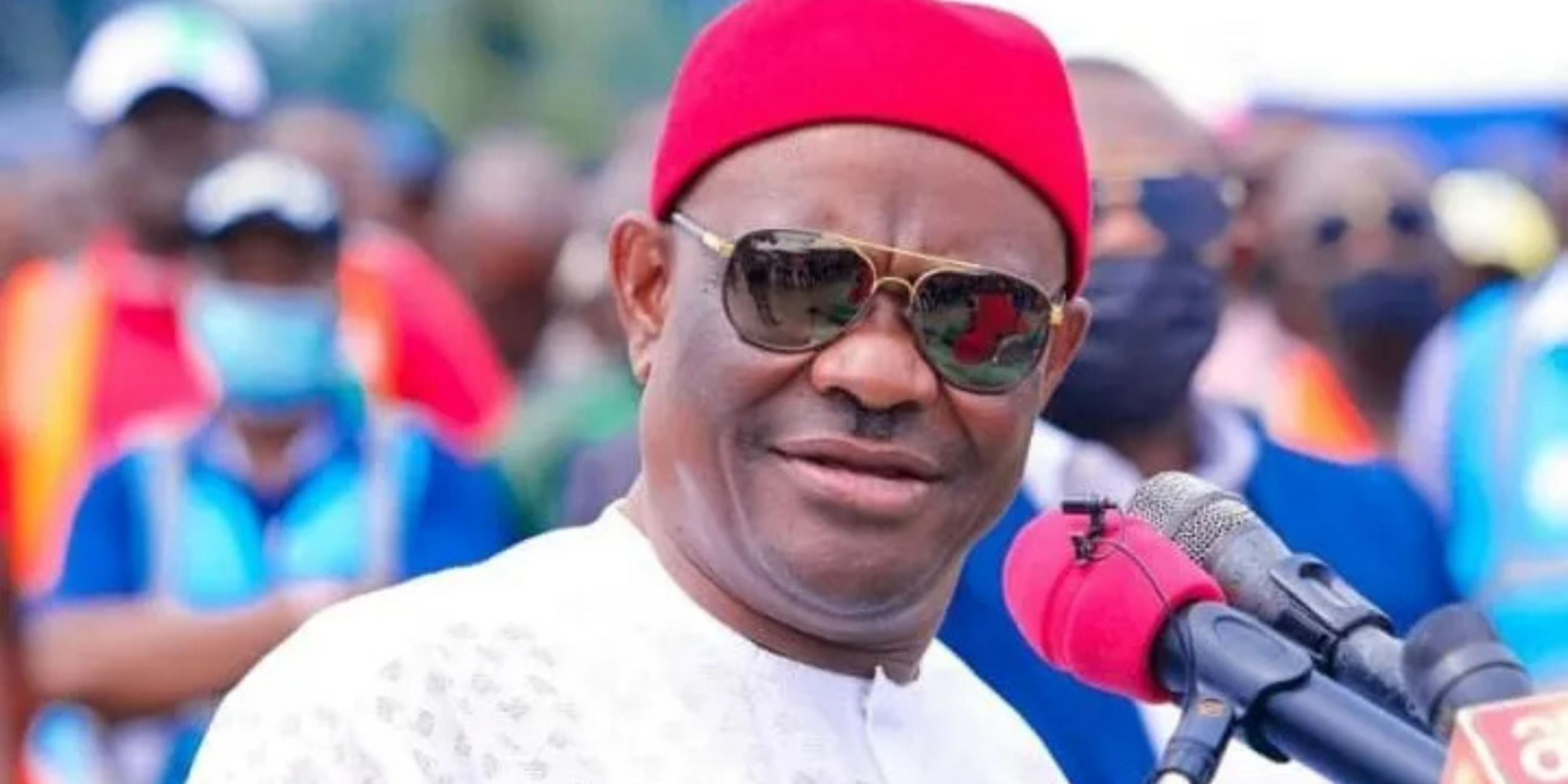
Nigeria’s political space was thrown into controversy after Minister of the Federal Capital Territory (FCT), Nyesom Wike, openly claimed that he helped influential figures within the ruling All Progressives Congress (APC) use the judiciary to frustrate the Osun State local government funds lawsuit. Speaking in a video circulating online, Wike boasted that the court actions that led to the withholding of Osun’s local government allocations were not accidental but carefully engineered by powerful political actors working behind the scenes.
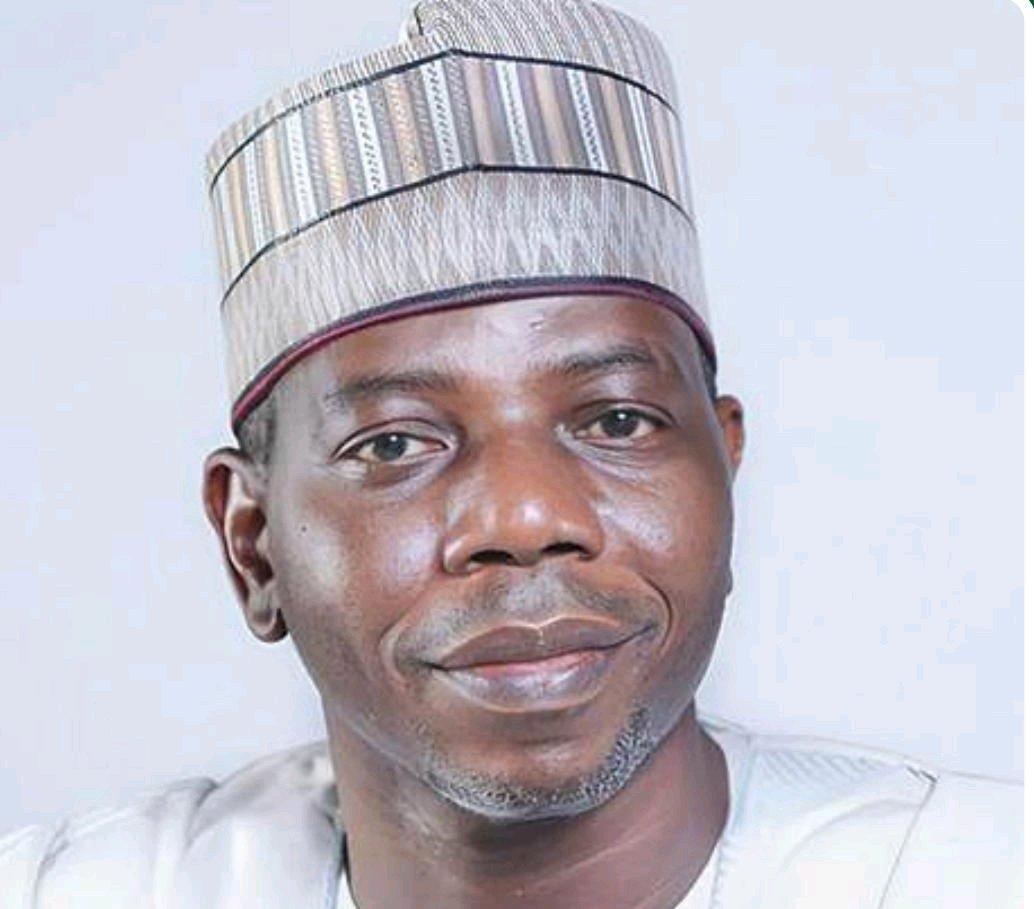
Addressing a crowd in Port Harcourt, the former Rivers State governor accused APC National Secretary, Senator Ajibola Basiru, of enjoying the political benefits of judicial decisions against the Osun State Government without acknowledging those who made them possible. According to Wike, the lawsuit—widely viewed as targeting Governor Ademola Adeleke’s administration—was part of a broader political strategy rather than a purely legal process.
Wike warned APC leaders against what he described as ingratitude, insisting that their current advantage in Osun was the result of unseen political manoeuvres. “Today, you are enjoying in Osun. You don’t know those who did the work,” he said, cautioning party leaders not to “take our support for Mr President for granted.” His remarks appeared to be a direct response to Basiru’s criticism of his involvement in Rivers State politics.
The political clash follows Basiru’s demand that Wike resign as FCT minister, arguing that he is not a member of the APC and therefore has no standing to interfere in the party’s internal affairs. Basiru maintained that his comments were aimed at defending party structure and respecting sitting governors, adding that Wike’s response was inappropriate for a member of the Federal Executive Council.
The controversy also reopens debate surrounding the Supreme Court’s December 2025 ruling on the Osun local government funds dispute. While the Court faulted the Federal Government for withholding funds, it also ruled that the Osun Attorney General lacked the authority to sue on behalf of the local councils without proper authorisation. A minority judgment, however, criticised the Federal Government’s action as harmful to local governance.
Wike’s admission has triggered intense reactions across political and civil society circles, raising troubling questions about judicial independence, political influence over court processes, and the weaponisation of legal institutions for partisan gain. If court outcomes can be “worked out” through political connections, critics ask, what does this mean for democracy, federalism, and the rule of law in Nigeria?
As tensions escalate between Wike and APC leadership, the episode underscores a deeper struggle over power, loyalty, and accountability within Nigeria’s political system—one that could reshape party alliances, governance in Osun and Rivers States, and public trust in the judiciary.
Nigeria’s political space was thrown into controversy after Minister of the Federal Capital Territory (FCT), Nyesom Wike, openly claimed that he helped influential figures within the ruling All Progressives Congress (APC) use the judiciary to frustrate the Osun State local government funds lawsuit. Speaking in a video circulating online, Wike boasted that the court actions that led to the withholding of Osun’s local government allocations were not accidental but carefully engineered by powerful political actors working behind the scenes.
Addressing a crowd in Port Harcourt, the former Rivers State governor accused APC National Secretary, Senator Ajibola Basiru, of enjoying the political benefits of judicial decisions against the Osun State Government without acknowledging those who made them possible. According to Wike, the lawsuit—widely viewed as targeting Governor Ademola Adeleke’s administration—was part of a broader political strategy rather than a purely legal process.
Wike warned APC leaders against what he described as ingratitude, insisting that their current advantage in Osun was the result of unseen political manoeuvres. “Today, you are enjoying in Osun. You don’t know those who did the work,” he said, cautioning party leaders not to “take our support for Mr President for granted.” His remarks appeared to be a direct response to Basiru’s criticism of his involvement in Rivers State politics.
The political clash follows Basiru’s demand that Wike resign as FCT minister, arguing that he is not a member of the APC and therefore has no standing to interfere in the party’s internal affairs. Basiru maintained that his comments were aimed at defending party structure and respecting sitting governors, adding that Wike’s response was inappropriate for a member of the Federal Executive Council.
The controversy also reopens debate surrounding the Supreme Court’s December 2025 ruling on the Osun local government funds dispute. While the Court faulted the Federal Government for withholding funds, it also ruled that the Osun Attorney General lacked the authority to sue on behalf of the local councils without proper authorisation. A minority judgment, however, criticised the Federal Government’s action as harmful to local governance.
Wike’s admission has triggered intense reactions across political and civil society circles, raising troubling questions about judicial independence, political influence over court processes, and the weaponisation of legal institutions for partisan gain. If court outcomes can be “worked out” through political connections, critics ask, what does this mean for democracy, federalism, and the rule of law in Nigeria?
As tensions escalate between Wike and APC leadership, the episode underscores a deeper struggle over power, loyalty, and accountability within Nigeria’s political system—one that could reshape party alliances, governance in Osun and Rivers States, and public trust in the judiciary.
Did Wike Admit Using the Judiciary for APC’s Political Battles? Why the FCT Minister Says He Helped Kill Osun’s LG Funds Case—and What It Means for Democracy in Nigeria
Nigeria’s political space was thrown into controversy after Minister of the Federal Capital Territory (FCT), Nyesom Wike, openly claimed that he helped influential figures within the ruling All Progressives Congress (APC) use the judiciary to frustrate the Osun State local government funds lawsuit. Speaking in a video circulating online, Wike boasted that the court actions that led to the withholding of Osun’s local government allocations were not accidental but carefully engineered by powerful political actors working behind the scenes.
Addressing a crowd in Port Harcourt, the former Rivers State governor accused APC National Secretary, Senator Ajibola Basiru, of enjoying the political benefits of judicial decisions against the Osun State Government without acknowledging those who made them possible. According to Wike, the lawsuit—widely viewed as targeting Governor Ademola Adeleke’s administration—was part of a broader political strategy rather than a purely legal process.
Wike warned APC leaders against what he described as ingratitude, insisting that their current advantage in Osun was the result of unseen political manoeuvres. “Today, you are enjoying in Osun. You don’t know those who did the work,” he said, cautioning party leaders not to “take our support for Mr President for granted.” His remarks appeared to be a direct response to Basiru’s criticism of his involvement in Rivers State politics.
The political clash follows Basiru’s demand that Wike resign as FCT minister, arguing that he is not a member of the APC and therefore has no standing to interfere in the party’s internal affairs. Basiru maintained that his comments were aimed at defending party structure and respecting sitting governors, adding that Wike’s response was inappropriate for a member of the Federal Executive Council.
The controversy also reopens debate surrounding the Supreme Court’s December 2025 ruling on the Osun local government funds dispute. While the Court faulted the Federal Government for withholding funds, it also ruled that the Osun Attorney General lacked the authority to sue on behalf of the local councils without proper authorisation. A minority judgment, however, criticised the Federal Government’s action as harmful to local governance.
Wike’s admission has triggered intense reactions across political and civil society circles, raising troubling questions about judicial independence, political influence over court processes, and the weaponisation of legal institutions for partisan gain. If court outcomes can be “worked out” through political connections, critics ask, what does this mean for democracy, federalism, and the rule of law in Nigeria?
As tensions escalate between Wike and APC leadership, the episode underscores a deeper struggle over power, loyalty, and accountability within Nigeria’s political system—one that could reshape party alliances, governance in Osun and Rivers States, and public trust in the judiciary.