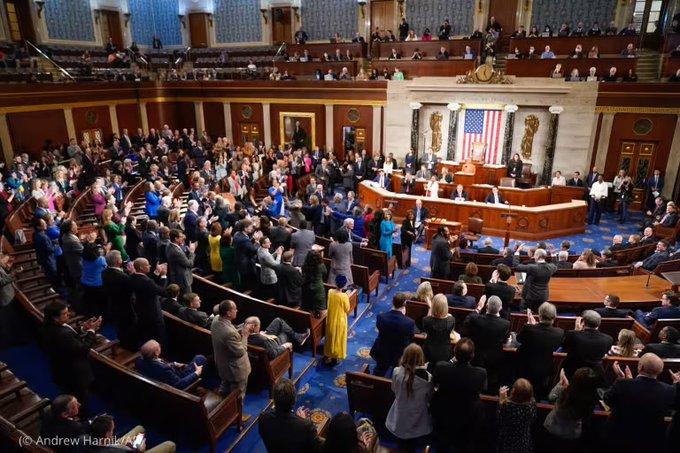
• Kaduna Abductions: US Urges Nigeria To Strengthen Protection For Christians

    The United States has called on the Nigerian government to step up efforts to protect Christian communities amid continued abductions and attacks, particularly in parts of Kaduna State.

    Reacting to the concerns, the National Security Adviser, Nuhu Ribadu, said the Federal Government has taken deliberate and decisive actions to tackle insecurity. According to him, security agencies are carrying out intensified joint operations across affected areas to restore safety and prevent further attacks.

    The call by the US comes as pressure mounts on authorities to ensure the safety of vulnerable communities and bring perpetrators to justice.

    #Kaduna #InsecurityInNigeria #USNigeriaRelations #NationalSecurity
    Kaduna Abductions: US Urges Nigeria To Strengthen Protection For Christians The United States has called on the Nigerian government to step up efforts to protect Christian communities amid continued abductions and attacks, particularly in parts of Kaduna State. Reacting to the concerns, the National Security Adviser, Nuhu Ribadu, said the Federal Government has taken deliberate and decisive actions to tackle insecurity. According to him, security agencies are carrying out intensified joint operations across affected areas to restore safety and prevent further attacks. The call by the US comes as pressure mounts on authorities to ensure the safety of vulnerable communities and bring perpetrators to justice. #Kaduna #InsecurityInNigeria #USNigeriaRelations #NationalSecurity
    love
    2
    · 1 Comments ·0 Shares ·1K Views
  • Is the ‘Christian Genocide’ in Nigeria a Political Narrative? Why Trump Admits Muslims Are Also Killed as Sowore Accuses the U.S. of Using Religion to Justify Power, Oil, and Military Influence

    Is the narrative of a “Christian genocide” in Nigeria an honest reflection of the country’s security crisis—or a political tool shaped by foreign interests? United States President Donald Trump has made a partial shift in his long-standing rhetoric on religious violence in Nigeria, acknowledging that Muslims are also being killed, even while maintaining that Christians remain the primary victims.

    Trump made the remarks during an interview with The New York Times following questions about Washington’s Christmas Day military strike in northwest Nigeria. The U.S. military said the operation, carried out at the request of the Nigerian government, targeted Islamic State West Africa Province (ISWAP), a Boko Haram splinter group responsible for years of deadly attacks across northern Nigeria.

    When asked about earlier comments from his own Africa adviser—who had stated that extremist groups in Nigeria kill more Muslims than Christians—Trump responded: “I think that Muslims are being killed also in Nigeria. But it’s mostly Christians.” The statement marked a rare acknowledgment that Nigeria’s victims of terrorism cut across religious lines, even as Trump continued to frame the conflict primarily through a Christian persecution lens.

    The comments immediately drew a sharp response from Omoyele Sowore, former Nigerian presidential candidate and prominent human rights activist. In a series of posts on X (formerly Twitter), Sowore dismissed the “Christian genocide” narrative as a calculated political construct, arguing that it is designed to stir emotion, mobilize conservative audiences abroad, and provide moral cover for foreign military, economic, and geopolitical agendas.

    Sowore accused Trump of using religion as a rhetorical device while pursuing what he described as imperial interests tied to oil, rare earth minerals, and strategic dominance. “The narrative used to justify it is secondary,” Sowore wrote, adding that such framing only needs to “match the gullibility of the intended audience.” According to him, claims of systematic religious genocide in Nigeria are not grounded in objective reality but are deliberately shaped to occupy a powerful emotional space in Western political discourse.

    He further challenged Trump’s moral authority to speak on Christian values, asserting that the former U.S. president does not embody the compassion, humility, or solidarity central to the faith he frequently invokes. Sowore argued that Trump’s selective concern for religious identity masks a broader indifference to human suffering—both abroad and at home—unless it aligns with his political interests.

    The controversy highlights a deeper question: Is Nigeria’s complex security crisis being oversimplified into a religious conflict for international consumption? While jihadist groups like ISWAP and Boko Haram have undeniably targeted Christian communities, they have also killed thousands of Muslims, including traditional leaders, clerics, villagers, and security personnel. Analysts have long warned that framing the violence as exclusively anti-Christian risks distorting reality, inflaming sectarian tensions, and obscuring the political, economic, and territorial dimensions of the conflict.

    Trump’s admission that Muslims are also victims, even if partial, challenges his earlier absolutist framing. Yet his insistence that Christians remain the main targets continues to fuel debate about whether U.S. policy toward Nigeria is being shaped by faith-based narratives rather than nuanced security analysis.

    As Nigeria battles insurgency, banditry, and transnational terrorism, the exchange between Trump and Sowore underscores how global power politics, religious identity, and media narratives intersect in shaping international responses to African conflicts. The key question remains: is the world seeing Nigeria’s crisis as it truly is—or as it is most politically useful to portray?


    Is the ‘Christian Genocide’ in Nigeria a Political Narrative? Why Trump Admits Muslims Are Also Killed as Sowore Accuses the U.S. of Using Religion to Justify Power, Oil, and Military Influence Is the narrative of a “Christian genocide” in Nigeria an honest reflection of the country’s security crisis—or a political tool shaped by foreign interests? United States President Donald Trump has made a partial shift in his long-standing rhetoric on religious violence in Nigeria, acknowledging that Muslims are also being killed, even while maintaining that Christians remain the primary victims. Trump made the remarks during an interview with The New York Times following questions about Washington’s Christmas Day military strike in northwest Nigeria. The U.S. military said the operation, carried out at the request of the Nigerian government, targeted Islamic State West Africa Province (ISWAP), a Boko Haram splinter group responsible for years of deadly attacks across northern Nigeria. When asked about earlier comments from his own Africa adviser—who had stated that extremist groups in Nigeria kill more Muslims than Christians—Trump responded: “I think that Muslims are being killed also in Nigeria. But it’s mostly Christians.” The statement marked a rare acknowledgment that Nigeria’s victims of terrorism cut across religious lines, even as Trump continued to frame the conflict primarily through a Christian persecution lens. The comments immediately drew a sharp response from Omoyele Sowore, former Nigerian presidential candidate and prominent human rights activist. In a series of posts on X (formerly Twitter), Sowore dismissed the “Christian genocide” narrative as a calculated political construct, arguing that it is designed to stir emotion, mobilize conservative audiences abroad, and provide moral cover for foreign military, economic, and geopolitical agendas. Sowore accused Trump of using religion as a rhetorical device while pursuing what he described as imperial interests tied to oil, rare earth minerals, and strategic dominance. “The narrative used to justify it is secondary,” Sowore wrote, adding that such framing only needs to “match the gullibility of the intended audience.” According to him, claims of systematic religious genocide in Nigeria are not grounded in objective reality but are deliberately shaped to occupy a powerful emotional space in Western political discourse. He further challenged Trump’s moral authority to speak on Christian values, asserting that the former U.S. president does not embody the compassion, humility, or solidarity central to the faith he frequently invokes. Sowore argued that Trump’s selective concern for religious identity masks a broader indifference to human suffering—both abroad and at home—unless it aligns with his political interests. The controversy highlights a deeper question: Is Nigeria’s complex security crisis being oversimplified into a religious conflict for international consumption? While jihadist groups like ISWAP and Boko Haram have undeniably targeted Christian communities, they have also killed thousands of Muslims, including traditional leaders, clerics, villagers, and security personnel. Analysts have long warned that framing the violence as exclusively anti-Christian risks distorting reality, inflaming sectarian tensions, and obscuring the political, economic, and territorial dimensions of the conflict. Trump’s admission that Muslims are also victims, even if partial, challenges his earlier absolutist framing. Yet his insistence that Christians remain the main targets continues to fuel debate about whether U.S. policy toward Nigeria is being shaped by faith-based narratives rather than nuanced security analysis. As Nigeria battles insurgency, banditry, and transnational terrorism, the exchange between Trump and Sowore underscores how global power politics, religious identity, and media narratives intersect in shaping international responses to African conflicts. The key question remains: is the world seeing Nigeria’s crisis as it truly is—or as it is most politically useful to portray?
    0 Comments ·0 Shares ·2K Views
  • Christians in Borno State Warned Not to Be Fooled by Governor Zulum’s Rhetoric on Religious Tolerance

    An opinion piece by Ishaya Malgwi warns Christians in Borno State against being swayed by Governor Babagana Umara Zulum’s public gestures promoting religious tolerance. Despite claims of harmony, Christians continue to face systemic marginalization under Zulum’s administration, including denial of Christian Religious Knowledge in schools, political exclusion, neglect of displaced persons, and restrictions on NGO aid in Christian communities.
    The article stresses that symbolic acts like sponsoring pilgrimages or visiting Christian refugees cannot substitute for meaningful policy changes. Advocates call for equal access to education, fair resettlement of displaced Christians, political representation, prompt payment of pensions, and unhindered humanitarian assistance.

    #BornoState #ChristianRights #ReligiousTolerance #GovernorZulum #NigeriaPolitics #HumanRights #ReligiousFreedom #IDPs #SocialJustice #NigeriaNews
    Christians in Borno State Warned Not to Be Fooled by Governor Zulum’s Rhetoric on Religious Tolerance An opinion piece by Ishaya Malgwi warns Christians in Borno State against being swayed by Governor Babagana Umara Zulum’s public gestures promoting religious tolerance. Despite claims of harmony, Christians continue to face systemic marginalization under Zulum’s administration, including denial of Christian Religious Knowledge in schools, political exclusion, neglect of displaced persons, and restrictions on NGO aid in Christian communities. The article stresses that symbolic acts like sponsoring pilgrimages or visiting Christian refugees cannot substitute for meaningful policy changes. Advocates call for equal access to education, fair resettlement of displaced Christians, political representation, prompt payment of pensions, and unhindered humanitarian assistance. #BornoState #ChristianRights #ReligiousTolerance #GovernorZulum #NigeriaPolitics #HumanRights #ReligiousFreedom #IDPs #SocialJustice #NigeriaNews
    0 Comments ·0 Shares ·1K Views
  • US Congressman Riley Moore Warns of Escalating Violence Against Christians in Nigeria, Cites ISIS ‘Convert or Die’ Threats and U.S.–Nigeria Security Cooperation

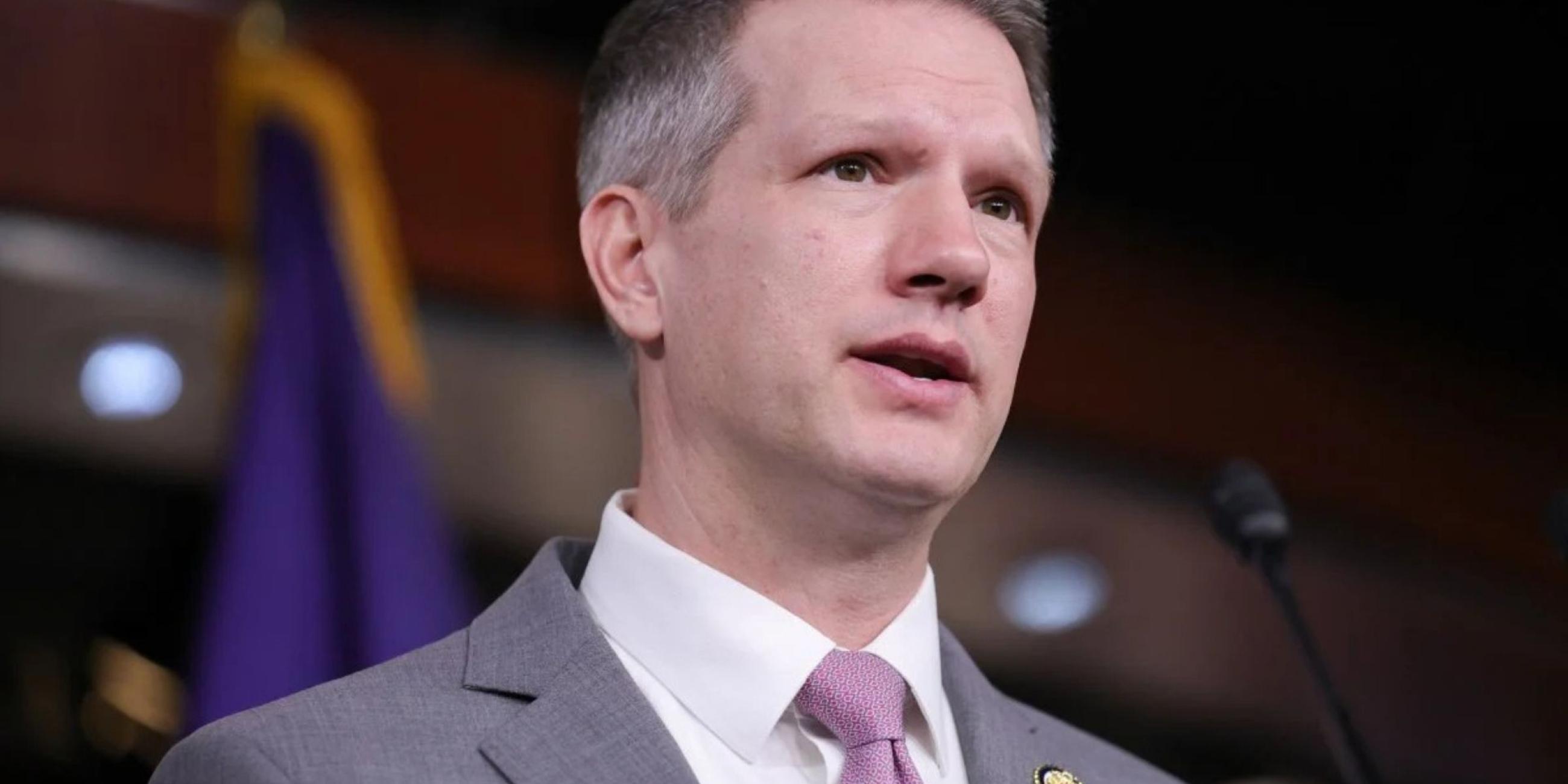
    U.S. Congressman Riley Moore has raised fresh alarm over what he describes as a worsening campaign of violence against Christian communities in Nigeria, citing threats from ISIS-linked groups demanding that Christians “convert or die.” Speaking on Newsmax TV, Moore said he visited Nigeria in December as part of a congressional delegation sent at the direction of President Donald Trump to assess security conditions and humanitarian needs.

    Moore recounted harrowing testimonies from internally displaced persons (IDPs), including women who witnessed the قتل of their children, families torn apart, and unborn babies killed. He said these accounts point to targeted religious persecution, not random criminal violence. According to him, extremist groups—such as ISIS-affiliated factions and Islamist militants active in Nigeria’s Middle Belt—are deliberately attacking churches, Christian villages, and IDP camps.

    The West Virginia lawmaker stated that U.S.–Nigeria security cooperation has intensified, claiming recent joint military actions, including a reported strike around Christmas, helped deter attacks during the holiday period. While some details of these operations have not been independently verified, Moore said discussions are ongoing to establish a broader strategic security framework to strengthen Nigeria’s military capacity, improve intelligence sharing, and close operational gaps.

    Rejecting explanations that attribute the violence mainly to climate change or land disputes, Moore argued that the rhetoric and actions of extremist groups clearly show a specific focus on Christian communities. He acknowledged that Nigerians of all backgrounds have suffered but insisted that Christians face targeted persecution.

    Human rights groups continue to document widespread insecurity in Nigeria involving Boko Haram, ISIS–West Africa Province (ISWAP), and armed militias, with debate persisting over the root causes of the violence. Moore said his conclusions are based on firsthand observations: “What is happening in Nigeria is Christian persecution,” he maintained, urging sustained international attention and support.
    US Congressman Riley Moore Warns of Escalating Violence Against Christians in Nigeria, Cites ISIS ‘Convert or Die’ Threats and U.S.–Nigeria Security Cooperation U.S. Congressman Riley Moore has raised fresh alarm over what he describes as a worsening campaign of violence against Christian communities in Nigeria, citing threats from ISIS-linked groups demanding that Christians “convert or die.” Speaking on Newsmax TV, Moore said he visited Nigeria in December as part of a congressional delegation sent at the direction of President Donald Trump to assess security conditions and humanitarian needs. Moore recounted harrowing testimonies from internally displaced persons (IDPs), including women who witnessed the قتل of their children, families torn apart, and unborn babies killed. He said these accounts point to targeted religious persecution, not random criminal violence. According to him, extremist groups—such as ISIS-affiliated factions and Islamist militants active in Nigeria’s Middle Belt—are deliberately attacking churches, Christian villages, and IDP camps. The West Virginia lawmaker stated that U.S.–Nigeria security cooperation has intensified, claiming recent joint military actions, including a reported strike around Christmas, helped deter attacks during the holiday period. While some details of these operations have not been independently verified, Moore said discussions are ongoing to establish a broader strategic security framework to strengthen Nigeria’s military capacity, improve intelligence sharing, and close operational gaps. Rejecting explanations that attribute the violence mainly to climate change or land disputes, Moore argued that the rhetoric and actions of extremist groups clearly show a specific focus on Christian communities. He acknowledged that Nigerians of all backgrounds have suffered but insisted that Christians face targeted persecution. Human rights groups continue to document widespread insecurity in Nigeria involving Boko Haram, ISIS–West Africa Province (ISWAP), and armed militias, with debate persisting over the root causes of the violence. Moore said his conclusions are based on firsthand observations: “What is happening in Nigeria is Christian persecution,” he maintained, urging sustained international attention and support.
    like
    1
    · 1 Comments ·0 Shares ·818 Views
  • Israel Offers Intelligence Sharing to Nigeria to Tackle Insecurity, Protect Vulnerable Christian Communities – Envoy

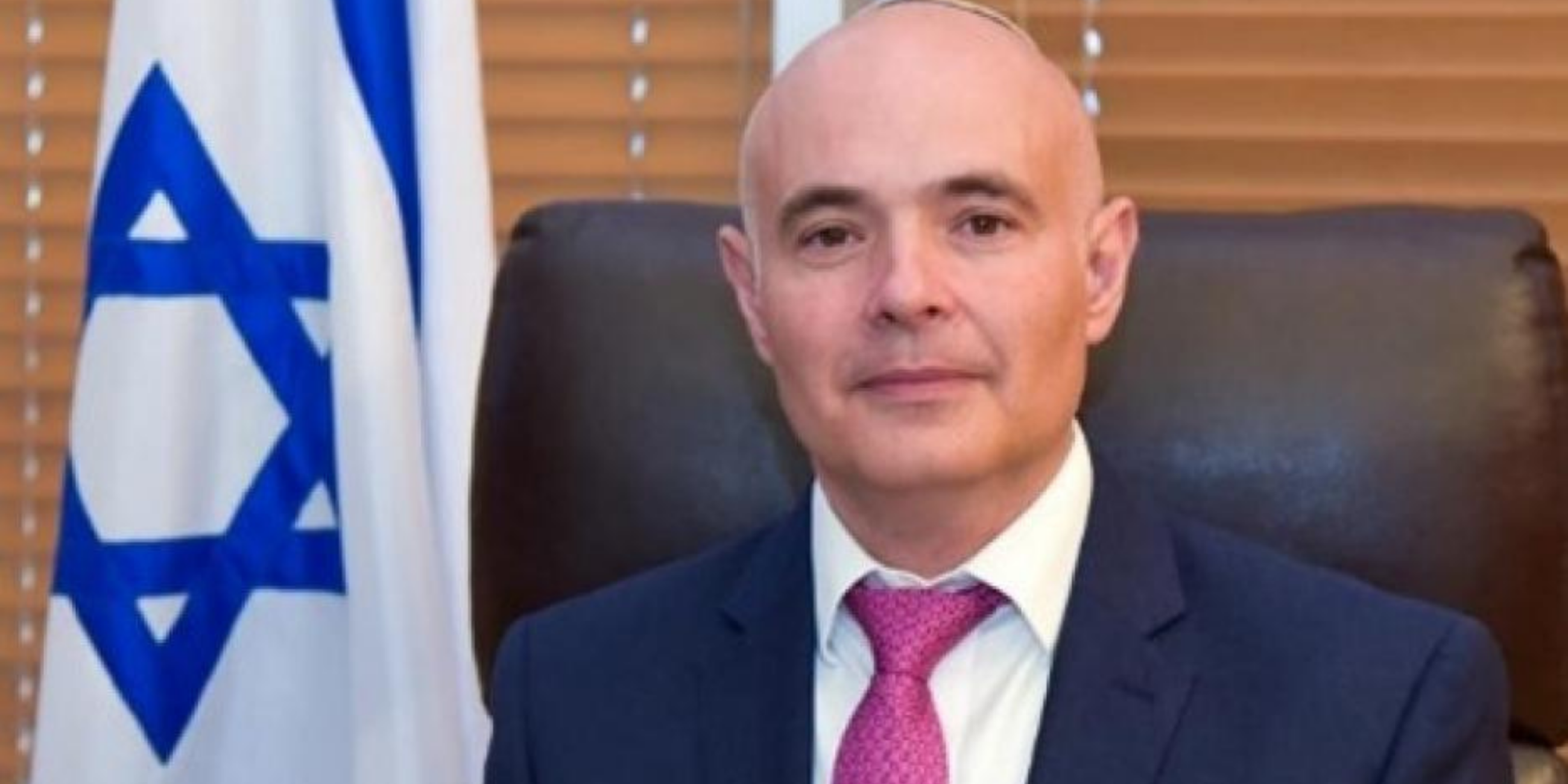
    Israel plans to support Nigeria in addressing insecurity and protecting Christian communities through intelligence sharing and strategic cooperation, according to Israel’s Ambassador to Nigeria, Michael Freeman. The initiative, outlined by Prime Minister Benjamin Netanyahu, emphasizes working in partnership with the Nigerian government and respecting national sovereignty.

    Freeman stated the support targets broader security challenges, including terrorism, insurgency, and violent extremism, not just threats against Christians. He highlighted Israel’s model of religious freedom, pointing to the thriving Christian population in Israel as an example.

    Amid growing concerns over attacks on Christians in Nigeria’s Middle Belt and northern regions, the Israeli involvement is intended as cooperation rather than unilateral action, with all sensitive operations guided by Abuja. The ambassador declined to speculate on potential U.S. unilateral interventions in Nigeria, emphasizing that Israel will act only with government approval.

    The announcement comes as Nigeria continues to face threats from Boko Haram, ISWAP, and bandits, with recurring calls for international support to safeguard vulnerable communities.
    Israel Offers Intelligence Sharing to Nigeria to Tackle Insecurity, Protect Vulnerable Christian Communities – Envoy Israel plans to support Nigeria in addressing insecurity and protecting Christian communities through intelligence sharing and strategic cooperation, according to Israel’s Ambassador to Nigeria, Michael Freeman. The initiative, outlined by Prime Minister Benjamin Netanyahu, emphasizes working in partnership with the Nigerian government and respecting national sovereignty. Freeman stated the support targets broader security challenges, including terrorism, insurgency, and violent extremism, not just threats against Christians. He highlighted Israel’s model of religious freedom, pointing to the thriving Christian population in Israel as an example. Amid growing concerns over attacks on Christians in Nigeria’s Middle Belt and northern regions, the Israeli involvement is intended as cooperation rather than unilateral action, with all sensitive operations guided by Abuja. The ambassador declined to speculate on potential U.S. unilateral interventions in Nigeria, emphasizing that Israel will act only with government approval. The announcement comes as Nigeria continues to face threats from Boko Haram, ISWAP, and bandits, with recurring calls for international support to safeguard vulnerable communities.
    0 Comments ·0 Shares ·771 Views
  • Jihadist Fulani Bandits Responsible for Over 70% of Violent Attacks on Nigerian Communities and Churches in 2025 – InterSociety Report Warns of Grave Threat to National Unity

    A new report by the International Society for Civil Liberties and Rule of Law (InterSociety) has revealed that jihadist Fulani bandits and herdsmen were responsible for more than 70 per cent of violent attacks on Christian communities and places of worship across Nigeria in 2025. The civil rights group warned that the scale, coordination, and persistence of the violence pose a serious threat to Nigeria’s national unity, sovereignty, and constitutional secularism.

    According to the report, mass killings and church destructions have been systematic and well-coordinated since June 2015, with Christian communities in the Middle Belt, North-East, Southern Kaduna, parts of Kebbi, Katsina, Ondo State, and Eha-Amufu in Enugu State bearing the brunt of the attacks. InterSociety accused successive Nigerian governments of presiding over what it described as an “ethno-religiously polarised state,” alleging that violence against Christians has intensified under official watch.

    The organisation claimed that jihadist Fulani bandits and herdsmen have emerged as the most widespread and deadly terror groups in Nigeria, allegedly carrying out attacks framed around “convert to Islam or die” campaigns. It further alleged that controversial government policies such as RUGA settlements, grazing reserves, and ranching initiatives indirectly enabled armed herders to settle among indigenous Christian populations.

    InterSociety also raised concerns over forest security, questioning how armed groups gained access to detailed forest location data after a reported 2015 forest-mapping exercise by the Nigerian Army. Despite the grim findings, the group said international pressure helped save at least 600 Christian lives and dozens of churches in 2025, crediting advocacy on religious freedom and diplomatic interventions.

    The report singled out U.S. President Donald Trump for what it described as interventions that helped avert further attacks during the Christmas and New Year period, while also praising the United States and Canada for their roles in defending religious freedom in Nigeria. At the same time, InterSociety criticised the silence of some Nigerian Christian political leaders and called for urgent domestic and international action to prevent further destabilisation of Africa’s most populous nation.
    Jihadist Fulani Bandits Responsible for Over 70% of Violent Attacks on Nigerian Communities and Churches in 2025 – InterSociety Report Warns of Grave Threat to National Unity A new report by the International Society for Civil Liberties and Rule of Law (InterSociety) has revealed that jihadist Fulani bandits and herdsmen were responsible for more than 70 per cent of violent attacks on Christian communities and places of worship across Nigeria in 2025. The civil rights group warned that the scale, coordination, and persistence of the violence pose a serious threat to Nigeria’s national unity, sovereignty, and constitutional secularism. According to the report, mass killings and church destructions have been systematic and well-coordinated since June 2015, with Christian communities in the Middle Belt, North-East, Southern Kaduna, parts of Kebbi, Katsina, Ondo State, and Eha-Amufu in Enugu State bearing the brunt of the attacks. InterSociety accused successive Nigerian governments of presiding over what it described as an “ethno-religiously polarised state,” alleging that violence against Christians has intensified under official watch. The organisation claimed that jihadist Fulani bandits and herdsmen have emerged as the most widespread and deadly terror groups in Nigeria, allegedly carrying out attacks framed around “convert to Islam or die” campaigns. It further alleged that controversial government policies such as RUGA settlements, grazing reserves, and ranching initiatives indirectly enabled armed herders to settle among indigenous Christian populations. InterSociety also raised concerns over forest security, questioning how armed groups gained access to detailed forest location data after a reported 2015 forest-mapping exercise by the Nigerian Army. Despite the grim findings, the group said international pressure helped save at least 600 Christian lives and dozens of churches in 2025, crediting advocacy on religious freedom and diplomatic interventions. The report singled out U.S. President Donald Trump for what it described as interventions that helped avert further attacks during the Christmas and New Year period, while also praising the United States and Canada for their roles in defending religious freedom in Nigeria. At the same time, InterSociety criticised the silence of some Nigerian Christian political leaders and called for urgent domestic and international action to prevent further destabilisation of Africa’s most populous nation.
    like
    1
    · 0 Comments ·0 Shares ·716 Views
  • US Lawmaker Riley Moore Condemns ISWAP’s Fresh Threat Against Nigerian Christians After Adamawa Attack, Calls It Clear Religious Persecution

    A United States lawmaker, Rep. Riley M. Moore of West Virginia, has strongly condemned a reported threat by the Islamic State West Africa Province (ISWAP) against Christians in Nigeria, describing it as blatant religious persecution. Moore reacted to reports that ISWAP released an image of a Christian village in Adamawa State set ablaze, accompanied by a warning declaring Christians across Nigeria as “legitimate targets.”

    In a statement shared on his official X account, Moore said the threat leaves no doubt that Christians in Nigeria are being targeted solely because of their faith. He rejected explanations that frame the violence as being driven by land disputes or climate-related factors, insisting it is persecution based on religion.

    According to reports, ISWAP allegedly warned Christians to convert to Islam or face death, stating they could “spare their blood” by converting or paying the jizyah tax. Moore noted that such language mirrors tactics historically used by ISIS in other conflict zones around the world.

    The congressman also praised ongoing cooperation between the United States and Nigeria in combating extremist violence, expressing support for efforts by the U.S. government to counter jihadist groups and protect vulnerable Christian communities.

    Nigeria has endured years of attacks by Boko Haram and its ISWAP faction, particularly in the northeast, with rights groups repeatedly warning that Christian communities are disproportionately affected. Moore’s remarks add to growing international calls for stronger action and increased global attention to religious persecution and insecurity in Nigeria.
    US Lawmaker Riley Moore Condemns ISWAP’s Fresh Threat Against Nigerian Christians After Adamawa Attack, Calls It Clear Religious Persecution A United States lawmaker, Rep. Riley M. Moore of West Virginia, has strongly condemned a reported threat by the Islamic State West Africa Province (ISWAP) against Christians in Nigeria, describing it as blatant religious persecution. Moore reacted to reports that ISWAP released an image of a Christian village in Adamawa State set ablaze, accompanied by a warning declaring Christians across Nigeria as “legitimate targets.” In a statement shared on his official X account, Moore said the threat leaves no doubt that Christians in Nigeria are being targeted solely because of their faith. He rejected explanations that frame the violence as being driven by land disputes or climate-related factors, insisting it is persecution based on religion. According to reports, ISWAP allegedly warned Christians to convert to Islam or face death, stating they could “spare their blood” by converting or paying the jizyah tax. Moore noted that such language mirrors tactics historically used by ISIS in other conflict zones around the world. The congressman also praised ongoing cooperation between the United States and Nigeria in combating extremist violence, expressing support for efforts by the U.S. government to counter jihadist groups and protect vulnerable Christian communities. Nigeria has endured years of attacks by Boko Haram and its ISWAP faction, particularly in the northeast, with rights groups repeatedly warning that Christian communities are disproportionately affected. Moore’s remarks add to growing international calls for stronger action and increased global attention to religious persecution and insecurity in Nigeria.
    like
    1
    · 0 Comments ·0 Shares ·640 Views
  • Israel Announces ‘New Front’ to Protect Christian Communities in Africa and Middle East, Names Nigeria Among Key Focus Areas

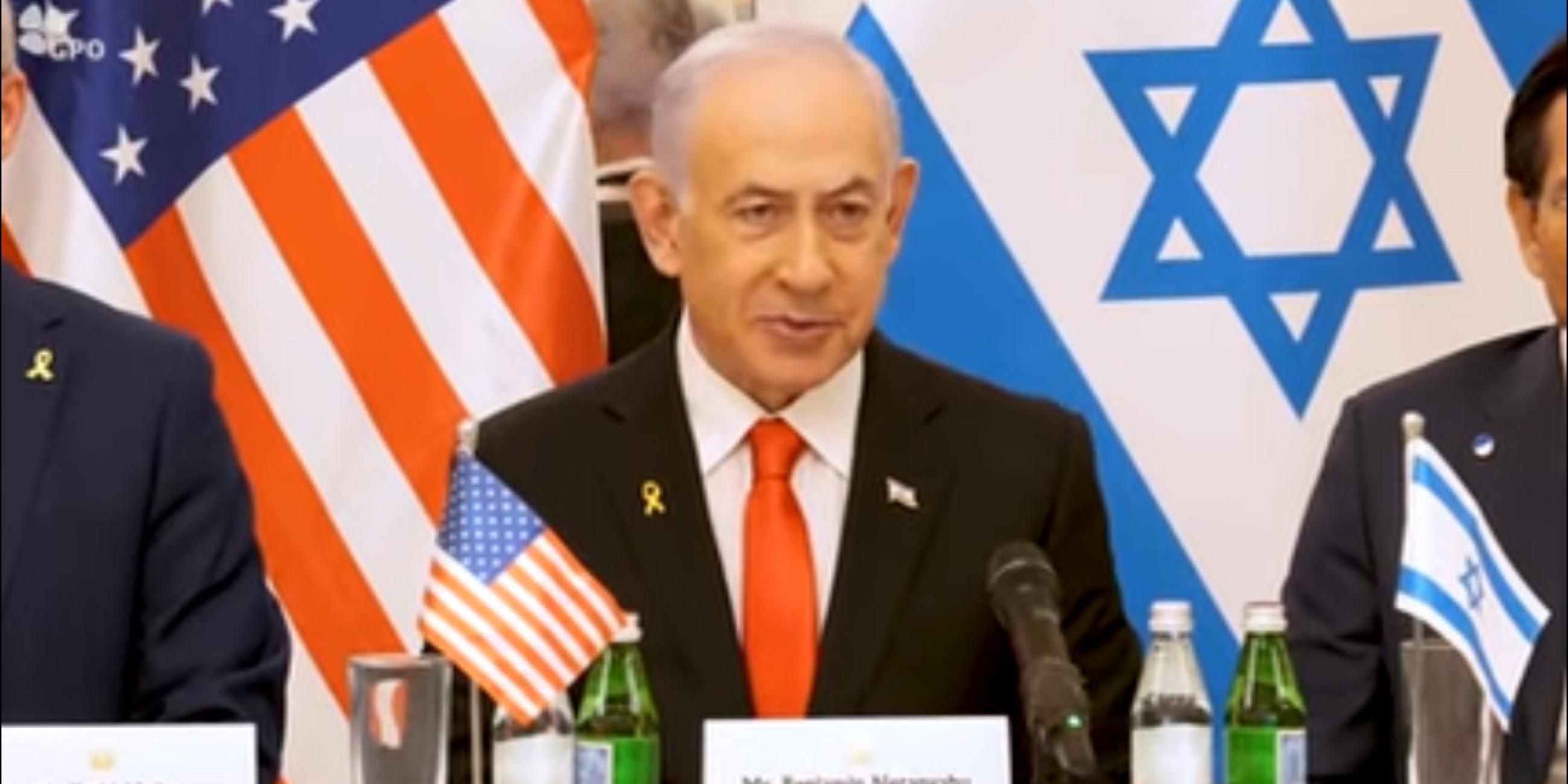
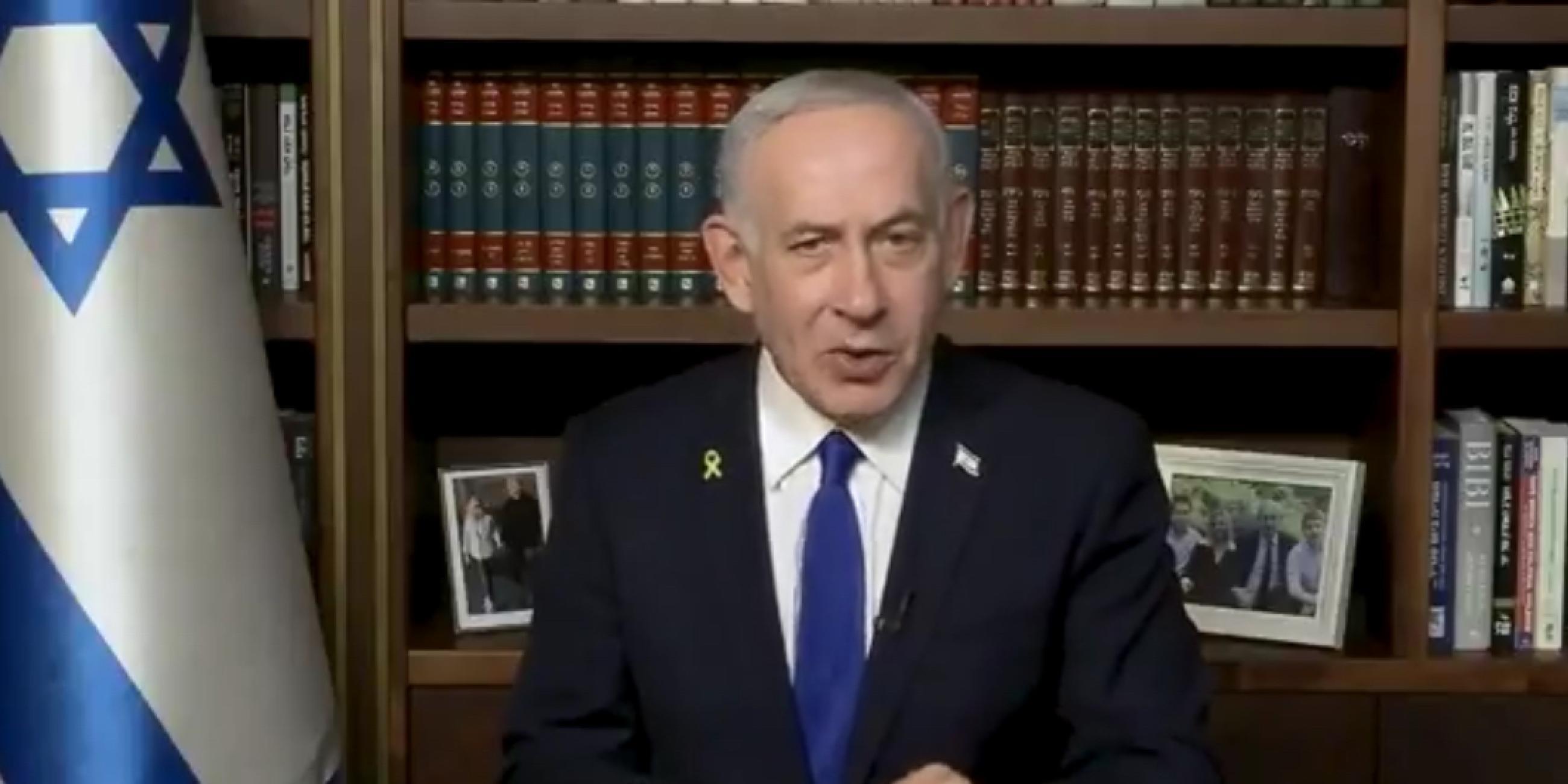
    Israeli Prime Minister Benjamin Netanyahu has announced the opening of what he described as a “new front” dedicated to protecting Christian communities across Africa and the Middle East, including Nigeria. Speaking to an audience of Christian Zionists in a speech published on the Israeli Prime Minister’s official YouTube channel, Netanyahu said Israel was responding to growing global threats against what he termed the “Judeo-Christian civilization.”

    He credited Christian Zionists with playing a crucial role in the emergence and survival of Israel and described the partnership as enduring and strategic. Netanyahu claimed Israel had recently fought and survived a “seven-front war” but insisted an “eighth front” had emerged—one focused on influencing hearts and minds, especially of young people.

    According to him, the struggle extends beyond Israel to the United States and its allies, framing it as a broader battle for Western civilization. He identified radical Shiite and Sunni Islamist groups, naming Iran and the Muslim Brotherhood, as major threats, alleging their influence stretches across Europe, the U.S., Africa, and Nigeria.

    Netanyahu also highlighted what he described as widespread persecution of Christians in countries such as Nigeria, Syria, Lebanon, Turkey, and others, asserting that Israel is the only country actively protecting and enabling Christian communities to thrive. He announced Israel’s intention to join efforts to form a global coalition—likened to a “United Nations” for Christian community protection—offering intelligence and other forms of support, particularly in Africa and the Middle East.

    He concluded by reaffirming Israel’s commitment to defending Christian communities worldwide and extended New Year and Christmas greetings, expressing hope for peace, security, and prosperity, especially for persecuted Christians.
    Israel Announces ‘New Front’ to Protect Christian Communities in Africa and Middle East, Names Nigeria Among Key Focus Areas Israeli Prime Minister Benjamin Netanyahu has announced the opening of what he described as a “new front” dedicated to protecting Christian communities across Africa and the Middle East, including Nigeria. Speaking to an audience of Christian Zionists in a speech published on the Israeli Prime Minister’s official YouTube channel, Netanyahu said Israel was responding to growing global threats against what he termed the “Judeo-Christian civilization.” He credited Christian Zionists with playing a crucial role in the emergence and survival of Israel and described the partnership as enduring and strategic. Netanyahu claimed Israel had recently fought and survived a “seven-front war” but insisted an “eighth front” had emerged—one focused on influencing hearts and minds, especially of young people. According to him, the struggle extends beyond Israel to the United States and its allies, framing it as a broader battle for Western civilization. He identified radical Shiite and Sunni Islamist groups, naming Iran and the Muslim Brotherhood, as major threats, alleging their influence stretches across Europe, the U.S., Africa, and Nigeria. Netanyahu also highlighted what he described as widespread persecution of Christians in countries such as Nigeria, Syria, Lebanon, Turkey, and others, asserting that Israel is the only country actively protecting and enabling Christian communities to thrive. He announced Israel’s intention to join efforts to form a global coalition—likened to a “United Nations” for Christian community protection—offering intelligence and other forms of support, particularly in Africa and the Middle East. He concluded by reaffirming Israel’s commitment to defending Christian communities worldwide and extended New Year and Christmas greetings, expressing hope for peace, security, and prosperity, especially for persecuted Christians.
    like
    1
    · 0 Comments ·0 Shares ·705 Views
  • US Congressman Credits Airstrikes With Preventing Christmas Terror Attacks in Nigeria

    U.S. Congressman Riley Moore attributed the absence of mass Christmas attacks on Christian communities in Nigeria this year to American military intervention. According to Moore, previous years saw deadly assaults during the festive season, but this year, U.S. forces carried out strikes against Islamist militants in coordination with the Nigerian government. The operation, approved by President Bola Tinubu, targeted ISIS camps in Sokoto State, deploying 16 GPS-guided munitions from MQ-9 Reaper drones. No civilian casualties were reported. The strike aimed to prevent planned terrorist attacks and secure the region, with further operations promised if militants continued their activities.
    US Congressman Credits Airstrikes With Preventing Christmas Terror Attacks in Nigeria U.S. Congressman Riley Moore attributed the absence of mass Christmas attacks on Christian communities in Nigeria this year to American military intervention. According to Moore, previous years saw deadly assaults during the festive season, but this year, U.S. forces carried out strikes against Islamist militants in coordination with the Nigerian government. The operation, approved by President Bola Tinubu, targeted ISIS camps in Sokoto State, deploying 16 GPS-guided munitions from MQ-9 Reaper drones. No civilian casualties were reported. The strike aimed to prevent planned terrorist attacks and secure the region, with further operations promised if militants continued their activities.
    1 Comments ·0 Shares ·325 Views
  • Nigerian Lawyer Explains 3 Reasons Trump Targeted Sokoto for US Airstrikes Against ISIS Terrorists

    On December 25, 2025, the U.S. military conducted airstrikes targeting ISIS militants in Sokoto State, Nigeria, in coordination with the Nigerian government. A Nigerian lawyer highlighted three reasons why Sokoto was chosen first: its proximity to Niger and the Sahel, making it a key transit and operational hub for extremists; its vulnerability to the expansion of terrorist activity from the Lake Chad and Sahel regions; and escalating attacks on civilians, especially Christian communities, prompting urgent action. The strikes mark a continuation of U.S.-Nigeria security cooperation and demonstrate a strategic focus on preventing terrorism from spreading into northwest Nigeria.
    Nigerian Lawyer Explains 3 Reasons Trump Targeted Sokoto for US Airstrikes Against ISIS Terrorists On December 25, 2025, the U.S. military conducted airstrikes targeting ISIS militants in Sokoto State, Nigeria, in coordination with the Nigerian government. A Nigerian lawyer highlighted three reasons why Sokoto was chosen first: its proximity to Niger and the Sahel, making it a key transit and operational hub for extremists; its vulnerability to the expansion of terrorist activity from the Lake Chad and Sahel regions; and escalating attacks on civilians, especially Christian communities, prompting urgent action. The strikes mark a continuation of U.S.-Nigeria security cooperation and demonstrate a strategic focus on preventing terrorism from spreading into northwest Nigeria.
    0 Comments ·0 Shares ·274 Views
  • Christmas in Africa: 6 Countries That Don’t Celebrate the Birth of Jesus

    While Christmas on December 25 is widely celebrated by Christians around the world, some African countries do not observe it as a public holiday. According to reports, Algeria, Libya, Somalia, Mauritania, Guinea-Bissau, and Morocco fall into this category. In these countries, Christmas celebrations are either private, limited to small Christian communities, or geared toward tourists. Factors include low Christian populations, safety concerns, or religious laws prohibiting non-Islamic festivities. For instance, Somalia bans Christmas entirely, and in Morocco, public observances are rare despite minor decorations in cities and tourist centers.
    Christmas in Africa: 6 Countries That Don’t Celebrate the Birth of Jesus While Christmas on December 25 is widely celebrated by Christians around the world, some African countries do not observe it as a public holiday. According to reports, Algeria, Libya, Somalia, Mauritania, Guinea-Bissau, and Morocco fall into this category. In these countries, Christmas celebrations are either private, limited to small Christian communities, or geared toward tourists. Factors include low Christian populations, safety concerns, or religious laws prohibiting non-Islamic festivities. For instance, Somalia bans Christmas entirely, and in Morocco, public observances are rare despite minor decorations in cities and tourist centers.
    0 Comments ·0 Shares ·529 Views
  • Israeli PM Netanyahu Condemns Attacks on Christians in Nigeria, Calls for Immediate End to Religious Violence

    Israeli Prime Minister Benjamin Netanyahu has condemned militant attacks against Christians in Nigeria, calling the violence “must end, and it must end now” in his Christmas message from Jerusalem. Netanyahu highlighted Israel as a model of religious freedom, contrasting it with regions where Christians face persecution, including Iraq, Syria, Lebanon, Turkey, the Palestinian Authority, and Nigeria. He cited the dwindling Christian population in Bethlehem, which fell from 80% to 20% under Palestinian Authority control, and criticized ongoing violence against Christian communities. Netanyahu reaffirmed Israel’s support for Christians globally, stating that the country “stands up for Christians across the region” and sends blessings to Christians worldwide.

    #NetanyahuSpeaks #ChristianPersecutionNigeria #ReligiousFreedom
    Israeli PM Netanyahu Condemns Attacks on Christians in Nigeria, Calls for Immediate End to Religious Violence Israeli Prime Minister Benjamin Netanyahu has condemned militant attacks against Christians in Nigeria, calling the violence “must end, and it must end now” in his Christmas message from Jerusalem. Netanyahu highlighted Israel as a model of religious freedom, contrasting it with regions where Christians face persecution, including Iraq, Syria, Lebanon, Turkey, the Palestinian Authority, and Nigeria. He cited the dwindling Christian population in Bethlehem, which fell from 80% to 20% under Palestinian Authority control, and criticized ongoing violence against Christian communities. Netanyahu reaffirmed Israel’s support for Christians globally, stating that the country “stands up for Christians across the region” and sends blessings to Christians worldwide. #NetanyahuSpeaks #ChristianPersecutionNigeria #ReligiousFreedom
    0 Comments ·0 Shares ·819 Views

  • President Bola Ahmed Tinubu has reaffirmed his administration’s commitment to protecting religious freedom and ensuring that no Nigerian suffers persecution because of their faith, as he delivered his 2025 Christmas goodwill message to Christians across the country and around the world.

    In the message released on Tuesday, December 24, President Tinubu said his government remains firmly dedicated to upholding national unity, peaceful coexistence, and the constitutional right of all Nigerians to freely practise their religion without fear, intimidation, or violence. He stressed that religious differences must never be a source of division or conflict in Nigeria.

    Tinubu disclosed that throughout the year, his administration has actively engaged prominent leaders from Nigeria’s two major religions—Christianity and Islam—particularly amid growing concerns over religious intolerance, insecurity, and allegations of targeted attacks against Christian communities in parts of the country. According to him, these engagements are aimed at strengthening collaboration between government and religious institutions to prevent conflict and foster mutual understanding.

    The President said his government would build on these discussions to deepen cooperation with faith-based leaders, promote dialogue, and encourage peaceful coexistence among Nigerians of different religious backgrounds. He emphasised that the protection of religious freedom remains a key pillar of his administration’s governance agenda.

    Extending Christmas greetings to Christians, Tinubu described the season as a period of reflection on the birth of Jesus Christ and His enduring message of love, peace, hope, and salvation. He noted that Christmas goes beyond celebrations and festivities, reminding humanity of Christ’s teachings as the Prince of Peace and a symbol of unity and compassion.

    Tinubu thanked God for the opportunity to serve as Nigeria’s President and offered prayers for peace and harmony across the nation, particularly among people of different faiths. He reassured Nigerians that his government remains resolute in safeguarding the rights of all citizens to live, worship, and pursue their aspirations in safety and dignity.

    “As your President, I remain committed to doing everything within my power to enshrine religious freedom in Nigeria and to protect all people of different faiths from violence,” Tinubu said, adding that no individual, regardless of ethnicity or belief, should be made to suffer for professing or practising their faith.

    The President also acknowledged the role of Christians in Nigeria’s social development, noting that Christian values have inspired acts of charity, care for the vulnerable, and efforts to promote peace, tolerance, and harmony in communities across the country. He commended individuals and groups who continue to work selflessly to support the less privileged and strengthen social cohesion.

    Reiterating his administration’s commitment to security and stability, Tinubu said his government has consistently reassured Nigerians of its determination to safeguard the nation’s unity since assuming office in 2023. He expressed optimism about Nigeria’s future, stating that collective strength, faith in God, and national solidarity would help overcome current challenges.

    As Nigerians travel during the festive season, the President urged citizens to exercise patience, discipline, and caution on the roads, wishing all travellers safe journeys and peaceful celebrations. He concluded by expressing confidence that, with divine guidance and unity of purpose, Nigeria would continue progressing toward a future that coming generations would be proud of.


    President Bola Ahmed Tinubu has reaffirmed his administration’s commitment to protecting religious freedom and ensuring that no Nigerian suffers persecution because of their faith, as he delivered his 2025 Christmas goodwill message to Christians across the country and around the world. In the message released on Tuesday, December 24, President Tinubu said his government remains firmly dedicated to upholding national unity, peaceful coexistence, and the constitutional right of all Nigerians to freely practise their religion without fear, intimidation, or violence. He stressed that religious differences must never be a source of division or conflict in Nigeria. Tinubu disclosed that throughout the year, his administration has actively engaged prominent leaders from Nigeria’s two major religions—Christianity and Islam—particularly amid growing concerns over religious intolerance, insecurity, and allegations of targeted attacks against Christian communities in parts of the country. According to him, these engagements are aimed at strengthening collaboration between government and religious institutions to prevent conflict and foster mutual understanding. The President said his government would build on these discussions to deepen cooperation with faith-based leaders, promote dialogue, and encourage peaceful coexistence among Nigerians of different religious backgrounds. He emphasised that the protection of religious freedom remains a key pillar of his administration’s governance agenda. Extending Christmas greetings to Christians, Tinubu described the season as a period of reflection on the birth of Jesus Christ and His enduring message of love, peace, hope, and salvation. He noted that Christmas goes beyond celebrations and festivities, reminding humanity of Christ’s teachings as the Prince of Peace and a symbol of unity and compassion. Tinubu thanked God for the opportunity to serve as Nigeria’s President and offered prayers for peace and harmony across the nation, particularly among people of different faiths. He reassured Nigerians that his government remains resolute in safeguarding the rights of all citizens to live, worship, and pursue their aspirations in safety and dignity. “As your President, I remain committed to doing everything within my power to enshrine religious freedom in Nigeria and to protect all people of different faiths from violence,” Tinubu said, adding that no individual, regardless of ethnicity or belief, should be made to suffer for professing or practising their faith. The President also acknowledged the role of Christians in Nigeria’s social development, noting that Christian values have inspired acts of charity, care for the vulnerable, and efforts to promote peace, tolerance, and harmony in communities across the country. He commended individuals and groups who continue to work selflessly to support the less privileged and strengthen social cohesion. Reiterating his administration’s commitment to security and stability, Tinubu said his government has consistently reassured Nigerians of its determination to safeguard the nation’s unity since assuming office in 2023. He expressed optimism about Nigeria’s future, stating that collective strength, faith in God, and national solidarity would help overcome current challenges. As Nigerians travel during the festive season, the President urged citizens to exercise patience, discipline, and caution on the roads, wishing all travellers safe journeys and peaceful celebrations. He concluded by expressing confidence that, with divine guidance and unity of purpose, Nigeria would continue progressing toward a future that coming generations would be proud of.
    like
    1
    · 0 Comments ·0 Shares ·655 Views
  • US Commits $2.1bn to Nigeria’s Health Sector with $200m Dedicated to Christian Facilities

    The United States has signed a five-year Memorandum of Understanding (MoU) with Nigeria, pledging nearly $2.1 billion to strengthen the country’s health sector, alongside Nigeria’s $3 billion domestic health investment. Of this funding, $200 million is earmarked specifically for over 900 Christian faith-based healthcare facilities serving millions of Nigerians. The agreement targets HIV, malaria, TB, maternal and child health, and polio, while reinforcing disease surveillance and outbreak response. US support also links to Nigeria’s efforts to protect vulnerable Christian communities and promote accountability in addressing religious violence.

    #NigeriaHealthSector
    #USNigeriaPartnership
    #ChristianFaithBasedHealthcare
    US Commits $2.1bn to Nigeria’s Health Sector with $200m Dedicated to Christian Facilities The United States has signed a five-year Memorandum of Understanding (MoU) with Nigeria, pledging nearly $2.1 billion to strengthen the country’s health sector, alongside Nigeria’s $3 billion domestic health investment. Of this funding, $200 million is earmarked specifically for over 900 Christian faith-based healthcare facilities serving millions of Nigerians. The agreement targets HIV, malaria, TB, maternal and child health, and polio, while reinforcing disease surveillance and outbreak response. US support also links to Nigeria’s efforts to protect vulnerable Christian communities and promote accountability in addressing religious violence. #NigeriaHealthSector #USNigeriaPartnership #ChristianFaithBasedHealthcare
    0 Comments ·0 Shares ·661 Views
  • US Conducts Surveillance Flights Over Nigeria After Trump’s Military Threat, Targets Boko Haram, ISWAP Amid Rising Insecurity

    The United States has reportedly been carrying out intelligence and surveillance flights over large parts of Nigeria since late November 2025, following former President Donald Trump’s threat of possible military intervention over escalating violence and alleged attacks on Christian communities. Flight tracking data shows that contractor-operated aircraft linked to Mississippi-based Tenax Aerospace have been flying almost daily from Ghana into Nigerian airspace to gather intelligence. U.S. officials say the missions are focused on tracking militant groups such as Boko Haram and the Islamic State West Africa Province (ISWAP), as well as monitoring a kidnapped American pilot. The operations signal renewed U.S.–Nigeria security cooperation amid worsening insecurity, although both governments have declined to publicly disclose details due to diplomatic sensitivities.
    US Conducts Surveillance Flights Over Nigeria After Trump’s Military Threat, Targets Boko Haram, ISWAP Amid Rising Insecurity The United States has reportedly been carrying out intelligence and surveillance flights over large parts of Nigeria since late November 2025, following former President Donald Trump’s threat of possible military intervention over escalating violence and alleged attacks on Christian communities. Flight tracking data shows that contractor-operated aircraft linked to Mississippi-based Tenax Aerospace have been flying almost daily from Ghana into Nigerian airspace to gather intelligence. U.S. officials say the missions are focused on tracking militant groups such as Boko Haram and the Islamic State West Africa Province (ISWAP), as well as monitoring a kidnapped American pilot. The operations signal renewed U.S.–Nigeria security cooperation amid worsening insecurity, although both governments have declined to publicly disclose details due to diplomatic sensitivities.
    0 Comments ·0 Shares ·597 Views
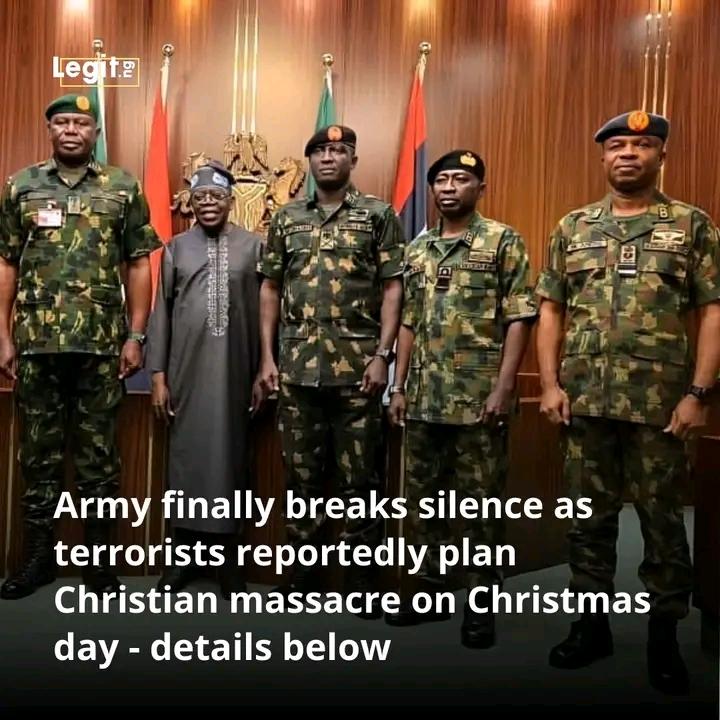
  • Nigerian Army Breaks Silence as Military Deploys Troops, Air Support to Foil Alleged Terrorist Attacks Planned for Christmas Day

    The Nigerian Army has confirmed that heightened security measures have been put in place nationwide following reports of planned terrorist attacks targeting Christian communities during Christmas Day celebrations. In a statement issued by the Defence Headquarters, Director of Defence Media Operations, Maj. Gen. Michael Onoja, disclosed that additional troops had been deployed to vulnerable areas, while special forces and air support units were placed on high alert to ensure rapid response. Surveillance activities, including aerial monitoring, intelligence gathering, fortified checkpoints, and coordinated patrols with community leaders and vigilante groups, have been intensified across the country. The military urged Nigerians to remain calm but vigilant and to promptly report suspicious activities, stressing its commitment to protecting lives, property, and national stability throughout the festive season.
    Nigerian Army Breaks Silence as Military Deploys Troops, Air Support to Foil Alleged Terrorist Attacks Planned for Christmas Day The Nigerian Army has confirmed that heightened security measures have been put in place nationwide following reports of planned terrorist attacks targeting Christian communities during Christmas Day celebrations. In a statement issued by the Defence Headquarters, Director of Defence Media Operations, Maj. Gen. Michael Onoja, disclosed that additional troops had been deployed to vulnerable areas, while special forces and air support units were placed on high alert to ensure rapid response. Surveillance activities, including aerial monitoring, intelligence gathering, fortified checkpoints, and coordinated patrols with community leaders and vigilante groups, have been intensified across the country. The military urged Nigerians to remain calm but vigilant and to promptly report suspicious activities, stressing its commitment to protecting lives, property, and national stability throughout the festive season.
    0 Comments ·0 Shares ·287 Views
  • Pastor Dachomo Reassures Nigerian Christians: “Help Is On The Way” After U.S. Delegation Visit

    Rev. Ezekiel Dachomo, a Plateau-based pastor and human rights activist, reassured persecuted Christian communities in Nigeria that “help is on the way,” following a visit by a U.S. Congressional delegation to Benue State. The delegation, led by Rep. Riley M. Moore, documented repeated attacks on local communities, describing the violence as part of a “horrific genocidal campaign.” Dachomo highlighted the growing international attention to the crisis and reiterated his commitment to speaking the truth despite threats and opposition.


    #EzekielDachomo #ChristianPersecution #NigeriaMiddleBelt
    Pastor Dachomo Reassures Nigerian Christians: “Help Is On The Way” After U.S. Delegation Visit Rev. Ezekiel Dachomo, a Plateau-based pastor and human rights activist, reassured persecuted Christian communities in Nigeria that “help is on the way,” following a visit by a U.S. Congressional delegation to Benue State. The delegation, led by Rep. Riley M. Moore, documented repeated attacks on local communities, describing the violence as part of a “horrific genocidal campaign.” Dachomo highlighted the growing international attention to the crisis and reiterated his commitment to speaking the truth despite threats and opposition. #EzekielDachomo #ChristianPersecution #NigeriaMiddleBelt
    0 Comments ·0 Shares ·634 Views
  • U.S. Congressman Alleges Fulani Militants Conduct “Genocidal Campaign” Against Christians in Nigeria

    U.S. Republican Congressman Riley Moore has described violent attacks on Christian communities in Nigeria’s Middle Belt as a “genocidal campaign,” following a high-risk visit to Benue State. Speaking on Fox News, Moore recounted touring IDP camps and meeting victims of the attacks, including women who witnessed the murder of their children. He accused Fulani militants of targeting Christians deliberately, dismissing explanations of land disputes or climate pressures. Moore revealed that he will report his findings to former President Donald Trump and urged U.S. authorities to engage Nigerian leaders on the crisis, emphasizing that IDP camps offer little protection and that communities remain under severe threat.
    U.S. Congressman Alleges Fulani Militants Conduct “Genocidal Campaign” Against Christians in Nigeria U.S. Republican Congressman Riley Moore has described violent attacks on Christian communities in Nigeria’s Middle Belt as a “genocidal campaign,” following a high-risk visit to Benue State. Speaking on Fox News, Moore recounted touring IDP camps and meeting victims of the attacks, including women who witnessed the murder of their children. He accused Fulani militants of targeting Christians deliberately, dismissing explanations of land disputes or climate pressures. Moore revealed that he will report his findings to former President Donald Trump and urged U.S. authorities to engage Nigerian leaders on the crisis, emphasizing that IDP camps offer little protection and that communities remain under severe threat.
    0 Comments ·0 Shares ·537 Views
  • U.S. House Committee Warns Nigeria Is Becoming One of the Most Dangerous Places for Christians

    The U.S. House Appropriations Committee has raised fresh concerns over the escalating violence against Christians in Nigeria, warning that the country is becoming “one of the most dangerous places on Earth to follow Christ.” In a statement posted on its official X account, the Committee highlighted increasing attacks by extremist groups, bandits, and armed herders, which disproportionately affect Christian communities across the Middle Belt and northern regions.
    Rep. Robert Aderholt and other American lawmakers urged the White House to take firmer action, accusing Nigerian authorities of failing to protect vulnerable populations. The Committee’s warning signals renewed legislative pressure that could influence U.S. policy, including foreign aid, sanctions, and security cooperation. The development reflects rising international alarm as Nigeria’s security crisis becomes a major global concern.
    U.S. House Committee Warns Nigeria Is Becoming One of the Most Dangerous Places for Christians The U.S. House Appropriations Committee has raised fresh concerns over the escalating violence against Christians in Nigeria, warning that the country is becoming “one of the most dangerous places on Earth to follow Christ.” In a statement posted on its official X account, the Committee highlighted increasing attacks by extremist groups, bandits, and armed herders, which disproportionately affect Christian communities across the Middle Belt and northern regions. Rep. Robert Aderholt and other American lawmakers urged the White House to take firmer action, accusing Nigerian authorities of failing to protect vulnerable populations. The Committee’s warning signals renewed legislative pressure that could influence U.S. policy, including foreign aid, sanctions, and security cooperation. The development reflects rising international alarm as Nigeria’s security crisis becomes a major global concern.
    0 Comments ·0 Shares ·408 Views
  • BREAKING: The United States House Appropriations Committee is convening a joint congressional briefing today to examine the rising wave of mass abductions and targeted attacks in Nigeria , particularly against Christian communities
    BREAKING: The United States House Appropriations Committee is convening a joint congressional briefing today to examine the rising wave of mass abductions and targeted attacks in Nigeria 🇳🇬 , particularly against Christian communities
    0 Comments ·0 Shares ·150 Views
More Results
Fintter https://fintter.com