• Cape Coast Castle and Elmina Castle in Ghana are painful but important places in African history. These forts were used during the transatlantic slave trade, where many Africans were held in dark dungeons before being shipped away. Today, they stand as reminders of what happened — and why we must always remember.

    #CapeCoastCastle #ElminaCastle #Ghana #AfricanHistory #places
    Cape Coast Castle and Elmina Castle in Ghana are painful but important places in African history. These forts were used during the transatlantic slave trade, where many Africans were held in dark dungeons before being shipped away. Today, they stand as reminders of what happened — and why we must always remember. 🇬🇭🕊️ #CapeCoastCastle #ElminaCastle #Ghana #AfricanHistory #places
    like
    love
    3
    · 0 Комментарии ·0 Поделились ·3Кб Просмотры
  • 80 Militants Surrender Arms, Embrace Amnesty in Cross River…….

    No fewer than 80 militants operating in the creeks of Akpabuyo Local Government Area of Cross River State have voluntarily surrendered their weapons and embraced the state government’s amnesty and reintegration programme. The surrender took place at Atimbo Rear Area under Operation OKWOK, within the Nigerian Army’s 13 Brigade area. Security sources said the breakthrough followed months of sustained military pressure and discreet dialogue involving community leaders and officials. Two camps led by ThankGod Ebikontei (Ayibanuagha) and John Isaac (Akpokolo) disbanded, with more fighters expected to report, marking a major boost against coastal militancy.#Fintternews
    80 Militants Surrender Arms, Embrace Amnesty in Cross River……. No fewer than 80 militants operating in the creeks of Akpabuyo Local Government Area of Cross River State have voluntarily surrendered their weapons and embraced the state government’s amnesty and reintegration programme. The surrender took place at Atimbo Rear Area under Operation OKWOK, within the Nigerian Army’s 13 Brigade area. Security sources said the breakthrough followed months of sustained military pressure and discreet dialogue involving community leaders and officials. Two camps led by ThankGod Ebikontei (Ayibanuagha) and John Isaac (Akpokolo) disbanded, with more fighters expected to report, marking a major boost against coastal militancy.#Fintternews
    love
    2
    · 0 Комментарии ·0 Поделились ·1Кб Просмотры
  • Is Nigeria’s Army Under Digital Attack? Nigerian Army Hunts Operators of Fake Social Media Accounts Impersonating the Chief of Army Staff

    The Nigerian Army has sounded the alarm over what it describes as a growing digital threat: the proliferation of fake social media accounts falsely claiming to be operated by or affiliated with the Chief of Army Staff (COAS), Lieutenant General Waidi Shaibu. The development has raised concerns about online fraud, misinformation, and the misuse of military authority in cyberspace.

    In a press statement issued on January 9, 2026, the Acting Director of Army Public Relations, Colonel Appolonia Anele, described the trend as “disturbing,” warning that unscrupulous individuals are creating and running these accounts to mislead the public. According to the Army, the impostor profiles are being used to solicit funds, defraud unsuspecting citizens, and circulate false information in the name of the COAS and the Nigerian Army.

    The Army categorically clarified that Lieutenant General Waidi Shaibu does not operate or maintain any official social media account on any platform. This statement directly contradicts the claims made by the fake profiles, which present themselves as authoritative voices of the Army’s top leadership.

    Colonel Anele urged Nigerians to exercise extreme caution online and avoid engaging with, responding to, or sharing content from any account claiming to represent the Chief of Army Staff. The public was advised to remain vigilant and report suspicious pages, as interaction with such accounts could expose users to financial scams, identity theft, or the spread of dangerous misinformation.

    Beyond public awareness, the Army confirmed that it is actively pursuing the operators behind these accounts. It stated that necessary steps are being taken to identify, apprehend, and prosecute those responsible in accordance with existing laws. The move underscores a broader effort by the military to combat cyber-enabled crimes that exploit public trust in state institutions.

    The development highlights growing concerns about digital impersonation and information warfare in Nigeria, particularly as social media becomes an increasingly powerful tool for influence, deception, and criminal activity. By issuing a formal warning and launching a manhunt for the perpetrators, the Nigerian Army is signaling its determination to protect both its institutional credibility and the public from online exploitation.

    As authorities intensify their investigation, Nigerians are being reminded that not every account bearing official names or military symbols is legitimate. The episode serves as a stark reminder of how easily digital platforms can be weaponised—and why vigilance, verification, and accountability are more critical than ever in the age of social media.


    Is Nigeria’s Army Under Digital Attack? Nigerian Army Hunts Operators of Fake Social Media Accounts Impersonating the Chief of Army Staff The Nigerian Army has sounded the alarm over what it describes as a growing digital threat: the proliferation of fake social media accounts falsely claiming to be operated by or affiliated with the Chief of Army Staff (COAS), Lieutenant General Waidi Shaibu. The development has raised concerns about online fraud, misinformation, and the misuse of military authority in cyberspace. In a press statement issued on January 9, 2026, the Acting Director of Army Public Relations, Colonel Appolonia Anele, described the trend as “disturbing,” warning that unscrupulous individuals are creating and running these accounts to mislead the public. According to the Army, the impostor profiles are being used to solicit funds, defraud unsuspecting citizens, and circulate false information in the name of the COAS and the Nigerian Army. The Army categorically clarified that Lieutenant General Waidi Shaibu does not operate or maintain any official social media account on any platform. This statement directly contradicts the claims made by the fake profiles, which present themselves as authoritative voices of the Army’s top leadership. Colonel Anele urged Nigerians to exercise extreme caution online and avoid engaging with, responding to, or sharing content from any account claiming to represent the Chief of Army Staff. The public was advised to remain vigilant and report suspicious pages, as interaction with such accounts could expose users to financial scams, identity theft, or the spread of dangerous misinformation. Beyond public awareness, the Army confirmed that it is actively pursuing the operators behind these accounts. It stated that necessary steps are being taken to identify, apprehend, and prosecute those responsible in accordance with existing laws. The move underscores a broader effort by the military to combat cyber-enabled crimes that exploit public trust in state institutions. The development highlights growing concerns about digital impersonation and information warfare in Nigeria, particularly as social media becomes an increasingly powerful tool for influence, deception, and criminal activity. By issuing a formal warning and launching a manhunt for the perpetrators, the Nigerian Army is signaling its determination to protect both its institutional credibility and the public from online exploitation. As authorities intensify their investigation, Nigerians are being reminded that not every account bearing official names or military symbols is legitimate. The episode serves as a stark reminder of how easily digital platforms can be weaponised—and why vigilance, verification, and accountability are more critical than ever in the age of social media.
    0 Комментарии ·0 Поделились ·2Кб Просмотры
  • US Seizes Oil Tanker Linked to Venezuela and Russia Over Sanctions Violation
    January 7, 2026 – International

    The United States has confirmed the seizure of an oil tanker accused of violating U.S. sanctions, marking a major enforcement action against vessels attempting to bypass American restrictions. The tanker, originally identified as M/V Bella 1, had been renamed Marinera and was operating under a Russian flag while sailing in the North Atlantic. Reports indicate that the vessel previously flew a Guyana flag before its re-registration under Russia.

    The U.S. European Command stated that the seizure was executed in coordination with multiple federal agencies, including the Department of Justice and the Department of Homeland Security. Tracking operations were supported by the U.S. Coast Guard cutter Munro. According to officials, the operation was carried out pursuant to a U.S. federal court warrant and reflects a “whole-of-government” approach to protecting U.S. interests and enforcing sanctions.

    “The seizure supports the President’s proclamation targeting sanctioned vessels that threaten security and stability in the Western Hemisphere,” the U.S. European Command noted. Officials emphasized that the action was carefully planned to avoid environmental damage and focused on recovering the tanker rather than sinking it.

    This operation follows recent diplomatic talks between U.S. and Venezuelan officials regarding potential exports of Venezuelan crude to American refineries along the Gulf Coast. U.S. refineries, which have historically processed Venezuela’s heavy crude, are reportedly capable of handling future imports once sanctions allow. Sources noted that the discussions come after years of restrictions that curtailed Venezuelan oil exports to the United States.

    The seizure also comes in the wake of a controversial U.S. military operation in Venezuela in early January 2026, which resulted in the capture of President Nicolás Maduro and his wife. The U.S. justified the operation by citing federal indictments accusing Maduro’s government of drug trafficking and narco-terrorism, alleging that the regime helped ship large quantities of cocaine into the United States. Following the operation, former President Donald Trump openly declared that the U.S. intended to take control of Venezuela’s oil industry, which he claimed was built with American investment and seized by Maduro.

    In his first public comments after being taken to the U.S., Maduro described himself as “kidnapped” and insisted on his innocence. The tanker seizure is seen as part of ongoing U.S. efforts to reassert influence over sanctioned energy exports and prevent regimes like Venezuela and Russia from profiting from illicit oil trade.

    Experts note that the operation highlights the strategic importance of maritime enforcement in the global energy market and underscores the U.S.’s commitment to sanctions enforcement. The tanker, part of what officials have described as a “shadow fleet” circumventing international regulations, was carefully monitored for weeks before the operation, demonstrating the complexity of tracking and intercepting high-value maritime targets.

    The U.S. emphasized that similar operations may continue against vessels suspected of violating sanctions, particularly those tied to sanctioned nations or illicit networks. The seizure reinforces the administration’s dual approach of diplomatic engagement and targeted enforcement to secure energy markets and uphold international sanctions.

    US Seizes Oil Tanker Linked to Venezuela and Russia Over Sanctions Violation January 7, 2026 – International The United States has confirmed the seizure of an oil tanker accused of violating U.S. sanctions, marking a major enforcement action against vessels attempting to bypass American restrictions. The tanker, originally identified as M/V Bella 1, had been renamed Marinera and was operating under a Russian flag while sailing in the North Atlantic. Reports indicate that the vessel previously flew a Guyana flag before its re-registration under Russia. The U.S. European Command stated that the seizure was executed in coordination with multiple federal agencies, including the Department of Justice and the Department of Homeland Security. Tracking operations were supported by the U.S. Coast Guard cutter Munro. According to officials, the operation was carried out pursuant to a U.S. federal court warrant and reflects a “whole-of-government” approach to protecting U.S. interests and enforcing sanctions. “The seizure supports the President’s proclamation targeting sanctioned vessels that threaten security and stability in the Western Hemisphere,” the U.S. European Command noted. Officials emphasized that the action was carefully planned to avoid environmental damage and focused on recovering the tanker rather than sinking it. This operation follows recent diplomatic talks between U.S. and Venezuelan officials regarding potential exports of Venezuelan crude to American refineries along the Gulf Coast. U.S. refineries, which have historically processed Venezuela’s heavy crude, are reportedly capable of handling future imports once sanctions allow. Sources noted that the discussions come after years of restrictions that curtailed Venezuelan oil exports to the United States. The seizure also comes in the wake of a controversial U.S. military operation in Venezuela in early January 2026, which resulted in the capture of President Nicolás Maduro and his wife. The U.S. justified the operation by citing federal indictments accusing Maduro’s government of drug trafficking and narco-terrorism, alleging that the regime helped ship large quantities of cocaine into the United States. Following the operation, former President Donald Trump openly declared that the U.S. intended to take control of Venezuela’s oil industry, which he claimed was built with American investment and seized by Maduro. In his first public comments after being taken to the U.S., Maduro described himself as “kidnapped” and insisted on his innocence. The tanker seizure is seen as part of ongoing U.S. efforts to reassert influence over sanctioned energy exports and prevent regimes like Venezuela and Russia from profiting from illicit oil trade. Experts note that the operation highlights the strategic importance of maritime enforcement in the global energy market and underscores the U.S.’s commitment to sanctions enforcement. The tanker, part of what officials have described as a “shadow fleet” circumventing international regulations, was carefully monitored for weeks before the operation, demonstrating the complexity of tracking and intercepting high-value maritime targets. The U.S. emphasized that similar operations may continue against vessels suspected of violating sanctions, particularly those tied to sanctioned nations or illicit networks. The seizure reinforces the administration’s dual approach of diplomatic engagement and targeted enforcement to secure energy markets and uphold international sanctions.
    0 Комментарии ·0 Поделились ·3Кб Просмотры
  • Why Did the US and Venezuela Sign a $2 Billion Oil Deal Now? Is Maduro’s Crisis Reshaping Global Energy Politics?”

    The United States and Venezuela have signed a controversial agreement allowing the export of $2 billion worth of Venezuelan crude oil to the U.S., a move that has triggered intense global debate. Announced by former U.S. President Donald Trump, the deal is being described as a major shift in relations between Washington and Caracas—coming at a time when Venezuela is grappling with political instability, economic collapse, and international sanctions.
    But the big question on Fintter is: Why now?
    According to U.S. officials, the agreement is designed to redirect Venezuelan oil away from China, weaken Beijing’s grip on the country’s energy sector, and prevent Venezuela from suffering deeper production cuts due to storage backlogs and export restrictions. Trump described the deal as a “flagship negotiation,” insisting that it reflects Venezuela’s compliance with U.S. demands to open its oil industry to American companies.
    Even more striking is the political backdrop. The deal comes after the reported capture of President Nicolás Maduro by U.S. forces, a move Venezuelan authorities have denounced as a “kidnapping” and an attempt by Washington to seize control of the country’s vast oil resources. While the U.S. claims the proceeds from the oil sales will be managed to benefit both nations, it remains unclear whether Venezuela’s state oil company PDVSA will gain any real financial access, given that it is still largely frozen out of the global financial system by U.S. sanctions.
    Trump further stated that 30 to 50 million barrels of what he called “sanctioned oil” would be transferred to the United States at market prices, with the U.S. government controlling the revenue. Energy Secretary Chris Wright is expected to oversee the operation, with crude shipped directly from tankers to U.S. ports. Industry insiders revealed that some shipments initially bound for China will now be redirected to the U.S.—potentially ending Beijing’s dominance as Venezuela’s biggest crude buyer.
    Market reactions were swift. U.S. oil prices dropped by more than 1.5%, while heavy crude prices along the Gulf Coast slipped amid expectations of increased supply. Currently, only Chevron is authorized to export Venezuelan crude under a special U.S. license, handling between 100,000 and 150,000 barrels per day, but this deal could dramatically expand that flow.
    At the same time, Venezuela’s oil output remains under threat. Storage shortages caused by the embargo have already forced production cuts, and industry sources warn that without stable export routes, output could decline even further. Meanwhile, discussions are ongoing about whether Venezuelan oil could eventually be used in the U.S. Strategic Petroleum Reserve, raising even bigger geopolitical implications.
    So, Fintter readers are left with powerful questions:
    Is this deal truly about helping Venezuela’s collapsing economy—or is it a strategic move to weaken China’s influence in global energy markets?
    Will Venezuelans actually benefit from this agreement, or will control of their oil wealth remain in foreign hands?
    Does this mark a new era of U.S.–Venezuela relations, or is it simply a high-stakes political maneuver tied to Maduro’s crisis?
    As global energy politics continue to shift, this $2 billion oil agreement could reshape not only Venezuela’s future, but also the balance of power between the U.S., China, and Latin America.
    What do you think, Fintter community? Is this a breakthrough for Venezuela—or another chapter in global resource politics? Drop your thoughts in the comments.
    Why Did the US and Venezuela Sign a $2 Billion Oil Deal Now? Is Maduro’s Crisis Reshaping Global Energy Politics?” The United States and Venezuela have signed a controversial agreement allowing the export of $2 billion worth of Venezuelan crude oil to the U.S., a move that has triggered intense global debate. Announced by former U.S. President Donald Trump, the deal is being described as a major shift in relations between Washington and Caracas—coming at a time when Venezuela is grappling with political instability, economic collapse, and international sanctions. But the big question on Fintter is: Why now? According to U.S. officials, the agreement is designed to redirect Venezuelan oil away from China, weaken Beijing’s grip on the country’s energy sector, and prevent Venezuela from suffering deeper production cuts due to storage backlogs and export restrictions. Trump described the deal as a “flagship negotiation,” insisting that it reflects Venezuela’s compliance with U.S. demands to open its oil industry to American companies. Even more striking is the political backdrop. The deal comes after the reported capture of President Nicolás Maduro by U.S. forces, a move Venezuelan authorities have denounced as a “kidnapping” and an attempt by Washington to seize control of the country’s vast oil resources. While the U.S. claims the proceeds from the oil sales will be managed to benefit both nations, it remains unclear whether Venezuela’s state oil company PDVSA will gain any real financial access, given that it is still largely frozen out of the global financial system by U.S. sanctions. Trump further stated that 30 to 50 million barrels of what he called “sanctioned oil” would be transferred to the United States at market prices, with the U.S. government controlling the revenue. Energy Secretary Chris Wright is expected to oversee the operation, with crude shipped directly from tankers to U.S. ports. Industry insiders revealed that some shipments initially bound for China will now be redirected to the U.S.—potentially ending Beijing’s dominance as Venezuela’s biggest crude buyer. Market reactions were swift. U.S. oil prices dropped by more than 1.5%, while heavy crude prices along the Gulf Coast slipped amid expectations of increased supply. Currently, only Chevron is authorized to export Venezuelan crude under a special U.S. license, handling between 100,000 and 150,000 barrels per day, but this deal could dramatically expand that flow. At the same time, Venezuela’s oil output remains under threat. Storage shortages caused by the embargo have already forced production cuts, and industry sources warn that without stable export routes, output could decline even further. Meanwhile, discussions are ongoing about whether Venezuelan oil could eventually be used in the U.S. Strategic Petroleum Reserve, raising even bigger geopolitical implications. So, Fintter readers are left with powerful questions: Is this deal truly about helping Venezuela’s collapsing economy—or is it a strategic move to weaken China’s influence in global energy markets? Will Venezuelans actually benefit from this agreement, or will control of their oil wealth remain in foreign hands? Does this mark a new era of U.S.–Venezuela relations, or is it simply a high-stakes political maneuver tied to Maduro’s crisis? As global energy politics continue to shift, this $2 billion oil agreement could reshape not only Venezuela’s future, but also the balance of power between the U.S., China, and Latin America. 👉 What do you think, Fintter community? Is this a breakthrough for Venezuela—or another chapter in global resource politics? Drop your thoughts in the comments.
    0 Комментарии ·0 Поделились ·2Кб Просмотры
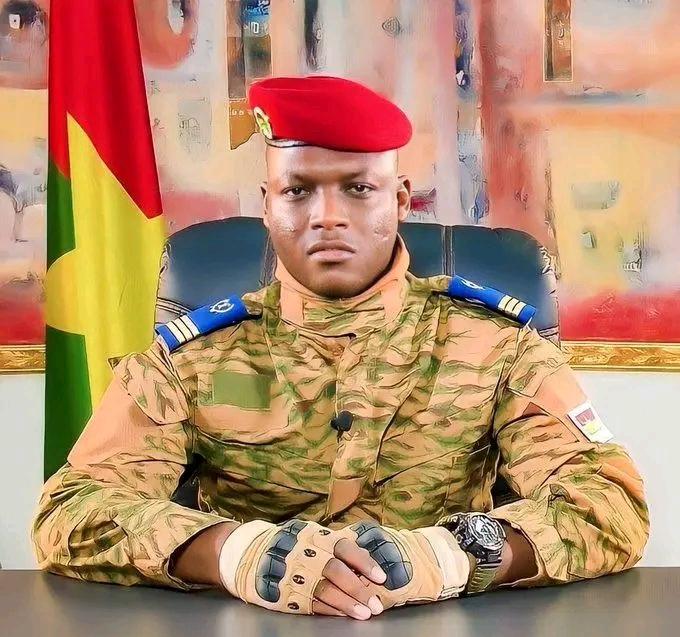
  • “Burkina Faso Foils Assassination Plot Against Military Leader Traoré, Linked to Former Leader Damiba”

    Burkina Faso’s security services have successfully foiled a fresh assassination attempt targeting Captain Ibrahim Traoré, the country’s military leader, according to Security Minister Mahamadou Sana. The plot was allegedly orchestrated by Lieutenant Colonel Paul Henri Damiba, Traoré’s predecessor, who was ousted in September 2022. Authorities report that the plan involved not only assassinating Traoré but also launching attacks on strategic institutions and prominent civilian figures.
    Minister Sana added that the operation was financed from neighboring Ivory Coast, though neither Damiba nor Ivorian authorities have issued statements in response.
    Since assuming power in 2022, Traoré, 37, has faced multiple coup attempts and continues to deal with jihadist violence that has displaced millions across the country. Despite these challenges, Traoré maintains a measure of domestic support and has gained recognition across Africa. He is known for criticizing Western influence and advocating pan-Africanist ideas.
    In response to the foiled plot, Burkina Faso has tightened security around government installations and is monitoring border regions, particularly with Ivory Coast. This latest incident follows previous coup attempts, including one in April 2025, in which current and former soldiers planned attacks on the presidential palace and other key locations.
    The ongoing instability in Burkina Faso is compounded by jihadist attacks and a humanitarian crisis, affecting both national security and civilian safety. Authorities continue to investigate the foiled assassination attempt as part of broader efforts to protect the military leadership and maintain national stability.
    “Burkina Faso Foils Assassination Plot Against Military Leader Traoré, Linked to Former Leader Damiba” Burkina Faso’s security services have successfully foiled a fresh assassination attempt targeting Captain Ibrahim Traoré, the country’s military leader, according to Security Minister Mahamadou Sana. The plot was allegedly orchestrated by Lieutenant Colonel Paul Henri Damiba, Traoré’s predecessor, who was ousted in September 2022. Authorities report that the plan involved not only assassinating Traoré but also launching attacks on strategic institutions and prominent civilian figures. Minister Sana added that the operation was financed from neighboring Ivory Coast, though neither Damiba nor Ivorian authorities have issued statements in response. Since assuming power in 2022, Traoré, 37, has faced multiple coup attempts and continues to deal with jihadist violence that has displaced millions across the country. Despite these challenges, Traoré maintains a measure of domestic support and has gained recognition across Africa. He is known for criticizing Western influence and advocating pan-Africanist ideas. In response to the foiled plot, Burkina Faso has tightened security around government installations and is monitoring border regions, particularly with Ivory Coast. This latest incident follows previous coup attempts, including one in April 2025, in which current and former soldiers planned attacks on the presidential palace and other key locations. The ongoing instability in Burkina Faso is compounded by jihadist attacks and a humanitarian crisis, affecting both national security and civilian safety. Authorities continue to investigate the foiled assassination attempt as part of broader efforts to protect the military leadership and maintain national stability.
    like
    1
    · 0 Комментарии ·0 Поделились ·2Кб Просмотры
  • Venezuela and U.S. Hold Talks to Resume Venezuelan Crude Exports to Gulf Coast Refineries Amid Sanctions Reversal and Maduro Capture

    Venezuela and United States officials are reportedly in discussions to resume the export of Venezuelan crude to U.S. refineries, particularly along the Gulf Coast, which have historically processed the country’s heavy crude. The talks come after years of sanctions restricted Venezuelan oil access to the U.S. market, imposed during the Trump administration.
    The renewed engagement follows a controversial U.S. military operation in early January 2026 that resulted in the capture of Venezuelan President Nicolás Maduro and his wife. The U.S. cited drug trafficking and narco-terrorism allegations against Maduro, while he described his capture as a “kidnapping” and denied wrongdoing.
    The potential resumption of exports is seen as part of broader U.S. efforts to reassert control over Venezuela’s oil industry. No formal agreement has been reached yet, and discussions are ongoing. Historically, U.S. sanctions and geopolitical tensions sharply curtailed Venezuela’s oil production and revenues, forcing the country to redirect shipments elsewhere.
    Venezuela and U.S. Hold Talks to Resume Venezuelan Crude Exports to Gulf Coast Refineries Amid Sanctions Reversal and Maduro Capture Venezuela and United States officials are reportedly in discussions to resume the export of Venezuelan crude to U.S. refineries, particularly along the Gulf Coast, which have historically processed the country’s heavy crude. The talks come after years of sanctions restricted Venezuelan oil access to the U.S. market, imposed during the Trump administration. The renewed engagement follows a controversial U.S. military operation in early January 2026 that resulted in the capture of Venezuelan President Nicolás Maduro and his wife. The U.S. cited drug trafficking and narco-terrorism allegations against Maduro, while he described his capture as a “kidnapping” and denied wrongdoing. The potential resumption of exports is seen as part of broader U.S. efforts to reassert control over Venezuela’s oil industry. No formal agreement has been reached yet, and discussions are ongoing. Historically, U.S. sanctions and geopolitical tensions sharply curtailed Venezuela’s oil production and revenues, forcing the country to redirect shipments elsewhere.
    like
    1
    · 0 Комментарии ·0 Поделились ·899 Просмотры
  • AFCON Fallout: Gabon Bans Pierre-Emerick Aubameyang, Suspends National Team, Sacks Coaches After Shock Exit From Tournament

    The Gabonese government has imposed sweeping sanctions on the country’s senior national football team following a disastrous outing at the ongoing Africa Cup of Nations (AFCON). The decision came after Gabon’s 3–2 defeat to defending champions Ivory Coast, sealed by a late injury-time goal, which confirmed the Panthers’ third consecutive loss and bottom-place finish in Group F.

    Announcing the measures, Sports Minister Simplice-Desire Mamboula said the government had dissolved the entire technical crew, suspended the national team indefinitely, and banned veteran players Pierre-Emerick Aubameyang and Bruno Ecuele Manga from the squad. The move followed earlier criticism after Gabon’s shocking loss to Mozambique, which eliminated the team from knockout-stage contention.

    President Brice Clotaire Oligui Nguema described the team’s poor performance as a blow to national identity, citing lack of organisation and inefficient use of resources as key problems. He pledged major structural reforms to restore discipline and ambition in Gabonese sports governance.

    However, the government’s direct intervention could expose Gabon to possible sanctions from FIFA, which prohibits political interference in the management of national football associations.
    AFCON Fallout: Gabon Bans Pierre-Emerick Aubameyang, Suspends National Team, Sacks Coaches After Shock Exit From Tournament The Gabonese government has imposed sweeping sanctions on the country’s senior national football team following a disastrous outing at the ongoing Africa Cup of Nations (AFCON). The decision came after Gabon’s 3–2 defeat to defending champions Ivory Coast, sealed by a late injury-time goal, which confirmed the Panthers’ third consecutive loss and bottom-place finish in Group F. Announcing the measures, Sports Minister Simplice-Desire Mamboula said the government had dissolved the entire technical crew, suspended the national team indefinitely, and banned veteran players Pierre-Emerick Aubameyang and Bruno Ecuele Manga from the squad. The move followed earlier criticism after Gabon’s shocking loss to Mozambique, which eliminated the team from knockout-stage contention. President Brice Clotaire Oligui Nguema described the team’s poor performance as a blow to national identity, citing lack of organisation and inefficient use of resources as key problems. He pledged major structural reforms to restore discipline and ambition in Gabonese sports governance. However, the government’s direct intervention could expose Gabon to possible sanctions from FIFA, which prohibits political interference in the management of national football associations.
    0 Комментарии ·0 Поделились ·928 Просмотры
  • COAS charges troops to flush bandits from forested areas as he vows “No safe haven for terrorists in Nigeria”

    The Chief of Army Staff (COAS), Lt. Gen. Waidi Shaibu, has declared that bandits and other criminal elements would no longer find refuge in Nigeria’s forests, deserts or national parks, as he charged troops to intensify operations and flush them out of all hideouts.

    Shaibu gave the charge on Monday while addressing soldiers and officers of the 2 Division of the Nigerian Army, in Ibadan during an operation visit.

    The COAS commended the officers and soldiers for the successes recorded within their area of responsibility, while urging them to sustain the momentum.

    “We must let them know that there is no safe haven anywhere. Come rain, come sun, forested areas, desert areas or mountainous areas, we are going after them,” the Army Chief said.

    According to him, criminal groups had continued to exploit difficult and forested terrains to launch attacks on innocent citizens, stressing that such advantages would no longer be tolerated.

    The COAS directed troops to intensify night operations, noting that dominance of the terrain especially forested zones was critical to denying bandits freedom of movement and operational space.

    Shaibu specifically pointed to security challenges around the Kwara general area, Kainji Lake National Park and the Old Oyo National Park, saying firm directives were being issued to ensure that all criminal elements were flushed out of the areas.

    “Directives are coming up so that you go and clear everything in that place. We are moving with ruthless determination to eliminate all those disturbing that terrain,” he said.

    He praised the General Officer Commanding (GOC) and other senior officers for their leadership, saying the operational briefing he received reflected determination and clear focus.

    The Army Chief urged officers to continue to lead from the front, describing leadership as a decisive factor in sustaining operational superiority and achieving victory over adversaries.

    Shaibu also expressed satisfaction with the morale and responsiveness of the troops, adding that he expected more tangible results from the 2 Division area of responsibility in the coming days.

    On welfare, the COAS assured officers and soldiers that their well-being remained a top priority for Army Headquarters, pledging that entitlements would be paid promptly and logistical needs addressed.

    He disclosed that approval had been granted for additional renovation and construction of accommodation within barracks under the division to ease existing accommodation pressure.

    “You will be given all you require, and all your entitlements will be paid as and when due,” Shaibu assured the troops.

    He added that sustained discipline, motivation and improved welfare were indispensable to maintaining operational superiority against bandits and other criminal elements threatening communities across the region.
    COAS charges troops to flush bandits from forested areas as he vows “No safe haven for terrorists in Nigeria” The Chief of Army Staff (COAS), Lt. Gen. Waidi Shaibu, has declared that bandits and other criminal elements would no longer find refuge in Nigeria’s forests, deserts or national parks, as he charged troops to intensify operations and flush them out of all hideouts. Shaibu gave the charge on Monday while addressing soldiers and officers of the 2 Division of the Nigerian Army, in Ibadan during an operation visit. The COAS commended the officers and soldiers for the successes recorded within their area of responsibility, while urging them to sustain the momentum. “We must let them know that there is no safe haven anywhere. Come rain, come sun, forested areas, desert areas or mountainous areas, we are going after them,” the Army Chief said. According to him, criminal groups had continued to exploit difficult and forested terrains to launch attacks on innocent citizens, stressing that such advantages would no longer be tolerated. The COAS directed troops to intensify night operations, noting that dominance of the terrain especially forested zones was critical to denying bandits freedom of movement and operational space. Shaibu specifically pointed to security challenges around the Kwara general area, Kainji Lake National Park and the Old Oyo National Park, saying firm directives were being issued to ensure that all criminal elements were flushed out of the areas. “Directives are coming up so that you go and clear everything in that place. We are moving with ruthless determination to eliminate all those disturbing that terrain,” he said. He praised the General Officer Commanding (GOC) and other senior officers for their leadership, saying the operational briefing he received reflected determination and clear focus. The Army Chief urged officers to continue to lead from the front, describing leadership as a decisive factor in sustaining operational superiority and achieving victory over adversaries. Shaibu also expressed satisfaction with the morale and responsiveness of the troops, adding that he expected more tangible results from the 2 Division area of responsibility in the coming days. On welfare, the COAS assured officers and soldiers that their well-being remained a top priority for Army Headquarters, pledging that entitlements would be paid promptly and logistical needs addressed. He disclosed that approval had been granted for additional renovation and construction of accommodation within barracks under the division to ease existing accommodation pressure. “You will be given all you require, and all your entitlements will be paid as and when due,” Shaibu assured the troops. He added that sustained discipline, motivation and improved welfare were indispensable to maintaining operational superiority against bandits and other criminal elements threatening communities across the region.
    0 Комментарии ·0 Поделились ·690 Просмотры
  • The Chief of Army Staff (COAS), Lieutenant General Waidi Shaibu, has reaffirmed the Nigerian Army’s commitment to prioritising the welfare, dignity and post-service security of its officers and soldiers, describing personnel wellbeing as central to operational effectiveness and long-term institutional stability.
    The Chief of Army Staff (COAS), Lieutenant General Waidi Shaibu, has reaffirmed the Nigerian Army’s commitment to prioritising the welfare, dignity and post-service security of its officers and soldiers, describing personnel wellbeing as central to operational effectiveness and long-term institutional stability.
    0 Комментарии ·0 Поделились ·465 Просмотры

  • BREAKING: U.S. COAST GUARD INTERDICTS SANCTIONED VESSEL OFF VENEZUELA'S COAST

    U.S. officials just confirmed the Coast Guard is actively interdicting a sanctioned vessel in international waters off Venezuela's coast.

    3 sources speaking anonymously told Reuters the op is underway, with the Coast Guard leading the charge.

    No details yet on the ship's name, cargo, or exact location, but this comes during Trump's renewed pressure on Maduro's regime - think oil sanctions, military posturing in the Caribbean, and efforts to choke off revenue streams.

    The move fits the broader push to squeeze Venezuela's economy and force regime change or concessions.

    U.S. Coast Guard cutters have been patrolling these waters more aggressively lately, boarding ships suspected of smuggling oil or violating sanctions.

    Watch for more updates - this could escalate tensions fast, especially with Maduro already backed into a corner.

    Source: Reuters
    🚨🇺🇸🇻🇪 BREAKING: U.S. COAST GUARD INTERDICTS SANCTIONED VESSEL OFF VENEZUELA'S COAST U.S. officials just confirmed the Coast Guard is actively interdicting a sanctioned vessel in international waters off Venezuela's coast. 3 sources speaking anonymously told Reuters the op is underway, with the Coast Guard leading the charge. No details yet on the ship's name, cargo, or exact location, but this comes during Trump's renewed pressure on Maduro's regime - think oil sanctions, military posturing in the Caribbean, and efforts to choke off revenue streams. The move fits the broader push to squeeze Venezuela's economy and force regime change or concessions. U.S. Coast Guard cutters have been patrolling these waters more aggressively lately, boarding ships suspected of smuggling oil or violating sanctions. Watch for more updates - this could escalate tensions fast, especially with Maduro already backed into a corner. Source: Reuters
    0 Комментарии ·0 Поделились ·1Кб Просмотры
  • Trump Refuses to Rule Out War With Venezuela, Threatens More Oil Tanker Seizures
    Published December 19, 2025


    U.S. President Donald Trump stated in an NBC News interview that he does not rule out military conflict with Venezuela.

    He threatened that the U.S. could seize additional oil tankers operating near Venezuelan waters if they carry sanctioned shipments.

    The announcement follows a recent U.S. seizure of a sanctioned oil tanker off Venezuela’s coast and an ordered “blockade” of sanctioned tankers entering or leaving the country.

    The Trump administration has intensified military operations in the region, including over 24 strikes near Venezuela, reportedly resulting in at least 90 deaths.

    Venezuela, under President Nicolás Maduro, condemned the actions as aggressive and warned that any direct military intervention would be resisted.

    Trump did not explicitly confirm whether removing Maduro was the ultimate goal, though he claimed Maduro “knows exactly what I want.”

    These developments heighten regional tensions and raise concerns among international observers about potential escalation in the Caribbean and northern South America.


    Context:
    Venezuela is heavily sanctioned by the U.S., particularly its oil sector, and faces economic collapse and humanitarian challenges. The standoff underscores U.S.-Venezuela tensions over control of energy resources and political influence.
    Trump Refuses to Rule Out War With Venezuela, Threatens More Oil Tanker Seizures Published December 19, 2025 U.S. President Donald Trump stated in an NBC News interview that he does not rule out military conflict with Venezuela. He threatened that the U.S. could seize additional oil tankers operating near Venezuelan waters if they carry sanctioned shipments. The announcement follows a recent U.S. seizure of a sanctioned oil tanker off Venezuela’s coast and an ordered “blockade” of sanctioned tankers entering or leaving the country. The Trump administration has intensified military operations in the region, including over 24 strikes near Venezuela, reportedly resulting in at least 90 deaths. Venezuela, under President Nicolás Maduro, condemned the actions as aggressive and warned that any direct military intervention would be resisted. Trump did not explicitly confirm whether removing Maduro was the ultimate goal, though he claimed Maduro “knows exactly what I want.” These developments heighten regional tensions and raise concerns among international observers about potential escalation in the Caribbean and northern South America. Context: Venezuela is heavily sanctioned by the U.S., particularly its oil sector, and faces economic collapse and humanitarian challenges. The standoff underscores U.S.-Venezuela tensions over control of energy resources and political influence.
    0 Комментарии ·0 Поделились ·879 Просмотры
  • Four Companies Ready to Fund, Take Over and Toll Lagos–Calabar Coastal Highway Section 1 — Works Minister Umahi

    Nigeria’s Minister of Works, David Umahi, has revealed that four companies have expressed interest in fully funding, taking over and tolling Section 1 of the Lagos–Calabar Coastal Highway. Speaking during an end-of-year press briefing, Umahi said the firms are willing to refund 100 percent of government expenditure on the section, citing the project’s high return on investment and commercial viability. He said the move aligns with the Tinubu administration’s strategy of leveraging private-sector participation for major infrastructure projects. The 700-kilometre highway, estimated to cost ₦15.6 trillion, has faced criticism over transparency and cost, with former Vice President Atiku Abubakar and others calling for full disclosure of contractual and financing details.
    Four Companies Ready to Fund, Take Over and Toll Lagos–Calabar Coastal Highway Section 1 — Works Minister Umahi Nigeria’s Minister of Works, David Umahi, has revealed that four companies have expressed interest in fully funding, taking over and tolling Section 1 of the Lagos–Calabar Coastal Highway. Speaking during an end-of-year press briefing, Umahi said the firms are willing to refund 100 percent of government expenditure on the section, citing the project’s high return on investment and commercial viability. He said the move aligns with the Tinubu administration’s strategy of leveraging private-sector participation for major infrastructure projects. The 700-kilometre highway, estimated to cost ₦15.6 trillion, has faced criticism over transparency and cost, with former Vice President Atiku Abubakar and others calling for full disclosure of contractual and financing details.
    0 Комментарии ·0 Поделились ·869 Просмотры
  • BREAKING : Burkina Faso’s leader, Captain Ibrahim Traoré, has issued a powerful statement that is already sparking intense debate across Africa and beyond.

    “It’s not terror!sm, it’s imperialism. Their objective is to keep us in a permanent w@r, prevent us from developing, and continue to exploit our resources.”

    Traoré’s words point to a deeper accusation — that insecurity in parts of Africa is being weapon!zed to weaken nations, stall development, and maintain control over natural resources. He also criticized some West African coastal leaders, accusing them of buying into these arrangements just to remain in power, even at the cost of regional sovereignty.

    This statement adds fuel to growing conversations about foreign influence, resource control, and leadership choices in West Africa at a time when many citizens are demanding true independence and security.

    Do you agree with Ibrahim Traoré — is insecurity in Africa about terror!sm, or is it something deeper?

    SHARE this post so more voices join the discussion.

    New here? FOLLOW our page to stay up to date with stories that matter.

    #NewsFlash #AfricaSpeaks #westafrica #Ibrahim #IbrahimTraore
    BREAKING : Burkina Faso’s leader, Captain Ibrahim Traoré, has issued a powerful statement that is already sparking intense debate across Africa and beyond. “It’s not terror!sm, it’s imperialism. Their objective is to keep us in a permanent w@r, prevent us from developing, and continue to exploit our resources.” Traoré’s words point to a deeper accusation — that insecurity in parts of Africa is being weapon!zed to weaken nations, stall development, and maintain control over natural resources. He also criticized some West African coastal leaders, accusing them of buying into these arrangements just to remain in power, even at the cost of regional sovereignty. This statement adds fuel to growing conversations about foreign influence, resource control, and leadership choices in West Africa at a time when many citizens are demanding true independence and security. Do you agree with Ibrahim Traoré — is insecurity in Africa about terror!sm, or is it something deeper? SHARE this post so more voices join the discussion. New here? FOLLOW our page to stay up to date with stories that matter. #NewsFlash #AfricaSpeaks #westafrica #Ibrahim #IbrahimTraore
    love
    1
    · 0 Комментарии ·0 Поделились ·2Кб Просмотры
  • The United States Coast Guard, in collaboration with the U.S. Navy, has intercepted a Nigerian-owned supertanker, Skipper, over allegations of crude oil theft, piracy, and other transnational crimes.

    Authorities said the tanker was illegally flying the Guyanese flag at the time of the arrest. In response, Guyana’s Maritime Administration Department (MARAD) confirmed that Skipper is not on its national ship registry and that the vessel was using the flag without authorization.
    The United States Coast Guard, in collaboration with the U.S. Navy, has intercepted a Nigerian-owned supertanker, Skipper, over allegations of crude oil theft, piracy, and other transnational crimes. Authorities said the tanker was illegally flying the Guyanese flag at the time of the arrest. In response, Guyana’s Maritime Administration Department (MARAD) confirmed that Skipper is not on its national ship registry and that the vessel was using the flag without authorization.
    0 Комментарии ·0 Поделились ·515 Просмотры
  • PRESS RELEASE

    COAS VISITS OBA OF LAGOS, SOLICITS TRADITIONAL SUPPORT FOR MILITARY OPERATIONS

    The Chief of Army Staff (COAS), Lieutenant General Waidi Shaibu, on Thursday, 11 December 2025, paid a courtesy visit to the Oba of Lagos, His Royal Majesty Oba Rilwan Akiolu I, at his palace in Lagos.

    During the visit, the COAS expressed profound appreciation to the revered monarch and the council of Obas for their consistent support to the Nigerian Army. He noted that the purpose of his visit was not only to extend his gratitude but also to seek the blessings of the royal father, stressing that Nigeria’s customs and traditions remain sacrosanct and must always be honoured.

    General Shaibu lauded Oba Akiolu for the fatherly role he has continually played in supporting Army formations and institutions across Lagos State. He described the Oba’s guidance and goodwill as invaluable to the Army’s operational and civil–military cooperation efforts.

    In his response, the Oba of Lagos commended the Nigerian Army for its unwavering commitment to safeguarding the nation and maintaining peace. He described the Army as a critical pillar upon which the Nigerian State stands, adding that the sacrifices and professionalism of its personnel have contributed significantly to national stability.

    Oba Akiolu also applauded the COAS for his steadfast leadership and dedication to ensuring a peaceful and secure country. He thereafter offered special prayers for sustained peace in Nigeria and for Lieutenant General Shaibu’s successful tenure as the 25th Chief of Army Staff.

    The visit underscores the Nigerian Army’s commitment to strengthening relationships with traditional institutions as vital stakeholders in the nation’s peace and security architecture

    APPOLONIA ANELE
    Colonel
    Acting Director Army Public Relations
    11 December 2025
    PRESS RELEASE COAS VISITS OBA OF LAGOS, SOLICITS TRADITIONAL SUPPORT FOR MILITARY OPERATIONS The Chief of Army Staff (COAS), Lieutenant General Waidi Shaibu, on Thursday, 11 December 2025, paid a courtesy visit to the Oba of Lagos, His Royal Majesty Oba Rilwan Akiolu I, at his palace in Lagos. During the visit, the COAS expressed profound appreciation to the revered monarch and the council of Obas for their consistent support to the Nigerian Army. He noted that the purpose of his visit was not only to extend his gratitude but also to seek the blessings of the royal father, stressing that Nigeria’s customs and traditions remain sacrosanct and must always be honoured. General Shaibu lauded Oba Akiolu for the fatherly role he has continually played in supporting Army formations and institutions across Lagos State. He described the Oba’s guidance and goodwill as invaluable to the Army’s operational and civil–military cooperation efforts. In his response, the Oba of Lagos commended the Nigerian Army for its unwavering commitment to safeguarding the nation and maintaining peace. He described the Army as a critical pillar upon which the Nigerian State stands, adding that the sacrifices and professionalism of its personnel have contributed significantly to national stability. Oba Akiolu also applauded the COAS for his steadfast leadership and dedication to ensuring a peaceful and secure country. He thereafter offered special prayers for sustained peace in Nigeria and for Lieutenant General Shaibu’s successful tenure as the 25th Chief of Army Staff. The visit underscores the Nigerian Army’s commitment to strengthening relationships with traditional institutions as vital stakeholders in the nation’s peace and security architecture APPOLONIA ANELE Colonel Acting Director Army Public Relations 11 December 2025
    like
    1
    · 0 Комментарии ·0 Поделились ·991 Просмотры
  • BREAKING: The United States Coast Guard, in collaboration with the U.S. Navy, has intercepted a Nigerian-owned supertanker, Skipper, over allegations of crude oil theft, piracy, and other transnational crimes.

    Authorities said the tanker was illegally flying the Guyanese flag at the time of the arrest. In response, Guyana’s Maritime Administration Department (MARAD) confirmed that Skipper is not on its national ship registry and that the vessel was using the flag without authorization.
    BREAKING: The United States Coast Guard, in collaboration with the U.S. Navy, has intercepted a Nigerian-owned supertanker, Skipper, over allegations of crude oil theft, piracy, and other transnational crimes. Authorities said the tanker was illegally flying the Guyanese flag at the time of the arrest. In response, Guyana’s Maritime Administration Department (MARAD) confirmed that Skipper is not on its national ship registry and that the vessel was using the flag without authorization.
    0 Комментарии ·0 Поделились ·527 Просмотры
  • Retired General Claims COAS Attahiru Was Assassinated in 2021 Kaduna Plane Explosion, Not Accident

    Retired Major General Danjuma Ali-Keffi has alleged that the late Chief of Army Staff, Lieutenant-General Ibrahim Attahiru, was deliberately assassinated in the 2021 aircraft explosion that killed him and 10 others near Kaduna Airport. Speaking publicly, Ali-Keffi claimed the aircraft did not crash but exploded mid-air and that injuries on the victims suggested an internal blast. He linked the incident to internal military hostility, corruption, sabotage, leaked intelligence, and Attahiru’s ongoing forensic audit of Army funds. The retired general also alleged operational compromises, terror-financing within the military, and unresolved irregularities around the still-unreleased accident investigation report. He insists Attahiru was targeted due to his anti-corruption stance and conflicts with powerful figures.
    Retired General Claims COAS Attahiru Was Assassinated in 2021 Kaduna Plane Explosion, Not Accident Retired Major General Danjuma Ali-Keffi has alleged that the late Chief of Army Staff, Lieutenant-General Ibrahim Attahiru, was deliberately assassinated in the 2021 aircraft explosion that killed him and 10 others near Kaduna Airport. Speaking publicly, Ali-Keffi claimed the aircraft did not crash but exploded mid-air and that injuries on the victims suggested an internal blast. He linked the incident to internal military hostility, corruption, sabotage, leaked intelligence, and Attahiru’s ongoing forensic audit of Army funds. The retired general also alleged operational compromises, terror-financing within the military, and unresolved irregularities around the still-unreleased accident investigation report. He insists Attahiru was targeted due to his anti-corruption stance and conflicts with powerful figures.
    0 Комментарии ·0 Поделились ·664 Просмотры
  • COAS DECORATES ARMY SPOKESPERSON AS COLONEL …Reaffirms Public Trust as a Strategic Enabler for Military Operations

    The Chief of Army Staff (COAS), Lieutenant General Waidi Shaibu Nigerian Army Medal, on 9 December 2025, decorated the Acting Director, Army Public Relations, Appolonia Anele, with the rank of Colonel in recognition of her steadfast dedication and exemplary service to the Nigerian Army.

    At a brief ceremony held at the Army Headquarters, Abuja, the COAS commended Colonel Anele’s professionalism and unwavering commitment, charging the Directorate of Army Public Relations to sustain its efforts in projecting the Nigerian Army’s image responsibly and credibly.

    Represented by the Chief of Policy and Plans (Army), Major General Bamidele Alabi, the COAS underscored the indispensable role of public trust in the success of military operations. He urged the Directorate of Army Public Relations to strengthen transparent, accountableand timely communication on the activities of the Nigerian Army, stressing that effective strategic communication remains vital in bolstering national confidence in the Armed Forces.

    The Army Chief further tasked the Acting Director to uphold the highest standards of professionalism, discipline and loyalty, while mentoring her subordinates to enhance the overall effectiveness and capacity of the Directorate.

    In her vote of thanks, Colonel Appolonia Anele expressed profound gratitude to Almighty God, the Chief of Defence Staff, General Olufemi Oluyede, and the COAS for their visionary leadership, purposeful guidance and mentorship, which she described as instrumental to her career advancement.

    The ceremony was attended by dignitaries including former Director, Army Public Relations, Brigadier General Sani Usman Kukasheka (Rtd) mni; Colonel Mustapha Anka (Rtd) mni, senior officers serving and retired; alongside family members, friends and well-wishers.
    COAS DECORATES ARMY SPOKESPERSON AS COLONEL …Reaffirms Public Trust as a Strategic Enabler for Military Operations The Chief of Army Staff (COAS), Lieutenant General Waidi Shaibu Nigerian Army Medal, on 9 December 2025, decorated the Acting Director, Army Public Relations, Appolonia Anele, with the rank of Colonel in recognition of her steadfast dedication and exemplary service to the Nigerian Army. At a brief ceremony held at the Army Headquarters, Abuja, the COAS commended Colonel Anele’s professionalism and unwavering commitment, charging the Directorate of Army Public Relations to sustain its efforts in projecting the Nigerian Army’s image responsibly and credibly. Represented by the Chief of Policy and Plans (Army), Major General Bamidele Alabi, the COAS underscored the indispensable role of public trust in the success of military operations. He urged the Directorate of Army Public Relations to strengthen transparent, accountableand timely communication on the activities of the Nigerian Army, stressing that effective strategic communication remains vital in bolstering national confidence in the Armed Forces. The Army Chief further tasked the Acting Director to uphold the highest standards of professionalism, discipline and loyalty, while mentoring her subordinates to enhance the overall effectiveness and capacity of the Directorate. In her vote of thanks, Colonel Appolonia Anele expressed profound gratitude to Almighty God, the Chief of Defence Staff, General Olufemi Oluyede, and the COAS for their visionary leadership, purposeful guidance and mentorship, which she described as instrumental to her career advancement. The ceremony was attended by dignitaries including former Director, Army Public Relations, Brigadier General Sani Usman Kukasheka (Rtd) mni; Colonel Mustapha Anka (Rtd) mni, senior officers serving and retired; alongside family members, friends and well-wishers.
    0 Комментарии ·0 Поделились ·1Кб Просмотры
Fintter https://fintter.com