• JUST IN: Daddy Freeze Responds to Anu’s Mother

    Daddy Freeze has reacted to Anu’s mother, urging her to handle the situation privately and focus on raising her child. He said Anu is like a daughter to him because her father was once his lecturer, and advised her to do everything possible to ensure the child becomes successful. He asked if she would not still raise the child if the father were dead.

    He warned her to take the matter off social media, stating that nobody can force Davido to undergo a DNA test. According to him, Davido could even file a harassment case, which may lead to a restraining order. He added that she could pursue the matter legally if she chooses, recommending lawyers like Femi Falana or Afe Babalola for possible pro bono services.

    Daddy Freeze also criticised her decision to go public, saying announcing that the child resulted from a one-night stand does not reflect well on her. He noted that her claim of being a waitress who agreed to sex when approached does not present her in a good light.

    #DaddyFreeze #Davido #NigeriaEntertainment #TrendingNews
    JUST IN: Daddy Freeze Responds to Anu’s Mother Daddy Freeze has reacted to Anu’s mother, urging her to handle the situation privately and focus on raising her child. He said Anu is like a daughter to him because her father was once his lecturer, and advised her to do everything possible to ensure the child becomes successful. He asked if she would not still raise the child if the father were dead. He warned her to take the matter off social media, stating that nobody can force Davido to undergo a DNA test. According to him, Davido could even file a harassment case, which may lead to a restraining order. He added that she could pursue the matter legally if she chooses, recommending lawyers like Femi Falana or Afe Babalola for possible pro bono services. Daddy Freeze also criticised her decision to go public, saying announcing that the child resulted from a one-night stand does not reflect well on her. He noted that her claim of being a waitress who agreed to sex when approached does not present her in a good light. #DaddyFreeze #Davido #NigeriaEntertainment #TrendingNews

    love
    1
    · 1 Commenti ·0 condivisioni ·2K Views
  • Nigerian petrol marketers to dump Dangote Refinery for cheaper fuel.

    Nigerian petroleum product marketers have announced plans to abandon Dangote Refinery’s petrol in favour of cheaper imported fuel.

    The spokesperson of the Independent Petroleum Marketers Association of Nigeria, IPMAN, Chinedu Ukadike, disclosed this to DAILY POST on Friday.

    This follows the drop in the landing cost of imported fuel to N839.97 per litre, which is N37 cheaper than Dangote Refinery’s gantry petrol price of N877 per litre.

    Commenting on the development, Ukadike hinted that petroleum marketers would opt for imported fuel to enable Nigerians to access cheaper petrol.

    He noted that the price disparity was a result of the liberalisation and deregulation of the country’s downstream sector.

    “It is due to the liberalisation of the sector, which has set the tune for a price war. Marketers now have the option to buy either at N877 per litre with Dangote Refinery or N839 with MEMAN.
    “The concern here is why would a local refinery (Dangote) sell petrol higher than imported ones?
    “As petroleum product marketers, Nigerians are interested in buying petrol that is cheaper. When we have cheaper fuel, it sells faster,” he told DAILY POST.

    ex-depot prices of Emedab, Gulf Treasure, Ardova and Bono stood at N875 per litre, while that of Dangote Refinery remained at N877.

    As of Friday evening, petrol was being sold at between N950 and N965 per litre at Nigerian National Petroleum Company Limited, NNPCL, MRS, Ranoil, Total and Emedab retail outlets in Abuja.

    Nigerian petrol marketers to dump Dangote Refinery for cheaper fuel. Nigerian petroleum product marketers have announced plans to abandon Dangote Refinery’s petrol in favour of cheaper imported fuel. The spokesperson of the Independent Petroleum Marketers Association of Nigeria, IPMAN, Chinedu Ukadike, disclosed this to DAILY POST on Friday. This follows the drop in the landing cost of imported fuel to N839.97 per litre, which is N37 cheaper than Dangote Refinery’s gantry petrol price of N877 per litre. Commenting on the development, Ukadike hinted that petroleum marketers would opt for imported fuel to enable Nigerians to access cheaper petrol. He noted that the price disparity was a result of the liberalisation and deregulation of the country’s downstream sector. “It is due to the liberalisation of the sector, which has set the tune for a price war. Marketers now have the option to buy either at N877 per litre with Dangote Refinery or N839 with MEMAN. “The concern here is why would a local refinery (Dangote) sell petrol higher than imported ones? “As petroleum product marketers, Nigerians are interested in buying petrol that is cheaper. When we have cheaper fuel, it sells faster,” he told DAILY POST. ex-depot prices of Emedab, Gulf Treasure, Ardova and Bono stood at N875 per litre, while that of Dangote Refinery remained at N877. As of Friday evening, petrol was being sold at between N950 and N965 per litre at Nigerian National Petroleum Company Limited, NNPCL, MRS, Ranoil, Total and Emedab retail outlets in Abuja.
    0 Commenti ·0 condivisioni ·1K Views
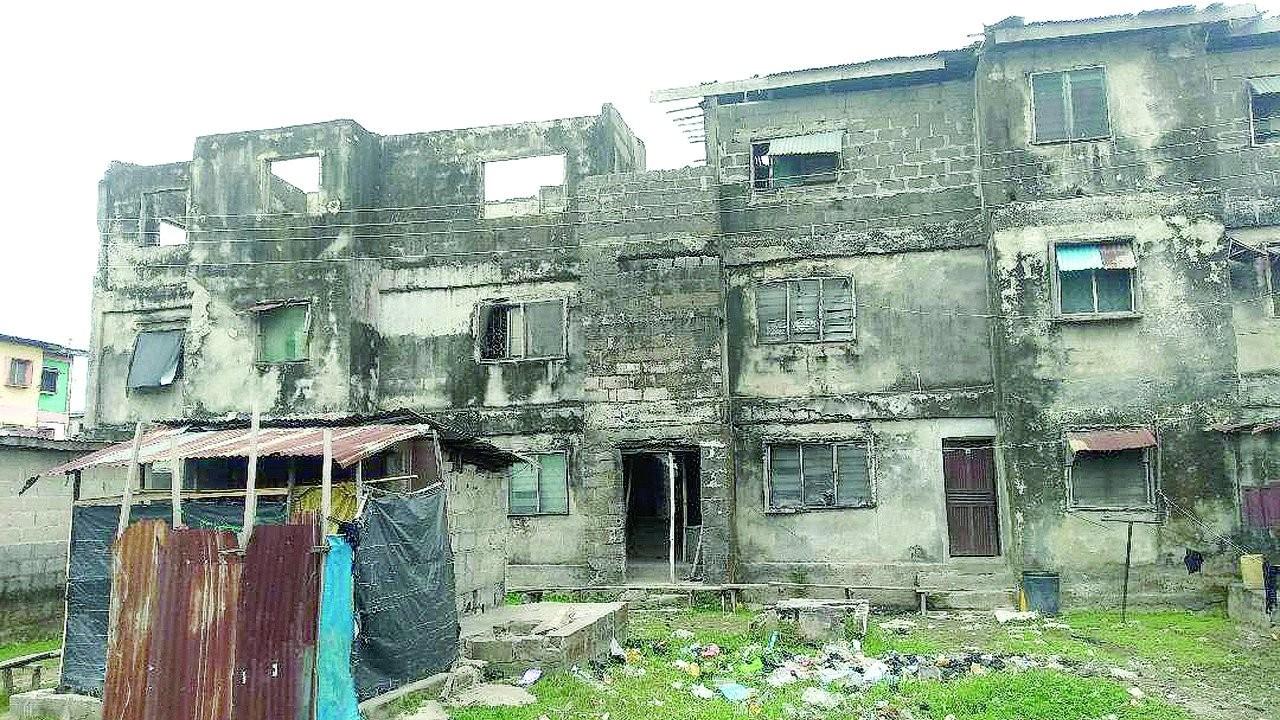
  • Widow seeks governor, lawmakers’ intervention over Jakande estate apartment demolition.

    A Widow, Mrs. Elizabeth Adetoun Ajibola, who lost her husband, Major Olatokunbo Mohammed Ajibola, on September 26, 1992, in the ill-fated military plane crash in Ejigbo, Lagos, has appealed to the Lagos State Governor, Mr Babajide Sanwo-Olu and the state House of Assembly to help correct the injustice being done to them (she and the two).

    According to Ajibola, her late husband was among the military officers who died in the mishap that occurred in the ill-fated September 26, 1992 C-130 military aircraft crash at Ejigbo, Lagos State.

    As a result of the incident, she was left to raise two sons, but while pondering how to navigate the burden, Lagos State government came to her aid like other widows through the allocation of a three-bedroom flat at LMB Estate, Isolo, Block 1, flat 4, otherwise known as Jakande LSPDC Estate, Isolo, Lagos.

    “This help cannot be quantified, as it solved the immediate issue of shelter,” she said. åWith this provision of a roof over their heads, she added, “my children and I will remain forever grateful to the Lagos State government.”

    Fate, however, dealt the family another blow, when sometime in December 2012, the allocated premises had to be demolished owing to structural defects discovered in some of the surrounding buildings, leading to the later demolition of their building around this period.

    “While some widows brought together by the same fate were lucky, and were paid the princely sum of N200,000, and additionally got new allocations, my children and I strangely were not considered, because my flat was in a different building.”

    Ajibola disclosed that several efforts to get the error corrected did not yield result including appeals and letters written to past governors such as Babatunde Fashola and Akinwumi Ambode, taken up pro-bono by different lawyers at different times between 2012 till date have not yielded result.

    She added that letters were also written to the Lagos State Development and Property Corporation and the Lagos State Emergency Management Agency, but none of the agencies followed through to ensure that the omission was corrected.

    Widow seeks governor, lawmakers’ intervention over Jakande estate apartment demolition. A Widow, Mrs. Elizabeth Adetoun Ajibola, who lost her husband, Major Olatokunbo Mohammed Ajibola, on September 26, 1992, in the ill-fated military plane crash in Ejigbo, Lagos, has appealed to the Lagos State Governor, Mr Babajide Sanwo-Olu and the state House of Assembly to help correct the injustice being done to them (she and the two). According to Ajibola, her late husband was among the military officers who died in the mishap that occurred in the ill-fated September 26, 1992 C-130 military aircraft crash at Ejigbo, Lagos State. As a result of the incident, she was left to raise two sons, but while pondering how to navigate the burden, Lagos State government came to her aid like other widows through the allocation of a three-bedroom flat at LMB Estate, Isolo, Block 1, flat 4, otherwise known as Jakande LSPDC Estate, Isolo, Lagos. “This help cannot be quantified, as it solved the immediate issue of shelter,” she said. åWith this provision of a roof over their heads, she added, “my children and I will remain forever grateful to the Lagos State government.” Fate, however, dealt the family another blow, when sometime in December 2012, the allocated premises had to be demolished owing to structural defects discovered in some of the surrounding buildings, leading to the later demolition of their building around this period. “While some widows brought together by the same fate were lucky, and were paid the princely sum of N200,000, and additionally got new allocations, my children and I strangely were not considered, because my flat was in a different building.” Ajibola disclosed that several efforts to get the error corrected did not yield result including appeals and letters written to past governors such as Babatunde Fashola and Akinwumi Ambode, taken up pro-bono by different lawyers at different times between 2012 till date have not yielded result. She added that letters were also written to the Lagos State Development and Property Corporation and the Lagos State Emergency Management Agency, but none of the agencies followed through to ensure that the omission was corrected.
    0 Commenti ·0 condivisioni ·690 Views
  • NBA Offers Free Legal Aid to Nigerians harassed by Police officers Over Tinted Glass Permits.

    The Nigerian Bar Association (NBA) has pledged free legal support to Nigerians hara§§ed by the police over the controversial tinted glass permit, describing the policy as “illegal” and revenue-driven.

    In a statement, Olukunle Edun (SAN), Chairman of the NBA’s Public Interest Litigation Committee, said, “We shall invoke the powers of the court to ensure that the Nigeria Police Force does not trample on the rights of Nigerians. Any citizen hara§§ed in the purported enforcement of the illegal tinted glass permit should contact any NBA branch.”

    He added that the Human Rights Committees of the association’s 130 branches are ready to provide pro bono services, warning that the police could extort up to N3bn monthly under the scheme.

    The NBA reminded the Inspector General of Police in a letter dated October 2, 2025, that the matter is already before the Federal High Court in Abuja (Suit No. FHC/ABJ/CS/1821/2025). The case challenges the legality of the Motor Vehicles (Prohibition of Tinted Glass) Decree 1991 and seeks to restrain the police from arrests, harassment, or extortion.

    NBA lawyer Godspower Eroga alleged that the police planned to divert proceeds into a private account instead of the Treasury Single Account, arguing the cited law sets no measurable standards for tinting and is incompatible with factory-fitted windows. He also noted that senior officers freely drive SUVs with dark tints.

    The NBA insisted the policy amounts to “taxation without legislation,” stressing that the police are not a revenue agency. It condemned the impoundment of Justice O. A. Ogunbowale’s vehicle in Asaba on the first day of enforcement, calling it “an embarrassing and avoidable situation.”

    The body lamented that its urgent application for an injunction was not heard due to court vacation, urging judges to act in public interest, “The judiciary’s authority and integrity are best protected when it prevents chaos, even if it means bending a procedural rule.”
    NBA Offers Free Legal Aid to Nigerians harassed by Police officers Over Tinted Glass Permits. The Nigerian Bar Association (NBA) has pledged free legal support to Nigerians hara§§ed by the police over the controversial tinted glass permit, describing the policy as “illegal” and revenue-driven. In a statement, Olukunle Edun (SAN), Chairman of the NBA’s Public Interest Litigation Committee, said, “We shall invoke the powers of the court to ensure that the Nigeria Police Force does not trample on the rights of Nigerians. Any citizen hara§§ed in the purported enforcement of the illegal tinted glass permit should contact any NBA branch.” He added that the Human Rights Committees of the association’s 130 branches are ready to provide pro bono services, warning that the police could extort up to N3bn monthly under the scheme. The NBA reminded the Inspector General of Police in a letter dated October 2, 2025, that the matter is already before the Federal High Court in Abuja (Suit No. FHC/ABJ/CS/1821/2025). The case challenges the legality of the Motor Vehicles (Prohibition of Tinted Glass) Decree 1991 and seeks to restrain the police from arrests, harassment, or extortion. NBA lawyer Godspower Eroga alleged that the police planned to divert proceeds into a private account instead of the Treasury Single Account, arguing the cited law sets no measurable standards for tinting and is incompatible with factory-fitted windows. He also noted that senior officers freely drive SUVs with dark tints. The NBA insisted the policy amounts to “taxation without legislation,” stressing that the police are not a revenue agency. It condemned the impoundment of Justice O. A. Ogunbowale’s vehicle in Asaba on the first day of enforcement, calling it “an embarrassing and avoidable situation.” The body lamented that its urgent application for an injunction was not heard due to court vacation, urging judges to act in public interest, “The judiciary’s authority and integrity are best protected when it prevents chaos, even if it means bending a procedural rule.”
    0 Commenti ·0 condivisioni ·1K Views
  • Tinted Glass Permit: NBA fumes as police impound vehicle of judge.

    warns IGP of contempt, says we’ll invoke powers of court

    ABUJA– The Nigerian Bar Association, NBA, has written the Inspector General of Police, IGP, Kayode Egbetokun, asking him to immediately halt the nationwide enforcement of the tinted glass permit.

    The legal body, in the letter it served the IGP on Thursday, drew his attention to the fact that issues surrounding the legality of the tinted glass policy, is already pending before the Federal High Court in Abuja, warning that “the Nigeria Police, as a law enforcement agency, should know better not to be lawless.”

    This came on a day that police officers who were on the street to enforce the orders of the Assistant Inspector-General, AIG, Zone 5, on tinted glass permit, allegedly impounded a vehicle belonging to a judge of the National Industrial Court, NIC, in Delta State.

    He said: “We shall invoke the powers of the Court to ensure that the Nigeria Police Force does not trample on the rights of Nigerians. Any citizen that is harrassed by the Police in the purported enforcement of the illegal tinted glass permit by the Police should be free to contact any of the NBA branches.

    “The Human Rights Committees of the 130 branches of the NBA in Nigeria are ready to offer pro bono services to anyone that is harrassed.

    “It has been estimated that the Police may generate at least N3billion within a month from monies that will be collected, thus, turning the Police into a revenue- generating agency of the Federal government instead of focusing on the more serious issues crime.

    “The matter is in Court and the Nigeria Police as a law enforce should know better not to be lawless. Nigeria belongs to all of us and the Police should avoid anything that will provoke the members of the public.”

    Tinted Glass Permit: NBA fumes as police impound vehicle of judge. warns IGP of contempt, says we’ll invoke powers of court ABUJA– The Nigerian Bar Association, NBA, has written the Inspector General of Police, IGP, Kayode Egbetokun, asking him to immediately halt the nationwide enforcement of the tinted glass permit. The legal body, in the letter it served the IGP on Thursday, drew his attention to the fact that issues surrounding the legality of the tinted glass policy, is already pending before the Federal High Court in Abuja, warning that “the Nigeria Police, as a law enforcement agency, should know better not to be lawless.” This came on a day that police officers who were on the street to enforce the orders of the Assistant Inspector-General, AIG, Zone 5, on tinted glass permit, allegedly impounded a vehicle belonging to a judge of the National Industrial Court, NIC, in Delta State. He said: “We shall invoke the powers of the Court to ensure that the Nigeria Police Force does not trample on the rights of Nigerians. Any citizen that is harrassed by the Police in the purported enforcement of the illegal tinted glass permit by the Police should be free to contact any of the NBA branches. “The Human Rights Committees of the 130 branches of the NBA in Nigeria are ready to offer pro bono services to anyone that is harrassed. “It has been estimated that the Police may generate at least N3billion within a month from monies that will be collected, thus, turning the Police into a revenue- generating agency of the Federal government instead of focusing on the more serious issues crime. “The matter is in Court and the Nigeria Police as a law enforce should know better not to be lawless. Nigeria belongs to all of us and the Police should avoid anything that will provoke the members of the public.”
    0 Commenti ·0 condivisioni ·580 Views

  • Okoi Obono-Obla Denies Reports of Tinubu Sacking INEC Chairman Mahmood Yakubu

    Former Chairman of the Special Investigation Panel for the Recovery of Public Property, Chief Okoi Obono-Obla, has dismissed claims that President Bola Tinubu has removed the Chairman of the Independent National Electoral Commission (INEC), Professor Mahmood Yakubu, from office.

    In a statement released to THE WHISTLER on Thursday, Obono-Obla described reports circulating on some online platforms (not including THE WHISTLER) as false, misleading, and legally baseless.

    “It is both infantile and puerile to witness blazing headlines claiming that the President has ‘sacked’ Professor Yakubu by directing him to proceed on terminal leave ahead of the expiration of his tenure on 18 October 2025. Today is 25 September 2025—barely three weeks to the constitutionally mandated end of his second term,” he said.


    Obono-Obla questioned the logic of interpreting a directive to take leave as a dismissal, emphasizing that Yakubu’s tenure was already set to conclude by law.

    “How does asking someone whose tenure is set to lapse by law in three weeks to proceed on leave amount to a sack? It beggars belief that media outlets would feast on such patently false narratives,” he added.


    The former Special Assistant to the President (Prosecution) also clarified that the President cannot unilaterally remove the INEC Chairman. He explained the constitutional procedure for removal, which requires the President to present an address to the Senate outlining any allegations of misconduct or inability to perform the duties of office.

    “For the removal to be effected, the address must be supported by a two-thirds majority of the Senate—that is, at least 73 out of 109 senators,” Obono-Obla said, citing Section 157(1) of the 1999 Constitution (as amended).


    The section provides that removal can occur only for misconduct or inability to discharge official duties, ensuring that constitutional safeguards are followed.

    Obono-Obla concluded that any media suggestion that President Tinubu had “sacked” Professor Yakubu ignores these safeguards and misleads the public about the law.

    “Any suggestion that the President has ‘sacked’ the INEC Chairman without following this constitutional procedure is not only misleading but legally untenable,” he affirmed.
    Okoi Obono-Obla Denies Reports of Tinubu Sacking INEC Chairman Mahmood Yakubu Former Chairman of the Special Investigation Panel for the Recovery of Public Property, Chief Okoi Obono-Obla, has dismissed claims that President Bola Tinubu has removed the Chairman of the Independent National Electoral Commission (INEC), Professor Mahmood Yakubu, from office. In a statement released to THE WHISTLER on Thursday, Obono-Obla described reports circulating on some online platforms (not including THE WHISTLER) as false, misleading, and legally baseless. “It is both infantile and puerile to witness blazing headlines claiming that the President has ‘sacked’ Professor Yakubu by directing him to proceed on terminal leave ahead of the expiration of his tenure on 18 October 2025. Today is 25 September 2025—barely three weeks to the constitutionally mandated end of his second term,” he said. Obono-Obla questioned the logic of interpreting a directive to take leave as a dismissal, emphasizing that Yakubu’s tenure was already set to conclude by law. “How does asking someone whose tenure is set to lapse by law in three weeks to proceed on leave amount to a sack? It beggars belief that media outlets would feast on such patently false narratives,” he added. The former Special Assistant to the President (Prosecution) also clarified that the President cannot unilaterally remove the INEC Chairman. He explained the constitutional procedure for removal, which requires the President to present an address to the Senate outlining any allegations of misconduct or inability to perform the duties of office. “For the removal to be effected, the address must be supported by a two-thirds majority of the Senate—that is, at least 73 out of 109 senators,” Obono-Obla said, citing Section 157(1) of the 1999 Constitution (as amended). The section provides that removal can occur only for misconduct or inability to discharge official duties, ensuring that constitutional safeguards are followed. Obono-Obla concluded that any media suggestion that President Tinubu had “sacked” Professor Yakubu ignores these safeguards and misleads the public about the law. “Any suggestion that the President has ‘sacked’ the INEC Chairman without following this constitutional procedure is not only misleading but legally untenable,” he affirmed.
    0 Commenti ·0 condivisioni ·378 Views
  • Man Says That The World Will End On December 25th And Begins Construction Of An Ark
    My people World wan end oh.

    A Ghanaian man named EboNoah has prophesied that the world will end on December 25, 2025. He explained that he received a message from God to prepare for a great flood by building an ark.

    The wooden structure, which he says is about 80% complete, is meant to protect him, some selected people, and pairs of animals when disaster comes. In videos shared online, he showed the ark under construction and a few animals that he claims appeared on their own as proof of his prophecy.

    Responding to those who laugh at him, he said it will be like the time of the biblical Noah, who was mocked but later proven right when the flood came.

    God promised not to destroy the World with Flood again!!!!
    Man Says That The World Will End On December 25th And Begins Construction Of An Ark My people World wan end oh. A Ghanaian man named EboNoah has prophesied that the world will end on December 25, 2025. He explained that he received a message from God to prepare for a great flood by building an ark. The wooden structure, which he says is about 80% complete, is meant to protect him, some selected people, and pairs of animals when disaster comes. In videos shared online, he showed the ark under construction and a few animals that he claims appeared on their own as proof of his prophecy. Responding to those who laugh at him, he said it will be like the time of the biblical Noah, who was mocked but later proven right when the flood came. God promised not to destroy the World with Flood again!!!!
    0 Commenti ·0 condivisioni ·736 Views
  • Catholic priest urges those who repeatedly watched the viral Ibom Air passenger video to go for confession.

    Catholic priest Emmanuel Ehioma has advised those who repeatedly watched the viral video of an Ibom Air passenger’s altercation,where she was left partially exposed,to seek confession.

    The footage, shared on X, showed Comfort Emmanson h+tting a flight attendant and confronting airport security. Later clips captured her being dr+gged off the aircraft with her clothes t+rn, exposing her br+ast.

    Ibom Air has banned her from its flights, while the Nigerian Bar Association (NBA) condemned the publication of the “unedited” clip and vowed to offer her pro bono legal support. In a Facebook post on Tuesday, Ehioma said viewers were not at fault the first time, as they did not anticipate n+dity.

    “But if you went back to watch it again, you have to go for confession,” he wrote, likening repeated viewing to consuming p+rnogr@phy “The second, third, fourth and other times you went back… were because of your hunger to see her n+de… It is really regrettable to see husbands, fathers, and even wives and mothers describing a lady’s br+ast,” he said.

    “Kindly meet your Priest and confess to the Lord.” The NBA pledged to ensure Emmanson’s rights are protected and to pursue redress for any v+olations she suffered.
    Catholic priest urges those who repeatedly watched the viral Ibom Air passenger video to go for confession. Catholic priest Emmanuel Ehioma has advised those who repeatedly watched the viral video of an Ibom Air passenger’s altercation,where she was left partially exposed,to seek confession. The footage, shared on X, showed Comfort Emmanson h+tting a flight attendant and confronting airport security. Later clips captured her being dr+gged off the aircraft with her clothes t+rn, exposing her br+ast. Ibom Air has banned her from its flights, while the Nigerian Bar Association (NBA) condemned the publication of the “unedited” clip and vowed to offer her pro bono legal support. In a Facebook post on Tuesday, Ehioma said viewers were not at fault the first time, as they did not anticipate n+dity. “But if you went back to watch it again, you have to go for confession,” he wrote, likening repeated viewing to consuming p+rnogr@phy “The second, third, fourth and other times you went back… were because of your hunger to see her n+de… It is really regrettable to see husbands, fathers, and even wives and mothers describing a lady’s br+ast,” he said. “Kindly meet your Priest and confess to the Lord.” The NBA pledged to ensure Emmanson’s rights are protected and to pursue redress for any v+olations she suffered.
    0 Commenti ·0 condivisioni ·682 Views
  • Understanding the Difference Between Constituency Allocation and Allowance in Nigerian Politics

    By Adebonojo Moyosore

    In the ongoing discourse about governance, public trust, and legislative accountability, two often misunderstood concepts are constituency allocation and constituency allowance.Though they sound similar, their functions, implications, and sources of controversy are quite distinct. For a fair and informed opinion on political performance especially at the state or federal legislative level these terms must be properly unpacked.

    1. Constituency Allocation: Developmental in Nature

    Definition: Constituency allocation (often called constituency project fund) refers to public funds set aside in the national or state budget specifically for development projects within a lawmaker’s constituency. These could include boreholes, classroom blocks, health centres, road grading, and other public services.

    Purpose: It is intended to bridge the gap between the federal/state government and rural or underrepresented communities. Lawmakers usually nominate or facilitate these projects through relevant MDAs (ministries, departments, and agencies), but do not directly manage or disburse the funds themselves.

    Implications: These projects are not personal donations by the lawmakers.

    Their execution is funded by taxpayer money, not private generosity.

    Success or failure often depends on implementation by government agencies or contractors.


    Controversy: Many constituents, unaware of this distinction, wrongly attribute the projects either directly to the lawmaker or blame them entirely for failed or poorly executed projects. It fuels false narratives of “generosity” or “non-performance”.


    2. Constituency Allowance: Personal but Official

    Definition: Constituency allowance, on the other hand, is part of a legislator’s official remuneration package monthly or annual financial provisions to support their operational cost of staying in touch with and servicing their constituents.

    Purpose: This allowance covers logistics such as constituency office maintenance, staffing, community outreach, consultations, travel, and sometimes personal interventions (e.g., donations at burials, festivals, or emergencies).

    Implications: It is personal spending with public funds, requiring judicious use.

    Unlike allocations, this is not tied to infrastructure development but rather to representation and accessibility.

    Misuse of allowance (e.g., pocketing the funds without maintaining constituency presence) is a frequent concern.


    Controversy: Because it is not publicly tracked like project funds, the allowance often breeds mistrust and opacity. Critics see it as an avenue for “soft looting,” while defenders argue it’s essential for effective grassroots connection.

    Conclusion: Clarity Is Accountability

    When constituents conflate allocation with allowance, they risk misdirecting their anger or praise. A borehole funded through constituency allocation is a right, not a favour. And a town hall meeting organized from an allowance is part of a lawmaker’s duty, not charity.

    For true political accountability, the public must demand transparency on both ends, developmental outcomes from allocations and representational value from allowances. Lawmakers must also educate their constituents and publish clear records, thereby reshaping political expectations from patronage to performance.
    Understanding the Difference Between Constituency Allocation and Allowance in Nigerian Politics By Adebonojo Moyosore In the ongoing discourse about governance, public trust, and legislative accountability, two often misunderstood concepts are constituency allocation and constituency allowance.Though they sound similar, their functions, implications, and sources of controversy are quite distinct. For a fair and informed opinion on political performance especially at the state or federal legislative level these terms must be properly unpacked. 1. Constituency Allocation: Developmental in Nature Definition: Constituency allocation (often called constituency project fund) refers to public funds set aside in the national or state budget specifically for development projects within a lawmaker’s constituency. These could include boreholes, classroom blocks, health centres, road grading, and other public services. Purpose: It is intended to bridge the gap between the federal/state government and rural or underrepresented communities. Lawmakers usually nominate or facilitate these projects through relevant MDAs (ministries, departments, and agencies), but do not directly manage or disburse the funds themselves. Implications: These projects are not personal donations by the lawmakers. Their execution is funded by taxpayer money, not private generosity. Success or failure often depends on implementation by government agencies or contractors. Controversy: Many constituents, unaware of this distinction, wrongly attribute the projects either directly to the lawmaker or blame them entirely for failed or poorly executed projects. It fuels false narratives of “generosity” or “non-performance”. 2. Constituency Allowance: Personal but Official Definition: Constituency allowance, on the other hand, is part of a legislator’s official remuneration package monthly or annual financial provisions to support their operational cost of staying in touch with and servicing their constituents. Purpose: This allowance covers logistics such as constituency office maintenance, staffing, community outreach, consultations, travel, and sometimes personal interventions (e.g., donations at burials, festivals, or emergencies). Implications: It is personal spending with public funds, requiring judicious use. Unlike allocations, this is not tied to infrastructure development but rather to representation and accessibility. Misuse of allowance (e.g., pocketing the funds without maintaining constituency presence) is a frequent concern. Controversy: Because it is not publicly tracked like project funds, the allowance often breeds mistrust and opacity. Critics see it as an avenue for “soft looting,” while defenders argue it’s essential for effective grassroots connection. Conclusion: Clarity Is Accountability When constituents conflate allocation with allowance, they risk misdirecting their anger or praise. A borehole funded through constituency allocation is a right, not a favour. And a town hall meeting organized from an allowance is part of a lawmaker’s duty, not charity. For true political accountability, the public must demand transparency on both ends, developmental outcomes from allocations and representational value from allowances. Lawmakers must also educate their constituents and publish clear records, thereby reshaping political expectations from patronage to performance.
    0 Commenti ·0 condivisioni ·893 Views
Fintter https://fintter.com