Site içinde arama yapın
  • How Did Two Young Men Try to Smuggle Marijuana Into a Kano Court? Who Were They Working For—and What Does Their Arrest Reveal About Nigeria’s Prison Drug Crisis?

    How were two young men able to attempt a drug drop inside a court facility in Kano—and what does their arrest expose about the growing challenge of narcotics trafficking into Nigeria’s custodial system?

    The Nigerian Correctional Service (NCoS), Kano State Command, has arrested two men for allegedly attempting to smuggle marijuana and other illicit substances to inmates during court proceedings at the Nomansland Court Complex. The suspects—identified as 25-year-old Usman Khalid and 24-year-old Bello Musa Ahmed, both from the Tsamiya (Brigade) area of Kano—were apprehended by officers attached to the Medium Security Custodial Centre (MSCC), Goron Dutse.

    According to the NCoS, the men were caught while allegedly trying to throw wraps of Indian hemp and other prohibited drugs to inmates as they were being moved in and out of the court. The arrest was confirmed by the Command’s Public Relations Officer, CSC Musbahu Lawan-Kofarnasarawa, who said the suspects were intercepted before the items could reach any prisoner.

    But why would suspects risk such a public and tightly controlled environment to deliver drugs? And who exactly were they trying to supply? While authorities have not yet disclosed whether the suspects were linked to a wider trafficking network, the incident has raised fresh concerns about how criminal elements attempt to exploit court appearances and inmate movements to bypass prison security.

    Reacting to the incident, the Controller of Corrections in Kano State, Ado Inuwa, described the act as a serious security breach and a criminal offence under Nigerian law. He warned members of the public to desist from any interaction with inmates during court transfers, stressing that such conduct threatens both public safety and the integrity of the justice system.

    Inuwa reaffirmed the NCoS’s commitment to rehabilitation and reformation, noting that drug trafficking into custodial facilities undermines discipline, fuels criminal behaviour behind bars, and sabotages correctional objectives. He directed that the suspects and the seized drugs be handed over to the National Drug Law Enforcement Agency (NDLEA) for further investigation and possible prosecution.

    What does this case reveal about the broader problem of drugs in Nigeria’s prisons? The Kano Command reiterated its zero-tolerance policy toward drug-related offences, vowing to maintain maximum security across all custodial centres and judicial premises in the state. The Service also called on residents to report suspicious activities, emphasising that community vigilance remains vital in the fight against narcotics and organised crime.

    As investigations continue, key questions remain unanswered: Were the suspects acting alone or as part of a larger network? Which inmates were the intended recipients? And how many similar attempts go undetected across the country? The outcome of this case may determine not only the fate of the two accused men but also how aggressively authorities tighten security around Nigeria’s courts and correctional facilities in the ongoing war against drugs.


    How Did Two Young Men Try to Smuggle Marijuana Into a Kano Court? Who Were They Working For—and What Does Their Arrest Reveal About Nigeria’s Prison Drug Crisis? How were two young men able to attempt a drug drop inside a court facility in Kano—and what does their arrest expose about the growing challenge of narcotics trafficking into Nigeria’s custodial system? The Nigerian Correctional Service (NCoS), Kano State Command, has arrested two men for allegedly attempting to smuggle marijuana and other illicit substances to inmates during court proceedings at the Nomansland Court Complex. The suspects—identified as 25-year-old Usman Khalid and 24-year-old Bello Musa Ahmed, both from the Tsamiya (Brigade) area of Kano—were apprehended by officers attached to the Medium Security Custodial Centre (MSCC), Goron Dutse. According to the NCoS, the men were caught while allegedly trying to throw wraps of Indian hemp and other prohibited drugs to inmates as they were being moved in and out of the court. The arrest was confirmed by the Command’s Public Relations Officer, CSC Musbahu Lawan-Kofarnasarawa, who said the suspects were intercepted before the items could reach any prisoner. But why would suspects risk such a public and tightly controlled environment to deliver drugs? And who exactly were they trying to supply? While authorities have not yet disclosed whether the suspects were linked to a wider trafficking network, the incident has raised fresh concerns about how criminal elements attempt to exploit court appearances and inmate movements to bypass prison security. Reacting to the incident, the Controller of Corrections in Kano State, Ado Inuwa, described the act as a serious security breach and a criminal offence under Nigerian law. He warned members of the public to desist from any interaction with inmates during court transfers, stressing that such conduct threatens both public safety and the integrity of the justice system. Inuwa reaffirmed the NCoS’s commitment to rehabilitation and reformation, noting that drug trafficking into custodial facilities undermines discipline, fuels criminal behaviour behind bars, and sabotages correctional objectives. He directed that the suspects and the seized drugs be handed over to the National Drug Law Enforcement Agency (NDLEA) for further investigation and possible prosecution. What does this case reveal about the broader problem of drugs in Nigeria’s prisons? The Kano Command reiterated its zero-tolerance policy toward drug-related offences, vowing to maintain maximum security across all custodial centres and judicial premises in the state. The Service also called on residents to report suspicious activities, emphasising that community vigilance remains vital in the fight against narcotics and organised crime. As investigations continue, key questions remain unanswered: Were the suspects acting alone or as part of a larger network? Which inmates were the intended recipients? And how many similar attempts go undetected across the country? The outcome of this case may determine not only the fate of the two accused men but also how aggressively authorities tighten security around Nigeria’s courts and correctional facilities in the ongoing war against drugs.
    0 Yorumlar ·0 hisse senetleri ·2K Views
  • Did a Pastor Use Police and Courts to Silence a Worker? Ex-Husband’s Shocking Claims Against Apostle Chikere Nwafor | Fintter

    Can a religious leader allegedly use the police and the courts to keep a poor church worker behind bars—and get away with it?

    A disturbing set of allegations has emerged against Apostle Chikere Nwafor, founder of Heaven’s Gateway Ministries in Lagos, after her ex-husband, Mr. Martin Ogbulu, accused her of orchestrating the arrest, prosecution, and continued imprisonment of a longtime church caretaker, Mr. Alfred Morris Oyawari.

    According to Ogbulu, Alfred—who had overseen the church’s building projects, houses, and properties since 2018—has been languishing in Ikoyi Prison since April 2025 over allegations of missing building materials. The ex-husband insists the accusations were fabricated and driven by fear that Alfred might later sue the cleric for wrongful treatment.

    A Caretaker, Not a Criminal?

    Ogbulu describes Alfred as a loyal, humble worker who managed church construction and supervised contractors for years, often while both he and Apostle Chikere were outside Nigeria during the COVID-19 period. Despite the heavy responsibility placed on him, Alfred reportedly earned only ₦40,000 per month.

    He even volunteered to live alone on the church’s three-acre property in Ibeju-Lekki, near Amen Estate—an isolated area where no one else was willing to stay. From there, he acted as caretaker, site supervisor, and the main link between the church leadership and contractors.

    So how did such a worker end up in prison?

    “She Said She Had Locked Him Up”

    Ogbulu claims that in April 2025, Apostle Chikere informed him that Alfred had been arrested because some items allegedly went missing from the construction site. Even if there had been an issue, he questioned the moral basis of criminal prosecution by a religious leader.

    > “Even if it was him, what are you preaching? Are you not preaching forgiveness?” he asked.
    “You bundled a man who looked after your building from 2018 to 2025, locked him up, and took him to court.”


    Since then, Alfred’s case has reportedly been repeatedly adjourned, leaving him stuck in detention.

    Alleged Police Pressure and a Chilling Condition

    In one of the most troubling claims, Ogbulu alleged that the police demanded that Alfred’s relatives sign an undertaking promising that Alfred would never sue Apostle Chikere for wrongful detention as a condition for his release.

    According to him, the Investigating Police Officer handling the case allegedly said that “madam” was giving instructions, and that Alfred’s family must agree not to take legal action if he were freed.

    Ogbulu says he agreed in desperation—because Alfred is poor and has no means to fight the system.

    “He Calls Her From Prison, Begging for Mercy”

    Ogbulu revealed that Alfred occasionally gets access to a phone in prison and uses it to beg Apostle Chikere for forgiveness, calling her “Mummy” and pleading to be released.

    > “Seeing Alfred in prison breaks my heart,” he said.
    “This young man has begged her countless times, even from inside prison.”


    He further described Alfred’s family as extremely poor, saying his father—a retired security officer from a riverine community—lacks the resources to pursue legal action.

    Pattern of Abuse or Isolated Case?

    Beyond Alfred’s ordeal, Ogbulu alleged a broader pattern of intimidation within the church, recounting incidents in which members were allegedly humiliated or physically confronted, only to later be appeased with money.

    He warned that Alfred’s case might be one of many involving vulnerable Nigerians who allegedly fall victim to abuse of power within religious and law-enforcement structures.

    > “Can you imagine how many other people are languishing in jail that nobody knows about?”


    Silence From Those Accused

    When contacted for a response, Apostle Chikere Nwafor reportedly said she would “get back,” but did not. Attempts to reach the police officer allegedly in charge of the case were also unsuccessful.

    This leaves the public with unsettling questions about justice, power, and accountability in Nigeria’s criminal justice system.


    ---

    Questions for Fintter Readers

    Can a religious leader legally influence police and courts this way?

    Should clerics be held to a higher moral and legal standard?

    If these claims are true, what does it say about justice for the poor in Nigeria?

    How many similar cases go unnoticed because victims lack money or influence?


    Join the conversation on Fintter:
    Is this a case of religious authority abusing state power—or is there another side to the story we are not being told?
    Did a Pastor Use Police and Courts to Silence a Worker? Ex-Husband’s Shocking Claims Against Apostle Chikere Nwafor | Fintter Can a religious leader allegedly use the police and the courts to keep a poor church worker behind bars—and get away with it? A disturbing set of allegations has emerged against Apostle Chikere Nwafor, founder of Heaven’s Gateway Ministries in Lagos, after her ex-husband, Mr. Martin Ogbulu, accused her of orchestrating the arrest, prosecution, and continued imprisonment of a longtime church caretaker, Mr. Alfred Morris Oyawari. According to Ogbulu, Alfred—who had overseen the church’s building projects, houses, and properties since 2018—has been languishing in Ikoyi Prison since April 2025 over allegations of missing building materials. The ex-husband insists the accusations were fabricated and driven by fear that Alfred might later sue the cleric for wrongful treatment. A Caretaker, Not a Criminal? Ogbulu describes Alfred as a loyal, humble worker who managed church construction and supervised contractors for years, often while both he and Apostle Chikere were outside Nigeria during the COVID-19 period. Despite the heavy responsibility placed on him, Alfred reportedly earned only ₦40,000 per month. He even volunteered to live alone on the church’s three-acre property in Ibeju-Lekki, near Amen Estate—an isolated area where no one else was willing to stay. From there, he acted as caretaker, site supervisor, and the main link between the church leadership and contractors. So how did such a worker end up in prison? “She Said She Had Locked Him Up” Ogbulu claims that in April 2025, Apostle Chikere informed him that Alfred had been arrested because some items allegedly went missing from the construction site. Even if there had been an issue, he questioned the moral basis of criminal prosecution by a religious leader. > “Even if it was him, what are you preaching? Are you not preaching forgiveness?” he asked. “You bundled a man who looked after your building from 2018 to 2025, locked him up, and took him to court.” Since then, Alfred’s case has reportedly been repeatedly adjourned, leaving him stuck in detention. Alleged Police Pressure and a Chilling Condition In one of the most troubling claims, Ogbulu alleged that the police demanded that Alfred’s relatives sign an undertaking promising that Alfred would never sue Apostle Chikere for wrongful detention as a condition for his release. According to him, the Investigating Police Officer handling the case allegedly said that “madam” was giving instructions, and that Alfred’s family must agree not to take legal action if he were freed. Ogbulu says he agreed in desperation—because Alfred is poor and has no means to fight the system. “He Calls Her From Prison, Begging for Mercy” Ogbulu revealed that Alfred occasionally gets access to a phone in prison and uses it to beg Apostle Chikere for forgiveness, calling her “Mummy” and pleading to be released. > “Seeing Alfred in prison breaks my heart,” he said. “This young man has begged her countless times, even from inside prison.” He further described Alfred’s family as extremely poor, saying his father—a retired security officer from a riverine community—lacks the resources to pursue legal action. Pattern of Abuse or Isolated Case? Beyond Alfred’s ordeal, Ogbulu alleged a broader pattern of intimidation within the church, recounting incidents in which members were allegedly humiliated or physically confronted, only to later be appeased with money. He warned that Alfred’s case might be one of many involving vulnerable Nigerians who allegedly fall victim to abuse of power within religious and law-enforcement structures. > “Can you imagine how many other people are languishing in jail that nobody knows about?” Silence From Those Accused When contacted for a response, Apostle Chikere Nwafor reportedly said she would “get back,” but did not. Attempts to reach the police officer allegedly in charge of the case were also unsuccessful. This leaves the public with unsettling questions about justice, power, and accountability in Nigeria’s criminal justice system. --- 💬 Questions for Fintter Readers Can a religious leader legally influence police and courts this way? Should clerics be held to a higher moral and legal standard? If these claims are true, what does it say about justice for the poor in Nigeria? How many similar cases go unnoticed because victims lack money or influence? 👉 Join the conversation on Fintter: Is this a case of religious authority abusing state power—or is there another side to the story we are not being told?
    0 Yorumlar ·0 hisse senetleri ·2K Views
  • BBC Bars Journalists From Using ‘Kidnapped’ to Describe Nicolas Maduro’s Arrest by US Forces, Sparks Global Media Ethics Debate After Trump Backs Term

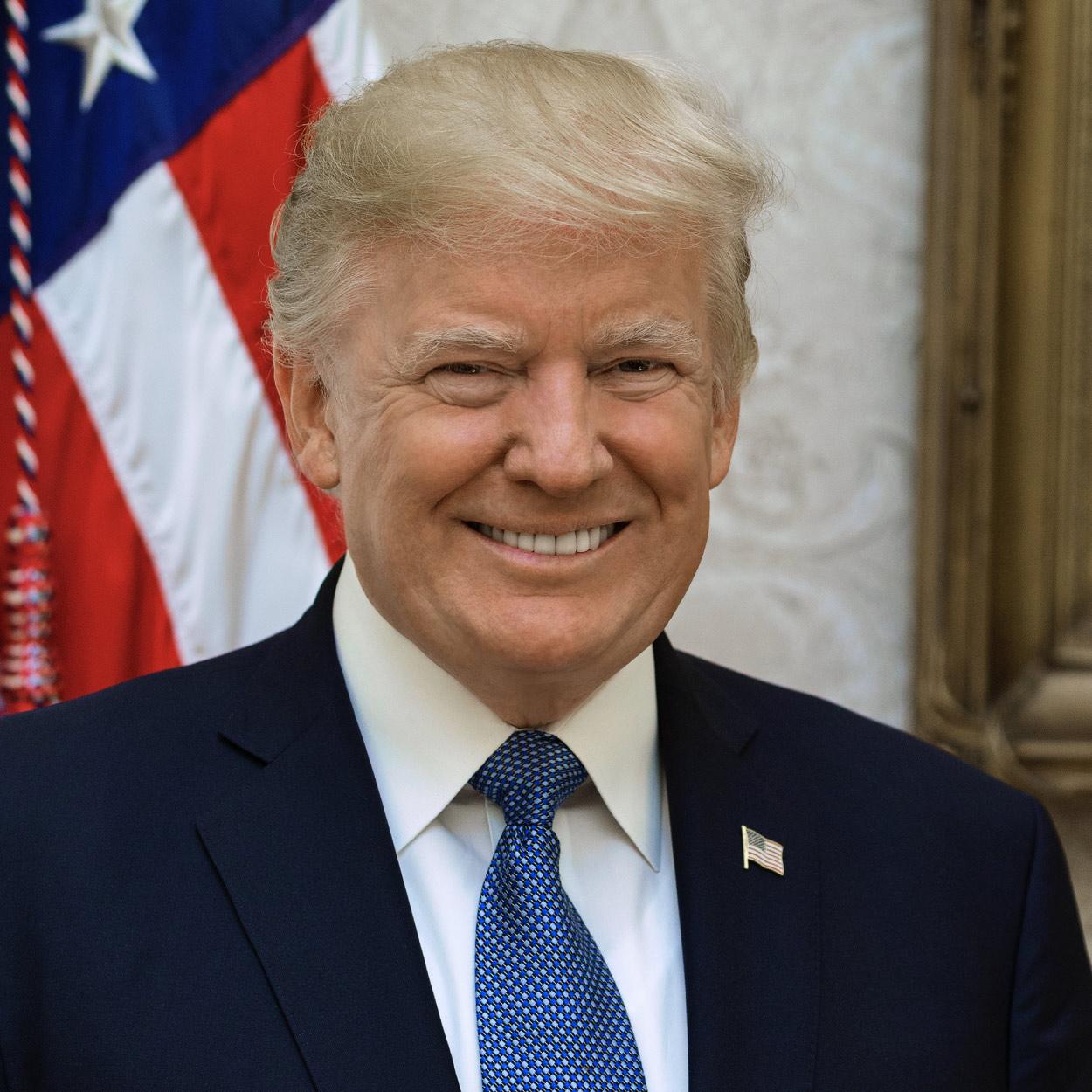
    A controversy has erupted over the BBC’s editorial guidelines following the arrest of Venezuelan President Nicolás Maduro by United States forces. According to socialist commentator Owen Jones, BBC journalists were instructed through an internal memo not to describe the incident as a “kidnapping,” despite that term being used by Venezuelan officials and even accepted by U.S. President Donald Trump.

    The memo, circulated by the BBC News Editor, advised reporters to use terms such as “captured”—attributed to the U.S. account of events—or “seized” in the corporation’s own reporting, while explicitly cautioning: “Avoid using ‘Kidnapped.’” Jones shared the directive publicly, triggering widespread debate about editorial independence, language framing, and media neutrality in covering sensitive international operations.

    The backlash intensified after President Trump, speaking aboard Air Force One, said he had no objection to describing Maduro’s detention as a kidnapping, responding: “It’s alright. It’s not a bad term.” Trump confirmed that Maduro had been taken into U.S. custody and transferred to New York, following what U.S. authorities called a surprise operation. Venezuela’s then–Vice President Delcy Rodríguez, who has since been sworn in as interim president, had earlier labeled the action a “kidnapping.”

    In court, Maduro and his wife Cilia Flores pleaded not guilty to multiple charges, including narco-terrorism conspiracy, cocaine trafficking, and weapons-related offences. Maduro told the court he was “kidnapped” and “captured” from his Caracas residence, declaring himself a “prisoner of war.” The developments have intensified scrutiny of both U.S. actions in Venezuela and the BBC’s editorial choices, with critics arguing the language ban reflects political sensitivity, while defenders say it ensures accuracy and consistency.

    The episode has reignited global debate over media ethics, word choice in conflict reporting, and the power of language in shaping public perception of international crises.
    BBC Bars Journalists From Using ‘Kidnapped’ to Describe Nicolas Maduro’s Arrest by US Forces, Sparks Global Media Ethics Debate After Trump Backs Term A controversy has erupted over the BBC’s editorial guidelines following the arrest of Venezuelan President Nicolás Maduro by United States forces. According to socialist commentator Owen Jones, BBC journalists were instructed through an internal memo not to describe the incident as a “kidnapping,” despite that term being used by Venezuelan officials and even accepted by U.S. President Donald Trump. The memo, circulated by the BBC News Editor, advised reporters to use terms such as “captured”—attributed to the U.S. account of events—or “seized” in the corporation’s own reporting, while explicitly cautioning: “Avoid using ‘Kidnapped.’” Jones shared the directive publicly, triggering widespread debate about editorial independence, language framing, and media neutrality in covering sensitive international operations. The backlash intensified after President Trump, speaking aboard Air Force One, said he had no objection to describing Maduro’s detention as a kidnapping, responding: “It’s alright. It’s not a bad term.” Trump confirmed that Maduro had been taken into U.S. custody and transferred to New York, following what U.S. authorities called a surprise operation. Venezuela’s then–Vice President Delcy Rodríguez, who has since been sworn in as interim president, had earlier labeled the action a “kidnapping.” In court, Maduro and his wife Cilia Flores pleaded not guilty to multiple charges, including narco-terrorism conspiracy, cocaine trafficking, and weapons-related offences. Maduro told the court he was “kidnapped” and “captured” from his Caracas residence, declaring himself a “prisoner of war.” The developments have intensified scrutiny of both U.S. actions in Venezuela and the BBC’s editorial choices, with critics arguing the language ban reflects political sensitivity, while defenders say it ensures accuracy and consistency. The episode has reignited global debate over media ethics, word choice in conflict reporting, and the power of language in shaping public perception of international crises.
    like
    1
    · 0 Yorumlar ·0 hisse senetleri ·1K Views
  • Girl hospitalised with blo0d streaming down face after her father allegedly used a plank with nail to hit her on the head

    According to a neighbourhood who reported the incident to LIB, the father has been detained.

    The neighbour narrated: "Chilotam the girl in the video is being maltreated by her step dad. This isn’t the first time nor second and am a living witness of the first and second . On this instance, Jan 1, 2025, by 9am, according to his kid, he used a heavy stick with nails to hit her head and she started bl£eding heavily .

    "I, Onabanjo Opeoluwa, and my maiguard managed to open the gate and saw Mrs Chinwendu the girls mother holding her down but she was already in a pool of bl00d. The bl£eding was beyond control.

    "The mother told me I can’t do anything that she is her daughter to show the extent of heartlessness. So we took her to the nearby hospital where she is got receiving treatment at Joomak hospital, Ago, Okota, in which I paid the sum of fifty five thousand naira for her, cause she was duly weak and the hospital responded swiftly and now she is fit fit.

    "Moreso the mother lied to us(Mrs chinwendu) the ev!l was done by the girl herself stating that she fell , which shows that the biological mother is also d£monic, supporting an ev!l, cause while we were heading to the clinic the mother almost hit her on same spot.

    "They attacked her in the first place. Parents like this should be kept behind bars for correction.

    "We have involved the police and detained the husband while the girl gets well and drops her full brief on the incident .

    "We currently need more hands on this case of maltreatment before they k!ll her the third time.

    "Location of incidence No 11 Yale Okeowo, off Community Road, Ago Okota."
    Girl hospitalised with blo0d streaming down face after her father allegedly used a plank with nail to hit her on the head According to a neighbourhood who reported the incident to LIB, the father has been detained. The neighbour narrated: "Chilotam the girl in the video is being maltreated by her step dad. This isn’t the first time nor second and am a living witness of the first and second . On this instance, Jan 1, 2025, by 9am, according to his kid, he used a heavy stick with nails to hit her head and she started bl£eding heavily . "I, Onabanjo Opeoluwa, and my maiguard managed to open the gate and saw Mrs Chinwendu the girls mother holding her down but she was already in a pool of bl00d. The bl£eding was beyond control. "The mother told me I can’t do anything that she is her daughter to show the extent of heartlessness. So we took her to the nearby hospital where she is got receiving treatment at Joomak hospital, Ago, Okota, in which I paid the sum of fifty five thousand naira for her, cause she was duly weak and the hospital responded swiftly and now she is fit fit. "Moreso the mother lied to us(Mrs chinwendu) the ev!l was done by the girl herself stating that she fell , which shows that the biological mother is also d£monic, supporting an ev!l, cause while we were heading to the clinic the mother almost hit her on same spot. "They attacked her in the first place. Parents like this should be kept behind bars for correction. "We have involved the police and detained the husband while the girl gets well and drops her full brief on the incident . "We currently need more hands on this case of maltreatment before they k!ll her the third time. "Location of incidence No 11 Yale Okeowo, off Community Road, Ago Okota."
    0 Yorumlar ·0 hisse senetleri ·647 Views
  • Ogun-Osun River Basin Development Authority Bars Casual Workers Above 60 Years, Sparks Panic and Calls for Policy Review

    The Ogun-Osun River Basin Development Authority (OORBDA) has barred casual workers aged above 60 years from continuing their duties, a decision that has triggered panic and concern among affected workers. According to sources who spoke anonymously, the policy was announced during a recent meeting and came as a shock, as there had been no previous age limit for casual workers. Many workers fear the decision will negatively affect their livelihoods and survival, prompting pleas for a review to allow time for adjustment. The development comes amid ongoing controversies surrounding OORBDA, including abandoned projects, unfulfilled dredging promises, and an EFCC investigation into alleged procurement irregularities.
    Ogun-Osun River Basin Development Authority Bars Casual Workers Above 60 Years, Sparks Panic and Calls for Policy Review The Ogun-Osun River Basin Development Authority (OORBDA) has barred casual workers aged above 60 years from continuing their duties, a decision that has triggered panic and concern among affected workers. According to sources who spoke anonymously, the policy was announced during a recent meeting and came as a shock, as there had been no previous age limit for casual workers. Many workers fear the decision will negatively affect their livelihoods and survival, prompting pleas for a review to allow time for adjustment. The development comes amid ongoing controversies surrounding OORBDA, including abandoned projects, unfulfilled dredging promises, and an EFCC investigation into alleged procurement irregularities.
    0 Yorumlar ·0 hisse senetleri ·856 Views
  • Fresh Tension Between Canada and Iran as Tehran Declares Royal Canadian Navy a Terrorist Organisation

    Iran has designated the Royal Canadian Navy as a terrorist organisation in response to Canada’s 2024 decision to blacklist the Islamic Revolutionary Guard Corps (IRGC). The Iranian foreign ministry cited reciprocity and condemned Ottawa’s action as contrary to international law. Canada’s designation of the IRGC bars its members from entering the country, prohibits Canadians from dealing with the group, and allows seizure of any assets in Canada. The move was influenced by past IRGC actions, including the downing of Flight PS752 in 2020 that killed 85 Canadian citizens and permanent residents, and concerns over regional missile attacks. The development marks a new flashpoint in Canada-Iran relations amid longstanding diplomatic tensions.
    Fresh Tension Between Canada and Iran as Tehran Declares Royal Canadian Navy a Terrorist Organisation Iran has designated the Royal Canadian Navy as a terrorist organisation in response to Canada’s 2024 decision to blacklist the Islamic Revolutionary Guard Corps (IRGC). The Iranian foreign ministry cited reciprocity and condemned Ottawa’s action as contrary to international law. Canada’s designation of the IRGC bars its members from entering the country, prohibits Canadians from dealing with the group, and allows seizure of any assets in Canada. The move was influenced by past IRGC actions, including the downing of Flight PS752 in 2020 that killed 85 Canadian citizens and permanent residents, and concerns over regional missile attacks. The development marks a new flashpoint in Canada-Iran relations amid longstanding diplomatic tensions.
    0 Yorumlar ·0 hisse senetleri ·718 Views
  • US Announces Partial Visa Restrictions On Nigerians, 18 Other Countries, Bars Visitor, Student And Immigrant Visas From January 1, 2026

    The United States government has announced the enforcement of partial visa restrictions on Nigeria and 18 other countries, effective from January 1, 2026. The policy, issued under Presidential Proclamation 10998, will suspend the issuance of B-1/B-2 visitor visas, F, M, and J student and exchange visas, as well as most immigrant visas, subject to limited exceptions. While holders of valid visas issued before the effective date will not be affected, new applicants may be deemed ineligible under the new rules. U.S. authorities stated that discretionary waivers may be granted on a case-by-case basis if travel is deemed to serve U.S. national interests.
    US Announces Partial Visa Restrictions On Nigerians, 18 Other Countries, Bars Visitor, Student And Immigrant Visas From January 1, 2026 The United States government has announced the enforcement of partial visa restrictions on Nigeria and 18 other countries, effective from January 1, 2026. The policy, issued under Presidential Proclamation 10998, will suspend the issuance of B-1/B-2 visitor visas, F, M, and J student and exchange visas, as well as most immigrant visas, subject to limited exceptions. While holders of valid visas issued before the effective date will not be affected, new applicants may be deemed ineligible under the new rules. U.S. authorities stated that discretionary waivers may be granted on a case-by-case basis if travel is deemed to serve U.S. national interests.
    0 Yorumlar ·0 hisse senetleri ·349 Views
  • EFCC Arraigns Three Indian Nationals, One Nigerian in Kwara Over Alleged Criminal Breach of Trust at KAM Steel Company

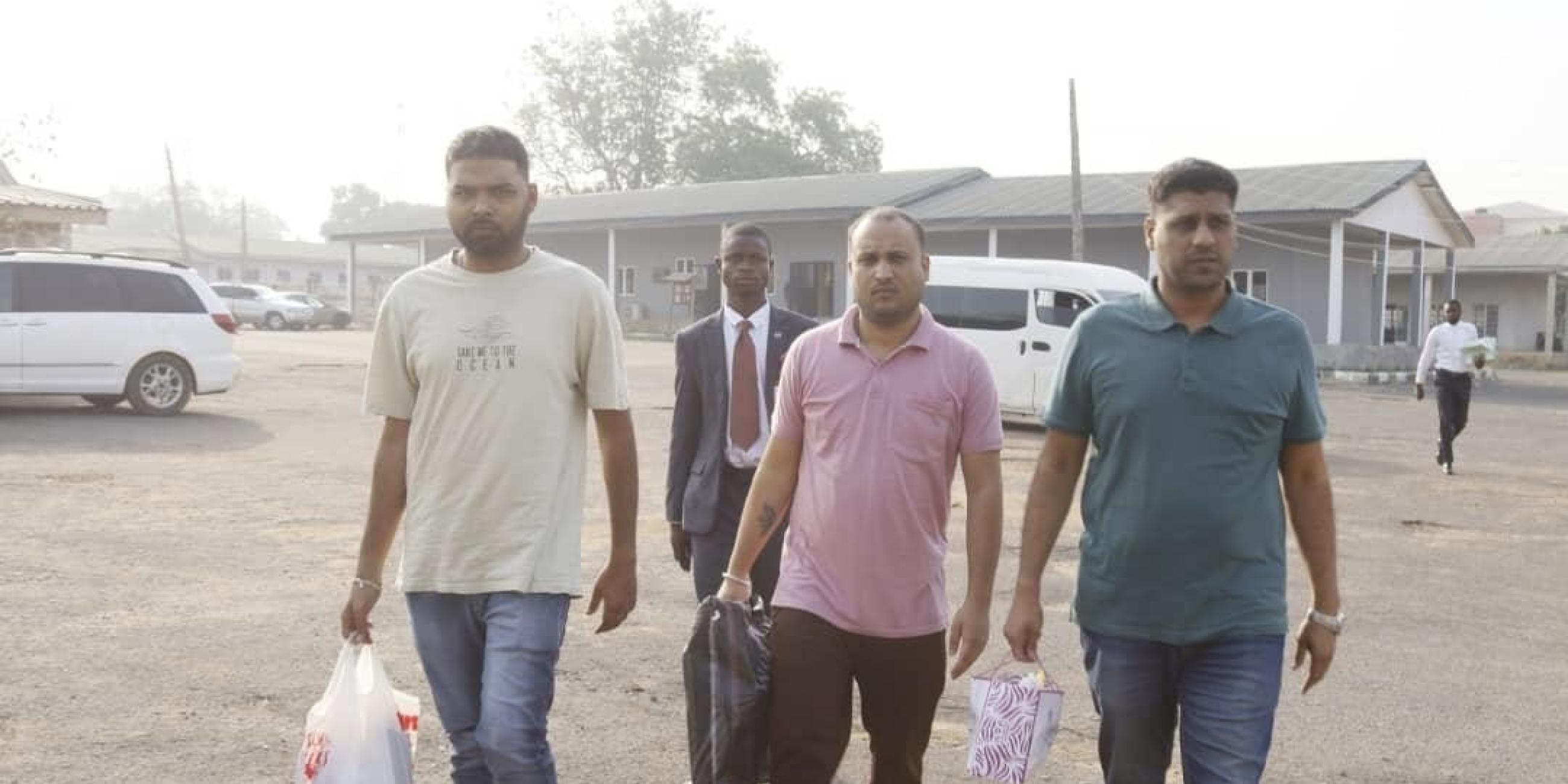
    The Economic and Financial Crimes Commission (EFCC) has arraigned three Indian nationals—Lalit Sarwat, Ravi Raghavendra and Gagan Sarswat—alongside an Ilorin-based dispatch manager, Oniyide Samuel, before the Kwara State High Court over alleged conspiracy and criminal breach of trust. The defendants, who were employees of KAM Steel Integrated Company Limited, are accused of conspiring between November 2024 and September 2025 to unlawfully divert steel rebars entrusted to them by the company. They pleaded not guilty to the two-count charge under Sections 97 and 314 of the Penal Code. While the EFCC opposed bail on grounds of flight risk, particularly due to the involvement of foreign nationals, the court ordered their remand and adjourned the matter to December 19, 2025, for ruling on the bail applications.
    EFCC Arraigns Three Indian Nationals, One Nigerian in Kwara Over Alleged Criminal Breach of Trust at KAM Steel Company The Economic and Financial Crimes Commission (EFCC) has arraigned three Indian nationals—Lalit Sarwat, Ravi Raghavendra and Gagan Sarswat—alongside an Ilorin-based dispatch manager, Oniyide Samuel, before the Kwara State High Court over alleged conspiracy and criminal breach of trust. The defendants, who were employees of KAM Steel Integrated Company Limited, are accused of conspiring between November 2024 and September 2025 to unlawfully divert steel rebars entrusted to them by the company. They pleaded not guilty to the two-count charge under Sections 97 and 314 of the Penal Code. While the EFCC opposed bail on grounds of flight risk, particularly due to the involvement of foreign nationals, the court ordered their remand and adjourned the matter to December 19, 2025, for ruling on the bail applications.
    0 Yorumlar ·0 hisse senetleri ·948 Views
  • Mohbad’s Family Renews Call for Probe, Bars His Widow from Using ‘Aloba’ Pending DNA Test.

    The family of the late singer, Ilerioluwa Aloba, popularly known as Mohbad, has renewed its call for a transparent and independent probe into his d+ath while directing his wife, Wunmi, to stop using the family surname pending the result of a court-ordered DNA test.

    In a statement signed by family head Omolayo Aloba and Mohbad’s father, Joseph Aloba, the family said it remained “resolute in its demand for a transparent, independent, and comprehensive investigation into the circumstances surrounding Mohbad’s death.”

    It announced the appointment of Oladayo Ogungbe, Esq., as the family’s sole legal representative for estate and DNA matters, while Dr. Wahab Shittu, SAN, will continue to represent them before investigative authorities.

    Three administrators — Ajewole Aloba, Rasaq Famuyiwa, and Alonge Aloba — were named to manage the late singer’s assets, with one slot left for Wunmi if the DNA test confirms that her son, Liam, is Mohbad’s biological child.

    The family also instructed Wunmi to “cease using the surname Aloba in public or private records until lawful confirmation of paternity is obtained,” noting that “no statutory or customary marriage was contracted between the late Mohbad and Wunmi Adebanjo.”

    Reacting, Wunmi’s lawyer, Kabir Akingbolu, described the directive as illegal and sentimental, saying, “Nobody can stop her from bearing Aloba. That is the name given to her by her husband, and under the law, she has every right to keep it.”

    He accused the Aloba family of frustrating the DNA process despite multiple court orders, adding, “We are ready for the DNA any time, any day. The child is not a bastard, and my client has nothing to fear.”

    Mohbad, a former Marlian Music signee, who is yet to be buried,  died on September 12, 2023, at 27. The Lagos State Police Command had earlier inaugurated a 13-man team to probe his death.
    Mohbad’s Family Renews Call for Probe, Bars His Widow from Using ‘Aloba’ Pending DNA Test. The family of the late singer, Ilerioluwa Aloba, popularly known as Mohbad, has renewed its call for a transparent and independent probe into his d+ath while directing his wife, Wunmi, to stop using the family surname pending the result of a court-ordered DNA test. In a statement signed by family head Omolayo Aloba and Mohbad’s father, Joseph Aloba, the family said it remained “resolute in its demand for a transparent, independent, and comprehensive investigation into the circumstances surrounding Mohbad’s death.” It announced the appointment of Oladayo Ogungbe, Esq., as the family’s sole legal representative for estate and DNA matters, while Dr. Wahab Shittu, SAN, will continue to represent them before investigative authorities. Three administrators — Ajewole Aloba, Rasaq Famuyiwa, and Alonge Aloba — were named to manage the late singer’s assets, with one slot left for Wunmi if the DNA test confirms that her son, Liam, is Mohbad’s biological child. The family also instructed Wunmi to “cease using the surname Aloba in public or private records until lawful confirmation of paternity is obtained,” noting that “no statutory or customary marriage was contracted between the late Mohbad and Wunmi Adebanjo.” Reacting, Wunmi’s lawyer, Kabir Akingbolu, described the directive as illegal and sentimental, saying, “Nobody can stop her from bearing Aloba. That is the name given to her by her husband, and under the law, she has every right to keep it.” He accused the Aloba family of frustrating the DNA process despite multiple court orders, adding, “We are ready for the DNA any time, any day. The child is not a bastard, and my client has nothing to fear.” Mohbad, a former Marlian Music signee, who is yet to be buried,  died on September 12, 2023, at 27. The Lagos State Police Command had earlier inaugurated a 13-man team to probe his death.
    0 Yorumlar ·0 hisse senetleri ·926 Views
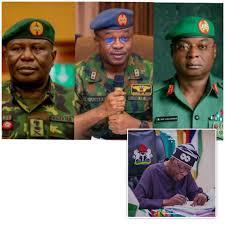
  • Nigerian Military Bans Officers From Marrying Foreigners And Naturalized Citizens.

    The Nigerian Armed Forces have enforced a new directive prohibiting officers from marrying foreigners or naturalized Nigerians.

    The rule, contained in the Harmonized Terms and Conditions of Service (HTACOS) 2024, also forbids commissioned officers from marrying non-commissioned personnel like soldiers, ratings, or airwomen.

    Signed by the President and approved by the Armed Forces Council in December 2024, the new policy mandates strict compliance. It specifies that officers must obtain prior approval and undergo vetting before marriage. Chapter 25, Subsection 5 of the document clearly states that “no officer is allowed to marry a foreigner or a naturalised Nigerian.”

    The law also bars newly commissioned officers from marrying during their probation. Those already married before commissioning must live in the Officers’ Mess for at least three months before qualifying for married housing.

    A retired major general explained that the rule aims to protect classified information, warning that marriage to a foreigner could risk divided loyalty if Nigeria ever enters conflict with that country.

    However, retired Group Captain Shehu Sadeeq called for a review, saying other nations like the US and UK allow such marriages under strict vetting. He noted that an outright ban could infringe on officers’ personal rights.

    Human rights advocate Dr. Zikirullahi Ibrahim criticised the rule as discriminatory, questioning why politicians and top officials with dual citizenship are not held to the same standard. He argued that only senior officers in sensitive positions should face such restrictions.

    In contrast, Auwal Rafsanjani of CISLAC supported the law, insisting that those entrusted with national security must prioritise the country’s interest over personal relationships.

    The HTACOS 2024 replaces the 2017 version and will remain valid for five years before review.
    Nigerian Military Bans Officers From Marrying Foreigners And Naturalized Citizens. The Nigerian Armed Forces have enforced a new directive prohibiting officers from marrying foreigners or naturalized Nigerians. The rule, contained in the Harmonized Terms and Conditions of Service (HTACOS) 2024, also forbids commissioned officers from marrying non-commissioned personnel like soldiers, ratings, or airwomen. Signed by the President and approved by the Armed Forces Council in December 2024, the new policy mandates strict compliance. It specifies that officers must obtain prior approval and undergo vetting before marriage. Chapter 25, Subsection 5 of the document clearly states that “no officer is allowed to marry a foreigner or a naturalised Nigerian.” The law also bars newly commissioned officers from marrying during their probation. Those already married before commissioning must live in the Officers’ Mess for at least three months before qualifying for married housing. A retired major general explained that the rule aims to protect classified information, warning that marriage to a foreigner could risk divided loyalty if Nigeria ever enters conflict with that country. However, retired Group Captain Shehu Sadeeq called for a review, saying other nations like the US and UK allow such marriages under strict vetting. He noted that an outright ban could infringe on officers’ personal rights. Human rights advocate Dr. Zikirullahi Ibrahim criticised the rule as discriminatory, questioning why politicians and top officials with dual citizenship are not held to the same standard. He argued that only senior officers in sensitive positions should face such restrictions. In contrast, Auwal Rafsanjani of CISLAC supported the law, insisting that those entrusted with national security must prioritise the country’s interest over personal relationships. The HTACOS 2024 replaces the 2017 version and will remain valid for five years before review.
    0 Yorumlar ·0 hisse senetleri ·1K Views
  • Diddy Finds a Familiar Face Behind Bars: Spotted With Former NBA Star Sebastian Telfair

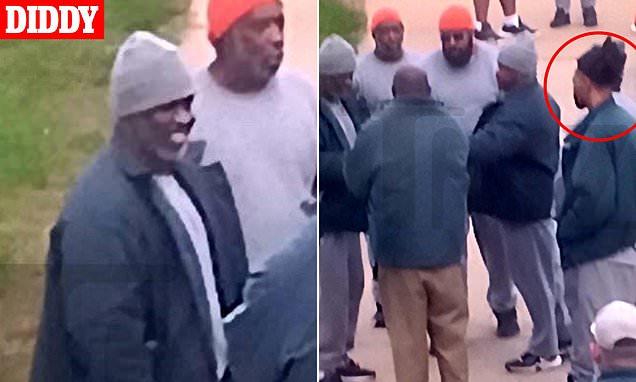
    Sean “Diddy” Combs has already crossed paths with a recognizable figure while serving time at FCI Fort Dix in New Jersey. The music mogul, nearly four months into his four-year sentence for transporting individuals for prostitution, was recently seen spending time with ex-NBA player Sebastian Telfair in the prison yard. The two now rank among the most high-profile inmates currently held at the facility.
    Diddy Finds a Familiar Face Behind Bars: Spotted With Former NBA Star Sebastian Telfair Sean “Diddy” Combs has already crossed paths with a recognizable figure while serving time at FCI Fort Dix in New Jersey. The music mogul, nearly four months into his four-year sentence for transporting individuals for prostitution, was recently seen spending time with ex-NBA player Sebastian Telfair in the prison yard. The two now rank among the most high-profile inmates currently held at the facility.
    0 Yorumlar ·0 hisse senetleri ·797 Views
  • IDF Drops Chinese Cars, Switches to Japan's Mitsubishi Fleet
    After three years with China's Chery Tiggo 8, the Israeli army is swapping 600 vehicles for Mitsubishi Outlanders amid data-security fears. The IDF now bars Chinese models near sensitive bases, though some MG cars still operate inside Tel Aviv's Kirya compound
    IDF Drops Chinese Cars, Switches to Japan's Mitsubishi Fleet After three years with China's Chery Tiggo 8, the Israeli army is swapping 600 vehicles for Mitsubishi Outlanders amid data-security fears. The IDF now bars Chinese models near sensitive bases, though some MG cars still operate inside Tel Aviv's Kirya compound
    0 Yorumlar ·0 hisse senetleri ·1K Views
  • Madagascar Strips Ousted President Rajoelina of Citizenship.

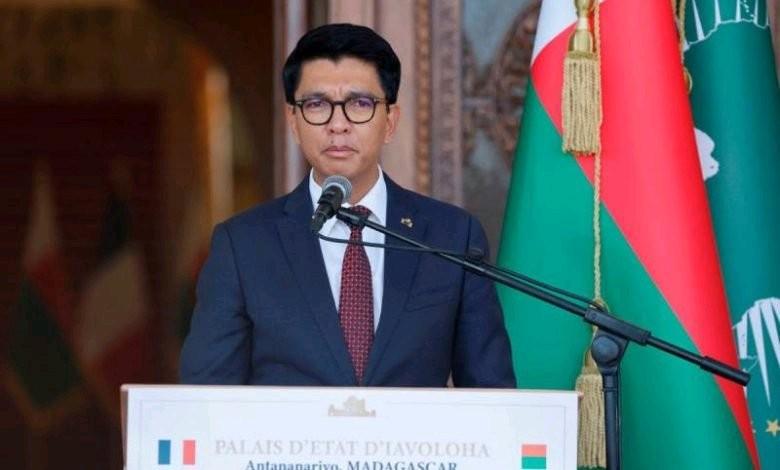
    Madagascar’s new government has revoked the citizenship of ousted President Andry Rajoelina, according to media reports, just 10 days after he was removed from power in a military takeover.

    A decree published in the country’s official gazette on Friday stated that Rajoelina’s Malagasy nationality was withdrawn because he had acquired French citizenship in 2014.

    The decision, confirmed by French broadcaster RFI through the entourage of the new Prime Minister, Herintsalama Rajaonarivelo, was made in accordance with laws stipulating that any Malagasy who voluntarily obtains another nationality automatically loses their own.

    The decree effectively bars Rajoelina, who was impeached on October 14 after fleeing the country amid weeks of anti-government protests, from contesting future elections.

    Rajoelina’s dual nationality first sparked controversy ahead of the November 2023 elections, nearly a decade after his French citizenship was revealed.

    The revelation led to calls for his disqualification, but he ultimately won the disputed polls, which were boycotted by opposition parties.

    The 51-year-old fled Madagascar after Colonel Michael Randrianirina, head of the CAPSAT army unit, announced on October 11 that his troops would not obey orders to suppress youth-led demonstrations that security forces had attempted to quell violently.

    Rajoelina later said he went into hiding for his safety but did not disclose his location. Colonel Randrianirina was sworn in as president on October 14, promising to hold elections within two years.
    Madagascar Strips Ousted President Rajoelina of Citizenship. Madagascar’s new government has revoked the citizenship of ousted President Andry Rajoelina, according to media reports, just 10 days after he was removed from power in a military takeover. A decree published in the country’s official gazette on Friday stated that Rajoelina’s Malagasy nationality was withdrawn because he had acquired French citizenship in 2014. The decision, confirmed by French broadcaster RFI through the entourage of the new Prime Minister, Herintsalama Rajaonarivelo, was made in accordance with laws stipulating that any Malagasy who voluntarily obtains another nationality automatically loses their own. The decree effectively bars Rajoelina, who was impeached on October 14 after fleeing the country amid weeks of anti-government protests, from contesting future elections. Rajoelina’s dual nationality first sparked controversy ahead of the November 2023 elections, nearly a decade after his French citizenship was revealed. The revelation led to calls for his disqualification, but he ultimately won the disputed polls, which were boycotted by opposition parties. The 51-year-old fled Madagascar after Colonel Michael Randrianirina, head of the CAPSAT army unit, announced on October 11 that his troops would not obey orders to suppress youth-led demonstrations that security forces had attempted to quell violently. Rajoelina later said he went into hiding for his safety but did not disclose his location. Colonel Randrianirina was sworn in as president on October 14, promising to hold elections within two years.
    0 Yorumlar ·0 hisse senetleri ·1K Views
  • UK Issues Fresh Travel Alert Over Fake Alcohol Risk in Nigeria, Seven Other Nations.

    The United Kingdom has issued a fresh travel advisory cautioning its citizens against the risk of methanol poisoning from counterfeit or contaminated alcoholic beverages in Nigeria and seven other countries.

    According to a report by the BBC on Tuesday, the UK Foreign Office updated its travel guidance to include Nigeria, Ecuador, Japan, Kenya, Mexico, Peru, Russia, and Uganda as countries with a high risk of methanol-related poisoning incidents involving British nationals.

    Previously, the list featured Thailand, Laos, Vietnam, Cambodia, Indonesia, Turkey, Costa Rica, and Fiji.

    The Foreign Office explained that methanol, a toxic industrial alcohol made from wood distillation, is sometimes illegally mixed with genuine spirit-based drinks and cocktails. Even in small quantities, it can be fatal.

    “Methanol is toxic even in small amounts. It can be found in products like antifreeze, fuel, and paint thinners,” the advisory stated.

    To stay safe, the UK warned its citizens to avoid consuming unlabelled, homemade, or streetside alcoholic drinks while travelling.
    “Avoid homemade or streetside alcohol. Don’t drink from unlabelled bottles. Local spirits or homemade alcohol are at high risk,” the Foreign Office advised.

    Travellers were also urged to stick to licensed liquor outlets, bars, and hotels, and to only consume sealed drinks with intact packaging. “Be cautious about spirits, cocktails, shots, and unusually cheap or free drinks,” the warning added, noting that pre-mixed cocktails served in buckets or jugs in tourist areas could be especially dangerous.
    UK Issues Fresh Travel Alert Over Fake Alcohol Risk in Nigeria, Seven Other Nations. The United Kingdom has issued a fresh travel advisory cautioning its citizens against the risk of methanol poisoning from counterfeit or contaminated alcoholic beverages in Nigeria and seven other countries. According to a report by the BBC on Tuesday, the UK Foreign Office updated its travel guidance to include Nigeria, Ecuador, Japan, Kenya, Mexico, Peru, Russia, and Uganda as countries with a high risk of methanol-related poisoning incidents involving British nationals. Previously, the list featured Thailand, Laos, Vietnam, Cambodia, Indonesia, Turkey, Costa Rica, and Fiji. The Foreign Office explained that methanol, a toxic industrial alcohol made from wood distillation, is sometimes illegally mixed with genuine spirit-based drinks and cocktails. Even in small quantities, it can be fatal. “Methanol is toxic even in small amounts. It can be found in products like antifreeze, fuel, and paint thinners,” the advisory stated. To stay safe, the UK warned its citizens to avoid consuming unlabelled, homemade, or streetside alcoholic drinks while travelling. “Avoid homemade or streetside alcohol. Don’t drink from unlabelled bottles. Local spirits or homemade alcohol are at high risk,” the Foreign Office advised. Travellers were also urged to stick to licensed liquor outlets, bars, and hotels, and to only consume sealed drinks with intact packaging. “Be cautious about spirits, cocktails, shots, and unusually cheap or free drinks,” the warning added, noting that pre-mixed cocktails served in buckets or jugs in tourist areas could be especially dangerous.
    0 Yorumlar ·0 hisse senetleri ·2K Views
  • Primate Ayodele Blasts Tinubu, Says Release Nnamdi Kanu, You Wasted NDLEA, Security Operatives Effort.

    The Leader of INRI Evangelical Spiritual Church, Primate Elijah Ayodele, has called for the release of Nnamdi Kanu, leader of the Indigenous People of Biafra.

    He was reacting on Tuesday after President Bola Tinubu granted a presidential pardon to murderers, corrupt officials, and criminals.

    According to him, some of those he pardoned had been sentenced to death, life sentences for crimes relating to drug trafficking, murder, and human trafficking, to mention but a few.

    In a statement signed by his media aide, Osho Oluwatosin, Primate Ayodele described the action as wasting the efforts of the NDLEA and security operatives who arrested and convicted the criminals.

    He stated that the criminals will continue to cause issues in the country and add to the troubles of security operatives, despite the current situation of insecurity in the country.

    Primate Ayodele said: “Why must he pardon criminals, cocaine pushers? It’s just like wasting the efforts of these security operatives to arrest these criminals.

    These criminals will continue to cause issues in society; you can’t separate them from crime.”

    He said since it was easy for the president to pardon the criminals, it’s unfair to allow Nnamdi Kanu to still be behind bars without sentencing for several years.

    Primate Ayodele Blasts Tinubu, Says Release Nnamdi Kanu, You Wasted NDLEA, Security Operatives Effort. The Leader of INRI Evangelical Spiritual Church, Primate Elijah Ayodele, has called for the release of Nnamdi Kanu, leader of the Indigenous People of Biafra. He was reacting on Tuesday after President Bola Tinubu granted a presidential pardon to murderers, corrupt officials, and criminals. According to him, some of those he pardoned had been sentenced to death, life sentences for crimes relating to drug trafficking, murder, and human trafficking, to mention but a few. In a statement signed by his media aide, Osho Oluwatosin, Primate Ayodele described the action as wasting the efforts of the NDLEA and security operatives who arrested and convicted the criminals. He stated that the criminals will continue to cause issues in the country and add to the troubles of security operatives, despite the current situation of insecurity in the country. Primate Ayodele said: “Why must he pardon criminals, cocaine pushers? It’s just like wasting the efforts of these security operatives to arrest these criminals. These criminals will continue to cause issues in society; you can’t separate them from crime.” He said since it was easy for the president to pardon the criminals, it’s unfair to allow Nnamdi Kanu to still be behind bars without sentencing for several years.
    0 Yorumlar ·0 hisse senetleri ·972 Views
  • Homeless woman begs judge to let her stay in jail after she was released.

    A homeless woman who was granted release from jail begged to be allowed to remain in jail.

    In a Florida courtroom on Tuesday, October 14, the homeless woman made a routine initial appearance for possession of drug paraphernalia, a minor charge that could have ended quickly with a plea deal.

    However, the defendant, a homeless woman in her forties, interrupted the proceedings.

    She asked the judge for 60 more days behind bars, then bargained down to 30, explaining she needed time to scrape together cash for a temporary room. Her voice shook as she added that even one more night would help.

    The judge paused and offered a workaround: no immediate resolution, a $500 bond, and straightforward advice not to post the bond if release meant she had nowhere to go.

    A public defender stepped in to guide her next moves.

    That court appearance was captured on video and has been shared widely online, sparking conversations about homelessness.
    Homeless woman begs judge to let her stay in jail after she was released. A homeless woman who was granted release from jail begged to be allowed to remain in jail. In a Florida courtroom on Tuesday, October 14, the homeless woman made a routine initial appearance for possession of drug paraphernalia, a minor charge that could have ended quickly with a plea deal. However, the defendant, a homeless woman in her forties, interrupted the proceedings. She asked the judge for 60 more days behind bars, then bargained down to 30, explaining she needed time to scrape together cash for a temporary room. Her voice shook as she added that even one more night would help. The judge paused and offered a workaround: no immediate resolution, a $500 bond, and straightforward advice not to post the bond if release meant she had nowhere to go. A public defender stepped in to guide her next moves. That court appearance was captured on video and has been shared widely online, sparking conversations about homelessness.
    0 Yorumlar ·0 hisse senetleri ·769 Views
  • Meet Notorious Kidnap Kingpin Pardoned by President Tinubu.

    A wave of outrage and disbelief has trailed the release of 44-year-old Kelvin Prosper Oniarah — the infamous Delta-born kidnap kingpin once declared one of Nigeria’s most dangerous criminals — following his inclusion in President Bola Ahmed Tinubu’s latest round of presidential pardons.

    Oniarah, also known by his aliases Kelvin Ibruvwe and Kelvin Ezigbe, was arrested on September 25, 2013, in a joint operation by the Department of State Services (DSS) and the Nigerian Army. He was subsequently convicted for multiple counts of kidnapping, armed robbery, and terrorism-related offences that terrorised parts of Delta, Edo, Anambra, and Rivers States for years.

    Trail of Violence and Terror
    Before his arrest, Kelvin was the leader of a feared criminal syndicate responsible for high-profile kidnappings and killings. Among his victims was renowned human rights lawyer, Barrister Mike Ozekhome (SAN), abducted on August 24, 2013, along the Auchi–Benin expressway.

    Other victims linked to his gang included:

    A serving judge of the Edo State Judiciary,
    A female Federal Inland Revenue Service (FIRS) official,
    Dr. Chudi Nwike, former Deputy Governor of Anambra State, who was killed in captivity,
    Several National Youth Service Corps (NYSC) members and security personnel.
    Kelvin’s network operated from camps in Warri and Kokori (Delta State), Ugbokolo (Benue), Benin City (Edo), and Aba (Abia State). His reign of terror also saw the killing of numerous policemen and soldiers during deadly ambushes.

    Defiance Against the State
    In a chilling episode that underscored his notoriety, Oniarah publicly issued a 60-day ultimatum to the Federal Government in September 2013, demanding the release of his detained gang members or face nationwide bloodshed — a threat that prompted one of the most extensive manhunts in Nigeria’s history.

    Conviction and Release
    Oniarah was sentenced to 20 years imprisonment in October 2023, with his sentence backdated to 2013. It was later reduced to 13 years for what prison officials described as “good conduct” and participation in the National Open University of Nigeria correctional education programme.

    His sudden release under the Tinubu administration’s controversial amnesty programme has sparked a storm of criticism from security analysts and victims’ families, who argue that granting clemency to an unrepentant criminal undermines justice and the fight against violent crime.

    Kelvin’s freedom, after 12 years behind bars, now raises serious questions about the moral compass of the nation’s justice system
    Meet Notorious Kidnap Kingpin Pardoned by President Tinubu. A wave of outrage and disbelief has trailed the release of 44-year-old Kelvin Prosper Oniarah — the infamous Delta-born kidnap kingpin once declared one of Nigeria’s most dangerous criminals — following his inclusion in President Bola Ahmed Tinubu’s latest round of presidential pardons. Oniarah, also known by his aliases Kelvin Ibruvwe and Kelvin Ezigbe, was arrested on September 25, 2013, in a joint operation by the Department of State Services (DSS) and the Nigerian Army. He was subsequently convicted for multiple counts of kidnapping, armed robbery, and terrorism-related offences that terrorised parts of Delta, Edo, Anambra, and Rivers States for years. Trail of Violence and Terror Before his arrest, Kelvin was the leader of a feared criminal syndicate responsible for high-profile kidnappings and killings. Among his victims was renowned human rights lawyer, Barrister Mike Ozekhome (SAN), abducted on August 24, 2013, along the Auchi–Benin expressway. Other victims linked to his gang included: A serving judge of the Edo State Judiciary, A female Federal Inland Revenue Service (FIRS) official, Dr. Chudi Nwike, former Deputy Governor of Anambra State, who was killed in captivity, Several National Youth Service Corps (NYSC) members and security personnel. Kelvin’s network operated from camps in Warri and Kokori (Delta State), Ugbokolo (Benue), Benin City (Edo), and Aba (Abia State). His reign of terror also saw the killing of numerous policemen and soldiers during deadly ambushes. Defiance Against the State In a chilling episode that underscored his notoriety, Oniarah publicly issued a 60-day ultimatum to the Federal Government in September 2013, demanding the release of his detained gang members or face nationwide bloodshed — a threat that prompted one of the most extensive manhunts in Nigeria’s history. Conviction and Release Oniarah was sentenced to 20 years imprisonment in October 2023, with his sentence backdated to 2013. It was later reduced to 13 years for what prison officials described as “good conduct” and participation in the National Open University of Nigeria correctional education programme. His sudden release under the Tinubu administration’s controversial amnesty programme has sparked a storm of criticism from security analysts and victims’ families, who argue that granting clemency to an unrepentant criminal undermines justice and the fight against violent crime. Kelvin’s freedom, after 12 years behind bars, now raises serious questions about the moral compass of the nation’s justice system
    0 Yorumlar ·0 hisse senetleri ·1K Views
  • I Got Yam, Chicken as Payment for Performances – Gospel singer Tim Godfrey.

    Nigerian gospel singer Tim Godfrey has lamented the poor treatment of gospel artistes in Nigeria, revealing he once received bars of yam and a live chicken as payment for his performances.

    In a viral video on Thursday, Godfrey expressed frustration over the unfair treatment of gospel singers, saying returning to Nigeria became difficult because event organisers and audiences often undervalue their efforts.

    He said, “Coming to Nigeria became difficult because of how artists are being treated so badly. All of those stories of ‘why are they charging,’ ‘why are they collecting money,’ ‘why are they doing this,’ it got me so mad. I have collected two bars of yam as honorarium. I have collected a full, alive, living, walking, breathing chicken as honorarium. And that is what I’m going to use to pay school fees, pay house rent, buy property… No! That is so unfair.”
    I Got Yam, Chicken as Payment for Performances – Gospel singer Tim Godfrey. Nigerian gospel singer Tim Godfrey has lamented the poor treatment of gospel artistes in Nigeria, revealing he once received bars of yam and a live chicken as payment for his performances. In a viral video on Thursday, Godfrey expressed frustration over the unfair treatment of gospel singers, saying returning to Nigeria became difficult because event organisers and audiences often undervalue their efforts. He said, “Coming to Nigeria became difficult because of how artists are being treated so badly. All of those stories of ‘why are they charging,’ ‘why are they collecting money,’ ‘why are they doing this,’ it got me so mad. I have collected two bars of yam as honorarium. I have collected a full, alive, living, walking, breathing chicken as honorarium. And that is what I’m going to use to pay school fees, pay house rent, buy property… No! That is so unfair.”
    0 Yorumlar ·0 hisse senetleri ·1K Views
  • Tinubu grants mass clemency to 175 Nigerians including Herbert Macaulay , Mamman Vatsa, Ogoni Nine, and Farouk Lawan.

    President Bola Tinubu extends historic pardons to national icons, ex-lawmakers, and long-serving inmates — sparking debate over justice, mercy, and selective forgiveness.

    In a landmark exercise of presidential clemency, President Bola Ahmed Tinubu has approved the pardon of 175 Nigerians, including posthumous exonerations for Herbert Macaulay, Major General Mamman Jiya Vatsa, and the Ogoni Nine, alongside amnesty for several living convicts such as former lawmaker Farouk Lawan.

    The decision, endorsed by the National Council of State in Abuja, was made public through a State House statement issued on Wednesday by Presidential Adviser Bayo Onanuga.

    Among the pardoned historical figures, Herbert Macaulay—Nigeria’s founding nationalist and co-founder of the National Council of Nigeria and the Cameroons (NCNC)—was posthumously cleared of his 1913 colonial conviction, which barred him from public service. Mamman Vatsa, a poet and general executed in 1986 for alleged treason, also received a symbolic national pardon nearly four decades later.
    Equally significant is the posthumous pardon of the Ogoni Nine, led by environmental activist Ken Saro-Wiwa, whose 1995 execution by the military regime sparked global outrage. Their rehabilitation comes with national honours awarded to four other Ogoni elders for their advocacy and sacrifice.

    The list of pardoned individuals includes:
    Farouk Lawan, convicted for bribery while chairing the House fuel subsidy probe,
    Nweke Francis Chibueze, a convicted drug trafficker,
    Dr. Nwogu Peters, jailed for fraud,
    Mrs. Anastasia Daniel Nwaobia, Barr. Hussaini Umar, and Ayinla Saadu Alanamu, among others.
    According to the PACPM’s report, 175 beneficiaries met the criteria of old age, ill health, good conduct, rehabilitation, or remorse during long-term imprisonment.

    However, the decision has ignited public debate. Activist Omoyele Sowore criticized the clemency list, accusing President Tinubu of “forgiving political criminals while keeping Mazi Nnamdi Kanu behind bars despite court rulings in his favour.”
    Sowore wrote on X (formerly Twitter):
    “Criminals and political thieves are forgiven, celebrated, and rehabilitated, while a man demanding self-determination remains unjustly detained.”
    The presidency, however, insists the move aligns with Nigeria’s constitutional commitment to mercy, justice reform, and national healing.
    Tinubu grants mass clemency to 175 Nigerians including Herbert Macaulay , Mamman Vatsa, Ogoni Nine, and Farouk Lawan. President Bola Tinubu extends historic pardons to national icons, ex-lawmakers, and long-serving inmates — sparking debate over justice, mercy, and selective forgiveness. In a landmark exercise of presidential clemency, President Bola Ahmed Tinubu has approved the pardon of 175 Nigerians, including posthumous exonerations for Herbert Macaulay, Major General Mamman Jiya Vatsa, and the Ogoni Nine, alongside amnesty for several living convicts such as former lawmaker Farouk Lawan. The decision, endorsed by the National Council of State in Abuja, was made public through a State House statement issued on Wednesday by Presidential Adviser Bayo Onanuga. Among the pardoned historical figures, Herbert Macaulay—Nigeria’s founding nationalist and co-founder of the National Council of Nigeria and the Cameroons (NCNC)—was posthumously cleared of his 1913 colonial conviction, which barred him from public service. Mamman Vatsa, a poet and general executed in 1986 for alleged treason, also received a symbolic national pardon nearly four decades later. Equally significant is the posthumous pardon of the Ogoni Nine, led by environmental activist Ken Saro-Wiwa, whose 1995 execution by the military regime sparked global outrage. Their rehabilitation comes with national honours awarded to four other Ogoni elders for their advocacy and sacrifice. The list of pardoned individuals includes: Farouk Lawan, convicted for bribery while chairing the House fuel subsidy probe, Nweke Francis Chibueze, a convicted drug trafficker, Dr. Nwogu Peters, jailed for fraud, Mrs. Anastasia Daniel Nwaobia, Barr. Hussaini Umar, and Ayinla Saadu Alanamu, among others. According to the PACPM’s report, 175 beneficiaries met the criteria of old age, ill health, good conduct, rehabilitation, or remorse during long-term imprisonment. However, the decision has ignited public debate. Activist Omoyele Sowore criticized the clemency list, accusing President Tinubu of “forgiving political criminals while keeping Mazi Nnamdi Kanu behind bars despite court rulings in his favour.” Sowore wrote on X (formerly Twitter): “Criminals and political thieves are forgiven, celebrated, and rehabilitated, while a man demanding self-determination remains unjustly detained.” The presidency, however, insists the move aligns with Nigeria’s constitutional commitment to mercy, justice reform, and national healing.
    like
    1
    · 0 Yorumlar ·0 hisse senetleri ·2K Views
  • CBN bars debtors, blacklisted BVNs from operating as PoS agents
    The Central Bank of Nigeria (CBN) has issued new restrictions on who can qualify to operate as Point of Sale (PoS) agents under its revised Guidelines for the Operations of Agent Banking in Nigeria, effectively barring individuals with unresolved debts, watch-listed Bank Verification Numbers (BVNs), or a history of financial misconduct from participating in the fast-growing agent banking sector.

    The guidelines, released on October 6, 2025, aim to tighten due diligence standards in an industry that has become critical to financial inclusion but is also plagued by fraud, over-concentration of risk, and weak oversight.

    The new rules mark a significant tightening of Nigeria’s agent banking framework, moving beyond transaction monitoring to focus on the integrity of the individuals who operate at the last mile of financial inclusion.
    CBN bars debtors, blacklisted BVNs from operating as PoS agents The Central Bank of Nigeria (CBN) has issued new restrictions on who can qualify to operate as Point of Sale (PoS) agents under its revised Guidelines for the Operations of Agent Banking in Nigeria, effectively barring individuals with unresolved debts, watch-listed Bank Verification Numbers (BVNs), or a history of financial misconduct from participating in the fast-growing agent banking sector. The guidelines, released on October 6, 2025, aim to tighten due diligence standards in an industry that has become critical to financial inclusion but is also plagued by fraud, over-concentration of risk, and weak oversight. The new rules mark a significant tightening of Nigeria’s agent banking framework, moving beyond transaction monitoring to focus on the integrity of the individuals who operate at the last mile of financial inclusion.
    0 Yorumlar ·0 hisse senetleri ·464 Views
Arama Sonuçları
Fintter https://fintter.com