• Illbliss

    Illbliss did not chase trends. He did not bend easily to industry pressure. He built his brand slowly, deliberately, and strategically. In a Nigerian music industry often dominated by fast rising pop stars and viral sensations, Illbliss carved a different path. He became a voice of Eastern Nigerian hip hop, a respected lyricist, a label executive, and a cultural architect.

    But long before the title Oga Boss became synonymous with his name, there was Tobechukwu Melvin Ejiofor, a young boy growing up in Enugu with hunger in his heart and rhythm in his spirit.

    The Boy From Enugu With A Sharp Mind

    Illbliss was born on December 30, 1979, in Enugu State, Nigeria. Growing up in the eastern part of the country, he experienced a culture deeply rooted in pride, resilience, and enterprise. Igbo culture emphasizes self determination and hard work, and those values shaped him early.

    As a child, he was observant and intelligent. He loved words. He enjoyed storytelling. He paid attention to conversations and the way elders expressed themselves. That early fascination with language later became his weapon in rap.

    Music entered his life gradually. American hip hop from artists like Jay-Z and Nas influenced his lyrical style. Back home, Nigerian hip hop was evolving, and artists like Mode 9 were pushing lyrical boundaries.

    Illbliss studied them all.

    Education And Early Rap Dreams

    He attended the University of Nigeria, Nsukka, where he studied Political Science. University life exposed him to broader intellectual discussions about society, governance, and power.

    Those themes later appeared in his lyrics.

    He began participating in rap battles and underground performances. The early days were not glamorous. There were no major sponsors. No viral moments. Just passion and a microphone.

    He sharpened his craft in small circles.

    The Birth Of A Persona

    The name Illbliss emerged as his artistic identity. It represented lyrical sharpness mixed with calm confidence.

    He was not flashy.

    He was calculated.

    Unlike artists who focused purely on club anthems, Illbliss leaned toward conscious hip hop. He rapped about politics, social issues, ambition, and survival.

    He wanted respect more than hype.

    The Eastern Movement

    One of Illbliss’s greatest contributions to Nigerian music was helping build a structured hip hop scene in the East.

    At a time when Lagos dominated the industry, Eastern Nigerian artists struggled for recognition.

    Illbliss believed Enugu and the Southeast deserved a stronger voice.

    He co founded Capital Hill Music, a record label and creative hub designed to nurture talent from the region.

    This move was revolutionary.

    He was not just chasing his own career.

    He was building infrastructure.

    Dat Ibo Boy And National Recognition

    In 2009, Illbliss released his debut album Dat Ibo Boy. The project was both cultural and lyrical.
    Illbliss Illbliss did not chase trends. He did not bend easily to industry pressure. He built his brand slowly, deliberately, and strategically. In a Nigerian music industry often dominated by fast rising pop stars and viral sensations, Illbliss carved a different path. He became a voice of Eastern Nigerian hip hop, a respected lyricist, a label executive, and a cultural architect. But long before the title Oga Boss became synonymous with his name, there was Tobechukwu Melvin Ejiofor, a young boy growing up in Enugu with hunger in his heart and rhythm in his spirit. The Boy From Enugu With A Sharp Mind Illbliss was born on December 30, 1979, in Enugu State, Nigeria. Growing up in the eastern part of the country, he experienced a culture deeply rooted in pride, resilience, and enterprise. Igbo culture emphasizes self determination and hard work, and those values shaped him early. As a child, he was observant and intelligent. He loved words. He enjoyed storytelling. He paid attention to conversations and the way elders expressed themselves. That early fascination with language later became his weapon in rap. Music entered his life gradually. American hip hop from artists like Jay-Z and Nas influenced his lyrical style. Back home, Nigerian hip hop was evolving, and artists like Mode 9 were pushing lyrical boundaries. Illbliss studied them all. Education And Early Rap Dreams He attended the University of Nigeria, Nsukka, where he studied Political Science. University life exposed him to broader intellectual discussions about society, governance, and power. Those themes later appeared in his lyrics. He began participating in rap battles and underground performances. The early days were not glamorous. There were no major sponsors. No viral moments. Just passion and a microphone. He sharpened his craft in small circles. The Birth Of A Persona The name Illbliss emerged as his artistic identity. It represented lyrical sharpness mixed with calm confidence. He was not flashy. He was calculated. Unlike artists who focused purely on club anthems, Illbliss leaned toward conscious hip hop. He rapped about politics, social issues, ambition, and survival. He wanted respect more than hype. The Eastern Movement One of Illbliss’s greatest contributions to Nigerian music was helping build a structured hip hop scene in the East. At a time when Lagos dominated the industry, Eastern Nigerian artists struggled for recognition. Illbliss believed Enugu and the Southeast deserved a stronger voice. He co founded Capital Hill Music, a record label and creative hub designed to nurture talent from the region. This move was revolutionary. He was not just chasing his own career. He was building infrastructure. Dat Ibo Boy And National Recognition In 2009, Illbliss released his debut album Dat Ibo Boy. The project was both cultural and lyrical.
    0 Commentaires ·0 Parts ·8KB Vue
  • Dancer Leaks IShowSpeed DM Before Nigeria Visit, Sparks Fresh Debate Over Peller, Jarvis Meet-Up

    A Nigerian dancer, popularly known on TikTok as @trophybwoy, has stirred conversations online after sharing his Instagram chat with American streamer IShowSpeed ahead of the YouTuber’s Nigeria visit. According to the chat, Speed personally reached out and promised to perform “the walk” dance with him during his Speed Does Africa tour. When Speed later arrived in Lagos, he fulfilled that promise, earning praise from the dancer, who encouraged creatives to keep grinding and trust that their work will speak for them. The leaked conversation has reignited debates around TikTokers Peller and Jarvis, with many netizens questioning earlier claims about how some creators met Speed, suggesting most collaborations were pre-planned via DMs.

    #IShowSpeed, #NigeriaCreators, #ViralEntertainment
    Dancer Leaks IShowSpeed DM Before Nigeria Visit, Sparks Fresh Debate Over Peller, Jarvis Meet-Up A Nigerian dancer, popularly known on TikTok as @trophybwoy, has stirred conversations online after sharing his Instagram chat with American streamer IShowSpeed ahead of the YouTuber’s Nigeria visit. According to the chat, Speed personally reached out and promised to perform “the walk” dance with him during his Speed Does Africa tour. When Speed later arrived in Lagos, he fulfilled that promise, earning praise from the dancer, who encouraged creatives to keep grinding and trust that their work will speak for them. The leaked conversation has reignited debates around TikTokers Peller and Jarvis, with many netizens questioning earlier claims about how some creators met Speed, suggesting most collaborations were pre-planned via DMs. #IShowSpeed, #NigeriaCreators, #ViralEntertainment
    like
    love
    2
    · 0 Commentaires ·0 Parts ·3KB Vue
  • IShowSpeed Touches Down in Nigeria, Sparks Frenzy on “Speed Does Africa” Tour…..
    Popular American streamer IShowSpeed has officially arrived in Nigeria, sending fans into a frenzy across social media. The YouTube star touched down amid heavy excitement as part of his ongoing “Speed Does Africa” tour. Videos of his arrival and first moments in the country quickly went viral, with crowds gathering to welcome him. Nigerian celebrities and content creators have also expressed interest in linking up with him. Fans are eagerly anticipating his livestreams, meet-ups, and possible collaborations during his stay in Nigeria.
    #fintternews
    IShowSpeed Touches Down in Nigeria, Sparks Frenzy on “Speed Does Africa” Tour….. Popular American streamer IShowSpeed has officially arrived in Nigeria, sending fans into a frenzy across social media. The YouTube star touched down amid heavy excitement as part of his ongoing “Speed Does Africa” tour. Videos of his arrival and first moments in the country quickly went viral, with crowds gathering to welcome him. Nigerian celebrities and content creators have also expressed interest in linking up with him. Fans are eagerly anticipating his livestreams, meet-ups, and possible collaborations during his stay in Nigeria. #fintternews
    like
    1
    · 0 Commentaires ·0 Parts ·2KB Vue
  • Pastor Tobi Fires Back at Druski, Says Churches Give More Than Rappers Amid Comedy Backlash

    Pastor Tobi has slammed American comedian Druski over a viral skit mocking the church, accusing comedians of using religion as an easy punchline when jokes run dry. He argued that many entertainers were raised through church support and insisted churches give more to communities than even top rappers. According to him, “the stingiest pastor gives more than the greatest rapper,” stressing that such jokes are not funny and should stop. His remarks have sparked mixed reactions online, reigniting debates on comedy, religion, and freedom of expression.

    #PastorTobi #Druski #ChurchVsComedy
    Pastor Tobi Fires Back at Druski, Says Churches Give More Than Rappers Amid Comedy Backlash Pastor Tobi has slammed American comedian Druski over a viral skit mocking the church, accusing comedians of using religion as an easy punchline when jokes run dry. He argued that many entertainers were raised through church support and insisted churches give more to communities than even top rappers. According to him, “the stingiest pastor gives more than the greatest rapper,” stressing that such jokes are not funny and should stop. His remarks have sparked mixed reactions online, reigniting debates on comedy, religion, and freedom of expression. #PastorTobi #Druski #ChurchVsComedy
    love
    1
    · 0 Commentaires ·0 Parts ·2KB Vue
  • U.S. Forces Kill Al-Qaeda Affiliate Leader Linked to Deadly ISIS Attack on Americans in Syria

    U.S. forces have killed Bilal Hasan al-Jasim, a senior Al-Qaeda affiliate leader, in a strike in northwest Syria, CENTCOM confirmed. Al-Jasim was tied to an ISIS ambush in Palmyra on December 13, 2025, which killed two U.S. service members and an American interpreter. The January 16 strike, part of “Hawkeye Strike” operations, targeted over 100 ISIS infrastructure and weapons sites with 200 precision munitions. CENTCOM emphasized the operation underscores the U.S. resolve to eliminate threats to its personnel and regional security, following a year of capturing over 300 ISIS operatives and neutralizing more than 20 others.

    #SyriaStrike #USMilitary #AlQaeda #ISIS #CENTCOM #PalmyraAttack
    U.S. Forces Kill Al-Qaeda Affiliate Leader Linked to Deadly ISIS Attack on Americans in Syria U.S. forces have killed Bilal Hasan al-Jasim, a senior Al-Qaeda affiliate leader, in a strike in northwest Syria, CENTCOM confirmed. Al-Jasim was tied to an ISIS ambush in Palmyra on December 13, 2025, which killed two U.S. service members and an American interpreter. The January 16 strike, part of “Hawkeye Strike” operations, targeted over 100 ISIS infrastructure and weapons sites with 200 precision munitions. CENTCOM emphasized the operation underscores the U.S. resolve to eliminate threats to its personnel and regional security, following a year of capturing over 300 ISIS operatives and neutralizing more than 20 others. #SyriaStrike #USMilitary #AlQaeda #ISIS #CENTCOM #PalmyraAttack
    love
    3
    · 0 Commentaires ·0 Parts ·2KB Vue
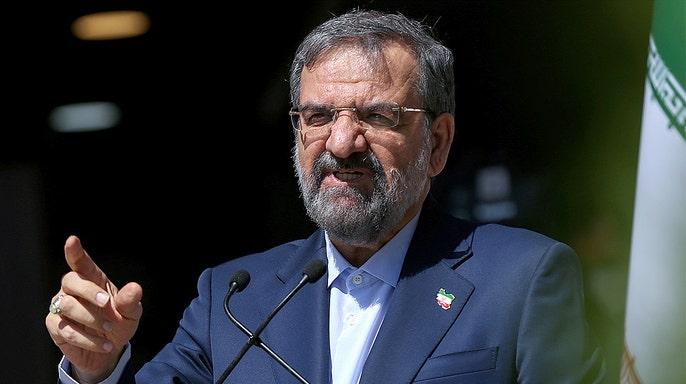
  • Top Iranian general threatens to 'cut off' Trump's hand over potential military strikes

    A senior Iranian military official has warned that any U.S. strike on Iran would trigger retaliation against American forces and bases across the Middle East, issuing a direct threat toward President Donald Trump. The warning comes amid rising tensions, as reports indicate at least one U.S. aircraft carrier is being repositioned to the region, signaling potential military escalation.

    #IranUS #MiddleEastTensions #GlobalSecurity #BreakingNews
    Top Iranian general threatens to 'cut off' Trump's hand over potential military strikes A senior Iranian military official has warned that any U.S. strike on Iran would trigger retaliation against American forces and bases across the Middle East, issuing a direct threat toward President Donald Trump. The warning comes amid rising tensions, as reports indicate at least one U.S. aircraft carrier is being repositioned to the region, signaling potential military escalation. #IranUS #MiddleEastTensions #GlobalSecurity #BreakingNews
    love
    1
    · 0 Commentaires ·0 Parts ·2KB Vue
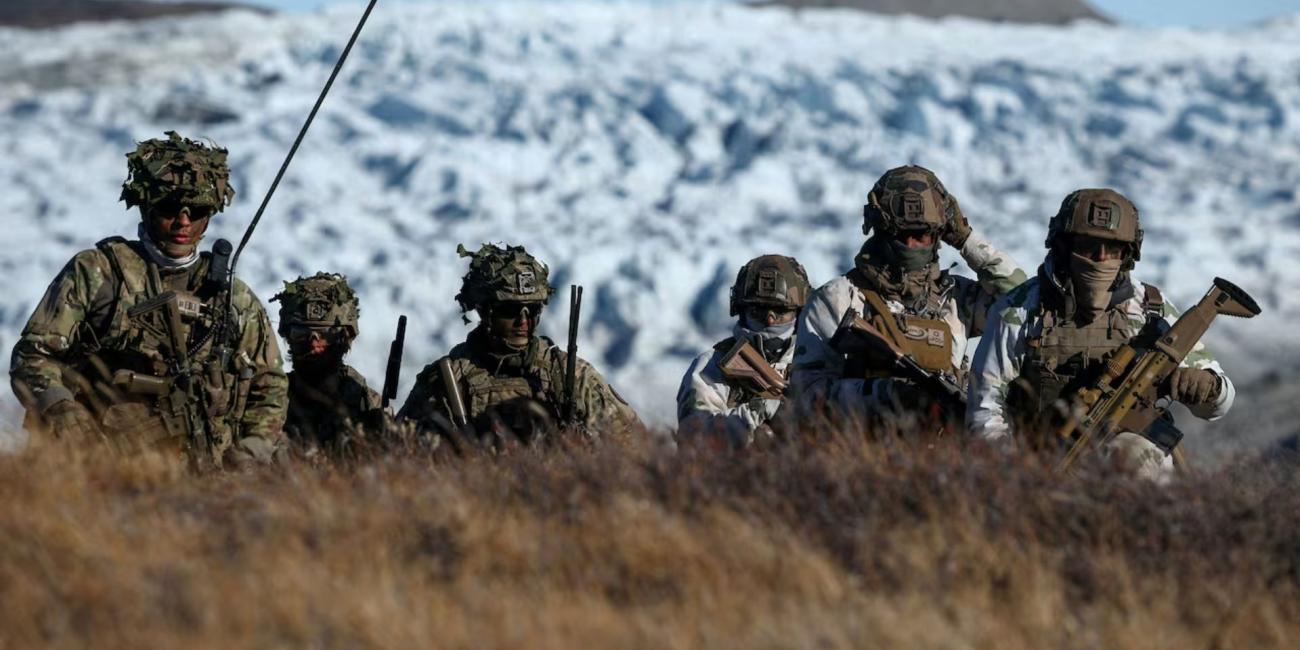
  • NATO Allies Deploy Troops to Greenland Amid Trump’s Push for U.S. Control

    Several NATO countries, including France, Germany, Sweden, and Norway, have deployed troops to Greenland under “Operation Arctic Endurance,” a joint exercise led by Denmark to strengthen Arctic security. The deployment comes amid former U.S. President Donald Trump’s renewed calls for American control of Greenland, citing national security and the risk of Russian and Chinese influence. Denmark and Greenland insist on maintaining sovereignty, while NATO allies aim to reassure the population. The situation has intensified diplomatic tensions, highlighting Greenland’s strategic importance in Arctic defense and global geopolitics.

    #GreenlandSecurity #NATOArctic #USPolitics


    NATO Allies Deploy Troops to Greenland Amid Trump’s Push for U.S. Control Several NATO countries, including France, Germany, Sweden, and Norway, have deployed troops to Greenland under “Operation Arctic Endurance,” a joint exercise led by Denmark to strengthen Arctic security. The deployment comes amid former U.S. President Donald Trump’s renewed calls for American control of Greenland, citing national security and the risk of Russian and Chinese influence. Denmark and Greenland insist on maintaining sovereignty, while NATO allies aim to reassure the population. The situation has intensified diplomatic tensions, highlighting Greenland’s strategic importance in Arctic defense and global geopolitics. #GreenlandSecurity #NATOArctic #USPolitics
    0 Commentaires ·0 Parts ·3KB Vue
  • Sen. Hawley: “Can men get pregnant?”
    Dr. Nisha Verma: “I’m not really sure what the goal of the question is.”
    Sen. Hawley: “The goal is just to establish a biological reality… Can men get pregnant?”

    American ideological divide in action

    #CanMenGetPregnant #PoliticalDebate #USPolitics #Biology101 #IdeologicalDivide #FunnyButTrue #SenateMoments #CultureWar
    Sen. Hawley: “Can men get pregnant?” Dr. Nisha Verma: “I’m not really sure what the goal of the question is.” Sen. Hawley: “The goal is just to establish a biological reality… Can men get pregnant?” American ideological divide in action 😂😂 #CanMenGetPregnant #PoliticalDebate #USPolitics #Biology101 #IdeologicalDivide #FunnyButTrue #SenateMoments #CultureWar
    love
    1
    · 0 Commentaires ·0 Parts ·2KB Vue ·23 Plays
  • US Orders Citizens to Leave Venezuela Immediately as Armed Militias Set Up Roadblocks

    The United States government has issued an urgent warning to all its citizens in Venezuela: leave immediately. The advisory, posted on January 10, 2026, comes amid rising insecurity despite international flights resuming.

    Officials report that armed militias, known locally as colectivos, are setting up roadblocks and searching vehicles, allegedly looking for Americans or anyone supporting the US. Citizens were advised to stay alert and exercise extreme caution while traveling by road.

    Venezuela is now at Travel Advisory Level 4: Do Not Travel, the highest alert level. Risks cited include wrongful detention, torture, terrorism, kidnapping, arbitrary enforcement of local laws, crime, civil unrest, and poor health infrastructure.

    The US urged travelers to monitor airlines for updates and enroll in the Smart Traveler Enrollment Program (STEP) to receive security updates.

    This comes just days after US forces reportedly stormed Venezuela and abducted President Nicolás Maduro on January 3, 2026, escalating tensions in the region.

    Meanwhile, former US President Donald Trump has continued to make headlines by threatening Colombia and repeating plans to annex Greenland, citing strategic and mineral interests.

    The situation underscores the growing dangers in Venezuela and the urgent need for American citizens to prioritize safety and leave immediately.


    US Orders Citizens to Leave Venezuela Immediately as Armed Militias Set Up Roadblocks The United States government has issued an urgent warning to all its citizens in Venezuela: leave immediately. The advisory, posted on January 10, 2026, comes amid rising insecurity despite international flights resuming. Officials report that armed militias, known locally as colectivos, are setting up roadblocks and searching vehicles, allegedly looking for Americans or anyone supporting the US. Citizens were advised to stay alert and exercise extreme caution while traveling by road. Venezuela is now at Travel Advisory Level 4: Do Not Travel, the highest alert level. Risks cited include wrongful detention, torture, terrorism, kidnapping, arbitrary enforcement of local laws, crime, civil unrest, and poor health infrastructure. The US urged travelers to monitor airlines for updates and enroll in the Smart Traveler Enrollment Program (STEP) to receive security updates. This comes just days after US forces reportedly stormed Venezuela and abducted President Nicolás Maduro on January 3, 2026, escalating tensions in the region. Meanwhile, former US President Donald Trump has continued to make headlines by threatening Colombia and repeating plans to annex Greenland, citing strategic and mineral interests. The situation underscores the growing dangers in Venezuela and the urgent need for American citizens to prioritize safety and leave immediately.
    0 Commentaires ·0 Parts ·3KB Vue
  • U.S. Warns Citizens to Flee Venezuela After Special Ops Capture of President Maduro

    The U.S. Embassy in Venezuela has issued a strong security alert, urging all American citizens to leave the country immediately amid growing threats from armed militias known as colectivos, who are reportedly setting up roadblocks to target U.S. citizens. The advisory reiterates longstanding travel warnings dating back to 2019, when the U.S. fully withdrew its diplomatic personnel from Caracas.

    The warning follows a major escalation in early January 2026: over 200 U.S. Special Operations forces raided Caracas in Operation Absolute Resolve, abducting President Nicolás Maduro and his wife, Cilia Flores, and transporting them to New York City. The raid reportedly killed dozens of Venezuelan security personnel and Cuban bodyguards.

    In Manhattan, Maduro and Flores face federal charges, including narco-terrorism and cocaine importation conspiracies, and have pleaded not guilty. Meanwhile, Venezuelan Vice President Delcy Rodríguez has been sworn in as acting president, denouncing the operation as an illegal "kidnapping."

    The U.S. administration, citing the war on drugs, has also signaled intentions to rebuild Venezuela’s energy sector and manage oil exports, with Secretary of State Marco Rubio mentioning an "oil quarantine" as leverage. Critics argue the operation primarily targets geopolitical and economic control rather than law enforcement.

    Americans in Venezuela are urged to check flight availability, communicate regularly with family abroad, and enroll in the STEP program to receive security updates, as the U.S. government is currently unable to provide routine or emergency assistance.

    The situation underscores Venezuela’s ongoing instability, including civil unrest, intermittent power outages, and heightened risks of crime and kidnapping.


    U.S. Warns Citizens to Flee Venezuela After Special Ops Capture of President Maduro The U.S. Embassy in Venezuela has issued a strong security alert, urging all American citizens to leave the country immediately amid growing threats from armed militias known as colectivos, who are reportedly setting up roadblocks to target U.S. citizens. The advisory reiterates longstanding travel warnings dating back to 2019, when the U.S. fully withdrew its diplomatic personnel from Caracas. The warning follows a major escalation in early January 2026: over 200 U.S. Special Operations forces raided Caracas in Operation Absolute Resolve, abducting President Nicolás Maduro and his wife, Cilia Flores, and transporting them to New York City. The raid reportedly killed dozens of Venezuelan security personnel and Cuban bodyguards. In Manhattan, Maduro and Flores face federal charges, including narco-terrorism and cocaine importation conspiracies, and have pleaded not guilty. Meanwhile, Venezuelan Vice President Delcy Rodríguez has been sworn in as acting president, denouncing the operation as an illegal "kidnapping." The U.S. administration, citing the war on drugs, has also signaled intentions to rebuild Venezuela’s energy sector and manage oil exports, with Secretary of State Marco Rubio mentioning an "oil quarantine" as leverage. Critics argue the operation primarily targets geopolitical and economic control rather than law enforcement. Americans in Venezuela are urged to check flight availability, communicate regularly with family abroad, and enroll in the STEP program to receive security updates, as the U.S. government is currently unable to provide routine or emergency assistance. The situation underscores Venezuela’s ongoing instability, including civil unrest, intermittent power outages, and heightened risks of crime and kidnapping.
    0 Commentaires ·0 Parts ·2KB Vue
  • Wahala Don Burst: US Drops Massive Airstrikes on ISIS in Syria, Sokoto Also Hit!

    Na so e be! The United States Central Command (CENTCOM) don carry out big airstrikes against ISIS targets across Syria, and Nigerians won’t forget the connection at home—Sokoto was hit too!

    CENTCOM revealed on X that the strikes happened Saturday around 12:30 p.m. Eastern Time, alongside partner forces. This operation, called Operation Hawkeye Strike, started December 19, 2025, after a deadly ISIS attack near Palmyra, Syria, that killed two American soldiers and one civilian interpreter.

    The US military made it clear: “If you harm our warfighters, we will find you and kill you anywhere in the world.” No shaking!

    Interestingly, in December 2025, the US also conducted airstrikes in northwest Nigeria, specifically in Sokoto State, targeting ISIS-linked militants of the Islamic State-Sahel Province (ISSP) and local affiliate Lakurawa. Tomahawk missiles were reportedly used in collaboration with the Nigerian government to dismantle terrorist camps.

    These operations show that the fight against terrorism is now global and local, and both the US and Nigeria are keeping the pressure on ISIS wherever they pop up.

    For Nigerians, the Sokoto strike is a reminder that terrorism is a real threat, and the government is working with international partners to try to keep citizens safe.

    Wahala don burst, but the fight no go stop!

    Wahala Don Burst: US Drops Massive Airstrikes on ISIS in Syria, Sokoto Also Hit! Na so e be! The United States Central Command (CENTCOM) don carry out big airstrikes against ISIS targets across Syria, and Nigerians won’t forget the connection at home—Sokoto was hit too! CENTCOM revealed on X that the strikes happened Saturday around 12:30 p.m. Eastern Time, alongside partner forces. This operation, called Operation Hawkeye Strike, started December 19, 2025, after a deadly ISIS attack near Palmyra, Syria, that killed two American soldiers and one civilian interpreter. The US military made it clear: “If you harm our warfighters, we will find you and kill you anywhere in the world.” No shaking! Interestingly, in December 2025, the US also conducted airstrikes in northwest Nigeria, specifically in Sokoto State, targeting ISIS-linked militants of the Islamic State-Sahel Province (ISSP) and local affiliate Lakurawa. Tomahawk missiles were reportedly used in collaboration with the Nigerian government to dismantle terrorist camps. These operations show that the fight against terrorism is now global and local, and both the US and Nigeria are keeping the pressure on ISIS wherever they pop up. For Nigerians, the Sokoto strike is a reminder that terrorism is a real threat, and the government is working with international partners to try to keep citizens safe. Wahala don burst, but the fight no go stop!
    0 Commentaires ·0 Parts ·3KB Vue
  • Why Did the Trump Administration Freeze $129 Million in USDA Funds to Minnesota and Minneapolis Over Fraud Allegations, and Who Is Accountable for the Feeding Our Future Scandal?

    The Trump administration has taken decisive action against Minnesota and Minneapolis, suspending over $129 million in USDA federal funding amid allegations of “widespread and systemic fraud.” U.S. Secretary of Agriculture Brooke L. Rollins cited repeated failures in federal program oversight, including mismanagement of programs like Child and Adult Care Food Program (CACFP), Summer Food Service Program (SFSP), and the Supplemental Nutrition Assistance Program (SNAP).

    The decision follows revelations from the Feeding Our Future scandal, in which a Minneapolis nonprofit allegedly defrauded taxpayers of nearly $250 million intended to feed children during the COVID-19 pandemic. Rollins described the fraud as “industrial-scale”, involving 78 defendants charged in what the Department of Justice calls the largest COVID-19 fraud scheme in the U.S.

    In her letter to Minnesota Governor Tim Walz and Minneapolis Mayor Jacob Frey, Rollins highlighted additional alleged abuses in the Paycheck Protection Program, housing assistance schemes, and SNAP misreporting. Officials who resisted federal oversight and challenged USDA directives were also called out for enabling continued fraud.

    As a result, all active and future USDA awards to Minnesota and Minneapolis—totaling $129.18 million—are suspended immediately. Authorities have 30 days to provide detailed payment justifications; failure to comply could extend the suspension. Rollins emphasized that this action represents the administration’s zero-tolerance policy on fraud, waste, and abuse, protecting American taxpayers and ensuring funds reach those who need them.

    This unprecedented suspension raises urgent questions: How did fraud reach such scale in Minnesota’s federal programs? Who is responsible for oversight failures? Will federal authorities enforce accountability, and how will affected programs recover? The frozen funds underscore a growing national focus on transparency, stewardship, and integrity in public funding.


    Why Did the Trump Administration Freeze $129 Million in USDA Funds to Minnesota and Minneapolis Over Fraud Allegations, and Who Is Accountable for the Feeding Our Future Scandal? The Trump administration has taken decisive action against Minnesota and Minneapolis, suspending over $129 million in USDA federal funding amid allegations of “widespread and systemic fraud.” U.S. Secretary of Agriculture Brooke L. Rollins cited repeated failures in federal program oversight, including mismanagement of programs like Child and Adult Care Food Program (CACFP), Summer Food Service Program (SFSP), and the Supplemental Nutrition Assistance Program (SNAP). The decision follows revelations from the Feeding Our Future scandal, in which a Minneapolis nonprofit allegedly defrauded taxpayers of nearly $250 million intended to feed children during the COVID-19 pandemic. Rollins described the fraud as “industrial-scale”, involving 78 defendants charged in what the Department of Justice calls the largest COVID-19 fraud scheme in the U.S. In her letter to Minnesota Governor Tim Walz and Minneapolis Mayor Jacob Frey, Rollins highlighted additional alleged abuses in the Paycheck Protection Program, housing assistance schemes, and SNAP misreporting. Officials who resisted federal oversight and challenged USDA directives were also called out for enabling continued fraud. As a result, all active and future USDA awards to Minnesota and Minneapolis—totaling $129.18 million—are suspended immediately. Authorities have 30 days to provide detailed payment justifications; failure to comply could extend the suspension. Rollins emphasized that this action represents the administration’s zero-tolerance policy on fraud, waste, and abuse, protecting American taxpayers and ensuring funds reach those who need them. This unprecedented suspension raises urgent questions: How did fraud reach such scale in Minnesota’s federal programs? Who is responsible for oversight failures? Will federal authorities enforce accountability, and how will affected programs recover? The frozen funds underscore a growing national focus on transparency, stewardship, and integrity in public funding.
    0 Commentaires ·0 Parts ·3KB Vue
  • Is Trump Becoming the Next “Fallen Despot”? Why Iran’s Supreme Leader Khamenei Compared Him to Pharaoh, Nimrod and the Shah Amid Rising U.S.–Iran Tensions

    Is Donald Trump being cast as the next ruler destined for historical downfall? Iran’s Supreme Leader, Ayatollah Ali Khamenei, has launched a sharp ideological attack on the U.S. president, accusing him of “tyrannical” leadership and warning that, like infamous rulers of the past, he too could ultimately fall from power.

    In a post shared on X (formerly Twitter), Khamenei condemned what he described as Trump’s habit of judging the world with arrogance, arguing that history offers repeated lessons about leaders who rule through hubris. Drawing striking parallels, the Iranian leader invoked figures such as Pharaoh, Nimrod, and Mohammad Reza Pahlavi—rulers who, he said, collapsed at the height of their authority after overreaching their power.

    “The US President who judges arrogantly about the whole world should know that tyrants and arrogant rulers of the world… saw their downfall when they were at the peak of their hubris. He too will fall,” Khamenei wrote. The message framed Trump not merely as a political rival, but as part of a long lineage of leaders whose dominance, according to Khamenei, eventually gave way to decline.

    The comments come amid deepening hostility between Tehran and Washington, defined by sanctions, military posturing, and public exchanges between senior officials. Khamenei, Iran’s highest authority, has consistently portrayed U.S. foreign policy as imperialistic, often embedding his criticisms within historical and religious narratives aimed at reinforcing Iran’s resistance ideology.

    Tensions intensified further following reports that Trump praised Israeli military strikes on Iran in June 2025. According to ABC News Chief Washington Correspondent Jonathan Karl, Trump described the attack as “excellent,” adding that Iran had been given a chance to change course but failed to do so—and warning that “there’s more to come, a lot more.” His remarks coincided with a series of escalating confrontations between Israel and Iran, including strikes on Iranian territory, some reportedly reaching as far as Tehran.

    Iran’s Foreign Ministry condemned the attacks as a “blatant act of aggression,” while regional analysts warned that rhetoric from both sides risks further destabilizing an already volatile Middle East. Against this backdrop, Khamenei’s comparison of Trump to fallen despots appears not only symbolic but strategic—seeking to frame U.S. pressure as morally bankrupt and historically doomed.

    The episode raises broader questions: Is Khamenei merely engaging in ideological posturing, or is Iran signaling that it sees Trump’s leadership style as unsustainable in the long run? And does invoking ancient and modern tyrants reflect a deeper effort to mobilize domestic and regional opinion against American influence?

    As U.S.–Iran relations continue to harden, the clash of narratives—Trump’s warnings of force and Khamenei’s predictions of downfall—underscores how geopolitical conflict today is fought not only with sanctions and weapons, but with history, symbolism, and the power of storytelling. Whether Trump’s approach will reinforce U.S. dominance or mirror the fate of leaders Khamenei cited remains a question shaping global attention.


    Is Trump Becoming the Next “Fallen Despot”? Why Iran’s Supreme Leader Khamenei Compared Him to Pharaoh, Nimrod and the Shah Amid Rising U.S.–Iran Tensions Is Donald Trump being cast as the next ruler destined for historical downfall? Iran’s Supreme Leader, Ayatollah Ali Khamenei, has launched a sharp ideological attack on the U.S. president, accusing him of “tyrannical” leadership and warning that, like infamous rulers of the past, he too could ultimately fall from power. In a post shared on X (formerly Twitter), Khamenei condemned what he described as Trump’s habit of judging the world with arrogance, arguing that history offers repeated lessons about leaders who rule through hubris. Drawing striking parallels, the Iranian leader invoked figures such as Pharaoh, Nimrod, and Mohammad Reza Pahlavi—rulers who, he said, collapsed at the height of their authority after overreaching their power. “The US President who judges arrogantly about the whole world should know that tyrants and arrogant rulers of the world… saw their downfall when they were at the peak of their hubris. He too will fall,” Khamenei wrote. The message framed Trump not merely as a political rival, but as part of a long lineage of leaders whose dominance, according to Khamenei, eventually gave way to decline. The comments come amid deepening hostility between Tehran and Washington, defined by sanctions, military posturing, and public exchanges between senior officials. Khamenei, Iran’s highest authority, has consistently portrayed U.S. foreign policy as imperialistic, often embedding his criticisms within historical and religious narratives aimed at reinforcing Iran’s resistance ideology. Tensions intensified further following reports that Trump praised Israeli military strikes on Iran in June 2025. According to ABC News Chief Washington Correspondent Jonathan Karl, Trump described the attack as “excellent,” adding that Iran had been given a chance to change course but failed to do so—and warning that “there’s more to come, a lot more.” His remarks coincided with a series of escalating confrontations between Israel and Iran, including strikes on Iranian territory, some reportedly reaching as far as Tehran. Iran’s Foreign Ministry condemned the attacks as a “blatant act of aggression,” while regional analysts warned that rhetoric from both sides risks further destabilizing an already volatile Middle East. Against this backdrop, Khamenei’s comparison of Trump to fallen despots appears not only symbolic but strategic—seeking to frame U.S. pressure as morally bankrupt and historically doomed. The episode raises broader questions: Is Khamenei merely engaging in ideological posturing, or is Iran signaling that it sees Trump’s leadership style as unsustainable in the long run? And does invoking ancient and modern tyrants reflect a deeper effort to mobilize domestic and regional opinion against American influence? As U.S.–Iran relations continue to harden, the clash of narratives—Trump’s warnings of force and Khamenei’s predictions of downfall—underscores how geopolitical conflict today is fought not only with sanctions and weapons, but with history, symbolism, and the power of storytelling. Whether Trump’s approach will reinforce U.S. dominance or mirror the fate of leaders Khamenei cited remains a question shaping global attention.
    0 Commentaires ·0 Parts ·3KB Vue
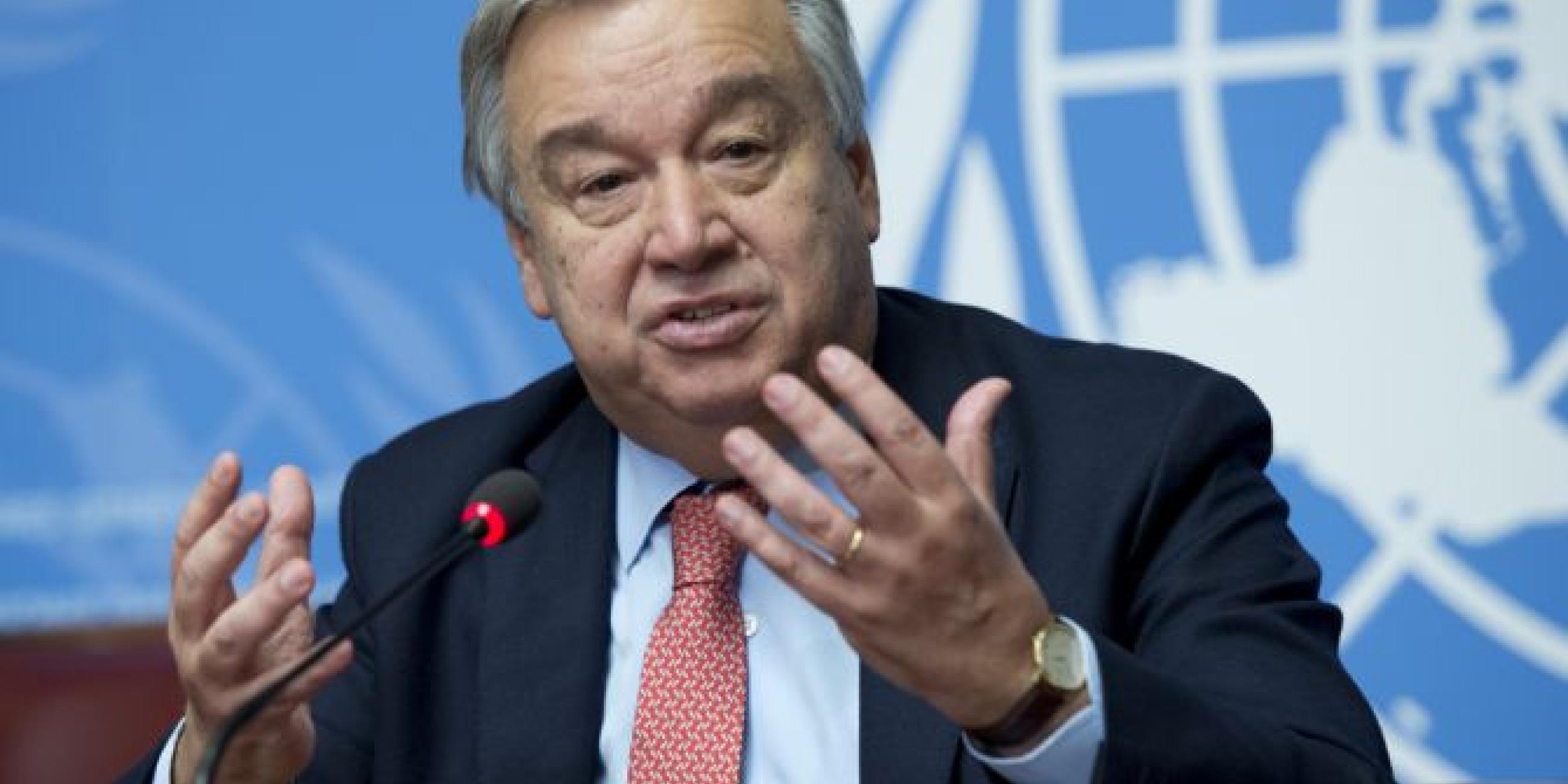
  • Is the U.S. Turning Its Back on the United Nations? Why UN Chief Guterres Regrets Trump’s Withdrawal From Dozens of Global Bodies and What It Means for World Governance

    United Nations Secretary-General Antonio Guterres has expressed strong regret over the United States’ decision to withdraw from multiple international organisations, warning that financial obligations to the UN remain legally binding under international law. The reaction follows a sweeping policy directive signed by U.S. President Donald Trump, ordering American withdrawal from 66 international bodies, including 31 United Nations entities and 35 non-UN organisations.

    In a statement delivered by UN Spokesman Stéphane Dujarric, the Secretary-General described the decision as “regrettable” and stressed that assessed contributions to the UN’s regular and peacekeeping budgets are mandatory under the UN Charter for all member states, including the United States. “Assessed contributions… are a legal obligation under the UN Charter,” Dujarric said, adding that all UN agencies would continue implementing their mandates despite political or financial challenges.

    While the UN statement did not specify which bodies would be affected or the immediate financial consequences, officials have long warned that funding shortfalls could undermine peacekeeping operations, humanitarian assistance, development programmes, and human-rights initiatives worldwide.

    The development stems from a Presidential Memorandum issued by Trump, declaring that continued U.S. participation in the listed organisations no longer serves American interests. The directive follows a comprehensive review ordered under Executive Order 14199 in February 2025, which assessed U.S. involvement in all international organisations, treaties, and conventions receiving American funding or support. After reviewing the findings with his Cabinet, Trump ordered federal agencies to take “immediate steps” to withdraw, where legally permissible.

    Among the non-UN organisations affected are bodies dealing with climate change, energy, environmental protection, democracy promotion, cybersecurity, and regional cooperation, including the Intergovernmental Panel on Climate Change (IPCC), the International Renewable Energy Agency (IRENA), the International Union for Conservation of Nature (IUCN), and the Freedom Online Coalition. The order also targets several security and justice-focused groups, such as the Global Counterterrorism Forum and the International Institute for Justice and the Rule of Law.

    On the UN side, the memorandum directs the United States to cease participation in or funding for multiple agencies and programmes, including UN Women, the UN Population Fund (UNFPA), UN Conference on Trade and Development (UNCTAD), the UN Framework Convention on Climate Change (UNFCCC), and offices focused on peacebuilding, development, oceans, water, international law, and human rights. It also affects entities such as the Peacebuilding Fund, UN Water, UN Oceans, and the UN University system.

    Despite the decision, the UN leadership insists its mission will continue. “All United Nations entities will go on with the implementation of their mandates as given by Member States,” the statement said, underscoring the organisation’s responsibility to people worldwide who rely on its work.

    The move has intensified global debate: Can the United States legally withdraw while still bound to financial obligations? Will UN programmes suffer operational setbacks? Does this signal a broader retreat from multilateralism—or a recalibration of U.S. foreign policy priorities? As the review process remains ongoing, with more organisations potentially targeted, the episode raises urgent questions about the future of international cooperation, global governance, and the stability of multilateral institutions.

    Is the U.S. Turning Its Back on the United Nations? Why UN Chief Guterres Regrets Trump’s Withdrawal From Dozens of Global Bodies and What It Means for World Governance United Nations Secretary-General Antonio Guterres has expressed strong regret over the United States’ decision to withdraw from multiple international organisations, warning that financial obligations to the UN remain legally binding under international law. The reaction follows a sweeping policy directive signed by U.S. President Donald Trump, ordering American withdrawal from 66 international bodies, including 31 United Nations entities and 35 non-UN organisations. In a statement delivered by UN Spokesman Stéphane Dujarric, the Secretary-General described the decision as “regrettable” and stressed that assessed contributions to the UN’s regular and peacekeeping budgets are mandatory under the UN Charter for all member states, including the United States. “Assessed contributions… are a legal obligation under the UN Charter,” Dujarric said, adding that all UN agencies would continue implementing their mandates despite political or financial challenges. While the UN statement did not specify which bodies would be affected or the immediate financial consequences, officials have long warned that funding shortfalls could undermine peacekeeping operations, humanitarian assistance, development programmes, and human-rights initiatives worldwide. The development stems from a Presidential Memorandum issued by Trump, declaring that continued U.S. participation in the listed organisations no longer serves American interests. The directive follows a comprehensive review ordered under Executive Order 14199 in February 2025, which assessed U.S. involvement in all international organisations, treaties, and conventions receiving American funding or support. After reviewing the findings with his Cabinet, Trump ordered federal agencies to take “immediate steps” to withdraw, where legally permissible. Among the non-UN organisations affected are bodies dealing with climate change, energy, environmental protection, democracy promotion, cybersecurity, and regional cooperation, including the Intergovernmental Panel on Climate Change (IPCC), the International Renewable Energy Agency (IRENA), the International Union for Conservation of Nature (IUCN), and the Freedom Online Coalition. The order also targets several security and justice-focused groups, such as the Global Counterterrorism Forum and the International Institute for Justice and the Rule of Law. On the UN side, the memorandum directs the United States to cease participation in or funding for multiple agencies and programmes, including UN Women, the UN Population Fund (UNFPA), UN Conference on Trade and Development (UNCTAD), the UN Framework Convention on Climate Change (UNFCCC), and offices focused on peacebuilding, development, oceans, water, international law, and human rights. It also affects entities such as the Peacebuilding Fund, UN Water, UN Oceans, and the UN University system. Despite the decision, the UN leadership insists its mission will continue. “All United Nations entities will go on with the implementation of their mandates as given by Member States,” the statement said, underscoring the organisation’s responsibility to people worldwide who rely on its work. The move has intensified global debate: Can the United States legally withdraw while still bound to financial obligations? Will UN programmes suffer operational setbacks? Does this signal a broader retreat from multilateralism—or a recalibration of U.S. foreign policy priorities? As the review process remains ongoing, with more organisations potentially targeted, the episode raises urgent questions about the future of international cooperation, global governance, and the stability of multilateral institutions.
    0 Commentaires ·0 Parts ·3KB Vue
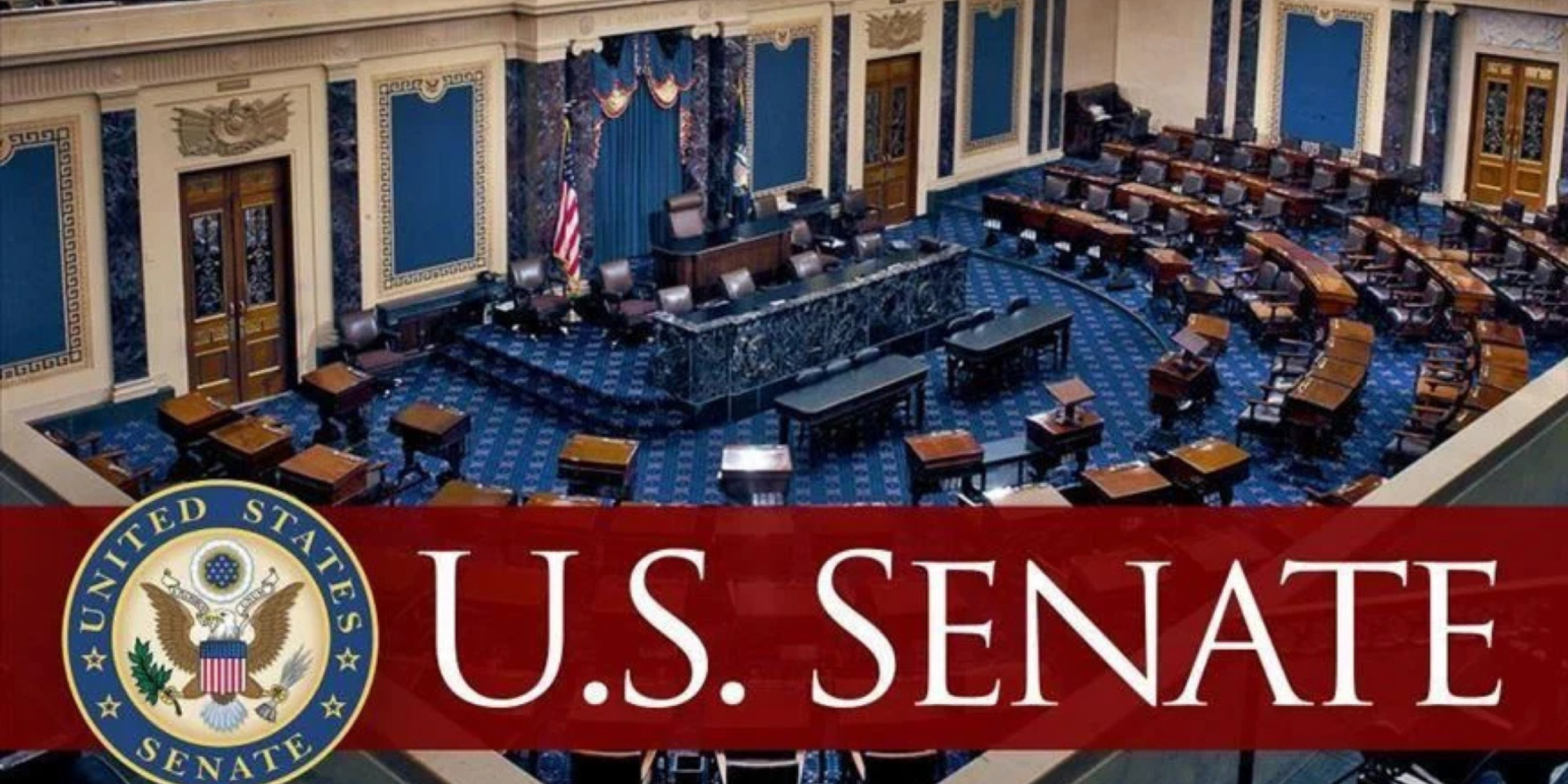
  • Is Congress Trying to Stop Trump’s War in Venezuela? Inside the US Senate Vote to Restrict Military Action

    The United States Senate has passed a War Powers resolution by a narrow 52–48 vote, seeking to restrict President Donald Trump’s military action in Venezuela and reassert Congress’s constitutional authority over the use of force abroad. The resolution reflects rising unease among lawmakers about the scope of presidential war powers and the legality of recent U.S. operations targeting the Venezuelan government.

    The move follows a dramatic escalation in U.S.–Venezuela relations, including reports that the Trump administration carried out an operation that abducted Venezuelan President Nicolás Maduro, an action said to have resulted in at least 100 deaths. The development triggered global reactions and reignited domestic debate over whether the president can deploy military force without explicit approval from Congress.

    Supporters of the resolution argue that it is designed to check executive overreach and prevent the United States from sliding into another open-ended foreign conflict. Senate Democratic Leader Chuck Schumer stated that the measure was intended to halt what he described as “military adventurism” and to restore Congress’s role as outlined in the U.S. Constitution. He criticized the administration’s foreign policy approach, warning that Americans do not want their resources—or lives—spent on wars without clear justification or accountability.

    Despite its passage in the Senate, the resolution now faces a major test in the House of Representatives, where approval is required before it can be sent to the president. Even if the House passes it, President Trump retains the power to veto the measure, meaning a two-thirds majority in both chambers would be necessary to override such a decision. Analysts note that while the resolution’s future is uncertain, its success in the Senate signals a renewed effort by lawmakers to challenge the expansion of presidential war-making authority.

    The vote highlights a broader constitutional question: Who truly controls America’s military actions abroad—the president or Congress? As tensions with Venezuela intensify and international scrutiny grows, the outcome of this legislative battle could shape not only U.S. policy toward Venezuela but also the balance of power between the executive and legislative branches.

    With political divisions deepening and global attention fixed on Washington, the coming House debate may determine whether Congress can effectively rein in the president’s authority—or whether Trump’s approach to Venezuela will continue unchecked.


    Is Congress Trying to Stop Trump’s War in Venezuela? Inside the US Senate Vote to Restrict Military Action The United States Senate has passed a War Powers resolution by a narrow 52–48 vote, seeking to restrict President Donald Trump’s military action in Venezuela and reassert Congress’s constitutional authority over the use of force abroad. The resolution reflects rising unease among lawmakers about the scope of presidential war powers and the legality of recent U.S. operations targeting the Venezuelan government. The move follows a dramatic escalation in U.S.–Venezuela relations, including reports that the Trump administration carried out an operation that abducted Venezuelan President Nicolás Maduro, an action said to have resulted in at least 100 deaths. The development triggered global reactions and reignited domestic debate over whether the president can deploy military force without explicit approval from Congress. Supporters of the resolution argue that it is designed to check executive overreach and prevent the United States from sliding into another open-ended foreign conflict. Senate Democratic Leader Chuck Schumer stated that the measure was intended to halt what he described as “military adventurism” and to restore Congress’s role as outlined in the U.S. Constitution. He criticized the administration’s foreign policy approach, warning that Americans do not want their resources—or lives—spent on wars without clear justification or accountability. Despite its passage in the Senate, the resolution now faces a major test in the House of Representatives, where approval is required before it can be sent to the president. Even if the House passes it, President Trump retains the power to veto the measure, meaning a two-thirds majority in both chambers would be necessary to override such a decision. Analysts note that while the resolution’s future is uncertain, its success in the Senate signals a renewed effort by lawmakers to challenge the expansion of presidential war-making authority. The vote highlights a broader constitutional question: Who truly controls America’s military actions abroad—the president or Congress? As tensions with Venezuela intensify and international scrutiny grows, the outcome of this legislative battle could shape not only U.S. policy toward Venezuela but also the balance of power between the executive and legislative branches. With political divisions deepening and global attention fixed on Washington, the coming House debate may determine whether Congress can effectively rein in the president’s authority—or whether Trump’s approach to Venezuela will continue unchecked.
    0 Commentaires ·0 Parts ·1KB Vue
  • Will the U.S. Control Venezuela for Years? Trump Says Washington Will Oversee Venezuela’s Oil, Rebuild the Country and Decide Its Future After Maduro’s Removal

    Is the United States preparing to govern Venezuela for years, and will oil revenues determine the country’s political and economic future?

    U.S. President Donald Trump has said that Washington will take control of Venezuela and oversee its oil sector for a period that will extend far beyond a short-term transition. Speaking in a wide-ranging interview published on January 8, 2026, Trump indicated that American involvement in Venezuela would be long-term, with the country’s vast oil reserves at the center of U.S. strategy.

    When asked how long the United States would remain in control—whether for months, a year, or longer—Trump responded: “Only time will tell… I would say much longer.” The statement signals that U.S. oversight of Venezuela is not envisioned as a brief handover process but one that could last several years.

    Trump said the United States plans to rebuild Venezuela while exerting control over its most valuable resource, oil. “We will rebuild it in a very profitable way,” he said, following the January 3 operation in which U.S. forces seized President Nicolás Maduro. According to Trump, oil will play a central role in the rebuilding effort. “We’re going to be using oil, and we’re going to be taking oil. We’re getting oil prices down, and we’re going to be giving money to Venezuela, which they desperately need,” he stated.

    The president also confirmed that Washington is working closely with Venezuela’s interim government after Maduro’s removal, describing relations with interim president Delcy Rodríguez—a longtime ally and former vice president of Maduro—as cooperative. Trump further appeared to soften earlier rhetoric toward neighboring Colombia, inviting its leftist leader to Washington after previously criticizing him.

    The remarks come amid a broader shift in U.S.–Venezuela relations centered on energy and trade. Trump recently announced that Venezuela would use proceeds from a new oil agreement to purchase only American-made products, including agricultural goods, medicines, medical devices, and equipment for upgrading the country’s electricity grid and energy facilities. He portrayed the move as strengthening bilateral ties and positioning the United States as Venezuela’s principal commercial partner.

    Earlier reports also confirmed a deal allowing Venezuela to export $2 billion worth of crude oil to the United States—an agreement the administration described as a major diplomatic breakthrough. The arrangement is expected to divert Venezuelan oil away from China, ease production pressures, and mark a significant realignment in the region following months of heightened U.S. pressure on Caracas.

    But Trump’s comments raise major questions:
    Will U.S. control of Venezuela become a prolonged political and economic occupation?
    Who will ultimately decide how Venezuela’s oil wealth is managed and distributed?
    And can long-term foreign oversight deliver stability—or deepen regional tensions?

    As Washington places oil revenues at the heart of its strategy, the future of Venezuela appears increasingly tied to U.S. policy, energy markets, and geopolitical interests. Whether this approach leads to reconstruction or controversy, Trump’s statements make one thing clear: American involvement in Venezuela is not temporary, and the country’s oil will shape what comes next.


    Will the U.S. Control Venezuela for Years? Trump Says Washington Will Oversee Venezuela’s Oil, Rebuild the Country and Decide Its Future After Maduro’s Removal Is the United States preparing to govern Venezuela for years, and will oil revenues determine the country’s political and economic future? U.S. President Donald Trump has said that Washington will take control of Venezuela and oversee its oil sector for a period that will extend far beyond a short-term transition. Speaking in a wide-ranging interview published on January 8, 2026, Trump indicated that American involvement in Venezuela would be long-term, with the country’s vast oil reserves at the center of U.S. strategy. When asked how long the United States would remain in control—whether for months, a year, or longer—Trump responded: “Only time will tell… I would say much longer.” The statement signals that U.S. oversight of Venezuela is not envisioned as a brief handover process but one that could last several years. Trump said the United States plans to rebuild Venezuela while exerting control over its most valuable resource, oil. “We will rebuild it in a very profitable way,” he said, following the January 3 operation in which U.S. forces seized President Nicolás Maduro. According to Trump, oil will play a central role in the rebuilding effort. “We’re going to be using oil, and we’re going to be taking oil. We’re getting oil prices down, and we’re going to be giving money to Venezuela, which they desperately need,” he stated. The president also confirmed that Washington is working closely with Venezuela’s interim government after Maduro’s removal, describing relations with interim president Delcy Rodríguez—a longtime ally and former vice president of Maduro—as cooperative. Trump further appeared to soften earlier rhetoric toward neighboring Colombia, inviting its leftist leader to Washington after previously criticizing him. The remarks come amid a broader shift in U.S.–Venezuela relations centered on energy and trade. Trump recently announced that Venezuela would use proceeds from a new oil agreement to purchase only American-made products, including agricultural goods, medicines, medical devices, and equipment for upgrading the country’s electricity grid and energy facilities. He portrayed the move as strengthening bilateral ties and positioning the United States as Venezuela’s principal commercial partner. Earlier reports also confirmed a deal allowing Venezuela to export $2 billion worth of crude oil to the United States—an agreement the administration described as a major diplomatic breakthrough. The arrangement is expected to divert Venezuelan oil away from China, ease production pressures, and mark a significant realignment in the region following months of heightened U.S. pressure on Caracas. But Trump’s comments raise major questions: Will U.S. control of Venezuela become a prolonged political and economic occupation? Who will ultimately decide how Venezuela’s oil wealth is managed and distributed? And can long-term foreign oversight deliver stability—or deepen regional tensions? As Washington places oil revenues at the heart of its strategy, the future of Venezuela appears increasingly tied to U.S. policy, energy markets, and geopolitical interests. Whether this approach leads to reconstruction or controversy, Trump’s statements make one thing clear: American involvement in Venezuela is not temporary, and the country’s oil will shape what comes next.
    0 Commentaires ·0 Parts ·2KB Vue
  • How Did Nigerian Writer Chimamanda Ngozi Adichie Lose Her 21-Month-Old Son? What the Family’s Statement Reveals About the Tragic Passing of Little Nkanu Nnamdi

    Renowned Nigerian author Chimamanda Ngozi Adichie and her husband, Dr Ivara Esege, are mourning the heartbreaking loss of their 21-month-old son, Nkanu Nnamdi, who passed away on Wednesday, January 7, 2026, following a brief illness.

    The family confirmed the tragedy in a statement issued on Thursday by Omawumi Ogbe, requesting privacy as they grieve. According to the statement, one of the couple’s twin boys, Nkanu Nnamdi, died after a short period of illness. The family described the loss as devastating and asked the public and the media to allow them space during what they called an “incredibly difficult time.”

    The statement read in part that the family is deeply saddened by the passing of their child and appealed for grace, prayers, and respect for their seclusion, stressing that no further public comments would be made. It underscored the emotional weight of the moment, acknowledging the profound pain that accompanies the loss of a young child.

    Chimamanda Adichie, celebrated globally for works such as Half of a Yellow Sun, Americanah, and We Should All Be Feminists, has long been regarded as one of Africa’s most influential literary voices. News of her personal tragedy has prompted an outpouring of sympathy from readers, admirers, and members of the literary community, many of whom have expressed condolences while honoring the family’s request for privacy.

    While the family did not disclose details beyond confirming that the child died after a brief illness, the announcement highlights the fragile nature of life and the shared human experience of grief—transcending fame, public recognition, and achievement. The careful wording of the statement reflects a desire to protect the family’s space as they navigate mourning away from public scrutiny.

    As messages of support continue to emerge, the central appeal remains clear: respect the family’s need for quiet and dignity during this time of sorrow. For many, the story serves as a reminder that behind celebrated public figures are families who experience loss just as deeply as anyone else.


    How Did Nigerian Writer Chimamanda Ngozi Adichie Lose Her 21-Month-Old Son? What the Family’s Statement Reveals About the Tragic Passing of Little Nkanu Nnamdi Renowned Nigerian author Chimamanda Ngozi Adichie and her husband, Dr Ivara Esege, are mourning the heartbreaking loss of their 21-month-old son, Nkanu Nnamdi, who passed away on Wednesday, January 7, 2026, following a brief illness. The family confirmed the tragedy in a statement issued on Thursday by Omawumi Ogbe, requesting privacy as they grieve. According to the statement, one of the couple’s twin boys, Nkanu Nnamdi, died after a short period of illness. The family described the loss as devastating and asked the public and the media to allow them space during what they called an “incredibly difficult time.” The statement read in part that the family is deeply saddened by the passing of their child and appealed for grace, prayers, and respect for their seclusion, stressing that no further public comments would be made. It underscored the emotional weight of the moment, acknowledging the profound pain that accompanies the loss of a young child. Chimamanda Adichie, celebrated globally for works such as Half of a Yellow Sun, Americanah, and We Should All Be Feminists, has long been regarded as one of Africa’s most influential literary voices. News of her personal tragedy has prompted an outpouring of sympathy from readers, admirers, and members of the literary community, many of whom have expressed condolences while honoring the family’s request for privacy. While the family did not disclose details beyond confirming that the child died after a brief illness, the announcement highlights the fragile nature of life and the shared human experience of grief—transcending fame, public recognition, and achievement. The careful wording of the statement reflects a desire to protect the family’s space as they navigate mourning away from public scrutiny. As messages of support continue to emerge, the central appeal remains clear: respect the family’s need for quiet and dignity during this time of sorrow. For many, the story serves as a reminder that behind celebrated public figures are families who experience loss just as deeply as anyone else.
    like
    1
    · 0 Commentaires ·0 Parts ·1KB Vue
  • Trump Announces Venezuela Will Buy Only American-Made Products From New Oil Deal Funds

    U.S. President Donald J. Trump announced that Venezuela will use proceeds from a newly agreed oil deal to purchase exclusively American-made products, strengthening economic ties between the two countries. The announcement was made via Trump’s Truth social media platform, where he outlined that the purchases will span several key U.S. industries, including agriculture, medicines, medical devices, and energy infrastructure equipment to improve Venezuela’s electric grid and energy facilities.

    Trump framed the agreement as a strategic move that positions the United States as Venezuela’s principal commercial partner, describing it as a “wise choice” benefiting both nations. The oil deal allows Venezuela to export $2 billion worth of crude oil to the U.S., diverting supplies away from China and helping Caracas avoid production cuts caused by export restrictions and storage bottlenecks.

    The agreement comes amid heightened U.S. pressure on Venezuela, which previously included sanctions and a blockade on oil exports starting in mid-December 2025. The deal also reflects compliance by Venezuelan authorities with U.S. demands to open the oil sector to American companies, signaling a potential shift in U.S.–Venezuela relations after months of tension.

    This arrangement is expected to boost U.S. exports, support key domestic industries, and expand U.S. influence in the South American energy market, while providing Venezuela access to critical products and technology to modernize its energy infrastructure.

    Trump Announces Venezuela Will Buy Only American-Made Products From New Oil Deal Funds U.S. President Donald J. Trump announced that Venezuela will use proceeds from a newly agreed oil deal to purchase exclusively American-made products, strengthening economic ties between the two countries. The announcement was made via Trump’s Truth social media platform, where he outlined that the purchases will span several key U.S. industries, including agriculture, medicines, medical devices, and energy infrastructure equipment to improve Venezuela’s electric grid and energy facilities. Trump framed the agreement as a strategic move that positions the United States as Venezuela’s principal commercial partner, describing it as a “wise choice” benefiting both nations. The oil deal allows Venezuela to export $2 billion worth of crude oil to the U.S., diverting supplies away from China and helping Caracas avoid production cuts caused by export restrictions and storage bottlenecks. The agreement comes amid heightened U.S. pressure on Venezuela, which previously included sanctions and a blockade on oil exports starting in mid-December 2025. The deal also reflects compliance by Venezuelan authorities with U.S. demands to open the oil sector to American companies, signaling a potential shift in U.S.–Venezuela relations after months of tension. This arrangement is expected to boost U.S. exports, support key domestic industries, and expand U.S. influence in the South American energy market, while providing Venezuela access to critical products and technology to modernize its energy infrastructure.
    like
    1
    · 0 Commentaires ·0 Parts ·1KB Vue
  • Trump Orders U.S. Withdrawal From 66 International Organizations, Including 31 UN Bodies

    U.S. President Donald J. Trump has signed a Presidential Memorandum directing the United States to withdraw from 66 international organizations, including 31 United Nations bodies and 35 non-UN entities. The decision, part of Trump’s “America First” foreign policy, follows a review mandated under Executive Order 14199 on February 4, 2025, which tasked the Secretary of State with evaluating U.S. participation in all international intergovernmental organizations, conventions, and treaties receiving American support.

    According to the memorandum, the Secretary of State submitted findings, which were reviewed by the president and Cabinet, leading to the determination that continued membership in these organizations no longer aligns with U.S. interests. The memorandum instructs all executive departments and agencies to take “immediate steps” to implement withdrawals where legally permissible, including ceasing participation or funding for affected UN bodies.

    The withdrawal list encompasses a wide array of policy areas, from climate change, energy, and environmental conservation to human rights, peacebuilding, democracy promotion, and cybersecurity. Notable non-UN organizations affected include the Intergovernmental Panel on Climate Change, International Renewable Energy Agency, International Union for Conservation of Nature, and the Global Counterterrorism Forum.

    UN entities affected include major offices and programs such as the UN Framework Convention on Climate Change, UN Women, UN Population Fund, UN Conference on Trade and Development, UN Peacebuilding Fund, UN Oceans, and the UN University system.

    Trump emphasized that the review is ongoing, and additional organizations or agreements may be targeted in the future. The memorandum clarifies that this directive does not override existing legal authorities or budgetary controls and does not create enforceable legal rights for any party.

    The announcement marks one of the largest U.S. withdrawals from international institutions in modern history, reflecting a strategic pivot toward national sovereignty, cost reduction, and reevaluation of multilateral commitments. The State Department will oversee implementation and provide additional guidance to federal agencies.
    Trump Orders U.S. Withdrawal From 66 International Organizations, Including 31 UN Bodies U.S. President Donald J. Trump has signed a Presidential Memorandum directing the United States to withdraw from 66 international organizations, including 31 United Nations bodies and 35 non-UN entities. The decision, part of Trump’s “America First” foreign policy, follows a review mandated under Executive Order 14199 on February 4, 2025, which tasked the Secretary of State with evaluating U.S. participation in all international intergovernmental organizations, conventions, and treaties receiving American support. According to the memorandum, the Secretary of State submitted findings, which were reviewed by the president and Cabinet, leading to the determination that continued membership in these organizations no longer aligns with U.S. interests. The memorandum instructs all executive departments and agencies to take “immediate steps” to implement withdrawals where legally permissible, including ceasing participation or funding for affected UN bodies. The withdrawal list encompasses a wide array of policy areas, from climate change, energy, and environmental conservation to human rights, peacebuilding, democracy promotion, and cybersecurity. Notable non-UN organizations affected include the Intergovernmental Panel on Climate Change, International Renewable Energy Agency, International Union for Conservation of Nature, and the Global Counterterrorism Forum. UN entities affected include major offices and programs such as the UN Framework Convention on Climate Change, UN Women, UN Population Fund, UN Conference on Trade and Development, UN Peacebuilding Fund, UN Oceans, and the UN University system. Trump emphasized that the review is ongoing, and additional organizations or agreements may be targeted in the future. The memorandum clarifies that this directive does not override existing legal authorities or budgetary controls and does not create enforceable legal rights for any party. The announcement marks one of the largest U.S. withdrawals from international institutions in modern history, reflecting a strategic pivot toward national sovereignty, cost reduction, and reevaluation of multilateral commitments. The State Department will oversee implementation and provide additional guidance to federal agencies.
    0 Commentaires ·0 Parts ·2KB Vue
  • Venezuela Confirms 100 Dead After U.S. Operation Captures President Maduro

    Venezuelan authorities have confirmed that at least 100 people died during the U.S. military operation that led to the capture of President Nicolás Maduro on Saturday, January 4, 2026. The announcement came from Venezuela’s Interior Minister Diosdado Cabello, marking the first official death toll since the controversial raid.

    Cabello revealed that a significant portion of Maduro’s security team was killed “in cold blood,” while Cuban military and intelligence personnel operating in Venezuela were also reportedly killed. Maduro’s wife, Cilia Flores, sustained a head injury, and Maduro himself suffered a leg injury during the attack.

    The operation occurred amid escalating tensions between the U.S. and Venezuela, following years of sanctions, political disputes, and accusations of governance and security failures by Maduro’s administration. The U.S. justified the raid by citing Maduro’s alleged involvement in drug trafficking and narco-terrorism, claiming his government shipped tons of cocaine into the United States.

    Following the operation, former U.S. President Donald Trump stated that the U.S. intended to take control of Venezuela’s oil industry, asserting that American investment originally built the infrastructure now under Maduro’s administration. Maduro, speaking publicly for the first time after being taken to the U.S., described himself as “kidnapped” and denied all allegations.

    Venezuelan authorities have declared a week of mourning for the military personnel killed, describing them as “courageous” for their role in defending the country. The operation has further strained international relations and intensified scrutiny on U.S. foreign interventions in Latin America.

    Venezuela Confirms 100 Dead After U.S. Operation Captures President Maduro Venezuelan authorities have confirmed that at least 100 people died during the U.S. military operation that led to the capture of President Nicolás Maduro on Saturday, January 4, 2026. The announcement came from Venezuela’s Interior Minister Diosdado Cabello, marking the first official death toll since the controversial raid. Cabello revealed that a significant portion of Maduro’s security team was killed “in cold blood,” while Cuban military and intelligence personnel operating in Venezuela were also reportedly killed. Maduro’s wife, Cilia Flores, sustained a head injury, and Maduro himself suffered a leg injury during the attack. The operation occurred amid escalating tensions between the U.S. and Venezuela, following years of sanctions, political disputes, and accusations of governance and security failures by Maduro’s administration. The U.S. justified the raid by citing Maduro’s alleged involvement in drug trafficking and narco-terrorism, claiming his government shipped tons of cocaine into the United States. Following the operation, former U.S. President Donald Trump stated that the U.S. intended to take control of Venezuela’s oil industry, asserting that American investment originally built the infrastructure now under Maduro’s administration. Maduro, speaking publicly for the first time after being taken to the U.S., described himself as “kidnapped” and denied all allegations. Venezuelan authorities have declared a week of mourning for the military personnel killed, describing them as “courageous” for their role in defending the country. The operation has further strained international relations and intensified scrutiny on U.S. foreign interventions in Latin America.
    like
    1
    · 0 Commentaires ·0 Parts ·1KB Vue
Plus de résultats
Fintter https://fintter.com