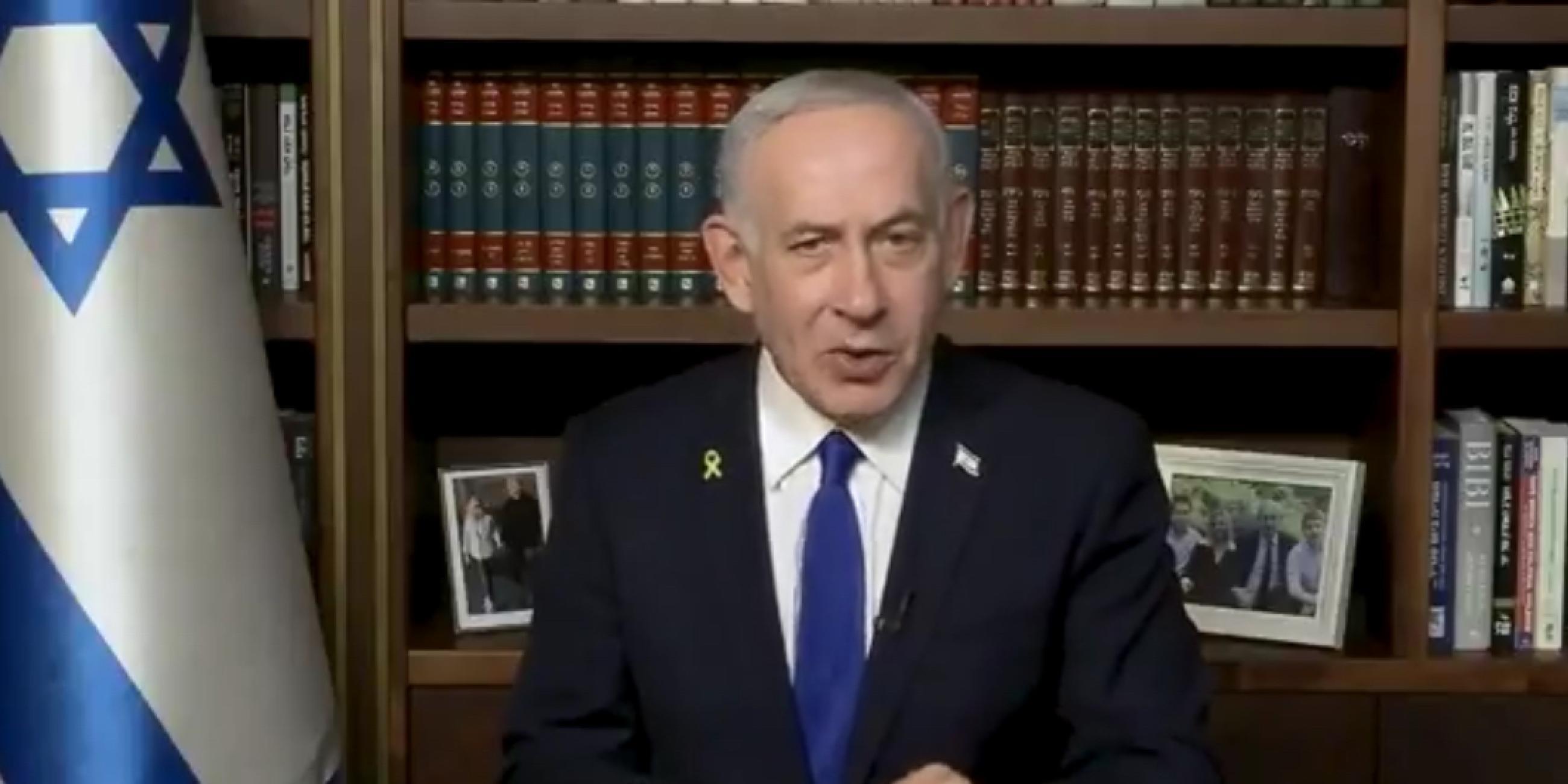
• Iraq has frozen the financial assets of major Iran-backed militias — including Lebanon’s Hezbollah and Yemen’s Houthi movement — in one of Baghdad’s strongest moves yet to curb the funding networks of Tehran-aligned groups.

    According to a notice published in Iraq’s official gazette, the order targets organisations long influential across the region, signalling a significant shift in Baghdad’s approach to militia financing and regional power dynamics.

    #Iraq #MiddleEast #Geopolitics #Iran-backedGroups
    Iraq has frozen the financial assets of major Iran-backed militias — including Lebanon’s Hezbollah and Yemen’s Houthi movement — in one of Baghdad’s strongest moves yet to curb the funding networks of Tehran-aligned groups. According to a notice published in Iraq’s official gazette, the order targets organisations long influential across the region, signalling a significant shift in Baghdad’s approach to militia financing and regional power dynamics. #Iraq #MiddleEast #Geopolitics #Iran-backedGroups
    0 Commentaires ·0 Parts ·67 Vue
  • Iraq Freezes Assets of Iran-Backed Militias, Including Hezbollah and Houthis, in Major Policy Shift

    Iraq has frozen the financial assets of major Iran-backed militias—including Lebanon’s Hezbollah and Yemen’s Houthis—in one of its strongest moves yet to restrict Tehran-aligned networks. The directive, published in Iraq’s official gazette, comes amid rising regional tensions, U.S. pressure to curb Iranian influence, and intensified Israeli strikes on Iran-linked groups. Analysts say the decision highlights Baghdad’s struggle to balance ties with Washington and Tehran while navigating internal political and security pressures.
    Iraq Freezes Assets of Iran-Backed Militias, Including Hezbollah and Houthis, in Major Policy Shift Iraq has frozen the financial assets of major Iran-backed militias—including Lebanon’s Hezbollah and Yemen’s Houthis—in one of its strongest moves yet to restrict Tehran-aligned networks. The directive, published in Iraq’s official gazette, comes amid rising regional tensions, U.S. pressure to curb Iranian influence, and intensified Israeli strikes on Iran-linked groups. Analysts say the decision highlights Baghdad’s struggle to balance ties with Washington and Tehran while navigating internal political and security pressures.
    0 Commentaires ·0 Parts ·112 Vue
  • Retired Assistant Commissioner of Police Sheriff Abubakar Rabiu Drops Expl0sive Open Letter, Accuses Northern Clerics of Fueling Extrem!sm

    A retired Assistant Commissioner of Police, Sheriff Abubakar Rabiu, has dropped one of the boldest, loudest, and most uncomfortable truths Northern Nigeria has heard in years — and his message is now spreading through mosques like wildfire.

    In his fiery open letter, the respected ex-cop accused a section of Northern Islamic cler!cs of:

    “Po!soning the minds of our youth with vituperat!ve, inciting and danger0usly divisive sermons.”

    He warned that some preachers have turned the pulpit into a battleground, labeling Christians as “arne,” “kafurai,” and “infidels destined for h3ll.”
    And he didn’t mince words:

    “This is not Islam. This is m@dness. And this m@dness gave birth to Boko Haram.”

    Rabiu argued that h@teful preaching, combined with the Almajiri system, has created a breeding ground for extrem!sm:

    “An idle mind is the dev!l’s workshop. Those street children begging today will become tomorrow's recruits and fo0t soldiers for terr0r groups.”

    He also questioned why Nigeria gets flagged internationally:

    “Instead of shouting that Trump is Islamophob!c, ask why America put us on that list.
    Try this kind of preaching in Saudi Arabia, Qatar, UAE—even Cameroon—and you’ll be arrested the same day.”

    Rabiu called on the President, the National Assembly, Northern governors, and all LG chairmen to urgently enact laws that:

    Crim!nalize calling any Nigerian “arne” or “kafir” from the pulpit
    ✔ Ban street begging by children (Almajiri)
    ✔ End h@te speech disguised as relig!ous preaching

    He warned that failure to act may attract the same global digital w@r that turned Afghanistan and Iraq into ruins.

    But he ended with hope:

    “If we implement these measures sincerely, Nigeria will return to the peace we enjoyed in the 70s–90s when Muslims and Christians shared meals, drank from the same cup, and buried each other’s de@d.”

    This message is loud, raw, and shaking the entire region — and the conversation has only just begun.
    Retired Assistant Commissioner of Police Sheriff Abubakar Rabiu Drops Expl0sive Open Letter, Accuses Northern Clerics of Fueling Extrem!sm A retired Assistant Commissioner of Police, Sheriff Abubakar Rabiu, has dropped one of the boldest, loudest, and most uncomfortable truths Northern Nigeria has heard in years — and his message is now spreading through mosques like wildfire. In his fiery open letter, the respected ex-cop accused a section of Northern Islamic cler!cs of: “Po!soning the minds of our youth with vituperat!ve, inciting and danger0usly divisive sermons.” He warned that some preachers have turned the pulpit into a battleground, labeling Christians as “arne,” “kafurai,” and “infidels destined for h3ll.” And he didn’t mince words: “This is not Islam. This is m@dness. And this m@dness gave birth to Boko Haram.” Rabiu argued that h@teful preaching, combined with the Almajiri system, has created a breeding ground for extrem!sm: “An idle mind is the dev!l’s workshop. Those street children begging today will become tomorrow's recruits and fo0t soldiers for terr0r groups.” He also questioned why Nigeria gets flagged internationally: “Instead of shouting that Trump is Islamophob!c, ask why America put us on that list. Try this kind of preaching in Saudi Arabia, Qatar, UAE—even Cameroon—and you’ll be arrested the same day.” Rabiu called on the President, the National Assembly, Northern governors, and all LG chairmen to urgently enact laws that: Crim!nalize calling any Nigerian “arne” or “kafir” from the pulpit ✔ Ban street begging by children (Almajiri) ✔ End h@te speech disguised as relig!ous preaching He warned that failure to act may attract the same global digital w@r that turned Afghanistan and Iraq into ruins. But he ended with hope: “If we implement these measures sincerely, Nigeria will return to the peace we enjoyed in the 70s–90s when Muslims and Christians shared meals, drank from the same cup, and buried each other’s de@d.” This message is loud, raw, and shaking the entire region — and the conversation has only just begun.
    0 Commentaires ·0 Parts ·115 Vue
  • GADDAFI (in 2002): "The terrorists who hit New York were not Afghani. They did not use airplanes or take off from Iraq or Afghanistan. They flew from JFK airport, here. The whole action was done in America. They were trained in America.."
    GADDAFI (in 2002): "The terrorists who hit New York were not Afghani. They did not use airplanes or take off from Iraq or Afghanistan. They flew from JFK airport, here. The whole action was done in America. They were trained in America.."
    0 Commentaires ·0 Parts ·36 Vue
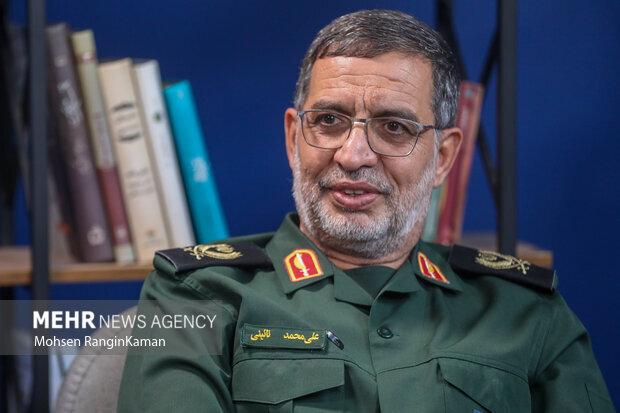
  • An Iranian military spokesman says Israel would have collapsed if the recent 12-day war had continued for just two more weeks.
    Speaking at a conference in Tehran, IRGC spokesman Brig. Gen. Ali Mohammad Naeini said Iran relied entirely on its own capabilities during the conflict and claimed this strategy enabled it to defeat its enemies.

    He highlighted the Basij force as a key pillar of Iran’s national power, arguing that any government disconnected from its citizens is at risk of collapse. Naeini said the war tested Iran’s deterrence, strategy, and resilience, adding that decades of threats pushed Iran to build a self-reliant, asymmetric defense system after the Iran-Iraq war.

    He noted that Iran has expanded its missile ranges and scientific capabilities, describing the country’s missile experts as young, committed specialists. According to him, Iran struck at least 45 Israeli strategic sites during the conflict, causing major damage and prompting calls to end the fighting.

    Naeini insisted Iran needed no foreign assistance and aimed to counter narratives portraying it as weak. He also said neighboring countries quickly condemned Israel’s initial attack on Iran.

    The conflict began on June 13 when Israel carried out an attack on Iran, followed by U.S. strikes on Iranian nuclear sites. The fighting left more than 1,000 people dead in Iran. In response, Iran targeted sites across Israeli-controlled territories and struck the U.S. Al-Udeid air base in Qatar.
    By June 24, Iran’s retaliatory operations forced an end to the hostilities.
    An Iranian military spokesman says Israel would have collapsed if the recent 12-day war had continued for just two more weeks. Speaking at a conference in Tehran, IRGC spokesman Brig. Gen. Ali Mohammad Naeini said Iran relied entirely on its own capabilities during the conflict and claimed this strategy enabled it to defeat its enemies. He highlighted the Basij force as a key pillar of Iran’s national power, arguing that any government disconnected from its citizens is at risk of collapse. Naeini said the war tested Iran’s deterrence, strategy, and resilience, adding that decades of threats pushed Iran to build a self-reliant, asymmetric defense system after the Iran-Iraq war. He noted that Iran has expanded its missile ranges and scientific capabilities, describing the country’s missile experts as young, committed specialists. According to him, Iran struck at least 45 Israeli strategic sites during the conflict, causing major damage and prompting calls to end the fighting. Naeini insisted Iran needed no foreign assistance and aimed to counter narratives portraying it as weak. He also said neighboring countries quickly condemned Israel’s initial attack on Iran. The conflict began on June 13 when Israel carried out an attack on Iran, followed by U.S. strikes on Iranian nuclear sites. The fighting left more than 1,000 people dead in Iran. In response, Iran targeted sites across Israeli-controlled territories and struck the U.S. Al-Udeid air base in Qatar. By June 24, Iran’s retaliatory operations forced an end to the hostilities.
    0 Commentaires ·0 Parts ·184 Vue
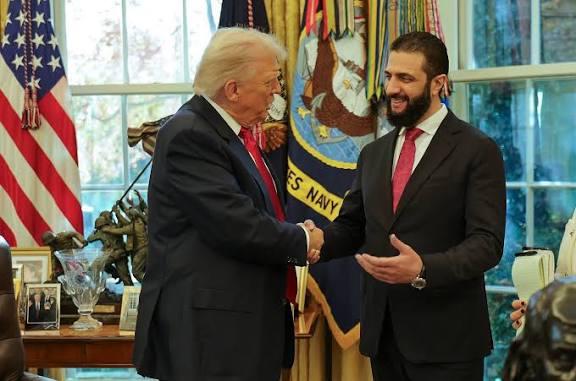
  • Trump Hosts Syrian President and ex-Jihadist, Al-Sharaa, in First-Ever White House Visit.

    US President Donald Trump on Monday held a closed-door meeting with Syrian President Ahmed al-Sharaa at the White House, marking the first time a Syrian leader has ever visited the presidential residence.

    The meeting, which took place without reporters or photo coverage, comes amid ongoing shifts in Syria’s political landscape. 

    Al-Sharaa, 43, is a former leader of al-Qaeda and was once listed by the US as a wanted t+rrorist, with a $10 million bounty on his head until late 2024. He previously spent time in Iraq’s Abu Ghraib prison.

    His recent appearance on the global stage has drawn widespread attention. Just weeks ago, he attended the United Nations General Assembly in New York — a move analysts say underscores his evolution from a militant figure to a recognized political leader.

    Ahead of his visit, the US government lifted longstanding sanctions on al-Sharaa and removed his global terrorist designation, as well as that of Syria’s interior minister, Anas Khattab.

    Trump has previously praised al-Sharaa, referring to him as a “young, attractive guy” with a “very strong past” after the two briefly met during the US president’s Middle East tour earlier this year. 

    Shortly afterward, Washington began easing some of the economic restrictions imposed on Syria.

    Al-Sharaa rose to power in January as part of a transitional arrangement after armed opposition groups launched a major offensive that forced former President Bashar al-Assad to flee to Russia.
    Trump Hosts Syrian President and ex-Jihadist, Al-Sharaa, in First-Ever White House Visit. US President Donald Trump on Monday held a closed-door meeting with Syrian President Ahmed al-Sharaa at the White House, marking the first time a Syrian leader has ever visited the presidential residence. The meeting, which took place without reporters or photo coverage, comes amid ongoing shifts in Syria’s political landscape.  Al-Sharaa, 43, is a former leader of al-Qaeda and was once listed by the US as a wanted t+rrorist, with a $10 million bounty on his head until late 2024. He previously spent time in Iraq’s Abu Ghraib prison. His recent appearance on the global stage has drawn widespread attention. Just weeks ago, he attended the United Nations General Assembly in New York — a move analysts say underscores his evolution from a militant figure to a recognized political leader. Ahead of his visit, the US government lifted longstanding sanctions on al-Sharaa and removed his global terrorist designation, as well as that of Syria’s interior minister, Anas Khattab. Trump has previously praised al-Sharaa, referring to him as a “young, attractive guy” with a “very strong past” after the two briefly met during the US president’s Middle East tour earlier this year.  Shortly afterward, Washington began easing some of the economic restrictions imposed on Syria. Al-Sharaa rose to power in January as part of a transitional arrangement after armed opposition groups launched a major offensive that forced former President Bashar al-Assad to flee to Russia.
    0 Commentaires ·0 Parts ·454 Vue
  • Nigeria not Iraq, our mosquitoes waiting for your soldiers – Ex-security expert tells Trump.

    An ex-security expert, Comrade Mohammed Ali, has warned the US President Donald Trump against invading Nigeria with his military.

    Mohammed, in a viral video, could be heard saying that there is no Christian genocide in Nigeria as claimed by the US President and some of his lawmakers.

    Recall that Trump recently designated Nigeria as Country of Particular Concerns over alleged killing of unsuspecting Christians.

    Trump also said that the US department of war has been informed to prepare for possible action in Nigeria if the federal government fails to address the highly disputed claim.

    But in the viral video, the ex-Security expert said Nigerians have been living together in peace despite their religious differences.

    He warned that mosquitoes in Nigeria will infect the US soldiers and kill them instantly if they try invading Nigeria.

    He said, “Trump should be aware that we are not suffering from regionalism, tribalism, we are not persecuting Christians, we are all living together as with the Christians and other religions. We are only suffering from humanitarianism.

    “Mr Donald Trump, be aware that Nigeria is not Afghanistan, Nigeria is not Iraq. if you try to enter Nigeria with your armed forces, our mosquitos are waiting for your soldiers to bite and infect them with malaria fever and they will die instantly”.
    Nigeria not Iraq, our mosquitoes waiting for your soldiers – Ex-security expert tells Trump. An ex-security expert, Comrade Mohammed Ali, has warned the US President Donald Trump against invading Nigeria with his military. Mohammed, in a viral video, could be heard saying that there is no Christian genocide in Nigeria as claimed by the US President and some of his lawmakers. Recall that Trump recently designated Nigeria as Country of Particular Concerns over alleged killing of unsuspecting Christians. Trump also said that the US department of war has been informed to prepare for possible action in Nigeria if the federal government fails to address the highly disputed claim. But in the viral video, the ex-Security expert said Nigerians have been living together in peace despite their religious differences. He warned that mosquitoes in Nigeria will infect the US soldiers and kill them instantly if they try invading Nigeria. He said, “Trump should be aware that we are not suffering from regionalism, tribalism, we are not persecuting Christians, we are all living together as with the Christians and other religions. We are only suffering from humanitarianism. “Mr Donald Trump, be aware that Nigeria is not Afghanistan, Nigeria is not Iraq. if you try to enter Nigeria with your armed forces, our mosquitos are waiting for your soldiers to bite and infect them with malaria fever and they will die instantly”.
    0 Commentaires ·0 Parts ·593 Vue
  • U.S. Drafts Military Options for Possible Action in Northern Nigeria as Trump Issues Intervention statement.

    The United States military has drafted a range of contingency plans for possible action in Nigeria after President Donald Trump ordered the Pentagon to “prepare to intervene” over alleged attacks on Christians claims Nigerian officials insist are false.

    According to The New York Times, U.S. Africa Command (AFRICOM) has submitted three tiers of operational proposals to the Department of War at the request of Secretary Pete Hegseth. The plans are categorized as heavy, medium, and light options.

    Under the heavy option, an aircraft carrier strike group would be deployed to the Gulf of Guinea, with fighter jets or long-range bombers striking targets in northern Nigeria.
    The medium option involves drone strikes using MQ-9 Reaper and MQ-1 Predator aircraft against militant camps, convoys, and vehicles.

    The light option focuses on intelligence sharing, logistics, and joint missions with Nigerian forces against Boko Haram and other Islamist groups.

    Military officials warn that none of the limited options would end Nigeria’s long-running insurgency without a massive, Iraq-style campaign something Washington is not prepared to pursue.

    Trump has maintained his threat, saying the U.S. is “ready, willing, and able” to act if the alleged persecution of Christians continues.

    China has meanwhile declared firm support for Nigeria, warning against countries using religion or human rights as excuses to interfere in other nations’ internal affairs.

    Nigeria has also pushed back strongly. Daniel Bwala, an aide to President Bola Tinubu, said there is no evidence of state-backed religious genocide and urged Washington to respect Nigeria’s sovereignty. He stressed that Nigeria needs equipment and intelligence not foreign troops on its soil.
    U.S. Drafts Military Options for Possible Action in Northern Nigeria as Trump Issues Intervention statement. The United States military has drafted a range of contingency plans for possible action in Nigeria after President Donald Trump ordered the Pentagon to “prepare to intervene” over alleged attacks on Christians claims Nigerian officials insist are false. According to The New York Times, U.S. Africa Command (AFRICOM) has submitted three tiers of operational proposals to the Department of War at the request of Secretary Pete Hegseth. The plans are categorized as heavy, medium, and light options. Under the heavy option, an aircraft carrier strike group would be deployed to the Gulf of Guinea, with fighter jets or long-range bombers striking targets in northern Nigeria. The medium option involves drone strikes using MQ-9 Reaper and MQ-1 Predator aircraft against militant camps, convoys, and vehicles. The light option focuses on intelligence sharing, logistics, and joint missions with Nigerian forces against Boko Haram and other Islamist groups. Military officials warn that none of the limited options would end Nigeria’s long-running insurgency without a massive, Iraq-style campaign something Washington is not prepared to pursue. Trump has maintained his threat, saying the U.S. is “ready, willing, and able” to act if the alleged persecution of Christians continues. China has meanwhile declared firm support for Nigeria, warning against countries using religion or human rights as excuses to interfere in other nations’ internal affairs. Nigeria has also pushed back strongly. Daniel Bwala, an aide to President Bola Tinubu, said there is no evidence of state-backed religious genocide and urged Washington to respect Nigeria’s sovereignty. He stressed that Nigeria needs equipment and intelligence not foreign troops on its soil.
    0 Commentaires ·0 Parts ·568 Vue
  • RETALIATION: IRAN FIRES 10 MISSILES AT TWO US BASES.

    Iran has fired at least 10 missiles at the United States’ biggest base in the Middle East and another in Iraq.

    This is in response to the US bombing Iran’s nuclear labs over the weekend.

    According to the Daily Mail, aerial defenses were activated shortly after a ‘credible threat’ alert was issued to the Al Udeid base in Qatar.

    The base hosts over 10,000 US troops as well as over 100 aircraft, strategic bombers and tankers.

    US bases in Kuwait, Iraq and Bahrain also sounded their air raid sirens shortly after the Al Udeid base was targeted by Iranian missiles.

    President Donald Trump has convened his national security team in the White House as US assets across the world are put on high alert.

    This comes as Iran warned that the United States will “directly pay” for strikes on its nuclear facilities rather than standing behind Israel.
    RETALIATION: IRAN FIRES 10 MISSILES AT TWO US BASES. Iran has fired at least 10 missiles at the United States’ biggest base in the Middle East and another in Iraq. This is in response to the US bombing Iran’s nuclear labs over the weekend. According to the Daily Mail, aerial defenses were activated shortly after a ‘credible threat’ alert was issued to the Al Udeid base in Qatar. The base hosts over 10,000 US troops as well as over 100 aircraft, strategic bombers and tankers. US bases in Kuwait, Iraq and Bahrain also sounded their air raid sirens shortly after the Al Udeid base was targeted by Iranian missiles. President Donald Trump has convened his national security team in the White House as US assets across the world are put on high alert. This comes as Iran warned that the United States will “directly pay” for strikes on its nuclear facilities rather than standing behind Israel.
    Like
    1
    · 0 Commentaires ·0 Parts ·563 Vue
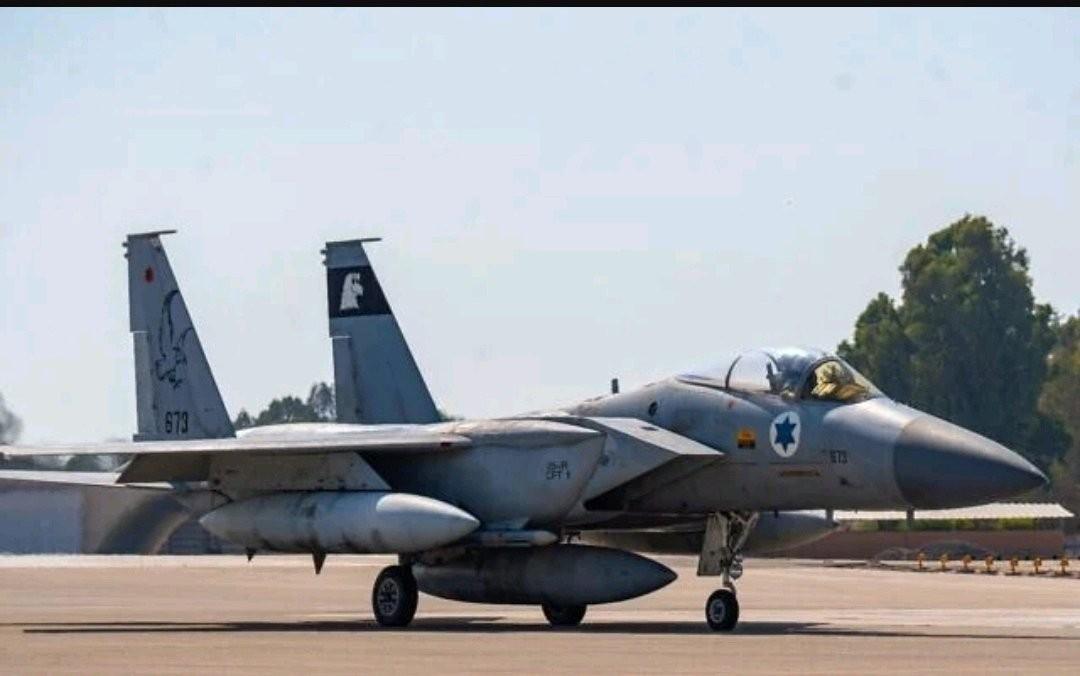
  • ISRAEL AIR FORCE HIT 12 IRANIAN MISSILE LAUNCH SITES IN PRECISION STRIKES

    In a decisive escalation of its military campaign, Israel has launched a powerful wave of airstrikes targeting Iranian missile infrastructure deep inside hostile territory. The Israeli Air Force struck 12 missile storage and launch sites belonging to Iran, in what the military described as a strategic move to prevent further attacks on Israeli soil.

    According to a report shared today by The Times of Israel, the Israeli Defence Forces (IDF) released footage showing Iranian forces preparing to launch ballistic missiles toward Israel. The videos, captured by surveillance and attack drones, show the exact moment Israeli jets identified the threat and moved swiftly to neutralise it.

    One of the released clips features a precision strike on an Iranian air defence system guarding one of the missile sites. The second video shows direct hits on Iranian launch infrastructure, reportedly moments before a planned missile barrage. These visuals were shared by the IDF to reinforce claims that the strikes were not only pre-emptive but highly accurate.

    The military operation comes as part of Israel’s broader efforts to dismantle Iran’s ability to wage direct or proxy attacks. In recent days, the IDF has intensified its operations across multiple fronts, targeting Iranian assets and proxies in Syria, Iraq, and now Iran itself.

    This latest strike demonstrates Israel’s growing reliance on real-time intelligence and high-precision air power in thwarting threats before they can materialise. With tensions between Tehran and Jerusalem at their highest in years, Israel’s message is unmistakably clear: any preparations to attack will be met with immediate and overwhelming force.

    As the situation evolves, all eyes are now on Iran’s next move — and whether the United States will deepen its involvement amid rising pressure to support Israeli military efforts.
    ISRAEL AIR FORCE HIT 12 IRANIAN MISSILE LAUNCH SITES IN PRECISION STRIKES In a decisive escalation of its military campaign, Israel has launched a powerful wave of airstrikes targeting Iranian missile infrastructure deep inside hostile territory. The Israeli Air Force struck 12 missile storage and launch sites belonging to Iran, in what the military described as a strategic move to prevent further attacks on Israeli soil. According to a report shared today by The Times of Israel, the Israeli Defence Forces (IDF) released footage showing Iranian forces preparing to launch ballistic missiles toward Israel. The videos, captured by surveillance and attack drones, show the exact moment Israeli jets identified the threat and moved swiftly to neutralise it. One of the released clips features a precision strike on an Iranian air defence system guarding one of the missile sites. The second video shows direct hits on Iranian launch infrastructure, reportedly moments before a planned missile barrage. These visuals were shared by the IDF to reinforce claims that the strikes were not only pre-emptive but highly accurate. The military operation comes as part of Israel’s broader efforts to dismantle Iran’s ability to wage direct or proxy attacks. In recent days, the IDF has intensified its operations across multiple fronts, targeting Iranian assets and proxies in Syria, Iraq, and now Iran itself. This latest strike demonstrates Israel’s growing reliance on real-time intelligence and high-precision air power in thwarting threats before they can materialise. With tensions between Tehran and Jerusalem at their highest in years, Israel’s message is unmistakably clear: any preparations to attack will be met with immediate and overwhelming force. As the situation evolves, all eyes are now on Iran’s next move — and whether the United States will deepen its involvement amid rising pressure to support Israeli military efforts.
    Like
    1
    · 0 Commentaires ·0 Parts ·341 Vue
Fintter https://fintter.com