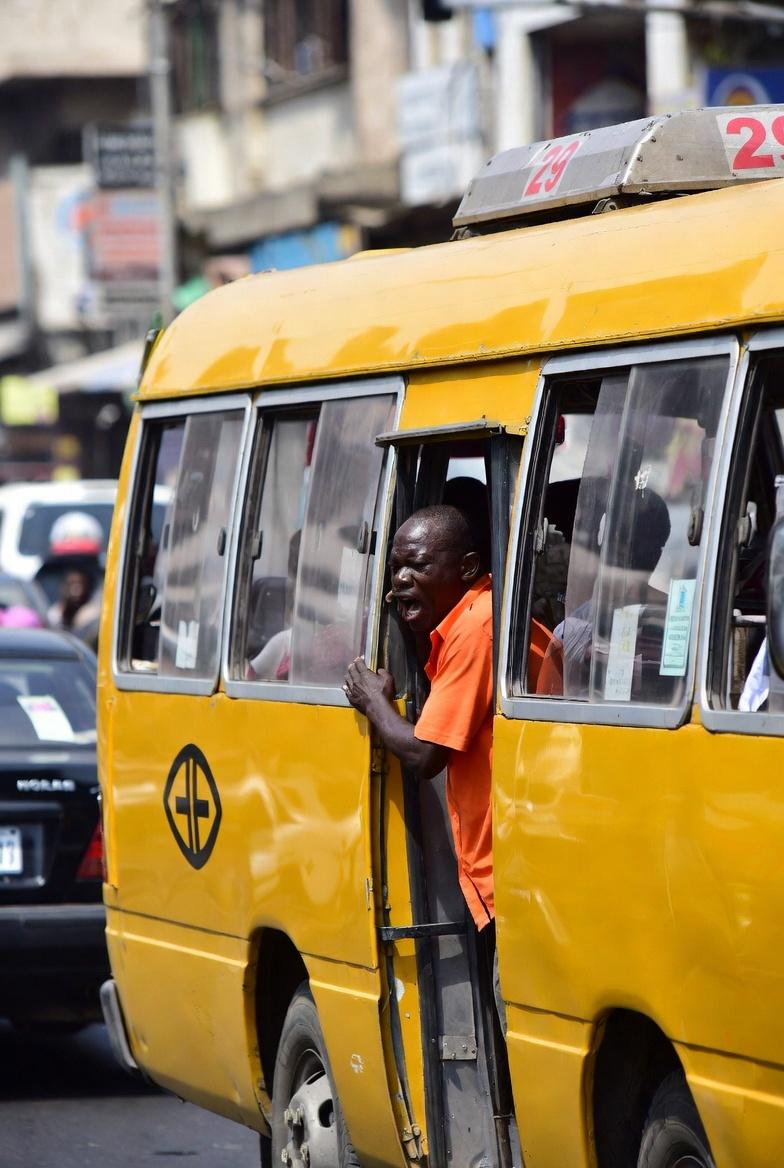
• When I first came from Kogi to Lagos, my uncle told me,
    “Once you reach Ojota, just look for a bus going to Ikorodu Garage.”

    Simple, right?
    I thought so too.

    I got to Ojota and started listening carefully to the bus conductors.
    One was shouting “Berger! Berger!”
    Another was yelling “Ketu! Mile 12!”

    But the one I was waiting for Ikorodu Garage, never came.

    Instead, all I kept hearing was one strange shout:
    “Agric kóódù! Agric kóódù!”

    I stood there for almost 40 minutes, confused and frustrated, scanning faces and listening harder.
    “No,” I kept telling myself, “this one is not Ikorodu Garage.”

    Finally, I walked up to one man and asked,
    “Abeg sir, where is bus for Ikorodu Garage?”

    The man looked at me, smiled, and said,
    “You hear ‘Agric kóódù’? That one na your bus.”

    That was the day I learned my first real Lagos lesson:
    In Lagos, don’t expect your destination to sound like it does in your address book.
    Here, pronunciation has its own rules—and if you don’t ask questions, you’ll wait forever.

    And just like that, I entered my Lagos life.
    When I first came from Kogi to Lagos, my uncle told me, “Once you reach Ojota, just look for a bus going to Ikorodu Garage.” Simple, right? I thought so too. I got to Ojota and started listening carefully to the bus conductors. One was shouting “Berger! Berger!” Another was yelling “Ketu! Mile 12!” But the one I was waiting for Ikorodu Garage, never came. Instead, all I kept hearing was one strange shout: “Agric kóódù! Agric kóódù!” I stood there for almost 40 minutes, confused and frustrated, scanning faces and listening harder. “No,” I kept telling myself, “this one is not Ikorodu Garage.” Finally, I walked up to one man and asked, “Abeg sir, where is bus for Ikorodu Garage?” The man looked at me, smiled, and said, “You hear ‘Agric kóódù’? That one na your bus.” That was the day I learned my first real Lagos lesson: In Lagos, don’t expect your destination to sound like it does in your address book. Here, pronunciation has its own rules—and if you don’t ask questions, you’ll wait forever. And just like that, I entered my Lagos life. 😄
    love
    1
    · 1 Σχόλια ·0 Μοιράστηκε ·3χλμ. Views
  • Court Adjourns Suit Challenging NIS Spousal Consent Policy……


    A Federal High Court sitting in Ibadan has adjourned to February 24 the hearing of a suit challenging the Nigeria Immigration Service (NIS) policy that requires married women to obtain their husband’s consent before renewing international passports. The case questions the legality and constitutionality of the directive, with rights advocates arguing it discriminates against women. The court is expected to hear further arguments at the next sitting.

    Court Adjourns Suit Challenging NIS Spousal Consent Policy…… A Federal High Court sitting in Ibadan has adjourned to February 24 the hearing of a suit challenging the Nigeria Immigration Service (NIS) policy that requires married women to obtain their husband’s consent before renewing international passports. The case questions the legality and constitutionality of the directive, with rights advocates arguing it discriminates against women. The court is expected to hear further arguments at the next sitting.
    love
    1
    · 0 Σχόλια ·0 Μοιράστηκε ·3χλμ. Views
  • NLC Shuts Down Abuja, Backs Indefinite FCTA Workers’ Strike……


    Abuja was largely paralysed as the Nigeria Labour Congress (NLC) backed the indefinite strike by Federal Capital Territory Administration (FCTA) workers, accusing the administration of withholding wages, pension and housing funds and intimidating staff. The NLC ordered a citywide shutdown and mass mobilisation ahead of a court hearing amid rising tensions. 
    NLC Shuts Down Abuja, Backs Indefinite FCTA Workers’ Strike…… Abuja was largely paralysed as the Nigeria Labour Congress (NLC) backed the indefinite strike by Federal Capital Territory Administration (FCTA) workers, accusing the administration of withholding wages, pension and housing funds and intimidating staff. The NLC ordered a citywide shutdown and mass mobilisation ahead of a court hearing amid rising tensions. 
    love
    2
    · 0 Σχόλια ·0 Μοιράστηκε ·3χλμ. Views
  • Court Adjourns Trial Of Anthony Joshua’s Driver To February 25

    A court has adjourned the trial of Anthony Joshua’s driver to February 25 in connection with a fatal road accident.

    The driver is standing trial over an accident that claimed the lives of the boxer’s personal trainer, Latif Ayodele, and strength and conditioning coach, Sina Ghami. The incident has continued to draw public attention as legal proceedings remain ongoing.

    The court said the adjournment is to allow for further hearing in the case.

    #CourtNews #AnthonyJoshua #LegalUpdate #NigeriaNews
    Court Adjourns Trial Of Anthony Joshua’s Driver To February 25 A court has adjourned the trial of Anthony Joshua’s driver to February 25 in connection with a fatal road accident. The driver is standing trial over an accident that claimed the lives of the boxer’s personal trainer, Latif Ayodele, and strength and conditioning coach, Sina Ghami. The incident has continued to draw public attention as legal proceedings remain ongoing. The court said the adjournment is to allow for further hearing in the case. #CourtNews #AnthonyJoshua #LegalUpdate #NigeriaNews
    like
    1
    · 0 Σχόλια ·0 Μοιράστηκε ·2χλμ. Views
  • Rep. Jasmine Crockett accused ICE of "pure racism" and the Trump administration of being "domestic abusers" during a Congressional hearing about the actions of immigration agents in Minnesota on January 16. #JasmineCrockett #ICE #Immigration #Hearing
    Rep. Jasmine Crockett accused ICE of "pure racism" and the Trump administration of being "domestic abusers" during a Congressional hearing about the actions of immigration agents in Minnesota on January 16. #JasmineCrockett #ICE #Immigration #Hearing
    0 Σχόλια ·0 Μοιράστηκε ·2χλμ. Views
  • Rep. Jasmine Crockett accused ICE of "pure racism" and the Trump administration of being "domestic abusers" during a Congressional hearing about the actions of immigration agents in Minnesota on January 16. #JasmineCrockett #ICE #Immigration #Hearing
    Rep. Jasmine Crockett accused ICE of "pure racism" and the Trump administration of being "domestic abusers" during a Congressional hearing about the actions of immigration agents in Minnesota on January 16. #JasmineCrockett #ICE #Immigration #Hearing
    0 Σχόλια ·0 Μοιράστηκε ·2χλμ. Views
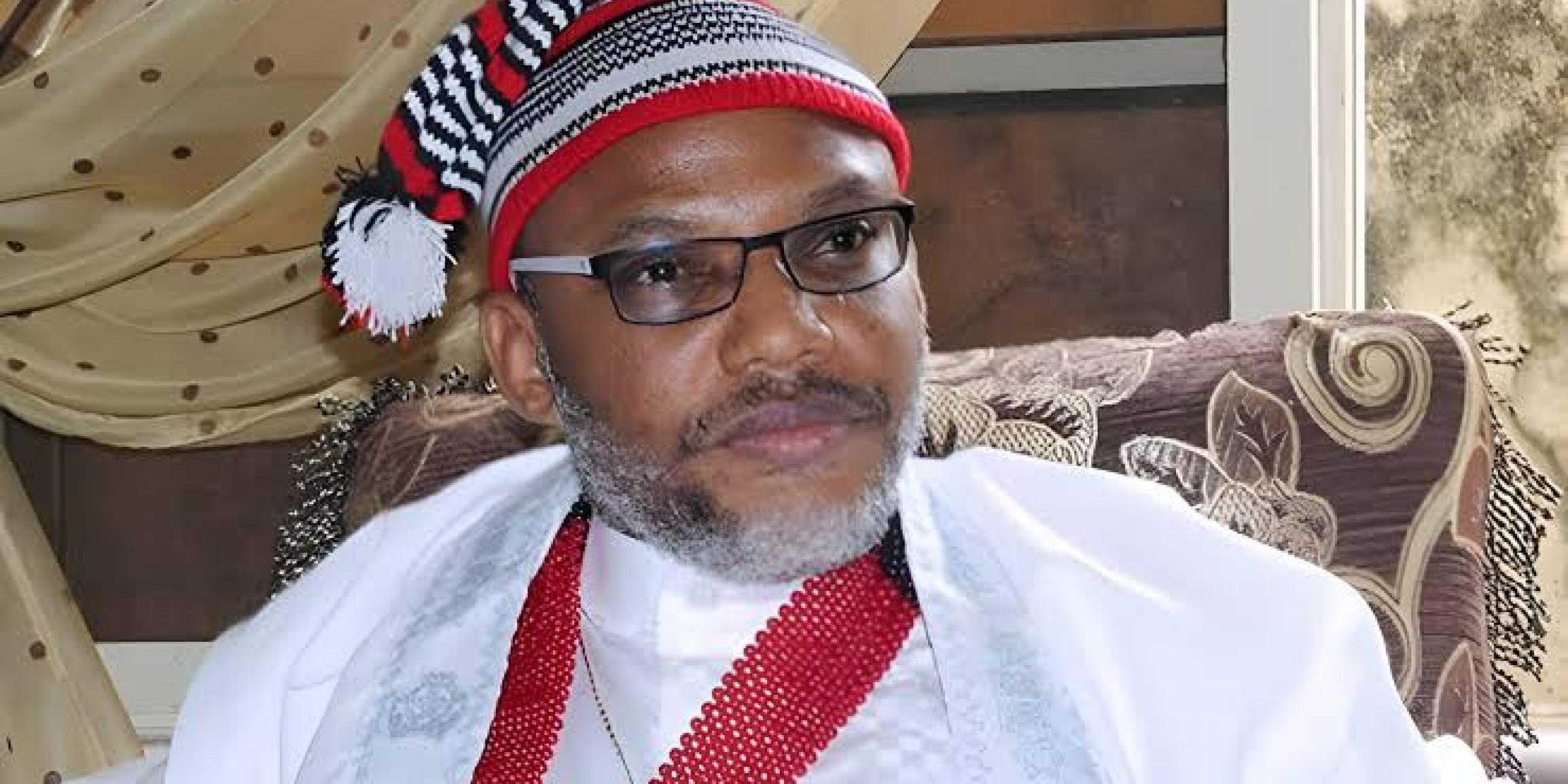
  • Nnamdi Kanu’s Lawyer Warns Conviction May Sway 2027 Elections, Raises Concerns Over Rights

    Nnamdi Kanu’s legal consultant, Aloy Ejimakor, warns that dissatisfaction across the South-East over Kanu’s conviction could influence the 2027 general elections if not addressed. He highlighted challenges with Kanu’s transfer from Abuja to Sokoto, limiting access to courts and legal support, potentially infringing his constitutional right to a fair hearing under Section 36. Ejimakor stressed that post-judgment processes and appeals require immediate action, with public sentiment in the region signaling growing political unrest tied to the IPOB leader’s case.

    #NnamdiKanu #IPOB #2027Elections
    Nnamdi Kanu’s Lawyer Warns Conviction May Sway 2027 Elections, Raises Concerns Over Rights Nnamdi Kanu’s legal consultant, Aloy Ejimakor, warns that dissatisfaction across the South-East over Kanu’s conviction could influence the 2027 general elections if not addressed. He highlighted challenges with Kanu’s transfer from Abuja to Sokoto, limiting access to courts and legal support, potentially infringing his constitutional right to a fair hearing under Section 36. Ejimakor stressed that post-judgment processes and appeals require immediate action, with public sentiment in the region signaling growing political unrest tied to the IPOB leader’s case. #NnamdiKanu #IPOB #2027Elections
    love
    3
    · 0 Σχόλια ·0 Μοιράστηκε ·4χλμ. Views
  • Illegal Arrest: Court Tell Make Dem Serve IGP, AGF for Sowore N1.2bn Human Rights Case

    Federal High Court for Abuja don order make hearing notice reach Police IG, Kayode Egbetokun, and Attorney-General, Lateef Fagbemi, for human rights case wey activist Omoyele Sowore file. Sowore dey demand ₦1.2 billion, accuse police of illegal arrest, detention and assault.

    The matter start after police rearrest am for Kuje Magistrate Court on October 23, 2025, just after dem grant am bail, because of im involvement for #FreeNnamdiKanuNow protest. Sowore talk say im arrest over peaceful protest break im rights to freedom, movement and human dignity under Nigerian Constitution.

    Justice Umar order make dem properly serve the defendants and adjourn case till March 10, 2026 for hearing. Sowore lawyer, Abubakar Marshal, complain say none of the defendants show for court, accuse police of acting with impunity.

    Marshal insist say protest na legal right, say person wey no commit crime no suppose face arrest or detention. The suit seek ₦1bn punitive damages, ₦200m extra damages, public apology and retraction, stressing say the case no be only for Sowore but to protect Nigerians’ right to peaceful protest.
    Illegal Arrest: Court Tell Make Dem Serve IGP, AGF for Sowore N1.2bn Human Rights Case Federal High Court for Abuja don order make hearing notice reach Police IG, Kayode Egbetokun, and Attorney-General, Lateef Fagbemi, for human rights case wey activist Omoyele Sowore file. Sowore dey demand ₦1.2 billion, accuse police of illegal arrest, detention and assault. The matter start after police rearrest am for Kuje Magistrate Court on October 23, 2025, just after dem grant am bail, because of im involvement for #FreeNnamdiKanuNow protest. Sowore talk say im arrest over peaceful protest break im rights to freedom, movement and human dignity under Nigerian Constitution. Justice Umar order make dem properly serve the defendants and adjourn case till March 10, 2026 for hearing. Sowore lawyer, Abubakar Marshal, complain say none of the defendants show for court, accuse police of acting with impunity. Marshal insist say protest na legal right, say person wey no commit crime no suppose face arrest or detention. The suit seek ₦1bn punitive damages, ₦200m extra damages, public apology and retraction, stressing say the case no be only for Sowore but to protect Nigerians’ right to peaceful protest.
    love
    1
    · 0 Σχόλια ·0 Μοιράστηκε ·3χλμ. Views
  • Ondo State Judiciary Paralyzed: Governor Aiyedatiwa Accused of Budget Cuts, Half-Autonomy, and Welfare Neglect Amid Ongoing Court Strike

    The Ondo State judiciary has come to a near-total halt as Governor Lucky Aiyedatiwa faces accusations of deliberately strangling the courts through severe budget cuts, partial financial autonomy, and neglect of judicial welfare. The state’s judiciary budget was slashed from ₦17 billion in 2025 to ₦9.5 billion in 2026, nearly a 45% reduction, prompting concerns over staff salaries, court operations, and infrastructure decay.

    Judicial workers allege that the governor granted only 80% autonomy limited to recurrent expenditure, leaving capital projects unfunded. Courtrooms reportedly leak during rainfall, forcing the suspension of hearings, while magistrates and officers rely on commercial motorcycles (okada) or shared rides with litigants due to lack of official vehicles.

    Despite repeated appeals, ₦400 million previously approved for judicial needs remains unpaid, worsening the crisis. The situation has triggered an indefinite strike by magistrates, legal officers, and members of the Judiciary Staff Union of Nigeria (JUSUN), physically locking judges out of court premises in Akure.

    Observers warn that the prolonged paralysis undermines judicial independence, public confidence in the justice system, and rule of law in Ondo State. Legal analysts describe the governor’s approach as a systematic humiliation and underfunding of the judiciary, drawing parallels with similar crises in other Nigerian states.

    With courts shut, staff unions united, and the public left without access to justice, pressure is mounting on Governor Aiyedatiwa to restore full financial autonomy, fund infrastructure projects, and address welfare challenges to prevent further erosion of democratic governance in the state.


    Ondo State Judiciary Paralyzed: Governor Aiyedatiwa Accused of Budget Cuts, Half-Autonomy, and Welfare Neglect Amid Ongoing Court Strike The Ondo State judiciary has come to a near-total halt as Governor Lucky Aiyedatiwa faces accusations of deliberately strangling the courts through severe budget cuts, partial financial autonomy, and neglect of judicial welfare. The state’s judiciary budget was slashed from ₦17 billion in 2025 to ₦9.5 billion in 2026, nearly a 45% reduction, prompting concerns over staff salaries, court operations, and infrastructure decay. Judicial workers allege that the governor granted only 80% autonomy limited to recurrent expenditure, leaving capital projects unfunded. Courtrooms reportedly leak during rainfall, forcing the suspension of hearings, while magistrates and officers rely on commercial motorcycles (okada) or shared rides with litigants due to lack of official vehicles. Despite repeated appeals, ₦400 million previously approved for judicial needs remains unpaid, worsening the crisis. The situation has triggered an indefinite strike by magistrates, legal officers, and members of the Judiciary Staff Union of Nigeria (JUSUN), physically locking judges out of court premises in Akure. Observers warn that the prolonged paralysis undermines judicial independence, public confidence in the justice system, and rule of law in Ondo State. Legal analysts describe the governor’s approach as a systematic humiliation and underfunding of the judiciary, drawing parallels with similar crises in other Nigerian states. With courts shut, staff unions united, and the public left without access to justice, pressure is mounting on Governor Aiyedatiwa to restore full financial autonomy, fund infrastructure projects, and address welfare challenges to prevent further erosion of democratic governance in the state.
    like
    1
    · 0 Σχόλια ·0 Μοιράστηκε ·2χλμ. Views
  • Why Did a Nigerian Court Stop Resident Doctors’ Planned Nationwide Strike—Is the Tinubu Government Using Legal Power to Silence Protests Over Salaries, Welfare, and Broken Agreements?

    Is the Nigerian government turning to the courts to prevent another healthcare shutdown—and what does it mean for doctors’ rights to protest? The National Industrial Court in Abuja has issued an interim injunction restraining the National Association of Resident Doctors (NARD) and its members from embarking on any form of industrial action across the country.

    The order, delivered by Justice Emmanuel Danjuma Subilim, followed an ex parte application filed by the Federal Government through the Office of the Attorney General of the Federation and Minister of Justice, Lateef Fagbemi (SAN). The court barred resident doctors from calling, organizing, directing, or participating in strikes, work stoppages, go-slows, picketing, or any other actions capable of disrupting healthcare services nationwide.

    In addition, the court prohibited NARD from taking any steps preparatory to industrial action with effect from January 12, 2026, ruling that the injunction would remain in force pending the hearing and determination of the motion on notice, scheduled for January 21, 2026.

    The ruling comes just days after the association threatened a nationwide strike over unresolved grievances related to welfare, salaries, and working conditions. NARD accused the Bola Tinubu-led administration of failing to honor previous agreements, stating that signed memoranda had been “totally neglected, altered or half implemented,” while earlier gains had been “overtaken by events of the government’s own making.”

    The association maintained that it had exhausted all avenues of dialogue, saying it had engaged respectfully, called attention to the issues, sought advice, and appealed for implementation—yet received no meaningful response. Defending its members against public criticism, NARD rejected portrayals of resident doctors as unpatriotic agitators, insisting that doctors have not committed any wrongdoing by demanding better conditions for healthcare workers who form “the backbone of service delivery in Nigeria.”

    In a strongly worded statement, the group argued that its members were “experienced enough to understand that merit doesn’t fetch a lot in Nigeria” and “militant enough to agitate for our legitimate rights, including signed and agreed MoUs.”

    While the government’s legal move is aimed at preventing disruptions in essential medical services, it raises pressing questions: Is the court order protecting patients—or curtailing workers’ rights to protest unfair conditions? Can judicial intervention resolve deep-rooted problems in Nigeria’s healthcare system, or will it merely postpone a larger confrontation? As the case returns to court later in January, Nigerians will be watching closely to see whether dialogue replaces confrontation—or whether tensions between the government and resident doctors escalate further.


    Why Did a Nigerian Court Stop Resident Doctors’ Planned Nationwide Strike—Is the Tinubu Government Using Legal Power to Silence Protests Over Salaries, Welfare, and Broken Agreements? Is the Nigerian government turning to the courts to prevent another healthcare shutdown—and what does it mean for doctors’ rights to protest? The National Industrial Court in Abuja has issued an interim injunction restraining the National Association of Resident Doctors (NARD) and its members from embarking on any form of industrial action across the country. The order, delivered by Justice Emmanuel Danjuma Subilim, followed an ex parte application filed by the Federal Government through the Office of the Attorney General of the Federation and Minister of Justice, Lateef Fagbemi (SAN). The court barred resident doctors from calling, organizing, directing, or participating in strikes, work stoppages, go-slows, picketing, or any other actions capable of disrupting healthcare services nationwide. In addition, the court prohibited NARD from taking any steps preparatory to industrial action with effect from January 12, 2026, ruling that the injunction would remain in force pending the hearing and determination of the motion on notice, scheduled for January 21, 2026. The ruling comes just days after the association threatened a nationwide strike over unresolved grievances related to welfare, salaries, and working conditions. NARD accused the Bola Tinubu-led administration of failing to honor previous agreements, stating that signed memoranda had been “totally neglected, altered or half implemented,” while earlier gains had been “overtaken by events of the government’s own making.” The association maintained that it had exhausted all avenues of dialogue, saying it had engaged respectfully, called attention to the issues, sought advice, and appealed for implementation—yet received no meaningful response. Defending its members against public criticism, NARD rejected portrayals of resident doctors as unpatriotic agitators, insisting that doctors have not committed any wrongdoing by demanding better conditions for healthcare workers who form “the backbone of service delivery in Nigeria.” In a strongly worded statement, the group argued that its members were “experienced enough to understand that merit doesn’t fetch a lot in Nigeria” and “militant enough to agitate for our legitimate rights, including signed and agreed MoUs.” While the government’s legal move is aimed at preventing disruptions in essential medical services, it raises pressing questions: Is the court order protecting patients—or curtailing workers’ rights to protest unfair conditions? Can judicial intervention resolve deep-rooted problems in Nigeria’s healthcare system, or will it merely postpone a larger confrontation? As the case returns to court later in January, Nigerians will be watching closely to see whether dialogue replaces confrontation—or whether tensions between the government and resident doctors escalate further.
    0 Σχόλια ·0 Μοιράστηκε ·3χλμ. Views
  • COURT RESTRAINS RESIDENT DOCTORS FROM EMBARKING ON STRIKE

    The national industrial court Abuja division has restrained all members and agents of the national association of resident doctors from calling, directing, organizing, participating in, and embarking upon any form of industrial action.

    Justice Emmanuel Danjuma Subilim gave the order in an interim injunction filed by the federal government through the office of the attorney general of the federation and minister of justice.

    The court temporally barred members of the association from embarking on any form of strike, work stoppages, go-slows, picketing, or any other form of industrial protest or disruption.

    The association is equally restrained from taking steps preparatory to any form of industrial action from the 12th day of january, 2026.
    The interim order remains in force pending the hearing and determination of the motion on notice fixed for the january 21, 2026.

    The association had earlier threatened to commence strike on monday, january 12, 2026.
    COURT RESTRAINS RESIDENT DOCTORS FROM EMBARKING ON STRIKE The national industrial court Abuja division has restrained all members and agents of the national association of resident doctors from calling, directing, organizing, participating in, and embarking upon any form of industrial action. Justice Emmanuel Danjuma Subilim gave the order in an interim injunction filed by the federal government through the office of the attorney general of the federation and minister of justice. The court temporally barred members of the association from embarking on any form of strike, work stoppages, go-slows, picketing, or any other form of industrial protest or disruption. The association is equally restrained from taking steps preparatory to any form of industrial action from the 12th day of january, 2026. The interim order remains in force pending the hearing and determination of the motion on notice fixed for the january 21, 2026. The association had earlier threatened to commence strike on monday, january 12, 2026.
    0 Σχόλια ·0 Μοιράστηκε ·946 Views
  • Is IGP Kayode Egbetokun Headed to Prison? Can Nigeria’s Police Chief Be Jailed for Defying Court Orders Over SARS Abduction and Disappearance of Lagos Resident?

    Is Nigeria’s top police officer facing imprisonment for ignoring a federal court? The Inspector-General of Police, Kayode Egbetokun, now risks being committed to Kuje Correctional Centre after allegedly refusing to comply with binding court orders concerning the abduction and disappearance of John Chukwuemeka Anozie, a Lagos resident taken from his Lekki home in June 2017.

    Legal action was initiated by Vincent Adodo, counsel to Anozie’s wife, who has filed contempt proceedings against the IGP for what he describes as persistent disobedience of a subsisting judgment of the Federal High Court, Abuja. The ruling, delivered on September 24, 2025 by Justice Binta Nyako, arose from a Freedom of Information (FOI) suit filed by Mrs. Nnenna Anozie after years of unanswered requests for investigation records relating to her husband’s disappearance.

    In its judgment, the court ordered the IGP—who failed to file any defence—to produce for prosecution former officers of the now-defunct Special Anti-Robbery Squad (SARS) from Akwuzu, Anambra State, accused of abducting Anozie. The court further awarded ₦2 million in damages against the IGP for refusing to release investigation reports and directed him to forward both the police investigation file and the legal opinion recommending prosecution to the Attorney General of the Federation.

    The judgment explicitly noted that police authorities had failed to prosecute the officers despite an internal legal opinion recommending criminal charges. Those listed include ASP Anthony Obiozor Ikechukwu, Sgt. Uzochukwu Emeana, John Eze, Oriole (aka T-Boy), and SP Sunday Okpe.

    Yet months after being served with the court order in October 2025, the IGP has allegedly neither prosecuted the officers nor paid the ₦2 million damages. In response, Anozie’s lawyer triggered enforcement by serving the police chief with Form 48 (Notice of Consequences of Disobedience) and Form 49 (Notice of Committal to Prison)—legal steps that can result in imprisonment for contempt of court.

    Court filings now show that Mrs. Anozie is seeking an order to commit the IGP to prison until he obeys the court by releasing certified investigation reports, transmitting the case file to the Attorney General, handing over the indicted officers for prosecution, and paying the damages awarded.

    The matter is scheduled for hearing on February 9, 2025, when the IGP is expected to “show cause” why he should not be jailed for contempt.

    Beyond the personal tragedy of a family still searching for answers after eight years, the case raises a larger constitutional question: Can Nigeria’s most powerful police officer be held personally accountable for disobeying court orders? The outcome could set a critical precedent for rule of law, police accountability, and victims’ access to justice in cases of alleged state abuse.

    As the hearing approaches, legal observers, human rights advocates, and the public are watching closely: Will the judiciary enforce its authority against the nation’s police chief—or will impunity prevail once again?
    Is IGP Kayode Egbetokun Headed to Prison? Can Nigeria’s Police Chief Be Jailed for Defying Court Orders Over SARS Abduction and Disappearance of Lagos Resident? Is Nigeria’s top police officer facing imprisonment for ignoring a federal court? The Inspector-General of Police, Kayode Egbetokun, now risks being committed to Kuje Correctional Centre after allegedly refusing to comply with binding court orders concerning the abduction and disappearance of John Chukwuemeka Anozie, a Lagos resident taken from his Lekki home in June 2017. Legal action was initiated by Vincent Adodo, counsel to Anozie’s wife, who has filed contempt proceedings against the IGP for what he describes as persistent disobedience of a subsisting judgment of the Federal High Court, Abuja. The ruling, delivered on September 24, 2025 by Justice Binta Nyako, arose from a Freedom of Information (FOI) suit filed by Mrs. Nnenna Anozie after years of unanswered requests for investigation records relating to her husband’s disappearance. In its judgment, the court ordered the IGP—who failed to file any defence—to produce for prosecution former officers of the now-defunct Special Anti-Robbery Squad (SARS) from Akwuzu, Anambra State, accused of abducting Anozie. The court further awarded ₦2 million in damages against the IGP for refusing to release investigation reports and directed him to forward both the police investigation file and the legal opinion recommending prosecution to the Attorney General of the Federation. The judgment explicitly noted that police authorities had failed to prosecute the officers despite an internal legal opinion recommending criminal charges. Those listed include ASP Anthony Obiozor Ikechukwu, Sgt. Uzochukwu Emeana, John Eze, Oriole (aka T-Boy), and SP Sunday Okpe. Yet months after being served with the court order in October 2025, the IGP has allegedly neither prosecuted the officers nor paid the ₦2 million damages. In response, Anozie’s lawyer triggered enforcement by serving the police chief with Form 48 (Notice of Consequences of Disobedience) and Form 49 (Notice of Committal to Prison)—legal steps that can result in imprisonment for contempt of court. Court filings now show that Mrs. Anozie is seeking an order to commit the IGP to prison until he obeys the court by releasing certified investigation reports, transmitting the case file to the Attorney General, handing over the indicted officers for prosecution, and paying the damages awarded. The matter is scheduled for hearing on February 9, 2025, when the IGP is expected to “show cause” why he should not be jailed for contempt. Beyond the personal tragedy of a family still searching for answers after eight years, the case raises a larger constitutional question: Can Nigeria’s most powerful police officer be held personally accountable for disobeying court orders? The outcome could set a critical precedent for rule of law, police accountability, and victims’ access to justice in cases of alleged state abuse. As the hearing approaches, legal observers, human rights advocates, and the public are watching closely: Will the judiciary enforce its authority against the nation’s police chief—or will impunity prevail once again?
    0 Σχόλια ·0 Μοιράστηκε ·3χλμ. Views
  • Did Abdulfatah Ahmed Divert ₦5.78 Billion UBEC Funds? Why Kwara Court Adjourned Ex-Governor’s Fraud Trial to February 16

    A Kwara State High Court sitting in Ilorin has adjourned the ₦5.78 billion alleged fraud trial of former Governor Abdulfatah Ahmed and his former Commissioner for Finance, Ademola Banu, raising fresh questions about how public education funds were allegedly diverted under the previous administration. The case, which resumed before Justice Mahmud Abdulgafar, was postponed to February 16, 2026, following legal objections during the presentation of evidence by the prosecution.

    The Economic and Financial Crimes Commission (EFCC), through its Ilorin Zonal Directorate, is prosecuting the former officials over claims that funds meant for educational development were unlawfully redirected. According to the EFCC, the defendants approved the use of Universal Basic Education Commission (UBEC) matching grants—money specifically allocated for building and upgrading primary and junior secondary schools across Kwara’s 16 local government areas—to pay civil servants’ salaries, contrary to the conditions attached to the funds.

    During the latest hearing, the prosecution called its sixth witness, Stanley Ujilibo, who told the court that the EFCC obtained bank statements from Polaris Bank (formerly Skye Bank) and Guaranty Trust Bank as part of its investigation. He explained that official letters dated August 1, 2025, were sent to both banks requesting records of Kwara State Government accounts. The banks acknowledged the requests and provided the statements, which were admitted as exhibits by the court.

    The trial further revisited earlier testimony by a former Accountant-General of Kwara State, Suleiman Oluwadare Ishola, who stated that ₦1 billion from UBEC matching grants was borrowed in 2015 by the Ahmed administration to pay salaries and pensions. This revelation has intensified public scrutiny over whether funds intended for school infrastructure were systematically diverted for recurrent government expenses.

    However, proceedings were briefly stalled when the EFCC attempted to tender additional documents from the Ministry of Finance and the Office of the Accountant-General. Defence counsel, led by Kamaldeen Ajibade, objected on procedural grounds, arguing that the documents had not been properly highlighted for clarity and reference. Justice Abdulgafar upheld the objection and consequently adjourned the case.

    The adjournment has sparked debate across Kwara State and beyond: Was public education funding sacrificed to cover salary obligations? Did the former administration violate the terms governing UBEC grants? And will the evidence presented be enough to establish criminal responsibility?

    As the trial continues, the case stands as a major test of accountability in Nigeria’s anti-corruption efforts, particularly regarding the management of education funds and the prosecution of high-profile political figures.


    Did Abdulfatah Ahmed Divert ₦5.78 Billion UBEC Funds? Why Kwara Court Adjourned Ex-Governor’s Fraud Trial to February 16 A Kwara State High Court sitting in Ilorin has adjourned the ₦5.78 billion alleged fraud trial of former Governor Abdulfatah Ahmed and his former Commissioner for Finance, Ademola Banu, raising fresh questions about how public education funds were allegedly diverted under the previous administration. The case, which resumed before Justice Mahmud Abdulgafar, was postponed to February 16, 2026, following legal objections during the presentation of evidence by the prosecution. The Economic and Financial Crimes Commission (EFCC), through its Ilorin Zonal Directorate, is prosecuting the former officials over claims that funds meant for educational development were unlawfully redirected. According to the EFCC, the defendants approved the use of Universal Basic Education Commission (UBEC) matching grants—money specifically allocated for building and upgrading primary and junior secondary schools across Kwara’s 16 local government areas—to pay civil servants’ salaries, contrary to the conditions attached to the funds. During the latest hearing, the prosecution called its sixth witness, Stanley Ujilibo, who told the court that the EFCC obtained bank statements from Polaris Bank (formerly Skye Bank) and Guaranty Trust Bank as part of its investigation. He explained that official letters dated August 1, 2025, were sent to both banks requesting records of Kwara State Government accounts. The banks acknowledged the requests and provided the statements, which were admitted as exhibits by the court. The trial further revisited earlier testimony by a former Accountant-General of Kwara State, Suleiman Oluwadare Ishola, who stated that ₦1 billion from UBEC matching grants was borrowed in 2015 by the Ahmed administration to pay salaries and pensions. This revelation has intensified public scrutiny over whether funds intended for school infrastructure were systematically diverted for recurrent government expenses. However, proceedings were briefly stalled when the EFCC attempted to tender additional documents from the Ministry of Finance and the Office of the Accountant-General. Defence counsel, led by Kamaldeen Ajibade, objected on procedural grounds, arguing that the documents had not been properly highlighted for clarity and reference. Justice Abdulgafar upheld the objection and consequently adjourned the case. The adjournment has sparked debate across Kwara State and beyond: Was public education funding sacrificed to cover salary obligations? Did the former administration violate the terms governing UBEC grants? And will the evidence presented be enough to establish criminal responsibility? As the trial continues, the case stands as a major test of accountability in Nigeria’s anti-corruption efforts, particularly regarding the management of education funds and the prosecution of high-profile political figures.
    0 Σχόλια ·0 Μοιράστηκε ·3χλμ. Views
  • Is Ondo’s Governor Above the Law? Outrage as Commissioner Decorates Gov Aiyedatiwa at Public Event Despite Court Order for Her Arrest

    Is the rule of law being deliberately undermined in Ondo State, and why was a commissioner facing a court-ordered arrest allowed to appear publicly with the governor?

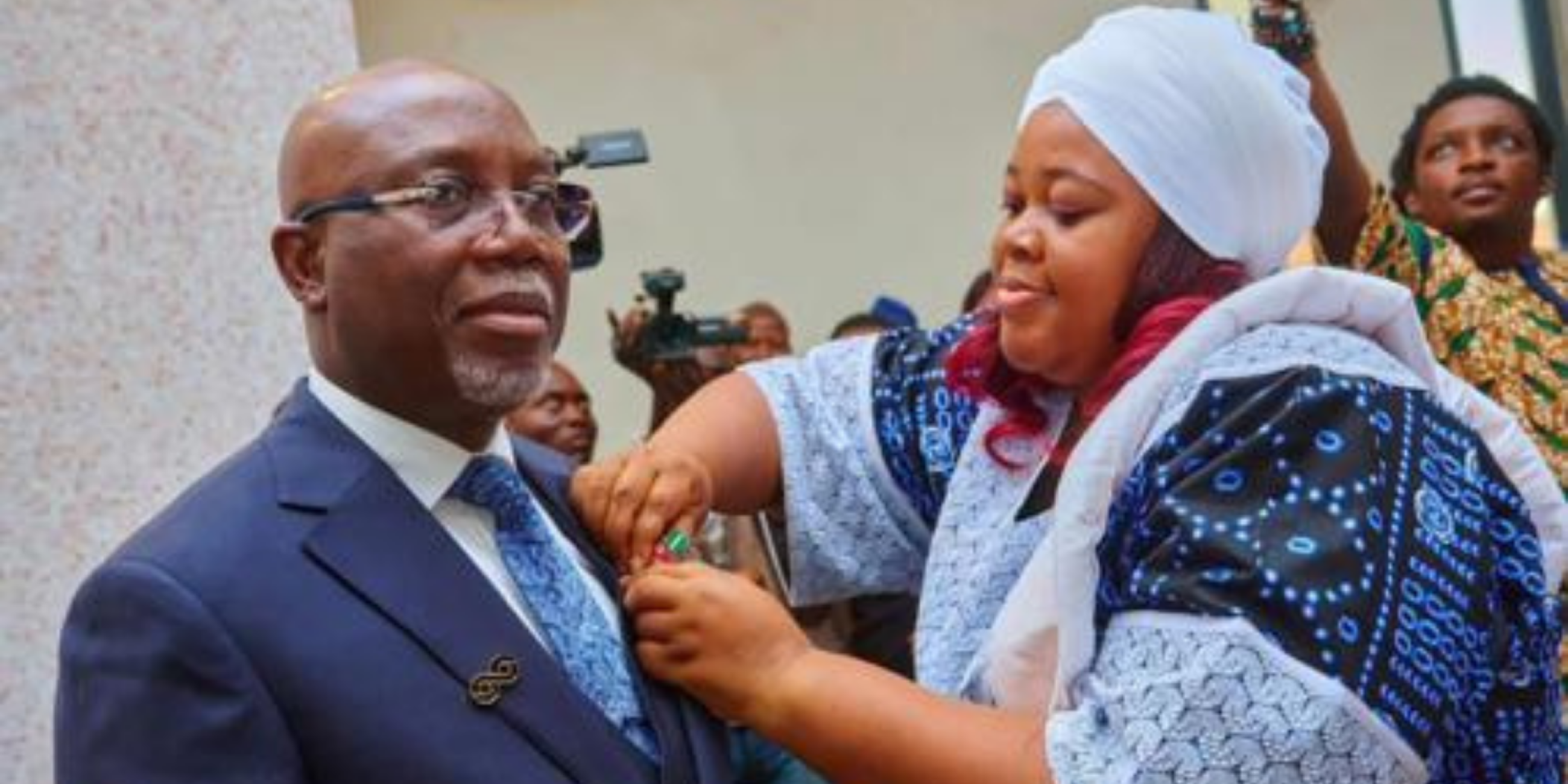
    Governor Lucky Aiyedatiwa has come under intense public criticism after his Commissioner for Women Affairs, Mrs Seun Osamaye, was seen participating in an official state event and decorating him with the 2026 National Armed Forces Remembrance Emblem, despite a subsisting court order directing her arrest and remand.

    The controversy stems from a ruling delivered on December 31, 2025, by a Magistrate Court in Ondo State, which ordered the arrest and imprisonment of Mrs Osamaye over allegations of assault, intimidation, and threats against a serving Chief Magistrate, Mrs Temitope Alphonso. According to court records, the commissioner was accused of verbally and physically confronting the magistrate during an official visit to the Ministry of Women Affairs following a judgment that was reportedly unfavourable to her.

    Public outrage erupted after photographs of the commissioner at Wednesday’s event circulated on social media. Legal commentators noted that no court order had vacated or overturned the ruling, and that the magistrates’ indefinite strike in Ondo State made it impossible for any judicial review to have lawfully taken place. “The order remains valid and enforceable,” one observer said, describing the public appearance as “a slap on the judiciary.”

    Critics questioned how a public official facing a lawful arrest order could be allowed to take part in a high-profile state function—especially one honouring the governor, who is constitutionally bound to uphold the law. “How can a governor permit an appointee who ought to be in custody to decorate him in public?” one source asked, calling the episode “a show of shame” and evidence of “disrespect and disregard for the rule of law.”

    Court documents allege that Mrs Osamaye verbally abused and threatened Magistrate Alphonso, reportedly telling her to “shut up,” referring to her as “a mere magistrate,” and boasting that even the Chief Judge of Ondo State could not challenge her authority. The affidavit further claims she issued threats suggesting the magistrate could be made to “go missing,” actions described as intimidation and abuse of political influence.

    Mrs Osamaye failed to appear in court on the hearing date. Her counsel submitted a medical report claiming she was receiving treatment, but the presiding magistrate, Mr Damilola Sekoni, rejected the document for lacking essential details. He subsequently ordered her arrest and remand, citing what he described as a clear disregard for the authority of the court, and adjourned the matter to January 12.

    The Nigerian Bar Association (NBA), Akure Branch, has since called on Governor Aiyedatiwa to suspend the commissioner to allow her face prosecution without interference. The NBA warned that the alleged conduct, if proven, constitutes a direct attack on judicial independence and a dangerous erosion of public confidence in the justice system.

    The episode has raised urgent questions:
    Did the Ondo State Government knowingly disregard a valid court order?
    What message does this send about accountability and equality before the law?
    And can public trust in the judiciary survive when court directives appear openly defied?

    As legal bodies demand action and citizens express outrage, the controversy has become a critical test of rule of law, separation of powers, and democratic accountability in Ondo State.


    Is Ondo’s Governor Above the Law? Outrage as Commissioner Decorates Gov Aiyedatiwa at Public Event Despite Court Order for Her Arrest Is the rule of law being deliberately undermined in Ondo State, and why was a commissioner facing a court-ordered arrest allowed to appear publicly with the governor? Governor Lucky Aiyedatiwa has come under intense public criticism after his Commissioner for Women Affairs, Mrs Seun Osamaye, was seen participating in an official state event and decorating him with the 2026 National Armed Forces Remembrance Emblem, despite a subsisting court order directing her arrest and remand. The controversy stems from a ruling delivered on December 31, 2025, by a Magistrate Court in Ondo State, which ordered the arrest and imprisonment of Mrs Osamaye over allegations of assault, intimidation, and threats against a serving Chief Magistrate, Mrs Temitope Alphonso. According to court records, the commissioner was accused of verbally and physically confronting the magistrate during an official visit to the Ministry of Women Affairs following a judgment that was reportedly unfavourable to her. Public outrage erupted after photographs of the commissioner at Wednesday’s event circulated on social media. Legal commentators noted that no court order had vacated or overturned the ruling, and that the magistrates’ indefinite strike in Ondo State made it impossible for any judicial review to have lawfully taken place. “The order remains valid and enforceable,” one observer said, describing the public appearance as “a slap on the judiciary.” Critics questioned how a public official facing a lawful arrest order could be allowed to take part in a high-profile state function—especially one honouring the governor, who is constitutionally bound to uphold the law. “How can a governor permit an appointee who ought to be in custody to decorate him in public?” one source asked, calling the episode “a show of shame” and evidence of “disrespect and disregard for the rule of law.” Court documents allege that Mrs Osamaye verbally abused and threatened Magistrate Alphonso, reportedly telling her to “shut up,” referring to her as “a mere magistrate,” and boasting that even the Chief Judge of Ondo State could not challenge her authority. The affidavit further claims she issued threats suggesting the magistrate could be made to “go missing,” actions described as intimidation and abuse of political influence. Mrs Osamaye failed to appear in court on the hearing date. Her counsel submitted a medical report claiming she was receiving treatment, but the presiding magistrate, Mr Damilola Sekoni, rejected the document for lacking essential details. He subsequently ordered her arrest and remand, citing what he described as a clear disregard for the authority of the court, and adjourned the matter to January 12. The Nigerian Bar Association (NBA), Akure Branch, has since called on Governor Aiyedatiwa to suspend the commissioner to allow her face prosecution without interference. The NBA warned that the alleged conduct, if proven, constitutes a direct attack on judicial independence and a dangerous erosion of public confidence in the justice system. The episode has raised urgent questions: Did the Ondo State Government knowingly disregard a valid court order? What message does this send about accountability and equality before the law? And can public trust in the judiciary survive when court directives appear openly defied? As legal bodies demand action and citizens express outrage, the controversy has become a critical test of rule of law, separation of powers, and democratic accountability in Ondo State.
    0 Σχόλια ·0 Μοιράστηκε ·2χλμ. Views
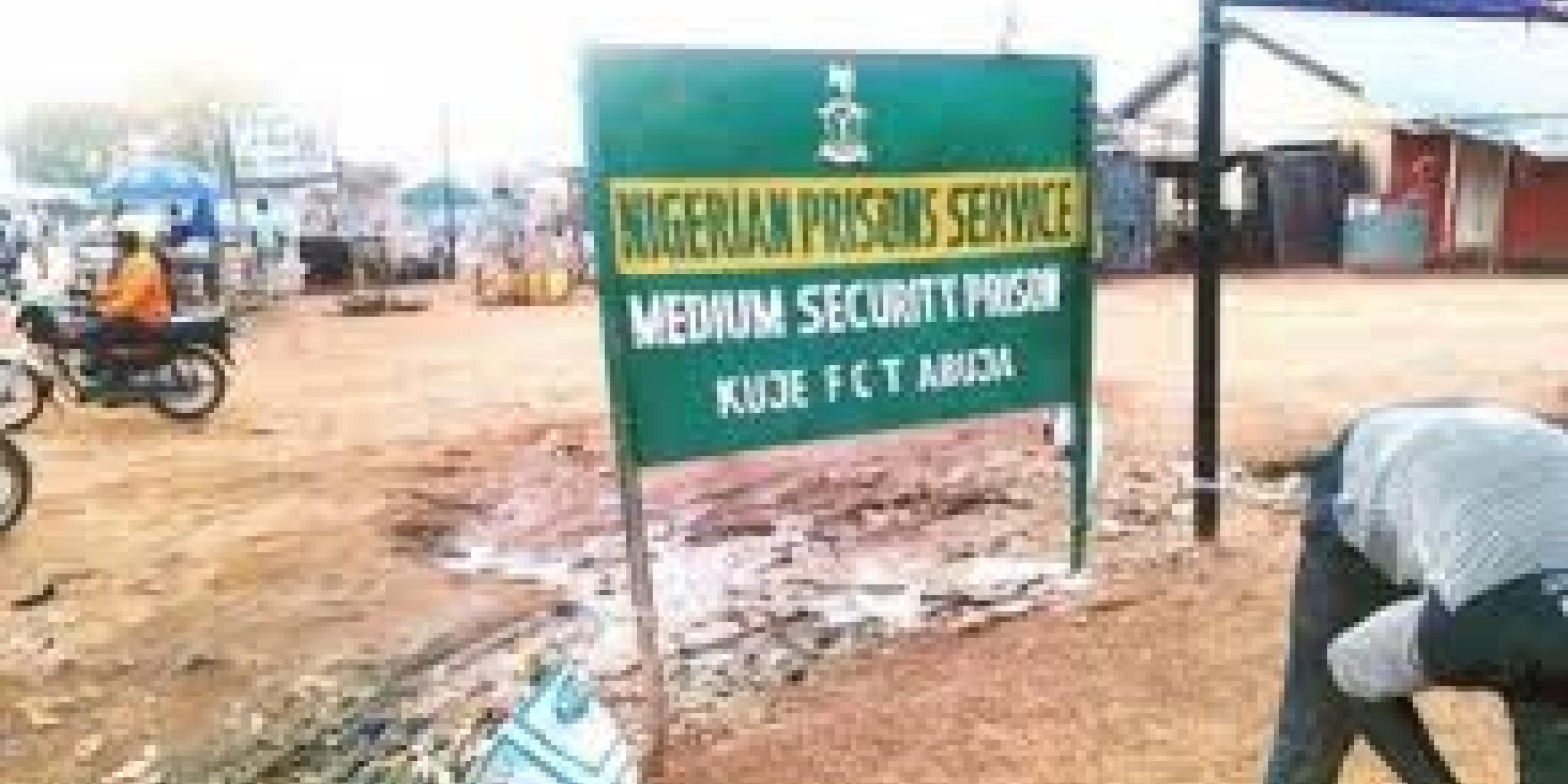
  • DSS Deploys 50+ Operatives to Kuje Prison Amid Abubakar Malami Bail in N8.7B Money Laundering Case

    The Department of State Services (DSS) has deployed over 50 operatives to Kuje Medium Security Custodial Centre (MSCC) in Abuja, placing the prison under heavy security following the bail granted to former Attorney General of the Federation (AGF) Abubakar Malami. The move is reportedly a precautionary measure to ensure Malami does not evade investigations related to terrorism financing, despite the fact that the charges filed by the Economic and Financial Crimes Commission (EFCC) focus on money laundering.

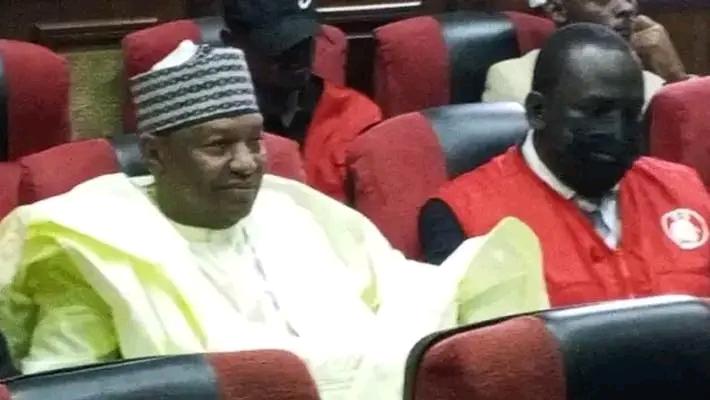
    Malami, currently remanded at Kuje Prison, was granted bail on Wednesday, January 8, 2026, by Justice Emeka Nwite of the Federal High Court in Abuja. Bail conditions include ₦500 million surety bonds, ownership of landed property in highbrow districts such as Asokoro, Maitama, or Gwarinpa, deposit of travel documents, and an absolute ban on leaving Nigeria without prior court permission. The bail hearing was part of a 16-count charge filed against Malami, his son Abdulaziz Malami, and his wife Bashir Asabe, collectively accused of laundering ₦8.7 billion.

    Sources describe a tense atmosphere at Kuje, with DSS operatives stationed strategically, monitoring all entries and exits, using approximately six Toyota Hilux vans to maintain control over the prison perimeter. The deployment highlights the critical nature of the ongoing investigation.

    Background reports indicate that Malami’s legal and financial activities have previously intersected with broader terrorism financing investigations led by retired Nigerian Army General Danjuma Ali-Keffi under Operation Service Wide (OSW). The operation, initiated in 2021, aimed to track financial networks linked to Boko Haram and uncovered alleged links between some high-profile officials—including former Army Chiefs Tukur Yusuf Buratai and Faruk Yahaya, as well as Malami and former CBN Governor Godwin Emefiele—and suspects arrested for terrorism financing.

    Ali-Keffi clarified that he was not accusing these officials of terrorism financing but stated that investigations revealed connections between them and some suspects. He also alleged that Malami had interfered with the OSW investigation by removing a senior prosecution lawyer who had resisted compromises on cases involving 48 terrorism financing suspects.

    The DSS deployment, combined with the stringent bail conditions, reflects the high stakes and sensitivity surrounding Malami’s ongoing trial and the broader investigations into the alleged misuse of funds tied to insurgent activities.

    The unfolding situation has drawn attention to the intersection of high-level corruption, terrorism financing, and law enforcement accountability in Nigeria, signaling the continued involvement of multiple agencies in overseeing cases with national security implications.
    DSS Deploys 50+ Operatives to Kuje Prison Amid Abubakar Malami Bail in N8.7B Money Laundering Case The Department of State Services (DSS) has deployed over 50 operatives to Kuje Medium Security Custodial Centre (MSCC) in Abuja, placing the prison under heavy security following the bail granted to former Attorney General of the Federation (AGF) Abubakar Malami. The move is reportedly a precautionary measure to ensure Malami does not evade investigations related to terrorism financing, despite the fact that the charges filed by the Economic and Financial Crimes Commission (EFCC) focus on money laundering. Malami, currently remanded at Kuje Prison, was granted bail on Wednesday, January 8, 2026, by Justice Emeka Nwite of the Federal High Court in Abuja. Bail conditions include ₦500 million surety bonds, ownership of landed property in highbrow districts such as Asokoro, Maitama, or Gwarinpa, deposit of travel documents, and an absolute ban on leaving Nigeria without prior court permission. The bail hearing was part of a 16-count charge filed against Malami, his son Abdulaziz Malami, and his wife Bashir Asabe, collectively accused of laundering ₦8.7 billion. Sources describe a tense atmosphere at Kuje, with DSS operatives stationed strategically, monitoring all entries and exits, using approximately six Toyota Hilux vans to maintain control over the prison perimeter. The deployment highlights the critical nature of the ongoing investigation. Background reports indicate that Malami’s legal and financial activities have previously intersected with broader terrorism financing investigations led by retired Nigerian Army General Danjuma Ali-Keffi under Operation Service Wide (OSW). The operation, initiated in 2021, aimed to track financial networks linked to Boko Haram and uncovered alleged links between some high-profile officials—including former Army Chiefs Tukur Yusuf Buratai and Faruk Yahaya, as well as Malami and former CBN Governor Godwin Emefiele—and suspects arrested for terrorism financing. Ali-Keffi clarified that he was not accusing these officials of terrorism financing but stated that investigations revealed connections between them and some suspects. He also alleged that Malami had interfered with the OSW investigation by removing a senior prosecution lawyer who had resisted compromises on cases involving 48 terrorism financing suspects. The DSS deployment, combined with the stringent bail conditions, reflects the high stakes and sensitivity surrounding Malami’s ongoing trial and the broader investigations into the alleged misuse of funds tied to insurgent activities. The unfolding situation has drawn attention to the intersection of high-level corruption, terrorism financing, and law enforcement accountability in Nigeria, signaling the continued involvement of multiple agencies in overseeing cases with national security implications.
    0 Σχόλια ·0 Μοιράστηκε ·3χλμ. Views
  • Was Justice Denied? Why Is Inspector Oboh Still Detained After Being Cleared of Murder Charges in Rivers State? | Fintter

    Was justice truly served in the case of Inspector Hycenth Oboh—or is this another troubling example of power, politics, and abuse within Nigeria’s law enforcement system?
    In a case that is raising serious constitutional and human rights concerns, Inspector Hycenth Oboh, a serving police officer attached to the Rivers State Commissioner for Energy and Natural Resources, has allegedly been illegally detained for over 18 months without trial, court order, or lawful disciplinary sanction. His prolonged detention follows a tragic shooting incident that occurred on June 18, 2024, at the Eberi-Omuma Local Government Council Secretariat, where two people were killed during a crossfire.
    What makes this case particularly controversial is that Inspector Oboh was reportedly discharged and acquitted during an internal police disciplinary process in August 2024. Despite this, he has remained in custody at the State Criminal Investigation Department (SCID) in Port Harcourt—raising urgent questions about the rule of law, police accountability, and respect for constitutional rights in Nigeria.
    According to sources, Oboh was initially arrested alongside 11 other officers and subjected to investigations by the Homicide Department. They were later tried under the Police Act and Regulations on three counts: discreditable conduct, unlawful exercise of authority, and destruction of government property through the alleged waste of ammunition. All officers pleaded not guilty. Oboh, in particular, denied firing any weapon and reportedly presented medical evidence showing exposure to teargas.
    The internal proceedings reportedly ended with eight officers, including Oboh, being cleared of all charges. However, in a twist that has left many observers baffled, the Rivers State Police Command allegedly ordered a second disciplinary trial without presenting new evidence. While six officers were later dismissed and five released, Inspector Oboh alone was kept in detention, with no official explanation, court arraignment, or detention order.
    Even more disturbing are allegations of political interference. Sources claim that a serving federal lawmaker, Hon. Kelechi Nwogu, who represents Etche/Omuma Federal Constituency, may have influenced senior police officials to ensure Oboh remains detained—allegedly to prevent him from testifying or being fully investigated. Although these claims have not been independently verified and the lawmaker has yet to respond, they deepen public concern about whether the case is being driven by justice or by political interests.
    Beyond the legal questions, the human cost is devastating. Reports indicate that Oboh’s prolonged detention has destroyed his family life, with his wife reportedly leaving with their children due to lack of support. Paradoxically, despite being held over a murder investigation, he is said to have continued receiving his salary, further highlighting contradictions in how the case is being handled.
    Human rights advocates argue that this situation represents a clear violation of constitutional rights, particularly the rights to liberty and fair hearing. As one advocate put it: “You cannot acquit a man, detain him endlessly, and still call it justice. This is a dangerous abuse of power.”
    As of now, there is no known court order, no formal charge, and no legal justification for Inspector Oboh’s continued detention. Calls are growing louder for either his immediate release or for authorities to arraign him before a competent court if credible evidence exists.
    What Do You Think? (Comment Hooks for Fintter)
    If an officer is cleared internally, can the police legally keep him locked up without a court order?
    Is this a case of justice delayed, or justice deliberately denied?
    Could political influence be overriding due process in this matter?
    Should Nigeria reform how police disciplinary actions and criminal prosecutions are handled?
    Join the conversation on Fintter:
    Is Inspector Oboh a victim of systemic abuse—or are there facts the public still doesn’t know?
    Was Justice Denied? Why Is Inspector Oboh Still Detained After Being Cleared of Murder Charges in Rivers State? | Fintter Was justice truly served in the case of Inspector Hycenth Oboh—or is this another troubling example of power, politics, and abuse within Nigeria’s law enforcement system? In a case that is raising serious constitutional and human rights concerns, Inspector Hycenth Oboh, a serving police officer attached to the Rivers State Commissioner for Energy and Natural Resources, has allegedly been illegally detained for over 18 months without trial, court order, or lawful disciplinary sanction. His prolonged detention follows a tragic shooting incident that occurred on June 18, 2024, at the Eberi-Omuma Local Government Council Secretariat, where two people were killed during a crossfire. What makes this case particularly controversial is that Inspector Oboh was reportedly discharged and acquitted during an internal police disciplinary process in August 2024. Despite this, he has remained in custody at the State Criminal Investigation Department (SCID) in Port Harcourt—raising urgent questions about the rule of law, police accountability, and respect for constitutional rights in Nigeria. According to sources, Oboh was initially arrested alongside 11 other officers and subjected to investigations by the Homicide Department. They were later tried under the Police Act and Regulations on three counts: discreditable conduct, unlawful exercise of authority, and destruction of government property through the alleged waste of ammunition. All officers pleaded not guilty. Oboh, in particular, denied firing any weapon and reportedly presented medical evidence showing exposure to teargas. The internal proceedings reportedly ended with eight officers, including Oboh, being cleared of all charges. However, in a twist that has left many observers baffled, the Rivers State Police Command allegedly ordered a second disciplinary trial without presenting new evidence. While six officers were later dismissed and five released, Inspector Oboh alone was kept in detention, with no official explanation, court arraignment, or detention order. Even more disturbing are allegations of political interference. Sources claim that a serving federal lawmaker, Hon. Kelechi Nwogu, who represents Etche/Omuma Federal Constituency, may have influenced senior police officials to ensure Oboh remains detained—allegedly to prevent him from testifying or being fully investigated. Although these claims have not been independently verified and the lawmaker has yet to respond, they deepen public concern about whether the case is being driven by justice or by political interests. Beyond the legal questions, the human cost is devastating. Reports indicate that Oboh’s prolonged detention has destroyed his family life, with his wife reportedly leaving with their children due to lack of support. Paradoxically, despite being held over a murder investigation, he is said to have continued receiving his salary, further highlighting contradictions in how the case is being handled. Human rights advocates argue that this situation represents a clear violation of constitutional rights, particularly the rights to liberty and fair hearing. As one advocate put it: “You cannot acquit a man, detain him endlessly, and still call it justice. This is a dangerous abuse of power.” As of now, there is no known court order, no formal charge, and no legal justification for Inspector Oboh’s continued detention. Calls are growing louder for either his immediate release or for authorities to arraign him before a competent court if credible evidence exists. 💬 What Do You Think? (Comment Hooks for Fintter) If an officer is cleared internally, can the police legally keep him locked up without a court order? Is this a case of justice delayed, or justice deliberately denied? Could political influence be overriding due process in this matter? Should Nigeria reform how police disciplinary actions and criminal prosecutions are handled? 👉 Join the conversation on Fintter: Is Inspector Oboh a victim of systemic abuse—or are there facts the public still doesn’t know?
    0 Σχόλια ·0 Μοιράστηκε ·2χλμ. Views
  • How Did Detained Police Officers Still Get Paid After the Deadly Omuma Shooting? Panel Acquits 10, Demotes Two – What Went Wrong?”

    An exclusive SaharaReporters investigation reveals shocking details about the June 18, 2024 deadly shooting at the Eberi-Omuma Local Government Council Secretariat in Rivers State, where at least two people lost their lives. Despite being detained over the incident, Inspector Hycent Oboh continued to receive his salary of ₦249,138.13 in December 2025, raising questions about accountability within the Nigerian Police Force.
    The incident, triggered by heightened political tensions in Omuma, involved multiple armed police officers allegedly firing live bullets and deploying teargas, leaving Inspector David Mgbada and civilian security operative Samuel Nwigwe dead. Eyewitnesses described chaos, teargas clouds, and indiscriminate gunfire, some linking officers to political actors. Yet, the police orderly room trial, which began in August 2024 at the SCIID in Port Harcourt, found that evidential gaps and investigative lapses prevented most officers from being held accountable.
    After hearing testimonies from eight witnesses, the Executive Chairman of Omuma LGA, and the accused officers themselves, the panel acquitted 10 officers of all charges due to lack of proof. Only Inspectors Michael Etim (D5) and Nelson Mbang (D8) were demoted for discreditable conduct, having joined an unauthorised security detail, highlighting a serious breakdown in police discipline and investigative rigor.
    The panel criticized the Investigating Police Officers (IPO) for failing to verify evidence, including video footage, conduct ballistic analyses, or identify officers present at the scene. This failure, the panel said, compromised justice for the victims and reflected political influence and systemic weaknesses within the force. Shockingly, the panel even recommended a posthumous trial for late Inspector Mgbada, underscoring the unusual and controversial nature of the proceedings.
    The case raises serious questions about police accountability, salary payments during detention, and systemic failures in handling politically sensitive incidents. Citizens and stakeholders continue to demand transparency, proper investigations, and meaningful reforms to prevent future abuses and ensure justice for victims.
    Fintter readers, we want to hear from you: How can the Nigerian Police Force be held accountable when investigations fail and officers continue to draw salaries despite detention? Share your thoughts in the comments.
    How Did Detained Police Officers Still Get Paid After the Deadly Omuma Shooting? Panel Acquits 10, Demotes Two – What Went Wrong?” An exclusive SaharaReporters investigation reveals shocking details about the June 18, 2024 deadly shooting at the Eberi-Omuma Local Government Council Secretariat in Rivers State, where at least two people lost their lives. Despite being detained over the incident, Inspector Hycent Oboh continued to receive his salary of ₦249,138.13 in December 2025, raising questions about accountability within the Nigerian Police Force. The incident, triggered by heightened political tensions in Omuma, involved multiple armed police officers allegedly firing live bullets and deploying teargas, leaving Inspector David Mgbada and civilian security operative Samuel Nwigwe dead. Eyewitnesses described chaos, teargas clouds, and indiscriminate gunfire, some linking officers to political actors. Yet, the police orderly room trial, which began in August 2024 at the SCIID in Port Harcourt, found that evidential gaps and investigative lapses prevented most officers from being held accountable. After hearing testimonies from eight witnesses, the Executive Chairman of Omuma LGA, and the accused officers themselves, the panel acquitted 10 officers of all charges due to lack of proof. Only Inspectors Michael Etim (D5) and Nelson Mbang (D8) were demoted for discreditable conduct, having joined an unauthorised security detail, highlighting a serious breakdown in police discipline and investigative rigor. The panel criticized the Investigating Police Officers (IPO) for failing to verify evidence, including video footage, conduct ballistic analyses, or identify officers present at the scene. This failure, the panel said, compromised justice for the victims and reflected political influence and systemic weaknesses within the force. Shockingly, the panel even recommended a posthumous trial for late Inspector Mgbada, underscoring the unusual and controversial nature of the proceedings. The case raises serious questions about police accountability, salary payments during detention, and systemic failures in handling politically sensitive incidents. Citizens and stakeholders continue to demand transparency, proper investigations, and meaningful reforms to prevent future abuses and ensure justice for victims. Fintter readers, we want to hear from you: How can the Nigerian Police Force be held accountable when investigations fail and officers continue to draw salaries despite detention? Share your thoughts in the comments.
    0 Σχόλια ·0 Μοιράστηκε ·2χλμ. Views
  • Ex-AGF Malami, Son, Wife Remanded as Abuja Court Adjourns Bail Hearing to January 7

    A Federal High Court in Maitama, Abuja, on January 2, 2026, adjourned ruling on the bail applications of former Attorney-General of the Federation Abubakar Malami (SAN), his son Abubakar Abdulaziz Malami, and wife Hajia Bashir Asabe to January 7. The three were further remanded at Kuje Correctional Centre. They face 16-count charges of money laundering totaling ₦8.7 billion under the Money Laundering (Prevention and Prohibition) Act, 2022. The court adjourned after both defence and prosecution filed multiple affidavits, with the defence urging bail on liberal terms and the prosecution citing risks of witness interference and the need to study new filings. The judge assured that justice would be served promptly.
    Ex-AGF Malami, Son, Wife Remanded as Abuja Court Adjourns Bail Hearing to January 7 A Federal High Court in Maitama, Abuja, on January 2, 2026, adjourned ruling on the bail applications of former Attorney-General of the Federation Abubakar Malami (SAN), his son Abubakar Abdulaziz Malami, and wife Hajia Bashir Asabe to January 7. The three were further remanded at Kuje Correctional Centre. They face 16-count charges of money laundering totaling ₦8.7 billion under the Money Laundering (Prevention and Prohibition) Act, 2022. The court adjourned after both defence and prosecution filed multiple affidavits, with the defence urging bail on liberal terms and the prosecution citing risks of witness interference and the need to study new filings. The judge assured that justice would be served promptly.
    0 Σχόλια ·0 Μοιράστηκε ·992 Views
  • Former AGF Malami and two others to be remanded in Kuje

    The Federal High Court Abuja Division has adjourned to the 7th of January, 2026 to rule on the bail application filed by former Attorney General of the Federation and Minister of Justice, Abubakar Malami, SAN and two others.

    Malami is standing trial alongside two others for alleged money laundering and illicit possession of assets valued at more than eight billion naira.

    After hearing both parties the court adjourned the case to Wednesday next week to rule on the bail application.

    Meanwhile, Justice Nwite has granted bail to the Bauchi State Finance Commissioner, Yakubu Adamu.

    The defendant, along with one Ayab Agro Products Company, face charges of alleged conspiracy, and laundering of 4.65 Billion Naira.

    He pleads not guilty to the charge.

    The court granted him bail of five hundred million naira and two sureties, who must provide landed property in Gwarinpa, Maitama or Asokoro, Abuja.

    The defendant is remain in Kuje Correctional custody till his bail is perfected.

    The matter is adjourned to 23rd January, 2026 for continuation of trial.
    Former AGF Malami and two others to be remanded in Kuje The Federal High Court Abuja Division has adjourned to the 7th of January, 2026 to rule on the bail application filed by former Attorney General of the Federation and Minister of Justice, Abubakar Malami, SAN and two others. Malami is standing trial alongside two others for alleged money laundering and illicit possession of assets valued at more than eight billion naira. After hearing both parties the court adjourned the case to Wednesday next week to rule on the bail application. Meanwhile, Justice Nwite has granted bail to the Bauchi State Finance Commissioner, Yakubu Adamu. The defendant, along with one Ayab Agro Products Company, face charges of alleged conspiracy, and laundering of 4.65 Billion Naira. He pleads not guilty to the charge. The court granted him bail of five hundred million naira and two sureties, who must provide landed property in Gwarinpa, Maitama or Asokoro, Abuja. The defendant is remain in Kuje Correctional custody till his bail is perfected. The matter is adjourned to 23rd January, 2026 for continuation of trial.
    0 Σχόλια ·0 Μοιράστηκε ·1χλμ. Views
  • Abuja Court Adjourns Former AGF Abubakar Malami’s Bail Hearing to January 7 Over ₦8.7 Billion Money Laundering Case

    The Federal High Court in Abuja has adjourned the bail hearing of former Attorney General of the Federation, Abubakar Malami, SAN, to January 7, 2026. Malami, currently remanded at Kuje Correctional Centre, faces alleged money laundering charges alongside his son, Abdulaziz Malami, SAN, and one of his wives, Bashir Asabe.

    The defendants are accused of laundering ₦8.7 billion through various accounts and corporate entities, using some of the funds to acquire multiple high-value properties in Abuja, Kano, and Birnin Kebbi. The EFCC alleges that the offences occurred between 2015 and 2025, largely during Malami’s tenure as Attorney General.

    The case, marked FHC/ABJ/CR/700/2025, includes allegations of concealing and retaining proceeds of unlawful activities, with the EFCC citing the Money Laundering (Prevention and Prohibition) Act, 2022. The court initially scheduled the hearing for January 2 but later adjourned it for procedural reasons.
    Abuja Court Adjourns Former AGF Abubakar Malami’s Bail Hearing to January 7 Over ₦8.7 Billion Money Laundering Case The Federal High Court in Abuja has adjourned the bail hearing of former Attorney General of the Federation, Abubakar Malami, SAN, to January 7, 2026. Malami, currently remanded at Kuje Correctional Centre, faces alleged money laundering charges alongside his son, Abdulaziz Malami, SAN, and one of his wives, Bashir Asabe. The defendants are accused of laundering ₦8.7 billion through various accounts and corporate entities, using some of the funds to acquire multiple high-value properties in Abuja, Kano, and Birnin Kebbi. The EFCC alleges that the offences occurred between 2015 and 2025, largely during Malami’s tenure as Attorney General. The case, marked FHC/ABJ/CR/700/2025, includes allegations of concealing and retaining proceeds of unlawful activities, with the EFCC citing the Money Laundering (Prevention and Prohibition) Act, 2022. The court initially scheduled the hearing for January 2 but later adjourned it for procedural reasons.
    0 Σχόλια ·0 Μοιράστηκε ·1χλμ. Views
Αναζήτηση αποτελεσμάτων
Fintter https://fintter.com