Threat Intelligence Market Size, Share, and Global Forecast to 2031
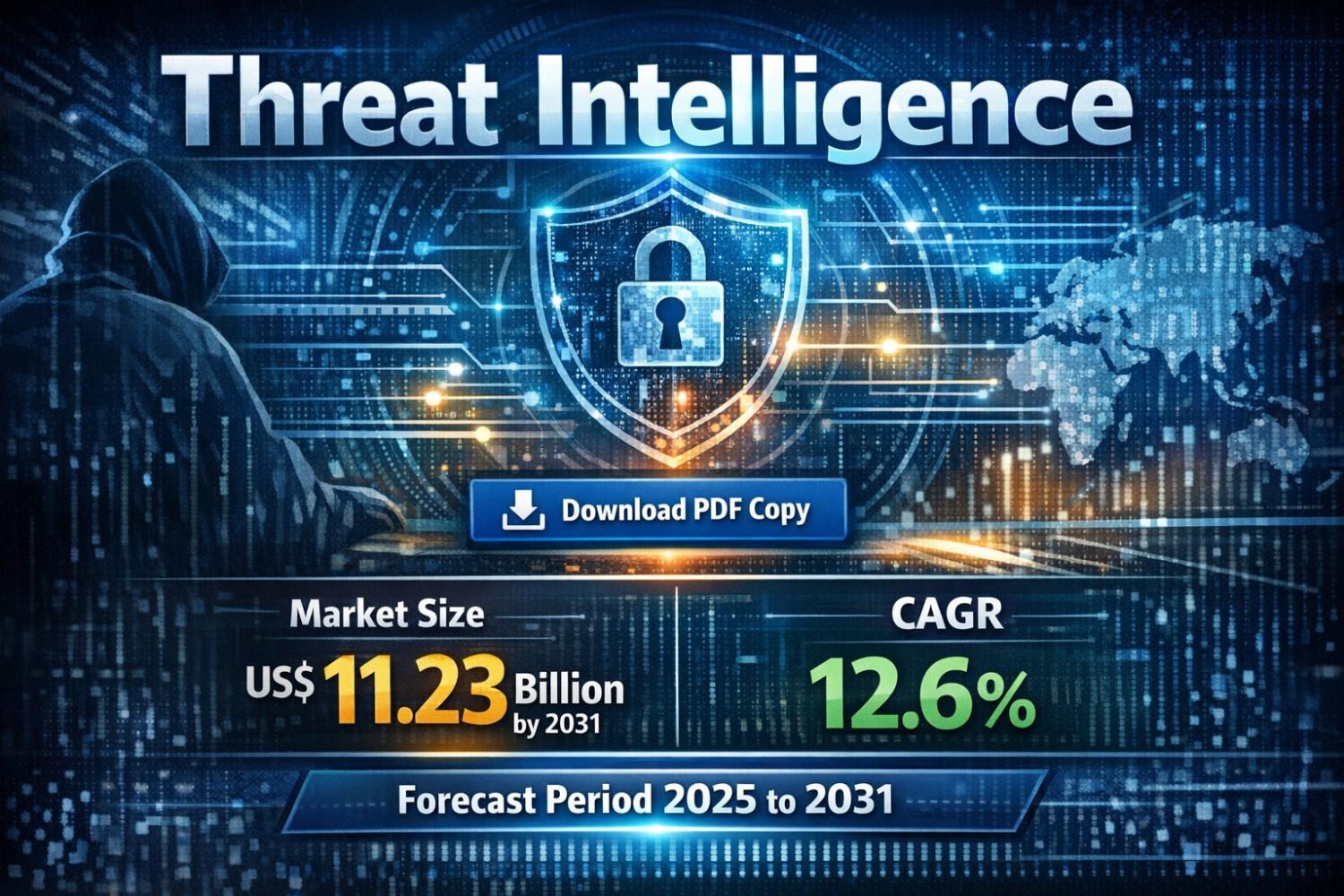
The global cybersecurity landscape is undergoing a radical transformation as digital ecosystems become more complex and interconnected. As organizations transition to cloud native environments and expand their digital footprints, the volume and sophistication of cyberattacks have escalated. In response, the Threat Intelligence Market has emerged as a critical pillar of modern defense strategies. By 2031, this market is projected to witness substantial growth, driven by the integration of artificial intelligence and the urgent need for proactive rather than reactive security measures.
Threat intelligence refers to the collection, processing, and analysis of data to understand a motived attacker's targets and behaviors. This intelligence enables businesses to make faster, more informed security decisions and change their behavior from being defensive to being predictive.
Market Share Analysis by Geography
The global distribution of the threat intelligence market share reveals a diverse landscape with varying degrees of maturity and adoption across different regions.
North America
North America currently holds the largest share of the threat intelligence market and is expected to maintain its dominance through 2031. This position is fueled by the presence of major cybersecurity vendors and the rapid adoption of advanced technologies among enterprises in the United States and Canada. The region faces a high frequency of targeted attacks on critical infrastructure and financial institutions, necessitating heavy investment in real time threat feeds and managed security services. Furthermore, stringent data privacy regulations drive organizations to adopt comprehensive intelligence frameworks to ensure compliance and mitigate financial risks.
Europe
Europe represents the second largest market share, characterized by a strong emphasis on data sovereignty and privacy. Countries like Germany, the United Kingdom, and France are leading the way in integrating threat intelligence into national security frameworks. The expansion of the European market is supported by the increasing collaboration between public and private sectors to combat cross border cyber threats. By 2031, European enterprises are expected to shift heavily toward automated threat intelligence platforms to manage the complexity of diverse regulatory environments across the continent.
Asia Pacific
The Asia Pacific region is anticipated to register the highest growth rate during the forecast period. Rapid digitalization in emerging economies such as India, China, and Southeast Asian nations has created a vast surface area for cyber threats. As these nations invest in smart city projects and 5 g technology, the demand for localized threat intelligence becomes paramount. Increasing government initiatives to strengthen national cyber defense and the growing awareness among small and medium enterprises regarding the cost of data breaches are primary catalysts for market expansion in this region.
Middle East and Africa and Latin America
These regions are emerging markets with significant potential. The Middle East, in particular, is seeing a surge in demand due to the digital transformation of the energy and oil and gas sectors. Latin America is also witnessing a steady climb in adoption as financial institutions modernize their infrastructure to protect against sophisticated banking trojans and ransomware.
Download Sample PDF Report@ https://www.theinsightpartners.com/sample/TIPTE100000656
Key Players in the Threat Intelligence Ecosystem
The competitive landscape of the threat intelligence market is defined by continuous innovation and strategic partnerships. The top players shaping the industry include:
- IBM Corporation: A leader in integrating AI through Watson for Cyber Security, providing deep insights into evolving threats.
- Cisco Systems Inc.: Leveraging its vast network footprint to provide unparalleled visibility and threat telemetry.
- Palo Alto Networks: Known for its Unit 42 threat intelligence team and integrated security platforms.
- CrowdStrike: A pioneer in cloud delivered endpoint protection and elite threat hunting services.
- Check Point Software Technologies: Offering comprehensive security management and real time threat prevention.
- Recorded Future: Specialized in providing large scale automated data collection from the open and dark web.
- Mandiant (Google Cloud): Renowned for incident response and high level strategic intelligence.
Future Outlook
The trajectory of the threat intelligence market toward 2031 is marked by a shift toward total automation and the democratization of intelligence. We expect to see a move away from siloed data toward unified platforms that offer "Collective Intelligence," where organizations share anonymized threat data in real time to protect the broader ecosystem.
The integration of Machine Learning and Large Language Models will allow for the predictive modeling of attacker behavior, enabling systems to block threats before they are even launched. As the Internet of Things and Industrial IoT continue to expand, specialized threat intelligence for operational technology will become a major sub sector of the market. Organizations that successfully transition from seeing threat intelligence as a luxury to an essential business utility will be the ones that thrive in the increasingly volatile digital economy of 2031.
Frequently Asked Questions
What is the primary driver for the Threat Intelligence Market growth?
The primary driver is the increasing frequency and complexity of cyberattacks, such as ransomware and zero day exploits. Organizations are moving away from traditional security perimeters toward intelligence led security to identify and mitigate threats in real time.
How does threat intelligence improve incident response?
Threat intelligence provides the necessary context to understand the "who, what, and how" of an attack. This allows incident response teams to prioritize alerts, reduce false positives, and implement more effective remediation strategies based on known attacker patterns.
What is the difference between strategic and tactical threat intelligence?
Strategic intelligence provides a high level overview of the threat landscape, including the motives and capabilities of adversaries, which is used by executives for long term planning. Tactical intelligence focuses on immediate technical indicators like IP addresses or file hashes used by attackers to help security tools detect ongoing threats.
The Insight Partners provides comprehensive syndicated and tailored market research services in the healthcare, technology, and industrial domains. Renowned for delivering strategic intelligence and practical insights, the firm empowers businesses to remain competitive in ever-evolving global markets.
• Email: sales@theinsightpartners.com
• Website: theinsightpartners.com
• Phone: +1-646-491-9876
Also Available in: Korean|German|Japanese|French|Chinese|Italian|Spanish
الأقسام
إقرأ المزيد
Funke Etti Funke Etti is a Nigerian actress, filmmaker, and entrepreneur known for her work in Nollywood, particularly in Yoruba language films. Over the years, she has built a steady career marked by consistency, versatility, and dedication to her craft. Though she may not always dominate headlines like some of her peers, Funke Etti has earned respect within the industry for her...

The African Union (AU) has issued a strong rebuke of former U.S. President Donald Trump’s controversial travel ban, which targeted citizens from seven AU member states. Labeling the policy as discriminatory and unjust, the AU warned that the move could trigger serious diplomatic fallout between the continent and the United States. The ban, first implemented during Trump’s...

Aliko Dangote has announced his retirement as Chairman of the Board of Dangote Sugar Refinery Plc after 20 years of leadership of the company. His retirement takes effect from June 16, 2025, according to a statement signed by the company’s secretary, Temitope Hassan, on Wednesday. Dangote, who has been at the helm of leadership since 2005, is credited with steering Dangote Sugar into a...

Human rights lawyer and IPOB counsel, Barrister Ifeanyi Ejiofor, has urged calm and strategic planning following the life imprisonment of IPOB leader Nnamdi Kanu by the Federal High Court in Abuja on November 20, 2025. Ejiofor warned that emotional reactions, misinformation, and public grandstanding risk undermining Kanu’s appeal, describing any uncoordinated legal action as “dead...

The Extensive Story of Nigeria Before Nigeria became a name on a map, it was many worlds living side by side. The Ancient Roots Thousands of years ago, people settled along rivers, forests, and savannahs, shaping civilizations long before Europe knew their names. The Nok culture crafted iron tools and sculptures that still astonish historians today. In the forests of the west rose powerful...