


 Sobre
Sobre
Etsu Masaba The Powerful Nupe King Who Shaped Bida and Northern Nigeria
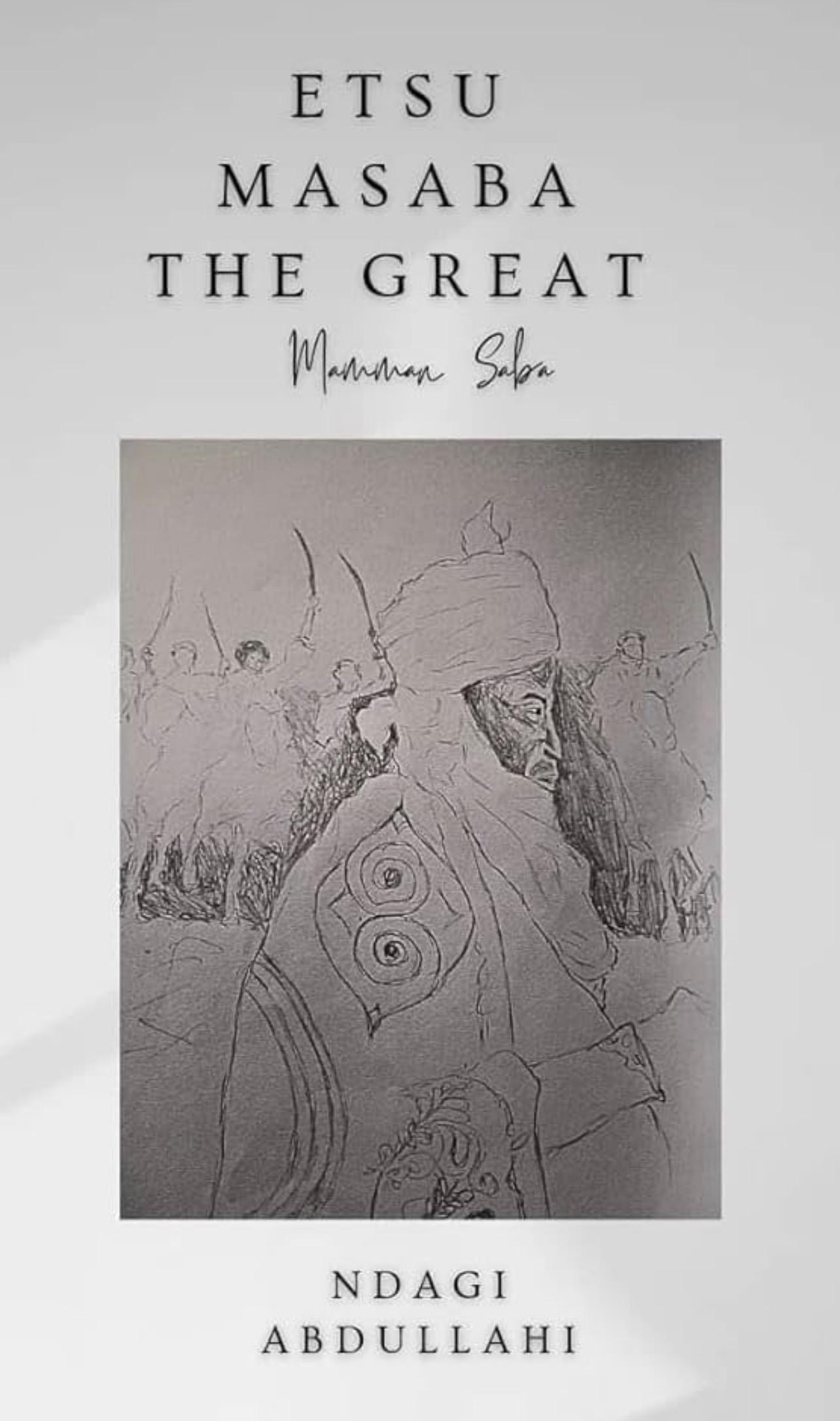
Etsu Masaba
Introduction
In the heart of northern Nigeria, where rivers bend and kingdoms rise, lived a man whose name still echoes through time Etsu Masaba. He was not just a ruler; he was a force of strength, vision, and deep influence. His story is one of power, leadership, conflict, and legacy.
Early Life
Etsu Masaba, also known as Masaba dan Malam Dendo, was born into a powerful and respected family among the Nupe people. His father, Malam Dendo, was a Fulani leader who played a key role during the Fulani Jihad that spread across parts of northern Nigeria in the early 19th century.
Growing up, Masaba was exposed to leadership, warfare, and governance. He learned quickly, showing courage and intelligence from a young age. Life around him was not peaceful—there were struggles for control, influence, and survival. These early experiences shaped him into a strong and determined man.
Rise to Power
Masaba’s journey to power was not easy. After the death of his father, there were conflicts over who would lead the Nupe people. Different groups fought for control, and the kingdom faced instability.
But Masaba stood out.
Through strength, strategy, and alliances, he defeated his rivals and emerged as the ruler. He became the Etsu Nupe, the king of the Nupe people. His rise marked the beginning of a new chapter for the kingdom.
Leadership and Expansion
As a ruler, Etsu Masaba was both respected and feared. He built a strong government and expanded his territory. Under his leadership, the Nupe Kingdom grew in power and influence.
He moved the capital to Bida, which became a major political and cultural center. From Bida, he controlled trade routes and maintained authority over surrounding areas.
Masaba also introduced systems that strengthened administration and governance. His rule brought structure, even though it was sometimes harsh.
Conflict and Control
Masaba’s reign was not without conflict. Like many powerful rulers of his time, he ruled with a firm hand. He led wars and enforced control over his territory.
Some accounts describe his rule as strict and even cruel. People feared his authority, but they also respected his strength. In those days, power often meant survival, and Masaba understood that well.
He faced internal rebellions and external threats, but he managed to maintain control through strong leadership and decisive action.
Relationship with Religion
Etsu Masaba ruled during a time when Islam was spreading across northern Nigeria. His father had been part of the Fulani Jihad, which aimed to establish Islamic governance.
Masaba continued to support Islamic influence in his kingdom. Religion became part of governance, law, and daily life. This helped shape the identity of the Nupe people for generations.
Legacy
Etsu Masaba left behind a powerful legacy. He transformed Bida into a major city and strengthened the Nupe Kingdom.
Even after his death, his name remained important in Nupe history. He is remembered as a strong ruler who brought unity, power, and structure though not without controversy.
His story teaches us about leadership, power, and the cost of building a kingdom.
Conclusion
Etsu Masaba was more than just a king he was a builder of a kingdom and a symbol of authority. His life reflects the complexity of leadership in a time of war and change.
Today, his legacy lives on in the history of the Nupe people and in the city of Bida, which still stands as a reminder of his reign.
His story is one of strength, vision, and the lasting impact of a determined ruler.

Categorias
Leia Mais
A Historical Account The Kiriji War, also known as the Ekiti Parapo War or more broadly the Yoruba Civil War, was a prolonged conflict fought between 1877 and 1893. Lasting over sixteen years, it ranks among the longest civil wars in African history and marked a decisive turning point in the political history of the Yoruba people. Historical Background The roots of the Kiriji War lie in...
Abiy Ahmed Early Life Abiy Ahmed was born on August 15, 1976, in Beshasha, a small town in Ethiopia. He grew up in a large family with many siblings. His father was Muslim, and his mother was a Christian, which helped him understand different religions and cultures from a young age. Life in his village was simple but not easy. Ethiopia at the time faced many challenges, including...
Nigerians caught in the hostilities between Israel and Iran have called for help from underground shelters amid heavy exchange of missiles between the two countries. Those who spoke to Saturday PUNCH slammed the Nigerian government for not doing enough, adding that other countries had started evacuating their citizens. Meanwhile, the Federal Government said it was awaiting border clearance to...

Mercy Ebosele Mercy Ebosele is a fast rising Nigerian actress and model known for her roles in Yoruba Nollywood films. She is part of the new generation of young talents making waves in the Nigerian movie industry with her beauty, confidence, and acting skills. Early Life and Background Mercy Ebosele was born on April 7, 2004, in Nigeria. She hails from Edo State but grew up in Lagos,...

The tech world has been shaken by the announcement of GPMI, a new cable standard introduced by more than 50 Chinese companies under the Shenzhen 8K UHD Video Industry Cooperation Alliance. Promising blistering speeds of up to 192 Gbps, effortless 8K video support, and the ability to deliver both data transfer and power in a single cable, GPMI could redefine the way we connect our devices. One...

