About
About
Abiy Ahmed Biography The Soldier Who Became Ethiopia Prime Minister and Nobel Peace Prize Winner
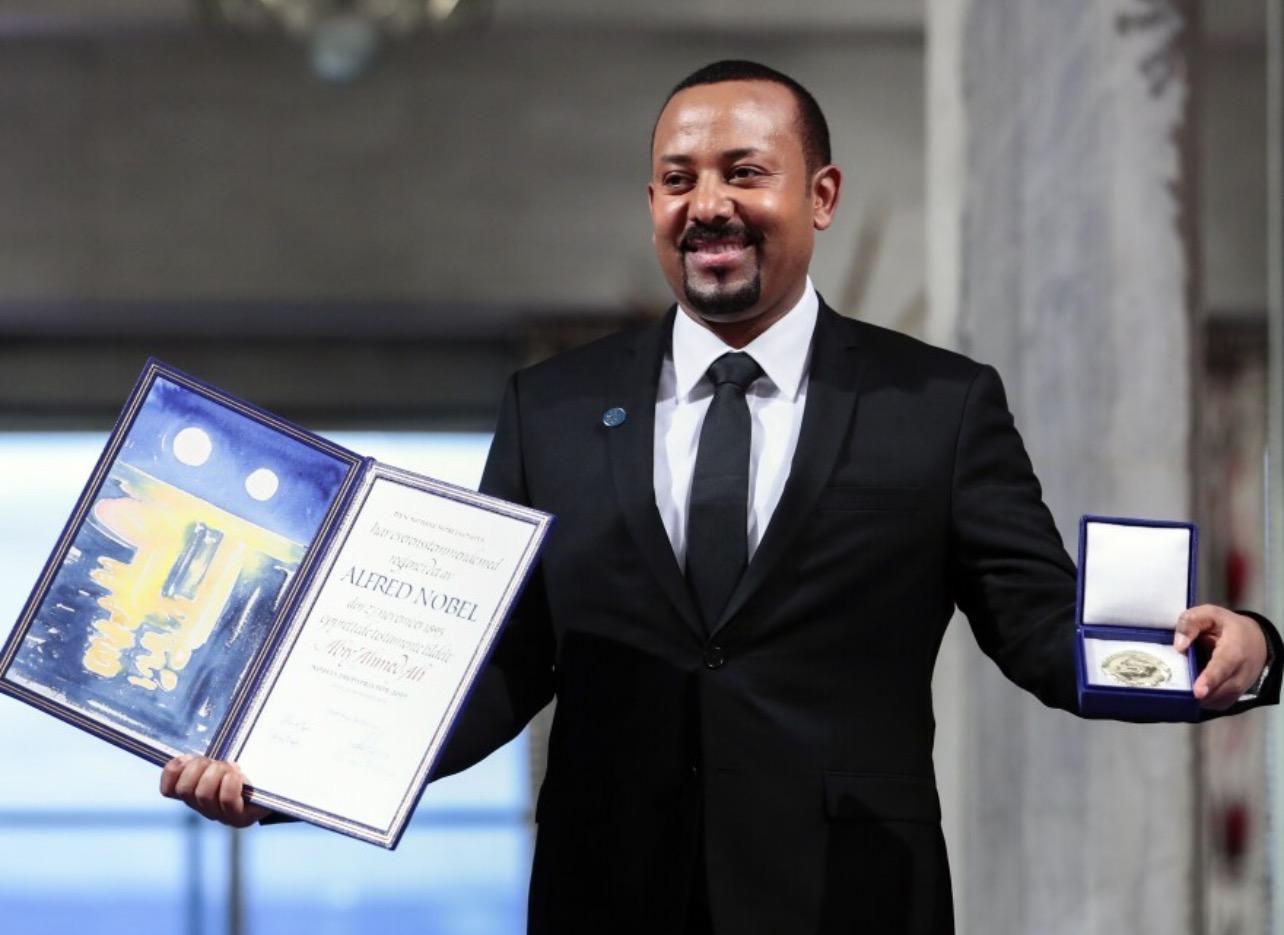
Abiy Ahmed
Early Life
Abiy Ahmed was born on August 15, 1976, in Beshasha, a small town in Ethiopia. He grew up in a large family with many siblings. His father was Muslim, and his mother was a Christian, which helped him understand different religions and cultures from a young age.
Life in his village was simple but not easy. Ethiopia at the time faced many challenges, including conflict and poverty. As a young boy, Abiy witnessed violence in his community. These early experiences shaped his desire to bring peace and unity to his country.
He attended local schools and showed strong interest in learning. Even with limited resources, he worked hard and believed education could change his future.
Education
Abiy Ahmed continued his studies with determination. He later joined the military, but he did not stop learning. While serving, he pursued higher education and earned several degrees.
He studied computer engineering and later obtained a Master’s degree in leadership and transformation. He also earned a PhD in peace and security studies. His education gave him knowledge about leadership, conflict resolution, and national development.
Abiy believed that education was not just for personal growth but also for helping others and improving society.
Military and Early Career
Abiy joined the Ethiopian military at a young age. During his service, he worked in intelligence and communication units. His role involved using technology and information to support national security.
He gained experience in leadership and teamwork. He also learned how conflicts start and how they can be resolved. These lessons later influenced his political career.
After leaving active military service, he continued working in government institutions, focusing on technology and reform.
Entry into Politics
Abiy Ahmed entered politics as part of Ethiopia’s ruling coalition. He quickly became known for his ideas about reform and unity.
He held several important positions, including roles in regional government. People saw him as a leader who listened and understood the needs of ordinary citizens.
His popularity grew, especially among young people who wanted change in the country.
Becoming Prime Minister
In 2018, Abiy Ahmed became the Prime Minister of Ethiopia. His rise to power came during a time of political tension and public protests.
From the beginning, he introduced major reforms. He released political prisoners, allowed greater freedom of speech, and invited opposition groups to participate in politics.
His leadership brought hope to many Ethiopians who wanted peace and progress.
Peace with Eritrea
One of Abiy Ahmed’s biggest achievements was making peace with Eritrea. Ethiopia and Eritrea had been in conflict for many years.
In 2018, Abiy signed a peace agreement with Eritrean President Isaias Afwerki. This historic move ended decades of hostility between the two countries.
Because of this effort, Abiy Ahmed was awarded the Nobel Peace Prize in 2019. The world recognized his courage and commitment to peace.
Challenges and Controversies
Despite his achievements, Abiy Ahmed’s leadership has also faced challenges. Ethiopia is a diverse country with many ethnic groups, and tensions sometimes rise.
Conflicts in regions like Tigray brought criticism from both local and international communities. Some people praised his efforts to maintain unity, while others questioned his decisions.
Leadership in such a complex nation is never easy, and Abiy continues to face difficult choices.
Leadership Style and Vision
Abiy Ahmed is known for his strong communication skills and vision for a united Ethiopia. He often speaks about love, unity, and forgiveness.
He believes that Ethiopia can grow economically and become a strong nation if its people work together.
His leadership combines military experience, education, and a deep desire for peace.
Legacy and Impact
Abiy Ahmed remains one of Africa’s most talked-about leaders. His journey from a small village to becoming Prime Minister is inspiring.
His efforts for peace, especially with Eritrea, changed the history of the region. At the same time, his leadership shows how complex governing a diverse nation can be.
Whether praised or criticized, Abiy Ahmed continues to shape the future of Ethiopia.

Categorías
Read More
A fuel tanker has overturned and caught fire at Adesola along Olorunsogo, Challenge Road, Ibadan, Oyo State. While details are still emerging, previous incidents suggest brake failure might be a possible cause, as seen in similar cases. - *Brake Failure*: A common cause of fuel tanker accidents, as seen in previous incidents in Ibadan.- *Loss of Control*: Overturning of tankers can lead...

Lilian Esoro Lilian Esoro is a Nigerian actress, model, and television personality known for her roles in Nollywood films and TV series. She gained widespread recognition for her talent, beauty, and strong screen presence. She was born on March 9, 1982, in Imo State, Nigeria. Early Life and Background Lilian Esoro hails from Imo State but grew up in Lagos State, Nigeria. She developed...

Dammy Krane Dammy Krane, whose real name is Oyindamola Johnson Emmanuel, is a Nigerian singer, songwriter, and performer known for his energetic Afropop style and street inspired music. Born on December 10, 1992, in Lagos State, Nigeria, he gained recognition in the Nigerian music industry with several hit songs during the early 2010s. Early Life and Background Dammy Krane was...

Annie Macaulay-Idibia Annie Macaulay-Idibia, popularly known as Annie Idibia, is a Nigerian actress, model, entrepreneur, and reality television personality. Born Annie Uwana Macaulay on November 13, 1984, in Ibadan, Oyo State, Nigeria, she has built a career in Nollywood while also gaining public attention as the wife of Nigerian music icon 2Baba. Early Life and Background...

Bob Jensen: The Man Who Drove Into History There are moments in history that seem small when they happen, but years later they grow into legends. A wheel touches the ground. An engine roars. A crowd gasps. And something changes forever. That is how the story of Bob Jensen is told in certain circles. A foreign engineer with restless curiosity, steady hands, and an appetite for impossible...