Sobre
Sobre
Muammar Gaddafi The Rise Rule and Fall of Libya’s Most Controversial Leader
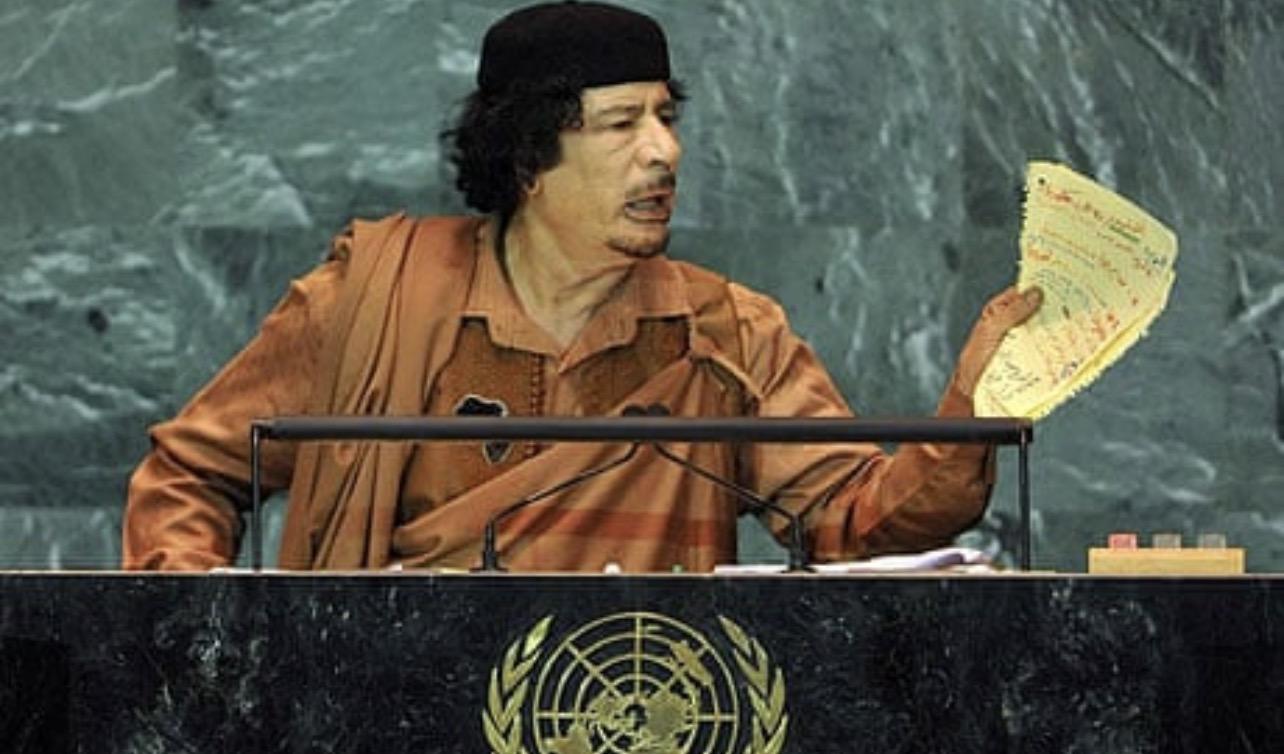
Muammar Gaddafi
Early Life
Muammar Gaddafi was born on June 7, 1942, in a small desert area near Sirte in Libya. He came from a poor Bedouin family. Life in the desert was simple and tough. As a young boy, he grew up herding animals and living in tents.
Gaddafi attended school later than many children, but he was very curious and determined. He loved reading about Arab history and leaders who fought against foreign control. These ideas shaped his thinking from a young age.
Education and Military Dreams
As he grew older, Gaddafi became more interested in politics and leadership. He admired Egyptian leader Gamal Abdel Nasser, who promoted Arab unity and independence.
Gaddafi joined the military academy in Libya. He believed the army was the best way to change his country. During his training, he built strong connections with other young officers who shared his vision.
Rise to Power
In 1969, at just 27 years old, Gaddafi led a peaceful military coup. The king of Libya, King Idris, was overthrown while he was abroad. Gaddafi and his group took control of the country without much resistance.
He quickly became the leader of Libya. He promised to remove foreign influence, use oil wealth for the people, and create a strong independent nation.
Rule and Leadership
Gaddafi ruled Libya for over four decades. He introduced his own political system, which he explained in a book called the “Green Book.” He claimed Libya was not a democracy or a dictatorship, but a “people’s state.”
Under his rule, Libya used its oil money to build roads, schools, and hospitals. Many citizens benefited from free education and healthcare.
However, his leadership was also strict. People who opposed him were often punished. There was little freedom of speech, and many feared speaking against the government.
Global Influence and Controversy
Gaddafi became known around the world for his bold personality and unusual style. He often wore unique outfits and made long speeches.
He supported different groups across Africa and the Middle East. Some saw him as a strong African leader, while others accused him of supporting conflict and violence.
Over time, his relationship with Western countries became tense. Libya faced sanctions and isolation for many years.
The Arab Spring and Fall
In 2011, protests began in Libya as part of the Arab Spring. Many people demanded change after years of Gaddafi’s rule.
The protests quickly turned into a civil war. Rebel forces fought against Gaddafi’s government. With international support, the rebels gained strength.
In October 2011, Gaddafi was captured and killed near his hometown, Sirte. His death marked the end of his long rule.
Legacy
Muammar Gaddafi remains one of the most controversial leaders in African history. Some remember him for improving living standards and promoting African unity. Others remember the lack of freedom and years of conflict.
His story is one of power, ambition, and the challenges of leadership. Libya, after his fall, continues to struggle with stability and unity.
This is the story of a man who rose from the desert to rule a nation, leaving behind a legacy that still sparks debate today.

Categorias
Leia mais
Idowu Philips Idowu Philips, popularly known as Iya Rainbow, is a veteran Nigerian actress and one of the respected matriarchs of Yoruba-language cinema. With a career spanning several decades, she is celebrated for her motherly roles, cultural storytelling, and contribution to the growth of Nollywood. Early Life and Background Idowu Philips was born on October 16, 1942,...

Ethiopian volcano erupts after 12,000 years: What we know A long-inactive volcano in northern Ethiopia unexpectedly erupted on Sunday, sending up plumes of volcanic ash and dust, which have since spread across continents and disrupted flights in India and the United Arab Emirate No casualties were reported in Ethiopia following the eruption, but local government officials told...

A major fire broke out early Tuesday at a one-storey building in Computer Village, Ikeja, Lagos, destroying computers and accessories worth millions of naira. Emergency teams from LASEMA, Lagos Fire Service, and LASAMBUS quickly responded, containing the blaze and preventing it from spreading. No deaths were reported, though one firefighter sustained minor injuries. Authorities have launched...

The Nigerian Communications Commission (NCC), once lauded as a premier regulatory body in Africa, is now embroiled in a deepening internal crisis. Allegations of corruption, nepotism, and targeted retaliation against whistleblowers are shaking the agency’s foundation and eroding public trust. At the center of the controversy is Executive Vice Chairman (EVC), Dr. Aminu Maida, whose...

Mansa Musa There are names that enter history like a whisper, and there are names that arrive like thunder. Mansa Musa belongs to the second kind. His story does not begin in a small way, and it does not remain small for long. It rises from the red earth of West Africa, from the sound of caravans crossing the desert, from the weight of gold carried in leather bags, from royal drums and...