Sobre
Sobre
The European Who Refused to Buy Humans
The European Who Refused to Buy Humans
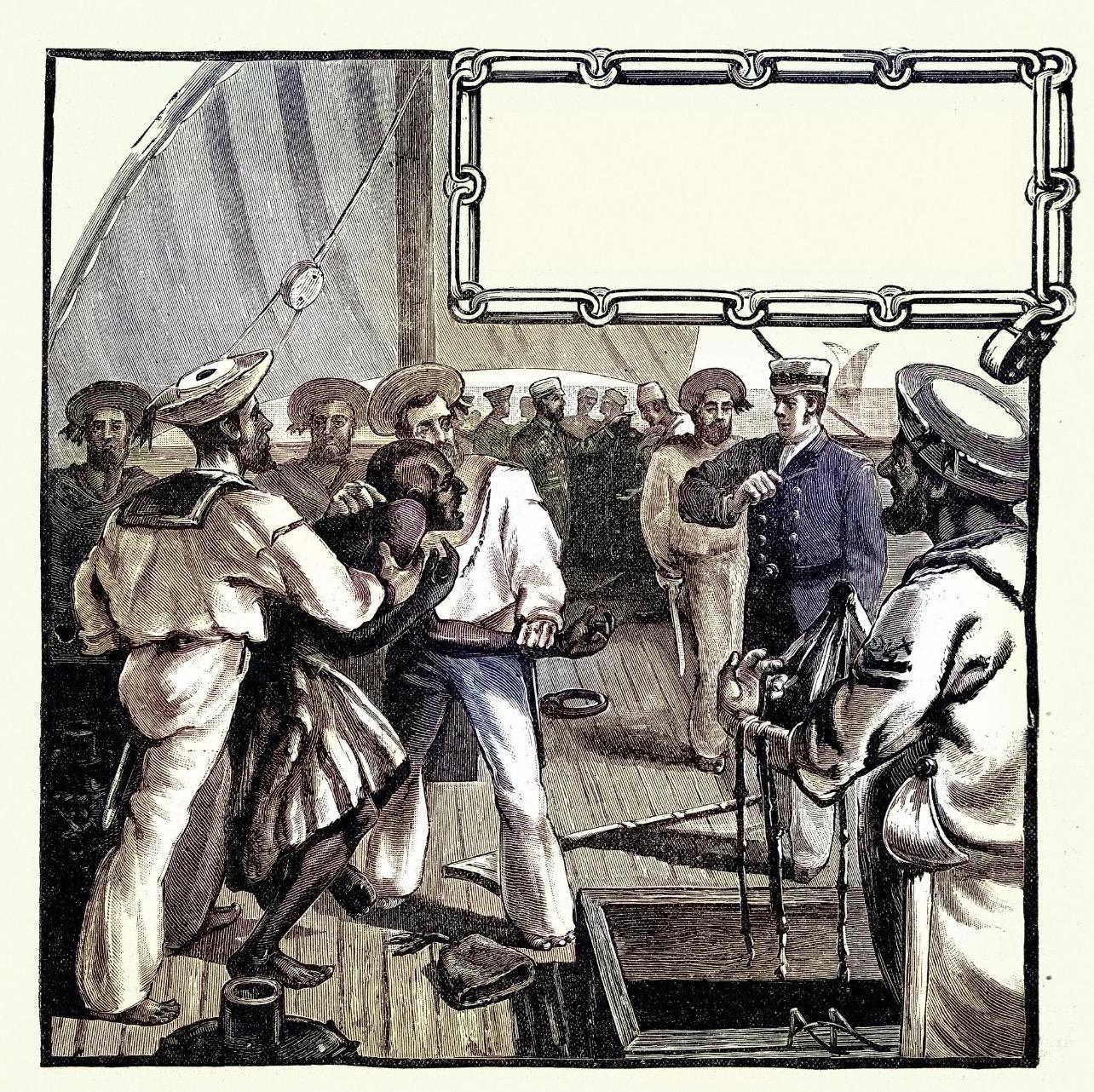
The sea was calm that morning, the kind of calm that deceives the heart into believing that nothing evil could ever cross its surface, yet beneath that silence sailed a ship carrying a man who had come to a place where human beings were weighed like goods, priced like cattle, and broken like tools, but he was not like the others, and from the moment his feet touched the soil of that trading port, something within him refused to bend, refused to adjust, refused to pretend that what he was seeing was normal, even though every other European around him had already learned how to look without seeing, how to hear without listening, how to trade without feeling
His name was not shouted in history the way conquerors were, and no statue was raised for him in grand squares, but his story moved quietly through time like a whisper that refuses to die, a whisper that says one man can stand against a system so large it seems impossible to shake, and still leave a mark that echoes far beyond his years
He arrived with others who had come for profit, men dressed in polished coats, speaking in confident tones, carrying ledgers and contracts, their eyes sharp with calculation, their hearts dulled by greed, and they welcomed him as one of their own, assuming he too had come to take part in the great business of the age, the business of buying and selling human lives, but they did not know that inside him lived a different fire, one that would not allow him to participate in what his conscience already condemned
The first time he was led to the holding yard, he stopped walking
It was not the heat that held him back, nor the smell, nor the noise, but the sight, the sight of men, women, and children chained together, their eyes filled with something deeper than fear, something heavier than pain, something that looked like the slow fading of hope itself, and for a moment the world around him seemed to blur, the voices of traders turning into distant echoes as his gaze locked with that of a young boy who could not have been more than ten
That boy did not cry
He simply looked
And in that look was a question that pierced deeper than any blade, a silent question that needed no translation, a question that asked, “Will you see me, or will you turn away like the others?”
Many had turned away before him
Men of power, men of education, men who called themselves civilized
They had all seen and chosen not to see
But he could not
He stepped forward slowly, ignoring the impatient gestures of the trader who had brought him there, ignoring the laughter of others who mistook his hesitation for weakness, and he moved closer until he stood within the reality he could no longer deny, and as he looked at the chains, at the bruises, at the hollow eyes, something inside him broke, not in a way that destroys a man, but in a way that awakens him
The trader spoke, his voice smooth and practiced, explaining prices, strengths, uses, as though discussing livestock, as though the lives before them were objects without history, without families, without souls, but the European did not respond, because in his mind he was no longer hearing the trader, he was hearing the echo of that boy’s silent question
“Will you see me?”
And in that moment, he made a decision that would cost him everything he had come for
“I will not buy,” he said quietly
At first, no one reacted
The trader blinked, thinking he had misheard
“I will not buy,” he repeated, louder this time, his voice steady despite the weight of the words
Laughter followed
Not kind laughter, not understanding laughter, but the sharp, mocking laughter of men who believed they were watching foolishness unfold
“You came all this way for nothing?” one of them asked
He did not answer
Instead, he stepped closer to the chained people and did something no one expected
He knelt
A European man, dressed in fine clothing, kneeling in the dust before those who had been reduced to nothing in the eyes of the world
Gasps replaced laughter
And silence followed
Because in that simple act, something shifted
Something that no one could quite explain
He reached out, not to inspect, not to evaluate, but to touch gently the wrist of the young boy he had noticed earlier, careful not to hurt him, careful not to treat him as property, and when their eyes met again, something passed between them, something wordless yet powerful, something that said, “I see you”
The trader grew impatient
“This is not a place for games,” he snapped
But the European rose slowly, dust clinging to his knees, and turned to face the men around him
“This is not trade,” he said
“This is wrong”
The words fell heavily
Not because they were loud, but because they were true
And truth has a way of unsettling even the hardest hearts
They argued with him
They told him he did not understand
They told him this was how the world worked
They told him it was necessary, profitable, accepted
But he did not argue back with anger
He simply stood, firm and unyielding
“I will not buy humans,” he said again
And this time, there was no laughter
Only tension
Because somewhere deep inside, even those who participated in the system knew what they were doing, and his refusal forced them to confront it, even if only for a moment
From that day, his journey changed
He did not return home with wealth
He did not sign contracts
He did not fill ships with human cargo
Instead, he began a different kind of work, one that was slower, harder, and far more dangerous
He spoke
Not in grand halls at first, but in small gatherings, in quiet conversations, in places where people still had the ability to listen
He told them what he had seen
He described the chains, the fear, the silence of that boy
And many did not want to hear it
Some called him a traitor
Others called him foolish
But a few listened
And those few began to speak as well
Change does not begin with crowds
It begins with one voice that refuses to stay silent
And then another
And another
Until the whisper becomes a sound that cannot be ignored
Years passed
The system did not fall overnight
It resisted
It fought back
It punished those who opposed it
And the European paid a price
He lost business opportunities
He lost friends
He lost the comfort of being accepted by his peers
But he did not lose himself
And that mattered more
Because in a world where so many had chosen profit over conscience, he chose differently
And that choice rippled outward
It reached people he would never meet
It influenced decisions he would never see
It became part of a larger movement that slowly, painfully, began to challenge the idea that one human being could own another
The boy he had seen that day
He never forgot him
Even years later, when his hair had begun to grey and his steps had slowed, that memory remained as clear as the morning it happened
And sometimes, in quiet moments, he wondered what had become of him
Did he survive
Did he find freedom
Did he remember the man who had knelt in the dust
He would never know
But perhaps that was not the point
Because the act of seeing, truly seeing another human being, is not about what we gain in return
It is about what we choose to do in that moment
And he chose to stand
To refuse
To speak
And in doing so, he became something rare in his time
Not a hero in the traditional sense
Not a conqueror
Not a man of great wealth
But a man who saw humanity where others saw opportunity
A man who refused to buy humans
And sometimes, that is the kind of story the world needs most
Because it reminds us that even in the darkest systems, even in the most normalized injustice, there is always the possibility of one person choosing differently
And that choice, no matter how small it may seem at the time, can become the beginning of something far greater than anyone could imagine

Categorias
Leia Mais
He wasn’t special. No followers. No spotlight. Nobody checking for him. Just another young guy trying to survive life. That night felt heavier than usual. His phone battery was low… His pocket was empty… And his mind was full. He had been keeping everything inside for too long. The pain. The struggle. The silent battles nobody could see. At exactly...
Amitabh Bachchan Amitabh Bachchan was born on October 11, 1942, in Allahabad (now Prayagraj), India. He was born into a respected and intellectual family. His father, Harivansh Rai Bachchan, was a famous Hindi poet, while his mother, Teji Bachchan, was known for her interest in theatre and social activities. Growing up in a literary environment influenced Amitabh greatly. He studied...

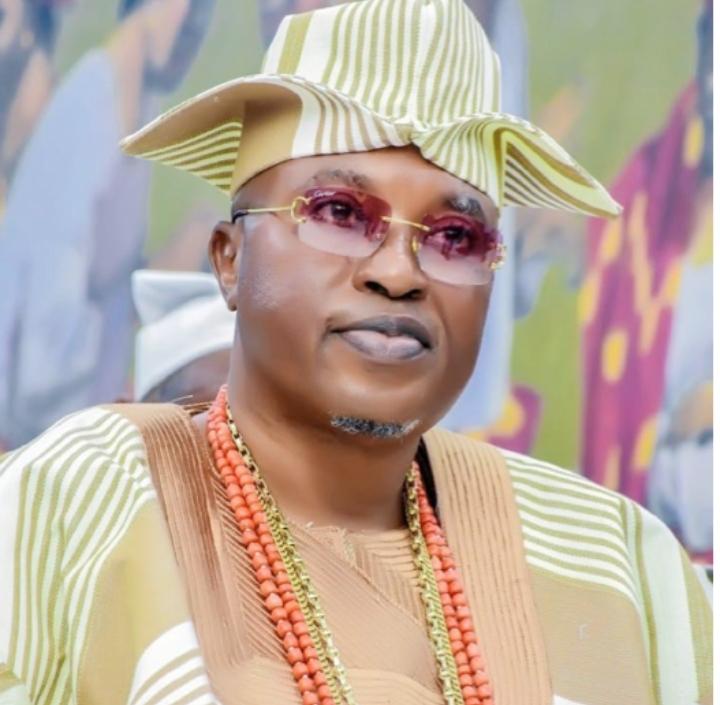
Oba Abdulrasheed Akanbi In the rolling hills of Ilesa, where ancient warriors once defended their homeland and cocoa wealth later shaped prosperity, stands a throne older than modern Nigeria itself. It is the throne of the Owa Obokun of Ijesaland, spiritual and traditional ruler of the Ijesa people. Upon that throne sits Abdulrasheed Akanbi, a monarch whose life journey crossed...
Adewale’s POV I watched her from a distance as she worked, the afternoon sun slipping through the palace windows and resting gently on her skin. Adebimpe never knew how easily she owned my thoughts. Even in silence, she spoke to my heart. I called her name softly. “Adebimpe.” She turned immediately, startled. “Yes, my prince?” I hated that title in...

Lilian Afegbai Lilian Afegbai is a Nigerian actress, model, and reality TV star known for her appearance on Big Brother Africa and her growing presence in Nollywood. She has built a reputation for her elegance, fashion sense, and acting talent. She was born on November 11, 1991, in Edo State, Nigeria. Early Life and Background Lilian Afegbai hails from Edo State but grew up in...