


 О нас
О нас
Oba Abdulrasheed Akanbi The Global Executive Who Became the Owa Obokun of Ijesaland
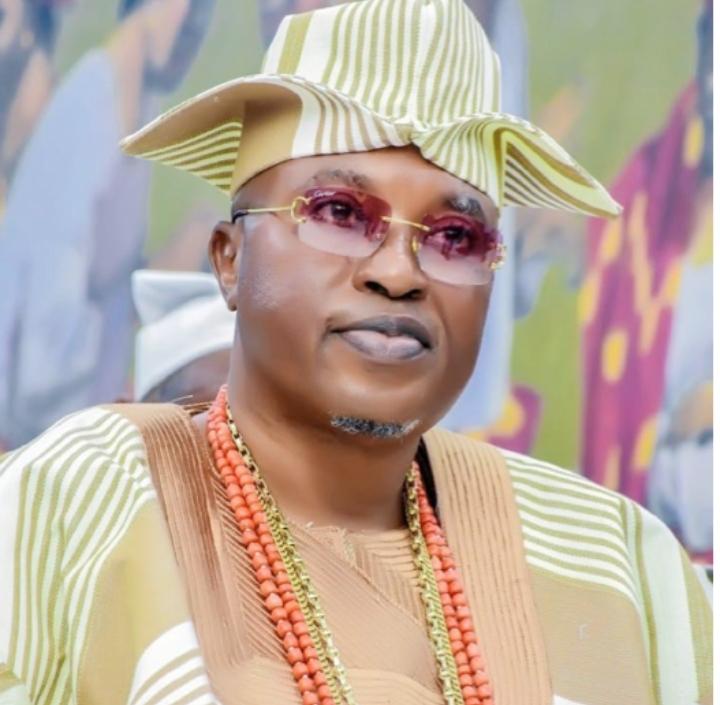
Oba Abdulrasheed Akanbi
In the rolling hills of Ilesa, where ancient warriors once defended their homeland and cocoa wealth later shaped prosperity, stands a throne older than modern Nigeria itself. It is the throne of the Owa Obokun of Ijesaland, spiritual and traditional ruler of the Ijesa people.
Upon that throne sits Abdulrasheed Akanbi, a monarch whose life journey crossed continents before returning home to wear the crown of his ancestors.
His story is not simply about royalty. It is about ambition, global exposure, controversy, reform, and the complex dance between tradition and modernity.
A Prince with Global Dreams
Oba Abdulrasheed Adewale Akanbi was born on May 2, 1968, into the royal Bilaro Oluodo Ruling House of Ijesaland. Though born into royalty, his early years were not defined by palace rituals alone.
He grew up in Ilesa, surrounded by the cultural pride of the Ijesa people. The land is known for resilience and enterprise. Education was emphasized. Exposure to the wider world was encouraged.
From a young age, Akanbi displayed curiosity that stretched beyond local boundaries.
Education and Life Abroad
After his early education in Nigeria, he traveled abroad to further his studies. He lived and worked in various countries including the United States and the United Kingdom.
Before ascending the throne, Abdulrasheed Akanbi built a career in marketing and branding. He worked in corporate environments that demanded creativity, strategy, and communication skills.
His time abroad shaped his worldview. He became comfortable navigating international business culture. He embraced modern ideas about leadership and identity.
Few expected that such a globally oriented professional would return to assume one of Yoruba land’s most historic thrones.
The Throne of Owa Obokun
The title Owa Obokun traces back centuries. According to tradition, the Ijesa kingdom was founded by Owa Obokun Ajibogun, said to be a descendant of Oduduwa.
The Owa Obokun is regarded as the paramount ruler of Ijesaland.
In 2015, following the passing of the previous Owa, Oba Adekunle Aromolaran II, the throne became vacant.
The selection process among ruling houses commenced. After consultations and traditional procedures, Abdulrasheed Akanbi was chosen.
On December 27, 2015, he was crowned as the 40th Owa Obokun of Ijesaland.
The corporate executive became Oba Adewale Abdulrasheed Akanbi, known by the regnal name Telu I.
A Modern Voice on an Ancient Stool
From the beginning of his reign, Oba Akanbi distinguished himself as unconventional.
He openly questioned certain traditional practices. He spoke about reforming aspects of Yoruba culture that he believed were outdated.
He advocated for gender equality within traditional contexts. He expressed modern views about monarchy’s role in contemporary society.
His boldness earned admiration among some youths who saw him as progressive.
But it also generated controversy among traditionalists who felt that certain customs should remain untouched.
Controversial Reforms
One of the most debated moments of his reign was his public stance on idol worship and traditional religious practices.
Oba Akanbi declared that some traditional rituals should be discontinued, arguing that the monarchy should align with modern religious and moral frameworks.
These statements stirred significant discussion within Yoruba cultural circles.
Supporters viewed him as courageous and reform minded.
Critics argued that a monarch’s duty is to preserve, not reinterpret, ancestral customs.
Despite debate, he remained firm in expressing his perspective.
Relationship with Other Monarchs
As a Yoruba king, Oba Akanbi interacts with other traditional rulers across the region, including the Ooni of Ife and the Alaafin of Oyo during his lifetime.
At times, his views differed from more conservative monarchs.
Yet the Yoruba traditional system allows diversity of leadership styles.
He maintained his independence of thought.
Focus on Development
Beyond cultural debates, Oba Akanbi has emphasized development in Ijesaland.
He has advocated for infrastructural growth, youth empowerment, and economic revitalization.
Ilesa, known historically for cocoa and gold resources, has faced economic challenges over the decades.
The Owa Obokun has called for renewed investment and collaboration between government and private sector stakeholders.
His corporate background influences his development oriented mindset.
Personal Life and Public Attention
Oba Abdulrasheed Akanbi’s personal life has also drawn media attention.
He is married and has children. His marriage ceremonies and family life have often been topics of public discussion, reflecting the visibility that accompanies modern royalty.
Despite public scrutiny, he continues to carry out royal duties and participate in traditional festivals and state functions.
Balancing Faith and Tradition
One of the defining features of Oba Akanbi’s reign is his strong religious conviction. He has openly identified with monotheistic belief systems and has spoken against practices he considers incompatible with his faith.
This stance represents a broader conversation within Yoruba society about the intersection of Christianity, Islam, and traditional religion.
His reign reflects the complexity of navigating faith within ancestral institutions.
The Man Behind the Crown
Those who know him describe Oba Akanbi as confident, articulate, and forward thinking.
His years abroad gave him cosmopolitan ease. His royal upbringing gave him cultural grounding.
He blends tailored suits with traditional regalia. He moves between global forums and palace courtyards.
He sees monarchy as a platform for transformation rather than mere preservation.
Challenges of Modern Kingship
In contemporary Nigeria, traditional rulers operate within constitutional limits. They hold cultural authority but not executive political power.
Oba Akanbi’s reign highlights the tension between heritage and modernization.
How does a king honor the past while adapting to the present.
How does tradition evolve without losing identity.
These questions define his leadership journey.
Ijesaland in Transition
Ijesaland today stands at the intersection of history and progress.
Educational institutions, commercial activity, and urban expansion coexist with sacred shrines and royal ceremonies.
As Owa Obokun, Oba Akanbi presides over this delicate balance.
He remains central to cultural celebrations, chieftaincy installations, and communal arbitration.
Legacy Still Unfolding
Oba Abdulrasheed Akanbi’s story is far from complete.
He is a monarch shaped by globalization and anchored in Yoruba lineage.
He has embraced controversy rather than avoided it.
He has spoken boldly rather than remained silent.
In the palace at Ilesa, beneath carved pillars and ancestral emblems, he sits as guardian of Ijesaland’s identity.
Yet he also looks outward, toward modern reforms and global engagement.
His life reflects a generation of African monarchs navigating rapid social change.
He is not a king of quiet continuity alone.
He is a king of debate, dialogue, and deliberate transformation.
And in the hills of Ijesaland, where history runs deep and the future unfolds steadily, Oba Abdulrasheed Akanbi continues to reign as both reformer and custodian.


Категории
Больше
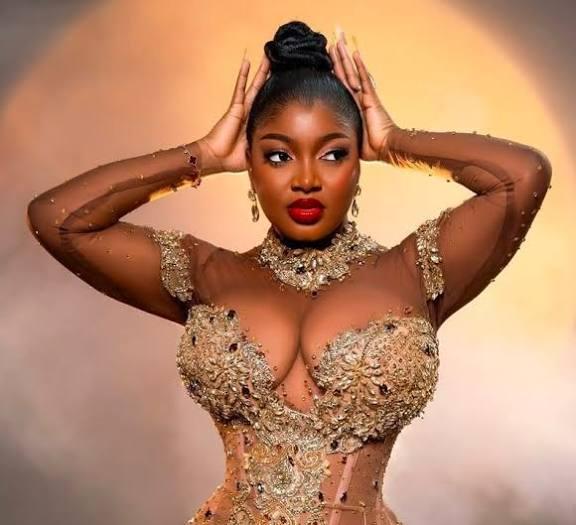
Abike Halima Raheem Papaya Ex, whose real name is is a Nigerian social media influencer, brand ambassador, and entrepreneur known for her glamorous lifestyle and bold online personality. Over the years, she has carved a niche for herself in Nigeria’s fast-growing influencer industry, becoming one of the most recognizable faces on Instagram and other digital platforms. With her...
Nigeria has lost one of its most prominent scholars and statesmen. Professor Jubril Aminu, a former Minister of Petroleum Resources, Vice-Chancellor of the University of Maiduguri (UNIMAID), and seasoned diplomat, has passed away. The news was confirmed on Thursday, marking the end of an era for a man whose career spanned academia, politics, and diplomacy. Prof. Aminu was widely known for his...

Martins Vincent Otse He is popularly known as VeryDarkMan (VDM) is one of Nigeria’s most talked-about social media figures, a blunt-talking critic who built his name by calling out people and systems he believes are abusing power. His rise didn’t follow the usual celebrity path of music, movies, or comedy. Instead, VDM climbed through raw phone-to-camera storytelling, daily...
In response to widespread speculation and online buzz, the Department of State Services (DSS) has officially debunked rumors of an impending arrest of renowned political economist Prof. Pat Utomi and other individuals linked to the so-called “shadow government” movement. Speaking through its spokesperson, Dr. Peter Afunanya, the DSS made it clear that there is “no truth...

JULIET IBRAHIM Juliet Ibrahim is a Ghanaian-Liberian actress, film producer, singer, and entrepreneur widely recognized for her beauty, versatility, and cross-industry influence in both Ghanaian and Nigerian cinema. Over the years, she has become one of the most prominent female figures in West African entertainment. Early Life and Background Juliet Ibrahim was born on March 3,...

