About
About
The Wisdom Beneath the Soil: The Secret Knowledge Hidden in African Proverbs
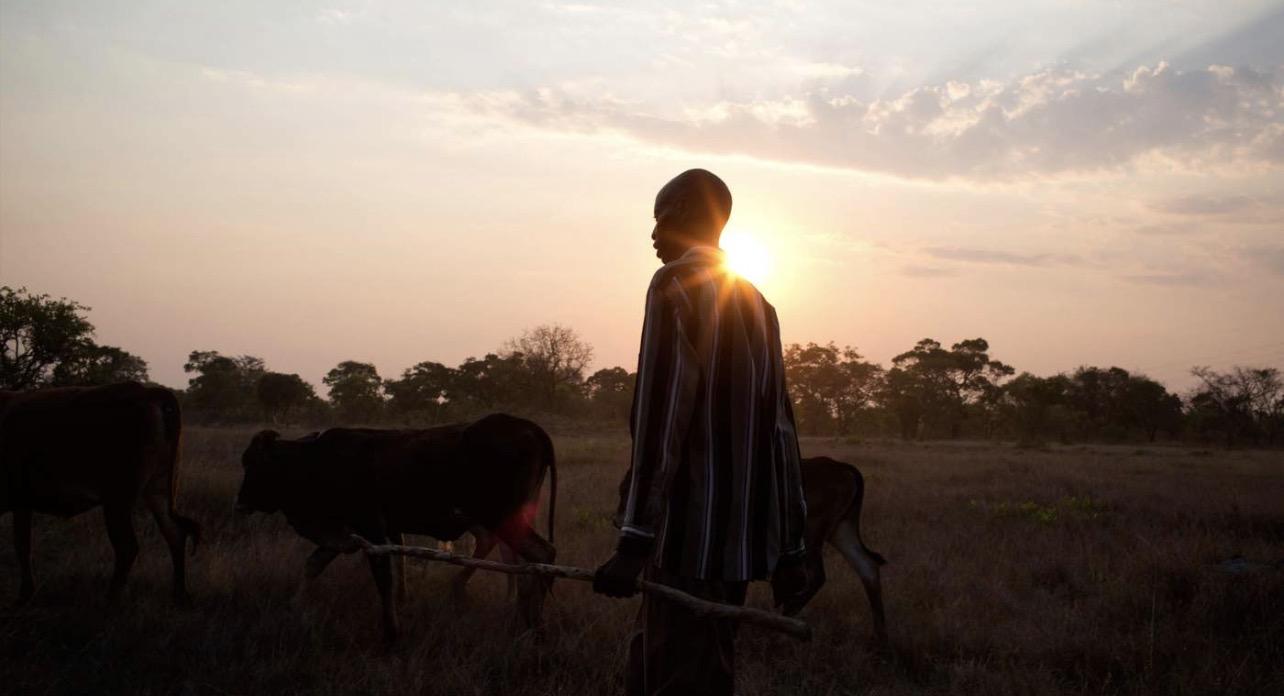
The Land That Speaks
When the first light of dawn stretches across the red earth of the village, the land begins to whisper its ancient stories.
Old farmers say the soil remembers everything.
In the quiet farming village of Nkokonjeru, elders often sit beneath the great baobab tree. Their conversations drift between memories, seasons, and proverbs passed down through generations. To outsiders, these sayings might sound simple, like riddles from another time. But to the farmers, they are maps guides to survival, patience, and wisdom.
One morning, young Kato followed his grandfather to the fields. The old man moved slowly but confidently, his hands rough from decades of farming.
“Grandfather,” Kato asked, “how do you always know when to plant?”
The old man smiled and pointed to the sky.
Then he said a proverb.
“When the birds build low nests, the rains will come gently.”
Kato looked confused. But his grandfather only laughed softly.
“You see, boy,” he said, “the land is always talking. You just have to learn its language.”
For centuries, African farmers did not rely on weather apps or satellite forecasts. Their knowledge came from observing nature, listening to the rhythms of the earth, and preserving those lessons in proverbs.
A proverb is more than words.
It is compressed experience.
Across Africa, farmers carry thousands of these sayings in memory. They guide when to plant, when to harvest, how to manage soil, and even how to live in harmony with neighbors and nature.
In Ghana, elders say:
“A farmer does not boast of harvest while the crop is still in the field.”
This teaches patience. Crops can fail at the last moment, so humility protects the heart from disappointment.
In Kenya, another proverb warns:
“The one who plants trees knowing they will never sit in their shade has begun to understand life.”
This reflects long-term thinking. Farmers know that soil fertility, tree planting, and water conservation may benefit future generations more than themselves.
In Nigeria, a common farming proverb says:
“The earth is not a drum to be beaten without rest.”
This reminds farmers that soil must recover. Continuous planting without care will exhaust the land.
These sayings function as an oral agricultural science an indigenous knowledge system refined over centuries.
And every season, farmers test this wisdom again.
As Kato and his grandfather reached their field, the old man bent down and picked up a handful of soil.
He rubbed it between his fingers.
“Too dry,” he murmured.
Kato frowned. “But it rained two days ago.”
His grandfather nodded.
“Yes, but the termites are already rebuilding their mounds.”
He pointed across the field where small brown towers rose from the earth.
“Another proverb,” the old man said. “When termites rush to repair their homes, heavier rains are near.”
To Kato, it seemed magical.
But to the old farmer, it was simply knowledge—earned through observation.
African farmers have always read the land like a book.
Cloud shapes, insect behavior, bird migration, plant flowering patterns, and even wind direction become signals. These signs are remembered and taught through proverbs because stories are easier to remember than instructions.
Knowledge wrapped in poetry travels further.
As they began preparing the soil, the old man shared another lesson.
“If you want to go fast, farm alone,” he said.
Kato repeated the line.
“And if you want to go far?”
His grandfather smiled.
“Farm together.”
In many African villages, farming is a communal effort. Families help each other during planting and harvest seasons. This system, sometimes called communal labor or cooperative farming, ensures that no farmer is left behind.
The proverb reminds the community that unity ensures survival.
Agriculture in Africa has never been just about food.
It is about relationships with people, with ancestors, and with the land.
As the sun climbed higher, Kato watched his grandfather place seeds carefully into the soil.
Each movement carried intention.
Each action followed knowledge shaped long before he was born.
The boy suddenly realized something.
These proverbs were not just sayings.
They were instructions hidden in stories.
They were agricultural textbooks spoken aloud.
Later that afternoon, as they rested under the shade of a mango tree, Kato asked one final question.
“Grandfather, will I ever know as much as you?”
The old farmer laughed deeply.
“My child,” he said, “no one knows the whole land.”
Then he shared one final proverb.
“Wisdom is like a baobab tree; no one person can embrace it.”
The boy looked toward the giant baobab tree in the center of the village.
Its trunk was wide, its branches stretched toward the sky, and its roots ran deep beneath the soil.
Just like the wisdom of the farmers who came before them.
And just like the proverbs that carried their secrets forward.

Categorie
Leggi tutto
My name is Esther, and my life story is not one of comfort or easy smiles. It is a story written with tears, strength, and hope. I was born into a family that believed love was the greatest gift a child could receive. For some years, I enjoyed that love fully, especially from my mother, who was my first teacher and my best friend. Sadly, life changed when she passed away. Her death marked the...

EPISODE 1: THE ORPHANAGE On the Lagos Mainland stood a massive orphanage home known by almost everyone. It was popular, well-painted, and always busy with visitors. Churches donated food. NGOs donated clothes. Politicians came for photo opportunities. To the public, it was a place of mercy—a home for abandoned children. But behind that bright smile lived a darkness no one dared to...

Ojude Oba 2025: Organisers Project Over 100 Million Global Participants Organisers of the prestigious Ojude Oba Festival have announced that the 2025 edition of the cultural celebration is expected to attract over 100 million participants worldwide. Speaking to the News Agency of Nigeria (NAN) on Friday in Abeokuta, the Coordinator of the Ojude Oba Festival Committee, Dr. Fassy...

Governors of the six South-West states—Lagos, Ogun, Oyo, Osun, Ondo, and Ekiti—are gathering in Ibadan for an emergency closed-door meeting focused on urgent regional issues, especially rising security concerns. The meeting, hosted by Oyo State Governor Seyi Makinde at the Governor’s Office, Agodi, was convened suddenly due to escalating threats affecting the region. Sources...

The Bellingham name is back at Borussia Dortmund! Jobe Bellingham, younger brother of Real Madrid star Jude Bellingham, has officially signed with the Bundesliga giants in a £27 million deal—plus £4.5 million in add-ons. This makes Jobe the second-most expensive signing in Dortmund’s history. If add-ons are activated, he could surpass Ousmane Dembélé to...