About
About
The Great Walls of Kano The Living Memory of a Powerful Hausa Kingdom

The Great Walls of Kano
Long before modern roads, cars, and concrete buildings transformed the city of Kano, there stood a magnificent barrier of earth and history surrounding one of the greatest cities in West Africa. These were the ancient city walls of Kano, a remarkable structure built centuries ago to protect a thriving kingdom, regulate trade, and symbolize the strength of a powerful civilization.
For many people walking through Kano today, the remaining sections of these ancient walls might appear like simple earth ridges rising quietly from the ground. But behind those silent structures lies a story filled with kings, warriors, merchants, scholars, and generations of people who built one of the most impressive defensive systems in African history.
The ancient walls of Kano were not just barriers of mud and clay. They were the guardians of a civilization, the protectors of trade routes, and the silent witnesses to centuries of political struggles, economic growth, cultural exchange, and royal ambition. Their story stretches back hundreds of years and continues to shape the identity of Kano today.
The Birth of an Ancient City
The story of Kano begins more than a thousand years ago when small communities started settling around a rocky hill known as Dala Hill. This hill became the early center of human activity in the region.
According to traditional history preserved in the famous chronicle known as the Kano Chronicle, one of the earliest rulers of the city was Bagauda, who is believed to have founded the Bagauda dynasty around the tenth century.
Bagauda and his descendants gradually transformed Kano from a small settlement into a growing city. As the population increased and trade expanded, the rulers realized that the city needed protection from enemies, raiders, and rival kingdoms.
West Africa during this period was filled with powerful states competing for territory and influence. Cities that controlled trade routes often became targets for invasion.
The leaders of Kano therefore began planning something extraordinary. They would build a massive wall around the city.
The Vision of King Tsamiya
The first major construction of the Kano city wall is traditionally attributed to Sarki Tsamiya. Tsamiya ruled Kano during a time when the city was becoming increasingly important as a commercial center.
Merchants from distant regions were arriving to trade goods such as leather, textiles, grains, and metals. Traders traveling across the Sahara Desert also passed through Kano.
With prosperity came danger. Wealthy cities attracted attackers seeking to capture resources and power.
Tsamiya understood that if Kano was to survive and grow, it needed strong defenses. Under his leadership, workers began constructing a protective wall around the city.
This was no small task. The builders used earth, clay, and traditional engineering techniques to create thick ramparts that could withstand attacks.
The wall gradually expanded as the city grew.
The Expansion Under King Rumfa
While Tsamiya began the project, the most dramatic expansion of the Kano walls occurred centuries later during the reign of Muhammad Rumfa.
Rumfa is remembered as one of the greatest rulers in Kano history. His reign during the fifteenth century brought major reforms to the city.
He strengthened the political structure of the kingdom, expanded trade networks, and encouraged Islamic scholarship and governance.
Rumfa also greatly expanded the city walls.
Under his command, the walls were rebuilt and extended to enclose a much larger urban area. The new walls stretched for approximately fourteen kilometers around the city and reached heights of up to fifteen meters in some places.
Deep trenches were also dug outside the walls to make it even harder for enemies to approach.
The massive structure turned Kano into one of the best protected cities in Africa.
The Gates of the City
The Kano walls were not completely sealed barriers. They included large gates known locally as kofar which allowed controlled entry into the city.
These gates became famous landmarks in Kano.
Some of the most well known gates included Kofar Mata, Kofar Nasarawa, Kofar Kabuga, Kofar Wambai, Kofar Dan Agundi, and several others.
Each gate had guards responsible for monitoring movement in and out of the city.
Merchants bringing goods into Kano had to pass through these gates where officials could collect taxes and regulate trade.
This system helped the rulers maintain control over commerce and security.
Some gates were also connected to important roads leading to other kingdoms and trade centers across West Africa.
The gates therefore played both military and economic roles.
Life Inside the Walls
Inside the great walls of Kano, life flourished.
The protected city became a major center of commerce, craftsmanship, and culture.
Markets buzzed with activity as traders sold goods from many regions. Leather products made in Kano were especially famous across West Africa and North Africa.
Kano also became known for textile production. Skilled artisans produced dyed fabrics using traditional techniques that are still practiced today.
Caravans traveling across the Sahara often stopped in Kano, bringing salt, horses, glassware, and luxury goods.
In return they carried away agricultural products, leather goods, and textiles.
The walls therefore protected not just homes and palaces but also a thriving economic system that connected Kano to the wider world.
The Royal City
At the center of Kano stood the royal palace where the emir ruled.
Nearby stood the great mosque and the administrative buildings where officials handled matters of governance.
The city also became a center for Islamic learning.
Scholars gathered to study religious texts, law, and philosophy. Islamic influence grew stronger over time and became deeply integrated into the political and cultural life of Kano.
All of this activity took place within the protection of the massive city walls.
Without them the growth of Kano might have been constantly threatened by warfare.
The Walls During the Age of Empires
As centuries passed, Kano became part of larger political systems in West Africa.
During the early nineteenth century, the region experienced major change when the Islamic reform movement led by Usman dan Fodio swept across northern Nigeria.
This movement resulted in the establishment of the Sokoto Caliphate.
Kano became one of the most important emirates within this powerful political structure.
Even during this period, the city walls remained vital for defense and administration.
They continued to regulate trade and maintain order within the city.
Colonial Encounter
In the early twentieth century, the arrival of British colonial forces dramatically changed the political landscape of northern Nigeria.
In 1903 British troops captured Kano after a major military campaign.
Although modern weapons made the ancient walls less effective as defensive structures, they still stood as powerful symbols of the city’s long history.
Under colonial administration, the importance of the walls gradually declined as the city expanded beyond them.
Some sections were damaged or removed to make way for roads and new development.
However many portions survived.
What Makes the Kano Walls Historical
The ancient walls of Kano are historically significant for many reasons.
First they represent one of the largest pre colonial defensive structures in Africa.
Their massive size and engineering demonstrate the organizational ability and technological knowledge of the people who built them centuries ago.
Second the walls symbolize the political strength of the Kano kingdom and its rulers.
Only powerful and well organized societies could mobilize the labor required to build such structures.
Third the walls reflect the economic importance of Kano as a trade center linking West Africa with trans Saharan routes.
They protected markets, artisans, and merchants whose activities shaped regional commerce.
Fourth the walls represent a cultural heritage that connects modern Kano to its past.
They remind people of the generations who lived, worked, traded, and governed within those boundaries.
Preservation and Legacy
Today parts of the Kano city walls still stand as historic monuments.
Historians, archaeologists, and cultural organizations continue to study and preserve what remains of them.
They are considered an important part of Nigeria’s national heritage.
Visitors who see the surviving gates and wall segments can imagine what the city looked like centuries ago when the walls stood tall and powerful around a bustling African metropolis.
Even though modern Kano has expanded far beyond those ancient boundaries, the walls remain a symbol of identity and pride.
They tell the story of a city that rose from a small settlement near a rocky hill to become one of the most influential urban centers in West African history.
Conclusion
The ancient city walls of Kano are more than just old earth structures. They are the living memory of a civilization that once dominated trade, politics, and culture across a large part of West Africa.
They witnessed the rise of kings, the movement of caravans, the growth of markets, and the transformation of societies.
For centuries they protected the dreams and ambitions of the people of Kano.
Today they continue to remind the world that African cities like Kano possessed complex urban planning, strong political systems, and vibrant intellectual traditions long before the modern era.
The walls may have aged and partly faded with time, but the history they carry remains powerful.
Their story is the story of Kano itself.

Kategoriler
Read More
Lagos does not wake up gently. It explodes into consciousness. By 4:45 a.m., the city is already clearing its throat generators coughing to life, buses honking impatiently, hawkers dragging wooden trays onto their heads. The sky is still dark, but Lagos has places to be and money to chase. Sleep is a luxury, and hesitation is a sin. Adewale Johnson learned that early. He lived in a one-room...

Many people misunderstand Islam’s teachings about how Muslims should relate to non-Muslims. The Qur’an and the Prophet Muhammad (peace be upon him) both emphasize kindness, fairness, and compassion toward all people — regardless of faith. Let’s explore what the scriptures actually say. 🌿 1. The Qur’an Encourages Kindness, Justice, and Good Relations...

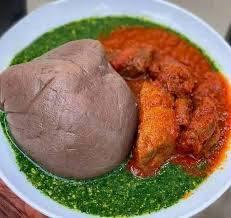
AMALA (YAM FLOUR) Amala and Ewedu is one of the most popular and culturally significant meals among the Yoruba people of southwestern Nigeria. This traditional dish is not just food; it represents heritage, family gatherings, and the rich culinary history of the Yoruba culture. It is widely enjoyed across different parts of Nigeria, especially in Yoruba-speaking states. Amala is a...
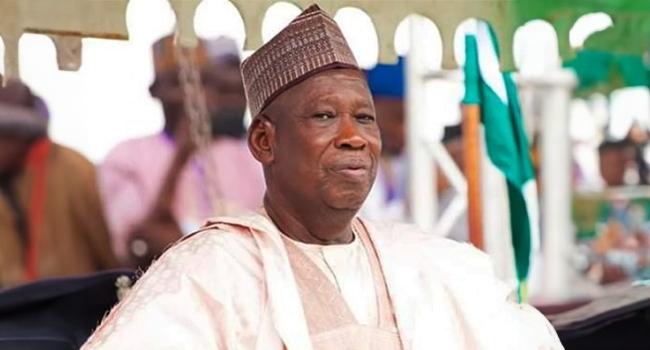
Heavily armed police officers allegedly deployed from Abuja on Friday arrested Muhuyi Magaji, the lead prosecutor in the high-profile corruption case involving former Kano governor Abdullahi Ganduje and his family. Magaji, a former anti-corruption commission chairman, was taken from his law office in what witnesses described as a “Gestapo-style” operation before being moved to an...
Jackie Chan Jackie Chan is a Hong Kong actor, martial artist, stuntman, filmmaker, and singer who became one of the most famous action stars in the world. Known for his unique blend of martial arts, comedy, and breathtaking stunts, Jackie Chan has built a legendary career in international cinema. He was born Chan Kong sang on April 7, 1954, in Hong Kong. Early Life and...