Environ
LAGOS LIFE

Lagos does not wake up gently. It explodes into consciousness.
By 4:45 a.m., the city is already clearing its throat generators coughing to life, buses honking impatiently, hawkers dragging wooden trays onto their heads. The sky is still dark, but Lagos has places to be and money to chase. Sleep is a luxury, and hesitation is a sin.
Adewale Johnson learned that early.
He lived in a one-room apartment in Agege with peeling yellow walls and a window that never quite shut. At night, mosquitoes whined like unpaid creditors, and during the rainy season, water crept in like it had tenancy rights. But every morning, Adewale woke up, tied his worn shoes, and stepped outside with the same stubborn hope: today might be better.
He was twenty-eight and unemployed at least officially. In Lagos, almost everyone worked, even if the work had no title. Adewale did a bit of everything. Some days he helped a spare-parts dealer in Ladipo. Other days he followed a contractor around as an “assistant” who was never on the payroll. On bad days, he stood by the roadside, waving at buses, hoping someone would need an extra hand.
His mother used to say, “Lagos will show you pepper, but it will also teach you how to cook.” Adewale wasn’t sure which lesson he was learning faster.
By 6 a.m., he was already in a danfo, squeezed between a woman selling chin-chin and a man arguing loudly on the phone. The conductor hung halfway out of the bus, slapping the roof and shouting, “Ojuelegba! Ojuelegba! No change o!”
Traffic thickened like overcooked stew. Horns blared. Tempers flared. Somewhere ahead, a bus had broken down, and the entire road had decided to suffer for it.
Adewale sighed and checked his phone. No new messages. No job leads. Just a motivational quote from a WhatsApp group: “Don’t give up. Your breakthrough is coming.”
He snorted. Lagos loved motivational quotes. It also loved breaking people.
At Ojuelegba, he jumped down and crossed the bridge, weaving through hawkers selling everything from phone chargers to miracle oil. A preacher shouted about salvation. A beggar tugged at his trousers. A woman balanced a baby on her back while yelling at a customer who wanted to price her tomatoes like she was desperate.
Everyone in Lagos was desperate. They just hid it differently.
By noon, Adewale had earned two thousand naira helping unload cement at a construction site. His back ached, his shirt clung to him, and hunger gnawed at his stomach. He bought a plate of rice and stew from a roadside buka. The stew was mostly oil, but he ate like it was a feast.
As he wiped his mouth, he noticed a girl sitting alone nearby, typing furiously on a laptop that had seen better days. She wore a simple dress and sneakers, her hair tied back in a messy bun. Power had gone out, so the buka was loud with complaints and generator fumes, but she stayed focused, her fingers flying.
“Network dey?” Adewale asked casually.
She looked up, surprised, then smiled. “Barely. Lagos wants to frustrate me today.”
He laughed. “That’s Lagos’ full-time job.”
Her name was Zainab. She was a freelance writer, hustling online gigs, deadlines stacked like unpaid bills. They talked while sharing a bottle of water about traffic, about fuel prices, about dreams that refused to die.
“I want to leave Lagos someday,” Zainab said, eyes distant. “But I also feel like if I survive here, I can survive anywhere.”
Adewale nodded slowly. “Lagos hardens you. Or it breaks you.”
“Which one is it doing to you?” she asked.
He thought about it. About the rejection emails, the long walks home, the nights he pretended not to hear his landlord coughing meaningfully.
“I’m still standing,” he said finally. “So maybe hardening.”
They exchanged numbers. In Lagos, connections were currency.
That evening, rain fell without warning, flooding roads and tempers alike. Adewale trekked part of the way home, trousers soaked, shoes squelching. He passed a crowd gathered around a car stuck in a gutter. The driver cursed. Bystanders offered advice no one followed.
When he reached Agege, darkness had settled, broken only by generator lights and street food fires. Children played football with a plastic bottle. Music blared from a nearby bar old-school Afrobeats mixed with heartbreak and swagger.
Inside his room, Adewale lay on the bed and stared at the ceiling fan that didn’t work. His phone buzzed.
It was Zainab.
“I just got paid for an article! Small money, but it’s something.”
He smiled and typed back, “Congrats. Lagos didn’t win today.”
Days turned into weeks. Adewale kept hustling. Zainab kept writing. Sometimes they met to share food and complaints. Sometimes they encouraged each other with words that sounded stronger than they felt.
Then one morning, Adewale got a call.
A logistics company needed a supervisor temporary, but with pay that sounded like fresh air. The job came through a man he once helped carry tiles without asking for extra money.
“Can you start tomorrow?” the voice asked.
“Yes,” Adewale said, heart racing. “Yes, I can.”
The job was chaotic. Drivers argued. Customers shouted. Traffic ruined schedules. But Adewale showed up early, stayed late, learned fast. Lagos rewarded alertness, not comfort.
Three months later, the role became permanent.
It wasn’t riches. But it was stability.
That night, he and Zainab sat by the roadside, sharing suya and cold drinks. The city hummed around them cars rushing, people laughing, dreams colliding.
“I think Lagos is growing on me,” Zainab admitted.
Adewale chuckled. “Careful. That’s how it traps you.”
She smiled softly. “Or how it trains you.”
As they sat there, Adewale realized something: Lagos wasn’t just noise and struggle. It was resilience dressed as chaos. It was millions of people waking up every day, refusing to surrender.
Lagos would test you.
It would insult you.
It would humble you.
But if you stayed long enough if you learned its rhythm, its madness, its secret kindness it might just teach you how to win.
And for Adewale, that was enough reason to wake up tomorrow and try again.

Catégories
Lire la suite
In the early 2000s, Tafa Balogun was one of Nigeria’s most prominent law enforcement figures. As the Inspector General of Police, he positioned himself as a reformer and a protector of national security. However, within just a few years, his career unraveled amid riots, corruption allegations, and criminal charges. Here's a breakdown of Balogun's turbulent legacy—from reformist...

Seyi Edun Seyi Edun is a Nigerian Nollywood actress, film producer, and entrepreneur known for her work in the Yoruba movie industry. She has built a reputation for her energetic performances, strong screen presence, and dedication to the growth of Yoruba cinema. Over the years she has appeared in several movies and has also produced films of her own. Early Life and Background Seyi...

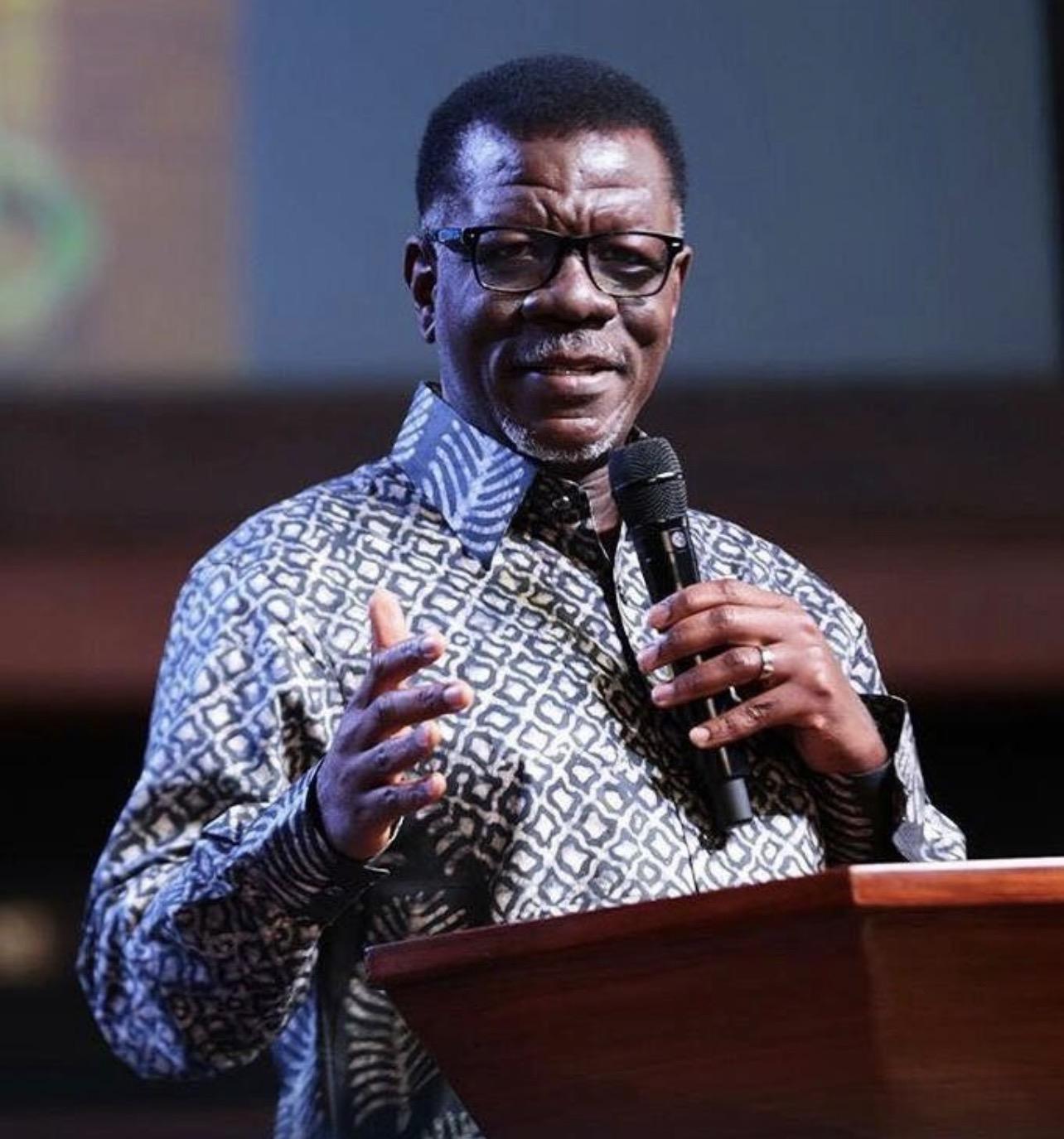
Mensah Otabil Introduction Mensah Otabil is one of Africa’s most respected voices in faith, leadership, and personal development. His story is not just about preaching in church, but about shaping minds, building leaders, and influencing a generation across Africa and beyond. From humble beginnings to becoming a global speaker and mentor, his life reflects discipline,...
In a groundbreaking move, Rotary International District 9112 has officially chartered Nigeria’s first-ever Passport Club—and potentially the first in Africa—under the banner of the Rotary Club of Nigeria Globetrotters. This marks a significant milestone for Rotary in Nigeria, embracing the innovative Passport Club model that offers greater flexibility and inclusivity for...

The Independent National Electoral Commission (INEC) has dismissed reports suggesting the formal registration of a new political party, the All Democratic Alliance (ADA), stating that no association has yet fulfilled the legal prerequisites for recognition as a political party. INEC’s National Commissioner and Chairman, Information and Voter Education Committee, Mr. Sam Olumekun,...