О нас
О нас
Lateef Jakande The Humble Visionary Who Built Modern Lagos
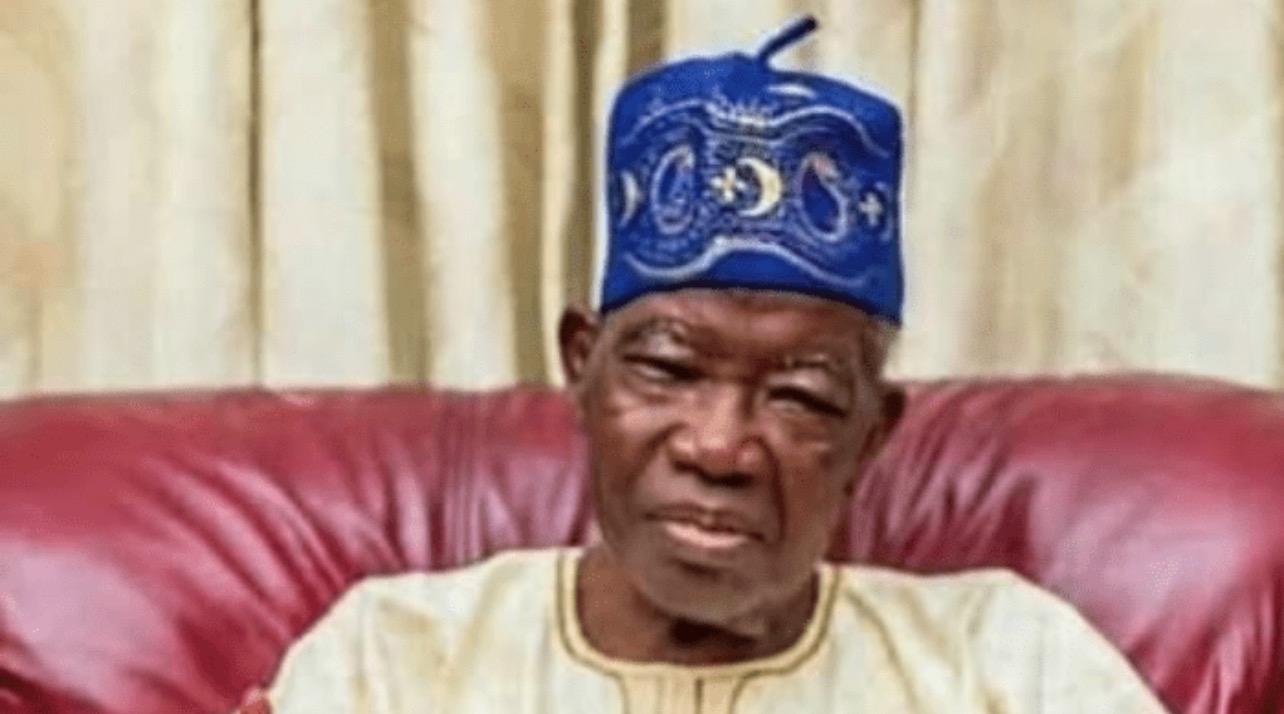
Lateef Jakande
Lateef Kayode Jakande is remembered as one of the most respected and effective leaders in Nigerian history. His name is spoken with admiration across generations because of the legacy he left behind in Lagos State and Nigeria as a whole. To many Nigerians he was more than a politician. He was a journalist, a reformer, a visionary, and a man who believed that government must serve the ordinary people.
His story is one of discipline, courage, integrity, and an unwavering commitment to improving the lives of others.
Early Life and Humble Beginnings
Lateef Kayode Jakande was born on July 23, 1929, in Lagos Island in Lagos State, Nigeria. Lagos at the time was a bustling colonial city where cultures met, businesses thrived, and political consciousness was beginning to grow among Nigerians who desired independence from British rule.
Jakande grew up in a modest family environment where discipline and education were highly valued. His childhood was not one of wealth or privilege, but it was filled with strong values that shaped the man he would become.
From a young age, Jakande was known to be quiet, thoughtful, and extremely hardworking. He was fascinated by books and newspapers, and he developed a deep interest in current affairs and public issues.
His early education took place in Lagos where he attended local schools before moving into journalism, a profession that would shape his worldview and influence his later political career.
The Young Journalist
Before entering politics, Lateef Jakande made his mark in journalism. He began his career as a reporter, and over time he became one of the most respected journalists in Nigeria.
He worked with several newspapers and eventually became the editor of the Daily Service newspaper, one of the most influential newspapers during Nigeria’s nationalist struggle.
Journalism was not just a job for Jakande. It was a mission. Through his writing he spoke about justice, fairness, good governance, and the need for leaders who cared about the people.
His articles were known for being clear, fearless, and focused on truth. He believed that the press had a duty to hold leaders accountable and inform the public.
During the period when Nigeria was fighting for independence, newspapers played a crucial role in shaping public opinion. Jakande was among the journalists who used their platform to support the nationalist movement and the push for self governance.
Working With Obafemi Awolowo
Jakande’s career took a new direction when he became closely associated with the legendary Nigerian leader Obafemi Awolowo.
Awolowo was a strong advocate of education, social welfare, and progressive politics. Jakande admired these ideas deeply.
He became a trusted ally of Awolowo and served as a key member of his political movement. Their relationship was built on shared values and a vision for a better Nigeria.
When Awolowo introduced free education policies in the Western Region during the 1950s, Jakande was among the people who helped promote and support those policies.
This connection would later influence Jakande’s own approach to governance when he became governor of Lagos State.
Rise Into Politics
After years in journalism, Jakande decided to enter politics more directly. He joined the political movement that later became the Unity Party of Nigeria.
His reputation as an honest and disciplined man made him very popular among voters.
When Nigeria returned to civilian rule in 1979, Jakande contested for the position of governor of Lagos State under the Unity Party of Nigeria.
He won the election and became the first civilian governor of Lagos State in Nigeria’s Second Republic.
For many people, his victory represented hope.
They believed that a man who had spent his life fighting for truth through journalism would govern with honesty.
Governor of Lagos State
When Jakande assumed office in 1979, Lagos was already Nigeria’s busiest city, but it faced serious problems.
There were housing shortages, overcrowded schools, poor infrastructure, and limited access to social services.
Jakande believed that government must focus on the needs of ordinary people.
He quickly began implementing ambitious programs that transformed the state.
Housing Revolution
One of Jakande’s most famous achievements was his housing program.
At the time, many Lagos residents lived in overcrowded conditions. Housing was expensive and difficult to obtain.
Jakande launched a massive public housing project to provide affordable homes for ordinary citizens.
During his administration, thousands of housing units were built across Lagos.
Some of the housing estates that still exist today include Jakande Estate in Lekki, Amuwo Odofin housing schemes, and several other government built communities.
These houses were sold at affordable prices so that civil servants and low income families could own homes.
Education Expansion
Another major focus of Jakande’s government was education.
He believed strongly that education was the foundation of development.
Within a short period of time his administration built hundreds of new schools across Lagos State.
Many primary and secondary schools were constructed to accommodate the growing population.
He also introduced policies that improved access to education for children from poor families.
For Jakande, every child deserved the opportunity to learn.
Healthcare and Social Services
Jakande also expanded healthcare services across Lagos.
New hospitals and health centers were built to serve communities that previously had limited access to medical care.
His government also improved public transportation and social welfare programs.
Despite the limited financial resources available at the time, Jakande’s administration was able to complete numerous projects within just four years.
Many people were amazed by how quickly his government delivered results.
A Governor Known for Simplicity
One of the things that made Jakande different from many politicians was his personal lifestyle.
He lived simply.
He was known to wear his traditional cap and simple clothing without extravagance.
Unlike many political leaders who surrounded themselves with luxury and large entourages, Jakande was humble and accessible.
He believed that leadership was about service, not privilege.
Many civil servants and residents of Lagos admired him because he appeared to genuinely care about the welfare of ordinary people.
The Military Coup of 1983
Just as Jakande was preparing for a second term as governor, Nigeria’s democratic government was suddenly interrupted.
On December 31, 1983, the Nigerian military overthrew the civilian government in a coup.
This ended the Second Republic and removed Jakande and other elected officials from office.
Although his tenure lasted only four years, the impact of his work was enormous.
Many of the projects he initiated continued to benefit Lagos residents long after he left office.
Role in the Federal Government
Years later, during the military government of Sani Abacha, Jakande accepted an appointment as Minister of Works.
This decision surprised some of his supporters because many politicians from the pro democracy movement refused to work with the military government.
However Jakande explained that his decision was motivated by his desire to continue contributing to national development.
Even while serving in the federal government, he remained known for discipline and modesty.
Personal Life
Lateef Jakande was married and had children.
His family life was relatively private, and he rarely allowed his personal matters to dominate public attention.
Friends and colleagues often described him as calm, thoughtful, and principled.
He was also known for his strong religious faith and moral discipline.
Jakande believed that leaders must act with integrity because they serve as examples to society.
Life After Politics
After leaving government service, Jakande remained an elder statesman in Nigerian politics.
He often offered advice on governance and national development.
Younger politicians and journalists frequently visited him to learn from his experiences.
He spent his later years quietly but remained respected across the country.
Many Lagos residents continued to point to the housing estates, schools, and infrastructure he built as proof of his effective leadership.
Passing of a Legend
Lateef Jakande passed away on February 11, 2021, at the age of 91.
His death marked the end of an era in Nigerian politics.
Across Nigeria, tributes poured in from political leaders, journalists, scholars, and ordinary citizens who remembered him as a man who served with honesty and dedication.
For Lagos residents in particular, Jakande’s legacy is visible everywhere.
The housing estates he built, the schools he established, and the social programs he introduced remain part of the city’s foundation.
Legacy of Service
Lateef Jakande’s story is a reminder that leadership can be simple, honest, and people focused.
At a time when many citizens feel disconnected from political leaders, Jakande’s life offers a different example.
He showed that government can work when leaders are disciplined and committed to the public good.
Even decades after leaving office, many Nigerians still compare modern leaders with the standards he set.
His name has become synonymous with integrity, efficiency, and visionary leadership.
In Lagos, his impact is so profound that some people still refer to him affectionately as Baba Kekere, meaning the trusted son of the legendary Awolowo.
Lateef Jakande did not rule for decades.
He did not accumulate vast wealth.
But within four short years, he built a legacy that many leaders struggle to match in a lifetime.
His story continues to inspire Nigerians who believe that true leadership is measured not by power but by service to the people.

Категории
Больше
President Bola Tinubu has called for the urgent ratification of the Biodiversity Beyond National Jurisdiction (BBNJ) Agreement and a significant increase in funding to support blue economy initiatives, especially in developing countries, to ensure the sustainable use and protection of the world’s oceans. Speaking on behalf of the president at the ongoing United Nations Ocean Conference in...

In a remarkable act of bravery, John Okeke, a vigilant security officer, thwarted a kidnapping attempt by a native doctor named Ezeani in Enugu State, Nigeria. While inspecting his property, Okeke noticed suspicious individuals with a young girl whose mouth was covered. After narrowly escaping an attack, he sought help from various community members, including a priest and an elderly man, but...

Despite President Bola Tinubu’s directive ordering the withdrawal of police security from VIPs and government officials, Inspector-General of Police Kayode Egbetokun has approved the continued deployment of police escorts to top officials of the Independent National Electoral Commission (INEC). Documents obtained by SaharaReporters show that the approval covers National Commissioners,...
Hakeem Abdul Olajuwon Hakeem Olajuwon is one of the greatest basketball players in history and Africa’s most iconic NBA legend. Born and raised in Nigeria, he became a dominant NBA center famous for elite defense, graceful footwork, and the signature post style known as the “Dream Shake.” He is best known for leading the Houston Rockets to back to back NBA...

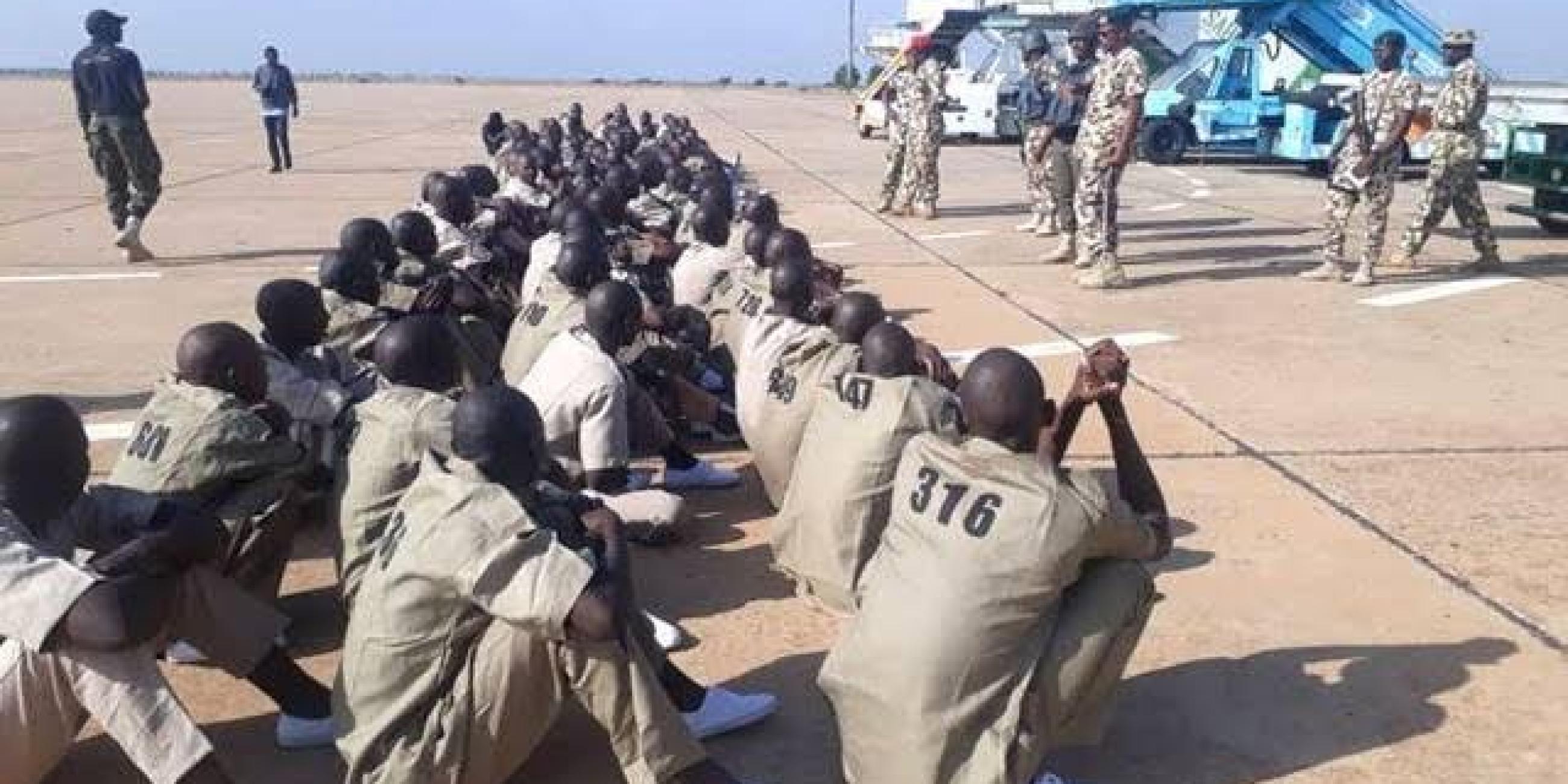
Some Nigerian soldiers fighting Boko Haram terrorists in Yobe and Borno States have accused government-backed “repentant” insurgents of leaking critical military information—including troop movements, armoury details, and logistics—to their former commanders. The soldiers, currently serving in multiple bases across the Northeast, told SaharaReporters that integrating...