About
About
The Mud Cathedral of the Sahel: The Legendary Story of the Great Mosque of Djenné
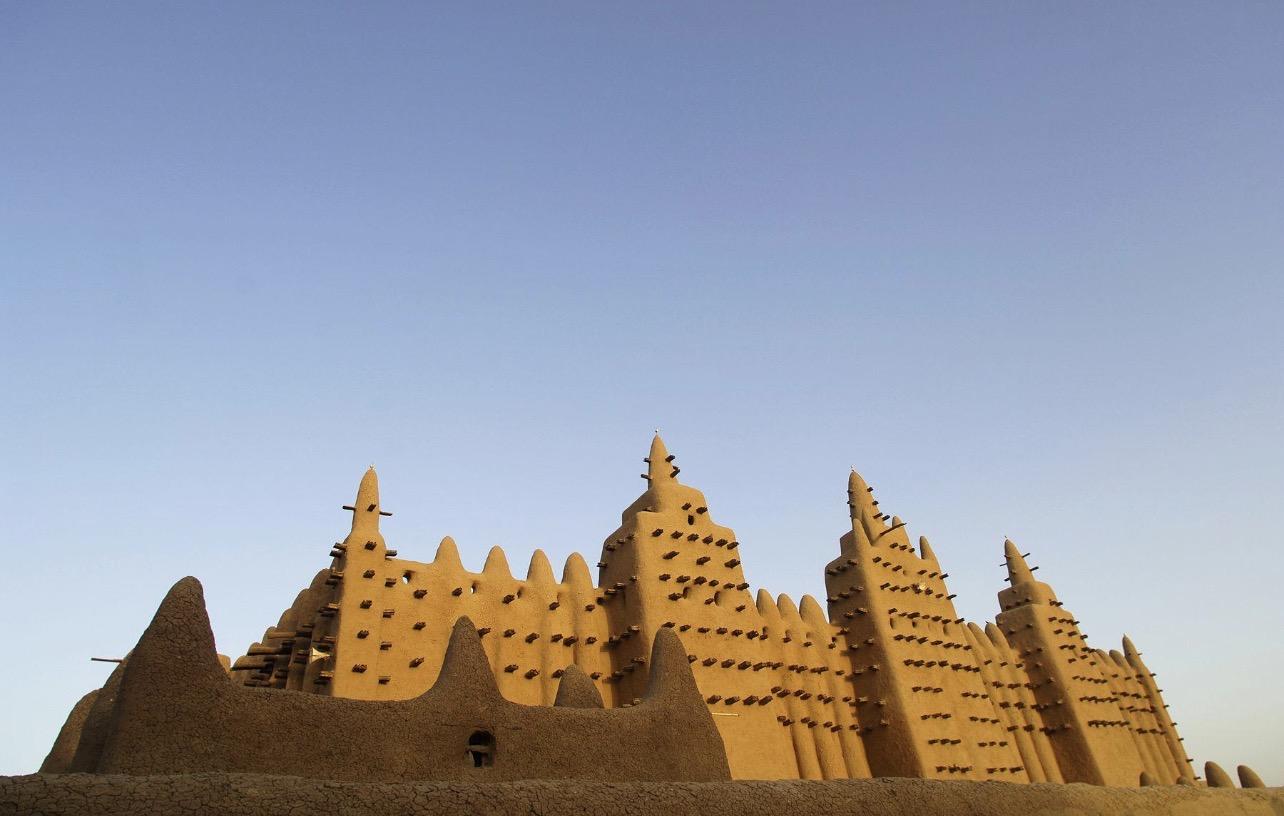
Great Mosque of Djenné
In the wide floodplains of the Niger River in present day Mali stands one of the most extraordinary buildings ever created by human hands. Rising from the earth like a giant sculpture made of clay, the Great Mosque of Djenné is not only a place of worship but also one of the most remarkable architectural achievements in African history.
Unlike the towering stone cathedrals of Europe or the marble mosques of the Middle East, the Great Mosque of Djenné is built entirely from mud bricks, earth, and wood. Yet despite its simple materials, it is the largest mud brick building in the world and one of the most iconic structures on the African continent.
The mosque is more than six hundred years old in spirit and tradition, and its story is deeply connected to the rise of trade, religion, culture, and community in West Africa. It represents centuries of faith, craftsmanship, and cooperation.
To understand why the Great Mosque of Djenné became such an important historical symbol, one must first understand the ancient city that surrounds it.
The Ancient City of Djenné
Long before the mosque was built, Djenné was already an important center of civilization.
Archaeological discoveries show that people had been living in the area for more than a thousand years before the rise of the famous mosque. The region was fertile because of the seasonal flooding of the Niger and Bani rivers. This flooding allowed farmers to grow rice and other crops while fishermen thrived along the waterways.
By around the ninth century Djenné had become one of the most important trading cities in West Africa.
Merchants from different regions gathered in its markets to exchange goods such as gold, salt, ivory, grains, textiles, and slaves. The city was strategically located along trade routes that connected the Sahara Desert with the forests of West Africa.
Caravans of camels traveled from North Africa carrying salt and luxury goods, while traders from the south brought gold and agricultural products.
Because of this trade Djenné grew into a wealthy and influential city.
Islam Arrives in Djenné
As trade increased, so did cultural and religious exchange.
Muslim traders from North Africa introduced Islam to many parts of West Africa. Over time Islam spread gradually through trade, scholarship, and interaction with local leaders.
Djenné eventually embraced Islam as an important part of its cultural and political life.
One of the most important moments in the city’s history occurred in the thirteenth century when a local ruler named Sultan Koi Konboro accepted Islam.
According to historical tradition, after converting to Islam the ruler ordered the construction of a large mosque for the city.
This decision would shape the future of Djenné and lead to the creation of one of the most extraordinary religious structures in Africa.
The First Mosque of Djenné
The first mosque in Djenné was built sometime during the thirteenth century. Although the original structure no longer exists, historical accounts suggest that it stood on the same site where the present mosque now stands.
This early mosque became the center of religious life in the city.
Scholars, teachers, and students gathered there to study Islamic law, theology, and philosophy. The mosque also served as a place where community leaders met to discuss important matters.
Djenné soon became not only a trading center but also an intellectual center of Islamic learning in West Africa.
The Rise of Islamic Scholarship
During the medieval period Djenné and nearby cities such as Timbuktu became famous for Islamic education.
Scholars traveled across the Sahara Desert to study religion, law, mathematics, and astronomy. Manuscripts were copied by hand and preserved in libraries.
The mosque played a central role in this educational system.
Students sat in circles around teachers who explained religious texts and debated philosophical ideas. This method of learning created generations of scholars who helped spread knowledge throughout the region.
Because of its scholarship and trade Djenné became known as one of the great cities of the Mali Empire and later the Songhai Empire.
The Architecture of Mud
One of the most fascinating aspects of the Great Mosque of Djenné is its architecture.
The building is constructed using sun dried mud bricks known as banco. These bricks are made from a mixture of clay, water, rice husks, and other natural materials.
The walls are thick and strong, helping to keep the interior cool during the intense heat of the Sahel region.
Wooden beams known as toron stick out from the walls. These beams serve two purposes. They strengthen the structure and also act as permanent scaffolding that workers can stand on when repairing the building.
The mosque has tall towers that rise from the front wall, giving it a majestic appearance.
Large ostrich eggs are placed on top of the towers as decorative symbols believed to represent purity and fertility.
The entire structure looks as if it has grown naturally from the earth itself.
The Reconstruction of 1907
The present Great Mosque of Djenné that stands today was built in 1907 during the period of French colonial rule.
By the nineteenth century the original mosque had fallen into disrepair.
Local leaders decided that the mosque needed to be rebuilt in order to preserve the religious and cultural identity of the city.
Using traditional building techniques, local masons constructed the new mosque with the help of the entire community.
Although it was built during colonial times, the design respected the ancient Sudano Sahelian architectural style that had defined the region for centuries.
The result was a magnificent structure that combined tradition, faith, and craftsmanship.
The Annual Plastering Festival
One of the most remarkable traditions associated with the Great Mosque of Djenné is the annual plastering festival.
Because the mosque is made from mud bricks, the walls must be repaired and replastered regularly to protect them from rain and erosion.
Every year the entire community gathers for a festival known locally as the Crepissage.
During this event men, women, and children work together to apply fresh layers of mud plaster to the walls of the mosque.
Young men climb the wooden beams while carrying baskets of mud. Women bring water and prepare the mixture used for the plaster.
Music, celebration, and community spirit fill the air as the work is completed.
This tradition is not only about maintenance but also about unity and cultural identity.
It reminds the people of Djenné that the mosque belongs to everyone and must be protected by everyone.
A Symbol of African Architecture
The Great Mosque of Djenné is often described as the greatest example of Sudano Sahelian architecture.
This architectural style developed across the Sahel region of West Africa and is characterized by mud brick construction, wooden beams, and massive sculptural forms.
What makes the mosque historic is not only its beauty but also the knowledge and skill required to build it.
For centuries African builders perfected techniques that allowed them to create large durable structures using simple natural materials.
The mosque proves that advanced architecture does not always require stone or steel.
Sometimes earth itself can become a masterpiece.
Recognition by the World
In 1988 the Great Mosque of Djenné and the surrounding old town were recognized as a World Heritage Site by UNESCO.
This recognition confirmed the mosque’s importance not only to Mali but to the entire world.
Historians and architects consider it one of the most significant monuments of African history.
Tourists, researchers, and photographers from around the globe visit Djenné to witness its beauty.
However the mosque remains first and foremost a sacred place of worship for the local Muslim community.
The Challenges of Preservation
Despite its importance the mosque faces many challenges.
Climate change, erosion, population growth, and modernization all threaten traditional buildings in the region.
Maintaining the mosque requires constant effort from the local community.
Fortunately the annual plastering festival and ongoing preservation projects help protect the structure.
These efforts ensure that the mosque will continue standing for future generations.
Why the Great Mosque of Djenné Is Historic
The Great Mosque of Djenné is historic because it represents many important chapters of African history.
It tells the story of the spread of Islam in West Africa through trade and scholarship.
It represents the architectural genius of African builders who used natural materials to create monumental structures.
It reflects the power of community cooperation through the annual restoration festival.
And it stands as a symbol of the rich cultural heritage of Mali and the Sahel region.
For centuries the mosque has been a center of prayer, learning, trade, and community life.
Its walls have witnessed the rise and fall of empires, the journeys of scholars, and the daily lives of generations of people.
Even today when the sun sets over the city and the golden light reflects on the clay walls, the Great Mosque of Djenné stands proudly as one of the greatest historical treasures of Africa.
It reminds the world that history is not only written in books but also built into the landscapes, traditions, and structures created by human hands.


Categories
Read More
Fresh allegations have rocked Nigeria’s Corporate Affairs Commission (CAC) as the Registrar-General, Hussaini Ishaq Magaji (SAN), is accused of compelling fintech companies to collect inflated business registration fees from hundreds of thousands of small business owners nationwide. Sources allege that PoS operators and micro businesses were made to pay ₦20,000 for business name...

Dog owners are feeling the pinch as pet food prices climb amid the ongoing cost-of-living crisis. With inflation driving up the cost of essentials, pet care budgets are stretched thin, forcing many to rethink their spending. Premium pet food brands have seen price hikes of up to 20% in the past year, while even budget options are no longer as affordable. For devoted pet parents, cutting back...

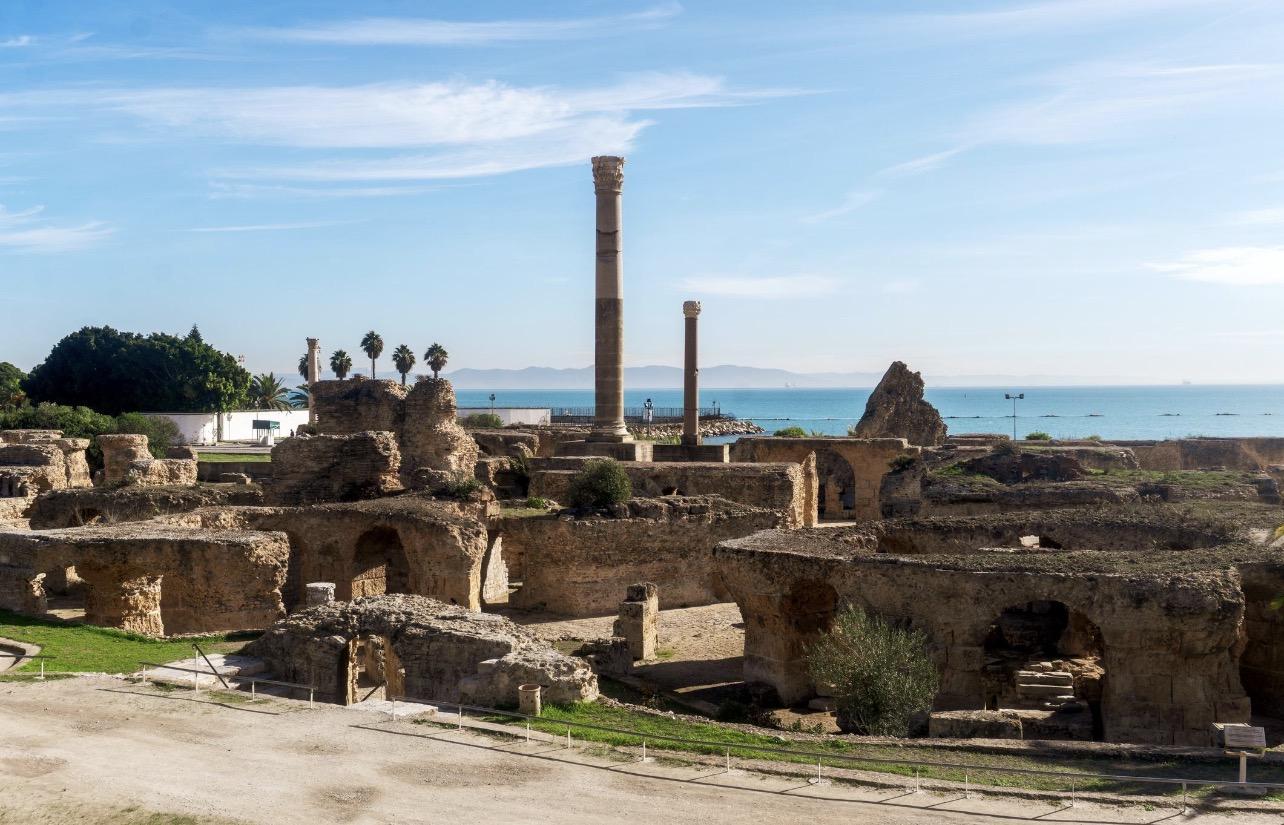
Carthage Long before many of the modern cities of North Africa were built, before colonial borders were drawn and long before modern Tunisia became a nation, there stood a magnificent city along the Mediterranean coast that once controlled trade, power, and influence across the ancient world. That city was Carthage. Today the remains of Carthage lie quietly near the modern city of...
Yoruba Nation coordinators from across Nigeria and the diaspora convened in Cotonou, Benin Republic, on Tuesday for a high-level strategic meeting aimed at accelerating their campaign for self-determination and the creation of an independent Yoruba nation. The gathering was organized by Prophet Ayodele Ologunloluwa, a prominent Yoruba youth leader based in the United States, and brought...
SHARON OOJA Sharon Ooja is a Nigerian actress and model best known for her vibrant screen presence, emotional depth, and breakout role in the hit TV series Skinny Girl in Transit. Over the years, she has grown into one of Nollywood’s most stylish and admired actresses, earning recognition for both her acting talent and fashion influence. Early Life and Background...