Environ
Atiku Abubakar: The Persistent Contender Who Never Stopped Chasing Nigeria’s Highest Office

Atiku Abubakar
In the quiet town of Jada in Adamawa State, in 1946, a child was born into modest circumstances. His father was a trader and farmer, cautious about Western education. That child would grow into one of Nigeria’s most enduring political figures, a man whose name has appeared repeatedly on presidential ballots for decades. That child is Atiku Abubakar.
His life is a story of resilience, business success, political alliances, bitter rivalries, ambition, controversy, and an unwavering pursuit of the presidency.
Early Life and Education
Atiku Abubakar was born on November 25, 1946, in Jada, then part of the Northern Region of British Nigeria. His father initially resisted enrolling him in school, wary of Western influence. But local authorities encouraged education, and young Atiku began his academic journey.
He attended Adamawa Provincial Secondary School and later studied at the Nigeria Police College briefly before moving on to the Nigerian Customs Service training program. He furthered his education at Ahmadu Bello University in Zaria, studying Economics.
Education opened doors, but it was ambition that pushed him forward.
Career in the Nigerian Customs Service
After completing his training, Atiku joined the Nigerian Customs Service in 1969. His years in Customs coincided with Nigeria’s post civil war economic expansion.
He rose steadily through the ranks, gaining exposure to international trade and government revenue systems. During his service, he built relationships and developed insights into Nigeria’s economic structure.
By 1989, he voluntarily retired from Customs as a Deputy Director. Retirement, however, was not an exit from ambition. It was a transition.
Business Ventures and Wealth Creation
Following his departure from public service, Atiku ventured into business. He invested in logistics, agriculture, oil and gas services, and education.
One of his most notable investments is the American University of Nigeria in Yola, which he founded to provide world class education within Nigeria. His business success significantly elevated his financial standing.
Supporters describe him as a self made entrepreneur who created employment opportunities. Critics have questioned the origins and scale of his wealth. Regardless of perspective, his business footprint remains substantial.
Entry into Politics
Atiku’s formal entry into national politics gained momentum in the late 1990s. In 1998, he contested for governor of Adamawa State and won. However, before he could assume office, he was selected as running mate to Olusegun Obasanjo under the platform of the Peoples Democratic Party.
In 1999, when Nigeria returned to democratic rule, Atiku Abubakar became Vice President of Nigeria.
Vice Presidency Years
From 1999 to 2007, Atiku served as Vice President. His portfolio focused heavily on economic management and privatization initiatives. He chaired the National Council on Privatization and played a central role in Nigeria’s economic liberalization policies.
The Obasanjo administration pursued reforms aimed at debt relief, telecommunications liberalization, and banking consolidation. Atiku was deeply involved in economic policy discussions.
However, the relationship between Obasanjo and Atiku later deteriorated. Political disagreements and allegations of corruption created tension. By the end of their tenure, the once cooperative partnership had become openly adversarial.
Political Realignments and Presidential Ambition
After leaving office in 2007, Atiku’s presidential ambition became more visible. He contested the presidency multiple times under different party platforms.
He ran in 2007, 2011, 2015, 2019, and 2023. Few Nigerian politicians have demonstrated such persistence in pursuing the nation’s highest office.
In 2019, he emerged as the presidential candidate of the Peoples Democratic Party and lost to incumbent President Muhammadu Buhari after a highly competitive election. He challenged the result in court but the Supreme Court upheld the outcome.
In 2023, he again contested, facing a dynamic electoral field that included candidates from emerging political movements. Though he did not win, his performance reinforced his enduring presence in Nigerian politics.
Leadership Style
Atiku Abubakar is known for his business oriented approach to governance. He frequently advocates for restructuring Nigeria’s federal system and promoting private sector led economic growth.
He argues that decentralization and fiscal federalism would allow states greater autonomy to manage resources and development.
Supporters admire his economic experience and negotiation skills. Critics question his party switching history and consistency.
Yet, across decades, he has remained a central figure in opposition politics.
Controversies and Allegations
Atiku’s career has not been without controversy. Allegations of corruption and financial impropriety have followed him at various stages of his political journey. Investigations in both Nigeria and the United States have been widely reported in media over the years.
Atiku has consistently denied wrongdoing and has never been convicted of criminal charges related to these allegations. His supporters argue that political rivalry often fuels accusations in Nigeria’s competitive environment.
Controversy, however, has not diminished his political ambition.
Personal Life
Atiku Abubakar comes from a large family and has multiple wives and children. His personal life reflects Northern Nigerian cultural traditions.
He is known for philanthropy, particularly in education and youth empowerment initiatives. The American University of Nigeria remains one of his most visible legacies outside politics.
The Man Behind the Ambition
Persistence defines Atiku’s story. He has faced electoral defeats, party conflicts, court battles, and public criticism. Yet he has never withdrawn from the national stage.
His journey reflects Nigeria’s evolving democracy, where political realignments are frequent and ambition is rarely extinguished.
He has served as customs officer, entrepreneur, vice president, opposition leader, and perennial presidential candidate.
Each election cycle renews debates about his suitability for leadership. Each campaign reinforces his reputation as a determined contender.
Legacy in Perspective
Atiku Abubakar’s legacy remains unfinished. Unlike leaders whose careers end with one defining office, his narrative revolves around pursuit rather than final attainment.
He played a significant role in Nigeria’s economic reforms during the early years of the Fourth Republic. He has influenced conversations on restructuring and federalism. He has invested heavily in private education.
Whether history ultimately remembers him as a reform advocate constrained by political rivalry or as a businessman turned statesman who persistently sought national leadership, his imprint on Nigeria’s democratic evolution is undeniable.
From the dusty paths of Jada to the corridors of Aso Rock as vice president, his journey tells a story of ambition sustained across decades.
In Nigerian politics, few names have endured as consistently in presidential conversations as Atiku Abubakar.


Catégories
Lire la suite
Daniel’s POV I couldn’t concentrate on anything after leaving my father’s office. The files on my desk blurred together, numbers refused to make sense, and all I could see was Victoria’s face. My father’s words replayed again and again in my head. You cannot say no. I picked up my phone and called her. My heart was pounding so hard I thought she would...

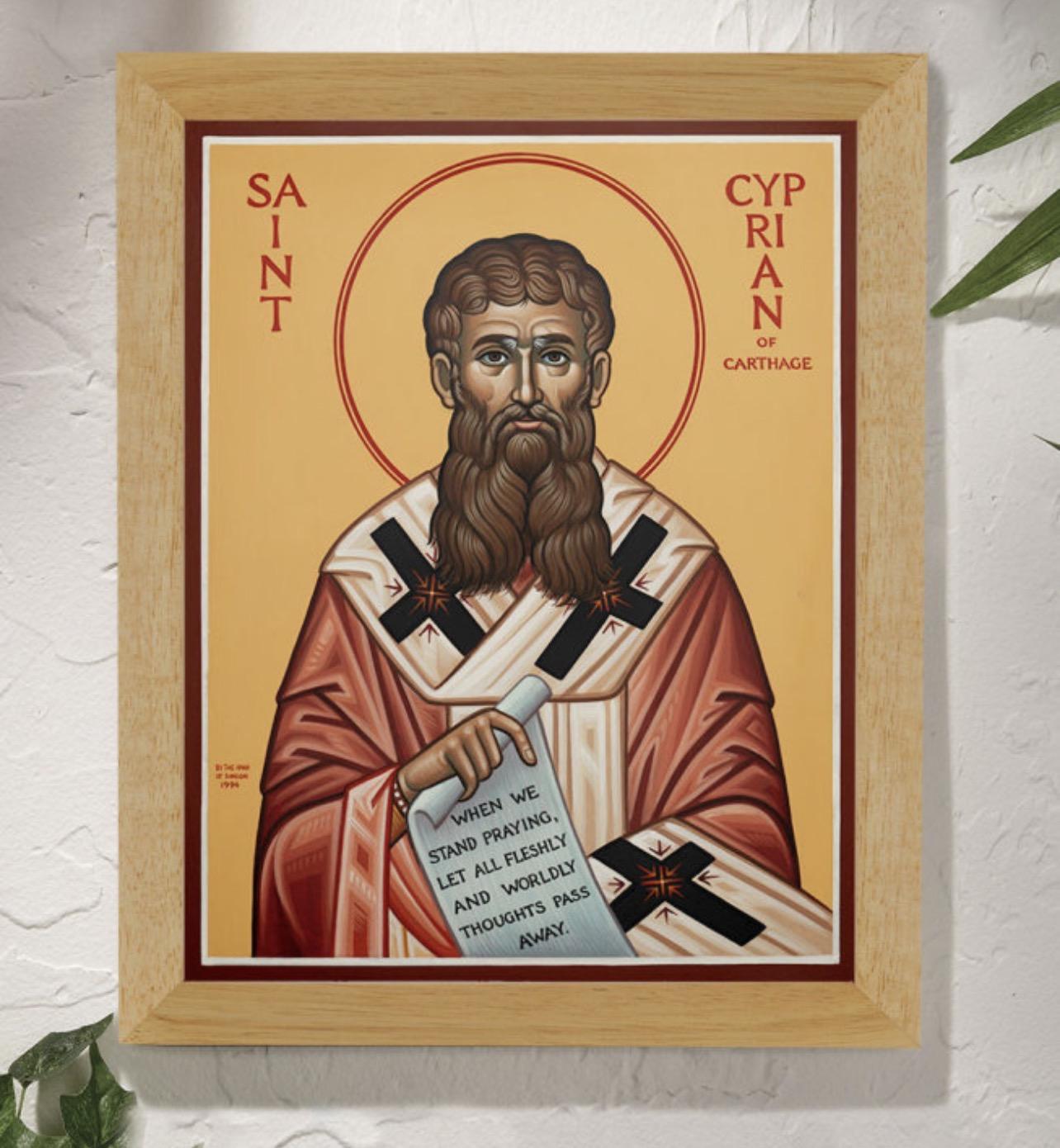
Cyprian of Carthage Early Life Cyprian of Carthage was born around the early 3rd century in Carthage, a powerful city in North Africa, located in present day Tunisia. He came from a wealthy pagan family. His full name was Thascius Caecilius Cyprianus. As a young man, he was highly educated and became a respected teacher of rhetoric. People admired his intelligence, his calm...
Bella Shmurda Bella Shmurda, whose real name is Abiola Ahmed Akinbiyi, is a Nigerian singer and songwriter known for his street conscious lyrics, energetic delivery, and emotional storytelling. Born on January 27, 1997, in Lagos State, Nigeria, Bella Shmurda rose from humble beginnings to become one of the leading voices of Nigeria’s new generation of Afrobeats artists....

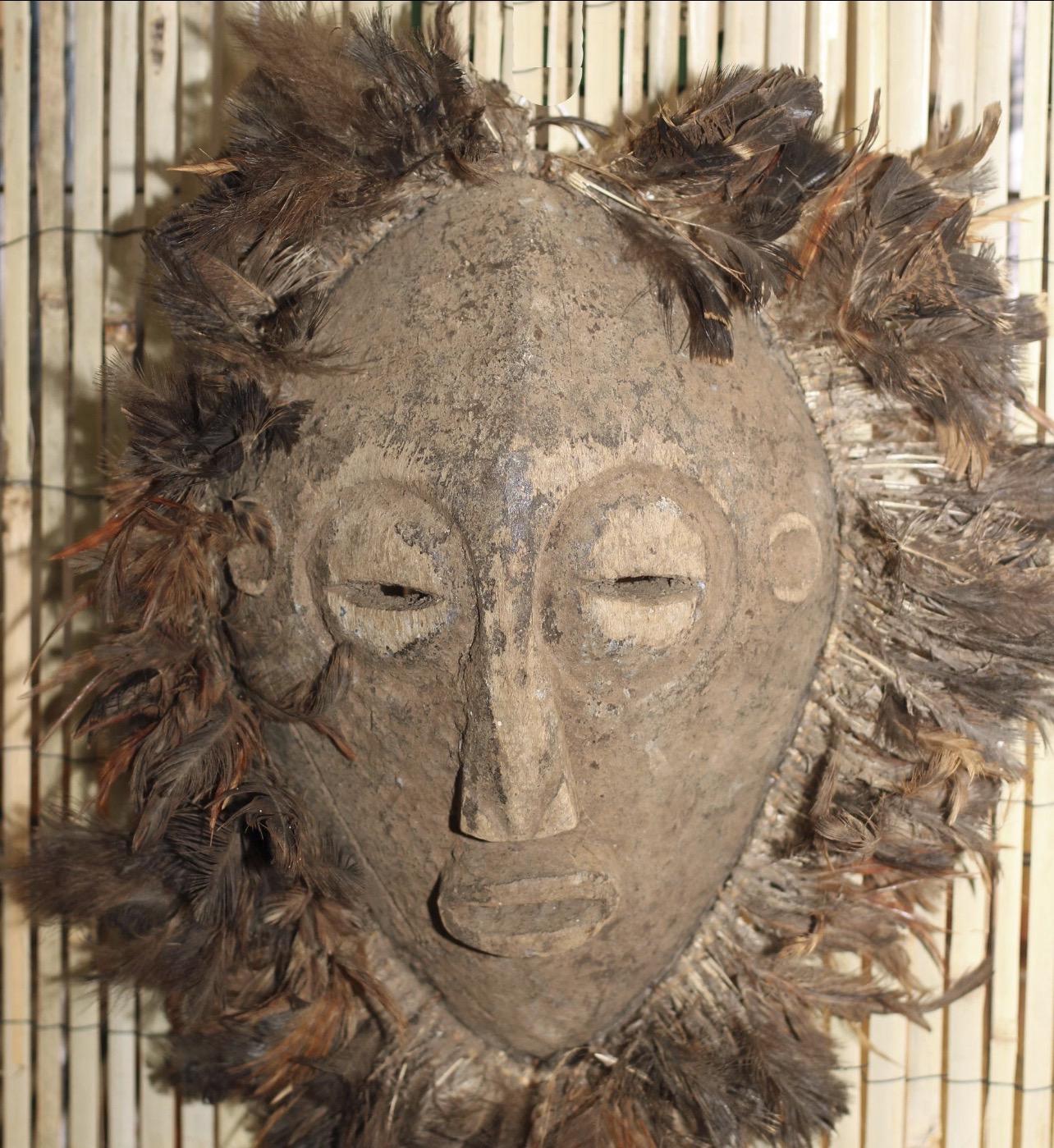
The First Masquerade Spirit The First Masquerade Spirit Who Walked Between Worlds Long before villages had names and before paths were carved into the red earth by countless footsteps, there was silence. Not the silence of emptiness, but the silence of waiting. The forests breathed slowly, the rivers whispered secrets, and the ancestors had not yet found a way to speak to the living....
Ado Gwanja When the name Ado Gwanja is mentioned anywhere in Northern Nigeria, one thing immediately comes to mind energy. Loud beats. Crowds chanting. Women screaming in excitement. His concerts feel less like performances and more like celebrations. But behind the vibrant stage name that has become a cultural brand is his real name, Ado Isah Gwanja. His story is not quiet. It is...