


 About
About
Oby Ezekwesili: The Voice That Refused to Be Silent
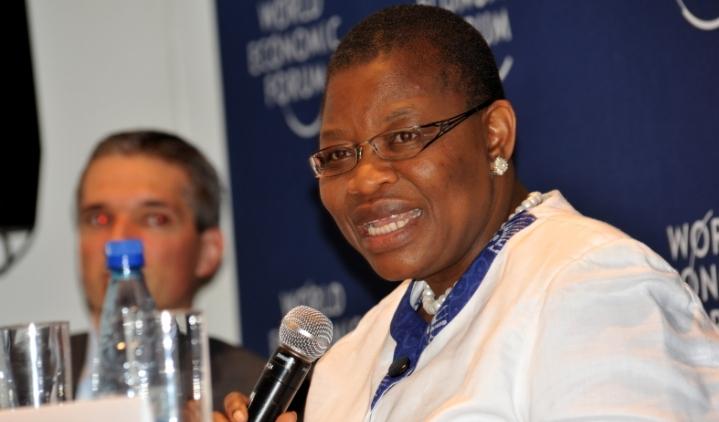
Oby Ezekwesili
In the heart of Nigeria’s evolving democracy, where power often speaks louder than conscience, one woman chose to raise her voice not for applause but for accountability. Her name is Oby Ezekwesili.
Her journey is not just a political story. It is a story of courage, intellect, advocacy, reform, and an unwavering belief that leadership must answer to the people.
Early Life and Education
Obiageli “Oby” Ezekwesili was born on April 28, 1963, in Lagos, Nigeria, though she hails from Anambra State. Growing up in a country navigating post independence transitions, she was exposed early to conversations about leadership, responsibility, and national identity.
She attended the University of Nigeria, Nsukka, where she studied Accounting. Numbers made sense to her. They revealed patterns, exposed waste, and told stories that rhetoric often hid. After her first degree, she furthered her education with a master’s degree in International Law and Diplomacy from the University of Lagos. She also attended executive programs at Harvard Kennedy School, sharpening her global perspective on governance and public policy.
Education did not merely equip her with credentials. It gave her a framework to question systems and demand accountability.
Professional Beginnings and Corporate Experience
Before becoming widely known in public service, Ezekwesili built a career in finance and consulting. She worked with Deloitte and later became involved in public financial management initiatives.
Her early career shaped her belief in transparency and institutional reform. She understood that economic systems, when poorly managed, hurt the poorest citizens most severely.
This conviction would later define her public service career.
Founding Transparency Advocacy
One of her defining early contributions to Nigeria’s reform movement was her role as a co founder of Transparency International Nigeria, working alongside other reform minded professionals. At a time when corruption was often whispered about but rarely confronted publicly, she advocated for open governance.
Her anti corruption stance attracted national attention and positioned her within reform networks that would later influence her appointment into federal government.
Service Under Obasanjo
Her national prominence rose significantly during the administration of Olusegun Obasanjo. She first served as Special Assistant to the President on Budget Monitoring and Price Intelligence, heading what became known as the Due Process Office.
The Due Process mechanism aimed to ensure transparency in government procurement and prevent inflated contracts. It was a bold attempt to introduce discipline into Nigeria’s public spending.
Later, she was appointed Minister of Solid Minerals and subsequently Minister of Education. In these roles, she pushed for reforms aimed at strengthening institutional systems rather than cosmetic changes.
Her tenure in the education sector focused on structural improvement and accountability. She emphasized standards, funding transparency, and reform of public institutions.
While not all reforms were universally praised, few doubted her commitment to institutional integrity.
The World Bank Years
After her time in Nigeria’s federal cabinet, Ezekwesili moved to the international stage. She became Vice President for the Africa Region at the World Bank. In that role, she oversaw operations across multiple African countries, engaging with governments on economic reform, poverty reduction, and development financing.
Her work at the World Bank expanded her global influence and deepened her understanding of the structural barriers facing developing nations.
Yet even from Washington, her heart remained connected to Nigeria.
Bring Back Our Girls Movement
In 2014, when over 200 schoolgirls were abducted from Chibok by insurgents, Nigeria was shaken. While many waited for official statements, Ezekwesili stepped forward.
She became one of the leading voices of the Bring Back Our Girls movement, demanding accountability and urgent action from the government.
Standing at Abuja’s Unity Fountain with other activists, she consistently called for transparency and decisive security measures. The movement gained international attention, amplifying pressure on authorities.
Her activism was not without criticism. Some political supporters accused her of politicizing tragedy. She responded firmly that demanding accountability was not partisan but patriotic.
For many Nigerians, that period defined her as a fearless advocate who would not retreat in the face of intimidation.
Presidential Ambition
In 2018, Ezekwesili declared her intention to run for president in the 2019 general election. Her campaign emphasized economic restructuring, education reform, and inclusive governance.
She presented detailed policy frameworks rather than populist slogans. Her platform centered on data driven governance, institutional accountability, and long term national planning.
Although she later withdrew from the race to support a broader coalition effort, her candidacy signaled something powerful. It demonstrated that technocrats and policy experts could aspire to Nigeria’s highest office.
Her presidential bid also inspired many young women who saw in her a model of intellectual leadership.
Leadership Style and Public Persona
Oby Ezekwesili is known for her articulate, direct, and sometimes uncompromising communication style. She engages actively in policy debates, particularly on social media and public forums.
She believes governance must be transparent and measurable. Her speeches often reference economic data, institutional analysis, and constitutional principles.
Supporters admire her intellectual depth and consistency. Critics sometimes describe her tone as confrontational. Yet even critics acknowledge her command of policy detail.
Advocacy Beyond Government
Beyond formal politics, Ezekwesili has remained active in civil society, education reform, and economic development initiatives. She co founded FixPolitics, a movement aimed at structural political reform in Nigeria.
Her advocacy focuses on strengthening democratic institutions, improving electoral systems, and promoting leadership accountability.
She often argues that Nigeria’s challenges are not due to lack of resources but failure of governance systems.
Personal Life and Values
Oby Ezekwesili is married and has children. Despite her high profile career, she maintains a relatively grounded personal image.
Faith and discipline play strong roles in her life. She speaks openly about integrity as a personal and national value.
Her resilience in public life reflects a belief that leadership requires moral courage.
Criticism and Controversy
As with many outspoken public figures, Ezekwesili has faced backlash. Her criticism of successive governments has sometimes attracted online attacks and political pushback.
Some detractors argue that advocacy must be matched by executive implementation experience. Others question whether technocratic reform alone can overcome deeply entrenched political structures.
Yet through praise and criticism, she has remained consistent in her message.
Legacy and Continuing Influence
Oby Ezekwesili’s story is still unfolding. She has moved through roles as accountant, minister, international development leader, activist, and presidential aspirant.
Her voice has consistently called for transparency, education reform, economic restructuring, and citizen empowerment.
In Nigeria’s complex political landscape, she stands as a reminder that leadership can be rooted in data, integrity, and principled advocacy.
From Lagos classrooms to global development institutions, from cabinet meetings to protest grounds, her journey reflects conviction over convenience.
She refused silence when children were taken. She refused compromise when institutions were weak. She refused invisibility in a space where women’s voices are often marginalized.
Oby Ezekwesili remains one of Nigeria’s most influential reform advocates, a woman whose story continues to challenge power and inspire accountability.

Categorie
Leggi tutto
Johnson Suleman Johnson Suleman is a Nigerian televangelist and pastor best known as the senior pastor and general overseer of Omega Fire Ministries International, with its headquarters in Auchi, Edo State. He is also linked to Celebration TV and is one of the most visible Pentecostal preachers associated with Nigeria. Early Life and Background Johnson Suleman was born Johnson Sule on 24...
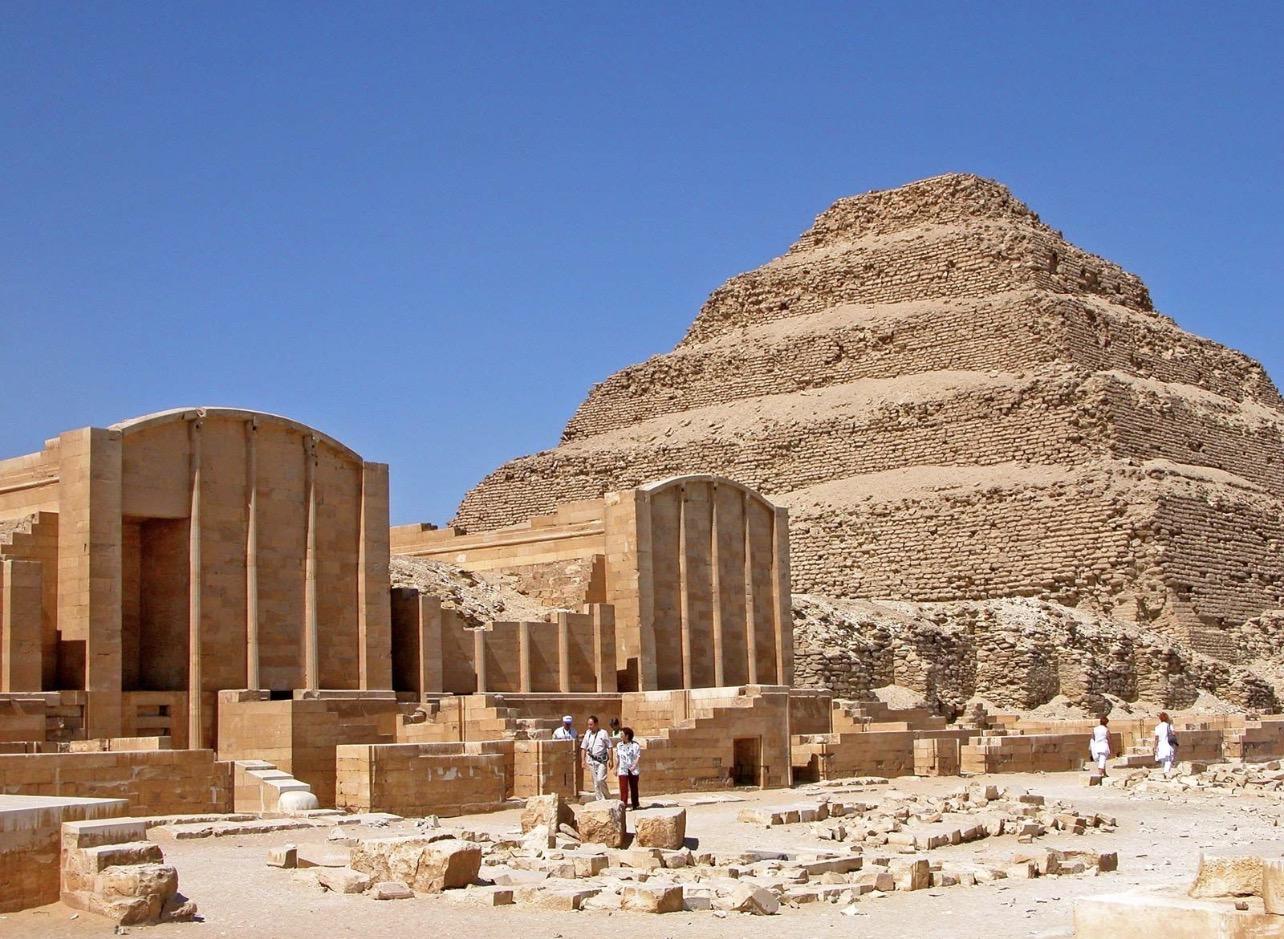
Imhotep Long before the world knew the names of famous builders, physicians, or wise men, there lived a man in Ancient Egypt whose memory would outlive kings, dynasties, and even empires. His name was Imhotep. Time covered many lives with sand, but his name refused to disappear. It rose again and again, whispered in temples, carved in stone, remembered by priests, and honored by the...
The Lagos Division of the Court of Appeal has overturned the final forfeiture order issued against assets belonging to former Central Bank of Nigeria (CBN) Governor, Godwin Emefiele, and directed a retrial at the Federal High Court. In a split decision (2-1) delivered on April 9, 2025, and confirmed in a certified true copy obtained on Sunday, the appellate court voided the earlier judgment...

Satguru Maharaj Ji Introduction In the quiet corners of Ibadan, a spiritual figure emerged whose name would travel far beyond his immediate environment. Satguru Maharaj Ji is known by his followers as a divine teacher, a guide sent to bring peace, unity, and truth to humanity. His life is surrounded by devotion, mystery, and strong belief from his followers, while others see...
Kiki Bakare is a Nigerian actor, film producer, entrepreneur, and master of ceremonies. He is well known for his roles in Yoruba Nollywood movies. Kiki Bakare is a 35-year-old Nigerian actor, born on May 14, 1990, in Lagos State. Known for his roles in Nollywood films like Swap and Eri Ife, he is also a model and producer. He is from Lagos State, Nigeria He studied Sociology,...

